Day: 9 September 2018

  • QI host Sandi Toksvig reveals huge pay gap between her and Stephen Fry

    QI host Sandi Toksvig reveals huge pay gap between her and Stephen Fry

    The first female host of QI has revealed a massive pay gap between her fee and that of the previous host Stephen Fry.

    CREDIT: (C) BBC – Photographer: ABIGAIL ZOE MARTIN

    Sandi Toksvig has revealed that she is paid just 40 percent of the fee that Stephen Fry commanded for her QI hosting gig. Speaking at the Women’s Equality Party conference, Sandi revealed that she puts up with the pay gap because she is the first female of the long-running BBC show.

    However, Sandi is paid the same amount as another male presenter, Alan Davies.

    Sandi, who is 60 this year, took over presenting QI from Stephen Fry in 2015.

    (C) BIGSTOCK

    Speaking about the pay difference, she said, “I have recently discovered I get 40% of what Stephen used to get. And I get the same pay as (permanent panellist) Alan Davies, who is not the host.

    “I temper this with the fact that I love the show and I’m the first woman to host such a show.”

    Later, she added, “I love QI and the brilliant team who produce it. John Lloyd and the (production) team champion women on the show.”

    However, some fans of the show were quick to point out that the pay gap could be because of the stars’ respective profile. For instance on Twitter, Stephen Fry has over 12.8 million followers, while Sandi has just 157,000. However, Sandi is also now heading up the very high profile presenting job on Channel 4’s Great British Bake Off, which makes her one of TV’s most sought-after presenters.

    According to the BBC, producers Fremantle Media have made no comment on the difference.


  • John Krasinski is nekkid on new Amazon TV show  – and it’s glorious

    John Krasinski is nekkid on new Amazon TV show – and it’s glorious

    Amazon’s brand new show Jack Ryan gave us an extra reason to watch…

    John Krasinski, best known for his role on the US version of The Office where he was never nekkid, is now showing the goods in his new TV show, Jack Ryan, which has launched on Amazon Prime. Originally a film, which starred Chris Pine, Jack Ryan is now available on the small screen and is about an up-and-coming CIA analyst who is thrust into a dangerous field assignment for the first time, He uncovers a pattern in terrorist communication that launches him into the middle of a dangerous gambit with a new breed of terrorism.

    But who really cares about that bit – we’re all here for the butt AMIRIGHT? Click here to see the steamy stills.

    Jack Ryan premiered August 30, 2018, and can be streamed in its entirety on Amazon.

  • HIV Infections in gay and bi men plummet by 31 percent since 2015

    HIV Infections in gay and bi men plummet by 31 percent since 2015

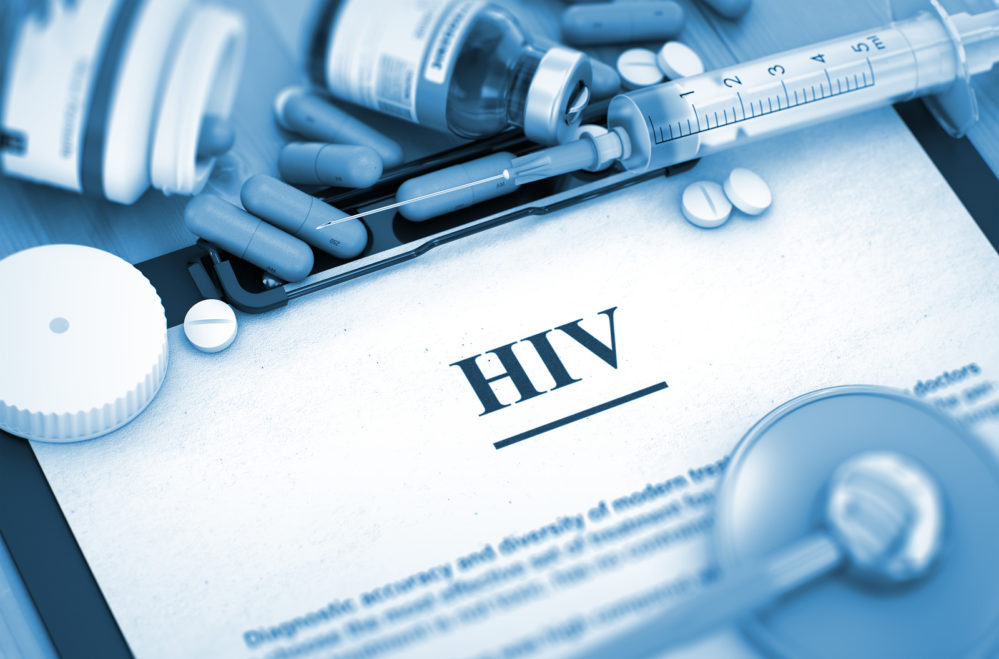
    New figures, published by Public Health England (PHE), show a 17% decrease in HIV diagnoses in the UK in 2017 and a drop of more than a quarter in the last two years (28%).

    CREDIT: tashatuvango-bigstock

    However, the new statistics also show that 42% of people with HIV were still being diagnosed late; with heterosexual men and individuals aged 65 and over the most likely to experience late diagnosis.

    HIV diagnoses in gay and bisexual men have dropped by 31% since 2015 and this decline is particularly focused in parts of London. This represents one of the most significant advances in HIV prevention since the beginning of the epidemic, but now we need to ensure we see the same declines in other groups.

    Ian Green, Chief Executive at Terrence Higgins Trust, said, “Today’s drop in new HIV diagnoses among some communities in the UK clearly shows we have the tools to end the HIV epidemic in this country. But, rather than patting ourselves on the back, we need to redouble our efforts, work harder and get to zero HIV transmissions.

    “There is continued progress among some gay and bisexual men, particularly in London, with a 31% fall since 2015. This follows on from last year’s numbers where we saw the first ever decline in new diagnoses among gay and bisexual men.

    “This turnaround in one of the groups most affected by HIV shows what can be achieved by utilising everything we’ve got in the fight against HIV. That includes the widespread availability of condoms, a range of ways and places to test for HIV, early diagnosis and access to treatment, and increasing the availability of HIV prevention pill PrEP. It also shows that initiatives like National HIV Testing Week are working.

    “But we need to work harder and look more broadly to make sure the decline in new diagnoses reaches other groups affected by HIV in all corners of the UK – not just in London and the South East.

    “For example, rates of late diagnosis remain worryingly high with 42% of all those diagnosed being diagnosed late, which is after the immune system has already been damaged. Among black African heterosexual men rates of late diagnosis are now 72% while in those 65 and over it’s 60%, which is unacceptably high.

    “For the first time, there has been a drop in the number of diagnoses reported among heterosexuals not from black African or black Caribbean communities with a fall of 20%. This is welcome news but more needs to be done to understand what’s behind this decline and lessons learned to ensure the number of new diagnoses continues to fall.

    “We welcome the inclusion of women only data tables for the very first time. But while around a quarter of new diagnoses continue to be among women, more needs to be done to ensure women are invisible no longer when it comes to HIV and properly included in HIV prevention campaigns. Similarly, this year we also have trans-specific data for the first time, which is so important in ensuring we have an accurate picture of how this group is impacted by HIV.

    “We must also ensure Relationships and Sex Education has a strong emphasis on sexual health and HIV when it becomes compulsory in schools in England from 2020. Currently, more than one young person a day is diagnosed with HIV in the UK and that’s one too many. We have the tools to prevent HIV but we need to ensure our young people know what they are and how to access them.”

    On the reason for this continued decline, Ian Green added, “HIV treatment has undoubtedly played a significant role in this decline. Now, when someone is diagnosed, they are encouraged to start treatment as soon as possible. This enables them to more quickly achieve an undetectable viral load, which means HIV can’t be passed on.

    “Testing options have also improved in recent years and now HIV self test kits, where you test at home and get a result within 15 minutes, are sold on the high street. We’re also offering these tests for free to people from the communities most affected by HIV. But testing at home isn’t for everyone and it is vital we have fully funded and easily accessible sexual health services for those who want or need a face to face service.

    “PrEP is a game changer for HIV prevention and almost 100 per cent effective when taken as prescribed. PrEP’s portrayal in the media means it is all too often seen as something only for gay men – but that certainly isn’t the case and we need to ensure it is fully utilised by all groups affected by HIV, including both black African people and trans communities.

    “Although PrEP is available on the NHS in Scotland and via an uncapped pilot in Wales, it is only available in England as part of a 10,000 place trial and we know that many sites have filled all their places for gay men and are having to turn people at risk of HIV away. In light of today’s data, we’re continuing to strongly call on NHS England to play its part in getting to zero HIV transmissions by making PrEP available to all who need it on the NHS in England.”

  • A monthly group for LGBT+ people living with dementia celebrates 1 year anniversary

    A monthly group for LGBT+ people living with dementia celebrates 1 year anniversary

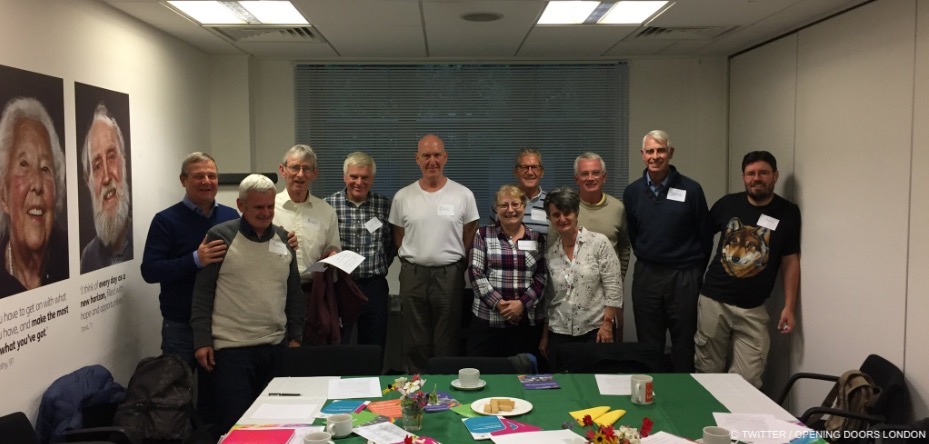
    The group, called Rainbow Memory Cafe has just celebrated its first birthday.

    Opening Door London’s group for LGBT+ people living with dementia, concerned about cognitive decline or caring for someone with dementia is still going strong since its first meeting in October 2017.

    The group meets on the second Monday of every month from 2-4pm at Tavis House in Euston. Members have reported a real sense of ‘coming home’ in the group meetings, feeling safe to share free of judgement from others.

    It’s been a busy year for the group, which has had high profile media coverage from Channel 4 and BBC London News.

    Whilst numbers are steady, Rainbow Memory Cafe is still keen to welcome new members. Find out more click here.

  • Man arrested after teenage boy sexually assaulted in Rochdale

    Man arrested after teenage boy sexually assaulted in Rochdale

    A 60-year-old man has been arrested after a teenager was sexually assaulted while he was fishing in Rochdale.

    Earlier today, Thursday 6 September 2018, officers from GMP’s Rochdale Borough arrested a 60-year-old man on suspicion of sexual assault

    He remains in custody for questioning.

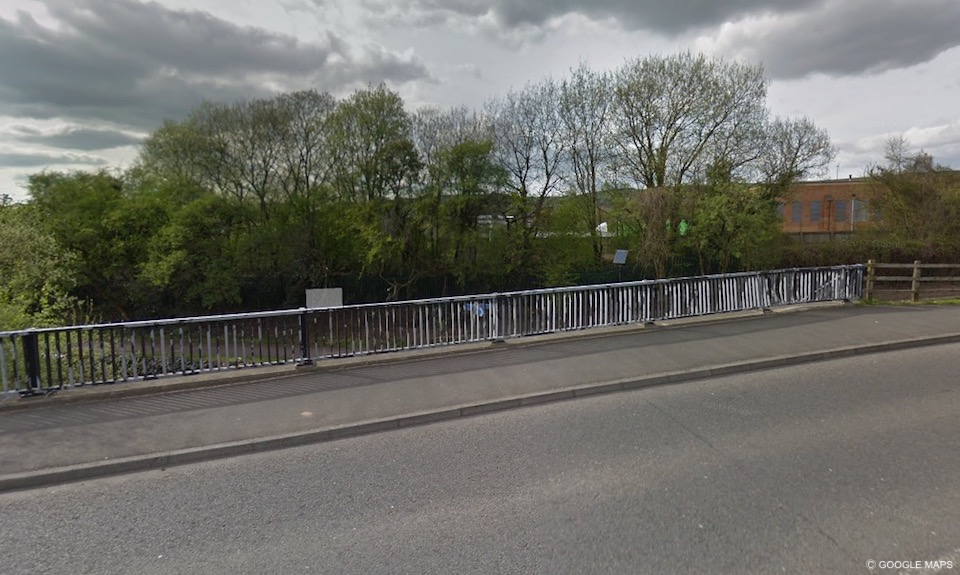
    This is in relation to a report received by police on Tuesday 4 September that a 14-year-old boy had been sexually assaulted by the canal near to Hollingworth Road, Littleborough at around 5:20pm.

    The teenager had been magnet fishing when he was approached by a man who told him to head to another body of water a short distance away as he’d have better chance of success.

    When he moved to that location, he was sexually assaulted by the man before managing to run away to safety.

    Detective Sergeant Paul Davies of GMP’s Rochdale Borough, said, “This has been a fast-moving investigation and we have arrested a man in the Rochdale area on suspicion of sexual assault.

    “He remains in custody for questioning, however, our investigation continues and we are still keen to speak to anyone who may have information that can assist us to please get in touch.”

    Anyone with information should contact police on 0161 856 8441 quoting reference number 1851 of 04/09/18 or the independent charity Crimestoppers, anonymously, on 0800 555 111.