Category: Answers

  • Who is Alice Oseman and what is she most famous for?

    Who is Alice Oseman and what is she most famous for?

    Alice Oseman is a British author, illustrator, and screenwriter, renowned for her / their works in young adult fiction.

    Born on October 16, 1994, she gained significant recognition for her debut novel “Solitaire,” published in 2014 when she was just 19 years old.

    Alice uses both she/they pronouns according to their Instagram feed.

    However, she is best known for her graphic novel series “Heartstopper,” which began as a webcomic in 2016.

    “Heartstopper” focuses on the relationship between two boys, Charlie Spring and Nick Nelson, and addresses themes such as friendship, mental health, and LGBTQ+ experiences. The series has garnered a substantial following and has been praised for its heartfelt storytelling and relatable characters.

    In addition to “Solitaire” and “Heartstopper,” Alice Oseman has written several other novels, including “Radio Silence,” “I Was Born for This,” and “Loveless.” Her works are celebrated for their authentic portrayal of teenage life and issues relevant to young adults. Check out her range of books at The Pride Shop.

    Oseman’s “Heartstopper” series has also been adapted into a popular Netflix series, further increasing her visibility and impact in the literary and entertainment world.

  • Where did the Lesbian Labrys flag come from?

    Where did the Lesbian Labrys flag come from?

    The lesbian community has had its fair share of pride flags, from the now outdated Lipstick Lesbian to the Community Lesbian flag which was released in 2019.

    The lesbian labrys is one of the longest-serving flags and has an interesting history dating back to 1999.

    The history of the Labrys flag to represent lesbians dates back to 1999, when a gay designer, who worked for the Palm Springs Gay and Lesbian Times called Sean Campbell created what is known as a the Labrys flag.

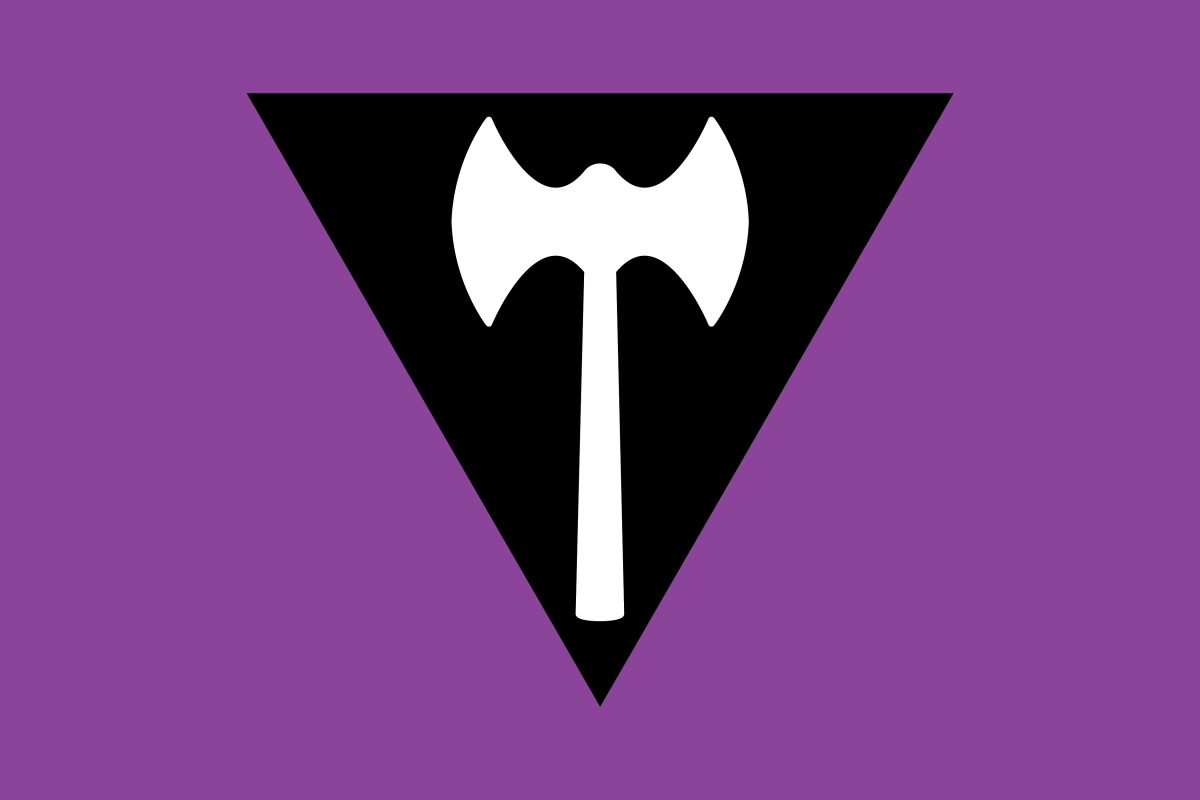
    The lesbian labrys flag, a symbol specifically representing the lesbian community, was created in 1999 by graphic designer Sean Campbell. The flag features a labrys, an ancient double-headed axe, set against a background of black and violet.

    Here’s a breakdown of its components and symbolism:

    • Labrys: The labrys is an ancient symbol associated with Greek and Roman mythology, often linked to the Amazons, who were mythologized as a race of warrior women. The labrys was adopted as a symbol of strength and empowerment within the lesbian community.
    • Black Triangle: The black triangle was originally used in Nazi concentration camps to identify “asocial” and “work-shy” individuals, which included lesbians. It has since been reclaimed by the lesbian community as a symbol of resilience and resistance.
    • Violet Background: The color violet has historical associations with the lesbian and feminist movements. For instance, the lavender menace was a term used by Betty Friedan in 1969 to describe the threat she felt lesbianism posed to the feminist movement, which was later reclaimed by lesbian feminists as a badge of honor.

    The Labrys flag is a dark purple flag, with a black triangle in the centre, on top of which is a battle axe. Although it’s not considered the main lesbian flag, it rose in popularity with some lesbians and feminists due to the popular empowerment publication, Labrys Magazine.

    Colours and Meanings

    Association with Sappho (the poet).

    From the inverted black triangle

    The labrys symbol represents strength and self-sufficiency

    Colour codes

    #993399

    #000000

    #FFFFFF

  • What is a good gay porn newsletter?

    What is a good gay porn newsletter?

    Wondering what gay porn newsletter is worth signing up for? Look no further we have some suggestions for you. If you’re on the prowl for some hot gay porn news there are a few sites around that are offering free newsletters for you to try out.

    First on our list is the mailout from The Sword. It’s a free daily mailout and includes a bunch of hot pics and of course all the latest in gay porn news. Well worth the subscribe

    Then there’s all the gossip that Cocktails and Cocktalk have to offer. This juicy mix of gay celeb gossip, dick talk and gay porn antics is a heady mix to wake up to!

    Fortroff has become a bit of a gay sex fantasy haven, with its mix of ridiculously hot sex toys and raw imagery… yes it’s a shop, but it doesn’t mean you have to buy if you don’t want to. Sometimes it’s just nice to imagine being in that sling!

    Gay porn newsletter from Himroes is free to join

    The news round-up from Davey Wavey’s gay porn studio Himeros is always good value! This is gay porn with a conscious and therefore the mailouts then to be a little more thoughtful with a few sexy images thrown in.

    Culture Edit, although this isn’t technically a gay porn newsletter, it’s, in fact, the newsletter for the gay shop, Culture Edit, it often contains some hot pictures of male models wearing not much at all. It also heavily features the erotic imagery from Tom Of Finland and sometimes you’ll even get a glimpse of Terry Miller (AKA the husband of Dan Savage) in the altogether – which is always a pleasure!

  • What does it mean to be non-binary?

    What does it mean to be non-binary?

    So, what does Non-Binary mean?

    what does it mean to be non-binary?
    Photo by Reyna Montgomery on Pexels.com

    So, you’ve probably heard the term “non-binary” before, right? It’s a way people describe their gender identity when they don’t feel like they fit neatly into the categories of “man” or “woman.” Basically, it’s like saying, “Hey, I’m not just one or the other.”

    Now, being non-binary can look different for everyone. Some folks might feel a mix of masculine and feminine, some might lean more towards one side, or some might feel like they’re outside of those labels altogether.

    It’s important to note that while non-binary is its own thing, it’s also an umbrella term. That means it covers a bunch of other gender identities too.

    And here’s a little nugget of knowledge: not all non-binary people see themselves as transgender. It’s like how all squares are rectangles, but not all rectangles are squares—kind of like that.

    Since everyone’s experience with being non-binary can be different, it’s always cool to ask someone what it means to them. It’s all about understanding and respecting each other’s identities, you know?

    So where did the term Non-Binary come from?

    Got it, let’s unpack that!

    Okay, so the term “non-binary” makes a lot of sense when you break it down. You’ve got “non-” meaning “not” or “lack of,” and then “binary,” which means “consisting of two.” Put them together, and you’ve got “not consisting of two.” Pretty straightforward, right? It’s like saying, “Hey, I’m not fitting into just two categories.”

    Now, there’s this cool alternative name, “enby,” which comes from how you say the abbreviation “NB.” See, “NB” stands for “non-binary,” and when you say it out loud, it sounds like “enby.” Neat, huh?

    Oh, but here’s a heads-up: it’s good practice to abbreviate “non-binary” as “NBi” instead of just “NB.” Why? Well, sometimes “NB” is used to mean “non-Black” when talking about non-Black people of colour. So, to avoid any confusion, adding that “i” can make a big difference.

    Is there a non-binary day or week or month?

    Did you know there’s a special day just for celebrating non-binary folks? It’s called International Non-Binary People’s Day, and it’s been happening every July 14th since 2012.

    Now, why July 14th? Well, it’s right smack dab in between International Women’s Day on March 8th and International Men’s Day on November 19th. So, it’s like a way of saying, “Hey, there’s more to gender than just ‘man’ and ‘woman’.”

    But wait, there’s more! The whole week surrounding July 14th is known as Non-Binary Awareness Week. During this time, it’s all about shining a spotlight on non-binary people and their communities, celebrating who they are, and spreading awareness. It’s like a big party, but also a chance for everyone to learn how to be better allies to non-binary folks. Cool, right?

    What’s the non-binary flag like?

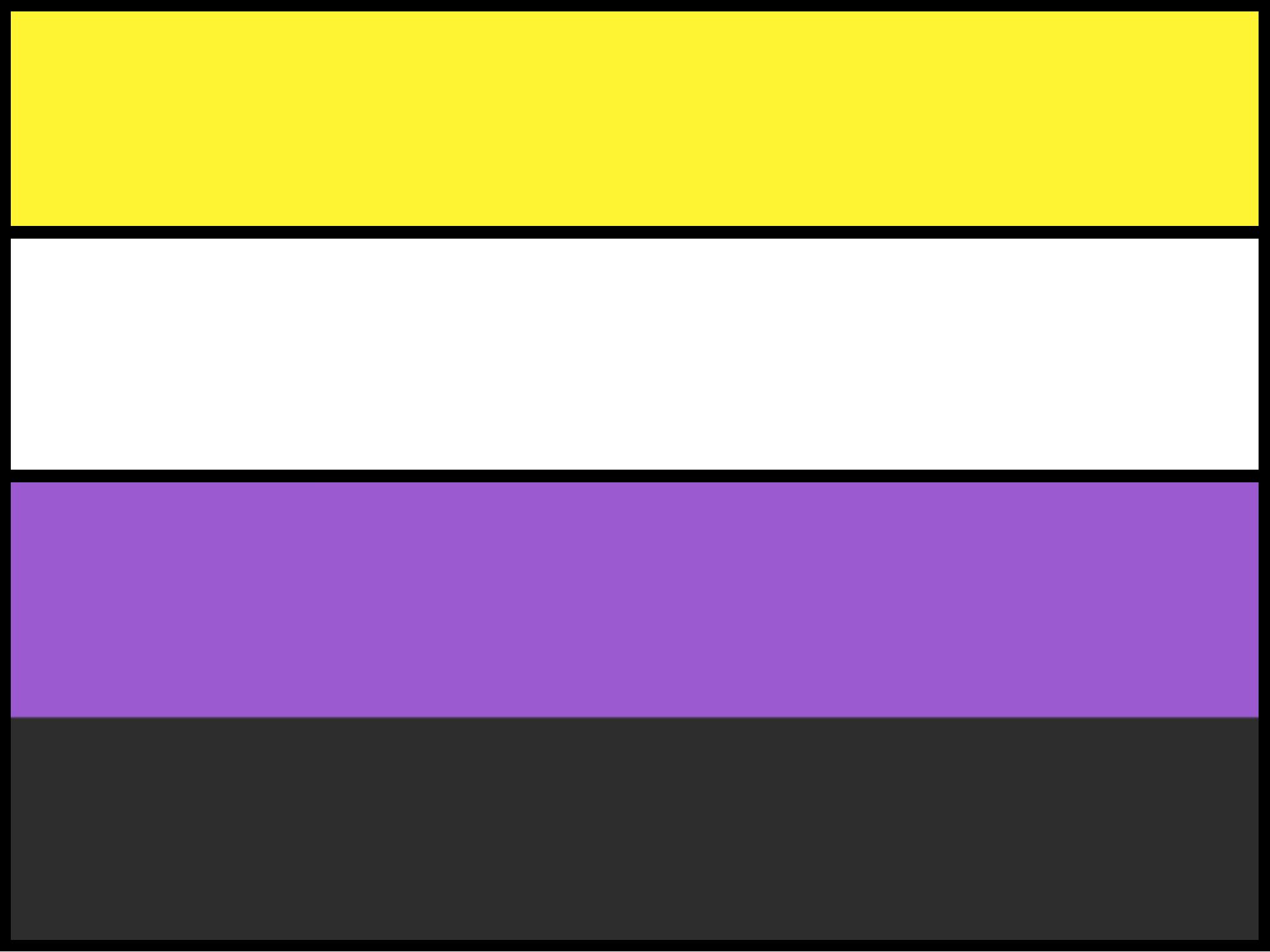
    The non binary flag has four colours to it.

    Check out the non-binary flag—it’s pretty cool! It’s got four horizontal stripes, each with its own meaning.

    First up, there’s yellow at the top. That’s for folks whose gender exists completely outside of the traditional “man” or “woman” binary. It’s like saying, “Hey, I’m breaking free from those labels!”

    Next, we’ve got purple. This represents people who kinda relate to the binary but also feel like their gender is somewhere in between “man” and “woman,” or maybe even a mix of both. It’s all about that beautiful spectrum!

    Then there’s white. That’s for folks who are multigender, meaning they identify with many or even all genders. It’s like embracing the diversity of who they are.

    And last but not least, there’s black. This is for people who are agender, meaning they don’t identify with any gender at all. It’s like saying, “Gender? Nah, not for me.”

    Pretty neat, right? It’s like a rainbow of identities all coming together on one flag.

    Find out how to be a great Non-Binary ally here.

  • Every major Pride event scheduled for 2024

    Every major Pride event scheduled for 2024

    From Sydney to Singapore and Bangkok to Birmingham, this comprehensive compilation features key dates for all major global Pride events occurring throughout 2024.

    Last year we witnessed one of the most significant celebrations of LGBTQIA+ inclusion and acceptance worldwide, with the queer community and its allies gathering for over a thousand Pride events in 56 countries.

    Amid various legislative efforts aiming to undermine the rights of LGBTQIA+ individuals, particularly targeting transgender people and drag performers, it is paramount to demonstrate solidarity, persist in advocating for equality, and commemorate the progress achieved thus far. Additionally, it is essential to continue honouring the LGBT+ pioneers whose efforts paved the way for the rights we enjoy today.

    To find out dates for every pride in the UK, check out pridedates.co.uk for a comprehensive list of pride events happening in England, Scotland, Wales, Northern Ireland and Eire.

    Read on for the complete list of Pride dates occurring worldwide in 2024. Please note that this list will be regularly updated

    Australasia

    Adelaide, Australia TBA
    Auckland, New Zealand 17 February
    Brisbane, Australia TBA
    Christchurch, New Zealand 15-31 March
    Hamilton, New Zealand 7-20 April
    SpringOUT (Canberra), Australia 2 November
    Sydney Gay and Lesbian Mardi Gras, Australia 16 February – 3 March
    Victoria (Melbourne), Australia 11 February
    Wellington, New Zealand 1-17 March
    Western Australia (Perth), Australia TBA

    Africa

    Cape Town, South Africa 2 March
    Johannesburg, South Africa 26 October

    Asia

    Bangkok Pride, Thailand 1 June
    Hanoi, Vietnam TBA
    Hong Kong TBA
    Manila, Philippines TBA
    Mumbai, India 3 February
    Osaka, Japan TBA
    Singapore 24 June
    Taiwan 26 October
    Tokyo, Japan 19-21 April

    Europe

    Athens, Greece TBA
    Amsterdam, Netherlands 27 July – 4 August
    Antwerp, Belgium 7-11 August
    Baltic (Riga, Latvia) 6-15 June
    Barcelona, Spain TBA
    Belgrade, Serbia September 2-7
    Berlin. Germany 27 July
    Benidorm, Spain TBA
    Brussels, Belgium 18 May
    Budapest, Hungary 22 June
    Copenhagen, Denmark 10-18 August
    Cork, Ireland TBA
    Dublin, Ireland 29 June
    EuroPride (Thessaloniki, Greece) 21-29 June
    Frankfurt, Germany 8-11 August
    Helsinki, Finland 24-30 June
    Ibiza, Spain 7-15 June
    Limerick, Ireland 13 July
    Ljubljana, Slovenia 15 June
    Luxembourg 6-14 July
    Madrid, Spain 28 June – 6 July
    Malmo, Sweden 3-6 July
    Marseille, France TBC
    Martigny, Switzerland 19-20 July
    Maspalomas, Gran Canaria 8 May
    Maspalomas, Gran Canaria: Winter Pride 4-10 November
    Munich, Germany 8-23 June
    Oslo, Norway 21-29 June
    Paris, France 29 June
    Prague, Czechia 5-11 August
    Reykjavik, Iceland 6-11 August
    Rome, Italy 15 June
    Sofia, Bulgaria 22 June
    ​​Torremolinos, Spain 26 May – 2 June
    Valletta, Malta 6-15 September
    Vienna, Austria 25 May – 9 June
    Zurich, Switzerland TBA

    UK

    Aberystwyth 20 April
    Belfast 19-28 July
    Birmingham 25 May
    Bourne Free (Bournemouth) 5-6 July
    Brighton 3-4 August
    Brighton Trans+ Pride TBA
    Bristol 29 June-14 July
    Cambridge 15 June
    Canterbury 8-9 June
    Cardiff 22-23 June
    Chester 17 August
    Derby 14 September
    Doncaster 10 August
    Dundee 15 June
    Edinburgh 22 June
    Exeter TBA
    Essex Pride (Chelmsford) 22 June
    Falmouth 27 April
    Foyle Pride (Derry) 15-25 August
    Grampian Pride (Aberdeen) 25 May
    Swansea 18 May
    Surrey TBA
    Suffolk Pride (Ipswich) 8 June
    Mardi Gla (Glasgow) 20 July
    Margate 10 August
    Newquay 20 July
    Northern Pride (Newcastle) 20-21 July
    Norwich 27 July
    Notts Pride (Hockley) 27 July
    Oxford 8 June
    Leeds 21 July
    Leicester 31 August
    Lincoln 17 August
    Liverpool TBA
    London 29 June
    London Trans+ Pride 27 July
    Manchester 23-26 August
    Manchester Trans+ Pride 4 August
    Plymouth 22 June
    Sheffield 22 June
    St Ives 5 October
    Trans+ Pride Scotland, Kilmarnock 30 March
    UK Black Pride TBA

    North America

    Acapulco, Mexico TBA
    Ashbury Park, New Jersey 2 June
    Atlanta, Georgia 12-13 October
    Baltimore, Maryland 10-16 June
    Birmingham, Alabama 9 June
    Boston, Massachusetts 8 June
    Calgary, Alberta TBA
    Casper, Wyoming TBA
    Chicago, Illinois 30 June
    Columbus, Ohio 15 June
    Dallas, Texas 1-2 June
    Denver, Colorado 22-23 June
    Guadalajara, Mexico 15 June
    Havana, Cuba 9-19 May
    Honolulu, Hawaii 19 October
    Kansas City, Missouri 7-9 June
    Key West, Florida 5-9 June
    Las Vegas, Nevada TBA
    Little Rock, Arkansas TBA
    Mexico City, Mexico 26 June-1 July
    Miami Beach, Florida 13-14 April
    Milwaukee, Wisconsin 6-8 June
    Montreal, Quebec TBA
    New Orleans, Louisiana 7-9 June
    New York City, New York 30 June
    Tampa, Florida 23 March
    Toronto, Ontario TBA
    San Francisco, California 29-30 June
    St Louis Black Pride, Missouri 15-18 August
    Orlando, Florida 12 April
    San Salvador, El Salvador TBA
    Seattle, Washington 30 June
    Springfield, Illinois 18 May
    Sacramento, California 8-9 June
    Nashville, Tennessee 22-23 June
    Philly Black Pride, Pennsylvania 25-28 April
    Phoenix, Arizona 19-20 October
    Portland, Oregon 20-21 July
    PrideFete, Punta Cana, Dominican Republic TBA
    Provincetown, Massachusetts 31 May-June 2
    Rhode Island 15 June
    Puerto Rico, San Juan 23 June
    Puerto Vallarta, Mexico TBA
    Pittsburgh, Pennsylvania 31 May-2 June
    Vancouver Winter Pride, British Columbia 2-24 February
    Victoria, British Columbia June 27 June-7 July
    Washington D.C. 31 May- 9 June
    Washington D.C. Black Pride 24-27 May
    West Hartford, Connecticut 22 June
    Winnipeg, Manitoba 1-2 June

    South America

    Bogota, Colombia 29 June
    Buenos Aires, Argentina TBA
    Brasilia, Brazil 24 June-9 July
    Lima, Peru 29 June
    Montevideo, Uruguay TBA
    Santiago, Chile TBA
    Sao Paulo, Brazil 2 June
    Sao Paulo Trans + Pride, Brazil 31 May

  • This is the exact date you need to take down your big ole gay Christmas tree

    This is the exact date you need to take down your big ole gay Christmas tree

    The timing for taking down your Christmas tree can vary based on personal preferences, cultural traditions, and even environmental factors. Here are some general guidelines to help you decide when to bid farewell to your festive fir:

    1. Post-New Year’s Week: Many people choose to take down their Christmas decorations during the first week of January, right after New Year’s Day. This allows you to start the new year with a clean slate and a fresh living space.
    2. The Twelfth Night Tradition: In some cultures, there’s a tradition known as Twelfth Night, which falls on January 5th or 6th, depending on the Christian calendar. It marks the end of the Twelve Days of Christmas and is considered an auspicious time to take down decorations.
    3. Before Epiphany: Epiphany, also known as Three Kings’ Day, is celebrated on January 6th. In some traditions, this day symbolizes the visit of the Magi to the baby Jesus. Taking down your Christmas tree before or on Epiphany is seen as a way to conclude the holiday season.
    4. When the Needles Drop: If you have a natural Christmas tree, keep an eye on the needle drop. Once the needles start falling off in large quantities, it’s a clear sign that your tree is drying out, and it’s time to take it down to prevent a mess and potential fire hazard.
    5. Personal Preference: Ultimately, the decision is yours, darling! If you find joy in keeping the holiday spirit alive a bit longer, feel free to leave your tree up into mid-January. Some individuals even keep their trees up until the end of January or early February.
    6. Before Valentine’s Day: As a general rule of thumb, it’s a good idea to have your Christmas decorations put away before Valentine’s Day. This ensures a smooth transition from winter festivities to the next seasonal celebration.
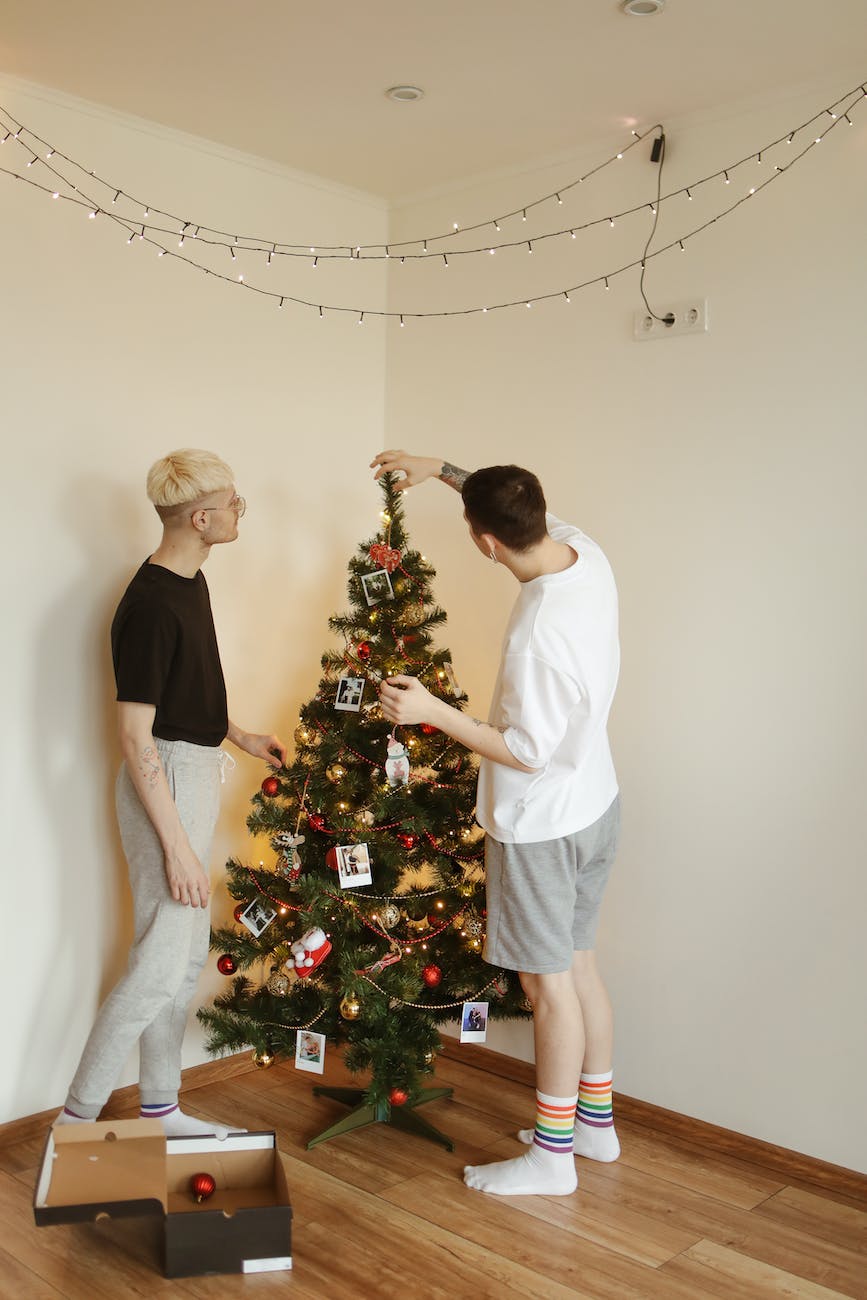
    This is when you should take down your Christmas tree
    Photo by Daniel Holback on Pexels.com

    Remember, there are no strict rules about when to take down your Christmas tree. Choose a time that feels right for you, your household, and your traditions.

    Whether you bid adieu to the tinsel on New Year’s Day or keep the holiday spirit alive a bit longer, the key is to do it with love and joy.

  • Does bottoming make you poop uncontrollably?

    Does bottoming make you poop uncontrollably?

    Here’s the thing. Your sphincter is a muscle and like any muscle it needs working out to remain healthy and strong.

    The”sphincter” refers to a ring-like muscle that normally maintains constriction of a natural body passage or orifice and that can relax or contract as necessary. Sphincters are found throughout the body and play various roles in controlling the passage of substances. The one we’re talking about is in your anus – and stops you from pooing yourself.

    It’s always in the back of your mind when you’re bottoming. I know you’re asking yourself, “Will the pounding I receive today, be the forever loosening of my butthole?” Yes, there are the jokes about being loose and there’s even *that* myth that gay men who bottom end up having to use tampons

    The answer is relatively simple.

    Keep that booty in a healthy condition and no it won’t lead to a lifetime of pooping uncontrollably.

    If you bottom, you won't start pooing yourself, as long as you look after your butthole.

    So how can you keep your booty in good working order?

    Strengthening the sphincter muscles, particularly the pelvic floor muscles, can be important for various reasons, such as improving bladder or bowel control.

    Here are some exercises that can help target and strengthen these muscles, especially if you enjoy anal sex.

    1. Kegel Exercises:
      • Kegel exercises are a common way to strengthen the pelvic floor muscles, which include the muscles around the anus.
      • To do Kegel exercises, contract the muscles you would use to stop the flow of urine. Hold the contraction for a few seconds and then release. Repeat this several times in a row.
    2. Pelvic Floor Exercises:
      • Lie down on your back with your knees bent and feet flat on the floor.
      • Tighten the muscles around your anus and urethra as if you are trying to lift them upwards.
      • Hold the contraction for a few seconds and then relax.
      • Repeat these contractions, gradually increasing the duration of the hold as your muscles become stronger.
    3. Biofeedback:
      • Biofeedback therapy involves using electronic sensors to provide feedback on muscle activity. This can help you identify and isolate the muscles you want to target.
      • Working with a pelvic floor physical therapist can be beneficial for personalized biofeedback training.
    4. Squats:
      • Squats can engage the muscles of the pelvic floor. Stand with your feet shoulder-width apart and lower your body into a squatting position. Keep your back straight and chest up.
    5. Bridge Exercise:
      • Lie on your back with your knees bent and feet flat on the floor.
      • Lift your hips off the floor, creating a straight line from your shoulders to your knees.
      • Squeeze your glutes and engage your pelvic floor muscles during the lift.
    6. Yoga and Pilates:
      • Certain yoga and Pilates exercises focus on core strength and can engage the pelvic floor muscles. Consider incorporating these into your fitness routine.

    It’s important to note that these exercises should be done with proper form, and it’s advisable to start with a level of intensity that matches your current fitness level. If you have any concerns or existing health conditions, it’s recommended to consult with a healthcare professional or a pelvic floor physical therapist before starting a new exercise routine.

    Consistency is key, and it may take some time to notice improvements. If you’re unsure about the best approach for your specific situation, seeking guidance from a healthcare professional is crucial.

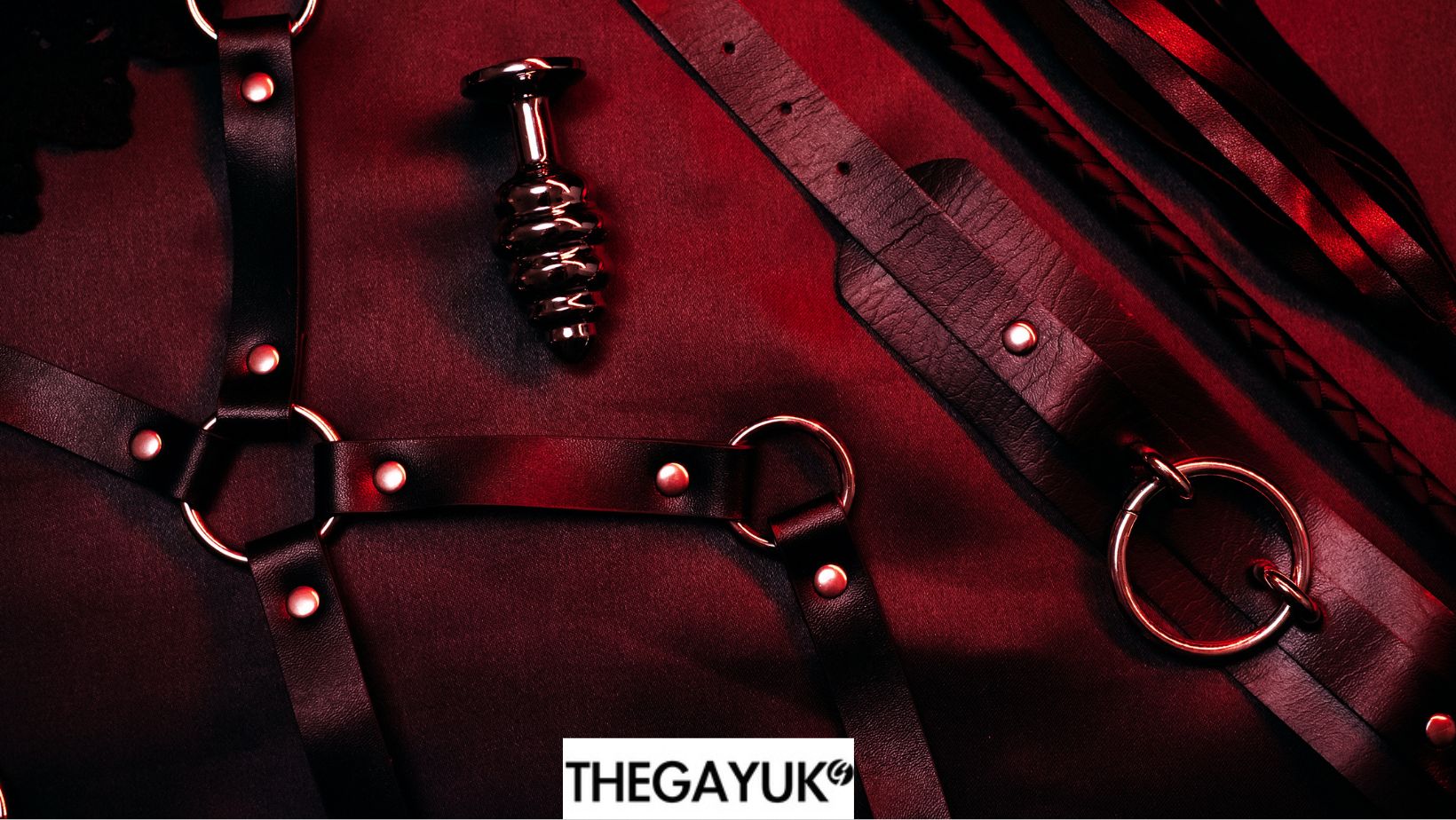
  • Why do some gay men wear harnesses?

    Why do some gay men wear harnesses?

    Many gay men wear harnesses at saunas, clubs and at pride events and their origin within the gay community is an interesting story.

    Origins from BDSM, Kink and the vision of manliness

    Most likely the wearing of harnesses comes from the leather and kink communities, although harnesses have evolved beyond their original associations with leather and BDSM. Modern harnesses come in various materials, styles, and designs, catering to a broad spectrum of tastes within the gay community.

    Some individuals may have perceived harnesses as a symbol of confidence, strength, or assertiveness, which aligns with certain traditional notions of masculinity. In this sense, wearing a harness can be a way for some gay men to express themselves in a manner they associate with masculinity.

    Five reasons why some gay men wear harnesses

    1. Fashion and Style: Many gay men wear harnesses as a fashion statement. Harnesses come in various designs and materials, allowing individuals to express their unique style and enhance their overall look.
    2. Club and Nightlife Scene: Harnesses are popular in the LGBTQ+ club and nightlife scene. They can be seen as a bold and confident choice for those who want to stand out and make a statement during events, parties, or pride celebrations.
    3. Body Positivity: Some gay men wear harnesses as a way to celebrate and embrace their bodies. It can be a form of body positivity and self-expression, allowing individuals to showcase their confidence and comfort with their own skin.
    4. Kink and BDSM: In the context of kink and BDSM (Bondage, Discipline, Dominance, Submission, Sadism, and Masochism), harnesses may be worn as part of fetish or role-playing activities. It’s essential to note that not all gay men who wear harnesses are involved in BDSM.
    5. Empowerment and Liberation: Wearing a harness can be a symbol of empowerment and liberation for some individuals. It represents breaking free from societal norms and expressing one’s authentic self.

    Do Tops Or Bottoms wear harnesses?

    The choice to wear a harness is not necessarily tied to someone’s sexual role as a top or bottom. Both tops and bottoms, as well as individuals who identify as versatile or sides/switch, can wear harnesses. The decision to wear a harness is more about personal style, fashion preferences, and individual expression rather than sexual roles.

    What kind of harnesses are there?

    There are various types of harnesses, each serving different purposes and often associated with specific contexts such as fashion, BDSM, or outdoor activities. Here are some common types of harnesses:

    1. Chest Harness:
      • Style: Wraps around the chest, creating a visually striking design.
      • Use: Popular as a fashion accessory and can be part of BDSM attire.
    2. Body Harness:
      • Style: Extends beyond the chest, covering the torso in intricate patterns.
      • Use: Fashionable accessories in alternative fashion scenes and BDSM.
    3. Shoulder Harness:
      • Style: Covers the shoulders and upper chest, often creating a bold look.
      • Use: Aesthetic accessory in fashion and alternative scenes.
    4. Leather Harness:
      • Style: Made from leather, providing a rugged or fetish aesthetic.
      • Use: Common in BDSM and alternative fashion.
    5. Harness Bra:
      • Style: Combines elements of a bra and harness for a sensual look.
      • Use: Fashionable lingerie or BDSM accessory.
    6. Full-Body Harness:
      • Style: Extends across the chest, torso, and sometimes down to the hips or thighs.
      • Use: Can be a fashion statement or part of more elaborate BDSM attire.

    How to care for your harness

    Caring for your harness is essential to ensure its longevity, maintain its appearance, and promote safety, especially if it’s a safety or BDSM harness. Here are general care tips:

    1. Read and Follow Care Instructions:
      • Always check and follow any care instructions provided by the manufacturer. Different materials and designs may require specific care.
    2. Cleaning:
      • Regularly clean your harness to remove dirt, sweat, and oils. Use a damp cloth or sponge for spot cleaning.
      • For leather harnesses, use a leather cleaner or a mild soap designed for leather. Avoid harsh chemicals that can damage the material.
    3. Drying:
      • Allow your harness to air-dry completely before storing it. Avoid direct sunlight, high heat, or using a hairdryer, as these can damage certain materials.
    4. Storage:
      • Store your harness in a cool, dry place away from direct sunlight. Hanging it or laying it flat can help maintain its shape.
      • For leather harnesses, use a dust bag or wrap it in a soft cloth to prevent scratches.
    5. Avoid Moisture:
      • Keep your harness away from excessive moisture or humidity, as it can lead to mold, mildew, or leather damage.
    6. Inspect Regularly:
      • Check the harness regularly for any signs of wear, loose stitching, or damage. Repair or replace any damaged parts promptly.
    7. Use Appropriate Lubricants:
      • If your harness is used in BDSM activities, be mindful of the type of lubricant you use. Some lubricants can damage certain materials. Choose a compatible, body-safe lubricant.
    8. Rotate Use:
      • If you have multiple harnesses, rotate their use to prevent overuse and prolong their lifespan.
    9. Avoid Extreme Conditions:
      • Avoid exposing your harness to extreme conditions such as extreme heat, cold, or prolonged sunlight, as these can cause damage.
    10. Follow Safety Guidelines:
      • If your harness is a safety harness for activities like rock climbing or racing, follow the specific safety guidelines provided for its care and use.

    Where can you buy gay harnesses from?

    Clonezone, THEGAYSHOP and Fetch all have great selections of Harnesses

  • Do all Lesbians really love cats?

    Do all Lesbians really love cats?

    The association between lesbians and cats is a stereotype that has been perpetuated in popular culture for many years. The origins of this trope are not definitively traced to one specific source, but it has been reinforced and popularised through various media representations.

    Here are a few factors that may have contributed to the lesbian and cats stereotype:

    1. Cultural Depictions: Cats have often been portrayed as independent, free-spirited animals in literature, art, and media. Lesbians, too, have been depicted as independent and strong-willed, creating a potential association.
    2. Comedic Stereotypes: In comedy, stereotypes are sometimes used for humour. The idea of a single woman living with her cats has been a comedic trope for a long time, and this may have influenced the stereotype.
    3. Internet Memes and Trends: In the age of the internet, memes and trends can quickly spread and reinforce stereotypes. Images, jokes, and content associating lesbians with cats have circulated online.
    4. Visibility of Lesbians in Media: Lesbians have historically been underrepresented in mainstream media. When they are depicted, the portrayal might rely on simplified or exaggerated characteristics, leading to the reinforcement of stereotypes.

    It’s crucial to approach stereotypes critically and recognize that individuals, including lesbians, are diverse with a wide range of interests and preferences.

    While some lesbians may love cats, it is not a universal trait, and assumptions based on stereotypes can perpetuate misconceptions.

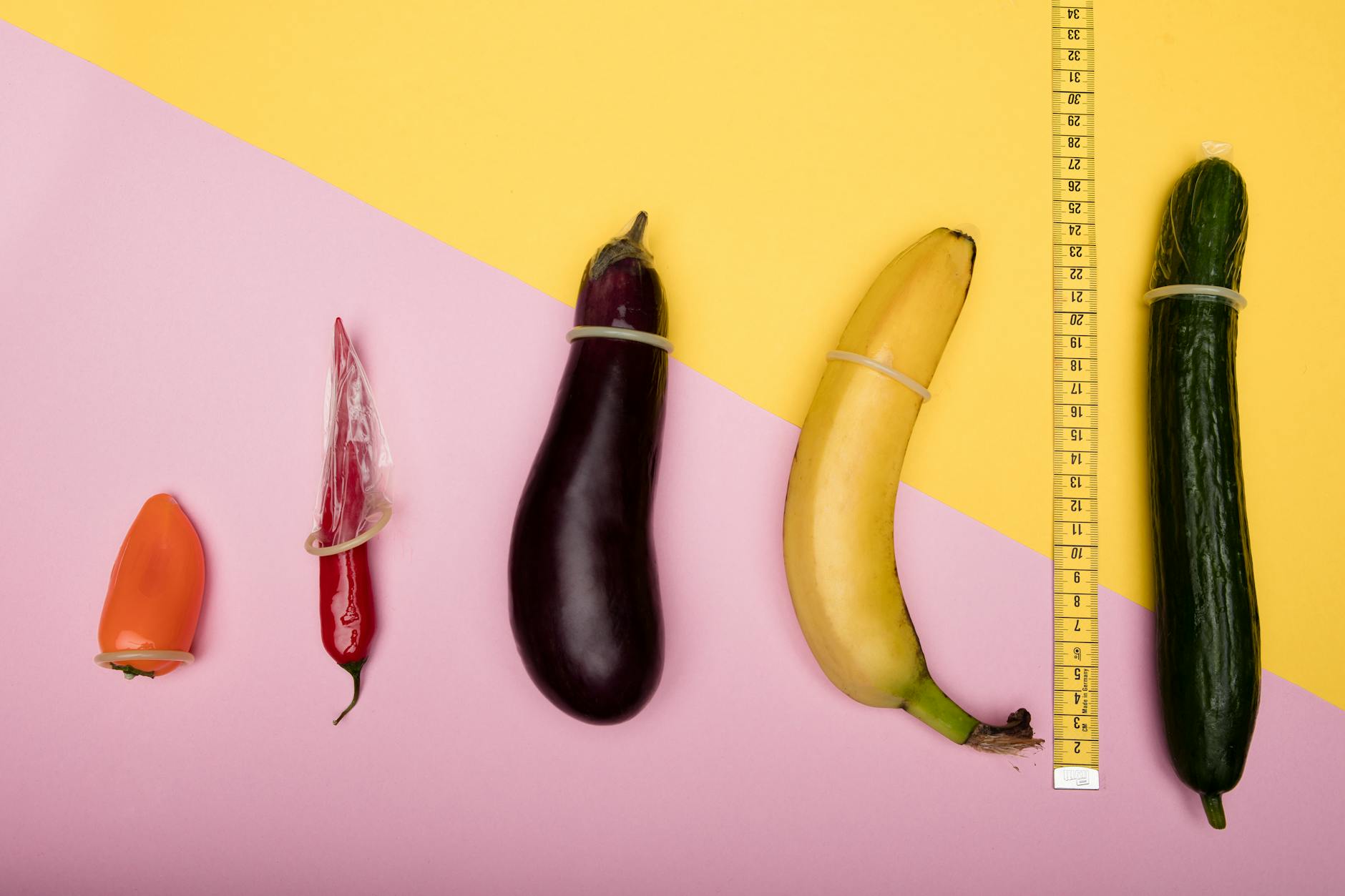
  • What is a Micropenis?

    What is a Micropenis?

    A micropenis is a term used to describe an unusually small penis. The condition is typically identified when the erect penis measures less than 2.8 inches (7 centimetres) in adults. It’s important to note that having micropenis is a medical condition and not just a variation in size.

    Micropenis is usually identified at birth or during early childhood, and it can be caused by hormonal or genetic factors.

    In some cases, micropenis may be associated with a hormonal imbalance during fetal development, such as insufficient testosterone. This condition is known as hypogonadotropic hypogonadism. Micropenis can also be a part of other genetic syndromes.

    It’s crucial to approach discussions about micropenis with sensitivity and understanding, as it can be a source of emotional distress for individuals affected. Treatment options may include hormonal therapy during puberty to stimulate penis growth or, in some cases, surgery may be considered. If someone is concerned about the size of their penis, it’s recommended to consult with a healthcare professional for a proper diagnosis and guidance on potential treatments.

  • Did you know there’s a dating app for guys with small dicks?

    Did you know there’s a dating app for guys with small dicks?

    Apparently, great things come in small packages

    Did you know there’s a dating app designed for guys with small dicks and it’s apparently become a big hit, particularly with the gay and bi-male community according to its creators.

    Nearly one-quarter of the guys who have registered on the app identify as gay or bisexual, which is way above proportionality for the general population.

    The app, which is called Dinky Ones was only launched in March 2020 and has already had over 100,000 men join.

    According to the app’s founder, David Minns, Dinky One has registered nearly 25,000 gay or bi men and over 800 of them log in every day.

    For the super nerdy, they swapped 1955 messages.

    So how big (or small) do you need to be to register?

    Are small dicks the way forward?

    According to the website, Dinking Dating recommends that users who are less than 5.5 inches then you’re eligible to join. They write, “If your penis is less than this you are eligible to join. 50% of the male population will have a penis less than average size. That’s half of the men in your university, office, night club or train. You’re certainly not alone.

    “Also remember, men often like to exaggerate. If you hear someone saying they are 7 inches it generally means 6 or 6.5 at best.”

    However small cock lovers are also invited to join, Dinky Ones added, “Interested in dating a man who has penis size below 5.5 inches (14cm).

    All about normalising penis size

    Of course, penis size is a source of great discussion on gay dating apps, like Grindr and Scuff and many guys have a warped sense of what is normal when it comes to penis size, thanks to media and unrealistic porn scenes.

    Our sexpert Patrick Devon told us, “Penises come in all shapes and sizes and most of them are smaller than you think, as gay men we tend to watch a lot of gay porn, which usually has two or more penises involved, but guys who work in porn tend to have larger cocks – which gives us a warped perception of what is actually average”.

    Dinky Ones says, “In addition, the internet is packed with false claims and products to increase penis size. Many young men now think that you need a 12-inch penis to satisfy your partner. This is simply not the case and our dating site is here to normalise the situation.”

    Are small dicks different from Micropenises?

    According to Dinky Ones any dick smaller than the average is classed as a small dick – so anything less than 5.5 inches would be classed small, however, micropenises are willies that are smaller than 2 inches when erect.

    A micropenis is classed as a penis that’s half the size of the average size, so from around 2.5 inches when erect, but can be smaller than that.

    It is a recognised medical condition and doesn’t have a cure, per se. It affects 0.6% of the male population and shouldn’t be confused with someone who has buried penis syndrome or someone who is just smaller than average.

    Need some advice on how to have great sex even if you have a micropenis? We’ve got some tips here.