Day: 28 July 2023

  • What prides are taking place this weekend? 29th / 30th July 2023

    What prides are taking place this weekend? 29th / 30th July 2023

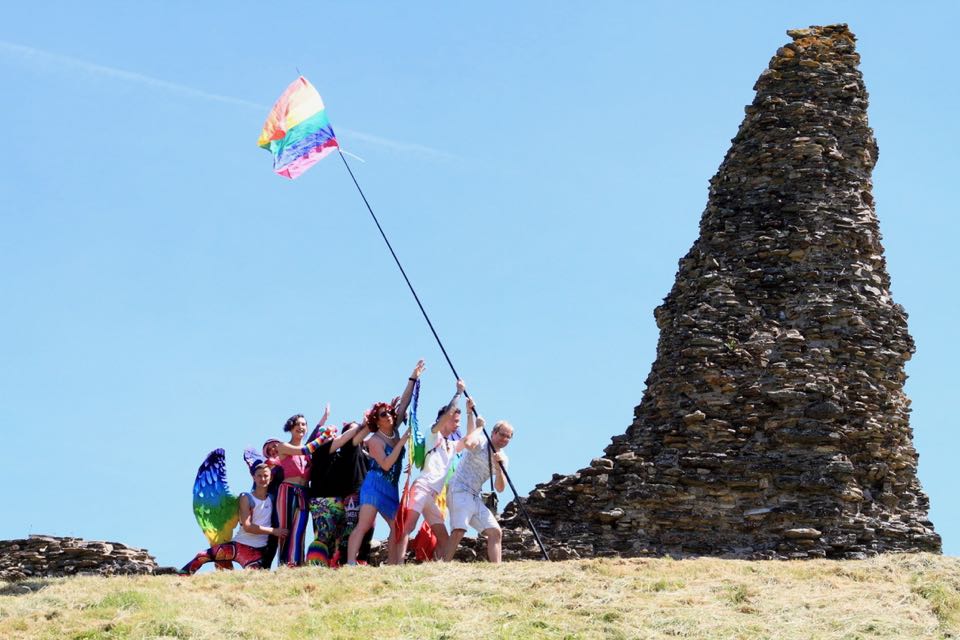
    The UK is home to over 170 pride events, you can find them listed over at THEPRIDESHOP’s handy pride calendar and this weekend there are 14 pride events to choose from West Lothian to Belfast to Hull. There’s no doubt that you’re never too far away from a Pride event in the UK. To find out a bit more about each pride taking place this weekend, click on the link below.

    28 – 30 July 2023Bolton Pride 2023
    29 July 2023Belfast Pride 2023
    29 July 2023Eastbourne Pride 2023
    29 July 2023Folkestone Pride 2023
    29 July 2023Malvern Pride 2023
    29 July 2023Morecombe Pride 2023
    29 July 2023Norwich Pride 2023
    29 July 2023Nottinghamshire Pride
    29 July 2023Romford Pride 2023
    30 July 2023Hebden Bridge 2023 / Happy Valley Pride
    29 July 2023Hull Pride 2023
    29 July 2023Waltham Forest Pride 2023
    29 July 2023West Lothian Pride 2023 / Livingston
    30 July 2023Stockport Pride 2023

    When was the first pride in the UK?

    The first Pride event in the UK, known as the UK’s first official Gay Pride Rally, took place in London on July 1, 1972. 

    The event, organized by the Gay Liberation Front, saw around 2,000 participants marching from Trafalgar Square to Hyde Park. It was a significant milestone in the LGBTQ+ rights movement and marked the beginning of an annual tradition of Pride celebrations in the UK.

    Since then, Pride events have grown in size, visibility, and importance, spreading to various cities and regions across the country. At last count, there were over 170 prides in the UK. The UK boasts two of the largest prides events in the world in London and Brighton. 

    What can you expect from a Pride in the UK?

    Attending a Pride event is a unique and vibrant experience that offers a wide range of activities and celebrations. While each Pride event may have its own distinct features, here are some common elements you can expect:

    LGBTQ+ Parades or March: Pride events often kick off with a colourful parade or march, where participants walk, dance, and celebrate through the streets. The parade showcases a diverse range of LGBTQ+ individuals, community organizations, allies, and floats representing different causes.

    1. Festivities and Entertainment: Pride events typically include live performances, music concerts, drag shows, dance parties, and other forms of entertainment. You can expect a lively and celebratory atmosphere, with a variety of artists, performers, and DJs taking the stage.
    2. Community Engagement: Pride is an opportunity for LGBTQ+ individuals and allies to come together and engage with community organizations, advocacy groups, and supportive businesses. You’ll find booths, stalls, and information centres where you can learn about resources, support networks, and activism opportunities.
    3. Pride Merchandise: Pride events often feature vendors and stalls selling a wide range of merchandise, including rainbow flags, clothing, accessories, pins, stickers, and various LGBTQ+ pride-themed items. It’s a chance to show your support and purchase items that represent your identity and pride.
    4. Workshops and Panel Discussions: Many Pride events also host educational workshops, panel discussions, and speaker sessions covering various LGBTQ+ topics, such as activism, health and wellness, legal rights, and social issues. These provide opportunities for learning, dialogue, and community empowerment.
    5. Visibility and Expression: Pride events are known for their acceptance and celebration of diverse identities. Attendees often express themselves through colourful costumes, unique fashion, body art, and creative displays of individuality. Pride is a space where people feel free to be themselves without judgment.
    6. Inclusive Environment: Pride events strive to create a safe and inclusive environment for all attendees. They promote acceptance, respect, and equality for LGBTQ+ individuals and their allies. You can expect a supportive atmosphere where you can celebrate, connect, and feel a sense of belonging.
  • UK government apologises for anti-gay employment policies in the Armed forces

    The UK’s government has apologised over what it called, “egregious” policies that banned gay and lesbian people from working in the armed forces.

    The government issued a formal apology for the mistreatment of LGBT veterans, following the release of an independent review investigating the military’s ban on LGBT personnel before 2000.

    The review, presented in Parliament, was initiated by the Ministry of Defence and the Office for Veterans Affairs and chaired by Lord Etherton. Its focus was to examine the experiences of individuals affected by the ban on homosexuality in the Armed Forces between 1967 and 2000.

    Unacceptable and regrettable

    Previously, the government acknowledged that the treatment of LGBT personnel and veterans before 2000 was completely unacceptable and regrettable. The report by Lord Etherton revealed that investigations into individuals’ sexuality were intrusive and invasive, resulting in severe and long-lasting impacts on the lives of veterans and their families.

    The government’s unwavering commitment to supporting veterans and the LGBT community was highlighted in the review. The Prime Minister and Defence Secretary offered a formal apology in the House of Commons today to all those who suffered under the ban.

    The review focused on three main areas: the impact of the historical policy on affected individuals and their future lives, the accessibility of veterans’ services for LGBT people, and the full recognition and acceptance of LGBT veterans as valued members of the armed forces.

    Sunak expressed deep remorse

    Prime Minister Rishi Sunak expressed deep remorse, acknowledging that the ban on LGBT individuals serving in the military until 2000 was a failure of the British state, lagging far behind the country’s laws. He recognized the immense suffering endured by many who faced sexual abuse, violence, and homophobic bullying while courageously serving their nation.

    Defence Secretary Ben Wallace was pleased that the review shed light on a shameful chapter in the Armed Forces’ history, acknowledging the denial of tolerance and values to many who served.

    Restoring medals, pension rights

    Within the review, 49 recommendations were made, including the restoration of withheld medals, clarification of pension rights, and the presentation of the Veterans Badge, among others. The government accepted these recommendations in principle and committed to collaborating with LGBT veterans to ensure the appropriate implementation of restorative measures.

    Minister for Veterans’ Affairs Johnny Mercer viewed the apology as a historic moment to address past wrongs and honor the extraordinary service of LGBT veterans. He also emphasized the need to enhance support services for veterans impacted by the issues raised in the review.

    Minister for Defence, People, Veterans, and Service Families, Dr. Andrew Murrison, acknowledged the wrongdoing and pledged to study the review’s recommendations to determine the government’s response.

    Since 2000, the government has made significant strides in removing barriers and implementing initiatives to improve the experience of LGBT personnel. These include providing guides for parents of LGBT children, delivering LGBT allies training, and offering Pre-exposure prophylaxis (PrEP).

    The establishment of the Office for Veterans’ Affairs has also expanded support for all veterans as they transition out of the Armed Forces.

    The review is a crucial part of the Government’s Veterans Strategy Action Plan, demonstrating its commitment to compassionately address historical hurt and disadvantage experienced by sections of the veteran community.

    Furthermore, the government has extended the Home Office’s disregard and pardons scheme to ensure the expungement of convictions for same-sex sexual offences.

    To support those impacted by the ban and today’s announcement, the Office for Veterans’ Affairs is providing £250,000 to LGBT organizations for offering support services to affected veterans. This is in addition to the £45,000 funding provided last year to help gather evidence for the review.

    Craig Jones MBE, Executive Chair, and Caroline Paige, Chief Executive of Fighting With Pride, expressed relief that the voices of those who suffered under this abhorrent policy are finally heard and their truth acknowledged. They view the government’s apology as a significant step toward providing substantial reparations and ending this unjust and dishonourable chapter in history.