Category: Motoring

  • Isuzu D-Max XTR – an extreme lifestyle

    Isuzu D-Max XTR – an extreme lifestyle

    Isuzu is the oldest Japanese commercial vehicle manufacturer. They’ve been manufacturing vehicles since 1916. 

    In the UK they are known for their tough, hardworking, dependable commercial vehicles, predominantly pickups.

    In recent years become more practical, more comfortable and nicer to drive. This was helped by the continually increasing company car users tax bills and the fact that a pickup is a commercial vehicle and as such, attracts a low, flat rate of tax for the user.

    This has led to a whole new category being spawned; lifestyle.

    A lifestyle pickup is a vehicle that is like a luxury 4×4 inside but has the practicality of a pickup. Just about every manufacturer has a toe in this water and has a lifestyle variant in their range. 

    Isuzu have a couple of contenders that fall into the lifestyle arena; the awesome D-Max AT35 Arctic truck and the D-Max Blade.

    The AT35 is really the top of the tree, and too extreme for most, whilst the Blade is very nice, very well engineering with great driving manners and equipment if a bit subtle. 

    To capitalise on the lifestyle sector, Isuzu has created their secret weapon. It’s called the XTR. 

    This is a UK exclusive model and is aimed squarely at those customers who like to personalise and modify their trucks. Aftermarket modifications are a big thing with many customers opting for wide arches, sidesteps, suspension modifications and much more. As a result, there are now a plethora of companies that offer drive in, drive out services. 

    Think of Isuzu’s XTR as a factory modified truck. That means that all of the components used are certified, tested, safe and warrantied. 

    I was invited to test the XTR on the UK launch……and test it I did.

    Our first leg was a 20-minute road drive to familiarise us with the truck. I’ve driven quite a few pickups and love them. Generally, they offer the road manners of a 4×4 but with the practicality of a pickup. Gone are the days of a harsh, utilitarian work tool. 

    We arrived at the first off-road section in the pouring rain.  This was a wood somewhere in North Wales. 

    Now, I’ve done a bit of off-roading over the years but this was another level. 

    We were guided through a very serious and challenging off-road route that took the XTR to, and past, its limits. 

    Rain had pounded the track making it a treacherous and precarious route. 

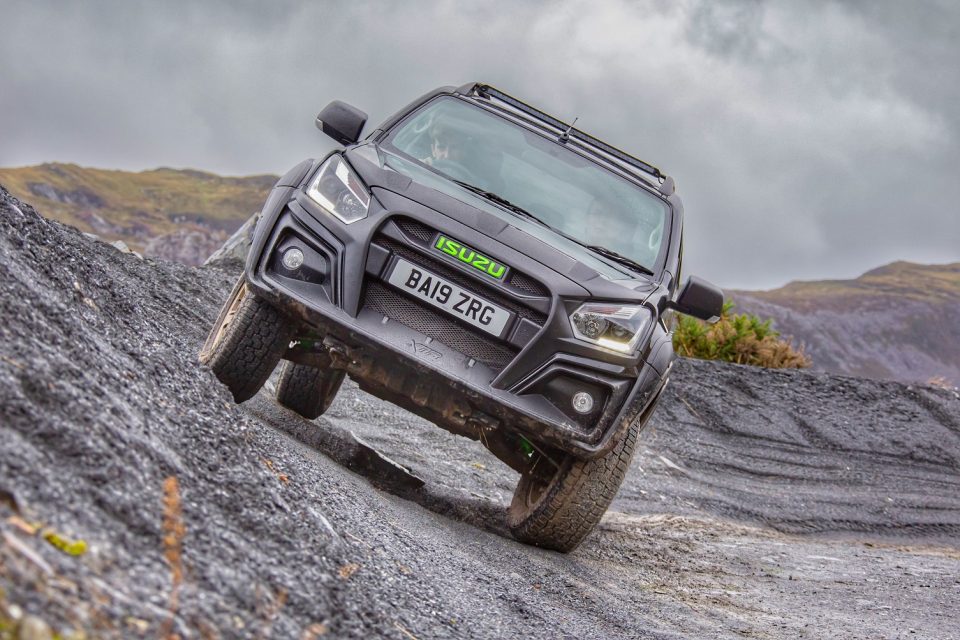
    We experienced everything from inclined, hairpin turns that lifted wheels, to fallen trees and hidden tree stumps that threatened to break the axles. Deep mud and pools of water meant that grip was hard to find and the XTR slipped and slithered along the track, often in mud so deep it was resting on the sturdy side steps. 

    With patients, technique and guidance, we made it through, demonstrating very well how unbelievable this thing is off-road. 

    From the woods, we headed to an old quarry for a different kind of off-road experience. 

    This was an old slate quarry so slippery, and with a surface that moved and changed as you travel over it. Large rocks, small sharp shards of slate and everything in between. Here we traversed some very steep inclines and declines that really tested the hill descent, off-road traction control and low range gearbox to the limit.

    Some of the drops were so sleep I had to brace myself against the windscreen while the rear axle went light. 

    I can honestly say the off-road capability of the D-Max XTR is incredible. It left me speechless (apart from several expletives I won’t mention here). 

    I mentioned before that Isuzu’s XTR is here to compete with the aftermarket custom builders. In this sector Image and customisation are key. Isuzu has met these objectives head-on with sophisticated and aggressive styling, Increased capability and bespoke specification. This is a factory custom pickup with handpicked custom and performance parts. 

    Externally there is an aggressive body kit consisting of a front bumper guard, bonnet protector, headlight surrounds and big wheel arch extensions.

    A new rear bumper and light frames and raptor coated tailgate spoiler. Decals are optional but I like them and the bigger the better. There are also some cool, unique and durable new side steps.

    Isuzu has carefully selected some very cool and serious upgrades for the XTR; Pedders lifted suspension and brakes with green springs and callipers, a new rear anti-roll bar and vented and slotted front brake discs with kevlar ceramic pads. 

    The longer suspension articulation means they had to design a new top wishbone to ensure the geometry worked. 

    It’s this kind of engineering that sets the XTR apart from aftermarket modified vehicles.

    The suspension is set up with springs and shock absorbers tuned for a more comfortable and refined ride. 

    17” bespoke XTR alloy wheels wrapped in 32″  Pirelli Scorpion™ all-terrain plus tyres do a brilliant job on and off-road.

    Inside there are leather and suede bespoke XTR heated seats, infotainment system and everything you would expect from a luxury SUV. It’s a lovely place to be.

    It’s no secret that I’m a fan of a good pickup. I really like the way they drive, you feel safe and people give you room. You’re not constantly pressured and bullied by other road users. 

    The XTR is well equipped, incredibly capable, it looks fantastic and is well priced, starting at £33,999 CVOTR.

    You can have a manual or auto. I prefer manual off-road but auto on the road. 

    Isuzu has created a secret weapon for sure here. It’s a serious piece of kit and I expect will sell very well. It deserves to.
  • Energica EVA EsseEsse9 – The future is here

    Energica EVA EsseEsse9 – The future is here

    Old Empire Motorcycles was founded in 2010 through an absolute and enduring passion for everything two-wheeled. It’s one of the coolest and most respected custom motorcycle builders in the UK.

    They create a handful of one-off custom bikes annually, some of the most beautiful and innovative custom motorcycles in the UK. So beautiful in fact, they have been exhibited at Harrods London and at the Saatchi Gallery and won numerous awards from titles such as; Silodrome, Pipeburn, MCN and Cafe Racer TV plus they won the coveted Malle Mile Best of show. They have even won a Salon Privé award.

    A couple of years ago, Alec, the owner of Old Empire, embarked on a new venture, English Electric Motor Co or EEMC.

    EEMC is now one of Europe’s premier electric motorcycle retailers, yes electric motorcycles. Electric motorcycle sales are going through the roof. By the end of the 1st quarter 2019, registrations of electric mopeds, motorcycles and quadricycles were up by 71% in Europe. Ok, so the number is still pretty small but growing very fast. 

    EEMC has jumped in with both feet and are taking the bull by the horns. 

    I received an invite to try some of their bikes recently so I thought I’d go and see what all the fuss was about. 

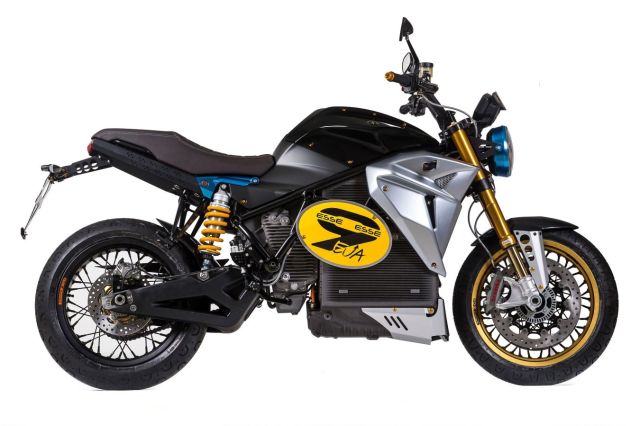
    They laid on a range of their electric motorcycles to try. I could go on all day about them all so, long story short, I’ll tell you about the top of the range, the Energica EVA EsseEsse9.

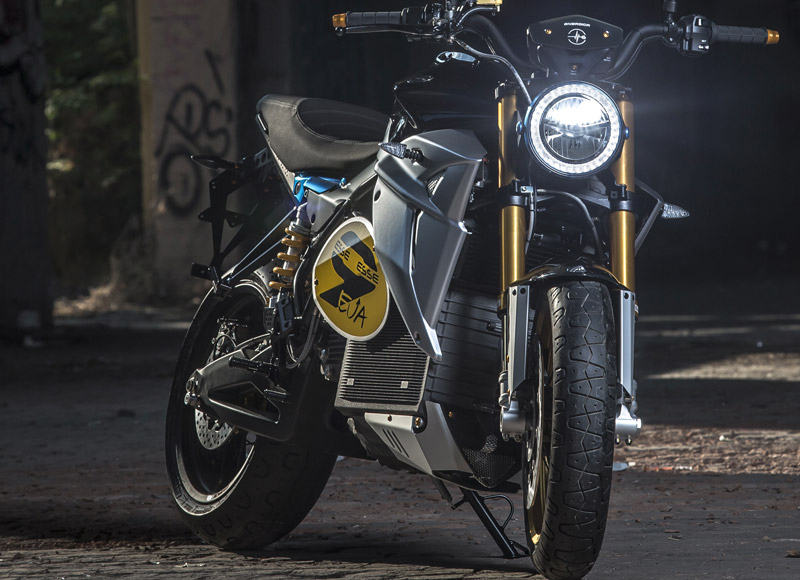
    It’s a naked bike, I guess like an Aprilia Tuono V4 1100 factory or Yamaha MT-10 SP. 

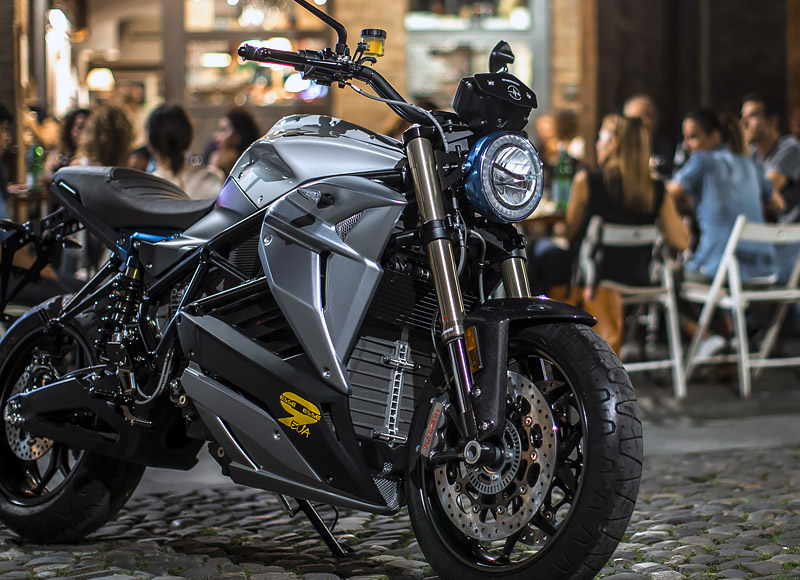
    As you can see, there’s no fairing, and you sit fairly upright. It’s all pretty typical. It looks slightly unconventional, with a battery pack and motor where the engine would usually sit, but other than that, it’s pretty familiar stuff.

    Energicas EVA EsseEsse9 makes 110 bhp which isn’t bad, however, it makes 180nm torque. An Aprilia Tuono V4 1100 factory, the benchmark naked bike, only makes 120nm torque. 

    Suspension is top of the line, quality stuff. Marzocchi 43 mm, fully adjustable for preload, compression and rebound damping.

    At the rear there’s a very nice Bitubo rear mono shock, also fully adjustable for preload, compression and rebound damping. It’s a quality setup and does a brilliant job.  

    Brakes are very impressive. Brembo front and rear with awesome feel and very strong.

    Front brakes are Brembo double floating 330mm discs with big 4 pistons radial callipers.

    The rear brake is a single 240mm disc with 2 piston calliper.

    Tyres are Pirelli Phantom which are a good all-rounder but I would consider something more performance-oriented personally. The front is pretty typical 120/70 ZR17 and the rear is 180/55 ZR17. 

    As is typical on top-end motorcycles, there are a host of electronics.

    Switchable Bosch ABS is standard and there are 4 Riding Modes: Eco, Urban, Rain, Sport.

    Energica, like some other electric motorcycles and cars, have regenerative braking. This generates electricity when you are on overrun or braking. It genuinely makes a difference too. I saw the battery % rise a couple of times! Regenerative braking is adjustable on this bike; 4 regenerative maps: Low, Medium, High, Off.

    Advanced traction control has six levels of intervention so you can dial it right back if you’re brave. Cruise control is standard too and uses the electronic brake to maintain speed and increase braking energy.

    A couple of the key differences between the Energica EVA EsseEsse9 on the competition are the oil cooled electric motor, meaning the motor temperature is controlled and there is less chance of thermal overload under heavy load. The controlled is water cooled for the same reason. 

    That’s all great but what’s it like to ride?

    Honestly, it’s amazing. 

    The cycle parts are all excellent. Brakes, suspension and steering are all superb. This bike corners hard and stops very well. 

    When you first pull off it’s pretty odd. More or less silent apart from some electric motor whine which is more pronounced on the Energica than on some other electric motorcycles. It has a chain drive too rather than the belt drive on most competitor bikes. I certainly feel safer with a chain taking 190Nm torque. 

    There are no gears and no clutch so you just twist and go…..and it really goes.

    Acceleration is breathtaking and relentless. 

    On the Energica EVA EsseEsse9, from the moment you twist the throttle, you have maximum torque. It’s the way electric motors deliver their power. 

    It means that every time you accelerate, you have an unrelenting, jaw-dropping acceleration. It just doesn’t stop. 

    Overtaking a car, for example, just wait for a gap, snap the throttle open and hold on’

    A conventional bike would have to change down a gear or two which takes precious seconds. In no time, the Energica is just a dot on the horizon. It’s like you’re always in the right gear at the right revs. 

    It accelerates as hard at 80 mph as it does at 40 mph too. It’s like nothing you’ve ever ridden. 

    It is absolutely brilliant and completely addictive. Accelerating out of corners, away from lights, in fact anywhere, it’s outrageous. I doubt many conventional bikes could live with it. 

    The two main criticisms of electric motorcycles are usually the lack of noise, and range/charging Infrastructure. 

    Noise is a double-edged sword. Anti-noise pollution legislation is becoming increasingly stringent, but it’s not an issue on an electric motorcycle. 

    Riding through a local village, I was completely unheard and didn’t interrupt anyone’s day. The same goes for track days; no issues with noise pollution if you’re on an electric bike.

    However, On a quiet country road, I passed some dog walkers and cyclists. Neither heard me coming until I was basically on them. 

    As for charging, the Energica with recharge from 0-85% in just 20 min with a level 3 34kW fast charger. Or you can charge 0-100% on a level 2 charger in 3.5hrs. 

    With a full charge, you can get around 70-120 miles, depending how you ride. Motorways on high load, higher speeds use more battery power and around town and on b road blasts, you get much more range.

    What about the cost? 

    It’s not cheap. You need to factor in that this is a very well built motorcycle with top quality components. You also need to remember you have very low running costs as there are hardly any moving parts, but most significantly, you don’t have to buy petrol ever again.

    The EsseEsse9 Standard is £20999 OTR* (*includes £1500 government subsidy)

    The EsseEsse9 Special is £21999 OTR* (*includes £1500 government subsidy) English Electric Motor Co have a demonstrator EsseEsse9 Standard for sale at the moment with only 960 miles on it for just £18990 (0% finance available)

    If this is the future then I can’t wait. It’s brilliant. 

    I would recommend anyone goes to their local dealer for a chat and a ride. In the UK give English Electric Motor Co a call. They’re awesome and really friendly. 

    English Electric Motor co

    Twitter; https://twitter.com/EngElecMotCo

    Instagram; https://www.instagram.com/englishelectricmotorco/

  • CAR REVIEW | Mitsubishi Outlander PHEV – Too good to be true?

    CAR REVIEW | Mitsubishi Outlander PHEV – Too good to be true?

    ★★★★★ | Mitsubishi Outlander PHEV

    With increasingly stringent legislation, manufacturers are being squeezed and challenged to meet changing goals for reduced emissions and an ever more environmentally friendly footprint.

    By January 2018 there were more than 100,000 Mitsubishi Outlander PHEV sales across Europe, making it the most popular plug-in vehicle. In fact, despite a growing number of competitors, it remains the best-selling plug-in vehicle – hybrid or electric – in the UK.

    Which brings me to the next point.
    For the layman, the hybrid sector is a little confusing. There are several different types. Self-charging, plugin, parallel, range-extended and more.

    Mitsubishi have a very interesting way of delivering their Hybrid solution.

    The Outlander PHEV has an electric motor for each axle. That means one motor powers the rear wheels, one powers the front wheels, so 4X4.

    Electricity for these motors comes from either the battery, which ideally should be charged from the mains for maximum efficiency, or can be charged by the engine while you are driving (not very efficient though). When you are driving, if you use up all of the battery power, or you need more power than the battery can supply (say an overtake or spirited drive) the engine kicks in and generates more electricity. In extreme cases, if you accelerate hard or really labour the vehicle, the engine will also provide drive to the front wheels to assist the electric motors.

    The petrol engine is a 2.4-litre petrol engine, which uses MIVEC variable valve timing system. It’s very quiet and smooth and is surprisingly efficient.

    The battery capacity has been increased and is now 13.8kWh and in electric-only mode, the Outlander will now do 84mph on a private road.

    Another interesting feature is that it has only one forward gear as it is essentially an electric drivetrain. This means progress is seamless and driving it is absolute simplicity.

    In electric-only mode, in real-world driving conditions, the Outlander should do up to 28 miles on a charge. It doesn’t sound like much, but remember that this is a hybrid and this is more than enough for a lot of people’s daily commute.

    The theory is, you charge up on cheap electricity overnight, drive to work, charge up at work, usually for free (if you need to) and drive home, all on electric only. On longer journies, you can travel without range anxiety as you have the security of the petrol engine to generate power.

    It’s not uncommon for owners to go months without having to top up the petrol tank, as most of their journeys are fully electric, or mostly electric.

    What’s the Mitsubishi Outlander like?
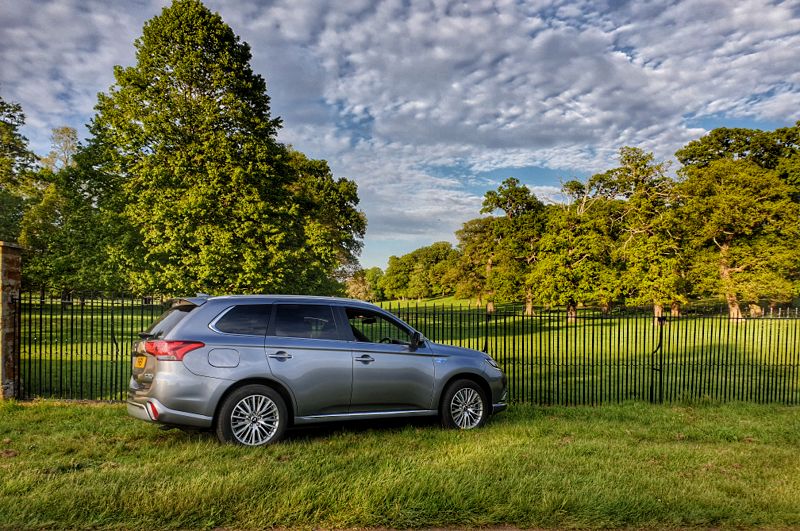
    In brief, it’s a very well-engineered, well built, roomy and practical, luxury SUV.

    The current model has had a host of improvements and additions, making it a beautiful car, very well appointed.

    The updated Outlander benefits from new LED headlamps and all-new 18” alloy wheel design as well as super-All Wheel Control system with new SNOW and SPORT driving modes.

    Higher body rigidity through the use of structural adhesive welding plus a quicker steering rack with SPORT mode remapping means improved handling and safety. There are larger front brake discs (vented) for improved feel and stopping power too.


    As you would expect there are a full suite of advanced safety features and technologies, such as;

    Five-star NCAP safety rating, Automatic headlamps, Rain-sensing wipers, Reversing camera,
    Electronic handbrake with auto hold. There are also excellent LED headlights and daylight running lights with automatic high-beam, a very effective 360-degree camera with rear cross-traffic alert, lane departure warning, adaptive cruise control, blind-spot warning system with lane-change assist and even more.

    With this level of electronic assistance, it would seem like the Mitsubishi Outlander PHEV might be a bit cold and emotionless but actually, despite all of the electronics, it’s very easy to drive and feels very familiar. You don’t notice any intrusion and I found I felt instantly at home driving it.
    The luxurious Interior was a very nice place to be with quality leather and high-grade plastic throughout.
    Our test car had gunmetal grey leather seats with 8-way electric adjusted front driver’s seat and matching door upholstery and centre armrest, premium Alpine audio system with remote smartphone app compatibility (apple carplay and android auto), heated front and rear seats, power tailgate and heated steering wheel.

    In summary, it’s hard to review the Mitsubishi Outlander PHEV because there is so much to it.

    This is not a straightforward luxury car review. The PHEV side of the vehicle is so clever and well-engineered and has some significant benefits over a conventional car or SUV. It’s not a one size fits all car. If you are a high mileage driver, this probably isn’t the best choice for you. However, in most other respects, the Outlander PHEV offers some great benefits. During our time with the car, we genuinely saw well over 200mpg averages. That’s not fake journalist talk either. The batteries were charged and we were driving the car as we normally would. Over a couple of days of running kids around, commuting to work and usual duties like shopping and so on, we regularly saw 200+mpg journeys. It really showed how effective this Outlander PHEV is if used correctly. Obviously, many journeys are completely petrol free.

    I would strongly urge you to call into your local dealer and arrange a test drive. The staff will talk you through the technology and the Hybrid powertrain and I’m sure you will be very impressed.
    Prices start at £36,755

  • CAR REVIEW | Mercedes E220d convertible AMG line

    CAR REVIEW | Mercedes E220d convertible AMG line

    ★★★★★ | Mercedes E220d convertible AMG

    Mercedes are masters at creating luxurious and stylish convertibles. They have a long and distinguished history of making beautiful and timeless convertible cars.

    One of their latest is the E Class convertible. We were fortunate to have been given an E220d AMG line recently for a week of effortless and stylish cruising in the lap of luxury.

    Mercedes currently offer 3 convertible models. The C class, E Class and S class. The E Class sits right in the middle with a starting price of £45,960.

    Our test car was the E220 convertible diesel, which means it was powered by a 2.0-litre diesel engine producing 194 hp and 400 Nm. 0-62 mph takes 7.7 seconds and the combined mpg is quoted as 57.7 mpg. I wouldn’t dispute this, it was great on fuel, particularly at motorway speeds. For the company car users, the E220d emits 126 g/km of CO2.

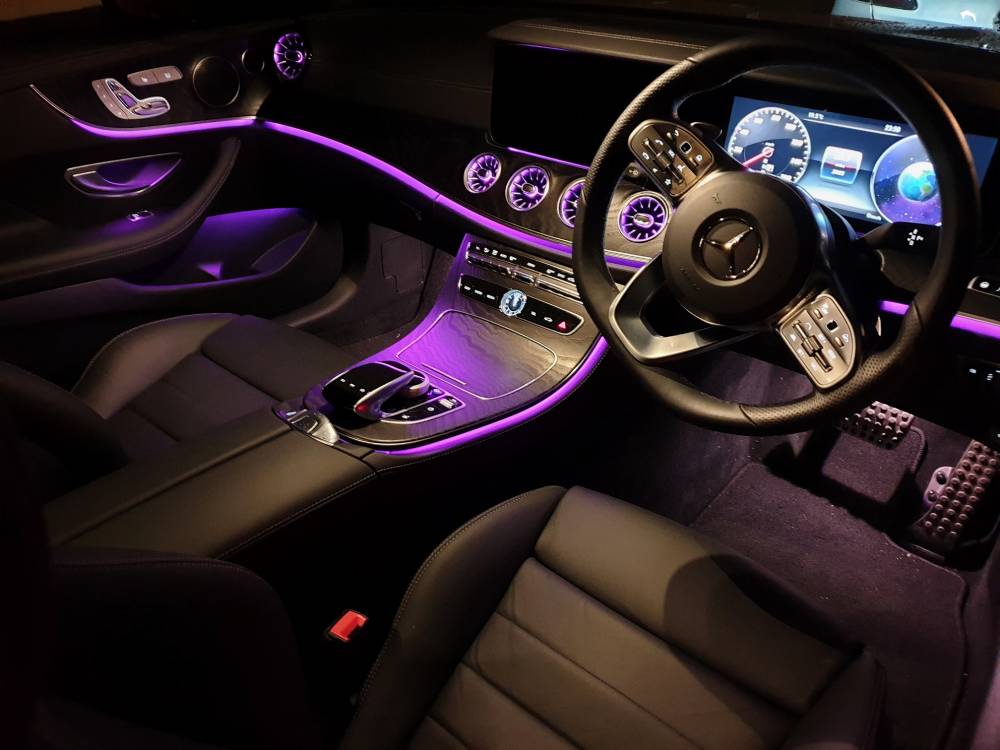
    A modern Mercedes is a very nice place to be and with ours being the AMG line with a few of the optional packages ticked; Premium package, parking package, driving assistance package, night package.

    It was very well equipped and particularly well appointed car. 

    Premium package includes; memory package (Memory package allows the driver’s seat, front passenger seat, steering column and exterior mirrors to all be electrically adjusted & stored), parking package (searches for a suitable parking space for you and then helps you with accurate parking) including 360° camera, comand online (media interface, widescreen 12.3-inch cockpit display and touchpad), multibeam led intelligent Light System (To ensure the best possible vision, the LED Intelligent Light System adapts automatically to the prevailing weather, light and driving conditions) and wireless charging. 


    We also had the benefit of the driving assistance package, including: active brake assist, active distance assist distronic, active speed limit assist, active lane keeping assist, evasive steering assist and pre-safe plus (initiates occupant protection measures if a rear-end collision is imminent).

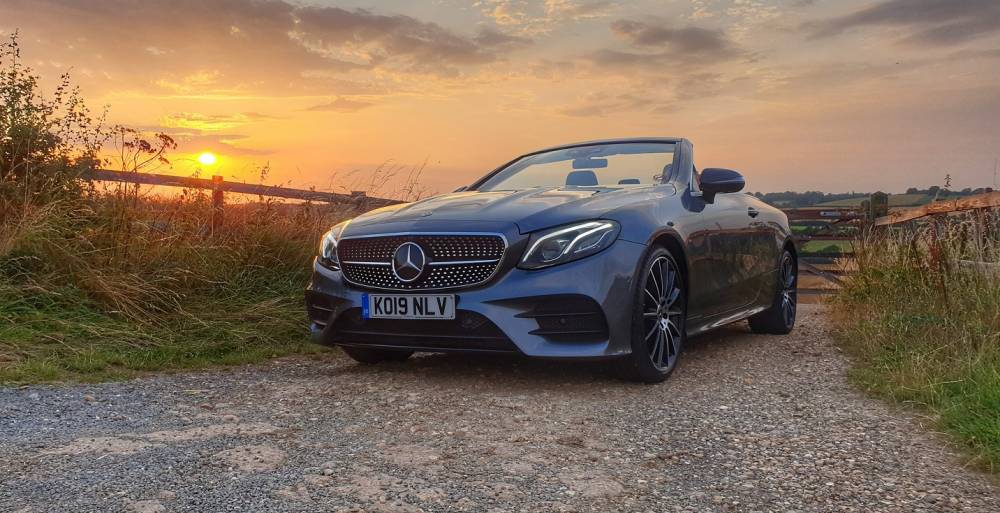
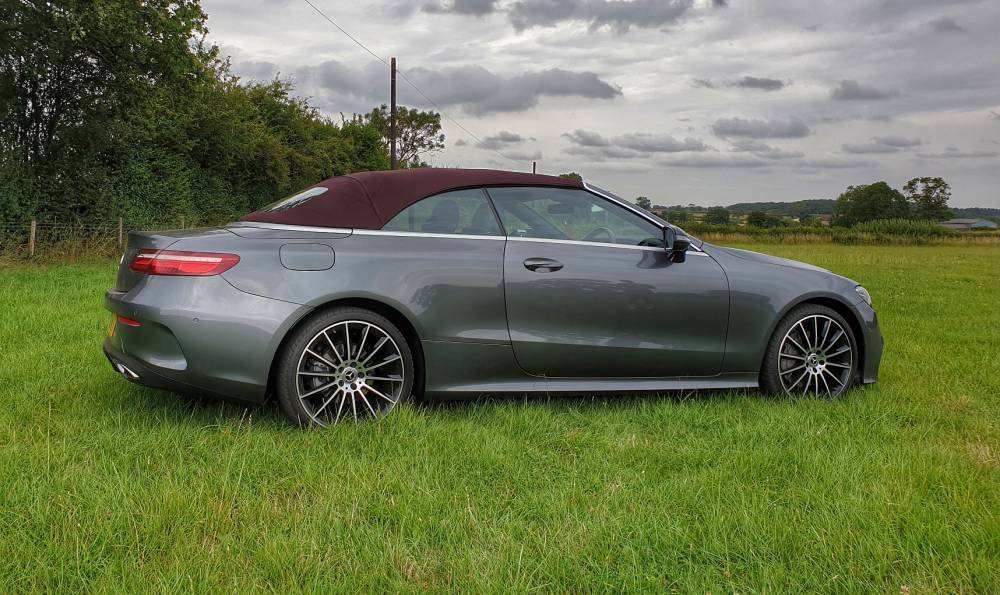
    Our car was the AMG line and in addition to the AMG bodystyling had the night package, which included: 20-inch multi-spoke alloy wheels painted high-gloss black with high sheen finish, diamond radiator grille with integral, Mercedes‑Benz star and a single louvre and some high-gloss black exterior highlights. 


    A really neat feature of the E220d Cabriolet AMG line is the way the multi-layer acoustic fabric roof can be folded down on the move. It can be operated at speeds up to 31 mph and opened or 

    closed in just 20 seconds. It’s great if you’re in traffic and the weather takes a turn for the worst.

    Mercedes airscarf neck-level heating and aircap are standard on this car and another welcome feature for when the sun doesn’t have his hat on. 

    How does it drive? 

    There are a few engine options across the range; In the diesels the E220 that we had, had the 1,950cc, 4-cylinder diesel which produces 194hp/143kW. There’s also a 2,987cc, 6-cylinder diesel producing 340hp/250kW in the E400

    In petrol form there’s a 1,991cc, 4-cylinder petrol engine producing 245hp/180kW in the E300 or 299hp/220kW with EQ Boost of 14hp/10kW in the E350, and a 2,996cc, 6-cylinder petrol producing 367hp/270kW in the E450. If this doesn’t quench your thirst for power, there’s a 2,999cc, 6-cylinder petrol, 435hp/320kW with EQ Boost of 22hp/16kW in the AMG E53 4MATIC+.

    Our test car also had the the excellent 9G-TRONIC PLUS 9-speed automatic gearbox which was great, particularly when cruising and so smooth.

    Mercedes make beautiful cars with stunning interiors and this is no exception. Our AMG line car had a black artico leather/dinamica microfibre upholstery and black open-pore ash wood trim on dashboard and centre console. Brushed aluminium highlights and accents such as the air vent nozzles, door handles and seat controls.

    Ride and handling are superb as you would expect. The AMG line has AMG ride control sports suspension, based on air body control air suspension. The multi-chamber air suspension system with a sporty spring/damper set-up continuously adjusts damping to ensure excellent driving dynamics and a high level of ride comfort. 

    In combination with AMG dynamic select, three pre-set modes (Comfort, Sport and Sport+) are available to deliver a tailored driving experience. 

    In summary, the E220d convertible is a beautiful, stylish and very well engineered car. It’s great to drive, looks amazing and is a practical 4 seat car with the added bonus of being a stunning convertible when you want it to be.

    Prices for the E class convertible start at £45,960.00

  • The Good, The Bad and The Ugly: Rover 200

    The Good, The Bad and The Ugly: Rover 200

    GBU Rover 200 R8

    1989 – 1995

    Back in the 1980s, I remember being confused about the Triumph Acclaim. It replaced the Dolomite that I really liked and in the line up was no sporty Sprint. I didn’t understand the Acclaim.

    Via the pages of CAR magazine, I soon discovered it was a Honda and I didn’t like Honda taking over our British car industry. To a 6-year-old Stuart, British Leyland was ours. I must also add that I wasn’t aware back then of Red Robbo and the strife and struggle British Leyland were in at the time. 
    The Japanese stepped in and gave us their Honda Ballade. And what a turn around this car was. Imagine if you like, model makers Tamiya and Airfix making you model kit of the same car. The Airfix would be badly moulded with instructions devoid of any real detail. You couldn’t go wrong with the Tamiya kit. It was meticulous in its moulding and it was difficult to assemble it incorrectly. That was pretty much what Honda brought to BL at Cowley. Beautifully precision made parts. 
    Fast forward to 1989 and we end up with the Rover 200 (R8) and the K series engine in particular and yes dear reader, you know where this is going, so pop on the kettle, get that water HOT. 

    This then was an actual Rover that people wanted to buy. And that they did in their droves. Half of the sales went to UK buyers and we couldn’t get enough of the redesigned Honda Concerto. We designed a 3 door hatchback, coupe and estate. These were not available on the Concerto. This was our Rover and we, the British were once again proud.

    The 3 R’s were all there. Reliability, Ride and Refinements were high on the agenda. The fit was like nothing before from Austin or Rover or whoever they were at the time. To be honest, in the years between the Acclaim and this R8 Rover, it felt like they had gone through more reinventions than Madonna or Madge X or like a Virgin up the duff, preaching about it to song and dance.

    Now there was a snag. It just so happens that certain models with a certain engine weren’t as reliable as others in the range. Call it a historic flash back to the past. You see, BL had a tendency to make cars with engines that were known for head troubles.

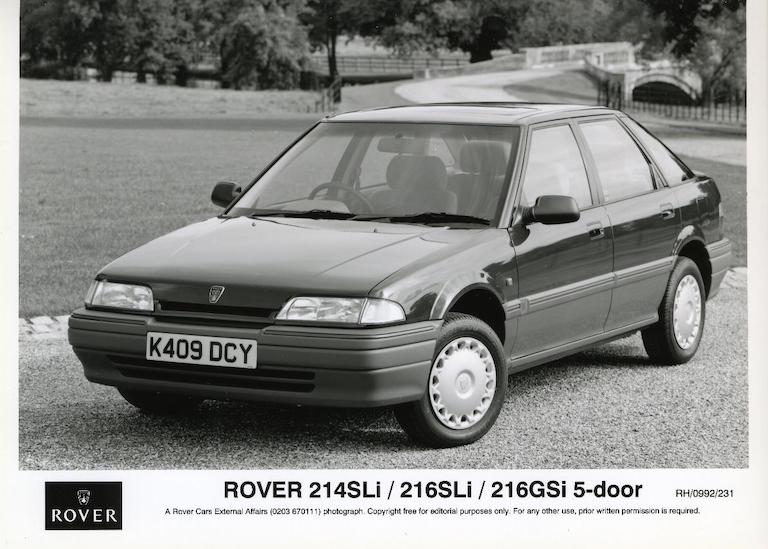
    Those with a Rover 214 or 216 were pretty much at the mercy of one day coming to their car and finding the bores full of water, which to be frank was the better option. The other was to have the car turn into a boiling kettle on the way to Cornwall for the yearly summer holiday. Stuck at the roadside turning into a game of wishing well all those with a K series fitted in their car as they went by.  

    The Rover 200. A Good car turned Bad by its heart. 

  • The Good, The Bad and The Ugly:  Nissan Micra K11 1992 – 2002

    The Good, The Bad and The Ugly: Nissan Micra K11 1992 – 2002

    The Good, The Bad and The Ugly Nissan Micra K11 1992 – 2002

    NISSAN UK

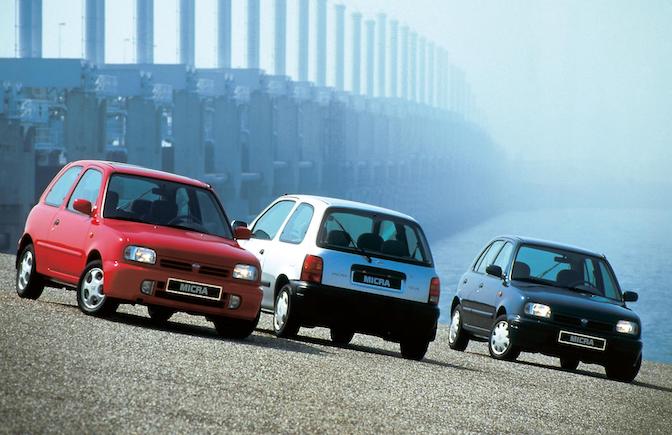
    This second-generation Micra, for those in the UK at least, was a bit of a dullard. Thankfully the ’90s saw the rise of the grey import. Japanese spec’d cars with a host of goodies that were devoid from our options list. Thanks for nothing Nissan UK!

    What came over was the camp as tits Figaro with an equally gay name. There was also the utilitarian styled Pao but these were based on Micra K10. So nothing really great was to come of the K11.

    Or was it? Thankfully we have the Mitsuoka Viewt. A half-arsed attempt at making a Micra look like Morse’s Mk2 Jaguar. It was both awful and eye-catching at the same time. Sort of what BMC did to the Mini in making it the Riley Elf and Wolseley Hornet but less successfully.

    The 1.3 engine gave the Micra K11 a bit of a useful shove. The same could not be said for the 1 litre. It was typical in its behaviour of Nissan’s other NA engines of the time. Drive it like it’s a Sunday, don’t rev it. It didn’t make a rats arse of a difference if you did and if you did, it sounded as exciting as sticking your head under the water in a bath and farting.

    The K11 Micra with 338 points, won “Car of the Year 1993”, beating its competitor, the Cinquecento by 34 points. Renault’s flop, the Safrane came third.

    1993 was a quiet year for the motor industry.

    It was a car that was devoid of emotion and that appealed to the new motoring masses made up of learner drivers. Driving schools couldn’t get enough of them and chances are, if you were born in the ’70s, you came of age learning to drive one.

    In 1992 a school friend got one and her mother took great delight in telling me that “Sarah has a new  Micra-dot” I had an old 1986 Citroen, it cost me nothing so fuck off Jenny! To be honest, I couldn’t have thought of anything worse than having a Micra back then. Even now, I shudder at the thought.

    Micra K11 isn’t good, bad or ugly. It’s a nothing car. Now, in 2019, if it goes wrong, you thrown it away. Trouble is, they NEVER went wrong. Buy one and use it as a chicken shed. At least it’ll have a purposeful use.

  • Motorcycle gear review

    Motorcycle gear review

    For my day to day riding, I’ve been wearing my old textile gear until recently. The old jacket and trousers have seen many, many miles in wind, rain and shine. To be honest, they were well past their best and not only did they leak, but I looked like a tramp in them.


    The final straw was when the seam on the arse of the textile trousers split.

    Design, trends and materials have moved on significantly since I bought my old gear.

    Most of the motorcycles I ride these days are naked bikes and I’m not the same guy I was then. I’m older and carry a few more kg’s.

    I don’t often ride for just pleasure these days either. I visit customers, so need to be reasonably presentable.

    Boots: Tucano Urbano Marty Boots

    This was easy. I saw a guy wearing some Tucano Urbano Marty Shoes while I was wearing my old, clumsy sports bike boots recently. Decision made.

    These look a bit like leather Converse, casual but smart enough to wear to customers I know.

    100% waterproof is a massive bonus and the ankle bone padding works well.
    Overall the Marty shoes are great. They look really good, they’re waterproof, strong and well built.

    They’re great to wear, not too heavy, although they are reinforced around the heel, ankle and across the front which adds some weight. Superb boots that I’ll wear until they fall off.

    CE Certified model – category 2 compliant with EN13634:2017 directive. £129.99

    Trousers: Richa Original Jeans

    Generally, I’ve always worn textile trousers which are usually bulky and sweaty. Mine were well past their best and the protection wasn’t up to current standards either.
    I’ve never tried motorcycle jeans so thought I’d try some Richa Original jeans in black.

    These are obviously not waterproof but tick all the other boxes. I’ll probably get some new textile trousers at some point too.

    Richa jeans are a mix of denim Cordura, cotton & polyester for the outer so are strong but soft, and have poly-cotton soft lining so are nice and warm too.

    Safety stitching is standard everywhere and importantly, they have D3O knee & hip protection should the worst happen.

    I actually found these came up a little small, so went for a size bigger than usual. They fit well, are really comfortable and I wish I bought some ages ago.

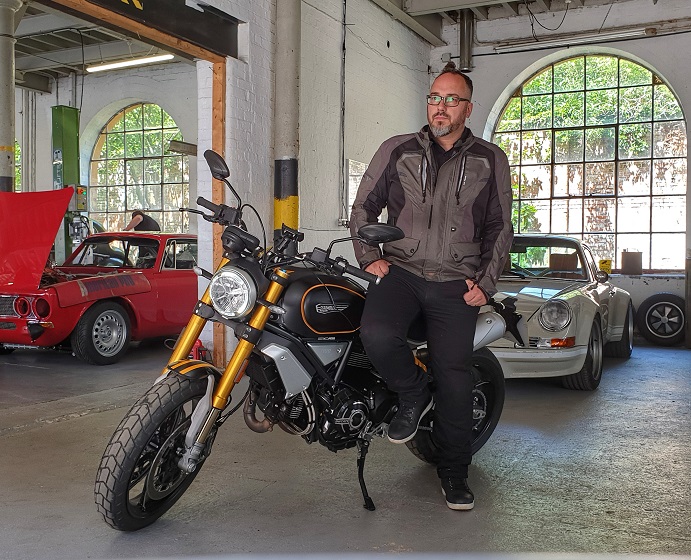
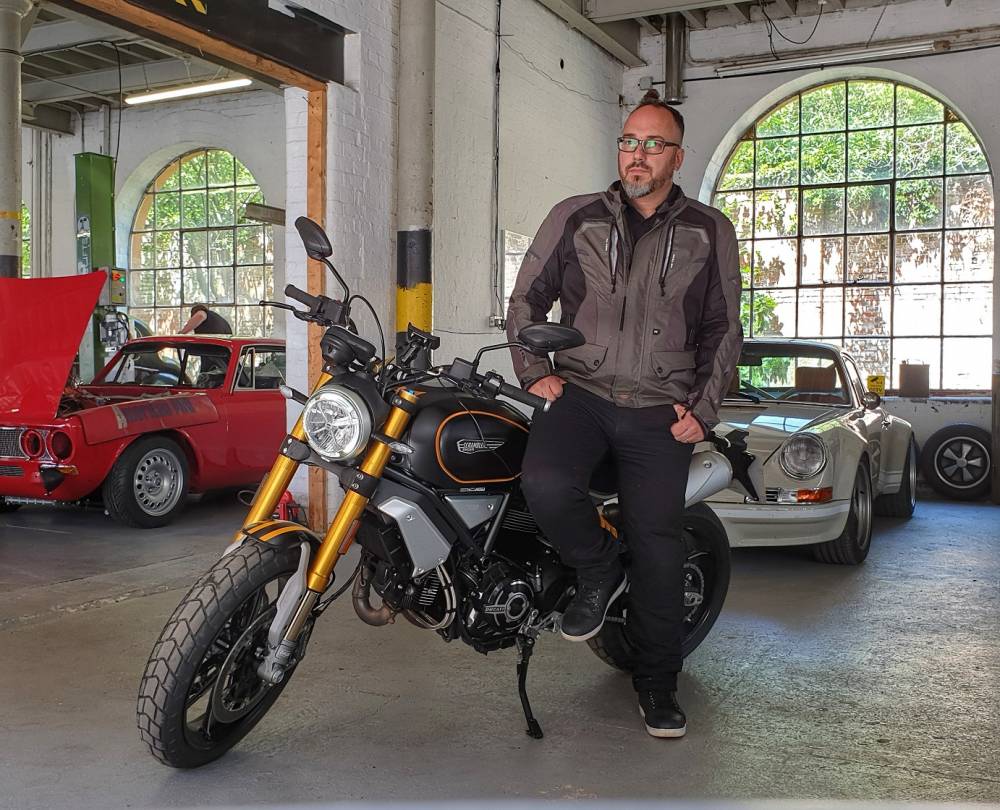
    They’re perfect for day to day riding. I can visit customers as they’re black, and they look great on stuff I’m riding at the moment; Ducati Scrambler, Triumph Street scrambler and the like.

    CE certified. £149.99

    Jacket: Richa Infinity 2 Jacket

    This was a big decision. I ride in all weathers and technology and materials have improved so much since I last bought a jacket.
    I chose the Richa Infinity 2 Jacket.

    Richa says it’s a four-season jacket and to support that claim, it comes with 2 zip outliners. One is a thermal, quilted liner and the other is a waterproof liner.

    I took both out because I find the jacket is fine on its own for me. I have used the waterproof liner a couple of times, but haven’t needed the thermal liner yet. I’m sure I will though.

    We’ve been fortunate enough to have had some lovely weather this year. When it’s been hot, the air vent system has been a huge benefit. You can unzip vents to let the airflow through. They are excellent, well placed and really make a difference.

    It’s pretty waterproof too. It leaks after a while in continuous rain but it’s really not bad at all, and that’s what the waterproof liner is for.
    It’s not a long jacket, it’s more of a hip-length jacket, kind of an in-between sports jacket and touring jacket. That really works for me and looks great.

    The Infinity 2 jacket is a quality piece of clothing. Well made and comfortable, helped by the wide range of adjustability.

    Armour and protection is a particularly strong point of this jacket. D30 armour sits in the shoulders, back and elbow, extending down your forearm.

    As a jacket for all year use, it’s a great buy. Lots of pockets, very comfortable, great protection and it looks good too. £239.99


  • MOTORCYCLE REVIEW | Ducati 1100 Scrambler Sport

    MOTORCYCLE REVIEW | Ducati 1100 Scrambler Sport

    ★★★★★ | Ducati 1100 Scrambler Sport

    With the decline is sports bike sales, manufacturers have had to look elsewhere. They have had to find more creative ways to sell motorcycles and one of the ways has been to develop categories such as adventure and retro bikes. That’s brilliant for me, I love both.

    Ducati has arguably one of the most distinctive retro models on the market at the moment with the scrambler range of motorcycles. They have created a stylish, alluring range that is modern with a provenance that can be traced back to the Ducati Scramblers of the ’60s & ’70s, for many of us these were the bikes of our youth. It’s all in the genes.

    The Scrambler 1100 range consists of; standard 1100, the Special and the Sport. Our test bike was the sport which means it had fully-adjustable Öhlins suspension all ‘round, very sexy.

    Ducati has fitted fully adjustable 48mm USD forks at the front and a fully adjustable Öhlins unit at the rear. Both are superb and needed little or no adjustment apart from a sniff more preload at the rear as I am probably best described as ‘well built’.

    For the Sport, Weight is up very slightly from the standard bike’s 186kg to 189kg, probably due to the Öhlins suspension which is well worth it.

    Brakes are excellent, very progressive and incredibly capable. They lack a bit of initial bite but this is typical of modern bikes with ABS. Ducati has fitted twin 320mm discs with Brembo radial monobloc callipers at the front and a 245mm disc, with single-piston at the rear. As you would expect, cornering ABS is standard equipment.

    Styling is a real focus of this bike, we’ll come back to this point shortly. A steel teardrop fuel tank with interchangeable aluminium side panels dominates your view. It’s unique and looks great in my opinion. Wheels are machine-finished 10-spoke, flat-track style and really work for me.

    With the comfortable, flat seat, wide bars and retro styling, the Scrambler is gorgeous. It’s thoroughly modern but beautifully retro. Simply, the best of both worlds.

    I even found myself wearing different riding gear to suit the style of the bike. Tucano Urbano Sneaker Marty motorcycle boots, Richa Infinity 2 jacket and Richa black motorcycle jeans. This definitely suited the style of bike and riding and was really comfortable.

    Ducati has used the 1100cc (1,079 cc) air-cooled L-twin engine which has been around for a while now but is dripping with character and is a punchy engine.

    As is usual with modern motorcycles, there is a full suite of electronics to keep us safe. Traction Control, 3 Riding Modes (Active, Journey and City), Ducati Safety Pack (Cornering ABS + DTC- traction control), RbW (fly by wire throttle).

    I never changed the rider modes. It doesn’t make crazy power so I just left it in the top mode, Active.

    Off-road I think it might help to soften the power to gain traction. By the way, the underside of scrambler sport is completely unprotected, so if you do go off-road, be mindful.

    Power is a relatively modest 85bhp and 88Nm of torque. This coupled with the retro styling did concern me a little before I picked the bike up. I was worried it could be a little form over function. I didn’t need to bother, it’s a great bike.

    I’m not sure how Ducati have done it. Or even if it is intentional, but the Scrambler is dripping with character. In the morning, when you first fire it up, it has a reluctance that our bikes of old used to have. After a few moments it’s perfectly on song but, first thing, it’s like waking a grumpy teenager. This is not a complaint. In a world where everything works perfectly all the time, it’s a welcome characteristic and makes the bike feel alive.

    While we’re on the subject of character, Ducati has done a great job with the standard exhausts. They bark and pop and generally make a lovely noise. I don’t know how they have done it with ever-tightening legislation, but good for you Ducati.

    What’s it like to ride? It’s really good fun. The gearbox is excellent, with easy clutchless up changes through the ‘box. The suspension is very good and the bike loves to lean.

    Brake hard for a roundabout, pitch the bike on its side in 2nd gear and accelerate hard out again and you’ll be smiling from ear to ear. Leant over, under power, it’s very sure-footed, even on the Pirelli MT60RS semi knobbly tyres. The bike doesn’t move around or feel twitchy at all. This is a very friendly bike to ride at any speed.

    On a motorway, it’s fine up to the legal limit or a bit above. On a private road we got it up to 120mph but after about 90mph, with no wind protection, it gets a bit hard work.

    Where this bike comes alive is everywhere else! B-roads, A-roads, city centres, everywhere. It a hooligan but is made to make you smile.

    The throttle response is excellent and nicely progressive and the wide bars felt a little high at first, but after a few miles, you feel completely at home.

    One of the key features for me is that It’s very friendly. The Scrambler 1100 Sport doesn’t have massive power, but easily enough to have a lot of fun. It is great at low-speed manoeuvring, it’s comfortable, it’s a bit of a hooligan but completely predictable and it looks amazing. What’s not to like. This is a massive win in my book, I’m a big fan.

    Power: 85bhp@7500rpm
    Torque: 65ftlb@4750rpm
    Weight: 189kg (dry)
    Fuel capacity: 15 litres
    Front suspension: Öhlins 48mm USD fully adjustable forks
    Rear suspension: Öhlins fully adjustable single shock
    Engine: 1079cc air-cooled 4 valve L-twin
    Front brakes: 2x320mm discs, 4-piston Monobloc Brembo calliper with cornering ABS
    Rear brake: 245mm disc, single-piston calliper
    Seat height: 810mm
    Price: Scrambler range starts at £10,795

  • The Good, The Bad and The Ugly: Nissan Micra K12 2002 – 2010

    The Good, The Bad and The Ugly: Nissan Micra K12 2002 – 2010

    An irrelevant look at a certain car: Nissan Micra K12 2002 – 2010

    PHOTO: NISSAN UK

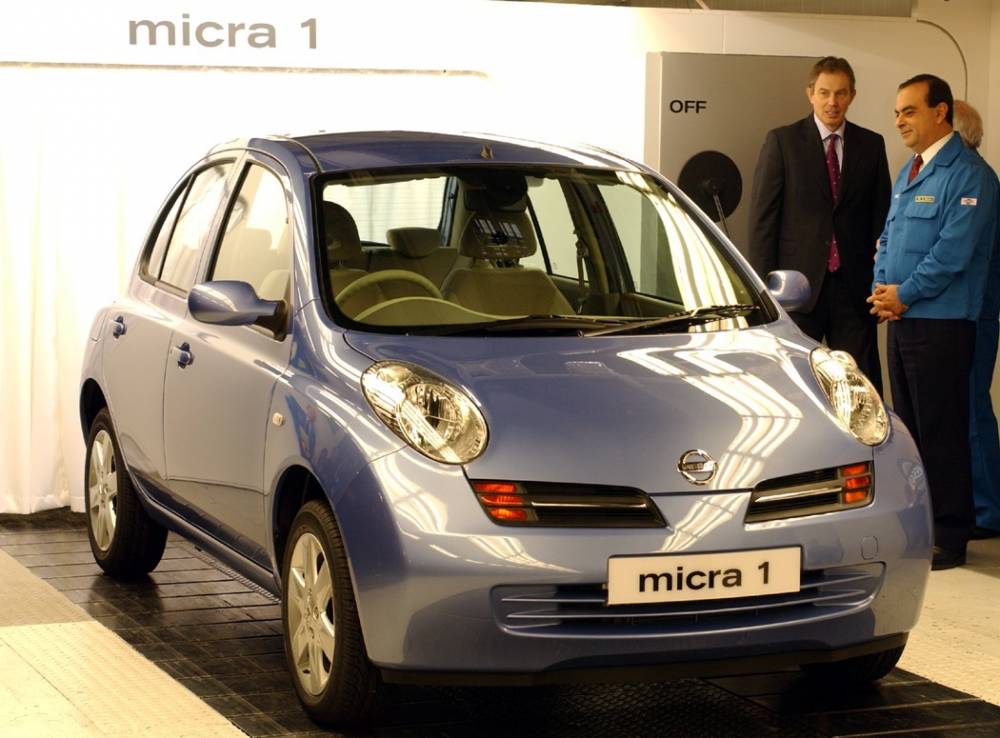
    If someone said “Nissan Micra” to you, you’d visualise a queue of traffic. At the front would be a little Micra either being driven by a learner or old lady. In this third guise, Nissan stuck to its guns and refused to invest in dynamics.

    It continued to make the Micra easy to drive. It also made it easy to repair with big plastic bumpers and with those came bodging. Big plastic bumpers covering the majority of the front, made repairs to a smacked in the face Micra easy to disguise. And good job too. Judging by the number of folded in bumpers, parking accidents were quite rife. And why? Because the Micra had grown in size. In doing so, easy to judge extremities of the little hatchback had become lost.

    This was a bad period for Nissan and even worse for the Micra. Quality was lost. I mean, the Micra was never a quality product in the touchy-feely kind of way. You’d never shut the door with your eyes shut and think “sounds like a Golf”.

    Given time, that absurd notion of that idea would completely evaporate anyway when the central locking unit became vocal. VW’s would have just stopped working. Nissan’s just shouted about it in an audible growl of plastic and electrics.

    PHOTO: NISSAN UK

    FYI, You could get some Nissan Micra merchandise. Just thought I’d let you know. To be honest, I’m trying to find some more words for this GBU.

    In the driving of the Micra, I’m trying to think of a descriptive word to save on word count. Foul is pretty good but then so too is mind-numbingly dull. It was a car that was wasted on good tyres. Forget the standard-fit Continentals, fit remoulds! The vague steering could make even the stickiest racing slicks feel lifeless. Imagine a date with a cast member of Love Island that involved trying to make conversation.

    The previous mach of Micra: PHOTO: NISSAN UK

    Inside it was just as bad. The light Nissan standard grey plastics made way for European blacks. Even the white heater control buttons couldn’t lift the spirits of the coffin. Sorry, cabin.

    I’ve never seen a dead person drive a Micra yet, even though some have looked pretty close. You see, unlike Micra K10 and K11, this new model was avoided by the young.

    You’d never look at a Micra and think what a fun funky car it was. Even the CC with its metal folding top couldn’t lift you desire like a Ford StreetKa did. You just wouldn’t look back at it, the K12 is that ugly.

  • MOTORING | The Good, The Bad and The Ugly:  Seat Marbella 1986 – 1998

    MOTORING | The Good, The Bad and The Ugly: Seat Marbella 1986 – 1998

    The Good, The Bad and The Ugly

    SEAT UK

    An irrelevant look at a certain car.

    Seat Marbella 1986 – 1998

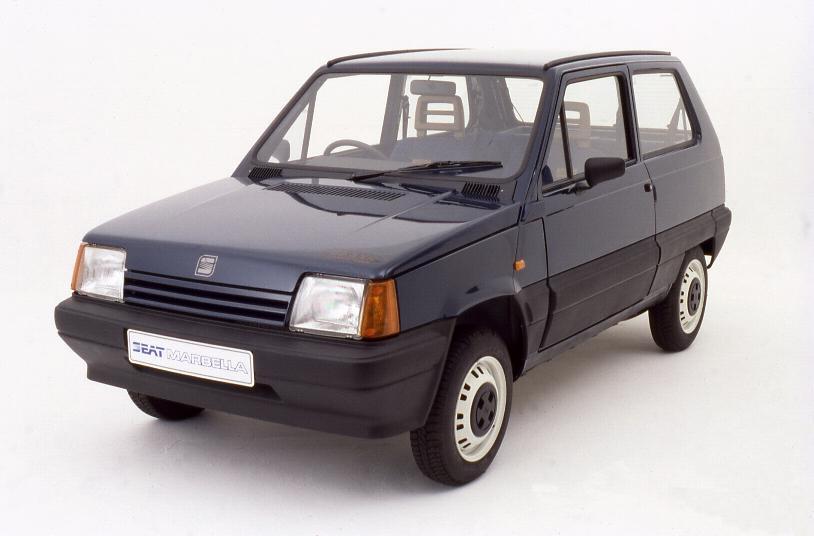
    A holiday in Spain. The guaranteed hot summer breezes off the Alboran seas. Where am I? Marbella. And I’ve painted a rather lovely picture of that seaside resort. The car company, Seat, have a history of naming cars after places in Spain. Their new Tarraco was named after Tarragona. It adds sex and style to the car. That memo might have been lost on the Marbella.

    Seat rhymes with Fiat and Fiat owned a large percentage in the Spanish motoring subsidiary. Well, it did until sometime in the ’90s when it decided to let it go. Seat needed to soldier on and make good what they could.

    So a quick flick with the pencils and over a lunch of paella and a glug of sangria, the Seat Panda evolved into the Seat Marbella. And that was the little car’s problem. It was a Panda. Ok, that isn’t a problem. The Panda of 1980’s design was right on the target. A sophistication package of space utilisation and genius packaging. One of Giorgetto Giugiaro’s finest to this day.

    Problem was, Fiat had the good grace to continue the development of the Panda. It gave it new engines, fancy quality interiors and an Omega rear axle from the Lancia Y10. This, in turn, made the Panda a bit more happier over the bumpy bits.

    Seat’s answer was to give their Panda Marbella some plastic cladding along the sides and a sloping front in the hope that you wouldn’t notice the old-style cart springs at the rear. They hung so low that you had to be quite stupid not to see them.

    And for Marbella, it didn’t really get any better. It still soldered on with the OHV 903cc petrol engine from Fiat’s back catalogue of 1955. Blistering it was not. With a 0-60 time of 19.3 seconds, the Citroen 2CV6 could give it a run for its money. And the 2CV6 was cheaper too. The “nothing available” list of options you could get on your Marbella made the 2CV6 vulgar in its luxurious appointments.

    Surely Seat gave you value for money? Not really. For your 4858, you got a top of the range GLX complete with wheel embellishers and a heated rear screen. For 200 more, you could get the much improved Panda. And Panda also had better resale values too.

    While it had a cute cuddliness about it, it was a bad car. It rode bad, drove bad and sounded bad. You see, while Fiat’s marketing board went into over-drive with a new limited edition every month, Seat and their overpriced and out of date box gave you unpretentious motoring that wasn’t as badly built as it could have been.

    As long as you have access to another car to use, there is something endearingly beautiful about the Marbella. It was closer to the original concept than Fiat’s MK2 Panda and that’s why the no-frills Marbella was the good choice.

  • CAR REVIEW | Volvo V60 Cross Country

    CAR REVIEW | Volvo V60 Cross Country

    ★★★★ | Volvo V60 Cross Country, Volvo’s Luxury Woodland Cruiser

    What have we got?

    Hot on the trail of the newly launched Volvo V60 range, Volvo launch their new “life style” version for those who need a bit more from their estate. When we say more, we mean an added ability to go off the beaten track and into places unknown.

    But has Volvo just jacked up the V60 by 60mm, clad it with some plastic and given it a 4 wheel drive system to make this Cross Country a viable off-roader? THEGAYUK went to find out.

    Driving

    One thing that impresses with the Cross Country is its ability to ride remarkably well on the road. The trouble with raising cars is it tends to at the detriment to the on-road handling dynamics. It’s no R-Design in driving style but then it was never supposed to be. On the road, it had a reasonably good blend of comfort. That increase in height allowing perhaps just a little more suspension travel to compensate. 

    The 187bhp D4 diesel engine spreads the torque power well to the driven wheels through an 8-speed automatic box. Over 25mph, the system automatically selects the front-wheel drive.

    The XC60’s off-road capabilities are more impressive. Considering these were fitted with on-road tyres, they had the ability to climb a reasonably wet hill with surprising vigour. Hill descent also showed up no nasty surprises either. Locking wheels were attended to by a system with rapid-fire adjustments.

    It has to be said that road tyres will give limited adhesion in the most arduous conditions but Volvo dealers are able to upgrade you to a more suitable off-road rubber should you wish. 

    Inside

    The inside of the V60 Cross Country is identical to the standard V60. In this guise, we had blond leather (probably not the best in a mud plugger), silver trim and quality materials. All adding to the premium feel that Volvo has headed into. It is a class-leading layout that feels a bit like home.


    Living With It

    As with the standard V60’s, there is very little to dislike about it in Cross Country guise. It does all that you would expect a Volvo V60 to do. The boot is the largest in its class and the cabin is nicely made. It just happens to be able to do something else.

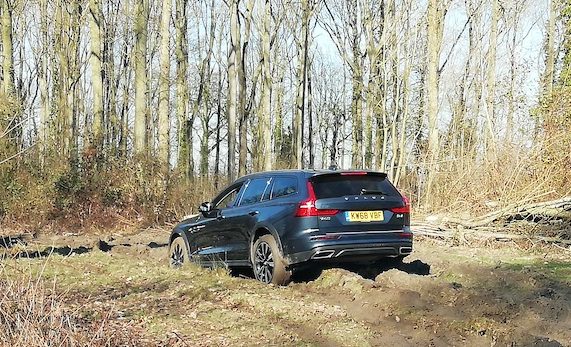
    However, it does have its limitations. You need to be aware of the surrounding environment. Doing something stupid, and we mean REALLY STUPID in the V60 Cross Country, will get you stuck in the mud. Read that as: pilot it straight into a muddy bog and it comes to a stop!

    That said, my co-pilot and I almost did get it stuck fast. In typical ‘Gun-Ho’ style we floored it out of what caught out the car in front.  

    Get it stuck and it will result in a long possible overnight stay in the car while you wait for a man in a Land Rover to come and get you. Be sensible and realistic and you’ll be surprised at where this car can take you off the beaten track. Thankfully the cabin on the V60 is spacious and comfortable and the rear load area long enough to accommodate two sleeping bodies.

    Verdict

    This won’t be the big seller of the V60 range. Volvo even predicts it won’t be especially when there are the 3 popular XC ranges within the Volvo family.

    So has this been worthy of all the development hassle? Yes, it has. It uses XC60 architecture so development has already been carried out and proven. What this is then is a car that still shows Volvo have the ability to make an elegant estate design for those who don’t want a large SUV but need to get away from it all.

    It just seems a shame, that such a beautifully designed estate car will be used to get muddy. Then again, you can’t have your cake and eat it.

    Love

    The design

    Ride and handling

    Cabin space

    Loathe

    Infotainment can be fiddly

    Starting and drive mode buttons look gaudy

    Predicted depreciation highest in the range

    The Lowdown

    Car –  Volvo V60 Cross Country

    Price – £38,300 (starting from)

    MPG – 45mpg (combined)

    Power – 190bhp D4 diesel

    0-62mph –  7. 6 seconds

    Top Speed – 130 mph

    Co2 – 143 (g/km)