Tag: Cancer

All the latest breaking news on cancer. Browse THEGAYUK’s complete collection of news, articles and commentary on cancer.

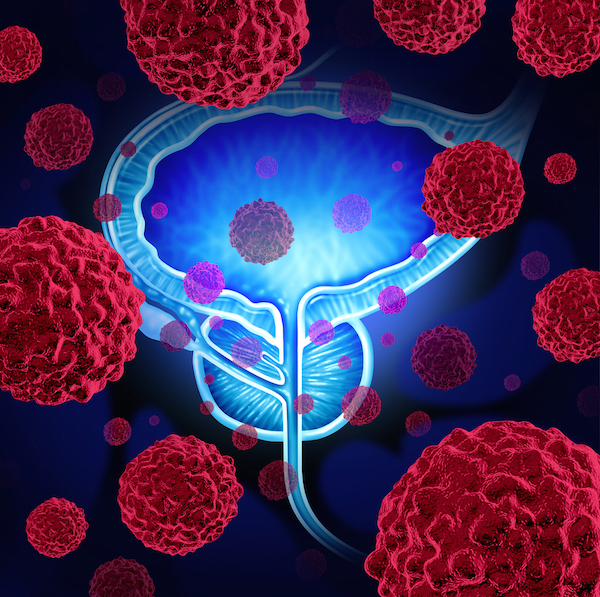
  • 12 things you need to know about Prostate Cancer

    12 things you need to know about Prostate Cancer

    We speak with Dr Simon Rosser and Dr Bill West, editors of Gay & Bisexual Men Living With Prostate Cancer, about the 12 things that we need to be aware of when it comes to Prostate Cancer.

    1. How common is prostate cancer in our community?

    Prostate cancer is the #1 invasive cancer for men and the most common cancer in the gay male community. One in seven gay men will be diagnosed in their lifetimes. Since gay male couples have two prostates, they have twice the risk than heterosexual couples or a one-in-three chance.

    2. What are the symptoms of prostate cancer?

    (C) BIGSTOCK

    Prostate cancer typically develops without symptoms which is why it needs to be detected through a blood test (the Prostate Specific Antigen or PSA test) and by a doctor feeling for any abnormalities during a digital rectal (or finger up the butt) exam.

    Two common prostate problems should not be confused with prostate cancer. As we age, our prostates typically get larger which can lead to problems urinating. This is called benign prostatic hyperplasia or BPH. Prostatitis refers to when the prostate gets infected or inflamed.

    3. So, what causes prostate cancer?

    Older men, men with a family history of prostate cancer, and black men are at greater risk of diagnosis and/or worse outcomes. Our research indicates that HIV positive men and bisexual-identified men have worse outcomes than HIV negative men and gay-identified men, respectively. Gay “lifestyle” factors – such as being gay versus straight, lots of sex or no sex, amount and rigour of receptive anal sex, smoking, drug and alcohol use, a history of sexually transmitted diseases and long-distance cycling – have not been associated with greater risk or worse outcomes.

    4. Why is prostate cancer in gay men an issue?

    Different prostate cancer treatments have different effects on our sexual functioning. About 20 per cent of patients treated with radiation experience radiated bowel, which makes receptive anal sex painful to impossible. Conversely, almost all men treated with surgery (and many with radiation as well) will have erection difficulties, after treatment, making bottoming very challenging. Treatment can also effect penis size, ability to ejaculate, the experience of orgasm, pleasure in receptive sex, and urinary problems during sex or at orgasm.

    This makes it important to discuss gay sex with your specialist as part of choosing which treatment will have the least side effects for you.

    5. If I want to be checked for prostate cancer, what should I know?

    The typical test for prostate cancer involves both a blood test and a digital rectal exam. Because massage of the prostate may hypothetically affect the blood results, we recommend you refrain from receptive anal sex or other anal stimulation for 48 hours before the blood is drawn and make sure the blood is drawn before the digital exam.

    6. Does being diagnosed mean you have to be treated?

    No. Many men with low-risk prostate cancer never need treatment. Instead, they go on active surveillance. This simply involves having a blood test every three months to monitor the amount of prostate-specific antigen in their blood. This may also involve additional biopsies to track if the cancer is changing.

    7. Is prostate cancer contagious?

    No, if your boyfriend, husband or a male sex partner has prostate cancer, you cannot get it from him. Prostate cancer is not sexually transmitted.

    8. What’s it like to be diagnosed with prostate cancer?

    Fortunately, prostate cancer has an excellent (over 99%) survival rate provided it is treated early. We are a male couple where both of us have been diagnosed. Here’s what to expect. The initial diagnosis can be scary and requires a biopsy which can be uncomfortable. Don’t panic. Most prostate cancer is slow-growing so in many cases, you can go at your own pace. Gay men are more likely to feel isolated or go through treatment alone, so it’s important to reach out for support. Prepare a list of questions before each consultation and ask them at your next visit. Bring your man (if partnered) or a friend (if single) to the consultation, both for support and to listen to what the specialist says. Deciding if you need treatment and what treatment is best for you are critical milestones, where many patients seek a second (or third) opinion.

    9. How does it affect being gay?

    Because it’s cancer and because it affects our sexual functioning, many gay prostate cancer patients report feeling less than other gay men. There’s a stigma to having prostate cancer which can affect our sexual self-esteem, sense of attractiveness and potency. And because it affects erections, some men may become more at risk for HIV if their erections are not strong enough for condoms or if they decide to bottom more instead.

    10. What’s gay sex like after treatment?

    Everyone is different. In our experience, good sex is definitely possible after treatment but it is challenging. It takes time and patience (up to two years post-treatment), commitment to sex as a priority, good communication between partners, lots of sexual rehabilitation exercises, and flexibility. The biggest loss we had to deal with was spontaneity – erections don’t just happen, and we have to plan sex if it is to be successful. We found erectile drugs and vacuum pumps to be a help as well.

    11. What should I think about in choosing a specialist?

    Know that many urologists and oncologists see themselves as technologists focused on survival. Not all are good at talking to patients or discussing sex. While survival is obviously important, quality of life is as well. Most gay and bisexual men are sexually active and want to remain so after treatment. So, it’s critical to find a specialist you can be open with, and have your questions answered. When making an appointment, ask for a specialist who is comfortable discussing the sexual effects of treatment. And if they seem uncomfortable or unknowledgeable about sex between men, seek a second or third opinion until you find someone you can trust.

    12. If I’m gay, bisexual or a man who has sex with men living with prostate cancer, where can I get help?

    For more information: See our just published book, J. M. Ussher, J. Perz, B. R. S. Rosser, Gay and Bisexual Men Living with Prostate Cancer: From Diagnosis to Recovery (Harrington Part Press, New York 2018).
    For support services: Malecare.org is the largest provider of online support worldwide and has groups specifically for gay and bisexual prostate cancer patients.

    To get involved in research: At the University of Minnesota, we are conducting the first, large, NIH-funded study testing online rehabilitation designed by and for gay and bisexual prostate cancer patients living in the US. See: www.restorestudy.umn.edu or email: Restorestudy@umn.edu.

    Dr Simon Rosser is a gay men’s health researcher and Dr Bill West a health communication specialist at the University of Minnesota. They specialize in prostate cancer in gay and bisexual men. They co-authored several chapters in J. M. Ussher, J. Perz, B. R. S. Rosser, Gay and Bisexual Men Living with Prostate Cancer: From Diagnosis to Recovery (Harrington Park Press, NY, 2018). They are married and out as a gay couple living with prostate cancer.

  • Guys with cervixes, don’t forget to book yourself for a smear test

    Guys with cervixes, don’t forget to book yourself for a smear test

    900 of those people don’t survive. It’s time to #EndSmearFear.

    Jo’s Cervical Cancer Trust is partnering with Twitter to launch the #EndSmearFear campaign.

    #EndSmearFear encourages users to feel comfortable discussing topics such as vaginas, cervixes and smear tests on the platform, including sharing tips, support and information on the test.

    Conversation around smear tests, vaginas and sexual health on Twitter have risen 50% since 2017,  demonstrating that people are feeling more comfortable discussing these issues than ever before, but much more can still be done.

    More than 3,200 women, trans men and non-binary people with cervixes are diagnosed with cervical cancer every year in the UK and nearly 900 don’t survive.  As well as this, attendance of smear tests (despite being the most effective protection against the disease) is falling.

    One in three young women and people with cervixes are not choosing to take the test when invited.

    Smear tests can be difficult due to a range of different, and often complex, factors. This can include embarrassment, fear and not understanding what the test is for. According to the LGBT Foundation, 17.8% of LGB women have not been to their smear test with lots of myths and stigma that needs to be overcome.

    The #EndSmearFear campaign, which has already received lots of support from celebrities and politicians, aims to normalise chat about smear tests, cervixes and vaginas on the social media platform through a light-hearted search for the best emoji for female genitalia.

    https://twitter.com/Robinbequiet/status/1173563946487488512

    One Twitter user said, “The idea of getting a smear as a Trans man triggered my dysphoria to the point I almost didn’t go. But the nurse was respectful, understood the challenges, and was kind. #EndSmearFear”

    Celebs backing the campaign include Louise Redknapp, Scarlett Moffatt, Charlotte Crosby, Chloe Delevingne, Vicky Pattinson, Chloe Sims and lots more.

    Kate Sanger, Head of Communications at Jo’s Cervical Cancer Trust said: “We want to help reduce some of the fear and uncertainty around smear tests and have seen first-hand the power of social media in doing this. We’re pleased to be working with Twitter to see smear tests, cervixes and vaginas talked about as normally as using an emoji. By encouraging positive conversations we hope more people will feel comfortable asking questions, know where to find support and feel able to book a test if they choose to do so.”

    Katy Minshall, Head of Public Policy at Twitter UK said, “With a third of women aged 25-29 not attending the test, we want people to feel safe and supported when talking about smear tests on Twitter. Emojis are a core part of Twitter conversation and we want to break down some of the uncertainty and fear about smear tests, and talking about them, with this simple, light-hearted campaign.”

    Anyone with a cervix is eligible for a smear test aged 25 to 49 every three years and aged 50 to 64 every 5 years. The #EndSmearFear campaign is live from 16 September 2019.

    Please see here for more information: https://www.jostrust.org.uk/endsmearfear

  • 5 ways to protect your skin from sun damage this pride season

    According to Cancer Research UK, malignant melanoma is the fifth most common cancer in the UK and 1 in 54 people will be diagnosed with malignant melanoma during their lifetime.

    Silhouette of muscle boy on beautiful hot background

    Around 15,400 new cases of malignant melanoma are diagnosed in the UK each year; that’s around 42 new cases diagnosed every day. Yet 86% of these could have been prevented.

    So here are five ways you can protect your skin this Pride season

    1. Use sunscreen – even on cloudy days

    via GIPHY

    Applying sunscreen to your skin before you go outside during the summer months and on cloudy days (UV rays get through clouds) helps reduce the risk of skin damage. Sunscreens are useful for protecting our skin from the sun’s rays, but will not protect us completely from sun damage on their own. Use them together with shade or clothing to avoiding sunburn.If you have fair skin or if you burn very easily, you will need the highest level of protection. Even if your skin tends to tan rather than burn, it’s still important to take care in the sun and use sunscreen.If you have naturally brown or black skin, the extra melanin pigment in the skin cells may provide a bit more protection against harm from UV rays but sun protection is still necessary.

    When choosing sunscreen, you should:

    • Choose a sunscreen with an SPF (sun protection factor) of at least 15. The SPF provides protection against burning and UVB damage.
    • Look for sunscreens that are labelled ‘broad-spectrum’ as this shows they protect you from UVB and UVA damage. This is shown using a star rating system, so look for at least 4 or 5 stars for good protection.
    • Apply sunscreen liberally to clean dry skin, ideally before other skincare products.
    • Apply approximately two teaspoons of sunscreen to cover your arms, neck and face, and up to two tablespoons to cover your body.
    • Follow the manufactures instructions and re-apply frequently
    • Re-apply after you’ve been in water. Sunscreen can be easily washed, rubbed or sweated off and even sunscreens that claim to be ‘waterproof’ should be reapplied after going in the water.
    • Don’t forget to check the expiry date – most sunscreens have a shelf life of two to three years.
    • Don’t store sunscreens in very hot places as extreme heat can ruin their protective chemicals.
    1. Stay in the shade between 11am and 3pm

    via GIPHY

    Midday hours are when the sun is at its hottest and highest in the sky. Find shade under trees, umbrellas, canopies or move indoors. A simple way to find out when the sun’s rays are at their strongest is to look at your shadow – if it’s shorter than your height, this means that the sun’s UV rays are strong and you need to be particularly careful.

    1. Cover up

    via GIPHY

    When there’s no shade around, cover exposed areas, such as your arms or legs (close-weave clothes offer the most protection against UV rays) and wear a wide-brimmed hat to protect your head.

    1. Wear protective sunglasses

    via GIPHY

    Overexposure to UV rays can damage the eyes too. Too much UV can lead to cataracts and rare types of eye cancer.

    When choosing sunglasses look for the following:

    • The ‘CE Mark’, which shows they conform to European standards
    • The British Standard (BS EN 1836)
    • A UV 400 label or 100% UV protection label.
    1. Avoid sunbeds

    via GIPHY

    Sunbeds are a risk factor as it exposes the skin to high levels of radiation. Ongoing concern about the use of sunbeds has led to the use of them being banned by law to anyone aged under-18 in the UK. If you’re keen to have a tan, the safest way to achieve it is to use fake tan.

    For more information on staying safe in the sun, please visit AXA PPP healthcare.

  • New support for LGBT people affected by cancer in Merseyside

    A new project to improve services and support for people in the LGBT community who are affected by cancer has been launched on Merseyside.

    The Macmillan LGBT Cancer Project aims to ensure that the needs of LGBT people affected by cancer in the Liverpool City Region are acknowledged and addressed in the provision of services, information and support.

    A key part of the project, which is funded by Macmillan Cancer Support and hosted by Sahir House, is the Merseyside LGBT Health Survey 2018.

    The survey will help the team build a picture of the health of LGBT people, and identify where any gaps are, and tailor resources and services to meet the specific needs of LGBT communities in Liverpool, Halton, Knowsley, Sefton, St Helens and Wirral.

    Richard Hunt, Partnership Manager at Macmillan Cancer Support, who helped set up a similar successful scheme in Manchester, said, “LGBT people with cancer can often face disadvantage, inequality and discrimination. That’s why we have set up the Macmillan LGBT Cancer Project, and launched the Merseyside LGBT Health Survey, to get a greater understanding of the health of LGBT people across Merseyside.

    “If you are an LGBT person affected by cancer, or have cared for someone from the LGBT community who has experienced cancer, then we want to hear from you. We currently have a national picture of the challenges faced by the LGBT community, when they are affected by cancer, but not a local one. We need to understand the issues and experiences faced by the LGBT community across Merseyside, so we can work together to tackle inequalities, address any unmet needs and bridge any gaps in service provision, and to help improve outcomes for people affected by cancer.”

    Clare Carter and James Huyton have been appointed as the new Macmillan LGBT Cancer Programme Co-ordinators at Sahir House, which has been providing HIV support, prevention, information and training across Merseyside since 1985.

    Clare joins from the Terrence Higgins Trust, where she was involved in training, development and partnership work, while James joins from the LGBT Foundation and has a background in health promotion.

    Over the next 12 months, the pair will host various events and campaigns to engage with LGBT communities looking at issues relating to cancer, reducing isolation and increasing awareness, information and wellbeing. They will also be engaging with professionals, and providing training and support, to help them meet the specific needs of LGBT communities.

    Tessa Willow, Chief Executive of Sahir House, added: “Sahir House is excited to be working in partnership with Macmillan on this project, bringing this organisation’s extensive experience of engaging people from marginalised communities, including people from all parts of the LGBT spectrum. Sahir House is aware of the powerful affect discrimination can have on peoples’ abilities to access services on an equitable basis and the health inequalities that result from such discrimination.”

  • Will having anal sex cause anal cancer?

    Nothing makes us happier than healthy bottoms… So here’s what you need to know about anal sex and what might cause it.

    does anal sex cause anal cancer?
    Healthy bottoms are happy bottoms

    Anal cancer, although rare, is still a killer disease if it’s not caught in time, but the act of anal sex will not cause cancer, Dr Rick Viney, consultant urological surgeon at BMI The Priory and BMI Edgbaston hospitals in Birmingham told us.

    In fact, less than 1200 people are diagnosed with anal cancer in the UK every year.

    Apparently what you need to look out for is for the transmission of HPV, the virus responsible for genital warts. “The virus responsible for genital warts (HPV) can ultimately lead to the development of a type of anal, penile, cervical and oral cancers called squamous cancer, Rick warns.

    HPV is the name for a group of viruses that affect the skin and moist membranes lining the body such as the cervix, anus, mouth and throat. HPV infections are highly contagious when transmitted sexually.

    Some strains of the HPV virus can cause genital warts, and cancers of the anus, penis, mouth and throat. In some cases, it can also cause head and neck cancer.

    In the UK, teenage girls are offered the HPV vaccine to prevent cervical cancer. There is no plan to vaccinate teenage boys. However, in 2016, 40,000 gay and bisexual men were offered the HPV vaccine to ward against contracting HPV.

    What else can cause anal cancer? Well the NHS website suggests that smoking can be a cause and having a weakened immune system, for example, if you have HIV could also be a cause. For women, cancer history also plays a part. If you’ve had cervical, vaginal or vulval cancer could be cause for concern.

    What are the symptoms of anal cancer?

    What are the symptoms of anal cancer?
    Symptoms for anal cancer are very similar to other, less serious conditions. If you’re worried about your bottom’s health, go see a doctor.

    Anal cancer can be symptomless and the symptoms that can occur can be similar to less serious conditions like piles and anal fissures.

    According to the NHS website, these include: bleeding from the anus, an itchy or painful bottom, small lumps around the anus, a mucus discharge or loss of bowel control.

    If you have any concerns, as always, we suggest you consult your doctor.

  • How to check your balls for lumps and bumps

    Take the matter into your own hand…

    How to check your balls for lumps and bumps

    Finding lumps on your balls can be worrying, but there’s lots of stuff going on down there. Jackie Hall, Health at Hand operations manager at AXA PPP healthcare gives us some insight on how to check our balls for cancer.

    Testicular cancer is a male cancer which should be checked for regularly, and just like other cancers, it can be easier to treat if detected early. By regularly examining yourself, you are more likely to notice if anything changes or feels unusual so it is best to make this a part of your usual daily routine.

    The best time to check your testicles is after a warm shower, as this is when the skin is most relaxed, by following the below guide:


    Contrast and compare

    Rest your testicles in the palms of your hands and compare one testicle with the other for equal heaviness. A lot of men have one testicle which is larger than the other, or one that hangs lower than the other, so don’t worry if this is the case

    Roll them balls

    Place your fingers behind the scrotum and gently roll your testicle between your thumb and fingers

    Hard lumps?

    You are looking out for any hard lump or swelling – or any particular changes in shape. Make sure you check each testicle individually

    Does it seem normal?

    A normal testicle is oval shaped and feels firm, but not hard

    Heavy balls?

    Most cases of testicular cancer start with a painless lump in the testicle; though sometimes there can be pain or discomfort or a heavy feeling in the scrotum. Make sure you consult your GP as soon as possible if you experience any of these sensations, or if you find a lump


    If you experience any of the above symptoms for testicular cancer, make an appointment with your GP.

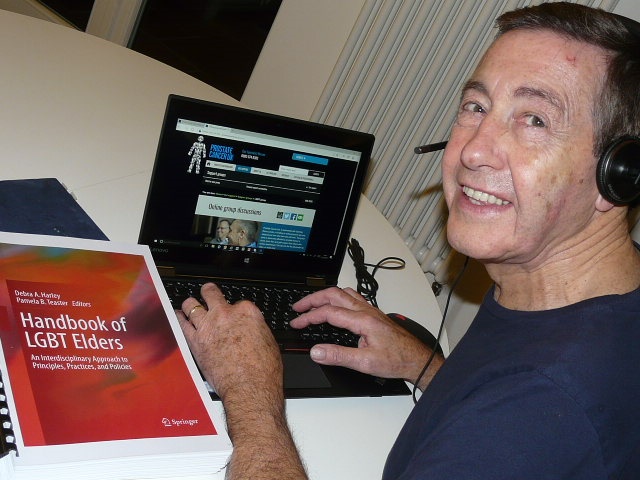
  • Prostate Cancer UK opens online support group for gay and bisexual men

    Prostate Cancer UK has teamed up with Opening Doors London to trial a new online discussion group for gay and bisexual men who have been affected by prostate cancer. The online discussion group will provide men with the opportunity to discuss any subject or concerns about prostate cancer and offer support.

    The first session was held last night (18 October at 7pm) and was facilitated by Opening Doors London, the largest charity for older people in the LGBT community in the UK. Sessions will take place for an hour on the third Thursday of every month for the trial period (6 months) and will be accessible from a computer, tablet or phone. Participants can choose to dial in by video or by audio only, if they prefer not to be seen on screen. Additionally, men can join anonymously should they wish.

    Currently, 1 man dies every 45 minutes from prostate cancer – that’s more than 11,000 men in the UK each year. This makes tackling prostate cancer through research, campaigning and providing support crucially important. Tailoring information and services to different areas of the community also plays a key role in tackling this disease.

    Martin Wells, 63 from Burnley, is a gay man who was diagnosed with localised prostate cancer in 2007. He said: “Going through prostate cancer and the side effects of treatment really affected me psychologically. I desperately needed emotional support to help me get through this difficult time and there weren’t any services near me that focused on psychosexual health. The fact there is not tailored support for men like me in every area of the country, encouraged me to set up my own support groups. Talking to other men who could speak to me on my terms felt incredible. That’s why Prostate Cancer UK’s new online discussion group is a great opportunity for gay, bisexual men and MSM to come together and discuss any topics on prostate cancer without judgement, wherever they live. I would encourage anyone who has any concerns or needs support to join up and share how they feel.

    Ann Innes, Support Group Development Manager at Prostate Cancer UK explains, “We know that people find a great deal of help and support in dealing with prostate cancer from being able to talk to others about shared experiences and problems. Although there are many prostate cancer support groups around the UK, we know that some gay and bisexual men may not feel comfortable about discussing some of their concerns or asking certain types of questions in these groups. So we wanted to offer an alternative for people who would like to speak to others with similar experiences but who for whatever reason could not or do not want to utilise a face to face group. We hope to see this unique support group develop into a key trusted resource for these men going forward.”

    Professor Jeffery Weeks, Chair of ODL trustees said, “Opening Doors London is delighted to be working in partnership with Prostate Cancer UK in the development of an important new service. This online support group for gay men living with prostate cancer will provide new opportunities to challenge taboos and anxieties and to develop mutual support, confidence and knowledge.”

    The next session will take place on 16th November 2018

    To join the online discussion group, please register your details here:https://prostatecanceruk.org/lgbtgroup


  • LGB community share their experiences with cancer care

    A number of lesbian, gay and bisexual people with cancer have taken part in a groundbreaking project to expose their experiences and highlight the differences in their care.

    © Esbenklinker Depositphotos

    The University of Manchester, funded by Macmillan Cancer Support, have just launched a video website, which shares the experiences of LGB people who have cancer. It was created with the intention of providing NHS staff with a valuable resource in learning and understanding some of the difficulties and differences experienced by their gay and bisexual patients.

    Dr Nagington said,

    “LGB people with cancer often experience services which are heteronormative (designed for straight people).  For instance this can include advice on hair loss or makeup which is targeted at making women look particularly feminine when this may not be the way they usually present, whilst not offering any such services to men.

    “Some of the people we spoke to told us how advice about the effects of cancer and treatment on sex was designed for heterosexual people and the professionals they spoke with weren’t able to address their concerns or were reluctant to go into much detail.”

    The website includes video testimonies from men and women of a variety of ages.

    One of these, Lesley who has ovarian cancer, said, “It’d be nice if people wouldn’t make assumptions about your husband coming in to visit.”

    Another, Greg who had prostate cancer, said,  “They said you might experience blood in your wee, but they don’t tell you about how that affects sex.”

    There are several sections to the site covering, sex, homophobia and bereavement and also supporting information which health professionals and patients can use.

    Despite the issues they’d encountered, most people interviewed didn’t think specific LGB support groups were the answer, although they may be helpful. Instead, people felt more recognition of their needs as LGB people would be helpful as they went through treatment.

    Dr Nagington added,

    “Our interviewees often approached misunderstandings about their sexuality with humour and were very brave and honest in telling their stories. I think their overall advice would be that professionals should remember that not all patients are straight and sometimes what fits one group isn’t appropriate for all.

    “I hope to expand the site in the future to give more detail on the sexual challenges that lesbian and bisexual women can face, as well as interviewing trans* people about their experiences.”

    The videos, which were filmed during 2016 by lecturer in nursing, Dr Maurice Nagington, are designed to help people understand the thoughts and feelings of LGB people with cancer and their own experiences of care.

    The site https://lgbcancer.wordpress.com/ is designed for NHS staff as a resource to guide their contact with this group.

  • Janice Dickinson Reveals She has Breast Cancer

    Queen of camp, Janice Dickinson has revealed that she has breast cancer.

    © bossmoss Depositphotos

    Former America’s Next Top Model judge and world’s first supermodel Janice Dickinson has revealed that she has breast cancer.

    Speaking to the Daily Mail the 61-year-old reality star said,

    “Just two weeks ago I was diagnosed with breast cancer, it’s hard for me to say this, but I have been diagnosed with breast cancer.

    It’s still quite shocking. Today I got very scared… I just get very scared and it hit me. But I am not gonna let that define me, the fear. I’m going to get through this, I’ll be just fine kiddo.”


    ADVERT

    [adinserter block=”1″]


    Speaking about finding the lump in her breast the Celebrity Big Brother star said,

    “The doctor noticed it immediately. She said, ‘this doesn’t feel right. We have to be real comprehensive with this and have it checked out.’

    I’m always optimistic, initially when the doctor found the lump it hurt, it became quite painful when you touch it, that’s the point when I knew this is serious, when the doctor touched this little lump in my right breast, about the size of a pea, and I went bingo, I have cancer.”


    According to reports Janice will have the cancer operated on but a mastectomy has been ruled out at this stage.


  • Five Types Of Prostate Cancer Found

    Five Types Of Prostate Cancer Found

    Scientists from the Cancer Research UK Cambridge Institute and Addenbrooke’s Hospital have made the shocking discovery that there are five kinds of prostate cancer.

    © lightsource Depositphotos

    The discovery of the five differing types of prostate cancer could transform the medical aid and treatments offered to patients as medical professionals will be dealing with five different diseases. The discovery means that doctors will now potentially be able to distinguish between slow growing to the more deadlier cancers. The discovery was identified by comparing 250 samples removed during surgery.

    Dr Gordon Muir, Consultant Urological Surgeon at London Bridge Hospital said that early prostate cancer causes no symptoms, but can only be detected by examination or a blood test. Prostate cancer is normally diagnosed by blood test and then a biopsy.

    Advanced prostate cancer symptoms include bone pain, difficulty passing urine, or general tiredness. There are 41,700 cases reported each year in the UK.

    There are lifestyle factors that can increase your chances of developing prostate cancer. Family history being a significant factor as well as race, black men are at much higher risk of the cancer that kills around 11,000 men a year. According to statistics one in four black men will get prostate cancer ay some point in their lifes.

    “Being overweight and eating a lot of cooked red meat may increase the risk slightly too.” explains Dr Gordon Muir.

  • Five Types Of Prostate Cancer Found

    Scientists from the Cancer Research UK Cambridge Institute and Addenbrooke’s Hospital have made the shocking discovery that there are five kinds of prostate cancer.

    The discovery of the five differing types of prostate cancer could transform the medical aid and treatments offered to patients as medical professionals will be dealing with five different diseases. The discovery means that doctors will now potentially be able to distinguish between slow growing to the more deadlier cancers. The discovery was identified by comparing 250 samples removed during surgery.

    Dr Gordon Muir, Consultant Urological Surgeon at London Bridge Hospital said that early prostate cancer causes no symptoms, but can only be detected by examination or a blood test. Prostate cancer is normally diagnosed by blood test and then a biopsy.

    Advanced prostate cancer symptoms include bone pain, difficulty passing urine, or general tiredness. There are 41,700 cases reported each year in the UK.

    There are lifestyle factors that can increase your chances of developing prostate cancer. Family history being a significant factor as well as race, black men are at much higher risk of the cancer that kills around 11,000 men a year. According to statistics one in four black men will get prostate cancer ay some point in their lives.

    “Being overweight and eating a lot of cooked red meat may increase the risk slightly too.” explains Dr Gordon Muir.