Author: Said Foudal

  • How To Massage Your Prostate

    The prostate is a walnut-sized gland located at the top of the bladder in front of the rectum. It is responsible for producing a fluid that is present in semen, it helps to keep sexual function healthy and since it is located just around the urethra, it helps to control healthy bladder function, too.

    Despite all of its crucial functions, many men are largely unaware of what the prostate does and as a result, they don’t do enough to keep it healthy, via techniques such as prostate massage.

    Three key benefits of prostate massage

    1.  It increases blood flow to the prostate gland to keep cells healthy and help the prostate function normally.
    2.  It can release toxins from the prostate which otherwise tend to build up and lead to enlargement, pain and discomfort.
    3. When performed regularly, it allows men to check for changes in the size of the prostate, which could be a sign of prostatitis (infection of the prostate) or cancer.

    How to perform a prostate massage

    Prostate massage can be a little daunting and feel very unusual, to begin with, but it needn’t be uncomfortable providing that it is done slowly. To begin with, it is important to clear the bowels, since prostate massage can stimulate the bowels and give the urge to go to the bathroom. After this, it is beneficial to take a warm bath or shower to ensure the anal area is very clean and help to relax the muscles in preparation for massage.

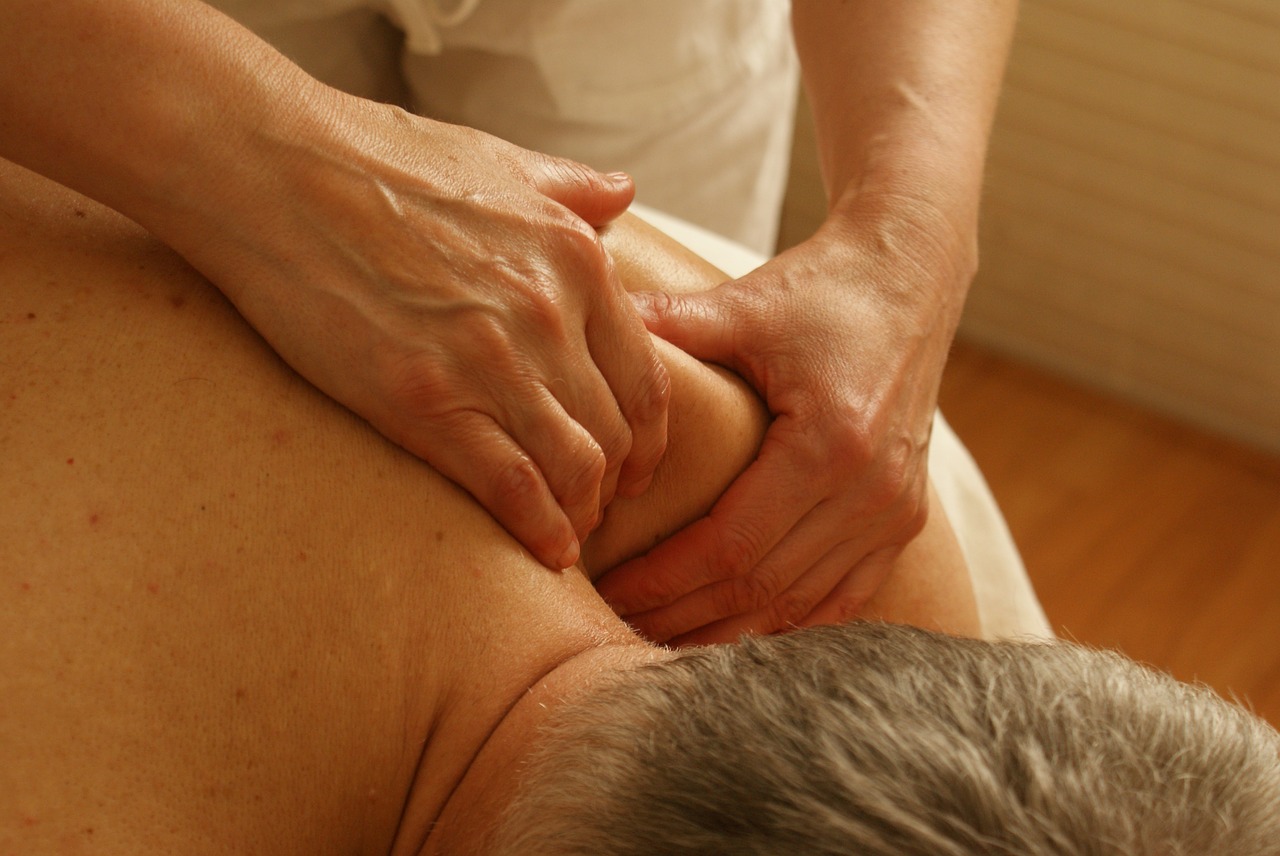
    (C) BIGSTOCK

    What finger should you use to massage someone’s prostate?

    Prostate massage can be done with the middle finger provided that it is long enough, but many men prefer to use a purpose-built prostate massager instead. Ensure the massager or the hands are clean; it may be beneficial to use a condom or latex gloves to protect against infection. Apply plenty of lubricant to the finger or massager, and slowly place the finger over the anus.

    Very slowly and without using too much force, gently rub the finger over the anus, moving back and forth until it enters the body. Continue this motion as the finger moves deeper into the rectum. The prostate is located three to four inches inside the rectum towards the penis; the finger or massager should therefore point slightly upwards.

    Gently rub the finger over the prostate whilst contracting and releasing your sphincter muscles. Continue this for as long as feels comfortable; 20 to 30 minutes is a good length of time for a prostate massage but it may be a case of building up to this over a number of weeks.

    Prostate massage can be performed once a week to keep the prostate in good condition. With a little practice, it becomes less daunting and a more enjoyable experience.

    This article was first published in May 2015 and has been updated with links.
  • OPINION | Brighton or Manchester: which city is truly the Gay Pride capital of Europe?

    26 years ago, the Stonewall riots triggered events that led to the gay liberation movement in the United States and culminated in Gay Pride marches which, in the preceding decades, have spread across the globe.

    The LGBT community has made massive strides in the past five years, culminating in the ground breaking legislation of same-sex marriage laws in the USA, the UK and other parts of the world.

    With these progressive advances, LGBT tourism has been dramatically on the increase. There is no bigger event on the LGBT calendar than Pride, where equality and diversity is celebrated and discrimination is renounced. In Europe, the cities of Brighton and Manchester are both in prime positions to take the crown of the Gay Pride capital of Europe.

    Here is a guide to help you navigate these two gay metropolises and decide which city truly deserves the title of Gay Pride capital of Europe

    Since the 19th century, Brighton has been known as a hub for gay people. Many men were initially drawn to the seaside town of Brighton by the large number of soldiers stationed there during the Napoleonic wars. Apart from its military appeal, Brighton has always had a rapturous reputation, being a destination where the pleasure seekers from nearby London could get away from the smog and bathe on the beach under Brighton Pier. Brighton is the home of light entertainment and this liberal streak in the city has always been naturally accommodating to the LGBT community. Today this historical closeness has produced a city with one of the highest LGBT populations in the country, with 11-15% of people over 16, in 2015, thought to be gay, lesbian or bisexual.

    By contrast, Manchester in the north of England has developed its reputation as a gay capital much more recently. The now famous Canal Street, which is the spiritual heart of Gay Manchester, was in the second half of the 20th century a dark and secretive meeting place for gay men, bordered by large looming cotton factories that were decaying in the post-industrial grimness of post-war Britain. Flash forward to today, and Canal Street has been transformed into a huge gay sanctuary with an intoxicating mixture of bars, pubs and clubs where the LGBT community can come together freely to party the night away.

    The ins and outs of each Pride

    Brighton Pride is the largest Pride in the UK, attracting around 290,000 people each year, making up a significant amount the city’s overall revenue. Starting on the first week of August, Brighton Pride becomes more popular each year. The Brighton Parade is the most significant event during Brighton Pride and is an incredibly powerful culmination of protest, history and unity, which are the foundations of this historically gay city.

    Manchester Pride, although smaller, is a fiery explosion of music, culture and energy. Manchester Pride peaks with its ‘Big Weekend’ event, which this year showcased huge musical stars such as Groove Armada, Sophie Ellis Bextor and Will Young, to name a few. Manchester uses its well defined club culture to truly knock your socks off during Pride. Although Brighton’s Pride festival saw the wonderful headliner Sister Sledge, Manchester has the musical edge and is perhaps more geared towards the idea of a Pride Party than Brighton.

    Both cities have huge amounts to offer during their Prides. Brighton is definitely a city more historically rooted to the LGBT movement, however the energy and controversy that has come out of Manchester’s LGBT community in the past decade, as well as popular cultural products such as Queer as Folk has really given Manchester Pride an incredible energy. Manchester definitely seems to be heading towards becoming the Pride capital of Europe, all the while its sister city Brighton still has an incredible amount to offer too.

    Find out more about Saeed Foudal at his website

    The opinions expressed in this article may not reflect those of THEGAYUK’s editorial or management boards. If you’d like to join the conversation or write an opinion piece, please click here.

  • DEBATE: Should Gay Men Be On PrEP?

    Around 100,000 people in the UK are living with HIV – that figure is ten times the number of HIV positive cases 10 years ago.

    There could be a great many reasons as to why the number is growing – are we perhaps simply more sexually active then we were before, inevitably leading to the rise in STDs and ultimately HIV? Are we not educated enough in the dangers of STDs, HIV and AIDS? Or is it perhaps a case of miseducation – do we just not know enough to warrant caution when it comes to unprotected sex?

    Whatever the reason may be, the facts remain stubbornly resolute.

    One in five cases of HIV in the UK go undiagnosed.6,360 new HIV diagnoses were made in 2012 alone 3010 of those new diagnoses were gay or bisexual men.

    And with the rise of new cases growing and growing, the medicine used to treat the virus has developed to meet the challenge of – primarily – helping those infected live as normal a life as possible, but also to find ways of preventing the spread of the virus.

    PrEP is the newest discovery in HIV prevention.

    PrEP – or pre-exposure prophylaxis – is a new method of prevention for those who are at high risk of getting HIV.

    Meant to be taken daily, each pill contains within it some of the same medicine used to stabilise the virus in people who are already living with HIV, with the goal of preventing infection from taking hold if you’re exposed to the virus.

    Since its mass availability, the drug has seen a heavy use-count in members of the LGBT community – especially gays and bisexuals. The reason for this is not hard to guess at; along with black African heterosexuals, gay and bisexual men are the most affected by HIV. In fact, three-quarters of people diagnosed with the virus in 2012 were among these two groups.

    So should we use PrEP?

    ‘Yes’ seems to be the answer if you’re deemed at high risk of being infected with HIV. This includes those in an ongoing relationship with a HIV-infected partner or anyone who has injected illicit drugs or shared drug-taking equipment within the last six months.

    When combined with other preventative tools – namely condoms – PrEP provides a greater level of protection from HIV than just contraceptives, or, of course, no protection at all.

    So… are there any downsides?

    While some people in the clinical study of the drug showed early and temporary side effects such as an upset stomach or a loss of appetite, it seems the only downside to taking PrEP is in fact to stop taking PrEP. It is not a vaccine (as of yet, no vaccine exists for HIV), and so called intermittent usage of PrEP (starting, stopping, starting, stopping…) shows a sharp decline in the drug’s effectiveness, according to health experts.

    For those who took the medicine consistently during trials for the drug, results showed that the risk of contracting HIV was up to 92% lower than those who were not taking PrEP.

    So while there’s still no cure or vaccine for HIV, the pharmaceutical industry is doing all it can to make the virus at least manageable. The introduction of PrEP seems to be something of a tactical curveball, in that the creators seem to be emphasising prevention rather than cure – at least, until there is one.

  • Four Reasons To Start Sex With A Massage

    Four Reasons To Start Sex With A Massage

    Many couples enjoy the pleasure and intimacy of erotic massages as foreplay. As well as relaxing the recipient, a strong, explorative, erotic massage can also have real, noticeable benefits for the giver and for the couple as a whole. Want to give your lover some truly unforgettable bodywork?

    Then read on.

    Four reasons to start sex with a massage

    • It strips away boundaries in a natural, unhurried way, building a real connection and singularity between both lovers.

    • It brings the recipient’s senses to life, as they begin to react and respond to the touch of the masseuse.

    • It gives the masseuse a better understanding of their lover’s pleasure zones, allowing them to see what they do and do not respond to. This will later inform love-making techniques, rhythms and positions.

    • The recipient’s whole body loosens up, with different parts connecting in ways that are not always possible. This builds towards stronger, longer orgasms.

    Five steps to the perfect erotic massage

    • Before

    It is vital that you create the best possible atmosphere for your love-making. Be sure you are in a

    quiet space that will be yours and yours alone for at least two hours. Switch off all phones and

    minimise overhead light, using candles if possible. Incense and low music are also helpful additions.

    • To begin

    Ask your lover to lay face-down on the bed, table, couch or whatever comfortable platform you have setup for their massage. Check that they are relaxed and not strained in their position. Then place your hands on the centre of their back and feel their breathing pattern. Take a moment to acclimatise yours with theirs, until you are both breathing in and out at the same pace.

    • Gentle touches and slow strokes

    Your first strokes should be tender, using only your fingertips to allow your lover’s senses to know that pleasure is coming. Next, place some warmed massage oil on your hand and slowly rub it all over their body, from the top of their back to the heels of their feet. Tell your lover that they can move and express themselves however they like, to guide you and to give them a sense of both pleasure and mutual control.

    • Rollover

    When you have rubbed the oil sensually and slowly all over your lover, ask them to roll over. Now apply the oil to their front in the same measured strokes. Once they are fully relaxed, move your hands softly to their genitalia. Rub the oil around the outskirts of their sexual organ, teasing it into life, slow and sure, before moving in to the centre. Their arousal should be visible and audible, showing you when the time is right to move on to sex.

    • After sex

    When both lovers have climaxed, spoon together for a long moment, allowing your heartbeats and breathing to connect and synchronise once again. This will give a complete wholeness to your lovemaking.
    An erotic massage is a powerful, beautiful and, most of all, pleasurable way to begin sex. Try this technique for yourself.

    by Guysway

    This article was first published in July 2015.

  • LGBT hate crime and how to defend yourself

    According to the Gay British Crime Survey 2013, compiled by Stonewall, one in ten LBGT people were physically abused in an act of hate crime in the previous three years, and twice that number were threatened with violence. Of the attacks that took place, two thirds were carried out by men who were unknown to the victim and half of these were carried out by men under the age of 25.

    Whilst members of the LBGT community continue to feel under threat from homophobic physical assault, it’s no wonder that many people including females, are wanting to learn self-defence, should the worst happen. Throughout the country there are a growing number of self-defence courses being set up to cater for this increased demand. One such high profile course is offered by the University of London, which combines martial arts and personal awareness training to help LBGT students “better understand their personal safety and give them the confidence to protect themselves.”

    For those who are averse to joining a self-defence class but still want some advice on how to protect themselves when threatened with attack, there are a number of fairly easy techniques to use.

    The priority should always be to try to prevent the attack happening in the first place, and there are a number of steps that can be done to do this. Firstly, people should avoid situations in which they make themselves vulnerable to attack. Attacks are less likely in busy places and especially so if the person threatened is with other people. Being drunk or under the influence of drugs also makes people easy targets. LGBT people in threatening situations need to be aware of their surroundings and should seek the help of others.

    Remember that in most cases, the aggressor is looking for an easy target. If they continue to threaten, it’s important to maintain eye contact. By doing this, the person threatened is showing that they are not intimidated and this will often lead to the aggressor backing down.

    Whilst any confrontation is taking place, it’s important for the victim to stay calm and focused. The aggressor will want the victim to give them a reason for striking out. So, do not accept any challenge, retaliate with insults or strike out first. Walking away can help, but if the bully is truly intent on attacking, it gives them the perfect opportunity to strike whilst the victim is most at risk.

    If the aggressor begins to attack, the first thing the victim should do is shout out at them to get off. This lets others know they are under attack and lets the attacker know they are not an easy target. This may lead to intervention by others or make the attacker think twice about continuing.

    Once the attack has started, it’s even more important to stay in control. Rather than simply hitting out, any counter attack needs to be done where it is likely to have the greatest impact on the aggressor; the eyes, nose, neck, groin, knees and legs. The victim should always use their arms to attack the top half of an aggressor’s body and the legs for the bottom half. How close the attacker is should determine where it is best to strike them. Avoid getting too close as this might cause the attacker to attempt a body hold to put the victim on the ground and make them more vulnerable.

    To make it easier to escape a physical assault, it is always best to strike in places that will cause the attacker pain. The victim can scratch, poke, or even gouge the aggressor’s eyes or use the heel of the hand to stun their nose – both of which would hurt enough to give time to get away from the confrontation.

    Other strikes that can be useful include chopping the side of neck using a flat hand to stun an assailant, or kicking their knee, particularly from the side, which will knock them off balance.

    Victims should always remember that the aim of self-defence is to protect oneself – you have a legal right to do so. However, once there is an opportunity to escape it should be taken. If the aggressor is down and out, do not continue attacking; stop and leave. This will protect you from any legal complaint made by the aggressor

    For more detailed instructions on self-defence, it is highly recommended that individuals take part in organised classes run by qualified instructors, whether ones for the general public or ones specifically set up for the LBGT community.