Category: Front Page

  • You have to listen to Tina Turner’s Simply The Best reimagined as a gay love song

    Tingles.

    Yet another reason why Schitt’s Creek is one of the best TV shows on Netflix. In the latest series, David and Patrick have an incredibly tender moment – which results in this amazing, hair-standing-on-end, spine-tingling, heart-warming version of Tina Turner’s epic hit, ‘(Simply) The Best’.

    Even better it’s been released as a single by the actor who plays Patrick, Noah Reid.

    Take a listen on Spotify

    Tina’s version is obvs the definitive, so much so we included it in our 40 top gay anthems for pride playlist but we absolutely love this as a love song between two men. It almost makes us want to love again.

  • Victim left with a fractured skull after “vicious” homophobic assault at London gay bar

    A victim has been left with a fractured skull after an alleged “vicious” attack at a London gay bar.

    homophobic attack london,
    An alleged homophobic attack happened at one of London’s most popular gay venues.

    A man was left with a fractured skull after an assault at the Eagle bar in Vauxhall. The alleged attack happened in the early hours of 2nd July 2018, when two men and a woman were asked to leave the premises.

    After the small group was ejected they became violent, according to the Met police. Two males, 42 and 30 and a female, 20-year-old, were taken into custody. They were released under investigation.

    According to a police statement, “It would appear that two men and a woman took umbrage to being asked to move from the smoking area, and were then subsequently ejected from the premises after making homophobic comments to staff at the venue”.

    Investigating officer, Detective Constable Phill Govett, from Lambeth, said, “This was a particularly vicious attack which stemmed from a minor incident and involved the use of homophobic language. Hate crime in any form will not be tolerated by police and we will take all possible action to bring perpetrators of these offences to justice.”

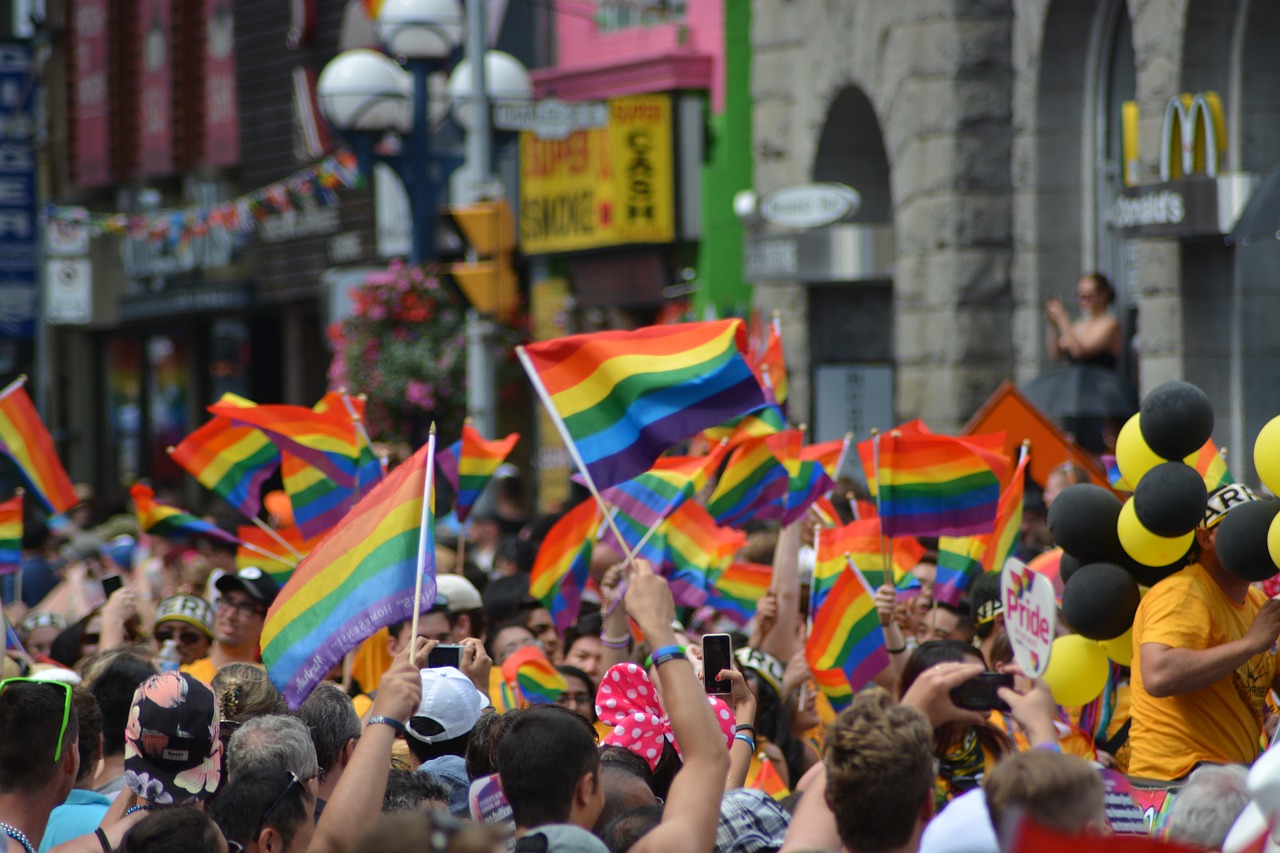
    This weekend, the UK’s capital, plays host to one of the countries biggest pride events, Pride In London. The Met have made policing the event a “priority”.

    Chief Superintendent Helen Millichap, Met spokesperson for the event, said, “As with any large event the Met’s priority is public safety and we are working closely with the organisers in the lead up to Pride to develop our policing plan. We want Pride to be a friendly, safe event for everyone to enjoy and to help us we need the public to take the usual precautions by remaining vigilant and reporting anything of concern to police officers or stewards at the event.”

  • What is that Focus sign by the Thames and Tower Bridge?

    If you’ve walked past the massive FOCUS sign on the Thames and wondered what it was, we’ve got the answer.

    What is that Focus sign by the Thames and Tower Bridge?

    It’s an Artifical Intelligence, interactive art piece. The installation’s interactive letters, spelling F-O-C-U-S, use artificial intelligence to interact with visitors and passers-by to discover and highlight their interests or passions.

    Once determined, these passions are displayed across 540 LED video tiles embedded in the six meters high, 30m long structure, alongside a video edit of the experience uploaded to Facebook to share.

    It took approximately 200 hours to train the AI programme to ‘understand’ and respond to users, and it is able to converse in four languages, with London the second stop on a five-leg European City tour. Standing at six-metres high, the 20-tonne structure took over 6,000 hours to fabricate.

    “The Ford Focus has an extensive fan base, coming from nearly two million customers over 20 years,” said Andy Barratt, Ford of Britain chairman and managing director.  “Those in London over one of its busiest weekends can celebrate the arrival of the 2018 Ford Focus by sharing their passions via our giant F-O-C-U-S letters.”

    Ford will be supporting Pride Festival during the switch-on moment and throughout the weekend, displaying the Pride flag across the installation, as well as unfurling the St George’s flag on Saturday ahead of England’s quarterfinal World Cup fixture.

    Edmund Rogers from Ford’s GLOBE group, an employee resource group for sexual orientation and gender identity commented, “Ford has a strong history of supporting LGBT rights, and Pride, so we’re very proud to be flying the flag in support of Pride 2018.”

    The installation is open to the public until 8th July, supported by a range of new Focus vehicles, allowing people to explore the technology on offer in the new Ford Focus.

  • This guy just destroyed gay toxic masculinity in the best way

    This guy just destroyed gay toxic masculinity in the best way

    What is it with toxic masculinity and shaming effeminate men from within our own community?

    CREDIT: Dean-Drobot-bigstock

    We are so tired of fat and body shaming.

    This RealJock user has set one such tox guy in the most glorious way. When user, Neal, told Nicolas to “be a man and shut up” after raising the issue of how toxic gym spaces could be for LGBT+ users he was told,

    “The only thing toxic to men is the increased feminity among them. I’ve seen your pics, maybe if you looked better you wouldn’t feel so insecure, but that’s your issue”.

    U OK Hun?

    But it was Nicolas’s response that set our hearts racing.

    He responded,

    “Wow! It’s statements like this that are damaging our community from within rather than building it up. But all you’ve done is prove my point and show how muscled-up gym bros like yourself can make the gym a really hateful place. You seem completely unaccepting of gay guys who you consider weak or effeminate, but how are they suppose to get stronger if they have to wade through your toxic bull$%^t just to get to the squat rack”

    via GIPHY

    Can we get an amen?

  • This is what the UK’s Government has said it will do to improve the lives of LGBT people

    This is what the UK’s Government has said it will do to improve the lives of LGBT people

    Today the Government launched its LGBT+ action plan, a list of 75 things it wants to do to improve the lives of LGBT+ people in the UK and internationally.

    naeimasgary / Pixabay

    Minister for Women and Equality, Penny Mordaunt has launched the Government’s LGBT Action Plan, after carrying out one of the most extensive surveys of LGBT people in history. The survey asked questions about people’s experiences of living in the UK and in accessing public services. LGBT people were asked questions about education, healthcare, personal safety and employment.

    Over 108,000 people answered the survey, which was launched last summer and some of the results are shocking.

    One statistic alone speaks volumes. Two-thirds of respondents said they had avoided holding their same-sex partner’s hand in public for fear of a negative reaction. Holding hands with someone you love should be one of the simplest things in the world; not a source of fear or hesitation. There were difficult findings in other areas, such as safety, health, education and employment.

    Speaking about the plans, Ms Mordaunt said,

    “We have more work to do.

    “I am pleased that one of my first acts as the new Minister for Women and Equalities is to publish this comprehensive LGBT Action Plan. With over 75 commitments, the cross-Government plan sets out how we will improve the lives of LGBT people over the course of this Parliament. Some of the key actions include:

    • appointing a national LGBT health adviser to provide leadership on reducing the health inequalities that LGBT people face
    • extending the anti-homophobic, biphobic and transphobic bullying programme in schools
    • bringing forward proposals to end the practice of conversion therapy in the UK
    • taking further action on LGBT hate crime”

    You can read what the plans are for each of the areas defined by the LGBT action plan. We have seperated the plan into the six key areas.

    Education | Healthcare | Representation | Workplace | International | Safety

    £4.5m made available for the action plan

    In order to pay for the LGBT action plan, the Government have made £4.5m available to deliever on its commitments. It has created an ‘LGBT Implementation Fund’.

    The funding will initially run until March 2020. Some of this funding will be used to deliver projects within the government. The remainder will be made available to public, private and voluntary sector organisations to deliver projects to support LGBT people. The Government Equalities Office will manage the funding, and decide how money is allocated to projects.

    “Flawed”

    CREDIT: Monty McKinnen

    However, some critics have called the plan flawed, Peter Tatchell, the UK’s most prominent LGBT+ rights advocate said,

    “The LGBT Action Plan is a welcome start but it falls short on key issues,”
    “The biggest fail is the lack of any pledge to end the detention and deportation of LGBT+ refugees fleeing persecution in violently homophobic countries like Uganda, Iran, Russia, Egypt and Jamaica.
    “Another big omission is the absence of any commitment to compensate gay and bisexual men who were convicted under past anti-gay laws. They suffered greatly; frequently being hit with huge fines. Some were jailed and beaten in prison. They often lost their job, income and home. Many suffered mental breakdowns. Their lives were wrecked for decades. The government’s unwillingness to include compensation in its Action Plan is a huge let down.
    “The £4.5 million budget is derisory and insulting. It coincides with cuts in funding for sexual health clinics, which make it hard to get testing and treatment appointments. This is contributing to a rise in infections among gay – and straight – people.
    “Banning gay conversion therapy is the right thing to do. It doesn’t work and it is deeply offensive to try to change a fundamental, natural and widespread human characteristic.”

    LGBT Action Plan fails to acknowledge inequality across the UK

    In response to the plan, Co-Chairs of Pride in London, Alison Camps and Michael Salter-Church said,

    “What is missing from the report is an acknowledgement that we do not have equality across the whole of the UK. The Prime Minister and the Minister both mention the UK’s global leadership on LGBT+ rights. The truth of the matter is that other countries have overtaken us and there has been a failure to address fundamental issues in our country; the lack of equal marriage in Northern Ireland and cohesive relationship, gender and sex education being the most obvious. We call on the government to specifically address these points.

    “Above all, what we see is that Pride matters as much as it ever has. This Saturday, the UK’s biggest Pride parade will take to the streets 46 years after it started. We will be there not just to celebrate how far we’ve come, but to march and protest for how much further we need to go in London and beyond”.

    You can read the full release here.

  • What the UK Government says its going to do for LGBT+ people internationally and in the Commonwealth

    What the UK Government says its going to do for LGBT+ people internationally and in the Commonwealth

    The UK’s Government has launched an LGBT action plan, in which it wants to deal with issues facing the LGBT+ community, including how it will work with international governments and the Commonwealth on LGBT+ issues.

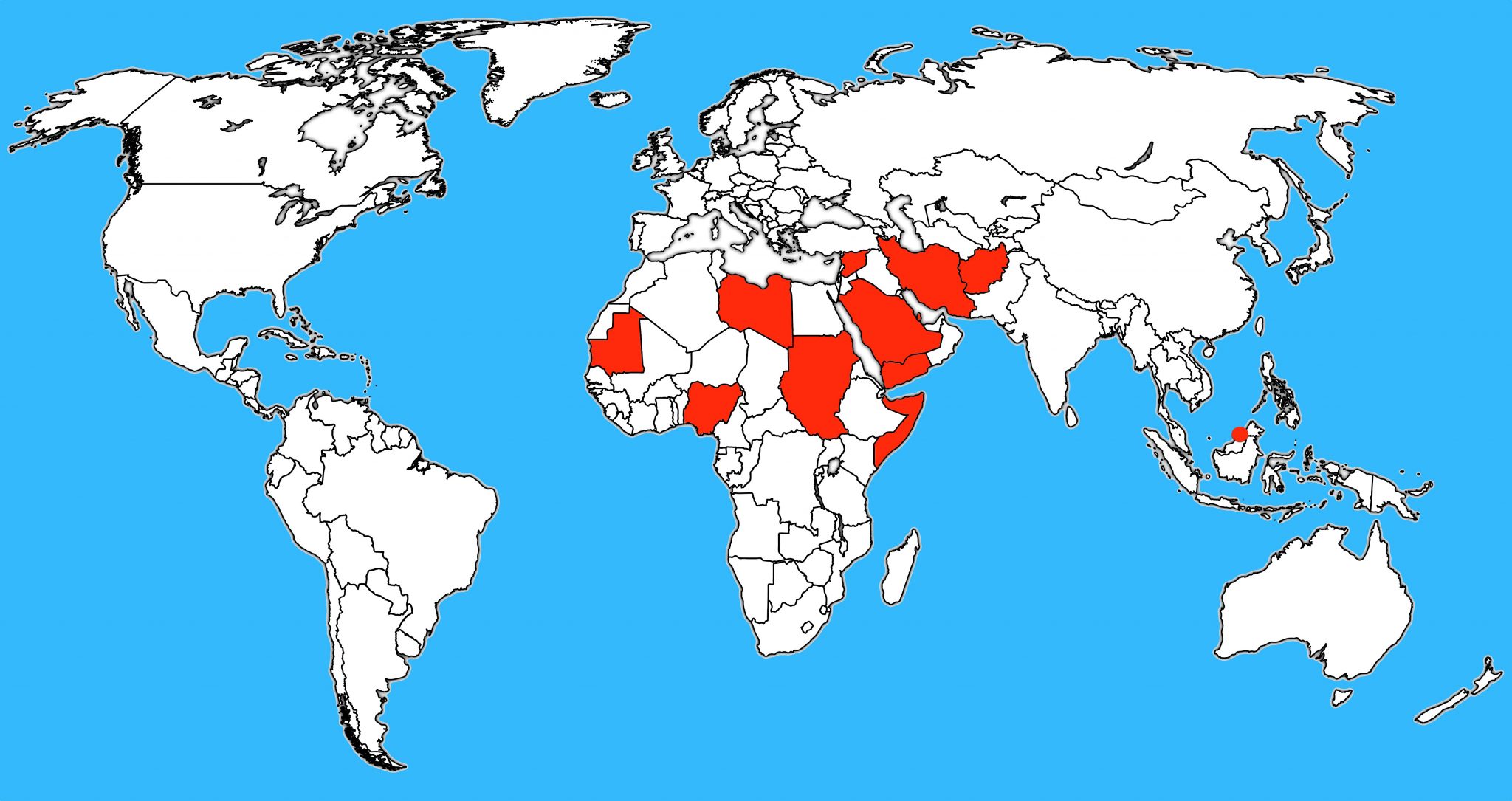
    Where In The World Is Homosexuality Pubishable By Death
    CREDIT: TheGayUK

    “This Government is committed to making the UK a country that works for everyone. We want to strip away the barriers that hold people back so that everyone can go as far as their hard work and talent can take them”.

    Big words, so what exactly are they promising?

    Penny Mordaunt, the Minister for Women and Equality has outlined 75  points she wants her office to push in order to achieve better rights, equality, safety and visibility for gay, lesbian, bisexual, transgender and intersex people of the UK.

    The LGBT action plan offered the following for LGBT+ people internationally and in the commonwealth.

    We believe LGBT people around the world deserve at least the same rights and respect that we enjoy in the UK and that the UK has a special responsibility to address laws discriminating against LGBT people in the Commonwealth.

    We will support countries that want help to repeal laws discriminating against LGBT people. The Prime Minister has offered support to Commonwealth countries wishing to reform discriminatory legislation. A £5.6 million programme delivered through civil society organisations will advance the legal equality and rights of all Commonwealth citizens, regardless of gender, sex, sexual orientation or gender identity.

    We will deliver an international conference focusing on the issues LGBT people face around the world. The conference will highlight a range of issues with governments, civil society and other key stakeholders on how best to progress LGBT equality.

    We will provide better travel advice for LGBT people. The Foreign and Commonwealth Office will continue to update and regularly review our travel advice for LGBT people. In particular, we will work with partners to ensure that our advice to trans travellers going abroad for medical treatment is as informative and up-to-date as possible. The Foreign and Commonwealth Office will ensure that issues specific to LGBT travellers are addressed in travel advice communications.

    We will promote LGBT rights through multilateral organisations, the private sector and international civil society organisations. The Foreign and Commonwealth Office will continue to work through UK embassies, high commissions and through international organisations, including the United Nations, European institution and the Commonwealth, to protect and promote LGBT rights and to address laws discriminating against LGBT people. The UK will consider putting in a bid to co-chair the Equal Rights Coalition in 2019.

    We will provide funding to promote LGBT equality worldwide. The Foreign and Commonwealth Office Magna Carta Fund for Human Rights and Democracy has committed £1.1 million to support LGBT rights projects worldwide in 2018 and 2019. The Government Equalities Office will provide match funding to the Organisation for Economic Co-operation and Development work on reviewing LGBT inclusiveness. As part of the Department for International Development’s new funding mechanism – UK Aid Connect – and in recognition of the importance of global LGBT inclusion, the Department for International Development will provide up to £12 million over 4 years, from 2018 to 2022, for a consortium of organisations to work together to promote LGBT inclusion.

    Here’s what the government plans are in other key areas:

    Education | Healthcare | Representation | Workplace | International | Safety

  • What the UK Government says its going to do for LGBT+ representation in the UK

    The UK’s Government has launched an LGBT action plan, in which it wants to deal with issues facing the LGBT+ community, including how it will better the representation of LGBT+ people.

    ©-yanlev-Depositphotos

    “This Government is committed to making the UK a country that works for everyone. We want to strip away the barriers that hold people back so that everyone can go as far as their hard work and talent can take them”.

    Big words, so what exactly are they promising?

    Penny Mordaunt, the Minister for Women and Equality has outlined 75  points she wants her office to push in order to achieve better rights, equality, safety and visibility for gay, lesbian, bisexual, transgender and intersex people of the UK.

    The LGBT action plan offered the following for LGBT+ representation.

    We want to build a society that accepts everyone, regardless of their sexual orientation or gender identity.

    We will trial innovative ways of tackling deep-seated prejudices in our communities. The Government Equalities Office will work across the public, private and voluntary sectors to improve the representation of LGBT people in public life, championing role models and giving people the confidence to be themselves in public. The Government Equalities Office will also look at how behavioural insights can be used to help improve people’s attitudes toward LGBT people more quickly.

    We will support the important role of local pride events across the UK. The Government Equalities Office will continue to have a presence at Pride events across the country, allowing us to hear directly from LGBT people. The Civil Service will demonstrate its own commitment to becoming the UK’s most inclusive employer by having a presence at Pride events each year and by supporting departmental staff networks and all staff across gender, ethnicity, faith and belief, age and disability to engage with these events.

    We will work to address harmful gender stereotypes and gender norms. The Government Equalities Office will work with the media and with schools to challenge gender stereotypes, and will also develop the evidence on the cause and impact of gender norms.

    We will continue our work to increase LGBT inclusion in sport and physical activity. Following the publication of the Department for Digital, Culture, Media and Sport’s ‘Sporting Future’ strategy for sport and physical activity, Sport England are providing expert help to sporting organisations to increase the participation of LGBT people in sport and physical activity. Sport England are also working to improve LGBT access to sport and physical activity as spectators, as volunteers and in the workforce. It is working alongside National Governing Bodies of sport and LGBT-focused sports organisations on a number of equality initiatives aimed at LGBT inclusion, and it is also working with a number of partners across the leisure industry, including the Chartered Institute for the Management of Sport and Physical Activity, to develop guidance on trans inclusion for frontline leisure industry staff. Sport England will also monitor the representation of LGBT people in senior leadership alongside other elements of diversity, following the launch of the Code for Sport Governance in October 2016. Following Sport England’s investment in a study by Pride Sports to identify how to better support LGBT inclusion in sport, Sport England will consider the recommendations of the research.

    Here’s what the government plans are in other key areas:

    Education | Healthcare | Representation | Workplace | International | Safety

  • What the UK Government says its going to do for LGBT+ data protection in the UK

    What the UK Government says its going to do for LGBT+ data protection in the UK

    The UK’s Government has launched an LGBT action plan, in which it wants to deal with issues facing the LGBT+ community, including how this government will collect, maintain and protect the data of LGBT people.

    6689062 / Pixabay

    “This Government is committed to making the UK a country that works for everyone. We want to strip away the barriers that hold people back so that everyone can go as far as their hard work and talent can take them”.

    Big words, so what exactly are they promising?

    Penny Mordaunt, the Minister for Women and Equality has outlined 75  points she wants her office to push in order to achieve better rights, equality, safety and visibility for gay, lesbian, bisexual, transgender and intersex people of the UK.

    The LGBT action plan offered the following for LGBT+ data protection and collection.

    We want to ensure that government services monitor these protected characteristics in a consistent, respectful and proportionate way.

    We will enable government services to appropriately monitor sexual orientation and gender identity. The Government Equalities Office, the Office for National Statistics and the Government Statistical Service will work together on a cross-government project to develop monitoring standards for sexual orientation and gender identity across central government. These standards will be freely available to the wider public and private sectors. The Government Equalities Office and Office for National Statistics will provide guidance and support to departments looking to implement monitoring in their services to ensure that it is consistent, proportionate and safe.

    We will ensure the Civil Service is an exemplary employer for collecting data on sexual orientation and gender identity in a sensitive, respectful and proportionate way. Civil Service HR, the Office for National Statistics and the Government Equalities Office will work to develop standardised questions for inclusion in internal departmental systems such as human resources systems for government employees. Civil Service HR will continue to include questions on sexual orientation and gender identity in the annual Civil Service People Survey so that the diverse workplace experiences of civil servants can be better understood.

    We will provide guidance on protecting private data concerning the characteristics and history of transgender people. The Government Equalities Office will work with the Department for Digital, Culture, Media and Sport and other agencies to agree guidance for public and private sector organisations explaining how they can protect these data and ensure the privacy of trans people. The guidance will help organisations to comply with relevant legislation such as the General Data Protection Regulation and the Gender Recognition Act 2004.

    In line with the Government’s approach to open data8, we will explore how best to make as much of the national LGBT survey data available as possible. We realise that the data we have collected is rich and comprehensive. We will not share or publish any data from which individuals can be identified, but the Government Equalities Office will look to publish more aggregate-level, anonymous data which will be of use to researchers, academics, stakeholders, the media, policymakers and the public at large.

    We will undertake further work to improve our understanding of the needs of specific groups within the LGBT population. The Government Equalities Office will look to improve the evidence base relating to the experiences of groups including older people, people in care, people with disabilities and long-term conditions, and black and minority ethnic people.


    Here’s what the government plans are in other key areas:

    Education | Healthcare | Representation | Workplace | International | Safety

  • What the UK Government says its going to do for LGBT+ workplace protections in the UK

    The UK’s Government has launched an LGBT action plan, in which it wants to deal with issues facing the LGBT+ community in the UK, including how people can self-identify, ensuring LGBT people know their employment rights.

    people at work
    CREDIT: ©-monkeybusiness-Depositphotos

    “This Government is committed to making the UK a country that works for everyone. We want to strip away the barriers that hold people back so that everyone can go as far as their hard work and talent can take them”.

    Big words, so what exactly are they promising?

    Penny Mordaunt, the Minister for Women and Equality has outlined 75  points she wants her office to push in order to achieve better rights, equality, safety and visibility for gay, lesbian, bisexual, transgender and intersex people of the UK.

    The LGBT action plan offered the following for LGBT+ policing and safety.

    We also want to ensure that LGBT people are aware of the rights they do have already.

    We will consult on how best to reform the gender recognition process. Last year, the Government Equalities Office announced the intention to consult on the Gender Recognition Act 2004 to see how the legal gender recognition process can be made less bureaucratic and intrusive. The consultation will be published alongside this action plan, and we will use the results of the national LGBT survey and the consultation to bring forward proposals for reforming this public service.

    We will consider ways to make it easier to tell the government if you have changed your gender. The Government Equalities Office will investigate whether the ‘Tell Us Once’ service – which is currently used to notify government departments of bereavements – can be learned from so that transgender people who are transitioning and want to update their name and gender across multiple departments only have to do so once.

    We will improve our understanding of issues facing non-binary people. The Government Equalities Office will launch a Call for Evidence on the issues faced by non-binary people, building on the findings from the national LGBT survey.

    We will also improve our understanding of the issues facing people who are intersex. The Government Equalities Office will launch a separate Call for Evidence to improve the evidence relating to intersex people’s experiences.

    We will ensure that LGBT people can easily access information they need about their rights. The Government Digital Service will review the existing content on GOV.UK aimed at LGBT people, and improve the content to ensure that it fully meets their needs.

    Here’s what the government plans are in other key areas:

    Education | Healthcare | Representation | Workplace | International | Safety

  • What the UK Government says its going to do for LGBT+ safety in the UK

    The UK’s Government has launched an LGBT action plan, in which it wants to deal with issues facing the LGBT+ community in the UK, including tackling conversion therapy, LGBT homelessness and domestic violence.

    “This Government is committed to making the UK a country that works for everyone. We want to strip away the barriers that hold people back so that everyone can go as far as their hard work and talent can take them”.

    Big words, so what exactly are they promising?

    Penny Mordaunt, the Minister for Women and Equality has outlined 75  points she wants her office to push in order to achieve better rights, equality, safety and visibility for gay, lesbian, bisexual, transgender and intersex people of the UK.

    The LGBT action plan offered the following for LGBT+ policing and safety.

    “We want LGBT people to feel comfortable reporting incidents they experience, and we are not prepared to stand idly by as harmful practices such as conversion therapy happen in our country”

    We will bring forward proposals to end the practice of conversion therapy in the UK. These activities are wrong, and we are not willing to let them continue. Led by the Government Equalities Office, we will fully consider all legislative and non-legislative options to prohibit promoting, offering or conducting conversion therapy. Our intent is to protect people who are vulnerable to harm or violence, whether that occurs in a medical, commercial or faith-based context. We are not trying to prevent LGBT people from seeking legitimate medical support or spiritual support from their faith leader in the exploration of their sexual orientation or gender identity.

    We will improve the police response to hate crime and raise awareness of local support agencies for LGBT victims. The Home Office and Ministry of Housing, Communities and Local Government will refresh the 2016 Hate Crime Action Plan later this year. The refreshed Hate Crime Action Plan will include measures to improve the awareness and skills of police officers and staff to respond to the needs of hate crime victims – including LGBT victims. The Home Office and Ministry of Housing, Communities and Local Government will also fund a bespoke training package available to all police call handlers to help ensure victims are correctly identified and supported at this critical first point of contact. The refreshed plan will also set out action to support local agencies, particularly the police, to ensure they are well placed to direct victims of hate crime to appropriate support services. The refreshed plan will aim to support partners to review and assess the coverage and awareness of local services in their areas. This summer, Her Majesty’s Inspectorate of Constabulary and Fire & Rescue Services will publish the findings of its inspection of English and Welsh police forces’ effectiveness at identifying, recording, and responding to reports of hate crime. The Government is also looking at the responses to the National LGBT survey about hate crime legislation and will consider this and other evidence as part of the Hate Crime Action Plan refresh.

    We will improve recording and reporting for victims of hate crime and domestic abuse. The Crown Prosecution Service will work with the LGBT stakeholders and specialist press to raise awareness of successfully prosecuted cases involving LGBT victims to increase confidence in reporting crimes. The Crown Prosecution Service will work with partners to improve the recording and monitoring of equalities data for LGBT victims of domestic abuse, rape and hate crime.

    We will address domestic abuse of LGBT people with multiple and complex needs. The Ministry of Housing, Communities and Local Government has a Violence Against Women and Girls Strategy commitment to improve services for victims of domestic abuse with complex needs, which can include mental ill-health and substance misuse, and is working across government to ensure the needs of LGBT victims are represented. The Ministry of Housing, Communities and Local Government will also announce further significant funding for domestic abuse services across England, including refugees, as early as possible this financial year. In addition, the Ministry of Housing, Communities and Local Government are carrying out a comprehensive review of the funding and commissioning of domestic abuse services across England. The review will be informed by an audit, which will give us a picture of provision across England, including support for LGBT victims of domestic abuse, enabling government to assess what impact services are having and to identify any gaps in provision.

    We have collected evidence on the barriers faced by LGBT victims of domestic abuse when seeking support and we will consider how to address them as part of the Government’s wider work on Domestic Abuse. The Government’s consultation on ‘Transforming the Response to Domestic Abuse’ sought views on what steps can be taken forward through our landmark draft Domestic Abuse Bill and supporting non-legislative package. The consultation sought views on what government can do to better support victims who face multiple barriers to accessing support including, LGBT victims of domestic abuse. The Home Office will work with the Government Equalities Office to ensure the non-legislative package fully considers the needs of LGBT victims.

    We will increase awareness of support services for LGBT victims of sexual assault and abuse. NHS England will work with the police to increase awareness of services provided by Sexual Assault Referral Centres for LGBT victims and survivors who face additional barriers to reporting sexual assault and abuse. In April 2018, NHS England published the ‘Strategic Direction for Sexual Assault and Abuse Services – Lifelong care for Victims and Survivors: 2018-2023’. This strategy outlines how NHS England and agencies will improve the whole care pathway for victims and survivors of sexual assault and abuse over a lifetime. NHS England are also committed to having LGBT representation on the National Patient Participation Group for Sexual Assault Referral Centres.

    We will work to understand the causes of LGBT homelessness and how we can better support LGBT homeless people’s needs. From April 2018, local authorities have started collecting case-level data, through the Homelessness Case Level Information Collection data system, on the sexual orientation and gender identity of homeless people. We will analyse this data in order to better understand the nature and scale of the problem of LGBT homelessness, as well as how well frontline staff support individuals. The Government Equalities Office and the Ministry of Housing, Communities and Local Government will undertake qualitative research into the experiences of LGBT homeless people as well as conducting an audit of existing service provision. Non-statutory guidance for local authorities will be produced, raising awareness of the needs of LGBT homelessness people and ways to better support them. The Ministry of Housing, Communities and Local Government will ensure that LGBT homeless people’s needs are reflected across the Government’s forthcoming rough sleeping strategy.

    We will make sure that victims of crime continue to have access to support services, to help them cope with and, as far as possible, recover from the effects of crime. This year, the Ministry of Justice is providing around £96 million to support victims of crime; around £68 million of this will be allocated to 42 Police and Crime Commissioners to locally .commission or provide support services for victims of crime, including LGBT victims. In previous years, some Police and Crime Commissioners spent some of their grant funding on specific projects for LGBT victims. In 2018 to 2019 LGBT-specific providers will continue to deliver a range of services, including counselling, advocacy and befriending services to LGBT victims of hate crime, sexual violence and domestic violence.

    We will continue our work to ensure that the needs of all LGBT claimants are met in the asylum process, regardless of whether their claim was lodged on this basis. While the national LGBT survey did not ask questions about the asylum process, we remain committed to granting protection to all claimants who are found to be at risk of persecution or serious harm in their country of origin because of their sexual orientation or gender identity. The Home Office guidance for caseworkers on processing asylum claims on the basis of sexual orientation will be reviewed shortly. The Home Office will also publish guidance on asylum claims based on gender identity and expression in the summer. The Home Office published data on asylum claims made on the basis of sexual orientation for the first time in November 2017 and is committed to re-publishing annually. The Home Office will continue to review the training of immigration detention estate and healthcare staff to ensure that the specific needs of LGBT detainees are consistently met.

    We will ensure that the UK is the safest place in the world for all users, including LGBT people, to be online. The Government response to the Internet Safety Strategy, published in May 2018, set out details of our new code of practice with guidance for social media providers. The code will help ensure that clear and transparent reporting processes are in place so that users can report abuse targeting LGBT people. We are also introducing transparency reporting for social media providers. These reports will help us understand the amount of LGBT-related abuse reported and how providers deal with these reports. The Government response also announced that the Department for Digital, Culture, Media and Sport and Home Office would jointly work on a White Paper, to be published later this year. The White Paper will set out our proposals for future legislation that will cover the full range of online harms, including both harmful and illegal content. Potential areas where the Government will legislate include the social media code of practice, transparency reporting and online advertising.

    We will ensure LGBT young people have access to educational online safety interventions that address their needs and are informed by their experiences. The National Crime Agency’s ‘Digital Romance’ report showed that higher proportions of LGBT young people meet partners online. It also found that significantly more lesbian and gay young people had met up with an online contact who was not who they said they were. The National Crime Agency will develop effective and appropriate education interventions to ensure LGBT young people can be full, equal and safe participants in online activity and communities, and benefit from the full potential of digital technologies. This will include identifying areas of intervention to ensure young people develop the knowledge, skills and attitudes to stay safe online. They will work with LGBT young people, professionals and parents to develop the interventions and resources.

    We will ensure that transgender prisoners are treated fairly, decently, lawfully with their rights respected. Her Majesty’s Prison and Probation Service will continue to work with its advisory board to further review its Agency Instruction on the care and management of transgender offenders. Her Majesty’s Prison and Probation Service will commission research and will work collaboratively with partner organisations to better understand the transgender prison population and those serving sentences in the community, which will inform our ongoing work. We will consider the recommendations of the ‘Inside Gender Identity’ report into the health and social care needs of transgender offenders.

    Here’s what the government plans are in other key areas:

    Education | Healthcare | Representation | Workplace | International | Safety

  • What the UK Government says its going to do for LGBT+ education in the UK

    The UK’s Government has launched an LGBT action plan, in which it wants to deal with issues facing the LGBT+ community in the UK, including in the education system.

    CREDIT: © tomwang Depositphotos

    “This Government is committed to making the UK a country that works for everyone. We want to strip away the barriers that hold people back so that everyone can go as far as their hard work and talent can take them”.

    Big words, so what exactly are they promising?

    Penny Mordaunt, the Minister for Women and Equality has outlined 75  points she wants her office to push in order to achieve better rights, equality, safety and visibility for gay, lesbian, bisexual, transgender and intersex people of the UK.

    Education was a big part of the government’s action plan, here’s what Ms Mordaunt said she plans to do:

    “We will take action so that our education system supports every LGBT child or young person”

    We will continue to tackle homophobic, biphobic and transphobic bullying in schools and the wider education system. The Government Equalities Office will complete its anti-homophobic, biphobic and transphobic bullying programme. This £3 million programme will reach more than 1,200 schools in England by March 2019. From March 2019 to March 2020, the Government Equalities Office will provide further funding for interventions in schools, and consider further projects to tackle bullying in further and higher education institutions. The Department for Education will work with the Government Equalities Office to understand how best to support schools to tackle homophobic, biphobic and transphobic bullying and how to continue this programme of work in a sustainable way through the school curriculum and policies in the medium and to long term. The Crown Prosecution Service will review and update their LGBT Hate Crime Schools Pack in partnership with young LGBT people and identity-based bullying professionals to tackle bullying in schools.

    We will update Sex and Relationships Education guidance to support the Government’s reforms to this subject. As we have previously announced, the Department for Education will update the statutory guidance on Relationships Education in primary schools, and Relationships and Sex Education in secondary schools. These updates will ensure that the guidance supports teaching that is age appropriate and relevant to all pupils, whatever their developing sexual orientation or gender identity.

    We will ensure that schools have access to the guidance they need to support LGBT pupils. The Department for Education will publish an update to its guidance for schools about how to apply the Equality Act 2010. In addition, the Government Equalities Office will work with the Equality and Human Rights Commission to publish comprehensive guidance for schools on how to support trans pupils.

    We will support LGBT teachers to be themselves at work and improve the diversity of the teaching profession. The Department for Education is investing £2 million to establish regional hubs to support teachers from underrepresented groups, including those teachers who are LGBT, to progress into leadership. The Department for Education has also already supported the launch of ‘LGBTEd’ – a network for LGBT teachers and allies – and will continue to engage with stakeholders on making the teaching profession more LGBT inclusive.

    We will ensure that support is available for LGBT students who are victims of hate crime and online harassment. The Government has asked the Office for Students to take steps to ensure that higher education providers are places of tolerance for all students. This includes working with higher education providers, for example, by supporting work to ensure that students who have been a victim of homophobic, biphobic and transphobic incidents have the support in place that they need, through access to appropriately trained staff and signposting to local specialist organisations. The Office for Students will investigate and tackle gaps in participation, experience, safeguarding and success for LGBT students in higher education.

    Here’s what the government plans are in other key areas:

    Education | Healthcare | Representation | Workplace | International | Safety