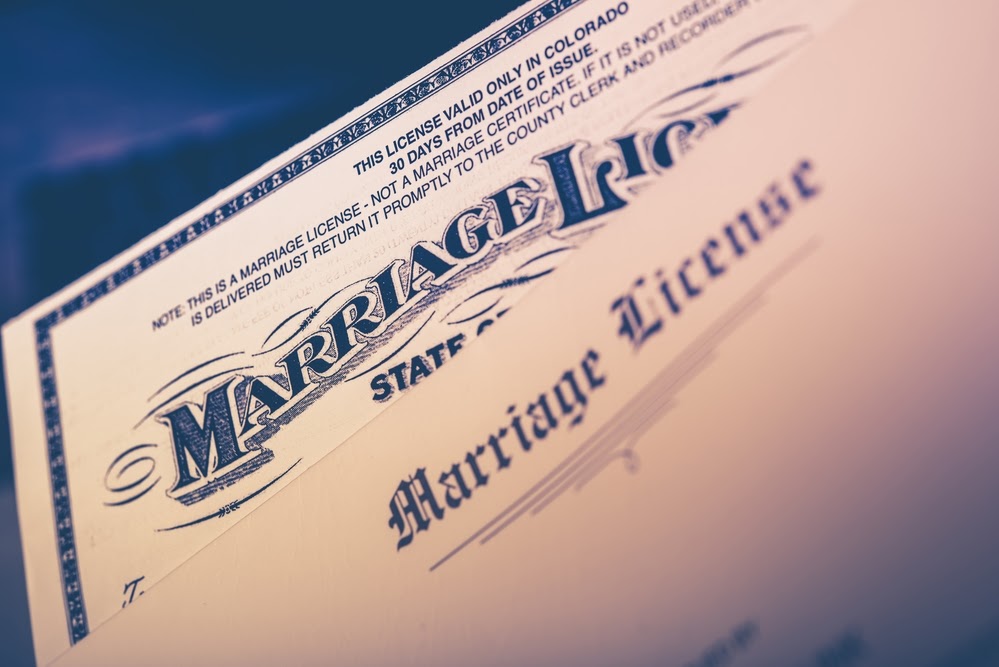
Tag: Legal Advice For Civil Partnerships

LGBT+ people in the UK share the same protections and responsibilities as heterosexual couples. In March 2014, Same-Sex Marriage became legal in the UK. Same-sex couples have had the right to be civilly partnered since 2004.

  • Everything you need to know about wills and inheritance if you’re LGBT+

    Everything you need to know about wills and inheritance if you’re LGBT+

    This month legal expert, Matt Parr tells us everything we need to know about wills and inheritance – especially if you’re lesbian, gay, bisexual or transgender.

    geralt / Pixabay

    Wills and inheritance issues in the gay community

    Members of the gay community face many of the same dilemmas as opposite-sex couples when it comes to estate planning, wills and their potential exposure to inheritance tax.

    According to figures recently issued by the Office of National Statistics, there were 190,000 same-sex families in the UK in 2017 and the majority of those were co-habiting couples as opposed to being married or in a civil partnership. In this situation, those couples or family units face the same issues as co-habitants of the opposite sex. Therefore, there are some important points that they should be aware of.

    ‘Common law’ civil partners?

    Cake, Gay Marriage, gay wedding
    CREDIT: © ivonnewierink Depositphotos

    Co-habiting partners do no automatically inherit assets which were held in their partner’s sole name. In the same way that there is no such thing as “common law husband/wife” there is no such thing as a “common law civil partner”. With this in mind, if you aren’t married or in a civil partnership it is extremely important that wills are prepared to ensure that the surviving partner is adequately provided for after your death.

    This can prevent family feuds, confusion over your wishes and costly legal action.

    If you’re not married or in a civil partnership and you have no children of your own, then the law dictates that your parents will inherit your estate. Unfortunately, rifts are not uncommon amongst families of the gay community and there are many instances of parents being unwilling to accept their son’s same-sex partner into the family.

    The thought of a parent inheriting a share in a property you own as tenants in common with your partner may fill you with dread – is there any possibility your parents would wish to co-own a property with your partner? If the answer is no, your parents could insist on selling the property, forcing your partner to move. Preparing wills would prevent this situation from arising. When property is owned as joint tenants as opposed to tenants in common your partner will inherit your interest in the property regardless of whether you have a will or not.

    Inheritance Tax

    stevepb / Pixabay

    There is no form of inheritance tax relief for co-habiting couples of any sexuality. Consequently, only the first £325,000 of your estate, otherwise known as your Nil Rate Band (NRB) will be tax free – the balance over and above this will be taxed at a rate of 40 per cent. Therefore, even if you did decide to leave your entire estate to your co-habiting partner, they could be left with a hefty inheritance tax liability. Married couples and those in civil partnerships can leave their estates to each other and benefit from a total exemption for inheritance tax purposes, meaning on first death at least, there will be no inheritance tax to pay.

    Unlike married couples and those in civil partnerships, cohabiting partners are unable to transfer their unused NRBs between them. Consequently, many gay couples make use of trusts in their wills to try and avoid an inheritance tax liability by giving them access to the funds without necessarily increasing their own inheritance tax exposure. The use of trusts to control the way funds are inherited, by whom and when, is particularly helpful when one or both of you have children from a previous relationship to whom you would wish to leave your estate, without compromising your surviving partner’s rights to live in your joint property after you have died. Advice should be sought as to your options in this scenario in order to ensure the trust is drafted correctly and in accordance with your wishes.

    Gay couples who have taken the plunge and married or entered into a civil partnership can benefit from the same legal rights as opposite-sex couples, including the right to receive a statutory legacy together with a certain proportion of the balance of their partner’s estate if their partner dies without making a will (intestate). Ideally, however, the intestacy rules should not be relied on and my advice would always be to prepare a will specifying how you wish for your estate to be distributed.

    A very recent Supreme Court ruling has paved the way for opposite-sex couples to enter into civil partnerships which will ensure absolute equality in the eyes of the law between “straight couples” and gay couples. Previously only same-sex couples could enter into civil partnerships.

    Polyamorous relationships

    ©-photography33-Depositphotos

    Members of the gay community enter into polyamorous relationships in the same way as those in the heterosexual community. Whilst still not necessarily subject to a wider understanding by the public, it is impossible to deny that these forms of relationships exist and therefore it is right to encourage those who enter into them to seek advice on their rights and obligations to one another.

    According to UK law, it is illegal to enter into more than one marriage or civil partnership. How members of a polyamorous relationship choose to protect each other’s interests is, therefore, more difficult – but not insurmountable. Again, the use of trusts in wills can prove extremely helpful in ensuring a degree of flexibility and afford a level of protection for the assets within the trusts. This is often required when three or more people wish to co-habit or enter into a relationship with each other.

    Seeking advice about your options in this regard can be tricky. The fear of judgment and lack of understanding can deter you from gaining an insight into your options, but there are advisers equipped with the knowledge to help and offer a non-judgmental ear in complete confidence.

    Transgender dimension

    Transgender Flag

    Currently, under UK law it is not possible to self-define your gender without a formal diagnosis of Gender Dysphoria and a successful application to a gender recognition panel for a Gender Recognition Certificate (GRC). This process can be lengthy and painfully intrusive. But once you have a GRC, what are the legal implications for estate planning and inheritance purposes?

    It is important to consider the fact that wills prepared post-4 April 2005 which claim to gift assets to, for instance, “my sons” or “my nephews”, will exclude an individual who has obtained a GRC and who now identify as female. The beneficiary would need to apply to court to alter the disposition in order to rectify a failed gift because of a change in their gender means they no longer align the gender stated in the will. This application could become expensive and lengthy if other beneficiaries take objection to the change being made if this will adversely impact their own share of the estate.

    Any will prepared before 4 April 2005 which purports to gift assets in this way does, however, continue to be effective despite a GRC having been issued to the beneficiary.

    Members of the transgender community should be aware of the fact that family members may need to amend their own wills to take into account this change in the law and to avoid any uncertainty around the wording of such a gift.

    With the growing number of gay couples living together, marrying, entering into civil partnerships and starting, fostering and adopting families of all different sorts, the gay community is just beginning to grapple with the same issues that heterosexuals have faced for centuries. Yet, some of these issues are easily overcome with the right advice.

    Ultimately, the worst thing you can do is bury your head in the sand when it comes to discussing what can be tricky and sensitive matters with your family and planning ahead, where possible, is always the best course of action.

  • What’s the difference between marriage and civil partnerships?

    Are there differences between civil partnerships and marriage? Andrew Smith, Associate Solicitor for Blacks Solicitors’ Family Law team, answers the question.

    Is there difference between Civil Partnerships and marriage?

    What are the legal differences between a civil partnership and a marriage?

    “There are very few ‘legal’ differences between a civil partnership and a same-sex marriage. Civil partners cannot refer to themselves as ‘married’ and it is a different ceremony. On a certificate of civil partnership, both parents are named rather than just the father on a marriage certificate; but there is legally little difference between the two.”

    “The main differences are similar to those between a religious marriage and a civil ceremony undertaken by heterosexual couples; in regard to the formation, the ceremony, the administrative process and the certificates.

    “Somewhat controversially, one of the main differences is that civil partners are unable to cite the specific act of Adultery as the main reason for why the civil partnership has broken down. This is because the definition of adultery is sexual intercourse with someone of the opposite sex outside marriage. Instead, civil partners have to use ‘unfaithfulness’ as one of a number of examples of Unreasonable Behaviour.”

    What about divorce? Can civil partnered couples get divorced?

    What about divorce? Can civil partnered couples get divorced?

    “A married couple will have a ‘divorce’ whilst civil partners will have a ‘dissolution’ if they choose to separate. Therefore the answer is technically yes as although the terminology is different, it does mean the same thing in principle.”

    What about pension rights, are they the same between marriage and civil partnerships?

    “Up until very recently, this had been a grey area for those who retired prior to when the act was introduced.

    “The Walker v Innospec [2017] case which recently made the headlines challenged this and saw the Supreme Court unanimously allow Mr Walker’s appeal for his employer to pay his pension to his spouse in the event of his death, despite his service predating December 2005.

    “This fantastic result will pave the way for all same-sex couples in a similar situation, who are either married or in a civil partnership, to be able to leave their pension to their spouse.”

    If you have a LGBT legal query you would like to discuss with Andrew, please email him on AJSmith@LawBlacks.com or visit the website for more information: www.lawblacks.com

  • LEGAL ADVICE | How do my partner and I dissolve our civil partnership, if one of us lives abroad?

    A reader asks our legal experts for advice on how to dissolve a civil partnership when one of them lives outside the UK. Megan Bennie, a solicitor at Grayfords Law looks into the case.

    How do I dissolve a civil partnership, if one of us lives abroad?
    FILE PHOTO

    Dear Legal Clinic,

    Hello. I have me tried in many ways to obtain the necessary information with no success. I hope you can help. Both my ex-partner and I wish to dissolve our civil partnership.

    The issue is I live abroad in Greece and he is in London. We have no mutual assets. We’ve been using documents from the Internet and posting to the court. But there are no guidelines for this process with one of us being non-domicile. I cannot get any documentation or information as I am not UK resident.

    Do we need for lawyers to be involved?  Just need to know the system.

    Malcolm


    Dear Malcolm,

    Thank you for your questions.  We live in an increasingly international world and now it is by no means unusual for a couple to be different nationalities, to live or marry abroad…and even to divorce from abroad. So don’t worry, there is a way through.  Even if you are living abroad, you can petition for a dissolution of your civil partnership on the basis that you last lived as a partnered couple in England and Wales (if this is the case) and/or your civil partner lives in England and Wales. One hurdle you might find harder to overcome is that you MUST have either your original marriage certificate or a certified copy (and a translation if it is not in the English or Welsh language). You can order a copy from the General Register Office for about £10.  https://www.gro.gov.uk   

    If you’re abroad and still on fairly amicable terms with your ex, have you thought about him applying for the dissolution? Unfortunately, you can’t apply together, even if you both agree the partnership has come to an end. However, that’s not to say you can’t work together to agree the paperwork in advance and split the fee. If your ex-partner still has an address in the UK it is likelier to be far quicker and easier for him to deal with the paperwork and get things moving.

    Best of luck with moving the dissolution forward. The process usually takes 6-9 months so the sooner you start, the sooner you can reach the finish line and start your new legally separate lives. 

     Megan Bennie– Solicitor at Grayfords


    Do you have a legal question you need to be answered? Click here to send us a query for free now.


    The advice given here is provided for free and is not intended to replace legal advice from your own legal representatives who will better know and understand your circumstances and situation. Before acting on any information you should check with your own legal representatives.
  • Is there a difference between Civil Partnerships and marriage?

    Is there a difference between being a civil partner and a married person? Andrew Smith, Associate Solicitor for Blacks Solicitors’ Family Law team, specialises in LGBT legal work and is a huge supporter of the community answers the questions.

    Is there difference between Civil Partnerships and marriage?

    What are the legal differences between a civil partnership and a marriage?

    “There are very few ‘legal’ differences between a civil partnership and a same sex marriage. Civil partners cannot refer to themselves as ‘married’ and it is a different ceremony. On a certificate of civil partnership, both parents are named rather than just the father on a marriage certificate; but there is legally little difference between the two.”

    “The main differences are similar to those between a religious marriage and a civil ceremony undertaken by heterosexual couples; in regard to the formation, the ceremony, the administrative process and the certificates.

    “Somewhat controversially, one of the main differences is that civil partners are unable to cite the specific act of Adultery as the main reason for why the civil partnership has broken down. This is because the definition of adultery is sexual intercourse with someone of the opposite sex outside marriage. Instead, civil partners have to use ‘unfaithfulness’ as one of a number of examples of Unreasonable Behaviour.”

    What about divorce? Can civil partnered couples get divorced?

    What about divorce? Can civil partnered couples get divorced?

    “A married couple will have a ‘divorce’ whilst civil partners will have a ‘dissolution’ if they choose to separate. Therefore the answer is technically yes as although the terminology is different, it does mean the same thing in principle.”

    What about pension rights, are they the same between marriage and civil partnerships?

    “Up until very recently this had been a grey area for those who retired prior to when the act was introduced.

    “The Walker v Innospec [2017] case which recently made the headlines challenged this and saw the Supreme Court unanimously allow Mr Walker’s appeal for his employer to pay his pension to his spouse in the event of his death, despite his service predating December 2005.

    “This fantastic result will pave the way for all same sex couples in a similar situation, who are either married or in a civil partnership, to be able to leave their pension to their spouse.”

    If you have a LGBT legal query you would like to discuss with Andrew, please email him on AJSmith@LawBlacks.com or visit the website for more information: www.lawblacks.com

  • LEGAL CLINIC | I need to dissolve my civil partnership but my partner has been missing for years

    A reader asks how he might go about legally separating from his civil partner after a number of years of separation, the only problem the partner is uncontactable. We asked the lawyers for their advice.

    How to get a Civil Dissolution

    Dear Legal Clinic

    “I’ve entered into a civil partnership about ten years ago with a guy from Poland and have since lost contact with him. I have tried for a number of years now to track him down as I would like to dissolve our partnership. As I can’t locate the guy and believe he has moved back to Poland, is there a way I can dissolve our Civil Partnership with him?

    Any help would be much appreciated.”

     James

    Grayfords‘ Megan Bennie write,

    Dear James,
    Thank you for your question. Your situation may sound rare but it’s actually more common than you might think. In today’s increasingly international world, it’s not uncommon for someone to move back to their home city or country when a relationship breaks down.

    You say you’ve tried to locate your partner for a number of years. The easiest way for you to obtain a dissolution of your civil partnership is on the basis of 5 years’ separation (dissolution is the almost exact equivalent for civil partnerships of a divorce for marriages – the forms and procedures are the same). It sounds like you might be close to the 5-year point or have already reached it. The advantage of basing the dissolution on 5 years’ separation is that you don’t need the consent of the other person. If you were to base the dissolution on 2 years’ separation you would need written consent from your partner to proceed.

    The most sensible way forward is for you to petition for a dissolution based on 5 years’ separation and use your partner’s last known address on the forms. You can write to the court to submit the forms and include some information about your attempts to locate your partner. The court is likely to accept the petition as long as your attempts are genuine, sensible attempts – you don’t have to take extreme measures or go to the ends of the earth but the court does want to see you’ve at least tried.

    Once the dissolution petition is sent out – one copy to you and one to your partner’s last known address – you should apply to dispense with service upon them, in other words, do away with the requirement for papers to be successfully received by your partner. You complete a D13 form which covers the steps you’ve taken to try and find your partner, including attempts to contact them through an employer, family, etc. where possible and the court makes a decision as to whether or not it can dispense with the service requirement. There is a small additional fee of around £50 for this application (on top of the £550 dissolution fee) and it adds a little extra time to the process. However, compared to staying married until your partner resurfaces, if they ever do, it may be a small price to pay.

    You can download all the forms you need for the dissolution procedure, including the D8 application to start the process and the D13 form to dispense with service, at http://hmctsformfinder.justice.gov.uk/.

    A lot of websites offer you an “online divorce” but unfortunately, many of them simply charge you to complete and download the forms you can already download for free from the website mentioned above. I strongly recommend that, even if you start the dissolution process yourself, you take advice from a solicitor on the D13 form so that you can dispense with service quickly and easily. A solicitor will know the kinds of things you need to put down to satisfy the court you’ve done all you can.

    I wish you the best of luck James and if you do need a hand with any aspect of the dissolution process, don’t hesitate to call us, or any other solicitor. If cost is an issue, you may wish to speak with your local Citizens Advice Bureau or contact the Personal Support Unit at a local court. They can’t give you legal advice in the same way a lawyer can, but they can help with forms and procedures.

    Back to legal clinic


  • LEGAL CLINIC | What If I Don’t Want To Get Married? What Are Your Rights

    LEGAL CLINIC | What If I Don’t Want To Get Married? What Are Your Rights

    The introduction of gay marriage into UK law (except in Northern Ireland) could be described as the most significant step in gay and lesbian rights since the decriminalisation of homosexuality in 1969.

    (more…)

  • LEGAL CLINIC: Can I Be Buried With My Partner?

    A reader asks our legal expert about his rights to be buried next to his partner. (more…)

  • LEGAL ADVICE: Will My Partner Be Okay Without A Will?

    Dear TheGayUK

    My partner and I have been together for 6 years and although we’re not civilly married, I was wondering what our rights were in case of an accident or death. We currently rent and don’t own our house, but we do have various other assets such as stocks and savings. Neither of us have made a will. What would happen to the surviving partner if the worst was to happen? Would my assets go directly to him?


    Thank you for your time

    Steve N. Tunbridge Wells


    The simple answer is no. Currently co-habiting partners have no (automatic) legal right to inheritance from their Partner’s estate unless such inheritance is granted in a Will. Only assets that are held Jointly (such as Joint Bank Accounts) will pass to the surviving Partner by the process of Survivorship and requires the simple removal of the deceased Partner’s name from the account etc; such assets are not affected by the presence (nor contents) of any Will. In the case where the deceased Partner left no Will (or a defective/invalid Will) all assets held in the deceased Partner’s sole name will pass according to the Laws of Intestacy. The Laws of Intestacy stipulate who will inherit the estate in a strict order of priority of blood relatives, spouse/civil partner, children, parents, siblings and so on and so forth, co-habiting Partners do not feature in this list!


    My advice would be to always seek professional advice of a Solicitor to draw up appropriate “Mirror” Wills to ensure that the loved ones left behind are not unwittingly disinherited through inaction.


    This response is not intended to constitute legal or other professional advice, and should not be relied on or treated as a substitute for specific advice relevant to particular circumstances. Individuals should always seek legal advice from a professional which is specific to their unique set of circumstances.


    More About The Author


    You can find out more about Matt at http://uk.linkedin.com/pub/matt-parr/37/373/135