Category: Home And Garden

  • These are the home improvements Brits are making to try to cut their energy bills

    These are the home improvements Brits are making to try to cut their energy bills

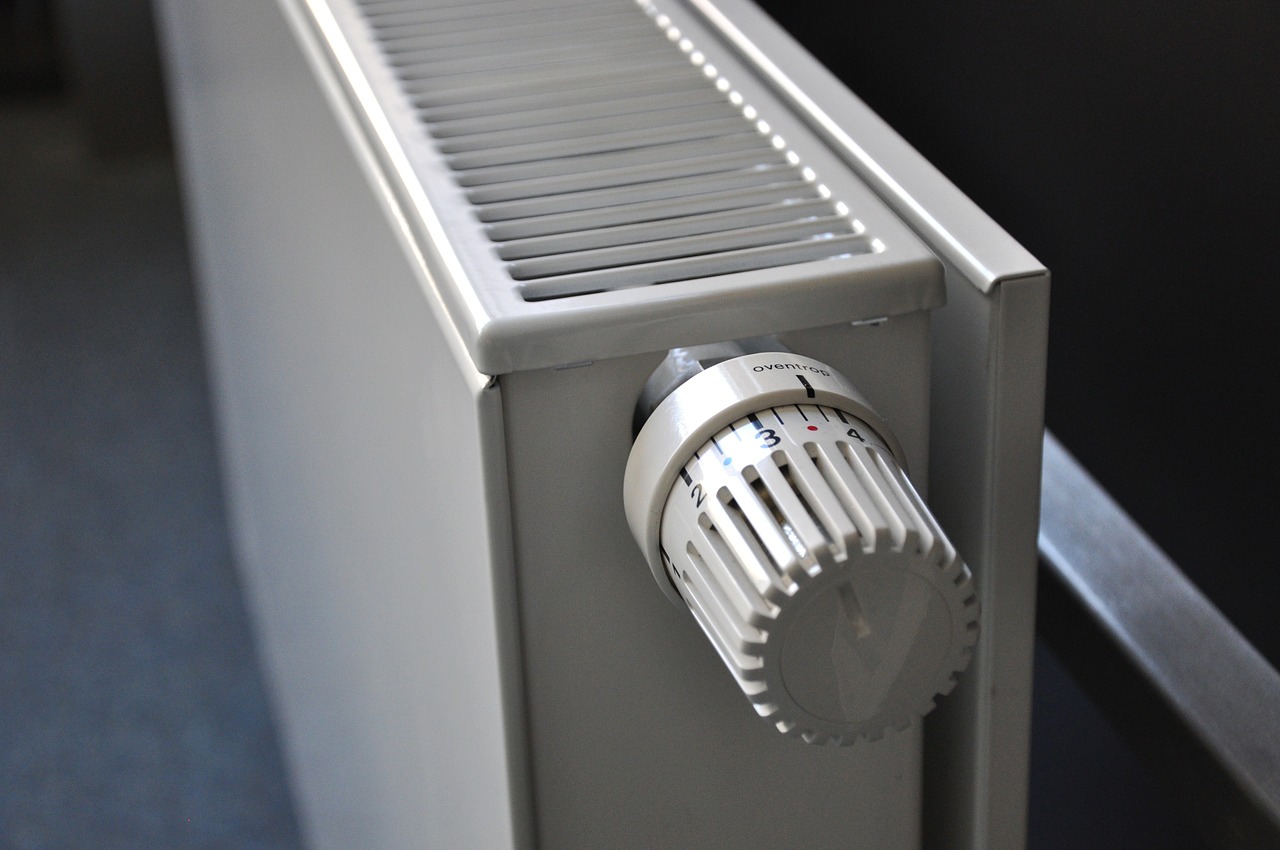
    Replacing the roof, upgrading to a modern boiler, installing cavity wall insulation and getting a smart meter are among the ways Brits want to try to cut their energy bills, a study has found.

    ri / Pixabay

    A poll of 2,000 adults found more than half long for a new roof to make their home more efficient while another 53 per want to replace their ageing boiler with a newer model.

    Four in 10 want underfloor heating, and another 29 percent would love some kind of energy storage system in place.

    And 44 percent of people who don’t already have a smart meter want to get one within the next few months to boost their home’s green credentials.

    To celebrate Big Energy Saving Week, property guru Phil Spencer spoke about the importance of ‘going green’ in the home.

    He said, “As a long-time supporter of taking steps to help the environment, it’s great to see a growing awareness of the importance of making your property energy efficient.

    “It’s also starting to have an impact on the price of the property. You don’t need a small fortune to start making effective changes though.

    “Installing draught proofing to stop heat escaping outside the house, switching to energy saving lightbulbs and getting a smart meter from your energy supplier to keep track of the energy you’re using are all simple, and low-cost ways to cut down on your usage, and contribute to a cleaner, greener, smarter Britain.”

    Embed from Getty Images

    The top most common ‘green’ items homes already have installed include energy saving bulbs, double glazing, and an ultra-efficient shower head.

    One in five have also installed specialist draught proofing around doors and windows.

    Embed from Getty Images

    The research also found millennials put a higher value on making sure their home is energy efficient, as the most likely to pay a premium for a home which benefits the environment and reduces bills.

    However, ‘Baby Boomers’ are actually more likely to have energy efficiency measures installed in their homes, with 84 per cent having energy-saving light bulbs installed, compared to 54 percent of those aged 18-24.

    And more than three quarters of Baby Boomers have double glazing, compared to just 54 per cent of 18-24 year-olds.

    To help you keep track of how much energy you are saving thanks to energy efficient measures, get a smart meter installed at no extra cost, by contacting your energy supplier or visit www.smartenergygb.org for more information.

  • Here’s what you need to do in your garden in January

    Here’s what you need to do in your garden in January

    Celebrations are over, the commute is back and the weather is making you want to stay under the duvet indefinitely.

    Skitterphoto / Pixabay

    But what about your gardens, smallholdings and allotments? Now’s the time to wrap up warm, pull on those boots and begin preparations to make this the most fruitful year you’ve had so far.

    January jobs

    Check everything over

    Free-Photos / Pixabay

    The winter weather can be hard on your outdoor equipment and structures so cast an eye over your sheds, greenhouses and hosepipes. Repair any obvious breakages and protect anything that looks like it might struggle over the next couple of months.

    Spread the s**t

    Antranias / Pixabay

    Use well rotted compost or manure on your empty vegetable beds. You want the soil to be in tip-top condition when you come to plant things out. Dig the beds over to aerate the soil – but be careful, if the soil is frozen or waterlogged leave it alone until the weather improves.

    Clean Up

    Free-Photos / Pixabay

    When the planting season begins you won’t have time to do much else so make sure your pots, trays and tools are clean and organised ready for the busy times. You’ll feel so much better when your potting bench is dirt free and ready for action – even if it only stays that way for a short time!

    Make a plan

    stafichukanatoly / Pixabay

    With a cup of tea (it’s dry January remember) sit down with a good gardening book and get organised. Decide what you want to grow this year – learning from previous successes and mistakes – or if you’re totally new to the growing world then pick whatever you want, even if it just looks pretty! Order seeds and draw diagrams and I can guarantee it will set you up for a great year ahead.

    Sow Indoors

    congerdesign / Pixabay

    Get a head start by sowing some seeds indoors. Try broad beans, salad leaves, spinach, leeks and onions for the healthy new you in 2014. Nothing tastes better than home-grown organic fruits and veg!

    Something New

    rawpixel / Pixabay

    Try something new this year. If you like the idea of growing something unusual or for the first time, have a go. The gardening world is full of hints and tips on what to do – but going off piste can be the most rewarding part of growing your own produce.

    So who said January is always miserable? Get on it now and reap the rewards throughout 2019! Good luck.

  • Twenty things that are keeping us up at night

    Twenty things that are keeping us up at night

    So are you having trouble sleeping at night? Well apparently you’re not the only one.

    CREDIT: Dmytro-Sidelnikov-bigstock
    CREDIT: Dmytro-Sidelnikov-bigstock


    So the peeps at Dreams commissioned some research to find out what’s bugging us all before we go to bed… Here’s twenty things that are keeping Brits up at night!


    1. You’re too hot

    2. Stress

    3. You struggle to get comfortable

    4. Worries about money


    5. Your partner is snoring


    6. You are nervous about something you have to do the next day

    7. Health issues

    8. You’re not tired

    9. Worries about your relationship/family

    10. You’re too cold

    11. You often have bad dreams or night terrors

    12. Worries about work

    13. You hear noises during the night

    14. Young children keep you awake

    15. Your partner fidgets a lot

    16. You spend too long looking at your phone/tablet before bed

    CREDIT: monkeybusinessimages-bigstock
    CREDIT: monkeybusinessimages-bigstock


    17. You’re too excited about something to sleep

    18. Your bed isn’t very comfortable

    19. You’ve eaten too late

    20. You’ve had too much caffeine


    Or maybe you need some Nytol?

  • Apparently we’re doing a lot of crazy shiz in our beds…

    Apparently we’re doing a lot of crazy shiz in our beds…

    A third of Brits lets their pet sleep in bed with them – and one in ten people smoke under the covers, a study has found.


    A poll, of 15,000 adults, found that despite bed being a haven for most, some could be sharing the sheets with pet hair and old cigarette smoke.

    The average Brit also tucks into snacks or food while in bed at least once a week.

    But one in four admit they can go three weeks or more without washing their sheets.

    And one in twenty have a mattress which is more than 15 years old.

    Lisa Bond, Marketing Director at Britain’s leading bed specialist, Dreams, which commissioned the research, said,

    “For many, our beds are the most comfortable place in the home, and the area we would like to spend most of our time.

    “It’s important to be comfortable and have a supportive mattress which is why we recommend for the best night’s sleep, you replace it every eight years.”

    “Many people replace their cars more often than their mattress, yet you spend a third of your life in bed. You can’t underestimate the benefit of a good night’s sleep.”

    Researchers found just 43 per cent change their sheets at least once a week, while another 34 per cent do it once a fortnight.

    One in ten even admitted to leaving it a month or more between changing the sheets while another one in twenty regularly go for two months without clean bedclothes.

    The average pillows have also been on our beds for just over three years while duvets are an average of almost four years old.

    Brits have even been using the same bed sheets for an average of more than five years.

    Researchers also found the average adult will spend an hour and 30 minutes lying awake, on three nights each week – a total of four-and-a-half hours a week.

    But women lose more sleep – struggling to get a full night of shut eye four times a week compared to a man’s three nights.

    Being too hot is the most common reason for disturbed sleep, followed by stress, struggling to get comfortable and worrying about money.

    A snoring partner, health issues and being nervous or excited about something happening the next day also leads to sleepless nights.

    On top of that, 48 per cent of adults reckon they have at least one night a week where they wake up in some kind of pain or discomfort.

    Top 20 reasons for having a disturbed night’s sleep:
    1. You’re too hot
    2. Stress
    3. You struggle to get comfortable
    4. Worries about money
    5. Your partner is snoring
    6. You are nervous about something you have to do the next day
    7. Health issues
    8. You’re not tired
    9. Worries about your relationship/family
    10. You’re too cold
    11. You often have bad dreams or night terrors
    12. Worries about work
    13. You hear noises during the night
    14. Young children keep you awake
    15. Your partner fidgets a lot
    16. You spend too long looking at your phone/tablet before bed
    17. You’re too excited about something to sleep
    18. Your bed isn’t very comfortable
    19. You’ve eaten too late
    20. You’ve had too much caffeine

  • Is your messy bedroom making you fat?

    Is your messy bedroom making you fat?

    So this is a bit of new one on us, but apparently your messy and unorganized bedroom could be keeping your from losing weight.

    bedroom
    CREDIT: CC0 Public Domain / Pixabay / Unsplash


    Your mother may have told you to tidy your room, and she was right. Sleep guru Alison Francis, who is better known by her guru name, Anandi confirms the reasoning behind keeping the bedroom free from clutter.

    A lack of sleep can come down to a number of contributing factors such as stress and an unbalanced diet.

    The bedroom should be a place for sleep and relaxation, however a cluttered or dusty setting will not lead to a good night’s slumber. The feeling of being soothed and refreshed when entering a tidy beautiful space allows the build-up of the day’s stresses to diminish.

    Anandi said,

    “Your bedroom is a sacred space. As soon as you walk across the threshold you should feel the tension melt away. Having scented candles, flowers and something that represents the spirit – such as a small altar with perhaps a crystal, or an image of a great spiritual teacher – can help you relax and sleep better.

    “Curing sleep issues is a question of balance and absolutely holistic. One thing on its own is unlikely to work, but addressing all areas in your life will bring your body and mind back into equilibrium.

    “Sleep deprivation can affect your weight, in that your metabolism can become out of balance. Two hormones in particular can cause this this to happen – Ghrelin and Leptin. Ghrelin, sends messages that tell you to go and eat and tends to be more present when you are sleep deprived. When there are higher levels of Ghrelin within the body, you will crave more food and in particular, sugar. The hormone Leptin sends messages that tell you to stop eating which is less present when sleep deprived.”

    Anandi has written her first book called the ‘Breathe Better, Sleep Better’. It offers many practical tools including how to help detox the digestive system, how to calm the nervous system and how to stimulate your circulatory system. ‘Breathe Better, Sleep Better’ will soon be available online or direct from her website. Anandi also arranges Personal Sleep Reviews to assist those troubled by insomnia.

  • GARDENING | How to plant a window box

    Andy and Adam recently sold their smallholding and have moved in above the village store and coffee shop they run. They have gone from nearly an acre of land, to no real outside space to speak of, and now they’re taking on the challenge of becoming gardeners without a garden!

    Window boxes.

    Since the day we moved into the new house we’ve been really excited about the prospect of getting our window boxes up. The house has loads of windowsills that are perfect for boxes.
    How to plant a window box.

    Choose the right size box. It sounds obvious but a quick measure up of all our windowsills revealed that we had 3 different sizes even though they all looked the same.

    Drill holes in the bottom to make sure water can drain freely. We got slightly over excited with our hole drilling on some of the boxes and the water started to pour out quicker than we could pour it in. It’s worth getting trays to match your boxes to stop water dripping down onto the windows below and making them constantly dirty.

    Place broken pots in the bottom of the boxes to stop the holes blocking up and sprinkle some gravel in the bottom for extra drainage.

    We then add a layer of compost followed by a sprinkling of plant food and water retaining crystals (drying out is the biggest killer of small-pot plants) and then a final layer of compost. Depending on what you’re planting you can vary the amounts of compost and gravel. For Mediterranean plants, increase the gravel for very fast drainage.

    Now just plant your plants. For our boxes we have chosen a mixture of perennials (plants that come back every year) and some dramatic annuals (plants that last just one). We have done this so that the perennials will keep the boxes looking good all year round and only the annuals will need to be changed each year.

    Water well and secure to the sill. This is very important as bad weather could send your boxes crashing to the floor or on someone’s head!

    Our boxes.We have chosen a few combinations to suit the various windows around the house.

    The two windows above the shop front have been designed to reflect the colours of the shop, so orange marigolds and blue trailing lobelias are on display. We have also used different grasses to give some height to the look. These boxes each have lots of orange nasturtium seeds planted in them. The nasturtiums are fast growing annuals and the idea is that they will trail down the front of the shop as they grow.

    The two lowest windows on the side of the building are reachable from the ground so we wanted to plant them up with something edible. We’ve opted for strawberries and have planted 4 different varieties to see which ones are happiest in this position. The spot gets lots of light so we’re hoping to find a variety that thrives here and then use only that one in the future. We’ve interspersed the strawberry plants with yellow marigolds for a bit of colour. Marigolds are also slug magnets so they are commonly sacrificed to protect more valuable plants. We want to keep our marigolds intact so we’ve opted for slug pellets to keep the pests at bay!

    The kitchen window is a particularly important one for us. In our old house we were used to popping out into the garden for fresh herbs to use in cooking everyday. Having lost this ability in the new house we were really keen to keep a stock of fresh herbs to hand.  When planting this box we used a lot more gravel in half of it. This was to provide better drainage for the more woody Mediterranean herbs like thyme, rosemary and sage. In the other half we planted chives, fennel and dill. We’ve packed this box tightly with plants – we’ll keep an eye on how they develop introducing more pots and spreading them out if anything starts to ‘take over’.

    The rest of the boxes are all decorative with a mixture of aubrietias, vinca vines and different coloured lobelias.

    We’re really pleased with the results and are looking forward to watching the boxes develop. We’ve drawn masses of pleasure from the process of putting up the window boxes, as we’ve created growing spaces in places where they weren’t any before.

    Window boxes can be as varied as your imagination, so go wild! As well as benefiting the outside of the property the boxes also provide every room in the house with a living display. The boxes have transformed the feel of the house inside and we think everyone that has windowsills should have them!

    Have fun.

    Follow Andy and Adam on Twitter

  • GARDENING | No Garden? No Problem

    GARDENING | No Garden? No Problem

    Since we moved to the smallholdings in Mid Wales our life has been far from ordinary. For 5 years, Andy and I have learnt incredible things about self-sufficiency, renovating an old cottage and the pleasures of gardening. Along the way we’ve found ourselves part of the most wonderful village community imaginable.

    Since opening the shop and café in the middle of the village last year, our lives have steadily moved away from the smallholding and the garden, and our focus has shifted towards the day-to- day running of the shop.

    As the shop steadily became busier, the animals, polytunnel and garden received less and less attention. So at the start of the year we decided to embark on our next adventure. In the last couple of months we’ve sold the smallholding and moved in above the shop – a gorgeous building but with no real garden!

    From the minute we moved in we’ve been seeking out small spaces and areas to grow plants. Gardening has become a massive part of our lives over the last couple of years and there’s no way we can live without it anymore. When all our hard work is in bloom and looking beautiful it’s one of the best feelings in the world. Working the garden is also a massive stress reliever when it’s time to get away from work.

    So with no garden to speak of, we need to find some other places to bring to life with plants (as you can see there’s a long way to go!).


    The first obvious place is the yard (above)- we want a beautiful place to entertain with a little privacy.

    IMG_5242

    The second is outside the basement window. The desk in the office faces this so we need an inspirational view.

    IMG_5259

    The side wall is just crying out for a colourful climber to brighten up the approach to the house.

    There’s an odd little glass room on the first floor so we’re going to use this as a greenhouse for a more exotic style of growing.

    The other wall is covered in windows that are perfect for window boxes.

    With all these different areas to work on the question is how to proceed with each one? We’re going to spend the next few weeks observing each area carefully, looking at the movement of the sun throughout the day and what happens when it rains. We’re also going to be researching style and techniques online. After recent trips to Amsterdam and Berlin we’ve been massively inspired by all the urban growing we’ve seen.

    Check out our Pinterest boards (Search and9839 and select ‘pinners’) to see the kinds of things we’ve been thinking.
    So we’ve gone from nearly an acre of land to no real garden to speak of at all – but that doesn’t mean our gardening has to stop. With a bit of research and some European inspiration we’re really excited for the future!


    Follow Andy and Adam on Twitter

  • Who Rules The Roost You Or Your Boyfriend?

    Who Rules The Roost You Or Your Boyfriend?

    Moving in with your boyfriend is exciting right? Think about all those new furniture options, whether to have a “statement” wall or flock wallpaper… And just think about the arguments you can have about where the gold fish bowl goes…

    (more…)

  • How Will We Be Living In 100 Years?

    How Will We Be Living In 100 Years?

    Super-skyscrapers which will dwarf the Shard, under water bubble cities and origami furniture are all likely to be reality. How will we be living in 100 years?

    (more…)

  • House Hunters Take Just 12 Minutes To Decide If They Want To Buy

    The average house-hunter takes just 12 minutes to decide they have found their dream home after stepping over the threshold, a new study reveals.

    Younger buyers are even more impulsive – most 18 – 24-year-olds make one of the biggest decisions of their lives after just nine minutes inside the property.
    In a revealing new survey, commissioned by entertainment channel Watch ahead of new series Honey I Bought The House, over half of house hunters fear they might never find the home they are looking for.
    With the pressure to find a house and put an offer in, only a quarter of the hopeful home-owners would agree to buy a property only their other half had seen and they had not.
    Which is exactly what Honey I Bought The House asks its contributors to do in exchange for £15,000 towards their deposit.
    The survey revealed that the average UK home-buyer views six properties and clocks up 240 miles before choosing ‘the one’.
    They go through the process three times during their lifetime, spending around 90 hours scouring websites and estate agent windows.
    The typical hunt sees the average couple having four quarrels.
    Steve North, General Manager for Watch said:

    “Buying a house is probably one of the most important decisions you’ll ever make.

    “Finding the perfect home is rarely straightforward. It’s time consuming, pricey, not to mention stressful.

    “Honey I Bought the House takes a nail-biting approach to the reality of buying a first home.

    “Their partner could be thrilled with the new property and sign the mortgage papers, but if they don’t like it they risk losing that precious deposit.”

    People in East Anglia travel the furthest in search of their dream home – 130 miles per property, while those in the North East cover just 40 miles.
    Londoners forked out over £100 on petrol while looking for their most recent house purchase compared to just £54 for people in Yorkshire.
    There were other costs incurred by home-hunters last time they went through the purchasing process, such as more than £200 on mortgage or financial advisors.
    They also forked out over a grand for solicitors and admin fees and £349 on other costs throughout the whole process.
    The first episode of Honey I Bought The House features a couple of first-time buyers, Paul and Sophie, who are offered the chance to get £15,000 towards their deposit and three weeks to secure an offer on a property.
    The catch? Paul must work alone to find their dream home and hope that Sophie agrees with his final choice or risk losing the money.
    The outcome? Tears. Lots of them, and a fascinating insight into the dynamics of a couple buying a house.
    Honey I Bought The House starts on Watch from Monday 19th October at 9pm.

  • GARDEN | End Of Summer Tips

    We have a confession to make – the last couple of months it’s all gone downhill. Right in the middle of the crazy gardening season we’ve let things slide and feel pretty bad about it all.

    (more…)