Category: Home And Garden

  • GARDEN | April gardening tips – It Is all kicking off

    Here we go fellow gardeners. April is the month when there’s no looking back!

    Ever since Andy and I began keeping bees we’ve been super aware of which plants flower at which time of year. Nature is a clever mistress and bees are provided with different flowers to feast on throughout the year.

    Our bees have just begun to stir on warm days are finding food from flowering trees, daffodils and the bright yellow flowers of the local gauze bushes

    April showers

    Rain and sun. The perfect combination for growing plants. April is the month to get sowing a huge variety of seeds. Many can be sown straight outdoors now. I usually find the mixture of wet and warm weather this month gets seedling off to a great start – but be aware of late frosts and dry spells.

    If you’ve been sowing seeds indoors over the last few months you will have some small plants ready for the great outdoors. On warm days put them outside and bring them in overnight. This is called ‘hardening off’ and will save your young plants from the shock of being put straight outside.

    Sweetie Darling

    April is your last chance to sow sweet peas. These annuals are hugely popular with gardeners of all abilities as they are easy, colourful and wonderfully scented. We usually plant them in specially made baskets with support sticks built in. As they grow we just help guide them onto the framework for stunning results.

    Sow your seeds in fertile, well drained soil mixed with seed compost. Put your pots out in an area of full sun and watch them go! Pick flowers throughout the summer for fragrant and beautiful table decorations.

    Off with their heads!

    Now’s the time to start deadheading. The process of deadheading not only keeps your garden looking fresh and vibrant but keeps your plants producing more flowers for longer.

    Have a go now at pansies, primulas and any other spring flowering plants.

    And so to bed

    Keep an eye on your flower beds. April is a great time to feed and top up with compost to give your borders a boost. Now is also the time to start checking your borders for any plants that are thriving a little too much. Flower beds are about balance so make sure nothing is getting out of control and smothering smaller, later blooming plants.

    Also it’s time to start weeding! Everyone’s favourite job. As with most things in life, a little bit everyday will work wonders. Stick on the radio and try and dedicate a bit of time to tidying up your beds. It will transform your garden and keep your flowers looking gorgeous.


    So there we have it – a few tit bits to help you out this month. If you’ve never grown anything before, April is definitely the month to get started. Results are fast and impressive – boosting your confidence as a gardener straight away. Try a few pots this year and see how you get on.


    Enjoy!


    Adam and Andy are writers and smallholders making a living in the Welsh countryside. @AndyandAdams – Facebook ‘Andy and Adam’s’ – www.andyandadam.co.uk

  • The Top 15 Breeds Of Dog Most Likely To Run Away Revealed

    Restless retrievers are the breed of dog most likely to go walkabout, according to new research.

    4619918110

    They emerged at the top of a list of runaway pups compiled from a survey of 2,000 dog owners in Britain.

    The breed to land in the ‘runner-up’ spot was the Cocker Spaniel which was followed by the Jack Russell.

    While it was the German Shepherd that was found to be the fourth most common breed to have owners worrying.

    The study, commissioned by Blue Cross pet charity, reminds pet owners that they have just a year to make sure the pet is microchipped before it becomes compulsory by law on 6 April 2016.

    The charity also advises microchipping can help reunite missing pets with their owners after they admitted 1,673 dogs and cats last year because owners could not be traced.

    Sarah Bussell, Rehoming Supervisor at Blue Cross said: “Many dogs just want to play and explore but it was interesting to see Labradors came on top for being the most likely breed to run away.

    “While they don’t mean to become lost, if they catch a smell or see something exciting in the distance it can be hard to get their attention and call them back to you.

    “And if you panic, sometimes they will get scared, so the best thing to do is try and remain calm and encourage them to come back to you with a toy or tasty treat.

    “It is important to teach your dog good recall from a young age and also make sure your dog has a tag and is microchipped, to help the chances of you being reunited if they become lost.

    “It also means you will be fully compliant with the law with new regulations about microchipping now just a year away”.

    Finishing off the top five list of dogs most likely to run away from home or while on a walk was the English Springer Spaniel.

    Staffordshire Bull Terriers are also culprits for sneaking off and leaving their owners searching for them.

    The average dog owner has had the panic of losing man’s best friend three times already, and six in ten know other owners who have lost their pet as well.

    Still surprisingly, one in five don’t have their pet dog microchipped, and half of these owners admit they probably won’t ever have it done.

    While having a microchip isn’t currently compulsory, it will be in a year, so those expecting to leave their dog unchipped could be facing a hefty fine.

    When asked how much they believed the fine would be, one third believed it wouldn’t be any more than £100 when they’re looking at forking out anything up to £500 in reality.

    Dogs wearing a tag when in public, is already the law but only 23 per cent of owners knew this was the case and only half knew the tag must include your name.

    While one in six owners are certain that vet details should be included on the tag.

    A further third still felt the fine for a dog being without a tag was a small £100 when really they risk facing a fine of up to £5,000 if their dog is not wearing a correct ID tag in public.

    Sarah added: “So many animals arrive at our centres as strays but they have clearly been cared for and could be much-loved and much missed pets.

    “Dogs like Taters who is just over a year old and came to us from the pound. She is a lovely dog who understands basic commands so someone must have taken the time to train her.

    “Her owner could be missing her if she is lost but without a microchip there is no way we can trace them. She’s currently being cared for by Blue Cross until will find her a loving new home.”

    4619918113


    TOP 15 DOG BREED MOST LIKELY TO RUN AWAY

    1. Labrador Retriever

    2. Cocker Spaniel

    3. Jack Russell

    4. German Shepherd

    5. English Springer Spaniel

    6. Staffordshire Bull Terrier

    7. Border Collie

    8. West Highland Terrier

    9. Cavalier King Charles Spaniel

    10. Yorkshire Terrier

    11. Boxer

    12. Border Terrier

    13. Pug

    14. Poodle

    15. Chihuahua

  • Six In Ten Of Us Are Embarrassed By Our Homes

    Six In Ten Of Us Are Embarrassed By Our Homes

    Six in ten Brits admit to being embarrassed about the state of their home, a study has revealed.

    (more…)

  • GARDEN| Bring In The Spring

    This is one of our favourite times of year in the garden – although also the most unpredictable.

    Bright clear days can seduce you into feeling like it’s springtime and then a sleety snow shower takes you right back into the murky depths of winter. The weather is a cruel mistress indeed! This year we’re all about the flowers in our garden so keeping one step ahead of the changeable weather is going to be key.

    Last year we started out planting a few alpines on a rock that sits at the back of our garden. This year we’re going to keep adding to this to create a backdrop that has colour and interest all year round.  Since we started we’ve really enjoyed watching how the alpines from last season have found their home on the seemingly implantable rock.

    February can bring strong winds and unforgiving cold – we’ve watched the little plants bend and dance in the wind – but they’re clearly at home. Standing their ground and biding their time for the calmer and warmer times ahead.

    To do our bit for these growing plants we’ve been keenly deadheading them and keeping an eye to make sure their not sitting in any pools of water that may collect – they do like good drainage. So far. So good.

    What is an Alpine?

    The name Alpine, conjures up images of high altitude, rocky slopes and harsh conditions. Quite appropriate really, sat here in Mid Wales. The Alpines we grow in our gardens are usually hardy plants that require really good drainage. Their ability to grow on sheer rock faces is difficult to imagine until you’ve seen them in action! Provided you get them in the right place (some like full sun, others prefer some shade) these plants will flourish and spread across their position creating the most natural looking plants in the most unnatural locations. They make a suitable starter if you’re a beginner and are a great way to make the most hostile of surfaces into a beautifully flowering garden.

    Getting organised.

    For us it’s still all about clearing up the garden, keeping on top of leaves and other debris that flies into our garden.

    We’re also using this time to sort out last year’s seed packets. The great thing about seeds is everything you need to know is written on the back! Who’d have thought! Most of the seed packets we’ve got at the moment have come as freebies on gardening magazines so we’re brushing up on where they like to be planted and at what time of the year. Any that we don’t think will like our conditions are going on a ‘swap’ pile that we’ll take round to our friends in the village over the next few weeks.

    Now is also the time to check your soil. You can pick up PH testing kits cheaply and check your own soil. Once you know what you’ve got, you can add different composts and mixes to change the composition. If your soil is dense and holds a lot of water – mixing grit into the soil can improve drainage massively. As always think ahead – work out what sort of plants you’re preparing to plant and prepare the soil accordingly.

    Look at what’s working now – and what isn’t!

    This is a brilliant time to have a look at what is going to happen in your garden throughout the spring and summer. Plants have had a winter of weather and you can really see which of last year’s new plants are happy in their current location.

    So now’s the time to identify gaps in your flowerbeds and planting areas and work out what to put in them. If you know what you’ve got already and what flowers when, you can plan to put in plants that flower at other times to keep your garden looking vibrant all year round. Planting like this is a real skill and it can take a lifetime to master. You can play with flower colours, leaf shapes, plant heights – the only limit is your imagination.

    If you’re looking for inspiration visit local show gardens and National Trust gardens to ask the experts what they do. Planting beautiful flower beds full of interest and imagination all year round is one of the most rewarding parts of gardening, and the results can be truly spectacular –  so get cracking!


    We’d love to see pics of how your gardens are coming along this year! Get in touch by searching ‘Andy and Adam’s’ on Facebook or follow @andyandadams on Twitter.

  • GARDEN| Here Is To A Colourful New Year

    January – The tinsel’s gone, the lights are back in the box and we’re all feeling a little bit fatter!

    There’s a real danger at this time of year to wish time away. To urge spring to burst into life and leave the cold winter behind. Don’t do it!

    A friend of ours, a keen gardener, once told us that winter is his absolute favourite time of year in the garden. The land isn’t bleak, it’s waiting. Life is hovering just beneath the surface, biding its time, waiting for the perfect moment to emerge.

    So while you’re waiting for the spring shoots to show, now’s a great time to make plans, because as soon as the weather warms up you won’t have time to do much at all!

    As you may remember Andy and I are on a mission this year – a mission to learn new things and brighten up our garden. So after doing all our usual veg growing jobs for January on the smallholding, we’ve turned our attention to the garden. We love colour outdoors and decided we didn’t want winter to be boring.

    We all know spring, summer and autumn have their own incredible bursts of colour. Spring snowdrops and daffodils give way to summer flowers and fruits, followed by the golden hue of autumn leaves. But what about winter?

    With a little bit of research and some garden centre vouchers we got for Christmas (thanks Nan) we set off to brighten up the garden.

    Winter flowers make your garden beautiful all year round. Intersperse winter flowering plants into your borders and pots to give you year round colour. A great way to build up your knowledge of what is in flower at what time is to visit your local garden centre or nursery at different times of the year.

    Staff are usually friendly and will be full of advice – plus if they have outdoor sections you can see the plants flowering for yourself at their preferred time of year.

    Recently we did just that – after deciding we needed some colour in the garden – we headed to a garden centre. After a few minutes wandering around we found some heathers that were in flower – perfect. In addition to the flowers we also discovered a few evergreen plants that had vibrant yellow and green leaves.

    The other great thing about buying plants from a nursery is that the staff can give you advice on the care and maintenance of your purchases. For example heathers need to be potted in ericaceous (acidic) soil.

    So we got home, potted up and boom! Instant colour! The pots sit just outside the front door welcoming visitors in from the cold.

    The advantage of putting these particular plants in pots is that they can be moved around the garden during different times of the year. When all the summer flowers are in bloom these pots can be moved to a different area of the garden. Both the evergreens and heathers are hardy (meaning they should be fine outside all year round) so they can be put almost anywhere.

    The other way we’ve found to brighten up our garden in winter is with outside lights! Perfect for illuminating the new pots but also great for lighting the way on nights when the fire-pit is lit and we’re enjoying a few drinks in the moonlight.

    This month we’ve learnt that when it comes to gardening in winter just a few simple, carefully chosen plants can make your garden look cared for and vibrant. We’re spending the rest of the month clearing leaves and tidying the garden in preparation for our busiest year ever. Good luck with yours – and get in touch if you fancy a chat. We’re at @andyandadams on Twitter or search ‘Andy and Adam’s’ on Facebook.


    Happy Planting!


    by Adam Willcox


  • GARDEN| Gifts From The Garden

    Christmas – I love it. I love the music, the dark cold nights in the pub with friends, driving for hours to be with family, too much food, way too much drink. It also feels to me like throughout December people are nicer to each other.

    The Christmas spirit definitely exists – Christmas parties, funny jumpers and strategically hung mistletoe all play a part in cheering us up and making us think a little bit more about how we treat our fellow men and women.

    However – (there had to be a but!) my feelings towards giving and receiving of gifts is mixed. Somewhere along the way gift giving has become a bit crass and tacky.

    Before Andy and I began trying to make a living from our smallholding we were as guilty as anyone. We bought horrendous amounts of gifts for friends, friends of friends, close family, distant family, work mates we liked, work colleagues we didn’t, the postman and even our pets. We had no reason to do it – it was just part of Christmas.

    So once we moved and the purse strings became tighter we made a rule – If we can’t afford to buy someone a gift, we don’t.

    For us now Christmas is simpler, It’s about sharing our lives with the people we love. We make (almost) all of our gifts and have a real sense of satisfaction when sharing them with our loved ones.

    Having learnt a lot about keeping poultry we’re raising turkeys to give to our parents.

    We’ve kept our bees happy – so we’ve got honey to give.

    The Polytunnel has given us some great produce to turn into gifts like spiced courgette chutney.

    Our favourites, the pigs, mean we’ve got homemade sausages and pork chops to delight our friends

    Scrambled eggs and smoked salmon is the best way to start your Christmas Day. (We can’t provide the salmon this year – but onwards and upwards!)

    A lot of people have given up their time to help us over the last three years so we’ll be giving out vouchers for a free weekend in the holiday cottage.

    Using the herbs from around the smallholding, these simple oils make great gifts.

    The gifts we’re giving this year are specific to our situation and place – not everyone has the space to raise turkeys! But you could use home grown herbs to make flavoured oils, or use some of your homegrown veg to make chutneys.

    It’s about experiences – everyone has received something they don’t want for Christmas. Something stuffed in a drawer that never sees the light of day. But what if you give them a new taste that changes the way they see food – or take them somewhere they’ve never been.

    The best gift I’ve ever been given is a photocopy of a friend’s favourite recipe. It sounds simple but when I cooked the meal a few months after Christmas (spiced potato cakes with halloumi and pineapple relish – in case you’re wondering!!)) it felt like eating it was the second part of the gift -like my friend had chosen that recipe because they love it and thought I would too. Really special.

    So this year think outside the (money) box. If you give your parents a voucher for a day’s help in the garden, or your sister a promise to help her decorate her lounge or your best friend a note to say you’ll be over in the spring to help them plant up their new flower beds (We’re giving a lot of people that one this year!!) I guarantee you’ll have a healthier wallet in January and lots of things and experiences to look forward to in 2015. Win, win.


    So have a great time everyone – be merry, be safe and be present savvy!


    See you in the new year x


    By Adam Willcox


  • GARDEN | October Top Tips

    The month of ghosts and ghouls! The weather is turning and Autumn is in the air. Your garden will be changing a lot this month as the leaves begin to fall, but don’t despair! Summer may be over but now we can all look forward to chunky knitwear, bonfires and warm spiced rum (at least that’s what we’re into at our house!). (more…)

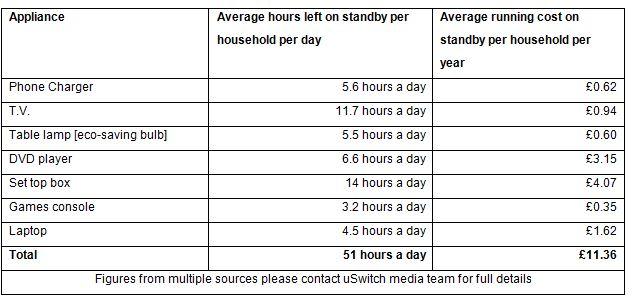
  • MONEY: The Real Cost Of Leaving Equipment On Standby

    MONEY: The Real Cost Of Leaving Equipment On Standby

    Wondering why your energy costs keep rising and your bills are mounting, well a new report shows that households in the UK waste £227m a year on leaving appliances, like TVs on Standby.

    (more…)

  • GARDEN | August. Time To Reap Your Rewards

    The month of plenty. You can literally wander around your garden at this time of year filling baskets, buckets and bags with all the goodies you’ve been growing. It’s okay to be a little smug – if you’ve worked hard you’ll have loads to show for it – but remember pride comes before a fall – sneaky pests and simply having too much veg to know what to do with can easily catch you with your pants down.

    Reap your rewards!

    Too. Much. To. Carry. Forget the gym this month your arms will be straining under the weight of all your produce. The list of what will be ready is endless so keep an eye on everything. Courgettes will literally double in size while your back is turned. Lifting a few leaves will unveil massive cucumbers that weren’t there yesterday. If you’ve been reading up on what you’ve been growing you’ll have an idea of the optimum time to harvest but use your eyes and your instincts to decide when something is ready for plucking – be confident – you got them this far.

    There is nothing worse when growing your own food than discovering something has begun to rot in the kitchen because you haven’t had time to use it or didn’t know how. So with so much food finding it’s way into your kitchen this month you better find a way to use it all up…

    Pickles, preserves and soups – oh my!

    Don’t waste a thing. If you’ve got some food in front of you that you’re not sure you’re going to eat almost immediately, Google ways to preserve it now! There are many ways to preserve your home-grown produce – in most cases these techniques actually elevate your crops into delicious delights.

    Pickling – If you have childhood memories of sharp, unpleasant pickled vegetables banish those thoughts now. Vinegar has been used for generations and with the right combination of spices can make your produce a pleasure. Slice up a cucumber chuck it in a jar with some white wine vinegar, grated ginger and some stem ginger and you’ve got the most delicious zingy accompaniment to burgers and salads. Yum!

    Blanching – Basically flash boiling your veg. The idea is to kill any bacteria that causes the veg to rot, without actually cooking it. Different foods have different boiling times so just look it up. Once done plunge into cold water to stop the cooking process and freeze. Simple.

    Soups – My favourite way of dealing with excess veg. The only limit to the soups you make is your imagination. Experiment with spices, flavours, textures and have a ball. Then once you’ve created the perfect soup, freeze it in portions and Bob’s your uncle.

    Jam’s, jellies and chutneys – The possibilities are endless…

    Let the overwintering begin!

    Overwintering is the practice of planting seeds now in order to produce crops after the winter has passed. Many vegetables have varieties that can be ‘overwintered’. Do some research and get planting. By doing this you can be harvesting crops as early as next March!

    So as September begins you should be drowning in home-grown food and home made products. It’s been a busy month so perhaps it’s time for a holiday. Now the school holidays are over it’s just the right time to snap up some great deals – just make sure you’ve got someone lined up to look after the garden!

  • GARDEN | Get Hot And Sweaty In The Garden This July

    Summer’s here! So let’s enjoy an afternoon cider in a pub garden, BBQ’s on the beach, bronzed buff bodies, slow-mo beach volleyball, studs in Speedos, sun-kissed lifeguards – oh, who cares what’s happening the garden!!

    Sorry – not sure what happened there. The summer is well and truly here and you’ll be harvesting your crops on a daily basis – if you’ve been successful with your endeavours you’ll be eating the loveliest, freshest food on the planet.

    So (safely) work on your tan and your garden at the same time with these handy hints:

    Fill that hole Any of your early crops that you’ve finished harvesting can now be taken out to make room for oncoming plants. Space is usually the biggest issue for the home gardener so empty gaps are your enemy at this stage in the year. If you want to take your home garden to the next level look into ‘crop rotation’ plans. There is loads of advice out there on planting things in sequence to give you the best results everytime.

    Spread ‘em Watering is your top priority – watering isn’t just about making your plants flourish – regular watering can also keep them from bolting. Hot, dry weather can be a real problem at this time of year – you should be using water from your rain water collection but this can quickly deplete in a dry spell. By spreading mulch around your plants you can help keep the soil from drying out and discourages weeds. It also looks pretty for when you’re smugly showing your friends around your kitchen garden with a glass of chilled pinot.

    Time is ticking After all the waiting to sow at the beginning of the year we’re already approaching the last chance to sow some crops. At this time of year get your fast growing salads leaves in the ground and you should be feasting on them in no time. The time you have to get things in the ground varies depending on your location in the country so be aware of your climate – if you want a longer growing season you could always look into investing in a tunnel…

    Tunnel vision If you’ve got a polytunnel you’re growing period is going to be extended to give you extra time to sow and harvest. You will be able to start your planting earlier in the year and finish later, so if you find yourself getting green fingers it really should be a consideration. The great thing about polytunnels is that you can over winter things like salad crops so they effectively hibernate in the winter and stay fresh until you come in to harvest them. You can also have parties in the rain if you have a polytunnel – bonus.

    Don’t forget the war against pests will be raging on, weeding is ongoing and watering is your most important task.


    So if you can tear yourself away from the beach and all the treats the summer brings, you’ll be rewarded in the garden with an abundance of food – or get the best of both worlds and hire a hunky gardener, then all you have to do is sit on your sun lounger and drink Diet Coke. Happy summer!

  • House prices have risen 31 PER CENT in London

    New research from comparison site Gocompare.com has highlighted the disproportionate growth in the London housing market when compared to the rest of the UK since the last general election in May 2010.

    Under the Conservative-led coalition, average house prices in the capital have risen by a staggering £103,323, on average, from £331,711 in 2010, to £435,034 this year. This means purchasing a property in London four years ago is the equivalent of having a second income of £25,830.

    However, the figures show that the story isn’t the same across the entire country, as only five of the nine regions of England and Wales enjoyed any rise whatsoever over the four year period. The house price data also shows that the North/South divide is alive and well, as the North West, North East, Wales and Yorks & Humber regions all experienced a drop in house prices.

    Though London house prices have risen by a staggering 31.15%, excluding the capital the rest of England and Wales only saw a rise of 0.16%, or £217.38, on average. Of the other regions, the South East experienced the most growth with a 7.8% (£16,384) rise in property values, which is still nearly four times lower than the boom enjoyed in London.

    Conversely, the North East suffered the biggest drop in house prices as values fell by 8% from £107,717 in 2010 to £99,001 in 2014, an average slump of £8,716.

    Matt Sanders mortgage spokesperson at Gocompare.com commented, ‘It’s no secret that London is a particularly expensive place to live, however the difference between house price rises in the capital when compared with the rest of England and Wales really does lend weight to the phrase ‘London prices’.

    ‘These figures will do little to comfort Londoners looking to get on the property ladder. However, those in other areas of the country should be reassured that despite talk of rising house prices across the UK, outside of the capital, there hasn’t been a big change in the affordability of property. And even with the recent tightening of mortgage lending rules, with low interest rates and competitive mortgage deals available it’s still very much a buyer’s market.

    ‘With the European elections behind us and British political parties now focusing on next year’s general election, balancing the housing market and preventing a London bubble, must surely be a key issue.’

    For people overwhelmed by mortgages, Gocompare.com has a collection of mortgage guides available on their website, including guides for first time buyers and information regarding the government’s Help to Buy scheme.