Category: News

  • What the UK Government says its going to do for LGBT+ safety in the UK

    The UK’s Government has launched an LGBT action plan, in which it wants to deal with issues facing the LGBT+ community in the UK, including tackling conversion therapy, LGBT homelessness and domestic violence.

    “This Government is committed to making the UK a country that works for everyone. We want to strip away the barriers that hold people back so that everyone can go as far as their hard work and talent can take them”.

    Big words, so what exactly are they promising?

    Penny Mordaunt, the Minister for Women and Equality has outlined 75  points she wants her office to push in order to achieve better rights, equality, safety and visibility for gay, lesbian, bisexual, transgender and intersex people of the UK.

    The LGBT action plan offered the following for LGBT+ policing and safety.

    “We want LGBT people to feel comfortable reporting incidents they experience, and we are not prepared to stand idly by as harmful practices such as conversion therapy happen in our country”

    We will bring forward proposals to end the practice of conversion therapy in the UK. These activities are wrong, and we are not willing to let them continue. Led by the Government Equalities Office, we will fully consider all legislative and non-legislative options to prohibit promoting, offering or conducting conversion therapy. Our intent is to protect people who are vulnerable to harm or violence, whether that occurs in a medical, commercial or faith-based context. We are not trying to prevent LGBT people from seeking legitimate medical support or spiritual support from their faith leader in the exploration of their sexual orientation or gender identity.

    We will improve the police response to hate crime and raise awareness of local support agencies for LGBT victims. The Home Office and Ministry of Housing, Communities and Local Government will refresh the 2016 Hate Crime Action Plan later this year. The refreshed Hate Crime Action Plan will include measures to improve the awareness and skills of police officers and staff to respond to the needs of hate crime victims – including LGBT victims. The Home Office and Ministry of Housing, Communities and Local Government will also fund a bespoke training package available to all police call handlers to help ensure victims are correctly identified and supported at this critical first point of contact. The refreshed plan will also set out action to support local agencies, particularly the police, to ensure they are well placed to direct victims of hate crime to appropriate support services. The refreshed plan will aim to support partners to review and assess the coverage and awareness of local services in their areas. This summer, Her Majesty’s Inspectorate of Constabulary and Fire & Rescue Services will publish the findings of its inspection of English and Welsh police forces’ effectiveness at identifying, recording, and responding to reports of hate crime. The Government is also looking at the responses to the National LGBT survey about hate crime legislation and will consider this and other evidence as part of the Hate Crime Action Plan refresh.

    We will improve recording and reporting for victims of hate crime and domestic abuse. The Crown Prosecution Service will work with the LGBT stakeholders and specialist press to raise awareness of successfully prosecuted cases involving LGBT victims to increase confidence in reporting crimes. The Crown Prosecution Service will work with partners to improve the recording and monitoring of equalities data for LGBT victims of domestic abuse, rape and hate crime.

    We will address domestic abuse of LGBT people with multiple and complex needs. The Ministry of Housing, Communities and Local Government has a Violence Against Women and Girls Strategy commitment to improve services for victims of domestic abuse with complex needs, which can include mental ill-health and substance misuse, and is working across government to ensure the needs of LGBT victims are represented. The Ministry of Housing, Communities and Local Government will also announce further significant funding for domestic abuse services across England, including refugees, as early as possible this financial year. In addition, the Ministry of Housing, Communities and Local Government are carrying out a comprehensive review of the funding and commissioning of domestic abuse services across England. The review will be informed by an audit, which will give us a picture of provision across England, including support for LGBT victims of domestic abuse, enabling government to assess what impact services are having and to identify any gaps in provision.

    We have collected evidence on the barriers faced by LGBT victims of domestic abuse when seeking support and we will consider how to address them as part of the Government’s wider work on Domestic Abuse. The Government’s consultation on ‘Transforming the Response to Domestic Abuse’ sought views on what steps can be taken forward through our landmark draft Domestic Abuse Bill and supporting non-legislative package. The consultation sought views on what government can do to better support victims who face multiple barriers to accessing support including, LGBT victims of domestic abuse. The Home Office will work with the Government Equalities Office to ensure the non-legislative package fully considers the needs of LGBT victims.

    We will increase awareness of support services for LGBT victims of sexual assault and abuse. NHS England will work with the police to increase awareness of services provided by Sexual Assault Referral Centres for LGBT victims and survivors who face additional barriers to reporting sexual assault and abuse. In April 2018, NHS England published the ‘Strategic Direction for Sexual Assault and Abuse Services – Lifelong care for Victims and Survivors: 2018-2023’. This strategy outlines how NHS England and agencies will improve the whole care pathway for victims and survivors of sexual assault and abuse over a lifetime. NHS England are also committed to having LGBT representation on the National Patient Participation Group for Sexual Assault Referral Centres.

    We will work to understand the causes of LGBT homelessness and how we can better support LGBT homeless people’s needs. From April 2018, local authorities have started collecting case-level data, through the Homelessness Case Level Information Collection data system, on the sexual orientation and gender identity of homeless people. We will analyse this data in order to better understand the nature and scale of the problem of LGBT homelessness, as well as how well frontline staff support individuals. The Government Equalities Office and the Ministry of Housing, Communities and Local Government will undertake qualitative research into the experiences of LGBT homeless people as well as conducting an audit of existing service provision. Non-statutory guidance for local authorities will be produced, raising awareness of the needs of LGBT homelessness people and ways to better support them. The Ministry of Housing, Communities and Local Government will ensure that LGBT homeless people’s needs are reflected across the Government’s forthcoming rough sleeping strategy.

    We will make sure that victims of crime continue to have access to support services, to help them cope with and, as far as possible, recover from the effects of crime. This year, the Ministry of Justice is providing around £96 million to support victims of crime; around £68 million of this will be allocated to 42 Police and Crime Commissioners to locally .commission or provide support services for victims of crime, including LGBT victims. In previous years, some Police and Crime Commissioners spent some of their grant funding on specific projects for LGBT victims. In 2018 to 2019 LGBT-specific providers will continue to deliver a range of services, including counselling, advocacy and befriending services to LGBT victims of hate crime, sexual violence and domestic violence.

    We will continue our work to ensure that the needs of all LGBT claimants are met in the asylum process, regardless of whether their claim was lodged on this basis. While the national LGBT survey did not ask questions about the asylum process, we remain committed to granting protection to all claimants who are found to be at risk of persecution or serious harm in their country of origin because of their sexual orientation or gender identity. The Home Office guidance for caseworkers on processing asylum claims on the basis of sexual orientation will be reviewed shortly. The Home Office will also publish guidance on asylum claims based on gender identity and expression in the summer. The Home Office published data on asylum claims made on the basis of sexual orientation for the first time in November 2017 and is committed to re-publishing annually. The Home Office will continue to review the training of immigration detention estate and healthcare staff to ensure that the specific needs of LGBT detainees are consistently met.

    We will ensure that the UK is the safest place in the world for all users, including LGBT people, to be online. The Government response to the Internet Safety Strategy, published in May 2018, set out details of our new code of practice with guidance for social media providers. The code will help ensure that clear and transparent reporting processes are in place so that users can report abuse targeting LGBT people. We are also introducing transparency reporting for social media providers. These reports will help us understand the amount of LGBT-related abuse reported and how providers deal with these reports. The Government response also announced that the Department for Digital, Culture, Media and Sport and Home Office would jointly work on a White Paper, to be published later this year. The White Paper will set out our proposals for future legislation that will cover the full range of online harms, including both harmful and illegal content. Potential areas where the Government will legislate include the social media code of practice, transparency reporting and online advertising.

    We will ensure LGBT young people have access to educational online safety interventions that address their needs and are informed by their experiences. The National Crime Agency’s ‘Digital Romance’ report showed that higher proportions of LGBT young people meet partners online. It also found that significantly more lesbian and gay young people had met up with an online contact who was not who they said they were. The National Crime Agency will develop effective and appropriate education interventions to ensure LGBT young people can be full, equal and safe participants in online activity and communities, and benefit from the full potential of digital technologies. This will include identifying areas of intervention to ensure young people develop the knowledge, skills and attitudes to stay safe online. They will work with LGBT young people, professionals and parents to develop the interventions and resources.

    We will ensure that transgender prisoners are treated fairly, decently, lawfully with their rights respected. Her Majesty’s Prison and Probation Service will continue to work with its advisory board to further review its Agency Instruction on the care and management of transgender offenders. Her Majesty’s Prison and Probation Service will commission research and will work collaboratively with partner organisations to better understand the transgender prison population and those serving sentences in the community, which will inform our ongoing work. We will consider the recommendations of the ‘Inside Gender Identity’ report into the health and social care needs of transgender offenders.

    Here’s what the government plans are in other key areas:

    Education | Healthcare | Representation | Workplace | International | Safety

  • What the UK Government says its going to do for LGBT+ education in the UK

    The UK’s Government has launched an LGBT action plan, in which it wants to deal with issues facing the LGBT+ community in the UK, including in the education system.

    CREDIT: © tomwang Depositphotos

    “This Government is committed to making the UK a country that works for everyone. We want to strip away the barriers that hold people back so that everyone can go as far as their hard work and talent can take them”.

    Big words, so what exactly are they promising?

    Penny Mordaunt, the Minister for Women and Equality has outlined 75  points she wants her office to push in order to achieve better rights, equality, safety and visibility for gay, lesbian, bisexual, transgender and intersex people of the UK.

    Education was a big part of the government’s action plan, here’s what Ms Mordaunt said she plans to do:

    “We will take action so that our education system supports every LGBT child or young person”

    We will continue to tackle homophobic, biphobic and transphobic bullying in schools and the wider education system. The Government Equalities Office will complete its anti-homophobic, biphobic and transphobic bullying programme. This £3 million programme will reach more than 1,200 schools in England by March 2019. From March 2019 to March 2020, the Government Equalities Office will provide further funding for interventions in schools, and consider further projects to tackle bullying in further and higher education institutions. The Department for Education will work with the Government Equalities Office to understand how best to support schools to tackle homophobic, biphobic and transphobic bullying and how to continue this programme of work in a sustainable way through the school curriculum and policies in the medium and to long term. The Crown Prosecution Service will review and update their LGBT Hate Crime Schools Pack in partnership with young LGBT people and identity-based bullying professionals to tackle bullying in schools.

    We will update Sex and Relationships Education guidance to support the Government’s reforms to this subject. As we have previously announced, the Department for Education will update the statutory guidance on Relationships Education in primary schools, and Relationships and Sex Education in secondary schools. These updates will ensure that the guidance supports teaching that is age appropriate and relevant to all pupils, whatever their developing sexual orientation or gender identity.

    We will ensure that schools have access to the guidance they need to support LGBT pupils. The Department for Education will publish an update to its guidance for schools about how to apply the Equality Act 2010. In addition, the Government Equalities Office will work with the Equality and Human Rights Commission to publish comprehensive guidance for schools on how to support trans pupils.

    We will support LGBT teachers to be themselves at work and improve the diversity of the teaching profession. The Department for Education is investing £2 million to establish regional hubs to support teachers from underrepresented groups, including those teachers who are LGBT, to progress into leadership. The Department for Education has also already supported the launch of ‘LGBTEd’ – a network for LGBT teachers and allies – and will continue to engage with stakeholders on making the teaching profession more LGBT inclusive.

    We will ensure that support is available for LGBT students who are victims of hate crime and online harassment. The Government has asked the Office for Students to take steps to ensure that higher education providers are places of tolerance for all students. This includes working with higher education providers, for example, by supporting work to ensure that students who have been a victim of homophobic, biphobic and transphobic incidents have the support in place that they need, through access to appropriately trained staff and signposting to local specialist organisations. The Office for Students will investigate and tackle gaps in participation, experience, safeguarding and success for LGBT students in higher education.

    Here’s what the government plans are in other key areas:

    Education | Healthcare | Representation | Workplace | International | Safety

  • What the UK Government says its going to do for LGBT+ healthcare in the UK

    What the UK Government says its going to do for LGBT+ healthcare in the UK

    The UK’s Government has launched an LGBT action plan, in which it wants to deal with issues facing the LGBT+ community in the UK, including health.

    “This Government is committed to making the UK a country that works for everyone. We want to strip away the barriers that hold people back so that everyone can go as far as their hard work and talent can take them”.

    Big words, so what exactly are they promising?

    Penny Mordaunt, the Minister for Women and Equality has outlined 75  points she wants her office to push in order to achieve better rights, equality, safety and visibility for gay, lesbian, bisexual, transgender and intersex people of the UK.

    Health was a big part of the government’s action plan, here’s what Ms Mordaunt said she plans to do:

    Put LGBT+ people’s needs “at the heart” of the NHS.

    We will appoint a National Adviser to lead improvements to LGBT healthcare. The National Adviser will focus on reducing the health inequalities that LGBT people face, and advise on ways to improve the care LGBT people receive when accessing the NHS and public health services. They will work across the NHS to ensure that the needs of LGBT people are considered throughout the health system.

    The National Adviser will work to improve healthcare professionals’ awareness of LGBT issues so they can provide better patient care. The National Adviser will work with relevant statutory organisations and professional associations to embed LGBT issues into physical and mental health services.

    We will improve the way gender identity services work for transgender adults. In 2019, NHS England will decide on the future configuration of adult gender identity services in England, and will seek to establish a more modern care model that delivers high-quality outcomes in which clinical capacity can be more flexibly deployed. The Government Equalities Office will produce advice about the Gender Recognition Act for GP surgeries and gender identity clinics.

    We will improve our understanding of the impacts on children and adolescents of changing their gender. The Government Equalities Office will gather evidence on the issues faced by people assigned female at birth who transition in adolescence.

    We will take action to improve mental health care for LGBT people. The Department of Health and Social Care and the Government Equalities Office will jointly develop a plan focussed on reducing suicides amongst the LGBT population. The Department of Health and Social Care will ensure LGBT people’s needs are addressed in the updated Suicide Prevention Strategy, and the new Health Education England suicide prevention competency framework will cover high-risk groups including LGBT people.

    We will enhance fertility services for LGBT people. The Department for Health and Social Care will revise surrogacy legislation so single people (including LGBT individuals) can access legal parenthood after a surrogacy arrangement.

    We will ensure LGBT people’s needs are taken into account in health and social care regulation. The Care Quality Commission will continue to improve how it inspects the experience of LGBT people in adult social care and mental health inpatient wards, and we will begin to inspect all gender identity clinics on a risk basis. The Care Quality Commission will develop guidance for care quality inspectors on the healthcare pathway for people who are transitioning their gender, and embed LGBT equality issues into the methodology used by inspectors.

    We will support improved monitoring of sexual orientation and gender identity in healthcare services to enable better patient care. The Government Equalities Office will develop best practice guidance for monitoring and make this openly available to the public sector, and the National Adviser will work to ensure healthcare professionals understand the benefits of asking patients about their sexual orientation and gender identity. The Care Quality Commission will look at how we can promote the NHS England voluntary sexual orientation monitoring standard for people using health and social care services.

    We will work to tackle body image pressures that LGBT young people face. The Government Equalities Office will consider the specific challenges faced by LGBT people as part of our broader work to build the evidence base on the causes and impacts of body dissatisfaction.

    We will continue to review the blood donation deferral period for men who have sex with men. NHS Blood and Transplant will explore ways that a more personalised risk assessment can be introduced, to allow more people to donate blood without impacting on blood safety; currently, there is very little data on effective ways of carrying out such risk assessments. The initial scoping, evidence gathering and testing may take up to two years to complete.

    We are committed to tackling HIV transmission, AIDS and HIV-related deaths. As part of this, we are currently funding a 3 year trial with 10,000 people to determine how best to deliver ‘PrEP’. NHS England will consider the impact of increasing the PrEP trial further.

    We will take action to improve the support for LGBT people with learning disabilities. The Department of Health and Social Care will review, collate and disseminate existing best practice guidance and advice regarding LGBT issues and learning disability; and will also ensure that training requirements for support staff and advocates who work with people with learning disabilities includes advice regarding LGBT people.

    Here’s what the government plans are in other key areas:

    Education | Healthcare | Representation | Workplace | International | Safety

  • Theresa May ends Downing Street ban for Peter Tatchell

    Theresa May ends Downing Street ban for Peter Tatchell

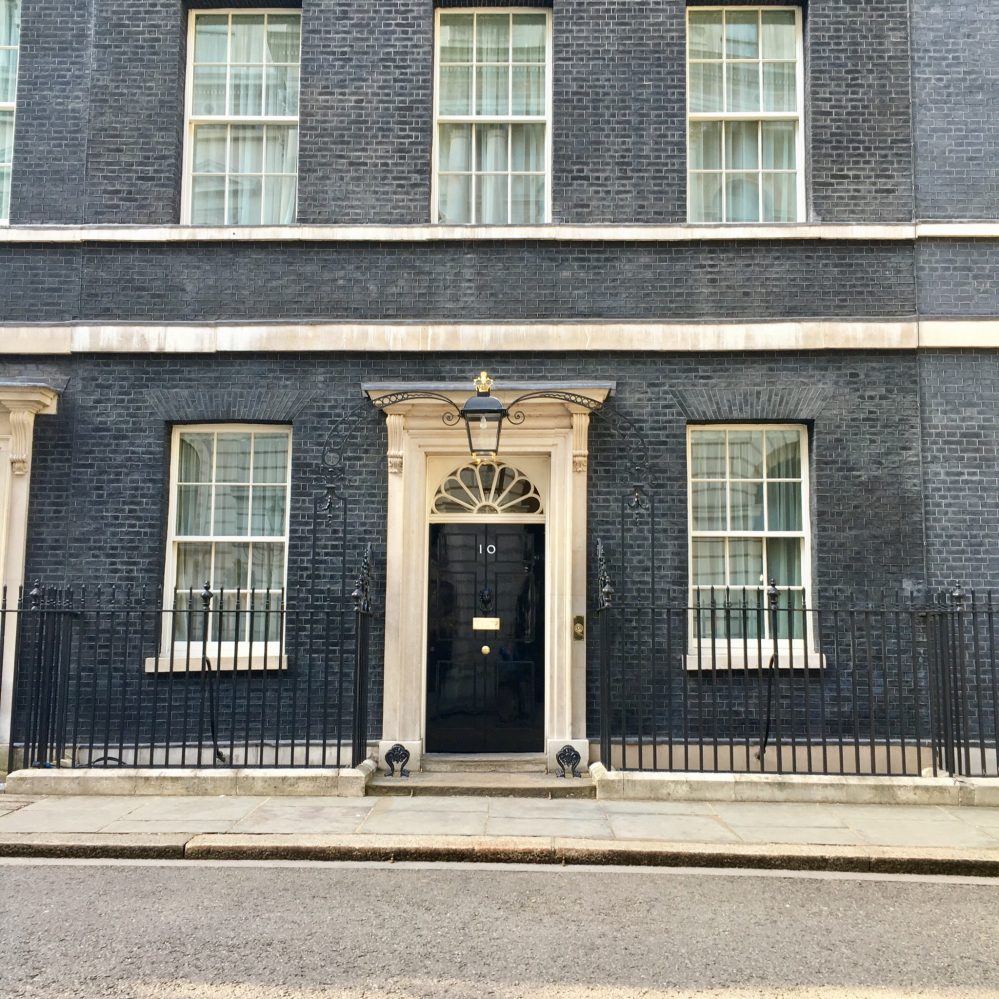
    Theresa May has become the first Prime Minister to end the exclusion of one of the UK’s most prominent LGBT+ rights campaigners from attending functions at 10 Downing Street.

    10 Downing Street
    CREDIT: TheGayUK/Jake Hook

    Peter Tatchell will now be able to enter 10 Downing Street after Theresa May ended a ban on the human rights advocate from attending any functions at the exclusive address. It’s not known whether his ban was deliberate or just careless.

    For a decade, Peter has found himself uninvited to an annual Pride party held at 10 Downing Street. The exclusion started during Tony Blair’s premiership to David Cameron’s. This is despite Peter’s unwavering fight for rights since 1972.

    CREDIT: Monty McKinnen

    Peter Tatchell said, “Since the inception of Downing Street LGBT Pride receptions a decade ago, I have been banned from attending by successive Prime Ministers – Tony Blair, Gordon Brown and David Cameron.

    “Despite my 51 years of campaigning, and my role in the UK’s first Pride parade in 1972, they apparently deemed me to be the unacceptable face of LGBT activism.

    “I was therefore surprised and delighted that Theresa May has invited me to this year’s reception on 3 July – just days after I wrote to her urging compensation for gay men convicted under past anti-gay laws.

    “I am not much fussed about attending such receptions but I am honoured to be asked and have accepted the invitation.

    “I look forward to meeting the Prime Minister and reiterating my call for gay victims of homophobic laws, who suffered so badly, to receive government compensation.

    “She has already acknowledged the grave injustice done to these men, so I hope she will go one step further and recognise that these men deserve recompense for the terrible trauma of criminalisation that they went through.”

    This year’s annual LGBT Pride party takes place on the 3rd July.

  • Man charged in connection to Manchester assault

    A man has been charged in connection to an assault which left the victim in a “critical condition” in the heart of Manchester’s gay village.

    A 21-year-old man has been charged with section 18 assault.

    Adil Mohammed Ali (04/04/1997) of no fixed abode was remanded in custody and will appear at Manchester & Salford Magistrates’ Court today, Monday 2 July 2018.

    This charge follows an assault on Bloom Street at around 4.45am on Saturday 30 June 2018.

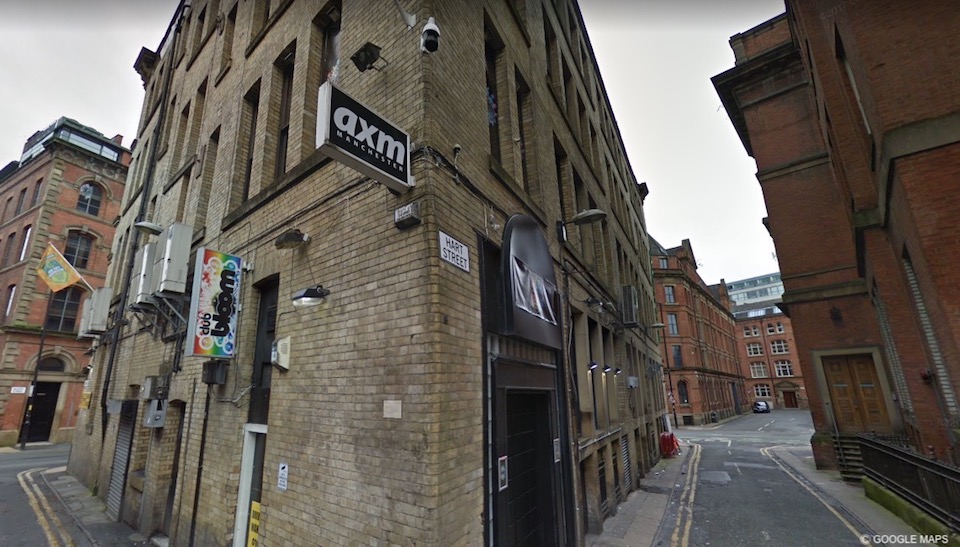
    A 60-year-old man – who was cross-dressed at the time – had been outside AXM bar when he was assaulted.

    He remains in hospital in a critical condition.

    We have reached out to Manchester Police to ascertain whether the victim identifies as a man or woman, who have been unable to speak to the victim due to the victim’s injuries, however, the victim’s family says he identifies as a man.

  • The Grindr Killer: “What went wrong here was that the net which should have caught him was full of holes. He was able to slither out and kill again, time after time”

    The Grindr Killer: “What went wrong here was that the net which should have caught him was full of holes. He was able to slither out and kill again, time after time”

    Beyond ‘The Grindr Killer’: What the Stephen Port case tells us about gender, sexuality and hierarchies of victimization in the Twenty-First Century

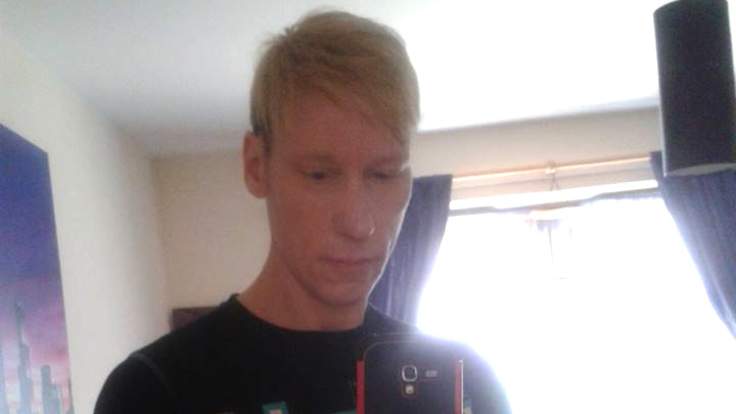
    Stephen Port

    Professor Elizabeth Yardley, criminologist at Birmingham City University

    In November 2016, 41-year-old Stephen Port was convicted of the murders of Anthony Walgate, Gabriel Kovari, Daniel Whitworth and Jack Taylor. He is one of only 50 people in England and Wales to receive a whole life sentence, meaning that he will never be released from custody and will die in prison.

    Port was named ‘The Grindr Killer’ by the tabloid press because he accessed many of his victims through the Grindr dating app. Much of the media coverage of the story and the subsequent popular interest in the case focused upon this new way that killers and sexual predators could access their victims. Indeed, I have researched the use of social media by killers for several years now, exploring how homicide perpetrators use Facebook[i] and exploring the meaning of homicide confessions posted on social networking sites[ii]. However, focusing upon these elements can sometimes distract us from some of the bigger and more pressing issues – issues that are not new and are intricately woven into our social fabric. Exploring contemporary attitudes to gender and sexuality and confronting the stubborn persistence of homophobia in our culture are all crucial to understanding what enabled Port to cause as much harm as he did.

    Having met his victims on Grindr or dating sites, Port drugged and sexually assaulted them. He used a substance called GHB (gamma-hydroxybutyrate) or the similar GBL (gamma-butrateactone). Port’s callous disregard for the lives of his victims is shocking. He did not care whether they lived or died.

    After killing 23-year-old fashion student Anthony Walgate on 17th June 2014, Port left his body on the path outside his flat, putting a small bottle of GHB in Anthony’s pocket. He lied to the police and said Anthony had taken the GHB himself and he’d moved his body outside because he was scared they would think he had killed him. Port received a short prison sentence for perverting the course of justice.

    Just over two months later, Gabriel Kovari – who worked in a London shop – was murdered by Port. Kovari was Port’s flatmate of only two days. On 25th August, Port administered a fatal dose of GHB and assaulted Gabriel. Port told friends that Gabriel had just walked out one day and he didn’t know where he had gone. On 28th August, Gabriel’s body was found propped up against a wall of the churchyard in the ruins of Barking Abbey, close to Port’s home. Gabriel had a bottle of GHB in his pocket. His phone was missing. A dog walker discovered his body.

    A few weeks later, 23-year-old chef Daniel Whitworth was Port’s next victim. Port and Daniel had agreed to meet on 18thSeptember. Having killed Daniel, the following day, Port deleted his account on the dating site and carried his body to the grounds of Barking Abbey, leaving him close to where Gabriel had been left. Daniel was found by the same dog walker who discovered Gabriel. Again, a bottle of GHB was found in Daniel’s pocket and his phone was nowhere to be seen. With Daniel’s body was a note that stated he had taken his own life because he felt guilty for killing Gabriel Kovari. Port was trying to blame an earlier murder on his latest victim.

    Stephen Port
    CREDIT: met police

    At the time, local media reported that police were not looking for suspects in the deaths of Gabriel and Daniel, describing their deaths as unusual and confusing but not suspicious. Nor were they linking Anthony’s death to them.

    Just under a year later, 25-year-old forklift truck driver Jack Taylor would become Port’s fourth and final murder victim. Port killed Jack after meeting him on 13th September 2015. The following day, Port deleted his account and took Jack’s body over to the same churchyard where he had left Gabriel and Daniel. In Jack’s pocket, Port left a bottle of GHB, a tourniquet and some medical wipes.

    “What went wrong here was that the net which should have caught him was full of holes. He was able to slither out and kill again, time after time”

    It was not until October that the Metropolitan Police’s homicide and major crime command took over the case and arrested Port in relation to all four deaths. The Met also referred the case to the Independent Police Complaints Commission (now the Independent Office for Police Conduct) because of what they termed ‘potential vulnerabilities’ in how police responded to the four deaths. This investigation is still ongoing.

    How did Port get away with murder for as long as he did? I would argue that this had very little to do with his ability to avoid getting caught – indeed he came onto the criminal justice system’s radar very soon after killing Anthony Walgate. What went wrong here was that the net which should have caught him was full of holes. He was able to slither out and kill again, time after time.

    The police response

    Port could have been stopped earlier in his killing cycle and unfortunately, this has a ring of the familiar about it. Dennis Nilsen, convicted of killing six men between 1978 and 1983 but suspected of killing at least twelve, also came within the police’s grasp. Douglas Stewart walked away with his life after an encounter with Nilsen in 1980. Nilsen had tried to strangle Douglas, who went to the police, showing them the red marks on his neck. Nilsen knew exactly what to say when challenged by officers, denying Douglas’s claims and saying the two had had a ‘lover’s tiff’. At the mention of homosexuality, the police lost interest. Nilsen would go on to murder several other young men. A similar but fatal incident occurred in the USA when one of serial killer Jeffrey Dahmer’s victims escaped – only to be returned to Dahmer’s apartment. By the police. The following is a transcript excerpt from Milwaukee Police Communications[iii]:

    Police Officer: Intoxicated Asian naked male. (Laughter) Was returned to his sober boyfriend. (More laughter)

    Dispatcher: 10-4 64 and 65.

    Police Officer: 10-4. It will be a minute. My partner is going to get deloused at the station. (Laughter).

    Port is one of several serial killers to have targeted gay men. Dennis Nilsen. Peter Moore. Colin Ireland. Jeffrey Dahmer. The man charged with the murders of several men in Toronto’s Gay Village[iv].

    “These killers all benefited from the fact that their victims belonged to a stigmatised social group”.

    These killers all benefited from the fact that their victims belonged to a stigmatised social group. This stigma permeated – and continues to flow through – a range of social institutions not limited to the criminal justice system. These victims belonged to a social group who didn’t matter as much as others. There was less sympathy for them. They were less worthy, less deserving of a thorough and rigorous investigation. The gay men targeted by serial killers are often additionally vulnerable because they have left home, are in need of a roof over their heads and have lost contact with their families and friends. Many of Dennis Nilsen’s victims fitted this profile and several remain unidentified to this day. They were once someone’s son, someone’s friend. Port’s victims were different, they had not runaway, they had jobs, families and friends. People noticed their absence and reported them missing. The gay rights activist Peter Tatchell has drawn attention to the importance of social class as well as sexuality in this case.

    If four young middle-class men had been murdered in Chelsea, police would have probably made a public appeal much sooner and mounted a far more comprehensive investigation. In contrast, the murder of low-income gay men in working-class Barking was treated very differently. Whether conscious or unconscious, police officers stand accused of class and sexuality bias[v].

    Criminologists have a concept for this – it’s called hierarchies of victimization[vi] – where people are not treated equally when they become the victims of crime based on assumptions made about them because of their socio-demographic characteristics like gender, sexuality, social class, age and ethnicity.

    Unfortunately, in the cases noted above, the criminal justice system provides us with several examples of homophobia at its worst. It’s a sad fact that over 50 years after homosexuality was decriminalised in England and Wales that we are still seeing gay men let down by the very institutions that should be there to protect us all. They are still not receiving the justice they deserve. And that is just not good enough.

    [i] Yardley, E. and Wilson, D. (2015). Making Sense of ‘Facebook Murder’? Social Networking Sites and Contemporary Homicide. The Howard Journal of Criminal Justice, 54(2), 109-134.
    [ii] Yardley, E. (2017). Social Media Homicide Confessions: Stories of killers and their victims. Bristol: Policy Press.
    [iii] Milwaukee Police Communications transcript, 2.00AM., May 27, 1991. Cited in Egger, S. A. (1998). The Killers Among Us: An examination of serial murder and its investigation. Upper Saddle River, NJ: Prentice Hall, pp 256-7.
    [iv] Bruce McArthur has been charged with many of these homicides.
    [v] https://www.theguardian.com/commentisfree/2016/nov/24/stephen-port-murder-inquiry-homophobia
    [vi] Greer C (2007) News media, victims and crime. In: Davies P, Francis P and Greer C (eds) Victims, Crime and Society. London: Sage, pp. 20-49.

  • Victim left in critical condition after assault in Manchester’s gay scene

    Victim left in critical condition after assault in Manchester’s gay scene

    Police are calling for witnesses to a vicious assault in the heart of Manchester’s gay village, which left the victim in a “critical condition”

    A person who was “cross-dressed” has been attacked outside one of Manchester’s most famous gay venues AXM. The attack happened at around 4.45am on Saturday 30 June 2018, police were called to reports of an assault on Bloom Street.

    Manchester Police report, “A 60-year-old man – who was cross-dressed at the time of the assault – had been outside AXM bar when he was approached by a man who punched him to the floor.

    “The victim was taken to hospital where he remains in a critical condition”.

    We have reached out to Manchester Police to ascertain whether the victim identifies as a man or woman, who have been unable to speak to the victim due to the victim’s injuries, however, the victim’s family says he identifies as a man.

    21-year-old arrested

    A 21-year-old man was arrested at nearby on suspicion of assault. He remains in custody for questioning.

    Enquiries are ongoing and officers are appealing for anyone with information to contact police.

    Detective Inspector Patrick Goodrich, of GMP’s City of Manchester division, said, “This was a shocking attack on an innocent man who was enjoying his evening but has now been left in a critical condition in hospital. Our thoughts remain with him and his family as he receives treatment.

    “While we have arrested a man, our investigation is still in its very early stages and we are working hard to establish the exact circumstances that led to this incident although it is not believed to be a hate crime at this stage.

    “We can see from CCTV footage that there was a white woman with blonde hair who was wearing a red top and black trousers in close proximity to the attack and we believe she may hold vital information. I want to stress that she is not in any trouble but I would urge her to get in touch as she may have key details that would assist our enquiries.”

    “I would also appeal to anyone who may have witnessed the assault or anyone with information to get in touch.

    Anyone with information should call police on 0161 856 4409 quoting incident number 471 of 30/06/2018, or the independent charity Crimestoppers, anonymously, on 0800 555 111.

  • Former LGBT charity CEO given boardroom ban as a warning to others

    Former LGBT charity CEO given boardroom ban as a warning to others

    The former CEO and director of LGBT+ domestic violence charity, Broken Rainbow, has been given a three and half year ban on any boardroom activities.

    THEGAYUK.com was given notice by the UK’s Insolvency Service that former CEO of Broken Rainbow, Jo Harvey-Barringer who resides in Sussex, has been handed a disqualification on running any company or limited liability company for the next three and a half years. At the time Broken Rainbow was the biggest LGBT charity that served the victims and survivors of domestic abuse and violence.

    A disqualifications order as means that Harvey-Barringer will not be able to act as a director of a company, take part directly or indirectly in the promotion, formation or management of a company or a limited liability partnership or be a receiver of a company’s property.

    Harvey-Barringer was the CEO and director of LGBT domestic abuse charity Broken Rainbow which collapsed in 2016. The charity had failed to keep payments to the tax office in respect of its PAYE debt.

    The charity had several funding streams, however, the bulk of its money was provided by the Home Office. This revenue stream was not guaranteed and the charity had issued several yearly warnings that it would not be able to continue without the governmental funding.

    In addition, charity Trustees had serious concerns over how it could continue to deliver its services and sought advice from an Insolvency Practitioner.

    Following this, the charity was placed into creditors voluntary liquidation on 5 July 2016.

    Payments made to CEO but not HMRC

    Between December 2014 and May 2016, payments amounting to £143,671 were made to Jo Harvey- Barringer, at a time when only £3,490 was paid in respect of the PAYE liability incurred during that period. This included a single payment of £12,500 made to her on 08 April 2016.

    According to Buzzfeedthe charity received £1.4 million of public funds in grants from the Home Office. The National Audit Office reported that £34,000 was still owed to HMRC.

    Anthea Simpson, a Chief Investigator with the Investigation and Enforcement Services, of the Insolvency Service said,

    “This ban should serve as a warning to other directors, particularly to those operating in the charity sector, that Company directors have a duty to ensure businesses meet their legal obligations, including paying taxes.

    “Deliberate neglect of tax affairs whilst paying others is not a victimless action as it deprives the taxpayer of the funds needed to operate public services and if they put their own needs before them they could be investigated by the Insolvency Service and lose the privilege of limited liability trading.”

    On 6 June 2018, the Secretary of State accepted a disqualification undertaking from Jo Harvey-Barringer, after she admitted failing to make payments to HMRC, while continuing to make payments to herself and other creditors.

    Harvey-Barringer’s ban is effective from 27 June 2018 and lasts for 3.5 years and means that for the duration of the ban, she cannot directly or indirectly becoming involved, without the permission of the court, in the promotion, formation or management of a company or limited liability partnership.

  • Gay couple brutally beaten in Ireland

    Police in Ireland are investigating after a man and his husband were brutalised by a group of four men.

    A gay couple were savagely beaten in Ireland as they walked back from a barbecue the Irish Times is reporting. Collie McQuillan (30) and his husband Gui Aquino Teixeira McQuillan (24) were set upon by a group of four men.

    McQuillan alleges that the attack happened after the four men starting shouting abuse at the couple from across the road. The men then attacked his husband and he stepped in to protect him, which is when he sustained multiple injuries.

    McQuillan has released a bloodied photo of himself following the attack and has been appealing for donations via a crowdfunding site to pay for dental work he’ll need following the attack.

    He has fractures in two places, two missing teeth and two that are split. His jaw has been wired.

    He wrote on his gofundme page, “I was savagely attacked by a group of people which cause extensive damages to my face and jaw and teeth which resulted in myself being transferred from Portlaoise Hospital to St James’s Hospital Dublin.”

    Gui posted a note on Facebook saying, “My husband and I were savagely attacked by 4 men carrying hurls and pieces of wood, without a reason. He’s got the most severe injuries. His jaw is all fractured and he lost 4 of his front teeth. So with the physical pain, came the depression.

    “We still can’t believe that this happened, what kinda of people does that? We just don’t understand.”

    The attack took place in Portlaoise in County Laois on the 10th June at 2:30 AM. Portlaoise is just over 50 miles from the country’s capital, Dublin.

    Police are investigating, a spokesperson said, “Gardai in Laois are investigating an alleged assault in the Harpurs Lane part of Portlaoise on Sunday the 10th of June 2018 at approx. 2.30am. One male was taken to St James Street Hospital with serious facial injuries.

  • This pro footballer has just come out as gay

    Slowly the closet doors that lead to the sportsfield are being swung open.

    Twenty-three-year-old Collin Martin has just come out as gay, wrapped in a pride flag. Amen to that. He becomes the second Stateside pro footballer to do so. Robbie Rogers was the first in 2013.

    He made the announcement via Twitter.

    He wrote, “I am announcing for the first time publicly that I am an openly gay player in Major League Soccer,

    “June is Pride month, and I am proud to be playing for Pride, and to be playing as an out gay man.”

    Collin plays for Minnesota United for two seasons. Before that, he played for DC United. He is a midfielder.

    Despite this great news, the UK has yet to see an openly gay player come out. There are concerns that football players are scared of the consequences of coming out as gay. There are also concerns about the level of scrutiny they may receive. British tabloids have run numerous stories of a Premiership footballer who is on the cusp of coming out as gay or bisexual.

    In 2015 a betting site even opened odds on who the first footballer to come out as gay would be.


  • Gay man who has been missing since March, found and back at home

    Great news story.

    A gay man who went missing at the beginning of March has been found and is now back at home with his partner Marc. Phil Nicol went missing on the 1st March 2018.

    Today, Marc tweeted a picture of the pair together and thanks everybody who took part in the search for Phil. In particular, Marc thanked the Met Police and the missing persons’ charity Missing people.

    The campaign to find Phil reached over 6 million people.

    People, who had been following the disappearance on Marc’s Twitter feed were quick to congratulate the safe return of Phil.