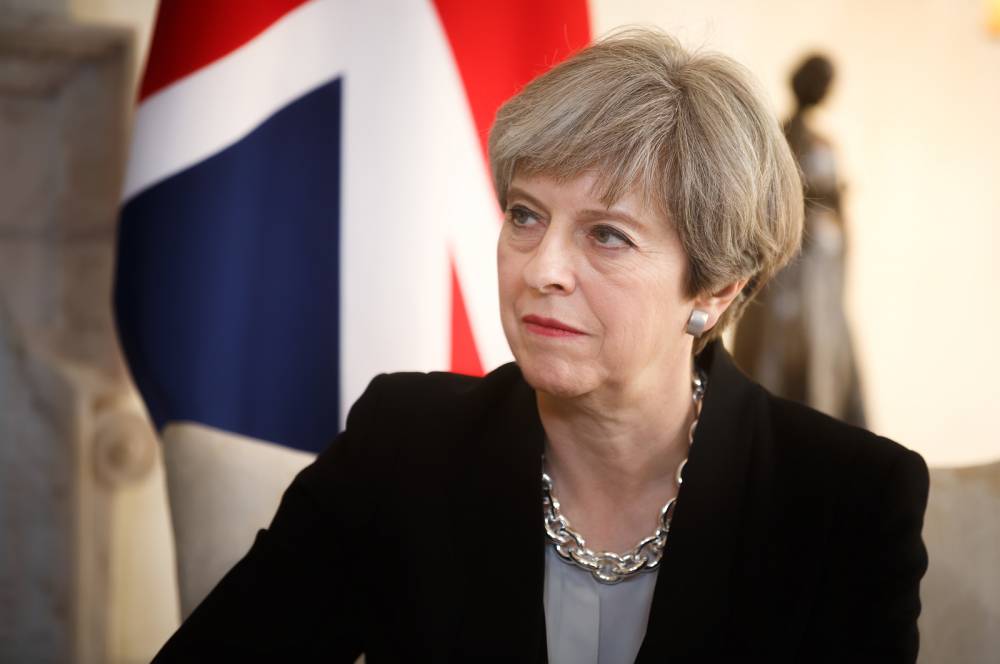
Tag: Theresa May

All the latest breaking news on Theresa May. Browse THEGAYUK’s complete collection of news, articles and commentary on Theresa May.

  • How LGBT friendly is Theresa May’s Cabinet

    How LGBT friendly is Theresa May’s Cabinet

    How has Theresa May’s cabinet voted in gay and LGBT+ issues throughout their time as MPs?

    In order to get our LGBT friendly rating, we have combined absent and abstained votes as a non-vote. You can read a comment on this at the bottom of the article.

    These findings were taken from the TheyWorkForYou.com website. In determining our rating we have highlighted major votes (as determined by TheyWorkForYou). We have left out “less important votes” which is why some tallies may not match the major votes.

    Quick Analysis:

    21 Ministers (and one Peer), including the Prime Minister.

    Number of ministers who have a 50% or above LGBT friendly rating: 12/21

    Number of ministers who have a 49% or under LGBT friendly rating: 9/21

    Number of ministers who have a 100% LGBT friendly rating: 5/21

    Number of ministers who have under a 20% LGBT friendly rating: 3/21

    Prime Minister

    Theresa May

    8 votes for, 10 votes against, 9 absences, between 2002–2014

    MAJOR YES VOTES: 5

    2003: Civil partnerships.

    2013: Same-sex marriage. (Feb)

    2013: Same-sex marriage. (May)

    2014:  Enabling the courts to deal with proceedings for the divorce of, or annulment of the marriage of, a same-sex couple.

    2014: Making same-sex marriage available to armed forces personnel outside the UK.

    MAJOR NO VOTES: 2

    1998: Equalising the age of consent.

    2002: Allowing gay couples to adopt children.

    MAJOR ABSENT VOTES: 3

    2003: Repeal a ban on the promotion of homosexuality in schools. Section 28.

    2004: Allow Marriages to Remain Valid If They Become a Same-Sex Marriage.

    2007: Discrimination on the grounds of sexuality.

    Rating: 29.6%

    Analysis of Theresa May’s LGBT voting:

    Ms May is what we’d call an evolved Minister on LGBT+ and gay rights. Prior to 2004 she systematically voted against the rights of gay people in the UK. Then we see a 180-degree change in her voting pattern, although she did have a blip in 2007 when she failed to vote on the Discrimination on the grounds of sexuality law. Since the beginning of this decade, she has voted positively for LGBT+ community.


    First Secretary Of State, Minister for the Cabinet Office

    David Lidington

    3 votes for, 18 votes against, 6 absences, between 2003–2014

    MAJOR YES VOTES: 1

    2004: Allow Marriages to Remain Valid If They Become a Same-Sex Marriage.

    MAJOR NO VOTES: 3

    1998: Equalising the age of consent.

    2002: Allowing gay couples to adopt children.

    2003: Repeal a ban on the promotion of homosexuality in schools. Section 28.

    2013: Same-sex marriage. (Feb)

    2013: Same-sex marriage. (May)

    MAJOR ABSENT VOTES: 4

    2004: Civil partnerships.

    2007: Discrimination on the grounds of sexuality.

    2014:  Enabling the courts to deal with proceedings for the divorce of, or annulment of the marriage of, a same-sex couple.

    2014: Making same-sex marriage available to armed forces personnel outside the UK.

    Rating: 11.1%

    Analysis of David Lidington’s LGBT voting:

    David Lingtonton is one of worst voters on LGBT+ and gay matters in Theresa May’s Cabinet. He has nearly voted against or failed to turn up to every major vote concerning the equality of gay people in the UK since he took office. He has only voted positively on one major piece of legislation which was in 2004.


    Chancellor of the Exchequer

    Philip Hammond

    3 votes for, 11 votes against, 13 absences, between 2002–2014

    MAJOR YES VOTES: 2

    2014:  Enabling the courts to deal with proceedings for the divorce of, or annulment of the marriage of, a same-sex couple.

    2014: Making same-sex marriage available to armed forces personnel outside the UK.

    MAJOR NO VOTES: 2

    1998: Equalising the age of consent.

    2002: Allowing gay couples to adopt children.

    MAJOR ABSENT VOTES: 6

    2003: Repeal a ban on the promotion of homosexuality in schools. Section 28.

    2003: Civil partnerships.

    2004: Allow Marriages to Remain Valid If They Become a Same-Sex Marriage.

    2007: Discrimination on the grounds of sexuality.

    2013: Same-sex marriage. (Feb)

    2013: Same-sex marriage. (May)

    Rating: 11.1%

    Analysis of Philip Hammond’s LGBT voting:

    Philip Hammond has an appalling voting record on LGBT matters and his six failures to appear for a vote, to us, shows a very real lack of respect for gay rights and the LGBT+ community. He hasn’t, it would appear evolved on matters of LGBT rights, even failing to appear for the 2013 same-sex marriage vote.


    Foreign Secretary

    Jeremy Hunt

    8 votes for, 2 votes against, between 2008–2014

    MAJOR YES VOTES: 5

    2007: Discrimination on the grounds of sexuality.

    2013: Same-sex marriage. (Feb)

    2013: Same-sex marriage. (May)

    2014: Enabling the courts to deal with proceedings for the divorce of, or annulment of the marriage of, a same-sex couple.

    2014: Making same-sex marriage available to armed forces personnel outside the UK.

    MAJOR NO VOTES: 0

    MAJOR ABSENT VOTES: 0

    Rating: 80%

    Analysis of Jeremy Hunt’s LGBT voting:

    Jeremy has a perfect score for voting on gay and LGBT+ matters.


    Home Secretary

    Sajid Javid

    2 votes for, 0 votes against, 5 absences, between 2013–2014

    MAJOR YES VOTES: 2

    2013: Same-sex marriage. (Feb)

    2013: Same-sex marriage. (May)

    MAJOR NO VOTES: 0

    MAJOR ABSENT VOTE: 2

    2014: Enabling the courts to deal with proceedings for the divorce of, or annulment of the marriage of, a same-sex couple.

    2014: Making same-sex marriage available to armed forces personnel outside the UK.

    Rating: 28.5%

    Analysis of Sajid Javid’s LGBT voting:

    His absenteeism is cause for concern. Despite voting positively for same-sex marriage he didn’t attend a vote to equalise marriage laws or extend the right to marry to our armed forces.


    Brexit Secretary

    Stephen Barclay

    4 votes for, 0 votes against, 3 absences, between 2013–2014

    MAJOR YES VOTES: 4

    2013: Same-sex marriage. (Feb)

    2013: Same-sex marriage. (May)

    2014: Enabling the courts to deal with proceedings for the divorce of, or annulment of the marriage of, a same-sex couple.

    2014: Making same-sex marriage available to armed forces personnel outside the UK.

    2014: Against various amendments to acts of Parliament in light of the introduction of same-sex marriage.

    MAJOR NO VOTES:0

    MAJOR ABSENT VOTES: 1

    Stephen Barclay was absent for a vote on Marriage (Same Sex Couples) Bill — Second Reading

    Rating: 75%

    Analysis of Stephen Barclays’s LGBT voting:

    Almost perfect score for Mr Barclay’s voting record for LGBT Right. He was absent from the second reading of Marriage (same-sex couples) Bill, but ultimately voted for the rights of gay couples to marry.


    Secretary of State for Defence

    Gavin Williamson

    2 votes for, 5 votes against, between 2013–2014

    MAJOR YES VOTES: 0

    MAJOR NO VOTES: 5

    2013: Same-sex marriage. (Feb)

    2013: Same-sex marriage. (May)

    2014: Enabling the courts to deal with proceedings for the divorce of, or annulment of the marriage of, a same-sex couple.

    2014: Making same-sex marriage available to armed forces personnel outside the UK.

    2014: Against various amendments to acts of Parliament in light of the introduction of same-sex marriage.

    MAJOR ABSENT VOTES: 0

    Rating: 28.5%

    Analysis of Gavin Williamson’s LGBT voting:

    Gavin Williamson is one of worst voters on LGBT+ and gay matters in Theresa May’s Cabinet. He has voted against every major vote concerning the equality of gay people in the UK since he took office in 2010.


    Health and Social Care Secretary

    Matthew Hancock

    7 votes for, 0 votes against, between 2013–2014

    MAJOR YES VOTES: 7

    2013: Same-sex marriage. (Feb)

    2013: Same-sex marriage. (May)

    2014: Enabling the courts to deal with proceedings for the divorce of, or annulment of the marriage of, a same-sex couple.

    2014: Making same-sex marriage available to armed forces personnel outside the UK.

    Rating: 100%

    Analysis of Matthew Hancock’s LGBT voting:

    Mr Hancock has a perfect score for voting on gay and LGBT+ matters.


    Justice Secretary

    David Gauke

    7 votes for, 3 votes against, between 2007–2014

    MAJOR YES VOTES: 4

    2013: Same-sex marriage. (Feb)

    2013: Same-sex marriage. (May)

    2014: Enabling the courts to deal with proceedings for the divorce of, or annulment of the marriage of, a same-sex couple.

    2014: Making same-sex marriage available to armed forces personnel outside the UK.

    MAJOR NO VOTES: 1

    2007: Equality Act (Sexual Orientation) Regulations

    MAJOR ABSENT VOTE: 0

    Rating: 70%

    Analysis of David Gauke’s LGBT voting:

    David Gauke has a near perfect voting record on LGBT+ issues.


    Education Secretary

    Damian Hinds

    7 votes for, 0 votes against, between 2013–2014

    MAJOR YES VOTES: 7

    2013: Same-sex marriage. (Feb)

    2013: Same-sex marriage. (May)

    2014: Enabling the courts to deal with proceedings for the divorce of, or annulment of the marriage of, a same-sex couple.

    2014: Making same-sex marriage available to armed forces personnel outside the UK.

    Rating: 100%

    Analysis of Matthew Hancock’s LGBT voting:

    Mr Hinds has a perfect score for voting on gay and LGBT+ matters.


    Secretary of State for International Trade

    Dr Liam Fox

    2 votes for, 14 votes against, 11 absences, between 2003–2014

    MAJOR YES VOTES: 0

    MAJOR NO VOTES: 4

    2002: Allowing gay couples to adopt children.

    2013: Same-sex marriage. (Both readings).

    2014:  Enabling the courts to deal with proceedings for the divorce of, or annulment of the marriage of, a same-sex couple.

    2014: Making same-sex marriage available to armed forces personnel outside the UK.

    MAJOR ABSENT VOTES: 5

    1998: Equalising the age of consent.

    2003: Repeal a ban on the promotion of homosexuality in schools. Section 28.

    2003: Civil partnerships.

    2004: Allow Marriages to Remain Valid If They Become a Same-Sex Marriage.

    2007: Discrimination on the grounds of sexuality.

    Rating: 7.4%

    Analysis of Dr Liam Fox’s LGBT voting:

    Liam Fox has an appalling voting record on LGBT+ matters. He has systematically voted against or failed to attend votes pertaining to the LGBT+ community since 1998; doing his LGBT+ constituents in North Somerset a great disservice.


    Secretary of State for Businesses, Energy and Industrial Strategy

    Greg Clark

    7 votes for, 1 vote against, 2 absences, between 2007–2014

    MAJOR YES VOTES: 4

    2013: Same-sex marriage. (Feb)

    2013: Same-sex marriage. (May)

    2014: Enabling the courts to deal with proceedings for the divorce of, or annulment of the marriage of, a same-sex couple.

    2014: Making same-sex marriage available to armed forces personnel outside the UK.

    MAJOR NO VOTES: 0

    MAJOR ABSENT VOTES: 1

    2007: Discrimination on the grounds of sexuality.

    Rating: 70%

    Analysis of Greg Clark’s LGBT voting:

    Greg Clark has an almost perfect voting record for LGBT+ rights in the UK.


    Secretary of State for Environment, Food and Rural Affairs

    Michael Gove

    5 votes for, 0 votes against, 5 absences, between 2008–2014

    MAJOR YES VOTES: 3

    2007: Discrimination on the grounds of sexuality.

    2013: Same-sex marriage. (Feb)

    2013: Same-sex marriage. (May)

    MAJOR NO VOTES: 0

    MAJOR ABSENT VOTE: 2

    2014: Making same-sex marriage available to armed forces personnel outside the UK.

    2014: Enabling the courts to deal with proceedings for the divorce of, or annulment of the marriage of, a same-sex couple.

    Rating: 50%

    Analysis of Michael Gove’s LGBT voting:

    Although Michael Gove has never voted against LGBT+ equality he has been absent from half the votes that affected the gay community.


    Secretary of State for Transport

    Chris Grayling

    9 votes for, 7 votes against, 4 absences, between 2002–2014

    MAJOR YES VOTES: 5

    2007: Discrimination on the grounds of sexuality.

    2013: Same-sex marriage. (Feb)

    2013: Same-sex marriage. (May)

    2014: Enabling the courts to deal with proceedings for the divorce of, or annulment of the marriage of, a same-sex couple.

    2014: Making same-sex marriage available to armed forces personnel outside the UK.

    MAJOR NO VOTES: 0

    MAJOR ABSENT VOTE: 3

    2003: Repeal a ban on the promotion of homosexuality in schools. Section 28.

    2003: Civil partnerships.

    2004: Gender Recognition Bill

    Rating: 45%

    Analysis of Chris Grayling’s LGBT voting:

    Chris Grayling is an almost 50-50 politician on LGBT+ matters. Although he has voted positively on many matters, his absence from some votes is cause for concern.


    House and Communities Secretary

    James Brokenshire

    7 votes for, 3 votes against, between 2007–2014

    MAJOR YES VOTES: 4

    2013: Same-sex marriage. (Feb)

    2013: Same-sex marriage. (May)

    2014: Enabling the courts to deal with proceedings for the divorce of, or annulment of the marriage of, a same-sex couple.

    2014: Making same-sex marriage available to armed forces personnel outside the UK.

    MAJOR NO VOTES: 1

    2007: Discrimination on the grounds of sexuality.

    MAJOR ABSENT VOTE: 0

    Rating: 70%

    Analysis of James Brokenshire’s LGBT voting:

    A good show for James Brokenshire and his voting on gay equality. However, there is one blip on his voting record and that was for 2007’s Discrimination on the grounds of sexuality.


    Leader of the Lords

    Baroness Evans


    Secretary of State for Scotland

    David Mundell

    6 votes for, 3 votes against, 3 absences, between 2000–2014

    MAJOR YES VOTES: 3

    2013: Same-sex marriage. (Feb)

    2014: Enabling the courts to deal with proceedings for the divorce of, or annulment of the marriage of, a same-sex couple.

    2014: Making same-sex marriage available to armed forces personnel outside the UK.

    MAJOR NO VOTES: 0

    MAJOR ABSENT VOTE: 2

    2007: Discrimination on the grounds of sexuality.

    2013: Same-sex marriage. (May)

    Rating: 50%

    Analysis of David Mundell’s LGBT voting:

    We would have hoped that one of the UK’s highest profile out politicians would have a flawless voting record, however, Mundell has been absent from too many votes for our liking.


    Secretary of State for Wales

    Alun Cairns

    2 votes for, 1 vote against, 4 absences, between 2013–2014

    MAJOR YES VOTES: 0

    MAJOR NO VOTES: 1

    2013: Same-sex marriage. (Feb)

    MAJOR ABSENT VOTE: 3

    2013: Same-sex marriage.

    2014:  Enabling the courts to deal with proceedings for the divorce of, or annulment of the marriage of, a same-sex couple.

    2014: Making same-sex marriage available to armed forces personnel outside the UK.

    Rating: 28.5%

    Analysis of Alun Cairn’s LGBT voting:

    Mr Cairns’ voting record, although not the worst in the Cabinet, certainly fails his LGBT constituents in the Vale of Glamorgan.


    Northern Ireland Secretary

    Karen Bradley

    7 votes for, 0 votes against, between 2013–2014

    MAJOR YES VOTES: 4

    2013: Same-sex marriage. (Feb)

    2013: Same-sex marriage. (May)

    2014:  Enabling the courts to deal with proceedings for the divorce of, or annulment of the marriage of, a same-sex couple.

    2014: Making same-sex marriage available to armed forces personnel outside the UK.

    MAJOR NO VOTES: 0

    MAJOR ABSENT VOTE: 0

    Rating: 100%

    Analysis of Karen Bradley’s LGBT voting:

    Ms Bradley has a perfect score for voting on gay and LGBT+ matters.


    Secretary of State for International Development

    Penny Mordaunt

    7 votes for, 0 votes against, between 2013–2014

    MAJOR YES VOTES: 4

    2013: Same-sex marriage. (Feb)

    2013: Same-sex marriage. (May)

    2014: Enabling the courts to deal with proceedings for the divorce of, or annulment of the marriage of, a same-sex couple.

    2014: Making same-sex marriage available to armed forces personnel outside the UK.

    MAJOR NO VOTES: 0

    MAJOR ABSENT VOTE: 0

    Rating: 100%

    Analysis of Penny Mordaunt’s LGBT voting:

    Having only served as an MP since 2010, Penny Mordaunt is part of a new Conservative wave – a much more liberal thinker. Compared with some of her longer serving Cabinet members, she has voted in far fewer matters that concern the LGBT+ community however, she has consistently voted for LGBT+ rights and is one of the highest scorers on this league table.


    Culture Secretary

    Jeremy Wright

    2 votes for, 4 votes against, 4 absences, between 2008–2014

    MAJOR YES VOTES: 2

    2013: Jeremy Wright voted in favour of allowing same-sex couples to marry. (in primary readings, but ultimately voted against same-sex marriage)

    MAJOR NO VOTES: 4

    2013: Jeremy Wright voted in favour of allowing same-sex couples to marry.

    MAJOR ABSENT VOTES: 4

    2013: Jeremy Wright was absent for a vote on Same-Sex Marriage — Enabling Courts to Deal with Divorce or Annulment Proceedings

    2014: Jeremy Wright was absent for a vote on Make Same-Sex Marriage Available to Armed Forces Personnel Outside the United Kingdom

    2007: Jeremy Wright was absent for a vote on Equality Act (Sexual Orientation) Regulations

    Rating: 25%

    Analysis of Jeremy Wright’s LGBT voting:

    Having served since 2008, Mr Wright has had plenty of opportunities to enhance the rights of LGBT people in the UK, however, he has one of the worse ratings on Ms May’s Cabinet.


    Work and Pensions Secretary

    Amber Rudd

    7 votes for, 0 votes against, between 2013–2014

    MAJOR YES VOTES: 5

    2013: Same-sex marriage. (Feb)

    2013: Same-sex marriage. (May)

    2014: Enabling the courts to deal with proceedings for the divorce of, or annulment of the marriage of, a same-sex couple.

    2014: Making same-sex marriage available to armed forces personnel outside the UK.

    MAJOR NO VOTES: 0

    MAJOR ABSENT VOTES: 0

    Rating: 100%

    Analysis of Amber Rudd’s LGBT voting:

    Having only served as an MP since 2010, Amber Rudd is part of a new Conservative wave – a much more liberal thinker. Compared with some of her longer serving Cabinet members, she has voted in far fewer matters that concern the LGBT+ community however, she has consistently voted for LGBT+ rights and is one of the highest scorers on this league table.


    Party Chair

    Brandon Lewis

    4 votes for, 0 votes against, 3 absences, between 2013–2014

    MAJOR YES VOTES: 4

    2013: Same-sex marriage. (Feb)

    2013: Same-sex marriage. (May)

    MAJOR NO VOTES: 0

    MAJOR ABSENT VOTES: 3

    2014: Enabling the courts to deal with proceedings for the divorce of, or annulment of the marriage of, a same-sex couple.

    2014: Making same-sex marriage available to armed forces personnel outside the UK.

    Rating: 57%

    Analysis of Brandon’s LGBT voting:

    Generally speaking Brandon has voted for the rights of LGBT+ people however was absent from three crucial votes which directly affect the rights of LGBT armed forces and allowing the courts to treat LGBT people in the matter of divorce.


    How we calculated our results.
    Using TheyWorkForYou.com we were able to define MPs’ voting records on equality issues. We made conclusions on an MP’s voting record – we counted Absent votes as a negative.

    ABSENT COMMENT – Editor

    For this analysis on how this government’s head ministers LGBT friendly rating, we have chosen to consider an absent or abstain vote as a no vote. In my opinion, if you are absent for a vote you are voting for the status quo – which often meant a poorer equality for the LGBT community, such as votes surrounding age of consent, repealing section 28 and of course same-sex marriage.

    In my view, Abstaining is worse than Absent, because I believe that abstaining indicates a level of contempt and that certain issues are not even worth consideration.

  • Theresa May remembers those who have died from AIDS

    Theresa May remembers those who have died from AIDS

    The British Prime Minister, Theresa May has paid tribute to those lost to AIDS-related illnesses.

    PM Theresa May has taken to Twitter to paid tribute to those who have lost their lives due to AIDS-related illnesses.

    Speaking from the G20 summit in Argentina, the PM said, that it was also important to remember the support needed by those living with HIV today.

    Ms May went on to say that she was “proud” that the UK was one of the first countries in the world to honour the UN’s 90/90/90 target which is related to HIV diagnoses, treatment and viral suppression.

    Ms May also went on to say that globally the UK is helping “millions of people” access much-need antiretroviral therapy and supporting HIV prevention in some of the world’s poorest nations.


  • Theresa May ends Downing Street ban for Peter Tatchell

    Theresa May ends Downing Street ban for Peter Tatchell

    Theresa May has become the first Prime Minister to end the exclusion of one of the UK’s most prominent LGBT+ rights campaigners from attending functions at 10 Downing Street.

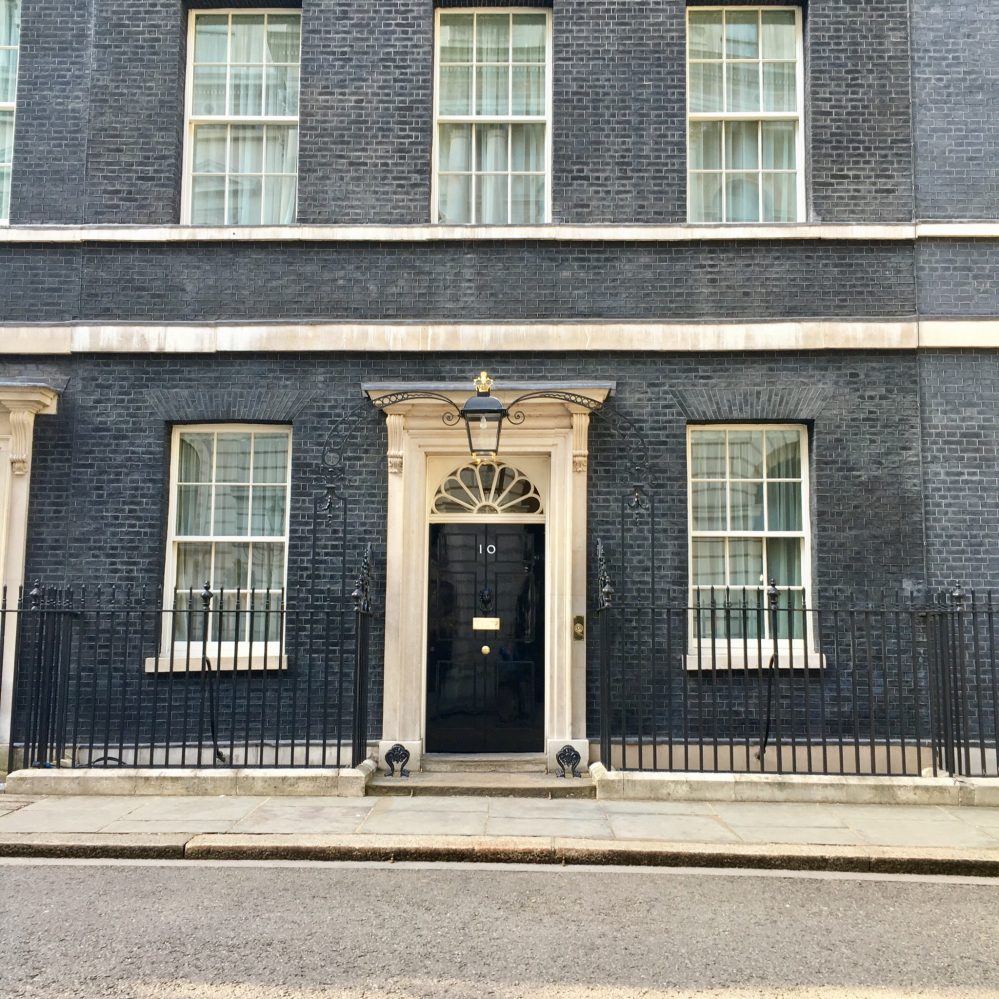
    10 Downing Street
    CREDIT: TheGayUK/Jake Hook

    Peter Tatchell will now be able to enter 10 Downing Street after Theresa May ended a ban on the human rights advocate from attending any functions at the exclusive address. It’s not known whether his ban was deliberate or just careless.

    For a decade, Peter has found himself uninvited to an annual Pride party held at 10 Downing Street. The exclusion started during Tony Blair’s premiership to David Cameron’s. This is despite Peter’s unwavering fight for rights since 1972.

    CREDIT: Monty McKinnen

    Peter Tatchell said, “Since the inception of Downing Street LGBT Pride receptions a decade ago, I have been banned from attending by successive Prime Ministers – Tony Blair, Gordon Brown and David Cameron.

    “Despite my 51 years of campaigning, and my role in the UK’s first Pride parade in 1972, they apparently deemed me to be the unacceptable face of LGBT activism.

    “I was therefore surprised and delighted that Theresa May has invited me to this year’s reception on 3 July – just days after I wrote to her urging compensation for gay men convicted under past anti-gay laws.

    “I am not much fussed about attending such receptions but I am honoured to be asked and have accepted the invitation.

    “I look forward to meeting the Prime Minister and reiterating my call for gay victims of homophobic laws, who suffered so badly, to receive government compensation.

    “She has already acknowledged the grave injustice done to these men, so I hope she will go one step further and recognise that these men deserve recompense for the terrible trauma of criminalisation that they went through.”

    This year’s annual LGBT Pride party takes place on the 3rd July.

  • Anti-gay laws are ‘wrong’, British PM tells Commonwealth

    British Prime Minister Theresa May on Tuesday told former colonies anti-gay laws once imposed by her country “were wrong then, and they are wrong now”. The premier raised discriminatory legislation affecting same-sex couples, women and girls, in an address to Commonwealth leaders in London. (more…)

  • How gay friendly is Theresa May’s Cabinet

    How gay friendly is Theresa May’s Cabinet

    How has Theresa May’s cabinet voted in gay and LGBT+ issues throughout their time as MPs?

    In order to get our LGBT friendly rating, we have combined absent and abstained votes as a No vote. You can read a comment on this at the bottom of the article.

    These findings were taken from the TheyWorkForYou.com website. In determining our rating we have highlighted major votes (as determined by TheyWorkForYou). We have left out “less important votes” which is why some tallies may not match the major votes.

    Quick Analysis:

    21 Ministers (and one Peer), including the Prime Minister.

    Number of ministers who have a 50% or above LGBT friendly rating: 12/21

    Number of ministers who have a 49% or under LGBT friendly rating: 9/21

    Number of ministers who have a 100% LGBT friendly rating: 5/21

    Number of ministers who have under a 20% LGBT friendly rating: 3/21

    Prime Minister

    Theresa May

    8 votes for, 10 votes against, 9 absences, between 2002–2014

    MAJOR YES VOTES: 5

    2003: Civil partnerships.

    2013: Same-sex marriage. (Feb)

    2013: Same-sex marriage. (May)

    2014:  Enabling the courts to deal with proceedings for the divorce of, or annulment of the marriage of, a same-sex couple.

    2014: Making same-sex marriage available to armed forces personnel outside the UK.

    MAJOR NO VOTES: 2

    1998: Equalising the age of consent.

    2002: Allowing gay couples to adopt children.

    MAJOR ABSENT VOTES: 3

    2003: Repeal a ban on the promotion of homosexuality in schools. Section 28.

    2004: Allow Marriages to Remain Valid If They Become a Same-Sex Marriage.

    2007: Discrimination on the grounds of sexuality.

    Rating: 29.6%

    Analysis of Theresa May’s LGBT voting:

    Ms May is what we’d call an evolved Minister on LGBT+ and gay rights. Prior to 2004 she systematically voted against the rights of gay people in the UK. Then we see a 180-degree change in her voting pattern, although she did have a blip in 2007 when she failed to vote on the Discrimination on the grounds of sexuality law. Since the beginning of this decade, she has voted positively for LGBT+ community.


    First Secretary Of State, Minister for the Cabinet Office

    David Lidington

    3 votes for, 18 votes against, 6 absences, between 2003–2014

    MAJOR YES VOTES: 1

    2004: Allow Marriages to Remain Valid If They Become a Same-Sex Marriage.

    MAJOR NO VOTES: 3

    1998: Equalising the age of consent.

    2002: Allowing gay couples to adopt children.

    2003: Repeal a ban on the promotion of homosexuality in schools. Section 28.

    2013: Same-sex marriage. (Feb)

    2013: Same-sex marriage. (May)

    MAJOR ABSENT VOTES: 4

    2004: Civil partnerships.

    2007: Discrimination on the grounds of sexuality.

    2014:  Enabling the courts to deal with proceedings for the divorce of, or annulment of the marriage of, a same-sex couple.

    2014: Making same-sex marriage available to armed forces personnel outside the UK.

    Rating: 11.1%

    Analysis of David Lidington’s LGBT voting:

    David Lingtonton is one of worst voters on LGBT+ and gay matters in Theresa May’s Cabinet. He has nearly voted against or failed to turn up to every major vote concerning the equality of gay people in the UK since he took office. He has only voted positively on one major piece of legislation which was in 2004.


    Chancellor of the Exchequer

    Philip Hammond

    3 votes for, 11 votes against, 13 absences, between 2002–2014

    MAJOR YES VOTES: 2

    2014:  Enabling the courts to deal with proceedings for the divorce of, or annulment of the marriage of, a same-sex couple.

    2014: Making same-sex marriage available to armed forces personnel outside the UK.

    MAJOR NO VOTES: 2

    1998: Equalising the age of consent.

    2002: Allowing gay couples to adopt children.

    MAJOR ABSENT VOTES: 6

    2003: Repeal a ban on the promotion of homosexuality in schools. Section 28.

    2003: Civil partnerships.

    2004: Allow Marriages to Remain Valid If They Become a Same-Sex Marriage.

    2007: Discrimination on the grounds of sexuality.

    2013: Same-sex marriage. (Feb)

    2013: Same-sex marriage. (May)

    Rating: 11.1%

    Analysis of Philip Hammond’s LGBT voting:

    Philip Hammond has an appalling voting record on LGBT matters and his six failures to appear for a vote, to us, shows a very real lack of respect for gay rights and the LGBT+ community. He hasn’t, it would appear evolved on matters of LGBT rights, even failing to appear for the 2013 same-sex marriage vote.


    Foreign Secretary

    Jeremy Hunt

    8 votes for, 2 votes against, between 2008–2014

    MAJOR YES VOTES: 5

    2007: Discrimination on the grounds of sexuality.

    2013: Same-sex marriage. (Feb)

    2013: Same-sex marriage. (May)

    2014: Enabling the courts to deal with proceedings for the divorce of, or annulment of the marriage of, a same-sex couple.

    2014: Making same-sex marriage available to armed forces personnel outside the UK.

    MAJOR NO VOTES: 0

    MAJOR ABSENT VOTES: 0

    Rating: 80%

    Analysis of Jeremy Hunt’s LGBT voting:

    Jeremy has a perfect score for voting on gay and LGBT+ matters.


    Home Secretary

    Sajid Javid

    2 votes for, 0 votes against, 5 absences, between 2013–2014

    MAJOR YES VOTES: 2

    2013: Same-sex marriage. (Feb)

    2013: Same-sex marriage. (May)

    MAJOR NO VOTES: 0

    MAJOR ABSENT VOTE: 2

    2014: Enabling the courts to deal with proceedings for the divorce of, or annulment of the marriage of, a same-sex couple.

    2014: Making same-sex marriage available to armed forces personnel outside the UK.

    Rating: 28.5%

    Analysis of Sajid Javid’s LGBT voting:

    His absenteeism is cause for concern. Despite voting positively for same-sex marriage he didn’t attend a vote to equalise marriage laws or extend the right to marry to our armed forces.


    Brexit Secretary

    Stephen Barclay

    4 votes for, 0 votes against, 3 absences, between 2013–2014

    MAJOR YES VOTES: 4

    2013: Same-sex marriage. (Feb)

    2013: Same-sex marriage. (May)

    2014: Enabling the courts to deal with proceedings for the divorce of, or annulment of the marriage of, a same-sex couple.

    2014: Making same-sex marriage available to armed forces personnel outside the UK.

    2014: Against various amendments to acts of Parliament in light of the introduction of same-sex marriage.

    MAJOR NO VOTES:0

    MAJOR ABSENT VOTES: 1

    Stephen Barclay was absent for a vote on Marriage (Same Sex Couples) Bill — Second Reading

    Rating: 75%

    Analysis of Stephen Barclays’s LGBT voting:

    Almost perfect score for Mr Barclay’s voting record for LGBT Right. He was absent from the second reading of Marriage (same-sex couples) Bill, but ultimately voted for the rights of gay couples to marry.


    Secretary of State for Defence

    Gavin Williamson

    2 votes for, 5 votes against, between 2013–2014

    MAJOR YES VOTES: 0

    MAJOR NO VOTES: 5

    2013: Same-sex marriage. (Feb)

    2013: Same-sex marriage. (May)

    2014: Enabling the courts to deal with proceedings for the divorce of, or annulment of the marriage of, a same-sex couple.

    2014: Making same-sex marriage available to armed forces personnel outside the UK.

    2014: Against various amendments to acts of Parliament in light of the introduction of same-sex marriage.

    MAJOR ABSENT VOTES: 0

    Rating: 28.5%

    Analysis of Gavin Williamson’s LGBT voting:

    Gavin Williamson is one of worst voters on LGBT+ and gay matters in Theresa May’s Cabinet. He has voted against every major vote concerning the equality of gay people in the UK since he took office in 2010.


    Health and Social Care Secretary

    Matthew Hancock

    7 votes for, 0 votes against, between 2013–2014

    MAJOR YES VOTES: 7

    2013: Same-sex marriage. (Feb)

    2013: Same-sex marriage. (May)

    2014: Enabling the courts to deal with proceedings for the divorce of, or annulment of the marriage of, a same-sex couple.

    2014: Making same-sex marriage available to armed forces personnel outside the UK.

    Rating: 100%

    Analysis of Matthew Hancock’s LGBT voting:

    Mr Hancock has a perfect score for voting on gay and LGBT+ matters.


    Justice Secretary

    David Gauke

    7 votes for, 3 votes against, between 2007–2014

    MAJOR YES VOTES: 4

    2013: Same-sex marriage. (Feb)

    2013: Same-sex marriage. (May)

    2014: Enabling the courts to deal with proceedings for the divorce of, or annulment of the marriage of, a same-sex couple.

    2014: Making same-sex marriage available to armed forces personnel outside the UK.

    MAJOR NO VOTES: 1

    2007: Equality Act (Sexual Orientation) Regulations

    MAJOR ABSENT VOTE: 0

    Rating: 70%

    Analysis of David Gauke’s LGBT voting:

    David Gauke has a near perfect voting record on LGBT+ issues.


    Education Secretary

    Damian Hinds

    7 votes for, 0 votes against, between 2013–2014

    MAJOR YES VOTES: 7

    2013: Same-sex marriage. (Feb)

    2013: Same-sex marriage. (May)

    2014: Enabling the courts to deal with proceedings for the divorce of, or annulment of the marriage of, a same-sex couple.

    2014: Making same-sex marriage available to armed forces personnel outside the UK.

    Rating: 100%

    Analysis of Matthew Hancock’s LGBT voting:

    Mr Hinds has a perfect score for voting on gay and LGBT+ matters.


    Secretary of State for International Trade

    Dr Liam Fox

    2 votes for, 14 votes against, 11 absences, between 2003–2014

    MAJOR YES VOTES: 0

    MAJOR NO VOTES: 4

    2002: Allowing gay couples to adopt children.

    2013: Same-sex marriage. (Both readings).

    2014:  Enabling the courts to deal with proceedings for the divorce of, or annulment of the marriage of, a same-sex couple.

    2014: Making same-sex marriage available to armed forces personnel outside the UK.

    MAJOR ABSENT VOTES: 5

    1998: Equalising the age of consent.

    2003: Repeal a ban on the promotion of homosexuality in schools. Section 28.

    2003: Civil partnerships.

    2004: Allow Marriages to Remain Valid If They Become a Same-Sex Marriage.

    2007: Discrimination on the grounds of sexuality.

    Rating: 7.4%

    Analysis of Dr Liam Fox’s LGBT voting:

    Liam Fox has an appalling voting record on LGBT+ matters. He has systematically voted against or failed to attend votes pertaining to the LGBT+ community since 1998; doing his LGBT+ constituents in North Somerset a great disservice.


    Secretary of State for Businesses, Energy and Industrial Strategy

    Greg Clark

    7 votes for, 1 vote against, 2 absences, between 2007–2014

    MAJOR YES VOTES: 4

    2013: Same-sex marriage. (Feb)

    2013: Same-sex marriage. (May)

    2014: Enabling the courts to deal with proceedings for the divorce of, or annulment of the marriage of, a same-sex couple.

    2014: Making same-sex marriage available to armed forces personnel outside the UK.

    MAJOR NO VOTES: 0

    MAJOR ABSENT VOTES: 1

    2007: Discrimination on the grounds of sexuality.

    Rating: 70%

    Analysis of Greg Clark’s LGBT voting:

    Greg Clark has an almost perfect voting record for LGBT+ rights in the UK.


    Secretary of State for Environment, Food and Rural Affairs

    Michael Gove

    5 votes for, 0 votes against, 5 absences, between 2008–2014

    MAJOR YES VOTES: 3

    2007: Discrimination on the grounds of sexuality.

    2013: Same-sex marriage. (Feb)

    2013: Same-sex marriage. (May)

    MAJOR NO VOTES: 0

    MAJOR ABSENT VOTE: 2

    2014: Making same-sex marriage available to armed forces personnel outside the UK.

    2014: Enabling the courts to deal with proceedings for the divorce of, or annulment of the marriage of, a same-sex couple.

    Rating: 50%

    Analysis of Michael Gove’s LGBT voting:

    Although Michael Gove has never voted against LGBT+ equality he has been absent from half the votes that affected the gay community.


    Secretary of State for Transport

    Chris Grayling

    9 votes for, 7 votes against, 4 absences, between 2002–2014

    MAJOR YES VOTES: 5

    2007: Discrimination on the grounds of sexuality.

    2013: Same-sex marriage. (Feb)

    2013: Same-sex marriage. (May)

    2014: Enabling the courts to deal with proceedings for the divorce of, or annulment of the marriage of, a same-sex couple.

    2014: Making same-sex marriage available to armed forces personnel outside the UK.

    MAJOR NO VOTES: 0

    MAJOR ABSENT VOTE: 3

    2003: Repeal a ban on the promotion of homosexuality in schools. Section 28.

    2003: Civil partnerships.

    2004: Gender Recognition Bill

    Rating: 45%

    Analysis of Chris Grayling’s LGBT voting:

    Chris Grayling is an almost 50-50 politician on LGBT+ matters. Although he has voted positively on many matters, his absence from some votes is cause for concern.


    House and Communities Secretary

    James Brokenshire

    7 votes for, 3 votes against, between 2007–2014

    MAJOR YES VOTES: 4

    2013: Same-sex marriage. (Feb)

    2013: Same-sex marriage. (May)

    2014: Enabling the courts to deal with proceedings for the divorce of, or annulment of the marriage of, a same-sex couple.

    2014: Making same-sex marriage available to armed forces personnel outside the UK.

    MAJOR NO VOTES: 1

    2007: Discrimination on the grounds of sexuality.

    MAJOR ABSENT VOTE: 0

    Rating: 70%

    Analysis of James Brokenshire’s LGBT voting:

    A good show for James Brokenshire and his voting on gay equality. However, there is one blip on his voting record and that was for 2007’s Discrimination on the grounds of sexuality.


    Leader of the Lords

    Baroness Evans


    Secretary of State for Scotland

    David Mundell

    6 votes for, 3 votes against, 3 absences, between 2000–2014

    MAJOR YES VOTES: 3

    2013: Same-sex marriage. (Feb)

    2014: Enabling the courts to deal with proceedings for the divorce of, or annulment of the marriage of, a same-sex couple.

    2014: Making same-sex marriage available to armed forces personnel outside the UK.

    MAJOR NO VOTES: 0

    MAJOR ABSENT VOTE: 2

    2007: Discrimination on the grounds of sexuality.

    2013: Same-sex marriage. (May)

    Rating: 50%

    Analysis of David Mundell’s LGBT voting:

    We would have hoped that one of the UK’s highest profile out politicians would have a flawless voting record, however, Mundell has been absent from too many votes for our liking.


    Secretary of State for Wales

    Alun Cairns

    2 votes for, 1 vote against, 4 absences, between 2013–2014

    MAJOR YES VOTES: 0

    MAJOR NO VOTES: 1

    2013: Same-sex marriage. (Feb)

    MAJOR ABSENT VOTE: 3

    2013: Same-sex marriage.

    2014:  Enabling the courts to deal with proceedings for the divorce of, or annulment of the marriage of, a same-sex couple.

    2014: Making same-sex marriage available to armed forces personnel outside the UK.

    Rating: 28.5%

    Analysis of Alun Cairn’s LGBT voting:

    Mr Cairns’ voting record, although not the worst in the Cabinet, certainly fails his LGBT constituents in the Vale of Glamorgan.


    Northern Ireland Secretary

    Karen Bradley

    7 votes for, 0 votes against, between 2013–2014

    MAJOR YES VOTES: 4

    2013: Same-sex marriage. (Feb)

    2013: Same-sex marriage. (May)

    2014:  Enabling the courts to deal with proceedings for the divorce of, or annulment of the marriage of, a same-sex couple.

    2014: Making same-sex marriage available to armed forces personnel outside the UK.

    MAJOR NO VOTES: 0

    MAJOR ABSENT VOTE: 0

    Rating: 100%

    Analysis of Karen Bradley’s LGBT voting:

    Ms Bradley has a perfect score for voting on gay and LGBT+ matters.


    Secretary of State for International Development

    Penny Mordaunt

    7 votes for, 0 votes against, between 2013–2014

    MAJOR YES VOTES: 4

    2013: Same-sex marriage. (Feb)

    2013: Same-sex marriage. (May)

    2014: Enabling the courts to deal with proceedings for the divorce of, or annulment of the marriage of, a same-sex couple.

    2014: Making same-sex marriage available to armed forces personnel outside the UK.

    MAJOR NO VOTES: 0

    MAJOR ABSENT VOTE: 0

    Rating: 100%

    Analysis of Penny Mordaunt’s LGBT voting:

    Having only served as an MP since 2010, Penny Mordaunt is part of a new Conservative wave – a much more liberal thinker. Compared with some of her longer serving Cabinet members, she has voted in far fewer matters that concern the LGBT+ community however, she has consistently voted for LGBT+ rights and is one of the highest scorers on this league table.


    Culture Secretary

    Jeremy Wright

    2 votes for, 4 votes against, 4 absences, between 2008–2014

    MAJOR YES VOTES: 2

    2013: Jeremy Wright voted in favour of allowing same-sex couples to marry. (in primary readings, but ultimately voted against same-sex marriage)

    MAJOR NO VOTES: 4

    2013: Jeremy Wright voted in favour of allowing same-sex couples to marry.

    MAJOR ABSENT VOTES: 4

    2013: Jeremy Wright was absent for a vote on Same-Sex Marriage — Enabling Courts to Deal with Divorce or Annulment Proceedings

    2014: Jeremy Wright was absent for a vote on Make Same-Sex Marriage Available to Armed Forces Personnel Outside the United Kingdom

    2007: Jeremy Wright was absent for a vote on Equality Act (Sexual Orientation) Regulations

    Rating: 25%

    Analysis of Jeremy Wright’s LGBT voting:

    Having served since 2008, Mr Wright has had plenty of opportunities to enhance the rights of LGBT people in the UK, however, he has one of the worse ratings on Ms May’s Cabinet.


    Work and Pensions Secretary

    Amber Rudd

    7 votes for, 0 votes against, between 2013–2014

    MAJOR YES VOTES: 5

    2013: Same-sex marriage. (Feb)

    2013: Same-sex marriage. (May)

    2014: Enabling the courts to deal with proceedings for the divorce of, or annulment of the marriage of, a same-sex couple.

    2014: Making same-sex marriage available to armed forces personnel outside the UK.

    MAJOR NO VOTES: 0

    MAJOR ABSENT VOTES: 0

    Rating: 100%

    Analysis of Amber Rudd’s LGBT voting:

    Having only served as an MP since 2010, Amber Rudd is part of a new Conservative wave – a much more liberal thinker. Compared with some of her longer serving Cabinet members, she has voted in far fewer matters that concern the LGBT+ community however, she has consistently voted for LGBT+ rights and is one of the highest scorers on this league table.


    Party Chair

    Brandon Lewis

    4 votes for, 0 votes against, 3 absences, between 2013–2014

    MAJOR YES VOTES: 4

    2013: Same-sex marriage. (Feb)

    2013: Same-sex marriage. (May)

    MAJOR NO VOTES: 0

    MAJOR ABSENT VOTES: 3

    2014: Enabling the courts to deal with proceedings for the divorce of, or annulment of the marriage of, a same-sex couple.

    2014: Making same-sex marriage available to armed forces personnel outside the UK.

    Rating: 57%

    Analysis of Brandon’s LGBT voting:

    Generally speaking Brandon has voted for the rights of LGBT+ people however was absent from three crucial votes which directly affect the rights of LGBT armed forces and allowing the courts to treat LGBT people in the matter of divorce.


    How we calculated our results.
    Using TheyWorkForYou.com we were able to define MPs’ voting records on equality issues. We made conclusions on an MP’s voting record – we counted Absent votes as a negative.

    ABSENT COMMENT – Editor

    For this analysis on how this government’s head ministers LGBT friendly rating, we have chosen to consider an absent or abstain vote as a no vote. In my opinion, if you are absent for a vote you are voting for the status quo – which often meant a poorer equality for the LGBT community, such as votes surrounding age of consent, repealing section 28 and of course same-sex marriage.

    In my view, Abstaining is worse than Absent, because I believe that abstaining indicates a level of contempt and that certain issues are not even worth consideration.

  • Theresa May left Peter Tatchell off the guest list for a bash celebrating LGBT life in the UK

    The UK’s highest profile LGBT rights advocate has once again been left off the invite list for a 10 Downing Street reception which is honouring LGBT contributions to the UK.

    Theresa May left Peter Tatchell off the guest list for a bash celebrating LGBT life in the UK

    Peter Tatchell has once again been “vetoed” from a bash hosted by the UK’s Prime Minister Theresa May at 10 Downing Street today. Despite these receptions taking place every year for the last 16 years, Mr Tatchell has never once been invited – despite his tireless advocacy for the LGBT+ community in the UK.

    Peter Tatchell spoke out against his “blacklisting” today saying that he took it as a “back-handed compliment” and suggested that Ms May might think him “too challenging” or not “respectable enough”.

    Commenting on his “serial exclusion” Peter Tatchell said:

    “I take my blacklisting as a back-handed compliment. The Prime Minister obviously thinks I am too challenging and not respectable enough to be invited. That’s fine by me.

    “I don’t seek invites to Downing Street or government honours. I would not want to go to Downing Street while the Prime Minister teams up with the homophobic DUP, allows the incarceration of LGBT refugees in asylum detention centres and refuses to tackle homophobic bullying by making LGBT issues mandatory in every school.

    “Theresa May doesn’t want to be confronted about such injustices. That’s probably the reason she had me barred.

    “I’m glad she finds me threatening.

    “My goal in life is to disturb the conscience of government. I don’t want their plaudits or hospitality. I want action for LGBT human rights”.


    THEGAYUK reached out for comment from 10 Downing Street on why Mr Tatchell had been excluded only to be told that Downing Street had chosen members of the LGBT+ community that “represents a wide cross section of society”.

    A Downing street Spokesperson said,

    “We are hosting a reception in Downing Street to celebrate the contribution that lesbian, gay, bi and trans people make to our country. We have invited members of the LGBT+ community from the charitable sector, the media, the armed services and the worlds of business, sports and politics which represents a wide cross section of society.”

  • Theresa May suspends anti-gay equality, N word MP Anne Marie Morris

    The UK’s Prime Minister, Theresa May, has suspended Anne Marie Morris after she used the N-word at Brexit discussion yesterday.

    Theresa May has suspended the Conservative MP Anne Marie Morris after she used a vile racist expression “n***** in the woodpile”.

    The whip was also removed.

    Speaking about the MP’s speech, Ms May said, “I was shocked to hear of these remarks, which are completely unacceptable, I immediately asked the Chief Whip to suspend the party whip. Language like this has absolutely no place in politics or in today’s society.”

    The MP for Newton Abbott had been speaking about Brexit where she said,

    “Now I’m sure there will be many people who’ll challenge that, but my response and my request is look at the detail, it isn’t all doom and gloom,

    “Now we get to the real n***** in the woodpile, which is, in two years, what happens if there is no deal?”

    The recording was unearthed by HuffPost who said that the Brexit-backing MP utter the disgraceful phrase, which has its origins in the late 19th and 20th century, as she described the idea of leaving the EU with no deal.

    Ms Morris has offered an “unreserved” apology saying she was sorry for “any offence caused” by her “entirely unintentional” racism.

  • Theresa May reassures no erosion of gay rights in return for DUP support

    Theresa May has assured Scottish Conservative leader, Ruth Davidson, that there will be no erosion of LGBT+ rights in return for DUP support.

    Ruth Davidson, who is planning to marry her partner Jen Wilson, spoke to the Prime Minister about the issue of LGBT+ rights and told the BBC’s Reporting Scotland programme, “I was fairly straightforward with her and I told her that there were a number of things that count to me more than party, One of them is country, one of the others is LGBTI rights.”

    Ms May apparently gave a “categoric assurance” that any deal between the Conservatives and DUP would see “absolutely no rescission of LGBTI rights in the rest of the UK”.

    Ms Davidson also said that Mrs May said she would use her influence to advance gay rights in Northern Ireland.

    Northern Ireland is the last place in the UK to legalise same-sex marriage – with the issue being voted on four times.

    WHO ARE THE DUP?

    The DUP have earned themselves a reputation for being homophobic after voting against same-sex marriage four times.

    Theresa May looks to have negotiated with the DUP, who have 10 seats, in order to take their total number of seats up to 328, a majority of just two seats. However, the coalition will not be welcome news for many in the LGBT+ community has the DUP has run on a platform of conservativism which includes anti-LGBT equality and anti-abortion.

    During their campaigning and the release of their manifesto, the DUP failed to mention any pledges for the LGBT community.

    The party’s founder Ian Paisley spearheaded the Save Ulster from Sodomy in the 1970s, which was opposed to the decriminalisation of homosexuality in Northern Ireland, in fact, Northern Ireland was the last country within the UK to decriminalise homosexuality, which it did so in 1982. Paisley’s son, Ian Paisley Jr said that he was “repulsed” by homosexuality.


  • Petition urging Theresa May not to form DUP coalition reaches 110,000

    A petition of no confidence in a coalised Government between the Conservatives and the Democratic Unionist Party (DUP) has reached 110,000 in under 24 hours.

    Mrs May’s plans to form a Government with the help of the DUP is facing mounting pressure after a petition of no confidence was signed by 110,000 people in under 24 hours. Another petition has reached 380,000 petitioners.

    However, the DUP is a deeply unpopular party with certain segments of society due to their stances on LGBT+ equality, women’s rights and the environment.

    The Prime Minister was unable to secure a majority Government after the results of her snap election revealed a shortfall and overall lost in seats, winning only 318 seats. Propped by DUP’s 10 seats, Mrs May will have a majority of just two seats. The Conservatives did have a majority of five before the election.

    The petition is hosted on the change.org platform and it remains to be seen whether the cause will be debated in Parliament as per the rules, that any petition that surpasses 100,000 signatures will be considered for debate in Parliament. However, the official UK Government petitioning site is not accepting any new petitions as they are waiting for a new petitions committee.

    WHO ARE THE DUP?

    The DUP have earned themselves a reputation for being homophobic after voting against same-sex marriage four times.

    Theresa May looks to have negotiated with the DUP, who have 10 seats, in order to take their total number of seats up to 328, a majority of just two seats. However, the coalition will not be welcome news for many in the LGBT+ community has the DUP has run on a platform of conservativism which includes anti-LGBT equality and anti-abortion.

    During their campaigning and the release of their manifesto, the DUP failed to mention any pledges for the LGBT community.

    The party’s founder Ian Paisley spearheaded the Save Ulster from Sodomy in the 1970s, which was opposed to the decriminalisation of homosexuality in Northern Ireland, in fact, Northern Ireland was the last country within the UK to decriminalise homosexuality, which it did so in 1982. Paisley’s son, Ian Paisley Jr said that he was “repulsed” by homosexuality.


  • What has Theresa May’s Conservative Manifesto promised to LGBT people?

    The Conservatives are the latest party to reveal their manifesto, so we’re delved into the paperwork to find out what the Conservatives have promised and pledged to the LGBT+ community of the United Kingdom.

    Typing the term “LGBT” into the Conservative’s 2017 Manifesto the reader receives zero results, unlike the Liberal Democrats, which delivered 5 results and Labour’s which delivered 11. The Green Party have published an entire manifesto just for LGBT people in the UK.

    However not specifically the Conservatives have pledged:

    On education

    The Conservatives pledge to introduce “comprehensive” sex and relationship education but fails to mention any specifics to LGBT sex or relationships. “We will educate today’s young people in the harms of the internet and how best to combat them, introducing comprehensive Relationships and Sex Education in all primary and secondary schools to ensure that children learn about the risks of the internet, including cyberbullying and online grooming”.

    On Crime

    On hate crime the Conservatives promise to be tougher on hate crime, they say,  “…we will push forward with our plan for tackling hate crime committed on the basis of religion, disability, sexual orientation or transgender identity”.

    On the world stage

    The Conservatives have pledged, “We will be the world’s foremost champion of free trade. We will expand our global efforts to combat extremism, terror, and the perpetration of violence against people because of their faith, gender or sexuality”.


  • Theresa May finally responds to persecution of Chechnya’s gay men

    The Prime Minister, Theresa May has called the persecution of gay men in Chechnya as “troubling” nearly a month and a half after the story broke.

    Theresa May has responded to a cross-party group of politicians, about the reported rounding up, detention and torture of gay men in Chechnya. Ms May wrote that the issue was “deeply troubling” and that she appreciated their concerns being shared with her. The story was first reported in early April and has even been spoken about in mainstream media.

    The UK’s foreign office condemned the actions in mid-April, with Baroness Anelay releasing a statement that she was “concerned” about the reports coming out of Chechnya.

    In her letter, Ms May wrote, that concerns had risen with the Embassy in Moscow and urgent action “is also being taken to explore how best to provide support to the LGBT+ community in the region”.

    “You are right to raise concerns about the unacceptable statement issued by the regional government in Chechnya. The UK Government has made clear that this response, implying that such treatment towards LGBT+ people is tolerable, is particularly abhorrent.”

    She added,

    “More widely, the issue of LGBT+ rights is one that the UK raises regularly with the Russian authorities.

    “I can reassure you that we have raised concerns, particularly about the Russian law prohibiting the promotion of ‘non-traditional’ sexual relations to minors since it came into place in June 2013.”

    The letter to Ms May was co-signed by Labour MEP Seb Dance who tweeted that he was “Pleased to receive reply from the PM outlining measures UK is taking on plight of gay men in Chechnya. Crucial we work x-party & w/ allies.”