Tag: Male Cancer

All the latest breaking news on Male Cancers. Browse THEGAYUK’s complete collection of news, articles and commentary on Male Cancers.

  • 12 things you need to know about Prostate Cancer

    12 things you need to know about Prostate Cancer

    We speak with Dr Simon Rosser and Dr Bill West, editors of Gay & Bisexual Men Living With Prostate Cancer, about the 12 things that we need to be aware of when it comes to Prostate Cancer.

    1. How common is prostate cancer in our community?

    Prostate cancer is the #1 invasive cancer for men and the most common cancer in the gay male community. One in seven gay men will be diagnosed in their lifetimes. Since gay male couples have two prostates, they have twice the risk than heterosexual couples or a one-in-three chance.

    2. What are the symptoms of prostate cancer?

    (C) BIGSTOCK

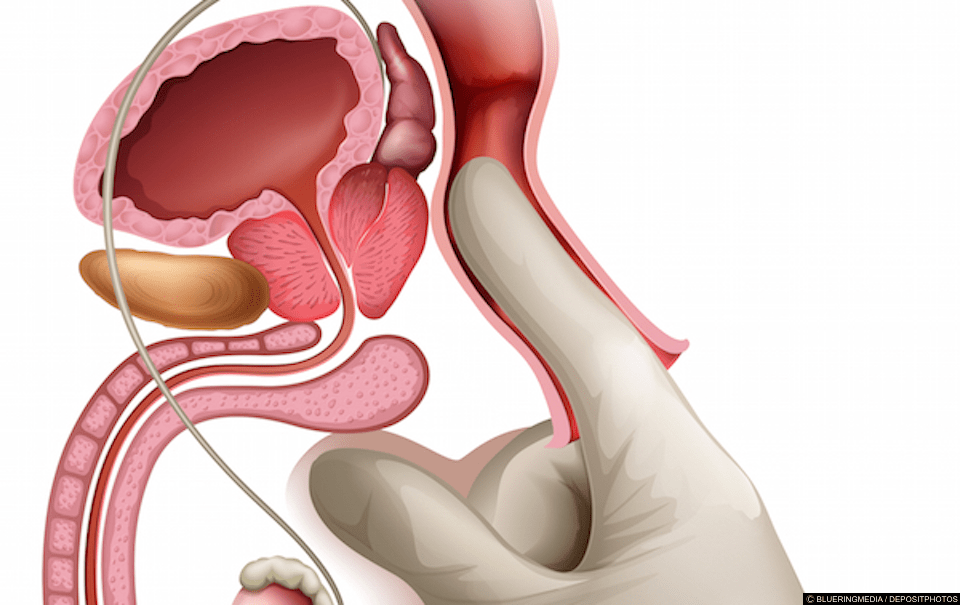
    Prostate cancer typically develops without symptoms which is why it needs to be detected through a blood test (the Prostate Specific Antigen or PSA test) and by a doctor feeling for any abnormalities during a digital rectal (or finger up the butt) exam.

    Two common prostate problems should not be confused with prostate cancer. As we age, our prostates typically get larger which can lead to problems urinating. This is called benign prostatic hyperplasia or BPH. Prostatitis refers to when the prostate gets infected or inflamed.

    3. So, what causes prostate cancer?

    Older men, men with a family history of prostate cancer, and black men are at greater risk of diagnosis and/or worse outcomes. Our research indicates that HIV positive men and bisexual-identified men have worse outcomes than HIV negative men and gay-identified men, respectively. Gay “lifestyle” factors – such as being gay versus straight, lots of sex or no sex, amount and rigour of receptive anal sex, smoking, drug and alcohol use, a history of sexually transmitted diseases and long-distance cycling – have not been associated with greater risk or worse outcomes.

    4. Why is prostate cancer in gay men an issue?

    Different prostate cancer treatments have different effects on our sexual functioning. About 20 per cent of patients treated with radiation experience radiated bowel, which makes receptive anal sex painful to impossible. Conversely, almost all men treated with surgery (and many with radiation as well) will have erection difficulties, after treatment, making bottoming very challenging. Treatment can also effect penis size, ability to ejaculate, the experience of orgasm, pleasure in receptive sex, and urinary problems during sex or at orgasm.

    This makes it important to discuss gay sex with your specialist as part of choosing which treatment will have the least side effects for you.

    5. If I want to be checked for prostate cancer, what should I know?

    The typical test for prostate cancer involves both a blood test and a digital rectal exam. Because massage of the prostate may hypothetically affect the blood results, we recommend you refrain from receptive anal sex or other anal stimulation for 48 hours before the blood is drawn and make sure the blood is drawn before the digital exam.

    6. Does being diagnosed mean you have to be treated?

    No. Many men with low-risk prostate cancer never need treatment. Instead, they go on active surveillance. This simply involves having a blood test every three months to monitor the amount of prostate-specific antigen in their blood. This may also involve additional biopsies to track if the cancer is changing.

    7. Is prostate cancer contagious?

    No, if your boyfriend, husband or a male sex partner has prostate cancer, you cannot get it from him. Prostate cancer is not sexually transmitted.

    8. What’s it like to be diagnosed with prostate cancer?

    Fortunately, prostate cancer has an excellent (over 99%) survival rate provided it is treated early. We are a male couple where both of us have been diagnosed. Here’s what to expect. The initial diagnosis can be scary and requires a biopsy which can be uncomfortable. Don’t panic. Most prostate cancer is slow-growing so in many cases, you can go at your own pace. Gay men are more likely to feel isolated or go through treatment alone, so it’s important to reach out for support. Prepare a list of questions before each consultation and ask them at your next visit. Bring your man (if partnered) or a friend (if single) to the consultation, both for support and to listen to what the specialist says. Deciding if you need treatment and what treatment is best for you are critical milestones, where many patients seek a second (or third) opinion.

    9. How does it affect being gay?

    Because it’s cancer and because it affects our sexual functioning, many gay prostate cancer patients report feeling less than other gay men. There’s a stigma to having prostate cancer which can affect our sexual self-esteem, sense of attractiveness and potency. And because it affects erections, some men may become more at risk for HIV if their erections are not strong enough for condoms or if they decide to bottom more instead.

    10. What’s gay sex like after treatment?

    Everyone is different. In our experience, good sex is definitely possible after treatment but it is challenging. It takes time and patience (up to two years post-treatment), commitment to sex as a priority, good communication between partners, lots of sexual rehabilitation exercises, and flexibility. The biggest loss we had to deal with was spontaneity – erections don’t just happen, and we have to plan sex if it is to be successful. We found erectile drugs and vacuum pumps to be a help as well.

    11. What should I think about in choosing a specialist?

    Know that many urologists and oncologists see themselves as technologists focused on survival. Not all are good at talking to patients or discussing sex. While survival is obviously important, quality of life is as well. Most gay and bisexual men are sexually active and want to remain so after treatment. So, it’s critical to find a specialist you can be open with, and have your questions answered. When making an appointment, ask for a specialist who is comfortable discussing the sexual effects of treatment. And if they seem uncomfortable or unknowledgeable about sex between men, seek a second or third opinion until you find someone you can trust.

    12. If I’m gay, bisexual or a man who has sex with men living with prostate cancer, where can I get help?

    For more information: See our just published book, J. M. Ussher, J. Perz, B. R. S. Rosser, Gay and Bisexual Men Living with Prostate Cancer: From Diagnosis to Recovery (Harrington Part Press, New York 2018).
    For support services: Malecare.org is the largest provider of online support worldwide and has groups specifically for gay and bisexual prostate cancer patients.

    To get involved in research: At the University of Minnesota, we are conducting the first, large, NIH-funded study testing online rehabilitation designed by and for gay and bisexual prostate cancer patients living in the US. See: www.restorestudy.umn.edu or email: Restorestudy@umn.edu.

    Dr Simon Rosser is a gay men’s health researcher and Dr Bill West a health communication specialist at the University of Minnesota. They specialize in prostate cancer in gay and bisexual men. They co-authored several chapters in J. M. Ussher, J. Perz, B. R. S. Rosser, Gay and Bisexual Men Living with Prostate Cancer: From Diagnosis to Recovery (Harrington Park Press, NY, 2018). They are married and out as a gay couple living with prostate cancer.

  • Stephen Fry reveals battle with prostate cancer

    Stephen Fry reveals battle with prostate cancer

    British actor and comedian Stephen Fry revealed on Friday he has been battling prostate cancer, adding that he was currently “fit and well”. The 60-year-old wrote on Twitter that over the last two months he had “been in the throes of a rather unwelcome and unexpected adventure”.

  • How to check your balls for lumps and bumps

    Take the matter into your own hand…

    How to check your balls for lumps and bumps

    Finding lumps on your balls can be worrying, but there’s lots of stuff going on down there. Jackie Hall, Health at Hand operations manager at AXA PPP healthcare gives us some insight on how to check our balls for cancer.

    Testicular cancer is a male cancer which should be checked for regularly, and just like other cancers, it can be easier to treat if detected early. By regularly examining yourself, you are more likely to notice if anything changes or feels unusual so it is best to make this a part of your usual daily routine.

    The best time to check your testicles is after a warm shower, as this is when the skin is most relaxed, by following the below guide:


    Contrast and compare

    Rest your testicles in the palms of your hands and compare one testicle with the other for equal heaviness. A lot of men have one testicle which is larger than the other, or one that hangs lower than the other, so don’t worry if this is the case

    Roll them balls

    Place your fingers behind the scrotum and gently roll your testicle between your thumb and fingers

    Hard lumps?

    You are looking out for any hard lump or swelling – or any particular changes in shape. Make sure you check each testicle individually

    Does it seem normal?

    A normal testicle is oval shaped and feels firm, but not hard

    Heavy balls?

    Most cases of testicular cancer start with a painless lump in the testicle; though sometimes there can be pain or discomfort or a heavy feeling in the scrotum. Make sure you consult your GP as soon as possible if you experience any of these sensations, or if you find a lump


    If you experience any of the above symptoms for testicular cancer, make an appointment with your GP.

  • 10 things you probably didn’t know that happens if you’re diagnosed with prostate cancer

    In our latest podcast, prostate cancer survivor and information campaigner, Martin Wells revealed what happens after you are diagnosed with prostate cancer.

    1) You might not even have any symptoms.

    In our interview with him, Martin told us that he didn’t have any symptoms before he was diagnosed with prostate cancer. He actually went to his GP for a totally unrelated matter. His doctor decided to check out his prostate. Two days later Martin was called by his surgery to come in to discuss the results, which is where found out that he had prostate cancer.

    2) You don’t have to be a cis-gender man to get prostate cancer.

    Transgender Flag

    Anyone who still has their prostate gland can get prostate cancer. Trans women can be diagnosed with this type of disease. It is completely nondiscriminatory in who it affects, gay, straight, bisexual or transgender.

    3) One in 8 men will be diagnosed with prostate cancer in their lifetime.

    There are 40,000 new cases diagnosed every year. Most people who are diagnosed are over the age of 50 – but more and more men younger than this are being diagnosed each year.

    4) Black men are twice as likely to be diagnosed. 

    One in 4 men with African-Caribbean or African descent will be diagnosed with prostate cancer. It is not known why prostate cancer affects this demographic of people more.

    5) Depending on your treatment, you could lose your ability to get self-maintained erections, but you can still have sex.

    What happens when you get prostate cancer

    Martin told us, that even though he couldn’t have sex in the same way as he had before his treatment, he learned a brand new way of being intimate with his partner. He now enjoys a more tantric approach to sex.

    6) Sex can last up to three hours.

    No more WHAM BANG THANK YOU MAN. Martin says he found that he could still have a sex life, but now lasts much longer.

    7) Depending on your treatment, you might not be able to ejaculate…

    but you can still cum. No mess… no fuss.

    8) As good as the NHS is dealing with cancer patients, it’s not perfect

    Will the NHS help me if I get prostate cancer

    You could be misgendered if you’re transgender and those who are treating you might assume that you have a wife if you’re gay. However, once told that you’re not married or heterosexual, healthcare professionals are pretty good at making sure they don’t say it again.

    9) There’s no one to talk about the sexual repercussions of prostate cancer treatment.

    Martin found that there was no one able (or willing) to talk about getting erections or how he could have sex again after the removal of his prostate. That’s one of the reasons why he started his support group, Out With Prostate Cancer.

    10) The Prostate is a satsuma sized gland, located between the penis and bladder.

    Its function is to help in the production of semen. It produces the white fluid which is mixed with sperm created in the testicles.

    Listen to our chat with Martin Well on iTunes.

  • How to talk about sex again after treatment for male cancer

    Being diagnosed with any kind of cancer can be a devastating experience, but can you start to think about sex again after treatment?

    For men, a testicular or prostate cancer diagnosis and the treatment of those cancers can lead to so many questions about their sex lives. We spoke to Dr Becky Spelman who is a relationship expert at We-Vibe who explained to us male cancers can be an emotional blow and can have a deep impact on the sex lives of survivors.

    She told us,

    “Engaging with our sex life after a serious illness is always a challenge—and it’s even trickier after treatment for a condition such as prostate or testicular cancer.  Survivors of prostate or testicular cancer may feel like they are “less of a man”, and this can pose a significant emotional blow, which can impact seriously on their sex life. They might feel unattractive, or that the illness was their fault, for some reason they don’t understand and can’t articulate. It’s important to understand that the illness is no one’s fault. Anyone can get sick. Take the time you need to engage with the emotional as well as the physical side of the healing process, and attend a professional therapist, or group therapy, if you feel it will help”.

    Things after cancer change

    Men who survive cancer can find problems with maintaining erections. Dr Becky explains,

    “Survivors of these kinds of cancer may have to live with the reality of a very different sex life than the one they had before. Many men will now be unable to maintain an erection. While this can mean the end of penetrative sex, it doesn’t have to mean the end of all sex, forever. Lots of sex acts don’t involve penetration—and, of course, there’s nothing to prevent a post-operative man from being the receptive partner in lovemaking. An open mind, and the willingness to experiment will open up possibilities that you might never have considered before.

    Men who have had prostate cancer, can continue to have anal sex, but the charity, Prostate Cancer UK warns, “Some men who receive anal sex find that after having their prostate removed their experience of sex changes.

    “Bowel problems and sensitivity in the anus after radiotherapy can also be an issue. It’s best to wait until your symptoms have settled before trying anal play or sex. If you’ve had permanent seed brachytherapy there is a risk in the first few months that your partner might be exposed to some radiation during sex. Talk to your doctor or nurse about when it’s safe to have sex.”

    Acceptance

    “People in recovery from serious illness can be horrified to find themselves struggling with negative emotions such as resentment. They may feel that it’s not fair that they got sick when others, who perhaps have less healthy lifestyles, are just fine. While these are not noble emotions, they are understandable.

    Rather than ignoring them or pushing them below the surface, you need to accept that they are there, and find a way to manage them. There’s lots of help out there for people recovering from serious illness. People can and do recover from the trauma of illness all the time—and rebuild healthy sex lives in the process”.

  • Prostate Cancer UK opens online support group for gay and bisexual men

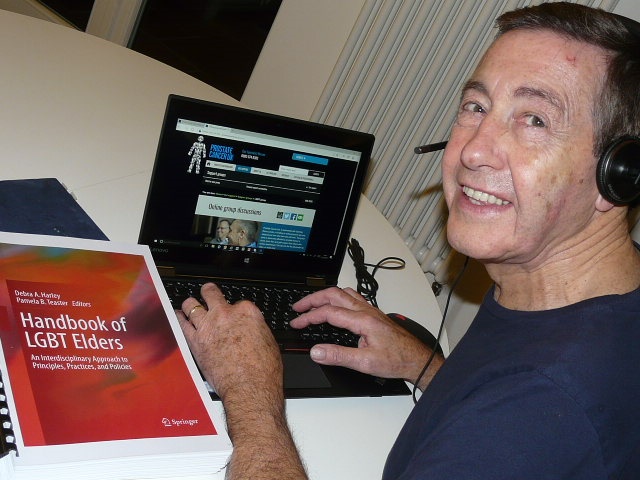
    Prostate Cancer UK has teamed up with Opening Doors London to trial a new online discussion group for gay and bisexual men who have been affected by prostate cancer. The online discussion group will provide men with the opportunity to discuss any subject or concerns about prostate cancer and offer support.

    The first session was held last night (18 October at 7pm) and was facilitated by Opening Doors London, the largest charity for older people in the LGBT community in the UK. Sessions will take place for an hour on the third Thursday of every month for the trial period (6 months) and will be accessible from a computer, tablet or phone. Participants can choose to dial in by video or by audio only, if they prefer not to be seen on screen. Additionally, men can join anonymously should they wish.

    Currently, 1 man dies every 45 minutes from prostate cancer – that’s more than 11,000 men in the UK each year. This makes tackling prostate cancer through research, campaigning and providing support crucially important. Tailoring information and services to different areas of the community also plays a key role in tackling this disease.

    Martin Wells, 63 from Burnley, is a gay man who was diagnosed with localised prostate cancer in 2007. He said: “Going through prostate cancer and the side effects of treatment really affected me psychologically. I desperately needed emotional support to help me get through this difficult time and there weren’t any services near me that focused on psychosexual health. The fact there is not tailored support for men like me in every area of the country, encouraged me to set up my own support groups. Talking to other men who could speak to me on my terms felt incredible. That’s why Prostate Cancer UK’s new online discussion group is a great opportunity for gay, bisexual men and MSM to come together and discuss any topics on prostate cancer without judgement, wherever they live. I would encourage anyone who has any concerns or needs support to join up and share how they feel.

    Ann Innes, Support Group Development Manager at Prostate Cancer UK explains, “We know that people find a great deal of help and support in dealing with prostate cancer from being able to talk to others about shared experiences and problems. Although there are many prostate cancer support groups around the UK, we know that some gay and bisexual men may not feel comfortable about discussing some of their concerns or asking certain types of questions in these groups. So we wanted to offer an alternative for people who would like to speak to others with similar experiences but who for whatever reason could not or do not want to utilise a face to face group. We hope to see this unique support group develop into a key trusted resource for these men going forward.”

    Professor Jeffery Weeks, Chair of ODL trustees said, “Opening Doors London is delighted to be working in partnership with Prostate Cancer UK in the development of an important new service. This online support group for gay men living with prostate cancer will provide new opportunities to challenge taboos and anxieties and to develop mutual support, confidence and knowledge.”

    The next session will take place on 16th November 2018

    To join the online discussion group, please register your details here:https://prostatecanceruk.org/lgbtgroup


  • 5 things you probably didn’t know about prostate cancer, but should

    We look at one male cancer which touches the lives of at least one in eight men in the UK, Prostate cancer.

    With the help of Dr Gordon Muir, the Consultant Urological Surgeon at London Bridge Hospital, we dispell some untruths and discovers some facts about cancer which affects nearly 1 in eight men in the UK.

    Here’re 5 things you probably didn’t know about prostate cancer, but should.


    No early symptoms.

    Prostate cancer usually gives off no early signs. Dr Gordon Muir, the Consultant Urological Surgeon at London Bridge Hospital said, that it “can be diagnosed only by examination or a blood test.”

    He suggests that you should get checked out if you have, “bone pain, difficulty passing urine, or general malaise”, which might signify advanced prostate cancer.

    Blood tests reveal the truth.

    It isn’t all fingers up the bum. A blood test followed by a biopsy is taken to help doctors determine your prostate health.

    Race and genetics are a factor.

    There are a couple of higher risk groups. Dr Gordon Muir tells us that black men are much more likely to develop the disease. Family history also plays a huge role in your risk factor.

    Diet can make a difference.

    You should take good care of your diet as Dr Muir points out, “Being overweight and eating a lot of cooked red meat may increase the risk slightly too.” To remedy this he suggests, “tomatoes, green and yellow vegetables, soya protein, coffee and garlic may all help. As with most diseases, the best advice is to eat a healthy diet and keep fit”.

    There are five types of prostate cancer.

    Last year it was announced that the scientists from the Cancer Research UK Cambridge Institute and Addenbrooke’s Hospital made the shocking discovery that there are five kinds of prostate cancer.

    The discovery means that doctors will now potentially be able to distinguish between slow growing to the deadlier cancers. The discovery was identified by comparing 250 samples removed during surgery.

  • Naked Rugby Players – What More Do You Need From An Article

    Sometimes we love our job.

    As they say a picture says a thousand words and these minxy pictures are painting quite the essay – mainly about how perky rugby players’ bottoms are.

    The Ipswich Rugby Club are selling their naked calendar full of tasteful nudes in support of Prostate Cancer UK.

    One of the players, Tom Ives, Centre, remarked about getting naked for the calendar in the cold, he said,

    “Normally a nude photo shoot, outside, in cold weather wouldn’t be my cup of tea but given the fact that the proceeds are helping to partially fund our tour and sizeable portion is going to a great cause (Prostate Cancer UK), it more than made sense to brave the nippy breeze in order to come up with this beauty of a calendar.

    “As to the choice of charity; I spend Monday to Friday working for an NHS end of life team, in which I bear witness to the effects end stage cancer has on people and their loved ones, so I felt the cause was more than just given the pain and upset caused by such a horrific condition”.


    Visit their shop to buy a copy


  • Naked Rugby Players – What More Do You Need From An Article NSFW

    Sometimes we love our job.

    As they say a picture says a thousand words and these minxy pictures are painting quite the essay – mainly about how perky rugby players’ bottoms are.

    The Ipswich Rugby Club are selling their naked calendar full of tasteful nudes in support of Prostate Cancer UK.
    One of the players, Tom Ives, Centre, remarked about getting naked for the calendar in the cold, he said,

    “Normally a nude photo shoot, outside, in cold weather wouldn’t be my cup of tea but given the fact that the proceeds are helping to partially fund our tour and sizeable portion is going to a great cause (Prostate Cancer UK), it more than made sense to brave the nippy breeze in order to come up with this beauty of a calendar.

    “As to the choice of charity; I spend Monday to Friday working for an NHS end of life team, in which I bear witness to the effects end stage cancer has on people and their loved ones, so I felt the cause was more than just given the pain and upset caused by such a horrific condition”.

    Visit their shop to buy a copy

  • Five Types Of Prostate Cancer Found

    Five Types Of Prostate Cancer Found

    Scientists from the Cancer Research UK Cambridge Institute and Addenbrooke’s Hospital have made the shocking discovery that there are five kinds of prostate cancer.

    © lightsource Depositphotos

    The discovery of the five differing types of prostate cancer could transform the medical aid and treatments offered to patients as medical professionals will be dealing with five different diseases. The discovery means that doctors will now potentially be able to distinguish between slow growing to the more deadlier cancers. The discovery was identified by comparing 250 samples removed during surgery.

    Dr Gordon Muir, Consultant Urological Surgeon at London Bridge Hospital said that early prostate cancer causes no symptoms, but can only be detected by examination or a blood test. Prostate cancer is normally diagnosed by blood test and then a biopsy.

    Advanced prostate cancer symptoms include bone pain, difficulty passing urine, or general tiredness. There are 41,700 cases reported each year in the UK.

    There are lifestyle factors that can increase your chances of developing prostate cancer. Family history being a significant factor as well as race, black men are at much higher risk of the cancer that kills around 11,000 men a year. According to statistics one in four black men will get prostate cancer ay some point in their lifes.

    “Being overweight and eating a lot of cooked red meat may increase the risk slightly too.” explains Dr Gordon Muir.

  • Five Types Of Prostate Cancer Found

    Scientists from the Cancer Research UK Cambridge Institute and Addenbrooke’s Hospital have made the shocking discovery that there are five kinds of prostate cancer.

    The discovery of the five differing types of prostate cancer could transform the medical aid and treatments offered to patients as medical professionals will be dealing with five different diseases. The discovery means that doctors will now potentially be able to distinguish between slow growing to the more deadlier cancers. The discovery was identified by comparing 250 samples removed during surgery.

    Dr Gordon Muir, Consultant Urological Surgeon at London Bridge Hospital said that early prostate cancer causes no symptoms, but can only be detected by examination or a blood test. Prostate cancer is normally diagnosed by blood test and then a biopsy.

    Advanced prostate cancer symptoms include bone pain, difficulty passing urine, or general tiredness. There are 41,700 cases reported each year in the UK.

    There are lifestyle factors that can increase your chances of developing prostate cancer. Family history being a significant factor as well as race, black men are at much higher risk of the cancer that kills around 11,000 men a year. According to statistics one in four black men will get prostate cancer ay some point in their lives.

    “Being overweight and eating a lot of cooked red meat may increase the risk slightly too.” explains Dr Gordon Muir.