Author: Antony Simpson

  • Top 10 Gayest Animals On The Planet

    Homosexuality has been found in 1,500 species of animals through behaviour observation research studies. There’s probably many more species if you consider that the number only account for the animals that have been studied. Here’s ten animals were gay liaisons or relationships exist:

    1. Lions

    CREDIT ©-nicunickie1-Depositphotos

    Male lions in Africa have been observed disregarding available lionesses in order to form their own same-sex prides. These same males have also been seen mounting one another and doing other actions commonly associated with male to female mating interactions.

    2. Cheetahs

    CREDIT: ©-kjekol-Depositphotos

    When cheetahs bond together, they do for life. Cheetah partners spend about 93% of their time together and male same-sex partners are quite common.

    The two bonded males will groom one another (usually a sign of partnered straight cheetahs), defend each other in fights and get anxiety if separated. Once reunited the male cheetahs will face-rub one another, mount one another (fully erect) and stutter (a sexual excitement vocalisation).

    It is estimated that 27-40% of wild male cheetahs live with same-sex partners and that 16-19% of wild male cheetahs life in a same-sex trio.

    3. Elephants

    Male elephants have been known to touch other males with their trunks (elephants see touch as essential for creating and maintaining a deep bond), kissing other males (inserting their trunk into the other elephant’s mouth) and even male on male sex (mounting). Relationships between two male elephants (usually one older and one younger) have been known to last for years.

    4. Emus

    CREDIT: ©-robynmac-Depositphotos

    Emus travel together in pairs. Male emus have been seen making the same mating behaviours as female do to males. This includes: circling a passive male, patches of bare skin turning light blue (on both males), the passive male stretching his neck, erecting his feathers and swaying from side to side and the dominant male rubbing his breast against the other male’s rump.

    5. Flamingos

    CREDIT: © alexsvirid Depositphotos_10051589_l-2015

    Flamingos are sociable animals, living together in large colonies. During mating season, they split off into smaller groups and perform synchronised displays. They choose their mate and stay together for the season. They generally have a new mate for every mating season.

    The most famous same-sex flamingo couple is Carlos and Fernando. In 2007, when they had been together for five years, they adopted an abandoned chick. They fed it and raised it as their own. Homosexuality is said to be very common with flamingos.

    6. Penguins

    CREDIT ©-cvenne-Depositphotos

    Same-sex penguins have been seen performing mating calls to one another and intertwining their necks. There have been a few gay penguin couples in Zoos that have been given abandoned eggs to raise chicks. They have raised these chicks successfully.
    Famous penguin couples include: Roy & Silo, Inca & Rayas and Buddy & Pedro. Each of these couples is a separate subspecies of penguin, meaning that several subspecies of penguin has documented gay penguins.

    7. Dolphins

    CREDIT: ©-vitaliy_sokol-Depositphotos

    Several subspecies of dolphin have gay or bisexual dolphins. One researcher discovered the incredible seventeen year gay relationship between two male dolphins. Researchers have also found pods of all male dolphins who share sexual and romantic experiences together. Dolphins are known to be highly flirtatious and sexualised.
    Male dolphins have been known to engage in masturbation of other males. Same-sex dolphins engage in long foreplay, with the sexual act only lasting a short time. Male dolphins regardless of their sexuality tend to be aggressive and violent towards the other during sex.

    8. Foxes

    CREDIT ©-count_kert-Depositphotos

    Foxes are nocturnal animals, which out of breeding season live alone. They often share territory where there is a dominant male. The dominant male will mount a same-sex subordinate doggy style.

    During breeding season foxes generally live in a den, either as a mated straight couple or a male with several young females. I guess you could say foxes are more bisexual than gay

    9. Bats

    CREDIT: ©-borojoint-Depositphotos

    Bats are said to have the highest percentage of gayness, above all other animals, including humans. Both male and female bats can be gay with their behaviours including: affection, sexual activity and bonding.
    There are several subspecies of bats that are gay including Vampire Bats, Fruit Bats and Flying Fox Bats.<

    10. Cats

    CREDIT: ©-valphoto-Depositphotos

    Tom cats (males) have been known to engage in same-sex interludes. As well as humping one another, they have been seen spooning when they sleep and grooming one another.

    This article was first published in 2018
  • Did you know that homosexuality is found in over 1500 species on earth?

    Same-sex attraction has been found in 1,500 species of animals through behaviour observation research studies. There are probably many more species if you consider that the number only accounts for the animals that have been studied. Here’s ten animals were gay liaisons or relationships exist:

    1. Lions

    Are there gay animals?
    CREDIT ©-nicunickie1-Depositphotos

    Male lions in Africa have been observed disregarding available lionesses to form their own same-sex prides. These same males have also been seen mounting one another and doing other actions commonly associated with male to female mating interactions.

    Pages: 1 2 3 4 5 6 7 8 9 10

  • COMMENT | My Coming Out Reactions

    COMMENT | My Coming Out Reactions

    I’m out to everybody. These days I rarely need to come out and say that I’m gay, but it wasn’t always like that. Over the years I’ve come out to family, friends, work colleagues and even my GP. There have been mixed reactions from people when I’ve told them that I’m gay, but most have been positive. In this article, I’ll share some of the most memorable with you.

    keeping company, social gathering,
    CREDIT: bigstock / Rawpixel.com

    Family
    Coming out to my mum was one of the best things I ever did. I knew she would be supportive, as one of her best friend’s is gay. She acted as a proxy, telling other members of the family and family friends that I was gay so I didn’t have to. Some years later she did tell me that she was worried that I would have a more difficult life as a gay man as ‘people can be so cruel.’

    The funniest reaction from a family member was when my mum told my Granddad. He told her that I ‘just haven’t met the right girl yet.’ This wasn’t homophobic, just a lack of understanding and naivety of the gay world. This naivety is wonderful and one of the many reasons I love him immensely. He used to work on the tills at what has been dubbed The Gay Sainsbury’s in Manchester. He never realised (and still hasn’t!) that all the gay couples are actually together.

    When I came out to my older Brother, a sporty lads lad, he said: ‘You’re still my brother. And I still love you.’ This acceptance from him meant the world to me and it still does.

    Friends
    My friends and I don’t really remember me coming out. That means that it wasn’t really a big deal. It was said, accepted and then we moved on. But there’s always that one friend isn’t there? When I came out to him, he said: ‘Me too.’ We’re still friends today and our same sexuality helped to build the bonds of a lifelong friendship.

    Work Colleagues
    I’ve had many work colleagues over the years, all in different settings and the vast majority coming out has been done by answering the questions: ‘So how was your weekend? What did you get up to?’

    However I did have one Born Again Christian work colleague who said: “I accept that this is how you feel, but it’s not part of god’s plan. It says so in the bible.” This was a face palm moment and I rarely spoke to him after that.

    At one workplace a closeted lesbian work colleague saw the overwhelmingly positive reaction to me as an out gay man and this gave her the courage to talk about her life and her partner openly. Prior to me arriving she had avoided conversations about anything personal, but after seeing how our work colleagues reacted to my talk of gay pride and my relationships she became more open at work and seemed happier for it.

    GP
    I had gone to see my family GP, an older Asian man, about something and decided to disclose my sexuality to him. I think I was at the stage in coming out where you want to tell the world that you’re gay. He said: ‘it’s unnatural.’ And then resumed talking about what I had gone to see him about. This hurt. Said by a supposed non-judgemental professional. Whenever I hear someone say ‘unnatural’ it takes me right back to that consultation room and makes me feel really uncomfortable.

    My coming out reactions have been in the vast majority positive. I have been accepted for who I am. But that’s not always the case. Gay people coming out face the fear of rejection, actual rejection and in some cases abuse or violence. If someone can’t accept you for who you are and recognise that your sexuality is an important part of who you are, you have to ask yourself a serious question: do you really want this person to be a part of your life? I know what my answer would be.


    Opinions expressed in this article may not reflect those of THEGAYUK, its management or editorial teams. If you’d like to comment or write a comment, opinion or blog piece, please click here.

  • What you need to do to score a second date with your dream man

    So you’ve met this man, you really like him and you want to score yourself a second date. Well, you’re going to have to impress him.

    CREDIT: © actualtime Depositphotos

    Here are some ways to impress a man:

    Time keeper

    On the first date, let’s start with common curtsy: be on time. He’s not going to be impressed if you’re half an hour late because you were doing your hair or choosing what to wear. Leave yourself enough time to get ready and travel to the venue of the date.

    Make an effort

    Make an effort with your appearance. Looking smart will impress a man far more than looking like you fell out of a skip. Make sure what you wear is appropriate to the venue of your first date. So there’s no need to wear a suit if you’re going to the cinema, but still, make an effort to look your best.

    Compliments

    When your date arrives, give him a genuine compliment. We all like receiving a compliment, especially if we’ve made a particular effort to look good. So your date will like this and you are likely to be rewarded by a smile and positive regard.

    Confidence is king

    Be confident, but not arrogant or cocky. Watch what you say and do. Are you talking about yourself negatively? What does your body language say about you? You need to like yourself and show that you do, before you can expect your date to appreciate, like and fall for you. Remember: you are wonderful and unique. There’s no one else in the world that’s you.

    Single focus

    While we’re talking about body language, keep your eyes off other guys. Looking at other men will tell your date that you’re not interested in him. Your date should be your focus, so keep your attention focused on him and show this by making regular eye contact.

    Have fun

    Don’t forget that you’re on a date. It’s supposed to be fun, so have fun, smile often and make him laugh.

    Give And Take

    In conversation, you should talk about 50% of the time and listen 50% of the time. Ask your date open questions to discover his interests and passions. Keep conversation light. Avoid emotive topics such as ex-boyfriends and politics.

    Be Honest

    Always be honest with you date. Trust is built on honesty. If your not honest and things go well, sooner or later he’s going to find out. This doesn’t mean you have to tell him your deepest and darkest secrets on the first date. Save intimate secrets for later on when the relationship has developed. It’s OK to tell him you don’t want do discuss certain subjects until you get to know him better.

    Be You

    Being yourself is perhaps the most important advice in this article. Don’t try to be something you’re not. It’s exhausting and won’t lead to you being happy. Any gay man who has tried to play it straight will know this.

    Expectations

    Have no expectations about how the date will go or what will happen. That way you won’t disappointed if the spark isn’t there or you don’t get on. But you will be pleasantly surprised if things go well. There are no rules, so just do what feels right.

  • History of marriage in the UK

    History of marriage in the UK

    In this article, we look at the history of marriage in the UK. Our history starts at 410AD, as before this time there were no written records of the history of marriage. Before written records, history was passed down orally from the older generation to the younger one, unfortunately, over time this oral history has been lost.

    the history of marriage in the UK
    CREDIT: ©-welcomia-Depositphotos

    410AD – The Anglo-Saxons and Other Tribal Groups
    For many people, marriage is strongly associated with religion, but this wasn’t always the case. Straight marriages at this time were about peace and prosperity rather than religion. Marriages encouraged good diplomatic relations and the development of trade between two (or more) tribal groups.

    It was the fathers who decided who their daughters married and the wishes of the couple were seen as irrelevant.

    12th Century – Consent
    In 1140 Decretum Grantiani wrote a canon textbook where he introduced the concept of verbal consent to straight marriage and the requirement for a couple to consummate their union to validate their marriage.

    In the 12th century, the Roman Catholic Church made verbal consent and consummation necessary for the church to view the straight marriage as legitimate. Some Roman Catholic writers at the time also describe marriage as a spiritual experience tied to God’s presence. While this is not surprising, prior to this very little mention of marriage as a spiritual experience.

    1549 – The Vows
    The tradition of vows came from Thomas Cranmer’s Book of Common Prayer. Although the book was updated, later on, many of Thomas Cranmer’s words are still used in religious ceremonies today.

    These vows laid the foundation for how the Roman Catholic & Protestant churches viewed straight marriage at the time as a partnership.

    Thomas Cranmer must have reflected the views of the mainstream population about marriage at the time; otherwise, it would have been unlikely that the church institutions would have accepted and taken on these views.

    Roman Catholic Priests at this time were still delivering marriage ceremonies (as all other religious services) in Latin.

    However, the Protestant’s began delivering their services in the English language. This is significant as English was the common language and this change made marriage ceremonies (as well as all other religious services) accessible to all.

    Today, Protestantism is one the most popular religions practised in the UK. Many historians believe that changing the ceremonies to English played a huge part in making Protestantism a dominant religion.

    1563 – Sacramental Marriage
    The Roman Catholic Church officially declared that straight marriage was one of the seven sacraments in this year; meaning that it was something undertaken in the presence of god. The other sacraments are: Baptism, Confirmation, Holy Communion, Confession, Ordination and Last Rites.

    The Protestant Church didn’t see straight marriage as a sacrament at this time.

    1753 – State Involvement
    The Clandestine Marriage Act (1753) set out what the state expected in order for a straight marriage to be seen as legal. It required the couple to get married in a church by a minister and issue a formal marriage announcement or to obtain a marriage license.

    1836 – Civil Marriages
    In 1836 it became legal for straight couples to get civil marriages, which were generally held in Register Offices. This was to accommodate both the religious and nonreligious.

    For the religious, it meant that they could get married in a neutral place if for some reason they couldn’t get married in their church. For the nonreligious, it gave them a place void of religion. Prior to this, nonreligious straight couples had to go through a ceremony in a church and undertake practices & traditions that they didn’t believe in.

    In 1837 the civil registration of straight marriages started.

    1837 – It’s All About Straight Love
    Between 1837-1901 it was the Victorian Era. It is said by contemporary historians that the Victorian Era is when marriage became about love, but still only the love between a man and a woman. Gay people weren’t treated well in the Victorian Era in the UK, with laws against sexual acts.

    Oscar Wilde – widely regarded as one of the most talented writers of all time; was accused of sodomy by the father of his male lover. He lost the trial and was sent to prison. It was rumoured that he could have escaped to France, but he didn’t. Once he’d served his sentence, he moved to France.

    1858 – Divorce
    Between the 17th – 19th Centuries there were 300 cases of people wanting to end their marriages. The only way to do this was for an Act of Parliament for each marriage, as there was no accommodation for divorce in marriage law. So in 1858 the government of the time finally made divorce a legal process.

    The legal process that meant those who wanted or needed a divorce could have one. But it also signified a shift in the focus of marriage from being a lifetime commitment – for better or worse, to a commitment that could be changed if life’s circumstances changed.

    19th Century – Birth Control
    By the 19th Century, both the Roman Catholic and Protestant Church’s had promoted procreation as the main reason for straight marriage. But as more children survived childhood, families got bigger and there was a need to use some form of contraception.

    In the 1930s the Protestant Church accepted contraception, viewing it as necessary and not a sin or something God would be unhappy with. But the Roman Catholic Church has remained against any form of contraception, as they continue to see the procreation of children as a fundamental aspect of straight marriage.

    2005 – Civil Partnerships
    In 2005 the first gay civil partnerships took place, a year after The Civil Partnership Act came into law.

    It allowed gay people to have legally recognised relationships, which granted them the same rights, protections and benefits of a married straight couple. This included legal rights, such as being one another’s Next of Kin; rights related to their partner’s children and the benefits including those of taxation reductions.

    In terms of the actual act, the gay couple could have a civil partnership ceremony that could consist of anything they wanted (within the law). This could be vows, the exchange of rings, their choice in music, etc.

    The Civil Partnership Act included a legal process for those gay people who may want to end their civil partnership. It is called ‘dissolution’ and works on similar legal principles to divorce.

    This was the first time that the state in the UK legally recognised gay relationships. In the first five, there were 42,778 gay civil partnerships.

    Peter Tatchell (Gay Rights Activist), as well as others, criticised The Civil Partnership Act, saying that it wasn’t complete equality as it excluded straight people from being able to be civil partners.

    2013 – Gay Marriage

    Last year The Marriage (Same Sex Couples) Act has been passed in England and Wales. The first gay marriages are expected in March 2014.

    Stonewall said of The Marriage (Same Sex Couples) Act:

    ‘This is an historic moment for lesbian, gay and bisexual people, their families and their friends. This Act will mean that, for the first time, children growing up to be gay in England and Wales will have full equality in law. We can now proudly claim to be a beacon to the world for gay equality.’

    In ancient history, marriage had nothing to do with religion but helped tribes to live and thrive together. Then Christian institutions (both Roman Catholic & Protestant Churches) influenced the definition and meaning of marriage. In the last century, the state has got involved for marriage, allowing marriage to be more flexible and much more inclusive.

    Marriage as a concept has evolved to meet the needs and desires of society. Currently, there is some debate as to what role the churches and state play within marriage. It is likely that over the next century the Churches will continue to reside over the spiritual aspect of marriage, whereas the state will continue to be involved with the legal and administrative side of marriage.

    Antony Simpson, Writer of this article would like to acknowledge the following sources that supported putting together this article based on fact:

    BBC – Ten key moments in the history of marriage
    http://www.bbc.co.uk/news/magazine-17351133

    Office for National Statistics – Civil Partnerships Five Years On
    http://www.ons.gov.uk/ons/rel/…rd/…/ard-pt145-civil-partnerships.pdf‎

    Office for National Statistics – Video Summary: What does the Census tell us about religion in 2011?
    http://www.ons.gov.uk/ons/rel/census/2011-census/detailed-characteristics-for-local-authorities-in-england-and-wales/video-summary-religion.html

    Peter Tatchell – A setback for equality
    http://www.petertatchell.net/lgbt_rights/partnerships/Straight-civil-partnerships-defeated.htm

    Stonewall – Equal Marriage to become law – Thank You!
    https://www.stonewall.org.uk/what_we_do/parliamentary/5714.asp

    Stonewall – Get Hitched! A Guide to Civil Partnership

    Click to access get_hitched_a_guide_to_civil_partnership_english_3.pdf

  • 5 chat up lines you should NEVER use

    Some chat-up lines work and others really don’t. Here are 5 chat-up lines you should NEVER Use!

    CREDIT: ©-studiostoks-Depositphotos

    1. You have 206 bones in your body. Want one more?

    It’s crude and it’s not even clever.

    2. I’m calling the police because you stole my heart.

    Really cheesy, to the point of being cringeworthy.

    3. Are your pants a bit tight or are you just happy to see me?

    Confidence is good, but cockiness (no pun intended) is not. The not-so-subtle subtext implies you’re just after one thing, which you probably won’t get using this line.

    4. You know what would look good on you? Me.

    Nobody wants to go out with somebody who has a bigger ego than themselves. This line screams that they are egotistical.

    5. Do you come here often?

    This line is too ambiguous. Depending upon where you meet, this could have all sorts of subtext. I once had a guy say this to me in the waiting room of a sexual health clinic. I walked on by and thankfully never saw him again.

    My advice would be to avoid the one-liners altogether. Start the conversation with a simple ‘hi’ or ‘hey’ and stick to genuine compliments.

    What’s the worst chat-up line anybody has ever said to you? Leave a comment below or on our Facebook page to let us know.

  • Top 5 Vintage Gay TV Characters

    Top 5 Vintage Gay TV Characters

    Antony Simpson shares his Top 5 Vintage TV Characters. In order to make the list, characters had to be iconic, queer and in some way vintage. So here we go:

    5. Willow Rosenburg (Alyson Hannigan)

    Buffy The Vampire Slayer first appeared on TV in 1997. Willow started off as a geeky, shy girl who fell in love with part-man part-werewolf Oz (Seth Green). When Oz decided he was too dangerous to be around and left Willow she slowly transformed into an UBER Witch. She met fellow Witch Tara (Amber Benson) and fell in love again, only for Tara to be murdered. I love Willow because of the transformation from shy girl to powerful independent woman.


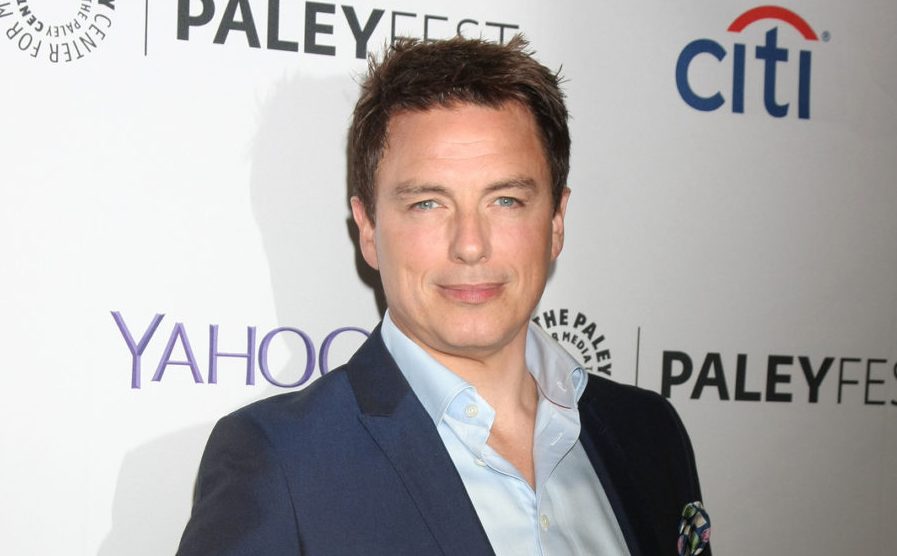
    4. Captain Jack Harkness (John Barrowman)

    John Barrowman
    CREDIT: KathClick

    Captain Jack Harkness first appeared on our TV screens in 2005 in Doctor Who, before getting his own spin-off series Torchwood. Captain Jack is openly bisexual although all of his on screen relationships have been with men.

    Now before you start commenting and telling me 2005 is hardly Vintage; Captain Jack is an immortal rogue Time Agent that has a timeline that dates back 1860s. So if that doesn’t make him vintage, I don’t know what will.


    3. Michael ‘Mouse’ Tolliver (Marcus D’Amico)

    Michael ‘Mouse’ Tolliver appeared on TV in Tales of the City in 1993, which was based on the series of books with the same name. Michael is a gay man living in San Francisco in the late 70s and is a truly loveable character. If you’ve never seen Tales of the City, I can’t recommend the TV series’ and books enough.


    2. Mr Humphries (John Inman)

    Embed from Getty Images

    Are You Being Served? Originally appeared on TV in the 1970s through to the 1980s. Are You Being Served? Was a sit-com set in Grace Brothers’ Clothing Department that focused on the Sales Clerks. I remember seeing a re-run and instantly fell in love with the mincing Mr Humphries.

    Camp humoured Mr Humphries was filled with innuendo always alluded to his sexuality, as did his famous catch phrase ‘I’m free!’ whenever a good looking gentleman entered the store. An iconic character, one of the first TV characters to allude to their gay sexuality.


    1.Edna Everage (Barry Humphries)

    AB FAB (C) Fox Searchlight Pictures
    AB FAB (C) Fox Searchlight Pictures

    Edna Everage debuted on stage in her native Australia before she appeared on our TV screens in the late 80s. This Melbourne Housewife is surrounded by fables, but is essentially a character created and played by Barry Humphries. Edna Everage self-proclaimed advisor to the stars and royalty I always think of as being the first mainstream comedian drag act. Her international status makes her number 1 on my list.

    If there’s a TV character you feel should be on the list, comment on Facebook www.facebook.com/TheGayUK so that I can discover some new characters.

  • Top 11 Gay Characters In Mainstream Movies

    When’s the last time you saw a gay character in a mainstream movie? A while? Recently? Although gay people are under represented in the film world, there are more of us around than you might think. We’ve put together our list of the top 11 gay characters in mainstream movies. Each one of them is terrific in their own special way.


    11. Dr. Frank-N-Furter – The Rocky Horror Picture Show

    Dr. Frank-N-Further (Tim Curry) from The Rocky Horror Picture Show is technically bisexual. He seemed to prefer men to women, after all he created Rocky, but we also see him get it on with Brad and Janet.


    10. Michael Caffrey – Billy Elliott

    Michael Caffrey (Stuart Wells) comes out in Billy Elliott after warming Billy’s cold hands on his body. It’s brilliantly shot and shows that to Billy, Michael’s friendship is more important than whether he likes boys or girls.


    9. Jack Twist Brokeback Mountain

    Jack Twist’s (Jake Gyllenhaal) journey to self-acceptance is a beautiful one. It’s great to see his character grow in confidence as he accepts his sexuality, even if what happens to him at the end did leave us a bit traumatised.


    8. Ennis Del Mar – Brokeback Mountain

    Ennis Del Mar (Heath Ledger) is reluctant to form an emotional connection with Jack in Brokeback Mountain. But after learning about his childhood memories of what he saw done to gay men we could understand why.


    ADVERT
    [adinserter block=”1″]

    7. Blaine Tuttle – Cruel Intentions

    Blaine Tuttle (Joshua Jackson) was so brilliantly 90’s gay in Cruel Intentions. Blaine was openly out and self-confident, as well as being mean and sinister.


    6. Stuart Dakin – The History Boys

    CREDIT: ©-Jean_Nelson-Depositphotos
    CREDIT: ©-Jean_Nelson-Depositphotos

    Stuart Dakin (Dominic Cooper) is a sexually confident pupil in The History Boys who tries to seduce his male teacher at the end of the year.


    5. Irwin – The History Boys


    Irwin (Stephen Campbell) was the Teacher in The History Boys. A geeky character who encourages his students to follow their passion. There’s a spark between him and pupil Stuart Dakin (played by Dominic Cooper above), but Irwin is too afraid of the consequences of acting on his attraction.


    4. George Downes – My Best Friends Wedding

    George Downes (Rupert Everett) is best friend to Julianne Potter (Julia Roberts) in Hollywood flick My Best Friend’s Wedding. He’s any openly gay man who charms everyone.


    ADVERT

    [adinserter block=”1″]


    3. Graham Dashwood – The Best Exotic Marigold Hotel

    Graham Dashwood (Tom Wilkinson) is a High Court Judge in The Best Exotic Marigold Hotel. As a teenager in India he fell in love with a boy. But when the families found out Graham was shipped back to Britain and he never went back. He lived a life as a bachelor until the start of the film where he goes back to India to find his former lover.


    2. Armand Goldman – The Birdcage

    Armand Goldman (Robin Williams) is the owner of a popular nightclub The Birdcage in the film of the same name. Hilariously funny, he tries to play it straight for his son’s fiancées parents.


    1. Albus Dumbledoor – Harry Potter

    Albus Dumbledoor (Richard Harris / Michael Gambon) was Head Teacher of Hogwarts School of Witchcraft and Wizardry in the Harry Potter books and films. It was never said that he was gay until author J.K Rowling outed him, but his fabulous robes and flare of body language (particularly when Michael Gambon took over playing him) hinted at his sexuality.

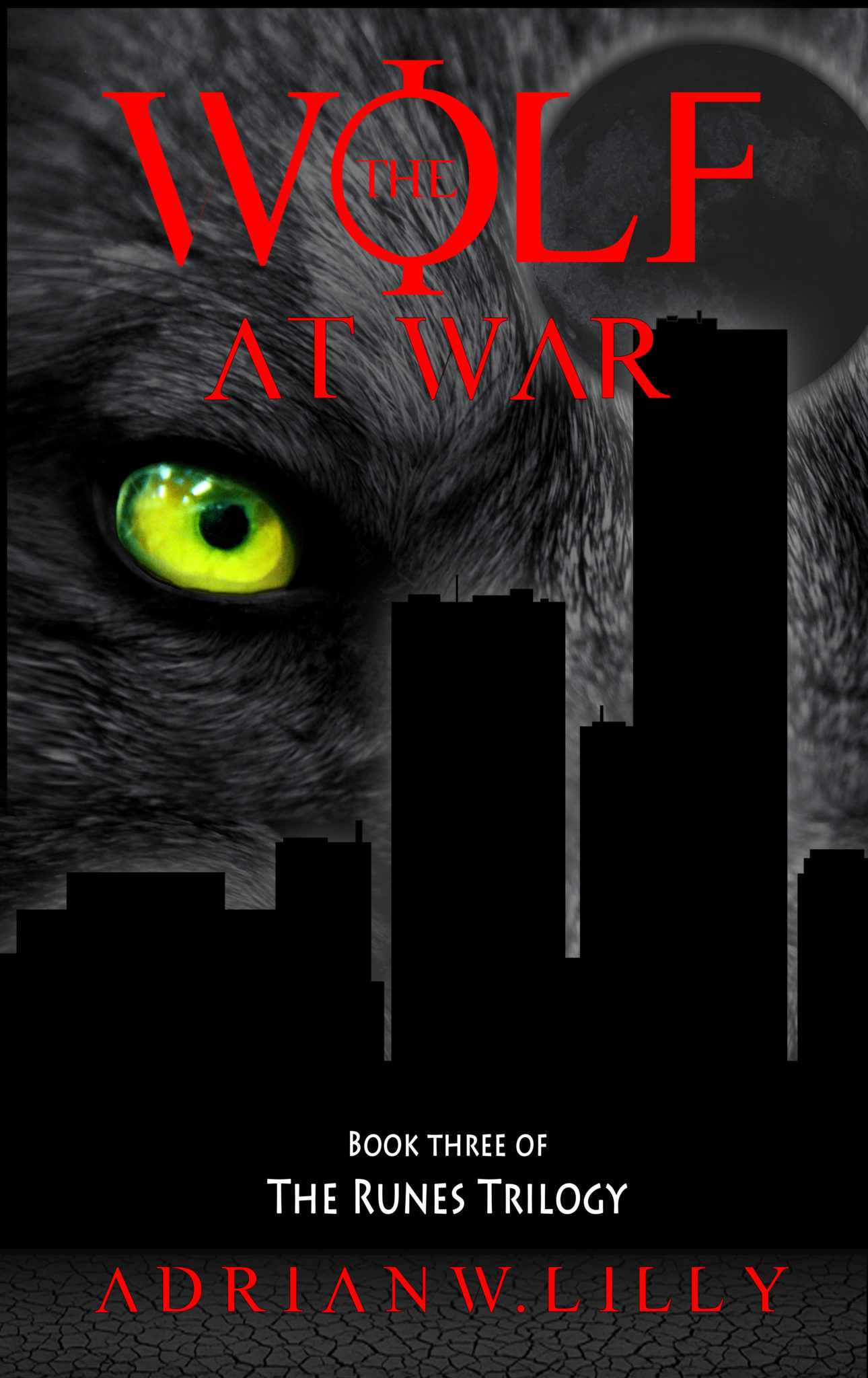
  • Book Review: The Wolf at War (Runes Trilogy Book 3) by Adrian Lilly

    Book Review: The Wolf at War (Runes Trilogy Book 3) by Adrian Lilly

    The Wolf at War is an exhilarating, entertaining and enjoyable read.

    (more…)

  • BOOK REVIEW | Educating Simon, by Robin Reardon

    Sixteen-year-old Simon’s life is turned upside down when his mother announces that she’s met and is marrying her new partner. ★

    Brian, Simon’s future step-father is from Boston, USA. Brian can’t move to England too because of his daughter Persie. So Simon is forced to give up Tinkerbell, his cat and Graeme, his imaginary boyfriend. Moving to Boston puts the shared dream of Simon going to Oxford University at risk.
    The dream being shared by Simon and his deceased father. In Boston, Simon’s new life is busy both with school work and socially. As part of his school work he is assigned Toby/Kay to Mentor for a Spelling Bee. Toby/Kay is an eleven-year-old trans person, who feels like he was born in the wrong body and wants to start hormone replacement therapy before he hits puberty.Educating Simon was an idea with a lot of potential, but unfortunately none of its potential was realised.
    Main character Simon writes the story from his perspective in diary entries. His character is un-relatable and doesn’t cause the reader to care about him. The character was also inconsistent. Reardon sometimes getting the mentality, emotional maturity and behaviour of 16-year-old Simon spot on and other times getting it completely wrong.
    All the other characters felt two-dimensional. Toby/Kay’s storyline lacked depth and felt more like it was about having a trans representative than truly telling her story. Educating Simon is overwritten with pacing that crawled along like a snail. The book doesn’t really get started until at least fifty pages in. The sense of relief when the book finally ends was the main sense of enjoyment.
    It’s not the worse book I’ve ever read, but it’s pretty close. This isn’t Reardon’s first book and I would be willing read another on of his books but would have low expectations and be wary.
    Reviewed by Antony Simpson | @antonysimpson