Author: Simon Sayers-Franklin

  • COMMENT | The Pain of Pride Month

    COMMENT | The Pain of Pride Month

    This year is an important year for our LGBTQ+ community. It’s fifty years since the Stonewall riots this Pride Month, so this should be a June to celebrate more than ever.


    We’re only nine days in but we’ve already had many disgusting stories in the headlines where LGBTQ+ people have been targeted and hurt because of their sexuality or gender identity. We have had companies hiding behind rainbow branding, actively damage our community. At the time of writing, it’s the 9th of June and I have a handful of examples of high profile stories. This doesn’t count the small, unreported moments – the couples holding hands who get glared at, the LGBTQ+ people who are told by strangers (and even people they know) that “being gay isn’t normal,” and the ignorant, uneducated comments faced by LGBTQ+ people every single day.

    The main concern this Pride Month is that every single company seems to take on our rainbow flag in an attempt to “be cool,” but they don’t seem to think about what it actually means. The rainbow is more than just a flag. It flies as a visual representation of the beauty and diversity of our collective community/family. We wear it as a badge of honour in memory and respect of those who fought for us and paved the way for our equality. Now it is cheapened by this mass adoption every June by companies who tend to only bring it out for a few weeks a year and then forget it ever happened. If companies can’t respect our community or contribute to us in any way then they don’t deserve the right to use it to drive their own corporate gain.

    This year we have had the Home Office using the rainbow colours all over their social media while trying to deport Ken Macharia. Ken has lived here in the UK for a decade after escaping from Kenya where homosexuality is illegal and he could have been imprisoned (by law) or beaten or even murdered by anyone who took umbrage to him living his truth.

    Ken had been detained and threatened with deportation last November when it was ruled that he could live his life openly in Kenya despite the dangerous possibilities that actually faced him back there. He was allowed to go but was summoned to the Home Office on Thursday 6th June where he, once again, faced deportation. Thankfully, Ken was allowed to stay in the UK but he still isn’t completely safe and could still face deportation again at a later date.
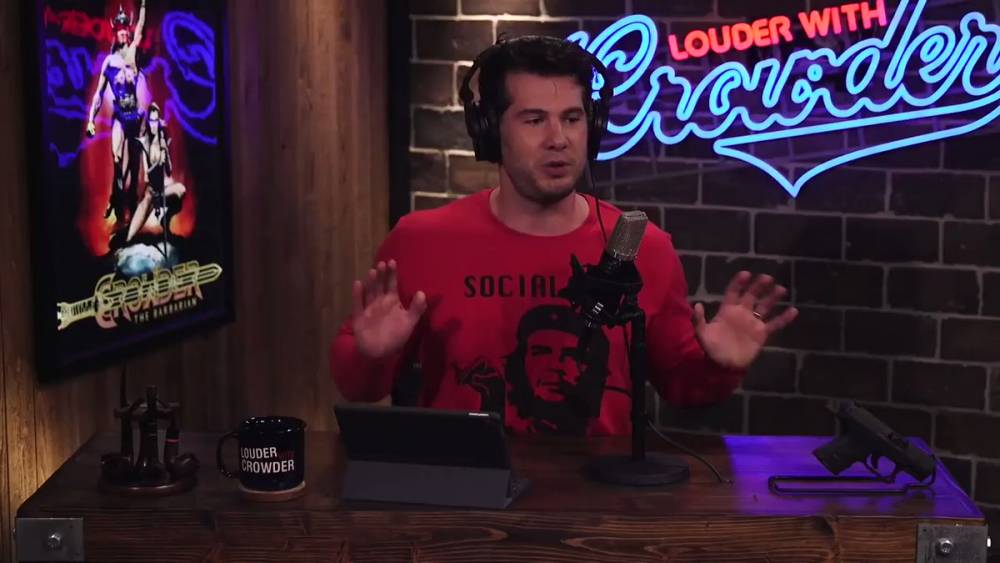
    Youtube has been another company that have hurt LGBTQ+ people during a recent ongoing saga with Carlos Maza and Stephen Crowder. Maza is a writer for Vox, a left-wing news site while Crowder is an inflammatory, right-wing YouTuber who hosts “Louder with Crowder” on the video platform with an audience of millions.

    The story unfolded when Maza posted a thread on Twitter, exposing the abuse he had been facing from Crowder who had consistently called him vile names and made outrageous accusations about him for being gay and Latino for years. Maza rightfully called for YouTube to acknowledge the abuse and to do something about Crowder.


    YouTube wrote back a few days later with:

    “Our teams spent the last few days conducting an in-depth review of the videos flagged to us and while we found the language that was clearly hurtful, the videos as posted don’t violate our policies.”

    This decision sparked outrage and soon after, YouTube decided to reverse their position again and demonetise Crowder with a statement saying:

    “Update on our continued review. We have suspended this channel’s monetization. We came to this decision because a pattern of egregious actions has harmed the broader community and is against out Youtube Partner Program Policies.”

    Shockingly, it appears that Youtube may have been planning this for a while and Crowder’s demonetisation might not have even been anything to do with Maza’s tweets. Instead, with the announcement crossing over with the timing of this very public drama, Maza has ended up facing all the backlash and is suffering, even more, hate and harassment. Whatever YouTube’s reasoning – whether it was pre-determined or because of Maza and the backlash, their handling of events have made things much worse. Even high profile people like Grandpa Munster ahem I mean, Ted Cruz, have got involved: You can read more about this interesting take on events here.

    https://twitter.com/munroebergdorf/status/997060069480165376

    Most recently the NSPCC (National Society for the Prevention of Cruelty to Children) had launched a campaign with trans-activist Munroe Bergdorf. On Wednesday 5th June, Bergdorf spoke out about her excitement to help play a part in an important role:

    “The wellbeing and empowerment of LGBTQIA+ identifying children is something that I have been passionate about throughout my career as an activist. I’m excited to have the opportunity to let more kinds know that they are not along in how they feel. There are people who care, people who can help and people who have been through the same things as you, so PLEASE don’t suffer in silence.”

    https://twitter.com/MunroeBergdorf/status/1136337166387355648

    However, soon after she spoke out about her involvement, anti-trans activists, including a Times journalist and other Twitter users became involved, accusing Bergdorf of being “dangerous,” a “porn model,” and they threatened to cancel their direct debits to the charity if they allowed their association with her to continue.

    Bergdorf replied that she has “never shot porn in [her] life,” and saying that “demonising those who do, isn’t okay either.” She had posed for Playboy in 2018 but the shoot was actually very tasteful and the images captured were strong, beautiful and empowering for Bergdorf who also spoke about her experiences as a trans woman in the accompanying article. Not a single one of those photos could be considered pornographic; in fact, they were more akin to the edgy fashion modelling one would expect from a fashion magazine.

    Despite this, the NSPCC has dropped Bergdorf’s campaign and turned their backs on her saying,

    “Munroe Bergdorf has supported the most recent phase of Childline’s campaign which aims to support children with LGBTQ+ concerns. Munroe has been referred to as a Childline Ambassador. At no point has she been an ambassador for the charity. She will have no ongoing relationship with Childline or the NSPCC. The NSPCC does not support, endorse of authorise any personal statements made by any celebrities who contribute to campaigns.”

    This sends a cold and dangerous message to the people this campaign is meant to help. By leaving Bergdorf behind and refusing to acknowledge her is cruel. How can LGBTQ+ children trust a charity who might treat them so nonchalantly? This is a cruel betrayal of not only Bergdorf but of the entire LGBTQ+ community. Especially the trans community who currently suffer the same kind of hatred through misinformation and lack of education that the gay community faced in the 80s. I spoke about this before in a previous article. You can read more about it here:

    The most heartbreaking part of this is that it comes at the same time Childline, which works closely with the NSPCC, confirmed that over the last twelve months they have dealt with over 6,000 counselling sessions with children and young people about LGBTQ+ issues.
    Birmingham Live revealed that almost 800 calls were made to the Birmingham branch of Childline and some children have even been told to “kill themselves” because of their sexuality. These are some of the loneliest, most desperate and vulnerable children and they are being failed.

    What kind of message does it send when in the news we see our very existence as a daily hot topic for debate. We are bombarded with people digging their noses into every inch of our lives, deciding whether we’re “appropriate” enough to exist or not. We see the protests in Birmingham  over LGBTQ+ inclusive education and are told by strangers online that we are “mentally ill,” that “we are not normal,” and that we are “disgusting.”

    Despite the fact that relationship education is becoming mandatory by law, and an injunction taken out which restricted parents protesting outside the schools, they still continue just outside the restriction zone. The protests led by Shakeel Afsar, who doesn’t even have children at the school, have recently been endorsed by Roger Godsif – Labour’s MP for Birmingham Hall Green.

    The protests were also defended by Shabana Mahmood back when they first started in March.

    On 30th May, a lesbian couple was brutally attacked on a bus by a gang of young men – aged between 15-18 – all because they wouldn’t kiss for their entertainment. This attack wasn’t just a homophobia based hate crime. It was a misogynist hate crime too, just because the two women didn’t want to “entertain” the young men. It’s a horrendous, heartbreaking story. Luckily the women involved have remained resilient and refuse to back down and be scared. The heroines have spoken out and intend to continue to live proudly and visibly.

    But that wasn’t the only hate crime this week. On Saturday 8th June, a performance of Rotterdam was cancelled due to some of the actors being victims of a hate crime. Rotterdam is a play about a young lesbian who is about to come out to her family in an email but before she can send it, her girlfriend tells her that she identifies as a male and wants to start living as a man. It’s about how they begin to navigate their relationship and love for each other. It’s a wonderful, modern story that deserves to be told and clearly has reason to be heard.

    Sadly, we can’t hide from the fact that our community are the target of so much hatred in the current political climate in which this extreme right-wing attitude is legitimised and even fuelled by people like Donald Trump with his transgender military ban and the proposal of bills that mean it’s legal to discriminate against LGBTQ+ people in the workplace, etc.

    In the UK, Brexit Party member, Ann Widdecombe, stated that it’s entirely possible that maybe one-day science will cure homosexuality and Tory Leadership candidate, Esther McVey stuck up for the parent’s protesting against LGBTQ+ inclusive education by saying “parent’s know what’s best for their children.”

    The Brexit Party did unexpectedly well at the recent EU elections and McVey stands a good chance of becoming our next PM.

    What does this say about the future? Nothing positive. That’s what. All that we can take away from this is that on this fiftieth anniversary of Stonewall, we must all adopt some Stonewall spirit and keep fighting. It is an undeniably terrifying and uncertain time to be LGBTQ+ but we must be brave enough to remain visible and dignified. We must live honestly, love openly and not let them silence us.
  • COMMENT | Fighting Transphobia and How to be a Trans Ally

    COMMENT | Fighting Transphobia and How to be a Trans Ally

    Writer Simon Sayers-Franklin urges you to think carefully about being an ally to trans people in our community and what you can do to help with the soon-closing Gender Recognition consultation.

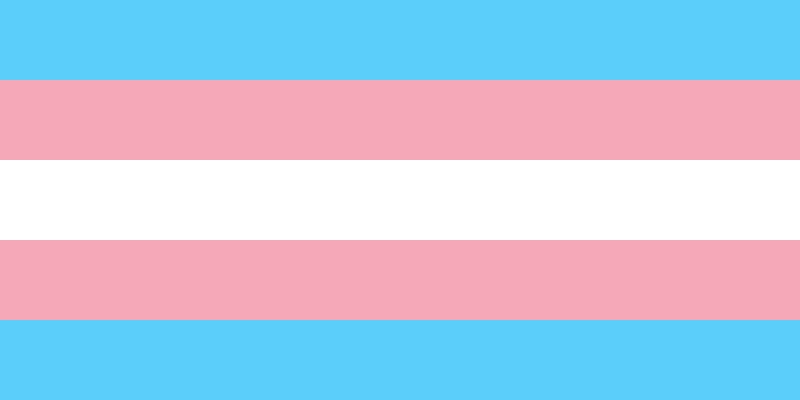
    Transgender Flag

    Transgender women ARE women… Sadly this is something that is contested by an increasing number of so called feminists. These vicious groups of Trans-Exclusionary Radical Feminists have made it their business to demonise and hurt trans people at all costs.

    They make the most bizarre claims, ranging from: “Trans women can never be women because they have experienced “male privilege”” to “Any man could pretend to be a trans woman in order to gain access to female spaces with a predatory intent.”

    The activist group, Fair Play for Women, just the other day took a whole page spread in the Metro, a free newspaper which is mostly distributed on public transport and therefore reaches a large audience. Their message not only displayed crude language but an absolute lack of understanding about transgender people and demonstrated a strange obsession with genitals. The ad questions whether “men” should be able to compete in sport with women. Whether “fully intact men” should be allowed to live in women-only prisons and the list goes on. The cost of this vile ad? £45,000. Now, that sort of money does not come from nowhere. These groups have some serious funding coming from somewhere and while we don’t know where it’s from, we can assume they have big sponsors somewhere. Don’t we deserve to know who it is so we can boycott or take appropriate action against them?

    While Ofcom have said they will look into complaints surrounding the ads, we will have to wait and see what their decision is. Judging by the recent outcome of the Ashers Bakery “Gay Cake” legal battle, which did a U-turn on the second appeal, it’s a worrying prospect.

    This ad comes just weeks after a billboard in Liverpool had to be removed within hours, following complaints. The group Standing for Women, had placed a plain, black billboard with white writing stating that “woman” means “adult human female.” Word got out and many quickly tweeted the company who had no idea about the motive behind the ads. The company were deeply shocked and upset. The billboard was quickly removed.

    Standing for Women, reacted with: “As you may have read, the billboard has been deemed transphobic and is being removed in an act of grotesque misogynistic rage. We are seeking legal advice and will make a full statement in due course.”

    We are still waiting for that full statement.

    Sadly, facing such hatred is the norm for transgender people in this day and age. The bullying is relentless and groups like Standing for Women, etc, keep pushing on and nobody seems to help. It’s a heart breaking statistic that almost half of young, transgender people have attempted suicide. This should not be happening and we need to do something.

    I recently met with Dr Adrian Harrop (@DrAdrianHarrop) who is an LGBTQ+ activist and is very passionate about taking a stand for transgender people’s rights and speaking up against these anti-trans groups. He has developed quite a name for himself for doing so, speaking on TV and radio as well as his twitter. The groups paint him out to be a monster but they couldn’t be further from the truth. He is warm, friendly and keen to make a positive change in the world.

    During my chat with Dr Harrop, we discussed the issues faced by transgender people in the modern world with smear campaigns in the media, the government not caring enough to do anything to help and abuse in the streets.

    The comparisons to paedophiles, perverts and sexual predators are no different to the abuse that the gay community faced in the past. It is scarily close to the attitudes of the 80s and early 90s at the height of the AIDS crisis, except now there’s no escape from the constant bullying. Online, anti-trans activists swarm like flies around any remote mention of a trans issue and let rip.

    For lots of us under thirty, we don’t remember a world with such dangerous hostility towards LGB people. We were too young to properly remember the AIDS crisis; we saw the back end of Section 28 in our school life, sex was legal for us sat 16. We have been very lucky to grow up in a world where battles have been fought and won by people who had a much harder time than us. Sadly, a majority of these heroes are no longer with us but we still owe it to them, to continue their fight. While the world is still not entirely accepting of LGB people it is so much easier than it was and now is the time to stand up for our transgender brothers and sisters.

    As cisgender gay men we are very privileged and we must use that to our advantage. Our transgender family have fought along side us for so long. We cannot forget that there is a T in LGBT and we must make a stand and fight alongside these people as they did for us.

    Now, the main question is “How do I become an effective transgender ally?” When we met, Dr Harrop explained how we can effectively help our transgender family. Here are some simple steps to being a trans ally:

    1. Respect and validate people without question. People know themselves better than you do. It’s a fact. Nobody should be made to feel like they need to explain themselves or that they need to validate their existence and their right to be who they are. This would never be expected of any other minority.

    2. Be prepared to call out transphobia. Most people would be confident to call out racism, lots would also be confident to call out homophobia… transphobia is no different. Call that out too whether it’s online or in person. Transphobia can sometimes be difficult to spot but it must be tackled. Examples include small things (which actually have a massive impact on the person receiving the abuse) like misgendering and calling someone by their dead name (their birth name) to more extreme cases where someone’s identity is being questioned with hurtful words and/or violence.

    3. Be supportive. Be kind. Be human.

    4. There is currently a consultation about the GRA (Gender Recognition Act) which involves a long, dehumanising and hurtful process for transgender people to “prove” their gender. If we make our voices heard, we can change this and make life much easier for our transgender family. Filling in the consultation is quick and easy and is a great way to start your journey to being a trans ally.


  • Curious Festival

    Curious Festival

    It’s June. It’s Pride month and this year celebrates the 49th anniversary of the Stonewall riots that kickstarted a revolution for LGBTQ people. It’s 51 years since homosexuality was decriminalised but it’s also 30 years since Section 28 was passed and under that law, had it not been repealed in 2003, something like the Curious Arts Festival would have never been allowed to happen.

    Founded by Creative Director, Phil Douglas, in 2016, he devised Curious to fill a niche in the market. Phil was inspired by events like Homotopia in Liverpool and Contact in Manchester. He was driven to create something just as interesting, diverse and inclusive for the North East and celebrate the rich talent of the region’s LGBTQ community. However, just as the name of the festival suggests, it invites everybody, even those who aren’t explicitly part of the LGBTQ community but are simply “curious” about the culture, to come and join in!

    The first year of Curious saw a single day and night event held at Breeze Creatives in Newcastle. The purpose of the festival was to celebrate the local LGBTQ culture and give a voice to the community. Phil ran this alone with a single assistant. In the second year, the festival lasted for five days and was spread between Newcastle and Stockton. Phil had help from a small team for the second year. This time, the festival has grown to eight days and has taken on board a much bigger team to run. With more days to fill, the festival has spread across the North East (Newcastle, Gateshead, Stockton and Middlesbrough) in July. It features a wide range of events and activities based around LGBTQ culture and aims to explore and celebrate queer culture as well as to increase visibility and community relationships. With fun events ranging from theatre, to art, to drag queen story times for kids and even a vogue ball, this year is set to be the most exciting yet!

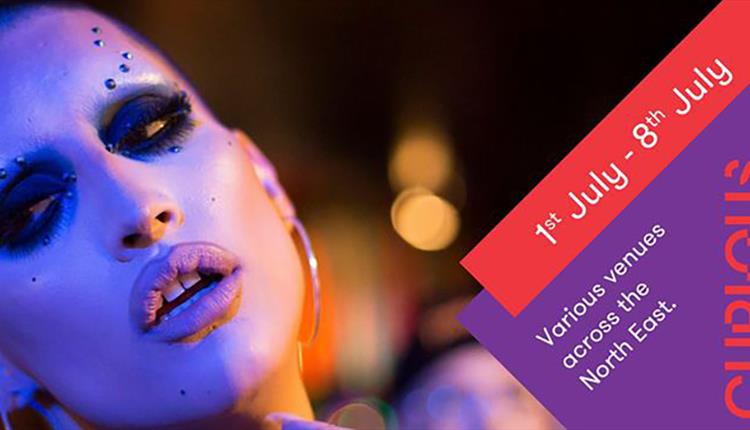
    The festival kicked off on Saturday 9th June with a taster night at Northern Stage ahead of the main festival which runs 1st-8th July. If this night was anything to go by, the main festival next month will be absolutely unmissable! Hosted by the hilarious Jonathan Mayor, dressed all in black and dripping in opulent glitter and jewels. He set the bar so high, there were tears of laughter from the very start and they didn’t stop for the whole time he was on stage. His fabulously camp charm made the audience instantly comfortable, like a best friend you haven’t seen for years. His stories about his experiences as a black, gay, adopted man left the audience screaming with laughter. An absolute genius with words and comic timing, his recollections were as gripping as they were funny and beneath the humour, there was a serious message about racism and growing up gay. Despite the darker undertones, masked by the comedy, Jonathan remained uplifting and his overall message was a heartwarming one of love and joy.


    The first act introduced by Jonathan was Gladys Duffy, Newcastle’s “oldest” drag queen and most recent winner of the city’s Drag Idol competition for 2018. The competition dubbed her “S**t drag,” meaning that she doesn’t rely on glitz and glamour and can work on a budget. It’s a term that she has embraced as a compliment. Even with limited staging and props, the Eighty-something-year-old (she’s not that old really) Gladys has a story to tell and she brings it alive with an abundance of enthusiasm. She has lived her life, had countless husbands and her performance was all about that. From her miserable childhood to her happy marriage which ended in tragedy, to her next miserable marriage, she spoke of life, death, domestic abuse and murder through monologues and lip sync to camp classics like “I Will Survive” and “Que Sera Sera.”

    Whenever Gladys is on stage she goes with the flow and even if things go wrong, she has a talent of just rolling with it and that makes her even more entertaining for the audience. She’s a typical down-to-earth, fun loving, occasionally crude granny and it’s impossible not to love her.

    Speaking briefly to her after the show, Gladys demanded she gets a “scathing review” which is hard to write considering how good she is. However: Gladys Duffy’s constant referrals to death made the audience wish they, too, were dead. A self-confessed murderess, Gladys Duffy should be arrested on sight.

    The second act, simply named Johnny the Biblical Rapper (played perfectly by Tessa Parr), began with a glow stick pointing at Johnny’s crotch and soon escalated into what felt, at first, to be a surreal performance. Everything about it was meticulously planned from Johnny’s costume: jeans and a t-shirt that should say “No More Page Three” but the “No” had been blocked out so it said “More Page Three” instead. The accent like a London Gang member, the occasionally non-sensical threads of story, linked only by rhyming words that didn’t always quite fit like a rubbish rapper who thinks they’re better than they truly are. The characterisation of this type of person we’re all too familiar with was spot on. When Johnny pulled out a picture of a ship and started talking about friendships, then read a letter addressing friends with crude “banter” and later, spoke his true feelings aside, it was the moment that really hit the hardest. Nobody has ever hit the nail on the head so accurately about fragile and toxic masculinity and how men are supposed to toughen up and hide their emotions to a point they can’t even say they love their friends. Johnny’s performance, while confusing and obscure to start, quickly became a strong, intellectual and genuinely funny study of gender stereotypes.

    The third performance of the night was from AJ McKenna, a trans-rights activist and writer. AJ’s spoken word was brutal and hard-hitting. It was personal and raw, so much so that it feels wrong to say too much about it. She spoke of gender and identity and, comparing sex to violent rituals and human sacrifice, she opened up to the audience in such a way that it was uncomfortable and I mean that in the best way possible. Often the best way to make a point in theatre is to make your audience feel that way. Everything about her performance was spectacular. The flow and rhythm of her spoken word was stunningly clever. The change in speed, likened itself to an actual fight – the violence fast and cutting, the vulnerability and self-reflection, slower, more steady and touching. AJ’s stories about bullying at school and her feelings on her own identity were heartbreaking and she held the whole audience captivated. When AJ took a breath there was silence. Every single person in that theatre was completely gripped. While AJ’s story was hard to listen to it’s one that needed to be told and had to be heard.

    The final act of the night was Jackie Hagan. A bright, Liverpudlian ball of energy with colourful hair and spouting obscenities. Jackie was instantly loveable. Her performance was based around her talent for poetry and her disability. Jackie lost a leg; something she is not afraid to talk about openly and she even enjoys getting her stump out to show the audience (the grand finale of her act)

    Under pressure from the timing of being the final person to perform, Jackie coped very well. The show had over-run by an hour, not that the audience were complaining. Again, the audience were gripped as Jackie read us a poem she wrote about the hateful but loveable lady she shared a ward with when she was in hospital recovering after losing her leg. “You Can’t See Through Another Man’s Eyelids” was a surreal list of advice and optimistic quotes, with examples like “You are not as ugly as you think. You are a generous buffet of crisps.” or “The minimum fill line on a kettle is real.”

    Following this, Jackie gave us “I Am Not Daniel Blake,’ a bleak poem about working-class life and how hard it is for people living in poverty.

    This brought us into her grand finale, and the finale of the night!  This involved Jackie drawing a pair of eyes on her leg with a marker pen and telling us that “It’s going to look like that miserable one off Birds of a Feather,” and the reveal did not disappoint!

    It’s Jackie’s ability to laugh at herself and find humour in such a dark place that is so inspiring. She hasn’t let her situation affect her life, in fact, she has used her experiences to elevate herself to a strong position and has become a force to be reckoned with in spoken word and poetry circles. She jokes that people always say she’s “So brave,” but to be able to turn something so negative into such a huge positive is worthy of raising a glass, or in Jackie’s case, prosthetic leg to.


    If you’re interested in learning more about the Curious Festival which runs 1st-8th July 2018, you can follow them on:

    Twitter @CuriousArts,

    Facebook https://www.facebook.com/teamcuriousarts/

    And for a full list of events, you can follow this link here: https://www.newcastlegateshead.com/whats-on/curious-festival-2018-p891301

  • Where and how did pride begin? How a riot at Stonewall led to a world-wide pride movement

    Where and how did pride begin? How a riot at Stonewall led to a world-wide pride movement

    In Part two of Simon Sayers-Franklin’s Pride series, he explores the origins of Pride at the Stonewall riots and why we fly our Rainbow Flag!

    How Did Pride Begin?

    Pride originated on 28th June 1969. Back then police raids on gay bars, like the Stonewall Inn, were common. The authorities would come in, push people around, display violence, intimidate, bully and randomly arrest people. The arrests were frequently made for tiny, inconsequential things such as drag queens wearing more than one or two items of ladies clothing or being caught in compromising positions.

    Often the bars, which were largely owned by the Mafia, would bribe the police to tip them off when raids were due to occur. The gay bars would often have two rooms – a bar in the front and a dance floor in the back. Dancefloor lights could be triggered from the bar to send a secret message to the people next door that a raid was about to happen. This allowed them to stop dancing or quickly find an opposite-sex partner if they wished to continue dancing.

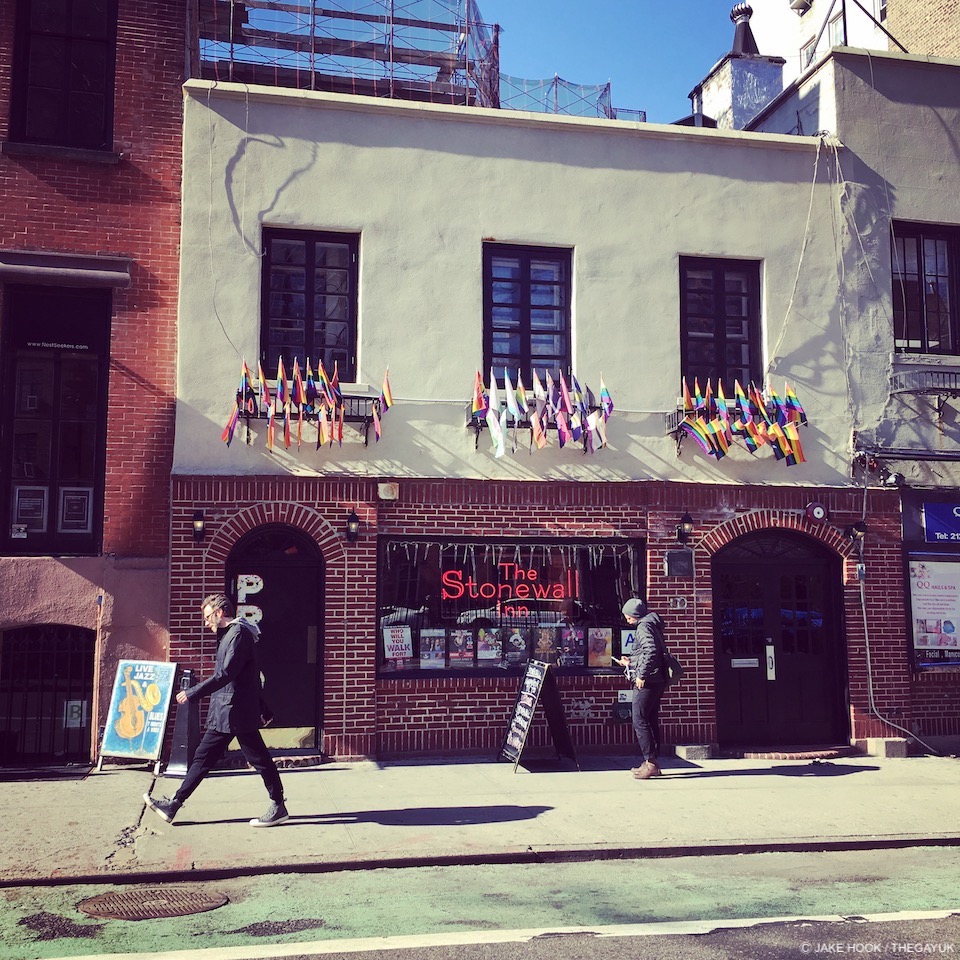
    It was in the early hours of the morning on June 28th 1969, that an LGBT friendly bar in New York was subject to a raid – something that was all too common in gay bars. This bar, however, was one of those owned by the Mafia and catered to transgender people, drag queens, effeminate men, sex workers and homeless people of many backgrounds. The bar in question was the Stonewall Inn.

    a sign from Stonewall that police used to raid the premises

    This raid, however, was different from the beginning. Firstly, the owners were not tipped off, secondly, it happened very late; around 1:20 am. There had been rumours about a raid that night but it was dismissed as inaccurate information.

    The night it all began, two undercover policemen and two undercover policewomen came in and gathered evidence while the rest of the team waited outside. When those who had gained entry called for backup the music died, the house lights came up and those who realised what was happening ran for the doors and windows in the bathrooms but were blocked in by the police.

    There were reportedly over 200 people in the Stonewall Inn that night. Little did the police know, that this as not going to go the way they expected.

    Usually, the police would line up the people, check ID and then the female officers would escort those wearing female clothing to the toilets, where they would be subject to physical checks and if men were found wearing female clothes they would be arrested. Not this night. This night everybody refused to produce their ID and those in women’s clothing resisted being taken to the bathrooms. This resulted in high tensions, only made worse by the police who became inappropriate while frisking some of the lesbian patrons.

    The police had been sent to seize all of the alcohol, which was apparently bootlegged. While this happened, the people inside were made to wait in the line. Those who hadn’t been arrested were allowed to leave but they congregated outside. It wasn’t long for the crowd to grow – a mix of those who had been released and those who had seen the disturbance and joined out of curiosity. Those who were released exited the bar to rounds of applause and they bowed and posed and it was all very theatrical.

    By the time the first police wagon arrived, the crowd had multiplied as much as ten times and as the Mafia were escorted out and put in the van people started shouting “Gay Power.” and others started singing. An officer pushed a drag queen who hit him with her purse. People threw debris at the wagon and that was when a woman, thought to be, Stormé DeLarverie, was dragged out in handcuffs. She kept escaping and fought four police officers. When she complained the handcuffs were too tight she was hit over the head with a baton and screamed: “Why don’t you guys do something?”

    It was this moment that triggered the riots that would go on to last six days!

    Who threw the first brick at the Stonewall Riots

    The patrons of the bar had taken enough and were sick of being pushed around. It was reported that the drag queens and trans women of colour were among the first to fight back. It was Marsha P. Johnson, a black, gender non-conforming, sex worker, a founding member of Gay Liberation Front and a popular member of the New York gay and art scenes, who was apparently one of the first to kick off her heels and fight the police. It is, however, unclear what role Johnson played in the events that night. She disputed that she was the one to start the riot by claiming she arrived at 2 am when the place was already on fire – a fire she claimed was started by the police.

    did Martha P Johnson throw a brick at Stonewall

    These riots were a major moment for LGBT people and Stonewall became an iconic image of rebellion and resistance. It stood for our strength and our refusal to back down.

    It was the next year, 1970, that the first Pride march was held in New York on the anniversary of the Stonewall riots. From that moment we have continued to celebrate Pride in the month of June to honour those who kickstarted a revolution. We march to represent our strength and unity. Our community is strong together and Pride shows just that! In modern days it still has political undertones but these days in the western world particularly, our events stand for inclusivity, visibility, having fun and celebrating love and equality rather than fighting for it.

    Why Do We Have a Rainbow Flag?

    The flag was devised by artist Gilbert Baker after he was challenged by Harvey Milk (another hero and martyr for the LGBT community), to create a “symbol of Pride” to represent the LGBT community. It debuted at the 1978 Gay Freedom Day Parade and has been an icon of our community from that day.

    what does the rainbow LGBT flag stand for
    The original rainbow flag as created by Gilbert Baker

    There were originally eight colours in the rainbow instead of six:

    Hot Pink represented sex/sexuality. It was taken out due to manufacturing issues after Baker approached a company to mass produce the flag. Apparently, the hot pink fabric was too expensive to make.

    Turquoise, representing magic and art, was lost when the Pride Parade Committee wanted to fly the flag in two halves along both sides of the street for the 1979 Gay Freedom Day parade. Turquoise was dropped to leave six stripes, therefore, leaving an equal number to split.

    Red is life.

    Orange is healing.

    Yellow is sunlight.

    Green is nature.

    Indigo is serenity

    Violet is spirit.

    A modern variation, created in 2017, added black and brown stripes to highlight the People of Colour within the LGBT community. There were a mixed reaction and a lot of controversies because of how the flag never represented “race” and was always meant to represent aspects of life that apply to everybody, regardless of ethnicity. It also caused upset by changing the artist’s original vision.

    The Stonewall uprising would go on to inspire the LGBT movement across the globe. In London, the first-ever march by the Gay Liberation Front happened in November 1970.

  • COMMENT | “Pride is for all of us, of all ages and backgrounds to express ourselves honestly and authentically”

    COMMENT | “Pride is for all of us, of all ages and backgrounds to express ourselves honestly and authentically”

    Pride season is finally here! It’s time to dig out the rainbow flags, the glitter and sequins!

    In part one of this series on Pride, I’ll be exploring why Pride is so important to us as a community.

    In recent years we have made huge progress worldwide in terms of LGBT+ rights. We can get married properly, we are protected in our workplaces and in everyday life. We can adopt or get surrogates to have a baby for us. We are accepted as true, legitimate families and Wales has recently announced that it is going to start teaching about LGBT+ relationships in schools to help children understand about same-sex relationships. We live in a wonderful time and that needs to be celebrated.

    We also live in a time where we can be beaten up or murdered for so much as holding the hand of a loved one. We could die or be permanently physically injured or worse for daring to do something as innocent as love. Fair enough, it’s not as dangerous now as it was in the eighties when the AIDS crisis enhanced tensions and hostility towards the LGBT+ community but it’s still bad. It took a lot of work to get us to where we are now and there’s still more to do.

    In parts of the Middle East people can be thrown off buildings for simply being suspected of homosexuality. In Russia, gay people are persecuted on a daily basis in the most brutal, horrific ways. In Chechnya, gay people flee for their lives or face being slaughtered by their own families in a gay purge. In Uganda, you can be imprisoned for life for being gay, or again, killed. Even Dubai, a glamorous holiday destination, adored by the West is a dangerous place for LGBT+ people. This is just a handful of examples.

    There are still currently over 70 countries in the world where you can be imprisoned for being gay and our rights that we take for granted are not safe. Just a few months ago, Boris Johnson, our British Secretary of State for Foreign Affairs failed to stop the abolition of same-sex marriage in Bermuda less than a year after the law had passed.

    Worldwide, LGBT+ people aren’t safe yet they defy their countries laws and hold Pride marches. In the countries mentioned before, and so many more, there are often devastating scenes of cruel attacks. These Pride marches are nothing like ours. Ours are a celebration of what we have and how far we’ve come, theirs are the complete opposite. They are life-threatening political performances where often the events are cancelled last minute for the activists’ safety. On the instances the very brave few go ahead, tragedy often follows close behind.

    In 2015, Shira Banki was stabbed to death at a Pride march in Jerusalem by ultra-Orthodox Jewish man, Yishai Schlissel who had committed a similar crime ten years previously and served a decade-long prison sentence. He claimed he was “doing God’s work.” when he murdered Shira three-weeks after being released from prison. Shira was just sixteen years old.

    Sadly scenes like this are too common.

    This is why we need Pride.

    Pride is a symbol of the fight our community have endured and the pain they have suffered to get us to this point. It is an important part of our culture and as we enter Pride season it is vital that we should remember and respect those who afforded us the celebrations we know and love now.

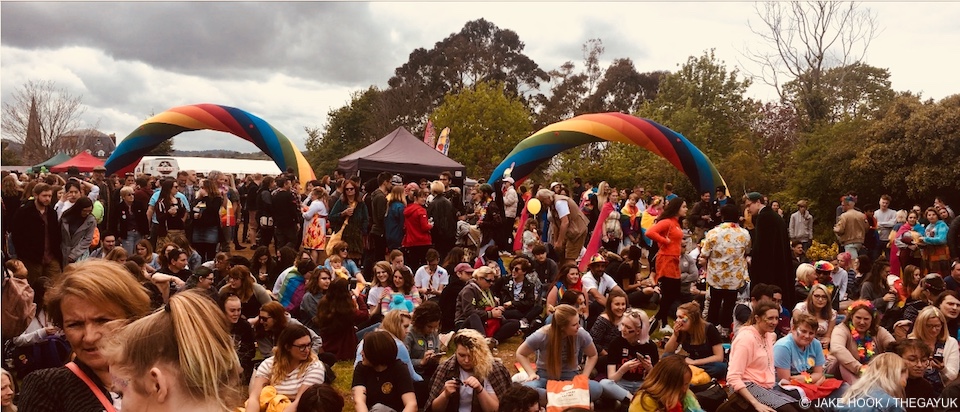
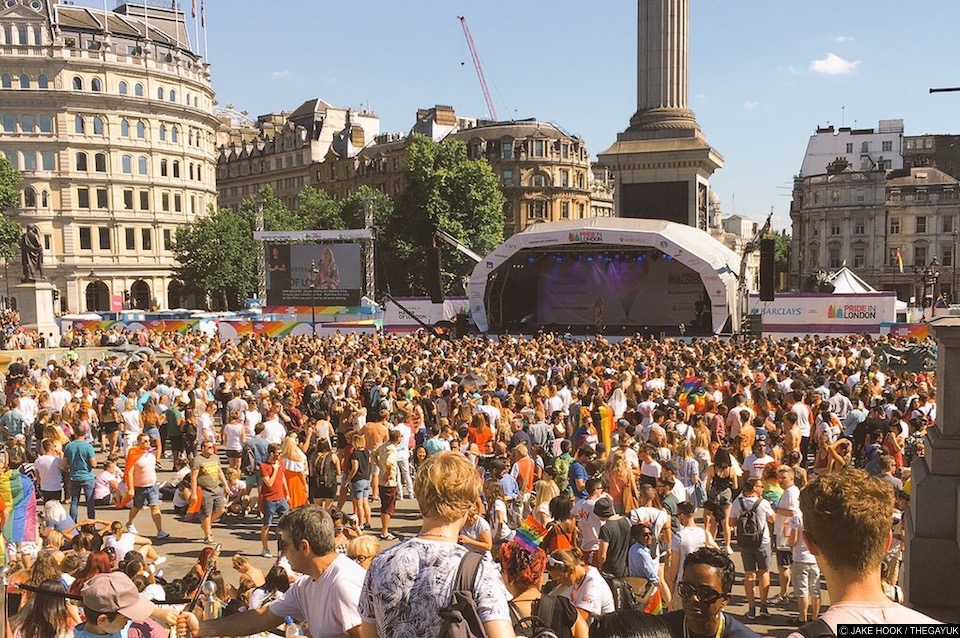
    Throughout most of the Western world, Pride is an event where we can go and have fun with friends and family. We can enjoy music and entertainment and march through our respective cities with rainbow flags flying. We march hand in hand with our same-sex boyfriends and girlfriends and husbands and wives. We can freely identify ourselves as we wish and we do it with pride. We do it safely without fear of repercussion and stand in unity alongside people of all backgrounds, races and sexualities: Gay, bi, trans, straight. Pride is for all of us, of all ages and backgrounds to express ourselves honestly and authentically. Even our straight allies are proud to march with us in solidarity and that is a shining example of how far we’ve come. It wasn’t always the case.

    In history, it was a criminal offence to be homosexual. If we were caught out for these “crimes” we could be imprisoned or forced to undergo “Conversion Therapy.” War hero, Alan Turing, who created the Enigma machine that helped us win the war was arrested in 1952 for “gross indecency.” He accepted chemical castration as an alternative to going to prison. After all he did for us, and he was treated like a criminal just for being gay. He was essentially tortured with cancer-causing drugs and eventually died a few days before his 42nd birthday from cyanide poisoning. While initial inquests ruled suicide, it has since been decided that his death was from accidental poisoning.

    Homosexuality was eventually decriminalised in the UK in 1967 but it wouldn’t be until 2013 that Alan would be posthumously pardoned for his “crimes.”

    In 2017 a new law came into effect that pardoned all gay men of historic offences linked to homosexual activity pre-1967. This law has been informally nicknamed The Alan Turing Law in his honour.

    This is why we celebrate Pride. We celebrate because we can. We do it because of these horrendous laws in the past that prevented LGBT people from being allowed to express themselves. We celebrate our right to exist in a world where we’re making progress and raising awareness of the troubles still faced by other in less fortunate regions across the world.