Category: Motoring

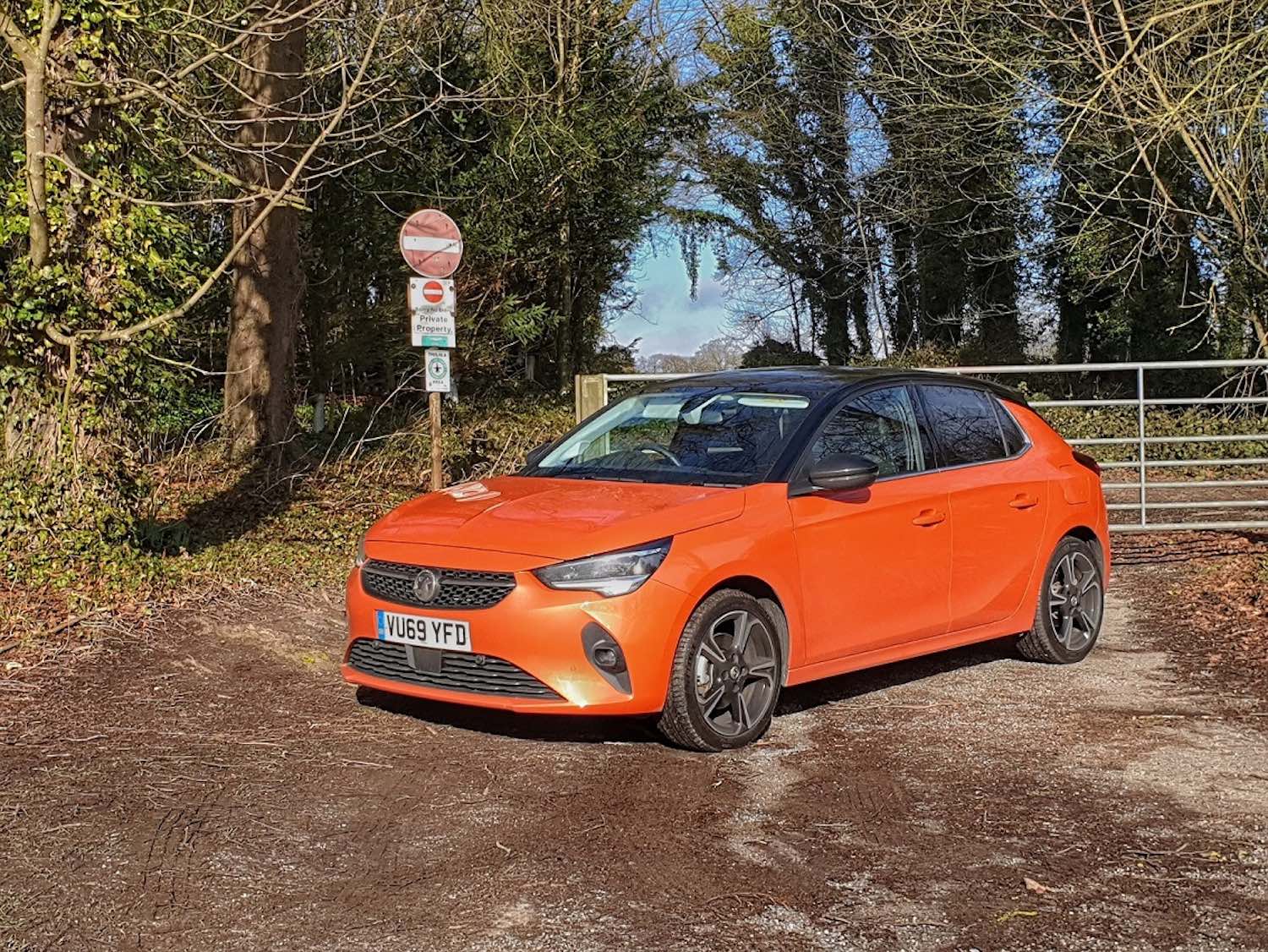
  • CAR REVIEW | Vauxhall Corsa Elite Nav Review

    CAR REVIEW | Vauxhall Corsa Elite Nav Review

    Rating: 4 out of 5.

    The Corsa name was first unleashed onto the British public in 1993. Here, it superseded the Vauxhall Nova and had the model reference Corsa B. Over in Europe, the Nova was known as the Opel Corsa (Corsa A) but let’s not get bogged down with the details.

    It’s hard to appreciate the impact the humble Vauxhall Corsa has had on the automotive world. It’s not a particularly revolutionary, but man it had an impact.

    How many young kids have learnt to drive in a Corsa, or had a Corsa as a first car? Maybe you had one as a first car? As it happens, I have a Corsa C parked outside the house as I write this. It’s no2 son’s first car.

    In 2017, PSA bought the Vauxhall brand from GM and has been busy rejuvenating the brand since then. 

    This all-new Vauxhall Corsa is a result of the new PSA influence and is based on the EMP1 platform, the same platform that the excellent Peugeot 208 is built on.

    Our press car was the well-appointed Elite Nav, fitted with the 1.5 Turbo Diesel engine. It’s a peppy and frugal unit, producing 102PS (100bhp) and giving back up to 70mpg. You also have the choice of two petrol engines (75PS/74bhp non-turbo or 100PS/99bhp turbocharged) and even an electric variant.

    It had the 6-speed manual gearbox rather than the 8-speed automatic gearbox. My preference is a manual and it’s a good gearbox that suits the car.

    Vauxhall offers the new Corsa in 6 trim options. Ours was the Elite Nav, top of the family tree. This is a well-appointed car with standard equipment including; 10-inch colour touchscreen, IntelliLux automatic LED Matrix Headlights, 17-inch alloy wheels, keyless entry and start, adaptive cruise control, leather seat trim with driver seat massage function and front heated seats, auto wipers, power-folding door mirrors, front and rear parking sensors, a panoramic rear-view camera, privacy glass, black roof and much more. Very impressive for a small car.

    Vauxhall list up to 53.3mpg on petrol engines, with C02 from just 93g/km C02. With the diesel engine, up to 70.6mpg and from 85g/km CO2. This diesel Corsa was had a 0-60mph time of 10.2 seconds.

    Vauxhall’s new Corsa is fun to drive. I’m not a small guy and if I had a couple of criticisms, it would be that the driver’s seat was a little small. I found it a little short in leg support and not high enough at the back. Having said that, I’m not the target audience for this car. Also, the interior was very black.

    It has a great chassis, comfortable and fun, it works really well. 

    I enjoyed the diesel, it’s a good engine that suits the car. I’m keen to try the full-electric version, I think it would be a really good, fun car to drive. The new Corsa has a really good chassis and with an electric powertrain, should be very interesting. 

    In summary, the new Vauxhall Corsa is a good looking, well built, well-equipped car. It’s fun to drive, practical and economical. There’s a range of incentives and finance deals to make the Corsa a great buy too.

    It’s a tough sector with plenty of competition. Renault Clio, Volkswagen Polo, Ford Fiesta and of course the Peugeot 208. I’m no Clio or Polo fan and find the Fiesta a bit bland. The 208 could be a problem for the Corsa though.

    Vauxhall’s new Corsa starts from £15,925.00, with the Elite Nav starting from £30,310.00.
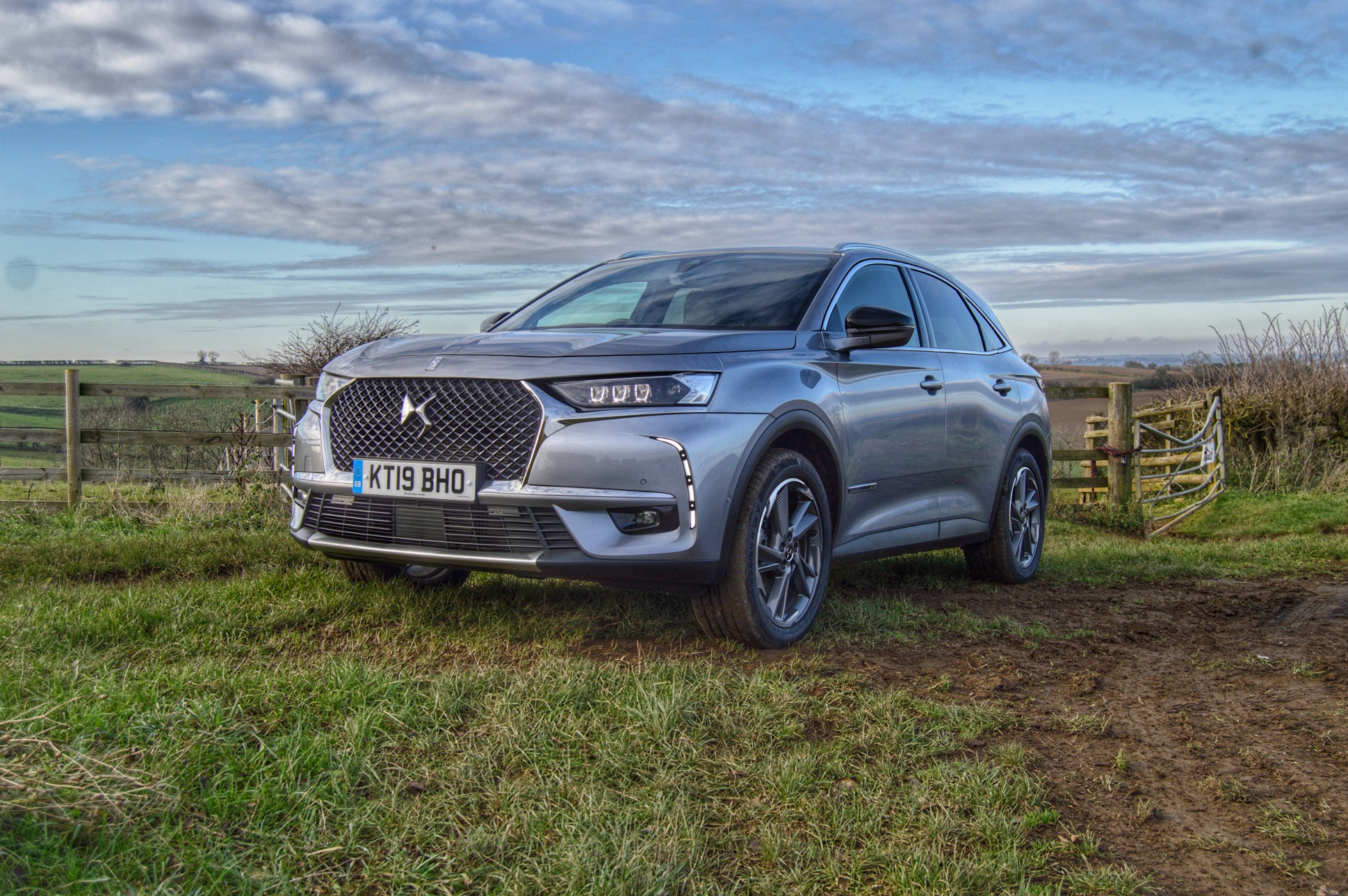
  • CAR REVIEW | DS7 Crossback

    CAR REVIEW | DS7 Crossback

    Rating: 5 out of 5.

    In 2009 PSA the parent company of Peugeot Citroen and now Vauxhall resurrected the DS name. They used it to denote certain models in the range as premium: for example the Citroen DS3 Citroen DS4 Crossback. It was always part of the Citroen range, then in 2015 PSA decided that they would make the DS a stand-alone luxury brand, a halo brand if you will. 

     DS7 Crossback reviewed

    On face value, the DS7 Crossback is just a large SUV. There are a lot of them about, 5 seats, nice interior, nothing particularly unusual or special. 

    However, what PSA has allowed to happen under the DS brand, is something a bit fresh and unique, something a bit more fun. 

    They have injected some fun and style back into motoring. It’s a really lovely place to be.

    The DS7 Crossback is typically French in its ride and handling. By that, I mean French cars are renowned for having excellent ride quality and the DS7 is no exception.

    It rides very well, very supple, soaking up the bumps with ease, but at the same time it’s poised, it handles well and it turns in sharply. I don’t know how they do it, to be honest.

    This model is the Premium and sits exactly the middle of the range. It has a 1.5 litre turbo diesel engine that produces 130 bhp and 300 Nm torque, so it isn’t desperately fast but it’s perfectly adequate.

    The DS7 interior is a beautiful thing. Nappa leather upholstery adorns front and rear seats which are electrically adjustable and have a built-in massage function. 

    You will find Nappa leather on the dashboard, on the door cards and on the centre console, all with a diamond quilted pattern stitched into the leather. That diamond is a DS styling trait and you will see it repeated on the switchgear, the headlights, exterior styling, in fact all around the car.

    Headlights are fascinating. That sounds odd I know, but on the DS7 you have LED projector headlights and when you look through the headlight lens, there are three individual projectors. When you turn the car on the three individual projectors do a little dance for you. They rotate 180 degrees, one at a time, then rotate back again, ready to do their job. 

    This is not just for show, the projector headlights turn with you as you steer, shining light onto parts of the road that would otherwise have been left in darkness until you arrive. An attribute carried over from the original Citroen DS 21 way back in the ‘60s

    Why should we settle for something that is nothing more than transport? Something that is perfectly good at its job just isn’t good enough anymore, as no end of faceless, soulless, boring SUVs out there. They pretty much all do the same job and they do it very well. They’ll take you where you are going, it will be comfortable and generally reliable.

    Is this enough? I just think it’s time for us to enjoy our cars again. 

    Can’t we have something that funky, fun, chic and adventurous? Life’s too short to drive boring cars, that’s what they say, and I think DS has taken that on board.

  • CAR REVIEW |Lexus RX-L Takumi 

    CAR REVIEW |Lexus RX-L Takumi 

    Rating: 5 out of 5.

    Lexus is a brand synonymous with luxury automobiles. They are the luxury vehicle division of the Japanese automaker Toyota.  

    The Lexus brand originated in 1983 and has been making luxurious and outstanding cars ever since. 

    ‘We design to provoke, with bravery, courage, and confidence. We ignore the thinking of the crowd, always exploring new concepts, new outcomes, and new ways to express ourselves.’ 

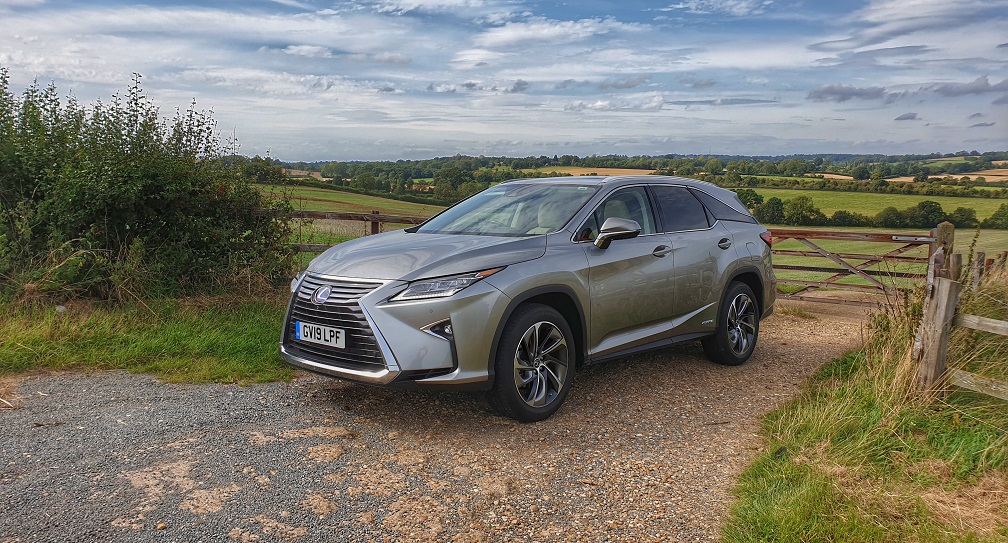
    I recently had the opportunity to try the new Lexus RX-L for a week. RX-L is their first seven-seat model in Europe. It’s an SUV with a focus on luxury. The Lexus RX-L is an elegant and spacious seven-seat SUV, engineered to make sure every passenger is pampered and protected. The build quality is excellent with top quality materials used throughout and fit and finish that most manufacturers can only dream of. 

    RX-L is a luxury SUV with the added benefit of being a Hybrid.  

    If you don’t currently drive a hybrid and haven’t owned one before, they’re very simple. The RX-L doesn’t need to be plugged in, it is self-charging. You just drive it like you would any other automatic. There are 4 driving modes that you can select; 

    • EV – encourages the car to be powered solely by the battery when city driving 
    • Eco – evens out harsh accelerator inputs and reduces the output of the climate control system 
    • Normal – the default drive setting for everyday motoring 
    • Sport – draws additional power from the battery to help boost acceleration. 

    At low speeds, in town for example, the car will run on silent electric power alone, only using its petrol engine when you call for more power or if the stored battery power is used. The CVT automatic gearbox (continuously variable transmission) is smooth and seamless. Altogether, this makes the RX-L very pleasant to drive.  

    The Lexus RX 450hL has a 3.5-litre direct-injection V6 petrol engine producing 259bhp at 6,000 rpm and 335Nm of torque at 4,600rpm. There is also a small additional boost from the electric motors which pushes the total output of the hybrid powertrain (engine and electric motors combined) to 308bhp.  

    The RX 450hL features the sophisticated Lexus proactive E-Four all-wheel-drive system. This means that in normal use, the RX-L is rear wheel drive to save energy. When required, the all-wheel-drive system transfers power to all wheels as needed. There is also a regenerative element to the system, so under braking or deceleration, the car generates electricity. 

    Takumi specification RX-L’s are fitted with adaptive variable suspension (AVS). 

    This system controls the damping force of each shock absorber in response to road surface conditions and driver inputs. For example, on a rough road, AVS instantly switches to a more compliant setting to maintain ride comfort. When cornering, the damping force firms up to help reduce body roll. It rides very well as a result but you wouldn’t call it sporty. 

    RX-L is based on the RX. Lexus have cleverly extended the rear section of the body by 110mm to create room for 2 additional seats. This has been achieved with no compromise in comfort for the other occupants. There’s tri-zone climate control and a console with two cup holders and air conditioning controls for the 2 rear seats.  

    Accessing the rear seats is simple. A one-touch lever tilts the seatback forward and slides the seat smoothly forward.  

    Semi-aniline leather upholstery is standard throughout and the front seats are heated and ventilated, 10-way electrically adjustable with memory function including 4-way lumbar support.  

    The steering wheel is heated and there are front and rear USB chargers and a wireless phone charger. 

    Infotainment is taken care of through a 12.3” touchscreen multimedia display with Lexus navigation. Music comes through the 15 speaker Mark Levinson® surround sound system. For me, one of the coolest features about the system is that the audio system has neat, machined aluminium knobs.  

    I really liked the colour head-up display (HUD) which projects information onto the base of the windscreen in your eye line, about adaptive cruise control status, speed limits and pre-collision system warnings.  

    As we know, Lexus makes incredibly safe cars and the RX-L is no exception. To support this, there is a suite of safety and driver aids.  

    Lexus Safety System+ is a multi-feature, integrated safety package that delivers exceptional levels of active safety and driver assistance to help prevent accidents. There are several elements to the Safety System+; 

    • Pre-Collision System. Uses a front-mounted camera and radar to detect vehicles and pedestrians. It warns of danger, adds braking force if needed and ultimately can brake autonomously if it needs to. 
    • Dynamic Radar Cruise Control helps the driver maintain a safe distance from the vehicle in front. 
    • Lane Keep Assist (LKA). 
    • 3-Eye LED Headlamps with Automatic High Beam, Adaptive High-beam System for headlights and LED Cornering Lamps. 
    • Road Sign Assist system reads the road signs. 
    • 360-degree Panoramic View Monitor through cameras helps with parking. 

    And more…… 

    High quality, soft, semi-aniline leather upholstery covers seats, doors and centre consoles, excellent quality soft-touch plastics top the dash making the interior a luxurious and extremely pleasant place to be.  

    Styling is divisive. It’s bold and unique but it has its critics. I liked it. I wasn’t convinced at first, but I really like how Lexus has been brave enough to style something distinctive and immediately recognisable as a Lexus.  

    To summarise, this is a great car. It’s luxurious, practical, relatively economical and easy to live with.  

    It’s not sporty but that suited me.  

    Fuel Combined WLTP (mpg)34.4 – 34.4 

    CO2 Combined (g/km) 138 

    5 years/60,000 mile cover for both hybrid battery and other hybrid components. 

    3 years/60,000 miles manufacturer’s warranty. 

    RX-L from – £54,145.00 otr 

    RX-L Takumi £62,000 otr 

  • MOTORCYCLE REVIEW |Triumph Bobber by Oshe

    MOTORCYCLE REVIEW |Triumph Bobber by Oshe

    1960 was an important year for Triumph.

    They had introduced the new ‘unit’ 500cc engine with the engine and gearbox as a single unit. 1960 also meant the T100 was when the controversial bathtub-esq bodywork was released on the world. This was a semi-enclosed rear end that resembled an old upside-down tin bath. This wasn’t well received and only lasted 2 years.

    This 1960 Triumph T100 bobber was built by David as a bit of fun in his downtime. David is the owner of Oshe & Workshop Seventy7, 2 sides of the same coin, located at Ordnance Depot, Weedon, Northamptonshire. 

    Their business is bespoke restorations and builds of classic cars and motorcycles, tailored to the owners’ requirements. They will build you the car of your dreams, with every detail customised to your requirements. 

    David grew up in South Africa and has been a petrolhead as long as anyone can remember. He’s raced MX and even owned a motorcycle shop over there in 1996/7 that specialised in 2 strokes.

    His life changed when he met a South African girl in LA while he was travelling. She lived in the UK and David spent the next 2 years finding a way to move to the UK to be with her. 

    That was 20 years ago and they now have 11 years of marriage under their belt and a beautiful young son. Quite the fairytale.  

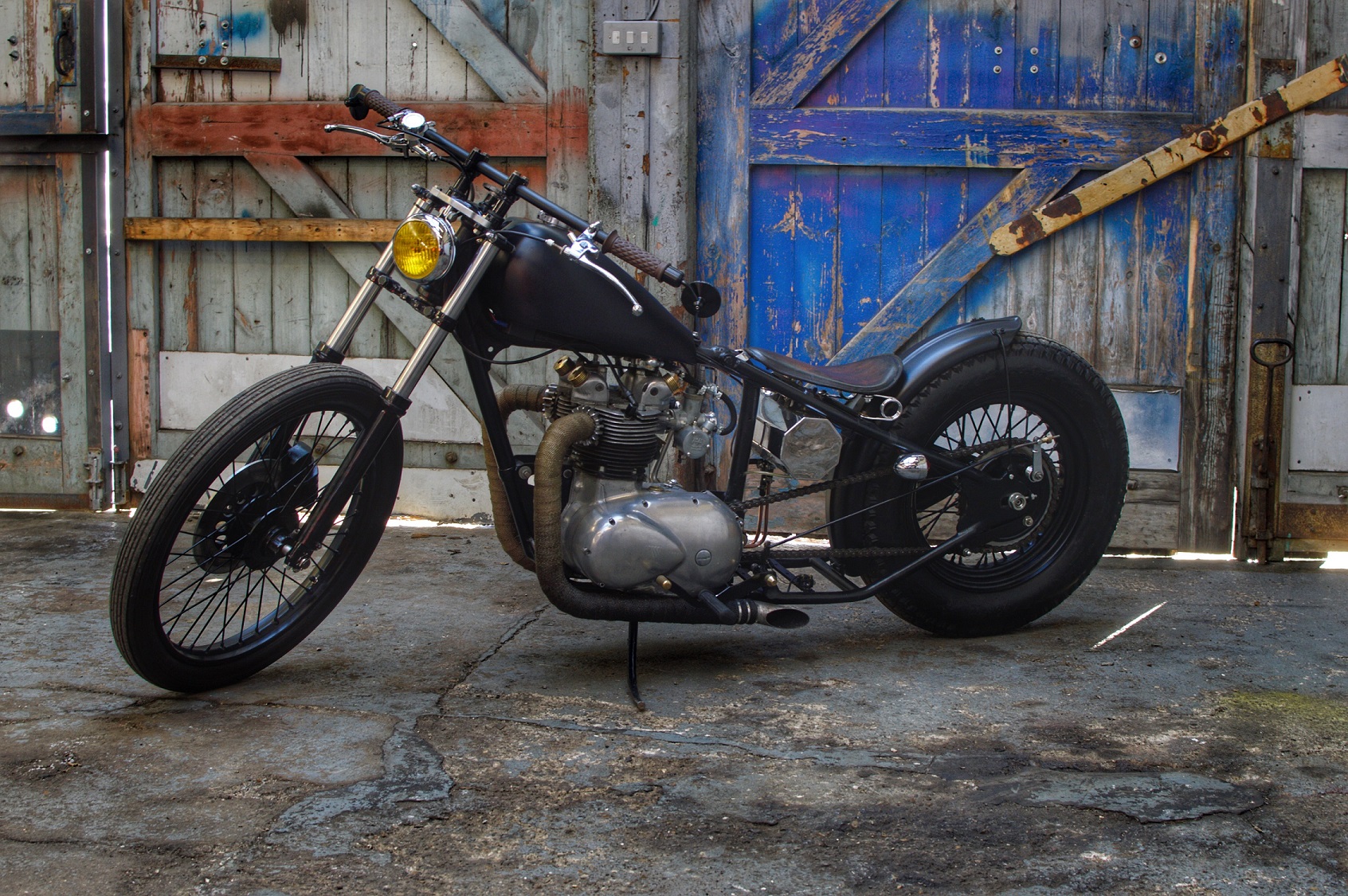
    Front forks are a pair that he found lying around his mates’ garage and were modified and rebuilt by Pitted Forks in Luton, with uprated springs and shortened tubes to stiffen and lower the front end.

    There’s a bolt-on hardtail rear frame section and traditional bobber style, vintage leather, sprung seat. 

    David’s bobber emits a mighty battle cry from the short, slash-cut, straight through pipes. No electric starter here, just an MX style Kickstarter ready to break your shin, with a right side gear change and left-side foot brake to mess with your brain even more. This thing screams attitude.

    Oshes’ nasty little murdered out bobber has a cool, satin black, hand made fuel tank by Olliminium and is dripping with neat touches, like the machined down brass military tank shell, repurposed as the distributor cap, amber front light and cut down satin black rear fender.

    Chopper bars give it a badass stance and David raided his mates’ garage again for a set of wire wheels, which were, of course, painted black then wrapped in period style Avon rubber. Old Triumphs have crap electrics, so an upgraded ignition system was installed. Mirrors, grips and lots of subtle details have been added to create a simple, clean but rebellious ride. 

    Photos courtesy of Daisy Turner. She’s a budding photographer and this was her first shoot. She’s only 13 years old!

  • QUICK CAR REVIEW | Ford Ranger Raptor

    QUICK CAR REVIEW | Ford Ranger Raptor

    Toughened Up Toy Truck

    Rating: 4 out of 5.

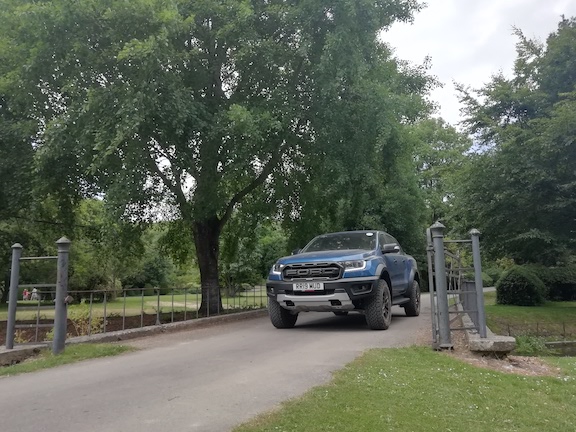
    Ford take their Ranger workhorse pick-up and turn the volume to 11 making it into a BIG plaything. 

    Compared to the standard workday Ranger, the Ranger Raptor really is BIG. The reinforced chassis and body shell make it both imposing and rugged but does that make it massive and unyielding? 

    One thing to remember is that this is a European Raptor. It’s not the US Raptor which means it is suited to our roads and our unknown roads because it will travel well off-road.

    Off-road, its ability to cushion the ruts was astounding. The increases in height and track width playing a great part here. It all became a bit of a disappointment. Shocked by this admission, the man from Ford was intrigued by my statement and keen to find out why. The suspension soaks up the worst of the rough and smooths it like a cheesecake topping spread on a rough crumbly biscuit base.

    That capable suspension being made of linkages, coilover springs and Fox suspension systems in place of trusty but non-compliant leaf springs. It all comes together to make for a better than happy medium. 

    On-road this translates into a comfortable ride with very little road noise from the 30 plus inch wheel and purpose-built tyres with a 20 per cent strengthened sidewall. That said, push the mighty truck into a corner and you soon get complaints from the tyres.

    As is typical with a pick-up, the load bed area isn’t integrated with the main shell. This can have a detrimental effect with inertia shaking the rear end, more so when on the road than off-road. Like the main body, the bed is well bolted to the chassis.

    What doesn’t work is the engine and the 10-speed automatic gearbox. While the 10 speed is good at keeping the engine on the power band, in standard mode, it keeps it around 2500rpm. The changes are smooth and in some ways it behaves like a typical torque converter system with a bit of slush from the box. It belies the power outputs of the engine. 

    The engine, being a 2-litre turbo diesel, develops 213PS from a low 1500rpm and the 500Nm of torque is good in almost any situation. Mated to a 10-speed automatic gearbox, it has a ratio for every situation you are ever likely to encounter.

    On the road, it doesn’t quite work out as well as you’d think on paper. Power delivery is smooth but it doesn’t feel as quick as the stated 10 seconds quoted. Overtaking needs to be planned. It doesn’t quite fit in with the promise of power that you’d expect. 

    I do love a truck so performance of the 0-60 variety isn’t my thing. It’s no Ford F-150 Lightening. What I would be looking at when buying this at almost £50k as tested is its ability to go off-road but also be comfortable on-road and thankfully it does both. So it’s nice to see the inside logical, convenient and comfortable with the fit and finish perhaps a little too good for a workhorse.  

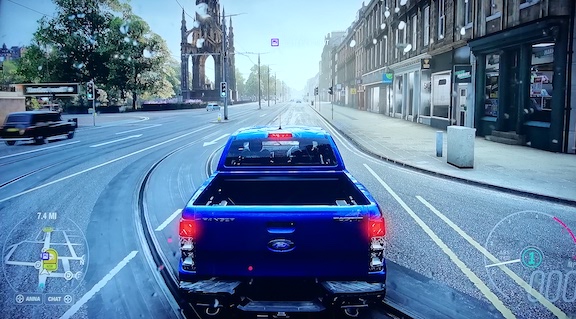
    Cheap it might not be but then most playthings aren’t these days and that’s sort of what you have here and it’s fabulous. Speaking of playthings, on its launch, computer game Forza launched the Ranger Raptor to the game. Former TGUK motoring journalist, Alan Taylor-Jones proved to be quite the whizz kid. I wasn’t. Thankfully for me, Ford doesn’t test us on computers simulators first before setting us free. If they did I might be writing this from the other side of the cabin on the comfortable passenger’s seat! 

    Love 

    The size

    Fit and finish

    Smooth on road driving

    Loathe

    The size

    Price

    Performance

    The Lowdown

    Car –  Ford Ranger Raptor

    Price – £ 48,000 (as tested)

    MPG – 24.4 mpg (combined)

    Power – 213PS

    0-62mph –  10.5 seconds

    Top Speed –  106 mph

    Co2 – 233 (g/km)

  • CAR REVIEW |Volvo V90 T8 Twin Engine AWD R-Design Plus

    CAR REVIEW |Volvo V90 T8 Twin Engine AWD R-Design Plus

    Volvo V90 T8 Twin Engine AWD R-Design Plus | The Versatile Rapid Tourer

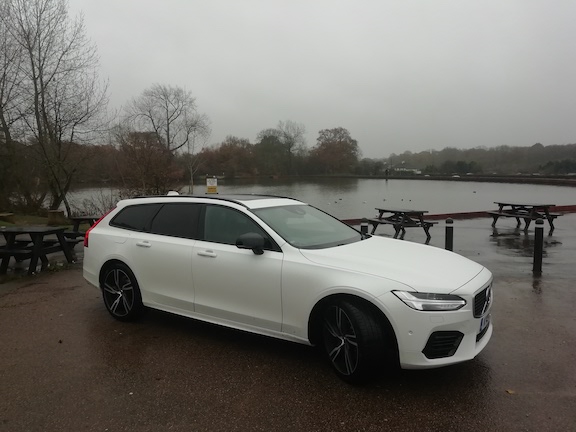
    Everyone is going hybrid these days and Volvo are no exception to this. The Swedes have been looking at ways of propulsion and with the help of sister company, Polestar, there is pretty much a T8 twin-engined model in every sector Volvo have entered. We look at the V for versatile V90 estate with the T8 setup.

    Let’s get my issue out of the way first. This model is Volvo’s largest of the ground-hugging saloon and estate cars and comes in R-Design. For a Luxo-barge, I had my reservations of the R-Design. It’s not a bad model in the range, but does this ‘sporty’ model get ruined by being made to feel dynamic for reasons that we Brits like it and more importantly, will I like it?

    The V90 comes with just 5 power sources across the range and the T8, with its 87hp electric motors powering the rear wheels is the most powerful out of them all. It’s available across the range except in the Cross-Country models. Those use a full 4WD system for obvious reasons. 

    The petrol unit powering the T8 is a 303hp petrol 4 cylinder. Combined with motor assistance on the rear wheels it will project the Volvo estate from 0-60 in just 5.0 seconds. In practice, it feels a touch more lethargic than that though this can perhaps be attributed to the beautiful way the car can glide away from a standstill without much noise at all. The electric motors go some way to eliminate the throttle lag of the petrol engine. It’s still a little hesitant but just enough to be worthy of a mention. 

    And 5.3 seconds 0-60mph isn’t to be scoffed at. Until recently it was the time set by the superstars like Lamborghini. Imagine the fun of being able to blow away a Countach with your 1,526-litre load-lugger with more space than a double bed in the rear. Admittedly you wouldn’t. You’d want to hear the sound of that Lamborghini V12 pull away.

    And here is the key to the V90 T8. Serenity. So perhaps it might come as a surprise that even in R-Design, the UK’s market leader in the range with dynamic feel, has this ability in almost any drive mode you select to isolate you from the harshness of what a 15mm lowered suspension set up could bring. From a spec sheet at least, it all seems superficial except for the said lowered sports suspension and 18-inch alloy rims.

    Inside is typical Scandinavian elegance. Ergonomic cockpit set up for driving pleasure and ease of use. The infotainment system allows for multiple changes and adaptions to suit you the driver and not the R&D departments preferences. And this allows you to set the car up to become more of how you want it and it’s A) surprising how specific we all are when given the chance and B) why more don’t offer this. This is your car after all. There ends up being very little to annoy and dare I say it, as a motoring journalist, not much to say any more about the insides of Volvo’s.  

    Driving is a pleasure and getting the best from the twin-engined set up is ease itself. The use of “twin-engine” is perhaps a little misleading when there is in-fact only one engine up front and two small electric motors at the back. By this calculation alone it should then perhaps be called a tri-engine. Anyway, I digress because the art of the system is beautiful. 

    Now 21 miles on the battery might not seem much distance at all but it’s more than you think. A drive home from visiting my father in Bognor saw me empty the battery packs by the time I arrived in Storrington. That was 22.1 miles of non-sympathetic motoring. The V90 T8 had the ability to carry itself quite rapidly at legal speeds on battery power down the A27. Not necessarily designed for rapid motoring over a distance like this, the batteries side of things did very well. And it’s this ability to have full use of the electric motors that makes it such an easy system to use. I do however struggle with its lack of ability to charge the batteries adequately when on the move unless you select it too. It’s sort of self-charging but by-passes the ability to use the hybrid system. 

    That said, I did calculate my fuel economy with the XC90 T8 being most favourable. With my daily commute now being just under 10 miles each way with the return drive home mostly being downhill (I’m not making that up), I could go for years without actually using petrol. But that really is exceptional usage.

    The Volvo V90 T8 is quite the Q-car then in terms of looks over function over ability. It carries stuff, lots of stuff. Cossets occupants in tranquillity and yet is as far removed from what you’d expect a Volvo estate to behave like. Forget the mind-blowing 850 T5R from the 90’s and their wake up call to the world as to what Volvo could do. That’s power dressed and old news. The V90 T8 is the future. For the moment at least.  


    Love

    Ease of use of the hybrid system

    Intelligent interior

    Serenity


    Loathe

    Unable to self charge adequately unless selected

    Aggressive pilot assist

    Some throttle lag from standstill


    The Lowdown

    Car  Volvo V90 T8 Twin Engine AWD R-Design Plus

    Price – £ 67,500 (as tested)

    MPG – 97.4 – 117.7 mpg (WLTP combined)

    Power – 317hp (petrol) + 87hp (electric)

    0-62mph  5.0 seconds

    Top Speed   115 mph

    Co2 –  49 (g/km)

  • CAR REVIEW | Audi A1 Citycarver 30 TFSI 116PS S tronic

    CAR REVIEW | Audi A1 Citycarver 30 TFSI 116PS S tronic

    Driving Out Of The City

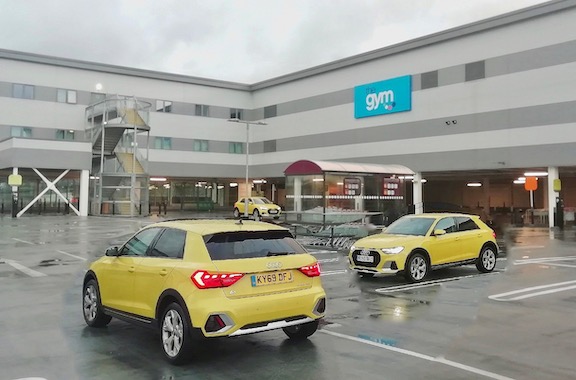
    Audi has just revamped their little A1 for the city giving it the “Citycarver” moniker. It sits high up in the A1 range and therefore towers above the Sportback model in the range in more ways than one.

    What we have here is an Audi A1 that has been lifted a huge 50mm. That’s 2 inches in old money. It’s also dressed up with some black wheel arch extensions like those from Audi’s Q range but this is no SUV.

    It’s still Audi’s little hatchback car. 

    For a start, the raise in rode height should, in theory, make for a lofty wallowing ride when compared to the Sportback that we at THEGAYUK liked very much. In some degree, it does but not in a notably loose way that you would expect. It’s rather less Germanic in comfort terms and it seems to be a trend I’m noticing from the ‘normal’ cars from Ingolstadt. The ride remains faithful to the A1 Sportback in being entertaining on A and B roads while also being just that much softer while retaining a semblance of body control.

    This floaty Audi was fitted with the engaging 999cc TFSI 3 cylinder petrol unit mated to a sort of hydraulic dry clutch gearbox. In essence, it’s an automatic with 3 drive modes. Auto, wheel paddles or selected on the gearstick in S mode. All three work well though on the stick shift it always feels wrong when knocking back goes up the gearbox. Many do it the other way around and that feels more natural. This gearbox has come in for some harsh criticisms for its lack of go-go-go when you floor it from a stand-still and I’m happy to report that the hesitation now almost link to this system was well muted. It felt better suited to the city fight for space when pulling out of a side road quickly. 

    It doesn’t try to be hot hatch despite its identical credentials of the other A1 in the range and it makes for the better car. However, it doesn’t all go its own way. For a start, as a car named for the city, it lacks protection. The city can be a brutal thing. Remember all the trouble Carrie and the girls had trying to navigate their way around Manhattan? It’s like that for the A1 Citycarver. It looks great but those looks won’t last long. The absence of door rubbing strips is noticeable. There isn’t even an option for them. It goes a little way in the fitment of black wheel arch extensions but these are hardly the things to preserve the flanks of the doors in a carpark.

    And then there is the interior. It’s just a bit business like inside. You can’t fault the ergonomics and driver comfort but the colours are more suited to a boardroom meeting with a packet of rich tea as the only available snack. Perhaps it was the £575 optional python yellow metallic paint that exaggerated this. The colour was bold and memorable and made a statement wherever it was parked. But the grey inside with the below par for Audi, silver trim across the dashboard just doesn’t cut it, well certainly not in a car that costs just under £23 grand before options. 

    It redeems itself inside with Audi’s 10.25 inch digitally adaptable facia display and 8.8-inch infotainment screen. This is thankfully angled towards the driver. The interface is easy to navigate around and responds to fingering inputs quickly. Annoyingly the lane keep assist system will always reset after you switch off. Its aggressive tugging can be quickly turned off from the end of the wiper stalk. 

    Despite my criticisms, it is a rather nice package let down perhaps by Audi being at the business end of the global company it comes from.

    A smattering of bright colour dotted around wouldn’t go amiss inside. That said, it’s the engaging enthusiasm the chassis affords you when you get out of the city. Kick-off those high heels and slip into those comfy trainers and your A1 becomes a Carver, cutting up the badly maintained back roads of England with aplomb and this time you’re allowed to keep the ESP off all the time!

    It’s just that I wouldn’t want to take it back into the big city without those door rubbing strips. They might be unfashionable but it’s cruel out there! 

    Love

    Engaging drive

    Ride comfort

    Infotainment system

    Loathe

    Price with options

    Business like interior 

    Lack of city parking protection

    The Lowdown

    Car –  Audi A1 Citycarver 30 TFSI 116PS S tronic

    Price – £ 28,035 (as tested)

    MPG – 45.6 – 46.3 mpg (WLTP combined)

    Power – 116PS

    0-62mph –  9.9 seconds

    Top Speed –  123 mph

    Co2 – 115 (g/km)

    ALL PHOTOS Ⓒ Stuart M Bird.

  • Wheels on Fire – The Return of the Dealers

    Wheels on Fire – The Return of the Dealers

    DISCOVERY TV

    For petrol heads alike, Wheeler Dealers returns this month, well today to be precise with the likeable motoring geeza Mike Brewer, the one who buys and sells the cars with easy on the eyes mechanic and very good with his hands, Ant Anstead who does the fixing of whatever Mike has plunged deep into his pockets and bought.

    This series we see the following:

    o   1972 Fiat 124 Spider

    o   1973 Toyota Celica

    o   2002 Mercedes Benz E55 AMG

    o   2004 BMW M3

    o   Volvo Amazon 122

    o   Toyota Land Cruiser

    o   1985 Merkur XR4Ti

    o   Ford Bronco

    o   1982 Porsche 911 SC

    That’s 6 European, 2 Japanese and 1 American. Now you might be wondering what a Merkur XR4Ti is when clearly the Bronco is the American hero of the show. The Merkur (not really a name that promotes motoring romance I have to say, is your actual Ford Sierra XR4i. It’s just very much Americanised. 

    You’ll find more in that in episode 6 of 9 though for my money I’ll be glued to the screen with the phone off the hook for episode 4. This is where Mike finds a 1972 Fiat 124 Spider. It’s all-original, but the driving experience leaves a lot to be desired. Mike gets crafty on the interior while Ant fixes a leaky differential and replaces a carrier bearing and axle seals.

    Wheeler Dealers has been with us for many years and in that time Mike and the team have travelled across Europe and the globe to find cars to return to the garage for repairs. As is in the real world, you rarely buy a car and do nothing to it. In this series, the boys return to America to do their buying and selling. And why not, I look out to my garage and in the bleak cold damp of March, I envy the thoughts of opening the garage doors and letting in the sun. 

    DISCOVERY TV

    So tune into Discovery channel over the next nine weeks to find out more on how Mike holds out his hand and Ant gets greasy.   

  • CLASSIC CARS | The Fiat X1/9 Vs. the MR2 MK1

    CLASSIC CARS | The Fiat X1/9 Vs. the MR2 MK1

    Two-seater Toss Off

    For as long as time has begun, from the ’70s to be exact, the Fiat X1/9 has always been compared to the TR7. And this is true of the classic press too. Wedge-shaped with pop-up headlights, that is where the similarities end. The X1/9 comes out well in these tests but I fear this is because there are many that disliked BL’s wedge or the agro that went with it. 

    The TR7 died in 1981. The X1/9 carried on, unchallenged until 1984 when suddenly you could hear the X1/9’s market share fall apart much like what happened to the car itself after its first winter. 

    Launched in 1972, the X1/9 saw very little development. The main changes came in 1979 with larger US federal style bumpers and a 1500cc engine from the Strada. There were some changes to paint schemes and specs but overall, very little changed.

    Suddenly, Japan enters stage left. It comes to the party with its MR2. A dinky looking 2 seater with a rev-happy 1600cc engine packed with 16 valves and twin cams. It was what the X1/9 had been calling out for. 

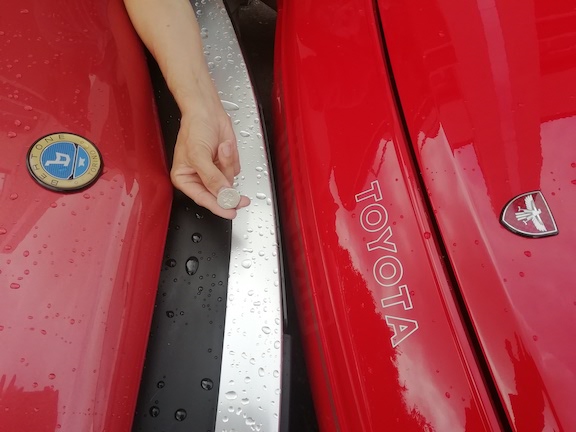
    Toyota’s new car was a runaway success. What it lacked in practicalities over the X1/9, it more than made up for it by keeping up with the new hot hatches on the block. There was even competition in-house from the Corolla GT-i 16. Basically the same engine dressed in a 3 door hatchback style. It was competent and reliable but didn’t set the pulse racing with its Corolla looks.

    The X1/9, having surpassed the128 3P and still going strong considering Fiat’s Strada Abarth offering, it had finally met its match. Back to back, in everyday situations, both cars are similar. The engine sits behind you and both are vocal. In those traffic light Grand Prix trials, it’s quite fun. On a run, it can be both tiring. Both cars come with low gearing though it feels like the MR2 has the lower set of ratios. Using the Fiat Strada engine and gearbox, the X1/9’s are just a little bit taller all round.

    Those lower ratios are no bad thing though. The MR2, with its 16 valve engine has 3 stages of power delivery like boiling an egg. 1-3000 it’s all gentle, warm, nothing really happens. 3-4000 and something is happening. There are bubbles at the bottom of the pan and it’s getting hot. 4000 and beyond and it’s boiling. Stomp on the throttle and you feel a shove from the 128bhp engine that will happily spin up to the red near 8000rpm.

    There is no such gauge to be had from the X1/9. It’s 85bhp is way off what the Toyota has. All is not lost though. Despite its twin choke carb fed single cam unit, it develops all of its 87Ib/ft of torque lower at 3200rpm. This makes the X1/9 a more flexible car than you would expect and feel the more rapid in the twisty bits. It’s far easier to keep the power on. 

    With maximum bhp’s coming up high on both engines, it’s where the torque is that counts. The X1/9 doesn’t have to have the engine singing loudly to get where it wants too quickly. In contrast, the MR2 needs to be spinning at 5000rpm to get its 105 Ib/ft. The downside to the 16valve engine is that it needs revs to get the power.

    You’d expect the handling to be similar for both cars too. Well no. They differ in quite a lot of ways and both are winners and losers. Where overall comfort comes into it, it is the X1/9 that wins. Its ride from the all-round MacPherson struts is soft and comfortable. This makes it the more civilised cruiser over long distances despite its cramped cockpit and close to the controls driving position.

    On the other hand, the cornering safety goes to the MR2. Approaching its limits, it will gently understeer and the steering wheel will communicate this back to the driver effectively. The X1/9 has no such virtue. Instead, you can be caught between a rock and a hard place. It’s near-neutral handling is great. The steering loads up and its adhesion with the road is lost. Be quick though because the steering is not as quick in the rack as it is in the MR2, nor is it as light. And this issue is down to 1 factor alone. The MR2 wears wider 185 section tyres with a lower sidewall. The Fiat’s 165 sections cannot compete with 185’s.

    So who did it better? Both have plus sides over the other. At its limit, the X1/9 will try and kill you. You can’t drive it without 100% concentration all the time. The MR2, on the other hand, will allow you to be foolish and reward you without going backwards into a ditch unless you are really stupid. 

    It’s like the Minogue sisters, you can’t, apparently, like them both. The MR2 is like Danni. It can be a little bit diva and a little bit pop in as much as it will satisfy you no matter what your mood. The X1/9 is Kylie. It’s full-on disco diva, 100% of the time. Just don’t show it her years with Deconstruction records. It gets messy, much like its handling can. 

    Which would I choose? I’ve had a liking for both since I was a child. I just happen to own the Fiat. Having now driven both in almost all driving situations, (the MR2 I did manage to get on the Silverstone racetrack) would I change my own X1/9 for the MR2? If I had the chance to use it more, I would. The MR2, despite its lack of luggage carrying ability, is the more useable car. It’s both fun and easy to live with. It doesn’t feel as delicate as the X1/9 and that also goes for all-round weather ability. 

    It’s just that my X1/9 tends to spend a lot of time looking at me from the garage, not broken I might add, and much like its handling on the limit, its looks are a killer!

    Many thanks to Toyota GB’s Graham Bothamley for the loan of the MR2 from their heritage fleet.

  • CAR REVIEW | Volvo XC 60 T6 R-Design

    CAR REVIEW | Volvo XC 60 T6 R-Design

    Volvo XC 60 T6 R-Design : The Blocky Volvo.

    Rating: 3 out of 5.

    Volvo are on full assault for every market they can reach with their current range of saloons, estates and SUV’s. Their keyword is premium and they arrived here quite quickly. Very soon they are to be joined by their premium Polestar brand that’s above premium with prices to match. 

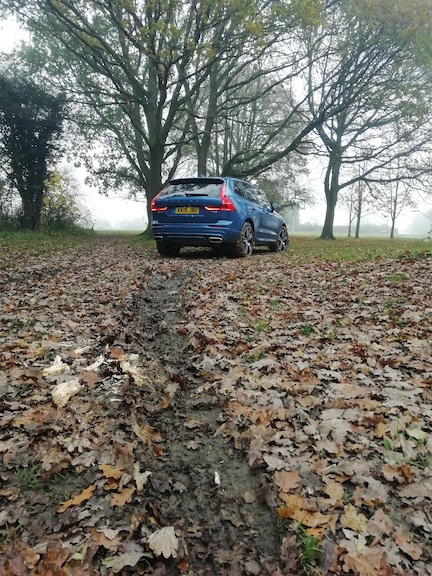
    In the meantime, I’m here with their XC60 T6 R-Design AWD from their SUV range. It’s a petrol 4 cylinder producing 310bhp mated to an 8-speed automatic gearbox.

    Quite often you’ll find motoring journalists bemoan about the lack of difference, if any, between the drive modes. The XC60 gives you five. Eco, Comfort, Individual, Dynamic and Off Road. All five feel different and the last two offer notable differences in road height. 

    The difference comes at a cost and it isn’t perfect. Comfort is your standard set up though with the plethora of onboard options and set-ups Volvo gives you, any of the drive modes can be set as your preferred reset choice the moment you turn the ignition key. 

    I’ll start with the niceties first and that’s the ride. Body control is controlled well. In Comfort mode, you will have little problem with the serenity it affords you even on its largish alloy wheels. The quietness in the cab is eerily quiet like an electric vehicle. It almost makes a mockery of Volvo’s own hybrid drive systems for silent running. It becomes taught and lower in dynamic and it allows the large bulk of the XC60 to be driven with some serious gusto. And thankfully it does and you’ll discover why next.

    My problem is with its T6 drive train. It kicks you all the time unless you are gentle with the throttle. Its 310bhp comes in from 5700 rpm but this isn’t where we have a problem. It’s the 400Nm of torque. It just doesn’t feel like it’s there when you press the throttle. Considering it’s available from a lowly 2200rpm, its prowess is also thwarted by a hesitant gearbox. It takes the gearbox a noticeable amount of time to respond. Dynamic mode does go some way to eradicate it but it doesn’t totally vanish. Instead, it makes it a little more snappy. The two combined don’t make for a fluidity and serenity that the XC60 gives you in its ride. 

    The inside is all very Volvo. The interior fit and finish are above the expected and there are nice silver accents around to lift the dark R-Design interior. I can’t really enthuse any more than I have previously about the XC60 range so I’ll go straight to another area that Volvo does really well.

    The home screen of the infotainment system is pretty standard stuff. Swipe left and depending on your options, you are greeted with lots of safety equipment to switch on and off. These can be moved around to suit your own preferences for items you need to select quickly like parking assistance. 

    Swipe down and you get another set of options and these allow you to further adapt and personalise the vehicle set up to your requirements. These are then saved and won’t revert unless there is a system reset. 

    That in itself is an area many manufacturers don’t think about. There is nothing worse than setting up a car and then having to do it all again after the ignition has been switched off.

    Volvo set out to make their range feel premium and many little things that further make it a car that feels like a quality product. Puddle lights set in the door handles dim down in sync with the sidelights when you lock it on the remote.

    The XC60 R-Design does a lot of great things in the popular market of the sporty SUV where it seems acceptable to compromise the ride quality. The XC60, however, is more than acceptable in its ride set ups with its differences being noticeable.

    It might come as a surprise that I’ve been quite harsh with handing out my stars to this XC60. Considering we gave the XC60 D4 Momentum Pro 5 stars, I just cannot rave about this XC with the T6 engine and gearbox. It doesn’t do what it says on the box and ruins an otherwise splendid vehicle. 

    Love

    Quiet cabin

    Parking heater system

    Details

    Loathe

    Hesitant gearbox

    Throttle input reaction

    Rear occupant heater fan noisy in the front

    The Lowdown

    Car –  Volvo XC60 T6 AWD R-Design

    Price – £ 59,485 (as tested)

    MPG – 28 – 31.7 mpg (WLTP combined)

    Power – 310hp

    0-62mph –  5.6 seconds

    Top Speed – 140 mph

    Co2 –  181(g/km)

    All Photos (C) Stuart M Bird

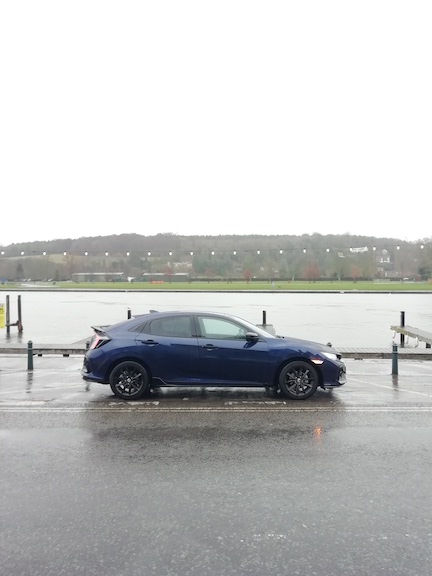
  • CAR REVIEW | Honda Civic EX Sport Line

    CAR REVIEW | Honda Civic EX Sport Line

    Rating: 4 out of 5.

    Civic Update

    What Do We Have?

    Honda has been busy evolving their tenth-generation Civic in an attempt to keep it abreast of the new challenges it faces within the competitive, if sometimes over-looked mid-sized hatchback segment.

    Changes for the new 19MY Civic include smoother front and rear bumpers and changes to the plethora of grills that dress them. The new model we came to try is being called the EX Sport Line. There also comes a new rear spoiler.

    The new car is being marketed as a sort of cheaper alternative to the highly acclaimed Type R. A Civic that is worshipped better than the Sermon on the Mount by Jesus [citation needed] Except with the Type R, it’s more about how immoral it is.

    The EX Sport Lines on offer for testing were fitted with either the slick 6-speed manual or new CVT gearbox. This CVT replaces the conventional automatic with its confusing push button selector. Instead, the new CVT is fitted with a standard stick shift as you’d find in a normal automatic.

    Driving

    Fitted with a plucky 3 cylinder petrol that pushes out a respectable 126 PS from a 1-litre capacity. Now this engine might not be what you would be expecting to see fitted considering the Sport Line is a type of Type R alternative but let us just remember that this is a Civic that mixes everyday drivability without the heart attack.

    Torque outputs alter retrospectively between the 2 transmission types with the manual having 20 Nm more at 200. On paper at least you could say you shouldn’t notice with outright performance figures being so close. That said, it did feel like the CVT was a little lethargic to shift unless you selected |sport| mode and then it would alter.

    Inside

    Inside sees changes to some textured panelling on the dashboard and the supportive seats. Racy red stitching is used to further heighten the racing appeal of the Sport Line.

    Where major changes have been made is within the new climate controls and stereo system. Main changes are the addition of buttons to help navigate the often criticised complicated screens. These now allow the most used sub-menus to be reached with one button.

    It is just a shame that the satnav detailing isn’t up to spec. Thankfully this can be avoided with Apple Car Play and Android Auto. I used Android and it worked very well. 

    Living With It

    It really comes down to what type of driver you are. The Civic is a car that comes highly recommended and you’ll find it has a legion of fans out there no matter what model they drive.

    So if you are a more enthusiastic driver then the manual will whet your curiosity to explore a random B road to its limits. The CVT won’t disappoint that much but you will have to work it that much harder and it’s not that rewarding to do so. As a competent commuter car that will sit in the daily grind of the A-B  traffic, it will be of great comfort that the cog swapping is left to the machine.

    Verdict

    The majority of the changes Honda has carried out haven’t really altered much to the Civic and there really wasn’t any need to do this anyway. The Civic has always been an accomplished car as both a driver’s car and a striking visual.

    We did ask about the change to a CVT gearbox. Honda was quick to point out its economy benefits and value for money in being able to offer an auto system cheaper than the system used previously. That aside, I personally feel it is a step backwards when Honda has progressed the Civic forward with the MY19 model.

    With that in mind, you will find this Civic being recommended, but just think about what type of driver you are before parting with your money.

    Love

    Looks

    Compliant ride

    Useable performance

    Loath

    “Sport Line” moniker

    Satnav graphics

    CVT gearbox

    The Lowdown

    Car – Honda Civic EX Sport Line

    Price (as tested) –  26,035 MANUAL (27,435 CVT )

    MPG – 45.6 MAN (42.2 CVT) WLTP combined

    Power – 126PS

    0-60 – 11.2 MAN (11.0 CVT)        

    Top speed – 126mph MAN (124 CVT)

    Co2 – 110g/km MAN (107g/km CVT) New Civic

    All photos Stuart M. Bird