Tag: Hybrid Car Review

Our latest reviews for hybrid car models available in the UK. We investigate range, cost and build of all hybrid cars.

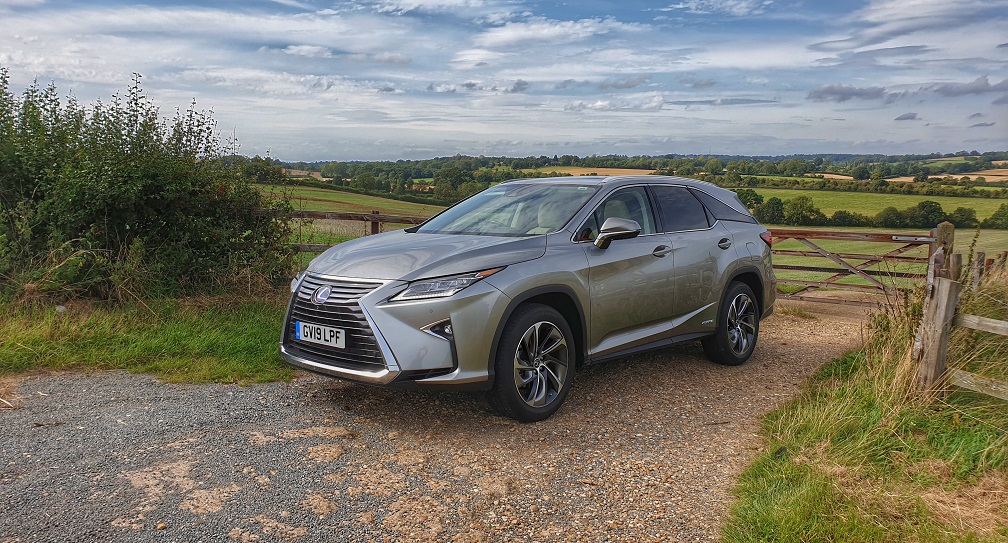
  • CAR REVIEW |Lexus RX-L Takumi 

    CAR REVIEW |Lexus RX-L Takumi 

    Rating: 5 out of 5.

    Lexus is a brand synonymous with luxury automobiles. They are the luxury vehicle division of the Japanese automaker Toyota.  

    The Lexus brand originated in 1983 and has been making luxurious and outstanding cars ever since. 

    ‘We design to provoke, with bravery, courage, and confidence. We ignore the thinking of the crowd, always exploring new concepts, new outcomes, and new ways to express ourselves.’ 

    I recently had the opportunity to try the new Lexus RX-L for a week. RX-L is their first seven-seat model in Europe. It’s an SUV with a focus on luxury. The Lexus RX-L is an elegant and spacious seven-seat SUV, engineered to make sure every passenger is pampered and protected. The build quality is excellent with top quality materials used throughout and fit and finish that most manufacturers can only dream of. 

    RX-L is a luxury SUV with the added benefit of being a Hybrid.  

    If you don’t currently drive a hybrid and haven’t owned one before, they’re very simple. The RX-L doesn’t need to be plugged in, it is self-charging. You just drive it like you would any other automatic. There are 4 driving modes that you can select; 

    • EV – encourages the car to be powered solely by the battery when city driving 
    • Eco – evens out harsh accelerator inputs and reduces the output of the climate control system 
    • Normal – the default drive setting for everyday motoring 
    • Sport – draws additional power from the battery to help boost acceleration. 

    At low speeds, in town for example, the car will run on silent electric power alone, only using its petrol engine when you call for more power or if the stored battery power is used. The CVT automatic gearbox (continuously variable transmission) is smooth and seamless. Altogether, this makes the RX-L very pleasant to drive.  

    The Lexus RX 450hL has a 3.5-litre direct-injection V6 petrol engine producing 259bhp at 6,000 rpm and 335Nm of torque at 4,600rpm. There is also a small additional boost from the electric motors which pushes the total output of the hybrid powertrain (engine and electric motors combined) to 308bhp.  

    The RX 450hL features the sophisticated Lexus proactive E-Four all-wheel-drive system. This means that in normal use, the RX-L is rear wheel drive to save energy. When required, the all-wheel-drive system transfers power to all wheels as needed. There is also a regenerative element to the system, so under braking or deceleration, the car generates electricity. 

    Takumi specification RX-L’s are fitted with adaptive variable suspension (AVS). 

    This system controls the damping force of each shock absorber in response to road surface conditions and driver inputs. For example, on a rough road, AVS instantly switches to a more compliant setting to maintain ride comfort. When cornering, the damping force firms up to help reduce body roll. It rides very well as a result but you wouldn’t call it sporty. 

    RX-L is based on the RX. Lexus have cleverly extended the rear section of the body by 110mm to create room for 2 additional seats. This has been achieved with no compromise in comfort for the other occupants. There’s tri-zone climate control and a console with two cup holders and air conditioning controls for the 2 rear seats.  

    Accessing the rear seats is simple. A one-touch lever tilts the seatback forward and slides the seat smoothly forward.  

    Semi-aniline leather upholstery is standard throughout and the front seats are heated and ventilated, 10-way electrically adjustable with memory function including 4-way lumbar support.  

    The steering wheel is heated and there are front and rear USB chargers and a wireless phone charger. 

    Infotainment is taken care of through a 12.3” touchscreen multimedia display with Lexus navigation. Music comes through the 15 speaker Mark Levinson® surround sound system. For me, one of the coolest features about the system is that the audio system has neat, machined aluminium knobs.  

    I really liked the colour head-up display (HUD) which projects information onto the base of the windscreen in your eye line, about adaptive cruise control status, speed limits and pre-collision system warnings.  

    As we know, Lexus makes incredibly safe cars and the RX-L is no exception. To support this, there is a suite of safety and driver aids.  

    Lexus Safety System+ is a multi-feature, integrated safety package that delivers exceptional levels of active safety and driver assistance to help prevent accidents. There are several elements to the Safety System+; 

    • Pre-Collision System. Uses a front-mounted camera and radar to detect vehicles and pedestrians. It warns of danger, adds braking force if needed and ultimately can brake autonomously if it needs to. 
    • Dynamic Radar Cruise Control helps the driver maintain a safe distance from the vehicle in front. 
    • Lane Keep Assist (LKA). 
    • 3-Eye LED Headlamps with Automatic High Beam, Adaptive High-beam System for headlights and LED Cornering Lamps. 
    • Road Sign Assist system reads the road signs. 
    • 360-degree Panoramic View Monitor through cameras helps with parking. 

    And more…… 

    High quality, soft, semi-aniline leather upholstery covers seats, doors and centre consoles, excellent quality soft-touch plastics top the dash making the interior a luxurious and extremely pleasant place to be.  

    Styling is divisive. It’s bold and unique but it has its critics. I liked it. I wasn’t convinced at first, but I really like how Lexus has been brave enough to style something distinctive and immediately recognisable as a Lexus.  

    To summarise, this is a great car. It’s luxurious, practical, relatively economical and easy to live with.  

    It’s not sporty but that suited me.  

    Fuel Combined WLTP (mpg)34.4 – 34.4 

    CO2 Combined (g/km) 138 

    5 years/60,000 mile cover for both hybrid battery and other hybrid components. 

    3 years/60,000 miles manufacturer’s warranty. 

    RX-L from – £54,145.00 otr 

    RX-L Takumi £62,000 otr 
  • CAR REVIEW |Volvo V90 T8 Twin Engine AWD R-Design Plus

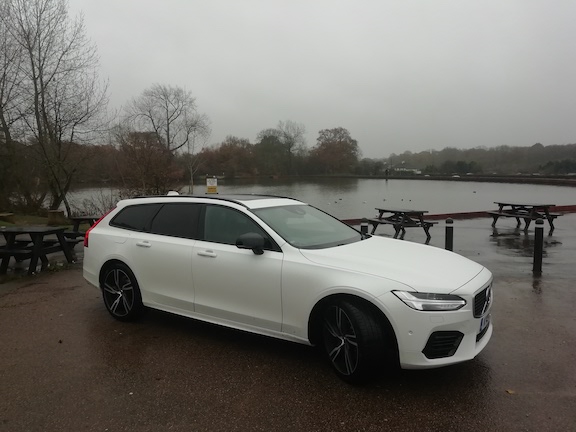
    CAR REVIEW |Volvo V90 T8 Twin Engine AWD R-Design Plus

    Volvo V90 T8 Twin Engine AWD R-Design Plus | The Versatile Rapid Tourer

    Everyone is going hybrid these days and Volvo are no exception to this. The Swedes have been looking at ways of propulsion and with the help of sister company, Polestar, there is pretty much a T8 twin-engined model in every sector Volvo have entered. We look at the V for versatile V90 estate with the T8 setup.

    Let’s get my issue out of the way first. This model is Volvo’s largest of the ground-hugging saloon and estate cars and comes in R-Design. For a Luxo-barge, I had my reservations of the R-Design. It’s not a bad model in the range, but does this ‘sporty’ model get ruined by being made to feel dynamic for reasons that we Brits like it and more importantly, will I like it?

    The V90 comes with just 5 power sources across the range and the T8, with its 87hp electric motors powering the rear wheels is the most powerful out of them all. It’s available across the range except in the Cross-Country models. Those use a full 4WD system for obvious reasons. 

    The petrol unit powering the T8 is a 303hp petrol 4 cylinder. Combined with motor assistance on the rear wheels it will project the Volvo estate from 0-60 in just 5.0 seconds. In practice, it feels a touch more lethargic than that though this can perhaps be attributed to the beautiful way the car can glide away from a standstill without much noise at all. The electric motors go some way to eliminate the throttle lag of the petrol engine. It’s still a little hesitant but just enough to be worthy of a mention. 

    And 5.3 seconds 0-60mph isn’t to be scoffed at. Until recently it was the time set by the superstars like Lamborghini. Imagine the fun of being able to blow away a Countach with your 1,526-litre load-lugger with more space than a double bed in the rear. Admittedly you wouldn’t. You’d want to hear the sound of that Lamborghini V12 pull away.

    And here is the key to the V90 T8. Serenity. So perhaps it might come as a surprise that even in R-Design, the UK’s market leader in the range with dynamic feel, has this ability in almost any drive mode you select to isolate you from the harshness of what a 15mm lowered suspension set up could bring. From a spec sheet at least, it all seems superficial except for the said lowered sports suspension and 18-inch alloy rims.

    Inside is typical Scandinavian elegance. Ergonomic cockpit set up for driving pleasure and ease of use. The infotainment system allows for multiple changes and adaptions to suit you the driver and not the R&D departments preferences. And this allows you to set the car up to become more of how you want it and it’s A) surprising how specific we all are when given the chance and B) why more don’t offer this. This is your car after all. There ends up being very little to annoy and dare I say it, as a motoring journalist, not much to say any more about the insides of Volvo’s.  

    Driving is a pleasure and getting the best from the twin-engined set up is ease itself. The use of “twin-engine” is perhaps a little misleading when there is in-fact only one engine up front and two small electric motors at the back. By this calculation alone it should then perhaps be called a tri-engine. Anyway, I digress because the art of the system is beautiful. 

    Now 21 miles on the battery might not seem much distance at all but it’s more than you think. A drive home from visiting my father in Bognor saw me empty the battery packs by the time I arrived in Storrington. That was 22.1 miles of non-sympathetic motoring. The V90 T8 had the ability to carry itself quite rapidly at legal speeds on battery power down the A27. Not necessarily designed for rapid motoring over a distance like this, the batteries side of things did very well. And it’s this ability to have full use of the electric motors that makes it such an easy system to use. I do however struggle with its lack of ability to charge the batteries adequately when on the move unless you select it too. It’s sort of self-charging but by-passes the ability to use the hybrid system. 

    That said, I did calculate my fuel economy with the XC90 T8 being most favourable. With my daily commute now being just under 10 miles each way with the return drive home mostly being downhill (I’m not making that up), I could go for years without actually using petrol. But that really is exceptional usage.

    The Volvo V90 T8 is quite the Q-car then in terms of looks over function over ability. It carries stuff, lots of stuff. Cossets occupants in tranquillity and yet is as far removed from what you’d expect a Volvo estate to behave like. Forget the mind-blowing 850 T5R from the 90’s and their wake up call to the world as to what Volvo could do. That’s power dressed and old news. The V90 T8 is the future. For the moment at least.  


    Love

    Ease of use of the hybrid system

    Intelligent interior

    Serenity


    Loathe

    Unable to self charge adequately unless selected

    Aggressive pilot assist

    Some throttle lag from standstill


    The Lowdown

    Car  Volvo V90 T8 Twin Engine AWD R-Design Plus

    Price – £ 67,500 (as tested)

    MPG – 97.4 – 117.7 mpg (WLTP combined)

    Power – 317hp (petrol) + 87hp (electric)

    0-62mph  5.0 seconds

    Top Speed   115 mph

    Co2 –  49 (g/km)

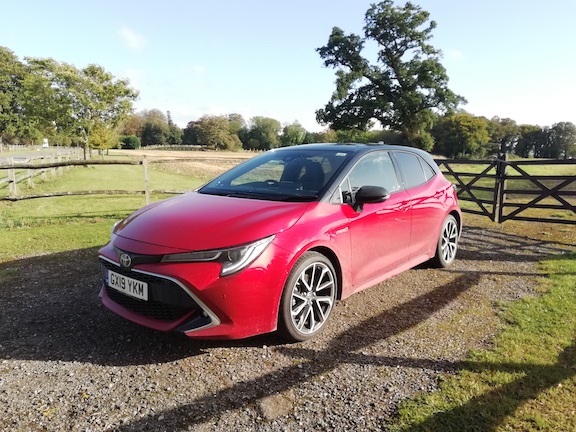
  • Quick Drive. Toyota Corolla Excel 5dr 2.0 Hybrid

    Quick Drive. Toyota Corolla Excel 5dr 2.0 Hybrid

    Rating: 4 out of 5.

    What Have We Got?

    Toyota and their never-ending array of hybrids brings back an old name with a modern twist. The Corolla is back. And back with a bang it would seem. We take one out for a drive around the lanes of Basingstoke.  

    Driving

    First thing that becomes apparent with the 2-litre petrol engine mated to the hybrid drive system in the Corolla is its normal driving ability. Only recently have I started to like the CVT gearbox system Toyota use. The Yaris showed a big improvement over the previous system. 

    Therefore I wasn’t sure what to expect in the Corolla. Not to get too complicated in describing it, I’ll say that for the most part, it felt like a normal automatic gearbox. It changed up and down like a normal auto box and this, in turn, made it rather nice to drive.

    And its “normal” behaviour could be had for much longer than any hybrid drive I’ve experienced from Toyota to-date. Only when you press on with the throttle to the floor does the CVT traits come through with the engine revving away upfront in a subdued vocal fashion. 

    This all goes in its favour too. The chassis is compliant and quiet and able to carry the Corolla around quickly. One thing that is missing is excessive body roll or body roll at all for that matter. It feels very planted to the road.

    Inside

    The cabin, nicely styled in a normal design from Toyota was pleasant to be in. Plastics where it mattered felt much better than previous models have shown. This it would seem was Toyota’s attempt to catch up with the market leaders from Europe and finally, they seem to have worked out what the Europeans want and where to place the quality materials. This is something Toyota haven’t always done well. 

    Living With It

    It would seem Toyota have a lot of high hopes for the return of the Corolla. In bringing it back, it looks like there is a new design language being adopted that is suited to European tastes. Its looks are both stylish and sophisticated. Despite its big grill and angled light units, it’s nice to see a softer-looking face to a car. 

    The hybrid drive systems are easy to use and altogether it feels a much better car.  It raises the theory of hybrid drive systems being good to actually being very good. It’s taken some time but finally, Toyota has made a better way.  

    The Verdict

    It comes at a price and this time Toyota are not messing around. For £29k, they have made a car that challenges some of your preconceived ideas of Japanese cars and turns them on their head. It’s still a Toyota so expect it to be more reliable than anything else out there, it’s just now it has a more familiar feel to it that you’ll greatly appreciate. The Corolla of the 70s had Europe worried.

    Once again, the Europeans are going to be on the run.

    The Japanese have done it again.    

    The Lowdown

    Car –  Toyota Corolla Excel 5dr 2.0 Hybrid

    Price – £29,075 (as tested)

    MPG – 50.43 – 60.62 mpg (WLTP combined)

    Power – 178bhp (total output)

    0-62mph –  7.9 seconds

    Top Speed –  112 mph

    Co2 – 89 (g/km)

    All pictures (C) Stuart M Bird 2019

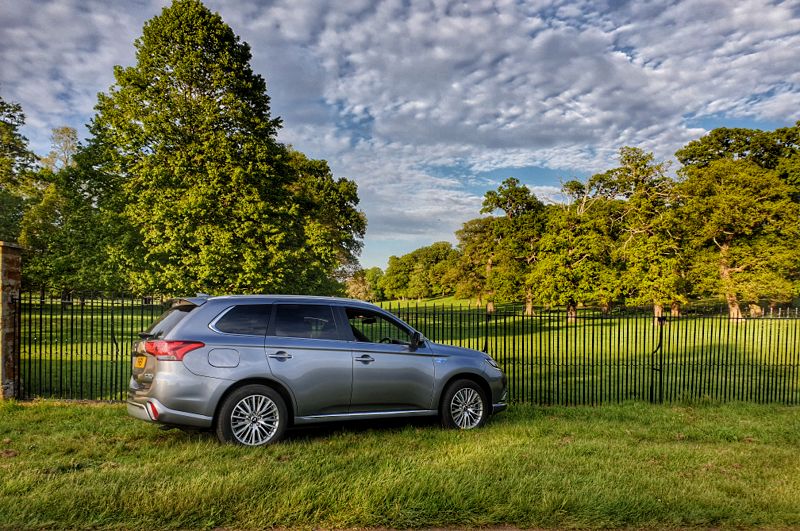
  • CAR REVIEW | Mitsubishi Outlander PHEV – Too good to be true?

    CAR REVIEW | Mitsubishi Outlander PHEV – Too good to be true?

    ★★★★★ | Mitsubishi Outlander PHEV

    With increasingly stringent legislation, manufacturers are being squeezed and challenged to meet changing goals for reduced emissions and an ever more environmentally friendly footprint.

    By January 2018 there were more than 100,000 Mitsubishi Outlander PHEV sales across Europe, making it the most popular plug-in vehicle. In fact, despite a growing number of competitors, it remains the best-selling plug-in vehicle – hybrid or electric – in the UK.

    Which brings me to the next point.
    For the layman, the hybrid sector is a little confusing. There are several different types. Self-charging, plugin, parallel, range-extended and more.

    Mitsubishi have a very interesting way of delivering their Hybrid solution.

    The Outlander PHEV has an electric motor for each axle. That means one motor powers the rear wheels, one powers the front wheels, so 4X4.

    Electricity for these motors comes from either the battery, which ideally should be charged from the mains for maximum efficiency, or can be charged by the engine while you are driving (not very efficient though). When you are driving, if you use up all of the battery power, or you need more power than the battery can supply (say an overtake or spirited drive) the engine kicks in and generates more electricity. In extreme cases, if you accelerate hard or really labour the vehicle, the engine will also provide drive to the front wheels to assist the electric motors.

    The petrol engine is a 2.4-litre petrol engine, which uses MIVEC variable valve timing system. It’s very quiet and smooth and is surprisingly efficient.

    The battery capacity has been increased and is now 13.8kWh and in electric-only mode, the Outlander will now do 84mph on a private road.

    Another interesting feature is that it has only one forward gear as it is essentially an electric drivetrain. This means progress is seamless and driving it is absolute simplicity.

    In electric-only mode, in real-world driving conditions, the Outlander should do up to 28 miles on a charge. It doesn’t sound like much, but remember that this is a hybrid and this is more than enough for a lot of people’s daily commute.

    The theory is, you charge up on cheap electricity overnight, drive to work, charge up at work, usually for free (if you need to) and drive home, all on electric only. On longer journies, you can travel without range anxiety as you have the security of the petrol engine to generate power.

    It’s not uncommon for owners to go months without having to top up the petrol tank, as most of their journeys are fully electric, or mostly electric.

    What’s the Mitsubishi Outlander like?
    In brief, it’s a very well-engineered, well built, roomy and practical, luxury SUV.

    The current model has had a host of improvements and additions, making it a beautiful car, very well appointed.

    The updated Outlander benefits from new LED headlamps and all-new 18” alloy wheel design as well as super-All Wheel Control system with new SNOW and SPORT driving modes.

    Higher body rigidity through the use of structural adhesive welding plus a quicker steering rack with SPORT mode remapping means improved handling and safety. There are larger front brake discs (vented) for improved feel and stopping power too.


    As you would expect there are a full suite of advanced safety features and technologies, such as;

    Five-star NCAP safety rating, Automatic headlamps, Rain-sensing wipers, Reversing camera,
    Electronic handbrake with auto hold. There are also excellent LED headlights and daylight running lights with automatic high-beam, a very effective 360-degree camera with rear cross-traffic alert, lane departure warning, adaptive cruise control, blind-spot warning system with lane-change assist and even more.

    With this level of electronic assistance, it would seem like the Mitsubishi Outlander PHEV might be a bit cold and emotionless but actually, despite all of the electronics, it’s very easy to drive and feels very familiar. You don’t notice any intrusion and I found I felt instantly at home driving it.
    The luxurious Interior was a very nice place to be with quality leather and high-grade plastic throughout.
    Our test car had gunmetal grey leather seats with 8-way electric adjusted front driver’s seat and matching door upholstery and centre armrest, premium Alpine audio system with remote smartphone app compatibility (apple carplay and android auto), heated front and rear seats, power tailgate and heated steering wheel.

    In summary, it’s hard to review the Mitsubishi Outlander PHEV because there is so much to it.

    This is not a straightforward luxury car review. The PHEV side of the vehicle is so clever and well-engineered and has some significant benefits over a conventional car or SUV. It’s not a one size fits all car. If you are a high mileage driver, this probably isn’t the best choice for you. However, in most other respects, the Outlander PHEV offers some great benefits. During our time with the car, we genuinely saw well over 200mpg averages. That’s not fake journalist talk either. The batteries were charged and we were driving the car as we normally would. Over a couple of days of running kids around, commuting to work and usual duties like shopping and so on, we regularly saw 200+mpg journeys. It really showed how effective this Outlander PHEV is if used correctly. Obviously, many journeys are completely petrol free.

    I would strongly urge you to call into your local dealer and arrange a test drive. The staff will talk you through the technology and the Hybrid powertrain and I’m sure you will be very impressed.
    Prices start at £36,755

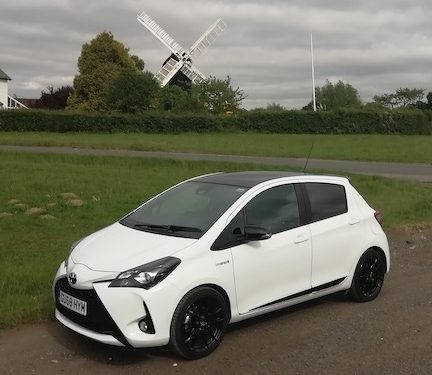
  • CAR REVIEW | Toyota Yaris GR, the hybrid hustler

    CAR REVIEW | Toyota Yaris GR, the hybrid hustler

    ★★★★☆ | Toyota Yaris GR

    What Have We Got?

    Here we have Toyota’s Yaris GR Sport fitted with hybrid technology. It’s also fitted with tuned suspension for a more sporty feel. It’s divided opinion. THEGAYUK had a go and here is what we thought of it.

    Driving

    I’ve not been kind in the past when describing Toyota’s CVT transmission systems but that is going to change. I rather liked this, unless you floor the throttle, then it shows up all the traits of the CVTs woes of engine revving away. 

    It’s a strange mix really for a 1500cc petrol engine with 16 valves and twin cams making just 98bhp. The engine is quite lacking in sparkle and feels a little lazy. Here then is the bonus for your lazy engine, the extra oomph given by the electric motor. Even at high speed, press the throttle and the engines high revs do at least translate to make progress faster.

    The ride has come in for some criticism for being too hard. Taken from the rapid GRNM model, I personally found it totally acceptable and ideal for when you want to use the chassis potential. It is a fun car to hustle around on the right roads.

    Inside

    Sadly, the Yaris of old is no longer to be seen in the new model. And that means no dashboard innovations. It’s all become a bit ‘normal’ though typical of Toyota, the layout is logical. However, I am puzzled as to why the infotainment screen flashes up changes to the heating system when you can clearly see the selected temperature in the digital display within the heater control panel.

    The suede faced GR badged bucket seats are just fine by me. An absolute joy for the derrière to sit in. They offer ample support in all directions. And they don’t encroach into the rear legroom area either. I found there to be more than adequate space for my 6’ frame in the rear seat. Much better than some larger cars out there too.  

    The boot is ok for this size car. My biggest problem I have are the poorly painted areas around the boot shuts. 

    Living With It

    It’s not as engaging to drive as the name would suggest. You do lose your buzz after a while though. Despite there being the option to use some engine braking assistance when selecting ‘B’ on the gear shift, it isn’t enough to hold it back and therefore you are having to dab the brakes more than you would with a conventional gearbox or selectable automatic. And a shame too because you just can’t quite exploit the fun handling. 

    The economy is good as a city slicker. It’s a little less so on the motorway though thankfully, unlike some of the CVT systems, the engine doesn’t need to sing for its supper.   

    The Verdict

    Once you get over the asking price, the Yaris GR Sport makes for a fine city car. There are the typical road noises I’ve now become accustomed to in Toyota’s hybrid cars though thankfully, at speed, it gets quieter. 

    And this is what the Yaris does so well, it goes about its business quietly and efficiently.  

    Love

    Seats

    Ride/handling compromise 

    Town economy

    Loathe

    Price

    Not engaging enough

    High-speed economy

    The Lowdown

    Car –  Toyota Yaris GR Sport

    Price – £ 19,840 (as tested)

    MPG – 55.98 – 60.14 mpg (WLTP combined)

    Power – 98/74 BHP/kW

    0-62mph –  11.8 seconds

    Top Speed –  103 mph

    Co2 – 89 (g/km)

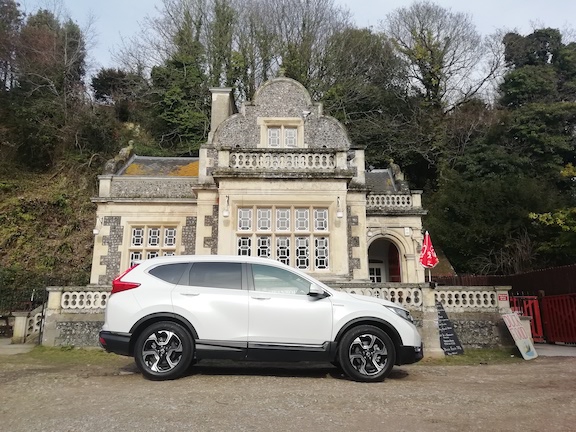
  • CAR REVIEW |  Honda CR-V, 2019

    CAR REVIEW | Honda CR-V, 2019

    ★★★★☆ | Honda CR-V

    Hot on the heels of every manufacturer it would seem these days, Honda has released a new SUV. Not so totally new because the CR-V has been a staple part of Honda’s UK line-up for many decades.

    Here, however, Honda is showcasing their new petrol and more importantly, a hybrid drive system. Again, nothing new from Honda except this time it is fitted into their large SUV.

    The CR-V demonstrates two things, Class-leading space and an increase in size. All common factors with a new launch. 2 things, however, do stand out and that is space inside is very much on the generous side and the overall feel of the car is not so large that it feels like a nuisance to drive on narrow country lanes.

    THEGAYUK tried two models back-to-back. Both front wheel drive but with two different powertrains. Firstly the hybrid with a CVT gearbox and a petrol manual.

    Between the two models, one thing is very evident between the two models and that’s the ride. The all petrol drove better. It was softer, compliant and more engaging to drive. No doubt this is due to the lack of excess weight in the rear from the hybrid system. Another is silent running. While the petrol could be raucous when pressed, the hybrid with its near silent electric motors became all too familiar in whine from the CVT gearbox. 

    The CVT is not to my liking and I was a bit disappointed. Honda’s press release mentioned a unique intelligent Multi-Mode Drive (i-MMD) with clutch lockup between petrol and drivetrain when in engine mode. It still behaved like a conventional CVT system and the paddle shifts on the steering wheel didn’t make much of a difference except when it ‘sport’ mode. On the plus side, its transition between battery, petrol or both was seamless.

    Combined economy varied between power units. 53.3mpg for the Hybrid and 44.8mpg for the all petrol. That seemed a lot for the petrol to achieve, despite its lighter agile feel and the hybrid also struggled to achieve those figures. But there are 2 things standing in the way. Review cars are hardly driven softly and combined figures are not those in the real world. However, we did see a constant 45+ mpg in the Hybrid. So the penalty for that heavy feel looks like it could be offset by less time at the pumps.  

    There were other good points to be seen in these SR mid-range models and that is in its fit and finish. There was a lot to like. General tactility was top class with soft feel where you expected it to be hard plastic. The wooden effect inserts, however, were not universally liked but I liked them. The effect is pretty good. It’s not luxury wood but then at £31,565 for the Hybrid and £31,435 for the petrol, neither is the price. 

    And this is the key to the CR-V. It’s price. In this segment, the CR-V SR offers a lot of car for the money, it’s just at the moment I am struggling to justify to myself that the hybrid is better. If it was my money I’d go for the all petrol. 

    Love

    Looks

    Quality inside

    Value

    Loathe

    CVT gearbox

    Rear doors lack sound deadening

    Less agile feel in the hybrid model

    The Lowdown

    Car –  Honda CR-V SR petrol/hybrid models

    Price – £ £31,435 / £31,565 (as tested)

    MPG – 44.8/53.3 mpg (combined)

    0-62mph –  9.3/8.8 seconds

    Top Speed –  130/112 mph

    Co2 – 143/126 (g/km)

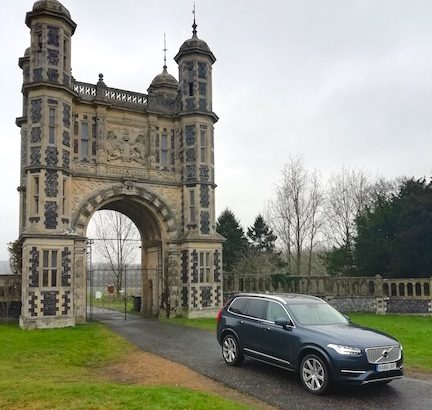
  • CAR REVIEW | Volvo XC90 T8, 2019

    CAR REVIEW | Volvo XC90 T8, 2019

    ★★★★★ | Volvo XC90, Volvo’s Grand Tourer

    What Have We Got?

    Here we have Volvo’s very grand-lux, top of the range SUV in hybrid form. A vast car that is pitted against rivals from Audi, Mercedes and Range Rover. No easy task in this company of loyal devotees to try and woo your way. So is the XC90 T8 Inscription any good? 

    Driving

    There really isn’t much to shout about here and tell you that you need to drive it a certain way. It behaves in the normal way a car would be it, petrol or hybrid. 

    Except it doesn’t. You can motor quite well on battery power fed via the 87hp motors fitted to the rear wheels or thunder past people using the 2-litre 303hp petrol engine. And when l say ‘thunder’, I really do mean it. 0-60 is a disrespectful 5.5 seconds! This is a Volvo with green hybrid credentials. Surely this isn’t true. Wrong. It’s very true. 

    And added to that phenomenal blend of speed and power, comes 21” alloys shod with 275/40 section tyres. Fitted with air ride, you would be forgiven for thinking it had more tyre wall. That’s certainly true for all rides except “dynamic”. This is where the vehicle drops by 20mm and stiffens the ride. It’s not unpleasant, but it certainly detracts from the sumptuousness of what the XC90 Inscription Pro is all about. It’s an area that Volvo is yet to master if I am honest.

    One area this does excel in is the automatic gearbox cog selection. It always seemed to be in the right gear and throttle responses were both rapid and direct and that’s what I like. 


    Inside

    Interiors have always been a Volvo selling point and that sumptuousness that I just mentioned is found here turned to the max. The Inscription Pro package gives you blond leather and walnut inlays. Add to this, some of the finest door architecture with simple soft white lighting, it lifts the interior regardless of how bad it might be outside. 

    There is also 7 seats available, but the rear two, though keenly catered for with cubby holes and cup holder, it is a tight squeeze for tall people. And getting in and out is really only for the athletically loose and athletically strong in pushing the middle seat back. 

    Living With It

    I get it, I get what the plug-in hybrid XC90 is all about. I was sceptical about Volvo’s claim of almost 109mpg. In the real world this isn’t really achievable or so I thought. My real work commute is 24 miles. The hybrid battery will carry it for 21 miles. Through the power of maths and the engine that, according to the display, will return 30mpg, I can manage that figure. It works out that a tank of fuel with a recharge and home and work, I won’t see a fuel station for at least 11 weeks. That’s around 5 tanks of petrol over the year. 

    It won’t quite work that way though. I had to take a journey into Kent with a 104-mile round trip. Along with some other menial work, the XC went back with half a tank of fuel. Now if I’m honest, I have never sent back a press car with so much fuel still in it. So now you can see why I buy into this plug-in hybrid system.

    The Verdict

    There is a lot to like about the XC90 Inscription T8 and very little to dislike. My only real gripe was a finickity switch for the sunroof/blind. I couldn’t master its ways. 

    What I could master was the benefits of this twin-engine (as Volvo call it) hybrid. Together with what is now becoming a legendary interior design and a place for well being, I can’t really find much fault and though the asking price for this is up there with its competitors, it is worth EVERY penny.  

    Love

    Economy (for the right people)

    Interior architecture 

    Speed

    Loathe

    Finickity roof blind/sunroof switch

    Rearmost seat access

    No real hybrid charge on the move

    The Lowdown

    Car –  Volvo XC90 T8 Twin Engine AWD Inscription Pro

    Price – £ 79,010 (as tested)

    MPG – 108.6mpg (combined) 30.2mpg (on dashboard display)

    Power – 303hp (petrol engine) 87hp (electric motor)

    0-62mph – 5.8 seconds

    Top Speed – 140 mph

    Co2 – 63 (g/km)

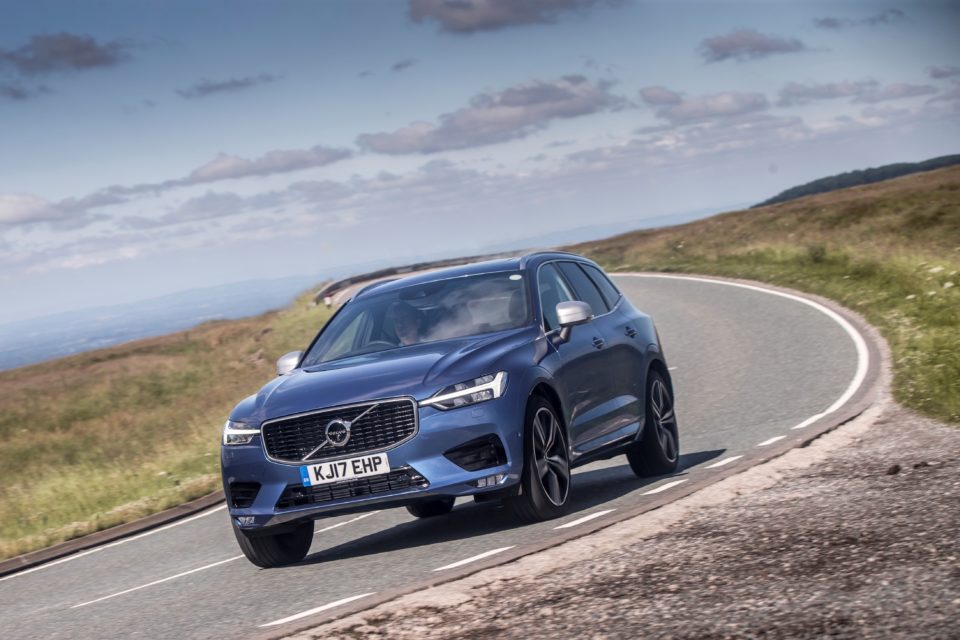
  • CAR REVIEW | Volvo XC60 T8 R-Design Pro

    CAR REVIEW | Volvo XC60 T8 R-Design Pro

    ★★★★☆ | Volvo XC60 T8 R-Design Pro

    Volvo XC60 T8 R-Design Pro review

    What Have We Got

    This week we have a plug-in hybrid from Volvo. The Volvo XC60 T8 twin engine, which means it has a 2.0L petrol engine which is supercharged and turbocharged, producing 320bhp, powering the front wheels, with an 87 bhp electric motor powering the rear wheels. Together they provide a combined power figure of 407 bhp, enough to get you to 62mph in 5.3 seconds and on to 140mph.

    Our XC60 T8 is an R-Design Pro meaning it has all the toys and I mean all of them. It’s a beautiful car and extremely well built.

    Driving

    This is probably the most technically advanced car we’ve driven but is also one the most complete, accomplished packages we’ve seen.

    There are several driving modes to choose from:
    Eco (the most frugal settings) Dynamic (a balance between performance and economy, consider this ‘normal’ mode), Off Road (at low speed, makes the XC60 a serious off-road tool)Individual (allows you to personalise settings such as suspension, steering, gearbox etc) In Dynamic, the car is simply beautiful to drive. It’s very fast, very smooth and very easy to drive.

    Inside

    Inside the Volvo is an exquisite place, elegant and graceful. The materials are the best we’ve seen and the fit and finish are beyond compare. R Design features such luxuries as a perforated leather multifunction steering wheel with gearshift paddles, and nubuck leather upholstery. The sports seats are very supportive and infinitely adjustable and there is plenty of room inside for 5 adults in comfort.

    Our test car had the Bowers & Wilkins sound system which was incredible. 15 speakers and 1100 watts of power worked for us.

    Living with it

    Air suspension on the T8 R Design ensures a beautiful ride, soaking up the bumps and potholes of our roads with ease. The T8 is also fitted with adaptable, electronic dampers which means the suspension can be easily adjusted for ride and comfort, but more impressive than that, it constantly adjusts to the driving conditions.

    As a plug-in hybrid, you can drive it on just electric power for up to 20 miles, then it seamlessly switches to the engine’s power. If you have power in the battery at low speeds, on part throttle, you are essentially driving a big electric vehicle. It’s whisper quiet and silky smooth. When you need more power it ditches to the engine’s power, not so you notice though.
    The Verdict

    Our Volvo XC60 was genuinely breathtaking. It is the most advanced and the closest to an autonomous vehicle we have ever driven. The XC60 can steer, brake, and see better than us and uses these attributes to keep us safe.

    Volvo see this car as; ‘a clear step in our work towards fully autonomous cars’.

    It was a real pleasure driving the new Volvo XC60 T8 Twin Engine AWD R-Design Pro. Now we see what all the fuss was about.

    Loves

    Performance

    Interior

    Superb build quality


    Loathes

    Price

    Electric range only up to 20 miles

    I can’t afford one


    Lowdown

    Car – Volvo XC60 T8 Twin Engine AWD R-Design Pro.
    Price – £53,870 – £59,770
    MPG – 134.5mpg (manufacturer claimed. We only got around 40 mpg)
    0-62 – 5.3s
    Power – 407 bhp (87 bhp electric and 320 bhp petrol)
    Top Speed – 140 mph

  • CAR REVIEW | Golf GTE

    ★★★★★ | VW Golf GTE Advance 1.4 TSI 150 PS 6 speed DSG 5 door

    There’s A Kind Of Hush All Over Wolfsberg Tonight…

    Volkswagen has teased us with alternative fuelling since the 70s. Back them they fitted 860kg of batteries to a VW T2 panel van. They also played with a hybrid system consisting of 11 batteries in and around the cabin in a T2 taxi. Thankfully battery technology has evolved and we can now get far more from so little.

    In the early 90s alternative fuel and efficiency became less of the buzz work since the fuel crisis of the 70s and more emphasis was placed on environmental issues. Reluctant as we were to give up our four wheels, people wanted greener cars. The diesel car was sold as the greener alternative to petrol, this was when petrol engines were equipped catalytic converters and diesels still filled the air with heavy clouds of sotted pollutant.

    The Golf went through a phase of being battery powered. There was the CityStromer. It gave about 30 miles to a charge making it as good as a milk float. Remember the 30 miles though. It’s a magic number. However, in 1990 there was work on a diesel hybrid Mk2 Golf. VW was on to something. I remember it well. A white Mk2 with big bumpers and garish yellow, orange and red stripes. And then it all went quiet.

    Fast forward 27 years and the electric buzz is back at Volkswagen. There is a new hybrid Golf and the technology isn’t just staying on the Golf. We’ll have it on a lot of other VW’s.


    THEGAYUK was invited to attend the launch of the updated Golf Mk7 and it was the GTE I was most interested in trying. Having recently become a convert of the hybrid, l wanted to see how Volkswagen had executed the package. More importantly, I wanted to know how they transferred the power to the wheels.

    I am glad to say it is impressive. They use their DSG gearbox. This is an electronically controlled dual-clutch multiple-shaft manual gearbox that either changes like a conventional automatic or you can use manual inputs should you wish. Having tried this gearbox on many VW’s over the years I can say it works well unless the car has been modified. Then it becomes quite snatchy.

    There were no such issues. This thing was magic. What it does do is overshadow Toyota’s efforts and puts them in the dark ages where hybrid technology has evolved to. The main reason is the choice of drivetrain. In other words, this isn’t a CVT gearbox.

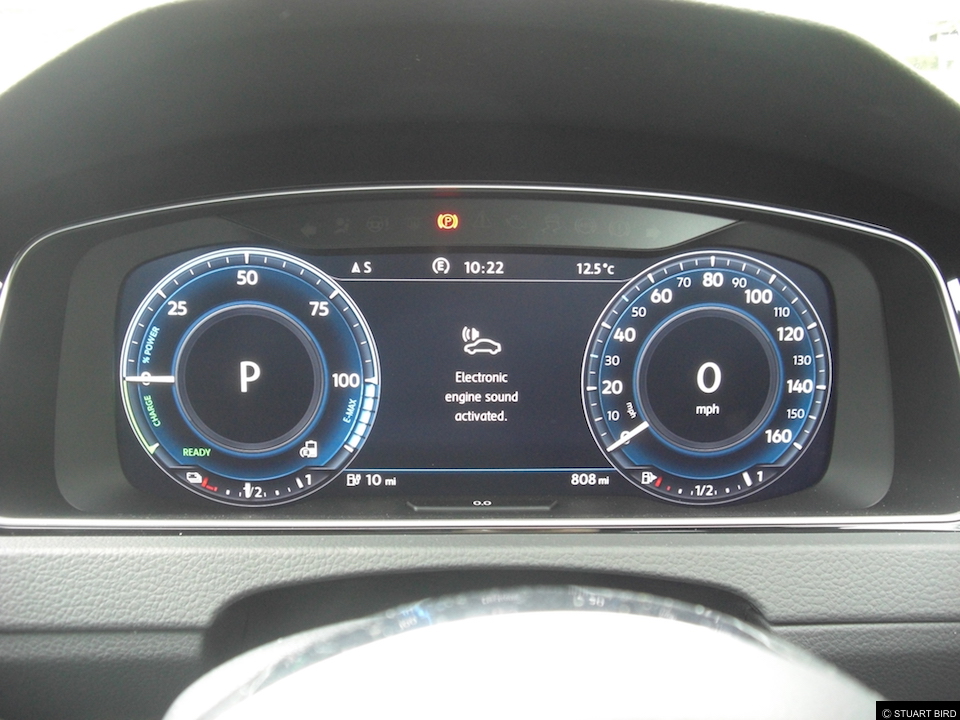
    I don’t know if it was the engineers having a laugh or not but the sound button on the centre console did make me chuckle. Press the sound button and it would emit an audible noise. Apparently, pedestrians are being hit or surprised by hybrid cars. I think having the choice of sound would be quite fun. I’d like a low flying aircraft.

    Enough of my rambling thoughts and back to the GTE. Unlike “conventional” hybrids, the Golf can be selected to drive in any of its three drive modes. Full electric, hybrid or full petrol. The electric is a plug-in type that can be around 80% charged in about 30 minutes. The engine used is the 1395cc petrol unit making 150ps at 5000-6000rpm. The electric motor makes 102ps at 2500rpm.


    In full battery mode, you’ll get that magic 30 miles on a charge. Fear not of running out of power because the petrol engine will jump in and help regenerate power. Likewise, should you floor it and need acceleration, again the petrol engine will jump into life. Unlike a CVT gearbox, the DSG will surge away in utter refinement. All this dashing around can achieve a 0-62mph time of 7.6 seconds. Put into perspective, the 2 litre 310ps Golf R will do the same in 5.1 seconds. This is no hybrid to sniff at. As a matter of fact when all systems are powered up it is pushing out 258Ibs ft of torque. That’s 22 less than the Golf R.

    On the move it was phenomenal. It was quiet. Admittedly the gravel tracks around the Woburn estate could be clearly heard. Once on the main road, it was amazzzzzing. I used some of the test in full battery mode to see what it would do. It behaved like a petrol car except there was a silent surge forward from the instant power the electronic motor gave out. I couldn’t stop smiling.

    In engine and battery power kicked in silently and effortlessly in hybrid mode. It was totally fuss-free. Competent, powerful, had the ability to assist in power delivery for overtaking and all safe in the knowledge that both power systems worked together for maximum efficiency,

    In petrol only mode you were given a Golf that would do what Golfs have done for the past 43 years and that is carry you in a well-made car. Longevity was a key feature mentioned at the launch. A 12 year body protection warranty is proof alone that the Golf will be sticking around.

    Warranty is however always a worry for batteries. VW offer an 8 year/99,360 mile one on them. Why it is 640 mile short of 100,000 miles I do not know.

    There is a down side. It’s the price. Basic price is £31,480. That Golf R and all its crazy power has a starting price of £31,510. Despite the GTE being quick and able to achieve amazing things, it doesn’t do it in the way of the almost same priced R. That said it also doesn’t give you the same head rush as the R and maybe now and again I prefer my car a little less hooligan.

    That in mind a quick look at the recently tested Toyota C-HR was £28,000. In my mind it seems to now be making the Golf R seem like the bargain buy that it shouldn’t be. It’s a quandary that I am in. I liked both Golfs. One that I can justify is the 1 litre TSi. Perhaps l should just have that and add a few stickers to the outside.

    Likes

    Choose the power supply manually
    Transmission of power to the wheels via the DSG gearbox
    Ride quality

    Dislikes

    The price
    Only available in a GT sporty package (at present)
    Questionable combined fuel figures

    The Lowdown
    Car – VW Golf GTE Advance 1.4 TSI 150 PS 6 speed DSG 5 door
    Price – £32,135 (as tested)
    MPG – 156.9 mpg (combined)
    Power – 258bhp
    0-62mph – 7.6 seconds
    Top Speed – 138 mph
    Co2 – 38 (g/km)

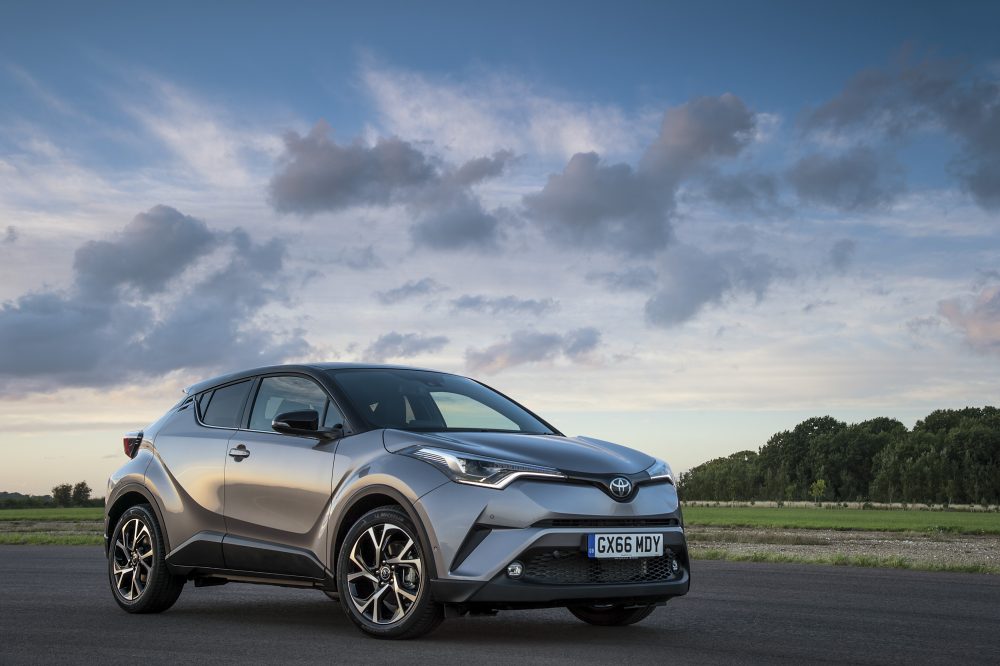
  • CAR REVIEW |  Toyota C-HR Excel Hybrid 1.8 CVT

    CAR REVIEW | Toyota C-HR Excel Hybrid 1.8 CVT

    ★★★★ | Toyota C-HR Excel Hybrid 1.8 CVT

    Never before has a car arrived into the avenue and caused quite a stir like that caused by the new Toyota C-HR.

    Next door has been looking to trade in the BMW 3 series for one while those opposite are also considering one to replace their Nissan Duke. 

    Prepare to see more of them because they are good and I’ll tell you why.

    The C-HR arrived brandishing the ‘Hybrid’ moniker and I had a few grumbles. Mainly that it would have a CVT gearbox and like the Prius, it would be noisy. It’s not a Lexus so I wasn’t expecting Lexus levels of serenity.

    On the first drive home, I ate some humble pie through a closed cake hole. It was surprisingly quiet even down to road noise. With the exception of rough and worn out roads, you would struggle to hear more than a gentle tyre roar.

    That drive home also happened to be on a horrendous Friday night. It was dark, wet and everyone was rushing to get home while trying to avoid the fouled up M25. The C-HR was a safe choice that evening. For your £28,885 it had all the usual pieces of kit that you would want. Adaptive cruise, blind spot alert and lane assist.

    This serenity heightened the enjoyment of driving the C-HR.

    I was summonsed to my sisters over the weekend and the 2 hours drive each way was an enjoyable experience. It’s not the most engaging car to drive. Handling at first is a bit of a puzzler. It plays it too safe. Fundamentally, it understeers first and scrabbles away any excess speed in corners if pushed. At first, it feels a bit lacklustre. That is until you look at the speed you approached the corners in. It travels faster than you think it actually going so you become thankful that the C-HR is a little safe.

    These gemstones and fluid surfaces of the body make a bold statement. Toyota is pinning a lot on this kind of architectural visual, love it or hate it. In the current climate of grey designs of similarities, it visually hits you. To quote Toyota, “C-HR’s combination of faceted, gemstone-like shapes with fluid surfaces and elegantly integrated detailing creates a delicate balance of precision and sensuality”. 

    Now I am perplexed at that description. Cut through all of that and just say the exterior architecture shows it to have muscles, angular poise and function. In the real world, its striking visuals don’t add up. It isn’t sporty despite its coupe-esque looks on top of a crossover.

    I like the door handle position. In a normal position, it would look out of place. What l don’t like though is the rest of the rear door. The large pillar within the door and the handles placement all make for a really small rear door window. Sitting in the spacious rear with surprisingly good headroom that belies the shape, your view of the outside world is somewhat limited. Large C-pillars and black colours make for a claustrophobic environment for those in the rear. What you do notice from the rear seat is the architecture of the headlining. I’ve never paid any attention to it in any car this side of a 70’s Rolls Royce Camargue.

    What I did absolutely love the most about the interior was the large infotainment screen. What made it even better is that it’s angled more towards the driver. It’s only ever-so-slightly done by a few degrees, making the screen very easy to read very quickly. A quick glance at the screen is all that is needed to find what you wanted to look at. The dashboard display is also typical Toyota and made to be easily read at a glance. 

    Most screens are centralised in a position to accommodate left and right-hand drive models. Let’s hope more start to do this.

    The ride is compliant and smooth. It restored my faith in the Toyota brand that they can make a hybrid that is quiet. The stereo is a little quiet too. Even on the loudest settings it wouldn’t blast out a Kylie tune. 

    My real quibble here though falls to the CVT gearbox. I just don’t like how they work. It’s not their working per se because in normal usage it works well. What ruins it is the moment you become the press-on motorist in a hurry. 

    The 1798cc engine does a great job in propulsion. Maximum torque of 142Nm is there at a useful wide range from 3600 to 4000 rpm. It’s just that you don’t really need to hear all of it and its 97 horses galloping at a higher 5200rpm as it spins away. Why Toyota can’t fit a step up or down system as fitted to the Lexus belies me. Or why they couldn’t give it a better automatic is beyond me. Always a better way Toyota say, a 9-speed auto would be better.

    I’m being hyper critical really and for a good reason. I don’t want to award the C-HR well and not warn of this pitfall. Try it and you might think I am talking rubbish. It’s a good car. I’d have one. It’s well thought out in design. It will carry you in the grimmest of weather on the foulest of days. There will be no fuss made. There are cars out there for more money that can’t do what this Toyota did for me on that Friday. It had me won over within the first 10 miles and it will you too.

    Love

    Ergonomics

    Economy

    Design

    Loathe

    CVT gearbox

    Small rear windows

    Stereo isn’t loud enough

    The Lowdown

    Car – Toyota C-HR Excel Hybrid 1.8 CVT

    Price – £28.885 (as tested)

    MPG – 72.4mpg (combined)

    Power – 120bhp @ 5200rpm petrol (bhp 90 for electric motors)

    0-62mph – 11 seconds

    Top Speed – 105 mph

    Co2 – 87(g/km)

  • CAR REVIEW | Lexus NX h Sport

    There was much excitement at THEGAYUK headquarters with the arrival of the new Lexus NX. A car I had been looking forward to reviewing ever since I had a play in the bigger RX.

    CREDIT: Lexus

    The adverts interspersed in between my favourite Channel 4 drama, Humans further heightened thus feeling. Sadly like a domestic synth, it left me feeling a little cold.

    Dynamically it is a marvel. A true powerhouse of an SUV this time living up to the Sport in the title. You can hustle it along the road and it will reward you with as much grip as you could wish for in an SUV while also remaining poised and neutral. Unlike the bigger RX, the NX doesn’t lean into corners. Sitting high up it also didn’t throw you off your senses. I was sure all SUV’s should be like this or so I thought.

    The steering was nicely weighted. When overriding the CVT gearbox with manual inputs the gear changes were smooth. Only when pressed hard, the CVT gearbox would show its one true weakness inherent in these systems and that was high revs, a lot of noise and a sense of not a lot happening propulsion-wise. That said, most of the time the intrusion was minimal because it got to where you needed it to very quickly.

    Speaking of quickly it belies its 0-60 time of 9.2 seconds. Pulling out in traffic it could be frighteningly rapid with wheel spin curtailed by the traction control system. The accelerator pedal did exactly what you wanted it to.

    However, there are faults aplenty in this £34,000 machine. For a start, the spec sheet looks a little lame compared to the bigger RX model and others within this SUV segment.

    There were no parking sensors fitted.

    CREDIT: Lexus

    For something so big, so premium and with many gadgets, the lack of these is a fundamental flaw. Having them as an added accessory for £800 was a bit of an insult.

    That said, they are well worth it, if a little expensive. The front and rear extremities are very difficult to judge. While you should be able to park a car you own, the sensors do make it a touch easier. The reverse camera helps but it doesn’t show where the bulbous curves of the rear wheel arches are in the dark.

    It was delivered to me with just 40 miles on the clock. It was at 70 miles old that I almost added the first dent while reversing into my drive!

    There is also the absence of the Lexus touch and that is the retracting steering wheel. Many Lexus models I have tried over the years have had this. It is a bit gimmicky I know but I look at it as a Lexus signature piece. It’s a bit like the electric windows that slow just moments before they shut to reduce noise.

    These add up to make a Lexus more than a dressed up Toyota.

    Living with the NX is a bit hit and miss too. The boot is a good size. Very easy to load things into and all the space is available. However, the rear door doesn’t rise high enough for me. That was the miss. Or not as it proved when I clonked my head against it.

    The hit is that it is quite a vehicle. Over its RX sibling, the NX can be hustled around with great ease. The road manners retain a squat feel when hard cornering or taking S bends at rapid speed. It shouldn’t really feel like it should behave in this kind of way.

    CREDIT: Lexus

    Four up and in a hurry, no one said slow down. The only thing that lets it down when going fast is that CVT gearbox. It doesn’t really make the best of the engine’s torque. Revs stay high up at and the engine screams. It doesn’t pay to keep your foot planted into the carpet if it isn’t necessary. The engine is too vocal without sounding sexy. The V6 of the RX is far better.

    Again this gearbox system, that I am not a real fan of, ruins the fine ambience of luxury. Thankfully you can override the gearing and I found selecting 4th, 5th and 6th gear made it far more pleasurable to the ears while not leaving it vulnerable when pulling out in city traffic and rush hour madness to getting in the way of other traffic.

    The hybrid system on the NX is in keeping with the Lexus brand and used as a supplementary system only using it for brief periods or in slow traffic. Most of the time it goes into petrol mode. This didn’t really damage the impressive fuel figures Lexus state or what were achievable in the real world.

    The fit and finish in the NX are above and beyond what you would expect. It was all nicely wrapped up and made to make you feel like you have spent your money wisely. I just can’t get over the missing pieces in the spec sheet.

    It all adds up to an expensive car. As a proposition, I have to say that for the money the more expensive Audi Q7 is far better value even without the bonus of a hybrid system. It has more kit on it. And at £17000 less than the Lexus RX450h I tested.

    I am inclined to say beg steal or borrow the extra and buy the RX. And then there is Toyota’s C-HR that is some £5k cheaper. Now that is a strong contender to consider even if it is in a class lower. It’s where I would be looking.

    Love
    Finish
    Comfort
    Ergonomics

    Loathe
    Cost
    CVT gearbox
    Lack of equipment

    The Lowdown
    Car – Lexus NX300 h Sport
    Price – £34,640 (as tested)
    MPG – 54.3mpg (combined)
    Power – 115bhp @ 5700rpm petrol (bhp 197 for electric motors)
    0-62mph – 9.2 seconds
    Top Speed – 112 mph
    Co2 – 121(g/km)