Category: Work Life

  • This is how employers can ensure well-being in the work place

    This is how employers can ensure well-being in the work place

    We spoke to Dr Mark Winwood, Director of Psychological Services for AXA PPP healthcare, to ask what he would recommend to employers to help them take active steps towards supporting the wellbeing of all of their staff:

    CREDIT: ©-halfpoint-Depositphotos

    “We see many people regretting the fact that they did not seek help with their mental ill health sooner. Most don’t want to admit to having a problem as they are concerned about how this would be received by colleagues and fearful it could affect their careers prospects. We want to help change this.

    Our research has shown that people who have experienced mental ill health want employers to offer free screening for depression in the workplace. If this were widely available, we might see more people seeking and receiving support for their mental health sooner – before reaching crisis point. Employers who adopt this approach would also show employees that their psychological wellbeing really matters – something that should, in turn, help to break down the stigma of mental ill health at work”.

    According to Dr Mark Winwood, if you’re experiencing stress in the workplace, there are steps you can take to help address it:

    Basic wellness checks – should you be doing more exercise, improving your diet, or getting more sleep? Fairly simple changes in these three areas can improve your outlook and ability to cope with stressful situations at work

    Challenge your thinking – if you find yourself taking a negative perspective on work issues could there be a more balanced or alternative way of looking at things? Write down what’s troubling you and challenge it. Take some time to focus on the positive – what are your strengths and what have you achieved?

    people at work
    CREDIT: ©-monkeybusiness-Depositphotos

    Make lists and plan workloads – by ticking off  jobs on your list you’ll start to recognise your accomplishments and feel more in control

    Find time to relax – reset your mind, listen to your favourite music or take a walk for air. Whether it’s at home or on your lunch break, make time for you. Switching off will also improve your sleep health, allowing you to tackle tasks with a fresh head

    Be fair on yourself – think about what you have the power to change in your current circumstances and prioritise these things, rather than worrying about areas you can’t control. Keep things in perspective. Ask yourself ‘What’s the worst that could happen?’ It’s probably not as bad as you imagine

    Try not to avoid – whether it’s faking a sick day or putting something off, ignoring the source of your stress won’t make it disappear and may only add to your to-do list

    Identify the real problem – are you afraid of failing? Sometimes we’re our own worst critics.  Think about what you’d say to a friend or a colleague in the same situation. Would you be as hard on them as you are on yourself?

    CREDIT: © BrianAJackson | Depositphotos

    Protect your work-life balance – don’t abandon social plans for the sake of working late. Overtime can lead to diminishing returns on productivity. Making time to catch up with friends and family will boost your mood and take your mind off work pressures

    Avoid unhealthy habits – excessive food or drink consumption may offer temporary relief but it won’t help in the long run. Explore good habits that can boost your mood and energy levels. Exercise releases a chemical in the brain called dopamine which gives you a healthy high

    Don’t bottle it up – it’s helpful to share your concerns, so speak to your manager or a supportive colleague.  A problem shared is a problem halved

  • These are the house rules Brits expect guests to still follow

    These are the house rules Brits expect guests to still follow

    Not taking your shoes off on entry, asking for the WIFI password – and using your mobile phone at the dinner table have emerged as house rules guests break most regularly, it has emerged.

    StockSnap / Pixabay

    Research also revealed polite guests should always use a coaster when setting their drink down and always put the toilet seat down.

    Steering clear of private areas of the house, not swearing in the presence of your host and sitting down at the table without washing your hands also made the list.

    Leaving your host to do the washing up is also considered ‘rude’.

    Richard Sinclair MBE, executive director of connectivity at Virgin Media, said: “Wherever we are, whatever we are doing, we always have the urge to stay online.

    Daria Shevtsova at Pexels

    “When visiting friends and family, research has shown that asking for the WiFi code is one of the first things people do.

    “As is courtesy when visiting someone else’s home, you should be mindful and always respect their rules to avoid any awkward situations.“

    The study also revealed while 71 per cent said there aren’t any particular rules they have which a guest must follow, those that do said it’s just a matter of ‘respect’.

    It also emerged more than a quarter of British homeowners find it ‘impolite’ when guests ask for the WiFi password during a visit.

    And one in 10 adults have gone to the extreme of refusing to hand out their WiFi password, reasoning ‘they’ve come for a visit, not to sit glued to their device’.

    If homeowners are to give out their WiFi password, they believe guests should wait for up to 30 minutes before asking, according to research carried out among 2,000 adults.

    But those who took part in the study who are frequent dinner guests at friends’ and neighbours’ homes feel strongly that they aren’t doing anything particularly wrong.

    One in five said they need to connect to their host’s WiFi because they feel compelled to check their emails.

    In fact the study found the average Brit can go just 36 minutes after arriving at someone’s home before the temptation to check emails and social media overwhelms them.

    One in ten admitted feeling compelled to check social media, according to the Virgin Media research.

    A further 23 per cent said they go online because there’s something on the internet they want to share with their host.

    And a quarter think being connected to the internet at all times has simply become a ‘habit’.

    A third of adults have visitors over at least once a week, with a tenth inviting guests round ‘most days’.

    TOP HOUSE RULES BRITS HAVE TO FOLLOW

    1. Taking your shoes off on entry
    2. No shoes on the sofa
    3. Always flushing the toilet
    4. Not using a cup without a coaster
    5. No looking at devices at the table
    6. No swearing
    7. Keeping the toilet seat down
    8. Washing your hands before dinner
    9. Putting on slippers and socks when you enter the house
    10. Being banned from certain areas of the house
    11. No social media
    12. Only allowed to use a certain bathroom
    13. No eating outside or the kitchen
    14. Not talking about certain topics
    15. Waiting a polite length of time before asking for the WiFi code
    16. Being told where to sit at the dining table
    17. Using certain cups for certain drinks
    18. Helping with the dishes
    19. Sitting in allocated spots in the living room
    20. Putting your plate/cups in the dishwasher
  • Twitter could be adding this amazing feature to combat bullying

    Twitter could be adding this amazing feature to combat bullying

    Twitter could be adding this one feature that will help combat cyberbullying.

    PhotoMIX-Company / Pixabay

    THEGAYUK has learned that Twitter could be adding a “hide replies” feature. An innovation that could help anyone who is the target of online or cyberbullying remove hateful messages without deleting crucial evidence for the police.

    Twitter, for many, has become a toxic battleground and where cyberbullying is rife. In 2018 THEGAYUK discovered that anti-gay and homophobic slurs were racking up in their millions on the platform. Just before Donald Trump’s win as President in the 2016 US Election, Twitter saw a surge in the word “f*ggot”.

    A hide feature would help users control what they see and when they see it. It could work very similarly to the Turn Off Comments function on YouTube.

    It could also allow the primary user to help control the conversation, remove falsehoods or hate from their timeline, before other users jump in on a thread.

    Twitter has recently rolled out a number of schemes to help detoxify the app.

    In 2018 it said it would ban deadnaming and misgendering for trans people.

    It’s not clear if and when this feature will be rolled out.


  • This children’s hospital has launched rainbow badges to show solidarity with LGBT+ patients

    This children’s hospital has launched rainbow badges to show solidarity with LGBT+ patients

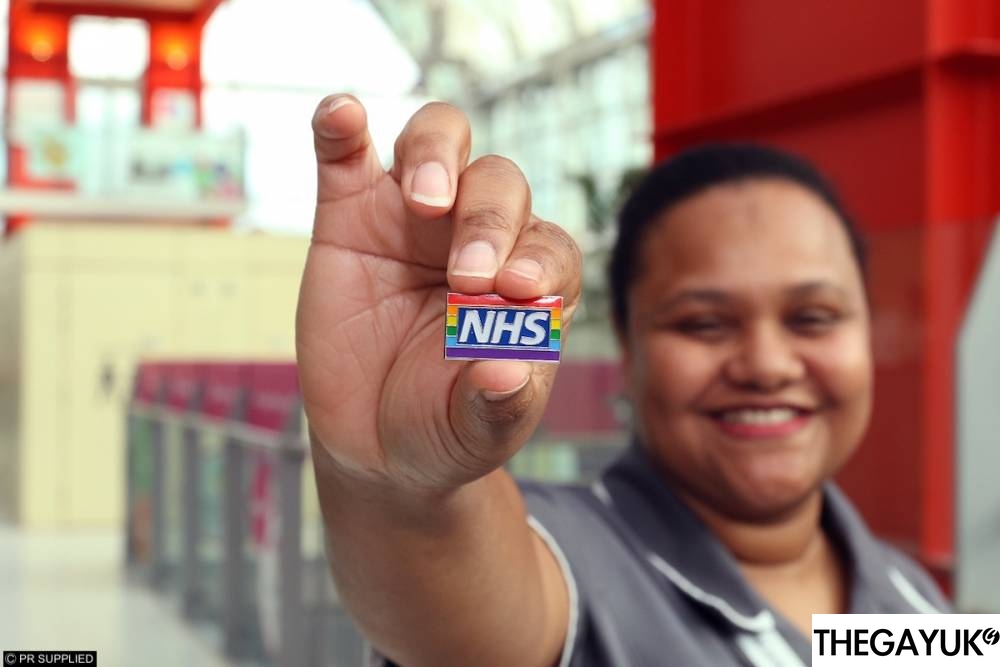
    Evelina London Children’s Hospital and community services have introduced NHS rainbow badges for its staff to support lesbian, gay, bisexual and transgender (LGBT+) patients.

    (C) NHS

    The scheme at Evelina London, which is part of Guy’s and St Thomas’, is now being rolled out across the Trust, following a successful pilot at the children’s hospital, launched last October.

    The move follows a recent Stonewall survey that found that one in seven (14%) of LGBT people have avoided medical treatment for fear of discrimination and almost one in four (23%) have witnessed discriminatory or negative remarks against LGBT people by healthcare staff. It also coincides with LGBT history month this February.

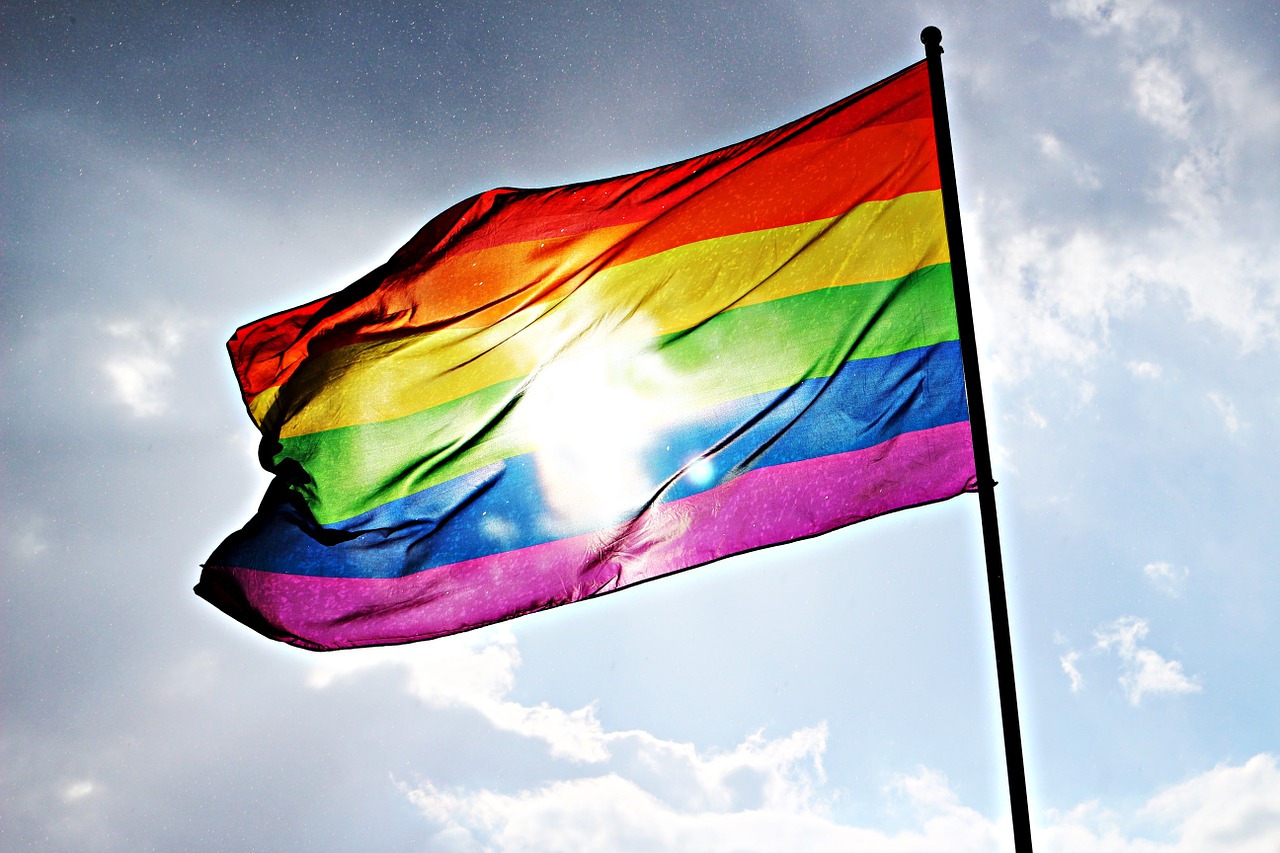
    The badge is an NHS logo superimposed on the rainbow pride flag and can be worn on lanyards or uniforms. They promote a message of inclusion and are a sign that the wearer is someone you can talk to about issues of sexuality and gender identity.

    When staff sign up to wear the badge they are provided with information about the challenges people who identify as LGBT+ can face accessing healthcare and what they can do to support them.

    The hospital has also created a toolkit to support and encourage other NHS organisations to implement the scheme. More than 100 clinical commissioning groups, GP surgeries and hospitals from across the country have already expressed an interest in rolling it out.

    The project has been backed by the Health Secretary Matt Hancock, who regularly wears the badge, and Strictly Come Dancing star, and former Evelina London paediatrician, Dr Ranj.

    Health and Social Care Secretary Matt Hancock said, “Every patient and everyone who works in the NHS should feel welcomed by the NHS, regardless of their gender identity, race or sexual orientation.

    “I love wearing my rainbow badge and I wear it with pride. I’m delighted to see Evelina London rolling out this fantastic initiative, to ensure no one feels alone or faces prejudice.”

    Dr Ranj said, “Young LGBT+ people face greater and more complex challenges than their peers, including in healthcare. As health professionals we have a duty to ensure their wellbeing is paramount in all areas of their lives, so we need to create an environment where they can feel comfortable, valued and secure, especially when they need help.

    “Small gestures like this mean so much to those that really need it the most, and I am beyond proud to be part of something that progresses the culture and values of the Trust. Now let’s do it across the whole NHS!”

    The NHS rainbow badge initiative is supported by the Guy’s and St Thomas’ Charity, which provides funding for projects across Guy’s and St Thomas’.

    Dr Michael Farquhar, NHS rainbow badge initiative lead and sleep consultant at Evelina London, said, “Despite improving social attitudes in the UK, LGBT+ people can still face significant barriers to accessing healthcare and this can have a detrimental impact on physical and mental health

    “Wearing a NHS rainbow badge is a way for our staff to show that Evelina London is an open, non-judgemental and inclusive place for children, young people and their families who identify as LGBT+ and that we are here for them in every way.

    “It was really important to us that the badge is meaningful, which is why when staff sign up to wear one they are provided with information about LGBT+ health inequalities and ways that they can help to tackle them.

    “The initiative has already led to many extremely positive conversations between our staff and patients. We really hope that our toolkit will encourage other NHS organisations to introduce rainbow badges as they can play a valuable part in reducing stigma and inequality.”

    Since the scheme launched almost a third (32%) of Evelina London staff have signed up to wear the badge. A target of 25% was set to combat the Stonewall statistic that almost a quarter of NHS staff have heard their colleagues make a negative remark about LGBT+ people.

    Jayne King, head of security and co-chair of the LGBT+ forum at Guy’s and St Thomas’ NHS Foundation Trust, said, “Equality for both our staff and patients is extremely important to us and the NHS rainbow badge initiative demonstrates our support for the LGBT+ community and our ongoing commitment to promoting inclusion and celebrating diversity.

    “NHS staff are in the perfect position to be advocates and supporters for LGBT+ people. Increased awareness of the issues LGBT+ people face when accessing healthcare can make a significant difference to their experiences, and, in turn their physical and mental health.”

  • The Student Loans Company has an LGBT+ Network

    The Student Loans Company has an LGBT+ Network

    The Student Loans Company (SLC) in Glasgow has an LGBT+ network and it has more than 100 members.

    rihaij / Pixabay

    Over 100 people from SLC offices in Glasgow, Darlington and Llandudno have signed up to the network since it launched last February with the number expected to grow in the year ahead. The company employes over 3,300 staff members and has 8.6 million customers.

    Gary Stevenson, Co-Chair of the network said, “It’s been a really busy first year and the response to the network has been inspiring. More than 60 people showed their support in joining us at Pride Glasgow and Northern Pride Parades last year. Our colleagues in Wales were empowered to hold their own on-site Pride event at their office too.”

    Staff also showed support by contributing to the network’s fundraising efforts for local LGBT+ charities by taking part in bake sales, charity football matches and quiz nights.

    Morven Spalding, Director of HR added, “It’s fantastic to see the organisation readily engage with the network. In keeping with LGBT History Month, some of the network’s activities have really helped to shine a light on various aspects of LGBT+ life. The network’s ‘Let’s Chat’ drop-in sessions ran across all of our sites and gave staff the opportunity to drop in to discuss, listen and ask questions on different aspects of LGBT+ life such as the Transgender Day of Remembrance from different people within the community.“

    Support for the network and community goes all the way to the top at the company as CEO Paula Sussex recently demonstrated when she met with LGBT+ students from Northumbria University. She was invited to have her photograph taken with the university’s Proud Ally sign as part of a campaign to celebrate influential individuals who stand for equality in the student populace.

    Karl Robson, Vice President Education, Northumbria Student’s Union said, “When influential individuals like Paula show solidarity with the LGBTQ community, it helps students feel validated and gives them confidence that, when they go out into the graduate job market, employers will be supportive.

    “The message from Paula is an important part of a larger vision to support equality across the university and the graduate job market, and will make a bigger impact than we are able to measure.”

  • 14 things you’re doing to make everyone at work hate you

    14 things you’re doing to make everyone at work hate you

    Those things we do that are totally assholely

    Office politics are real people. We spend so much of our lives working for the boss, so why not try to make life just a little bit easier for everyone…

    1) Passive aggressive emailing when you don’t get the answer you want.

    2) Not putting an “xx” after your name when someone else has in their email.

    3) Using up the last of the milk/teabags/chocolate digestives and not replacing them.

    4) Leaving your washing up in the sink for someone else to clean it up.

    5) CCing a non-responder’s boss on email – why don’t you just call them!

    6) Not going for drinks/birthdays/parties

    via GIPHY

    7) Getting “offended” at every little thing. Life’s short smile once in a while

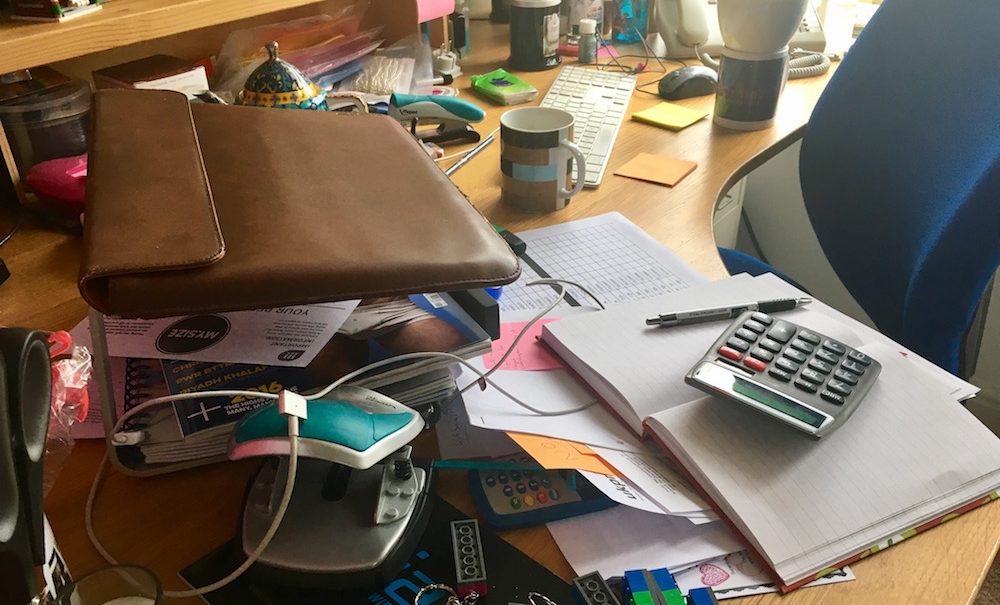
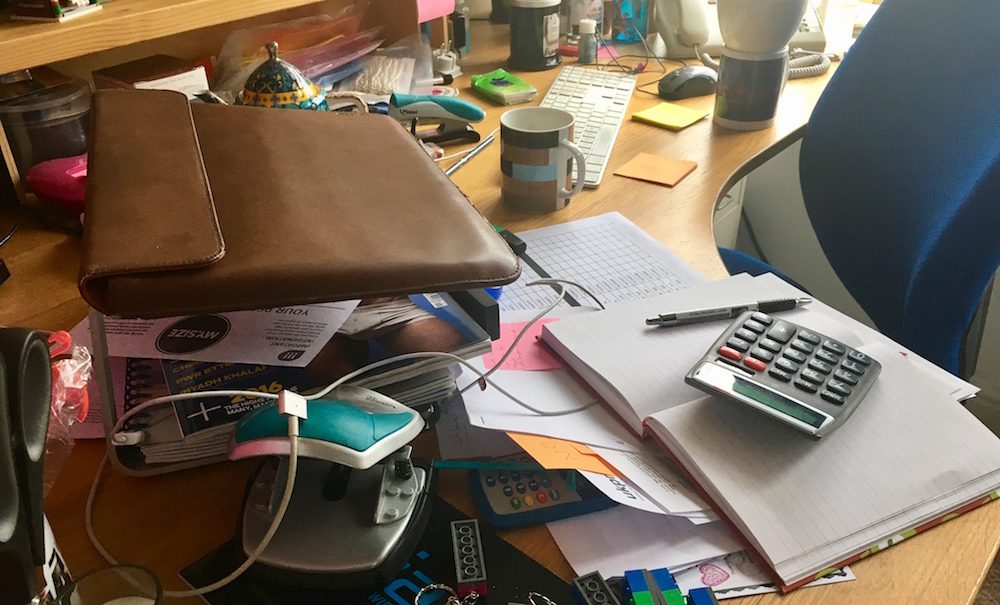
    8) Have the messiest desk ever.

    Messy office desk
    CREDIT: TheGayUK

    9) Eating your smelly food at your desk.

    10. Constant, constant, constant interruptions.

    11. When you’re on a “go slow”

    12. Take personal calls that EVERYONE can hear.

    via GIPHY

    13. Coming into work when you’ve got a stinking cold or flu.


    14. Go hard on the aftershave.

  • 17 signs that you are DONE AF with your current job

    17 signs that you are DONE AF with your current job

    You spend a huge amount of time at work… nearly 100,000 of them over your working life. So if you’re not into what you’re doing, maybe it’s time to move on!

    You arrive exactly at shift start and leave exactly at shift end.

    Time was when you arrived 15 minutes early and left way after the end of your shift. Now you’re like “nah”.


    Emails and calls are not read after 5:00 PM.

    That shiz can be left for another day. I don’t care if a report needs to be handed in at 9 AM tomorrow morning. It’ll have to wait until 9:15 AM when I’m in, at my desk and drinking my first cup of coffee.

    You don’t bother to put on your OOO…

    I’m outta here. Not spending another minute working out technical stuff.

    You do put on your OOO but direct people to someone who is also OOO.

    Annoying right? This is my life.

    You give co-workers evils. Even when they are looking at you.

    I hate you. Even your breathing offends me.

    Work socials are out of the question.

    Why oh why would I spend another minute with you people.

    Time goes by so slowly… especially when your boss asks you to do something…

    Tick tock.

    You know how to just get by without being fired.

    Imma gonna do just the least I can do…

    You spend most of the day on Expedia planning the dream holiday.

    One way trips are looking mighty enticing

    Your mutual hatred of your boss keeps you in close company with other rebels at your work.

    You’re living on hate and the tank is full.

    You’ve stopped being polite at meetings.

    I mean what’s the point. You’re all going to ignore each other anyway.

    Cutting corners is the cornerstone of your work ethic.

    It saves time and heartache and who really cares anyway?

    Your job has basically become searching for other jobs.

    CVs written and rewritten and being sent as I type…

    Redundancy has become your main career goal.

    Please, please please.

    You watch Apprentice and dream oh you dream…

    Basically, I could do better and Lord Sugar looks like an easy boss compared to mine.

    Dressing for success is a made up 90’s fallacy that you no longer adhere to.

    Really Sarah Jessica Parker and Sex And The City can both go screw themselves with their impossible goals.

    Office politics and drama is all you live for now.

    and fight…


    YOUR SUPPORT MEANS EVERYTHING

    Help us deliver unique, usable and reliable journalism that supports the gay, bisexual and curious community of the United Kingdom. Can you help protect LGBT+ media? Publishers like us have come under severe threat by the likes of Google and Facebook. The problem is that advertisers are choosing to put their money with them, rather than with niche publishers like us. Our goal is to eliminate banner ads altogether on site and we can do that if you could pledge us a tiny amount each month.

    We’re asking our readers to pledge just £1 per month, more if you’re feeling swanky. You can stop payment at any time.

    It’s quick and easy to sign up and you’ll only have to do it once.

    Click to start the journey and support THEGAYUK!

  • Did you survive the week? Apparently more people die this week than at any other time in the year

    Did you survive the week? Apparently more people die this week than at any other time in the year

    More people will die this week than at any other time of the year – with one death every 44 seconds, it has emerged.

    aitoff / Pixabay

    Figures from the ONS show the second week in January sees an average of 13,670 deaths – 1,953 every day or 81 per hour – mainly due to cold weather and an increase in bugs and illnesses.

    The rest of the year sees an average of 9,756 deaths every week.

    And that means scores of families will have to find cash for funerals.

    A separate study by SunLife revealed the average basic funeral now costs £4,271, meaning around £58 million could be spent on funerals for loved ones who pass away this week.

    In fact, the total cost of funerals in the UK during January could hit more than £229 million.

    SunLife marketing director Ian Atkinson said: “This week will see more deaths than any other week in the year, and for those families dealing with bereavement, searching through quotes is probably the last thing on their minds.

    “You need to choose a funeral director fairly quickly so they can take away the body, and most people have not thought about which one they would use.

    “But with the average funeral now costing £4,271, it is crazy to think we are just paying the bill without thinking about whether the funeral services they are using are right, for them.”

    SunLife figures mirror the ONS stats with an average of 9,031 death claims on policies in January – compared to 7,314 each month for the rest of the year.

    But research carried out by SunLife found 37 per cent have made no provision for their own funeral, instead leaving loved ones to pick up the bill.

    And even of those who did plan for their send off financially, they didn’t leave enough to cover the total bill.

    It also emerged that rather than shopping around, most will also just pay the first funeral director they speak to without getting any other quotes.

    Just one in five will get more than one price before booking a funeral.

    • SunLife has launched its Funeral Planning Mapper, an independent online tool which maps funeral services locations across the UK.
  • Here’s how long it takes us to get over Christmas and New Years

    Here’s how long it takes us to get over Christmas and New Years

    Brits take an average of FOUR days to get ‘back in the saddle’ after the holiday period, according to a survey.

    geralt / Pixabay

    A study of 2,000 adults shows the majority of us won’t start functioning properly until almost a full working week has passed.

    Re-adjusting to early mornings, the mountain of work which has piled up over the festive break and having to deal with challenging clients all take their toll in early January.

    Others find it hard to get in the mood for exercise, knowing when they do go to the gym it will be packed with people on a New Year fitness kick.

    The study, commissioned by working animal charity SPANA, found for one in six Brits, the feeling of having nothing to look forward to also means they struggle to get back into their normal routine.

    Geoffrey Dennis, chief executive of SPANA, which provides free veterinary treatment to working animals in developing countries around the world, said: “Going back to work after time off can be a shock to the system – especially after a sustained period of parties, lie-ins and relaxation.

    “However, most of us are fortunate to be returning to jobs that we feel comfortable in, with decent colleagues and reasonable working conditions.

    ”As the holiday hangovers kick in, it’s important to keep some perspective and remember that our working lives could be unimaginably worse.”

    The study found 44 per cent of adults reckon they suffer from the January blues, and 52 per cent said that during the early part of the month, they’ll only be be at work in body, but not ‘in mind’.

    Couleur / Pixabay

    Three in 10 workers said they’re fully expecting work to be awful in January because they know they can’t have any time off for a while, while a fifth said they’re likely to return to a big work load.

    And a quarter are not looking forward to the likelihood that everyone else will be miserable about the return to work.

    Perhaps unsurprisingly, more than a fifth of adults have considered calling in sick for the first few days back to work, while more than half are expecting to feel sad the evening before their first day.

    Not so social after all those parties

    Free-Photos / Pixabay

    Researchers also found almost half of those polled have no intentions of making any social arrangements in January.

    When asked why, 12 per cent said they would be too grumpy, while a third say they’ll have no money.

    A lack of cash also means Brits are unlikely to go shopping in the January sales, and won’t do anything of any interest until the first pay day of 2019.

    The fact there are still months left of winter to go, feeling tired and sluggish and having to endure rubbish television are other major reasons adults find January a chore.

    Brits also don’t like the fact social media is full of weight loss plans they can’t relate to, and everyone is doing dry January.

    Dennis added: “It’s a very different story for working animals overseas.

    ”These animals have no holiday or retirement.

    ”Day-in, day-out, they work in punishing environments, carrying backbreaking loads, often without the rest, water and vital veterinary care they need.

    “Working horses, donkeys, camels and other animals in developing countries often endure short, painful lives, in brutal conditions.

    ”This global workforce of 200 million animals must work every day to help their owners earn a small income and put food on the table.

    ”Without these hardworking animals, many of the world’s poorest communities would have nothing.

    “These animals are unsung heroes, but they desperately need our help.

    “That’s why SPANA’s work is important – ensuring that the welfare of working animals is improved and that they receive the veterinary treatment they urgently require when they are sick or injured.”

    TOP 30 REASONS BRITS STRUGGLE TO GET BACK IN THE SADDLE
    1. The weather is horrible
    2. The days are still short and dark
    3. There are still months left of winter to go
    4. You feel tired and sluggish
    5. January feels like the longest month of the year
    6. The excitement of Christmas has passed
    7. Re-adjusting to the boring routine of everyday life / the daily grind
    8. Feels like ages before you will have any time off work again
    9. You feel like there’s nothing to look forward to
    10. You find it hard to motivate yourself to do any exercise
    11. You have eaten so much over Christmas you find it hard to stop
    12. The TV is rubbish
    13. You can’t do anything of interest until January pay day
    14. You’ve picked up an illness after Christmas
    15. You can no longer blame ‘the holidays’ for eating/drinking too much
    16. All the work you said you’ll get back to after Christmas is too much
    17. You can’t be bothered to take the tree/decorations down
    18. January sales means you want to spend more money – but then you realise Christmas has left you broke, so you’re depressed again
    19. You feel like you’ve socialised enough over the Christmas period to last a lifetime – hence seeing any more people is just effort
    20. Clients and customers are a challenge to work with
    21. The gym is packed with people on a new year fitness kick
    22. Kids are also struggling to get back into routine
    23. Everyone else seems to be back on it, but you aren’t quite ready
    24. Social media is full of weight loss plans and New Year’s resolutions that you can’t relate to
    25. No point in going out – as everyone is doing dry January
    26. Your house is full of Christmas presents – many of which are unwanted
    27. You start to experience chocolate withdrawal symptoms
    28. Kids are a nightmare because they’ve been spoiled over Christmas
    29. Kids have got used to late nights and late mornings which means getting them ready for school is even harder
    30. Having to face all the people you behaved badly in front of at the Christmas party


  • Is meat the answer to your hangover?

    Is meat the answer to your hangover?

    The average Brit will spend three days hungover in December, according to research and the Meat Advisory Panel is suggesting you need a plate of meat to battle the hangover.

    moreharmony / Pixabay

    A poll of 2,000 adults who drink alcohol also found almost a quarter of Brits admit that they’ve previously called in sick, or would do so as a result of one too many drinks.

    However, on the morning after more than half of Brits turn to food and drinks that can actually make a hangover worse.

    And just one in 10 tuck into a food that could help ease hangover symptoms the most – lean red meat.

    The research was commissioned by the Meat Advisory Panel, with panel member Robert Pickard, Professor of Neurobiology at the University of Cardiff saying: “One reason that people suffer from a hangover is that alcohol prevents important amino acids being absorbed into the system.

    “You therefore need to make sure that you are eating the right foods before and after drinking to ensure that these amino acid stocks are rebuilt.”

    Three in 10 Brits turn to beloved carbohydrates to help beat the symptoms of a hangover, despite carbs actually increasing dehydration by binding water.

    And a quarter of the population attempt to ward off the feeling of a heavy night with sugary drinks – which actually further unbalances blood sugar levels, according to the OnePoll research.

    Professor Robert Pickard also developed a ‘Tipple Toolkit’ to try and beat hangovers before they start.

    His top tips include eating a meal that will help oxygenate blood – ideally including foods like asparagus, broccoli, tomatoes, avocado and lean red meat.

    He also mentions the importance of staying hydrated throughout the night, as well as eating protein-rich foods the next morning.

    He said: “It is common for people to turn to sugary drinks or vegetables as a quick-fix, however, these could actually do more to hinder your hangover than heal it, as they may contain the wrong profile of amino acids and sugars.

    “Instead, opt for protein-rich red meat and dairy products that will line the stomach and replenish amino acid stores quickly.”

    PROFESSOR ROBERT PICKARD’S ‘TIPPLE TOOLKIT’

    1. A Meaty Menu – before your big Christmas night out, tuck into a dinner of lean red meat and veggies, such as avocado, asparagus, broccoli and tomatoes. A hangover headache can occur because you don’t have enough oxygen in the blood and lean red meat is great for increasing oxygen levels in the blood flow.

    Follow this with some fruits of the forest and a probiotic yoghurt for dessert to help line the stomach and decrease alcohol absorption.

    1. Hydrate – key to avoiding a dreadful hangover is keeping the body hydrated throughout your party so that less alcohol is absorbed through the stomach. Try alternating your alcoholic drinks with glasses of water or even milk to reduce the alcohol absorption.

    2. Refuel – the next morning in order to replace the amino acids that have been removed from your liver, make sure to have a hearty breakfast of eggs and a lunch of steak. The protein in these foods is a source of amino acids for the body to draw on and so it is a great recovery meal to bust any lingering headaches.

  • This is how long you have to make a GREAT first impression

    This is how long you have to make a GREAT first impression

    First date? New business meeting? You only have 27 seconds to make a good first impression, according to new research.

    Gay couple
    CREDIT: mast3r-bigstock

    A study among 2,000 Americans examining the art of first impressions found that seven in ten of us (69 percent) form a first impression of somebody before they even speak.

    The research investigated the key contributors and timings to a positive first impression and found that smiling, being polite, smelling nice, being a good listener, and making eye contact number among the leading factors.

    The new survey by Dollar Shave Club was conducted to mark the launch of their cologne collection, Blueprint.

    Results confirmed the importance of smelling good when seeking to form a positive first impression- as 85 percent of respondents said their first impression of somebody will be more positive if they smell good.

    And that goes double when you’re on a date. Things move a bit quicker in the dating world, as six in ten (60 percent) admit they take even less time than normal to form a first impression in a dating context.

    You better impress early, too, as the average person knows within 15 minutes into a date whether they want a second date or not, with half (50 percent) saying it takes even less time than that.

    Quite a bit of prep goes into a first date, it turns out, and it may actually involve Google. If you’ve got a first date lined up, you better hope your online presence is squeaky clean, as two in three Americans say it’s a good idea to search your date online before meeting up.

    Getting ready for a date was also found to take the average person 29 minutes, with one of the most crucial predate steps revealed to be picking out a scent. According to the study, over two in three questioned (68 percent) put a lot of thought into how they smell before a date.

    “We know that a scent speaks volumes, and cologne is the last thing you apply before walking out the door. That’s why we created Blueprint, a range of six amazing colognes that are perfect for every occasion. Our award-winning fragrance team has created a thoughtful selection of colognes you won’t find anywhere else. Whatever your plans, we have a Blueprint,” said Nick Virginio, Senior Brand Development Manager.

    All that preparation can make a real difference to a person’s confidence with nearly every respondent (89 percent) saying they feel more confident when they look and smell good.

    And confidence can go a long way when it comes to dating, as 83 percent of us say they’re more likely to form a good first impression of somebody they perceive as confident.

    But smelling bad, acting arrogantly and dressing poorly were found to be the top reasons people will form a bad first impression of somebody.

    And if you fail to impress early on a date, then it probably won’t last for long. If a date is going poorly the average American will call it quits after just 16 minutes.

    Four in ten of those surveyed (40 percent) admit to having a friend call and fake an emergency to get them out of a miserable date, while 39 percent say they’ve told a date they have to work early in order to cut ties with a bad match.

    TOP 10 CONTRIBUTORS TO FORMING GOOD FIRST IMPRESSION

    1. Smile (53%)
    2. Polite (53%)
    3. Well spoken (49%)
    4. Eye contact (49%)
    5. Good listener (48%)
    6. Smells nice (46%)
    7. Holds conversation well (46%)
    8. Body language (44%
    9. Tone of voice (44%)
    10. Well dressed (42%)

    TOP 3 CONTRIBUTORS TO FORMING A BAD FIRST IMPRESSION

    1. Smells bad (66%)
    2. Arrogant (62%)
    3. Dresses poorly (49%)

    FIRST DATE TIMELINE

    29 minutes to get ready
    27 seconds until first impression is made
    15 minutes until you know if you want a second date
    16 minutes is the earliest the average person has left a bad date
    17 minutes until you know if you want a kiss at the end
    20 minutes until you know if you want to go home with your date

    TOP 5 BAD DATE TURN OFFS

    1. Bad manners (64%)
    2. Poor hygiene (59%)
    3. On the phone too much (53%)
    4. Talking about an ex (53%)
    5. Bragging (52%)

    10 OF THE FUNNIEST LIES AMERICANS HAVE COME UP WITH TO LEAVE A BAD DATE

    ● “My dog sitter has to be home at a certain time.”
    ● “I have a boyfriend.”
    ● “I have poison oak all over the lower half of my body and have to go put ointment on.”
    ● “I have to help someone whose car broke down.”
    ● “I once told my date that I have a dog that is sick. I didn’t own a dog at that time.”
    ● “Left a candle lit at home.”
    ● “My neighbour’s pet needs me.”
    ● “Said I was about to throw up cause of something I ate before.”
    ● “That my sister was going into labour! I don’t even have a sister!”
    ● “Saw an ex in the restaurant.”