Tag: Disability

All the latest breaking news on Disability. Browse The THEGAYUK’s complete collection of features and commentary on Disability.

  • Gay guys open up about some of the social issues that our community is facing

    Gay guys open up about some of the social issues that our community is facing

    As a community, we’ve faced some immense challenges. Some, across our world, are still facing untold tragedies and discrimination. Sometimes, however, the worst issues can come from within.

    So when Reddit user dprince1988 asked “What gay social problems do you see which aren’t talked about enough”, the AskGayMen community did some soul searching and came up with a list.

    Here are some of the issues it raised.

    Suicide Rate

    The LGBT+ community has one the highest suicide rates of any minority demographic.

    The Trevor Project details how suicide is one of the biggest killers of young people, and that Lesbian, Gay and Bi youth are three times more likely to contemplate suicide over their heterosexual counterparts.

    One commentator added, “I should submit a picture of my arm. So many cuts that I can’t even differentiate between normal and scar tissue. When meeting new people I have to wear long sleeves or else they freak out”.

    Sober spaces

    The lack of sober social spaces was also raised. However, there are services such as meetup.com which are helping to facilitate social situations that don’t centre around drinking.

    Loneliness and isolation

    At the moment, thanks to COVID-19 many people are facing isolation, but for many in the LGBT+ community, loneliness is a real issue outside of lockdown.

    Rural Isolation

    Outside of large cities and towns can be a real issue for LGBT+ people. Sometimes hook up apps and chat rooms are a vital lifeline for LGBT+ people who don’t have a local scene.

    Domestic Violence

    In a recent article for THEGAYUK.com legal expert, PAULA RHONE-ADRIEN shared, “…sadly, in such a small minority of just 1.1 million, at least 1 in 4 victims of domestic abuse are lesbian and nearly 1 in 2 victims are gay. The figure rises to nearly 80% if you identify as transexual”.

    Bottom shaming

    On bottom shaming one user-added, “Bottom shaming is internalized homophobia and societal view of women (the feminine) being less-than.”

    Lack of LGBT sex education

    As schools don’t tend to offer gay sex education there is a lot of misunderstanding surrounding STIs, the purpose of PrEP and consent.

    Ageism

    One user added, “Gay men are notorious for being disgusted and belittling older guys… even older guys do it to each-other… there’s an old cliche called the “gay death” which means once you turn 30 you’re ugly, old, and undesirable.”

    Ableism

    One user added, “Pretty tragic given how much more likely queer populations are to suffer psychological or physical ailments.”

    Drugs and Chemsex

    PNP and HnH orgies are becoming more and more commonplace and normalised on dating apps.

    Racism

    User HereForHope wrote, “This 100%. Racial dynamics are never talked about introspectively. Be that homophobia in communities of color to the fact that it’s apparently totally fine to have racist shit like “no blacks no rice” in your dating profile”

    Erasing the T

    User Atlask wrote, “I don’t know if it fits what you are looking for but that whole lgb movement who focuses mostly on erasing the trans…”

    Aesthetics

    Not conforming to a few very specific aesthetics” Another used also noted that eating disorders were rife in the community, saying, “

    I know so many gay men with eating disorders. They either are or have been out-and-our anorexic/bulimic, exercise bulimic, or take hard drugs to stop themselves from eating.

    “Others are on steroids to build up muscle.

    “And they’re all still unhappy, even the ones that have great bodies”.

    Friendships without sex

    Gay friends without sexual interest

    Bi-erasure

    Bi Erasure is a form of erasure directed towards the bisexual community It can take many forms including when society sidelines bisexual stories for gay or lesbian stories.

    Bi Erasure is also the ignoring or rewriting of LGBT+ history where bisexual people of note are effectively erased from the LGBT+ movement.

    Hookup culture

    Which could lead to invalidating other communities such as asexuals.

    Political Persuasions

    What happens when you’re not a democrat? One user suggested, “Gays assumed to be liberals/democrats. I know a lot of conservative/ republican gays and they always get the “but you’re gay!” attitude and called Uncle Toms. Really I think this is the biggest prejudice against gays now in the US. Gays are capable of free thought, not mindless hive mentality”

    Use the comments below to let us know your thoughts.
  • This drag queen just reminded us all why Prides need to be more inclusive of disabled people

    This drag queen just reminded us all why Prides need to be more inclusive of disabled people

    (C) THEGAYUK

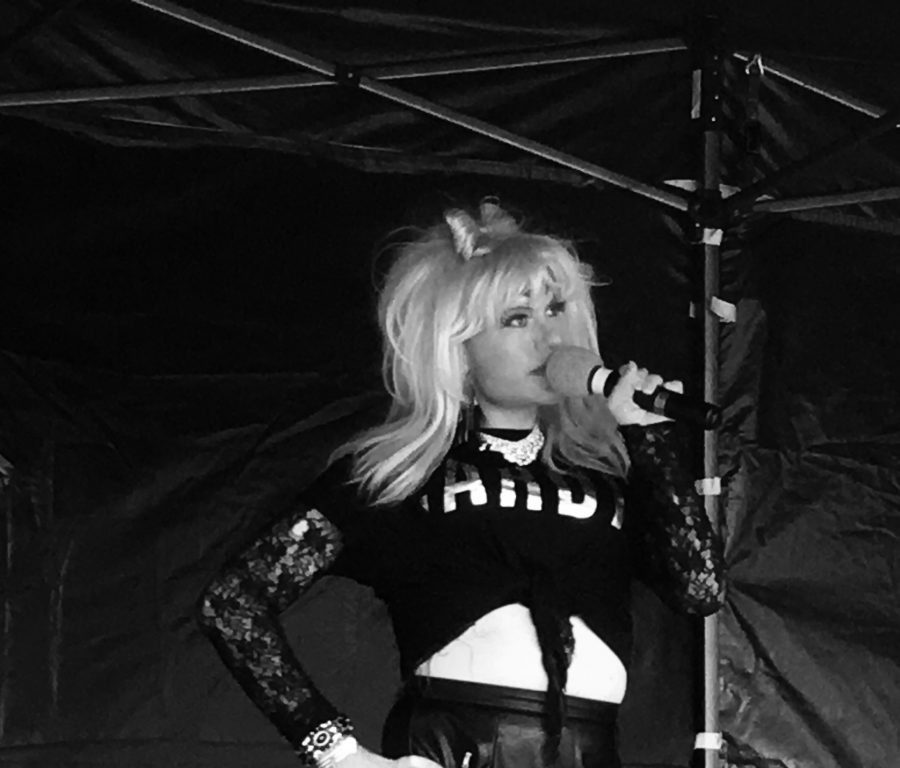
    Credit where credit is due and we can all agree that in the last decade prides across the UK have become a lot more diverse and inclusive, but as one drag queen pointed out, you’ll probably not see much representation when it comes to disability.

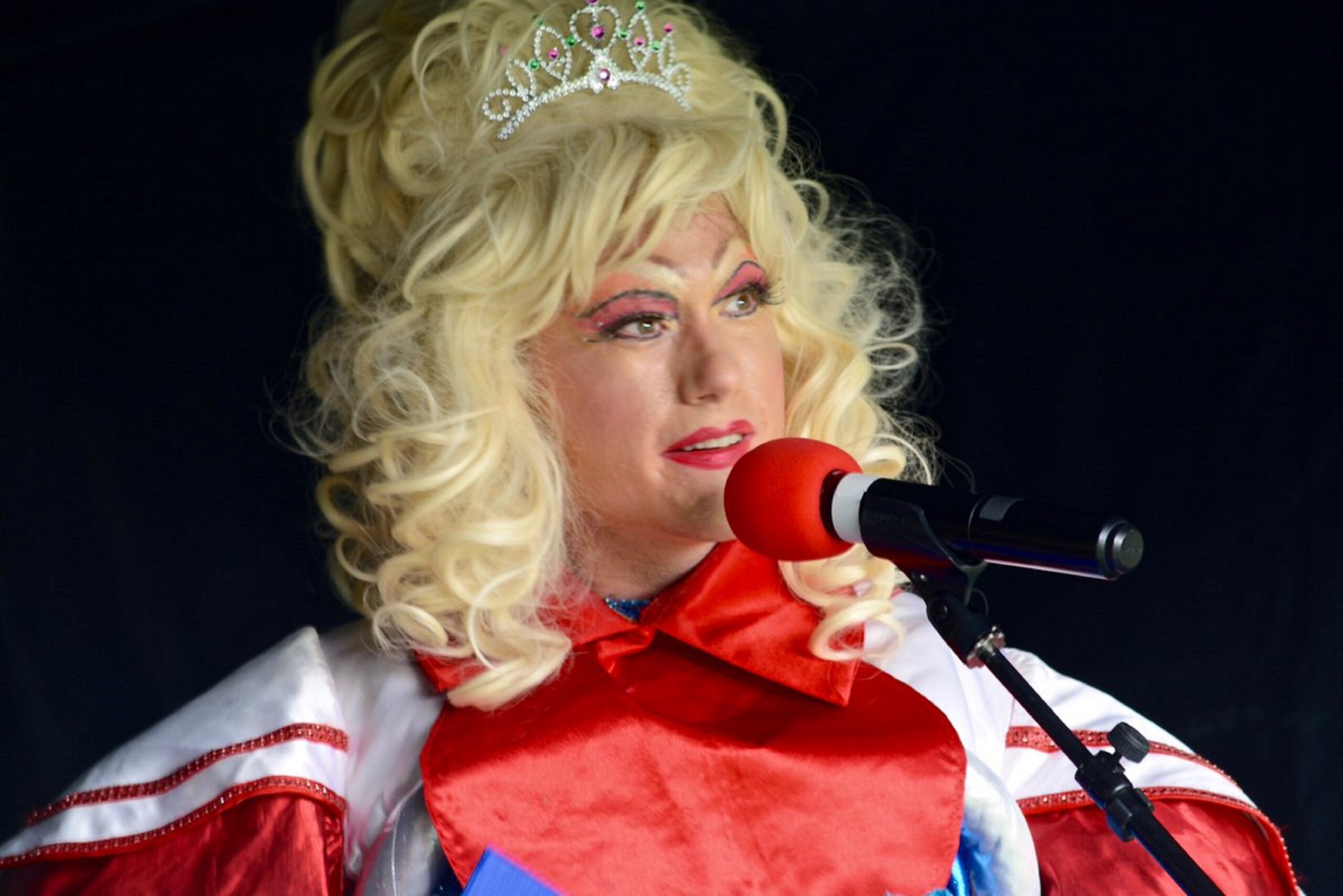
    Sassi Afrika is a drag queen living with cerebral palsy, and she’s determined not to let it define her, but as a Tweet she wrote recently pointed out, you’re probably unlikely to find her (or other performers who are disabled) performing her act at any other pride aside from Warwickshire Pride, because as she says, “LGBT+ people with disabilities get overlooked”.

    Yesterday Sassi took to Twitter to write,

    “Coming to a Pride near you… Oh hang on, maybe not because LGBT+ people with disabilities get overlooked in favour of crowd pleasers and acts that aren’t even LGBT+. I’ll keep talking about this. Because this is life.”

    https://twitter.com/SassiAfrika/status/1236683472338587648

    Daniel Browne, the chair of Warwickshire Pride, a pride which has championed local acts and at least 75% LGBT+ representation on its stage wrote,

    “Sassi deserves more respect. And some Prides need to be more representative of the whole LGBT+ community. Less cishet (cis-gendered and hetrosexual) acts. More LGBT+ artists and diversity within that. And stop charging an entry fee.

    “An inclusive Pride should be a free Pride.”

    Sassi later added,

    “Gurrl I know I’ve been having a moan. But sometimes I gotta keep it real and say it how it is. We should all be more like that. Never put up with shit. Be you and speak the truth. Now, aren’t I looking gorgeous today.”

    https://twitter.com/SassiAfrika/status/1236985550382522368
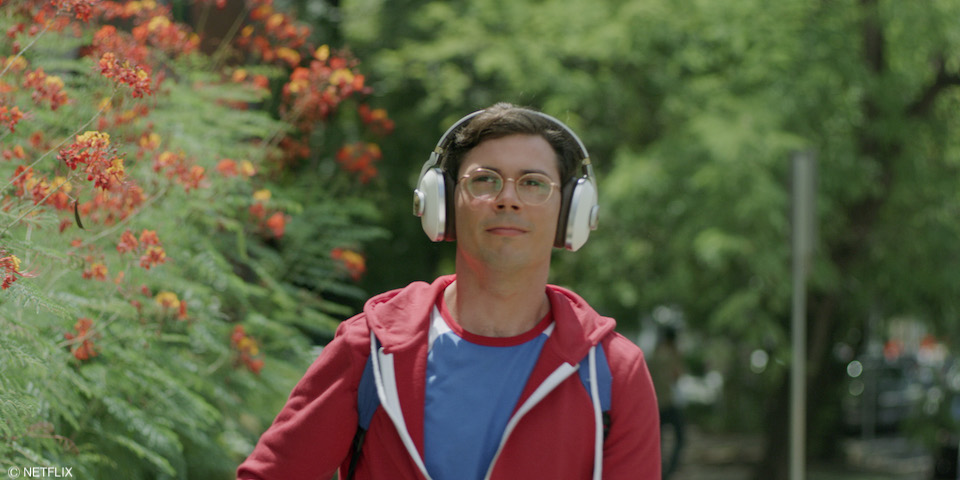
  • Ryan O’Connell: “Being gay, in a weird way, is more understood than being disabled”

    Ryan O’Connell: “Being gay, in a weird way, is more understood than being disabled”

    Special

    The Special star spoke out about how many TV networks just couldn’t get their heads around a TV show where the main character was both gay and disabled.

    Speaking at the University of Washington, out actor, Ryan O’Connell, the creator and star of Netflix’s Special spoke about how he almost gave up pitching the show after years and years of hearing “No!”.

    He said, “I went out with my gay mafia and pitched it to all these networks, “It was four years of like no, no, and f*ck no.”

    “There were so many times where I was like ‘f*ck this, I wanna quit.’”

    That was until Netflix “just bought it” revealed the star.

    Special

    Speaking about the unique quality of Special, which is a TV show about a gay man who also has a disability, (O’Connell himself has cerebral palsy), he explained,

    “I think disability is not discussed. There are so many conversations about being gay. These chairs are gay. I don’t think people know how to talk about [disability].”

    “For the first time in 28 years of my life, I was being who I was, and I wasn’t lying about something,” he said. “It was always either being gay or being disabled, and I was finally just me” he added.

  • COMMENT | Just because you can’t see disability, doesn’t mean it’s not there

    The writing is on the toilet door.

    On a recent visit to a supermarket, I was caught short and had to avail myself of their facilities. I chose what was previously known as the ‘disabled toilet’. There was a double whammy of relief as on approach there was a sign on the door which read “Not every disability is visible, Accessible Toilet.”

    Now I can walk in and leave a toilet without the guilt I previously had when people would say either under their breath or with an accusatory tone, “What’s his disability; he can walk alright?”

    These are no longer disabled toilets, which in itself is grammatically incorrect as the toilet does not have a disability as implied but its user. They are accessible toilets and show a man, woman and wheelchair user.

    I have diverticulitis, ulcerative colitis, and an enlarged prostate.

    In the past I have stood at a urinal desperate to urinate and not a drop would pass; waiting, lingering and straining to the point of arousing the suspicion of other users as to my purpose. Not a pleasant experience, humiliating, embarrassing, and making me potentially vulnerable to abuse.

    “The other conditions are unpredictable and an urgency to use the bowel can be unpleasant in a public place. This can be an uncivilised theatrical event of some duration, accompanied with my crying out in pain”

    The other conditions are unpredictable, and an urgency to use the bowel can be unpleasant in a public place. This can be an uncivilised theatrical event of some duration, accompanied with my crying out in pain, voluminous flatulent sound effects and a pebble dashing with force, not dissimilar to the noise of emptying a coal bucket into a fireplace.

    Dignity has long since been lost, and I have over the years adopted an approach of making fun of myself. In a motorway service station (and you know how busy they are) all fell silent at the sound of ‘parking my breakfast.’ I heard myself saying “You’re only supposed to blow the bloody doors off!”, and rapturous laughter followed.

    Now I can suffer and recover some composure in privacy before re-emerging, and the handrail is bloody useful when getting back up these days, damned arthritis!

  • Meet the drag queen who isn’t letting her disability get in the way

    Meet the drag queen who isn’t letting her disability get in the way

    If you’ve read my past interviews with Sassi Afrika, you will know that she is indeed as sassy as the name suggests. However, there’s much more to this Queen than meets the eye. Living with a disability, but never letting that hold her back, Sassi Afrika is now on a mission to raise the visibility of people with disabilities at Pride events across the land.

    (C) VERINE LINTON

    “I am passionate because I have disabilities too. I have cerebral palsy that affects the left side of my body, and I have mild learning disabilities.”


    Daniel Browne: Sassi, it’s lovely to talk to you again. Thank you for taking the time out for this interview. How have you been?

    Sassi Afrika: Well honey I’ve been busy. You should know that. Everyone else does. I’ve had a great year, darling. My third album, Red Hot, came out at the end of last year. It’s been so well received. Of course, so it should be, but I am grateful for the support my music gets. No Grammys or Brit Awards yet, but I’m working on it. I’ve also been focusing more on the charity work that I do. It’s in my heart. Yes, I do have one.

    DB: That all sounds fantastic. Congratulations on the new album. Let’s talk more about your charity work. What have you been doing?

    SA: As you know, I support the LGBT+ community completely. Well, I am LGBT+, you know. But I’ve become a trustee with an amazing Pride charity and I take the lead on running the LGBT+ youth group, the parents support group, and the social group for LGBT+ people with learning disabilities. Everyone wants a piece of Sassi, but supporting the community comes before anything else. Someone’s got to serve the tea and cake.

    “…people with disabilities should always be included. We should be visible. We are human. We are the same as everyone else. We need a seat at the table, like Solange.”


    DB: I keep an eye on what you’re up to on social media and noticed that recently you’ve become more vocal about people with disabilities being visible and included at LGBT+ events. What sparked that?

    SA: Darling, people with disabilities should always be included. We should be visible. I’ve been to many Prides and sometimes feel disappointed that LGBT+ people with disabilities are nowhere to be seen. Especially not as part of the line-up. It’s upsetting. But rather than just be upset, I thought I would do something about it. So, I am working for change. I don’t mean working for the bit of loose change in your pocket, but for people with disabilities to be represented at Prides. I set up the group for LGBT+ people with learning disabilities so that we have somewhere to go. So we can meet new people and not be outcasts. We are human. We are the same as everyone else. We need a seat at the table, like Solange.

    DB: I hear you, and I feel your passion…

    SA: I am passionate because I have disabilities too. I have cerebral palsy that affects the left side of my body, and I have mild learning disabilities. I know what it’s like to be treated differently and not be included. But my disabilities don’t hold me back. I’m here to help others achieve the same thing. We can all be Kings and Queens. Someone told me that the word disability has the word ability in it. So, I focus on my ability and help others with theirs.

    “(Prides need to…) organise some chill out zones for people with physical disabilities and learning disabilities. Consider us. Include us.”


    DB: What do you think Pride events can do to promote inclusion and visibility of LGBT+ people with disabilities?

    SA: I think every Pride can do more. LGBT+ people with disabilities need more than access. We need a platform. We need to shine. I feel that some Prides have lots of non-LGBT+ performers, not enough LGBT+ performers, and none that have a disability. There are many LGBT+ people with disabilities who are talented and can bring that talent to Prides. So, people with disabilities need to be included on stage line-ups. For example, I am hosting the main stage at Warwickshire Pride again this year. There’s a plug. I mean, I’m not saying book me, but please do have LGBT+ people with disabilities represented. Talk to us. Get our views. Let us help you plan your Prides. It would also be nice to see stalls that focus on disabilities. Like having disability charities present. Organise some chill out zones for people with physical disabilities and learning disabilities. Consider us. Include us.

    DB: I agree that Prides need to represent LGBT+ people as much as possible, so I wish you well with your mission.

    SA: Thank you. I am sassy and all of that, but I am human too. I care. I want to make a difference.

    DB: What’s 2018 got in store for Sassi Afrika?

    SA: Well I have just told you, darling. Are you tuning in to the same programme? I will be campaigning, but I will also be bringing sass to stages everywhere. I am hoping that more Prides will book me. I have some gigs and hosting jobs coming up. Also, my new single Power Bottom will be out in time for Valentine’s Day. I know how romantic that sounds. I’m just going to be me. That’s 2018 for you.

    Sassi Afrika’s latest album Red Hot is available on Spotify and iTunes. You can follow her on Twitter @SassiAfrika.

  • Is London’s LGBT scene anti-disability?

    Activists are planning to chain themselves to gay bars by September unless their demands for action are met.

    LGBT+ Disability activists are planning a “Disability Queer Riot” in London because not one single gay bar in London is fully accessible, they allege.

    The group have made demands that include,

    • Equality over profit – LGBT+ venues just stop pretending you are not under to be accessible – you know you should be – are you doing everything you can?
    • Access 4 All – we’ll chain ourselves to the steps by September if you don’t make an explicit statement of your intentions
    • MORE TALK LESS ACTION! LGBT+ FREEDOM FOR ALL!

    The group are planning to meet trainee lawyer, Josh, who is also a Queer Tours of London – A Mince Through time’ guide, on the 15th July in Soho Square to demonstrate in central London. The organisers have said they’ll chain themselves to steps unless bars make an “explicit statement of intentions”

    Josh Hepple, said,

    “LGBT+ venues just stop pretending you are not under to be accessible – you know you should be – are you doing everything you can? We demand ‘Equality over profit’ and ‘Access 4 All’ – we’ll chain ourselves to the steps by September if you don’t make an explicit statement of your intentions.” 

    Kevin Wilson said,

    ”Have you ever been somewhere that you wanted to visit but told that you can’t because of accessibility, health and safety or sorry if you come in you can’t get to the toilet or the classic it’s too busy. Well, I for one often get almost all of these answers when trying to access gay bars and clubs on the London LGBT+ scene, occasions I’m with friends and they are allowed to get in and I’m now posing an issue. For those that has disabled facilities the toilets are often used as store rooms or too small. I just can’t win. This gives disabled LGBT+ plus people the impression as to not out seemingly the venues are not aware of intersectionality I’m black, gay, disabled but most of all I’m a human being with the same desires as those who are able bodied. I just have to do things in an orderly fashion”.


  • A study finds that Male/Female WC signage could be replaced by room descriptions

    A study finds that Male/Female WC signage could be replaced by room descriptions

    A research team were granted £50,000 to study whether terms to describe public toilets were accessible. They’ve released their findings.

    A research team from Sheffield Hallam University were awarded nearly £50,000 in June last year, from the Arts and Humanities Research Council to research the way public toilets are designed, “in an effort to assess if they are fit for purpose for the UK’s diverse 21st Century society.”

    The paper , which was published last month, points out that school toilets are one of the first places where children learn that “disabled and queer bodies are out of place”.

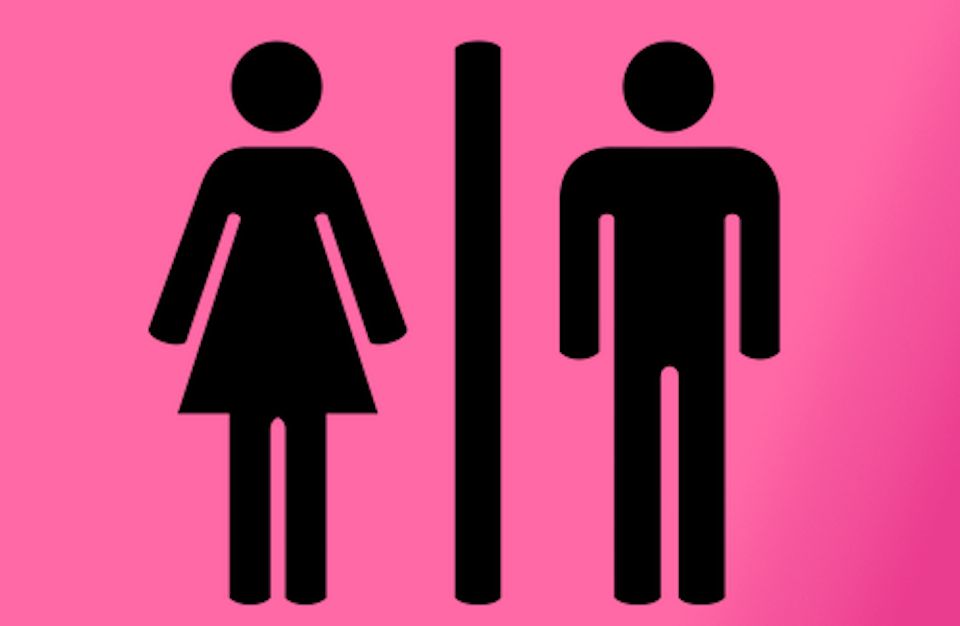
    The research is now complete and they managed to find some interesting ways of ensuring that people don’t feel left out or marginalised when using public facilities. The 7000-word report outlines how some respondents thought that changing the male/female icon with a description of the room’s content could be more helpful.

    Education and Disability Studies researcher Dr Jenny Slater wrote,

    ” A suggestion from participants was to write on the toilet door the contents of the toilet cubicle, e.g. toilets with urinals, toilets without urinals, larger toilet with grab bars.

    “Participants thought it was important for others to not judge people’s choice of toilet, but to allow people to use whichever space was accessible for them (‘accessible’ being used in the broadest sense of the word).

    “This would mean critically considering the signage on toilet doors in order to understand how toilets do not just illustrate categorisation by gender, disability (and historically, race), but also actively produce such categories.”

  • University Awarded £50,000 To See Whether Calling Toilets “Gents” Or “Ladies” Is Discriminatory

    A research team from Sheffield Hallam University have been awarded nearly £50,000 to discover whether the terms “Gentlemen” “Ladies” and “Men’s Toilets” are accessible.

    The award from the Arts and Humanities Research Council is to fund research on the way public toilets are designed, ” in an effort to assess if they are fit for purpose for the UK’s diverse 21st Century society.”

    Led by Sheffield Hallam University’s Dr Jenny Slater, the Around The Toilet project is looking at the lack of adequate or accessible toilet provision for disabled and transgender people, amid fears that definitions such as “Gentlemen” “Ladies” and “Men’s Toilets” are out-dated and discriminatory.

    Dr Slater, from Sheffield Hallam University’s new Sheffield Institute of Education, will lead a project team including the University of Leeds, University of Sheffield, Action for Transgender Health, Greater Manchester Coalition of Disabled People (GMCDP) and Queer Of The Unknown Arts Collective on the nine-month project.

    She said,

    “Toilets may seem a frivolous subject but they are at the heart of important discussions about how we understand our own identities. The starting point for us is to explore how disabled people and those identifying as trans, gender-queer or non-binary are treated in modern society.

    “As well as issues around toilet closures we have much anecdotal evidence that suggests there is a lack of suitable facilities for our diverse population.

    “This project will also consider issues of race, ethnicity, age, religion, faith and homelessness through reflective storytelling, creative arts and performance.”

    Along with the announcement of their research, Dr Slater has also encouraged members of the public to post their experiences of toilets in Sheffield and beyond.

  • UK Charity centred Undertakes Projects To Unify Deaf LGBTs

    Today centred, London’s LGBTQ community development charity, launches two new projects: The four year project ‘Together – Equal – Different’, and a year long project with and for diverse Deaf LGBTQ people, called ‘Sign Up’.

    These projects will continue centred’s work to build diverse, creative, inclusive and connected LGBTQ communities in London, ultimately improving the well being of LGBTQ people and their family and friends.

    ‘Together – Equal – Different’ will provide an accessible events programme, including large scale events and more intimate ones, themed around arts and culture, heritage, social education and the environment; learning opportunities about equality, diversity, and inclusion; and a collaborative action research project exploring the impact of aspirational, celebratory community activities and spaces on LGBTQ experience.

    ‘Sign up’ will provide a series of workshops culminating in a major Deaf LGBTQ arts event in May 2015, bringing together creative talent from across the diverse Deaf LGBTQ community. The event will be Deaf led, with friends and family welcome to be a part of the day too.

    centred will recruit new volunteers, strengthen relationships with the diverse communities it works in and with, including Deaf communities and Black, Asian and ethnic minority LGBTQ communities, and exchange learning within other diverse communities of queer people, and their family and friends.

    ‘Together – Equal – Different’ is funded by The Big Lottery Fund’s Reaching Communities programme and ‘Sign up’ is funded by Awards for All.

    Participants in centred’s previous work have been integral to the development of ‘Together – Equal – Different’ and ‘Sign up’ and to the achievement of new funding. The generosity of feedback and the co-creation of new ideas are what enable centred to continue its work. A participant in centred’s Second Generation project shared ‘being a part of diverse spaces, where difference is placed at the centre of everything, has been challenging but in a good way. I have a much different view of the community now’. This is the community that centred will help to grow.