Tag: Money Matters

All the latest breaking news on Money. Browse THEGAYUK’s complete collection of news, articles and commentary on Money.

  • 8 ways to keep financially afloat this Christmas

    Christmas is an expensive time of the year. There are socials, parties and a tree that needs lots of gifts beneath it. So here are some hacks to keep you financially buoyant this winter.

    Make a list

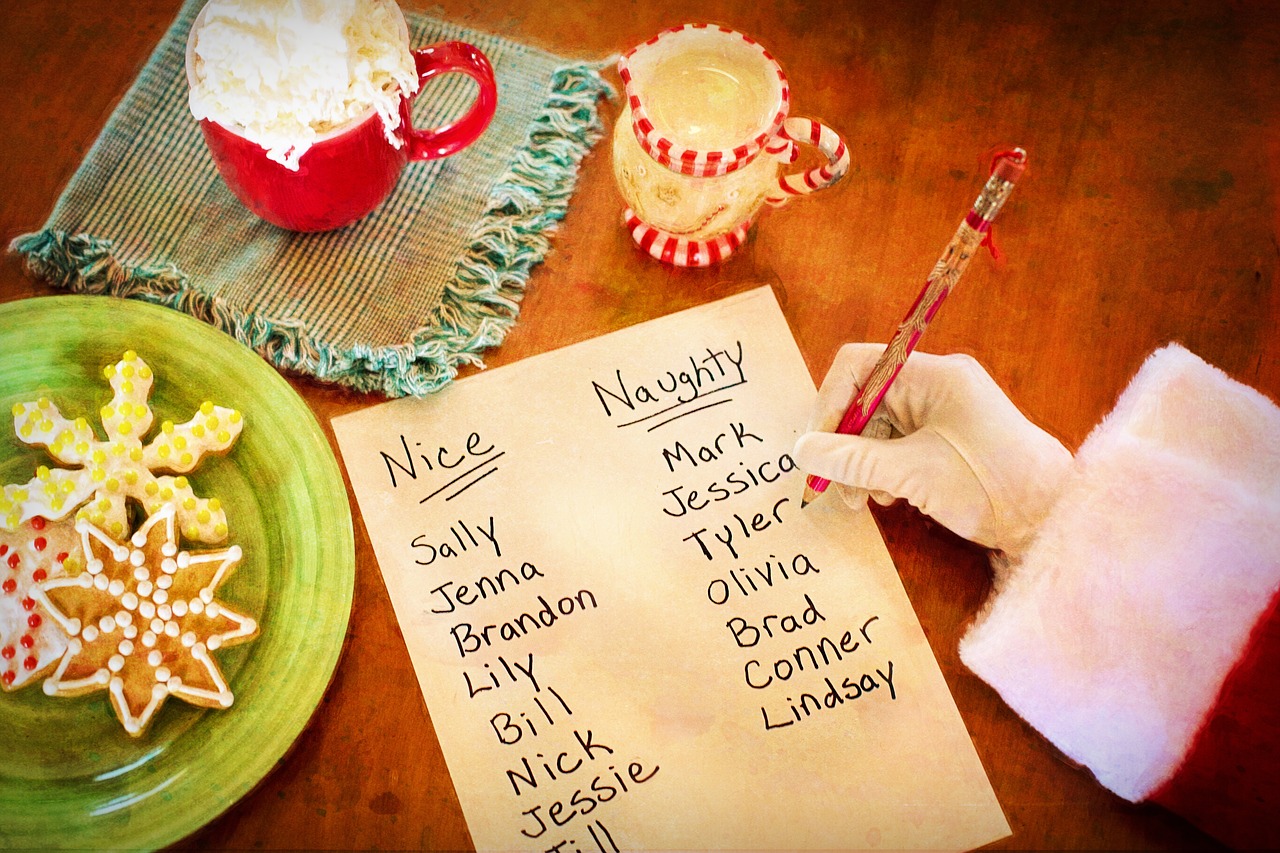
    First of all, you should make a list of all the people in your life that you’re likely to meet between now and Christmas. Once that list is made check it twice. How many of those people do you need to buy for and what level of present do they need and remember not everyone will expect a present from you. I’ve bought people presents when they weren’t expecting it and it got a little awkward. So don’t feel the need to splash out. Perhaps a bottle of plonk and a poinsettia is all you need!

    Agree on a budget with your partner

    Our very own Daniel Browne suggests on agreeing on a budget with your partner, “I really panicked about buying him presents. His income was much higher than mine at the time and I worried that my presents for him would be paltry compared to what he bought me. To alleviate those worries, agree on a budget. It’s good to be upfront about what’s affordable. For example, if your budget is only £10, explain that and agree to only spend £10 on each other.”

    Vouchers

    There are some incredible deals to be had on one of the many many voucher sites where you can pick up deals on spa days, theatre tickets and even home learning courses. That’s a gift that keeps on giving.

    Make It Yourself

    For those of you who have a little extra spare time perhaps you can give a DIY gift. This book has lots of ideas.

    Secret Santa

    If you’ve got a huge family why not suggest doing Secret Santa. This will save you lots of cash, but also so much time trawling the high street looking for that must-have washing up brush for long-lost Aunt Petunia.

    The year-long saving challenge

    I heard an ingenious saving tip. A pound for the week number. So on the first week you save £1 the second week you save £2 and the third £3 and so on. By the end of the year, you’ll have saved up £1,378!

    Spend time, not money

    Daniel Brown suggests that spending time with someone is worth more than gold. He says,
    “More important than the presents is the time you’re spending with each other. If you’ve found yourself a good ‘n’ he will be fine with that.”

    How to save money on your night out

    Office parties, social gatherings they’re all pretty pricey. So try these simple things: Have pre-drinks (have a few before you leave). Get to the club early so you don’t have to pay entry and prepare your post-boozing carb-fest before you leave the house. That way you won’t be tempted to get that pricey dirty kebab on the way home.

  • People are making A LOT of money selling pictures of their feet online

    According to research some people are netting up to £60,000 selling pictures of their toes.

    For sure online shopping has increased during the COVID-19 pandemic as people find themselves restricted due to lockdowns, but who have thunk that old shoes, underwear and even pictures of your feet are feeding a new obsession.

    OnBuy.com was curious to find out how much money people can make by selling personal items online and what personal items people are searching to buy most.

    The most searched for personal item to buy is ‘used panties’, with a whopping 74,610 people searching to buy worn undergarments online in the last year!

    This number has noticed a 3% increase from July 2019 until July 2020, with more people eager to… ‘recycle’

    How much can you make from selling your used panties online? OnBuy.com found out the average price for 1 item is £20, so if you were to provide your services to all the people searching to buy the item online, you could become a millionaire! More exactly, you are looking at earning approximately £1.5 million/year. 9 to 5 who?

    Footnote

    Second on the list for the most searched for personal items to buy are ‘used shoes’, with 15,210 people searching for them yearly. Considering that the average selling price for used shoes is £27, you are looking at earning almost half a million pounds from this business!

    Feet pictures land in third place, with 12,950 potential buyers per year, which can earn the seller a whopping £64,750/year! The best month to start your business is May according to Google searches, as this is when most people searched to buy feet pictures online.

    Flushing money down the drain!

    There’s cash in the bush… Could yours get a good price? (C) FRESHMEN

    If you are looking to trim down your pubic or armpit hair, you might want to consider selling it instead of flushing it down the drain. From July 2019 until July 2020, 260 people searched online to buy pubic hair, whilst 130 were interested in purchasing armpit hair.

    Simultaneously, if you are going to the salon to get your nails done, you might want to ask the technician to put the clippings in a bag for you to takeaway, as almost 1,000 people would be interested in buying clipped toe nails!

  • Some top tips to make or save money during the coronavirus lockdown

    Some top tips to make or save money during the coronavirus lockdown

    We can do this.

    As we venture into the fourth week of lockdown here in the UK, some of us are really being hit with financial issues. As over a million extra people sign up for universal credit over just a few weeks, the sheer size of the economic problem facing the UK and its people suddenly become very clear.

    However there are some really simple steps you can take to make sure the money keeps on rolling in.

    Money website, Money.co.uk has created a dedicated hub to support people who are worried about their finances.

    Joel Kempson, personal finance expert at money.co.uk says: “Workers across the country have found their pockets hit by the coronavirus crisis, whether they’ve been furloughed, have taken a pay cut, or have faced redundancy. However, there are ways to help save money and manage budgets with less cash coming in, like keeping energy bills down, cancelling TV subscriptions and getting a refund on unused travel cards”.

    Cuttings down on bills

    In times of financial difficulty, it is important to make cuts where you can. Even during the coronavirus crisis, you can still make sure you are not overpaying on services like energy, mobile and broadband. A simple switch can save you hundreds of pounds over a year.

    If you’re in trouble, ask for help

    Photo by Dom J from Pexels

    Many providers are offering payment breaks and tariff changes to help customers struggling to meet bills. Some, including Thames Water, are even offering grants to households with outstanding bills from previous years. Many banks are also allowing customers to go on a mortgage payment holiday

    Saving money on pay TV

    Photo by John-Mark Smith from Pexels

    Even with more time on your hands, there are still thousands of hours of TV to keep you occupied without hefty subscriptions. Check services like NOW TV and All4 and iPlayer for movies and TV shows included in the cost of your TV licence.

    With most sports in the UK postponed, there is little reason to be splashing out on expensive subscriptions. Contact your provider to see if you can pause your payments or get money back. Both Sky and Virgin Media are offering sports customers the chance to pause their payments, while BT are offering credit on future bills.

    Assess any outgoings you can get refunded

    Photo by Alexander Isreb from Pexels

    With the Government now urging the public not to use public transport, you may find yourself with a costly travelcard you cannot use, so look at getting these refunded.

    While you can no longer get your exercise fix from a morning in the gym, make sure you’re not paying for it. Most gyms have frozen membership payments while others have switched to online fitness classes.

    Vehicles that are not on the road do not need to be insured. If the coronavirus crisis means you no longer need to use your car, you can apply for a Statutory Off Road Notification (SORN) to officially declare your car ‘off road’. Once it is certified, you no longer need to insure it or pay road tax.

    Look at making some extra money

    Photo by Sunyu Kim from Pexels

    Being furloughed does not mean you cannot continue to work. Many industries are short staffed because of the coronavirus crisis, so a second job could be a good option for you. Your employment contract still applies while on furlough, so make sure your current employer is happy with you taking on new work.

    For the full guide on managing your budget during the coronavirus crisis, go to money.co.uk

  • 10 money-saving hacks for Christmas 2019

    10 money-saving hacks for Christmas 2019

    Christmas is pricey… but it doesn’t need to be.

    With all those socials, parties and a tree that needs lots of gifts beneath it, it can be quite hard to keep to budget, so here’s 10 hacks to keep your money sack (sorry, not sorry) full this winter.

    Make a list

    JillWellington / Pixabay

    First of all, you should make a list of all the people in your life that you’re likely to meet between now and Christmas. Once that list is made check it twice. How many of those people do you need to buy for and what level of present do they need and remember not everyone will expect a present from you. I’ve bought people presents when they weren’t expecting it and it got a little awkward. So don’t feel the need to splash out. Perhaps a bottle of plonk and a poinsettia is all you need!

    Agree on a budget with your partner

    (C) BIGSTOCK

    Our very own Daniel Browne suggests on agreeing on a budget with your partner, “I really panicked about buying him presents. His income was much higher than mine at the time and I worried that my presents for him would be paltry compared to what he bought me. To alleviate those worries, agree on a budget. It’s good to be upfront about what’s affordable. For example, if your budget is only £10, explain that and agree to only spend £10 on each other.”

    Vouchers

    KRiemer / Pixabay

    There are some incredible deals to be had on one of the many many voucher sites where you can pick up deals on spa days, theatre tickets and even home learning courses. That’s a gift that keeps on giving. But also be on the lookout for smaller retailers and their offers.

    Make It Yourself

    stevepb / Pixabay

    For those of you who have a little extra spare time perhaps you can give a DIY gift. For instance, this book, suggests what you can make with wooden pallets – of which thousands and thousands are thrown away every year! You can usually pick them up for free from a local business.

    Secret Santa

    geralt / Pixabay

    If you’ve got a huge family why not suggest doing Secret Santa. This will save you lots of cash, but also so much time trawling the high street looking for that must-have washing up brush for long-lost Aunt Petunia.

    The year-long saving challenge

    jarmoluk / Pixabay

    I heard an ingenious saving tip. A pound for the week number. So on the first week you save £1 the second week you save £2 and the third £3 and so on. By the end of the year, you’ll have saved up £1,378!

    Spend time, not money

    StockSnap / Pixabay

    Daniel Brown suggests that spending time with someone is worth more than gold. He says,
    “More important than the presents is the time you’re spending with each other. If you’ve found yourself a good ‘n’ he will be fine with that.”

    How to save money on your night out

    Office parties, social gatherings they’re all pretty pricey. So try these simple things: Have pre-drinks (have a few before you leave). Get to the club early so you don’t have to pay entry and prepare your post-boozing carb fest before you leave the house. That way you won’t be tempted to get that pricey dirty kebab on the way home.

    Use your bonus / loyalty card.

    Engin_Akyurt / Pixabay

    Have you been shopping at Tesco or maybe Sainsbury’s all year? Well, if you’ve been collecting loyalty point you might have tonnes of money to spend. It’s not uncommon to find at the end of the year that you’ll have saved up to buy a nice gift from all those nectar points – or even the entire Christmas dinner on your loyalty card!

    Buy frozen food

    PDPics / Pixabay

    It’s such a simple hack, buy frozen rather than fresh. You’ll be able to use exactly the right amount and put the rest away for another meal, it’ll have a long use by date and it’s usually cheaper in the supermarket. Plus nobody will know the difference.

  • Amazon slashes the price of the amazing Amazon smart plug

    Amazon slashes the price of the amazing Amazon smart plug

    Amazon have slashed the price by over half to its smart plug

    how much is the alexa smart plug

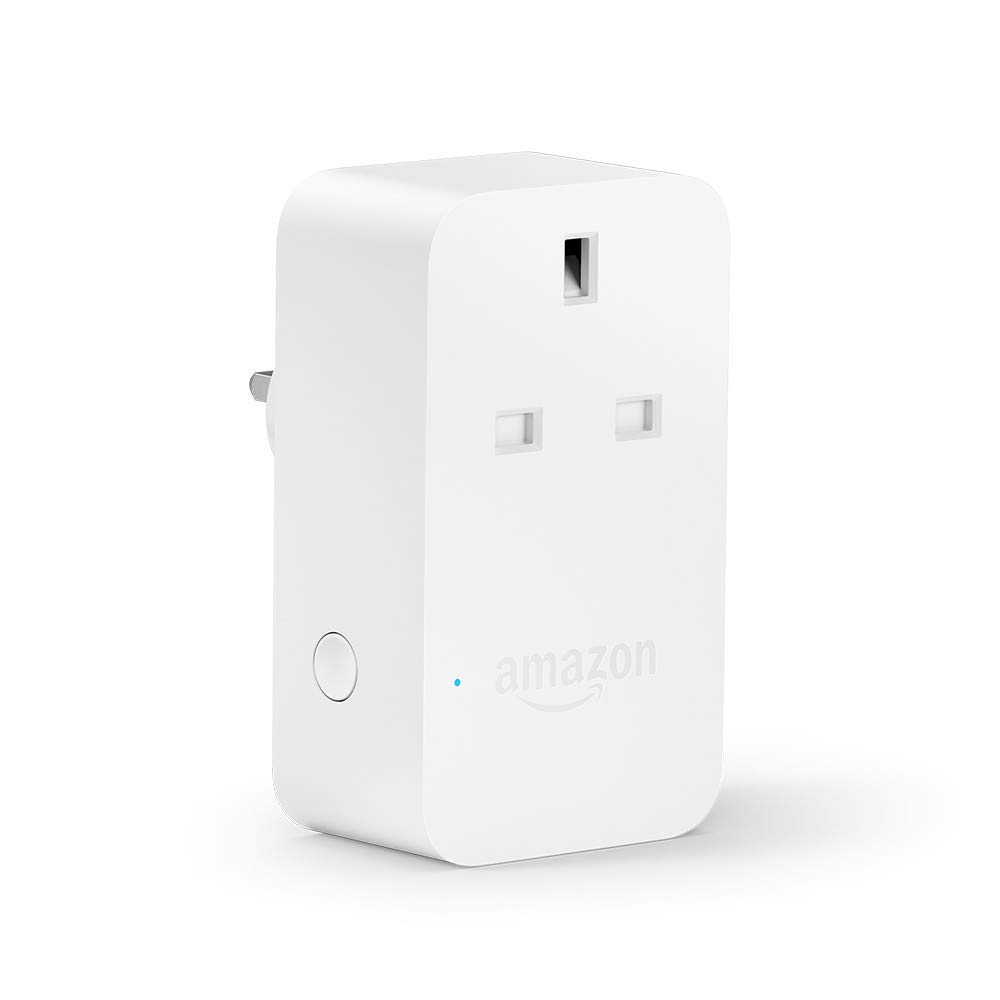
    Amazon has slashed the price of the smart plug which has plummeted from £24.99 to just £9.99. The plug essentially allows you to ask your Alexa to turn any electrical item attached to the plug off or on with a simple voice command.

    All you need to do to take up Amazon on their offer is add the code “SMARTPLUG” into the discount code area when you’re at the checkout. What’s even better is that with a Prime account you can get the Smart Plug delieveed the very next day.

    The item is super simple to use, first you plug in the smart plug, if your Alexa App says “new plug found” all you need to do is ask Alexa for “smart home control” and you’re away.  You will need a broadband connection and an Amazon echo / Alexa device for the for the plug to work.

    You can even use the clever Echo system to turn on and off lights,adjust thermostats, lock doors, find TV shows, and more with compatible connected devices.


    YOUR SUPPORT MEANS EVERYTHING

    Help us deliver unique, usable and reliable journalism that supports the gay, bisexual and curious community of the United Kingdom. Can you help protect LGBT+ media? Publishers like us have come under severe threat by the likes of Google and Facebook. The problem is that advertisers are choosing to put their money with them, rather than with niche publishers like us. Our goal is to eliminate banner ads altogether on site and we can do that if you could pledge us a tiny amount each month.

    We’re asking our readers to pledge just £1 per month, more if you’re feeling swanky. You can stop payment at any time.

    It’s quick and easy to sign up and you’ll only have to do it once.

    Click to start the journey and support THEGAYUK!

  • These are the home improvements Brits are making to try to cut their energy bills

    These are the home improvements Brits are making to try to cut their energy bills

    Replacing the roof, upgrading to a modern boiler, installing cavity wall insulation and getting a smart meter are among the ways Brits want to try to cut their energy bills, a study has found.

    ri / Pixabay

    A poll of 2,000 adults found more than half long for a new roof to make their home more efficient while another 53 per want to replace their ageing boiler with a newer model.

    Four in 10 want underfloor heating, and another 29 percent would love some kind of energy storage system in place.

    And 44 percent of people who don’t already have a smart meter want to get one within the next few months to boost their home’s green credentials.

    To celebrate Big Energy Saving Week, property guru Phil Spencer spoke about the importance of ‘going green’ in the home.

    He said, “As a long-time supporter of taking steps to help the environment, it’s great to see a growing awareness of the importance of making your property energy efficient.

    “It’s also starting to have an impact on the price of the property. You don’t need a small fortune to start making effective changes though.

    “Installing draught proofing to stop heat escaping outside the house, switching to energy saving lightbulbs and getting a smart meter from your energy supplier to keep track of the energy you’re using are all simple, and low-cost ways to cut down on your usage, and contribute to a cleaner, greener, smarter Britain.”

    Embed from Getty Images

    The top most common ‘green’ items homes already have installed include energy saving bulbs, double glazing, and an ultra-efficient shower head.

    One in five have also installed specialist draught proofing around doors and windows.

    Embed from Getty Images

    The research also found millennials put a higher value on making sure their home is energy efficient, as the most likely to pay a premium for a home which benefits the environment and reduces bills.

    However, ‘Baby Boomers’ are actually more likely to have energy efficiency measures installed in their homes, with 84 per cent having energy-saving light bulbs installed, compared to 54 percent of those aged 18-24.

    And more than three quarters of Baby Boomers have double glazing, compared to just 54 per cent of 18-24 year-olds.

    To help you keep track of how much energy you are saving thanks to energy efficient measures, get a smart meter installed at no extra cost, by contacting your energy supplier or visit www.smartenergygb.org for more information.

  • Here’s how you can protect yourself from online shopping scams, from an ex scammer

    Here’s how you can protect yourself from online shopping scams, from an ex scammer

    According to research, 15,000 shoppers were conned out of more than £11 million over the Christmas period.

    (C) DEPOSITPHOTOS

    Here’s how you can fight back against online scams, as ex-scammers reveals some of their tricks

    1. Look out for the padlock on websites. The padlock symbol next to the website’s address is a clear indication that this website is secure, and you can trust that if you put your bank details in, they will be safe. If there isn’t a padlock on a site, don’t put your bank details in.

    2. Fake online shops. Fake online shops are common. The best thing to do is to look for online reviews of the site and if possible, find a contact number and give them a call. If there’s no number, it could be a sign that the site isn’t legitimate.

    3. Fake emails. There are loads of fake emails out there and most of the time, you can recognise them instantly. However, scammers are getting smarter and they’ll make the email look like it’s coming from a legitimate company called ‘spoofing’ by putting the company’s name in the email and branding to deceive the recipient into clicking on a link in the email.

    The best thing to do in this situation is to find the help email on the genuine website and email asking if it’s from them. If it’s not, mark it as spam, block the sender and delete it.

    4. Beware of auction sites. On auction sites, like eBay, scammers will claim they’re selling something but in reality, they have nothing to sell and will just take your money. To prevent this, you should look at the seller’s reviews and see the feedback they’ve had. If they have poor or no feedback, avoid that seller.

    5. Phishing emails. Phishing emails will focus on tricking you into visiting fake websites and entering personal information or bank details. If an email comes in from an email address you don’t recognise, Google it and see if anyone else has had a similar email from them. If you don’t trust the email, don’t click on anything and just delete it and block them.

    fancycrave1 / Pixabay

    The UK’s leading cloud distributor has worked with ex-scammers to create a guide on how to protect yourself from online scams in the January sales.

    intY has teamed up with three former scammers to create a comprehensive guide to helping to protect consumers from online scams. Statistics from Action Fraud show that over the Christmas period last year, more than 15,000 shoppers were conned out of more than £11 million. There’s also research that shows that consumers have spent more than £650,000 on online shopping last year.

    ntY CEO, Craig Joseph, said,

    “The January sales mean that there are loads of bargains out there, especially online. However, this also means that at this time of year people will take advantage of this mentality of cheap deals in January.

    “We partner with vendors who supply security services so that people can shop safely online, and these sales have increased recently due to an increasing awareness of online scams. Since seeing this increase, we decided to team up with ex-scammers to ensure people are staying safe online this year, hopefully it makes people more aware of the type of scams there are and how to avoid falling victim to them.”

  • Did you survive the week? Apparently more people die this week than at any other time in the year

    Did you survive the week? Apparently more people die this week than at any other time in the year

    More people will die this week than at any other time of the year – with one death every 44 seconds, it has emerged.

    aitoff / Pixabay

    Figures from the ONS show the second week in January sees an average of 13,670 deaths – 1,953 every day or 81 per hour – mainly due to cold weather and an increase in bugs and illnesses.

    The rest of the year sees an average of 9,756 deaths every week.

    And that means scores of families will have to find cash for funerals.

    A separate study by SunLife revealed the average basic funeral now costs £4,271, meaning around £58 million could be spent on funerals for loved ones who pass away this week.

    In fact, the total cost of funerals in the UK during January could hit more than £229 million.

    SunLife marketing director Ian Atkinson said: “This week will see more deaths than any other week in the year, and for those families dealing with bereavement, searching through quotes is probably the last thing on their minds.

    “You need to choose a funeral director fairly quickly so they can take away the body, and most people have not thought about which one they would use.

    “But with the average funeral now costing £4,271, it is crazy to think we are just paying the bill without thinking about whether the funeral services they are using are right, for them.”

    SunLife figures mirror the ONS stats with an average of 9,031 death claims on policies in January – compared to 7,314 each month for the rest of the year.

    But research carried out by SunLife found 37 per cent have made no provision for their own funeral, instead leaving loved ones to pick up the bill.

    And even of those who did plan for their send off financially, they didn’t leave enough to cover the total bill.

    It also emerged that rather than shopping around, most will also just pay the first funeral director they speak to without getting any other quotes.

    Just one in five will get more than one price before booking a funeral.

    • SunLife has launched its Funeral Planning Mapper, an independent online tool which maps funeral services locations across the UK.
  • These are the top signs you’ve “made it”

    These are the top signs you’ve “made it”

    Flying business class, employing a cleaner and having both Netflix AND Amazon Prime are all ‘signs you’ve made it’, according to research.

    scrapmemories / PixabayA poll of 2,000 Brits found taking a trip abroad just to shop, drinking champagne rather than prosecco and owning a hot tub also made the list.

    One in ten think an annual ski trip is enough to prove someone’s stepped up in the world, and 38 per cent believe retiring early is a sign you’ve made it.

    The research was conducted by PartiStaff, a service which provides glamorous party starters and model servers to customers looking to elevate their gathering.

    PartiStaff’s founder and spokesperson Richard Macphillarmy said: “So many of the key indicators that you’ve ‘made it’ in life provide the perfect opportunities to show off.

    ”But having staff help out and mingle with guests is an affordable and effective way to not only feel like you’ve made it, but to also lift the atmosphere of the party for your guests.

    Gardeners and massage

    Skitterphoto / Pixabay

    “Other status symbols are all about outsourcing tasks, and having someone else take care of the boring stuff, whether it’s the after party cleaning, getting the garden ready, or ordering alcohol to your party via an app.’

    If people wanted to demonstrate to people around them that they’d made it, one in 10 Brits would throw a lavish party populated by beautiful people.

    And one in five would buy a new car to cruise around town in, with a further one in 10 buying a pricey watch or piece of jewellery.

    One in five think the ultimate sign you’ve ‘completed life’ are taking holidays abroad simply to shop.

    While the 15th most popular suggestion was having a garden big enough to need its own gardener to look after it.

    Other ways Brits reckon you know you’ve made it are when you’re able to have a weekly massage session.

    And others think doing the weekly shop in Waitrose rather than a more down-market shop is the ultimate sign you’re doing well.

    Brits reckon they’d need to earn a whopping £101k a year to be ‘successful’, with a quarter actually hoping for more like £200k.

    But six in 10 believe simply owning your own home qualifies as a sign of success in today’s straitened times.

    Just one in 20 Brits think they’ve made it in life, without any shadow of a doubt – although a further 37 per cent say they have, to a degree.

    On average, Brits who believe they’ve made it managed to do so by the age of 40 – and if it hasn’t happened by 45, it’s too late.

    And a sad 45 per cent believe they’ve already left it too late to leave their mark on the world, according to the research conducted through OnePoll.

    Macphillarmy added: “Will we all ‘make it’ in life? Making it is subjective anyway, and there are many ways to feel like you’ve made it into a good place.

    “Most people feel good about themselves when surrounded by friends, listening to good music and generally letting their hair down.”

    “Using PartiStaff can enhance that feeling you’ve ‘made it’ by lifting the atmosphere of your party through hiring beautiful staff to serve the drinks and mingle with guests, taking the hassle and work away allows you to enjoy your own party the way you should

    ”Having great looking staff work for you at your parties gives you this feeling of having made it to a certain level where you can afford hired help to look after your guests.’
    * To book guests for your Christmas party, visit www.partistaff.co.uk

    TOP 40 SIGNS YOU’VE MADE IT
    1. Being able to retire early
    2. Not having to work
    3. Owning a holiday home
    4. Owning a second home
    5. Owning a private plane
    6. Flying business class
    7. Being able to spontaneously fly to Miami or across the other side of the world.
    8. Going abroad just to shop
    9. Sending your kids to private school
    10. Having a cleaner/housekeeper
    11. Trying out new Michelin star restaurants
    12. Having a platinum credit card
    13. Having a PA
    14. Having a wine cellar
    15. Having a gardener
    16. Annual ski trips
    17. Having a home gym
    18. Drinking champagne rather than prosecco
    19. Going on sailing weekends
    20. Having a weekly massage
    21. Always having champagne in the fridge
    22. Shopping in Waitrose
    23. Watching a football match from a hospitability box
    24. Having time to volunteer for charities
    25. Owning a hot tub
    26. Being on a first name basis with posh restaurant owners
    27. Owning a 55″ TV (or larger)
    28. Having a well-stocked home bar
    29. Having a personalised number plate
    30. Having his and hers sinks
    31. Attending horse racing/Ascot every year
    32. Having electric garage doors
    33. Being on a first name basis with restaurant maitre d’
    34. Being a member of a tennis/golf club
    35. Having the full Sky+ package
    36. Have a fridge with ice dispenser
    37. Knowing about wine
    38. Owning a wet room
    39. Own 1000 thread count sheets
    40. Owning a log burner

  • Majority of young people are living hand to mouth

    Over half of young Brits are living ‘hand to mouth’, according to a study.

    jarmoluk / Pixabay

    Researchers who polled 2,000 adults aged 21-38 found many would struggle to get by if they were to find themselves out of work suddenly.

    According to the data a whopping 41 per cent of their income is spent on rent or mortgage and bills, while another £160.71 goes on food and groceries every month.

    That means overall £1,928.52 a year goes out of their bank account on living costs.

    Despite this eight in 10 young Brits believe they are ‘good’ with money.

    The study was carried out by Perkbox to launch its new card-linking technology.

    Ashish Sampat of Perkbox said, “Despite the negative stereotypes about ‘broke millennials’ many do try their best to save.

    “The reality is that they have bigger problems to face compared to previous generations.

    “They shoulder more student loan debt and face house prices that are far higher than their parents did at the same age.

    “It’s no surprise then, that they inevitably struggle more with savings.”

    On average, those polled will spend £55.41 down the pub each month, £39.86 will go on clubbing and £42.65 will be spent on gambling.

    They will also pay out £43.08 to watch streaming services, £47.87 on gadgets or tech and £48.97 on dining out.

    Appearances are also important as they shell out £65.18 on clothes and £43.11 on keeping fit.

    It also emerged most of these young adults – seven in 10 – pay for their items using cards rather than cash.

    They also shop around for good deals – typically spending 25 minutes looking for bargains before making a purchase.

    Their financial savviness doesn’t end here either, with 70 per cent owning a loyalty card – typically five of them.

    But the research, carried out by OnePoll, also found half of millennials would like to see retailers introduce loyalty cards which are connected to their smartphone.

    It also emerged that when it comes to privacy, a whopping 68 per cent per cent trust that their data is secure when buying online.

    In addition to this, 30 per cent of those polled would prefer discounts from local business in their area, rather than those from high street chains.

    Ashish Sampat added: “An attractive bargain must go beyond just making offers available to users.

    “Millennials expect highly-personalised, easy to find, on-demand experiences and furthermore, authenticity is a huge thing for them, hence their value for local businesses.

    “Spending an average of 25 minutes looking for a bargain is way too excessive.

    “That’s why we’re so excited about introducing card-linking technology to our platform.

    “It will enable us to connect employees with their favourite local businesses and get access to thousands of perks with just a swipe of the linked payment card at the point of sale.”

    For more information on how card-linking tech works and why millennials will love it, click here [https://www.perkbox.com/uk/resources/blog/why-millennials-will-love-cardlink].

    MILLENNIAL MONTHLY SPENDS:

    Drinks in the pub – £55.41
    Clubbing – £39.86
    Clothes – £65.18
    Supermarket – £160.71
    Gadgets/tech – £47.87
    Streaming services – £43.08
    Fitness including gym membership and equipment – £43.11
    Travel – £87.71
    Gambling – £42.65

  • Looking for ways to save money before Christmas?

    Looking for ways to save money before Christmas?

    Cooking in bulk, going teetotal and sending e-cards instead of traditional ones are among the ways savvy Brits are saving money ahead of Christmas, it has emerged.

    rawpixel / Pixabay

    Researchers who polled 2,000 UK adults found 31 per cent are worried they won’t have enough funds to last through the festive period.

    As a result, eight in 10 will use money saving tactics ahead of the big day – including buying frozen, using online vouchers and buying gifts in advance.

    Other methods include making gifts at home and shopping at charity shops.

    And it appears to pay off, with the typical Brit estimating they’ll save £217.94 over Christmas by being clever with their cash.

    Signing up to loyalty schemes, selling clothes online and flogging goods at car boot sales are among the methods used by those polled to boost their income ahead of 25 December.

    The research was commissioned by Iceland to celebrate its Bonus Card which has a ‘load and save’ function to help shoppers save for Christmas throughout the year.

    The survey also found 28 per cent of Brits are better prepared financially for Christmas – partially due to making their money go further.

    But despite having a limited budget, six in 10 admitted they tend to overspend during the festive period.

    And 80 per cent of those tend to go overboard and fork out ‘too much’ on presents.

    TerriC / Pixabay

    Half said they get carried away when it comes to food, a third overspend on drinks and one in ten do the same on decorations.

    The research also found 38 per cent love coming up with inventive ways to save money over the festive period.

    And perhaps they are motivated by disappointing Christmases in the past – 28 per cent said a lack of funds has ‘ruined’ Yuletide for them.

    As a result, a quarter will attempt to even up their spending by selling old items to make some extra cash.

    In previous years one in 10 have even taken a second job – just to cover the cost of the festive period.

    geralt / Pixabay

    The Iceland research carried out through OnePoll, also found 33 per cent have bought presents in the January sales in order to make the next Christmas a little cheaper.

    Neil Hayes of Iceland, said: “Christmas can be an expensive time of year, with families finding themselves financially stretched.

    “With so many people planning Christmas spending earlier and earlier, we’re proud we can support our shoppers in this way.”

    • Iceland bonus card holders can receive £2 for every £20 saved from 29 October until 18 November, to help with Christmas spending (usual saving £1 per £20).

    TOP 30 – MONEY SAVING METHODS USED BY BRITS AHEAD OF CHRISTMAS:

    1. Shop about online
    2. Use sites such as Amazon and eBay
    3. Use bonus or loyalty cards
    4. Buy presents months in advance
    5. Use online voucher codes
    6. Bring your own shopping bags to the supermarket
    7. Shop on black Friday
    8. Stock up on BOGOF offers
    9. Stock the freezer
    10. Find discounts at outlet stores
    11. Agree with my partner not to buy gifts for one another
    12. Avoid putting the heating on (use more duvets and blankets)
    13. Buy frozen food
    14. Switch to a cheaper supermarket
    15. Sell your items
    16. Buy from charity shops
    17. Avoid buying branded items
    18. Set up a savings account
    19. Make your own gifts
    20. Set a secret Santa limit of £5
    21. Cooking in bulk
    22. Make your own decorations
    23. Eat chicken instead of turkey
    24. Book train, bus and plane tickets early
    25. Send online cards instead of letters
    26. Chat to family and friends for free on Skype or WhatsApp
    27. Get a second job
    28. Quit drinking in November
    29. Going on a diet
    30. Break open the piggy bank

    WORDS: Rob Bailey