Author: Guest Poster

  • These are the top 20 things Brits forget during Christmas

    These are the top 20 things Brits forget during Christmas

    Buying batteries, wrapping paper for last minute gifts and a card for the mother-in-law are among the top 20 things Brits forget every Christmas, according to research.

    geralt / Pixabay

    A study of 2,000 adults reveals many struggle to remember everything in the lead up to Yuletide.

    Buying sellotape for presents, tin foil to wrap the turkey, and trimmings such as cranberry sauce and gravy for the table are among the most forgotten tasks at Christmas.

    While others don’t remember to buy a relative’s favourite tipple or crackers to pull over lunch and one in six won’t fill the ice cube trays in preparation for festive drinks.

    One in 20 Brits have even forgotten to take the Christmas presents with them when visiting family and friends away from home.

    Unsurprisingly, more than half of those polled claim to feel their stress levels rising as the big day approaches.

    Gary Kibble of Argos, which carried out the study via OnePoll.com, said, “December can be one of the busiest months of the year, as in addition to preparing for Christmas many adults are juggling work commitments with social arrangements and obligations to go to the children’s nativities, school fayres and church ceremonies.

    “It can be almost impossible to fool proof Christmas completely, and yet Brits place so much emphasis on this one day of the year, we want to do everything we can to help.”

    The study shows Brits will forget to purchase nice napkins for the dinner table, presents for extended relatives, and even toilet roll to cater for the extra guests.

    One in 20 have been known to forget to switch the oven on altogether, while the same percentage have neglected to leave a mince pie out for Father Christmas.

    Researchers found more than half of adults have been known to make an emergency trip to the garage on 25th December to pick up some forgotten items.

    Batteries, milk and bread are the items most likely to be bought at short notice, closely followed by a bottle of wine, box of chocolate – and sellotape to help wrap last minute presents.

    Free-Photos / Pixabay

    Four in 10 adults admit to worrying about the stress and expense of Christmas, so much so over half will avoid hosting the event altogether.

    Women are the most likely to worry, with 60 per cent saying they are simply too busy in the lead up to the big day to remember everything, and 32 per cent attribute their forgetfulness to working long hours.

    Men on the other hand blame nights of partying for their lapses in memory, with a quarter saying they have too many Christmas parties to attend – leaving little time for shopping – and nearly a third claim they have too many people to buy for.

    Gary Kibble added: “For many hard-working families, the festive season doesn’t come cheap or easy, so we wanted to give people a helping hand with our £15,000 giveaway so Brits can fool-proof their Christmas.”

    This year, Argos is coming to the rescue by sending out 600 of its ‘Fools’ – replicas of the mischievous elves featured in this year’s Argos Christmas advert – across the high streets of the nation wearing £15,000 worth of vouchers to help ‘fool-proof’ Christmas.

    “Our Christmas advert has gone down a storm with the public, and now people have the chance to capture a Fool of their own and make sure they don’t wreak havoc on the big day.”

    All bargain hunters need to do upon finding one is to tweet a photo of the Fool to be rewarded with a voucher to spend on any of the thousands of incredible products available at Argos.

    The Fools will be released in five cities across the UK and some might find their way into some of Argos’s Fast Track same day deliveries – so keep your eyes peeled. Argos’s Twitter and Instagram will be giving out clues about where to find them.

    TOP 20 ITEMS BRITS ARE MOST LIKELY TO FORGET
    1. Buying batteries
    2. Buying sellotape
    3. To fill the ice cube trays
    4. Wrapping paper for last minute gifts
    5. Tinfoil for the turkey
    6. Napkins for the dinner table
    7. Christmas crackers
    8. Buying presents for extended relatives
    9. Forgetting to buy the turkey trimmings – cranberry, apple, mint, bread sauce
    10. Matches
    11. Toilet roll to cater for the extra guests
    12. To buy / put on the Christmas jumper
    13. To take the Christmas presents with you when visiting family / friends
    14. The gravy
    15. Relative’s favourite tipple
    16. To leave a mince pie out for Father Christmas
    17. A vegetarian option
    18. Getting a card for the mother-in-law
    19. Forgetting to turn the oven on
    20. Forgetting to put the vegetables on

    ITEMS BRITS ARE MOST LIKELY TO MAKE A DESPERATE DASH FOR:
    1. Batteries
    2. Milk
    3. Bread
    4. A bottle of wine
    5. A box of chocolates
    6. Sellotape
    7. Gravy
    8. A Christmas present
    9. Wrapping paper
    10. Bread sauce
  • Millions of us haven’t a clue what our normal blood pressure should be

    Millions of us haven’t a clue what our normal blood pressure should be

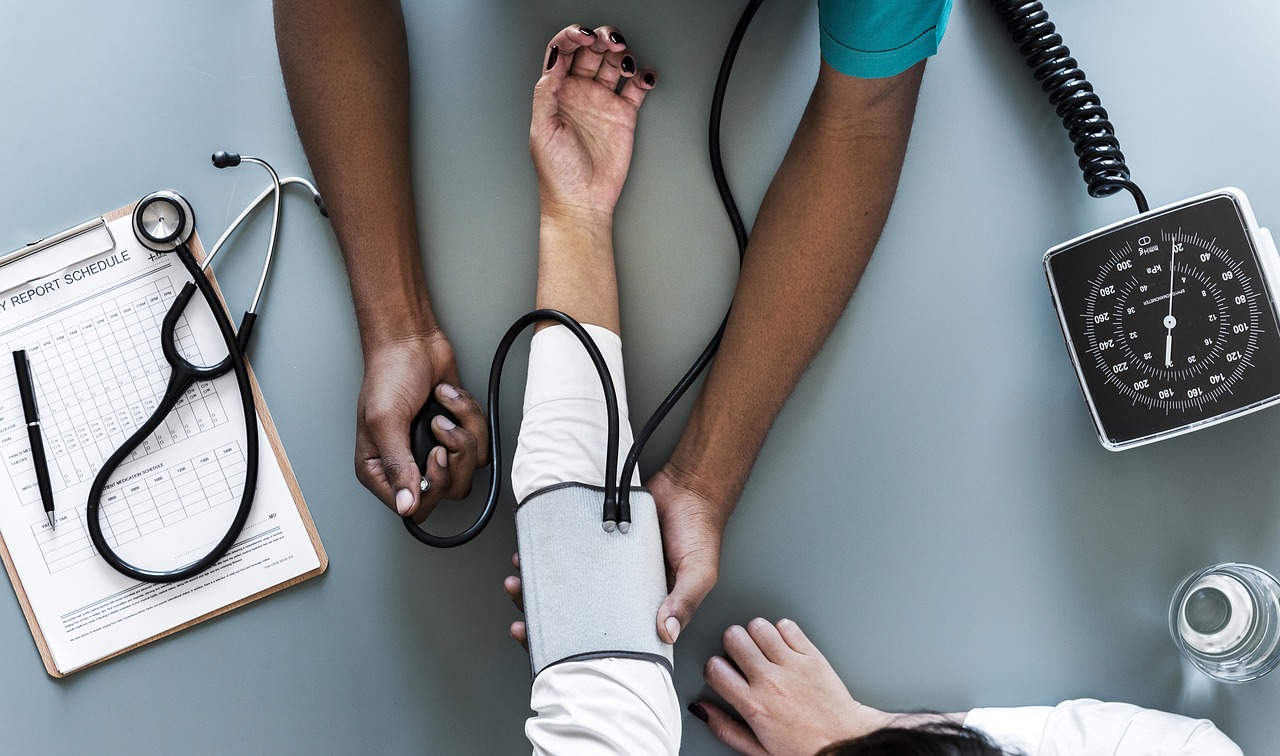
    Millions of Brits have no idea what their normal blood pressure should be, or even how tall they are, a new study has found.

    rawpixel / Pixabay

    A poll of 2,000 adults also discovered more than half don’t know their blood type, and a further 40 per cent could only guess their weight.

    Worryingly, 35 per cent of respondents say their lack of body knowledge ‘concerns’ them, but just one in four have any plans to do anything about it.

    It also emerged the average adult doesn’t begin to take their health seriously until they hit 37, with one in 20 believing they can’t be unwell as long as they remain fit and active.

    The study was conducted by Cardiomyopathy UK, whose chief executive Joel Rose said: “Knowing your own body is incredibly important.

    “If you don’t keep in touch with what is normal for you, then you could end up missing early signs of a serious health problem like cardiomyopathy.

    “We want people to listen to their body and abandon preconceptions and stereotypes of what a patient with a heart condition looks like.

    “It’s so important to not fall into the trap of thinking that serious heart conditions like cardiomyopathy only affect older people with unhealthy lifestyles.

    “This survey has highlighted how many people don’t know their family health history, ignore symptoms and just bury their head in the sand.

    “With a condition like cardiomyopathy, this is a major problem we need to tackle.”

    It also emerged six in 10 Brits could only estimate whether their current blood pressure is normal and healthy, and more than 70 per cent aren’t certain of their resting heart rate.

    And 62 per cent haven’t got a clue what their BMI – or Body Mass Index – currently is, according to the research conducted through OnePoll.com.

    Amazingly, only one in three women would be able to accurately date their last period – despite it being a monthly occurrence.

    More than 15 per cent of respondents have also got no idea about their family’s medical history, which could contain clues about their own future wellbeing.

    A further 13 per cent don’t know if they’ve been given the common MMR injection – normally given to children to ward off measles, mumps and rubella.

    The study also found one in seven Brits admit to ‘burying their head in the sand’ when it comes to their health, and 30 per cent will ignore symptoms they don’t think are serious.

    A quarter of adults also admit to occasionally feeling tired for no real reason, but haven’t explored the reasons why.

    Heart issues can affect people of any age, and yet 23 per cent of adults believe someone with a heart problem is likely to be older, overweight and look unfit.

    And six in 10 respondents believe those who are overweight are at more risk of suffering from a heart condition like cardiomyopathy than anyone else.

    Cardiomyopathy UK’s President Perry Elliot said: “At Barts Hospital, we see over 8,000 people each year with cardiomyopathy and I’ve lost count of those that thought they were too young and healthy to have a heart condition.

    “The reality, as this research shows, is people are not aware of the important signs their bodies are telling them which are putting them at risk.

    “People of all shapes and sizes can be affected by cardiomyopathy and we need to challenge the stereotypes that exist in our society that older, overweight men are the typical heart patient.”

    CASE STUDY

    1662222 / Pixabay

    Doctor Chris Marshall, 44, from West Sussex, was a seemingly young, fit and healthy when a devastating diagnosis changed his life forever.

    He would play sport ‘at any opportunity’ and cycled more than 20 miles a day, to and from his job as a consultant anaesthetist at Worthing Hospital.

    However, in May 2016, a blockage to Chris’s heart was discovered by chance.

    While taking out the recycling, one rainy morning, the father-of-two slipped and fell down the side of some concrete steps.

    He landed heavily on his side, breaking five ribs in the process and rupturing a disc.

    When he lost all feeling in his left foot, he was booked in for emergency back surgery and given an ECG while waiting for the operation.

    He said: “I remember saying to the doctors, ‘I don’t understand why you are doing an ECG on me, I’m fit and healthy.”

    However, the ECG found a problem with Chris’s heart in the left ventricle, one of the muscular chambers that pumps oxygen-rich blood around the body.

    He was later diagnosed with dilated cardiomyopathy, which had caused left bundle branch block (LBBB), and a year later, had a pacemaker fitted.

    He said: “On reflection, I’d had some fairly significant symptoms over the past few years, including ‘heart rate dangerously high’ whenever I measured it on the running machine and cramp in my neck muscles whenever I sprinted.

    “I’d get extreme shortness of breath and found cycling harder and harder, falling asleep straightaway as soon I got home from the hospital.

    “I put it down to working too hard or needing to get fitter, so I went to the gym regularly, even though I’d get out of breath and drenched in sweat in no time.

    “I didn’t feel anything was wrong with me and didn’t believe the signs and symptoms.

    ”So being a doctor, I naturally ignored them.”

    Now Chris is joining a campaign by heart muscle charity Cardiomyopathy UK to show heart conditions are not always the result of an unhealthy lifestyle.

    “As a doctor, I’ve seen lots of people with heart disease. Most are much older than me; many have smoked, had a poor diet and not exercised – but by no means all.”

    And despite often being extremely tired and unable to do everything he wants to, Chris still ‘looks’ healthy.

    “There have been many thoughtless comments with little comprehension of the emotional and physical impact this has had on me and my family,” he reveals.

    “People make assumptions too – some who think I shouldn’t do anything and others not understanding why I’m not doing what I was trying to do before.

    “So many people don’t understand what this diagnosis means. Many say things like, ‘Well you’re in your 40s now; Everyone’s tired aren’t they? or ‘But you’ll get better won’t you?’ etc .”

  • Here are the top ten extreme travel nightmares

    Here are the top ten extreme travel nightmares

    Being vomited on, broken luggage and people dying on your flight have all been voted as extreme travel nightmares.

    Free-Photos / Pixabay

    From cancelled flights and natural disasters to frantic, last-minute searches for accommodations, it can cost the average traveller at least $570 (£444.70)– and upwards of $4,198 (£3276)– when things go wrong on an airline trip, according to new research.

    In fact, from being the victim of pickpocketing to cancelled flights, being vomited on by a child or even seeing a fellow passenger die in flight, as many as a third (35 per cent) have experienced what they deem a “travel nightmare,” in which seemingly every part of the trip went wrong.

    And when those “nightmare trips” do occur, not only is there a wide range in potential costs, there’s also a high risk of the whole vacation being ruined – half of the respondents who experienced a nightmare said it completely ruined the rest of the trip.

    Although many have thankfully never experienced a nightmarish scenario, the study of the travel experiences of 2,000 Americans found that the majority of travellers (59 per cent) report having been on a trip where things really didn’t go as planned.

    And it doesn’t have to be a big thing going wrong for traveller comfort and enjoyment while travelling to decline severely. One in six respondents rate themselves “extremely disappointed” even when they don’t get their preferred seat on the plane, with the majority preferring the window seat.

    Commissioned by AIG Travel, a global leader in travel insurance and assistance solutions, and conducted by OnePoll, the survey also examined modern travel etiquette on flights and revealed America’s top 10 most commonly experienced traveller faux pas.

    The behaviour that passengers find most aggravating is when the person in front of them reclines his or her seat (65 per cent), followed by having their seat kicked by the person behind them (57 per cent).

    Also making the top five were travelling with a disruptive baby or child (54 per cent), hogging both armrests (53 per cent) and people who talk loudly on the flight (49 per cent).

    While travellers can’t always do something about other passengers’ behaviour, there are ways they can help their own trip go smoothly – or at least be prepared if something doesn’t go according to plan.

    To combat potential “travel nightmares,” 60 per cent of travellers make sure to arrive at the airport with plenty of time before their flight, 55 per cent print out all confirmation emails and 39 per cent call hotels and airlines to double-check their reservations.

    StockSnap / Pixabay

    Surprisingly, though, 74 per cent of travellers have taken the risk and flown without travel insurance.

    “We don’t like to think about the things that can go wrong when travelling, and while travel insurance can’t stop someone from kicking the back of your seat, it’s designed to help protect from unforeseen, potentially ruinous events,” said Jeff Rutledge, AIG Travel CEO. “When coupled with 24/7 assistance services, it can also improve the overall travel experience.”

    A quarter of travellers find the most difficult part of travelling to be navigating the airport and the security screening process, while 23 per cent say the flights – including any transfers and layovers – are the worst part.

    Seven in 10 travellers have experienced a delayed flight, while 44 per cent have had their checked bags delayed and 40 per cent have had a cancelled flight.

    “Travel insurance is specifically designed to provide financial protection in these situations – lost or stolen luggage, flight delays or even emergency medical issues,” Rutledge said. “However, even if a claim isn’t made, our Travel Guard plans offer comprehensive assistance for anything from event ticketing to restaurant recommendations, finding a local translator abroad or sending souvenirs home.”

    Unfortunately, travel insurance doesn’t protect your seat – and 23 per cent of respondents admit to trying to take a seat that isn’t theirs, with those who want middle seats the most likely to do so.

    The survey was conducted online from Aug. 10 to Aug. 28, 2018, by OnePoll with a sample of 2,000 American adults (aged 18 and older) who have travelled by plane. The research was commissioned by AIG Travel.

    10 OF THE MOST EXTREME “TRAVEL NIGHTMARES”

    1. Having a man die one row over on the plane
    2. Passengers joked about a bomb threat on the plane, delaying the flight
    3. Being choked by another passenger
    4. Three emergency landings before arrival at the destination
    5. Rerouted when almost there after being struck by lightning
    6. Being vomited on by a child
    7. Breaking a foot after getting tangled in a suitcase strap
    8. Spending five nights in an airport because hotel accommodations fell through
    9. Flying in a thunderstorm and being asked to get in crash position for the landing
    10. Getting robbed/pickpocketed


    AVERAGE COST WHEN EVERYTHING GOES WRONG ON A FLIGHT

    (Based on dollar figures given by 2,000 respondents.)

    Missed flights                                      $570 (£444)
    Lost luggage                                       $582.14 (£454)
    Medical situations                              $568.74 (£443)
    New accommodations                       $591.77 (£461)
    Lost or stolen passport/wallet           $571.04 (£445)
    Natural disaster                                  $638.30 (£498)
    CaCancelledlights                              $676.05 (£528)
    Total:                                                   $4,198 (£3276)

  • This is what living on Mars could look like and it’ll only cost you £350,000

    This is what living on Mars could look like and it’ll only cost you £350,000

    Would you pay £350,000 for a one-bed place on Mars?

    Architectural experts have drawn up prototypes of what living conditions on Mars might be like when the Red Planet is colonised by humans.

    A panel of specialists worked alongside a visualisation team to predict how future Martian homes are likely to look, with interior and exterior images released for a variety of futuristic residential builds.

    The team produced particulars for three distinct dwellings; an apartment aimed at young professionals, a family home and a luxury mansion.

    Key considerations include light and how to protect the living area of homes from cosmic rays and hazardous levels of radiation, as well as insulation from the cold and protection from severe dust storms.

    The drawings have been produced after research revealed one in ten Brits would move to Mars tomorrow, with a sense of adventure, enjoying more space and escaping human dangers on earth among the top reasons for swapping planets.

    Stephen Petranek, author of the book How We’ll Live on Mars, which the National Geographic series MARS is based on, said: “It’s exciting to think that humans will be living on Mars far sooner than most people think.

    “The second series of MARS considers how a community might be built and sustained on the Red Planet in the 2040s, and what the challenges will be both from a practical and a human standpoint.

    “For this forward-thinking project, we’ve predicted what different homes on Mars might actually look like, with options to suit a range of budgets.

    “There are plenty of elements to consider, from ensuring an adequate shield to the harsh radiation Mars endures because its atmosphere is so thin, to the need for homely touches reminiscent of Earth.

    “Ultimately, living on Mars must seem more appealing and psychologically inviting than living on Earth or not enough people will want to make a new life there.

    “As we make these predictions now, we can only wonder what designs we will actually adopt as hundreds of thousands of people eventually move to the Red Planet.”

    The Mars apartment block features a number of living pods aimed at individuals and couples, with tunnels leading to a central shared garden and workspaces.

    It is protected from the sun’s rays by tinted glazing featuring coating technology developed to filter out the radiation and rammed earth walls, designed to protect from the cold as well as cosmic rays.

    The family home is built within a protective cave, with a driveway leading to an inbuilt garage as well as a conservatory-style veranda made from protective glass that offers a small indoor garden area.

    The kind of natural light we would usually get from our windows on Earth is simulated via LEDs and camera systems that can show the outside landscape in real-time to mimic windows, and could even be programmed to provide other vistas.

    For example parks, forests, rivers – familiar sights from Earth that our Martian residents might be missing.

    The mansion is part of a crater community, offering show-stopping vistas across the cavity from three levels.

    It boasts a huge living space with private indoor garden and multi-gym that allows for ‘outdoor’ activities such as sports to take place in an artificially-oxygenated environment as well as a carport that can hold multiple vehicles.

    According to the National Geographic research a fifth of Brits predict that it will be possible to move to Mars within their lifetime, and there is a significant appetite to make an interplanetary move.

    One in six revealed that with people struggling to get on the housing ladder on Earth, buying property on Mars is looking like a more attractive prospect.

    Brits revealed that the opportunity to enjoy a better quality of life, the desire to seek new adventure and the need to flee human dangers on Earth such as war would be the most likely factors to precipitate a move to Mars.

    However, almost nine in ten predicted they would miss some aspects about life on Earth, including their pets and even the British weather.

    • MARS series 2 is on National Geographic every Sunday at 8pm.
  • Forty percent of Brits over the age of FIFTY have experienced age discrimination

    Four in 10 over 50s have experienced age discrimination, according to a survey.

    (C) BIGSTOCK

    A study of 50,000 Brits aged over 50 found one in 10 have felt ‘isolated’ and left out of team bonding exercises, social events and meetings at work.

    And 62 per cent believe they have lost out on jobs due to their age.

    One in 10 have even faced negative remarks about how old they are from their colleagues or manager.

    Government to consider whether ageism could be considered as a hate crime.

    The study was conducted by SunLife as the Government announces a review of whether hate crime offences could include ageist attitudes and behaviour.

    It also found that as well as experiencing age discrimination themselves, almost a third have witnessed someone else being subjected to it.

    SunLife director of marketing Ian Atkinson said, “Age discrimination and ageist language continues to be a challenge for many people.

    “The average age in the UK is higher than it’s ever been and there are more people over 50 in the UK – around 24,440,415 – than ever too.

    “So, it’s disheartening to think that in 2018 so much ageism still abounds.

    “It’s also very odd to see how some people discriminate against a group they hope to one day join.”

    Fifteen per cent of those polled also claim to have experienced discrimination in the health sector by being refused referrals because of how they old they were.

    A further one in five believe they have experienced discrimination at the hands of their insurers, being landed with higher rates due to their age.

    And this figure increases to one in three, once people reach 75 years or older.

    Underrepresented in the media

    (C) ITV – Vicious from ITV was one of the very few television shows which featured a gay couple over the age of 50. It has since been cancelled by the TV company.

    The research also found a vast swathe of over 50s say they are under-represented in TV shows and films, with two-thirds believing there should be more older people on the box.

    Seventy-two per cent of those surveyed think the representation of their age group in the media is negative, and gets worse the older you get.

    And 59 per cent feel ignored by brands and advertisers.

    More than a third of respondents believe their demographic isn’t catered to properly by the fashion industry, 24 per cent feel ignored by tech brands and around one in six feel neglected by health and beauty firms.

    However, despite perceived ageism in the UK, 78 per cent ‘couldn’t care less’ what others think of them since turning 50.

    And after hitting the age milestone, around six in 10 say they enjoy life more and believe it gets better the older you get.

    WORDS: Richard Jenkins

  • This is how we’re now saying, “I Love You” in 2018

    This is how we’re now saying, “I Love You” in 2018

    Emojis, texts and WhatsApp are among the most popular ways to say ‘I love you’, according to a study.

    TheHilaryClark / Pixabay

    Researchers who polled 2,000 UK adults found millions are turning to their mobile phones to express these sentiments to friends and family rather than in person.

    Other common ways of saying ‘I love you’ include using Skype, Facebook and Instagram.

    Further to this, just three in 10 ALWAYS say ‘I love you’ face-to-face – with a fifth unable to do so because their loved ones live in another city or country.

    The research was commissioned by Thorntons to mark the launch of its ‘Continental Journeys’ competition [https://www.thorntons.co.uk/continental/journeys.html] where they will reunite families who can’t be together over the festive period.

    Spokesman Ian Tweedale said, “It’s not about what’s under the Christmas tree, but about who’s around it.

    “Our Continental Journeys competition is helping families to ‘Pass The Love On’ this Christmas, by bringing together loved ones who, for whatever reason, can’t be together during the holiday season.

    “We’re also proud to be passing the love on to the charity SSAFA, which supports our servicemen and women, veterans and their families.”

    The research also identified the ‘true’ meaning of love – including accepting someone’s imperfections (47 percent) and being comfortable when sat in silence together (36 percent).

    Travelling long distances to see one another (13 percent) is another indicator of genuine love, as is saving the last chocolate (7 percent) and warming up the bed (six percent).

    Being quiet in the morning as you leave the house (five per cent) is also a sign of true affection.

    Only 44 percent of people say I Love You to their partner every day

    It also emerged 44 percent of Brits say ‘I love you’ to their partners every day.

    And four in 10 also tell their pets they love them on a daily basis.

    In contrast, just 12 percent say those special words to their mum each and every day.

    Instead, 30 per cent say the ‘L word’ to their parents once a week and 27 percent say it to their friends at least once a month.

    The research, carried out through OnePoll, also found saying ‘I love you’ too much devalues its meaning – according to four in 10 adults.

    TOP 10 – TRUE MEANING OF LOVE:

    1. Accepting a person’s imperfections
    2. Being comfortable sat in silence with each other
    3. Travelling long distances to see each other
    4. Calling/messaging when you say you will
    5. Saving your loved one the last chocolate from the box
    6. Taking your partner out for a meal
    7. Surprising your partner with a holiday / trip away
    8. Warming up the bed for you
    9. Buying gifts
    10. Being quiet in the morning as you leave

    WORDS: Rob Knight

  • Looking for ways to save money before Christmas?

    Looking for ways to save money before Christmas?

    Cooking in bulk, going teetotal and sending e-cards instead of traditional ones are among the ways savvy Brits are saving money ahead of Christmas, it has emerged.

    rawpixel / Pixabay

    Researchers who polled 2,000 UK adults found 31 per cent are worried they won’t have enough funds to last through the festive period.

    As a result, eight in 10 will use money saving tactics ahead of the big day – including buying frozen, using online vouchers and buying gifts in advance.

    Other methods include making gifts at home and shopping at charity shops.

    And it appears to pay off, with the typical Brit estimating they’ll save £217.94 over Christmas by being clever with their cash.

    Signing up to loyalty schemes, selling clothes online and flogging goods at car boot sales are among the methods used by those polled to boost their income ahead of 25 December.

    The research was commissioned by Iceland to celebrate its Bonus Card which has a ‘load and save’ function to help shoppers save for Christmas throughout the year.

    The survey also found 28 per cent of Brits are better prepared financially for Christmas – partially due to making their money go further.

    But despite having a limited budget, six in 10 admitted they tend to overspend during the festive period.

    And 80 per cent of those tend to go overboard and fork out ‘too much’ on presents.

    TerriC / Pixabay

    Half said they get carried away when it comes to food, a third overspend on drinks and one in ten do the same on decorations.

    The research also found 38 per cent love coming up with inventive ways to save money over the festive period.

    And perhaps they are motivated by disappointing Christmases in the past – 28 per cent said a lack of funds has ‘ruined’ Yuletide for them.

    As a result, a quarter will attempt to even up their spending by selling old items to make some extra cash.

    In previous years one in 10 have even taken a second job – just to cover the cost of the festive period.

    geralt / Pixabay

    The Iceland research carried out through OnePoll, also found 33 per cent have bought presents in the January sales in order to make the next Christmas a little cheaper.

    Neil Hayes of Iceland, said: “Christmas can be an expensive time of year, with families finding themselves financially stretched.

    “With so many people planning Christmas spending earlier and earlier, we’re proud we can support our shoppers in this way.”

    • Iceland bonus card holders can receive £2 for every £20 saved from 29 October until 18 November, to help with Christmas spending (usual saving £1 per £20).

    TOP 30 – MONEY SAVING METHODS USED BY BRITS AHEAD OF CHRISTMAS:

    1. Shop about online
    2. Use sites such as Amazon and eBay
    3. Use bonus or loyalty cards
    4. Buy presents months in advance
    5. Use online voucher codes
    6. Bring your own shopping bags to the supermarket
    7. Shop on black Friday
    8. Stock up on BOGOF offers
    9. Stock the freezer
    10. Find discounts at outlet stores
    11. Agree with my partner not to buy gifts for one another
    12. Avoid putting the heating on (use more duvets and blankets)
    13. Buy frozen food
    14. Switch to a cheaper supermarket
    15. Sell your items
    16. Buy from charity shops
    17. Avoid buying branded items
    18. Set up a savings account
    19. Make your own gifts
    20. Set a secret Santa limit of £5
    21. Cooking in bulk
    22. Make your own decorations
    23. Eat chicken instead of turkey
    24. Book train, bus and plane tickets early
    25. Send online cards instead of letters
    26. Chat to family and friends for free on Skype or WhatsApp
    27. Get a second job
    28. Quit drinking in November
    29. Going on a diet
    30. Break open the piggy bank

    WORDS: Rob Bailey

  • This is the film Brits have voted most terrifying of all time

    This is the film Brits have voted most terrifying of all time

    Your mother sucks c****s in hell…

    Arcaion / Pixabay

    The Exorcist has been named the most terrifying film of all time by Brits.

    The hair-raising classic, which caused controversy when it was released in 1973, took the top spot in a poll of 2,000 adults, followed by The Silence of the Lambs and The Shining.

    Alfred Hitchcock’s iconic chiller Psycho, limb-hacking horror Saw and ground-breaking gore-fest The Texas Chainsaw Massacre all appeared in the list.

    It also emerged the heart-pounding thrill of a scary movie can leave a lasting impression on viewers, with almost two-thirds admitting to feeling nervous ahead of watching a horror film.

    And more than a third have to be dragged to the cinema to watch a horror film.

    Julie Daniels, head of Meerkat Movies, which commissioned the research, said: “Horror films may not be for everyone, but there are many movie fans who love the adrenaline rush.

    “With the likes of Get Out and IT being box office hits in recent years, we anticipate that this year’s cast of scary films will bring in the crowds.

    “With Halloween falling on a Wednesday this year, horror fans can also take advantage of 2-for-1 cinema tickets, assuring safety in numbers”

    The study also found the aftermath of watching a particularly frightening movie is leaving many to resort to superstitious measures.

    We change our behaviour after watching scary movies

    After watching a horror film, one in five will make sure they double lock the doors at home and a further 20 per cent leave the lights on to keep themselves safe.

    And 18 per cent of respondents, surveyed by OnePoll.com, admit to checking under the bed and behind the door just to see if something is lurking there.

    A quarter will even watch light-hearted TV before they go to bed so they can switch off from the scary film.

    It also emerged many horror fan resort to various coping mechanisms while watching a scary flick on the silver screen to stay composed.

    Thirty-five per cent admit to closing their eyes during especially scary parts while one in 10 use their trusty smartphone as a distraction tool.

    As Halloween approaches, the biggest horror flicks of 2018 are creeping onto cinema screens, including the latest instalment in the Halloween saga.

    While scary movies are clearly still high on the public’s agenda – with more than half of Brits enjoying a horror film – many are also fighting reservations about heading to see a fright-fest.

    To relieve the tension and help film fans cope with the stress of a scary film, Meerkat Movies has created its own “horror film survival guide”, including top tips and advice on how to take the horror out of the latest scary films.

    Visit at www.comparethemarket.com/meerkat-movies/six-top-tips-for-surviving-a-scary-movie/

    The Top 10 Scariest Horror Film of All Time

    1. The Exorcist
    2. The Silence of the Lambs
    3. The Shining
    4. Psycho
    5. Saw
    6. The Texas Chainsaw Massacre
    7. A Nightmare on Elm Street
    8. The Omen
    9. The Blair Witch Project
    10. IT

    Words: Grant Bailey

  • The top 15 scariest horror movie characters revealed

    The top 15 scariest horror movie characters revealed

    Hannibal Lecter, Pennywise the clown and Halloween‘s Michael Myers have emerged among a list of cinematic figures who terrified us when they first graced the silver screen.

    Republica / Pixabay

    A study into the most frightening films and figures ever revealed the star of The Silence of the Lambs, Hannibal Lecter, is the villain who sends the most chills down our spines.

    A Nightmare on Elm Street nasty Freddy Krueger took second place in the scare stakes, followed by Pennywise the clown, the shape-shifting star of the film It.

    Michael Myers, the masked serial killer from the Halloween series, appeared in sixth position, ahead of horror staple Count Dracula and Stephen King’s iconic madman Jack Torrance from The Shining.

    Nic Ravery, screen content analyst, said: “Horror has been part of movie history since the beginning of cinema, and these movies have fascinated generations of cinema-goers from the start because of their power to unlock primal fears within us.

    “These films continue to be as enjoyable and memorable today – even more so when every spine-tingling moment is in 4K.

    “For those feeling extra brave, Vue is bringing the original John Carpenter’s Halloween back to the big screen to celebrate its 40th Anniversary on the 31st October while the new Halloween is now screening nationwide”.

    According to Brits, the top factor which makes a great horror movie villain is the idea they could be anywhere at any time – even right behind you at the cinema.

    Forty per cent of Brits have watched a movie so frightening they have never been able to work up the nerve to view it ever again.

    One in four of those surveyed have only been able to stomach a single viewing of The Exorcist, and one in seven allowed themselves one watch of The Texas Chainsaw Massacre before locking the film away forever.

    OpenClipart-Vectors / Pixabay

    Thirty per cent of viewers would describe themselves as ‘jumpers’ when the tension begins to ramp up in a horror film, ready to leap up at any time.

    And one in seven believe they are impossible to scare, no matter what a chiller throws at them. One in four feel reassured when they watch a scary film at the cinema because there are lots of people around them to keep them safe from any nastiness reaching out from the screen.

    And almost half enjoy seeing the rest of the cinema react to the thrills and chills. *

    Book tickets to see Halloween at your local Vue now and tickets to the special 40th Anniversary screening of Halloween on 31st October at www.myvue.com.

    TOP 15 SCARIEST HORROR MOVIE CHARACTERS
    1. Hannibal Lecter (The Silence of the Lambs)
    2. Freddy Krueger (A Nightmare on Elm Street)
    3. Pennywise the Clown (It)
    4. Leatherface (The Texas Chainsaw Massacre)
    5. Jigsaw (Saw)
    6. Michael Myers (Halloween)
    7. Count Dracula
    8. Jack Torrance (The Shining)
    9. Samara (The Ring)
    10. The Xenomorph (Alien)
    11. The Thing (The Thing)
    12. Jason Vorhees (Friday the 13th)
    13. Frankenstein’s Monster
    14. Pinhead (Hellraiser)
    15. Ghostface (Scream)


    Words: by Grant Bailey

  • Got an American lover? here’s probably what turns him on

    Got an American lover? here’s probably what turns him on

    Neck kisses, nibbling and eye contact- new research reveals America’s 20 biggest turn-ons.

    (C) BIGSTOCK

    The new survey of 2,000 Americans saw kisses on the neck voted as officially the biggest turn-on, followed by your partner saying just three little words…

    According to the findings, a partner simply saying the words “I like that” in bed ranked the second most-appealing way to ramp up the mood.

    The study, conducted by sex toy retailer EdenFantasys.com, sought to uncover Americans’ biggest turn-ons and turn-offs and found that 76 percent of respondents like their partner giving them a little verbal reassurance in bed.

    A little nibbling on the ear was another high scorer on the turn-ons list, while eye-contact during sex was something that really got many a respondent going.

    Another saucy 46 percent of Americans say the presence of sex toys in bed is a total turn-on.

    The survey also split the results of the list by gender, which is where it gets really fascinating.

    For instance, it appears men get a lot more out of going down on their partner than women, with 76 percent of men reporting that going down on their partner is a turn-on for them compared to only 56 percent of women.

    In fact, nearly one in four (23 percent) of women reported that going down on their partner was a turn-off for them.

    Anal sex was another polarizing act — very polarizing. Over half of men (52 percent) called it a turn-on, compared to 19 percent of women. An incredible 57 percent of women actually consider it a complete turn-off.

    Being teased during sex was one thing women did like, however, and interestingly enough, it was the only thing that women said they liked more than men, with 52 percent of women calling it a turn-on compared to 49 percent of men.

    Not all turns ons have to be sexy

    But who said being turned on has to be a sexual act? The survey found a bevvy of inherently non-sexual things that are turn-ons.

    For instance, just smelling good was voted as the biggest non-sexual turn on, with 69 percent of the respondents labelling it as such.

    Simply being affectionate was the second biggest (64 percent), and making somebody feel appreciated rounded out the top three with 61 percent listing it as a turn on.

    “The study showed that non-physical affections are the biggest turn-ons for everyone, said Fred Petrenko of EdenFantasys.com. “‘All we need is love’ is as true today as it’s always been.”

    The survey also pinpointed 37 as the age when Americans are at their kinkiest overall.

    Being turned on isn’t such a rarity, either, with Americans saying they’re noticeably turned on three times every day, with one in five (19 percent) saying it’s actually more times than that.

    And it’s not necessarily in the evening when we feel this way, with the average American saying they’re most likely to be turned on at 2:46 p.m. As The Starland Vocal Band once famously sang: “Skyrockets in flight…”

    “Not surprisingly, sex toys are one of the major turn-ons for many couples,” continue Petrenko. “We encourage people to experiment more in the bedroom for a happier and sexier life.”

    AMERICA’S 20 BIGGEST TURN-ONS
    • Neck kisses
    • My partner telling me ‘I like that’
    • My partner undressing me
    • My partner going down on me
    • Undressing my partner
    • Nibbling my ear
    • Lingerie
    • Eye contact during sex
    • Going down on my partner
    • Being teased
    • Sex toys
    • Dirty talk in English
    • Partner doing a striptease
    • Being dominated
    • Partner being rough
    • My partner spanking me
    • My partner pulling my hair
    • Biting
    • Having to be quiet and sneaky (‘don’t wake the roommate’ etc.)
    Role-playing


    AMERICA’S 20 BIGGEST TURN-OFFS
    • Poor hygiene
    • Being mean • Being rude to waitstaff
    • Eating with mouth open
    • Being flirty with other people
    • Talking about exes
    • Being cocky
    • Talking too much/not listening
    • Dressing poorly
    • Baby talk
    • Insecurity
    • Long fingernails
    • Wearing too much cologne/perfume
    • Being cheap
    • Lack of confidence
    • Body hair
    • Being too ‘handsy’ in public
    • Bad driver
    • Poor taste in shoes
    • Calling me pet names in public

    TOP 5 TURN-ONS IN BED FOR MEN
    My partner telling me “I like that”   78%
    My partner going down on me       78%
    Undressing my partner                  78%
    Going down on my partner            76%
    Neck kisses                                   76%

    TOP 5 TURN-ONS IN BED FOR WOMEN
    Neck kisses                                  82%
    My partner telling me ‘I like that’   74%
    My partner undressing me           68%
    My partner going down on me     67%
    Undressing my partner                63%

    TOP 10 NON-SEXUAL TURN-ONS
    Smelling good              69%
    Being affectionate        64%
    Making me feel appreciated 61%
    Dressing nice              46%
    Intelligence                  45%
    Confidence                  43%
    Generosity                   39%
    Active listening            39%
    Playing with my hair    34%
    Being taller than me    28%

  • People are totally lying about their weekends to make it sound like they had a good time

    People are totally lying about their weekends to make it sound like they had a good time

    Millions of workers admit to spinning stories about their weekends – to make their lives sound more exciting to their colleagues, a study has found.

    12019 / Pixabay

    When asked about their weekends on a Monday morning, a poll of 2,000 workers found three in 10 exaggerate or make up what they did to avoid having to admit to staying in or not really doing anything.

    Pretending they went to the pub with friends instead of just sitting in front of the TV is the most common fib, followed by making out they went to an expensive restaurant or got in a workout at the gym.

    Going on a mini-break, seeing a gig or playing a sport are also among the top 10 lies workers tell on a Monday morning.

    But one in five have been caught out fibbing about their weekend activities.

    It also emerged 51 per cent usually regret not making the most of their two days off work.

    A spokesman for Holiday Inn, which commissioned the research said, “Being asked ‘what did you get up to at the weekend’ is a common question from colleagues and friends on a Monday morning.

    “While this is great if you did something exciting, it can be awkward if you had a weekend where you didn’t even leave the house.

    “Rather than admit to a quiet weekend, many are making-up more exciting activities to avoid looking boring in front of others.

    “One respondent told a colleague they had gone on a city break, not knowing their co-worker had seen them walking around their hometown.

    “Going away for the weekend can add instant colour to your Monday morning weekend chat.

    “Holiday Inn is committed to enabling the best weekends possible. With so much to explore right here in the UK, we help people nail their response to that dreaded Monday morning question ‘what did you do this weekend.”

    People are even posting old photos to Instagram to prove how much fun they had!

    StockSnap / Pixabay

    The study found a third of workers dread colleagues asking what they did at the weekends in case it comes across as boring.

    Social media is also filling Brits with weekend remorse, with more than one in 10 admitting to posting old photos on their Instagram account to make their weekends look more action-packed.

    And if they do go away for the weekend, more than half say they would immediately share photos on social media.

    But seven in 10 wouldn’t dream of telling colleagues they did nothing at all over the weekend.

    The research, carried out via OnePoll, also revealed that a quarter of Brits reckon they go on more weekend breaks than they did five years ago.

    And when it comes to trying to impress their colleagues, workers think attending a music event is the best weekend activity to do, along with relaxing at a spa, exploring a different UK city and participating in an extreme sport.

    Whether looking to explore Windsor Castle, walk the cobbles of Coronation Street or simply find somewhere relaxing to stay for a friend’s wedding, Holiday Inn is there to assist with a weekend escape.

    If travelling as a family, kids under the age of 12 stay and eat for free and up to two children under the age of 17 can stay for free when sharing a room with up to two adults.

    Holiday Inn guarantees the lowest price rate when booking direct.

    For more information visit www.holidayinn.com/weekend.

    The top 10 fibs or exaggerations workers make about their weekend:

    1. Going to the pub
    2. Going to an expensive restaurant for dinner
    3. Visiting the gym
    4. Doing a cultural activity
    5. Taking a road trip
    6. Playing sports
    7. Visiting a high-end cocktail bar
    8. Going to a gig
    9. Going on a mini break
    10. Taking a bike ride