Author: Guest Poster

  • What can you do if Christmas is ruining your mental wealth?

    What can you do if Christmas is ruining your mental wealth?

    gracinistudios / Pixabay

    But it’s okay to do.

    Talk about your feelings

    MabelAmber / Pixabay

    Many people will expect you to be in great spirits at Christmas but don’t necessarily take into account why you may appear to be down. For those of us who experience negative thoughts or feelings at Christmas, it can be hard to admit that at such a festive time of the year that you don’t share in the delight of the holidays. However, more people are struggling than you think. Making the decision to talk about your feelings and share them with those around you can improve your mood and make it easier to deal with the tough times – especially when you discover that many of the people around you may find themselves in the same position!

    Be picky with social engagements – they are not obligations!

    kliempictures / Pixabay

    It’s extremely easy to get burnt out over Christmas and New Year. Between work parties, spending time with friends, the intensity of family gatherings and then the pressure of New Year, many people are sucked into giving away too much of their free time and ending up extremely tired, lethargic and blue. Make time for the people you care most about, but ensure that you take enough time for yourself to recover and relax.

    Give SAD the sack

    Embed from Getty Images

    The weather influences the way in which we behave every day – it dictates the food we eat, the clothes we decide to wear, and to some extent where we decide to go. However, for millions of people in the UK, the short, dark days around Christmas and New Year can have a disastrous impact on health and wellbeing, triggering the onset of a depression known as seasonal affective disorder, or SAD.

    There are, however, plenty of ways to alleviate the symptoms of SAD. Getting regular exercise, eating a balanced diet and exposing yourself to as much sunlight as possible are of course extremely important, but you could also consider other options such as light boxes and dawn simulators to help regulate your circadian rhythms.

    SAD is also closely linked with a lack of vitamin D which your body naturally produces when exposed to sunlight – given that sunlight is in fairly short supply in the UK at Christmas, it may be worth getting your vitamin levels checked – using vitamin D supplements could certainly help to resolve any deficit you may have. 

    Reduce alcohol consumption

    http://gty.im/159602791

    For the heavier drinkers, those trying to cut back, and people who perhaps have a poor relationship with alcohol, my suggestions for remaining sober and in control at Christmas are as follows:

    • Take your favourite non-alcoholic drinks to any parties or gatherings, for example soda water, ginger beers or lemonade. This will help you to blend in with a glass in your hand, you’ll feel less conspicuous, and will likely avoid being asked for a drink every few minutes
    • Plan activities that will get you out of a setting in which you would typically find a drink in your hand – for example, winter walks, going to the cinema, family activities at home, etc.
    • Be assertive: a lot of people will likely question you on your decision not to drink. Some will be genuinely interested; others may just enjoy poking fun. However, if you ensure you come prepared with a short but effective summary or spiel as to why you’re deciding not to drink, this will really help you to avoid peer pressure and take ownership of your decision.

    Stay Active

    Embed from Getty Images

    It’s very easy to become inactive and sedentary at Christmas. The food, the presents and the time spent with close ones can compound with the often poor weather to make the prospect of exercise daunting. However, regular exercise can boost your self-esteem (especially for those who enjoy the chocolate at Christmas), and will also help you to sleep better and get the rest that so many of us look forward to in the run up to Christmas.

    If you’re having difficulty during the fesitve season and have no one to talk to, you can reach out to Samaritans or the LGBT+ helpline, Switchboard

  • This Orange Is The New Black death tops the saddest death scenes on Netflix

    This Orange Is The New Black death tops the saddest death scenes on Netflix

    According to research, the death of OITNB‘s Pousey Washington tops the poll of saddest death on the streaming platform, Netflix, according to fans.

    The title of saddest Netflix death goes to Poussey Washington from Orange Is the New Black, her intelligent and outspoken nature certainly made her a fan favourite. Poussey’s death led to shed tears among viewers when she was suffocated by CO Bayley at the end of season four, with 54% of fans rating this as one of the saddest. 

    In second place is Hannah Baker from Thirteen Reasons Why. Hannah’s suicide is central to the storyline and fans connected with her through narration, making her death one of the saddest; 42% of Netflix fans agree. 

    40% of fans voted Nairobi’s death as the saddest, placing her in third overall. After learning to counterfeit money at age 13, she was recruited to participate in the Royal Mint of Spain heist which eventually led to her death in Money Heist.

    https://www.instagram.com/p/BHTWwqijKWi/?utm_source=ig_web_copy_link

    In fourth and fifth place are Barbara Holland from Stranger Things and Pogo from The Umbrella Academy, with 36% and 31% of the votes respectively. 

    https://www.instagram.com/p/B2sjJyQp8gl/?utm_source=ig_web_copy_link

    The Five Most Surprising Netflix Original Show Deaths

    Once again, Poussey’s death takes the top spot. Not only is her death the saddest, but it’s also the most surprising, as 38% of Netflix fans didn’t expect it. 

    The title of the second most surprising death goes to Barbara Holland who featured in Stranger Things. Commonly known as Barb, her character certainly tugged on fans’ heartstrings as she mysteriously vanished and it was later revealed she was killed by the Demogorgon, surprising 32% of fans. 

    The third most surprising Netflix show death is Zoe Barnes from House of Cards, with 30% surprised by the plot of her death. Zoe appeared in seasons one, two, and four before she was pushed in front of an oncoming train by Frank, frustrating viewers of the show. 

    OnBuy.com surveyed 3,180 fans around the world in October 2020 to vote on the three Netflix TV show deaths they found the saddest and the three Netflix deaths they found the most surprising. They then ranked the characters in order of saddest and most surprising deaths to obtain the final result. 

  • 12 things you need to know about Prostate Cancer

    12 things you need to know about Prostate Cancer

    We speak with Dr Simon Rosser and Dr Bill West, editors of Gay & Bisexual Men Living With Prostate Cancer, about the 12 things that we need to be aware of when it comes to Prostate Cancer.

    1. How common is prostate cancer in our community?

    Prostate cancer is the #1 invasive cancer for men and the most common cancer in the gay male community. One in seven gay men will be diagnosed in their lifetimes. Since gay male couples have two prostates, they have twice the risk than heterosexual couples or a one-in-three chance.

    2. What are the symptoms of prostate cancer?

    (C) BIGSTOCK

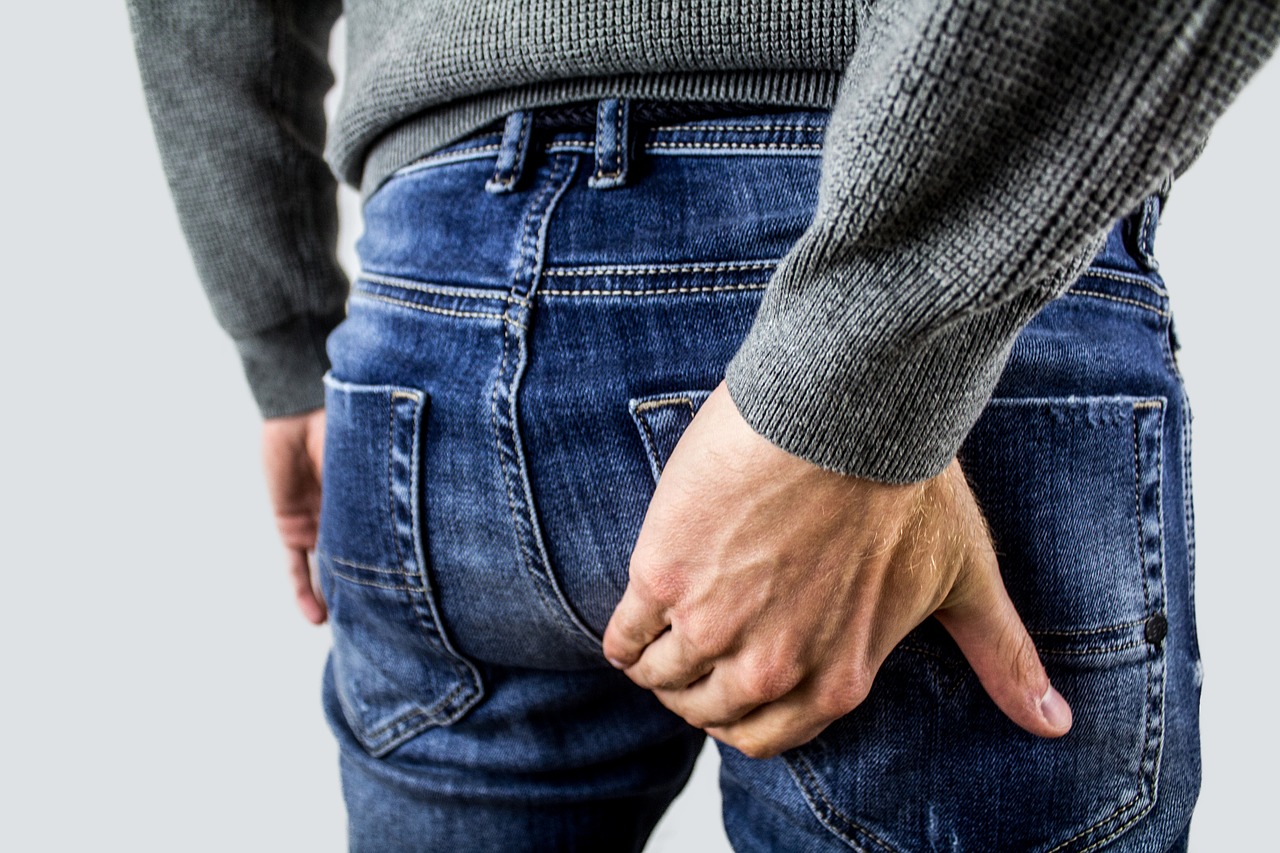
    Prostate cancer typically develops without symptoms which is why it needs to be detected through a blood test (the Prostate Specific Antigen or PSA test) and by a doctor feeling for any abnormalities during a digital rectal (or finger up the butt) exam.

    Two common prostate problems should not be confused with prostate cancer. As we age, our prostates typically get larger which can lead to problems urinating. This is called benign prostatic hyperplasia or BPH. Prostatitis refers to when the prostate gets infected or inflamed.

    3. So, what causes prostate cancer?

    Older men, men with a family history of prostate cancer, and black men are at greater risk of diagnosis and/or worse outcomes. Our research indicates that HIV positive men and bisexual-identified men have worse outcomes than HIV negative men and gay-identified men, respectively. Gay “lifestyle” factors – such as being gay versus straight, lots of sex or no sex, amount and rigour of receptive anal sex, smoking, drug and alcohol use, a history of sexually transmitted diseases and long-distance cycling – have not been associated with greater risk or worse outcomes.

    4. Why is prostate cancer in gay men an issue?

    Different prostate cancer treatments have different effects on our sexual functioning. About 20 per cent of patients treated with radiation experience radiated bowel, which makes receptive anal sex painful to impossible. Conversely, almost all men treated with surgery (and many with radiation as well) will have erection difficulties, after treatment, making bottoming very challenging. Treatment can also effect penis size, ability to ejaculate, the experience of orgasm, pleasure in receptive sex, and urinary problems during sex or at orgasm.

    This makes it important to discuss gay sex with your specialist as part of choosing which treatment will have the least side effects for you.

    5. If I want to be checked for prostate cancer, what should I know?

    The typical test for prostate cancer involves both a blood test and a digital rectal exam. Because massage of the prostate may hypothetically affect the blood results, we recommend you refrain from receptive anal sex or other anal stimulation for 48 hours before the blood is drawn and make sure the blood is drawn before the digital exam.

    6. Does being diagnosed mean you have to be treated?

    No. Many men with low-risk prostate cancer never need treatment. Instead, they go on active surveillance. This simply involves having a blood test every three months to monitor the amount of prostate-specific antigen in their blood. This may also involve additional biopsies to track if the cancer is changing.

    7. Is prostate cancer contagious?

    No, if your boyfriend, husband or a male sex partner has prostate cancer, you cannot get it from him. Prostate cancer is not sexually transmitted.

    8. What’s it like to be diagnosed with prostate cancer?

    Fortunately, prostate cancer has an excellent (over 99%) survival rate provided it is treated early. We are a male couple where both of us have been diagnosed. Here’s what to expect. The initial diagnosis can be scary and requires a biopsy which can be uncomfortable. Don’t panic. Most prostate cancer is slow-growing so in many cases, you can go at your own pace. Gay men are more likely to feel isolated or go through treatment alone, so it’s important to reach out for support. Prepare a list of questions before each consultation and ask them at your next visit. Bring your man (if partnered) or a friend (if single) to the consultation, both for support and to listen to what the specialist says. Deciding if you need treatment and what treatment is best for you are critical milestones, where many patients seek a second (or third) opinion.

    9. How does it affect being gay?

    Because it’s cancer and because it affects our sexual functioning, many gay prostate cancer patients report feeling less than other gay men. There’s a stigma to having prostate cancer which can affect our sexual self-esteem, sense of attractiveness and potency. And because it affects erections, some men may become more at risk for HIV if their erections are not strong enough for condoms or if they decide to bottom more instead.

    10. What’s gay sex like after treatment?

    Everyone is different. In our experience, good sex is definitely possible after treatment but it is challenging. It takes time and patience (up to two years post-treatment), commitment to sex as a priority, good communication between partners, lots of sexual rehabilitation exercises, and flexibility. The biggest loss we had to deal with was spontaneity – erections don’t just happen, and we have to plan sex if it is to be successful. We found erectile drugs and vacuum pumps to be a help as well.

    11. What should I think about in choosing a specialist?

    Know that many urologists and oncologists see themselves as technologists focused on survival. Not all are good at talking to patients or discussing sex. While survival is obviously important, quality of life is as well. Most gay and bisexual men are sexually active and want to remain so after treatment. So, it’s critical to find a specialist you can be open with, and have your questions answered. When making an appointment, ask for a specialist who is comfortable discussing the sexual effects of treatment. And if they seem uncomfortable or unknowledgeable about sex between men, seek a second or third opinion until you find someone you can trust.

    12. If I’m gay, bisexual or a man who has sex with men living with prostate cancer, where can I get help?

    For more information: See our just published book, J. M. Ussher, J. Perz, B. R. S. Rosser, Gay and Bisexual Men Living with Prostate Cancer: From Diagnosis to Recovery (Harrington Part Press, New York 2018).
    For support services: Malecare.org is the largest provider of online support worldwide and has groups specifically for gay and bisexual prostate cancer patients.

    To get involved in research: At the University of Minnesota, we are conducting the first, large, NIH-funded study testing online rehabilitation designed by and for gay and bisexual prostate cancer patients living in the US. See: www.restorestudy.umn.edu or email: Restorestudy@umn.edu.

    Dr Simon Rosser is a gay men’s health researcher and Dr Bill West a health communication specialist at the University of Minnesota. They specialize in prostate cancer in gay and bisexual men. They co-authored several chapters in J. M. Ussher, J. Perz, B. R. S. Rosser, Gay and Bisexual Men Living with Prostate Cancer: From Diagnosis to Recovery (Harrington Park Press, NY, 2018). They are married and out as a gay couple living with prostate cancer.

  • People are making A LOT of money selling pictures of their feet online

    According to research some people are netting up to £60,000 selling pictures of their toes.

    For sure online shopping has increased during the COVID-19 pandemic as people find themselves restricted due to lockdowns, but who have thunk that old shoes, underwear and even pictures of your feet are feeding a new obsession.

    OnBuy.com was curious to find out how much money people can make by selling personal items online and what personal items people are searching to buy most.

    The most searched for personal item to buy is ‘used panties’, with a whopping 74,610 people searching to buy worn undergarments online in the last year!

    This number has noticed a 3% increase from July 2019 until July 2020, with more people eager to… ‘recycle’

    How much can you make from selling your used panties online? OnBuy.com found out the average price for 1 item is £20, so if you were to provide your services to all the people searching to buy the item online, you could become a millionaire! More exactly, you are looking at earning approximately £1.5 million/year. 9 to 5 who?

    Footnote

    Second on the list for the most searched for personal items to buy are ‘used shoes’, with 15,210 people searching for them yearly. Considering that the average selling price for used shoes is £27, you are looking at earning almost half a million pounds from this business!

    Feet pictures land in third place, with 12,950 potential buyers per year, which can earn the seller a whopping £64,750/year! The best month to start your business is May according to Google searches, as this is when most people searched to buy feet pictures online.

    Flushing money down the drain!

    There’s cash in the bush… Could yours get a good price? (C) FRESHMEN

    If you are looking to trim down your pubic or armpit hair, you might want to consider selling it instead of flushing it down the drain. From July 2019 until July 2020, 260 people searched online to buy pubic hair, whilst 130 were interested in purchasing armpit hair.

    Simultaneously, if you are going to the salon to get your nails done, you might want to ask the technician to put the clippings in a bag for you to takeaway, as almost 1,000 people would be interested in buying clipped toe nails!

  • Four totally gay-friendly places you can play poker

    Four totally gay-friendly places you can play poker

    Poker is undoubtedly the world’s most popular casino game boasting millions upon millions of players all over the planet. Traditionally the game has been dominated by men and has been less than inclusive to women and the LGBT+ community.

    Things are changing though, female participation in the game has increased to around 15% in recent years and poker has also become more inclusive to members of the LGBT+ community. If you’re an avid fan of poker and are looking for an LGBT+ friendly environment to play in this article is for you.

    We’ll take a detailed look at some of the world’s most gay-friendly places to play and enjoy poker. If there are any places, we’ve missed out on be sure to let us know in the comments section below.


    Las Vegas, USA

    welcome to fabulous las vegas nevada signage
    Photo by Snapwire on Pexels.com

    Sin City as it is known colloquially is the Mecca of world gambling with an abundance of world-class gambling facilities. Poker in Vegas is one of the biggest draws to the 40 million tourists that touch down at McCarran International every year.

    There are a huge range of poker tournament types, if you’re looking for a small-stakes cash game, or a high-rollers tournament or an LGBT+ friendly game, then Vegas has you covered. Almost every casino in the city from the well-known Mirage to the lesser-known bars such as Charlie’s run frequent LGBT+ poker events.

    On top of that, the city has a thriving LGBT+ community and a dedicated online magazine called Gay Vegas that details all the latest news from the city as well as dates for upcoming events. One of the best places to visit away from the poker table is Freezone.

    Situated right in the centre of the action, Freezone is a lively gay bar that regularly plays hosts to some of the biggest names in karaoke and drag. Drinks prices are also much lower than anywhere in Vegas, making it one of the best places to let your hair down and relax.

    Denver, Colorado

    brown concrete building during night time
    Photo by Colin Lloyd on Pexels.com

    If you were to ask most British people to name their top three holiday destinations in the USA, chances are Colorado wouldn’t feature very highly. On this side of the pond it is more known for being home to the fictional town of South Park than anything else.

    Despite that, it really is one of the most beautiful states in the whole of the USA and is a must-see for any thrill-seeking, natural beauty loving tourist. The world-famous Rocky Mountains can be found in Colorado, just 60 or so miles from Denver.

    This stunning mountain range will take your breath away and help you to find a place of inner calm as you bask in the awe of amazing nature.
    You’ll want to make Denver your base for your stay in Colorado, a city with an intriguing history and a thriving LGBT+ community. Get your poker fill at The Denver Wrangler, a popular gay bar that runs a weekly LGBT+ poker tournament called ‘All in Bitches’ every Monday.

    Sitges, Spain

    person walking on shore
    Photo by Humphrey Muleba on Pexels.com

    If you haven’t heard of the small town Sitges in Catalonia, think of it as the Brighton of Spain. Its economy is predominantly based on the Pink Pound, with hundreds of thousands of gay tourists flocking from all over Europe to the town every year.

    Almost every bar, club and hotel in the town plays a keen role in Sitges’ bustling LGBT+ calendar with parties and events galore planned to entertain the tourists. On top of that you can enjoy some intense poker action in a relaxed, LGBT+ friendly environment.

    Poker and most other forms of casino gambling have been legal in Spain for decades and casino gambling is perhaps even more popular in Spain than it is here in the UK.

    Berlin, Germany

    berlin signage
    Photo by Esther on Pexels.com

    When you step out of the Hauptbahnhof train station and take your first steps into the thriving metropolis of Berlin, you’ll be struck by the dominating industrial revolution style architecture. Don’t let that fool you into thinking that Berlin’s attitudes to the LGBT+ are as traditional as its buildings.

    Berlin is actually one of the most gay-friendly cities in Europe and has a long history of playing host to Europe’s LGBT+ community stretching back to the Victorian Era when bars and clubs throughout the city were regularly played by gay icons such as Marlene Dietrich.

    There are so many things to see and do from an LGBT+ perspective in Berlin that it would be foolish to attempt to list them all out here. Heile Welt and SchwuZ are two of the best-known gay bars in the city and there’s also the infamous and exclusive Berghain Club which is well worth a visit for intrepid tourists.

    There’s also plenty of poker action to avail of in the city, so once you’ve done sampling the delights of the gay scene get yourself to a casino and pit your wits against some of Berlin’s best players. The Trabrennbahn Mariendorf and Spielbank are two of the best to try out.

  • Everything you need to know about hepatitis

    Everything you need to know about hepatitis

    We spoke to the team at The STI Clinic to get the facts on how hepatitis is contracted, treated and cured.

    Hepatitis A is very rare in the UK – but hepatitis B and C are much more common. All strains of hepatitis are diseases that affect the liver – but they are very different viruses which means they all need to be treated differently.

    Wavebreak-Media-Ltd-bigstock

    Both Hep B and C can remain outside the body for over 4 days, which makes them more contagious than a disease like HIV.

    Get informed on the facts:

    Hepatitis A

    Embed from Getty Images

    Hepatitis A is a liver infection that’s spread by a virus in faeces (poo). It’s rare in the UK but if you are likely to travel to countries where the disease is common you can get the hepatitis A vaccine to protect yourself against it.

    Hepatitis A is spread mainly through contaminated food or poor handwashing, but also passes on easily through sex, including oral-anal sex (“rimming“) and giving oral sex after anal sex. Gay and bisexual men with multiple partners are particularly at risk.

    Symptoms of hepatitis A can appear up to eight weeks after sex and include tiredness and nausea.

    Hepatitis A is not usually life-threatening, and most people make a full recovery within a couple of months.

    (C) BIGSTOCK

    You can avoid getting hepatitis A by:

    • washing hands after sex (ideally buttocks, groin and penis too)
    • changing condoms between anal and oral sex
    • using a barrier (such as a condom cut into a square) for rimming
    • using latex or non-latex gloves for fingering or fisting
    • not sharing sex toys
    • asking about the hepatitis A vaccine at a sexual health or GUM (genitourinary medicine) clinic

    If you think you might have hepatitis A, or have any questions, visit a sexual health clinic or GP.

    Hepatitis B

    http://gty.im/123537749

    Hepatitis B inflames the liver and makes it unable to function properly. It’s a virus that is passed through blood, semen and vaginal fluids, so can be passed on through sexual contact (including oral sex) or through coming into contact with infected blood. Gay and bisexual men are at risk of hepatitis B, but they can be protected by the hepatitis B vaccination, which is available from sexual health clinics, genitourinary medicine (GUM) clinics or from GPs.

    Hepatitis B is easier to pass on than something like HIV because it can live outside the human body for about a week.

    Symptoms

    In the early stages of the virus, many people only experience mild flu-like symptoms or none at all. However, people who do experience symptoms in the acute phase might experience some of the following:

    • Nausea
    • Vomiting
    • Fever
    • Jaundice
    • Dark urine
    • Light Coloured stools

    Testing and treatments

    Hepatitis B can be detected from around 2 months after infection and can be picked up on a finger prick test.

    If you test positive, antivirals are usually used to impact virus progression. A face-to-face follow up with a health professional is recommended to decide if further treatment is required.

    Health consequences

    Most people will make a full recovery after a Hepatitis B infection. Around 90% of people will completely clear the virus, having no lasting problems – a process that usually takes 3-6 months. Once the person has cleared the infection, they will be immune to future Hepatitis B infections.

    Around 10% of people will have the virus long-term, known as having chronic hepatitis B. Some patients in this category will remain well but will still be infectious (carriers).

    Unfortunately, it’s impossible to predict how Hepatitis B will progress in a person, so anyone who tests positive for the virus should have their recovery monitored with regular check-ups.

    Hepatitis C

    Embed from Getty Images

    Hepatitis C is a blood-borne virus that also affects the liver. It causes inflammation that prevents the liver from functioning properly, but it is a different virus to Hepatitis B. There are six different types of Hepatitis C that all require a different treatment approach.

    Hepatitis C is most commonly contracted through injecting drug users sharing needles. There is also a small risk of infection through sexual activity.

    Around 7% of HIV infected men who have sex with men have had a Hepatitis C co-infection diagnosed. There is a small risk of contracting Hepatitis C through sharing notes if you are an inhaling user of drugs such as cocaine, and there is a small risk of sharing utensils that may contain traces of blood such as razors or toothbrushes, as the virus can survive for around four days outside the body.

    Symptoms

    T_ushar / Pixabay

    Most people will have no symptoms, or symptoms so mild that they are not detected. However this doesn’t mean that they are not infectious – they can still pass on the virus.

    Symptoms that could be present in the chronic phase include:

    • Nausea
    • Lack of appetite
    • Fatigue
    • Muscle and joint aches
    • Concentration and memory impairment

    Around 20% of people with Hepatitis C will clear the infection within six months, but 80% will go on to develop chronic Hepatitis C. About 30% of people with chronic Hepatitis C can develop cirrhosis of the liver over a long period of time, and a small number of infected people will develop liver cancer.

    The Test

    Hepatitis C can also be detected from a finger prick test, where Hepatitis C antibodies are detected. Further tests are then required to determine if the virus is still active, and which particular genome type it is.

    Hep C can be detected from as early as 9 days post-exposure and can take up to 180 days for the antibodies to appear, so you might need to be retested a few times. In most cases, they can be detected between 45 and 65 days.

    Treatment

    There have been significant developments with Hepatitis C treatments, but the type of treatment depends on the strain of Hepatitis C you have. If you are tested positive you will be referred to a specialist to discuss possible treatments.

    Advice given by Dr Elizabeth Kershaw-Yates, GP and one of the medical team at The STI Clinic: https://www.thesticlinic.com/

  • 19 things you only know if you’ve worked in a gay sauna

    19 things you only know if you’ve worked in a gay sauna

    It takes all sorts

    You are going to meet all types of guys in a sauna. Older, younger, larger and smaller. All colours, races and creeds. There will be the out and proud and there will be the curious and closeted. We don’t judge you… Just pay your fee and go have some fun.

    Straight men go there to experiment

    One of the things I learned while working at one bathhouse is that not everyone who frequents them identifies as gay or even bisexual. Nope. Even straight/curious guys go there to check out the happenings. One straight guy I met even lost his anal virginity… on his first trip… proudly exclaiming that he managed it first time!

    It’s clean, but not that clean

    Despite the worker’s best efforts, and this may vary from sauna to sauna, cleanliness isn’t always 100 per cent. It’s pretty impossible to keep up with it tbh. Bathhouses can see a huge turnover of guys over a day and where I worked we tried every half hour to go around the building and disinfect all the cabins, the couches, the gloryholes and orgy bed, but sometimes sexual encounters are fleeting and we don’t always get to clean up right away. Where there are naked human bodies there will be germs, it’s a basic fact of life.

    However, the jacuzzi should be pretty bug-free – it’s given a chlorine treatment every day – and the water is changed regularly.

    Please pay attention to those signs that say “no bum fun in the sauna” or “no sexual contact”. The heat of the water is the perfect breeding ground for microbes and other nasties!

    Some guys don’t douche before they go

    On that note, it’s really not uncommon for us to find dirty tissues and towels stuffed in places they really shouldn’t be. And by dirty, I mean poop. Whether they know how to douches or just choose not too, some guys leave a mess and it’s not uncommon for clients to bitch about other guys who don’t douche or leave a mess. Which is why you should…

    Really wear a condom

    I’m not bareback-shaming anyone here. But as sexual encounters tend to be with people you really have no prior knowledge about, including their sexual health, (hell, lots of guys aren’t 100 per cent keyed up on their own sexual health) you should really make a point of wearing a condom – even if you are on PrEP. And please, please put it in the bins provided, afterwards. Days are not made by slipping A over T on a used condom discarded on the floor.

    NEXT PAGE > 2 of 3

    Pages: 1 2 3

  • GAY HISTORY | Remembering the first time at The Catacombs

    GAY HISTORY | Remembering the first time at The Catacombs

    A contributor to our Lost LGBT+ Scene project left this recollection of his first encounter at The Catacombs as an 18-year-old in the heydays of the early 70s.

    Vivid memories of The Catacombs…..

    At the tender age of 18, new to London, very green and exceedingly shy and discovering freedom!

    Soon discovered Gay News (a now-defunct gay newspaper) and the gay scene at Earls Court. Must have been incredibly brave to go on my own.

    Saturday nights. There were bouncers on the door, and the club used to provide square gold coloured metal keyring fobs with raised lettering CATA top-line COMBS bottom line to help ID.

    There was a steepish narrow flight of steps down to the dance floor and a bar on the right I think. I THINK they did sell beer, but I only ever drank Coke, so might be mistaken.

    The dance floor was always dark, illuminated with numerous flashing disco spotlights. I vividly remember the packed floor and the heads bouncing to Motown, Stevie Wonder-Superstition, Temptations-The Law of the Land, Timmy Thomas-Why cant we live together.

    I hear those on the radio sometimes, shut my eyes and I’m back there in 1971/2 such was the huge impression. Around the dance floor which was circular or multi-sided such as Octagonal was a series of arches which led on to a corridor around the dancefloor.

    There was a series of arches into open rooms around the outside of this corridor, each room with tables and seating around. There was always a row of stationary figures around the wall just watching the dancefloor and a similar row around the corridor, all awaiting the next pickup. I don’t remember where the toilets were, very shy and maybe didn’t use them, nor the disco, nor if there were any emergency exits and looking back.

    I always think the place could have been an inferno if the worst happened, but oh! such happy memories.

    Written by Paul

    Have you got memories you’d like to share? Check out our list of now-closed LGBT+ venues and leave you recollections in the comments.

  • ASIFA LAHORE | Brown Drag Artists Exist, so start including us

    ASIFA LAHORE | Brown Drag Artists Exist, so start including us

    SOAPBOX /

    South Asian Drag has been kept behind the veil for far too long. Brown Drag Exists and it is time for it to be made visible in all spaces, virtual and physical. 

    On the 11th April Buzzfeed released a list compiled by The Drag Bible, an influential platform highlighting drag performers and drag culture. This list, titled ‘Forty Drag Queens You Need to Follow On Instagram’ was globally diverse in terms of race and geography, however, it failed to include any drag artist of South Asian heritage. After social media commentary on this omission which resulted in the deleting of the list by Buzzfeed, the Drag Bible publicly acknowledged this mishap and strived to be fully inclusive. Buzzfeed however, is yet to comment. 

    Unfortunately, this is a trend prevalent in mainstream drag and LGBT+ communities, be them virtual on social media platforms, or in physical spaces such as bars, clubs and Prides where few or no South Asian drag performers are featured talent. It is particular to note that the RuPaul’s Drag Race franchise has not featured a single queen of South Asian heritage in its many international variants. The South Asian subcontinent does not have its own Drag Race yet, however, the diaspora is far and wide, permeating all corners of the globe including the USA, Canada, UK, New Zealand, Australia, the West Indies and Africa. To suggest that queens from a South Asian background don’t exist internationally is to be a perpetrator of erasure. 

    Blocked by The Drag Bible

    This is a harsh reality facing those from a South Asian background wanting to follow a career in drag, cabaret, burlesque and the performing arts. 

    We have to fight the hardest and the loudest in order to be heard or our art to be seen. In many cases we are denied work and opportunities because our art is either not understood, too political or too risky. More often than not this is down to pure ignorance, a lack of research, the unwillingness to listen, understand and blatant racism. 

    Not ensuring to include a diverse panoply of performers encompassing all diverse backgrounds is risking contributing to the erasure of identities and experiences.

    “Erasure is tantamount to racism”

    Erasure is tantamount to racism and as performers, we wish for opportunities to be included at the table of mainstream drag.

    In this spirit, South Asian Drag Artists from across the world and different spheres of drag [AFAB, Trans, Drag Kings, Drag Queens etc.] came together to compile this campaign video and spill the masala tea. 

    #BrownDragExists

    #BrownDragExists

    A response from The Drag Bible was made on their Twitter account on the 16th April:

    https://twitter.com/thedragbible_/status/1250863113982947331
  • GAY HISTORY | Remembering sexual encounters at Biograph cinema

    GAY HISTORY | Remembering sexual encounters at Biograph cinema

    Oh, the “Biograph” was a grubby, run-down, sordid, glorious place. I’d first heard about it in 1965, from friends that lived in Pimlico, and who constantly made jokes about the alleged goings-on.

    I already knew that I wouldn’t be averse to something like this. I’d had a friend in school that I used to “play” with, but that had been more adolescent discovery than anything serious.

    I’d left school in 1962, started work, got a girlfriend, who wouldn’t go all the way, because nice girls didn’t do that, but she provided “relief”. Even with this, I still couldn’t get the stories of the “Biograph” out of my head.

    A couple of times, after work, I’d saunter past on the other side of the road, watching the men going in. This graduated to crossing the road and slowly walking past the entrance, but I couldn’t get up courage to go in.

    Eventually, my thoughts and feelings became so overpowering that, one evening in 1966, 20-years-old, with my heart beating loudly, I entered the cinema, paid my money, and stepped into the darkness.

    “Nobody stood up to let me pass; instead, they would half-swivel in their seats, clutching their coats in position over their laps as I squeezed past”

    Turning left, I walked to the start of the left aisle and stood there, letting my eyes get used to the darkness, and the movements of the audience. The cinema was full but seats were constantly being vacated and occupied. As my eyes got accustomed to the darkness I spotted 3 empty seats in the middle of a row, eight or nine rows down, so, taking a deep breath, I walked down the aisle to the row and started to squeeze past the sitting members of the audience. Nobody stood up to let me pass; instead, they would half-swivel in their seats, clutching their coats in position over their laps as I squeezed past.

    This worked until I reached the first person who didn’t move his knees, forcing me to step over him, one leg at a time. Standing with my back to him, with my legs astride his knees, his hand coming up to grope me from behind caused me to moan, which drew the attention of the people in the row in front of me to my predicament. As I stepped over the second person, he also groped me, whilst the first person proceeded to massage my arse. Then someone in the row in front turned around and squeezed my cock through my trousers. I was in heaven! I finally made it to a seat and almost fell into it, with my heart fluttering wildly.

    Whilst I was recovering from this greeting, the two empty seats to my right had been occupied.

    The serious stuff quickly started, with a slow, steady, mounting pressure of a thigh against my left thigh. I returned the pressure and was rewarded with a hand slipping over my knee, and then moving up my thigh to squeeze me between my legs. After helping the fumbling hand to undo me, I half-sat half-lay there, being wanked off, encouraged by the man on my right who proceeded to kiss me.

    I couldn’t hold on; with spunk shooting out, my half-stifled cry of horrified joy caused those sitting around to laugh, with one man saying “Oh, you really must come again!”.

    I slowly cooled down and began to play with my new friend on the left, managing to help wank him off, before doing the same to the one on the right.

    I left the cinema floating on air.

    Photo by Adrien Olichon from Pexels

    After that, there was no holding back, and I was there at least once a week, sometimes twice.

    I was young, hot, and eager, so I was popular with the middle aged guys, which turned me into a bit of a precocious tart!

    The encounters developed into their own routine – knee pressure, the hand up the thigh, then both sitting there rubbing each other’s cock. If the other one was fanciable, there would be the furtive whispering of “Where do you live? Can we go there?”, then the zipping up and leaving together.

    One American was so overjoyed to find that I was wearing stockings, a suspender belt, and black satin panties (all bought from Axford Clothing Store, 306 Vauxhall Bridge Road. The two male owners were so kind and understanding to a young man exploring a facet of his sexuality) that we jumped straight into a taxi to get to his hotel as quickly as possible.

    The audience always varied; on the weekends the place was full, whereas in the week it could be half-empty and quiet, with nothing going on at all.

    Then you watched the films before going to the toilet to wank yourself off in front of anyone who cared to watch, usually with them staring at your cock and furiously wanking themselves off.

    Over the years the “Biograph“ changed; there was with more hassle from the usher, although once he’d gone past it was back to normal until his next round; the lights were turned up, but it was still possible to have fun.

    Walking down the right-hand aisle, towards the screen, led to the first door to the men’s toilet. Opening this led you into a fairly dark passage, about 5 yards long, at the end of which was another door which opened to the toilet proper .

    This passage could also be a source of enjoyment, especially when the cinema was full, and the passage crowded, with the fanciable ones going in having their thighs rubbed, or even being groped, in passing by the fanciable ones coming out, and vice versa.

    The men’s toilet itself could also be lively, depending on how crowded; I got there one time and stood next to a young guy who was being seriously sucked off. As I rubbed his arse, he looked round to his right at me, and I was kissing him as he came. I can still feel him trembling!

    One thing that I eventually noticed was that there being only men in the cinema, the women’s toilet was never used, and so, if I met someone who was very nice, we could discretely go to the women’s toilet for a fuck!

    Buying a motorbike gave me a justification for wearing tight jeans and knee-high leather boots.

    With braces to hold up my jeans and no panties, I would arrive, undo the top button and unzip my jeans, sit down with my long jacket undone but covering me, and wait for the first knee pressure and hand moving up my thigh. There was no more fumbling, just a hard cock, ready and waiting!

    I went to the “Biograph“ for 13 years, until I moved.

    Even after all these years, after relationships, experiments with SM, and cross-dressing, I have never experienced anything to match the sheer excitement of my first visit to the “Biograph”. It was simply wonderful!

    This post was uploaded anonymously. If you’re the author please get in contact if you’d like to be credited.

  • Young LGB+ people are more likely to experience mental health issues

    Young LGB+ people are more likely to experience mental health issues

    nancydowd / Pixabay

    New research, published in The Lancet Child and Adolescent Health, has found that adolescents from sexual minorities (those attracted to same-sex or both sexes) in the UK are more likely to experience mental health problems, adverse social environments and negative health outcomes in contrast to their heterosexual counterparts.

    The research aimed to rectify the lack of contemporary UK data in Generation Z (people born between 1995 and 2015) regarding the disparity in adverse outcomes faced by sexual minority young people who have grown up in this Century – a time of advances in rights for sexual minorities.

    10,000 adolescents 

    In order to gain a better understanding of these outcomes researchers from the University of Liverpool and University College London analysed information on almost 10,000 adolescents born between 2000-2002  who are taking part in the Millennium Cohort Study (MCS).

    The researchers analysed mental health (e.g. depression, self-harm), social (e.g. victimisation, bullying), and health-related outcomes (e.g. weight perception, substance use) in sexual minority (629) versus heterosexual (9256) adolescents at age 14 years. They also estimated the number of co-occurring difficulties in each group.

    Findings 

    The researchers found that sexual minorities were around five times more likely to experience high depressive symptoms (54% vs 15%) and self-harm (54% vs 14%). They also had lower life satisfaction (34% vs 10%), lower self-esteem and were more likely to experience all forms of bullying (i.e. peer bullying 27% vs 10%) and victimisation (i.e. sexual assault/harassment 11% vs 3%) .

    Sexual minorities were also at increased odds of trying cannabis (16% vs 6%) trying alcohol (67% vs 52%), perceiving themselves as overweight (49% vs 33%), and dieting to lose weight (66% vs 44%).

    Sexual minorities experienced more negative outcomes at the same time. For example, sexual minorities experienced 1.4 out of 3 mental health difficulties on average whereas heterosexual adolescents experienced 0.4 out of 3 on average. Overall cumulative difficulties experienced were 9·4 out of 28 for sexual minority youth versus 6·2 for heterosexual youth. 

    Implications

    The lead author, Rebekah Amos, said: “Our current study provides much needed population-based estimates indicating pronounced differences in mental health, social, and health-related outcomes between sexual minority and heterosexual adolescents in the UK. We find that sexual minority adolescents are five times more likely to be depressed and self-harm and 2-3 times more likely to be bullied and be victimised, illuminating the scale of current adversities this group of adolescent are facing.”

    Dr Praveetha Patalay, study co-author, said: “The study exposes the vast disparities in a range of outcomes between sexual minority and heterosexual young people, highlighting the need for further prevention efforts and intervention at the school, community and policy level to ensure sexual minority adolescents do not face lifelong adverse social, economic and, health outcomes.”

    Dr Ross White, clinical psychologist and study co-author, said: “The study findings highlight the need for mental health professionals, teachers, parents and young people to work together to co-create systems of support that will allow young people to flourish irrespective of their sexual orientation. An important aspect of this work will be to foster societal attitudes that celebrate diversity, recognise common humanity and nurture compassion for one-self and others.”

    Rebekah Amos added, “Despite high profile policies such as the legalisation of same-sex marriage in 2013 in England, Wales and Scotland and the introduction of sexual orientation as a protected characteristic during these adolescents’ lifetime, the evidence presented here indicates that large inequalities in social and health outcomes still exist for sexual minority adolescents growing up in the 21st Century.”

    This is a report based on a press release sent from the University of Liverpool.