Author: Stuart M Bird

  • CAR REVIEW | Volvo S90 D4 Inscription

    ★★★★ | Volvo S90 D4 Inscription

    CAR REVIEW | Volvo S90 D4 Inscription

    For the sheer quantity of the steel, this is quite a cheap car but don’t let that put you off. List price for the Inscription starts at £35,555.

    On first acquaintance, I thought “I can’t drive this. The seat is too low” So low that I couldn’t actually see over the bonnet. Thankfully the seat has many adjustments and the £350 premium for this, is, money well spent.

    We have a problem in the UK when it comes to large executive cars. We buy German. The French, Italians, the Japanese – for all the manufacturers there are, don’t send their luxo barges here anymore. We are to blame. So Volvo is hoping to take a slice of the action with their new S90 model. This could be reflective in their very competitive pricing and realistic sales forecast of around 2000 units a year. So don’t expect to see many in the carparks.

    That in itself is a shame. Even in its light metallic blue colour, it is a handsome car. Executive cars tend to look their best in darker shades. The S90 is a well-proportioned design. Something Volvo has done a great job on because the S90 is a big car.

    Everything is large in the S90. A trip to the Swedish flat-pack store revealed just how big it was. There was no need to fold down the rear seat. I experienced being a passenger in two places. First in the boot. It’s big enough for 2 bodies. The floor is flat and below the floor is the spare wheel and tools.

    Rear seat room is also more than generous. Probably over generous if I am honest. The low-slung body belies the amount of headroom in the rear too. The rear seat is sadly lacking in under-thigh support for long legs. That said, leg room with me as a driver is more than ample.

    The weather turned cold during my test. What did surprise me was the lack of a heated front screen yet the sonar for the car’s secondary safety features within the screen does have a heated element. It is a big screen to scrape on a cold day. Thankfully the S90 comes equipped with heated seats and steering wheel.

    While I enjoyed the auto brakes in traffic, the auto handbrake has one massive annoyance. Unless you clunk click on the seat belt, it won’t let you drive off. This caught me out several times. Just moving the car on the drive resorted in wheel spin and a dragging of rear wheels. It just wouldn’t let go. Switch that system off and it doesn’t bother you.

    The startup was quick if a little noisy. The 1969cc 190bhp diesel made you aware when it was cold. Once warm the usual diesel noises became subdued. Thankfully they became very subdued. Switch the optional £3000 Bowers and Wilkins speakers off and any noise would become apparent. It was eerily quiet, just what you would expect for this type of car. A nice feature for the stereo is where it put the sound. For most of the time, I had it set for driver enjoyment.

    Driving the S90 is a pleasure. I covered quite a few miles during my test and I have to say it is a nice place to be. The ambience has been well thought out. Gentle lights within the doors just add something special to it. The polished aluminium trim is nicely set off by the wood coverings. It’s not over the top. It’s just right. At night time it is rather beautiful.

    The S90 belies its modest 2-litre engine. That 400Nm of torque is available within a short rev range low down from 1750rpm. There is no turbo lag and put into ‘dynamic’ mode it heightens the throttle response making a rapid car feel more wild and feral. On the go this is marvellous, however, it does flag up a problem when stationary. That low down torque arrives quickly meaning pulling out in traffic is safe albeit a little messy with sudden wheelspin which is then curtailed by the traction control system.

    The ride and handling are worlds apart from one another yet they compliment. The ride is supple and soothing. Never too harsh and certainly not Germanic. That in itself is quite refreshing. The handling, however, is not poised or crisp. The S90 is not a sports saloon in the BMW M5 guise. Don’t be fooled into thinking it is despite its ability to cover miles very quickly. What you do get is an overall pleasantness that is like driving with your Zen turned up to the max. I liked it very much.

    Parking the Swedish barge is not a problem. It comes with assisted parking, reverse camera or 360-degree camera. All very easy to operate. The park assist is a clever bit of wizardry. A tight space in my road was child’s play for it both getting in and out. Now for all its techno toys it comes with crash prevention in its various forms, what did surprise me was that it wouldn’t stop during these manoeuvres. You had to hit the brakes.

    The touchscreen infotainment system also adds to the nice feeling. It does pretty much everything from heating, stereo and satnav. The problem some systems have is they are too small for everything they have to cover. The S90 has a screen almost as big as an iPad and very quickly you find yourself navigating it without taking your eyes off the road. If I could award the car five stars I would on this beautifully thought out piece of kit.

    Sadly it all goes wrong with the tactility of one important item. The outer door trims. For this loaded to the max S90 at £47,380 I didn’t expect to feel a harsh moulding line within the door frame trim. Now if only a little bit more time was spent on this trim. Not that this is going to be too much of a problem for the S90. The Swedish police who are very strict about their choice of police cars are about to take delivery. Now if it’s good enough for them, it’s more than good enough for all of us.

    Like

    Ease of system
    Ambience especially at night
    Comfort

    Dislike

    Some trim finish
    Reverse camera angle
    Won’t let you drive off without a seatbelt on when auto handbrake is selected

    The Lowdown

    Car – Volvo S90 D4 Inscription
    Price – £47,380 (as tested)
    MPG – 64.2 (combined)
    Power – 190 bhp
    0-62mph – 8.2 seconds

  • MOTORING | My Oliver

    MOTORING | My Oliver

    Have you every had a half-arsed idea that suddenly cropped into your head and you think “Oh yes, what a good idea”? That exact thing happened to me the other day.

    CREDIT: Stuart M Bird

    In a sober moment, I decided that with some of the scrap at work I was going to ‘create’ something for the garden. I already have a VW Beetle deck lid as a planter and a bonnet hanging up from the fence. The neighbours think I am a little strange in a good way.

    I’ve been single for so long now. I don’t want sympathy, that you can keep. The trouble is finding a man who both likes the garden, cars and a bit of DIY. Like Paula Cole sang, “I’ve not found my Marlboro man either. So I set about making a little man for the garden. I called him Oliver. It sort of stands for ‘left OVER parts’ that would have otherwise ended up in the recycling heap.

    So what makes Oliver? He has a Citroën face, a Peugeot left arm and a Fiat right arm all attached to a Toyota Hilux body. His legs are fast and jazzy made from Porsche shocks and Honda disc feet. To top it all off he has hair by Fiat and wears a flower made by Volkswagen.

    All this does sound like I have lost the plot. Well, to add to the enjoyment I had forgotten one vital important detail. I need to weld him together. I like power tools. I’ve made all sorts of things in the past for the home, garage and camper van. I have the ideas but there is a problem. That problem being I have never really welded before. It’s easier than you think yet difficult.


    CREDIT: Stuart M Bird

    OK, I lied a little there. I tried welding back in 1996 when I tried to repair my Citroën Visa. I made it worse. Much worse. So I filled the hole with filler.

    The trouble with Oliver is that he has thick grade steel and really thin stuff that just melted. His head fell off on the first attempt. Sorry Oliver. Tack welding is difficult to do. Seam welding just as difficult. I need more practice and that for sure I will do. I own old cars, I want to be able to weld. I need to be able to weld.

    So more on this later in the year to come when Oliver gets a dog. In the meantime, if you want to have a go at something, just do it. Give it a go, you never know where it might end up.


  • In Memory: Rudolf Hruska

    In Memory: Rudolf Hruska

    While December is a time for frantic shopping, making space in the freezer for a turkey and singing about Rudolf the red nosed reindeer, to me there is a day when I think about another Rudolf who just so happened to be one of the greatest engineer and car designers in the world. To me, he is anyway.

    Rudolf Hruska (2 July 1915 – 4 December 1995) was an Austrian engineer and responsible for the design and production of one the greatest cars to come from Italy. The Alfasud.

    The Alfasud was not only a departure for Alfa Romeo, it also helped kick start employment in the southern region of Italy. An area in need of something major due to high levels of unemployment. This, however, would be one of the many Achilles heels that the Alfasud would suffer in its 18-year production run.

    Rudolf Hruska was entrusted in the development of the factory in Pomigliano d’Arco. No mean feat really, the brief was quite simple. Starting from scratch, build a factory, design and develop a car and see to it that 20’000 people employed could build it. There were problems along the way with typical strike action here and there. Not to be perturbed by this, Rudolf carried on and the factory was up and running some 2-3 months later than set out.

    CREDIT: Wikipedia
    CREDIT: Wikipedia

    He single handedly changed the Alfa Romeo tradition of front engine, rear wheel drive. He didn’t even have to use an Alfa Romeo engine that was available at the time. Having been involved with Porsche and VW (then KDF) and knowing his way around the layout, he designed a compact flat 4 cylinder engine for the new car. Different in many ways to the German flat four but still with the added benefits of compactness and this time water cooled.

    His body concept for a light compact car weighing in total no more that 800 to 900kg was clothed in a design by Giorgetto Giugiaro’s Ital design studio who also designed the pretty Sprint coupe.

    He was not only responsible for the Alfasud. There were many other cars he was involved in too. To have a man responsible for the development of another 2 favourites of mine. Working alongside fellow Austrian, Ferdinand Porsche, he blessed us with skills on the Volkswagen Beetle before the second world war and was also involved in the Fiat 128. That, in turn, gave us mechanical components for the Fiat X1/9. Hruska also developed good links with Nuccio Bertone who was the father of the X1/9. He was a connected man.

    It seemed there was nothing Rudolf couldn’t do. Develop a tank? Yes, he did. The Tiger 1 of 1943. Developed racing cars for Cisitalia, other projects for Alfa Romeo, Fiat and Simca

    In 1980 at the age of 65, Hruska retired. He carried on working through his retirement for I.DE.A (Institute of Development in Automotive Engineering) I.DE.A were also responsible for the 1990 Fiat Tempra. Another car close to my heart and in my fleet.

    On December 4th, 1995 Rudolf Hruska passed away.

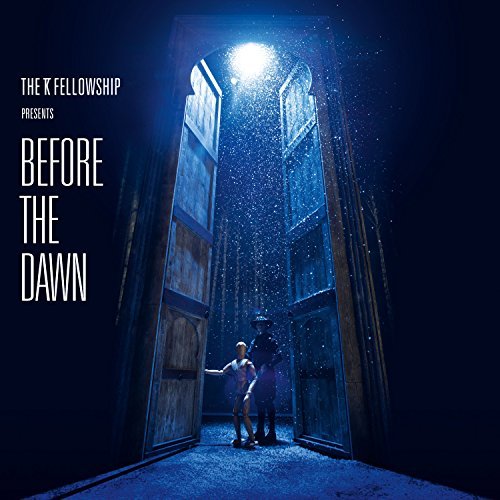
  • ALBUM REVIEW | Kate Bush, Before The Dawn (live)

    ALBUM REVIEW | Kate Bush, Before The Dawn (live)

    ★★★★★ | Kate Bush, Before The Dawn (live)

    Before The Dawn Review
    Before The Dawn

    You need to learn patience with Kate Bush. Ever since I heard “Wuthering Heights” I became a big fan of Kate Bush. I was 4 at the time and l remember saying to myself that I will see her live in one of those concert things. 35 years later I finally got to see Kate live at the Apollo on the 24th September 2014. I was four rows from the front, could see not only the whites of her eyes but the bare soles of her feet. I remember crying many many times. It really was a dream come true.

    Releases from Kate Bush have been quite fast coming. Not that you would think it. After a 12 year hiatus, she returned in 2005 with Aerial. Then in 2011 there were two releases and a year after that the Before the Dawn tour that people went crazy for.

    We then had to endure a 26 month wait before she released the CD recording taking from various shows during her 22-night residency at the Hammersmith Apollo where she last performed in 1979. What hadn’t helped the wait was Paddy Bush telling Graham Norton on his BBC radio 2 show late last year that Kate was going to release something from the show. We all thought it would be the DVD.

    To be fair I had pre-ordered my copy on the day of its mention and that has been an agonising wait. Finally, on Friday my copy was delivered. I had to contain myself. I wanted to immerse myself in the whole experience. Playing it on the computer at work while being interrupted by mechanics and the telephone would have ruined it. On social media, I told friends they could all **** off, I would be with Kate Bush. And only Kate Bush.

    I got home, locked the door, vodka was poured, ran upstairs to the manlab and became one with Kate Bush. The cellophane was removed from the three CD set and I indulged myself in the little booklet that accompanies the set. It goes on about the show and Kate gives thanks to everyone involved. On the night she was so gracious to us the audience too and that hasn’t been edited out from the CD. Each CD is set as an act. Act 1, 2 and 3.

    Act 1 CD is your typical concert made up of seven songs. It was nice to listen to Lily without the muffling that comes from crying. Never be mine wasn’t actually played at the live show though it does appear on the CD. A puzzling question as to why this appears on the CD. That said I am glad it does. It is one of my favourites. I’ve many favourites but this one just happened to help me during a strange period of finding out who I was and what my life might have been at the time. Joanni about Joan of Arc was brilliant live.

    Kate Bush’s first and only tour set new standards in live shows. From what I have read she was sort of the first to come out with a handsfree mic headset so she could perform in the song with visuals and art. You would have been stupid if you didn’t expect her to move the goal post again. So enter act 2.

    Act 2

    Act 2 was taken from the B side of Hounds of Love titled The Ninth Wave. I never really understood the whole ‘woman drifting out to sea from a shipwreck. The concert put a lot of visuals to it. It all made sense. On the CD you are allowed in but shut your eyes first and enjoy the story telling through some acting and music. The live version of Dream of Sheep is just amazing. I like the song on the normal album, however, live changes it. You can hear the desperation in the woman’s voice hoping that she is found. Little Light reduced me to tears.

    The heartache of it all ends in an uptempo version of The Morning Fog. An Irish jig soothes you after the journey experienced through the last 9 songs. It’s needed. I’m crying again as I listen to it.

    Act 3

    This section was mind blowing. Audibly it still is. This time though you can open your eyes. Taken from the Aerial albums A Sky of Honey CD with three other songs added. Tawny Moon was sung by Kate’s son Albert McIntosh. Albert actually makes more of a presence through this section of the CD singing alongside his mother, his voice complimenting hers along the way. This time you are taken along 24 hours of changing sky in just 73 minutes.

    From this act Sunset stands out on its own as it rises and rises like the song, rising to the top of the night. On the night Tawny Moon did seem to go on forever when it was only 7 minutes long.

    I loved Aerial. On the album it’s pleasant. The live version was damn right frightening. It gets so loud and frenetic. It’s not the song you thought it was. Your pulse rate banging hard and fast to the song. When it does end there is a solo of Kate singing Among Angles. Again I cried.

    She ends the set with Cloudbusting. Having calmed you down, for the final song you are up on your feet. For the entire three CDs, you have listened and absorbed. Now you are singing with her. Clapping and stamping your feet. It’s an ending of all endings and sadly it is the ending. Lights up, carry on.

    I don’t have any bad words to say about this. The concert could have been watching Kate paint a wall white, I’d still have loved it and the CD could have been filled with silence except for some casual cough or other such noise. I’d still love it.

    Let’s hope that in two years time we get the visual to go with it. That would be nice though I’d have to stock up on more tissues.


    Available from Amazon

  • CLASSIC CAR REVIEW | Volvo 66GL

    Volvo 66GL  | Elastic Fantastic

    What a strange little creature the Volvo 66 is. It’s not really a Volvo at all. Underneath its square styling lives the Daf 66 and deeper into that is the Daf 55.

    Daf’s car division was taken over by Volvo in 1975 and almost immediately they rebadged the Daf 66 to become the Volvo 66. Being safety conscious Volvo they added their stamp to the Daf by fitting big energy absorbing rubber bumpers to coincide with the newly launched 200 series from 1974. Also added was a revised brake system and inertia reel seat belts both front and rear. A first for a small car.

    From a country that legalised the smoking of the herb, you can be assured that Daf would not make a conventional car. The interior is quite well thought out in terms of space. The mechanism of the front seat backrest tilts inwards to make getting into the back easier. It’s as if time was taken to think about it. A bit like being stoned and really focusing on something. Thankfully they wrote it all down. And then in the fit of giggles and munchies, someone suggested a transmission made entirely of rubber bands. This was back in 1958 and the Variomatic was born.

    The 1970’s were a dark time for the motor industry. The first oil crisis of 1973 caused chaos to those manufacturers who only made big engined vehicles. And there were many who didn’t have small engined cars in their line-up. There was also the problem with the wants and need for the two car family. If there was no small car available, they would look elsewhere. Chances are they would also change the big car to match.

    The cost of developing a new car in the cash-strapped 70s was great. Platform sharing wasn’t quite as rampant as it is today. Volvo already had a 30 percent stake in Daf and in 1975 increased that share to 75% taking over the little Dutch manufacture almost completely. A bonus for Volvo was that Daf was a year away from launching their new 900 project. This would become known as the Volvo 343.

    Daf themselves were not unknown for sharing development costs by using 1300cc Renault engines in their 55 and bigger 66 models. Using Renault engines was not going to be a problem for Volvo either because they had already worked with the French manufacturer to develop a V6 engine with Renault and Peugeot.

    The launch of the Volvo 66 sadly saw the demise of the sporty looking coupe body. If ever there was a company that needed added sexiness it was Volvo. The P1800 coupe that the Saint drove had gone in 1973 with no replacement. There was no sporty derivative of any Volvo.

    Sporty it never was, but, a development within the rear suspension set up saw the development of a De Dion rear axle that was mainly found on Alfa Romeo’s of the time. This did give some improvements, not that you would notice it. The performance was still as lacklustre as the models before it.

    Graeme has owned Daffy for two years. Despite it not being a total basket case, in 2013 when it was discovered, it was destined for the big scrap yard in the sky. Thanks to Daf owners club editor Richard Butler it was saved and made mechanically sound so it could propel itself once more. In Graeme’s ownership, it has received an extensive restoration to the body. Panels are not readily available so new metal was cut in carefully were needed. The company doing the work really did a great job. Graeme told me that several members of the body shop team hadn’t even seen one let alone knew what a Daf was. A sure sign that we are all getting older or an honour for them to be allowed to touch such a rarity from the normal exotica they worked on.

    This 1975 example also has some historical value. On further investigating the car’s history, it is safe to say this was one of the very first 66s to be badged a Volvo and sent to the UK and the only one still in use today! Registered in November 1975 it is missing little touches like the V’s on the hubcaps and the rear seat belts were not Volvo labelled.

    The famous continuously variable transmission or CVT drivetrain was used by Volvo up until 1996 in their 440 series though not quite in the same format as in the 66. Quite ironically that this much-maligned system would eventually be used by many manufacturers and even today it is seen as the best alternative by some companies like Toyota and Lexus on certain models.

    It is more technical than just 2 rubber bands flapping about underneath. It’s easy to mock the system for its simplistic look. However, if you delve in a little deeper it also relies on vacuums and diaphragms. l am told the belts rarely give problems but the vacuum and diaphragms do. An air leak in the system can cause all sorts of problems. Set up correctly it is easy to see why it appealed to the city driver. A simple gear lever protrudes from the floor. It goes forward or backwards. That is how you know which way it is going.

    In motion, it is surprisingly cute. The engine note not really changing but revving more and more. Come off the throttle and it feels like it is winding itself down. It’s not quiet and there was some vibration felt. l was told the system needed a little more fettling.

    It’s a fun little car and the owners of these of whom l know several, all seem to be as eccentric as those who own Reliant Robins. They carry the heart of the car on their sleeves with a real passion. As a result, there is an abundance of support out there for them.

    And before you ask yes it can go as fast backwards as it does forward.


    GCCG member Graeme for the use of his Volvo. http://www.gccg.org.uk

  • CLASSIC CAR REVIEW | Skoda Felicia Fun

    Oh Felicia, Where The F***K Are We?

    You wouldn’t necessary associate the word “fun” with Skoda. Well, certainly not in the 1980s. Despite a good record in rallying and great advertising, Skoda was stuck in the lower echelons of the new car world. Even in 1989 with the release of the front wheel drive Favorite it didn’t help much. Step in Volkswagen who by 1994 had the first new Skoda models under their guidance ready to emerge named after a drag queen from a movie out the same year (this isn’t actually true).

    In 1998 Skoda needed some much-needed sex appeal added to the brand to entice the young and what better way than with a pick-up truck. That’s right a pick-up truck. Not just any old pick-up, though. Painted in bright yellow with darker yellow extremity add-ons, the Felicia Fun was born. To accentuate the pick-up vibe, it even had an integral bull bar moulded into the front bumper and a rear handle bar type non-effective rear spoiler. Even the alloy wheels were yellow. Now who hasn’t cried out that well-known quote from Pricilla Queen Of The Desert when they saw a Felicia? Despite it being based on a rugged pick-up the Fun is about as butch as Judge Rinder and just as crazy as his first dance on Strictly Come Dancing. You can’t help but fall for its cheeky charisma.

    To add to the “fun” Skoda went above and beyond with the yellow trim inside too. You got a leather covered steering wheel, gear stick and gaiter, padded door inserts and a splatterings design on the seats. Remember this was all in a bright yellow leather material. And then if that wasn’t enough you also got four yellow dials on the fascia too. It’s all rather brash and crude while at the same time being immensely enjoyable. Dare l say it, a fun place to be in.

    This still wasn’t enough. Skoda wanted to give the youngsters even more but what could they give? While a yellow truckman top was available, a yellow piss stained mattress in the back was not. What you got instead with your two-seater pick-up with wood slatted rear cargo area was a pull out rear bulkhead that would further reveal two more seats. At the time this was amazing, and it has never been replicated since. The Fun really was a one of a kind.

    The brochure that accompanied the Fun was about as sexy as you could get without fornication actually happening in print. Two dudes in Hawaiian shirts enticing two pretty young gals. And then there was innuendo. “Open up for extra fun” was one slogan. “Two + two = fun” or a foursome in my mind. It was all fun fun fun and there was the sun too. Something the UK sort of lacks on most occasions. So keep it realistic and think grey skies and Billericay.

    Like the crowned frog decal on the B-pillar that no one knows what it is supposed to mean, no one knew where the f**k Skoda were going with the Fun. At the rate it sold it outstripped demand of the 300 units originally sent to the UK. A further 300 were needed to meet the demands of the young. Rumour has it there were 601 in total imported to the UK. According to statistics, there are around 267 cars still on the road and 154 on SORN. Not bad for a commercial pick-up that has a tendency to rust violently anywhere around the rear bed area and sills.

    Mechanically it is basic Skoda Felicia with a fuel injected 1600cc engine. In practice, it felt quite spirited and the drive surprisingly rattle free. Being one of Volkswagens engines it also means it has a pretty good reliability record.

    Owner Matthew has owned Nessa for almost four years after seeing an advert on that well-known auction website and clicking the ‘buy it now’ tag. A trip to a farm in Wales revealed that the Fun was anything but. Instead, it was being used as a proper pick-up truck that wasn’t what it was designed for. The rear bed might have been full of wood but it wasn’t the wood that raises the pulse rate dressed in a Hawaiian shirt.

    The drive home was eventful with a failed Lambda sensor and nearing home the back end decided that supporting itself was no longer an option and gave up. After being turned away by several garages which couldn’t see the potential to weld it up, Matthew finally found someone who in essence rebuilt the rear end. Sometimes having to fabricate parts no longer available.

    Having returned it to the road and continuing the rolling restoration, Matthew continues, “It was always sure to turn heads! However, you do need to like yellow. It was a car I had fallen in love with as a young lad on my way to school, passing one every day thinking it was the coolest car I had seen. Knowing that Skoda’s weren’t cool I kept quiet. Now I get to drive my own and it still makes me smile every time I go out in her.”

    By the end of my time with Felicia Fun l was sold on the whole idea. It makes so much sense. A two seat pick-up workhorse most of the time that could take four. And no one need get wet in the rain with a truckman top. Having tested several pick-ups lately, l thought there wasn’t much left for truck development in passenger carry overload lugging. I’ll tell you were Skoda are with this and that’s ahead of the game. Sadly no one does this kind of thing.


    Thanks to Matthew for the time with the Fun.
    Gay Classic Car Club for allowing me to ask for cars to try from its members.

    Gay Classic Car Group

  • CAR REVIEW | Lexus RX450h F Sport

    ★★★★ | Lexus RX450h F Sport

    For sometime Lexus have been a bit off the mark. The posher brand of Toyota just never managed to make the grade. Their products were too much Toyota. There was nothing special about them. Take the last generation of RX. A competent car in the making with a striking look but let down by an interior no different to a Yaris.

    It’s quite an astounding thing then the new Lexus RX450h. It may have taken them 27 years but finally, they seem to be moving the brand above and beyond parent company Toyota. The inside is special. It feels like a quality product. The fit of the interior has always been one of the key elements of a Lexus. It’s just that they then forgot to add the other elements to make it special. Imagine a Jägerbomb without the Jägermeister. You are left with a plain old energy drink. Gets to the point but that is it.

    Now you get what you should for £53,640 of your hard earned cash. The RX cossets you in grand luxury. The seats are some of the finest I have ever come across. They heat or cool or a bit of both. Set to auto and they will soothe you in a fuss-free way in addition to the climate control making it all very relaxing. Just pay attention when grabbing your phone from the charging area under the dashboard that you don’t catch the button. I did just this and all of sudden the seat was at full heat and that is a lot of heat.

    It was easy to live with. Something I did scoff at when I read the spec sheet was the all-round electric windows that slow down just before they close to reduce noise. Turns out this is no gimmick. It really does work.

    What didn’t quite work for me was the control button on the centre console for the infotainment system. The haptic feedback force is adjustable in 5 increments. It needs 10. On the lowest, it is quite uncontrollable unless you are a whizz playing platform games on the PlayStation. Five was ok but sometimes it was still too loose in my left hand. The infotainment system was easy to use allowing for easy access to the satnav, hi-fi, car info and all manner of settings. The screen is also large. And as if that wasn’t enough you could scroll through options that allowed you to change items displayed on the facia panel. You were always kept up to speed with the Lexus. It told you everything.

    On the RX I can’t quite work out if I liked the CVT (Continuously variable transmission) or not. What that means is that the gearbox is matched to the engine speed. Great in principle when connected to a hybrid system that cuts in and out without any fuss, it’s just that when pressed hard it sounded like you were slipping the clutch of a manual car. It does have a fine override system though where you can change up or down. Quite advanced for a CVT.

    Sound deadening is exceptional in the RX and the V6 24 valve double overhead cam engine sounded great only if you had the windows open. The payoff wasn’t too much of a hardship for most of the time it was all inaudible. That in itself is a great attribute in a hybrid. The quietness adds serenity to the journey. There was next to no noise from the wide tyres fitted emitted into the cabin on any surface.

    Manual inputs into the gearbox amazed me. I hadn’t expected it to be so smooth or adjustable. That gearbox can also take a damn good kicking. The RX won’t sit around idle for long. Unable to actually time it I can vouch that it is indeed quite rapid in its acceleration. What greatly helps this is the impressive figures. The petrol engine alone makes 259bhp at 6000rpm. With the assistance of the electric motors, it adds up to 308bhp and gives an impressive 7.7 seconds 0-60mph time.

    What I have briefly mentioned so far is that this Lexus is a Hybrid. It’s basically a petrol car that has some assistance from electric motors. It works well in as much as the motors assist the petrol engine in forward propulsion. You could select electric vehicle mode for up to about 30 MPH which was great in stop-start traffic. Over that speed and the system wanted to jump into petrol mode. I couldn’t quite get my head around the battery life. In EV mode it felt it would deplete the battery quickly. Full battery recharge was quickly achieved with little thought about it.

    I’ve not avoided the looks on purpose. It is striking and it was the first thing I was greeted with on first acquaintance. The RX is more than looks alone. The exaggerated family grill makes it look like an angry Darth Vader mask and that is no bad thing. These days when you are paying this sort of money for a car you want it to be striking. The design language is exactly that. It hits you head on. Side on. Rear end. You’ll also find yourself hitting your head on the C-pillar of the rear door when grabbing things from the rear seat. The angle is so sharp it caught me out once or twice.

    I have to say I didn’t push the RX around too much. To me, it just isn’t a gun-ho car. It is so much more than that. That said I wasn’t easy on the go peddle. With my heavy right foot I could average 37 – 41 miles to the gallon. The ride was supple over most surfaces. The payoff for this is a bit too much body roll. Due to the high seating position, it felt more exaggerated than it actually was. Overall the driving experience was nice. It has loads of equipment that was easy to use further adding to the luxury feel that Lexus are finally achieving.

    I liked the RX450h more than I thought I would. I’ve a few niggles that I’d like sorted before I went out to buy one but in this sector, you could do a lot worse for the money. It has plenty of kit and it’s a Lexus that now makes you feel special.

    Love

    Serenity
    Comfort
    Equipment

    Loathe

    Haptic feedback of control button
    Satnav dark colours at night
    Auto boot resistance heavy if caught under it

    The Lowdown
    Car – Lexus RX450h F Sport
    Price – £53,640 (as tested)
    MPG – 51.4 (combined)
    Power – 259 bhp @ 6000 rpm petrol (335 bhp @ 4600 rpm electric)
    0-62mph – 7.7 seconds
    Top Speed – 124 mph
    Co2 – 127 (g/km)

  • CAR REVIEW | Toyota Prius Business Edition Plus

    ★★★ | Toyota Prius Business Edition Plus

    Manufacturers since the 1980s have teased us with electric and hybrid technology. No one though had the balls to actually do it. Toyota was the first to give us a hybrid car as a stand alone product called the Prius. It looked like nothing else in the Toyota showroom. In fact, it looked like nothing else anywhere.

    This next statement makes me feel so old. The Prius is now 19 years old. Toyota should be celebrated for this motoring milestone. It was a gamble. It ended up being a game changer. Now the Prius is not the only hybrid out there.

    The few hybrids l have driven have only taken me very short distances so when the opportunity came for me to test one l wasn’t sure what to expect. Toyota gave THEGAYUK two to test. The Lexus RX450h and the Prius. Both new models.

    The Prius was a disappointment. My ears are quite literally screaming from driving it. l had high hopes for the car that brought hybrid technology to the masses but in this latest incarnation, it has left me a little cold. For a car costing less than half of what the Lexus RX450h cost you could say l am being picky. I wish I was. It’s not that the Prius is a bad car. It really isn’t. Huge advances have been made in the 4 generations of Prius since 1997. The Prius has one major flaw.

    The Prius is whisper quiet. On start up, there is no engine noise. The dashboard comes alive with animation and illumination. You select drive via a crystal blue knob where the gear stick would be and you surge forward under electric motion. And here is lays the problem. It’s so noisy! Even at low speeds, noise from the tyres and differing road surfaces barge into the cabin. I’ve not known anything like it. To those outside, all they hear are their thoughts and screams when they shout out because they didn’t hear the Prius creep up on them. It isn’t even as if the 215/45 17 Bridgestone Turanza tyres are highly rated in noise. Fuel economy rated at C with road noise of 69 decibels. All pretty standard stuff for a branded tyre.

    Noise aside it is an amazing car. At speed on the motorway, it does settle down into a world of its own. There is no wind noise. The Continuously Variable Transmission gearbox settles down into a long-legged stride. It is here that the Prius makes sense. CVT gearboxes are not known for being quiet and when pushed the 1800cc engine will emit audible noise as it spins up to its peak 97bhp at 5200rpm. Then with the powers of hybrid, it settles down to a wafting machine.

    Because the main fascia of the dashboard sits in the middle of the car it is almost too easy to ignore it. It tries to give you all the information you need in a slimline display. It does work well. Thankfully there is a heads-up display that isn’t affected by sunlight coming in through the windscreen. What didn’t work for me was the hybrid display that kept clashing with the speed limit display. I wanted to know when I was in EV mode (electric vehicle) or not. The speed limit display was annoying. It wasn’t as if it hadn’t also appeared on the facia screen. It could thankfully be turned off.

    The 4th generation Prius makes no apologies for its looks. It’s bold and striking. I like it. Actually, I like it a lot. So many cars at the moment are starting to look the same again. Toyota appears to be designing a car, screwing up the paper, unfolding it and making the result. A good job is done too. After 19 years on the forecourt, the Prius can now wear its “in your face” looks with pride. The second and third gen Prius’s were awkward yet safe. They never made the grade. This one, however, looks like a spaceship. The problem it will have is within its extremities of the corners. Lights mounted into the bumpers are very vulnerable. Thanks to the auto brake and sensors, you won’t break them, but others misjudging their parking will. What doesn’t work in design is the rear wiper. There is a large unswept area. Probably not such a problem in a left-hand drive model.

    The Prius as a driver’s car was also something I didn’t quite expect. This is, after all, an uber economy car. There is a gauge on the dashboard that scores you out of 100. At best I managed 89. With some serious gun-ho motoring you can get that down to 8! For that, you have to drive like the wind. I have been witness to this. It was during this spirited ride as a passenger that first made me appreciate the Prius before I even had one. It does not pretend to be a sports car but the weight bias of the engine in the front and batteries in the rear must play a part in the making of a finely balanced chassis. Never underestimate a Prius driver as a slow doodler when you see one in motion. Chances are the owner doesn’t actually know just how good it is.

    The Prius is a good car. With the economy that is achievable, it is a clear winner in almost every respect. It’ll seat 5 and carry you all relatively cheaply wherever you want to go. It’s just that the inside needs to reflect the quietness of the outside. Toyota is capable of achieving this. I just wish they had with this Prius.


    Likes
    Economy
    Looks
    Dashboard

    Loathes
    Cabin noise
    Vulnerable extremities of the lights
    Rear visibility

    The Lowdown
    Car – Toyota Prius Business Edition Plus
    Price – £25,995 (as tested)
    MPG – 94.1mpg(combined)
    Power – 97bhp @ 5,200 petrol (142bhp @ 3600rpm electric)
    0-62mph – 10.4seconds
    Top Speed – 114 mph
    Co2 – 76 (g/km)

  • CAR REVIEW | Volkswagen’s Golf GTi

    ★★★★ | Volkswagen’s Golf GTi redefined the go faster car in the 70s. With its hatchback styling, it started the Hot Hatch trend that we have seen go from strength to strength. It was then seen as the benchmark for all GTi’s in the 80s and thanks to high insurance premiums and a lack of love GTi’s felt in the 90s, it lost its way.

    It tried to bounce back with lacklustre attempts in its Mk4 guise but then love for the GTi returned. Volkswagen saw the errors of their ways and addressed the situation.

    Now in its 7th generation, the Golf has stayed true to form. Its design is simple both inside and out. While some manufactures have opted for garish add-ons and bulges in places, VW have not. Likewise, they have not tried to redesign the hatchback with pointless styling that can date very quickly. Outside they have ironed out a few lines, placed emphasis on simplistic looks and then added some Golf GTi design touches.

    © VW

    The red line along the grill blending into the front lights is a nice touch. Inside it is all very Golf. There is no mistaking that you are in anything else other than a Golf. This Mk7, like my own Mk2, is like slipping into comfy slippers and that is why the Golf is still ahead of the game with a philosophy VW had perfected from the days of the Beetle. Make changes only where needed and do no more other than to make it better.

    Anyway enough of the old and more of the new. On the road, this is one quick car. 0-60 comes up in just over 6 seconds and reaches legal speed limits before you realise. Add to this the almost sumptuous comfort and you soon lose sense of what fast actually feels like. Standing starts feel quick but soon blend into a senseless wonder of how fast you are actually going.

    What aids this is the 5 road settings. There are soft settings, hard settings and mixture settings where you can choose the damping rates, gear changes and steering feel. This Golf doesn’t compromise you in any way. You can have a fast Golf with comfort or a fast Golf with a spine-jarring sporty ride.


    © VW

    The economy is a marvel too. Father in the passenger seat, we managed around 40 mpg on the way to Bognor. After l had kicked him out, l managed 17 mpg according to the computer. With fuel figures like these, you could be hard pressed to find a car that has so many life skills. Todays GTi is to all men and women a satisfying car to pilot if you want a Golf that will take you places without fuss or a full on GTi with excitement to match that red stripe in the grill. It doesn’t scream at you that it is can be a flat out fast machine. It’s identity is the GTi badge. Subtle and discreet.

    All this fun from a Golf that now has a faster model in the range coming out soon is to the GTi’s benefit. The GTi has a crossed over identity. It’s not the fast thrills and frills GTi it used to be. Then again it isn’t a GTi that you can’t live with if it is to be your only car. 3 or 5 doors, space for 1 to 5 and luggage space to match. It’s practical. It is put together well.  Above all, it’s a Volkswagen.

    VW’s philosophy just gets better and better. It doesn’t age either. You could be forgiven for having a mind blank when trying to figure out if this is the mk7 or 6 or is it a 5? It’s not a 5. You know it isn’t a 5. However, the shape isn’t too dissimilar to the Golf 2 generations ago. This time they have made it look sharper. Squared off those rounded shapes, flattened a few lines. Golf doesn’t have swoops and curves. It remains crisp and sharp for an entire production run and continues to do so when it is replaced. The major contributing factor is that Golf is so on the money all of the time. Others fail to emulate it. It’s almost like VW’s design team have a crystal ball.

    I still marvel at its on-road ability. I can’t actually place it as an out and out performer because it is everything you could want. So we shall set it to comfort and drive it. You can drive it fast. The DSG auto box changes smoothly. The ride is compliant. It glides along. It’s very Golf.

    © VW

    Change the settings and add a little magic and Golf becomes more GTi. Changes are sharper, steering becomes more communicative requiring increased input. The gliding becomes more ‘Jack Rabbit’ and this time it darts around the road.

    Roundabouts become playgrounds. Entries and exits are now flatter and quicker. Using the steering wheel paddles for gear changing allows you to now choose when the changes happen. This allows full access to the 227bhp available at 4500rpm. Stretch it further and it’ll reward you even though you are well past the peak torque at a lowly 1500rpm.

    Inside it remains Golf. The retro check GTi fabric on the seats is also another nice touch. At night there are red lights that appear within the red strip of the front doors. It’s a shame this doesn’t stretch to the rear doors.

    It’s still expensive and on paper at least, it seems a little behind the times. 40 years on it is still the GTi king. There is no getting away from that fact. You cannot deny the Golf GTi that title.

    In a time where excessive add-ons are the norm, the subtlety of the Golf rewards you with a competent car that to drive is both rewarding or comfortable or both. It’s just that l don’t know which one of the two rewards is the better?

    Likes 
    Retro GTi touches
    Ride
    Performance

    Loathes 
    Generic VW dashboard
    Red lighting not in the rear doors
    Price

    The Lowdown 
    Car – Volkswagen Golf GTi DSG
    Price – £30,925
    MPG – 44.1(combined)
    Power – 227bhp @ 4500rpm
    0-62mph – 6.4 seconds
    Top Speed – 154 mph
    Co2 – 149 (g/km)

  • CAR REVIEW | Nissan Navara NP300 Tekna Double Cab

    ★★★★ |  Nissan Navara NP300 Tekna Double Cab

    You’re Just Too Good To Be True….

    And I can’t take my eyes off of you. That is how the song went as covered by Gloria Gaynor. I was dancing to it in the new Nissan Navara in a well known supermarket carpark. The Navara is a handsome truck. It has those classic rugged good looks I like to see in trucks and real men. This is a truck for men. So what the hell am I doing driving it?

    There is something very indescribable about a truck when you try to describe it. It’s not your usual vehicle that you’d associate gay men driving as a pleasure vehicle. It lacks modern niceties that you would get in a premium 4×4 for people. In that I mean soft touch areas and a compliant ride with the ability to tow the caravan or jet ski.

    What you get in the Navara is a truck with attitude. It might be hardwearing and functional but look beyond its purpose and you find that Nissan have given the modern truck driver softening little touches. In this £27,000 truck you get heated leather seats, climate control, cruise control, one touch entry along with another 62 other items of importance in exterior, safety, audio, interior, comfort and technology. This price also includes sunroof, bedliner and interior touches in mats and kick guards. In total though there is far to much to list. What it all adds up to is in the making of an impressive truck for not a lot of money. Nissan must be doing something right here because the roads are littered with Navara’s.

    It keeps on getting better too. The Navara posses size. A lot of size. It’s big. I did worry about leaving it on the street where l live for it engulfed a little French hatchback. At over 5 meters long it is a bit of a brute. Thankfully it comes fitted with Nissan’s 360 degree camera. I never fully appreciated this. On the Micra it seems excessive. In the Pulsar that we tested I felt it had a use. In the Navara is it epic. Parking was a total breeze. If you see someone struggling to park one then you can be safe in the knowledge that they don’t have this bit of kit.

    On the move there was little to complain about. The engine is fuss free. Vocal when pushed, however there is little gained going too far beyond 4000 rpm. The 2.3 litre 4 cylinder twin turbo will hustle the truck along quietly confusing your senses until you look at the speedometer. Nissan claim 112mph max speed and there is little doubting that it would get there without too much fuss.

    The 7 speed automatic did all that was needed. Manual inputs were never needed in normal driving. I am sure off road it would help. Normal mode is rear wheel drive with four wheel drive high-low available on an easy to reach rotating knob. To select it on the move you just turn the knob only stopping if you need to select low ratios. Thankfully there is a a foolproof catch on the low mode. What I did find was that like most 4×4 trucks, in the wet it is best to drive in 4×4. This is only because the rear is unweighted and 450Nm of torque from a lowly 1500rpm has an easy ability to spin the inner wheel. Traction control kicks in quickly to prevent exciting snaking of the rear like a drag racer.

    On the road its ride was surprisingly jiggle free. For a vehicle with a sole purpose to be a hard working horse capable of taking heavy loads, 5 people, tow something and yet not shake your spleen free from the muscles it attaches to, the ride was more than civilised. You could jump in the Navara and just drive cross country in comfort. With documented economy averaging 40.3mpg it wouldn’t need refuelling too often either. Quite an achievement for a heavy vehicle. The on-board computer registered an average of 35mpg while it was with me. l could live with that.

    I don’t doubt the Navara’s ability to go off road. Over hangs at the front were small, The rears a little longer. There is a handy metal bumper that shouldn’t get ripped off as easily as a plastic one would. That said I did take it off road. Down to the back of the garden in fact to load it up with gardening waste. It felt the right thing to do instead of loading up the trusted hatchback. What wasn’t so good was trying to get it into my local council dump. Even in Crocs I was still seen as a heathen by the authoritarian from the council. Apparently even privately owned pick-ups come under the commercial vehicle nonsense. In the end I returned with the trusted hatchback. And Doc Martins.

    There are a few nice touches abound the Navara. The rear seat squab tilts up allowing for items of a certain size that you want protected from prying eyes and the elements. It opens up the rear amazingly. The rear seat though lacks under thigh support for those with long legs. I couldn’t travel on it for long. Personally I do think the chrome inner door handles a bit out of place. There is no other chrome anywhere.

    When it all ended and the keys were handed back to Nissan I searched for jobs in farming. I listen to the Archers so I obviously understand farming issues. I want to be a farmer and drive around my I and all day in a Navara. Ok l don’t want to be a farmer but I’d happily take the Navara for all its ups and downs. I want a pick-up truck.

    Likes
    360 degree camera
    Civilised to drive
    24 month service intervals

    Loathes
    My local authority
    Lacking door protective strips
    Poor under thigh support on rear seats

    The Lowdown
    Car – Nissan Navara NP300 Tekna Double Cab
    Price – £27,163.17 (as tested)
    MPG – 40.3mpg (combined)
    Power – 190 bhp
    0-62mph – 10.8 seconds
    Top Speed – 112 mph
    Co2 – 183 (g/km)

  • CAR REVIEW | 1996 Volkwagen Polo L

    Po-Low not so Mint for £70. The Gay UK’s First Car.

    CREDIT: Stuart M Bird

    Writing about cars and testing various marques might sound glamorous but beneath the glitz of a new car is the darker world of the second hand car market. Sometimes 7 hands. Sometimes even more.

    Working in the motor trade, from time to time you get offered some real gems. My current mobile is an old Golf that a customer wanted us to dispose off. l couldn’t allow that to happen. Four years later and a couple of mechanical failures later we are still together. That kind of thing doesn’t happen often. My ears pricked up when l heard another customer’s Volkswagen was going on the market and l decided to take a chance without the editors knowing. Oops.

    It’s called “Bangernomics”. In a nutshell it is to buy something cheap and hope for the best. More often than not it is done when you are in desperate need of some wheels. I’ve bought my fair share of bangers over the 20 odd years l have driven. Sometimes they come with an MOT longer than a month. Sometimes they come with some history. More often than not they are pieces of shit.

    For this dabble into bangernomics l give you The Gay UK’s first car purchase. A red 1996 Volkswagen Polo L for the princely sum of just £70. Or to put it another way, 7.3 days worth of train fare bought us a Volkswagen.

    CREDIT: Stuart M Bird

    For that money you don’t get electric windows. In fact none of the windows opened because the regulators had failed. There is no central locking because it is a poverty model and at present the boot does not open. Over inflate the tyres and there is your power steering and the glove box is now a very spacious hole because the lid is missing.

    All is not lost. What we do get for that £70 is a CD radio, remote adjustable door mirrors and it has some 10 months MOT. That’s it. No one said it was perfect. In fact no one said it was alright either.

    At the garage we scrutinised the car from 10 paces. You’ll not find any corrosion on Polo. The nearside rear wing my be a little rusty due to an altercation with an immovable object but that is it. Its once all over red paint I am sure was the talk of the showroom. Twenty years later and it has held up quite well for red paint that it. A colour that UV rays like to fade. This one did show signs of touch up here and there using parts from a blue car. Judging the car today you wonder how bad the donor car was if it kept this one alive!

    Amazingly, for an unloved, the interior is holding up quite well. I say quite well in as much as the fabrics still look capable of withstanding another 20 years. This car comes from a time when VW over engineered everything even down to the carpets. One air vent doesn’t quite aim in the direction you’d like it to.

    It started quite well on the drive home. That little engine of 998cc felt quite spritely. You could say it was eager. This enthusiasm soon died down. Actually the enthusiasm abruptly ended when the engine got warm. This was where the horrendous flat spot from 1/4 – 3/4 throttle became apparent.

    On the move is where you discover what it is like to drive a car that once had 50 brake horse power. Some of those horses have left either on their own accord or legged it to the lasagne factory. Those that have stayed are loyal horses that give you all they have and that isn’t much.

    Seriously it isn’t.

    The Polo struggled to go over 65mph and only gun-ho shouting, bouncing and rocking like some wild western cowboy managed to push those horses to give an extra 5mph. All that excitement was lost when 5th gear was selected some horse power that was made was lost while several horses took a mid drive nap.

    CREDIT: Stuart M Bird

    Small engined cars can bring out the best in you though. Once you find out how to get the momentum going you find it a game of cat and mouse to keep it going. With this you discover the handling of the Polo. That non-assisted steering is woefully indirect were grand gestures of the steering wheel are needed to navigate anything with a bend.

    It was good to know that the oil pressure light worked. What l did find after the thrash home was that there was hardly any oil in it. On removing the filler cap it was full of a mucky substance reminiscent to treacle. Thankfully it was not terminal or more worryingly a sign of a blown head gasket. Just good old fashioned lack of maintenance. Three litres of oil later – that is the equivalent to a full oil change –  and this annoying rattling noise sort of vanished. It did prove to me what an amazingly tough engine this Polo has.

    It’s motoring on a budget. Get over the failings and something like our Polo could work its way into your heart.

    CREDIT: Stuart M Bird

    To sum it up, is it any good? It is a dreadful car. I tried a social experiment and left it opened and unlocked everywhere I went. No one stole it. No one left me a couple of quid in it either. As a dumper car it’ll perform perfectly. It’ll take you and the dog to the park and back on a muddy wet day. Garden waste will not be a problem. You won’t loose any sleep scratching it while on the dump run. Trouble is I have a tendency to want to leave it there.

    Likes
    Cheap
    More reliable than public transport
    Park anywhere ability

    Loathes
    It’s a VW for £70. What is there to dislike?

    The Lowdown
    Car – Volkswagen Polo L
    Price – £70
    MPG – 40 I suppose
    Power – 30+ bhp probably
    0-62mph – Many seconds
    Top Speed – 70 mph
    Co2 – Some, probably quite a lot (g/km)