Category: Topics

  • COMMENT: 7 Reasons Why X Factor Isn’t As Good As It Used To Be

    Who doesn’t love The X Factor? Well, apparently 8 million less people than 5 years ago.

    This year has seen the worst ratings for the show since it started and ITV are panicking.

    Despite on the surface the show being the same as it’s ever been, a camp festival of fun and frolics with the best and worst singers the UK has to offer, a rot has set in and considerably less people are watching it this year. But why has Simon Cowell’s baby lost so many viewers? What has changed about the show that is putting people off?

    It’s impossible to pin it down to one thing because that could be easily changed. A series of events in the history of the show has meant people aren’t as enamoured with the show. I’m going to take a look at what I believe has gone so terribly wrong.

    1. The personnel factor. The first 3 series were the same judges of Simon Cowell, Louis Walsh and Sharon Osbourne, series 4 added Dannii Minogue then series 5, 6 and 7 kept with the same 4 judges after adding Cheryl Fernandez Versini who was actually relevant at the time after Osbourne left. But series 8 onwards has seen a rotating roster of judges changing year on year and constant changes in format to try and keep the show fresh and people can’t rely on what they know and couldn’t relate any more, and by the sounds of the reception of Nick Grimshaw this year, he won’t be back next year. Rita Ora also hasn’t made much of an impression; she’s just kind of there. The new presenters of the main show, Olly Murs and Caroline Flack, who went down well on the sister show The Xtra Factor, have even been compared to the car crash of a presenting team of Samantha Fox and Mick Fleetwood. The loss of Dermot O’Leary as main presenter and Louis Walsh as a judge has apparently really bothered people.

    2. The contestant factor. In the early years the weird and terrible ones were always kept to the initial auditions and possibly made it through to boot camp, but didn’t make it any further. These were generally hilarious, and in some cases downright scary (Ariel Burdett anyone?) but we were safe in the knowledge that this would be the only time we’d see them ever again. It’s what made the show entertaining, you could cringe along to these poor idiots who had been told by their parents and friends they were amazing, only to be ruthlessly torn apart by Cowell and co. Yes there were the camp and cheesy ones like Chico and Same difference who made it tot the live shows in the first few series, but they actually could sing, and could be entertaining in a slightly cringey way, But in 2009, Irish twins John & Edward Grimes, who everyone could hear couldn’t sing a note between them, made it through to the live shows, and stayed far longer than was thought possible, and after that there had to be a contestant who wasn’t very talented yet the judges kept insisting were “entertaining”. Which leads me to…

    3. The Fix Factor. Despite Dannii Minogue getting increasing annoyed, Jedward managed to survive to come 6th in 2009 and the whispers about foreknowledge by the judges started. Every time the twins ended in the bottom two, it would mysteriously go to deadlock or the judges would vote to save them, and they would get through another week. And year on year the same thing started to happen, contestants who were bad singers would survive much longer than expected and the whispers started to become chatter. The straw that broke the camels back though, was in 2012, when camp as Christmas contestant, Rylan Clark was dramatically saved by the deadlock vote after Louis was seen being talked too by a producer of the show during the save me song of Carolynne Poole. After he said he wanted to save Carolynne, the presenter Dermot O’Leary kept insisting that Louis say whom he wanted to send home, until Louis said he wanted to take it to deadlock. If you watch the video, you can hear a clearly exasperated Gary Barlow ask, “Why deadlock?” To which Louis appears to answer “Apparently I have to Gary” Seriously people go watch it. But it isn’t just the terrible singer contestants who were saved. After ranting on stage at the six chairs challenge this year, Mason Noise didn’t earn a chair, yet he’s on the live shows after Tom Bleasby quit before Judges Houses. There’s also the little issue of a picture of Seann Miley Moore being put up as part Nick Grimshaw’s final 3 before he was even announced. That could’ve been a technical hitch, but it raises questions.

    4. The sustainability factor. Year in and out The X Factor promises to find the next big star, and fill their world with countless millions of fans and albums and money a plenty. But hold on a second, what are the odds actually like to get a sustained career out of The X Factor? Since 2004, 142 contestants (not including this year) have made it through to the live shows. Can you name me 10 of them who are still in the public eye without using Google? Don’t worry I’ll wait…How many did you manage? By my calculations, of that number, less than 15 of them have had a career that lasted over a year, and not always in music. These are not having the odds ever in your favour when it comes to getting a career, and I think the public has cottoned on to that fact and are rebelling against the format of all these types of shows. It remains to be seen if any of the 13 contestants from this year can forge a living out of it, but chances are we’ll have forgotten them by next year or simply not care enough about them.

    5. The predictability factor. Once the live shows start you can usually see who the judges favour. They get given the best set ups, and the best songs and production value, and they are praised week after week, even if the performance is bland and predictable. Then there’s the same old phrases trotted out. When Louis was there, it was always, “You look like a pop star and you sound like a pop star”. But as the show progressed it became painfully obvious who was getting the most attention and who the public were being manipulated to like and vote for. As soon as I heard Mason Noise was coming back, I knew they would sacrifice someone more talented and likeable, like Simon Lynch or Josh Daniel in order to try and create headlines by having the bad boy back and showing his redemption of his past actions.

    6. The manufactured factor. Yes, yes I know, it’s reality TV and there is always going to be a certain amount of manipulation to make good TV, but it’s scary how many of the contestants are scouted by the producers rather than being a nobody who walks in off the street. Filipina girl group 4th Impact, have from the start been made out to be these four sisters who sacrificed everything to make it to the UK version of the X-Factor, but the truth is a little shadier. They have performed on various other talent shows in The Philippines and in South Korea and done reasonably well on them. The other side of it is that the genuine participants who haven’t been selected by the producers beforehand have been through at least 3 auditions already, before they even get to meet the main judges, so the reason why they seem so utterly put out when they are told they are awful is because they have been told 3 times they are good enough to meet the main judges.

    7. The same old format factor. The show has become dull, despite the attempts to inject life into it; there is absolutely nothing new that makes it interesting any more. None of the finalists stand out for the right reasons, none of their voices are unique and even the celebrity duets aren’t anything like they used to be. In the past we’ve had Rihanna, Christina Aguilera, Beyoncé, George Michael and Michael Bublé singing with the final 3. Recently they’ve had to get the judges Nicole Scherzinger, Gary Barlow, Tulisa, and Kelly Rowland (hopefully they won’t let Cheryl do it this year) and previous contestants like Ella Henderson to do the duets. The whole show has become tired, and with one more contracted year to go, maybe 2016 should be the last time we see The X Factor.
    How would you save The X Factor from certain doom? What would you do to breathe some fresh life into it?
    by Andy Elliot Griffiths | @AndyEG1982

    Opinions expressed in this article may not reflect those of THEGAYUK, it’s management or editorial teams. If you’d like to comment or write a comment, opinion or blog piece, please click here.
  • COMMENT: Is The Gay Community Its Own Worst Enemy?

    Last year I wrote an article for this divine publication about the gay movement eating itself from the inside out.

    It was in response to a comment from RuPaul, in which she made that exact statement after the term ‘she-mail’ was dropped from the Drag Race television show. Almost 18 months later I still agree with RuPaul; perhaps even more so now than I did then. That’s because recently I’ve found myself becoming victim to an increasing amount of abuse… not from homophobes, but from other gay people.

    Locally I do a lot of work with and for the gay community. This has led to a certain level of interest in the work I do and made me the go to person whenever an organisation or the local media wish to discuss a gay-related topic. I’ve never claimed or wanted to be a spokesperson for the gay community, but at the same time whenever I do give an interview or have a meeting, I’m keen to get across points that gay people have made to me rather than simply putting my own point of view across. It’s something that has ran pretty smoothly until the tide appeared to change several months ago.

    There was a bit of controversy surrounding the Coventry Pride festival earlier in the year. I had been organising it, but decided to step down from that position over a disagreement with the venue, who I perceived to be in it for the money and exposure rather than for the community. With money and influence on their side, the venue went on a spin campaign that absolutely trashed my reputation. It was then that negativity from people within the gay community began. I was subjected to threats of violence, death wishes, slurs about my appearance, and general Dan-bashing. It led to me having to log off social media for several days until things started to die down.

    That experience got me thinking again about how the gay community can sometimes be its own worst enemy. There I was doing what I thought was something positive for the community, only to have people jumping on the bandwagon to troll me. I resolved to ignore ‘the haters’ as I thought the truth of the situation was all I needed. Besides, if you start to respond to trolls it just feeds them, right? I anticipated that the trolling wouldn’t last as people would get bored and move on to something else. How wrong I was.

    Back in September, there was a horrific attack on a gay man in Leamington Spa. A number of people from an outraged community asked me to do something about it as we could all see that violent crimes against gay people were becoming more common locally. So I set about an awareness raising campaign and organised the Leamington Spa Equality Rally, which took place at the beginning of October. As part of the campaign, I gave interviews to local press, as well as holding meetings with the Police to discuss increased support for the community. As the press reports began to surface, I started to receive abusive comments again. What shocked me was that it wasn’t from homophobes, but from gay people. I was called all sorts of names, and it was claimed that I was making the violent incidents up as a form of self-promotion. I let it go as frankly I had more important things to think about, but at the same time felt a sense of disappointment that so many gay people appear to turn on each other so easily. Where was the sense of community and togetherness going? Does the hatred come from their own self-loathing or is it jealousy?

    After a couple of weeks free from being trolled, it has flared up again recently. This time it’s due to an article that a local newspaper ran based on one of my tweet sabout the LGBTQ charity I run not doing too badly considering I was told by a local councillor that there are no gay people in Warwickshire. It’s a very old story and I thought it was common knowledge. However after a sensationalised article locally, the story was picked up by national gay publications. They began running the story of how I had made this revelation, despite the fact I hadn’t revealed anything or even spoken to those publications. As the comments from gay people started, they ranged from the amusing to the abusive. For some, it became less about the article and the issues we face as a community, as more comments about my appearance surfaced, with some gay people basically saying I’m a minger.

    Whether I’m a minger or not, the thing that concerns me the most is how the gay community appears to be fracturing. I’ve detailed some of my personal experiences here, but I’m sure we’ve all seen profiles online that state “no fats, no fems, no blacks, no Asians”. There’s even one person on Grindr who states he is looking for “beef, not mince”. The reality is that we are now in a position where it’s seemingly ok to ridicule and discriminate against our own kind rather than stick together. I now find myself questioning whether the ‘gay community’ actually exists or whether it’s a thing of the past.

    With hate crime on the rise and equality still to fight for, particularly in a social context, I don’t see that in-fighting and discrimination within the gay community does anything to further our cause. It worries me that so many gay people would rather abuse and ridicule their own kind than come out in support of the issues that are being highlighted or in support of each other as a minority. We’re no longer the family we once were.

    So what’s the solution? Unfortunately, I don’t have all the answers, but it’s clear to me that trolling, racism, body shaming and ridicule are becoming increasingly prevalent within the gay community. Surely we’re better than that.

    Opinions expressed in this article may not reflect those of THEGAYUK, it’s management or editorial teams. If you’d like to comment or write a comment, opinion or blog piece, please click here.

  • COLUMN: Why I Am Outraged by LGBT People’s Outrage

    If there’s one thing that really annoys me these days, it’s people being ‘outraged’ over things that do not require any amount of outrage.

    Particularly with social networking sites being so popular, it’s easy to log on to the likes of Twitter and jump on a bandwagon of outrage against something.

    This week there have been two stories in the news that have resulted in LGBT people claiming outrage. The first is about the comments that Sir Tom Jones made regarding his former views on homosexuality. In an interview he said he was paranoid about homosexuals in the 50s and 60s when he was starting out in the music industry. When I read the article I had no doubt that he was referring to a certain period in history and that his views are surely more open minded now. However, the outraged brigade failed to see that and leaped on to the Tom Jones bashing bandwagon to call him out for being a homophobe. As Tom Jones himself has since said via his Twitter feed, let’s put this story into context. He was clearly talking about a period in history when homosexuality was illegal and people had very different views to ones that are held today.

    In another part of the interview he said that he soon realised that most people “were normal” before going on to clarify that “homosexuals are normal” and that “he shouldn’t have put it like that”. From my point of view he had said something that could cause offense, realised what he had said and then corrected himself.

    Therefore there’s no issue, right? Apparently not so, as swarms of people took to Twitter to berate him for saying homosexuals are not normal; something which he never actually said. I wonder how many of those people criticising him actually read the article or considered the context of what he said, and how many blindly jumped on the bandwagon of being outraged by something that he didn’t actually say.
    The second story that caught my eye is regarding the calls to ban Germaine Greer from speaking at Cardiff University due to transphobic comments she has made in the past. I’ve long been an advocate of trans rights and actively campaigned on behalf of trans people. However I have to disagree with any calls to ban Germaine Greer from speaking at Cardiff University (or indeed any other university). Although I do not agree with the comments she has made about trans women, I also do not believe in silencing or censoring people who have differing views, regardless of how offensive people may find them. As long as no laws are being broken and there isn’t any incitement of hatred, I am all for freedom of speech. Surely it is much better to organise a peaceful protest or actively challenge Germaine Greer over her views than to act to silence her. Doesn’t that make us as bad as those who act to silence our voices?

    The link between the two stories and the views I hold, is the outrage and offense that people claim they feel. While I cannot tell people what they do or do not feel, I can’t help but think that people need to read between the lines, see things for that they are, and perhaps open their minds a bit more before getting angry.

    Another example is when I recently organised an equality rally in my hometown of Leamington Spa to peacefully protest against a rise in violent attacks on LGBT people. Although not a dangerous place, attacks on the community have been slowly rising over the past couple of years and I decided to do something about it. As well as organising the rally, I also spoke to many local councillors, my MP and the Police to alert them to the situation and call on them to do more to support the LGBT community. The concerns were positively received and in particular the Police were incredibly supportive. They agreed a series of strategies to combat hate crimes against LGBT people, encourage reporting and support the community. I posted about the positive outcomes on social media so that those attending the rally could see what was happening behind the scenes. While the news was welcomed by the majority, there was a sect that became outraged that I would allow the Police to be involved with LGBT people and LGBT events.
    A number of very angry individuals, who were acting on behalf of a militant LGBTQ+ group, began aggressively posting their thoughts on how the Police actively murder people from our community and stated that the Police should be banned from all LGBT events. My response was to again explain the context of Police involvement. I told the individuals that the Police were being supportive of our community and that they were not attending local LGBT events to ‘police’ us. It was about positive community engagement and trying to learn how they can do better for our community. My clarification fell on deaf ears and the outrage of that sect became increasingly intense. Along with their outrage and aggressive posts came personal attacks on me, including racism.

    Ultimately what happened was a group of people became outraged over something they completely missed the context of and refused to listen to any kind of reasoning or explanation. I guess that’s the same in the case of the Tom Jones and Germaine Greer stories; people are becoming outraged over something without really understanding the context or considering the alternatives.

    As I keep saying, the LGBT community is sometimes its own worst enemy.


    Opinions expressed in this article may not reflect those of THEGAYUK, it’s management or editorial teams. If you’d like to comment or write a comment, opinion or blog piece, please click here.

  • COMMENT: GREEN: A Party For The Common Good

    I’m obviously not here to tell you who to vote for. I’m not even going to try and persuade you into voting Green.

    But I am going to share some important policies the Green party have to offer, and not only from an LGBTIQ stand point. Although, from a gay man’s perspective, The Green Party are standing up for our rights in many amazing ways.

    “For The Common Good,” is their slogan, and it rings true throughout their manifesto. To me this simple statement is somewhat empowering. It doesn’t segregate between social class, gender, religion, sexual orientation, disability – it encompasses everyone together. They are treating us all as equal, as the United Kingdom we are.

    Let us start with an important issue doing the rounds within the debates: immigration. Other parties are stabbing at this issue and the effect it is having on our government, on our own personal taxes. Yes, it is an issue but, in my opinion, it’s down to a flaw in how our benefit system operates, not the immigrants claiming them. I don’t begrudge foreigners seeking solace within our welcoming nation, I don’t want to condemn them to the life they were desperate to flee from. The Green Party agrees.

    They propose a reworking of the benefits system by controlling immigration fairly and respecting every immigrant individually for the contribution they make to our nation. In terms of immigration from an LGBTIQ perspective, the party desperately want to end the detention of LGBTIQ (and other) asylum seekers and the notion of disbelief that often denies asylum seekers refugee status.

    In regards to foreign and national civilians, they seek to double child benefits and raise a pension that people can live on realistically. In the long term, for the common good, the party aim to unite tax and benefit in a Basic Income system. This scheme will cover everyone, again respecting us all as equals.

    The NHS is another huge playing field when it comes to the debating parties, and rightly so. It is an important offering the UK holds and requires a delicate yet stable approach to maintain it’s future. The Green Party wants to end the privatisation that has started to appear and provide it with the proper funding it deserves. They also want to introduce free social care to the elderly and aim to give more time, funding and effort into the tackling of mental health.

    Other parties have ignored such medical issues, by cutting funding to the likes of the mental health services and certain out-reach programmes, which have had some cruel effects on our LGBTIQ community. Additionally the party want to end other NHS cuts, which have undermined HIV services and made it harder for trans people to access gender reassignment assistance. Plus, another bid in our favour concerns giving blood. They want to reduce the current 12-month deferral period and base each case specifically on the individual wanting to donate.

    The Green Party stands to help us elsewhere, and all other equality issues. One amazing bullet point they are prompting calls for mandatory diversity and equality lessons in schools. This will step up to combat all forms of prejudice based bullying and teach important lessons of acceptance to children from primary school ages. They also propose a requirement for the police to employ diversity liaison officers whose main responsibility will cover a prevention action on crimes originating in discrimination of any kind. As well, they seek to tackle the topic of institutional racism within our current justice system.

    In terms of women’s rights, they have suggested a UK wide strategy to tackle violence against women – concerning domestic violence, rape, sexual abuse and trafficking. This is alongside other women’s rights battles they want to challenge including equal pay for both sexes; a reworking of sexism in the media particularly with the likes of “lads mags” and their availability, plus making it illegal to stop nursing mothers feeding their babies in public spaces.

    They strongly invite an end to stigma in the workplace towards any minority, from everything and everyone covering race to disability. This bracket stretches to the teaching profession where the party wants to introduce comprehensive training for all educational staff on diversity and inclusion issues. Elsewhere in the classroom the party propose the teaching of HIV, sex and relationship education with an inclusion of LGBTIQ relationships. Adding a requirement of every school to have an anti-bullying programme explicitly combating homophobic, biphobic and transphobic bullying.

    I am not telling you to vote for The Green Party, but I invite you to read their manifesto, which offers relief to battles that do concern the LGBTIQ community. They want to take us forward and treat us with the equal rights we deserve. We are no different, we deserve our say, and The Green Party are a good ally. Please read their manifesto and decide for yourself, for the common good.

    by Mark Goggin

    Opinions expressed in this article may not reflect those of THEGAYUK, its management or editorial teams. If you’d like to comment or write a comment, opinion or blog piece, please click here.

  • OP ED | Tragic Lesbians And Clunky Love Stories: Does TV Have Trouble With Lesbian Love?

    OP ED | Tragic Lesbians And Clunky Love Stories: Does TV Have Trouble With Lesbian Love?

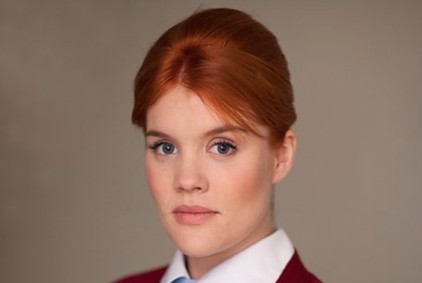
    After an episode in Call the Midwife in mid-March there was a clear split between viewers: there were those that praised the strong (though crowded) storyline and viewers from the LGBT community (mainly the L) that were reeling and disappointed by yet another blow to a gay TV couple.

    For a long time now gay viewers have complained by the lack of happy gay couples on TV, lesbians, in particular, have felt hard done by with several TV shows killing or “turning straight” lesbian characters. So with hardly any TV representation and coming hot on the heals of Last Tango in Halifax “lesbian hit by car” plot-line, repeating this on Midwife hit hard.

    Viewers took to internet and message-boards to express their sadness, grief and anger.

    https://twitter.com/CanhamLauren/status/574688881838288896?ref_src=twsrc%5Etfw

    https://twitter.com/Laneytog/status/574680891710111745?ref_src=twsrc%5Etfw

    https://twitter.com/seraudnitz/status/574679676205068288?ref_src=twsrc%5Etfw

    https://twitter.com/hearnsolo/status/574679103250513920?ref_src=twsrc%5Etfw

    https://twitter.com/hearnsolo/status/574679103250513920?ref_src=twsrc%5Etfw

    “While on The L Chat people said: Lesbians strive to gain greater social acceptance and respect as a minority. But millions of people watch these family oriented Sunday evening dramas (CTM, LTiH) and will come to accept that this is a pattern, that lesbians don’t matter much. It can help to shape viewers’ perceptions, that lesbians are less valuable as people, are dispensable, don’t deserve a happy life together. TV is a powerful medium and can have a huge impact on how people think.”

    The fact that it was Call the Midwife, known for its deep and well-researched and often educational storylines presenting this story hurt the most. I, though, am less surprised.

    At the end of last year’s Call the Midwife I wrote a column criticising nurse Patsy’s badly written coded coming out. I was told by viewers to wait and see, because they were sure that the story would be handled better in the coming season.

    So come January I sat down, and halfway through the series, I begun to feel I might be happily proven wrong in my initial criticism. I watch Patsy blossom, become opener, stand up for her believes and finally find love. Still, though, I felt something missing. Patsy’s love story always seemed written as an afterthought. It was there, the right things were said, but it seemed rushed as if the script had been written and the writer then remembered: “Oh, what about Patsy!!”

    Compared to the love stories of Chummy, Trixy and Shelagh where episodes were dedicated to their falling, doubts and other things that lovers do, the two or three minutes we got to spend with Patsy and Delia were crumbs. I had hoped for something stronger, especially after the hart hitting “The Undesirables” (though I found the comparison between LGBT and rats a bit, well … odd). Why not counter this with in the last episode with the girls setting up life together as good as they could. The drama could have come from these girls having to hide their love, while Fred and Vi had their wedding. After a whole years and season of waiting this felt very much like a cop out.

    Soon complaints were sent off to head writer Heidi Thomas and the BBC. Some viewers were so disappointed that they might have expressed a bit more strongly then they otherwise would, scaring Heidi. She told followers: “The hate mail has come from people who feel they should only be allowed to be happy. It is very difficult and may well frighten others away from creating gay characters. Never mind – it doesn’t frighten me!”

    With this reply she seems to have missed the point. Having a strong, settled gay couple in one of the biggest TV shows in the UK means a lot. Of course not everyone has to be happy, but it seems as if TV writers thrive on having no gay couple happy. This is very damaging to young people, as it tells them gay relationships are unhappy by default.

    Supporters of Heidi say that the relationship ending like this is realistic for the time the series is set in. Well, none of my family recalls every lesbian in the 50s or 60s being hit by a car and suffering amnesia, forgetting her sexual orientation. There were thousands of very secret but not less loving relationships out there. In fact there are many lesbian couples from the 1960s still together now.

    A storyline focusing on the girls living together and dealing with the difficulties thrown at them while sticking together would have been much more daring and original then throwing a dated cliché at us.


    Opinions expressed in this article may not reflect those of THEGAYUK, its management or editorial teams. If you’d like to comment or write a comment, opinion or blog piece, please click here.

  • COMMENT: Not Trans Enough – The cost of a “Gendered” name

    What’s the cost of a gendered name? Lola was discharged after the clinic that they* had attended for two years determined that not changing their name from Lola to a male gendered or gender neutral name did not warrant the surgery that would ultimately make them feel more like Lola.

    When I went to the gender identity clinic’s (GIC) welcoming session, they proudly told me that they treated non-binary transgender people. A non-binary person is someone who identifies as something other than male or female. I am agender, so I am neither of those options.

    It’s taken me a long time to get to where I am. I was born with a condition that caused me to not produce many hormones, including oestrogen and testosterone. I was put on hormone replacement therapy when I was 12 and now I take both oestrogen and testosterone.

    Being quite androgynous when I was younger, I got bullied frequently by others demanding to know my gender. That made me want to fit in. I didn’t resist hormone replacement therapy when I was 12. I embraced it. It was about growing older to me. But the more I developed, the worse I felt.

    When I discovered the concept of “agender”, it fit. It matched how I felt my entire life and it just made sense to me. I suspected for years and years that I wanted my chest to not be there any more. And when I finally put on a binder – everything fit.

    For the last five years, I’ve been pursuing chest surgery. Unfortunately, my chest isn’t large enough to merit what I want through the NHS. So, with the encouragement of my doctors and despite the warnings from other non-binary people, I went through the GIC.

    I waited two years in total from start to finish to be denied. I had two assessments with two different psychiatrists, lasting an hour and a half each. In three hours, I told the truth. I told them where I came from, what I’d been through, and what I needed from them.

    Two days ago, I received a discharge from the GIC. It stated:

    “We would not countenance endorsement of an irreversible surgical procedure unless the individual had been able to demonstrably consolidate a social transition including name change to the preferred gender role.”

    I don’t recall even begin asked during my assessment if I had plans to change my name. The name I go by is Lola. I love it. I don’t care if it’s not “gender neutral” because my experience of being androgynous early in life is that no matter what, if people can’t guess your gender, they’ll just ask.

    Changing my name to something gender neutral won’t actually make anyone see me for who I am. It’ll just make people ask me what I am. I don’t live in a society where people will ever see me as agender just from looks, so, as frustrated as it makes me, I cope with it by trying my best to accept it. What’s more important for me is having my body feel right.

    And it doesn’t. As the summer months approach, my anxiety increases thinking of the way the heat reminds me of the constant presence of my chest. Every day I feel like I’m lugging around two giant tumours. The psychological relief I feel by wearing a binder is good, but the physical discomfort and pain of it cutting into my skin makes it not a good enough long-term solution.

    While I owe my life to the NHS and I am glad for the treatment I receive for my disability, the lack of money allocated toward GICs only means that they are forced to pick and choose. Individuals who go to a GIC and wait 9-6 months for a first appointment and longer to be assessed, we’re not confused about what we want.

    The journey it takes to realising your gender is different and your need for medical assistance begins way before you reach a GIC, so most already know how they feel before they get assessed. Still, with a limited pot of funding, I suppose they must make decisions based on ridiculous, outdated criteria.

    Criteria that make it impossible for agender people to actually receive any care.

    Around this time of Transgender Visibility, I would like people to know and see the struggles transgender and non-binary people face to receive care. And maybe, in time, “GIC” won’t be such a tumultuous word among transgender people.

    Lola is currently fundraising for their chest surgery via YouCaring.

    *We asked Lola which pronoun they were most comfortable us using to describe them.

    This article was taken from Issue 11 of TheGayUK. To Subscribe click here

    by Lola


    Opinions expressed in this article may not reflect those of THEGAYUK, its management or editorial teams. If you’d like to comment or write a comment, opinion or blog piece, please click here.

  • COMMENT: Why The World Needs David Walliams

    Last Wednesday it was announced in the media that David Walliams and Lara Stone are divorcing.

    As David has always been a very private man this should have been, enough information to satisfy anyone not in their immediate circle. But surprisingly, the next day there was an avalanche of headlines and frontages that seemed almost from a different era. The blame was put squarely on David’s beloved camp persona and his love for playing female characters.

    The writing seemed offensively homophobic and more about the change of hurting David than an article informing the public on why the couple are divorcing.

    (The claim that Lara did not know about David’s image before they were married seems quite far-fetched, as she spoke about watching his work following their courtship in interviews soon after they begun dating.)

    On Twitter and message boards two certain groups of people seemed very concerned with David’s sexuality and his dresses, as if the two are always mutually inclusive.

    Isn’t it sad that in 2015 a camp man with a love for dressing up still seems so threatening to the media and certain parts of the population?

    The idea of a man being at ease with his feminine side and appreciating same sex beauty still seems like one of the biggest taboos in the world (one man even wrote to the Daily Telegraph to say people like him should be castrated. And no, he was not part of ISIS.)

    David has always fought against these taboos, from his earliest interviews on he has spread the message that being locked in a box of forced masculinity is boring and worse, limiting. It is also damaging to some-one’s personality, always having to think about whether doing something is or isn’t “gay” or “feminine”. People raised to be aware of such things are often the ones that end up attacking others who are more “open minded” and free spirited.

    In a time where people who are transgender, gay, flamboyant or in any other way different from the “norm” are facing fresh oppression around the world (homophobia is rising in the UK), people like David are needed to spread a counter message.

    David is working hard at doing this and is succeeding.

    His book The Boy in the Dress, which he admitted was semi autobiographical, is selling in countries where being gay, trans or different is illegal, changing young peoples outlook, showing that being different is actually being normal.

    In the UK the book has changed young boys considerably and in a good way: helping them understand and accept their more feminine male classmates.

    This World’s Book Day it was clear how much of a difference David is truly making: his timeline was flooded with young boys proudly in dresses, some mothers said they even demanded makeup! These boys were not afraid to do what they wanted, not limited in their choices: they just thought wearing a dress was fun. This book has opened their eyes. So if in future they may see or be the person that preferences the feminine over the masculine, they will see it as normal – having David’s message in their mind.

    But he has done more. The following might sound odd to people, but his flirting with Simon Cowell (and other men,) which has also been judged by the media and parts of the public, is also important to society. When David first appeared on Got Talent having David flirt with Simon on a big pre-watershed family TV show tells the world: “Hey, flirting with someone of the same gender is not weird or scary. It’s just as normal as a male judge flirting with a female judge.” And yes, it has brought difference. Young kids are talking about “loving” how David flirts with Simon, saying they want that kind of relationship too. They are “shipping” them as they would male and female characters. They see it as normal. Also David is not “pretending” to be gay, as some say.

    Over the years he has made it as clear as possible, without actually saying the words, that he has attraction to men and women, and would just at as easily have married a man had he found the right one.

    NOT that it matters, as that is not the message he is trying to spread. He is going beyond this, saying everyone should be able to be who they are: difference is to be celebrated. This has even affected Simon Cowell, who has changed considerably and even allowed David to put him in a dress and last season had David sat on his lap.

    Maybe this is what scares some people so much about David Walliams. They fear he is threatening their masculinity, their sexuality.

    Is his mission to put every man in drag and make up? Is he forcing people into homosexuality?

    Of course he is not, don’t be ridicules. No, he is just trying to change your attitude. It is not just about dresses or sexuality or gender, but difference: “It is alright to be different”. He is trying to spread tolerance.

    Think about it: who wouldn’t want to live in a world where no one is judged for being who they are? This is his message and if the new generation can understand that message, if boys and girls alike can be free in how they want to express themselves, maybe it is time that the adults allowed themselves this freedom again too.

    Many parents, thankfully do understand, as these messages posted to him show:

    Thankfully David still seems to be himself. When asked at his book tour on Thursday ‘if stealing was legal, what would you like to steal?’ David quickly retorted: ‘Simon Cowell’s heart’…


    NEVER change!


    Opinions expressed in this article may not reflect those of THEGAYUK, it’s management or editorial teams. If you’d like to comment or write a comment, opinion or blog piece, please click here.

  • COMMENT | What is it about gay bars and their disgusting toilets

    Public toilets and gay men have gone fist-in-hand since communal lavs u-bended it on to the scene. But in 2015 we no longer have to skulk around dirty loos looking for love.

    Now sausage-jockeys don’t have to frequent filthy washrooms, you’d think we’d refrain from doing so.

    Gay men are associated with the art of pairing the right Aquascutum Herringbone twill trouser with the perfect Yohji Yamamoto chunky knit. As well as having the same skill with a feather duster and fur-hemmed marigolds as Nigella Lawson has with a rolled up tenner. And all poofs are guaranteed winners of any quiche baking competition.

    So if crafty-butchers are male versions of Channel 4’s cleaning queens Kim Woodburn and Aggie MacKenzie why do homos accept the putrid odours, urine-soaked floors and lack of scented hand wash that characterise toilets of gay bars?

    But the stereotype of the hygienic, clean-freak batty-boy is exactly that – just a stereotype.

    Yours truly has undertaken extensive research up and down the country over the past 16 years, examining the quality and cleanliness of loos in poof pubs and bender bars. To this day not one homosexual drinking establishment’s lavs has matched, or surpassed that of a common-or-garden All Bar One.

    Take the men’s bogs at that one on the corner, for suited gentlemen.. one of Soho’s busiest bender hangouts. They refurbished their lavs a couple of years ago – a decade late but nevertheless. The walls are caked in what looks like a dodgy sponge effect blood and primary red tiles, and gloss cream tiles with a mini pyramid mosaic texture. Clearly, the person responsible for this interior atrocity spent too much time in Rupert’s slash-room. Inhaling the intoxicating fumes addling their creativity.

    Only two cubicles for the boys. Both are missing proper toilet seats and locks. Loo roll, if any, has all the silkiness of an acrylic cardi from Primark.

    Their stainless steel communal urinal wasn’t fortunate enough to be part of the upgrade and has no doubt seen more cock than that of all the Catholic priests residing in the Vatican. If steel could talk. The damn thing is hanging on by the skin of its rusty screws.

    That bar that’s famous for its go-go boys’ WC is also a delight to visit. It’s positioned in the basement, as most powder-rooms are in Soho. However, the stench punches you in the honker before you’ve even hit basement level. Waders would be the correct footwear for a widdle in this gaff but sadly Tom Ford hasn’t released a range to-date. Soap is like a brightly lit sky in Blighty during February. Is Jo Malone alien to bar managers?

    In most fag-boozers there’s the perfume-pushers trying to scrape together their bus fare home, pressing you to squirt a soupçon of their tired and mankey bottles of JPG, Paco Rabanne and Kouros. Or forcing Tesco’s basic own brand soap into your palms before you’ve had time to readjust.

    Undoubtedly nostril curdling whiffs, wee wee streams and dated 80s style décor are the theme of gay bar bogs.

    If you know of any shirt-lifter haunts’ loos that come up to standard – do share. Thabulous would love to be proved wrong.


    Opinions expressed in this article may not reflect those of THEGAYUK, its management or editorial teams. If you’d like to comment or write a comment, opinion or blog piece, please click here.

  • OPINION | Why Kim Kardashian Matters

    There is no escape from Kim Kardashian’s arse. It’s gone beyond global. Unless you’ve been under a rock, you will be aware of her shoot for Paper Magazine. To call it a phenomenon is an understatement. Within seconds of release, that champagne glass balanced on backside shot had been dissected, spoofed and pilloried ad infinitum.

    Of course, those of us old enough to have experienced a naked, pregnant Demi Moore on the front of Vanity Fair are getting cover controversy deja vu. But that’s a whole other story…

    The internet makes social commentators of us all and this is one of those splashy, eye popping social media moments ripe for sharing and evaluating. From the gazillions of posts and tweets about Kimmy’s shoot, the most common train of thought is as follows:

    A)Why is she famous?

    And

    B)Why is she famous?

    Scratch just beneath the surface though and something far more interesting emerges.

    In the past few days, I’ve read some genuinely excellent blog entries and articles on race, body politics and feminism all written in response to the Kardashian pictures. These are big, grown up themes not easy to express as pithy soundbites.

    Yes, it is a shame that we have to use a naked Kim as a hook to hang real issues on. But debate can only be healthy, no matter how unlikely the source it has stemmed from. Even our dear old battered and bruised tabloid press have weighed in with some strong opinion pieces on body image and the representation of women in mainstream media. That in itself is a small miracle.

    No one is arguing for a second that La Kardashian turned to her people and said, “I wanna be the springboard for some good, in depth critical writing. Get me a champagne glass and a bottle of baby oil. Stat.”

    However, there is a bittersweet irony that a woman often held up as the poster girl for the ongoing trivalisation of modern celebrity culture has accidentally sparked thought-provoking conversation. Kim Kardashian is not about to lead a revolution in sexual politics or change the way that women of colour are represented in magazines. But by default, the reaction and the weight of commentary that photo shoot has incited has made people think.

    And not just about the pros and cons of her bottom or why she’s famous.


    Opinions expressed in this article may not reflect those of THEGAYUK, its management or editorial teams. If you’d like to comment or write a comment, opinion or blog piece, please click here.

  • OPINION | No Time Wasters

    There is a photograph in a grid. Taken in the harsh yet flattering light of a locker room. You click on the picture and then read the shopping list.

    ”Vers”

    ”Under 40”

    ”Smooth”

    ”Muscle”

    ”Neg Guys only”

    And then there is it; the three word clause, so common as to be almost a default mantra of the hook up app profile;

    ”No Time Wasters”

    You do a quick sum and calculate the amount of time it will take to travel the 1.2km it says he is away. Hey, you may be horny but you’re busy too and can only spare an hour. Two max.

    So please don’t waste my time.

    We know just what those words on the phone screen mean. Showering and douching for the fit muscle guy a couple of streets away that never shows. The chain of hot cock pictures that abruptly goes cold. In order to secure a casual Sunday afternoon hungover f**k, we write it on the list. When you encounter yet another one; curse those f’king apps and I AM gonna delete all them this time for definite; it becomes another piece of evidence to pluck out and present how all gay men are shit.

    So we write it down. If only to save ourselves from minor irritation. After all that half an hour spent negotiating could have been invested in a hot bloke who followed through. It’s annoying isn’t it… Every gay man can swap war stories of the casual time waster that’s inconvenienced him, the ones who don’t show up, the guy that didn’t text back.

    Much has been documented about the ”Together Alone” nature of social media and how isolating the faux intimacy of virtual relationships can be. There is something brutal about how the Grindr and Scruff’s of the online world at their most ruthlessly efficient can pare interaction down to the bare minimum. Why spend half a day traveling into the city to engage in drinks ‘n small talk with a good looking potential conquest when one can in theory be naked with a like minded individual in the vicinity via the exchange of a few messages?

    At a time when we are told we work on average far longer hours than our parent’s generation, it’s hardly surprising that more so than ever time has become a currency not to be squandered. In the prehistoric pre web days, quick casual sex was the domain of the scuzzier gentlemen’s toilet and public park cottages. Now though, due to health fears, the risk of law and advances in portable technology, sex on the doorstep has become infinitely more convenient. Not unlike putting in a grocery order online. Witness the amount of gay businessmen away from home who reach for the smart phone and check out who’s nearby barely a split second after the hotel room door is shut.

    It’s true that No Time Wasters has become a hook up app cliché but it’s there though because phones and laptops have made us increasingly impatient and searching for what’s instant. No matter how small the investment we’ve made with that currency.

    Opinions expressed in this article may not reflect those of THEGAYUK, its management or editorial teams. If you’d like to comment or write a comment, opinion or blog piece, please click here.

  • OPINION | Coming Out? Won’t someone think of the parents?

    For a lot of people, even with today’s increasing acceptance of gay men and women, declaring one’s ‘different’ sexuality or ‘coming out’ is difficult and complicated. Society doesn’t expect straight teenagers to stand up and declare they like the opposite sex (i.e. heterosexual) – it’s still normally assumed. But gay teenagers do have to make a public declaration.

    So, accepting that you aren’t the same as your family, and most of your peers, can create emotional turmoil. It takes strength of character to be different. On top of that telling others about this very personal part of you can be uncomfortable.

    As the actor, Ben Whishaw, recently said in an interview with the Sunday Times, “It’s hard to have a conversation with people you’ve known your whole life about a very intimate thing. It’s massively weighted with all sorts of stuff, whatever the wider world is saying… it’s an intimate and private and difficult conversation for most people.”

    For most young adults, gay or straight, talking about sex to their parents is embarrassing. Having the added element of not being of the same sexual persuasion as them is even more challenging no matter what some may believe. Yes, there is an increased awareness and lots of gay soap opera characters and gay celebrities but, if your are heterosexual, finding out that your son or daughter is not of the same sexual inclination as you can take some adjusting.

    Unfortunately, for family and friends, because of this increased awareness, there can be an attitude of ‘just get over it’ or parents should accept you for what you are – if they love you. There is a general expectation that the acceptance of people with different sexual attractions should be easy and almost immediate. But life is really not like that, and for quite a few parents, and family members and friends, a coming out announcement is a challenge.

    A lot of focus, quite rightly, is placed on helping gay individuals who are confused about their feelings. In time most come to accept who they are. Little support, however, is given to parents, siblings and friends. They are expected, almost immediately, to accept a ‘different’ son or daughter to the one they thought they knew – a person that perhaps the coming-out individual has spent years learning to accept.

    Acceptance usually takes time and mistakes are made. Because of this family and friends can suffer feelings of guilt, loss and shame. The fact that these feelings are understandable doesn’t make it easier. Sometimes, because of religious or cultural beliefs that have been part of a parent’s whole life, it can become almost impossible.

    Learning that a child, sibling or friend is gay, lesbian or bisexual can feel like discovering that the person you knew is actually someone different. In fact, a person who has come out hasn’t changed; they are still the person that parents loved and cared for. But they, the parents, have to come to terms with new information about their child. And as they are heterosexual this is an area they have little experience in.

    There may be a sense of mourning for the loss of what society still sees as the ideal – a wedding and grandchildren, or nephews and nieces. There may be guilt – “what did I do wrong and what will the extended family and neighbours think?”. Anger is also not unusual – “How could they deceive me and let me think of a future that wasn’t to be or do things behind my back?”.

    All of these feelings are normal. Sometimes these feelings can be worked through by talking to the son or daughter who has ‘come out’; sometimes talking to others in the same situation can bring about a normality or even a realisation that the end of the world is not actually nigh. In some situations there may be a need to talk to a professional, such as a counsellor, so that one can explore one’s feelings without judgement.

    Remember, few parents are lucky enough to be able to accept the coming-out announcement without confusion and maybe anger. For most it can take time and may be difficult to adjust; but you, as the person who has gone through your own acceptance, has the control. You actually have some idea of what they may be going through too.

    You are the one to help them on the way forward. But you may have to be patient and remember the trip you have travelled to get where you are. Just don’t lose a father or mother, sibling or friend because they have not quite reacted the way you wanted them to. Give them time and remember your learning and acceptance about yourself also wasn’t instant.


    Opinions expressed in this article may not reflect those of THEGAYUK, its management or editorial teams. If you’d like to comment or write a comment, opinion or blog piece, please click here.