Category: Topics

  • DRAMA TRIANGLE: Hero, Villain or maybe you’re neither?

    DRAMA TRIANGLE: Hero, Villain or maybe you’re neither?

    One thing you may all of noticed in your lives is that when someone wrongs you (in whatever way) they aren’t shunned by their friends or family, they often carry on with their lives and, depending on the scenario, will continue to have people give testimony to what a ‘good person’ they are.

    This, often but not always, seems to only add fuel to the fire and riles us up further as to how there is no justice in the world. I mean, how can this be so?

    How can someone that has done something so despicable in your eyes that the world can see them still as the ‘good guy’?

    Well, in short, that’s because the world varies rarely deals in absolutes, contrary to what many people today would have you believe. The world is various shades of grey and there isn’t a ‘universally agreed’ rule book on behaviour everyday behaviour. What you see as something despicable others may well not see as that bad. They may even see you as the villain and this other person the ‘hero’.

    Anxiety, depression and general mental health struggles are a big problem in our modern-day society, therefore while this article can’t cure those things, I wanted to share with you a couple of survival tips I have learnt over the years through my experiences and my struggles with Depression.

    Drama Triangle:

    One of the most powerful things I learned was about the drama triangle. It is a model that most soaps and dramas are based on and is pretty much everywhere in social life – especially amongst the gay community!

    The way it works is that in any given scenario there are always at least 3 ‘roles’. Person 1, from their point of view, may be claiming to be the ‘victim’. “This person is giving me a hard time at work” or something like that. Something is happening to them or has happened to them that they feel is ‘wrong’. To validate that belief, they will seek a witness (person 3). Someone who will be told their tale of woe and will be expected to give them sympathy and by doing so, validate their position as the victim and this other person (person 2) as the perpetrator.

    At the very same time, the person being accused of being the perpetrator or ‘attacker’ of the victim (person 2) may also be feeling attacked by the person claiming to be victim, which may be why they have been defensive or stand-offish to the person 1. In their mind, the roles are very different from how person 1 sees it. To them, they are the victim, person 1 is perpetrator and person 3 is the witness given sympathy and validation (someone who could very well be the same exact person that was the witness to person 1).

    This triangle is always chopping and changing as events and the ‘drama’ unfolds. And unfortunately, once you are in it, it is very difficult to get out of it.

    This is why I have found, albeit extremely painful at times, it is best to always be on the lookout for this triangle in effect and to try and put yourself into the ‘adult’ or ‘observer’ category outside of the triangle and able to see each angle and element to draw your own conclusions (or not). It means you are also able to see that what someone may need is not a sympathy validation of being the victim, but instead an opportunity to break the cycle and take control of their own self-awareness and mental state.

    Communication:

    One of the biggest things I have found in all aspects of life is that communication is paramount and can be a tricky thing to master. I’ve witnessed relationships (any relationships not just romantic ones) completely fall apart because of too little communication, too much communication or over-engineered communication.

    Too little communication is one of the biggest causes of issues. Things like “I assumed they wouldn’t mind”, or “I thought they might react badly, so I kept quiet” are just 2 views that you hear every time something goes wrong.

    I’ve seen romantic relationships where they have mutually ‘agreed’ to be open, but that mutual agreement might exist in one person’s head, but not the other. One has one view of what that means and another view. Both come with their own sets of rules and are often worlds apart from each other. Whereas all it takes is a little courage to speak your mind on what the rules could be and mutually agree them have actually talked about them. We make such large decisions on the basis on assumption, are we really surprised when it then comes tumbling down? Assuming really does make an ‘Ass’ out of ‘U’ and ‘Me’.

    On the flip side, of course, too much communication can be just as harmful. One example would be that we all look at the world around us and make unconscious judgments on what we see. We filter as to what is relevant to us at that moment and what isn’t. And seeing a beautiful face while walking and proceeding to spend 5 minutes talking about how that face made you feel may not be what your romantic partner wants to hear. You’ve assumed they would want to hear about it because you would want to and that could be how you communicate or did communicate with friends and previous lovers.

    Cracking the communication nut is difficult but you can’t crack communication if you communicate nothing. So, talk to your loved one, friend, family member etc and see where it takes you. Even talk to someone you consider an enemy; you might find you learn something, and communication is restored (I refer you back to the drama triangle).

    Self-awareness:

    Self-awareness is a great and useful thing, but it is also extremely dangerous and is not to be confused with things like body dysmorphia or a form of anxiety that makes you overly aware and critical of your actions.

    Self-awareness, from my experience, is about being able to not only be aware of yourself but also to be aware of what is going on around you and your influence and impact over it.

    I’ve learnt to ask why someone does what they do. What have you ‘come for me’ or ‘betrayed me’ or whatever it might be? Is it something I have done? could it be something I didn’t do? Is my action or lack of action right now having a positive or negative effect?

    If someone has walked a path I wouldn’t dream of walking, then there is something going on that I don’t know about. Genuinely ‘evil’ people are rare, and certainly not a common as the press and social media would like you to believe. People, instead, do the best they can with what they have around them at the time. The decisions they make, although questionable to outsiders, at that moment and given the choices they had, may have been the most logical or ‘best’ to them, their values and their view of the world.

    That’s something I have struggled to come to terms with and it has taken me a few years to accept it. It is a challenging thing to accept but once you start living it and making part of how you think, you learn to see the world from a far bigger picture.

    I don’t claim to be an expert on social interaction, far from it, I’ve had my fair share of mistakes, attacks and ‘dramas’ and some of that will never change. But what has changed in recent years is how I respond to them. How I chose to take part in the drama triangle or how I chose not to, let the emotion go and try, instead, to do the right thing for me. Which is what any of us can do.

    If you want to learn more about how to communicate and increase your self-awareness, I am a firm believer in Neuro-Linguistic Programming (NLP). You can find details from the Association
    of NLP
    including any local practitioners and local groups that can help you.
    Find UK-Based gay and LGBTQ+ Therapists here

  • I came out to my parents via email, and it wasn’t wrong to do it that way

    I came out to my parents via email, and it wasn’t wrong to do it that way

    It’s not wrong to write – tell the world your truth in your own way

    Free-Photos / Pixabay

    I’m not much of a talker. Never have been. I mean sure, get a few glasses of prosecco inside me and I’m yap, yap, yap – dispensing Kenneth Williams-style asides like there’s no tomorrow. But that’s all fun and games. When it comes to the ‘real’ stuff, I clam up. Words get stuck. My mouth turns drier than a bedsheet whilst fluster’n’flummox levels rise, flashing red in my mind with a big ‘EVACUATE!’ warning. So I write things instead. Because that’s something I can do.

    When I was 18 a few (ahem) years ago, I wrote my parents an email telling them I was gay. Invariably that detail comes up in conversation with people, everyone likes a coming out story. And when I say I emailed them with such important news, as opposed to talking to them, I generally get some sort of reaction, ranging from shock to even once having it called the ‘c’ word – cowardly. But I’m here to say that it wasn’t cowardly then, and that it still isn’t cowardly now to write something instead of saying it.

    It’s time to change that view for good.

    We’ve probably all heard words to the effect of, “it’s better to do it face-to-face”. Now for some things that’s true. Kissing, for example, is incredibly hard to do in written form – those little x’s don’t quite hit the spot. But for most other things I vehemently disagree.

    Who said it was better? Why is it better? It isn’t better, it’s just a different kind of communication.

    You might have also heard the line, “If you really respect them, you’ll tell them in person”. Poppycock! Twaddle! Absolute tommyrot! All that does is heap another dollop of shame on top of you, thanks very much. The mode by which you tell someone anything – including telling them you’re gay – has absolutely nothing to do with respect. Writing is respectful. Writing takes time, thought, consideration. It’s a skill, just like talking. And some of us are better skilled at one than the other.

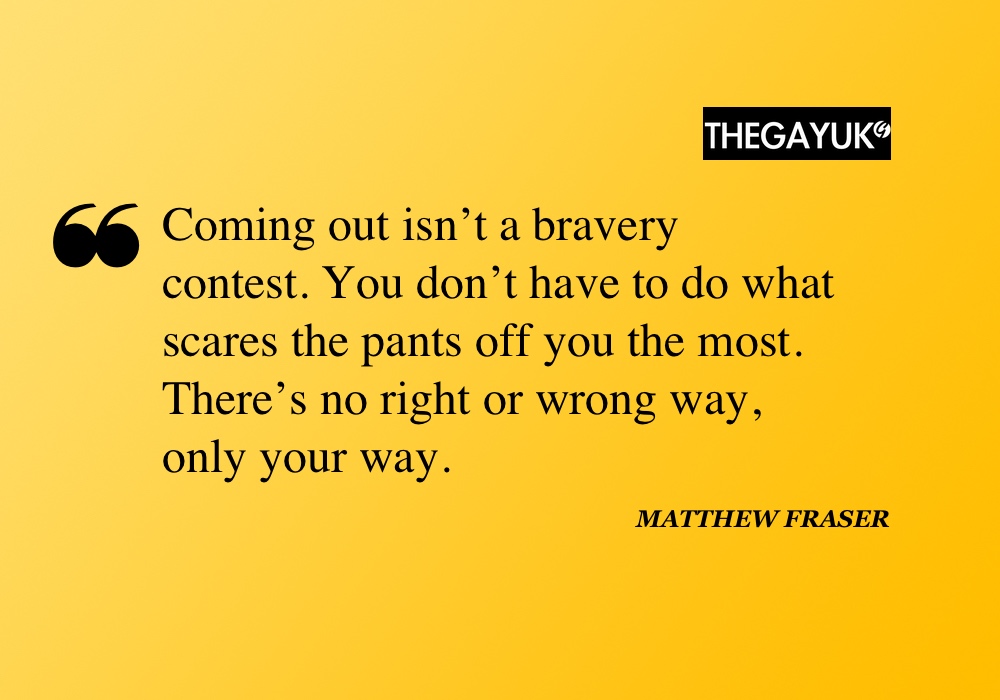
    In terms of coming out specifically, for me it was a no-brainer. But for you, if you’re reading this and are perhaps on the cusp of wanting to tell somebody, and you just don’t think you can manage the words verbally – please, please consider writing it if that comes more naturally to you. It’s not disrespectful, and it’s not cowardly. Coming out isn’t a bravery contest. You don’t have to do what scares the pants off you the most. There’s no right or wrong way, only your way.

    For what it’s worth, I’ve never even once had any regret over the way I told my parents I was gay. I think, given that the whole thing came as a bit of a shock to them, that writing it down was for the best. It gave them time. Time to read, then time to think, time to order their thoughts. For coming out to anyone is a two-way street, and the oncoming traffic may have a reaction. Spoken words can come snapping from mouths in an impulsive, thoughtless rush. The written word gives time.

    So write, or talk, whatever suits you best. Just remember – there’s no shame in any of it.

  • COMMENT | You need to start paying for your porn

    Here in the UK, we take a lot of content for granted. It’s not our fault, most of us have been brought up on a diet of free, advert-free, tv, radio and news, thanks to the BBC. But we have to change this.

    CREDIT: ©-lofilolo-Depositphotos

    As one wise puppet once said, “The internet is for porn” and he was right, it’s everywhere. It’s all over social media and there are millions of sites across the web, devoted to one of the nation’s favourite pastimes. Porn. But what is keeping this industry afloat?

    There was a time when if you wanted to look at nude people doing it, (and you weren’t able to tune into Eurotrash on Channel 4) you’d have to buy a magazine, then there was the birth of the VHS and then the DVD, which revolutionised the industry and made it very successful, but like the music and magazine industry, porn’s physical products have been supplanted by the digital revolution. An entity that has turned all our passions, from music to film into bytes that no one has really managed to monetise successfully, when compared to the physical product world.

    Getting access to porn is ridiculously easy and for the most part free to view and for most of us is as easy as logging on to social media.

    There are plenty of free sites that offer HD videos of people going at it – and that’s great but when the end user isn’t paying for it, what happens to the creators of the content we enjoy?

    People need to be paid for their performances. Editors need to be paid for their art, the photographers, the directors and all the people involved need to earn their living – and if that happens to be inside the porn industry, we should be supporting that.

    For something that is pretty much in all our lives is it too much to ask that you set aside £10 a month for a subscription of your favourite studio or even star on their own OnlyFans channel?

  • 6 things you shouldn’t say to people living with HIV

    6 things you shouldn’t say to people living with HIV

    Lizzie Jordan, Founder and Director at Think2Speak, is a multi-award-winning social entrepreneur, a mother, widow and is HIV positive. Lizzie is one person with a myriad of possible labels.

    More than a decade ago, Lizzie became a mother, a widow and HIV positive all within an 18-month period. Her life was turned upside down, in 2012 as a single mother to a grieving child, Lizzie wanted to find resources and training locally for her child’s primary school. She struggled.

    Lizzie recognised the issues being faced in classrooms across the UK and wanted to do something about the ‘uncomfortable silences’ young people often felt when discussing sensitive subjects with the professionals involved in their lives. 18 months of plotting and planning later Think2Speak CIC was founded.

    With the recent revelation that former Welsh rugby captain, Gareth Thomas has been diagnosed with HIV, here are Lizzie’s tips on what not to say, or how to approach someone who has HIV:

    Don’t bring it up unless they do:

    Someone’s HIV status is their HIV status and theirs alone – as we’ve seen with Gareth he has been forced to share his news because the press were threatening to make this public. There’s nothing wrong with being curious about HIV but there are certain things that should be respected and it isn’t every HIV positive person’s job to educate you.

    It doesn’t define someone:

    Just because someone is living with HIV doesn’t mean that’s all they are. It’s a virus, it isn’t someone’s personality, their fault, their ‘choice’ nor is it their identity or the only subject on which they can speak.

    Use your common sense:

    There are certain aspects of conversation that are off-limits, but morbid curiosity often prevails. Try to think if you actually need to know the answer to the question you’re about to ask! Or maybe you can search the internet before you ask a glaringly obvious, or even insulting question.

    Don’t ask how they got it:

    This is perhaps the most insulting. You’d never ask the same of someone who’s living with cancer or diabetes. A lot of this kind of thinking can be attributed to the ‘blame’ culture that exists when it comes to sexual health and HIV, it is often viewed as a ‘choice’. Blame is never apportioned to other health conditions.

    Don’t tell them they are ‘looking well’:

    People often comment in this way as if having HIV should mean you look ravaged by disease. This is often accompanied by a well-meaning, but ultimately patronising tilt of the head. Science has moved on dramatically since the 1980s and people with HIV who are diagnosed, accessing care and treatment, live full, healthy and happy lives.

    Don’t presume the worst:

    Many people who ask questions aren’t aware of the fact that someone living with HIV, on antiretroviral medication, can now be undetectable and therefore untransmittable. This is known as U=U (UEqualsU). It totally dispels the perceived ‘threat’ of people living with HIV. This will become general knowledge as time moves on, but for now, education and awareness is still needed.

    Overall, relax. If someone shares their HIV status with you; respect them for sharing their personal and sensitive information with you. Lots of people living with HIV, choose to share their stories to encourage awareness and understanding. Curiosity is fine, being too personal and intrusive isn’t it is all about respect.

  • This company paraded 12 naked people in full rainbow colours for Amsterdam pride for an amazing reason

    This company paraded 12 naked people in full rainbow colours for Amsterdam pride for an amazing reason

    Amsterdam Pride is an LGBT+ festival held annually in Amsterdam during the first weekend of August.

    The festival attracts several hundred-thousand visitors each year and is undoubtedly one of the largest publicly held annual events in The Netherlands. The peak of the festival is during the Canal Parade. The 24th edition of the parade, which this year took place on the 3rd of August, featured 80 boats, which included a selection of people from the STI clinic at healthcare centre GGD Amsterdam, the fire department, the police department, AIDS Fonds, and the City of Amsterdam.

    While the event preached inclusivity, acceptance, and self-identity, it wasn’t all rainbows. Multiple people have come out reporting attacks and verbal abuse. Early on Saturday morning, a lesbian couple was beaten up by two men on a scooter in Amsterdam city centre. According to the Dutch newspaper Het Parool, they were walking hand-in-hand after a night out when they were attacked.

    The women walked away from the attack with bruises, a broken lip and a swollen nose. On the same day, a gay couple was assaulted by four men. The two victims were walking along the Prinsengracht, their arms around each other. This caught the attention of the four assailants. According to NH Nieuws, two other men held each other’s hands in the backseat of an Uber and gave each other a kiss. The driver allegedly verbally assaulted the couple and spat on their faces.

    All incidents have been reported to the police.

    Because cases like these continue to happen, two days before the world-famous Canal Parade, Polette decided to stand up for LGBTQ+ rights by organizing its own parade while bringing a message of love and acceptance to the streets of Amsterdam.

    Founded in 2011 by Pierre Wizman and Pauline Cousseau, Polette has revolutionized and disrupted the eye-wear industry by challenging the traditional optical establishment. The head office in Amsterdam is the creative centre of the company. The designers draw inspiration from everything around them: fashion, music, art, architecture, and everyday life.

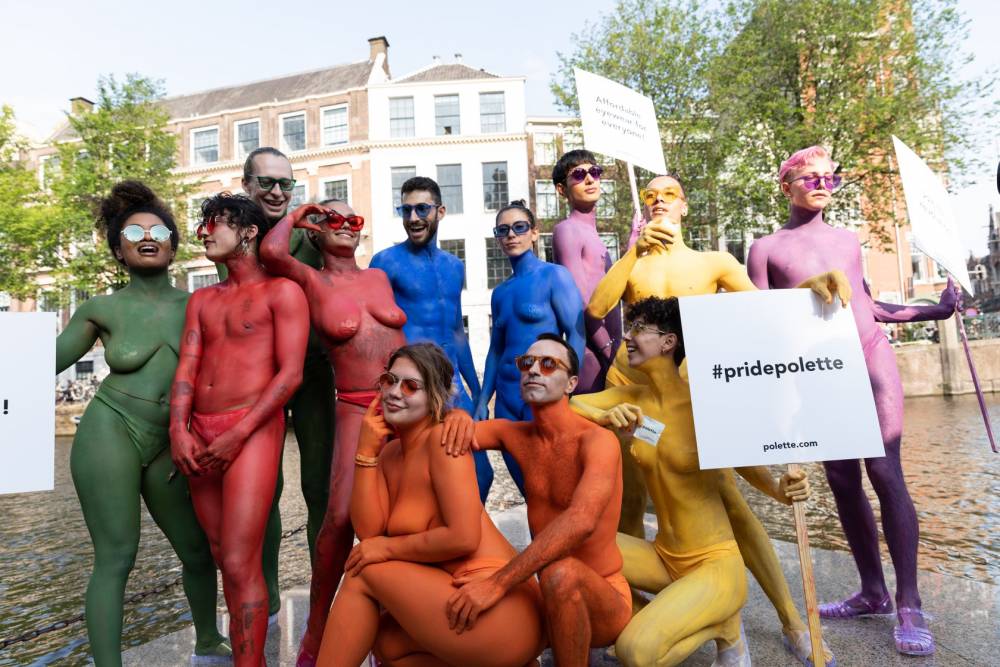
    To celebrate this year’s Amsterdam Pride, Polette decided to create a human rainbow flag. While “remembering the past and creating the future” (the theme chosen for this year’s Pride), the 12 body-painted people (me included) marched from the iconic Dam Square to the Homomonument – a memorial which commemorates all gay men and lesbians who have been subjected to persecution because of their sexuality. Polette also filmed a mini-documentary focusing on how far we came as a community. In this mini-documentary, we hear the different stories and perspectives of the different people who took part in this initiative. Can you relate to any of our stories? Let us know in the comments.


    Miguel Martins

    (Mister Senior Netherlands 2018 3rd Runner-Up / Winner Public Choice / Winner Best Talent)

  • Here’s everything LGBT+ couples who are considering surrogacy need to know

    Here’s everything LGBT+ couples who are considering surrogacy need to know

    Surrogacy for LGBT+ couples – What you need to know

    © DGLimages Depositphotos

    For those in the LGBT+ community, creating a family is not straightforward. Biology and the law have to both be considered long before a baby is conceived.

    Surrogacy is now very much de rigueur, and, in the last five years, the UK has seen an exponential increase in the number of Parental Order applications following surrogate births. My firm is only too aware of this, as we have a vast number of clients from the LGBT+ community choosing to start their families through surrogacy.

    The law governing surrogacy dates in part from the 1980s when attitudes towards surrogacy itself, and the LGBT+ community, were vastly different from what they are today. The law reforms announced by the Law Commission and The Scottish Law Commission on 6 June 2019 are therefore very much welcomed by all involved, but particularly by LGBT+ families.

    What are the laws now?

    © DGLimages Depositphotos

    As it stands now, when a child is born through a surrogacy arrangement, whether they are born here in the UK, or abroad, if the intended parents wish to live with the child in the UK, then an application must be made in the UK courts for a Parental Order. The Parental Order will then extinguish the legal status of the birth mother (and her spouse if she has one) and confer legal parentage on the intended parents. Without that order, the birth mother will remain legally responsible for that child. The intended parents, who in reality are the only parents the child knows, have no legal standing to make crucial decisions, such as consent to medical procedures for their child, as they have no Parental Responsibility.

    It will also change the UK birth certificate to ensure that the intended parents’ details are instead recorded.

    In order to be eligible to apply for a Parental Order, at least one of the intended parents must be domiciled in the UK, at least one of the intended parents must have a biological connection to the child, the child must live with the intended parents, they must be over 18, have made the application within 6 months of the child’s birth, have the surrogate’s (and her spouse’s) consent and only reasonable expenses must have been paid to the surrogate. Since January 2019 it is now possible for single people to apply for a Parental Order, but the above criterion must still apply and those separated can utilise recent ground-breaking caselaw, achieved by this firm, that if intended parents are separated an order can still be achieved as ‘living’ together can apply to two homes.

    The glaring fault with the Parental Order process is the requirement to have to apply for it in the first place. From the moment of birth, up until that Order is granted, the child, and the intended parents live in limbo. Speak to any surrogate and they will tell you that they want to carry the child to enable other people (often LGBT+ people), who can’t have a child in the usual way, to have a family. They do not want to be legally responsible for that child, yet the law keeps them entwined despite (usually) no biological connection and no intention to be so responsible. The surrogate bears the child for the intended parents on trust that they will make that application for a Parental Order which will then extinguish her legal responsibilities.

    As for the intended parents, until that Order is made, they are, in the eyes of the law, not legally related to their child. Yet in reality they wanted the child, they love the child and they care for the child. Why should that child, and the intended parents, be in that limbo position? It leaves many risks, that Wills and insurances can mitigate, but the uncertainty of 100% protection during this period is difficult for all the parties.

    Proposed new laws

    The Law Commission and The Scottish Law Commission have recognised this failure and have committed to reforming the law. The consultation into surrogacy law is currently open until September 2019 and their proposals include a new pathway to parenthood which would recognise the intended parents as the legal parents from birth. With the new pathway, the ‘work’ would be done pre-conception. This would include finding the surrogate, medical checks, enhanced criminal records checks, independent legal advice and implications counselling for all parties, then a written surrogacy agreement and an assessment of the welfare of the child. Once the child is born, the intended parents will be the legal parents (without the need to make a court application) subject to the birth mother objecting within a defined period. If the surrogate does object, then the intended parents would need to make an application for a Parental Order in the usual way.

    However, this new pathway would not be applicable to international surrogacy arrangements. Instead, the proposal is that recognition would be on a “country by country” basis and that there should be a streamlining and shortening of the process of obtaining a passport or a visa for the child born overseas so that that process begins before birth.

    These proposed reforms to the current surrogacy legislation have been welcomed by the LGBT+ community as well as by the community of surrogates. The proposed reforms will enable the law to reflect the reality of these new families and ensure that the child is legally protected and cared for by their intended parents from the moment of birth.

    Karen Holden, Founder at A City Law Firm

  • COMMENT | Why I’m going to be naked at this year’s Amsterdam Pride

    COMMENT | Why I’m going to be naked at this year’s Amsterdam Pride

    The Netherlands. July 25th. Over 40 degrees. This is the hottest day in the history of the Netherlands.

    And this is happening just a couple of days before the start of Amsterdam’s Pride Week, the largest gay event in the Netherlands and one of the largest in the world.

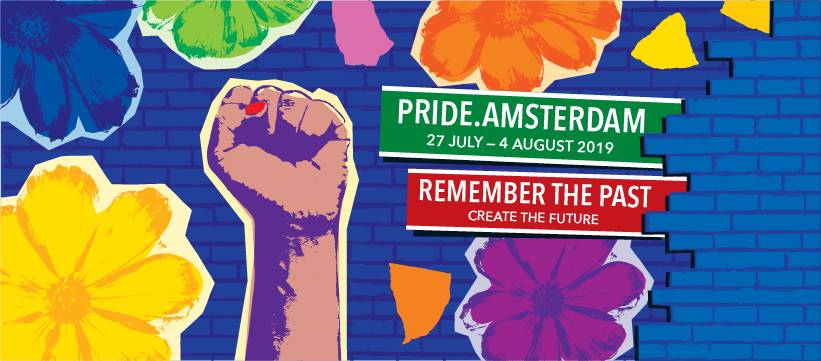
    The world-famous “Canal Parade”, which occurs every year along the Amsterdam canals, with 80 boats and over half a million spectators, is the highlight of Amsterdam’s Pride week, which will take place between July 27th and August 4th. The theme chosen for this year was “Remember the Past, Create the Future,” an obvious reference to the Stonewall’s riots, happened exactly 50 years ago and which mark a turning point in the history of the LGBTQ + movement.

    Different events will take place throughout the week, such as the Pride Walk, the Drag Olympics, exhibitions, films, concerts, STI tests and many, many parties throughout the city.

    In addition to the official events, many companies are also supporting this cause and will be fighting side by side with us. A good example of this is Polette, a well-known eyewear brand, which I agreed to collaborate with. The brand invited 6 people, me included, to share our experiences while members of the LGBTQ + community.

    The other five people and I agreed to undress emotionally so that we could share our experiences, but also literally. The six of us together, without any shame, will undress, be body painted in different colours and form a human rainbow flag. This human rainbow flag will walk on August 2, from 6 pm, from Amsterdam Central Station to the iconic Dam Square in the historic centre of Amsterdam. Allow me to invite you to join us in case you are planning a visit to Amsterdam on these dates.

    If not, you will be able to watch the documentary which will be released shortly after.

    The question remains: Are Gay Pride celebrations still necessary? According to the latest annual report from the International Lesbian, Gay, Bisexual, Transsexual and Intersex Association (ILGA), 70 states around the world continue to criminalize same-sex consensual relations. LGBTQ + community members continue to be fired for the simple reason that they are different, people still have to think twice before going hand in hand with their partners in public, as well as plan their vacations taking into consideration which countries should be avoided for safety reasons, not forgetting the unpleasant experience of having to “get out of the closet” to their families and friends. Based on these facts, the answer – at least for me – is obvious: Yes, this is still necessary!

    Miguel Martins
    (Mister Senior Netherlands 2018 3rd Runner-Up / Winner Public Choice / Winner Best Talent)

  • 6 totally easy ways you can be a great ally to the non-binary community

    6 totally easy ways you can be a great ally to the non-binary community

    Six ways we can all become a better ally to our gender non-conforming siblings.

    Not everything is binary… kerplode / Pixabay

    In 2018, I happened upon this Tweet during Trans Awareness week and it got me thinking…

    “Also on twitter, stop assuming people’s pronouns based on their profile pic and your binary stereotypes.

    “Read their profile. Check their pronouns. Don’t assume.

    “And while you’re there, put your own pronouns in your profile.

    “Normalise that shit ✨#TransAwarenessWeek

    — Thal (@thalestral) November 12, 2018

    Let me tell you about my own gender expression before we go on. I don’t think of myself as a “man” because I don’t really fit into what society expects of men. When I was a child all I wanted to do was be called a girl, wear high heels, my mum’s dresses and sing Petula Clark’s ‘Downtown’ on repeat.

    I was a Grade A queer/trans kid. As an adult I couldn’t admit that to anyone outside my immediate family. I was so shamed by this behaviour – and bullied mercilessly at school when I chose to wear the white, patterned “girls’” socks instead of the regulation grey socks for boys.

    Nowadays, I dress in typically masculine clothes, I have a boyfriend, I have short hair and people assume that I’m a man and a gay one at that. I respec the privileges that, for the most part, that assumed identity affords me. But, it never really feels right when someone refers to me in that way.

    That said, I don’t mind if people use the pronouns him/his or he when they refer to me.

    Although it does jar me if someone calls me a man.

    Weird? Right?

    I also don’t mind it if I’m referred to with female pronouns.

    I’m pretty relaxed about the pronouns that are used to describe me.

    But for some, words really matter. So here’s some advice to help us all become better allies to our non-binary, gender non-conforming siblings.

    Open your ears and mind

    via GIPHY

    It seems that we’ve all got our lives set to transmit only. We need more receiving in our lives. So when someone is telling you something about them, listen.

    Leave your assumptions at the door

    via GIPHY

    Someone once wisely told me, “Assumptions are the mother of all fuck-ups” – and they were completely right. How often have you assumed something about a situation only to find that nothing was as you imagined? Pretty often, right?

    Your assumptions are based on your own life experience. It doesn’t take into account other people’s experience. So leave your assumptions at the door and again, open your mind.

    Respect pronouns

    rawpixel / Pixabay

    If a person tells you what their preferred pronoun is, accept it don’t fight it. It’s what they’ve asked you to call them. The decision is effectively out of your hands. It’s the same as when someone tells you their name. You accept it and it becomes part of their identity. Well, pronouns are the same.

    Accept that there are lots of different pronouns

    via GIPHY

    Some non-binary, gender fluid and gender non-conforming folks use a number of different pronouns. Some popular ones are: Zim/Zer and Ze, they/them and theirs or even thon, which was actually added to the dictionary in 1964. They as a singular pronoun has been used for centuries.It’s not particularly new, it’s not trend based, it’s just getting a lot of media attention at the moment.

    Stop normalising gender norms

    via GIPHY

    Blue for boys, Pink for girls… gender stereotyping is all so the 1950s and really doesn’t work for today’s society. No one likes living in a predefined box and we don’t live in a black and white world. There’s a whole rainbow out there.

    Gender norms and stereotypes, when adhered to, just keeps society attached to a patriarchal system that’s almost impossible to climb and doesn’t work for all of us, particularly LGBT+ people. So lets bin it shall we?

    Write your own pronouns

    via GIPHY

    Normalise the conversation surrounding pronouns. Write your preferred pronouns in your social media profiles. As @thalestral says on Twitter, “normalise that shit”.

  • THE UNDATEABLE GAY |  Gives a Girl a go…

    THE UNDATEABLE GAY | Gives a Girl a go…

    I wasn’t always gay you know. Well, that’s not technically true. My mother always says she knew I was a homosexual from birth. Apparently, I came out doing cartwheels and singing songs from Phantom of the Opera.

    sasint / Pixabay FILE PHOTO

    Okay, so maybe I’m exaggerating that slightly but you get the gist. Another giveaway was probably stealing my sister’s dolls and then crying when she wouldn’t let us take it in turns to push the doll’s pram.

    But I’ve digressed here. Gone off the beaten track. Pardon the pun. Where was I? Oh yes, I’d just made the slightly untrue statement that I wasn’t always gay. What is more truthful to say, is that I wasn’t always out to the world.

    And I did that old trick that I’m sure all gay boys are guilty of, especially from my era of the 1980s and 1990s. I pretended that I was bisexual because, to me, it made it seem less scary than saying, ‘Hey I’m a fully fledged 100% penis loving homosexual!’

    So in my quest to prove I wasn’t a fully fledged homo and only a Bi, I decided that I would have to try a girl out for size.

    I used to steal copies of The Daily Sport from the local newsagent. I was a paperboy in my youth you know. I don’t for the life of me know why I stole The Daily Sport.

    Well, I do actually. I was still pretending not to be a pouf. So I thought stealing a paper that had tits in it made me look like a hard man to the boys on my estate. But all I was really doing was trying to impress the boys because I was fantasising about them!

    I’ve kissed quite a few girls in my time, I’ll have you know. It was easy to stick your tongue down their throats. I just pretended it was our postman who I fancied or my P.E. teacher. My P.E. teacher, OH MY DAYS,  I can still remember his face now.

    He was a beautiful man. And he was the reason I could never stand up straight in a pair of shorts during my school years. Every time I saw him, I got a stonking great hard on and had to do my best impression of The Hunchback of Notre-Dame to hide it.

    After a while though, the girls I were kissing weren’t just happy with a snog anymore. We were 16 now and they wanted something other than my tongue inside them. ‘Oh god’, I thought. ‘What was I do?’, I may have kissed them. But never had I felt a hard-on as a result.

    My first attempt at sexual intercourse was with a girl called Tina. I remember it like it was yesterday. I’d sprinkled rose petals all over the bed in my attempt to make it romantic. Yes, I know.

    Rose petals.

    Sheer cheese.

    I’d watched too many episodes of The Bold and the Beautiful during the 1990s.

    And, not surprisingly, it also had an ending like a melodramatic soap opera. We kissed. She got naked on the bed. And then I whipped my clothes off and whapped a condom on.

    Yes, I managed to get hard! I thank the Lord for my vivid imagination. Because that was not Tina on the bed. It was Tinhead from Brookside.

    Just as I was about to make my MARK, (yes, pun intended), Tinhead, sorry I mean Tina, grabbed my arm and pushed me off.

    “I’m sorry! I can’t do it with you. I’m a lesbian!” Oh, the irony.

    My next attempt at proving my bisexuality was with a girl called Hayley. We went camping together. My first time with a girl, under the stars, in a tent, out in a field. I thought this would be so romantic.

    “As I toasted a marshmallow over the campfire for her, I felt her hand caress my thigh. I was nearly as soft and gooey as the marshmallow but along came my vivid imagination once more.

    “And, as if by magic, Hayley was Hunter from Gladiators“.

    Mini Mark was poised, raised and ready for action. I felt Hayley undo my flies. My eyes nearly popped out of their sockets. If a girl touches my penis, I’ll be scarred for life, I told myself.

    To stop her wandering hands, and to take her attention away from my penis, I got two fingers and put them up her skirt. I heard her groan, but meanwhile, I was trying to stop myself from gagging.

    I felt like I was prodding a raw fillet steak and to this day, I always have to have my meat well cooked. My bisexual days were over.

    100% Gay man had been erected. Pun intended.

  • Here’s why you shouldn’t buy Rainbow Flags on the street at Pride

    Here’s why you shouldn’t buy Rainbow Flags on the street at Pride

    Pride season is well underway here in the UK – and you’ll notice that street peddlers are selling rainbow merch, but before you buy anything from them, here’s why you shouldn’t

    rihaij / Pixabay

    They don’t support the local pride

    More often than not the street peddlers (not the sellers inside the pride event) don’t support the pride events at which they are selling at. None of that money they take goes back into supporting the pride or local LGBT+ charities. Not a penny. They pay an incredibly small sum of money to the government for a license which allows them to pop up all over the country. None of that money goes back into Pride.

    Pride stalls pay the prides

    Sellers and organisations who are at pride events officially pay the pride to be there. This means that their pitch fee has gone into helping maintain that pride. It’s a vital revenue raiser for pride. Let’s support the official retailers and sellers, rather than those who are just profiteering off the pride movement.

    Over priced

    Swindon and Wiltshire Pride 2015

    At one pride we heard that street peddlers were selling Rainbow pride flags for £10 to £20 (in London!)- which is a complete rip-off, especially when inside the Pride stalls area you’re likely to find rainbow flags going on sale much less than that.

    Don’t pay their over inflated prices! Better still why not go online first and get yourself a bargain! You can order all sorts of pride flags from our retail partner, THEPRIDESHOP.co.uk.

    They don’t have the range

    TuendeBede / Pixabay

    It’s all rainbow – and as pretty as that is if you don’t see your identity represented there’s the issue of erasure. Bisexuals, pansexuals, trans, asexual and non-binary people matter too. So check out inside the pride for a proper LGBT+ stall that will sell the full range of LGBT+ flags.

    Not members of the LGBT+ community

    Whilst we’re at it, wouldn’t it be great if Pride was a time to support LGBT+ and queer companies. The corporate world is on full jump on the pride bandwagon at the moment, which on one hand is a positive step, but don’t forget to support your queer business family. Those gift and merchandise sellers inside pride parks and event spaces are usually owned and operated by LGBT+ people. Show them your love this pride season.

  • COMMENT | The Pain of Pride Month

    COMMENT | The Pain of Pride Month

    This year is an important year for our LGBTQ+ community. It’s fifty years since the Stonewall riots this Pride Month, so this should be a June to celebrate more than ever.


    We’re only nine days in but we’ve already had many disgusting stories in the headlines where LGBTQ+ people have been targeted and hurt because of their sexuality or gender identity. We have had companies hiding behind rainbow branding, actively damage our community. At the time of writing, it’s the 9th of June and I have a handful of examples of high profile stories. This doesn’t count the small, unreported moments – the couples holding hands who get glared at, the LGBTQ+ people who are told by strangers (and even people they know) that “being gay isn’t normal,” and the ignorant, uneducated comments faced by LGBTQ+ people every single day.

    The main concern this Pride Month is that every single company seems to take on our rainbow flag in an attempt to “be cool,” but they don’t seem to think about what it actually means. The rainbow is more than just a flag. It flies as a visual representation of the beauty and diversity of our collective community/family. We wear it as a badge of honour in memory and respect of those who fought for us and paved the way for our equality. Now it is cheapened by this mass adoption every June by companies who tend to only bring it out for a few weeks a year and then forget it ever happened. If companies can’t respect our community or contribute to us in any way then they don’t deserve the right to use it to drive their own corporate gain.

    This year we have had the Home Office using the rainbow colours all over their social media while trying to deport Ken Macharia. Ken has lived here in the UK for a decade after escaping from Kenya where homosexuality is illegal and he could have been imprisoned (by law) or beaten or even murdered by anyone who took umbrage to him living his truth.

    Ken had been detained and threatened with deportation last November when it was ruled that he could live his life openly in Kenya despite the dangerous possibilities that actually faced him back there. He was allowed to go but was summoned to the Home Office on Thursday 6th June where he, once again, faced deportation. Thankfully, Ken was allowed to stay in the UK but he still isn’t completely safe and could still face deportation again at a later date.

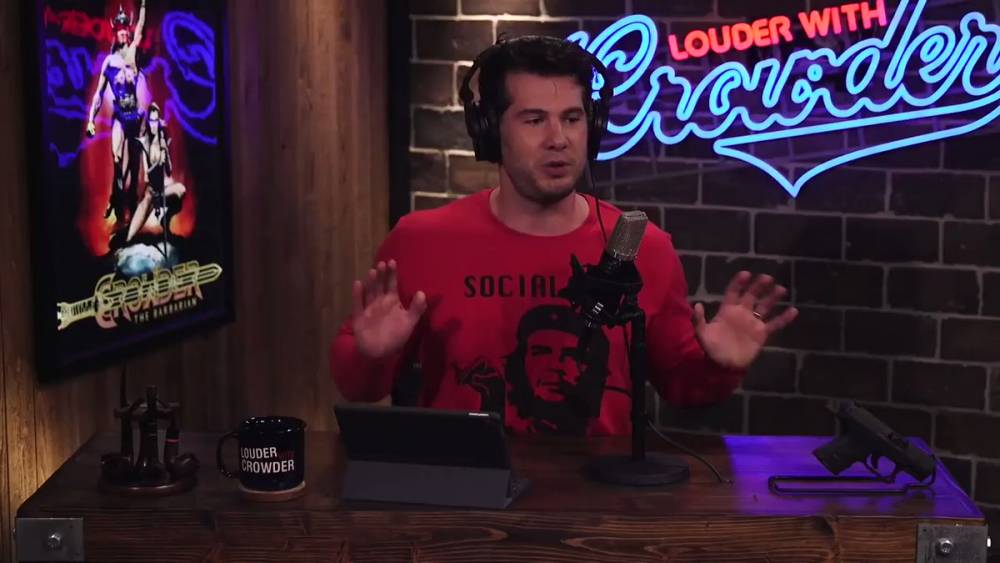
    Youtube has been another company that have hurt LGBTQ+ people during a recent ongoing saga with Carlos Maza and Stephen Crowder. Maza is a writer for Vox, a left-wing news site while Crowder is an inflammatory, right-wing YouTuber who hosts “Louder with Crowder” on the video platform with an audience of millions.

    The story unfolded when Maza posted a thread on Twitter, exposing the abuse he had been facing from Crowder who had consistently called him vile names and made outrageous accusations about him for being gay and Latino for years. Maza rightfully called for YouTube to acknowledge the abuse and to do something about Crowder.


    YouTube wrote back a few days later with:

    “Our teams spent the last few days conducting an in-depth review of the videos flagged to us and while we found the language that was clearly hurtful, the videos as posted don’t violate our policies.”

    This decision sparked outrage and soon after, YouTube decided to reverse their position again and demonetise Crowder with a statement saying:

    “Update on our continued review. We have suspended this channel’s monetization. We came to this decision because a pattern of egregious actions has harmed the broader community and is against out Youtube Partner Program Policies.”

    Shockingly, it appears that Youtube may have been planning this for a while and Crowder’s demonetisation might not have even been anything to do with Maza’s tweets. Instead, with the announcement crossing over with the timing of this very public drama, Maza has ended up facing all the backlash and is suffering, even more, hate and harassment. Whatever YouTube’s reasoning – whether it was pre-determined or because of Maza and the backlash, their handling of events have made things much worse. Even high profile people like Grandpa Munster ahem I mean, Ted Cruz, have got involved: You can read more about this interesting take on events here.

    https://twitter.com/munroebergdorf/status/997060069480165376

    Most recently the NSPCC (National Society for the Prevention of Cruelty to Children) had launched a campaign with trans-activist Munroe Bergdorf. On Wednesday 5th June, Bergdorf spoke out about her excitement to help play a part in an important role:

    “The wellbeing and empowerment of LGBTQIA+ identifying children is something that I have been passionate about throughout my career as an activist. I’m excited to have the opportunity to let more kinds know that they are not along in how they feel. There are people who care, people who can help and people who have been through the same things as you, so PLEASE don’t suffer in silence.”

    https://twitter.com/MunroeBergdorf/status/1136337166387355648

    However, soon after she spoke out about her involvement, anti-trans activists, including a Times journalist and other Twitter users became involved, accusing Bergdorf of being “dangerous,” a “porn model,” and they threatened to cancel their direct debits to the charity if they allowed their association with her to continue.

    Bergdorf replied that she has “never shot porn in [her] life,” and saying that “demonising those who do, isn’t okay either.” She had posed for Playboy in 2018 but the shoot was actually very tasteful and the images captured were strong, beautiful and empowering for Bergdorf who also spoke about her experiences as a trans woman in the accompanying article. Not a single one of those photos could be considered pornographic; in fact, they were more akin to the edgy fashion modelling one would expect from a fashion magazine.

    Despite this, the NSPCC has dropped Bergdorf’s campaign and turned their backs on her saying,

    “Munroe Bergdorf has supported the most recent phase of Childline’s campaign which aims to support children with LGBTQ+ concerns. Munroe has been referred to as a Childline Ambassador. At no point has she been an ambassador for the charity. She will have no ongoing relationship with Childline or the NSPCC. The NSPCC does not support, endorse of authorise any personal statements made by any celebrities who contribute to campaigns.”

    This sends a cold and dangerous message to the people this campaign is meant to help. By leaving Bergdorf behind and refusing to acknowledge her is cruel. How can LGBTQ+ children trust a charity who might treat them so nonchalantly? This is a cruel betrayal of not only Bergdorf but of the entire LGBTQ+ community. Especially the trans community who currently suffer the same kind of hatred through misinformation and lack of education that the gay community faced in the 80s. I spoke about this before in a previous article. You can read more about it here:

    The most heartbreaking part of this is that it comes at the same time Childline, which works closely with the NSPCC, confirmed that over the last twelve months they have dealt with over 6,000 counselling sessions with children and young people about LGBTQ+ issues.
    Birmingham Live revealed that almost 800 calls were made to the Birmingham branch of Childline and some children have even been told to “kill themselves” because of their sexuality. These are some of the loneliest, most desperate and vulnerable children and they are being failed.

    What kind of message does it send when in the news we see our very existence as a daily hot topic for debate. We are bombarded with people digging their noses into every inch of our lives, deciding whether we’re “appropriate” enough to exist or not. We see the protests in Birmingham  over LGBTQ+ inclusive education and are told by strangers online that we are “mentally ill,” that “we are not normal,” and that we are “disgusting.”

    Despite the fact that relationship education is becoming mandatory by law, and an injunction taken out which restricted parents protesting outside the schools, they still continue just outside the restriction zone. The protests led by Shakeel Afsar, who doesn’t even have children at the school, have recently been endorsed by Roger Godsif – Labour’s MP for Birmingham Hall Green.

    The protests were also defended by Shabana Mahmood back when they first started in March.

    On 30th May, a lesbian couple was brutally attacked on a bus by a gang of young men – aged between 15-18 – all because they wouldn’t kiss for their entertainment. This attack wasn’t just a homophobia based hate crime. It was a misogynist hate crime too, just because the two women didn’t want to “entertain” the young men. It’s a horrendous, heartbreaking story. Luckily the women involved have remained resilient and refuse to back down and be scared. The heroines have spoken out and intend to continue to live proudly and visibly.

    But that wasn’t the only hate crime this week. On Saturday 8th June, a performance of Rotterdam was cancelled due to some of the actors being victims of a hate crime. Rotterdam is a play about a young lesbian who is about to come out to her family in an email but before she can send it, her girlfriend tells her that she identifies as a male and wants to start living as a man. It’s about how they begin to navigate their relationship and love for each other. It’s a wonderful, modern story that deserves to be told and clearly has reason to be heard.

    Sadly, we can’t hide from the fact that our community are the target of so much hatred in the current political climate in which this extreme right-wing attitude is legitimised and even fuelled by people like Donald Trump with his transgender military ban and the proposal of bills that mean it’s legal to discriminate against LGBTQ+ people in the workplace, etc.

    In the UK, Brexit Party member, Ann Widdecombe, stated that it’s entirely possible that maybe one-day science will cure homosexuality and Tory Leadership candidate, Esther McVey stuck up for the parent’s protesting against LGBTQ+ inclusive education by saying “parent’s know what’s best for their children.”

    The Brexit Party did unexpectedly well at the recent EU elections and McVey stands a good chance of becoming our next PM.

    What does this say about the future? Nothing positive. That’s what. All that we can take away from this is that on this fiftieth anniversary of Stonewall, we must all adopt some Stonewall spirit and keep fighting. It is an undeniably terrifying and uncertain time to be LGBTQ+ but we must be brave enough to remain visible and dignified. We must live honestly, love openly and not let them silence us.