Category: Motoring

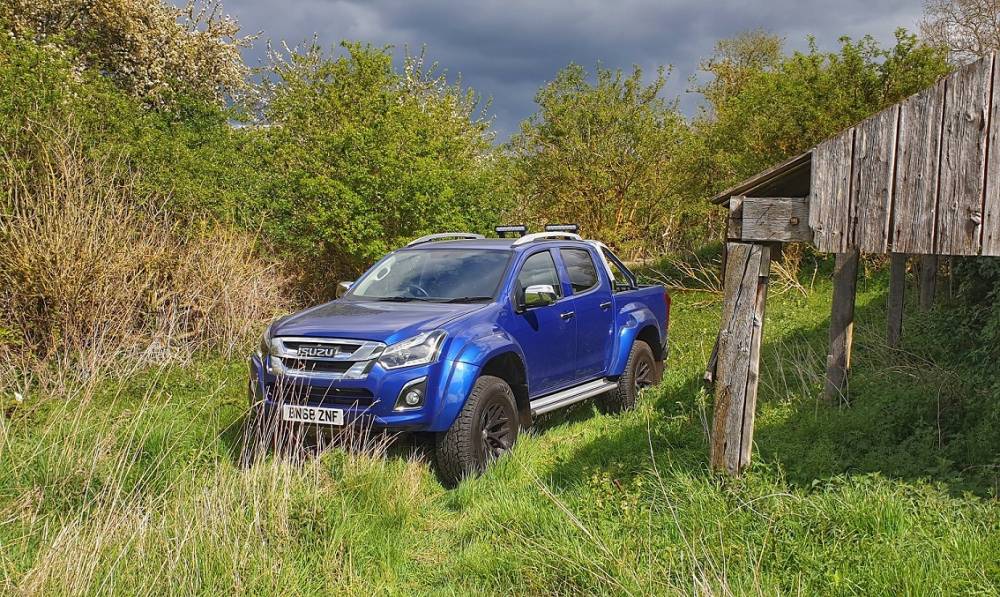
  • CAR REVIEW | Isuzu D-Max  Arctic Trucks AT35

    CAR REVIEW | Isuzu D-Max Arctic Trucks AT35

    ★★★★★ | Isuzu D-Max Arctic Trucks AT35

    If you’re a bit self-conscious or maybe a bit of a shrinking violet, this truck is definitely not for you.

    On the other hand, if you’re looking for something unique and something that will make a statement, this is it.

    Make no mistake though, the Isuzu D-Max Arctic trucks AT35 isn’t just a statement piece, it’s a very capable and hard working vehicle.

    Pickups or trucks as some call them, have come a long way in recent years. In the ’80s and ’90s, pickups were a utilitarian vehicle, built to work, with minimal luxuries and low levels of equipment and refinement. In the 2000s things changed and manufacturers started making pickups that were comfortable as well as functional.

    A luxurious pickup ticks a lot of boxes in my world, however, there is another step up on the pickup evolutionary ladder…….the Arctic Truck.

    The Arctic truck is probably the highest evolution of the species.

    When a dealer receives an order for one of these monsters, a standard vehicle is delivered to the dealer, then shipped to Arctic Trucks where the transformation takes place.

    The AT35 is based on the strong and durable Isuzu D-Max pick-up which is extensively enhanced by Arctic Trucks who inject 25 years’ experience of developing 4×4 vehicles capable of taking on the most gruelling conditions.

    The transformation involves carrying out a 30mm body lift with complimentary 20mm suspension lift, to give the vehicle enough ground clearance to conquer just about any terrain.

    With the huge ground clearance and suspension travel, you need a quality shock absorber set up to control the abuse this truck is built for. Arctic trucks selected Fox suspension as the brand of shock absorbers to fit to this hard core pickup.

    All this extra ability is wasted without bigger, better wheels and tyres and Arctic trucks take care of this by fitting 17” x 10” Alloy Wheels with locking wheel nuts, wrapped in 315/70 R17 Nokian Rotiiva Tyres to provide the traction needed while traversing a mountainside.

    In order to keep those huge wheels and tyres covered, there’s an oversized fender package front and rear with arctic trucks mud flaps.

    When your truck is this big, getting in and out of the cab is harder than you think. These guys take cars of that by fitting side steps and there’s also a rear receiver hitch bar for attachments such as a tow bar.

    The end result is the all-new Isuzu D-Max AT35. A pick-up truck engineered to excel in the most

    arduous conditions, and is the result of technical collaboration between two respected off-road and pick-up specialists.

    Our test vehicle had some choice extras such as the sports bar mounted lazer lights and front bumper lazer lights. These were unbelievable and turned night into day. We also had the chrome rear sports bar and the lockable mountain top roll cover. This was great for keeping the rear bed secure when I parked it on the street overnight. Another practical and aesthetic addition was the aluminium underguard kit. This covered the underside of the engine and gearbox and the rear diff. Very useful when traversing rocky terrain.

    Isuzu’s D-Max Arctic trucks AT35 comes with very comfortable leather upholstery with heated front seats, electrically height adjustable driver’s seat. There are 5 adult seats and plenty of room, front and rear.

    As you would expect, it’s loaded with equipment; Projector headlights, electric windows all around, automatic air conditioning, steering wheel mounted audio & cruise controls, keyless entry and push button start system, plus much more equipment that you would reasonably expect on this calibre of vehicle. For example; This Isuzu has Bluetooth® Connectivity, DAB Radio with eight speakers (2 x front door, 2 x rear door, 2 x tweeters & 2 x roof mounted), Apple CarPlayTM & Android AutoTM plus satellite navigation.

    In the middle of the soft-touch dashboard is a 7″ multifunction colour touchscreen and reversing camera.

    In this day and age, we expect a suite of safety features on our vehicles. Isuzu’s AT35 comes with ABS (anti-lock braking system), ESC (Electronic Stability Control) & EBD (Electronic Brakeforce Distribution). You also have BAS (Brake Assist System), HSA (Hill Start Assist) & HDC (Hill Descent Control) & rear parking sensors with a parking camera.

    With only 164 PS (162bhp), the AT35 isn’t what you would call fast. In fact, if you try to hustle this thing, you will find yourself frustrated. It’s slow off the line and when you put your foot down, it’s slow to respond. However, this style of driving is completely missing the point. I spent my time cruising around, stress-free.

    Because of the imposing nature of the AT35, people treat you with respect. I found nobody tried to cut me up or block my progress, people were polite and kept their distance. It was very relaxing for a change. Add to that the go-anywhere nature of the vehicle and I was in heaven. There’s almost no terrain this can’t conquer so you feel pretty invincible but conspicuous. It turns heads like a supercar. Sat at traffic lights, driving through town, on a country lane, in fact just about anywhere, this stands out. People are polite and even wave or take a picture. I couldn’t help thinking that if I was in a supercar, the response would be somewhat more hostile.

    Fuel economy is reasonable with quoted figures being fairly accurate; Urban 30.4 – 38.7mpg. Extra Urban 40.9 – 50.4 mpg. Combined 36.2 – 45.6mpg.

    Another ace up the Isuzu D-Max Arctic trucks AT35’s sleeve is the confidence-inspiring 5 year/125,000 mile warranty & 5 year UK & EU roadside assistance.

    In summary, I wouldn’t hesitate to have one of these as a daily, I loved driving it. We took it off-road at every opportunity and never struggled, not one bit. It’s very capable, well built, well equipped and looks outrageous. I was constantly looking back when I walked away from it. However, It’s not subtle, and for some, might be a bit too obvious.

    Price:

    Manual Transmission

    £38,545.00 CVOTR†

    Automatic Transmission

    £38,545.00 CVOTR†
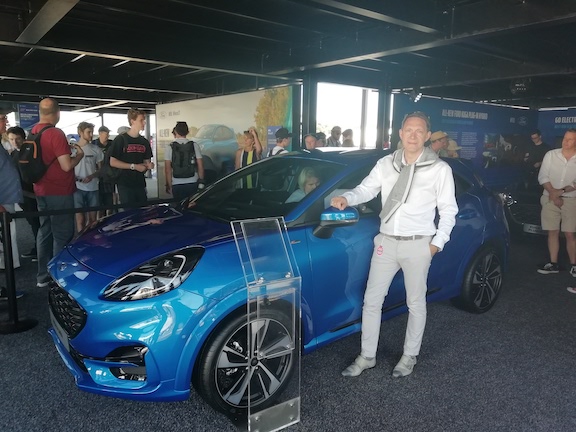
  • FORD PUMA | The Cat’s Second Life

    FORD PUMA | The Cat’s Second Life

    Ford sparked outrage earlier this year when they announced their new SUV for the ever-competitive B segment market. They called it The Puma. 

    Many took to Twitter to voice their concerns and outrage for the car that had been in production for just 4 years. Judging by their profile pictures, the mass were still adolescents, never going to buy this car or more importantly, had not really known what the original Puma was or what its concept to production was all about.

    Ford have, it would seem, stuck closely to that original premise of the original Puma. It was an adaption of the small Fiesta platform. It’s just this time, it happens to be in an SUV shape and style that is fashionable. Back in 1997, the coupe was fashionable. 

    I’ll grant you, that the SUV is a bit “Christ not another” but this is what you, the motoring public apparently want. Small volume coupes are long in the tooth now and when developed, need cooperation between several groups. Let’s not mention Toyota and BMW. Fiat and Mazda. And yet, several years ago, joint cooperations were acceptable. Citroen and Maseratti for instance. 

    And so, Puma is another SUV. From an exclusive unveiling at this years Goodwood festival of Speed, I can tell you that it is all rather stacking in its favour. I’ll admit, I’m not over keen on the SUV segment, but Ford design chief, Anko Leemants was on hand to show us around the design language he used within his team to get to where Puma is today.

    You could sit there, sceptical in mind when designers spout of familiar words to describe a design but Anko put it into perspective quite well. One of the key factors was its look being “optimistic” and it certainly has a young puppy dog expression about its face. It lacks the over used aggressive look that so many have used over the past decade.

    In our times of change where we need to step back, consider the future and encourage kindness and love, set to the current backdrop of aggression and fierceness, this new look is greatly appreciated. There aren’t many cars out there at the moment that encourage you to look back and smile. 

    The rear pillars have a welcomed return to normality of softness instead up angry kick-ups. The front screen pillars are broken at the bottom to promote a sense of float in their design. 

    The main premise it would appear is that the Puma has been designed to be “The Most Beautiful Car You Can Ever Own” Now I did stand back a bit too that claim. You can’t say the Puma doesn’t have a nice look about it, but the trouble with an SUV is that they are never going to be beautiful. Ignoring if I may, beauty is within the eye of the beholder, in this instance, my eyes, but the new SUV from Ford isn’t sleek and/or beautiful. Purposeful and cute, yes it is and that suits it well for the new crop of B segment players coming along.  

    Another designer used word of the unveiling was that the Puma should be an Icon. Trouble is, as, with madonna and her latest offering, icons can have a tendency to fall from grace. Let’s hope the Puma doesn’t before its official launch in February 2020. On visual spec, it is rather eye-catching. Even the boot shuts are nicely painted. Let’s see how this all translates next year when it is available for road tests.   

  • TGUK Enters The Lions Enclosure for Peugeot Festival 2019

    TGUK Enters The Lions Enclosure for Peugeot Festival 2019

    Chris Hughes from Peugeot Sport Club UK invited The Gay UK along to their 2019 Peugeot Festival at Prescott Hill in the picturesque village of Gotherington, Cheltenham.

    Sunday’s weather, the Saturday was the hottest it had been all year, was thankfully, milder in comparison. .And, all the better for it. As someone who can be both mechanically sympathetic and murderous to precious metals, the last thing you want is to thrash your vehicle up the hill climb in excessive heat. And that Saturday heat would have done the peak power no good. Being so dry, it makes the fuel-air mix less dense. Not the best for the big bangs that were needed.

    We meet Chris, albeit very briefly, running through the paddock. Phone going off in one hand and clutching a hangover in the other. Despite this brief encounter, it was finally good to put a person to a twitter follower and I thanked him for the invite.

    There was an abundance of Sochaux’s finest here. Considering the clubs core audience, there were some classic gems to be found dotted around the site too.

    Worthy of note was the display of 309s and all in rather good condition. You could say they were commonplace today. Remember the 309? No, not many do. It was the remnants of Peugeots take over of Talbot and despite its unusual place in the 05 line up of the ’80s, the oddly numbered 309 (something we haven’t got to yet) was surprisingly able and good. Sadly many have disappeared so this ensemble was a real treat.

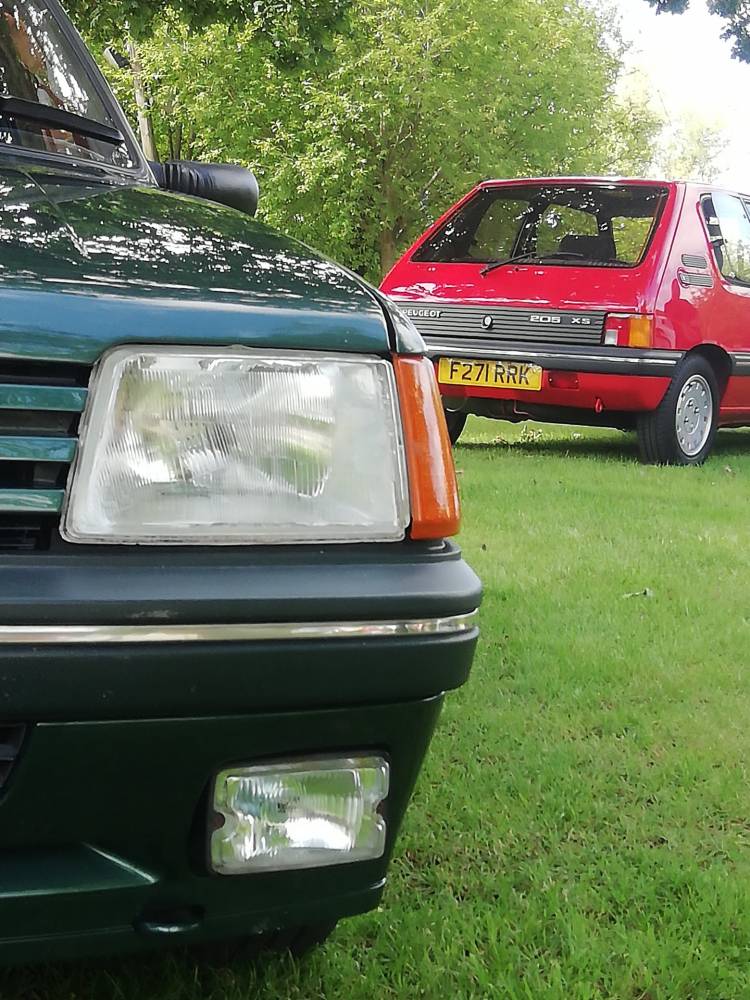
    As you would expect, the 205 almost out numbered everything there and while most were GTi’s, there was a handful of the Peugeot savour that the person on the street could afford. Likewise the 106 Rallye was present in a plethora of both MK1’s and MK2’s. 

    Perhaps being the smallest of the Peugeots, like the kids of the club, they were causing havoc with the marshals as they lined up to tackle the hill climb, all going out in coordinated colours. perhaps lost on the paddock organiser, but nicely done in my eyes.

    While a lot of the GTi’s tackled the hill climbs, that didn’t mean the older of the Peugeot’s couldn’t. The 504 Pick Up and 404 rally Safari were seen buoyantly tackling the hill. It must be said that they were not as quick as the GTi’s but grand in the visual pleasure they gave to those who had been around Peugeot’s for a long time.

    Dotted around the site were the rare older cars and then some gems. Like the Mad Max pursuit interceptor inspired 406 saloons. Totally over the top but nicely detailed with the odd little Mad Max touch here and there. 

    Thankfully no explosive devices were located on the vehicles to protect the fuel, just warnings. These almost became my stars of the show but were knocked off the top by a long way, as it happens (sorry chaps, 2 nice chaps too, just don’t ask them if the cars are from ‘Back to the Future’!)  

    There, under a tree was a blue 1983 305 GR estate. Incredibly rare and in this crossover phase model with the later front and early tailgate. The owner was an enthusiastic chap and more than willing to show the car off and rightly so, it was gorgeous. So I couldn’t resist a jump inside and my word, I’d forgotten how soft and sumptuous the French used to make their seats! 

    So, worthy for your 2020 calendar? Hell yes. The event centres around action and there is something there for every Peugeot enthusiast and fan. And if you get the chance, do the hill. I have driven my old 504 up the hill, and it is a worthy experience.

  • FORD CAPRI: The Sporting Man’s Special Place

    FORD CAPRI: The Sporting Man’s Special Place

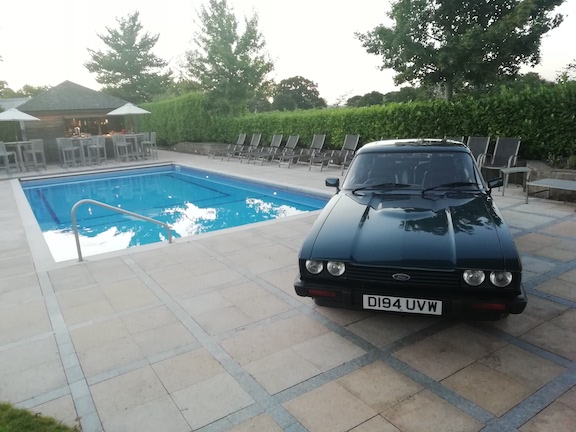
    I managed to get the keys to the last Capri ever built at Cologne, Germany on the 19th December 1986 and as is typical of the Capri, it certainly made an impression on my wanton lust for the cheeky Capri.

    Affectionally referred to as the Brooklands Capri because of its shade of green paint, the £12,000 Capri offered Ricaro leather seats and a much needed, if somewhat hooligan inducing limited-slip differential. For the time too, they were fitted with massive 15” alloy rims and low profile tyres. In today’s terms, a 15” wheel is fitted to your poverty wagon! 

    For an old classic car, one thing strikes you about this Capri and that is its drivability. I’ve owned many classics through the years and one thing that can become tiresome is the constant battle you have in driving it when faced with the pitfalls of today’s roads and traffic interruptions. Sometimes just keeping a classic in a straight-line becomes a hassle.  

    The 280i Capri, with its standard power steering, takes little effort to turn on twisty roads. That said, it isn’t without its problems, though this is more to do with the softly sprung (sporty set up at the time) ride that wobbles and squashes the springs with roll and pitch that today, for a sports coupe, motoring journalists would find unacceptable. 

    Engine refinement from the 160PS 2.8 litre injection V6 cylinder engine is as smooth today as any V6 now. Sort of. The essence of the Capri 280i is its burbling engine sound. This does encourage dropping it down and gear or two and accelerating hard. And it will storm to a claimed 130mph.

    The striking thing about the Capri is the long bonnet that seems to travel forever forward. Unlike its lesser siblings, say, packed with the 1.6 pinto engine and room for extra luggage, the 280i takes up all the available space.   

    Interior is full of inferior appointments. Notably, the carpet joins above the transmission tunnel by the clock. Today, some 33 years later, it is endearing to the beauty that was Fords sports coupe. One thing that is notable and in my eyes at least, worthy of deep joy, is the door architecture. The use of 4 grey materials, set off with black plastic sculptures and appendages really do make them a visual treat. The perforated vinyl complimenting the perforation of the leather-covered seats.

    And whilst the ride of this sporting rear-wheel drive is set to a softer setting that belies its sporting potential, the seats, sculptured into bucket seats, are sumptuous in their comfort and support. As a classic car, this is certainly one that you could travel great distances in with minimal fatigue.

    Sadly, the likes of Capri, the car you’ve always promised yourself, are probably never likely to happen again, not just from Ford, but most manufacturers. The days of the coupe seem numbered in favour of raised boxes on wheels. It makes you wonder what the next generation of motoring enthusiasts are going to aspire too in 20 years time? It might be a Capri like this £12,000 from new example. 

    But just look at that £12,000 price tag. Good Capri 280i’s are not £12,000 anymore. They are not £5,000 anymore. Try £44,995 for one with 6212 miles on the clock. With that in the back of my mind, I was glad to hand the keys back to Ford PR with the car still intact. 

  • CAR REVIEW | Toyota Yaris GR, the hybrid hustler

    CAR REVIEW | Toyota Yaris GR, the hybrid hustler

    ★★★★☆ | Toyota Yaris GR

    What Have We Got?

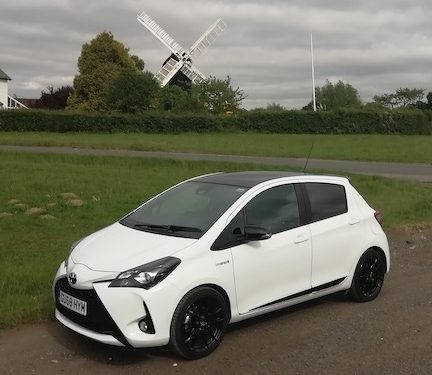
    Here we have Toyota’s Yaris GR Sport fitted with hybrid technology. It’s also fitted with tuned suspension for a more sporty feel. It’s divided opinion. THEGAYUK had a go and here is what we thought of it.

    Driving

    I’ve not been kind in the past when describing Toyota’s CVT transmission systems but that is going to change. I rather liked this, unless you floor the throttle, then it shows up all the traits of the CVTs woes of engine revving away. 

    It’s a strange mix really for a 1500cc petrol engine with 16 valves and twin cams making just 98bhp. The engine is quite lacking in sparkle and feels a little lazy. Here then is the bonus for your lazy engine, the extra oomph given by the electric motor. Even at high speed, press the throttle and the engines high revs do at least translate to make progress faster.

    The ride has come in for some criticism for being too hard. Taken from the rapid GRNM model, I personally found it totally acceptable and ideal for when you want to use the chassis potential. It is a fun car to hustle around on the right roads.

    Inside

    Sadly, the Yaris of old is no longer to be seen in the new model. And that means no dashboard innovations. It’s all become a bit ‘normal’ though typical of Toyota, the layout is logical. However, I am puzzled as to why the infotainment screen flashes up changes to the heating system when you can clearly see the selected temperature in the digital display within the heater control panel.

    The suede faced GR badged bucket seats are just fine by me. An absolute joy for the derrière to sit in. They offer ample support in all directions. And they don’t encroach into the rear legroom area either. I found there to be more than adequate space for my 6’ frame in the rear seat. Much better than some larger cars out there too.  

    The boot is ok for this size car. My biggest problem I have are the poorly painted areas around the boot shuts. 

    Living With It

    It’s not as engaging to drive as the name would suggest. You do lose your buzz after a while though. Despite there being the option to use some engine braking assistance when selecting ‘B’ on the gear shift, it isn’t enough to hold it back and therefore you are having to dab the brakes more than you would with a conventional gearbox or selectable automatic. And a shame too because you just can’t quite exploit the fun handling. 

    The economy is good as a city slicker. It’s a little less so on the motorway though thankfully, unlike some of the CVT systems, the engine doesn’t need to sing for its supper.   

    The Verdict

    Once you get over the asking price, the Yaris GR Sport makes for a fine city car. There are the typical road noises I’ve now become accustomed to in Toyota’s hybrid cars though thankfully, at speed, it gets quieter. 

    And this is what the Yaris does so well, it goes about its business quietly and efficiently.  

    Love

    Seats

    Ride/handling compromise 

    Town economy

    Loathe

    Price

    Not engaging enough

    High-speed economy

    The Lowdown

    Car –  Toyota Yaris GR Sport

    Price – £ 19,840 (as tested)

    MPG – 55.98 – 60.14 mpg (WLTP combined)

    Power – 98/74 BHP/kW

    0-62mph –  11.8 seconds

    Top Speed –  103 mph

    Co2 – 89 (g/km)

  • CAR REVIEW | DS7 Crossback Ultra Prestige, Diamonds Aren’t For Everyone

    CAR REVIEW | DS7 Crossback Ultra Prestige, Diamonds Aren’t For Everyone

     ★★★★ | DS7 Crossback Ultra Prestige

    Diamonds Aren’t For Everyone.

    What Have We Got?

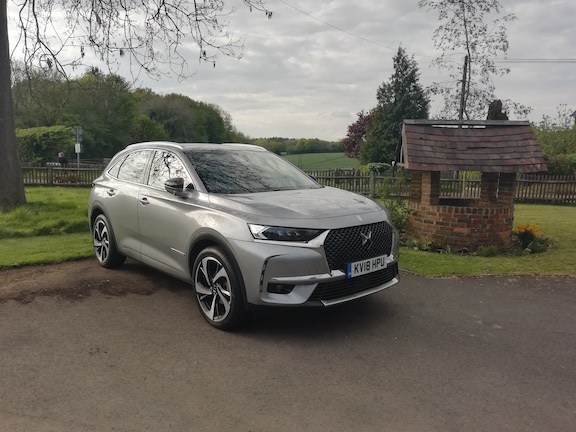
    Here we have the new DS 7 Crossback. The Avantgarde company from Citroen.

    It’s a largish SUV vehicle aimed at the upper ends of the SUV market. It’s an ever-growing market where luxury and comfort speak for themselves. Can it take on the big premium brands?

    What I’m trying to say is, does this diamond encrusted DS 7 have the range?


    Driving

    Overall it is a bit of a disappointment. The 225bhp 1.6-litre petrol engine mated to the 8-speed automatic doesn’t encourage vigorous driving. From the looks of the DS7, that at first seems a shame.

    That feeling soon evaporates when you drive it in a more conservative way. This Ultra Prestige spec model wasn’t fitted with the new adaptive road assist system that analyses the road and adapts the ride accordingly. I’ve heard mixed reviews about that. On this model, then, we have standard springs and shocks and it all works well.

    At night time when the powerful adaptive headlights highlight imperfections in the road, nothing seems to be transmitted back into the cabin. And if it was, the majority of the time it was a muted “thud”


    Inside

    Here is where the DS7 Crossback stands out. The quality game has been upped quite a lot. Soft touch plastics and rubber where it matters, washable hard plastic where it doesn’t. And then there is the DS’s signature interior layout with stylised switches in the centre console and around the cockpit.

    And this signature is in diamonds. Everything is pretty much diamond shape. It’s a love it or hate it experience but for me, I rather like it, especially the front door armrests that illuminate at night with diamonds. It blends itself into the digital display on the fascia panel.

    It doesn’t all work though. The speedometer bar and incredibly difficult to read at a glance. It is a bit form over function. Thankfully there are always clear digital display readouts.

    Living with it

    Sadly I feel the DS7 will be overlooked because it’s French and that is your problem. As the SUV market grows and grows, it will soon start to get more competitive and quality, which from some manufacturers, isn’t up to their hatchback offerings. Here in the DS7 Crossback, the game is high. There is a return to French and quirky style. It’s a welcome return.

    DS has been striving for an air of opulence in their products and finally, they have got it. It connected well as a comfortable drivers car, making the driving experience a pleasurable one that was relaxing. It has space for five and the fixtures are above the norm.

    Verdict

    The late Joan Rivers said “I don’t work out. If God had wanted us to bend over, he would have put diamonds on the floor”, DS has bent over backwards to give us a quality product for not a lot of money. You’d be fooling yourself not to bend over and take a closer look.

    Love

    Quality feel

    Price

    Different

    Loathe

    Steering wheel pads set to high

    Front wheel tramp from a standstill

    Poor rear door architecture

    The Lowdown

    Car –  DS7 Crossback Ultra Prestige

    Price – £46,260 (as tested)

    MPG – 40.4 – 36.2 mpg (WLTP combined)

    Power – 225bhp @ 5,500 rpm

    0-62mph –  8.3 seconds

    Top Speed –  141 mph

    Co2 – 125 (g/km)

  • CAR REVIEW |  Volkswagen T-Cross

    CAR REVIEW | Volkswagen T-Cross

    ★★★★ | Volkswagen T-Cross

    VW Cross the T’s

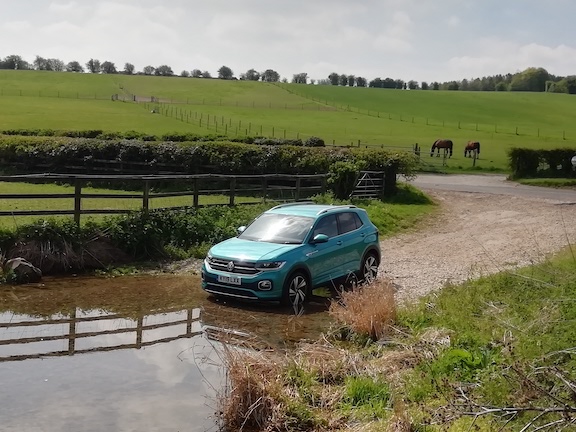
    The much anticipated VW Polo has, quite quickly, spawned a little SUV model. All using the highly adaptable MQB platform that makes up the current VW range, I was intrigued to see how the risen Polo sized B segment SUV was like at the recent UK launch drive.

    There were noticeable changes for this newcomer. Firstly was the lack of a diesel engine in the range. With diesel becoming a dirty word in Europe, chances are there won’t be one. Also, this is a bit of a pseudo 4×4. It has, as is common in this segment’s top sellers, all the looks without the ability. There’s no 4 wheel drive, and no loss really. It’s not that kind of car.

    Driving

    Driving impressions were good. I’ve moaned about the Golf-sized T-Roc tramping its front wheels from a standing start. I was expecting much the same with the Polo’s platform, risen by 10cm to behave and I came away disappointed. Disappointed because using either the 5-speed manual or DSG gearbox, it didn’t demonstrate anything like that of its larger brother.

    What did become apparent however in the 115PS engine model was the lag in the DSG gearbox. Standing starts took almost 2 seconds for throttle inputs to respond to forward motion within the powertrain. This was not a problem in the manual with the 95PS engine. According to the data, there is 1.3 seconds 0-60 between both these 1-litre petrol engines. The DSG’s lag makes it feel a whole lot more and in favour of the smaller powered unit.

    Interior

    Inside, and it is all useable stuff with rear sliding seat that alters the size of the boot or rear legroom. There is an adjustable rear seat that moves a whole 14cm back or forward. This makes the already large boot for this segment even bigger. Yes, it does take away rear passenger space but only if you are carrying someone in the rear.

    As a small SUV from VW, I was rather taken by the T-Cross. Its size makes it feel more agile and the ride better than you’d think it should be from a small, higher-riding short wheel based car. It rode well and could be driven with gusto. Compared to the competent T-Roc, I’m not sure I’d recommend it over the T-Cross. The littler car is the better car.

    Verdict

    Personally, I do have a clear winner. The 95PS manual SE was the better car and is my recommendation. It’s about £7,000 cheaper than the 115PS R-Line with the DSG and all the more spartan for it. So have fun and add some Volkswagen options. Making the T-Cross your own will endear it more than it already does. Volkswagen has done us proud.

    Like

    Ride

    Engine refinement

    Economy

    Loathe 

    DSG gearbox lag

    SE is spartan

    Infotainment system fiddly

    The Lowdown

    Car –  Volkswagen T-Cross

    Price – SE £ 19,890 / R-Line £26,735 (as tested)

    MPG – SE 48.6 / R-Line 45.6 mpg (combined)

    Power –  SE 95PS – R-Line 115PS

    0-62mph –  SE 11.5 / R-Line 10.2 seconds

    Top Speed –  SE 112 / R-Line 120 mph

    Co2 – 112 (g/km) both models)

  • CAR REVIEW | Peugeot 508 Allure, Just don’t stroke it too much, you might get arrested

    CAR REVIEW | Peugeot 508 Allure, Just don’t stroke it too much, you might get arrested

    ★★★☆☆ | Peugeot 508 Allure BlueHDi 130 Manual: The Bright Allure of Peugeot.

    What Have We Got?

    They say this is Peugeot‘s return to the saloon market and one that they might or might not make it in. This market is rapidly vanishing but suddenly there is a bit of a renaissance and a handful of manufacturers are fighting back the trend for the SUV with stunning looking family saloons. And you can’t argue that the saloon is far more elegant than an SUV.

    So has Peugeot produced a car that could make you ditch the SUV? THEGAYUK finds out. 


    Driving

    First and foremost I can rejoice in the behaviour of this 130BHP 1.5 turbo diesel. There were no signs of lag from pull away or on the move. There is a nice fluidity to the engine and its refinement. Clutch control was light and the manual gearshift slotted in with a nice click between the gears.

    On the move, it climbed effortlessly through the speed range with only mild engine noise audible if the radio was off.

    Handling, from the small steering wheel, felt energetic and connected. It gave a reassuring confidence. The electronic power steering weights were finely set and feedback communicated well. 

    Inside

    In Allure trim, it is rather civilised and grown up. The seat cloth faces are a mix of business suit stripes and solid colours. It blends in well. What I can’t work out if the faux carbon fibre trims across the dashboard and the other trims. The pattern doesn’t follow the same flow from the passenger’s door and across the dashboard. It runs the wrong way on the driver’s door! 

    I also found some trim that wasn’t well attached. The overhead switch pod with interior lights was not properly attached on one side.  

    Living With It

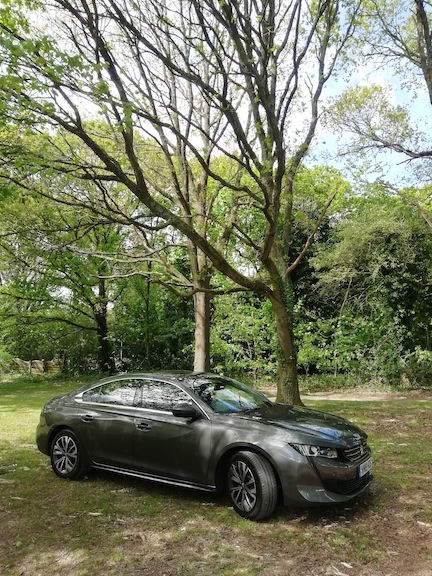
    To look at, you forget it has a rear door. A saloon this is not. A practical 5 door hatchback in a sleek coupe style it is and it works well. If anything, it makes the 508 an incredibly attractive car to look at from almost any angle. Few non-exotic cars encourage you to stroke it. As a poster, this car could make any wall a happy place to stare at.

    There are a few niggles that I have. After a downpour, rear visibility was not great thanks in part to no rear wiper. I have in the past raved about the i-Cockpit. It is a visual treat. However, I was unable to find a rheostat to tone down the visual displays. They don’t dim when the lights come on. With the facia directly in the eye line, at night it does cause glare and eye fatigue.  


    The Verdict

    This is a great return to form for Peugeot in this market. The car it replaces was nothing short of a miracle that it sold at all. For fear of its predecessor, potential buyers might be swayed away from the new 508. And that is a shame because the 508 isn’t a hash up of the last generation. It is a beautiful looking car and rewarding to drive. 

    There is great cohesion within the cabin and it feels a quality product. That said, there are a few areas that Peugeot need to address as mentioned but overall I was impressed. And you will too. Just don’t stroke it too much, you might get arrested!

    Love

    Looks

    Price

    Ride

    Loathe

    Carbon fibre trim

    Dull rear door architecture

    Some trim fit

    The Lowdown

    Car –  Peugeot 508 Allure BlueHDi 130 Manual

    Price – £26,914 (as tested)

    MPG – WLTP low/high 59.6/52.5 mpg (combined)

    Power – 130 BHP

    0-62mph –  9.7 seconds

    Top Speed –  129 mph

    Co2 – 101 (g/km)

  • Tucano Urbano MRK 2 Motorcycle Gloves

    Tucano Urbano MRK 2 Motorcycle Gloves

    Tucano Urbano Gloves MRK 2

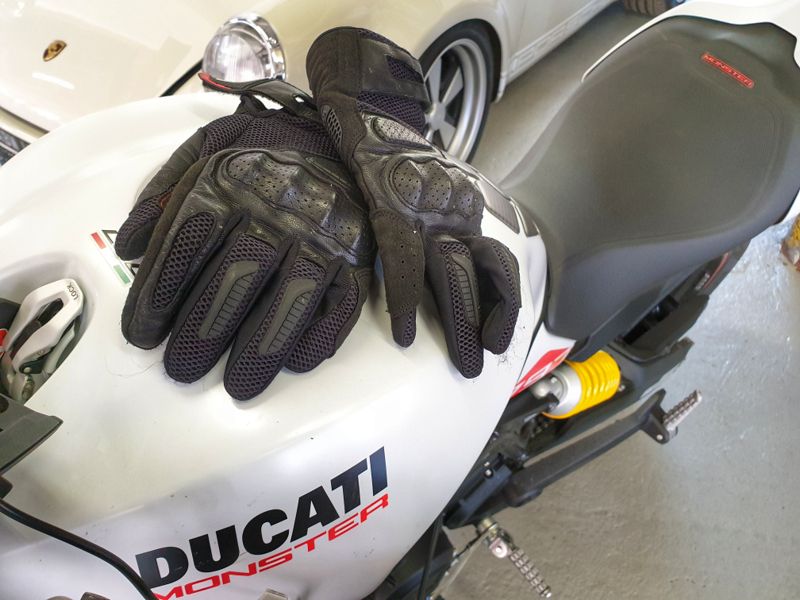
    For the last few thousand miles, I’ve been using some Tucano Urbano MRK 2 summer gloves.

    An odd choice maybe in April and May in the UK, but they’ve been great.

    Tucano Urbano is an Italian manufacturer who’s range offers Italian design and style with practical solutions for urban scooter and motorcycle riders, so I’m told.

    They’ve been around for 20 years and have a good reputation for making quality gear.


    Construction

    These gloves have a soft, synthetic suede palm with a flexible anti-abrasion rubber insert.

    Aero 3D mesh around the palm and the back of the gloves gives maximum ventilation. These are very light and soft.

    Silicone rubber strips on the fingers improve grip and goat’s leather inserts around the wrist and all over the knuckles add strength and durability whilst keeping the soft, light feel of these gloves.

    There is soft certified armour on the knuckles and some rubber protection on the top of the fingers too.

    Velcro adjustment on the cuff is also by goat’s leather strap with microinjection ends for easy opening. These are also touchscreen gloves which is very handy when using your satnav.

    Fit and feel

    At first, I thought these gloves would simply be too light to wear in anything but glorious sunshine but that’s not been the case. They are very light and heavily vented, but I really light how soft and light they are. Because of the feel, I’ve worn them in all weathers; warm sunny days, cold windy days and even pouring with rain days. I expect in deepest winter they would be too light, but I haven’t struggled at all. When they’ve got wet in the rain, they’ve always dried really quickly. Maybe because they are so light.

    They fit well and being a short glove, don’t get in the way of cuffs.

    My Spidi gloves are a size 9 – L so went for the same with these Tucano Urbano gloves. They’re spot on.


    Protection

    MRK 2 are short summer gloves and as such, are a little short on the full-on protection you might find on a full blown leather glove.

    There is soft, certified armour on the knuckles and anti-abrasion pads on the palm and fingers plus goat’s skin along the tops of the fingers and thumb.

    Tucano Urbano MRK 2 gloves are CE approved: meets the EN 13594:2015–CE safety standards for motorbike gloves.

    Warmth

    You wouldn’t expect these to be warm. They are a heavily vented, lightweight summer glove after all. I was surprised to find they have been great so far. I’m sure when the temperatures hit single digits, it will be time to pull out the winter gloves but I will use these as long as I can.


    Waterproofing

    Well, let’s be realistic, there is none. It’s a summer glove after all. Like I said before though, I’ve worn these in the pouring rain and decided to wear latex gloves under them. When they were soaking, they held their shape and performed just as well as when they are dry. They dried out quickly too.

    Verdict

    Tucano Urbano has been known primarily for scooter gear, but if you look at their current range, it’s huge. It covers everything from under layers to helmets to men’s motorcycle gear, women’s motorcycle gear, boots, gloves and lots more.

    These gloves are so light and comfortable I’ve really enjoyed wearing them. There’s not much worse than wearing gloves that blunt your feel. These certainly do not. They are my new glove of choice until winter sets in.

    £52.99

    Sizes XS > XXL

  • REVIEW | Tucano Urbano Jacket Network 2G

    REVIEW | Tucano Urbano Jacket Network 2G

    I’ve been using the Tucano Urbano Network 2G jacket recently, taking advantage of the nice weather we’ve been having.

    Tucano Urbano is an Italian manufacturer who’s range offers Italian design and style with practical solutions for urban scooter and motorcycle riders, so I’m told.

    They’ve been around for 120 years and have a good reputation for making quality gear.

    Construction:

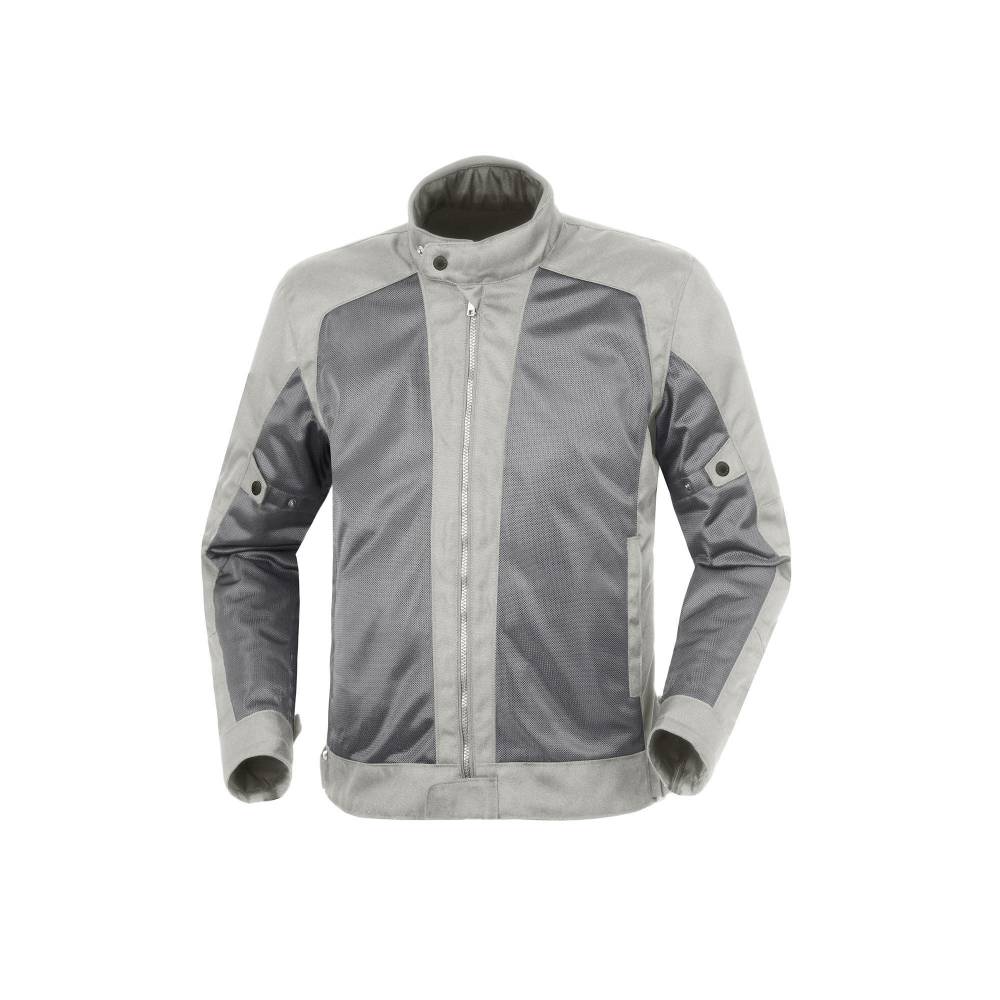
    The Network 2G jacket is described by Tucano Urbano as a classic motorbike style mesh jacket.

    It’s a lightweight summer jacket with 100% Polyester outer and 100% Polyester lining. High strength polyester mesh inserts on the outside with a light mesh lining keep you nice and cool.

    There are two large mesh areas on the front, all the way from shoulder to waist. On the rear there is one large mesh panel from lower back, all the way to below the shoulders. Arms have full length mesh panels from cuff to shoulder seam.

    Tucano Urbano have added some reflective trim on the cuff called REFLACTIVE® SYSTEM, that can be folded out when you need it.

    You can tighten the arms at the tricep via press stud and cuff via and small velcro strap. There are heavier velcro straps on each side to adjust the waist.
    Two slant pockets provide some storage on the outside and there are two more pockets on the inside. You’ll find an external zip pocket at the rear, across the bottom, and an internal pocket to allow for the optional D30 back protector, which is strongly recommended. I have one in mine and it is superb.
    You can zip the jacket to trousers and there a robust, single zip on the front with anti scratch flap to prevent you scratching your tank.


    Fit and feel:

    I’m not skinny, the most polite way to describe myself would be well built. I’m usually a 38″ waist or XL jacket.  If I had a criticism of the Network 2 jacket it would be that it comes up a little on the small side. It fits really well and the cut is flattering, but I’d should have gone up a size.

    It doesn’t ride up at the back and it fits really well across the shoulders. The arms are fitted too, and are the perfect length. The cut of the jacket is excellent, apart from around my middle. When I zip it up, it’s pretty snug over the breadbasket. I expect it’s not really made for the middle aged, overweight guy.

    Even with all the armour in, it’s comfortable and looks great.


    Protection:

    the Tucano Urbano Network 2 has D30 armour at the elbows and shoulders, and I have the optional back protector to compliment.
    D30 armour is superb. If you don’t have any, try and find some clothing with some in and feel it. Push your finger against the gel and feel what it does.
    Although this is definitely a summer jacket with lots of venting, it feels really durable and strong.

    Tucano Urbano are proud to say this jacket is class A certified in accordance with directive prEN17092 which is a new standard that includes all clothing marketed as ‘protective clothing for motorcyclists’ and includes a wide variety of tests intended to assess the protection and integrity of the clothing. The tests consider; strength of seams, tear strength, impact energy absorption, dimensional stability, fit and ergonomics and garment restraint.


    Warmth:

    Around town, on a warm dry day, this is brilliant. It’s light, easy to move around in and the air can get through it. It regulates temperature really well.
    On a motorway, on an overcast day, it gets pretty chilly. I usually wear a t-shirt under the jacket which means my arms are the first part of me to feel the cold. In the dry, I haven’t found myself particularly cold on my body, maybe it’s the..….erm…insulation i have.
    I found at sustained motorway speeds, my arms were getting chilli but otherwise i was fine. A long sleeve top underneath would make a big difference.
    For carving through town it’s a great choice.


    Waterproofing:

    Ah, not great. It is a summer jacket after all. It’s not waterproof. There are lots of mesh panels and the rain just gets straight through. On the plus side, if it’s just a shower, you’ll dry pretty quickly too.

    Verdict:

    If you’re looking for a high quality, good looking summer jacket that comes with CE approved shoulder and elbow armour (and optional back protector), has been certified CE class A, and will keep you cool and comfortable during warm weather riding, the Tucano Urbano Network 2G jacket is an excellent choice.

    It’s a summer jacket, no question, but it looks great, it’s well made, has some nice features, and all for £114.99


    Tucano Urbano Jacket Network 2G
    £114.99
    Sizes M > 3XL

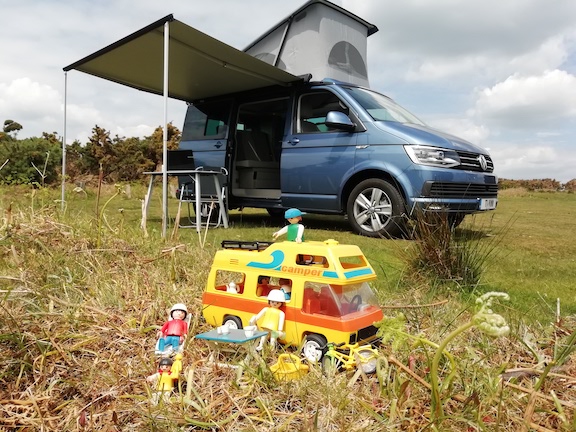
  • CAR REVIEW | Volkswagen California Ocean

    CAR REVIEW | Volkswagen California Ocean

    Welcome to the Mobile California… with options, comes in at £63k OTR! HOW MUCH! I hear you and so many others shrill. £63k

    For a van with a kitchen, it might seem expensive. Houses in the North can cost less. That said, you can’t move your house from location to location and, when all the elements combine, it all comes together really well.

    THEGAYUK was given the VW California Ocean for a week and we put it through its paces as a commuter, day tripper and camper.

    Driving.

    The 150PS diesel engine does a fine job in carrying itself around. Its fuel economy was amazingly accurate to what was projected on the dashboard. Very often we would see high 30s and low 40s.

    While touring around twisty roads with short straights and long corners, what didn’t work was the engine trying to use all of its 340Nm/Ibs of torque from as low as 1200rpm. It didn’t feel particularly comfortable for either the driver or the engine. It was too sluggish to respond and resulted in more of a crawl than a cruise.

    Thankfully the DSG box can be flicked to manual override and it then felt more at ease with itself above 1500rpm. Max torque is from 1500rpm so its reluctance to retain this lower engine rev puzzled me.

    The ride and handling were better than expected with no rattles and the high up driving position with luxury appointments around the cabin made this feel more like a Passat than a van. You can see why the Transporter is the benchmark other van makers strive to beat.

    Back to that asking price. Is it worth it?

    Yes, it is. The California Ocean starts at 55k. Compared to a large SUV, and let’s look in-house at VW and pick the Touareg, it is even better value. The Touareg is priced at £45,000 to £53,765 

    In a game of Top Trumps, the California would only be marked down for engine capacity and speed. What you get for this money is a vehicle that you can use every day as your main vehicle but also one that enables you to go to the tip (many councils will let you in because it’s a van with windows and seats) become a mobile office that offers you views that you can’t get in an office or take you away from it all, house you in heated or aircon comfort and allow you to sleep like a human and not a curled up sausage.

    Try doing all of that in your SUV.

    Is it THAT good?

    There are a few bits that could be improved. As a hardened VW camper enthusiast, I can spot a few areas that the old still does better than the new.

    The raised pop-top bed is a solid bed. Earlier 70’s models had a flip over part at the end. This enabled the roof bed when not in use, to be a useable storage area during the day. Handy when your living space is no more than 6’ x 11’.

    The fixtures and fittings did get some criticism for feeling a little “cheap”. It’s more lightweight than cheap. The home converter might well fit a quality kitchen from Magnet in their van, but they will pay the price at the pumps for the extra weight. There is a fine line and what VW has achieved in-house is commendable. 

    And the grey interior? It grows on you. It’s clean and modern but a touch clinical. It lacks the organic softness associated with wood. That said, after a night in it, the lightness makes for a very relaxed environment. I certainly wasn’t my usual grumpy self before coffee.

    With that gripe out of the way, what then can I tell you about the inside? It will seat 4 in comfort. And if you are wise and call for the swivelling captain’s seats in the front, you’ll be even more comfortable during lunch/social times when inside.

    The bed is easy to make in 3 steps. The worst part being that of sliding the rear bench forward. It’s a heavy solid unit. Pull a lever, lower the backrest and fold over the padded top cover and you’re almost ready to go. Just layout the duvet and pillows.

    If you like a little privacy, there are blinds all round and removable covers for the cab door windows. It all works well, especially the adjustable side blinds allowing partial to a full block of the light outside.

    Lighting is soft and plentiful. Nice touches include those in the roof for upstairs sleepers with easy to reach switches.

    There is plenty of storage around for all that you need and more for the stuff you don’t. Cooking is all done on a 2 burner hob. Sadly there is no grill option. Personally, I couldn’t live without one. There is a huge water tank that houses the water for the sink and external shower unit for washing off mud and sand. Simple and yet very effective. And that is the California’s extra trump card score. It’s very effective at being more than just what you see. 

    Verdict

    Welcome to your Mobile California

    Such a lovely place (such a lovely place)

    Such a lovely face.

    Plenty of room at the Mobile California

    Any time of year (any time of year) you can find it parked here, there or anywhere.

    Including winter. It also comes with a diesel-powered heater that can be set on a timer or via the remote control. 


    Like

    Easy to drive

    Easy to convert from van to camper

    Camper layout

    Loathe

    Swivel front seats awkward to swivel

    Sharp edges on removable shelves

    No heated rear screen

    The Lowdown

    Car –  Volkswagen California Ocean 2.0. TDi 150PS 7speed DSG

    Price – £ 63,155 (as tested)

    MPG – 40.9 mpg (combined)

    Power – 150PS

    0-62mph –  14.5 seconds

    Top Speed –  110 mph

    Co2 – 179 (g/km)