Category: Wellness

  • DEPRESSION CRISIS: One Quarter Of Gay Men Surveyed Tried Committing Suicide

    Shocking new statistics from GMFA’s FS magazine show that nearly one quarter of gay men who have suffered from depression have tried to kill themselves.

    A startling survey in the latest issue of FS magazine uncovers the true extent of the effects of depression on gay men. Around 600 men, who identified that they had or were suffering from depression, were asked if they had tried to commit suicide and around 24%, nearly one quarter, said they had, that number increased to over half when asked if they had had suicidal thoughts.

    Around 54% of gay men surveyed said that they had considered ending their lives, with self-esteem being the biggest contributor to their thoughts.

    For those men living with HIV, 66% identified their diagnosis as the leading cause of depression and suicidal thoughts.

    Simon, 36 from Oxford, is one of the many HIV-positive gay men who responded. He says: “I was diagnosed with HIV in January 2012. I was having lots of risky sex and I knew eventually it would happen but didn’t really care. It wasn’t until I was diagnosed that reality set in. I wasn’t ready for it and became depressed. It affected my job. It affected my social life and I became a recluse.”

    Anthony is 26 and from London. He told FS that after his diagnosis he couldn’t handle it. He said: “About three months after I was told I was HIV-positive I tried to overdose. I didn’t cope at all with being told I had the virus. I thought my life was over and suicide was the best option. Luckily my attempt failed.”

    When asked, what were the main reasons HIV-positive gay men felt suicidal or why they attempted suicide, 66% said ‘Living with HIV’ was the main issue with ‘Low self-esteem (60%) and relationship issues (39%).

    “HIV remains one of the most stigmatised of all health conditions,” says Matthew Hodson, Chief Executive of GMFA. “Rates of depression among gay men with HIV are twice as high as they are among other gay men, affecting about one in every four men. And depression in men with HIV can lead to poor adherence, which can have a major impact on their physical health as well.

    “Depression also has an impact on someone’s likelihood of becoming HIV-positive,” adds Matthew. “A recent study showed that men with depressive symptoms were more likely to have unprotected sex, and to have unprotected sex with several partners. Tackling the mental health challenges faced by gay men is crucial if we are going to reduce the high levels of sexual risk-taking and high incidence of HIV in our community.”

    Ian adds:

    “Gay men are just as likely to face the same everyday struggles straight people face on a day-to-day basis with the added pressure of their sexuality. For HIV-positive gay men the issues they faced were greater due to their diagnosis. The gay men in our new issue wanted to share their stories in a bid to help other gay men realise that they are not alone. The first thing to do when trying to fix a problem is admitting you have one. So, hello gay people… we have a problem.”

    Last year helpline charity Samaritans revealed that 1 in ten male callers were worried about their sexuality.

    The new issue of FS magazine can be read online for free by going to: www.fsmag.org.uk

    If you’d like support Please call 08457 90 90 90 (UK) 1850 60 90 90 (ROI), email jo@samaritans.org, or visit www.samaritans.org to find details of the nearest branch.

    Or phone Switchboard on 0330 330 0630
  • Five Types Of Prostate Cancer Found

    Five Types Of Prostate Cancer Found

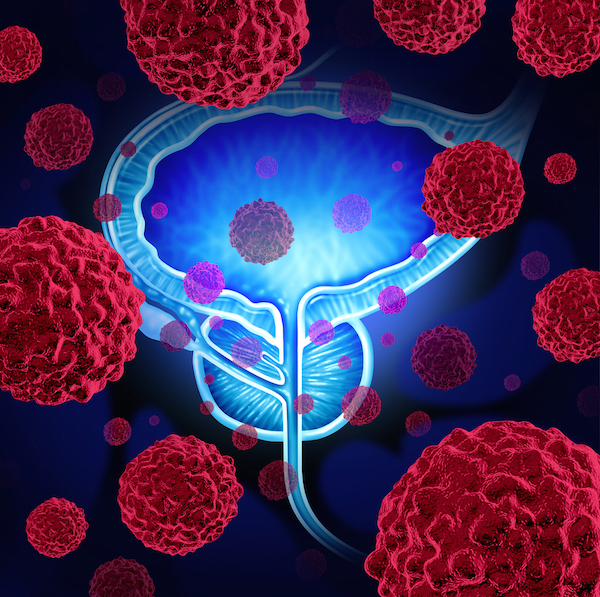
    Scientists from the Cancer Research UK Cambridge Institute and Addenbrooke’s Hospital have made the shocking discovery that there are five kinds of prostate cancer.

    © lightsource Depositphotos

    The discovery of the five differing types of prostate cancer could transform the medical aid and treatments offered to patients as medical professionals will be dealing with five different diseases. The discovery means that doctors will now potentially be able to distinguish between slow growing to the more deadlier cancers. The discovery was identified by comparing 250 samples removed during surgery.

    Dr Gordon Muir, Consultant Urological Surgeon at London Bridge Hospital said that early prostate cancer causes no symptoms, but can only be detected by examination or a blood test. Prostate cancer is normally diagnosed by blood test and then a biopsy.

    Advanced prostate cancer symptoms include bone pain, difficulty passing urine, or general tiredness. There are 41,700 cases reported each year in the UK.

    There are lifestyle factors that can increase your chances of developing prostate cancer. Family history being a significant factor as well as race, black men are at much higher risk of the cancer that kills around 11,000 men a year. According to statistics one in four black men will get prostate cancer ay some point in their lifes.

    “Being overweight and eating a lot of cooked red meat may increase the risk slightly too.” explains Dr Gordon Muir.

  • Five Types Of Prostate Cancer Found

    Scientists from the Cancer Research UK Cambridge Institute and Addenbrooke’s Hospital have made the shocking discovery that there are five kinds of prostate cancer.

    The discovery of the five differing types of prostate cancer could transform the medical aid and treatments offered to patients as medical professionals will be dealing with five different diseases. The discovery means that doctors will now potentially be able to distinguish between slow growing to the more deadlier cancers. The discovery was identified by comparing 250 samples removed during surgery.

    Dr Gordon Muir, Consultant Urological Surgeon at London Bridge Hospital said that early prostate cancer causes no symptoms, but can only be detected by examination or a blood test. Prostate cancer is normally diagnosed by blood test and then a biopsy.

    Advanced prostate cancer symptoms include bone pain, difficulty passing urine, or general tiredness. There are 41,700 cases reported each year in the UK.

    There are lifestyle factors that can increase your chances of developing prostate cancer. Family history being a significant factor as well as race, black men are at much higher risk of the cancer that kills around 11,000 men a year. According to statistics one in four black men will get prostate cancer ay some point in their lives.

    “Being overweight and eating a lot of cooked red meat may increase the risk slightly too.” explains Dr Gordon Muir.

  • ANSWERS: Expert Advice On Prostate Cancer

    ANSWERS: Expert Advice On Prostate Cancer

    Dr Gordon Muir, Consultant Urological Surgeon at London Bridge Hospital who has provides expert advice to help those who may be affected by Prostate Cancer.

    derneuemann / Pixabay
    After the news that five different types of Prostate Cancer have been discovered, we spoke with Dr Gordon Muir, the Consultant Urological Surgeon at London Bridge Hospital for advice on discovery and recovery from Prostate Cancers.

    What are the main symptoms of prostate cancer?

    Early prostate cancer causes no symptoms and can be diagnosed only by examination or a blood test. Advanced prostate cancer may present with bone pain, difficulty passing urine, or general malaise.

    How is prostate cancer normally diagnosed?

    A blood test (PSA) followed by biopsy. The work between King’s and Guy’s Hospitals has pioneered the use of MRI scanning and targeted, more accurate biopsies via the transperineal approach. This is offered to patients at the London Bridge Hospital as a routine.

    What treatment options would you recommend for prostate cancer – what are the advantages/ disadvantages of radical treatment vs. active surveillance?

    With early prostate cancer we are now focusing on selection of those men who need radical treatment and those who can be safely monitored by either active surveillance or minimally invasive treatment. It’s a complex field with many different factors and each man should be offered an entirely bespoke treatment plan.

    Do you have any tips to help men engage more with their health, to reduce the incidences of prostate cancer by ignorance?

    PSA testing reduces the death rate from prostate cancer but in the trials published so far, too many men have had radical treatment to justify a widespread screening program. So our work on stratifying risk is very important and exciting. In general, men will gain less from prostate cancer screening as they get older, so we would not ordinarily recommend PSA testing beyond 70 years of age, but there is an argument for beginning screening much earlier in high risk men.

    Are there any lifestyle factors that are commonly associated with prostate cancer?

    The most important factors are race (black men are much more likely to develop the disease) and family history – there is nothing a man can do about those! Being overweight and eating a lot of cooked red meat may increase the risk slightly too.

    Do you have any advice or tips to help reduce the chance of developing prostate cancer?

    Certain dietary factors may reduce the risk – tomatoes, green and yellow vegetables, soya protein, coffee and garlic may all help. As with most diseases, the best advice is to eat a healthy diet and keep fit.


  • 10 life hacks to help you take a break from technology

    Here are 10 Life hacks to help you take a break from technology devised by celebrity life and success coach Sloan Sheridan Williams.

    When technology is starting to rule your life, why not take a step back and take note of Sloan’s top 10 hints at regaining control of your life.

    1. Share a lovingly home-cooked meal or go to your favourite restaurant

    2. Get a boost of energising Vitamin D

    3. Share emotional experiences like watching a movie or sporting event.

    4. Having fun on theme park rides will help you bond with the rush of endorphins

    5. Go on a bike ride or a long walk in the park

    6. Visit a comedy club and laugh out loud

    7. Go out and dance like no-one is watching

    8. Pedalo on the Serpentine or on a nearby lake that offers similar

    9. Fly a kite

    10. Go to a Roller Disco and let your hair down.

    by Sloan Sheridan Wllliams

  • LGBT hate crime and how to defend yourself

    According to the Gay British Crime Survey 2013, compiled by Stonewall, one in ten LBGT people were physically abused in an act of hate crime in the previous three years, and twice that number were threatened with violence. Of the attacks that took place, two thirds were carried out by men who were unknown to the victim and half of these were carried out by men under the age of 25.

    Whilst members of the LBGT community continue to feel under threat from homophobic physical assault, it’s no wonder that many people including females, are wanting to learn self-defence, should the worst happen. Throughout the country there are a growing number of self-defence courses being set up to cater for this increased demand. One such high profile course is offered by the University of London, which combines martial arts and personal awareness training to help LBGT students “better understand their personal safety and give them the confidence to protect themselves.”

    For those who are averse to joining a self-defence class but still want some advice on how to protect themselves when threatened with attack, there are a number of fairly easy techniques to use.

    The priority should always be to try to prevent the attack happening in the first place, and there are a number of steps that can be done to do this. Firstly, people should avoid situations in which they make themselves vulnerable to attack. Attacks are less likely in busy places and especially so if the person threatened is with other people. Being drunk or under the influence of drugs also makes people easy targets. LGBT people in threatening situations need to be aware of their surroundings and should seek the help of others.

    Remember that in most cases, the aggressor is looking for an easy target. If they continue to threaten, it’s important to maintain eye contact. By doing this, the person threatened is showing that they are not intimidated and this will often lead to the aggressor backing down.

    Whilst any confrontation is taking place, it’s important for the victim to stay calm and focused. The aggressor will want the victim to give them a reason for striking out. So, do not accept any challenge, retaliate with insults or strike out first. Walking away can help, but if the bully is truly intent on attacking, it gives them the perfect opportunity to strike whilst the victim is most at risk.

    If the aggressor begins to attack, the first thing the victim should do is shout out at them to get off. This lets others know they are under attack and lets the attacker know they are not an easy target. This may lead to intervention by others or make the attacker think twice about continuing.

    Once the attack has started, it’s even more important to stay in control. Rather than simply hitting out, any counter attack needs to be done where it is likely to have the greatest impact on the aggressor; the eyes, nose, neck, groin, knees and legs. The victim should always use their arms to attack the top half of an aggressor’s body and the legs for the bottom half. How close the attacker is should determine where it is best to strike them. Avoid getting too close as this might cause the attacker to attempt a body hold to put the victim on the ground and make them more vulnerable.

    To make it easier to escape a physical assault, it is always best to strike in places that will cause the attacker pain. The victim can scratch, poke, or even gouge the aggressor’s eyes or use the heel of the hand to stun their nose – both of which would hurt enough to give time to get away from the confrontation.

    Other strikes that can be useful include chopping the side of neck using a flat hand to stun an assailant, or kicking their knee, particularly from the side, which will knock them off balance.

    Victims should always remember that the aim of self-defence is to protect oneself – you have a legal right to do so. However, once there is an opportunity to escape it should be taken. If the aggressor is down and out, do not continue attacking; stop and leave. This will protect you from any legal complaint made by the aggressor

    For more detailed instructions on self-defence, it is highly recommended that individuals take part in organised classes run by qualified instructors, whether ones for the general public or ones specifically set up for the LBGT community.

  • ADVICE | I Was Drunk And He Barebacked Me Can I Get PEP?

    In our latest letter to our online clinic, one reader asks about getting PEP or Post-exposure prophylaxis after having bareback sex.

    I Was Drunk And He Barebacked Me Can I Get PEP?

    Dear TGUK,
    I recently hooked up with a guy I know to be promiscuous, we got drunk and he ended up f**king me bareback and I had some blood down there the next day. I’m desperate to get PrEP, as even though he says he’s HIV negative, how can I be sure? I don’t normally take risks, but this time I slipped up.
    Please help!
    Sam (name changed)


    Hi Sam,

    If you’re worried about your status you should visit a sexual health clinic right away or an A&E department, who also can prescribe the Post-exposure prophylaxis drugs (PEP). It is a course of drugs which lasts up to 28 days. It is effective at stopping the HIV virus up 72 hours after exposure.

    You will need to explain to the doctors why you think you need the treatment and they will assess the likelihood of your exposure to the virus.

    Bareback sex carries high risk to HIV exposure, but also to a variety of other infections, which can all be very nasty and may not show symptoms. You say that the guy said that he was HIV negative, but when was the last time he was tested and was he telling the truth? You can never be sure, which is why it’s important for you to take responsibility for your own health. If he’s had unprotected sex with you and you say he’s known for being promiscuous the likelihood of him having unprotected sex with others is very high.

    Make sure you ask your doctor or sexual health professional about the side-effects of PEP.

    As for the blood you mentioned, the anus is filled with veins and delicate capillaries, which can get damaged during sex. You may want to check that you don’t have piles and if you do there are many over the counter remedies for these. If you’re worried or concerned see your GP.

    Remember unless you 100% trust someone wrap it up.

    Visiting a sex health clinic is an important part of life, taking responsibility for your health and for others you’re having sex with. Making regular visits every six months to once a year is suggested if you’re sexually active.

    Did you know you can order an at-home HIV test online? Click here to buy one

    ALSO READ: Why does my foreskin smell?

    ALSO READ: Do I wank too much?


    The advice given in this article is for guidance only and you should always seek your own independent, professional medical advice from your own GP if you are concerned about your health.  


    OTHER QUESTIONS: HIV | WILLY WONDERS | HOLES | DOING IT | STIs | LUMPS & BUMPS | BACK TO SEX CLINIC HOME PAGE


    Got a problem you’d like advice on?

  • Terrence Higgins Trust Backs PrEP This Pride Season

    Terrence Higgins Trust will leverage its position in the lead section at Pride this year by putting its full support behind the HIV prevention PrEP – (Pre-exposure prophylaxis) – a game changing treatment which prevents HIV transmission.

    Over 100 supporters of the UK’s leading sexual health and HIV charity will front London Pride this coming June 27, with placards that simply state ‘Stop HIV. PrEP now’.

    Terrence Higgins Trust CEO Dr Rosemary Gillespie said:
    “It’s a rallying cry. PrEP could be the treatment to stop HIV, and Terrence Higgins Trust will campaign until the Government, NHS England, and local authorities agree to use it to place HIV firmly in the past.”

    In February this year, the PROUD study reported that PrEP reduced the risk of HIV infection by 86 per cent for gay and other men who have sex with men (MSM), when delivered in sexual health clinics in England.

    Speaking today at a Terrence Higgins Lecture ‘HIV prevention, PrEP and the road ahead’ Sheena McCormack, Chief Investigator of the PROUD study, said:

    “The PROUD trial and the proven efficacy of PrEP shows just how much our current standards of prevention are failing some gay men.”
    “I love doing clinical trials because you don’t know what is going to happen, and when the result exceeds expectations as PROUD did – showing how incredibly effective PrEP is in a real-world setting it is especially rewarding.”
    PHE estimates there are over 2,500 new HIV infections annually in gay men in the UK, a number that has not fallen over the past decade.

    Dr Michael Brady, Medical Director, Terrence Higgins Trust said:
    “The 86 per cent reduction in HIV transmission offered by PrEP is staggering. On the basis of the PROUD results we would only need to treat 13 men for a year to prevent one HIV infection.

    “From a cost perspective, it is hard to see how PrEP would not be value for money. Truvada* costs just over £400 a month, and the price will drop significantly when the drug comes off patent.

    “People will not need to take PrEP for ever, nor will they necessarily take it all the time, whereas HIV requires lifetime treatment that currently costs the NHS up to £350,000 per person”

    For more information on marching with Terrence Higgins Trust to ‘Stop HIV. PrEP now’ please see here.
    Follow the action at #prepnow.

  • FEED YOUR PENIS: Amazing recipes to help with Erections and Sex Drive

    FEED YOUR PENIS: Amazing recipes to help with Erections and Sex Drive

    If low libido or erectile dysfunction is a problem for you then do consult your GP in the first instance. I have designed these recipes around various nutritional elements that have been effective in many areas of a man’s sex life & drive.

    The beauty of these recipes is their simplicity. Simple things like salsa, salad, smoothies and even chocolate truffles can be tailored using readily available ingredients to relieve various sexual concerns. Regardless of low libido or wanting the hardest of hard-ons, these are really lovely and easy to follow recipes that can be enjoyed by anyone!

    If you do want to utilize food as a natural remedy, then look for foods high in Arginine, Nitric Oxide, Ecdysterone, Bromelain and Boron.

    Factors such as not smoking and regularly exercising obviously play a vital role in optimum performance.

    Sex Salsa

    (Food trend 2015! Sweet & Fiery) |  Serves 4 | Prep 15 mins | No Cook

    Pineapple contains the enzyme Bromelain, which can improve libido in men.

    Pomegranate increases testosterone levels, believed due to its array of antioxidants. Also shows an increase in Nitric Oxide Synthase (NOS), which is essentially the same function as medication like Viagra etc.

    Garlic a potent testosterone booster, and again increases NOS.

    Onions as with garlic, contain allicin that thins your blood and thus improves circulation.

    Chilli Capsaicin promotes circulation and endorphins for the feel good factor.

    Parsley more antioxidants and a great odour neutraliser for the onion and garlic!


    Ingredients.

    • ½ pineapple, in small chunks
    • 1 pomegranate, seeds of (around 80g)
    • 1 red onion, finely chopped
    • 1 bunch (30g) parsley, chopped
    • 1 large red chilli, thinly sliced
    • 1 garlic clove, finely chopped
    • 1 lime, juice of


    Method.

    1. Mix all ingredients in a bowl, season and serve alongside grilled or barbecued meats or vegetables. Alternatively, go for prawns as these pack Arginine which will increase your NOS levels. Store in an air-tight container for up to 24 hours.

  • ADVICE |  I Had An Unprotected Blowjob: Can I get HIV?

    ADVICE | I Had An Unprotected Blowjob: Can I get HIV?

    A young reader asks if he can catch HIV from a quick blowjob from an ex.

    (C) BIGSTOCK

    Dear TGUK
    Me and a former boyfriend had partial sex several months ago. We performed hand jobs on one another and he gave me a blowjob. The blowjob wasn’t long (only four sucks) and I didn’t cum. However, as a hypochondriac I’m concerned about HIV. Prior to sex I asked him if he had sex before. He had sex only once in the past and it was only mutual masturbation and fellatio. My parents won’t let me take a test because it would worsen my health anxiety. But should I be worried?

    Joe 16,

    Hello Joe

    Thank you for writing to us with your worries, it sounds as though you had a very low-risk encounter with your ex. Oral sex is considered a low-risk activity for catching HIV, especially if you’re on the receiving end of the BJ. However it’s not just HIV that you have to consider here. Other nasties like Chlamydia and Gonorrhoea can be passed on by both receiver and giver, and might not even show symptoms, however all these infections can be treated effectively, if caught soon enough.

    If you are worried you should make an appointment to go to a clinic, or just pop along to a walk-in clinic. There are some amazing services – and now, there’s even an online clinic called S24, where you can take tests at home and have the results sent to your mobile phone, Google it.

    If your parents are standing in your way of getting a health check maybe you need to have a conversation with them about your worries, however at 16 you can go to a clinic by yourself you have the right to be treated confidentially.

    Hand-jobs and mutual masturbation are very safe activities, as long as you keep bodily fluids such as semen away from open cuts or sores. If you’re worried in future you can use condoms during oral, and there are even flavoured ones to try.

    Visiting a sex health clinic is an important part of life, taking responsibility for your health and for others you’re having sex with. Making regular visits every six months to once a year is suggested if you’re sexually active.

    So don’t delay and more importantly try not to worry yourself too much.

    Did you know you can order an at-home HIV test online? Click here to buy one


    OTHER QUESTIONS: HIV | WILLY WONDERS | HOLES | DOING IT | STIs | LUMPS & BUMPS | BACK TO SEX CLINIC HOME PAGE


    The advice given in this article is for guidance only and you should always seek your own independent, professional medical advice from your own GP if you are concerned about your health.  

    Got a problem you’d like advice on?

  • This Morning Toying With Semen Facial Segment

    Yep, this is how Morning Television rolls in the United Kingdom. From Jeremy Kyle to semen facials.

    TV execs have confirmed that they’re not oppose to featuring a semen facial on a programme coming soon. ITV’s flagship morning programme hasn’t shied away from controversial segments, having shown a live testicular cancer screening and a live rectum examination, both served as an important public service message to men and their partners, however This Morning also devoted a morning to bondage for beginners on the pre pre pre watershed show. The bondage programme ended up garnering 120 official complaints.

    According to sources, the experimental semen on face test will take place with a woman using a sample from her partner and although no date has been confirmed, it is thought that the programme could air sooner rather than later. They told The Sun:

    “The team speak with a huge number of possible contributors each day.”

    Some experts claim that a man’s ejaculate contains essential ageing properties such as proteins, zinc, magnesium, calcium, potassium and fructose, all that could cause a nourishing effect. It also contains Spermine, which ScienceDirect.com identifies “as a potent antioxidant and an anti-inflammatory agent” and “an important antioxidant of epidermis (skin).

    So is it time to get all bukkake on each other?