Tag: Car Review

Our independent reviews on the best, smoothest, most economical and most reliable cars on the road and in the UK. From the world’s top manufacturers.

  • CAR REVIEW | Seat Tarraco

    CAR REVIEW | Seat Tarraco

    ★★★★  | Seat Tarraco – Seat’s Mover For The People

    What Have We Got?

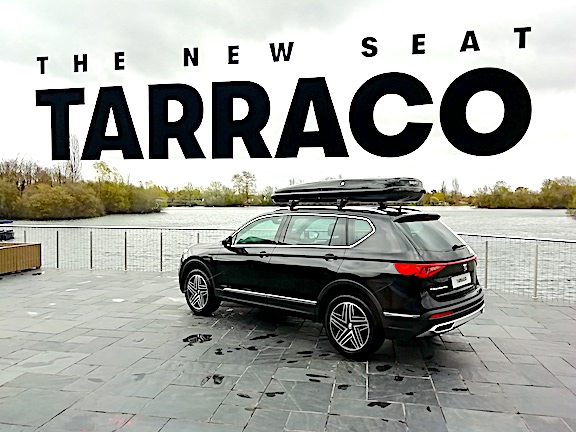
    We have seen Seat grow in recent years and to here we have Seat’s new 7 seater SUV, the Tarraco, to finish the 3 SUV line up. THEGAYUK were invited to the UK launch to find out more about this newcomer from Seat.

    Built on the multi-talented MQB platform, the Tarraco shares a lot of architecture from the wheels down with the likes of the Audi TT and VW Arteon. So it has sporty and luxury on its side but does this translate in the Spaniard? Above that, and it is all (almost) Seat. THEGAYUK opted for the Xcellence trim 2.0 TSI petrol 4WD to review.

    Driving

    The sheer size of the Tarraco means you need a good strong engine to propel it forward. Thankfully that is what you get with the 2.0 TSI petrol. 320 Ib/ft of torque from lowly 1500rpm makes good progress through the 7 speed DSG gearbox.

    And the figures get better. Considering this is some 29kg lighter than the comparable diesel model and it gives you a 0-60 time of almost 2 seconds quicker and a highly illegal top speed of 131mph.

    You won’t use that performance all the time. The Tarraco rides reasonable hard, giving it a sporty feel but this is somewhat lost because it does do a reasonable job of smoothing out the ruts and bumps in the road. It belies its big 19”

    Inside

    It’s a step up in quality from the Spanish side of the Volkswagen family. And about time, even if it is perhaps just a little ‘too Volkswagen group’ inside. The layout for all the controls follows the VAG ethos of simplicity and that’s no bad thing. Unlike the Spanish Eurovision entries of the past 58 years, so much is played out with Seat’s Mediterranean roots that you feel a slight lack of spice is missing.

    Thankfully what we do get in the Tarraco are rather nicely finished door cards. The architecture gives you fabric inserts, hard and soft plastics and illuminations. And this also stretches to the rear doors, pushing this new SUV from Seat further up quality.

    Living With It

    The Tarraco is being sold as a 7 seater in the UK. They aren’t the worst 3rd row rear seats I’ve climbed into but they certainly aren’t really for adults unless on the pub run. The main problem is the under thigh support that is firmly lacking for those with long adult legs. Thankfully they rear seats are comfortable and supportive in places. 

    Overall the Tarraco offers space and versatility that is part and parcel of larger SUV. And with the all-wheel-drive system, offers the ability to venture further off the beaten track. 

    The Verdict

    Despite what I have said, Seat has taken the MQB-A LWB platform and made it their own. In doing so they have made a quality product that should satisfy most buyers in the large SUV market. And they have all bases covered with 2 and 4 wheel drives, diesels and petrols of varying sizes and their simple and effective line-up. OTR prices start from £28,335 for SE 1.5 petrol to £38,055 for Xcellence Lux 2.0 diesel. There should be a Tarraco for everyone here. 

    Love

    Door architecture

    Range options

    Versatility

    Loathe

    Cramped third row seats

    Harsh ride

    Top models pricey

    The Lowdown

    Car –  Seat Tarraco Xcellence 2.0 TSI 4Drive 190PS DSG

    Price – £ 34,845 (OTR)

    MPG –  38.7 mpg (combined)

    Power – 190ps

    0-62mph –  8 seconds

    Top Speed –  131 mph

    Co2 – 166 (g/km)
  • CAR REVIEW | MG GS Exclusive DCT

    CAR REVIEW | MG GS Exclusive DCT

    ★★★☆☆ | MG GS Exclusive DCT, MG’s Not So Sporting SUV

    What Have We Got?

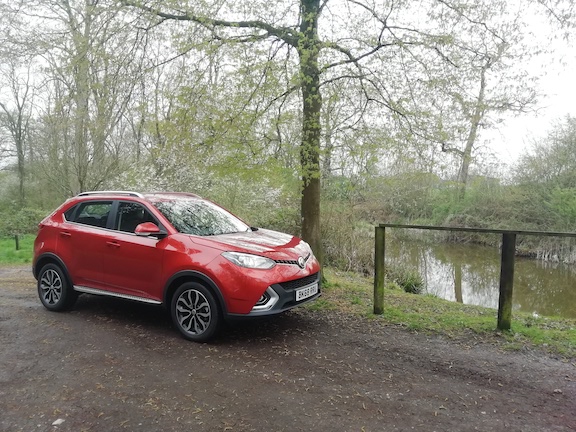
    Here we have MG’s first SUV offering, the GS, with a 1.5 petrol engine mated to a 7 speed twin-clutch sportronic automatic gearbox. This top of the range MG GS ‘Exclusive’ DCT 5 seater comes in at a reasonable £21,095.

    Does being reasonable mean cheap, and does cheap make it cheerful?

    Driving

    The 166PS 1.5 petrol turbo (the only engine available) does ok, just as long as you don’t rev it too high. It doesn’t encourage high revving. And you shouldn’t have to with maximum torque of 250NM from 1600-4300rpm. That’s a nice spread of power over a relatively wide range. Credit then to the linear surge of power from the turbo.

    What isn’t so good then is the twin clutch gearbox. There are 3 main problems. Firstly, throttle pedal travel is quite short so it makes it jerky to inputs. Secondly, in auto mode, the box likes to change quite high up at around 3000rpm. Thirdly, its kick down changes are met with a surge of around 700 revs and then a kick down. It doesn’t blend very well if you are feeling enthusiastic. 

    That does, however, all change when you select ‘sport’ with the gearstick and use the steering wheel paddles. Up and down changes are immediate and it’s very easy to enjoy the way it drives.

    Inside

    Developed in 2015 and launched in the UK in 2017, it is showing its age in this fast paced market sector. However, it’s not at a total loss, certainly not at this price. The first thing to hit you are the 23 buttons under the 8” infotainment screen that deal with heating and ventilation, volume and home screen. 

    That’s quite a lot, but it is easy to navigate. What isn’t is the air distribution. Press for screen and it goes into full blast for no reason other than that is how it is designed.  In this ‘Exclusive’ trim it also comes with DAB, satnav and all the other things you expect including mirror link for your phone.

    The seats are comfortable if a little too wide and unsupportive in fast corners. The inside is quite nicely put together. It is all a bit cheap with hard plastics throughout but it is also quite sturdy in construction so you shouldn’t be finding anything falling off.

    Living With It

    Despite its relatively compact dimensions, it really is large on the inside. Rear leg room is overly generous even with a tall driver. Boot space does however slightly suffer. The price you pay for that passenger leg room! Loading the boot is also rather easy and worry free thanks mainly to the unpainted load lip.  

    The ride is a little choppy and it likes to roll in the corners. The steering isn’t as communicative as you would hope for but there is plenty of grip and it hangs on well. It just feels a little unconnected.

    The Verdict

    You get a lot for your money with the MG GS and it’s quite easy on the eye. I like its looks. There is an abundance of space for 5.

    One of my biggest bugbears is poorly painted door shuts. Not so with the MG GS. It is surprisingly well painted and put together very well. At this price, the competition needs to take note.

    Would I have one? If I was on a 20-minute dealer test drive, no. You need time to understand that gearbox. After a week, yes I would. It’s cheap and now I’ve mastered it, it is rather cheerful.

    Love

    Price

    Fit and finish

    Looks

    Loathe

    Wind noise

    Engine trashy at high revs

    Jerky in auto

    The Lowdown

    Car –  MG GS Exclusive DCT 

    Price – £ (as tested)

    MPG – 45.5 mpg (combined)

    Power – 166PS at 5600rpm

    0-62mph –  9.9 seconds

    Top Speed –  112 mph

    Co2 – 141 (g/km)

  • CAR REVIEW | Honda Jazz 1.5 i-VTEC Sport Navi

    CAR REVIEW | Honda Jazz 1.5 i-VTEC Sport Navi

    ★★★★☆ | Honda Jazz 1.5 i-VTEC Sport Navi

    What Have We Got?

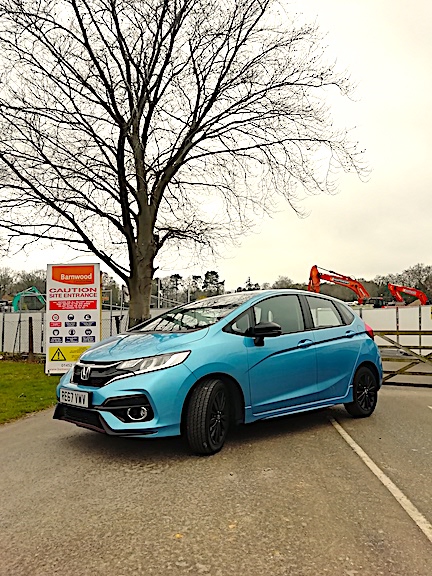
    Honda’s Jazz has been a major seller for Honda globally. They are everywhere and here in its third generation, it gets better. Honda thankfully kept with the boxy estate car looks for the Jazz. It sets it out a little different in the small hatch crowd and yet it isn’t too off-the-wall different to alienate. 

    However, this new 1.5 i-VTEC Sport might just alienate the clientele of the Jazz. Does this sport-less badged Jazz ‘Sport’ have what it takes to wear the badge it is missing?

    Driving

    The best thing about the Sport is its gravelly voiced normally aspirated engine. The new 1.5 i-VTEC is a hoot and likes revs. This engine has 2 behaviours spread over 3 bands of power. Up to 3000rpm, it potters around. Responds to inputs. All good. 3000-4000rpm and it feels a little punchier. Still not enough to startle you. 4000-7000 redline and it screams along. 

    0-60 sprint feels quicker than its claimed 8.7 seconds and 3rd gear is good for over 70mph. 

    It’s no Jazz Type-R though. Its handling is way too safe. That said, you can exploit it quite nicely, and it will entertain once it has gone past its limits. Its limits are due to the compliant ride. It’s a good mix of firm and soft. It never crashes over ruts but is too soft and susceptible to a bit of a twitch at the rear to be an all-out GTi.

    Inside

    Heater controls in this model are simple twisting dials. Very simple and very easy to use. It all falls to hand well and the controls are weighted for ease of use. There is a downside and that’s cheap plastic. The door cards flex when the windows reach to the top.  

    You can’t deny that Honda are geniuses with space utilisation. The magic seat in the rear is versatile you wonder why it hasn’t been adopted by others? Flip the squabs and you get a deep narrow void to carry a small upright piano for a Mrs Mills sing-a-long. Fold it all flat and it’s a spacious 1314 litre carrying estate. There is more space in here than most larger SUV’s.

    Living With It

    The key to the Jazz’s success is easy to live with. Its mini estate car looks and versatility is endless. Its size is perfect.  

    The power from the 1.5 engine is startling. Considering its 7000rpm redline and its maximum torque at 4600rpm, the engine pulls itself along with little fuss from much lower down the rev range. It’s also a Honda Jazz so no one will try and burn you off at the traffic light grand prix. With its stealth looks, you can burn them off instead!


    The Verdict

    The Jazz Sport goes some way to shake off the image it has gained as transport for an elderly audience though I can’t help thinking that a few more sporting visuals would tip it into a different demographic.

    The A-Team’s Hannibal Smith was “on the jazz” when the going got good and I’m inclined to think you will too when behind the wheel of this Jazz Sport.

    Love

    Flexible engine

    Space utilisation 

    Short precise gear stick action 

    Loathe

    Cheap feeling cabin

    Lack of sports visuals

    Infotainment graphics look dated

    The Lowdown

    Car –  Honda Jazz 1.5 i-VTEC Sport Navi

    Price – £18,265 (as tested)

    MPG – 47.9mpg (combined)

    Power – 130PS @ 6600rpm

    0-62mph –  8.7 seconds

    Top Speed –  118 mph

    Co2 – 134(g/km)

  • The Good, The Bad and the Ugly. Seat Ibiza 2002 – 2008

    The Good, The Bad and the Ugly. Seat Ibiza 2002 – 2008

    The Good, The Bad and the Ugly : The Seat Ibiza Mk3. Type 6L. 2002-2008

    An irrelevant look at a certain car.

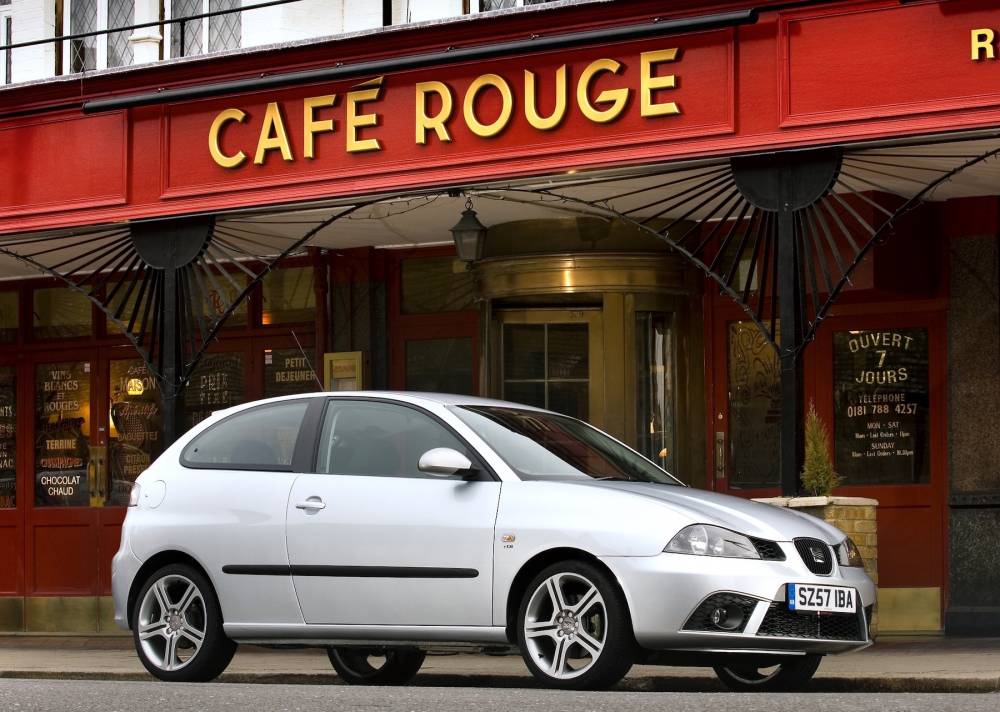
    This Ibiza was a bit of a revelation from Seat. Finally, they had a car on the British shores that you actually wanted.

    This was VW’s second attempt with the Ibiza. Compared to the rest of the family from VAG, It had a design flair all of its own. Ibiza 1 was sharp. That was designed by Ital. Ibiza 2 looked like a ripe butternut squash. And due to its shape, meant you couldn’t, sadly, lose it up your rectum!

    Ibiza 3 looked as aggressive as a Spanish taxi driver drove. I would have said a Matador but have you seen the embroidery work in their costumes? Quite exquisite and so delicate. Anyway, gone were those fat dumpy looks, the Polo dashboard and the general dead feel of the car. Look at it from underneath and you’d think this was a VW Polo. Or a Skoda Fabia. From the top, it was all Spanish, all Seat and all very Mediterranean.

    And that Mediterranean feel could also be felt through the ventilation system. Any car without a sunroof was incredibly hopeless in its ability to draw in fresh air. Aircon helped but what you really wanted was something that allowed the rush of air to pass through the cabin.

    Opening a window wasn’t always an option. Closed windows give better miles per gallon and the thing could fly. You see, if you were wise and a bit ‘tight’ with the pennies, you’d have opted for the 1.4 3 cylinder diesel engine.

    That’s right, a 3 cylinder diesel. Now VAG doesn’t have a good record with ageing 3 cylinders. The 3 pot petrol engines are crap. Remember the Polo? RUN! In diesel, it was great. 79 bhp felt like 179 and but that 195Ib ft of torque was most useful. These were diesels that didn’t sound too diesely and sipped the fuel like an introvert drinking a Babycham at a swingers party.

    It was that magic 195Ib ft of torque that made the Ibiza 3 fun. They came with big alloys and low profile tyres so handling was always fun. It was all slick and it all worked in the way VW, sorry, Seat made them work. The 5-speed gearbox snicked in and out of the ratios with reassurance. And come night time, the dashboard was ALL red and ALL sporty and ALL racy and, well not blue like a VW.

    Parked the right way, Ibiza 3 is a good car to look at with its big S as a nose. Park it so you can see those rear lights and your eyes are insulted by these ugly 4 pots in a baguette style slither of plastic like those from the dodgems of a 70’s Torremolinos funfair ride.

    Thankfully, in 1.4 diesel form, it’s pretty quick so those behind you don’t have to endure that visual fright and for that one thing alone, I am saying the Ibiza 3 is a good car.

    BUT ONLY IN DIESEL! with a sunroof. And aircon.

  • CAR REVIEW | Audi’s A1 Sportback S line

    CAR REVIEW | Audi’s A1 Sportback S line

    ★★★ | Audi’s A1 Sportback S line

    What Have We Got?

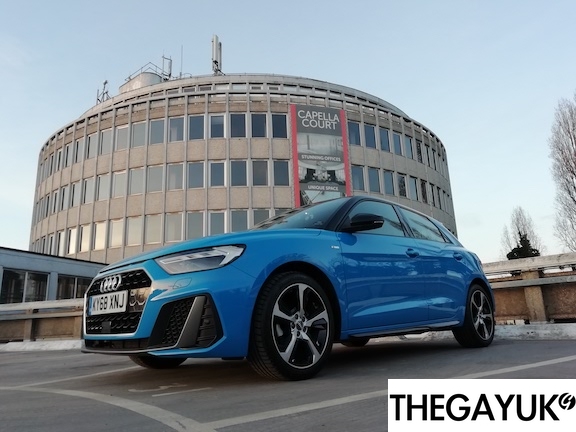
    Here we have Audi’s A1 Sportback S line. This model sits around the middle of the 6 car line up. It’s suitably dressed to impress but did it impress us at THEGAYUK?

    Driving

    With looks to kill, you’d expect the A1 S line to be fun and entertaining to drive. Thankfully it doesn’t fail to deliver in this department despite its diminutive turbocharged petrol power unit of 999cc. Power figures suggest mediocre outputs of performance. The good news is that the 116PS at over 5000rpm and torque of 147.5 lb-ft is far better than adequate. Developed low down, it will hustle along quite briskly. Yet, despite its revvy nature, it won’t allow redlining in any gear. Changes are done by 6200rpm.

    Those changes are carried out by a much improved DSG gearbox. Now it is able to deliver crawling take up without snatching as smoothly as it does changing up at speed.

    Steering is communicative to a degree, there’s also some muted feedback, though a little more would be better and the brakes, standard silver, no bright shouting red Brembo callipers, pull the A1 up briskly.

    Inside

    It’s a mixture of good and bad. The dashboard is logical and the facia panel is adaptable for maps, big dials or info. It works well and it’s surrounded by blue neons that carry on into the doors. It’s just a shame then that this isn’t carried on around the vents on the passengers’ side and the rear doors are totally void of any fancy architecture, except for a light by the door handle.

    Seats are also a mixture of good and bad. While they hug you in place during spirited driving, the seat base is very firm and despite several manual controls for the adjustments, lumber adjuster is both awkward to implement and even worse to gauge the amount such is the position of the handle.  

    Living With It

    It’s a practical car. It has 4 doors and a wide opening hatch at the rear. It’s not the most spacious in its class but it will do all that is asked of it.

    You won’t lose face when it comes to the carpark beauty pageant. The A1 has good looks on its side and if the badge is important, you have Audi prestige. And it does what it does well. The ride is more than acceptable and thankfully it is entertaining and the handling is fun. 

    There is just one snag.

    The Verdict

    There is a lot to like about the A1. Showroom and kerbside appeal will impress you and those who admire it from the outside. The nice touches that you expect from Audi are there in some places too but not everywhere. The silver trim across the facia is cheap to look at and cheaper to feel.

    And I get that Audi is a premium brand. With the A1 starting at £17,700, it’s just that I find this S line model with all the options this car has, hard to swallow at £70 shy of £30k. That’s a lot of money for a small car. 

    Love

    Facia neon illuminations

    Peppy 1 litre engine

    Gearbox

    Loathe

    Price

    Boring rear door trim

    Firm seat base and awkward lumber lever

    The Lowdown

    Car –  Audi A1 Sportback 30 TFSI 115PS S Line S Tronic

    Price – £ 29,930 (as tested)

    MPG – 47 mpg (combined)

    Power – 116PS

    0-62mph –  9.4 seconds

    Top Speed –  126 mph

    Co2 – 108 (g/km)

  • CAR REVIEW | Range Rover Velar R Dynamic HSE D300

    CAR REVIEW | Range Rover Velar R Dynamic HSE D300

    ★★★★☆ | Range Rover Velar R Dynamic HSE D300

    What Have We Got?

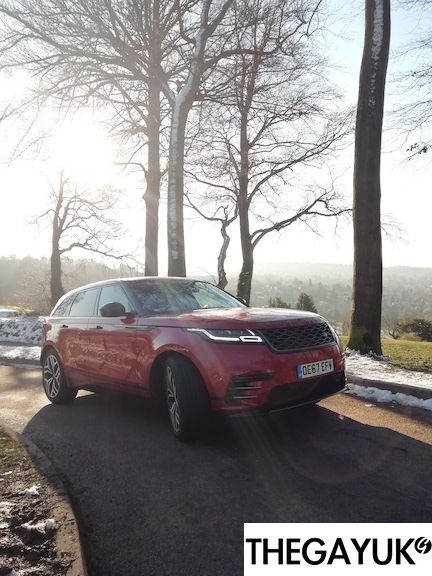
    We have a puzzler this week. This is Range Rover’s mid-sized concept-cum-cross over that fits between the Evoque and Range Rover Sport. The puzzler is that the Velar is quite large in the visuals and dimensions. 


    Driving

    It’s a silky blend of driving styles. The 3-litre V6 diesel pushes out 300hp at 4000rpm. 700nm of torque is from 1500rpm. From a standing start, it will thunder the slippery shaped Velar to 60 in 6.1 seconds. To be honest, it feels quicker and there is grunt available from whatever speed. 

    Sport mode, comfort or economy, throttle response is quick. There is no hunting for a gear or waiting for the ECU to decide what to do with the EGR valve etc. Quick rapid progress is one of the key features of the Velar. 

    The Velar shares a platform with the Jaguar F-Pace and yet feels better planted, better poised on the road and all the more fun. The AWD system puts the power down more evenly around the vehicle. 


    Inside

    The layout is all familiar with the Range Rover Sport we reviewed in 2017. Touch screens for the controls split on to 2 screens. There are 2 buttons. The stop-start, hidden by the facia panel and another on the centre console that hides a cup holder. This button does not work with the fluidity of the rest of the Velar’s interior.

    Other than that, it is well thought out. The seats have so many bits that move, that it is impossible to get uncomfortable and there is space for everyone, even the tallest of both drivers or passengers or both.  

    Living With It

    Sheer size doesn’t translate to bulk on the move. The Velar is reasonably agile on its air ride and easy to navigate around country lanes. Thankfully this model came with the 360-degree angle camera pack and I can’t recommend it enough, especially when parking in tight spots like supermarkets or your own driveway where someone has decided to park their car like it’s the largest car in the world.

    The Verdict

    I was unsure of the Velar at first. I couldn’t make up my mind if I liked them or not. Its sleek looks lack the blunt Range Rover bulk but this doesn’t distract from it. You could call it a ‘designed’ Range Rover Sport. It certainly doesn’t feel any cheaper than the top model. But that isn’t necessarily a good thing. 

    Its road manners are rather exemplary and it lacks the wobble of the Range Rover Sport. This alone makes the Velar more big estate car than SUV or cross over but this is what it is, a cross over and it does it all very well. Dare I say it, I liked the Sport and all that it stood for, I like the Velar more. It’s just, the Velar, this Velar, is expensive. Range Rover Sport price expensive.  

    Love

    Smoothness of engine

    Fit and finish

    Ride

    Loathe

    Price

    Cup holder cover

    Plastics around dashboard 

    The Lowdown

    Car –  Range Rover Velar R Dynamic HSE D300

    Price – £73,330 (as tested)

    MPG – 44.1mpg (combined)

    Power – 300hp

    0-62mph –  6.1 seconds

    Top Speed –  150 mph

    Co2 – 167 (g/km)

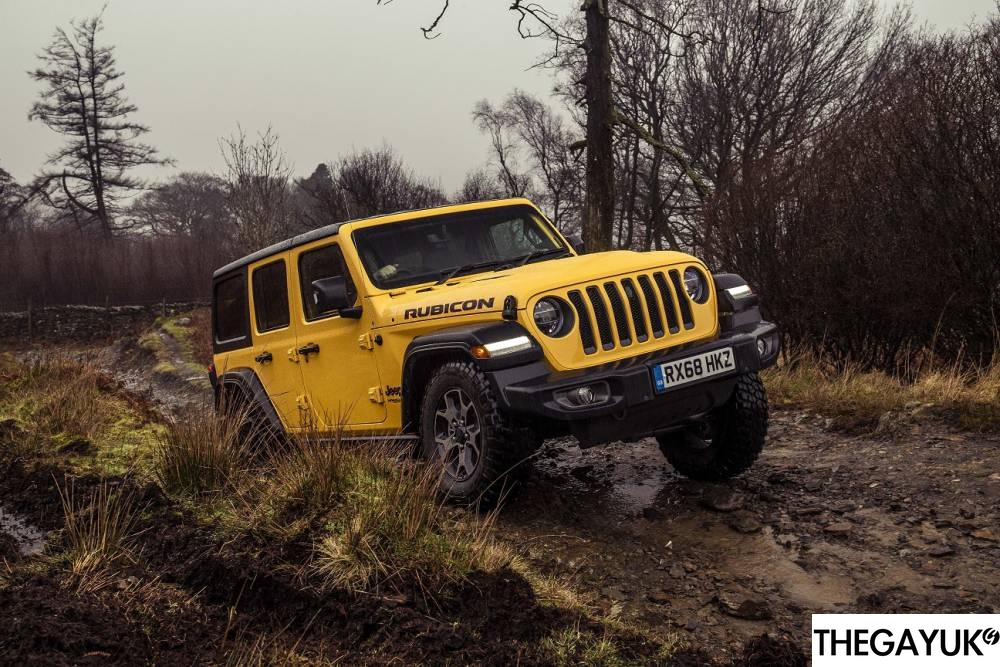
  • CAR REVIEW | Getting Dirty with the new Jeep Wrangler

    CAR REVIEW | Getting Dirty with the new Jeep Wrangler

    We managed to get ourselves an invite to drive the new Jeep Wrangler recently.


    The email invitation read;
    We would like you to be among the first to drive this exciting new car, and invite you to join us for a special drive event in the Lake District. There will be opportunities to drive the cars on- and off-road.

    Off-road you say? We love getting down and dirty so didn’t need asking twice.

    Jeep are very proud of their heritage. They started making vehicles in 1940 for the Army and have been making civilian vehicle since 1945. That’s some pedigree.

    They describe their all-new Jeep® Wrangler as the ‘Go Anywhere, Do Anything’ 4×4 that blends together excellent on-road performance with legendary off-road capability.” We’ll be the judge of that.

    We won’t go mad about the details. We’ll tell you more about that after we’ve had one on test for a while. What we will say is that, depending on spec, it includes two advanced four-wheel drive, active, on-demand full time systems – Command-Trac and Rock-Trac – plus Tru-Lock electric front- and rear-axle lockers, Trac-Lok limited slip differential and electronic front anti-roll bar disconnect. We can tell you first hand that this stuff is unbelievable. It makes you feel invincible, like you could drive anywhere, over anything.


    The format for the event was simple. Pick a car, get in and follow the leader.

    Ardent Off Road looked after us and guided us along the course, helping us through the most challenging parts and keeping us safe.
    These guys are amazing. They run off-road tours and training sessions for the public and emergency services etc, they run holidays and events in the UK and abroad and lots more. They are really good guys and absolute experts when it comes to anything off road.

    Our day consisted of 3 different off road sessions with some road driving in between.
    The first off road session was a very challenging, uphill rock crawling section, the second was woodland, heavily rutted with big rocks all over the place and the third was even more rocks with steep steps and big drops.

    The Ardent guys kept things moving, guiding us through the perils but kept it safe and fun…..lots of fun.

    Our car was a Jeep Wrangler Sahara 2.2 diesel 2 door and was really really nice. The Sahara is the entry level and crucially, comes with road biased tyres. No big chunky, nobblies here, they’re standard fit on the Rubicon.

    Despite this, it was truly awesome off road. I mean, really impressive. Ardent took us up some really technical and challenging routes; rock crawling in the rain, fording in the woods and much worse. Even on road biased tyres our Wrangler didn’t struggle. It’s was jaw dropping, breathtaking and more fun than you can imagine.

    It’s easy to use too. The auto gearbox was simple, just put it in drive and select 4×4 low ratio, then go and get dirty. Some modern 4×4’s seem to have a million settings. The Wrangler has some buttons like hill decent but we didn’t use them. It is very simple to use and unbelievably effective.

    We’ll get one on test and do you a road test review. If it sunny, we’ll even show you it’s other party trick and take the roof and doors off too for a bit of fresh air fun.

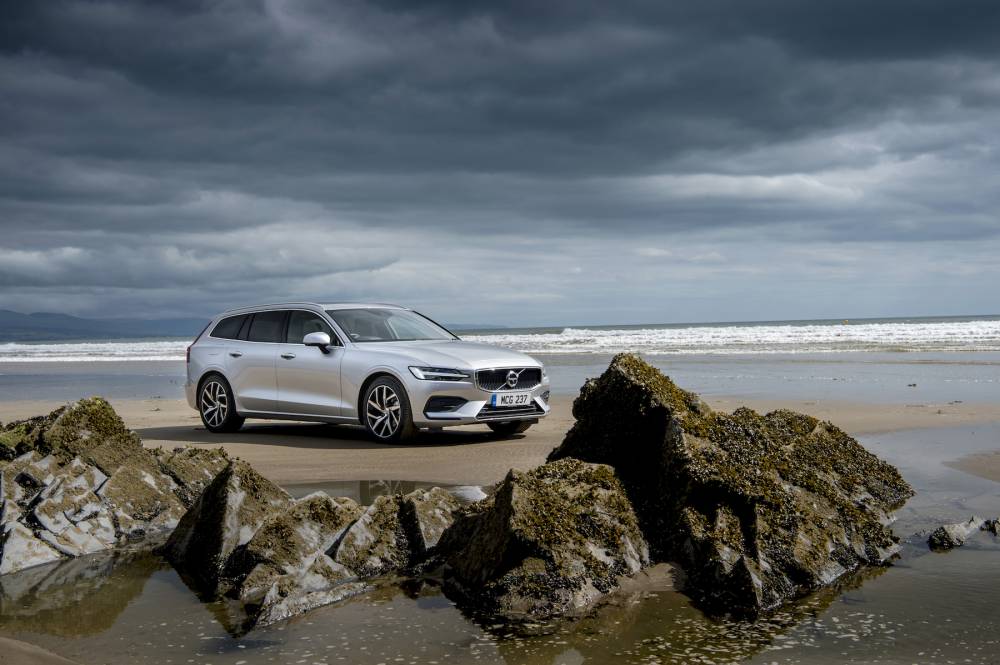
  • CAR REVIEW | Volvo V60, 2019

    CAR REVIEW | Volvo V60, 2019

    ★★★★☆ | Volvo V60

    V is for Versatile

    Volvo life starts with the family. This is reflected in the advert for Volvo’s new V60 estate car. When they say ‘family” they mean ALL the family. Volvo is out there to show their support not just for the changes in the heterosexual family dynamic but also the new evolution in the family within the LGBTQ and culturally diverse communities.

    There is a lot going on at Volvo at the moment and the Swedish company are not resting on their laurels of strong build and sturdy cars. Recently, Volvo has been seen to getting involved in global causes but that’s all for another day, for we at TGUK were invited to the launch of the new V60.

    New Wagon

    It feels strange and yet refreshing to see a new estate car being launched when the market is bulging with SUV’s and crossovers that everyone apparently wants. Volvo themselves are no strangers to the SUV market with 3 models available. 

    Now an estate from Volvo isn’t new and the company have a strong reputation built on practical estate cars, so is the new V60 with its low slung body actually any good? News just in is that for boot space alone the V60 is a class leader with 529 to 1441 litres of space and a flat floor with minimal intrusion. I’ll admit that the height does seem a little low though this is more to do with the cars sleek elegant lines.


    Driving

    We tried 2 models, both identical D4 diesel models with 190hp of available power. What differed with these 2 models was the range spec but more importantly, the gearboxes. 

    While the automatic changed smoothly up and down and almost unobtrusively, its inherent setting was economy and emissions so it would always be in a higher gear, making the engine just a little less responsive to throttle inputs. 

    The manual model was something else. Precise selection of gears and an easy to control clutch pedal, not to light to be feel-less but also not heavy to be an annoyance in traffic made for a much more spirited drivers car. I like my autos, but I’d have to ask myself what sort of driver I would be most of the time.   

    Inside

    And that question gets answered inside. With four different trim levels, they alter so much of the inside. Racy and purposeful is what you get with the R-Design. It’s all silver inlays and black trim. The inscription is designed like a lounge. It’s calming and comfortable. And this is where the different gearboxes alter your mood in the car. 

    All this comes with what can only be described as Volvo’s legendary build quality. 

    Living with it

    I had another chance to try the V60. After the UK launch, there was so much more that I wanted to know. I had it in my head that it was good. Anthony French-Constant and I blasted one around an agility test of both driver and machine and we won. Albeit only beaten by Volvo UK by one second though we suspect favourable timings on the stop watch (possibly) All that excitement aside, was it as good as I remembered?

    Yes is the answer. At a recent range review, it quickly became apparent just how good it was and it needs to be. This size and model or car is quickly becoming extinct and that’s a shame. No SUV can match this for its all-round appeal of driver involvement and comfort.    

    The Lowdown

    Car –  Volvo V60

    Price –  From £31,810 

    MPG – 40.9mpg (petrol) – 64.2mpg (diesel) (combined)

    *Power – 150hp – 250hp

    *0-62mph  6.7 – 9.9 seconds

    *Co2 – 157 – 117 (g/km)

    * Petrol/diesel 

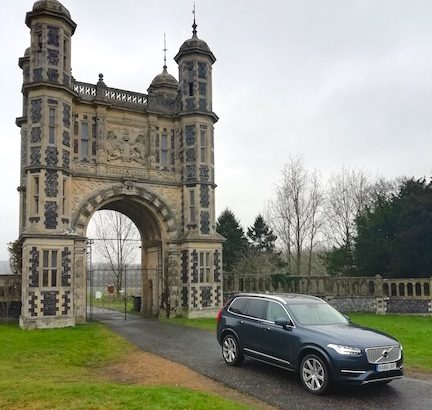
  • CAR REVIEW | Volvo XC90 T8, 2019

    CAR REVIEW | Volvo XC90 T8, 2019

    ★★★★★ | Volvo XC90, Volvo’s Grand Tourer

    What Have We Got?

    Here we have Volvo’s very grand-lux, top of the range SUV in hybrid form. A vast car that is pitted against rivals from Audi, Mercedes and Range Rover. No easy task in this company of loyal devotees to try and woo your way. So is the XC90 T8 Inscription any good? 

    Driving

    There really isn’t much to shout about here and tell you that you need to drive it a certain way. It behaves in the normal way a car would be it, petrol or hybrid. 

    Except it doesn’t. You can motor quite well on battery power fed via the 87hp motors fitted to the rear wheels or thunder past people using the 2-litre 303hp petrol engine. And when l say ‘thunder’, I really do mean it. 0-60 is a disrespectful 5.5 seconds! This is a Volvo with green hybrid credentials. Surely this isn’t true. Wrong. It’s very true. 

    And added to that phenomenal blend of speed and power, comes 21” alloys shod with 275/40 section tyres. Fitted with air ride, you would be forgiven for thinking it had more tyre wall. That’s certainly true for all rides except “dynamic”. This is where the vehicle drops by 20mm and stiffens the ride. It’s not unpleasant, but it certainly detracts from the sumptuousness of what the XC90 Inscription Pro is all about. It’s an area that Volvo is yet to master if I am honest.

    One area this does excel in is the automatic gearbox cog selection. It always seemed to be in the right gear and throttle responses were both rapid and direct and that’s what I like. 


    Inside

    Interiors have always been a Volvo selling point and that sumptuousness that I just mentioned is found here turned to the max. The Inscription Pro package gives you blond leather and walnut inlays. Add to this, some of the finest door architecture with simple soft white lighting, it lifts the interior regardless of how bad it might be outside. 

    There is also 7 seats available, but the rear two, though keenly catered for with cubby holes and cup holder, it is a tight squeeze for tall people. And getting in and out is really only for the athletically loose and athletically strong in pushing the middle seat back. 

    Living With It

    I get it, I get what the plug-in hybrid XC90 is all about. I was sceptical about Volvo’s claim of almost 109mpg. In the real world this isn’t really achievable or so I thought. My real work commute is 24 miles. The hybrid battery will carry it for 21 miles. Through the power of maths and the engine that, according to the display, will return 30mpg, I can manage that figure. It works out that a tank of fuel with a recharge and home and work, I won’t see a fuel station for at least 11 weeks. That’s around 5 tanks of petrol over the year. 

    It won’t quite work that way though. I had to take a journey into Kent with a 104-mile round trip. Along with some other menial work, the XC went back with half a tank of fuel. Now if I’m honest, I have never sent back a press car with so much fuel still in it. So now you can see why I buy into this plug-in hybrid system.

    The Verdict

    There is a lot to like about the XC90 Inscription T8 and very little to dislike. My only real gripe was a finickity switch for the sunroof/blind. I couldn’t master its ways. 

    What I could master was the benefits of this twin-engine (as Volvo call it) hybrid. Together with what is now becoming a legendary interior design and a place for well being, I can’t really find much fault and though the asking price for this is up there with its competitors, it is worth EVERY penny.  

    Love

    Economy (for the right people)

    Interior architecture 

    Speed

    Loathe

    Finickity roof blind/sunroof switch

    Rearmost seat access

    No real hybrid charge on the move

    The Lowdown

    Car –  Volvo XC90 T8 Twin Engine AWD Inscription Pro

    Price – £ 79,010 (as tested)

    MPG – 108.6mpg (combined) 30.2mpg (on dashboard display)

    Power – 303hp (petrol engine) 87hp (electric motor)

    0-62mph – 5.8 seconds

    Top Speed – 140 mph

    Co2 – 63 (g/km)

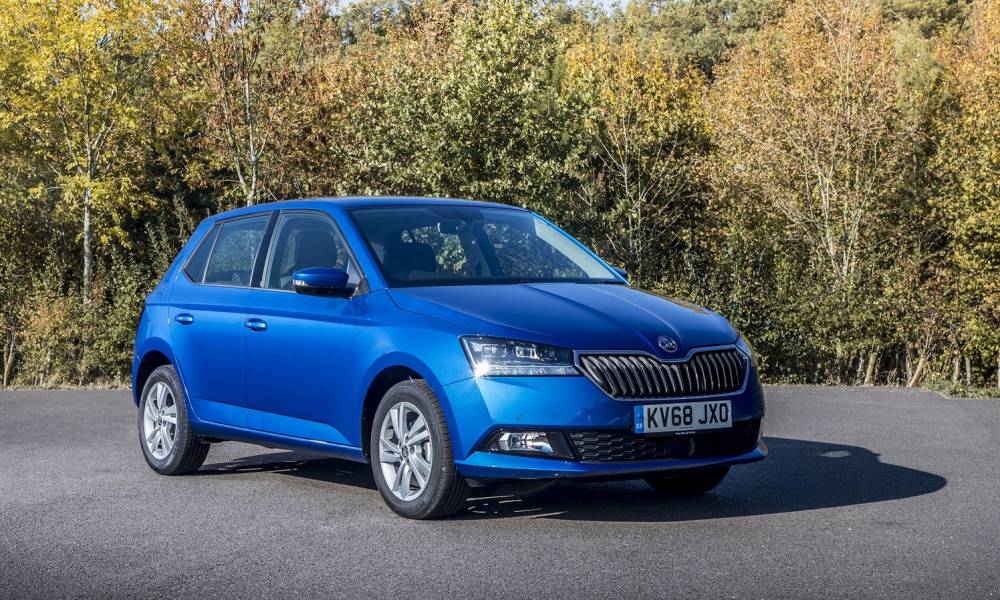
  • CAR REVIEW | The 2019 Skoda Fabia

    CAR REVIEW | The 2019 Skoda Fabia

    ★★★★☆ | 2019 Skoda Fabia

    What Have We Got
    The Fabia has been a mainstay of the ŠKODA range for nearly 20 years. It’s a very important model for the brand. We were lucky enough to get our mucky hands on a facelifted Fabia recently. The car comes in five trim grades & three engine options with hatch and estate variants. Interestingly, to push them along there is an all petrol, three- cylinder 1.0L engine range with outputs from 75PS to 110PS. No diesel for the new fabia. Our test car was one up from mid range, the SE L 5dr hatch with the 110PS engine, matched with a seven-speed DSG gearbox. No flappy paddles, just push the gear lever forward or backwards or better still, leave it in auto.


    Driving


    The Skoda Fabia looks subtle but classy. Outside it’s handsome but not eye catching. It’s very well built as you would expect and has that odd quality where you feel immediately at home, like it’s been yours for ages, familiar. The engine and gearbox are great. It’s hard to believe it’s only a 1.0L engine, it goes really well with plenty of torque, not laggy like you would expect from a small capacity turbocharged engine. Suspension is compliant but not soft. It rides very well and is way more fun than I expected.

    The gearbox is very good, smooth and better than most and you can change gear by pushing the lever forward or backwards if you prefer but i didn’t feel like i gained anything so left it in auto.


    Inside


    It’s a classy affair in here. If your familiar with any other modern Skoda’s such as Kodiaq or Superb, you’ll feel at home with the Fabia. The dash is straight from its bigger siblings, and very nice. Fabia has plenty of kit too; Multifunction trip computer, Radio Swing Plus touchscreen infotainment unit with SmartLink+ and lots more.

    You also have LED headlights, blind spot detection with Rear traffic alert, LED daytime running lights, rear parking sensors, alloy wheels, Amundsen satellite navigation, Cruise control, tyre pressure monitor and the list goes on. It’s a very well engineered and well appointed car.


    Living with it


    With 20 years of development under its belt, the Fabia was always going to be good. For those of us who mourn the passing of the Fabia vRS, there is no vRS in the new lineup. Saying that, it’s still loads of fun! The engine is surprisingly torquey and very tractable. The gearbox is very slick and the interior is in a different league from its competitors.

    The Fabia is so easy to drive. From the first drive, it felt like we’d been together for ages, very familiar. It’s fun but not unnecessarily sporty, maintaining a nice comfortable ride. There’s plenty of room for 4 or even 5, with plenty of boot space… to boot.


    The Verdict
    Skoda know their market and their customers very well and they build excellent cars. The Fabia isn’t trying to be a hot hatch or hipster, retro styled lifestyle accessory. It’s a well engineered, safe, pretty & fun car that’s packed with equipment. Our choice would be the 110ps with the DSG gearbox. It’s so smooth and drives very well, particularly around town. They offer something for everyone, funky Colour edition, sporty Monte Carlo edition the elegant SE L model plus S and SE.


    Love
    Engine – Torquey, responsive, smooth.
    DSG gearbox – Very smooth
    Styling – Elegant

    Loathe
    Economy – Couldn’t get anywhere near the recommended.
    No Diesel – I’d like a 1.2 diesel
    No vRS – I’d like a firebreathing version

    Lowdown
    Car – Skoda Fabia Hatch SE-L
    Price – £18,155 (ours with options £19,120)
    MPG – 60.1 mpg (combined)
    0-62 – 10.1 seconds
    Power – 110ps and 200nm torque
    Top Speed – 120 mph
    Co2 – 106 (g/km)

  • CAR REVIEW | Volkswagen Caddy

    CAR REVIEW | Volkswagen Caddy

    Volkswagen Caddy | ★★★★☆

    What Have We Got?

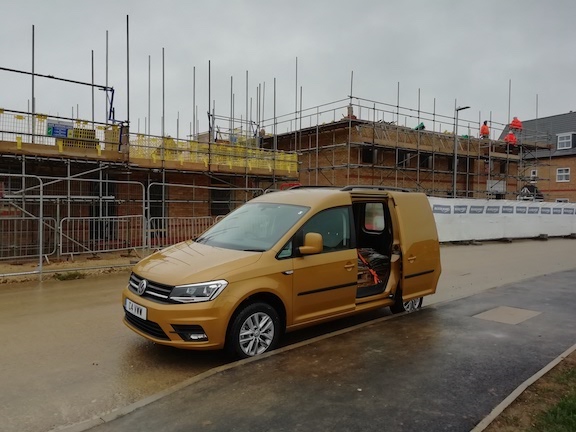
    Here we have VW’s venerable Caddy van. Things in van land run at a slower pace and this Caddy, believe it or not, is the Mk3. The Caddy has been part of the VW catalogue since 1980, so what has it been doing with itself for the past 38 years? 

    Moving, that’s what. That was what it was made to do and that’s what it does. The current Caddy on sale today is 15 years old. Does age really matter or can the Caddy still cut it?

    Driving

    This is your bread and butter van. Power at the front, nothing in the rear except load space. With that in mind, it makes for the rear to become rather happy on uneven road surfaces. Working vans don’t really travel empty and for the demonstration, VW placed a pallet with around 12 bags of sand on it. Even so, it still managed to be compliant in the handling department and for what was effectively an open space with no sound deadening, there were no din or road noises bouncing around the load area. 

    Inside

    Car drivers might not like it and if you play with a lot of Volkswagens, you’ll walk away a bit disheartened. Don’t be. The nice thing about the Caddy is its simplicity. It’s a van. Unless you want a van, you won’t be looking at one of these. There is a Caddy Life, a Caddy with rear windows and seat. That itself is like a Touran for the harder working lifestyles and less about luxury and it costs less too.

    The Caddy insides are all about wipe clean surfaces and hard work. Carpets are an option! What is apparent and perhaps down to age, is the lack of storage compartments. 

    What does show its age is the position of the infotainment screen. It’s a far to low down the dashboard and using the satnav means taking your eyes off the road for what feels like an eternity.

    Living With It

    As small vans go, there is still life left in the now 15-year-old Caddy. The simple layout in the back with minor wheel arch intrusion but still able to take that all important pallet that seems to be the benchmark for small vans. The sliding door aids access too and it’s all pretty neat. It does, however, require a load area liner. That painted area won’t stay showroom glossy for long.

    The Verdict

    It’s a slower pace in the van world and when a new van comes out, the maker needs to get it right first time around. The fact that the Caddy 15 years old, in typical Volkswagen philosophy, has seen some changes to keep it up to date and is still a good seller says more about the van than I can put in words but I’ll try: It’s still competitive.

    Love

    Simplistic inside

    Nice driving position 

    Equipment

    Loathe

    Needs more odds and ends storage places

    Satnav position

    Unprotected paint on the rear bumper

    The Lowdown

    Car –  VW Caddy SWB Highline 2.0 TDi

    Price – £ 24,287(as tested)

    MPG – 60.1 mpg (combined)

    Power – 102ps @2900 – 4000 rpm

    0-62mph –  12 seconds

    Top Speed –  107 mph

    Co2 – 124 (g/km)