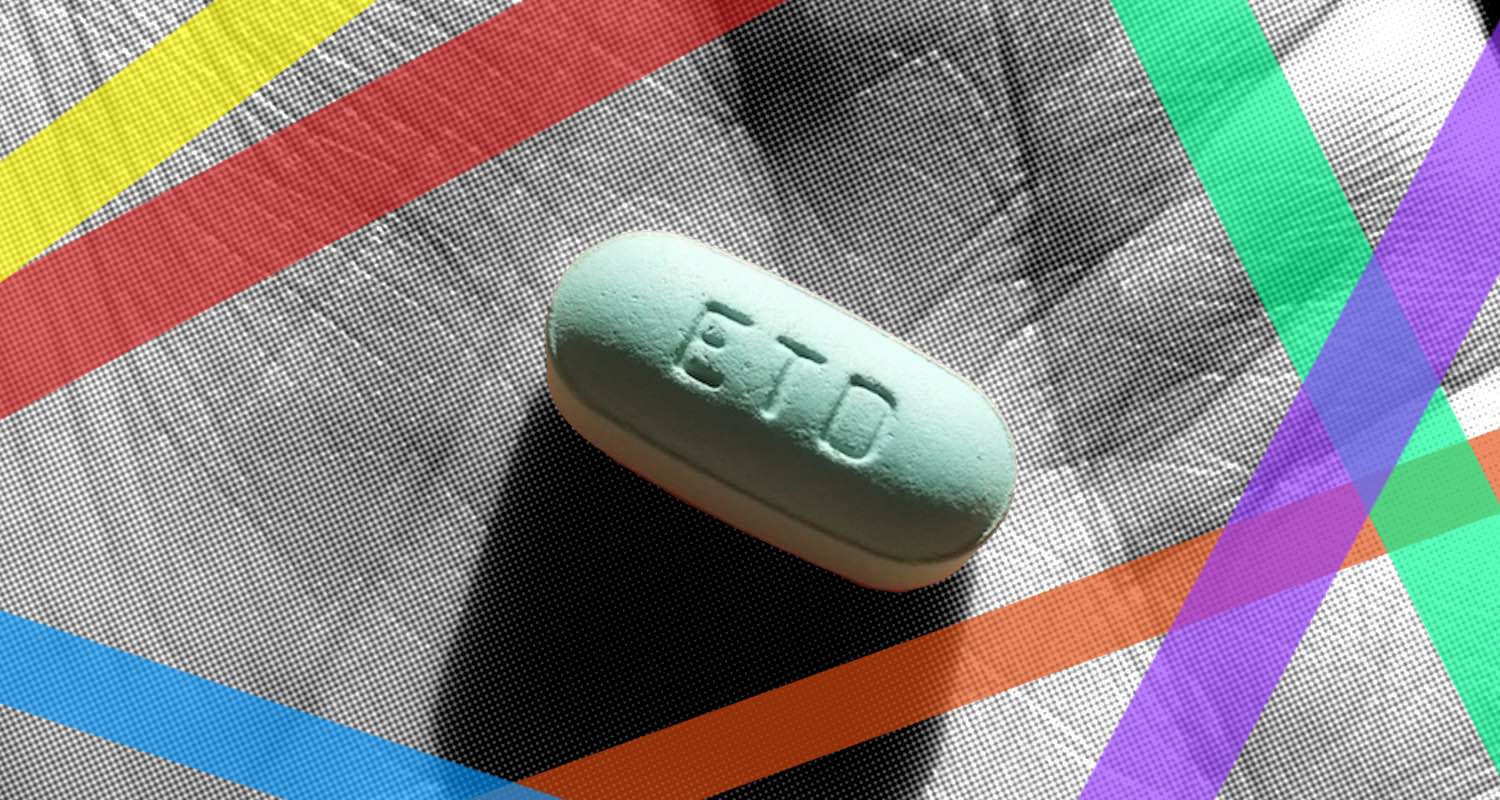
Tag: PrEP

All the latest breaking news on PrEP. Browse The THEGAYUK’s complete collection of features and commentary on PrEP.

  • Am I a sex addict? I have slept with over 700 guys

    Am I a sex addict? I have slept with over 700 guys

    A reader confided with us that he’s slept with hundreds of men – and wonders whether if that’s normal or whether he is a sex addict. Experts from 56 Dean Street take the question

    Dear 56DS and TGUK

    I’m in my mid 20s and I’m a bit of sex lover. I’ve probably been with over 700 guys in the last 2 years, which makes my friends laugh, but I think I’m a bit addicted to it.

    Some of the sex has been whilst drunk or on drugs (never needles) and I can’t be certain that it’s always been protected sex.

    I am around 80% the top in these shags. So I’ve been told that the likelihood is that I’m fine, but just wondering.

    I’ve had a few STDs and had those cleared up but I’m feeling a little bit worried as I always do this time of year with WorldAIDS Day coming up…

    I have been to the clinic, but not this year.

    Hi there;
    Thanks for your question.

    Being top may be less risky than being the bottom, but there is still a risk, and guys who only top still get HIV. This is because of HIV can also be found in mucosal secretions inside someone’s bum. Using condoms will protect you against HIV and most STIs regardless of how many partners you have. However, it’s possible that condoms break, or you can get STIs including HIV through oral sex, although getting HIV through oral sex is rare.

    Some people say that taking drugs including alcohol makes them more relaxed and more likely to take risks. Sometimes when people get caught in the moment they may feel invincible and forget to do the things they normally would to protect their health. It’s really important that you keep control by using condoms and getting yourself checked regularly for sexually transmitted infections. This should be for all STIs not just HIV.

    Taking PrEP can help stop new transmission of HIV, particularly useless if the user is having condomless sex. When use as prescribed it can be an effective barrier to the transmission of HIV. However it does not stop other STIs.

    It might also be worth considering going onto PrEP. If you’ve not heard about PrEP, essentially it’s a anti-HIV drug, which when taken as prescribed can effectively prevent HIV spreading from partner to partner. PrEP stands for (Pre-Exposure Prophylactic. Campaigners believe PrEP can ultimately end new HIV transmissions. To find out more about it and see if you’re able to access PrEP make an appointment with your location sexual health clinic.

    If you do have HIV finding out can save your life (if you have had it for many years) or add years to your life. HIV is now a manageable health condition and life expectancy may be almost the same if diagnosed early and you start treatment at the right time. It’s better to know as you can take control of your own health and protect your partners.

    It sounds like you may want to visit our CODE clinic, a walk-in service. The team are super friendly, non-judgemental and there to help you. They can advise you on drug taking, help you to reduce or stop and explain more about risks of STIs. Also, they know a lot about the harder sex scene, if that happens to be your thing.

    In terms of the number of partners, it’s really important that you are having a healthy, enjoyable sex life which is not harmful to your mental or physical health.

    If you’re worried that you may have sex addiction then help is available. There is an online screening tool at www.sexhelp.com which is free. It will give you a score and explain what that means. There are also lots of resources on the www.sexaddictionhelp.co.uk and www.recoverynation.com websites. We provide support at 56 Dean Street and if you visited the clinic with an appointment with a health advisor we could refer you to this service.

    Hope that helps;

    Jenna and Jake.

    This article was first published in 2012 and now includes extra information about PrEP.
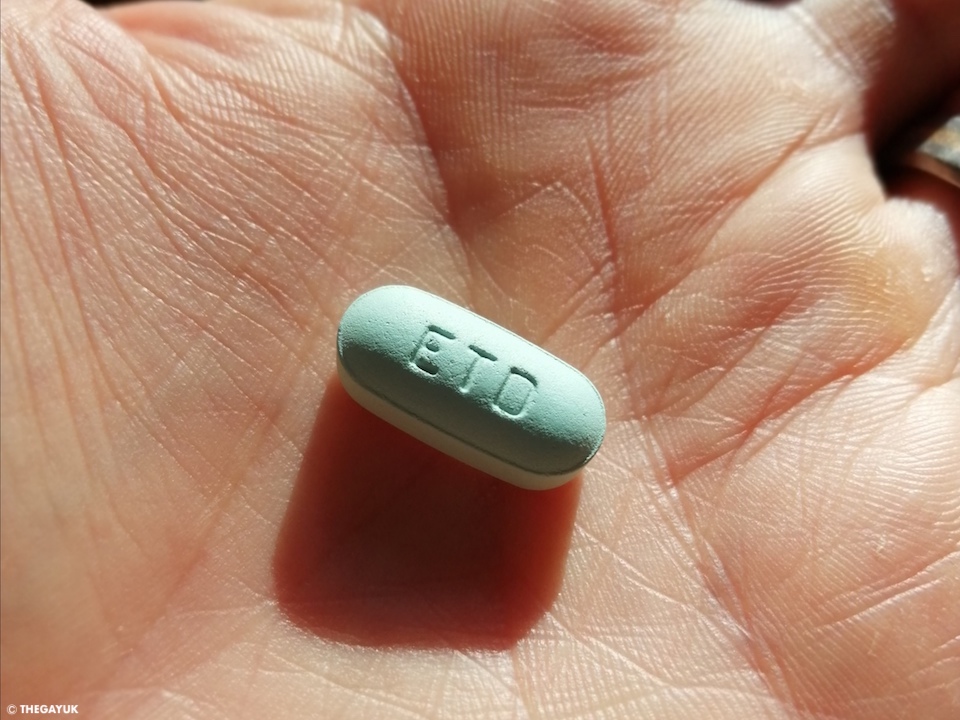
  • Texas rules that employee’s insurance does not need to cover PrEP, because, of course, Religion

    The judge ruled that providing the anti-HIV drugs via the healthcare system was unlawful after siding with Conservative lawyers who challenged the measure on religious grounds.

    The legal challenge was mounted in 2020 by eight Texan individuals and two Texan businesses. It was argued that the free PrEP requirement, as well as free coverage requirements for contraceptives and the human papillomavirus (HPV) vaccine, requires business owners to pay for services that “encourage homosexual behavior, prostitution, sexual promiscuity and intravenous drug use” despite their religious beliefs.

    Perry N. Halkitis, Dean of the Rutgers School of Public Health, slammed the Texas ruling that the U.S. Affordable Care Act’s requirement that private insurance plans cover HIV pre-exposure prophylaxis (PrEP) at no cost to patients as unconstitutional as “egregious lack of separation between church and state.”

    Speaking about the ruling, Dr Halkitis said,

    “The use of antivirals in the form of pre-exposure prophylaxis, which has been approved since 2012, has been a game changer in our fight against HIV and AIDS as the application of PrEP allows individuals to have one more tool to prevent them from acquiring HIV. The result has been dramatic decreases in the HIV infection rate in the United States.

    By decreasing the incidence of HIV, the number of people who require lifelong treatment also goes down, which puts less of a burden on our society economically and in terms of the health of populations. The ruling by U.S. District Judge Reed O’Connor is extremely shortsighted. It is reminiscent of decisions in the 1990s to prevent the distribution of condoms in schools.

    Without covering PrEP, highly at-risk populations — mostly gay and bisexual men and Black women — will continue to become infected with HIV, perpetuating this ongoing epidemic in our society. The decision of the judge is ultimately one that will spread further disease and cause harm to the people of Texas. In the end, this will lead to an increase in the number of infections in people living with HIV in Texas and across the United States, creating a larger number of individuals who require lifelong treatment and creating burdens on their lives and creating burdens on our economy.

    This misinformed or misguided decision based solely on the individual’s religious beliefs is another example of the egregious lack of separation between church and state which is undermining the health of all of us.”

  • Uncapped PrEP access to be rolled out across England

    Uncapped PrEP access to be rolled out across England

    Councils around England will now be able to offer uncapped access to PrEP, the revolutionary HIV prevention medication for those who need it.

    It was announced earlier this year that the DHSC had set aside a budget for local authorities in England to deliver PrEP to those “who need it most”.

    The initial budget was set at £16 million but was slashed to £11.2 million, which a spokesperson for the Department of Health and Social Care (DHSC) said, that the cut accounted “for the fact that the rollout of the routine commissioning of PrEP was paused during the pandemic.”

    The rollout was delayed due to the Coronavirus pandemic, but roll out of pre-exposure prophylaxis is now expected to begin from 1 October, meaning that gay, bi, and men who have sex with men, will be able to access PrEP via their local sexual health services for free.

    PrEP advocate and campaigner Greg Owen took to social media to explain the news.

    “There should now be nothing standing in the way of this important HIV transmission prevention drug”

    Speaking about the rollout, Richard Angell, Head of Policy and Public Affairs at Terrence Higgins Trust, said, “With three working days before the start of October – the delayed but finally promised launch of uncapped PrEP access in England – the Health Department has finally allocated funds to local government to start the rollout. There should now be nothing standing in the way of this important HIV transmission prevention drug finally becoming a reality in England. This follows years of painstaking battling and further delays due to Covid-19.

    “We now need to see PrEP made rapidly available right across the country – the wait has been too long. We know hard working local officials and many clinics put the wheels in motion for a start of October launch to make the most of this game-changer for HIV prevention – this allocation of funds should mean people are ready to go.

    “More work is needed to ensure all groups affected by HIV know about PrEP and how to access it, but this is undoubtedly an important step forward as we work towards ending HIV transmissions in England by 2030.”

    What is PrEP?

    Pre-exposure prophylaxis, or PrEP, it is a drug treatment protocol using a prescription medicine called Truvada and has been shown in trials to be highly effective in preventing HIV in gay and bisexual men, when taken daily and used in combination with other infection prevention measures.

    Truvada contains two medicines (tenofovir and emtricitabine) and is already routinely used in combination with other medicines to treat existing HIV infection.

  • Government slashes the budget for PrEP roll-out in England

    Government slashes the budget for PrEP roll-out in England

    The Department of Health and Social Care (DHSC) has slashed the budget earmarked for the HIV Prevention Pill, PrEP even before the roll out across England begins.

    It was announced earlier this year that the DHSC had set aside a budget for local authorities in England to deliver PrEP to those “who need it most”.

    The initial budget was set at £16 million.

    The rollout has been set back, largely by Coronavirus, and the budget has now been slashed by £5 million to £11 million.

    Terrence Higgins Trust, National AIDS Trust and PrEPster released a joint statement outlining that sexual health services are already overstretched calling the budget cut “hugely concerning” and accused the Government of “rolling back” on what was promised

    “We welcome the Department of Health’s work to begin the roll-out of uncapped access to PrEP in England but this significant cut to the PrEP budget for local authorities is hugely concerning.

    “Sexual health services are already on their knees and slashing the budget by almost a third will undoubtedly limit local authorities’ ability to deliver PrEP to those who need it. The Health Secretary promised proper PrEP access as part of the commitment to end HIV transmissions within the next decade but is now rolling back on what was promised. 

    “England’s sexual health services are already over stretched and under funded, which is why proper resourcing for the delivery of PrEP is crucial to its success. While those currently accessing PrEP are unlikely to be affected the roll out is supposed to ensure significantly more people can benefit from it for HIV prevention over the coming months. This cut to the first year’s budget before that’s even started means PrEP will not be fully utilised.  

    “PrEP is highly effective at stopping HIV and extremely cost-effective when compared with a lifetime of HIV treatment. It’s disappointing that we are once again fighting for its potential to be maximised in England.’ 

    “Funding has been adjusted”

    (C) THEGAYUK

    A spokesperson for the DHSC told THEGAYUK

    “Now we are past the peak of the pandemic, the NHS and local government are re-opening services and we are pleased to be rolling out PrEP across the country as part of our work to tackle HIV and the stigma around it.

    “This will benefit tens of thousands of people and take us closer to our ambition of zero HIV transmissions by 2030.

    “In light of covid-19 pressures during the first quarter of the year, PrEP was not immediately available for individuals via routine commissioning.

    “The modest change in allocated funding accounts for the fact that the rollout of the routine commissioning of PrEP was paused during the pandemic.”

    This story was updated to reflect a quote from the DHSC.

    Further reading: What is PrEP?

  • If you’re on PrEP medication can you just stop taking it?

    If you’re on PrEP medication can you just stop taking it?

    If you’re on PrEP but you’ve decided that you’re no longer hooking up with other guys during the COVID-19 lockdown, we answer whether it is safe to just stop taking the meds.

    It’s official, well actually doctor’s orders, you really shouldn’t be having sex with anyone new to you and outside of your current living arrangement during the coronavirus outbreak.

    The medical director of Terrence Higgins Trust, Doctor Michael Brady, warned yesterday that people have to stop hooking up during the Government-mandated Covid-19 lockdown.

    But if you’re currently on a course of PrEP medication and you’ve decided to heed his words, is it safe to just stop taking them?

    Can you just stop taking PrEP?

    According to THT, many people will be choosing not to take PrEP during lockdown, which is okay, providing you don’t have a specific need like you’re having sex with a partner who has a detectable viral load.

    Guidance from THT states, if you’re a gay / bi cis-male “it’s safe to stop taking PrEP as long as you stop after two full days after you last had sex”.

    If you’re a trans woman, a cis-female, trans man or someone who identifies as non-binary it is advised you wait until seven full days, after you last had sex, before stopping PrEP.

    How can I start on PrEP again?

    Is it safe to just stop taking PrEP medication?

    According to THT advice, “When you’re ready to re-start PrEP, cis gay and bisexual men can re-start with a double dose taken two to 24 hours before sex. For everyone else, you need to re-start with a daily dose for seven days before having sex again”.

    Of course, if you’re concerned about your medication and want further guidance, you should speak to your GP or sexual health advisors.

    Need a HIV at home test?

    Where can I get a free HIV test from?

    The Saving Lives charity has given the readers of THEGAYUK.com a free offer – when you use GAYUK20 you can get an HIV Self Test sent to your home. Just click here to order your HIV Self Test Kit today.

  • PrEP is now available across England for those who need it

    PrEP is now available across England for those who need it

    It’s taken a long time and a trial that limited the number of people who could access the revolutionary drug that halts the spread of HIV, but PrEP is finally available to those who need it in England.

    The PrEP trial originally allowed for 10,000 patients to take PrEP, it was extended to 26,000, but it still wasn’t enough meaning that there were long waiting lists and some clinics paused the trial for gay and bisexual men.

    In August 2019 we reported that up to a quarter of gay and bisexual men were unable to access the HIV prevention drug.

    The Department of Health will be providing funds to make PrEP available via sexual health clinics. The Government will make £16m available to local authorities to deliver PrEP to those “who need it most” according to a statement released by DoH.

    Matt Hancock, the UK’s Health Secretary said,

    “I remember when HIV was a death sentence – and still today, it has a devastating impact on so many lives across the country.

    While it is encouraging to see HIV transmissions continue to fall across the UK, I am determined to do more, and end HIV transmission.

    So we are rolling out PrEP and making it available across the country – with evidence showing it almost completely eradicates the chances of getting HIV. This will benefit tens of thousands of people’s lives, and drive us towards our ambition of zero HIV transmissions in this decade”.


    [totalpoll id=”112650″]


    Speaking about the announcement, Ian Green, the Chief Executive of the Terrence Higgins Trust, the UK’s biggest HIV charity, said that it was an “important day” and that it came “after years of fighting, campaigning and lobbying to secure a guarantee of proper access to this game-changer for HIV prevention in England”.

    He continued, “We know PrEP is highly effective at stopping HIV and now it can be properly utilised to make good on the Government’s commitment to ending HIV transmissions by 2030”.

    PrEP comes in the form of a single pill to be taken as prescribed by a doctor.

    Green added,

    “We understand that COVID-19 is putting pressure on all parts of our health service. However, despite today’s announcement, we are facing an imminent and unacceptable gap on PrEP access in England. We know of instances where people waiting for PrEP have contracted HIV, which unacceptable and cannot continue. Immediate work needs to take place with clinics which are currently at capacity for gay and bisexual men and a timetable must be set out for when uncapped access will be made available across all parts of England.

    “Like everything that’s been achieved since the start of the HIV epidemic this commitment on uncapped PrEP access has been hard fought for. We would like to pay tribute to everyone who has raised a placard, written to their MP, campaigned on social media and helped to move us to where we are today. It’s amazing what can be achieved by HIV organisations and activists working together.

    ’Today’s announcement also underlines the urgency for the Government to release details for local authority public health budget for the delivery of vital sexual health services from April – which is now a matter of weeks away. These sexual health services will be the bedrock for fair and equitable access to PrEP.”

    There must be a ‘seamless transition from trial to full provision’

    On the challenges ahead, Green added,

    ‘This isn’t the end of what’s already been a very bumpy road and we will continue to strongly hold the Government to account on its promises and timetable to ensure consistency of access for PrEP users. That’s because there must be a seamless transition from the trial and no gap in PrEP provision for those who are accessing it.

    ‘There is also a lot of work to do to ensure PrEP isn’t just seen as something for gay and bisexual men and that its clear benefits reach other groups affected by HIV, including women, trans people and BAME communities. As the country’s leading HIV and sexual health charity, we’re fully committed to playing our role to ensure no-one is left behind when it comes to PrEP because we’re not making real progress if it’s not felt by everyone.’

  • Limiting PrEP is holding us back in the fight to end new HIV transmissions

    Limiting PrEP is holding us back in the fight to end new HIV transmissions

    edf

    The fight to end new HIV transmissions in England and Wales is being severely limited according to the Head of Policy, Debbie Laycock, at the Terrence Higgins Trust.

    Although there are plans to make PrEP more widely available from April, Laycock says that the “continued lack of detail from Ministers about what a national programme will look like” gives the charity, “serious concerns”.

    In a statement, Debbie Laycock, said,

    “PrEP stops HIV and limiting access is holding us back in the fight to end new HIV transmissions by 2030. News that the Government plans to make PrEP routinely available by April is long overdue but we have serious concerns about the continued lack of detail from Ministers about what a national programme will look like.”

    As it stands, there is a limited medical trial in England and Wales for those at risk of contracting HIV. These trial places are very limited and many people, particularly gay and bisexual men have been denied placement or have had to wait on a list until a placement becomes available.

    In Scotland PrEP is available on the NHS.

    The Terrace Higgins Trust is concerned, as local councils, who will most likely be responsible for the drug’s distribution, are under enormous financial pressures since having their budgets slashed by the Conservative government by 25% since 2014.

    The government needs to “put his money where its mouth is”

    Debbie Laycock said,

    “If the Health Secretary, Matt Hancock is serious about championing public health, he needs to put his money where his mouth is and provide councils with the resources they need to make PrEP available.’

    “We’ve seen delay after delay on PrEP and we simply cannot wait any longer. The countdown to ending new HIV transmissions by 2030 has started and it’s time PrEP had a proper home so no one is turned away from this HIV game-changer.’

    What is PrEP?

    CREDIT: © rbhavana Depositphotos

    Pre-exposure prophylaxis, or PrEP, it is a drug treatment protocol using prescription medicine and has been shown in clinical trials to be highly effective in preventing HIV, when taken daily and used in combination with other infection prevention measures.

    The once-a-day pill contains two main drugs (tenofovir and emtricitabine) and is already routinely used in combination with other medicines to treat existing HIV infection, helping those living with HIV to lower their viral load and effectively becoming undetectable.

    Find out about the PrEP trial, click here

  • Where can I get on the PrEP trial for gay and bisexual men?

    Where can I get on the PrEP trial for gay and bisexual men?

    Where can I get PrEP from?
    edf

    There are over a hundred clinics in England that are currently offering PrEP on the IMPACT trial.

    Obtaining PrEP in Scotland and Wales is different and people wanting to take PrEP should speak to their GP or local sexual health clinic. To find out about accessing PrEP in Northern Ireland click here.

    A few of them are currently fully subscribed or no longer taking on new applicants, however, you should ask about being on the waiting list if your nearest clinic is not able to give you a place.

    Check the map below to find your local clinic offering PrEP

    What is the IMPACT trial?

    Unlike in Scotland and Wales, PrEP in England is not freely available and you must apply to part of the IMPACT trial.

    Over three years the trial will aim to recruit around 26,000 people as a way to reduce the risk of HIV infection amongst those who are at the highest risk of coming into contact with HIV – one of these groups is gay and bisexual men, as well as trans individuals.

    The trial is to try and ascertain how many people will need PrEP in the future and how long they’ll need it for.

  • Azealia Banks warns the gays “Y’all stay off that f*cking PrEP”

    The controversial performer Azealia Banks has taken time out of her busy schedule to warn people using the anti-HIV drug, PrEP.

    Of course, she had little (read no) evidence to back her claims.

    Banks, who has a history of attacking the gay community, with the outrageous usage of the word f*ggot, took to Instagram Stories to question the drug’s side effects and warn users of potential outcomes.

    “There’s no reason you need to have a fucking pill so you can just fuck whoever you wanna fuck,” she said.

    According to Queerty, and a copy of the Instagram Story on Twitter, she continued,

    “The boys are still getting HIV.

    “The girls are getting fucking renal failure. They’re getting liver fucking failure, they’re getting anal warts, they’re getting anal cancer, OK? That’s a fucking death trap.”

    However Banks failed to present any evidence for her claims.

    She then took aim at out singer Frank Ocean, who recently opened a club night called, PrEP saying,

    “And for that dumbass n*gga Frank Ocean to sit up there and f*cking promote that to y’all gays like that’s something that y’all need? It’s evil. And he’s probably getting paid, by some white gay corporation to f*cking do this sh*t”

    “Y’all stay off that f*cking PrEP.”

    She also suggested that people taking PrEP could have a sex addiction and should seek the help of a therapist.

    “They trying to spark a new AIDS epidemic?”

    Further on in her rant, Banks delved into a wild conspiracy theory suggesting that there could be a new AIDS epidemic from the wide usage of unprotected sex brought on by people using PrEP.

    She said, “I don’t know what new epidemic they trying to spark. They trying to spark a new AIDS epedemic?”

    https://twitter.com/lavishxjustin/status/1185364911624343552?ref_src=twsrc%5Etfw%7Ctwcamp%5Etweetembed%7Ctwterm%5E1185364911624343552&ref_url=https%3A%2F%2Fwww.queerty.com%2Fazealia-banks-slams-taking-prep-blasts-dumbass-frank-ocean-20191021
    Embed from Getty Images

    Banks and her obsession with gay sex

    This isn’t the first time Banks has poked her nose into the sex lives of gay men. In 2018 she warned against the use of Poppers. In that tweet she wrote,

    “Stop sniffing poppers!! When you sniff poppers there’s is [the] possibility for your pain threshold to be heightened – which means you will not feel yourself being harmed until after the fact. No more poppers and fleets!!! Embrace that boochie baby.”

    “Just be patient with yourself. Sometimes it takes 20 minutes to get inside a boochie and THAT IS OKAY. Don’t speed up the process by using poppers to accommodate a forceful top. Say “I HAVE THE BUSSY… I MAKE THE RULES!”

  • Almost a quarter of gay and bi men unable to get access to PrEP via the NHS

    New data shows that nearly a quarter of gay and bisexual men who tried to access PrEP via the NHS IMPACT trial were unable to in the past year.

    PrEP pills
    (C) marcbruxel Depositphotos

    Data from AIDSMAP shows that 22 per cent of people who tried to access PrEP via the IMPACT trial were unable to secure the HIV prevention medication in the last year. Those who live outside London were more likely to fail in their attempt to access the drug.

    The AIDSMAP statement stated that the importance of access to PrEP was underscored by the fact that 82 per cent of those who tried to access had condomless sex within a six month period.

    The survey was answered by 2389 people during six weeks between 17 May and 1 July 2019. It was conducted by Public Health England in collaboration with PrEPster and iwantPrEPnow.

    Of those who answered the survey, 92 per cent identified as gay, 6 per cent bisexual and 2 per cent who ID’d as non-binary or transgender. 86 per cent of those who answered ID’d as white 14 per cent ID’d as BAME.

    Marc Thompson, Health Improvement Lead at Terrence Higgins Trust, said, “PrEP is a key tool in the fight against ending HIV transmissions. These new findings demonstrate that PrEP isn’t just stopping HIV it is having an overwhelming positive impact on people’s lives. That’s so important to remember as there remains far too many people unable to access this HIV game-changer.

    “The impact of not increasing places on the trial has been laid bare in this survey, with nearly one in five people who want to access PrEP unable to do so. While nearly a quarter of people who had been purchasing PrEP privately having to stop due to being unable to pay for the anti-HIV drug. People should not be forced to make a decision that ultimately increases their risk of HIV. That’s why there must be increased places on the trial and immediate action towards providing routine access to PrEP.

    “It is concerning that only half of people who have purchased PrEP privately have undergone the necessary kidney function tests before or while taking PrEP. Despite the side affects of taking PrEP being minimal for many users, it’s vital anyone wanting to or currently taking PrEP has the relevant screenings. This puts even greater urgency on our calls for PrEP to be embedded in routine HIV prevention services.”

    What is PrEP?

    CREDIT: © garyphoto Depositphotos

    Pre-exposure prophylaxis, or PrEP, it is a drug treatment protocol using a prescription medicine called Truvada and has been shown in a recent trial to be highly effective in preventing HIV in gay and bisexual men, when taken daily and used in combination with other infection prevention measures.

    Truvada contains two medicines (tenofovir and emtricitabine) and is already routinely used in combination with other medicines to treat existing HIV infection.


  • With effective treatment HIV risk is zero in gay men

    European study of nearly 1,000 gay male couples who had sex without using condoms – where one partner was HIV positive and on suppressive antiretroviral therapy (ART) and the other HIV negative – reports no cases of within-couple HIV transmission over 8 years.

    PrEP pills
    (C) marcbruxel Depositphotos

    A European study of 972 gay male serodifferent couples, in which one partner was on suppressive antiretroviral therapy (ART), has found no cases of HIV transmission within couples over 8 years of follow up.

    The observational study, which is the largest of its kind and published in The Lancet, provides conclusive evidence that having an undetectable viral load (less than 200 copies/mL) on ART means that the virus is untransmittible.

    Over 8 years of follow up in the study, 15 HIV-negative men became infected with HIV, but none of the viruses screened in the newly infected partner were genetically linked to the HIV virus that had infected their main partners, ruling out any within-couple HIV transmissions.

    Importantly, the researchers estimate that effective ART prevented around 472 HIV transmissions during the 8 years of the study.

    Regular testing is still important

    The authors emphasise the importance of regular monitoring and supporting people with long-term adherence to therapy and caution that the effectiveness of ART in preventing HIV transmission is dependent on ensuring that the virus remains undetectable in the blood.

    The results support the international U=U (undetectable equals untransmittable) campaign, that has been endorsed by more than 780 HIV organisations in 96 countries, to raise awareness of how scientific evidence shows that effective ART means people living with HIV can have sex without fear of transmitting the HIV virus to others.

    “Our findings provide conclusive evidence for gay men that the risk of HIV transmission with suppressive ART is zero,” says Professor Alison Rodger from UCL, UK, who co-led the research. “Our findings support the message of the international U=U campaign, that an undetectable viral load makes HIV untransmittable. This powerful message can help end the HIV pandemic by preventing HIV transmission, and tackling the stigma and discrimination that many people with HIV face. Increased efforts must now focus on wider dissemination of this powerful message and ensuring that all HIV-positive people have access to testing, effective treatment, adherence support and linkage to care to help maintain an undetectable viral load.” [1]

    The new study, PARTNER2, assessed the risk of HIV transmission between serodifferent (one partner is HIV-positive, one is HIV-negative) gay male couples not using condoms. The results add to an earlier phase of the PARTNER study, which found that HIV transmission risk for serodifferent heterosexual couples was zero.

    The first phase of the PARTNER study, which took place between September 2010 and May 2014 and was published in 2016, recruited and followed up 1,116 serodifferent couples who were not using condoms. Of these, 888 couples, both heterosexual (548 couples) and gay men (340 couples), provided 1,238 eligible years of follow up from 14 European countries. The second phase of the study (PARTNER2) included gay male couples only.

    Between September, 2010 and July, 2017, 972 gay couples were recruited, of which 782 provided 1,593 eligible years of follow up—the main reasons couples weren’t included in the analysis were because no condomless sex was reported, they had used pre-exposure or post-exposure prophylaxis (PrEP or PEP), or HIV viral load or HIV test results were not available.

    Couples had frequent follow-up (every 6-12 months) to complete confidential questionnaires on their sexual behaviour, to test HIV-negative partners for HIV, and to measure plasma HIV-1 viral load in the HIV-positive partner. If HIV-negative partners became infected with HIV, genetic testing was done to see whether the virus was genetically similar to their study partner’s virus, or was acquired from another sexual partner.

    At the start of the study, the couples had already been having sex without condoms for a median of 1 year, and the HIV-positive partners had been on ART for a median of 4 years, with high adherence (98% participants reported 90% adherence).

    During an average of 2 years follow-up (per couple), couples had anal sex without condoms a total of 76,088 times (equivalent to about once a week).


    Bru-nO / Pixabay

    During the study, over a third (37%; 288/777) of HIV-negative men reported having sex without a condom with other partners. Around a quarter of HIV-positive (214/779) and HIV-negative (185/779) men reported at least one STI such as syphilis and gonorrhoea (table 2) since their last visit. Only 5% (37/779) of HIV-positive men reported missing ART for more than 4 consecutive days.

    The authors note several limitations, including that most HIV-negative gay men were white with an average age of 38 years—yet most HIV transmission occurs in young people aged 25 years or younger. Additionally, the majority of HIV-positive partners had been on suppressive ART for several years, so the authors had limited data on transmission risk during the initial months of ART.

    Commenting on the implications of the findings in a linked Comment, Dr Myron Cohen from the UNC Institute for Global Health and Infectious Diseases, USA writes: “These important results serve to inspire and challenge us. Timely identification of HIV-infected people and provision of effective treatment leads to near normal health and lifespan and virtual elimination of the risk of HIV transmission. Yet maximising the benefits of ART has proven daunting, especially for men who have sex with men It is not always easy for people to get tested for HIV or find access to care; in addition, fear, stigma, homophobia, and other adverse social forces continue to compromise HIV treatment. Furthermore, diagnosis of HIV infection is difficult in the early stages of infection when transmission is very efficient, and this limitation also compromises the treatment as prevention strategy…The results of the PARTNER2 study provide yet one more catalyst for a universal test-and-treat strategy to provide the full benefits of antiretroviral drugs. This and other strategies continue to push us toward the end of AIDS.”