Tag: Travel Tips

Top travel tips from our travel experts.

  • So who gets the armrests on a plane?

    It’s an age old question. Who should get to use the armrests on a flight?

    So who gets the armrests on a plane?

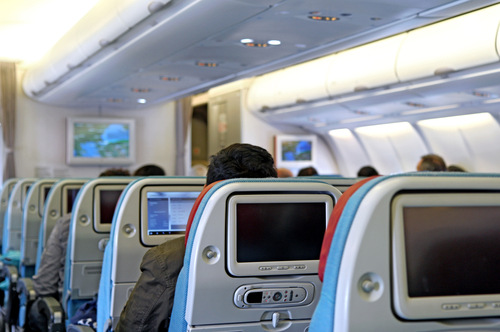
    Flying for any longer than an hour and you’ll most probably start feeling like a battery hen. If you happen to be on a plane that has its seating three abreast – so most short haul flights, or long haul flights that use the 747, 777, 787 or A380, there’s alway that tricky, non-verbal struggle for the armrests, especially if you’re in the middle.

    So one Quora user has laid out the (unwritten, but totally sensible) law. The law entitles the middle seat user to have access to the two inside armrests. Well because…

    “The window seat is entitled to a head-rest and to have a priority view of the outside world, obviously. This seat is great for long flights, since you can go to sleep by tucking up a pillow in the corner and looking over the clouds. That person is entitled to that.

    The aisle seat is entitled to a little bit more legroom than normal, the quickest allowed to get to the flight attendants’ attention and the easiest route to the bathroom. NEWS FLASH, if you know you need the restroom/toilet a lot while travelling, you should probably go here for the convenience of the other two people travelling on your row. That person is entitled to that.

    Now we go onto the middle seat. Now honestly, I hate sitting in the middle seat, it probably has the least benefits and you’re being squashed in between two people. HOWEVER, it is by my and many others’ moral code that the middle seat is obligated to have priority of the armrests. If you are window seat or aisle seat, the armrests in the middle are morally owned by the person sitting in the middle. They don’t have head or leg room, they can’t tuck away a pillow, they’re most likely being squashed and they still have the inconvenience of squeezing past someone to go to the bathroom, so the damn least they could get is the two armrests in the middle. That person is entitled to that.

    It just had to be said.


    There you have it. Middle gets arm space.

  • 10 Things That Could Void Your Travel Insurance, just what will they pay for?

    With at least two “cover-all” opt-outs for insurance companies, just what are you paying Travel insurance for? Here are 10 reasons to pay more attention to the travel insurance small print

    Excessive alcohol consumption, failure to take recommended inoculations, reckless or illegal behaviour and travel paid for using loyalty schemes could all cost you dear

    Gocompare.com Travel Insurance is warning people to read the conditions and exclusions in travel insurance small print to ensure that they buy the right cover at the right price and don’t unwittingly invalidate their cover.

    Exclusions and conditions vary between policies but common ones include claims made as a result of excessive alcohol consumption, fighting (except in self-defence) and taking part in activities insurers deem ‘hazardous’ such as jet skiing, quad biking or diving.

    Common conditions and exclusions

    1 Pre-existing medical conditions

    Failure to disclose an existing medical condition (including mental, nervous or emotional disorders).

    2 Preventable or avoidable medical treatment/conditions

    Failure to take prescribed medication or travelling against medical advice. Claims resulting from a tropical disease where the recommended inoculations and/or recommended medication for the country visited have not been taken; self-inflicted injuries; treatment for sexually transmitted diseases.

    3 Claims arising as a result of ‘excessive alcohol consumption’

    A common ‘catch-all’ – incidents occurring after you’ve consumed ‘an excessive amount’ of alcohol; claims arising from alcohol or drug abuse or solvent abuse.

    4 Sports, adventurous activities

    Standard policies typically exclude winter sports, jet skiing, bungee jumping, quad biking, rugby, paragliding, martial arts, cycling touring, diving (solo or beyond a certain depth), riding mopeds or motorcycles. Competitive and professional activities are excluded.

    Where an activity is covered, you’ll be required to follow any safety precautions and conditions. If you’re planning an adventurous you may need a specialist policy.

    5 Taking reasonable precautions

    Another ‘catch-all’ – insurers expect you to take ‘all reasonable precautions to avoid injury, illness, disease, loss, theft or damage and take all reasonable steps to safeguard your property from loss or damage and to recover property lost or stolen’.

    6 Reckless or illegal behaviour, including fighting and the unauthorised use of swimming pools

    Claims arising from reckless behaviour or from taking unnecessary risks, e.g. ‘you sitting on any balcony railing; jumping from or climbing on or over any balcony railing, ledge or wall, regardless of its height, other than Artificial Wall Climbing listed in the Leisure Activities section’.

    Some insurers preclude ‘any claim arising from the unauthorised use of a swimming pool outside the specified times of opening.’

    7 Visiting volatile destinations

    Cover for travel to destinations against Foreign & Commonwealth Office and/or World Health Organisation advice. Cover for war, civil commotion and terrorism. Last year the FCO warned LGBT visitors that visiting Russia could be potentially problematic given the Country’s anti-gay law.

    8 Travel paid for using loyalty schemes or points

    Some policies exclude ‘any claim for unused travel or accommodation arranged by using air miles, loyalty or points based ownership schemes, timeshares or similar promotions; management fees, maintenance costs or exchange fees associated with loyalty or points based ownership schemes, timeshares or similar promotions’.

    9 Visas and other documents

    Failing to get the visa or other documentation you require to visit your chosen destination.

    10 Work: paid, unpaid and voluntary

    Undertaking paid or unpaid manual work or physical labour of any kind. If you’re planning to work abroad, including voluntary charity work or you are undertaking a business trip, then you will need to choose a policy which specifically covers these activities.

    “Travel insurance is designed to protect you against the unforeseen, not careless or reckless behaviour. Insurers generally require you to take reasonable care of yourself to guard against injury and illness and to safeguard your belongings from loss or damage. So, for example, you won’t be able to claim for a stolen wallet or iPhone left under your towel while you went for a swim in the hotel pool or claim back the cost of medical treatment you needed as a result of injuries sustained from a fall while drunk. Likewise, insurers are unlikely to pick up the bill for medical treatment for a tropical disease where you’ve not had the recommended vaccinations or completed any recommended course of medication a course of anti-malarial tablets for the country you are visiting.” Caroline Lloyd from Gocompare.com Travel Insurance commented, “When you buy travel insurance, take the time to read the small print, rather than waiting until you need to make a claim and finding out, too late, that you’re not covered. The policy wording will also contain details of the procedures and paperwork, such as police or medical reports, and helpline numbers which may be required to make a valid claim, so don’t forget to take a copy with you.”

    “Medical cover is one of the most important elements of travel insurance because treatment abroad can run into thousands of pounds. So, on the application, be honest about your health – particularly if you have a pre-existing medical condition, even if it’s mild and under control. If, while on holiday, you suffer a related illness without declaring an existing condition or any referrals or investigations you have received, there’s a good chance your claim will be rejected. While some insurers specifically exclude pre-existing conditions, there are specialist insurers who will cover you for even the most serious illnesses.

    “Another common area of exclusions and conditions relates to activities which insurers consider adventurous or hazardous. These include a range of things from taking part in winter sports, jet skiing, bungee jumping, quad biking to riding mopeds or motorcycles. So, if you like a bit of a holiday adventure, you’ll need to make sure that all the things you want to do are covered and follow any required safety precautions and conditions outlined in the small print. Insurers do update these lists from time to time, so if you are worried about a specific activity our advice would be to contact your insurer directly.”

  • Things you should NEVER EVER touch in a hotel room

    We love a hotel room. No we do. Fresh sheets, little bottles of product and a minibar on company expenses. What’s not to like but there are five things you should totally, utterly not touch in a hotel room.

    Like ever. Especially if you don’t want to get ill.

    The TV remote.

    Want to turn off that welcome screen with that “relaxation” musak when you enter your room for the first time? You might want to get an anti-bac hand wipe before you touch that remote. Think about it. Hundreds of people have probably touched that remote – after they’ve been to the toilet, post sex – eek. Just disgusting. Given the fact that most housekeepers are given a ridiculously small amount of time per room to clean, the remote is often over-looked. Time and time again bacterial tests on hotel TV remotes have shown that there are often faecal residues left over. Yuck.

    The bedside phone.

    What’s better than a post-bonk midnight feast – apart from falling asleep. Chances are if you’re feeling peckish after a midnight booty call – yes, you’ve guessed it, people call Room Service, using that bedside phone. And they’re using fingers that have just been inserted somewhere very clammy and damp. Phones are teeming with bacteria, often blasting the acceptable limits of bacteria.

    The blanket at the end of the bed.

    Just imagine the number of people who have sat naked, had sex on it or put their luggage on that decorative blanket at the end of the bed. Apparently, it’s one of the least washed items in your room. So don’t touch. Just don’t. A report from CNN suggested that bedspreads don’t get ‘thrown in with the sheets for a daily wash.”

    The thermostat.

    Feeling hot? That thermostat on the wall is most probably overlooked during the daily clean of a hotel room. Big-name hotel chains usually give their rooms a deep clean every quarter. So in between those deep cleans think about the number of fingers that have touched that dial. There are up to 66 days in a quarter. If the hotel is operating at near full occupancy and there are two people staying in a room there could be well over 100 people touching that dial.

    The sofa.

    If you’ve sat on the sofa naked or even had sex on it then you can bet your life that scores of other people have to – and a sofa just isn’t that easy to clean, regularly anyway. Tests have shown that stains that aren’t visible to the naked eye are all over those hotel sofas and chairs. Those stains include: blood, semen and even faeces. Just. Why. Would. You.


  • Are you guilty of doing any of these disgusting things on a plane?

    Are you guilty of doing any of these disgusting things on a plane?

    Passenger shaming Instagram feed reveals some of the most disgusting things that some air passengers do on an aircraft.

    ©-kodda-Depositphotos
    ©-kodda-Depositphotos

    Check out some of the worst sins at the official Passenger Shaming Instagram. So are you guilty of a naked feet walk to the bathroom or a mid-flight fiddle with your tackle? Here’s some of the worst offenders.


    Guy opens door on the taxiway


    Get some Scholl for Christ sake…


    Get a shizing scrunchie


    Who pisses in a bathroom sink?


    Using the juice


    Feetie boo!


    Legs in the air Larry


    Feeding time at the Zoo


    What’s a bin?


    Stretch out babe…


    Nuts anyone?


    Stick together


  • Popular and Secret UK Nude Beaches

    Popular and Secret UK Nude Beaches

    Looking for the best nudist beach in the UK?

    When searching for a nudist beach, minds often wander to a warmer, more ‘European’ environment. Where banana hammocks are frequently discarded in favour of sunning those few parts that were left to the imagination. But you don’t have to travel that far to get some sun on your privates at a not-so-private locale, there are plenty of nude beaches right here in the UK.

    We have nude beaches in the UK? Really? All I can think about is the amount of unflattering shrinkage that will be occurring. But for those of you who enjoy shedding your clothes and parking your posterior on pebbles WHATEVER the weather, there are a surprising number of nudist beaches right here in the UK for you to explore.

    Just remember that not all nudist beaches are gay beaches, and not all gay nudist beaches are ok with other “activities”. A nudist beach is not always an excuse to go dogging.

    Studland Bay, Dorset

    Where are the best nudist beaches in the UK

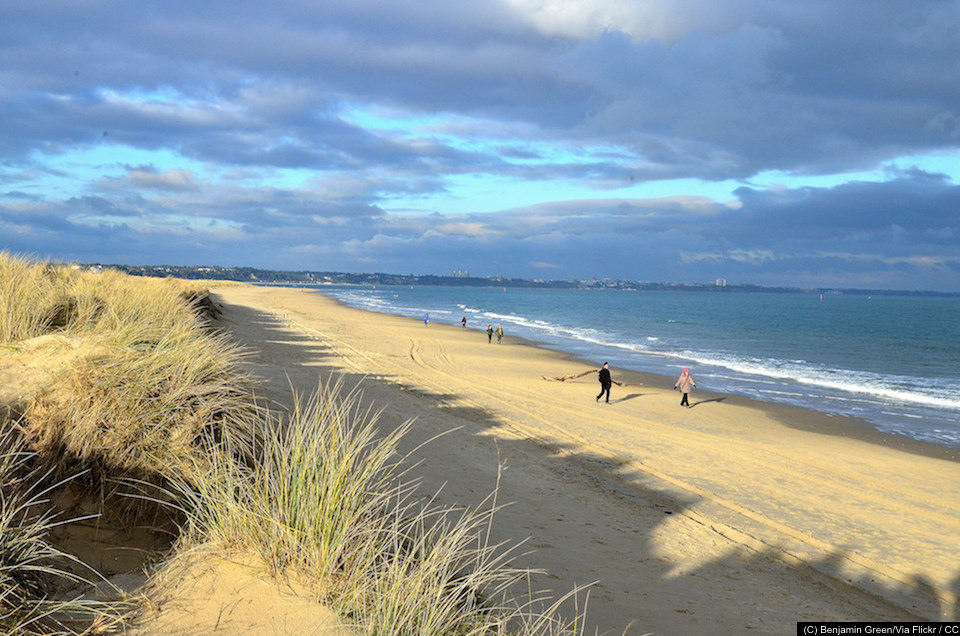
    Let’s start with the most (in)famous nudist beach in the UK. Studland Beach has the image of naked men baked right into the title. The popular beach is packed come summertime, whether or not the weather is hot, so this is not the beach to come to if you’re looking for peace and solitude. The shy nudists out there might be better off trying a different beach if you’re still precarious about stripping off.

    Studland Bay has a dedicated gay section which, whether you like it or not, has unsurprisingly become a popular cruising ground. Many voyeurists take to the dunes for a little slap and tickle of the bait and tackle before taking a cheeky skinny dip in the sea.


    Brighton Beach, Sussex

    Is there a nudist beach in Brighton?

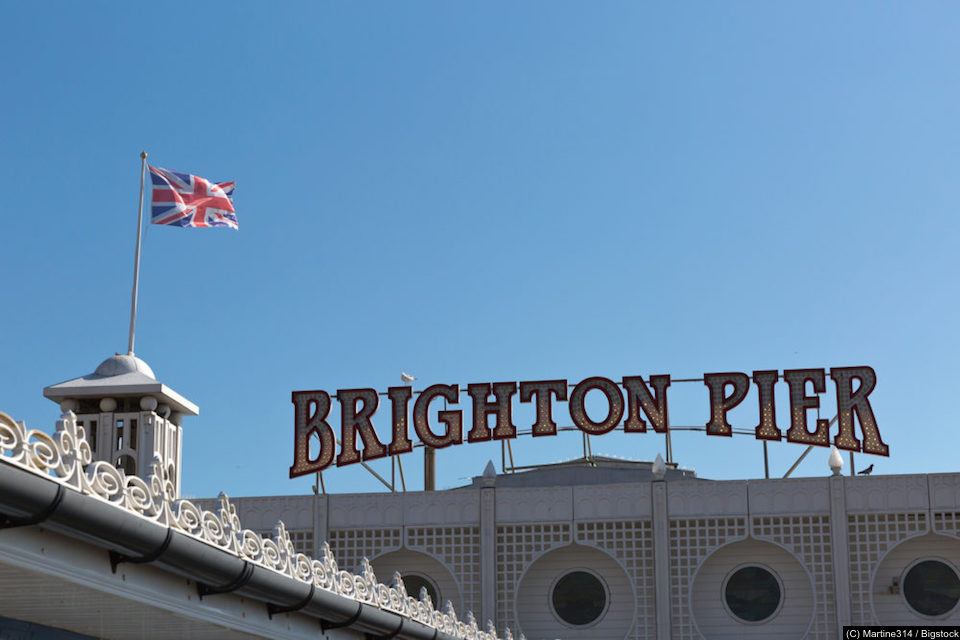
    Originally opened in 1979, Brighton’s nudist beach is one of the most popular and most accessible nudist beaches in the UK. And since it’s Brighton and involves public nudity, the beach is hugely popular within the gay community. Despite the fact that the beach itself is one of shingle and pebbles, it remains one of the UK’s busiest naturist spots. So be sure to bring flip-flops and particularly comfortable towel if you’re planning on sunning your bits in Brighton.

    Porthzennor Cove, Cornwall

    If you’re looking for something more secluded, and perhaps a little more comfortable and beach-like, then it’s time to head to Cornwall. Britain’s best beaches are tucked away at its southernmost point, many of which are treacherously difficult to access. The rugged beauty of the West Cornwall coastline makes it ideal for naturists, populated with plenty of little coves and rocks that are perfect for sunbathing in your birthday suit. Though naturism is not officially recognised down there, you’ll be sure to come across many isolated coves whose seclusion makes them well-suited for nudists.

    Porthzennor is one of the coastline’s secluded sandy coves that is difficult to get to but ensures that there won’t be any passers-by that will be shocked to see your white bits. The crashing cliffs cleave open to reveal several corners of private sand that make an ideal private beach for two (or more). Just be careful when swimming as there are often strong undertows, and the closest land from there is the USA.

    St Osyth, Essex

    Nude beaches in Essex just seems to be asking for trouble to me. I mean how many people try to tan in the land of fake tan? But low and behold St Osyth exists, not far from Clacton-on-sea, in the heart of good ole Essex beach country. The beach itself is a bugger to get to, taking about 20 minutes to walk to from the nearest car park. So while this makes access difficult for the more “mature naturist”, it also discourages snoopers.

    The beach itself is about 2 miles long and isn’t overlooked, with about 1 or 2 miles of ground between it and the nearest road or track. St Osyth is unofficially divided into three different sections: one for straight naturists, one for men only, and then one populated by sand dunes. The latter part has been known to be something of a “swinging” area, but again that’s all just luck of the draw and who’s around on that day.

    Morfa Ganol, Wales

    Wales?! I know, first Essex now Wales, but hear me out. What the Welsh coast lacks in warmth, it makes up for with incredible landscapes to go with your manscapes (I’m running out of naked men jokes here). While you’ll need to pack a pair of walking boots to actually get to Morfa Ganol, you won’t need to wear anything else once you get there. The blissful beach is backed by the Snowdonia National Park, which means it’s pristine clear (albeit slightly chilly) waters are so clean they have earned the highest quality rating by European standards. Waters which are frequented by dolphins and the occasional German nudist. High praise from both.

    Cleat’s Shore, Isle of Arran

    So at this point in the list, we’ve all but abandoned the idea of a hot sandy beach in favour of whatever else UK beaches have to offer. So in for a penny, in for a pound, and let’s get naked on the brisk beaches of Scotland.

    Cleat’s Shore is Scotland’s only official nude beach, and despite that impressive title, it is almost always empty. This makes it a great spot for our first time naturists. You’re far more likely to spend your time conversing with nature rather than other couples. But you won’t be the only nudists on the beach; seals are common in the area, so at least you’ll be skinnier than someone.

    Throw in some rock pools, basking sharks and the occasional golden eagle, and Cleat’s Shore is a nude beach with a difference, which, let’s face it, is probably a good thing.

    So don’t write off the UK as a great place to strip off. Yes the water may be colder, but the experience may be all the richer because of it. Have you been to any secret or beautiful nude beaches in the UK? Let us know all about them in the comments section below.

    Thanks for reading!

  • Your Bucket List could set you back nearly £20000

    Brits are willing to spend up to £10,000 on their bucket list on average, new research has revealed.

    grand-canyon skeeze
    CREDIT: skeezet/pixabay

    A survey exploring bucket list budgets revealed Brits would be willing to part with between £5,000 and £10,000 on completing their travel goals.

    But with the cost of completing the UK’s ‘top 10 bucket list activities’ coming in at a whopping £18,519 (at an average cost per activity of £1851.90), that would only be enough to complete five bucket list items.

    Going on safari (£5,600) and walking the Great Wall of China (£1,139) both appeared in the top five bucket list activities.

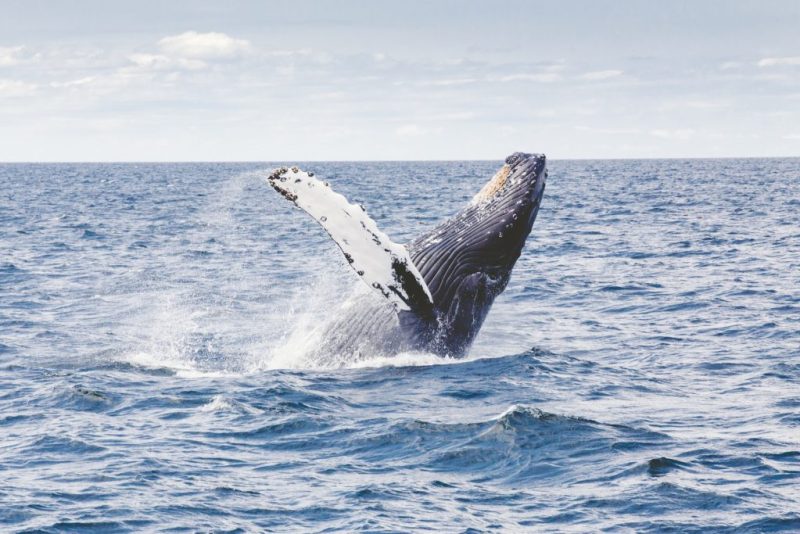
    And visiting the Grant Canyon (£1,181), going whale watching (£2,000) and taking an American road trip (£3,365) also made the top ten wish-list.

    Joe Gardiner, Head of Brand and Communications for TotallyMoney.com, said,

    “We all have a bucket list, but many of us probably don’t take the time to work out how much it would cost to complete.

    “If you’re serious about getting everything done before you kick the bucket, then that’s where you have to start.”

    The thrifty and frugal, however, can start working towards completing their bucket list right now by choosing one of the three free activities on the list.

    Starring as an extra in a movie, writing a novel and running a marathon can all be completed without costing a penny.

    In the meantime, big dreamers can try a new bucket list calculator to find out how much you need to set aside.

    Using the definitive top 50 bucket list, TotallyMoney.com compiled a smart bucket list calculator which gives users the ability to pick their own ultimate activities from amongst the UK’s favourites.

    The tool then calculates the total cost of users’ individual bucket lists, before presenting them with the percentage of their salary they will need to save in order to achieve their dreams, based on whether they have two, five or ten years to stockpile funds.

    Joe added: “Planning ahead and staying on top of your finances is essential if you’re going to get the most bang for your buck, especially when it comes to travelling and life experiences.”

    The Top 10 UK Bucket List Activities

    1. See the Northern Lights (average cost: £572)

    northern-lights-ColiN00B
    CREDIT: ColiN00B/pixabay

    2. Go on safari (average cost: £5,600)

    elephant-designerpoint
    CREDIT: designerpoint/pixabay

    3. Walk the Great Wall of China (average cost: £1,139)

    Great wall of china PublicDomainPictures-220060_1280
    CREDIT: PublicDomainPictures/pixabay

    4. Visit the Grand Canyon (average cost: £1,181)

    grand-canyon skeeze
    CREDIT: skeezet/pixabay

    1. Go on a cruise (average cost: £1,338)

    6. See the Egyptian Pyramids (average cost: £1,112)

    Egypt Cheops pyramid and sphinx
    CREDIT: Kokhanchikov-Depositphotos

    7. Go whale watching (average cost: £2,000)

    humpback
    CC0 Public Domain / Unsplash

    8. Spend New Year’s Eve in New York (average cost: £1,103)

    9. Gamble in Las Vegas (average cost: £1,109)

    C2GlobalSales /  CC0 Public Domain
    C2GlobalSales / CC0 Public Domain

    10. Take an American road trip (average cost: £3,365)

  • Wondering how to get over the dreaded effects of jet lag?

    Our body clock is a very intelligent feature, which can been thrown off as we travel hundreds of miles per hour, through multiple time zones. Michela Vaginini nutritionist at Nature’s Plus, has given us her top 5 tips for beating jet lag. She says, “Once your body’s natural 24-hour clock has been disrupted there is nothing that can completely beat jet lag. However, there are things you can do, to ease its symptoms and enjoy your holiday.”

    1)Look at the Sun

    To rebalance your day and night rhythm try to force yourself to get up just after sunrise. To boost your cortisol production, which is responsible for waking up in the morning, look towards the sun when waking, an open window will do the trick if you can’t get outside. In the evening, look at the sunset until it gets dark. This will stimulate melatonin production in your brain, which is also known as the ‘sleeping hormone’. To help your body relax take Dyno Mins Magnesium by Nature’s Plus (revital.co.uk, £17.75).

    2)Stay away from COFFEE

    Several studies have identified dietary components, such as glucose, sodium, ethanol or caffeine as capable of phase-shifting day and night rhythms. Be careful with sugary and junk foods that might have some stimulating additives or flavourings. Stay away from coffee, colas, teas and other energetic drinks or herbs. Be careful with crisps and salted peanuts – they are very high in salt. Try to reduce your salt intake to 2g a day max (1/2 teaspoon). Make sure you read labels as some snacks may contain MSG, which is a popular flavour enhancer, also known as a brain stimulant.
    Having an alcoholic drink might seem like a good idea to help you fall asleep but in fact, it will compromise sleep quality and dehydrate you, making it more difficult to adapt to new time zones.

    3)Turn off your phone

    Long-time exposure to blue light from our phones, tablets and TVs can interfere with a production of melatonin and confuse our tired body, which will take it as a daylight and sign to stay awake.

    4)Go for a walk

    Sunlight stimulates the secretion of serotonin, known as a ‘happy’ hormone that will give you a quick boost of energy. In addition, when our body gets physically tired it induces a deeper better sleep.

    5)Support your adrenal glands

    These peanut-size masses of tissue located on top of your kidneys are essential for your stress response and sleeping patterns. When you are jet lagged they are doubling up their workload to keep you awake so they need an extra support. The most important nutrients for adrenal health are vitamins B, which you can find in eggs, organic meat, green leafy vegetables and whole grains (Don’t get tempted with sugary muffins!). Spirulina and algae extract are great super foods for our adrenal glands providing essential minerals and amino acids. To get a complete green foods blend, add a tablespoon of Nature’s Plus Green Lightning (revital.co.uk, £26.40) to your coconut water and feel the energy!

  • Comps To Compensation: Legal Advice On Flights and Travel

    QualitySolicitors litigation lawyer Peter Adkins gives his advice on how to make a claim for compensation for problems whilst on holiday. (more…)

  • Four Cheeky Tips To Get More Leg Room On A Flight

    Being crammed into a space not much bigger than a shoe box for hours on end isn’t fun and is not the ideal way to start your holiday. We’ve found 4 cheeky hacks that could get you some much need extra inches.

    Momondo’s have come up with 4 hot tips to get a little bit more leg room:

    Be seat savvy

    If you want the most legroom it often pays to choose the front seats or seats at the emergency exits in the middle of the plane. These have the most legroom, and this is the same pretty much no matter which airline you travel with.

    To sit by the emergency exit though, you’ll be required to be healthy and mobile, so you are able to help open the doors in case of an emergency. With some airlines you can choose your seats for free when booking the flight, whereas with others you can select a seat for a small fee.

    Prices for choosing seats vary depending on which company you go with, and how far you fly.

    Again, arrive early

    If you have not selected a seat in advance, we recommend showing up at the airport early to check in. The seats are often allocated on a first-come, first-served basis, and you can be lucky enough to get a seat with more legroom.

    Try DIY check-in

    Some automatic airport check-in machines allow you to pick your seat for free at check-in time.

    Aisle be back

    If you want to stretch your legs during the flight, it’s always wise to choose a seat near the aisle too, where it is easier to get out – and take a walk around the cabin.


    ALSO READ: How to get an upgrade on your flight…

  • TRAVEL: Top Tips On How To Get An Upgrade On Your Flight

    If you’re looking for a cheeky upgrade then travel search site Momondo.co.uk have a few recommendations.

    how to get an upgrade on your flight

    Choose a regional hub

    Firstly, fly from a smaller airport, as you are less likely to get an upgrade from a larger airport, especially if that airport is your carrier’s main hub.

    Don’t fly in the week

    Next, choose weekends to travel, which naturally attract less business travellers, leaving the premium cabins with more free seats.

    Join the club

    If you aren’t a member of a frequent flyer scheme then join one. Points can easily be turned into upgrades.

    Dress smart, look sharp

    Many people also recommend dressing smartly on the day, to get upgrades.

    You got mail

    Getting closer to departure, flyers should check their emails too, as many airlines may offer heavily reduced upgrade offers prior to boarding.

    Be an early bird

    Check in early, as if the plane is oversubscribed, your chances of being upgraded rise, if the flight is overbooked.

    Talk nuptials

    Lastly, mention the wedding! Airline staff are renowned for offering new brides and grooms upgrades and even complimentary champagne on board, to help celebrate their big day.

    What if that didn’t work?

    Hansen continues: “If travellers are cheeky, they can also cheat their way to a good seat on board the plane, without paying for an upgrade.”

    Perhaps just ask at the check in desk if there’s any chance of an upgrade – but don’t hold your breath!

  • Flying LongHaul: Tips From The Top

    January, long nights and short grey days we’re finding ourselves spending more and more time on Expedia dreaming up the perfect winter sun holiday. Let’s be honest we’re done with the cold and shorter days. We’re longing for some well-needed vitamin D and cocktails by the pool, with a good book.

    The world’s longest flight is Cathay Pacific’s 16 hour and 50-minute time sucker, from Hong Kong to New York. The longest direct flight from the UK is London to Buenos Aires that takes 13 hours and 45 minutes.

    There are some great long haul destinations but you have to be careful where you’re planning to stay as an open LGBT person. The middle east is a no go area if you’re gay and much of the far east also offers little protection for LGBTs. Towards the Americas, many of the Caribbean islands frown upon homosexuality and is illegal on some.

    Take a look at our long-haul anti-gay holiday destinations which might surprise you.

    FLYING LONG HAUL

    Flying long haul can be an incredible experience, especially if you can afford to turn left on entry and be seated amongst the rich and well healed, but even if you’re slumming it in coach, entertainment systems on the world’s renowned airlines are becoming second to none. Long gone are the days of the one bulkhead screen for an entire cabin and an entertainment system that had 1 hour of music on repeat.

    THE EYES HAVE IT

    The long hours in the recirculated air at 41,000 feet will definitely take their toll on your eyes, whether you wear contacts or not. You’ll find that your eyes will dry out quickly, so using drops might be a quick fix for you. Optrex optician Nick Atkins advises, “It is always advisable for contact lens wearers to remove their lenses when travelling on a long haul flight to avoid unnecessary discomfort from lens dehydration due to the very dry air conditioned environment of the cabin. There is also the possibility of falling asleep with the lenses in which might be an issue with some lens types. If lenses must be worn then the regular use of a good moisture retaining eye drop will help. In fact such a drop will also provide comfort and relief to non-contact lens wearers alike. One tip for CL wearers is to put a drop into the ‘bowl’ of the back surface of the lens for prolonged relief.”

    HYDRATION

    Don’t forget to keep yourself hydrated whilst your up in the clouds, also if you suffer a bit of traveller’s belly once you get to your destination, don’t forget to drink plenty of bottled water from a reputable source to keep your system hydrated. O.R.S Hydration tablets could also help you keep your fluids up.

    EAR, EAR

    Are you one of those people whose ears are affected by cabin pressure? When on a long haul flight, there are two factors to be taken into account. Firstly, there will be changes in cabin pressure that can affect our ears and hearing. Secondly, there will be noise from the aircraft’s engines that may encourage higher volume settings when listening to music or on-board entertainment using headphones or ear buds. Although cabin pressure is well controlled in modern aircraft, the changes in atmospheric pressure outside an aeroplane during the ascent after take-off and the descent for landing will cause cabin pressure to change. There can also be quite rapid variations in cabin pressure if air turbulence causes significant fluctuations in an aircraft’s altitude.  Normally, there are no adverse effects during the ascent after take-off as our middle ears adjust more easily when cabin pressure reduces a little. However, when descending for landing, cabin pressure increases and middle ear pressure does not self-adjust so easily. Passengers will usually feel pressure in their ears and experience reduced hearing but, in healthy ears, this can be quickly cleared by swallowing a few times or even yawning to open the Eustachian tubes thus allowing air into the middle ears to normalise the pressure and for hearing to return to normal. The same applies if air turbulence causes quite rapid changes in an aircraft’s altitude.middle ears adjust more easily when cabin pressure reduces a little. However, when descending for landing, cabin pressure increases and middle ear pressure does not self-adjust so easily. Passengers will usually feel pressure in their ears and experience reduced hearing but, in healthy ears, this can be quickly cleared by swallowing a few times or even yawning to open the Eustachian tubes thus allowing air into the middle ears to normalise the pressure and for hearing to return to normal. The same applies if air turbulence causes quite rapid changes in an aircraft’s altitude. How to protect your ears and your hearing from cabin pressure changes

    HIDDEN COSTS

    Obviously cost is a big factor in the long haul market, a search for prices of tickets to say San Francisco in the second week of November showed prices for £604 direct return, however prices from the 22nd of December, during Christmas week and the school holidays showed prices starting from £922 each way.

    Apparently, Tuesday is the cheapest day to book a flight, Friday is the most expensive. Afternoon flights are also pricier whilst red-eyes – those flights that travel at night are the cheapest. So plumping for a Tuesday night flight could save the pounds rather than a Friday afternoon flight.

    LEGROOM

    Legroom is like the gold of long-haul, cramped up for hours on end can make even the sanest of us looking at that emergency exit and thinking “go on… pull it…”

    Momondo’s have come up with 4 hot tips to get a little bit more leg room.

    Also tired and heavy legs might become a problem stuck back in the economy. Padma Circosan is a licensed herbal medicinal product, produced in Switzerland according to a proven recipe of Tibetan medicine, used for circulatory disorders including Raynaud’s, tired heavy legs, pain, swelling caused by minor venous circulatory ‘disturbances’ and calf cramp, it has circulation-stimulating and anti-inflammatory effects with many showing it to be effective in improving peripheral circulation after just a few weeks.

    It is available from UK pharmacies and health stores nationwide priced at £28.95 for 120 capsules or online at www.healthy2u.co.uk.

    GETTING OVER JET LAG

    Jet lag happens on journeys where the time difference is over 3 hours, so it is possible to get jet lag on intercontinental journeys from east to west, west or east across vast countries like, Canada, USA and Australia. However, you won’t get jet lag from north to south flights – say London to Cape Town in South Africa. Of course, you may still get general aircraft fatigue. Read our five tips on beating jet lag.

    AIR SICK?

    Still feeling nauseous from the motion of travelling? Try The Ginger People’s new Gin Gins CARAMEL – Tasty ginger and caramel sweets. They contain a massive 30% ginger per sweet. Working mainly in the digestive tract, ginger helps to boost digestive fluids and neutralise acids, making it an effective alternative to anti-nausea medication, without the possible unpleasant side effects. Call it a little traveller’s insurance! Gin Gins CARAMEL costs £1.55 for a 31g box and is available from Holland & Barrett stores nationwide.

    ALTERNATIVE ENTERTAINMENT

    Even though most airlines offer a substantial entertainment system the likelihood of finding LGBT programming on board is highly unlikely. In the airline’s quest to cater for every passenger in their entertainment choices, you might still be left unsatisfied with the offering, but you can always bring your smartphone or tablet on board packed with your favourite programming. If you’re into podcasts, acast is like Spotify but for Podcasts where there are many amazing series to listen to. From comedy, real life stories, factual entertainment to true crime, all of which will keep you entertained on long haul flights.

    COMPS TO COMPENSATION

    If your flight doesn’t go to plan you’re gonna need some help… Professional help. Here are our top tips.

    UPGRADE BABY

    Want to upgrade that cattle class to First? You’re going to need to take in these tips!