Over 100 people from SLC offices in Glasgow, Darlington and Llandudno have signed up to the network since it launched last February with the number expected to grow in the year ahead. The company employes over 3,300 staff members and has 8.6 million customers.
Gary Stevenson, Co-Chair of the network said, “It’s been a really busy first year and the response to the network has been inspiring. More than 60 people showed their support in joining us at Pride Glasgow and Northern Pride Parades last year. Our colleagues in Wales were empowered to hold their own on-site Pride event at their office too.”
Staff also showed support by contributing to the network’s fundraising efforts for local LGBT+ charities by taking part in bake sales, charity football matches and quiz nights.
Morven Spalding, Director of HR added, “It’s fantastic to see the organisation readily engage with the network. In keeping with LGBT History Month, some of the network’s activities have really helped to shine a light on various aspects of LGBT+ life. The network’s ‘Let’s Chat’ drop-in sessions ran across all of our sites and gave staff the opportunity to drop in to discuss, listen and ask questions on different aspects of LGBT+ life such as the Transgender Day of Remembrance from different people within the community.“
Support for the network and community goes all the way to the top at the company as CEO Paula Sussex recently demonstrated when she met with LGBT+ students from Northumbria University. She was invited to have her photograph taken with the university’s Proud Ally sign as part of a campaign to celebrate influential individuals who stand for equality in the student populace.
Karl Robson, Vice President Education, Northumbria Student’s Union said, “When influential individuals like Paula show solidarity with the LGBTQ community, it helps students feel validated and gives them confidence that, when they go out into the graduate job market, employers will be supportive.
“The message from Paula is an important part of a larger vision to support equality across the university and the graduate job market, and will make a bigger impact than we are able to measure.”
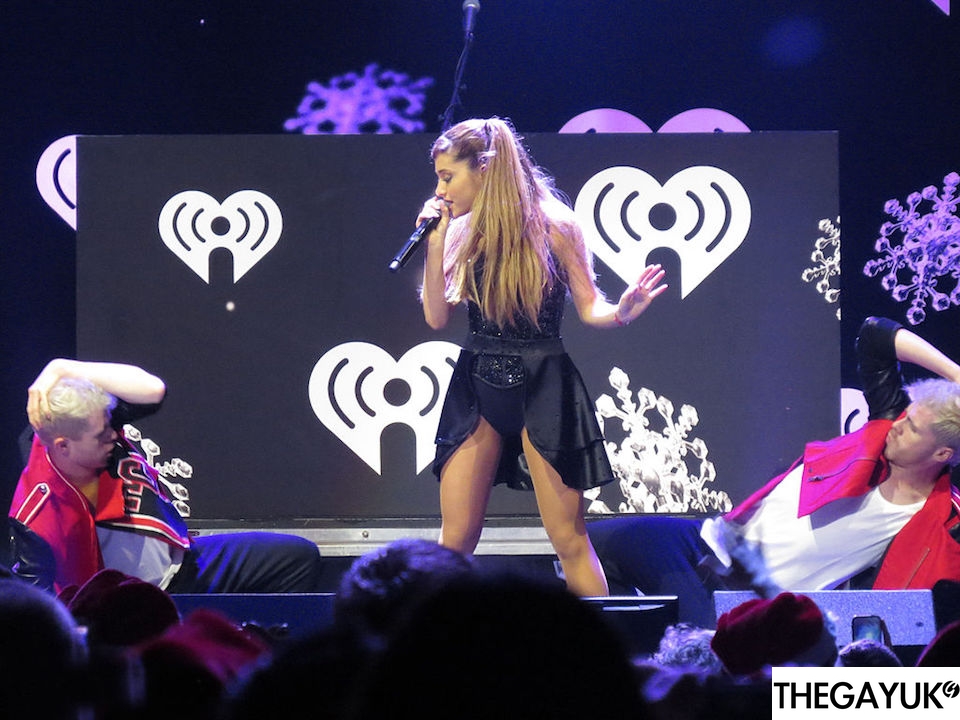
Manchester Pride has announced that Ariana Grande is to headline the the event, but The Voice finalist, Lauren Bannon and Pride’s Got Talent finalist Andrea Di Giovanni have branded the announcement as “The straight cis white-washing of Pride”.
[[File:93.3 FLZ Jingle Ball Tampa Florida IMG 6824 (11490181726).jpg|93.3 FLZ Jingle Ball Tampa Florida IMG 6824 (11490181726)]]The Voice and Pride’s Got Talent finalists Lauren Bannon and Andrea Di Giovanni have called the headline of Manchester Pride unacceptable and hit out at the Pride’s ticket price hike from £22 to £75 as a “joke” as many students and other pride goers will be unable to afford the ticket.
THEGAYUK.com reached out to Manchester Pride to ask if there were reductions on offer, but they did not return comment.
Andrea Di Giovanni told THEGAYUK “Ariana Grande has been chosen to headline Manchester Pride 2019 and that’s unacceptable, especially right now in a moment where the LGBTQ+ community faces continuous attacks by politicians, press and overall media.
“The straight cis white-washing of Pride celebrations has reached its peak and we, as a community, need to stand up and truly focus on highlighting our own beautifully diverse talents. Ariana headlines Manchester, Kylie Minogue Brighton and Kate Nash & M.O. Birmingham; are we blind or we don’t want to see it?”
The controversial artist continued, “I’m not against allies, we need them but I am against a queerbaiting process that has its chore pure capitalism. It’s not a surprise, in fact, that Manchester Pride this year asks its participants to pay £70 a ticket to access the main stage area, compared to the £22 price of last year – pride is an honour of the people, a protest, not a concert to celebrate straight art! We do this every day.”
Speaking about the controversial price hike, Lauren said, “For the prices to go from £22 to £75… now that’s a joke. I have no problem with straight performers, allies and the like, but when none of the biggest pride celebrations has a single LGBTQ+ headline, it highlights the lack of representation we have in the mainstream industry.
“As for the price increases that follow these ‘Major Acts’ when did pride just become another capitalist venture? It’s supposed to be a celebration of the LGBTQ+ community, it should be accessible to all but by hiking up the prices it’s just making it less obtainable and disrespecting the whole purpose as to why we have a day like pride!”
For gay and bisexual men, prostate cancer, in particular, can be even more challenging than for their straight counterparts. “Gay & Bisexual Men Living with Prostate Cancer (from Diagnosis to Recovery)” is a new book that addresses bias against and the unique needs of gay and bisexual men diagnosed with prostate cancer.
FILE PHOTO (C) BIGSTOCK
by B. R. Simon Rosser and William West
Edited by Jane M. Ussher, Janette Perz B.R., and Simon Rosser “Gay & Bisexual Men Living with Prostate Cancer” was written not only for the medical community treating gay and bi men with prostate cancer but also as a supportive resource for gay and bi men diagnosed with prostate cancer. It is the most current and comprehensive book on the subject published to date, incorporating the tremendous new developments in cancer treatment from the past ten years.
Here, Dr Simon Rosser and Dr Bill West, coauthors of several chapters in “Gay & Bisexual Men Living with Prostate Cancer,” answer 12 questions and offer advice to gay and bi men facing prostate cancer. Simon and Bill are married, out and living with prostate cancer.
1. How common is prostate cancer in our community? Prostate cancer is the #1 invasive cancer for men and the most common cancer in the gay male community. One in seven gay men will be diagnosed in their lifetimes. Since gay male couples have two prostates, they have twice the risk than heterosexual couples or a one-in-three chance.
2. What are the symptoms of prostate cancer? Prostate cancer typically develops without symptoms which is why it needs to be detected through a blood test (the Prostate Specific Antigen or PSA test) and by a doctor feeling for any abnormalities during a digital rectal (or finger up the butt) exam. Two common prostate problems should not be confused with prostate cancer. As we age, our prostates typically get larger which can lead to problems urinating. This is called benign prostatic hyperplasia or BPH. Prostatitis refers to when the prostate gets infected or inflamed.
3. So, what causes prostate cancer? Older men, men with a family history of prostate cancer, and black men are at greater risk of diagnosis and/or worse outcomes. Our research indicates that HIV positive men and bisexual-identified men have worse outcomes than HIV negative men and gay-identified men, respectively. Gay “lifestyle” factors – such as being gay versus straight, lots of sex or no sex, amount and rigour of receptive anal sex, smoking, drug and alcohol use, a history of sexually transmitted diseases and long-distance cycling – have not been associated with greater risk or worse outcomes.
4. So, why is prostate cancer in gay men an issue? Different prostate cancer treatments have different effects on our sexual functioning. About 20 per cent of patients treated with radiation experience radiated bowel, which makes receptive anal sex painful to impossible. Conversely, almost all men treated with surgery (and many with radiation as well) will have erection difficulties, after treatment, making insertive sex very challenging. Treatment can also affect penis size, ability to ejaculate, the experience of orgasm, pleasure in receptive sex, and urinary problems during sex or at orgasm. This makes it important to discuss gay sex with your specialist as part of choosing which treatment will have the least side effects for you.
5. If I want to be checked for prostate cancer, what should I know? The typical test for prostate cancer involves both a blood test and a digital rectal exam. Because massage of the prostate may hypothetically affect the blood results, we recommend you refrain from receptive anal sex or other anal stimulation for 48 hours before the blood is drawn and make sure the blood is drawn before the digital exam.
6. Does being diagnosed mean you have to be treated? No. Many men with low-risk prostate cancer never need treatment. Instead, they go on active surveillance. This simply involves having a blood test every three months to monitor the amount of prostate-specific antigen in their blood. This may also involve additional biopsies to track if the cancer is changing.
7. Is prostate cancer contagious? No, if your boyfriend, husband or a male sex partner has prostate cancer, you cannot get it from him. Prostate cancer is not sexually transmitted.
8. What’s it like to be diagnosed with prostate cancer? Fortunately, prostate cancer has an excellent (over 99%) survival rate provided it is treated early. We are a male couple where both of us have been diagnosed. Here’s what to expect. The initial diagnosis can be scary and requires a biopsy which can be uncomfortable. Don’t panic. Most prostate cancer is slow growing so in many cases you can go at your own pace. Gay men are more likely to feel isolated or go through treatment alone, so it’s important to reach out for support. Prepare a list of questions before each consultation and ask them at your next visit. Bring your man (if partnered) or a friend (if single) to the consultation, both for support and to listen to what the specialist says. Deciding if you need treatment and what treatment is best for you are critical milestones, where many patients seek a second (or third) opinion.
9. How does it affect being gay? Because it’s cancer and because it affects our sexual functioning, many gay prostate cancer patients report feeling less than other gay men. There’s a stigma to having prostate cancer which can affect our sexual self-esteem, sense of attractiveness and potency. And because it affects erections, some men may become more at risk for HIV if their erections are not strong enough for condoms or if they decide to bottom more instead.
10. What’s gay sex like after treatment? Everyone is different. In our experience, good sex is definitely possible after treatment but it is challenging. It takes time and patience (up to two years post-treatment), commitment to sex as a priority, good communication between partners, lots of sexual rehabilitation exercises, and flexibility. The biggest loss we had to deal with was spontaneity – erections don’t just happen, and we have to plan sex if it is to be successful. We found erectile drugs and vacuum pumps to be a help as well.
11. What should I think about in choosing a specialist? Know that many urologists and oncologists see themselves as technologists focused on survival. Not all are good at talking to patients or discussing sex. While survival is obviously important, quality of life is as well. Most gay and bisexual men are sexually active and want to remain so after treatment. So, it’s critical to find a specialist you can be open with, and have your questions answered. When making an appointment, ask for a specialist who is comfortable discussing the sexual effects of treatment. And if they seem uncomfortable or unknowledgeable about sex between men, seek a second or third opinion until you find someone you can trust.
12. If I’m gay, bisexual or a man who has sex with men living with prostate cancer, where can I get help?
For more information: See our just-published book, J. M. Ussher, J. Perz, B. R. S. Rosser, Gay and Bisexual Men Living with Prostate Cancer: From Diagnosis to Recovery (Harrington Part Press, New York 2018).
For support services: www.Malecare.org is the largest provider of online support worldwide and has groups specifically for gay and bisexual prostate cancer patients.
To get involved in research: At the University of Minnesota, we are conducting the first, large, NIH-funded study testing online rehabilitation designed by and for gay and bisexual prostate cancer patients living in the US.
See: www.restorestudy.umn.edu or email: Restorestudy@umn.edu.
Dr Simon Rosser is a gay men’s health researcher and Dr Bill West a health communication specialist at the University of Minnesota. They specialize in prostate cancer in gay and bisexual men.
They co-authored several chapters in J. M. Ussher, J. Perz, B. R. S. Rosser, Gay and Bisexual Men Living with Prostate Cancer: From Diagnosis to Recovery (Harrington Park Press, NY, 2018).
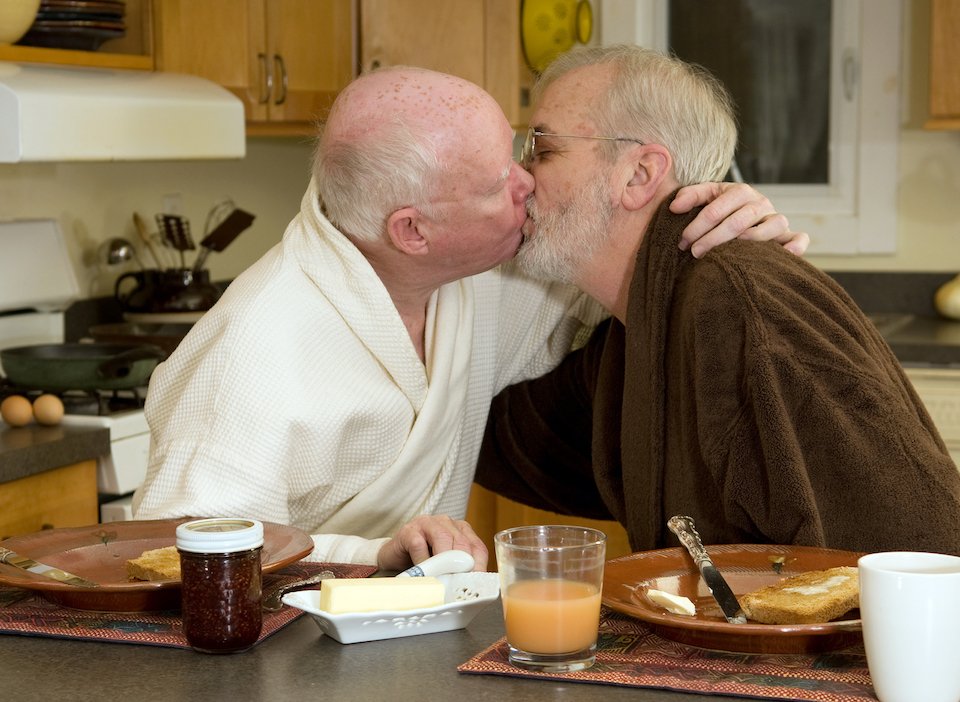
They are married and out as a gay couple living with prostate cancer.
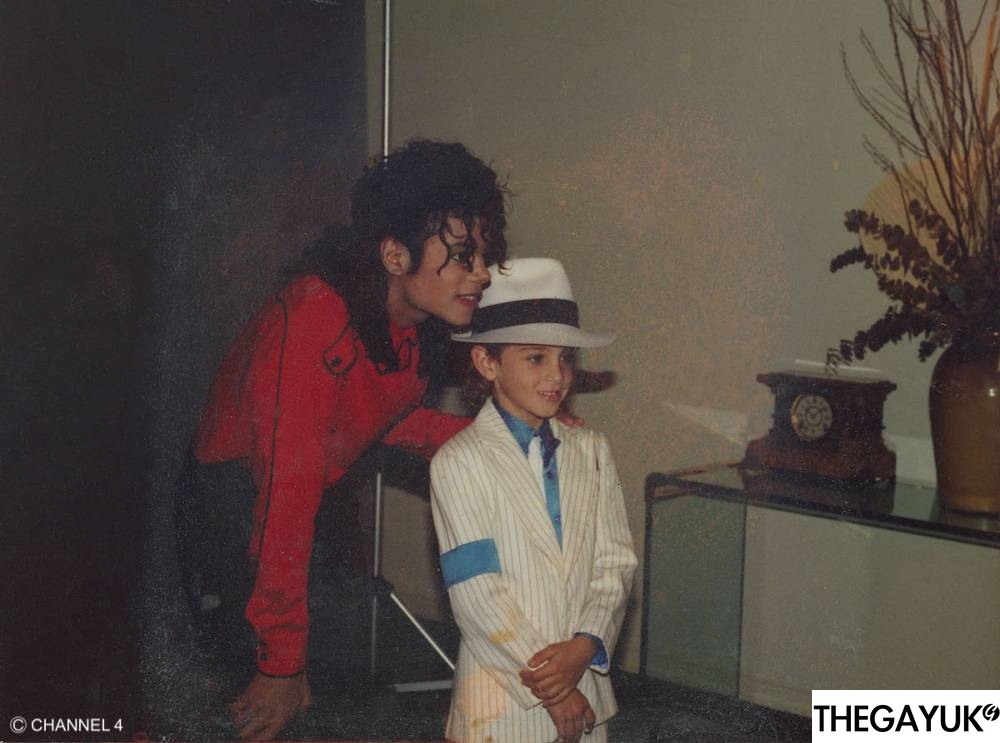
The controversial documentary film, Leaving Neverland is coming to the UK and you’ll be able to watch for free.
Leaving Neverland is going to be broadcast in the UK on the 6th and 7th March 2019 on Channel 4. The film, which will be split into two episodes, documents alleged abuse against two boys James Safechuck and Wade Robson.
The four-hour film, which will be shown in two, two hour programmes, has already proved controversial with fans of the late Michael Jackson and his family. It is due to broadcast on Channel 4 in the near future. The decision to broadcast the series has proved problematic for the channel after being deluged with messages of disapproval from users on Twitter.
In the film, both Wade Robson and James Safechuck allege that Michael Jackson began a long-running relationship with them. The Jackson Estate released a statement denoucing the film as”yet another lurid production in an outrageous and pathetic attempt to exploit and cash in on Michael Jackson.”
Speaking ahead of the documentary, filmmaker Dan Reed said in a statement, “If there’s anything we’ve learned during this time in our history, it’s that sexual abuse is complicated, and survivors’ voices need to be listened to.
The film was produced by Dan Reed and edited by Jules Cornell.
Northampton is home a small but friendly LGBT+ scene and there are sports clubs for you to join.
Firstly there is the famous Northampton Outlaws Rugby Club – famous as they have starred in the Naked Rugby Calendar, not once but twice. The Northampton Outlaws are an inclusive rugby team based in Northampton which began life in 2012, and new players are always welcome. They play on the Rushmere Road rugby grounds.
Squad training takes part on Tuesday nights with games being played on Saturday afternoons.
Justice Mwita said the volume of documents, the inability of the three judges to meet and the demands of other cases were behind the delay in their ruling on the lawfulness of Sections 162, 163 and 165 of the Kenyan Penal Code.
The judgment, which had been scheduled for 9am this morning (22 February, 2019) was much anticipated, as indicated by the packed courtroom of Kenyan LGBT activists and community members, lawyers, international and national media.
Tweeting from court today, the National Gay and Lesbian Human Rights Commission (NGLHRC), which has been supporting the case, said, “To say we are disappointed would be an understatement.”
The Human Dignity Trust’s Director, Téa Braun, who was also in the Nairobi court this morning, said, “This is tremendously disappointing, particularly for the committed and tenacious activists and lawyers in Kenya who have been working towards this moment for several years. Nonetheless, we must put our trust in the Kenyan justice system. This is a pivotal case, and ultimately the most important thing is a sound and reasoned judgment that will free LGBT Kenyans from discrimination and persecution.”
Sections 162, 163 and 165 of the Penal Code, which were introduced into Kenyan lawbooks by British colonisers over 100 years ago, made it a crime punishable by up to 14 years in prison to ‘have carnal knowledge against the order of nature,’ and for consenting adult men to engage in ‘gross indecency’ with each other which brought a 5-year prison sentence.
These laws – still on the books across two thirds of the Commonwealth thanks to British colonisation and the failure of decades of independent governments to repeal them – are widely used to stigmatise, harass, discriminate against, arrest and detain LGBT people, and in many countries they have led to violence, including sexual violence, against the LGBT community.
The case was filed in 2016 and argued by Senior Counsel Paul Muite and Advocate Sande Ligunya in February 2018. It was heard alongside a similar petition brought forward subsequently by the Gay and Lesbian Coalition of Kenya and Nyanza Rift Valley and Western Kenya LGBT coalition.
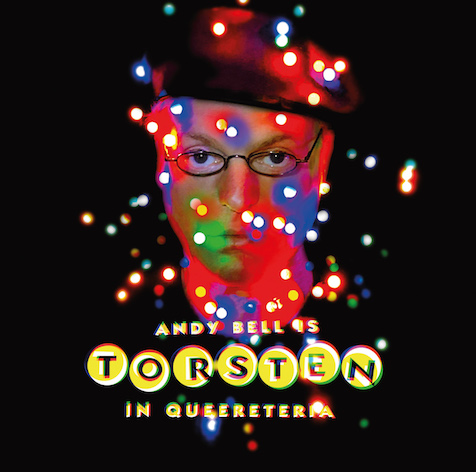
Torsten In Queereteria is the third solo album by Andy Bell (Erasure) performing as alter-ego Torsten, a semi-immortal polysexual who is destined to love many, lose many and be haunted by bittersweet memories, due to his unnaturally elongated life.
The album is released on 12th April through Cherry Red Records. It’s a role Andy first took up at the Edinburgh Fringe Theatre Festival in 2014 in ‘Torsten The Bareback Saint’ and a role reprised by him in the critically acclaimed 2016 follow up, ‘Torsten The Beautiful Libertine’, which enjoyed a sell-out 4 week run at London’s ‘Above The Stag’ Theatre.
Here’s a YouTube link to first track to be taken from the album – We Hadn’t Slept for 20 Years:<
‘Andy Bell Is Torsten‘ is a unique collaboration between a singer (Andy Bell), a poet / playwright (Barney Ashton) and a musician (Christopher Frost). Their new album is structured around 4 separate themed ‘Acts’ which deal with different aspects of both Torsten’s life story and his self-realisation. As with previous Torsten albums, each song is designed as if a postcard insight into a particular hot-spot of memory.
Track listing is:
Act 1 : Remembrance, Youth and Beauty.
01 – A Hundred Years Plus Today
02 – You Stampede An Open Wound
03 – Lowland Lowriders
04 – I Am Of The Sea
Act 2 : The Hedonism And The Hurting.
05 – Cabaret Awayday
06 – Queereteria
07 – If We Want To Drink A Little
Act 3 : Bitter Regrets.
08 – Thou Shalt Be My Vibe
09 – Money With Menaces
10 – Let’s Be Sober Another Time
11 – Come And Taste My Breakdown
Act 4 : To Mourn And To Miss.
12 – To Know Good Men From Perverts
13 – We Hadn’t Slept For Twenty Years
14 – Silence Is Golden
15 – Not Opting Out
Album opener A Hundred Years Plus Today is Torsten in reflective mood as to the longevity of his life, it precedes three recollections in song of intense moments from times spent with his earliest friends and lovers, and the hope embodied in coming from a coastal town, that the sea might deliver temptations in the guise of sailor lovers.
Act Two narrates a headlong bounding into hedonism; interacting with strange seaside town cottage cruisers in Cabaret Awayday, to the respite and debauchery afforded by trips to the Queereteria club and a stout defence of partying and drunkenness in If We Want To Drink A Little, a duet with one of Andy’s personal heroes, Hazel O’Connor of ‘Breaking Glass’ fame.
Act Three is the realisation that one has, perhaps, hit rock bottom and become a tad unpleasant and bitter. Thou Shalt Be My Vibe portrays a manipulative, drugged-up, drunk Torsten driving a potentially exploitative relationship. Money With Menaces is an ode to the bitterness of both parties in a rent-boy / older punter relationship. Let’s Be Sober Another Time sees Torsten in denial of his chronic alcoholism which leads, in turn, to a mindless and provocative challenge to all his remaining friends and cohorts to Come And Taste My Breakdown at the end of Act Three.
Levity is restored in Act Four in which an older Torsten is in more reflective mood about leaving his partying years behind. To Know Good Men From Perverts is the culmination of the experience that life affords in learning one of its ultimate lessons, the discernment between those who we can trust and those who seek to harm us. We Hadn’t Slept For Twenty Years, the lead single from the album, is a loving reminiscence of close friends and the mayhem and mirth of their formative years partying with a vengeance! Silence Is Golden pays tribute to an aged lover who has recently died; someone who sublimated the existential angst and fear of knowing he was nearing death by a mania to read widely and an insistence on Silence to enable him to do so. Not Opting Out, the album’s defiant closing number, is Torsten’s reckoning that though his own life may be nearer its end, that he remains stalwartly an active participant in it, even though the ever accelerating pace of global change is exhausting.
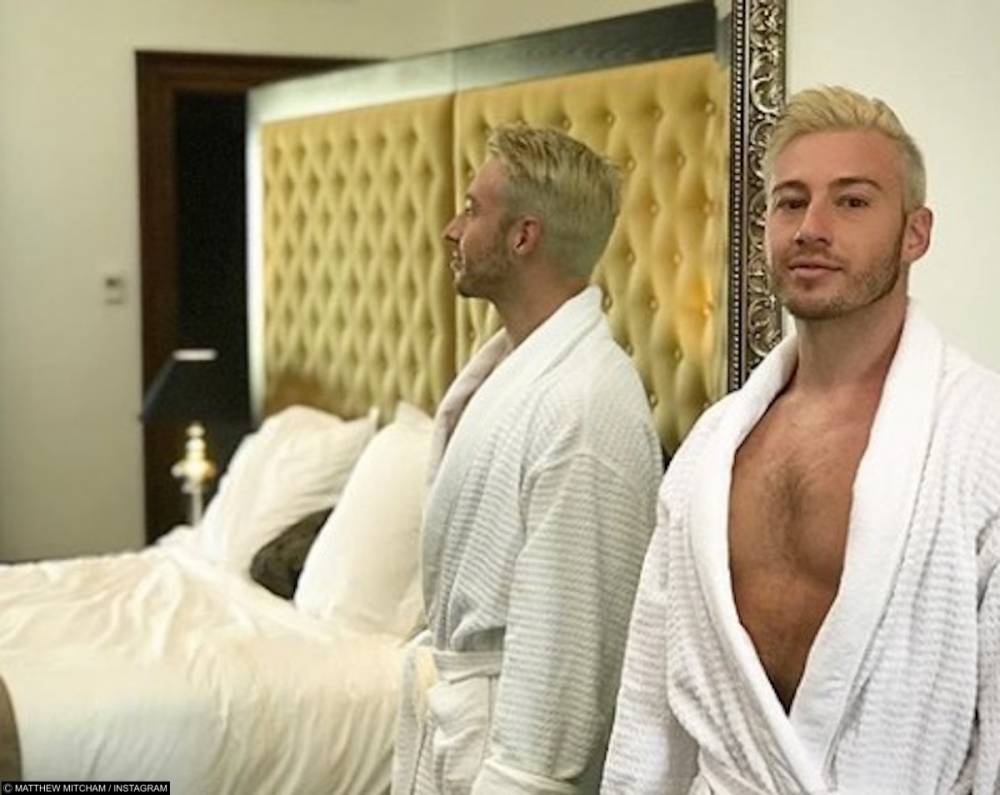
Former Olympian and gold medalist Matthew Mitcham has revealed his brand new platinum blonde hair do in a series of sexy hotel bedroom photos on social media.
Although he’s naturally blonde, Matthew has enhanced his hair colour and the results are stunning. He’s just one of the many celebs who are turning to the platinum or near silver blonde look.
Recently Zac Efron was the latest celebrity to take to the bottle which resulted in a stunning silver/ blonde look. Adam Lambert has also carried the look and taken to the bottle in the past to get the perfect blonde look.
Matthew looked relaxed while staying at the Treasury Hotel in Brisbane, Australia.
Zac Efron delighted his fans with his platinum blonde look.
Taking to social media, Matthew, in nothing but a white fluffy robe said, “The Treasury Hotel is without a doubt the most regal place I have ever stayed. As soon as we opened the door both our jaws dropped to the floor. This place is palatial, not least due to having the highest ceilings of any hotel in Australia. Our suite was a beautifully executed mix of historical and ultra-modern, bright and warm. Luxurious without being ostentatious. Stunning.”
London has a rich history of drag from the Royal Vauxhall Tavern to the now-shuttered Black Cap, here’s the best place to go to catch some drag in the UK’s capital.
Central London
Admiral Duncan
If you’re in central London, i.e. Soho, there’s really only one place to find drag every night and that’s at the Admiral Duncan. It’s a friendly traditional pub in the heart of Soho (Old Compton Street). It has regular drag from the likes of Mary Mac, Sandra, Baga Chipz and Cookie Monstar. See what’s going on at their website.
Halfway II Heaven
Is another great haunt to see some traditional drag queen shenanigans with queens appearing almost every day of the week, right on the doorstep of Trafalgar Square (where Pride In London is hosted). Whether you’re into karaoke, lip syncing or good old fashion cabaret this venue is a must watch. See what’s going on at their website.
East London
The Glory
The home of East London Drag, the Glory is a highly rated queer space in the heart of East London with events almost every night of the week. See what’s going on at their website.
South London
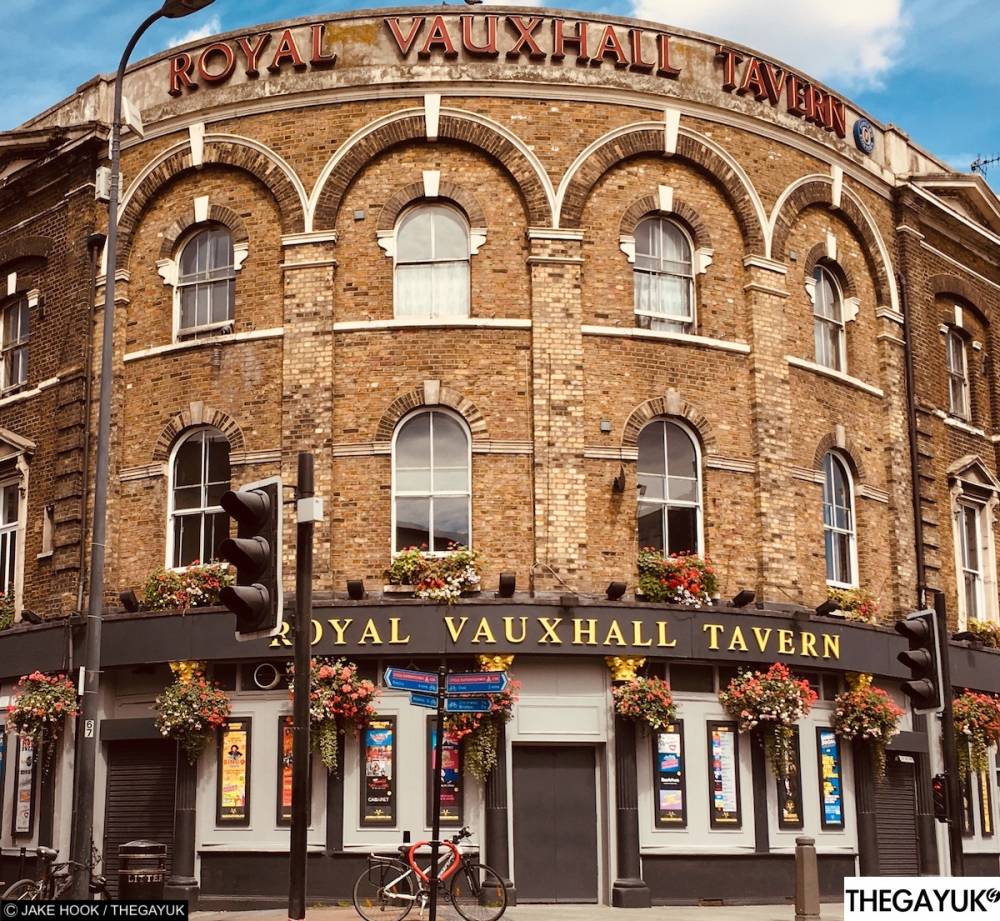
Royal Vauxhall Tavern
One of the oldest, if not the oldest venue in London just south of the river in Vaxuhall. With shows from Duckie to David Hoyle the Royal Vauxhall Tavern offers a cool, queer as f**k experience that mustn’t miss if you’re in London town. See what’s going on at their website.
Two Brewers
This is a MUST go venue if you’re in south London (Clapham). It’s legendary and it’s drag from wall to wall. It’s also got a great value for money bar and friendly bar staff. See what’s going on at their website.
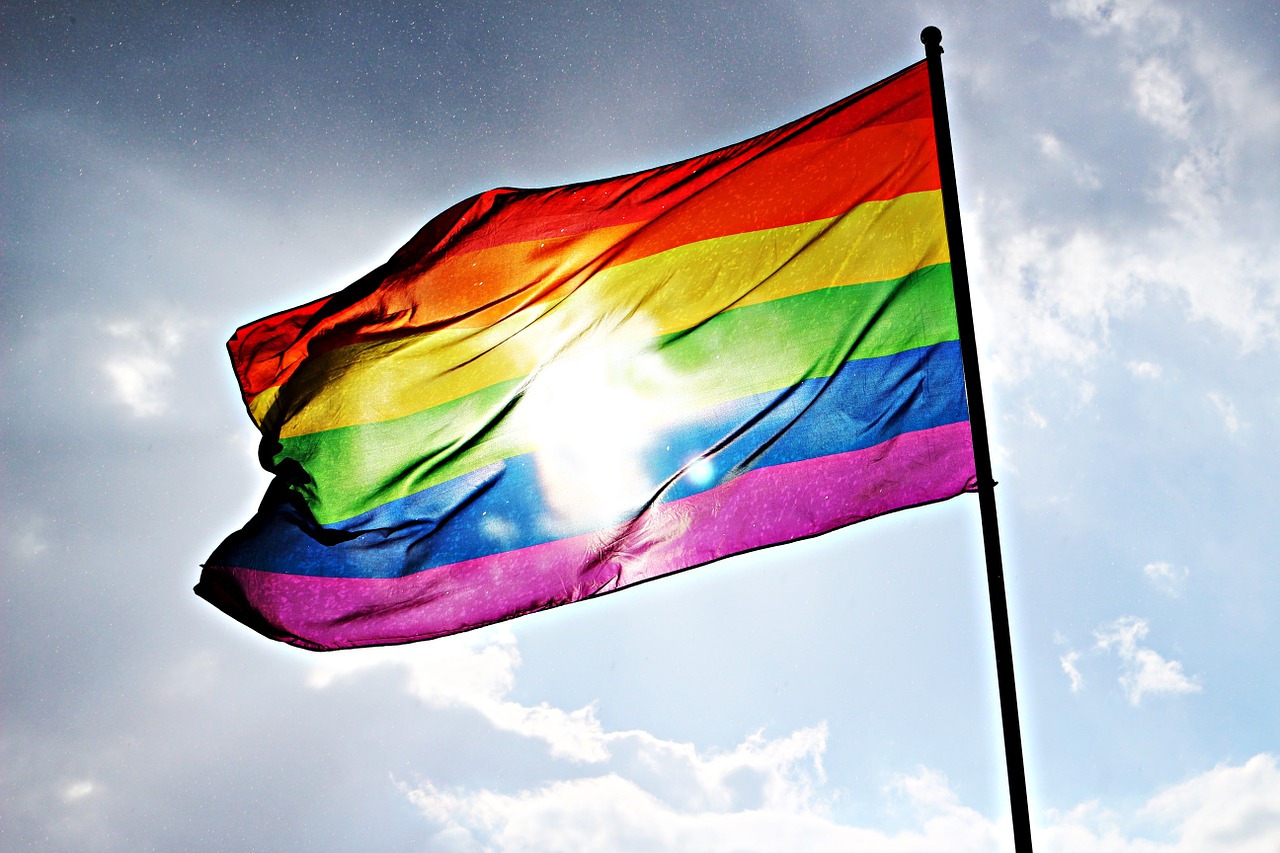
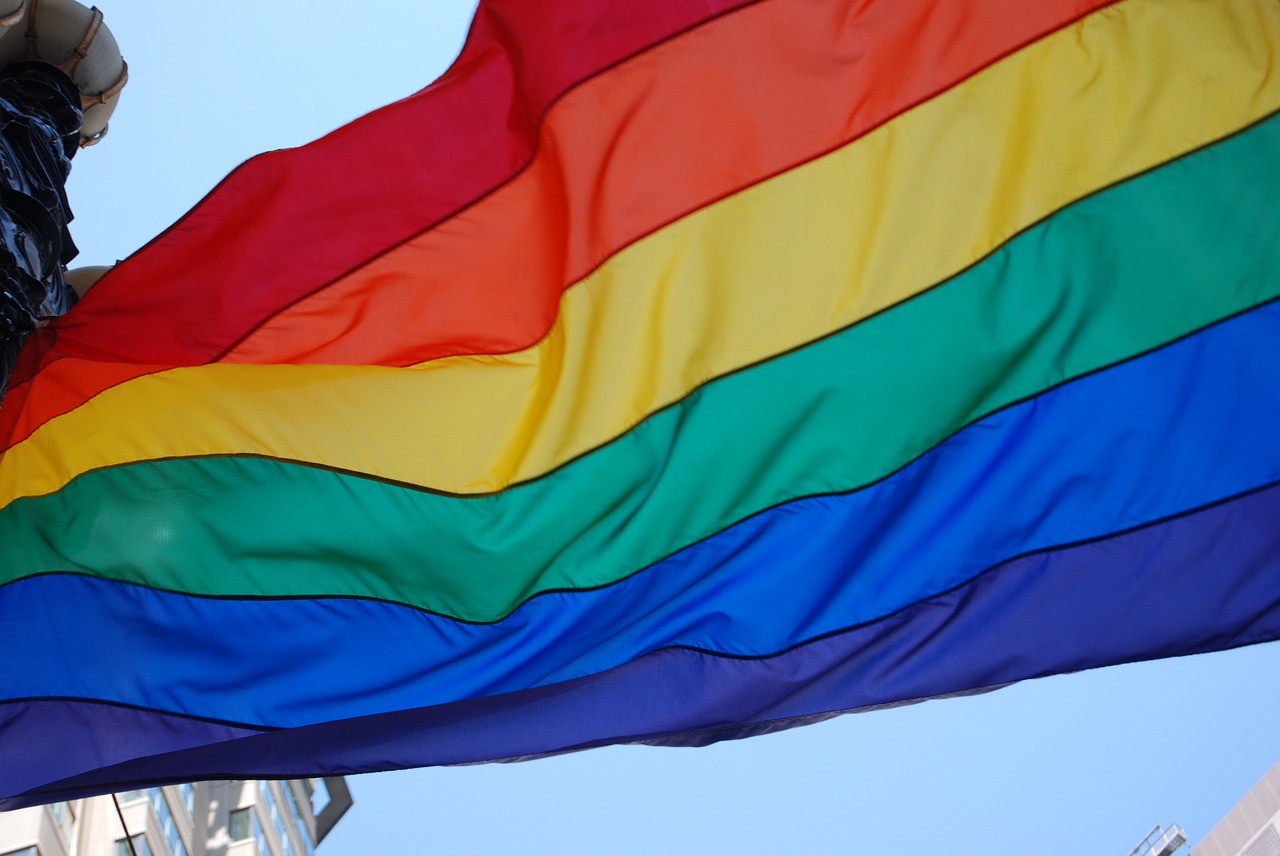
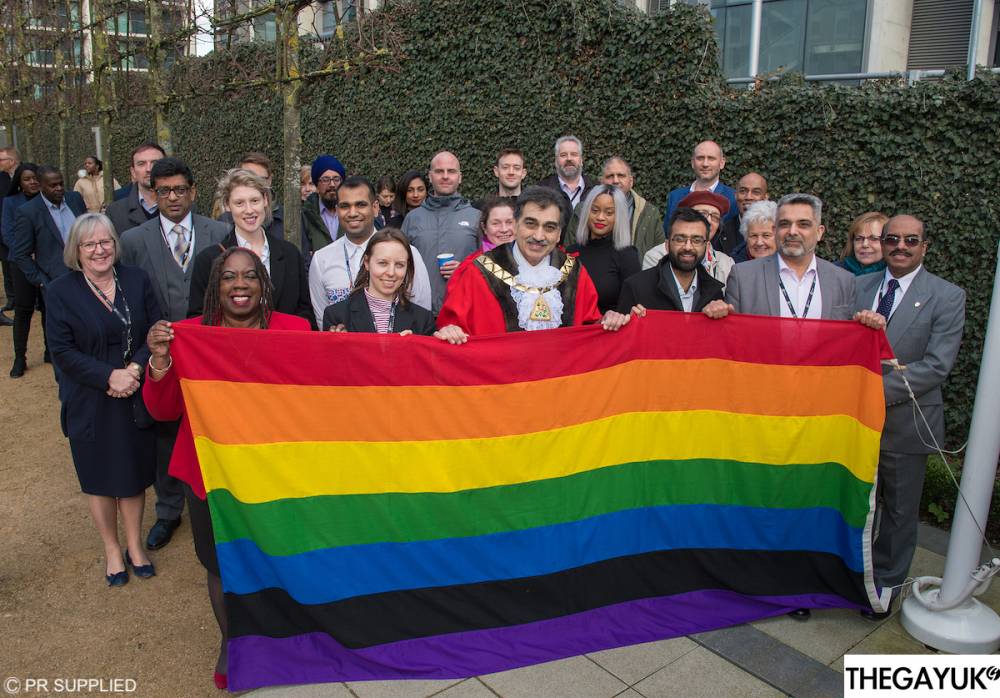
The Mayor of Brent showcases a brand new seven stripe rainbow flag – which features a single black stripe.
There’s been much said on the design of the rainbow flag, originally designed by Gilbert Baker with the flag being redesigned by various third parties to reflect different issues facing various intersections of the LGBT+ community.
However, a new seven stripe flag has been adopted by Brent council in London and it’s a brand new, never seen before design, which features a single black stripe between the blue and purple stripe.
The Mayor of Brent, Cllr Arshad Mahmood, raised the rainbow flag outside the Brent Civic Centre in honour of LGBT+ History Month, which takes places in the UK in the month of February. He was joined by Councillors and members of the local community.
The London Borough of Brent is home to a large BAME community, with around 63 percent of residents identifying as non-white. Although it’s not clear if the inclusion of the black stripe is to represent race within the LGBT+ community.
A spokesperson for the council told THEGAYUK, “This particular rainbow flag has been a part of our celebration of the LGBT community in Brent for over 10 years. It is the spectrum which gives the flag its special symbolism, rather than the individual colours, but we’re pleased that it has opened up new conversations about the intersections between the LGBT community and BAME groups.”
Topics covered over social media in 2019 cover a variety of subjects, the one surrouding healthy eating can cause a Twitter storm if not handled in the right way warns industry experts, which came with the warning “For brands venturing into this topic, it is essential to consider planning in advance and staying away from political and divisive subjects”.
The latest immediate future report, using data analysed from Brandwatch, looks at the rising ‘healthy eating’ and ‘healthy food’ conversations on social media in the UK. Whilst most posts are positive, there is a significant number of passionately angry and disgruntled ones. The backlash spikes around those organisations pushing the healthy eating agenda such as brands, government and celebrity chefs.
Anger drives social sharing.
Katy Howell, CEO at immediate future, says, “Shares, accounting for almost 40% of social posts, are driven by two core behaviours: anger (and some pretty spicy language), at the affordability and cost of eating healthy food; and the making of healthy foods, from recipes and planning, to food origins.”
Social data analysed using social intelligence tool, Brandwatch, shows that 39% of posts around cost, mention the issue of affordability of healthy food options and 30% declare eating well is expensive. And it’s the 42% men on social, talking healthy eating, that tend to rant the most!
Rising year on year healthy eating is predicted to continue an upward trend on social. The conversations don’t just spike in January, they run through the year as UK consumers are increasingly conscious of, and educated about, what they eat. For relevant brands this is an opportunity to raise awareness and engage with consumers in a shopping category that is burgeoning.
Katy continues, “Joining the healthy food trends is perfect for food, fitness and weight-loss brands. However, companies must plan. Awareness of the topics that both spark debate and anger should form part of your brand’s approach. Transparency and authenticity are key if you don’t want to be battling negativity on social.”
The report, reviews a year’s worth of social data, looking at posts that mention healthy eating and healthy foods and it’s available for free at http://po.st/eatwell