Category: Gay Life

  • OPINION | Pride is Still Needed and this Journalist Just Proved Why

    On 9th December 2016, the Isle of Wight County Press (IWCP) published an article on their website about the island’s first Pride rally, which is due to take place in 2017. This is fantastic news and something that should be celebrated, but sadly the IWCP’s writer Charlotte Hofton took a different and damaging view.

    In a piece littered with sarcasm and passive aggressive tones, Hofton begins by mocking people who self-identify as queer and ends by saying she has a headache coming on, which presumably is due to the shocking news that we are now living in 2016.

    Talking of headaches, it’s opinion pieces life Hofton’s that give me ‘one of my heads’ and her sickening piece of writing shows a clear reason why Pride is still needed in 2016. The general tone of the article appears to be based around the writer not minding what people get up to in private; the poor thing just doesn’t want queerness thrust in her face.

    I don’t particularly want opinions like hers being thrust in my face, yet they persist.

    It’s in this opinion that Hofton completely misses the point of Pride and what the movement stands for. It is not about a gaggle of gays (that’s the collective term for us, right?) coming together for a “deafening bells and whistles show-off”, as Hofton puts it. Pride is about so much more than that. It is about the LGBT+ community being visible, protesting against atrocities that are still being committed against us around the world, and showing solidarity with LGBT+ people everywhere.

    Here are some hard facts that demonstrate why we still need Pride. LGBT+ people remain subject to horrific acts of violence and discrimination. The Pulse shooting earlier this year will tell you that, as will the stories of people who are suspected of being gay been murdered by ISIS. Closer to home, the Independent have reported that homophobic hate crimes have risen by 147% since the Brexit vote, compared to the same period last year.

    Hatred towards LGBT+ people is real, even if this modern world, and that is why Pride events continue to have their place. We need to be visible. We need to stand together as one united community against homophobia, biphobia and transphobia. We need Pride.

    As Hofton rightly points out, it’s coming up to fifty years since homosexuality was decriminalised in England and Wales. However, with attitudes such as hers still causing genuine damage to LGBT+ people, it’s clear that there needs to be much more progress before we are truly free. Asking us to “shut up” will only result in us becoming louder, my dear.

    I wish the Isle of Wight Pride rally the very best of luck with their first event. It’s a huge step forward and an event I may even attend. With bells and whistles, of course.


    Opinions expressed in this article may not reflect those of THEGAYUK, it’s management or editorial teams. If you’d like to comment or write a comment, opinion or blog piece, please click here.

  • OPINION | Just because you’re gay doesn’t mean you aren’t a homophobe

    OPINION | Just because you’re gay doesn’t mean you aren’t a homophobe

    Homophobia is alive and well in 2016
 And it’s not just straight people who are guilty of it.

    If you keep up to date with the news, you may have seen the article about homophobic attacks in the UK rising by 147% since the Brexit vote. While I’d love to say that it’s simply a dramatic headline that has no truth in it, I cannot do that. My own experiences tell me that homophobia is alive and well in 2016. I believe we should be concerned.

    Earlier this month I attended the UK Pride Organisers Network (UKPON) conference in Birmingham. As the chair of Warwickshire Pride, it was great to be part of such a positive, inspiring weekend. We learnt, shared and supported each other in order to achieve our common goals. It was during the conference that the aforementioned article appeared online, detailing the rise in hate crimes against LGBT+ people since the Brexit vote. It really brought home the fact that Pride is still needed and that it continues to have a purpose. Then something happened to me that confirmed this again.


    As I was walking back to my hotel, a group of people were heading towards me. They were clearly drunk and being quite rowdy. As I walked passed them, one of them looked at me and shouted: “are you a f***ing queer?”. Normally I’d be inclined to challenge such a person, but common sense told me to put my head down, ignore him and walk away quickly to avoid there being a more serious confrontation. Part of me was disappointed that I chose to react in that way, but sometimes it’s better to be safe than sorry.

    When I got back to my hotel room, I felt upset that within Birmingham’s gay village someone had shouted something homophobic at me. Surely that is somewhere LGBT+ people are relatively safe, but apparently, that’s not the case.

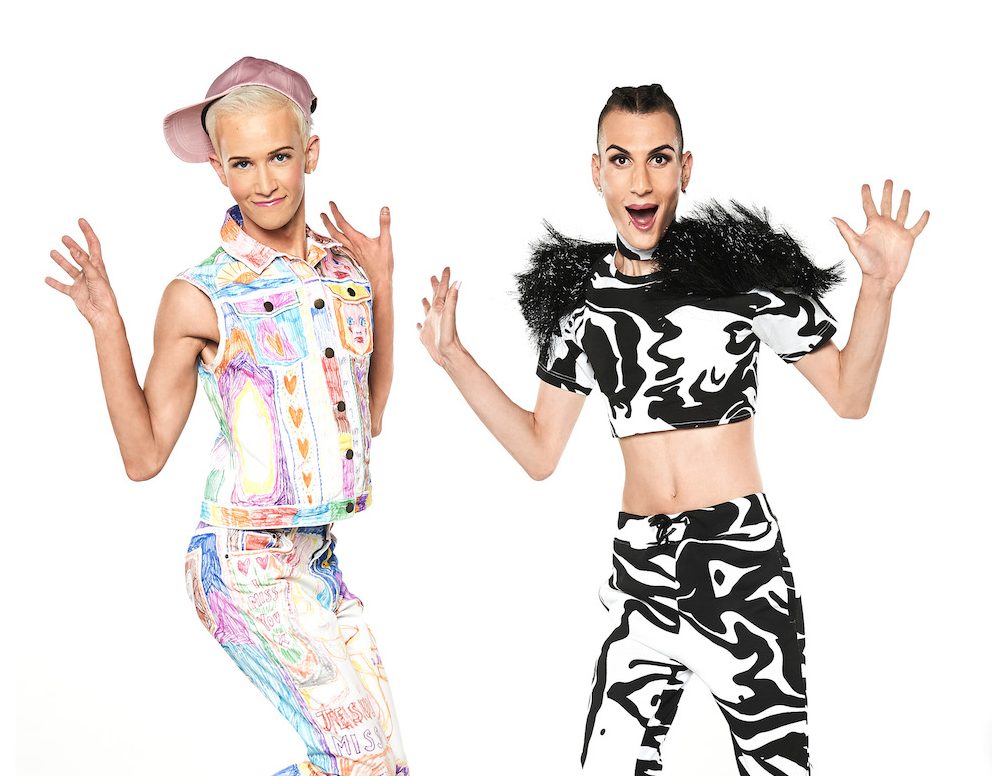
    Something else that happened on the same weekend was the appearance of Bratavio on the X Factor. As a friend of Bradley Hunt, I was excited for him. It was then that I began to see some of the comments that he and Ottavio Columbro were receiving online. Much of the trolling was homophobic in nature, with some people even wishing death on Bratavio. It was yet another example of homophobia being rife in the modern day. Despite great strides forward in terms of legal equality, I sometimes feel that socially we are going backwards.

    However, the thing that disappoints me the most about the hatred and homophobia aimed at Bratavio is the fact that so much of it has come from other gay people. One would hope that gay people would be supportive of each other and celebrate our differences, as we know what it’s like to be put down for being who you are. But no, that’s not the case. The mountain of homophobia coming from gay people is sickening, with many branding Bratavio embarrassing to the gay community. I have to disagree. In fact, my view is that it’s those trolls who are the real embarrassment to gay people.

    Of course, I may be slightly biased as I happen to know one-half of Bratavio, but ultimately celebrating people for who they are is a big part of who I am. Having an opinion is one thing, but abuse and homophobia are never ok.

    So what’s the answer? I’m not sure I have it. It’s clear that hate crime laws need to be tightened and that there needs to be a zero-tolerance approach to homophobia. This is something our government and police forces need to action as a matter of urgency. We cannot continue to live in fear and should not have to deal with this kind of abuse in 2016.

    As for the gay people being abusive towards other gay people, that’s a whole other kettle of fish. The cracks within our LGBT+ family appear to be widening and I worry about where we are going to end up. As I’ve said before, our community is eating itself from the inside out. With so much hatred being directed at our community, we should be sticking together, not turning on each other.

    Follow Daniel Browne on Twitter


    Opinions expressed in this article may not reflect those of THEGAYUK, it’s management or editorial teams. If you’d like to comment or write a comment, opinion or blog piece, please click here.

  • OPINION | The Strange Case of Phi Phi O’Hara

    This article does contain spoilers for All Stars season 2.

    With RuPaul’s Drag Race All Stars 2 having just broadcast its latest episode, with a dramatic twist, a hoo-hah has erupted between the shows makers and one of its star turns. In this case, it’s Phi Phi O’Hara aka Jaremi Carey.

    Phi Phi was the villain of season 4, her attitude was terrible, and some of the stuff she said was borderline offensive. She came across as spoiled, narcissistic and bratty. So it was with trepidation that I went into All Stars 2 knowing both her and series 5 villain Roxxxy Andrews would be appearing.

    From the get go, Phi Phi was determined to redeem herself and distance herself from the behaviour that put her amongst the elite of the most hated queens to ever grace the show. Tyra Sanchez (Season 2 winner) and Roxxxy Andrews also hold that dubious title, but Roxxxy is far more insidious than the other two and her vile bullying of Jinkx Monsoon leaves me unable to watch Season 5 because of how uncomfortable it makes me.

    I must admit I did have some preconceived ideas about Phi Phi and didn’t think that I would feel any different about her this time round. However I was pleasantly surprised, she seemed to have upped her game, her drag style had changed from a pageant queen, to a more refined style, and her cosplay costume was fantastic. But there was the lingering niggle, that the show seemed to exploit.

    The way it was shown and talked about was that Phi Phi was deliberately trying to play mind games with some of the other contestants, by saying Roxxxy’s idea to play Sophia Vegara in The Snatch Game could be problematic because her Spanish accent wasn’t as thick as Vegara’s. She actually advised Andrews to work on the accent a little more, and make it thicker, and therefore funnier. A couple of episodes later, and allegedly she was back to her old tricks, this time talking about the fact that Ginger Minj’s dress was a big dress to be dancing around in. Again I didn’t really see it as playing mind games, more just stating a fact and giving Ginger a heads up to ensure she took it into account while dancing. But the other queens, who may or may not have had the same ideas about Phi Phi, seemed to take these statements from Phi Phi as some kind of way of sabotaging the contestants and messing with their heads, and these soundbites were helpfully inserted throughout the episodes.

    Another bone of contention was that from the start the queens had agreed that with the new twist of themselves having to do the elimination instead of RuPaul, they would base it purely on judges critique of that particular challenge and runway presentation only, and not previous wins, or losses. Phi Phi was very vocal about sticking with that idea, and when Alyssa Edwards decided to break the chain, and voted to send Ginger home, despite Ginger getting overall better judges comments, Phi Phi wasn’t happy about it, and voiced so.

    The episode broadcast where Alyssa was sent home, during the after elimination talk, Phi Phi decided to let it be known that Alyssa had been trying to influence both her and Alaska to send either of the other two in the bottom three home because she hadn’t been in the bottom as much herself, yet she had received the worst critique for both her challenge and runway look. In this case both Alaska and Phi Phi had chosen to eliminate Alyssa, but the way it was presented made it look like Phi Phi had chosen Alyssa out of spite for not having stuck with the agreed upon way of elimination previously. Looking back at what was said, it’s more that Phi Phi was saying Alyssa, did the worst, yet she was trying to save herself by throwing the others under the bus, so she was voted off for simply getting the worst judges comments. In the latest episode broadcast, Phi Phi and Alyssa hashed it out, and while there was obviously still a lot of tension there, they mutually agreed to bury the hatchet.


    Since the episodes have aired, Phi Phi has been getting a huge amount of hate online. People have been insulting her and sending death wishes to her. If Phi Phi had been the total and utter bitch she had been previously, I would’ve been among the first to call her out on it because I detested her first time round, but I haven’t seen her do anything that calls for such vitriol. Yes she can be feisty, and a little bitchy, but all of them are to one degree or another and some more than others. It has obviously affected her quite badly, and as of the time of writing, she is not attending the re-union show because she feels the show has misrepresented her quite badly.

    I also can’t totally agree with her blaming editing because she has actually said the stuff she says, but I believe it has been taken far worse than it was intended, and the reactions to it by the other contestants could well have been based on their own ideas of who Phi Phi O’Hara is.

    To me Phi Phi has made a concerted effort to break away from the idea that people have of her, and this time round I really don’t have a problem with her at all. I even started following her on Twitter. But one gets the feeling that Drag Race Phi Phi, live performing Phi Phi and Jaremi Carey are totally different people. Reading through Twitter, a lot of her fans who have met her have said she’s actually friendly, and very interactive with them and will spend a lot of time at meet & greets taking photos and talking. But distancing from Phi Phi, Jaremi the man has obviously been incredibly affected by this, and feels very hurt by the way the show has represented him and how the viewers have received him. He has since said that aside from the already booked shows remaining for the year, he will not be performing as Phi Phi again for a while, and wants to concentrate on being Jaremi, and releasing music.

    I don’t think that the show has intentionally set out to hurt Phi Phi, and I don’t pretend to know the process that goes into making it, and Phi Phi has revealed a lot went on off camera that nearly made her quit the show, but she was eliminated this week by both returning queens Alyssa and Tatianna. However I think some of the viewers have read into everything Phi Phi says with far more of their own biases than the show intended to put across, and the viewers who hate her, will always find a way to hate her. I believe for Phi Phi, blaming the shows editing process is easier than delving deeper into the reasoning behind why people have reacted the way they have. My own personal opinion is that she did herself no favours with how she was on Season 4, and that has left a bad mark on the viewers, and some will never get it out of their heads that Phi Phi is a terrible person, and see everything she does as false. I for one have been able to separate how she was on Season 4 and how she is now. I think there is far more to Phi Phi O’Hara than the general viewers have seen.

    Phi Phi did come across as awful in the past, but for me, she hasn’t actually done anything that has annoyed or angered me this time round, and I think people need to stop looking at every single thing Phi Phi says or does as something negative.


    The opinions expressed in this article may not reflect those of THEGAYUK’s editorial or management. If you’d like to join the conversation or write an opinion piece, please click here.
  • OPINION | Brighton or Manchester: which city is truly the Gay Pride capital of Europe?

    26 years ago, the Stonewall riots triggered events that led to the gay liberation movement in the United States and culminated in Gay Pride marches which, in the preceding decades, have spread across the globe.

    The LGBT community has made massive strides in the past five years, culminating in the ground breaking legislation of same-sex marriage laws in the USA, the UK and other parts of the world.

    With these progressive advances, LGBT tourism has been dramatically on the increase. There is no bigger event on the LGBT calendar than Pride, where equality and diversity is celebrated and discrimination is renounced. In Europe, the cities of Brighton and Manchester are both in prime positions to take the crown of the Gay Pride capital of Europe.

    Here is a guide to help you navigate these two gay metropolises and decide which city truly deserves the title of Gay Pride capital of Europe

    Since the 19th century, Brighton has been known as a hub for gay people. Many men were initially drawn to the seaside town of Brighton by the large number of soldiers stationed there during the Napoleonic wars. Apart from its military appeal, Brighton has always had a rapturous reputation, being a destination where the pleasure seekers from nearby London could get away from the smog and bathe on the beach under Brighton Pier. Brighton is the home of light entertainment and this liberal streak in the city has always been naturally accommodating to the LGBT community. Today this historical closeness has produced a city with one of the highest LGBT populations in the country, with 11-15% of people over 16, in 2015, thought to be gay, lesbian or bisexual.

    By contrast, Manchester in the north of England has developed its reputation as a gay capital much more recently. The now famous Canal Street, which is the spiritual heart of Gay Manchester, was in the second half of the 20th century a dark and secretive meeting place for gay men, bordered by large looming cotton factories that were decaying in the post-industrial grimness of post-war Britain. Flash forward to today, and Canal Street has been transformed into a huge gay sanctuary with an intoxicating mixture of bars, pubs and clubs where the LGBT community can come together freely to party the night away.

    The ins and outs of each Pride

    Brighton Pride is the largest Pride in the UK, attracting around 290,000 people each year, making up a significant amount the city’s overall revenue. Starting on the first week of August, Brighton Pride becomes more popular each year. The Brighton Parade is the most significant event during Brighton Pride and is an incredibly powerful culmination of protest, history and unity, which are the foundations of this historically gay city.

    Manchester Pride, although smaller, is a fiery explosion of music, culture and energy. Manchester Pride peaks with its ‘Big Weekend’ event, which this year showcased huge musical stars such as Groove Armada, Sophie Ellis Bextor and Will Young, to name a few. Manchester uses its well defined club culture to truly knock your socks off during Pride. Although Brighton’s Pride festival saw the wonderful headliner Sister Sledge, Manchester has the musical edge and is perhaps more geared towards the idea of a Pride Party than Brighton.

    Both cities have huge amounts to offer during their Prides. Brighton is definitely a city more historically rooted to the LGBT movement, however the energy and controversy that has come out of Manchester’s LGBT community in the past decade, as well as popular cultural products such as Queer as Folk has really given Manchester Pride an incredible energy. Manchester definitely seems to be heading towards becoming the Pride capital of Europe, all the while its sister city Brighton still has an incredible amount to offer too.

    Find out more about Saeed Foudal at his website

    The opinions expressed in this article may not reflect those of THEGAYUK’s editorial or management boards. If you’d like to join the conversation or write an opinion piece, please click here.

  • OP ED | Smaller Prides Matter Too

    On Saturday 20th August, the fourth Warwickshire Pride festival will take place at the Pump Room Gardens in Leamington Spa.

    For a small town in a rural county, it’s a massive achievement that the festival happens each year. With many LGBT people living in villages and not necessarily having access to other LGBT people or services, Warwickshire Pride is an important event in the calendar as it provides the types of opportunities that are non-existent for much of the year.

    Warwickshire Pride is a colourful celebration of LGBT life and culture, but also aims to channel the spirit of the Pride movement in its original form. There is a lot of campaigning and interesting talks on the day that cover a variety of important topics. There is also an opportunity for Warwickshire’s LGBT community to access services that they may not ordinarily feel able to, with organisations such as Terrence Higgins Trust, Mind, and a plethora of other voluntary sector groups in attendance. If LGBT people need help with housing, substance abuse, mental health issues, sexual health concerns or anything else, they can access support at Warwickshire Pride.

    Unfortunately, in Warwickshire hate crimes against LGBT people are relatively common. In fact, due to a perceived rise in hate crimes against LGBT people in Warwickshire over the past two years, I launched the Leamington Spa Equality Rally in 2015 and lobbied the Police in order to gain more support for the community. Sadly, smaller towns and villages can have quite narrow minded views of the world, and they’re not necessarily the most LGBT friendly places to be. This is another reason why Warwickshire Pride taking place is so important; because it provides a safe and welcoming environment where LGBT people can be themselves.

    Although it’s important that Pride events in smaller, regional, rural locations take place, it is also a huge struggle to continue to put them on. At Warwickshire Pride we have minimal sponsorship, not a great amount of funding, and it’s a seriously hard task every single year to get enough money together to make the event happen. I keep being told that gaining sponsorship is the way forward. Believe me, I’ve tried. Every year I contact a large amount of companies in an attempt to build a relationship with them and obtain some form of sponsorship. Sadly, I rarely receive a response. When I do, it’s to say that they don’t sponsor events.
    This has been the case with one of Britain’s largest supermarkets in each of the past four years. Despite them proudly sponsoring Pride In London this year, I am told by that supermarket that they do not sponsor events. I can only come to the conclusion that they want to tick a box and be seen to support the LGBT community, but when it comes down to showing some support at a grassroots level, they’re not interested.

    Luckily, I have an LGBT friend who works as a community champion at my local branch. He has kindly agreed to supply water for the volunteers at Warwickshire Pride, but that’s as far as it goes.

    It’s not just this one supermarket. Another well-known retailer have also said that they don’t sponsor events, yet I’ve seen them support larger Pride festivals in the past.

    A world-famous locally based underwear specialist also said they don’t sponsor events. One week after telling me that, it was announced that they were sponsoring another local event that’s probably seen as being more family friendly.

    The lies genuinely bother me. Sometimes I’d rather companies were honest and said that they don’t want to support a small event or they don’t want to support an LGBT event. I’d respect them slightly more for that.

    The media can be a nightmare too; even the LGBT press, with THEGAYUK being a fine exception to the rule. Locally, an event like Leamington’s carnival gains huge local press coverage and front page stories whenever they like. Yet, when I contact the press or send press releases, they’re not always covered. When they are, it’s always about mid-way through the paper where many people may not see the article. With the LGBT media, it seems to be about making money out of Prides rather than genuinely supporting them. For example, a very well-known gay magazine got in touch because they wanted to support Warwickshire Pride, but when it came down to the details, they actually wanted hundreds of pounds to send out one post on Facebook that promoted Warwickshire Pride. Similarly, a regional LGBT magazine said that they could sponsor Warwickshire Pride. However, it involved us paying them £500 for the privilege. In the end, I reluctantly agreed to it because I’m aware of the need to promote the festival and the magazine reaches Warwickshire Pride’s primary target audience.

    All of the above has at times made me feel disillusioned with it all.

    If I’m being truly honest, I sometimes wonder why I bother organising Warwickshire Pride when it’s always a struggle and there is such a lack of support compared to that which other Prides receive. But then I remind myself of the thousands of people who attend each year and how important it is to the local LGBT community that they have a Pride event. It’s the only thing that keeps me going.

    The point of this article isn’t about having a moan about how hard it is and saying “poor me” or “poor Warwickshire Pride”. It’s more about highlighting the challenges of putting on a Pride event in a smaller, regional, rural location, and having a bit of a call to arms. I’d like to encourage everyone to support smaller Pride events.

    They’re the ones that make a huge difference to the lives of their local LGBT communities. Without them, there would be nothing for LGBT people in those areas. It’s fantastic that Prides such as London, Brighton, Birmingham and Manchester take place, and it’s great to see them do so well. But please don’t forget about the small, grassroots Prides. They need your support now more than ever.

    Follow Daniel Browne on Twitter

    The opinions expressed in this opinion piece may not reflect those of THEGAYUK, its management, editorial or connected 3rd parties. If you wish to contribute to you can click here to find out more.

  • OP ED: Post Orlando, Is this the end of an era or a re-birth of the gay scene?

    The Gay Scene: End of an era or a re-birth?

    Embed from Getty Images

    I submitted this article before the tragic events occurred in Orlando but after the attack I’ve decided to edit it slightly and reissue as this is definitely relevant. In this entry I’m talking about the need for the gay scene when put alongside the ‘straight’ scene. One positive thing that could come out of recent atrocities is that people come to see and appreciate gay venues and ‘the scene’ more.

    Almost all the time now you see various people saying “well if gay people can go to ‘straight’ bars and not get kicked out then why do I need a dedicated gay bar?”. In 2014 the BBC even had an article labelled “Do gay people still need gay bars?” which looked at the history of gay venues and some of the purposes they serve.

    But to these people that don’t see the point and question others for going on “the scene” I say yes it is brilliant that we as a community can walk amongst our fellow communities and mingle without fear of attack or exclusion but I don’t think that’s quite true for everyone and gay bars aren’t just for ‘having a drink’.

    In the UK, gay bars were seen safe haven during a time when being LGBT was illegal or still something that would result in you suffering verbal or physical abuse. So yes they were bars and pubs but they were also places where people could socialise with others, have a drink and feel ‘secure’. When the Admiral Duncan was attacked in 1999 it shook the community and people lost their lives but ultimately that determination to have somewhere safe for the community lead the venue (and others) to continue to this day.

    In the UK today yes we have far less abuse than way back when and indeed being LGBT is no longer illegal (we can even get married) so our world is a bit more brighter. But does that mean that the LGBT community is dead and gay bars (“the scene”) along with it? I was at the vigil for the Orlando victims in Soho and I can safely say our community is very much alive and kicking.

    If you in your life can live and breathe your sexuality with no fear of bullying, abuse, or negativity of any kind then I envy you as that is indeed something to be treasured and proud of. And I can see that for you there probably isn’t much of a ‘need’ in that sense for a specific gay scene. But if you do face abuse of any kind, or bullying, or negativity then surely having somewhere where you can express yourself, meet friends and have a drink isn’t a bad thing?

    For some of you reading this your local bars will vary greatly from other areas. For example, whenever I visit Canal Street in Manchester I am always envious of the consistent and visual sense of community that the bars, their owners and their customers have. Generally, they stick together to support the street and the community in which they serve. But when you come down south, London doesn’t really have that sense of community amongst the bars. So while each venue is different and does engage with its punters they do seem to operate for themselves only coming together in a real crisis. If all gay scenes operated the same way as Manchester I think the question for what purpose do they serve wouldn’t come up as much, if at all.

    So the scene means different things to different people. Historically it has been a shelter and does continue to be for some people. But in today’s ‘more tolerant world’ while there is a need to be a shelter there is also a need for the scene to be a place for the LGBT community to come together, meet, greet and have fun. What is so bad with that?

    Personally for me I have only ever suffered directly very mild homophobia (my bullying at school was for my distinctly Harry Potter like looks) but I have worked with and supporting those who have seen some extreme homophobic bullying, even in this day and age in 2016. For them, places like gay charities, the gay scene and other places where being LGBT is not judged these places are a lifeline and a key part of their life.

    On a more practical note (as a single gay man) we are also forgetting one of the key things that bars and clubs provide – a chance to meet people! Even the straight community go out to bars and clubs ‘on the pull’ to either have some fun or meet a potential date for another day. If there is nothing but mixed venues not exclusive either way your chances of striking lucky with a gay man (or woman) and not hitting on a straight person in error aren’t great. So if you can’t meet people on a night out what’s left? Grindr? Tinder? I’ll stick with my 12 cats thanks!

    So for me, I prefer having a gay venue where I can actually meet and interact with people in real life and actually have a bat in hells chance of hitting on someone and it actually being someone I have a remote chance with. The fun and excitement of eyes meeting across a busy room, initial questions and discussions, and even a drunken (usually) first kiss.

    I also often hear people saying that they don’t go anywhere near the scene as it’s “full of queens and bitchyness”. Well if that is your opinion then you’re focusing on the wrong things. Every bar, pub, local venue has its dramas and its cliques, the scene is no different, so to accuse gay bars of being unique to everywhere else says more about you than it does about the gay scene. If you don’t need the scene then fine and you should be proud of that but don’t attack something you don’t understand or don’t appreciate. Yes, there is that element but to many people it’s their home.

    The gay scene and its venues are part of our communities’ and this country’s legacy and to so many they represent a place of sanctuary so I say long may they continue!

    My heartfelt condolences go out to those we have lost in Orlando. I am proud of how our global community has come together. Never shall we be beaten.

    Love wins!

    Follow Scott Sammons on Twitter

    Opinions expressed in this article may not reflect those of THEGAYUK, its management or editorial teams. If you’d like to comment or write a comment, opinion or blog piece, please click here.

  • OP ED: Orlando reminds us that the battle for acceptance is far from over

    “I realised that this is a battle won by love, laughter, acceptance and knowledge.”

    Dear World, From Rob (a gay man)

    I never really write anything personal on the internet, I’ve always had the opinion that my personal life is mine, and people probably don’t want to know the boring details anyway, so I post things that I think might be entertaining, and I keep in touch with my friends. After all, I don’t want to come across all soppy now do I?.

    But in the wake of the last couple of days, I’ve been itching to write something, to do something with the feelings I’ve had. Something horrible happened across the world, yet it has affected myself and the LGBT+ community as if were on our doorstep.

    Now, I probably know a few of the people reading this personally, but if I didn’t know you, I’d usually introduce myself by my name, where I come from and how old I am. Simple little details. However, I was thinking today, I’ve never even thought about introducing myself as gay. Not because I’m embarrassed, I’m so, so proud to be gay. Not because I think the other person would be offended, because I honestly wouldn’t give a shit. But because, for me, it’s not even an issue that passes through my mind. I’m a gay man, yes, but my sexuality kind of starts and ends with who I love, it doesn’t affect anything else.

    I thought to myself shortly afterwards that the only reason I have this privilege is because there are generations before me who have fought hard to get us here. Was I being selfish by not realising how much privilege I have in this day and age?
    After facing terrible adversity, the LGBT+ community has got itself to this place, where love is slowly conquering hate, and we’re progressing every day.

    But recent events remind you that it’s not over. Whilst I am lucky to enjoy all of the amazing things that come with being gay in 2016 – holding hands in public, being confident that we can go out and get home safe as a couple – there are so many others who are unable to have this, and it can’t be fair for me to have this and not others.

    I felt hesitant to finish this post because I didn’t have an amazing call to action. I don’t know if I have the words or knowledge to spur on a whole community, or to change the minds of the 1% who hate us. But I realised that this is a battle won by love, laughter, acceptance and knowledge. We are having a vigil in Portsmouth outside the Guildhall, at 6pm on Friday, if anyone wants to join us.

    We’re going to get there, and know that I love you all, regardless of your gender, sexuality, race, class or whatever. It’s a clichĂ© but it’s true, and I’m not afraid.

    -Rob
    â€Ș#‎loveislove‬ â€Ș#‎orlando‬

    Follow Rob Ulitski on Twitter


    The opinions expressed in this comment piece may not reflect those of the management or editorial of THEGAYUK. If you’d like to write a comment or column for THEGAYUK click here.

  • OP ED: Pride needs to keep hold of its roots

    It’s Saturday 28th May 2016 and I’m at Birmingham Pride. I attend each year and always have a great time. However, I cannot help but have mixed feelings about it too. Something sits very uncomfortably with me, despite the fact that I have a good time.

    Before I continue, I must first congratulate Birmingham Pride for successfully running a festival of such magnitude. It’s not an easy task, but year after year the organisers do an amazing job of it and for that they must be praised.

    As a fellow Pride organiser, the last thing I want to do is criticise another Pride event, as I know how difficult it is to put everything together. However, there is an aspect of Pride that worries me. That is the fact that the spirit of Pride seems to be getting lost along the way.

    When the Pride movement began, Pride was a protest. People marched for their rights and what they believed in. Now that LGBT people have almost full equality in law, I can’t help feeling that the true meaning of Pride is being lost, despite parades and marches still being a part of such events.

    I’m sure we are all aware that the larger Prides are now commercial machines that do not fully represent LGBT people or the spirit of the Pride movement. An example of this can be seen when looking at main stage performance line-ups. I only attended Birmingham Pride on the Saturday, but to my knowledge there was only one LGBT performer on the main stage that day. The rest were heterosexual and cisgender. It lacked the kind of representation that LGBT people deserve at a Pride festival.

    It appears to be increasingly common these days for Pride festivals to book lots of straight acts to appear on their main stages. Having looked at several Pride line-ups, I’ve wondered where the LGBT representation is. Recently, somebody was protesting on Twitter that a certain Pride didn’t have any LGBT acts booked. I don’t know if that’s actually the case or not, but the lack of LGBT performers at LGBT Pride events is a worrying trend.

    At Warwickshire Pride, 90% of this year’s main stage line-up is LGBT. It’s a percentage that we strive to increase or at least maintain each year in order for the festival to truly represent the people it primarily caters for.

    That’s not to say that Warwickshire Pride is leading where others should follow. Far from it, in fact. It’s entirely up to the organisers of each Pride event to book the acts they want, move in the direction that they view as being best, and to respond to the wishes or needs of the community that they represent. At Warwickshire Pride, we pride ourselves on being a little bit different to other Prides and a lot of that comes from the feedback that local LGBT people provide. Yes, we have some fabulous elements such as Angie Brown and Wagner from the X Factor performing last year, but ultimately we try to create something in the spirit of the original Pride movement.

    Perhaps it’s the activist in me. Every part of my being is about furthering the rights of LGBT people, both legally and socially. I believe that Pride is absolutely a protest, but do acknowledge that it’s a celebration too. There is nothing wrong with celebrating. However, I also feel that as a Pride movement we are in danger of losing touch with our roots.

    What I’d like to see is more Prides having actual LGBT performers on their main stages, not just confined to cabaret tents. I’d also like to see more protesting and highlighting of social issues that our communities face. Finally, I’d like to see Prides being more inclusive. There are four letters in the acronym LGBT and it’s important that the B & T are remembered and included. This is something that the smaller, grassroots Pride events do very well, but it’s time that the larger Prides stepped up and truly represented their communities once more.


    Follow Daniel Browne on Twitter


    Opinions expressed in this article may not reflect those of THEGAYUK, its management or editorial teams. If you’d like to comment or write a comment, opinion or blog piece, please click here.

  • COMMENT: 7 Reasons Why X Factor Isn’t As Good As It Used To Be

    Who doesn’t love The X Factor? Well, apparently 8 million less people than 5 years ago.

    This year has seen the worst ratings for the show since it started and ITV are panicking.

    Despite on the surface the show being the same as it’s ever been, a camp festival of fun and frolics with the best and worst singers the UK has to offer, a rot has set in and considerably less people are watching it this year. But why has Simon Cowell’s baby lost so many viewers? What has changed about the show that is putting people off?

    It’s impossible to pin it down to one thing because that could be easily changed. A series of events in the history of the show has meant people aren’t as enamoured with the show. I’m going to take a look at what I believe has gone so terribly wrong.

    1. The personnel factor. The first 3 series were the same judges of Simon Cowell, Louis Walsh and Sharon Osbourne, series 4 added Dannii Minogue then series 5, 6 and 7 kept with the same 4 judges after adding Cheryl Fernandez Versini who was actually relevant at the time after Osbourne left. But series 8 onwards has seen a rotating roster of judges changing year on year and constant changes in format to try and keep the show fresh and people can’t rely on what they know and couldn’t relate any more, and by the sounds of the reception of Nick Grimshaw this year, he won’t be back next year. Rita Ora also hasn’t made much of an impression; she’s just kind of there. The new presenters of the main show, Olly Murs and Caroline Flack, who went down well on the sister show The Xtra Factor, have even been compared to the car crash of a presenting team of Samantha Fox and Mick Fleetwood. The loss of Dermot O’Leary as main presenter and Louis Walsh as a judge has apparently really bothered people.

    2. The contestant factor. In the early years the weird and terrible ones were always kept to the initial auditions and possibly made it through to boot camp, but didn’t make it any further. These were generally hilarious, and in some cases downright scary (Ariel Burdett anyone?) but we were safe in the knowledge that this would be the only time we’d see them ever again. It’s what made the show entertaining, you could cringe along to these poor idiots who had been told by their parents and friends they were amazing, only to be ruthlessly torn apart by Cowell and co. Yes there were the camp and cheesy ones like Chico and Same difference who made it tot the live shows in the first few series, but they actually could sing, and could be entertaining in a slightly cringey way, But in 2009, Irish twins John & Edward Grimes, who everyone could hear couldn’t sing a note between them, made it through to the live shows, and stayed far longer than was thought possible, and after that there had to be a contestant who wasn’t very talented yet the judges kept insisting were “entertaining”. Which leads me to…

    3. The Fix Factor. Despite Dannii Minogue getting increasing annoyed, Jedward managed to survive to come 6th in 2009 and the whispers about foreknowledge by the judges started. Every time the twins ended in the bottom two, it would mysteriously go to deadlock or the judges would vote to save them, and they would get through another week. And year on year the same thing started to happen, contestants who were bad singers would survive much longer than expected and the whispers started to become chatter. The straw that broke the camels back though, was in 2012, when camp as Christmas contestant, Rylan Clark was dramatically saved by the deadlock vote after Louis was seen being talked too by a producer of the show during the save me song of Carolynne Poole. After he said he wanted to save Carolynne, the presenter Dermot O’Leary kept insisting that Louis say whom he wanted to send home, until Louis said he wanted to take it to deadlock. If you watch the video, you can hear a clearly exasperated Gary Barlow ask, “Why deadlock?” To which Louis appears to answer “Apparently I have to Gary” Seriously people go watch it. But it isn’t just the terrible singer contestants who were saved. After ranting on stage at the six chairs challenge this year, Mason Noise didn’t earn a chair, yet he’s on the live shows after Tom Bleasby quit before Judges Houses. There’s also the little issue of a picture of Seann Miley Moore being put up as part Nick Grimshaw’s final 3 before he was even announced. That could’ve been a technical hitch, but it raises questions.

    4. The sustainability factor. Year in and out The X Factor promises to find the next big star, and fill their world with countless millions of fans and albums and money a plenty. But hold on a second, what are the odds actually like to get a sustained career out of The X Factor? Since 2004, 142 contestants (not including this year) have made it through to the live shows. Can you name me 10 of them who are still in the public eye without using Google? Don’t worry I’ll wait…How many did you manage? By my calculations, of that number, less than 15 of them have had a career that lasted over a year, and not always in music. These are not having the odds ever in your favour when it comes to getting a career, and I think the public has cottoned on to that fact and are rebelling against the format of all these types of shows. It remains to be seen if any of the 13 contestants from this year can forge a living out of it, but chances are we’ll have forgotten them by next year or simply not care enough about them.

    5. The predictability factor. Once the live shows start you can usually see who the judges favour. They get given the best set ups, and the best songs and production value, and they are praised week after week, even if the performance is bland and predictable. Then there’s the same old phrases trotted out. When Louis was there, it was always, “You look like a pop star and you sound like a pop star”. But as the show progressed it became painfully obvious who was getting the most attention and who the public were being manipulated to like and vote for. As soon as I heard Mason Noise was coming back, I knew they would sacrifice someone more talented and likeable, like Simon Lynch or Josh Daniel in order to try and create headlines by having the bad boy back and showing his redemption of his past actions.

    6. The manufactured factor. Yes, yes I know, it’s reality TV and there is always going to be a certain amount of manipulation to make good TV, but it’s scary how many of the contestants are scouted by the producers rather than being a nobody who walks in off the street. Filipina girl group 4th Impact, have from the start been made out to be these four sisters who sacrificed everything to make it to the UK version of the X-Factor, but the truth is a little shadier. They have performed on various other talent shows in The Philippines and in South Korea and done reasonably well on them. The other side of it is that the genuine participants who haven’t been selected by the producers beforehand have been through at least 3 auditions already, before they even get to meet the main judges, so the reason why they seem so utterly put out when they are told they are awful is because they have been told 3 times they are good enough to meet the main judges.

    7. The same old format factor. The show has become dull, despite the attempts to inject life into it; there is absolutely nothing new that makes it interesting any more. None of the finalists stand out for the right reasons, none of their voices are unique and even the celebrity duets aren’t anything like they used to be. In the past we’ve had Rihanna, Christina Aguilera, BeyoncĂ©, George Michael and Michael BublĂ© singing with the final 3. Recently they’ve had to get the judges Nicole Scherzinger, Gary Barlow, Tulisa, and Kelly Rowland (hopefully they won’t let Cheryl do it this year) and previous contestants like Ella Henderson to do the duets. The whole show has become tired, and with one more contracted year to go, maybe 2016 should be the last time we see The X Factor.
    How would you save The X Factor from certain doom? What would you do to breathe some fresh life into it?
    by Andy Elliot Griffiths | @AndyEG1982

    Opinions expressed in this article may not reflect those of THEGAYUK, it’s management or editorial teams. If you’d like to comment or write a comment, opinion or blog piece, please click here.

  • OP ED | Tragic Lesbians And Clunky Love Stories: Does TV Have Trouble With Lesbian Love?

    OP ED | Tragic Lesbians And Clunky Love Stories: Does TV Have Trouble With Lesbian Love?

    After an episode in Call the Midwife in mid-March there was a clear split between viewers: there were those that praised the strong (though crowded) storyline and viewers from the LGBT community (mainly the L) that were reeling and disappointed by yet another blow to a gay TV couple.

    For a long time now gay viewers have complained by the lack of happy gay couples on TV, lesbians, in particular, have felt hard done by with several TV shows killing or “turning straight” lesbian characters. So with hardly any TV representation and coming hot on the heals of Last Tango in Halifax “lesbian hit by car” plot-line, repeating this on Midwife hit hard.

    Viewers took to internet and message-boards to express their sadness, grief and anger.

    https://twitter.com/CanhamLauren/status/574688881838288896?ref_src=twsrc%5Etfw

    https://twitter.com/Laneytog/status/574680891710111745?ref_src=twsrc%5Etfw

    https://twitter.com/seraudnitz/status/574679676205068288?ref_src=twsrc%5Etfw

    https://twitter.com/hearnsolo/status/574679103250513920?ref_src=twsrc%5Etfw

    https://twitter.com/hearnsolo/status/574679103250513920?ref_src=twsrc%5Etfw

    “While on The L Chat people said: Lesbians strive to gain greater social acceptance and respect as a minority. But millions of people watch these family oriented Sunday evening dramas (CTM, LTiH) and will come to accept that this is a pattern, that lesbians don’t matter much. It can help to shape viewers’ perceptions, that lesbians are less valuable as people, are dispensable, don’t deserve a happy life together. TV is a powerful medium and can have a huge impact on how people think.”

    The fact that it was Call the Midwife, known for its deep and well-researched and often educational storylines presenting this story hurt the most. I, though, am less surprised.

    At the end of last year’s Call the Midwife I wrote a column criticising nurse Patsy’s badly written coded coming out. I was told by viewers to wait and see, because they were sure that the story would be handled better in the coming season.

    So come January I sat down, and halfway through the series, I begun to feel I might be happily proven wrong in my initial criticism. I watch Patsy blossom, become opener, stand up for her believes and finally find love. Still, though, I felt something missing. Patsy’s love story always seemed written as an afterthought. It was there, the right things were said, but it seemed rushed as if the script had been written and the writer then remembered: “Oh, what about Patsy!!”

    Compared to the love stories of Chummy, Trixy and Shelagh where episodes were dedicated to their falling, doubts and other things that lovers do, the two or three minutes we got to spend with Patsy and Delia were crumbs. I had hoped for something stronger, especially after the hart hitting “The Undesirables” (though I found the comparison between LGBT and rats a bit, well 
 odd). Why not counter this with in the last episode with the girls setting up life together as good as they could. The drama could have come from these girls having to hide their love, while Fred and Vi had their wedding. After a whole years and season of waiting this felt very much like a cop out.

    Soon complaints were sent off to head writer Heidi Thomas and the BBC. Some viewers were so disappointed that they might have expressed a bit more strongly then they otherwise would, scaring Heidi. She told followers: “The hate mail has come from people who feel they should only be allowed to be happy. It is very difficult and may well frighten others away from creating gay characters. Never mind – it doesn’t frighten me!”

    With this reply she seems to have missed the point. Having a strong, settled gay couple in one of the biggest TV shows in the UK means a lot. Of course not everyone has to be happy, but it seems as if TV writers thrive on having no gay couple happy. This is very damaging to young people, as it tells them gay relationships are unhappy by default.

    Supporters of Heidi say that the relationship ending like this is realistic for the time the series is set in. Well, none of my family recalls every lesbian in the 50s or 60s being hit by a car and suffering amnesia, forgetting her sexual orientation. There were thousands of very secret but not less loving relationships out there. In fact there are many lesbian couples from the 1960s still together now.

    A storyline focusing on the girls living together and dealing with the difficulties thrown at them while sticking together would have been much more daring and original then throwing a dated cliché at us.


    Opinions expressed in this article may not reflect those of THEGAYUK, its management or editorial teams. If you’d like to comment or write a comment, opinion or blog piece, please click here.

  • COMMENT: Why The World Needs David Walliams

    Last Wednesday it was announced in the media that David Walliams and Lara Stone are divorcing.

    As David has always been a very private man this should have been, enough information to satisfy anyone not in their immediate circle. But surprisingly, the next day there was an avalanche of headlines and frontages that seemed almost from a different era. The blame was put squarely on David’s beloved camp persona and his love for playing female characters.

    The writing seemed offensively homophobic and more about the change of hurting David than an article informing the public on why the couple are divorcing.

    (The claim that Lara did not know about David’s image before they were married seems quite far-fetched, as she spoke about watching his work following their courtship in interviews soon after they begun dating.)

    On Twitter and message boards two certain groups of people seemed very concerned with David’s sexuality and his dresses, as if the two are always mutually inclusive.

    Isn’t it sad that in 2015 a camp man with a love for dressing up still seems so threatening to the media and certain parts of the population?

    The idea of a man being at ease with his feminine side and appreciating same sex beauty still seems like one of the biggest taboos in the world (one man even wrote to the Daily Telegraph to say people like him should be castrated. And no, he was not part of ISIS.)

    David has always fought against these taboos, from his earliest interviews on he has spread the message that being locked in a box of forced masculinity is boring and worse, limiting. It is also damaging to some-one’s personality, always having to think about whether doing something is or isn’t “gay” or “feminine”. People raised to be aware of such things are often the ones that end up attacking others who are more “open minded” and free spirited.

    In a time where people who are transgender, gay, flamboyant or in any other way different from the “norm” are facing fresh oppression around the world (homophobia is rising in the UK), people like David are needed to spread a counter message.

    David is working hard at doing this and is succeeding.

    His book The Boy in the Dress, which he admitted was semi autobiographical, is selling in countries where being gay, trans or different is illegal, changing young peoples outlook, showing that being different is actually being normal.

    In the UK the book has changed young boys considerably and in a good way: helping them understand and accept their more feminine male classmates.

    This World’s Book Day it was clear how much of a difference David is truly making: his timeline was flooded with young boys proudly in dresses, some mothers said they even demanded makeup! These boys were not afraid to do what they wanted, not limited in their choices: they just thought wearing a dress was fun. This book has opened their eyes. So if in future they may see or be the person that preferences the feminine over the masculine, they will see it as normal – having David’s message in their mind.

    But he has done more. The following might sound odd to people, but his flirting with Simon Cowell (and other men,) which has also been judged by the media and parts of the public, is also important to society. When David first appeared on Got Talent having David flirt with Simon on a big pre-watershed family TV show tells the world: “Hey, flirting with someone of the same gender is not weird or scary. It’s just as normal as a male judge flirting with a female judge.” And yes, it has brought difference. Young kids are talking about “loving” how David flirts with Simon, saying they want that kind of relationship too. They are “shipping” them as they would male and female characters. They see it as normal. Also David is not “pretending” to be gay, as some say.

    Over the years he has made it as clear as possible, without actually saying the words, that he has attraction to men and women, and would just at as easily have married a man had he found the right one.

    NOT that it matters, as that is not the message he is trying to spread. He is going beyond this, saying everyone should be able to be who they are: difference is to be celebrated. This has even affected Simon Cowell, who has changed considerably and even allowed David to put him in a dress and last season had David sat on his lap.

    Maybe this is what scares some people so much about David Walliams. They fear he is threatening their masculinity, their sexuality.

    Is his mission to put every man in drag and make up? Is he forcing people into homosexuality?

    Of course he is not, don’t be ridicules. No, he is just trying to change your attitude. It is not just about dresses or sexuality or gender, but difference: “It is alright to be different”. He is trying to spread tolerance.

    Think about it: who wouldn’t want to live in a world where no one is judged for being who they are? This is his message and if the new generation can understand that message, if boys and girls alike can be free in how they want to express themselves, maybe it is time that the adults allowed themselves this freedom again too.

    Many parents, thankfully do understand, as these messages posted to him show:

    Thankfully David still seems to be himself. When asked at his book tour on Thursday ‘if stealing was legal, what would you like to steal?’ David quickly retorted: ‘Simon Cowell’s heart’…


    NEVER change!


    Opinions expressed in this article may not reflect those of THEGAYUK, it’s management or editorial teams. If you’d like to comment or write a comment, opinion or blog piece, please click here.