Category: Books

  • REVIEW: Queer Tarot

    ★★★★★

    Are you a proud member of the LGBTQ+ community with a penchant for tarot readings? Well, brace yourself because the ultimate fusion of queerness and tarot landed in your vibrant shopping universe last year and it’s still making our queer little hearts sing!

    Ash & Chess, the powerhouse behind The Gay Agenda and a stellar LGBTQ+-owned stationery brand, has unveiled the highly anticipated Queer Tarot deck.

    After months of teasing on their social media channels, the dynamic duo, Ashley Molesso and Chess Needham, a queer and trans couple, graced us with an utterly gay tarot deck back in 2022.

    This deck is a kaleidoscope of bold colours and pride-flag imagery, fulfilling the desires of our gay hearts that have been yearning for such a creation. While some modern decks feature LGBT+ representation in select cards, the Queer Tarot goes above and beyond, portraying exclusively gay, trans, and queer individuals in every single card. It’s a challenge to articulate, but fellow LGBTQ+ individuals will undoubtedly recognize the indescribable magic that this deck captures—the essence of queer joy.

    Trust me, there’s not a single straight vibe in sight.

    Curious to know what I, a gay tarot card reader, really think about this wonderfully queer deck?

    Well, I’m head over heels for it. I love the colours, the vibe and the overall feel of this tarot pack. If you’ve been on the hunt for a tarot deck that authentically reflects you and your community, your quest officially concludes here.

    Keep scrolling to dive into the vibrant world of the Queer Tarot. 🏳️‍🌈🔮✨

    What’s in the box?

    Created by queer and trans artists, this reimagining of the classic figures in the Major and Minor Arcana showcases a wide range of gender expressions and sexual orientations and incorporates queer history and iconography throughout.

    Each card in Queer Tarot is based on real LGBTQ+ people and celebrates a full range of races, ethnicities, gender identities, sexual orientations, sizes, and abilities.

    Illustrated: 85 colour illustrations Pages: 176 Dimensions: 162x127mm

    Where to buy?

    THE PRIDE SHOP sells this item cheaper than most shops including Amazon. You can get it under the RRP here. Plus you’ll be supporting an LGBTQ+ company.

  • 10 Amazing Novels about coming out

    10 Amazing Novels about coming out

    Having always been a fan of reading, I navigated my way through my teenage years by devouring as much gay fiction as I could. It made me feel affirmed and like I belonged. It’s always good to know it’s not just you.

    Here are my top ten “coming out” novels:

    Maurice

    Maurice by E.M. Forster: This is one of the original classic gay novels. Written around the time of War World I, it’s never going to be smooth sailing when Maurice discovers that he’s gay in a world where homosexuality is illegal and considered a perversion. It’s a beautiful story, though, with some gripping moments.

    A Boy’s Own Story

    A Boy’s Own Story by Edmund White: This literary masterpiece from 1986 outlines the coming of age of a young gay man in a tender and well-written account. The writing is lyrical and moving with an evocative and fascinating story.

    Running With Scissors

    Running with Scissors by Augusten Burroughs: This is a coming-out story with a difference. Burroughs’ childhood was far from usual. He grew up with an alcoholic father and a mentally ill mother, ended up being adopted by his mother’s psychiatrist and his eccentric family and had a relationship with a 33-year man whilst in his early teens. Memoirs don’t get much more compelling, brutal or funnier than this one, thanks to Burroughs’ comical take on his life

    Sucking Sherbet Lemons

    Sucking Sherbet Lemons: by Michael Carson: Young Martin Benson is a teenage boy who’s gradually coming to terms with being gay in a predominately Irish Catholic community in the late 1950s and early 1960s. It’s a humorous and touching book about a boy’s dilemma between the joys of discovering gay sex and the guilt instilled in him by a religion that labels him as sinful. It is also the first of a trilogy which goes on to follow Benson as he navigates his way through life.

    Fifty Ways Of Saying Fabulous

    Fifty Ways of Saying Fabulous: by Graeme Aitken: Billy is a young boy living on a farm in New Zealand. He’s not quite cut out for farm life and spends his time imagining he’s Judy from “Lost in Space”, fumbling with a friend and lusting after the 19-year-old farmhand. It’s a very funny and entertaining read.

    Someday This Pain Will Be Useful To YOu

    Someday This Pain Will Be Useful to You by Peter Cameron: James is a misfit and in discord with his surroundings and fractured family. Caught in limbo between leaving school and starting university he feels adrift. His psychiatrist is driving him more insane and his crush on a co-worker is getting more than he can manage. This is an above-average account of the pain and confusion that sometimes accompanies being a teenager.

    Mysterious Skin

    Mysterious Skin by Scott Heim: This is a dark and at times disturbing read. It’s a coming-of-age novel but with a twist. Brian is a guileless innocent and forges an unlikely friendship with a savvy cynic and part-time male prostitute, Neil. The novel is fast-paced and at times shocking as the two move towards a conclusion which causes Brian and Neil to re-evaluate their shared past. Mysterious Skin has also been made into a movie which TheGayUK has reviewed

    A Home At The End Of The World

    A Home at the End of the World by Michael Cunningham: Pulitzer Prize winner Cunningham has created a moving account of the extraordinary situation in which Bobby, Claire and Jonathan, three friends and lovers find themselves in. The book explores how people manage to find a place for themselves and is an accomplished piece of work.

    How I Paid For College

    How I Paid for College by Marc Acito: This camp tale is reminiscent of a 1980s teen movie but with a musical theatre-loving cast of misfits and a gay main character. It’s a light and funny book with lots of tongue-in-cheek moments and an amusing storyline.

    Terre Haute

    Terre Haute by Will Aitken: Jared is the son of a wealthy family growing up in Indiana who happens to fancy boys. He’s sly, manipulative and cunning and has a predatory nature. When he enters into a relationship with an older man he quickly gains the upper hand. This is a moody, erotic tale which is really compelling to read but also makes the reader wince a little. Jared is definitely an anti-hero with a difference.

    Happy reading people.

    This article was first published in September 2012.

  • Here are 10 books that feature aromantic characters or stories

    Here are 10 books that feature aromantic characters or stories

    As it’s Aromantic Awareness week we thought we’d check out some books that feature aromantic storylines or characters. It turns out there is quite a number. We’ve found 5 well-rated audio and kindle books for you to read/listen to.

    “The Lady’s Guide to Petticoats and Piracy” by Mackenzi Lee: This is a young adult historical fiction novel that features a protagonist who is aromantic and asexual.

    “Every Heart a Doorway” by Seanan McGuire: This is a fantasy novel that features several characters who are aromantic, asexual, or both.

    “The Life and Death of Sophie Stark” by Anna North: This is a literary novel that features a protagonist who is asexual and aromantic.

    “The Cybernetic Tea Shop” by Meredith Katz: This is a science fiction novella that features a protagonist who is asexual and aromantic.

    “Clariel” by Garth Nix: This is a young adult fantasy novel that features a protagonist who is aromantic.

    “Aromanticism” by Sarah Schulman: This is a non-fiction book that explores the social, cultural, and historical factors that have contributed to the erasure of aromanticism as a valid identity.

    “Not Your Villain” by C.B. Lee: This is a young adult superhero novel that features a protagonist who is aromantic and transgender.

    “The Black Tides of Heaven” by J.Y. Yang: This is a novella that features a protagonist who is genderqueer, asexual, and aromantic.

    “Mask of Shadows” by Linsey Miller: This is a young adult fantasy novel that features a protagonist who is genderfluid, asexual, and aromantic.

    “Loveless” by Alice Oseman: This is a young adult novel that features a protagonist who is asexual and aromantic.

    “The Ace of Spades” by Faridah Àbíké-Íyímídé: This is a young adult thriller that features a protagonist who is asexual and aromantic.

    These are just a few examples, and there are likely many more books that feature aromantic characters or explore themes related to aromanticism. It’s important to note that while representation in media is important, each individual’s experience of aromanticism is unique, and not all aromantic individuals may identify with the way that aromanticism is portrayed in fiction.

  • The 10 Best Gay Authors according to fans

    The 10 Best Gay Authors according to fans

    10. Marcel Proust

    Marcel Proust vers 1895.jpg
    By <a href=”https://en.wikipedia.org/wiki/en:Otto_Wegener” class=”extiw” title=”w:en:Otto Wegener”><span title=”Swedish photographer”>Otto Wegener</span></a> – <a href=”//commons.wikimedia.org/wiki/File:Marcel_Proust_1900.jpg” class=”mw-redirect” title=”File:Marcel Proust 1900.jpg”>Marcel_Proust_1900.jpg</a>, Public Domain, Link

    Proust wrote In Search Of Lost Time, Swann In Love and Le Temps Retrouve. He was a French novelist, and essayist and was considered to be one of the most influential authors of the 20th Century. He was born in July 1871 and passed away in November 1922 at the relatively young age of 51.

    Although biographers of Proust have often spoken about his sexuality, the writer himself never actually came out – even having a public sword fight with fellow writer Jean Lorrain after Lorrain questioned Proust’s relationship with Lucien Daudet (thought to be Proust’s lover). Both Lorrain and Proust survived the duel.

    A few years before his death in 1918 Proust was one of the men identified by police in a raid on a male brothel run by Albert Le Cuziat.

    9. Virginia Woolf

    Photograph of Virginia Woolf in 1902; photograph by George Charles Beresford
    By See file page for creator info., Public Domain, Link

    Woolf was an English writer who is considered one of the most important modernist voices of the 20th Century. She was a pioneering novelist whose books include, To The Lighthouse, A Room Of One’s Own and Mrs Dalloway. London born Woolf was 59 when she died in 1941. She was troubled with mental health issues throughout her life. She was hospitalised numerous times during her life and attempted to take her own life at least twice before drowning herself in the River Ouse at Lewes.

    8. Emily Dickinson

    Photograph of Emily Dickinson, seated, at the age of 16
    By Unknown author – <a rel=”nofollow” class=”external free” href=”https://s3.amazonaws.com/amherst-wsg/ED-dag-case-720dpi_big.jpg”>https://s3.amazonaws.com/amherst-wsg/ED-dag-case-720dpi_big.jpg</a>, Public Domain, Link

    Emily Dickinson was an American poet who lived between 1830 and 1886. During her time she wrote,  The complete poems, Acts of Light: The World of Emily Dickinson, New poems of Emily Dickinson, and The letters, Letters of Emily Dickinson. She apparently wrote over 1800 poems during her lifetime.

    According to Wikipedia, “Evidence suggests that Dickinson lived much of her life in isolation. Considered an eccentric by locals, she developed a penchant for white clothing and was known for her reluctance to greet guests or, later in life, to even leave her bedroom. Dickinson never married, and most friendships between her and others depended entirely upon correspondence.”

    7. William S. Burroughs

    Burroughs in the 1980s
    By Chuck Patch – Cropped version of <a href=”//commons.wikimedia.org/wiki/File:Burroughs1983.jpg” title=”File:Burroughs1983.jpg”>Image:Burroughs1983.jpg</a>, which originally posted to <a rel=”nofollow” class=”external text” href=”https://www.flickr.com/photos/65484951@N00/91976954″>Flickr</a>, CC BY-SA 2.0, Link

    Burroughs was an American writer and visual artist. He was born in St Louis Missouri in 1914. He died in August 1997. His works include Cities of the Red Night and Nova Police. Burroughs had a controversial life having killed his second wife Joan Vollmer with a pistol. At first he claimed it was an accident after an attempted “William Tell” stunt. Later he told investigators that he dropped the gun and it fired a shot that killed his wife.

    Burroughs also suffered from drug addiction during his life and was once expelled from his school for taking chloral hydrate with a fellow student.

    6. James Baldwin

    Baldwin in 1969
    By <a href=”//commons.wikimedia.org/wiki/User:Allan_warren” title=”User:Allan warren”>Allan warren</a> – <span class=”int-own-work” lang=”en”>Own work</span>, CC BY-SA 3.0, Link

    Baldwin’s most famous works include Go Tell It on the Mountain, Another Country, and Notes of a Native Son. He was a famed playwright, novelist and black rights activist. According to Wikipedia, Baldwin’s works had themes of masculinity, sexuality, race, and class intertwine to create intricate narratives that run parallel with some of the major political movements toward social change in mid-twentieth-century America, such as the civil rights movement and the gay liberation movement. On December 1, 1987, Baldwin died from stomach cancer in Saint-Paul-de-Vence, France. He was buried at the Ferncliff Cemetery in Hartsdale, near New York City. He was 63 when he died.

    5. Walt Whitman

    Whitman in 1887
    By <a href=”https://en.wikipedia.org/wiki/George_C._Cox” class=”extiw” title=”en:George C. Cox”>George C. Cox</a> (1851–1903, photo) <a href=”//commons.wikimedia.org/wiki/User:Adam_Cuerden” title=”User:Adam Cuerden”>Adam Cuerden</a> (1979-, restoration) – This image is available from the United States <a href=”//commons.wikimedia.org/wiki/Library_of_Congress” title=”Library of Congress”>Library of Congress</a>’s <a rel=”nofollow” class=”external text” href=”//www.loc.gov/rr/print/”>Prints and Photographs division</a> under the digital ID <a rel=”nofollow” class=”external text” href=”http://hdl.loc.gov/loc.pnp/ppmsca.07549″>ppmsca.07549</a>. This tag does not indicate the copyright status of the attached work. A normal copyright tag is still required. See <a href=”//commons.wikimedia.org/wiki/Commons:Licensing” title=”Commons:Licensing”>Commons:Licensing</a> for more information., Public Domain, Link

    Whitman was born in 1819 and his famous works include Leaves of Grass, Drum Tap and Song of Myself. He passed away in 1892. His work was controversial in its time, particularly his poetry collection Leaves of Grass, which was described as obscene for its overt sensuality. Whitman’s own life came under scrutiny for his presumed homosexuality. His poetry often focused on both loss and healing. Two of his most well-known poems, “O Captain! My Captain!” and “When Lilacs Last in the Dooryard Bloom’d”, were written after the death of Abraham Lincoln.

    He was also a bit of a naturist and liked to be naked!

    In Manly Health and Training, using the pseudonym Mose Velsor, he advised men to swim naked. In A Sun-bathed Nakedness, he wrote,

    Never before did I get so close to Nature; never before did she come so close to me … Nature was naked, and I was also … Sweet, sane, still Nakedness in Nature! – ah if poor, sick, prurient humanity in cities might really know you once more! Is not nakedness indecent? No, not inherently. It is your thought, your sophistication, your fear, your respectability, that is indecent. There come moods when these clothes of ours are not only too irksome to wear, but are themselves indecent.

    Tennessee Williams

    Tennessee Williams NYWTS.jpg
    By Orlando Fernandez, World Telegram staff photographer – Library of Congress. New York World-Telegram &amp; Sun Collection. <a rel=”nofollow” class=”external free” href=”http://hdl.loc.gov/loc.pnp/cph.3c28957″>http://hdl.loc.gov/loc.pnp/cph.3c28957</a>, Public Domain, Link

    Best known for his works, Sweet Bird of Youth, The Rose Tattoo and Camino Real Williams lived from 1911 to 1983. Willaims was a playwright and considered among the three foremost playwrights of 20th-century American drama. After years of obscurity, at age 33 he became suddenly famous with the success of The Glass Menagerie (1944) in New York City. It was the first of a string of successes, including A Streetcar Named Desire (1947) Cat on a Hot Tin Roof (1955), Sweet Bird of Youth (1959), and The Night of the Iguana (1961).

    3. Arthur Rimbaud

    Rimbaud at 17 by Étienne Carjat [1]
    By <a href=”https://en.wikipedia.org/wiki/en:%C3%89tienne_Carjat” class=”extiw” title=”w:en:Étienne Carjat”><span title=”French artist (1828-1906)”>Étienne Carjat</span></a> – Close-up from <a rel=”nofollow” class=”external text” href=”https://www.flickr.com/photos/10381539@N03/3379297668″>Arthur Rimbaud [1872] – foto de Étienne Carjat</a>, Public Domain, Link

    Rimbaud was a French poet who lived between 1854 and 1891.

    Arthur Rimbaud was born in Marseille, France in 1854. He died from cancer just after his 37th birthday. Rimbaud was described as a restless soul who travelled on three continents before he died.

    In 1951 many years after his death the French Postal Service issued stamps featuring Rimbaud and his lover Paul Verlaine.

    Rimbaud met Verlaine in the summer of 1870 when he was 16. A friend of Verlaine was less than impressed and described him as, “a tall, gawky young man, very thin, with the look of a rather fierce street Arab”, however, Verlaine was so taken with the younger wayward man, he deserted his wife and child and ran away to London. It didn’t go well for the two. Their relationship ended in Brussels and during an argument, Verlaine shot Rimbaud in the arm. Rimbaud, however, did not press charges.

    2. E.M. Forster

    Portrait of Forster by Dora Carrington, c. 1924–1925
    By Dora Carrington (1893–1932) – <a rel=”nofollow” class=”external free” href=”http://www.todayinliterature.com/biography/e.m.forster.asp”>http://www.todayinliterature.com/biography/e.m.forster.asp</a>,, Public Domain, Link

    Forster was an Engish novelist, short story writer, essayist and librettist who lived between 1879 and 1970. His famous works include A Room with a View, A Passage to India and Howards End.

    According to Wikipedia, Forster was open about his homosexuality to close friends, but not to the public. He never married but had a number of male lovers during his adult life. He developed long-term relations with Bob Buckingham (1904–1975), a married policeman.

    1. Oscar Wilde

    Photograph by Napoleon Sarony, c. 1882
    By <a href=”https://en.wikipedia.org/wiki/en:Napoleon_Sarony” class=”extiw” title=”w:en:Napoleon Sarony”><span title=”American artist”>Martin van Meytes</span></a> – Library of Congress, Public Domain, Link

    Wilde was an Irish poet and playwright. After writing in different forms throughout the 1880s, he became one of the most popular playwrights in London in the early 1890s. He is best remembered for his epigrams and plays, his novel The Picture of Dorian Gray, and the circumstances of his criminal conviction for gross indecency for consensual homosexual acts in “one of the first celebrity trials”, imprisonment, and early death from meningitis at age 46. Oscar Wilde was born at 21 Westland Row, Dublin (now home of the Oscar Wilde Centre, Trinity College), the second of three children born to an Anglo-Irish couple: Jane, née Elgee and Sir William Wilde.

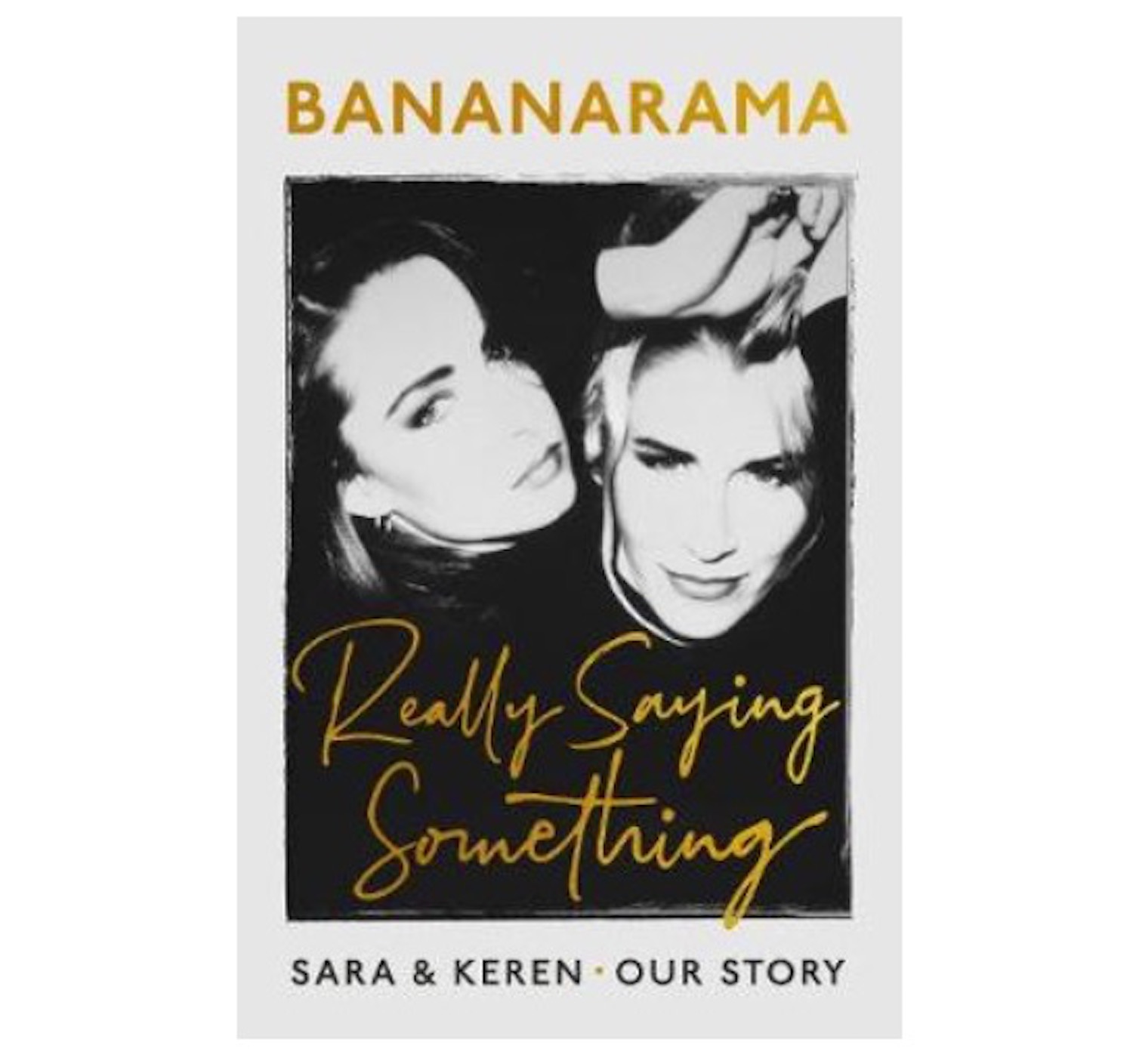
  • Bananarama: Really Say Quite A Lot.

    Bananarama: Really Say Quite A Lot.

    Rating: 4 out of 5.

    What has literally lasted 40 years, started with a Swahili song, made with different collaborators and producers, gone on to make 11 albums to date, have an entry in the Guinness Book of Records, looks to have no signs of slowing down and in my eyes at least, the envy of many groups?

    Bananarama that is what. 2020 has been a funny year and to help while away the time, Sara Dallin and Keren Woodward sat down to write their story and what a story.

    It’s a blanket and PJ book for a cold day. Written in a style that reads as though the girls are with you for a cozy chat about the past and present, it starts before they even knew they would be famous or forge an enviable back catalogue of music and memories. To top this there is also a friendship that makes you the reader both happy and wishful that you too can have one as close as this. Some of it captured in 47 pages of pictures.

    Coming from a time before the internet gave you “access all areas” of a celebrities life, it was quite shocking to read that Keren was pregnant during the True Confessions album. I can’t proclaim to be a super fan, to be honest, personal details of celebrities I admire the most don’t really both me, so this was a surprise to me. And the revelations kept coming. 

    Along the way we had snippets of time where the girls would mingle and hang out with the likes of the late George Michael and Keith Flint. All stories affectionately told. It’s a glimpse into the life they have as pop royalty. 

    The warts-n-all come with Keren confessing about her struggle with mental health. She has been been surrounded by it since childhood with her own mother suffering badly from it at a time when there were no self-help books or support groups. 

    They talk about their struggles from bedsit living to the glamour of getting a council flat where they held a brief conversation with Robert DeNiro before agreeing to meet him. And the struggles of not really being taken seriously.  It’s easy to dismiss girl groups in the male dominated industry and this topic is mentioned throughout the book. And you can be forgiven for thinking that they just turned up and sang songs. Delve in deeper and you discover they are more than pretty musical things. Bananarama write most of their songs. 

    What is apparent is the almost absence of mentioning Siobhan Fahey and Jacquie O’Sullivan. Not really a criticism because when you strip back the banana skin, Bananarama has been a 2 piece girl group for 30 years. Hard to really compute that they were only a 3 piece for 1 decade. It’s in this book that for me as a reader, my mind is blown away. You simply forget they are a 2 piece.

    So is this a book about the end? Not a chance. At 58 and 59 respectively, the Banana’s give zero hints that they will be hanging up the microphones soon and personally I’m glad about that. I’m quite sure they really have something more to say. Book 2? I suspect so. In the meantime, you need to read this one first.

    Order now from Waterstones

  • FILM REVIEW | The Assistant – gripping, timely and realistic

    FILM REVIEW | The Assistant – gripping, timely and realistic

    Rating: 4 out of 5.

    What happens if your boss is molesting women in his office, an office that is right behind where you sit?

    This is the dilemma Jane (Julia Garner) faces in the new film The Assistant. Jane is an assistant to the chief of a film company (he’s never seen but his presence is felt throughout the film).  

    It’s Julia’s first real job in film and she’s kept busy doing a wide variety of tasks during the day; making coffee, keeping the office kitchen tidy, maintaining her bosses busy diary, managing visitors, dealing with his uncontrollable wife, and, handling the potpourri of women who float in and out of his office.

    One of these young women, Sienna (Kristine Froseth), who has a lack of office skills, was hired by the same boss for reasons that are obvious. But when Julia appears to have had enough, she goes to HR to complain, but the HR director, who annoyingly takes a personal phone call during their meeting, tells Jane to keep her head down and focus on her role, and that she’s got a great opportunity. He lays into her that to file a claim against her boss would just wreck her career. Meanwhile, her male co-workers (Jon Orsini and Noah Robbins) seem to be oblivious to the shenanigans of their boss.

    The release of The Assistant coincides with the jailing of Harvey Weinstein – it couldn’t be better timing. Garner is brilliant, but the takeaway of this film is her boss, not at all seen in the film but felt enormously throughout.

    Writer and Director Kitty Green has written and directed a powerful film that perfectly highlights what the Me Too movement is all about. 

  • BOOK REVIEW | Two Jeeps, An American Road-Trip by Alex Kefford 

    BOOK REVIEW | Two Jeeps, An American Road-Trip by Alex Kefford 

    Rating: 5 out of 5.

    Have you ever wanted to take to the interstates of America in a vehicle of your choosing and explore the land of the free? That is exactly what author Alex and good friend Vince did with a few twists and turns more worthy of most tricky off-roading courses for any 4×4 out there.

    With the idea set into their minds in somewhere in 1998 where our intrepid travellers met as office workers, it wasn’t until much later that the idea started to become a reality when it was discovered Vince needed to be in Utah for a wedding. A plan to travel coast to coast across America in 2 Jeeps taking in as many national parks as they could was hatched.

    The twist, to import 2 UK righthand drive Jeeps to the starting line in Connecticut. The turn was to turn their UK road-ready Jeeps into weapons for the broken tracks they would encounter in the USA. The reasons for this was in the economies of scale it simply proved to be far more economical to have the Jeeps modified in the US by a company that had access to the many Jeep parts needed. And for the love of the mechanical appliance, there is something quite emotive about taking your own vehicle on holiday.

    So Alex (and Vince) starts the tale with a fraught check-in at Heathrow and cutting it to the wire with an unforgiving schedule that doesn’t stop over the next 17 of the 18 chapters, 222 pages and 5572 miles across 15 states of America. 

    Interspersed within the book are the joyless searches for various motels, the fact that Vince can’t handle his alcohol, the vast array of pancakes eaten and a nice touch of historical relevance to the places visited. It’s these little historical touches that help mark this out to be not another ‘man drives across America’ book. The chapters themselves are relatively short being around a dozen or so pages each and this is broken down into the journey, little snippets of fun in the narrative that carry the reader from one State to another. 

    With all States having their own peculiar ways not just in rules of the road but the local constabulary, the unfathomable way fuel is distributed and some of the crazy laws of the local eating establishments. It makes for an easy and interesting read like Alex is with you telling you the story first hand in a pub garden.

    “Two Jeeps” makes for a lovely travel companion too. It also goes some way into doing the route leg-work if this is something you planned on doing yourselves. You can access this from the website www.twojeeps.com. Fear not however because nothing about the book or the journey is given away on it.

    Within the chapters come the reason why they went through all they did to get here. To drive through the various national parks with their breathtaking views in vehicles capable of a lot more. The main focus for this comes halfway through the book but it is here were the short travelog of stories could be somewhat elaborated into a more in-depth talk about the surrounding land and the perilous passes endured. That is my only criticism of “Two Jeeps”.

    The ending is coming close for them and you the reader at chapter 15. In Hollywood fashion, they must depart Moab as a storm of unknown magnitude is brewing that could be seen in the distance and there are still over 700 miles to travel.

    So did they make it out past the storm and into LAX on time to depart for Blighty? The Cherokee had given trouble motoring along the way while the Wrangler had been free of problems. It would be telling to give away the outcome over the last 3 chapters but it is here that the reading intensifies to the books ends. So I suggest you buy the book and find out for yourself. 

    Available in paperback, ebook and audiobook from most notable online book retailers, including Amazon. More information on the website www.twojeeps.com

    Photos: Alex Kefford / PR SUPPLIED

  • This gay author’s book just became a best seller

    Gay author Paul Ilett is celebrating after his first novel became an LGBT best- seller, more than four years after it was published.

    Gay author Paul Ilett is celebrating after his first novel became an LGBT best- seller, more than four years after it was published.

    Paul’s novel Exposé has sold more than 10,000 copies around the world but an unexpected boost in sales during June pushed it to the top of Amazon’s best seller list.

    Exposé, a darkly comical thriller, tells the story of a Gay superstar actor’s revenge on a team of ruthless reporters who work for the world’s most salacious tabloid newspaper, The Daily Ear. It has five-star reader ratings across Amazon and Goodreads, and even received a glowing review from The Sun newspaper and THEGAYUK.

    Paul, 49, said: “I’ve been very pleased with how Exposé was received, particularly as I’ve been getting messages from readers around the world who’ve enjoyed it. It’s not always possible to know exactly why there was a sudden increase in sales but it was very exciting to find Amazon had added “#1 Best Seller – Gay Fiction” next to it.

    Paul put his writing aside for the past few years to study for a master’s degree but has recently started work on a sequel. “It’s lovely to be back in the swing of writing again and I hope the next book is received as positively as the first.”

    You can get the book here

  • 100 Copies of Scottish LGBT Poetry Book Donated to Schools

    100 Copies of Scottish LGBT Poetry Book Donated to Schools

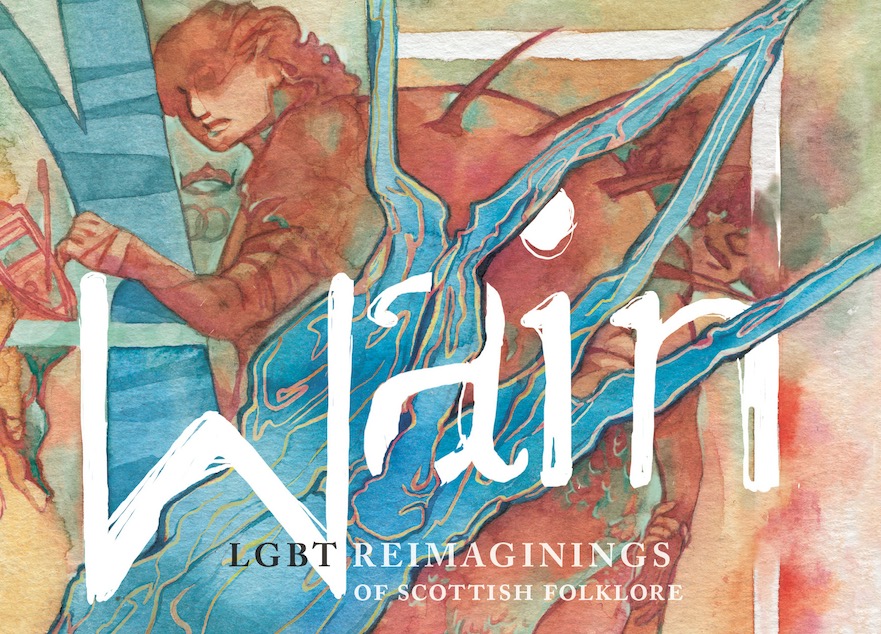
    One hundred copies of Wain, a poetry book by Rachel Plummer, have been donated to schools across Scotland ahead of its publication this Thursday.

    Wain is a new collection of LGBT poems aimed at teenage readers, themed around retellings of Scottish folktales. In the wake of abusive messages received on social media, publisher the Emma Press created the option in their webshop for people to buy copies at a discount, to be donated directly to schools. The Emma Press are working with LGBT Youth Scotland to ensure each copy finds a good home.

    One customer included this message with their donation: ‘Thank you for adding the option to donate a copy to schools – it’s so important for everyone of every age to have the opportunity of representation in every area. This stand against the anti-trans hatred that is sadly gaining traction in Britain currently is much appreciated.’

    Wain is based on Scottish folklore; the collection contains many magical and mythological beings, such as selkies, kelpies, and the Loch Ness Monster. These characters all fit within the LGBT spectrum. Wain was commissioned by LGBT Youth Scotland, the largest youth and community-based organisation for lesbian, gay, bisexual and transgender people in Scotland. The cultural commission was funded by Creative Scotland.

    The book features enchanting full-colour watercolour illustrations by Helene Boppert, bringing the mythical creatures in the poems to life.

    The Scottish Poetry Library in Edinburgh is hosting a launch event for Wain on the 15th March. All ages are welcome, and tickets are free. The launch starts at 6 pm, and will feature a reading from Rachel Plummer, along with a Q&A.

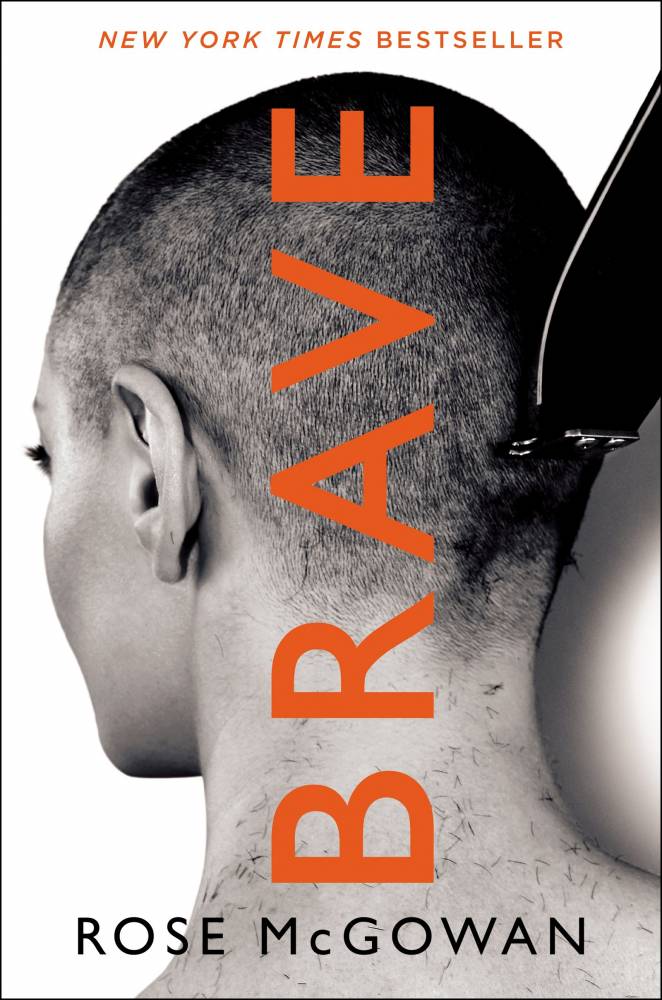
  • Rose McGowan’s Brave: A Brave Rose between the Thorns

    Rose McGowan’s Brave: A Brave Rose between the Thorns

    So…A little while ago I was surprised to be contacted on Twitter by Rose McGowan after responding to one of her tweets. We had a back and forth over Direct Message touching on her experiences and the experiences of others and she recommended reading her book Brave, and this is what the article is mostly going to be about.

    Obviously, I was aware of who Miss McGowan was, having been a huge fan of the TV series Charmed. And with her more recent revelations of her experiences of Hollywood, and her contribution to the #MeToo movement and her own consciousness-raising movement, #RoseArmy, her presence was very much at the forefront of a much bigger story.

    https://www.instagram.com/p/Br0vSvFBrPM/

    Out of respect for her, I will not mention the name of who she has accused, or go into details again about what allegedly happened to her. Those things are detailed in the book, though even she refuses to name him, but for anyone who knows the story and has Google, you’ll know who it is.

    I don’t see a broken or damaged woman. I see a hurt woman, yes. But I also see a strong woman who fights for what she believes is right

    So I went into Brave with not really knowing what to expect. The mainstream media had painted a rather bleak picture of her as this loud troublemaker who couldn’t control herself. Even smaller websites would chime in, with one even branding her a whore in the past. Would this book be a self-serving pity fest? A vague collection of anecdotes from a woman desperately trying to promote herself? Far, far, far from it.

    Brave details pretty much everything about Rose McGowan, from her troubled childhood growing up in a cult, her relationships with her family and partners, her experiences of Hollywood, why she decided to shave her head and through to her current fight to be heard by the very media that is so keen to destroy and discredit her.

    https://www.instagram.com/p/BkaaVqzA90U/

    Reading every chapter of her book, gave me an insight into why she acts the way she does now, why she’s so passionate about calling out unacceptable behaviour towards people, and why she’s so angry.

    I don’t see a broken or damaged woman. I see a hurt woman, yes. But I also see a strong woman who fights for what she believes is right.

    For anyone who has ever been the victim of harassment or assault, this book could potentially be triggering, but to see how far she’s come and how she wants to inspire and challenge your way of thinking is utterly phenomenal. There are times that the book will be hard reading, but I would recommend that if there are some chapters that affect you, then take a break. There’s no rush to read it through in one go. I will say though that it’s a book that will certainly get you thinking.

    To be one of the first women in Hollywood to finally speak out and have her voice heard took a tremendous amount of bravery. She threw herself out there, running the risk of being ridiculed and dismissed. For years the talk of the “casting couch” had always come hand in hand with Hollywood. But for the first time the #MeToo movement pointed out that it was far seedier than anyone would’ve thought. A terrible dynamic of higher-ups allegedly using their power and influence over someone’s career to get away with some truly shocking behaviour.

    Brave details the alleged casual misogyny that exists within the film and TV industry, and that’s just towards one woman.

    I don’t want to go over every aspect of Brave, there’s a LOT in there, nothing is held back, so there will be a fair few surprises about what some aspects of Hollywood are like.

    Rose’s public appearances are usually fraught with controversy, from a shouting match with a transgender activist at a book signing (instigated by the activist), to unsettling questions being asked in interviews, usually looking for a juicy soundbite to take out of context. Brave gives Rose an opportunity to actually get her point across without a time limit. I didn’t want to just be another voice in the sea of pieces about her. Her voice deserves to be heard. So I implore you to read Brave, and to actually listen to this woman, who described herself to me as a freedom fighter.

    Rose continues to be a dividing voice, but she’s acutely aware of that. She takes no pleasure in lifting the veil on systemic abuse in the industry at the risk of her own career.

    https://www.instagram.com/p/BhtmALnlIqo/

    And now this year she brings her book tour and talks to the UK & Ireland for several dates around the country. I’ve already got my ticket, and while Brave is a brutally honest, and almost visceral read, hearing the stories from Rose’s own mouth will add that extra dimension to the book.

    Tickets for the four-date UK & Ireland tour can be purchased online here. Rose McGowan’s book Brave can be bought here.

  • BOOK & EXHIBITION REVIEW | Modern Couples: Art, Intimacy and the Avant-garde

    BOOK & EXHIBITION REVIEW | Modern Couples: Art, Intimacy and the Avant-garde

    ★★★★★ | Modern Couples: Art, Intimacy and the Avant-Guarde

    WET DREAMS DIVERSITY!

    BOOK & EXHIBITION: Modern Couples: Art, Intimacy & the Avant-Garde (Prestel Publishing, £45) 5 Stars! Eclectic Eroticism! 

    What is love? A closeted wank in a glory hole? Romeo and Juliet’s death pact? Bosie and Wilde’s co-dependency? Or – more unusually – gay star Lou Reed’s liaison with MTF transwoman Rachel? None of these? Oh, get real – me, I say all of them! How dare any single human being, institution or government have the audacity to dictate the shape, form and expression of pure, mutual bliss?

    But – inexplicably – every known form of unorthodox love is under unprecedented assault by a savage tsunami of spiritual and social bigotry masquerading as sacred self-righteousness. In Brazil, Bolsonaro’s freshly reinvigorated cutting-edge fascism, Russia and Chechnya enact vile, anti-gay torture pogroms, while Trump’s shockingly irrational resistance to trans rights and gay marriage threatens sexual freedom itself.

    In every case, there’s a suspiciously defensive denial of human sexual plurality, that latent potential in every individual ever born, whether blinded by self-induced, MAGA myopia or not.

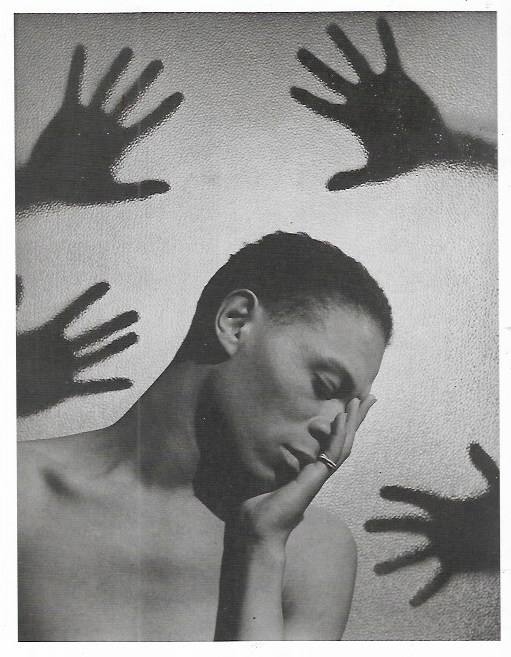
    So, praise indeed to London’s Barbican, currently flipping two highly assertive and aesthetic fingers up to the furious intolerance threatening to drown sexual diversity discourse. The event? Modern Couples; Art, Intimacy and the Avant-Garde, which ran to January 27th, a startlingly innovative exhibition superbly replicated in the accompanying book from Prestel Publishing.

    And Modern Couples couldn’t be more culturally appropriate. With referrals soaring in every gender clinic worldwide, and gender-variant, non-binary and agender platforms mushrooming exponentially, it’s a perfect moment to artistically challenge sexual and biological essentialist stereotypes.

    Quite frankly, there haven’t been such fruitful, virtuoso assaults on patriarchy and chauvinism since Bowie’s Ziggy Stardust rock-messiah intrigued the pan-curious genitals of 1970s teenagers worldwide. And what shockingly exotic pansexual prophets we’re currently gifted with; leading the pack, there’s Lady Gaga, stealing the crown of polymorphous perversity from previous scene-queen Madonna, and Bitch! Dyke! Fag-Hag! Whore!, Penny Arcade’s perpetually relevant rite of interactive, sexual awakening and liberation. The UK’s equally blessed; we have the gloriously unfettered epiphanies of agender diva David Hoyle, the high-fashion media frenzies sparked by Monroe Bergdorf, and – less interestingly but arguably as provocative – the timid, opportunistic, non-binary cliche on autopilot, Travis Alabanza. I mean, come on – a burger thrown, with allegedly transphobic intent, hardly matches Tennessee Williams’ scathing dissections of performative divas as subject matter!

    So let’s applaud the Barbican’s exemplary, multisexual and multicultural values which have led to such a startlingly on-trend celebration of sexual diversity. But, be prepared – the book, as was the exhibition, is exhaustive, not to mention exhausting, so ration yourselves to brief bedtime reading to avoid genital options overload!

    Sadly, it’s impossible to do full -or even partial – justice to such overwhelming subject matter, especially in a brief review, so I’ve chosen to focus on just four of the marvellously atypical couples out of the total fifty-seven. First, there are the life-long, lesbian liaisons of Romaine Brooks, a pivotal member of salon doyenne Natalie Barney’s infamous Parisian, ladies-only soirees, which, intriguingly, included Dolly Wilde, Oscar Wilde’s knock-out drops addicted niece.

    Brookes – quite fittingly – was obsessed with the Marchesa Casati, a fabulously wealthy, freakishly tall socialite who’d dedicated her life to becoming an eccentric, living work of art, and was as elegantly emaciated as a filigree dildo. There’s a rivetingly severe, full-length painting of a nude Casati that exemplifies Brook’s style, painted with such luscious attention to skin textures one can almost relive Brook’s velvet, probing tongue cascading back and forth in Casati’s trembling, point-of orgasm crevice. It’s a lush, but suggestively non-specific art that echoes lesbian desire itself, a haptic, tactile exploration where ego and one-sided selfishness are submerged in an ocean of mutual pleasuring.

    How very different, then, to gay male lust, almost inevitably sparked and ignited by visual cues, as in the arrestingly modern photo-studies of George Platt Lynne. A huge influence on, and comprehensively anticipating Robert Mapplethorpe by decades, his aggressively sexual chiaroscuros – suggestive erotic shadowing – make his loving studies of Greek-god perfect hunks throb with the immediacy of superb, arthouse porn.

    Frankly, it’s the blatant need in these shots – so furiously kinetic and psychologically pumping – that so shrewdly captures and freezes textbook male lust on the page; it’s as in one’s face as a patiently erect penis dribbling with pre-cum waiting its’ turn at a bath-house orgy. Who, possibly, could resist the charms of Lynne’s angelically louche rentboys, posed to sensuous perfection? Utilising a forensic finesse worthy of fine art, Lynne legitimised and consolidated the notion of transcendent, homosexual love in an aesthetic lineage stretching back to the pre-Wilde concepts of ‘Uranian’ thinking, and the mutually male love poetry of Walt Whitman. Impressed? You should be – Lynne was the killer Caravaggio of lens-fuelled libidos, the master voyeur of vicarious arousal!

    Pleasingly, Modern Couples takes its’ inclusivity very seriously, so what a delight to have the singular story of Gerda Wegener and Lili Elbe – famous from the recent movie The Danish Girl – properly explored. A nascent transsexual – not even self-diagnosed until adulthood – Lili Elbe’s pioneering, gender voyage was initiated by her female lover, Gerda Wegener, encouraging her to dress en femme for portrait modelling. With an unsuspected, psychological femininity now fully untapped, Lili eventually progressed to primitive ovary implantation, the complications from which eventually killed her.

    Still, what’s often dismissed by bigoted critics as crude, surgical manifestation of deluded gender convictions – aka sex reassignment surgery – has since saved tens of thousands from once suicidal despair. And truthfully, Wegener’s portraits of Lili stunningly capture an ineffable androgyny, a jaw-dropping wonderland of the fascinating borderlands – and their gradual, transitional erasure – between strict definitions of male and female. In Wegenger’s canvases, one glimpses a sexuality thrillingly cut loose from genital specifics, an all-encompassing, erotic miasma that can colour an entire world with sensual potentials.

    One further lesbian couple – Claude Cahun and Marcel Moore – both prefigure and make redundant the modern rise of titillating, sexual selfie culture. Who needs a non-stop tidal wave of desperate dicks and flabby breasts and butts? Adopting a far healthier psychological perspective – dignity – Cahun and Moore bewitchingly transformed their mutual, life-long arousal into bravura, photographic icons of their then marginal, and socially dispossessed, sexuality. And early shots of the couple, especially, transpose their fleshy liaison into maverick, outsider tropes; specifically, characters from the Commedia del’arte, the theatrical epitome of misrule and disrupting the prevailing, social status quo.

    Strikingly timeless, the images brand themselves on our watching minds with the cheeky aplomb of a youthful Jean-Paul Gautier, who Cahun, quite uncannily, resembles in one shot. Unsurprisingly, both Cahun and Moore’s picture studies drip with erotic mystique; after all, who but a woman would instinctively know another woman’s gateways to shockingly sexual joy?

    And that same, charged magic is apparent in every example of Modern Couples’ gay, male partners; arguably, only male fingers can infallibly detonate the explosive euphoria of a fondled penis-tip. Forget bigoted dismissals of same-sex love as pathetic, narcissistic examples of arrested development, and proxy masturbation to one’s mirror image; on the contrary, there’s a pitch-perfect resonance of desire, arousal and consummation, one unfettered by pointless guilt or mismatched, biological imperatives that so often jar the intimacy between opposite sexes.

    Quite triumphantly, gay relationships are often stories of hugely soaring passions – hello, Oscar and Bosie. Almost effortlessly, they defy not only social and religious bigotry, but the arid reductionism of reproductive lust, and create ingenious alternatives to the dull limitations of functional, male/female sexual frictions. And surely, don’t the only limits to eroticism lie in the imagination itself – or its’ absence? Ah, dear, dear sexual diversity – it’s the perfect mindset for human happiness!

    Available to purchase now | Information on the Barbican’s Exhibition

    Photos by permission/supplied