Parents are no longer permitted to protest outside of primary schools over the teaching of subjects such as LGBT+ equality.
A judge has ruled that parents, mainly from an Islamic background, but included members from other religious backgrounds, will not be able to protest outside a school in Birmingham.
Parents were angered by the No Outsider lessons which said went against their religious beliefs. This led to reports that hundreds of pupils had been removed from the school by their parents. Parents have also claimed that the No Outsider lessons are not “age-appropriate”.
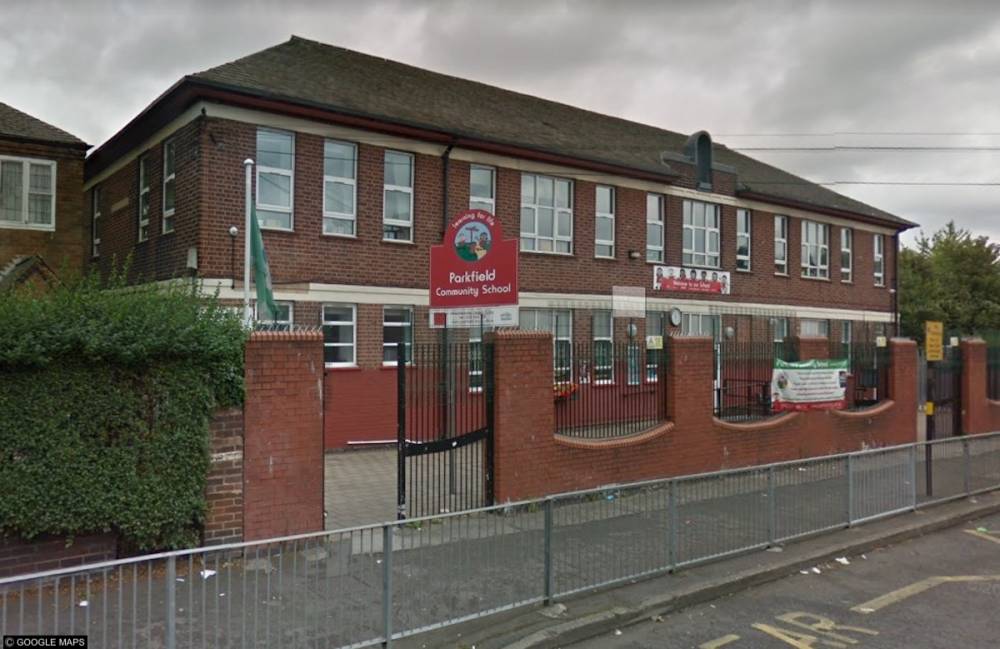
Anderton Park School and Parkfield Primary School in Birmingham became the focal points for protesters earlier this year after the schools started to deliver lessons to students, which covered LGBT+ families and gender expressions.
An injunction against the protesters was created back in June – and Birmingham City Council “sought a court order to further protect the school and extend the ban, which has now been granted by High Court judge Mr Justice Warby” according to Sky News.
Birmingham City Council claimed that the noisy protesters were disrupting lessons and causing stress to students and staff at the school alike. According to sources, 21 staff members were treated for stress relating to the protests.
The judge ruled that the injunction did not “amount to unlawful discrimination against the protesters” adding, that the protesters had misunderstood and misrepresented that is being taught at the school”
Founder of the Birmingham South Asians LGBT group, Khakan Qureshi told THEGAYUK,
“I’m absolutely elated though we do need clarity on several points raised. This includes how to identify people who take part in protests and how to bring them to justice and having tighter regulations in having the power to arrest.
“Bear in mind, it wasn’t the content of the lessons which were contested but the nature of the protests. They were anti-social, caused a nuisance, disrupted the teachings of young children and caused potentially psychological harm.
“On a practical level, the protestors obstructed the highway and disturbed residents in the neighbourhood.
“It’s a really good day for teachers, pupils, the education system, councils and the LGBT+ community when common sense prevails”
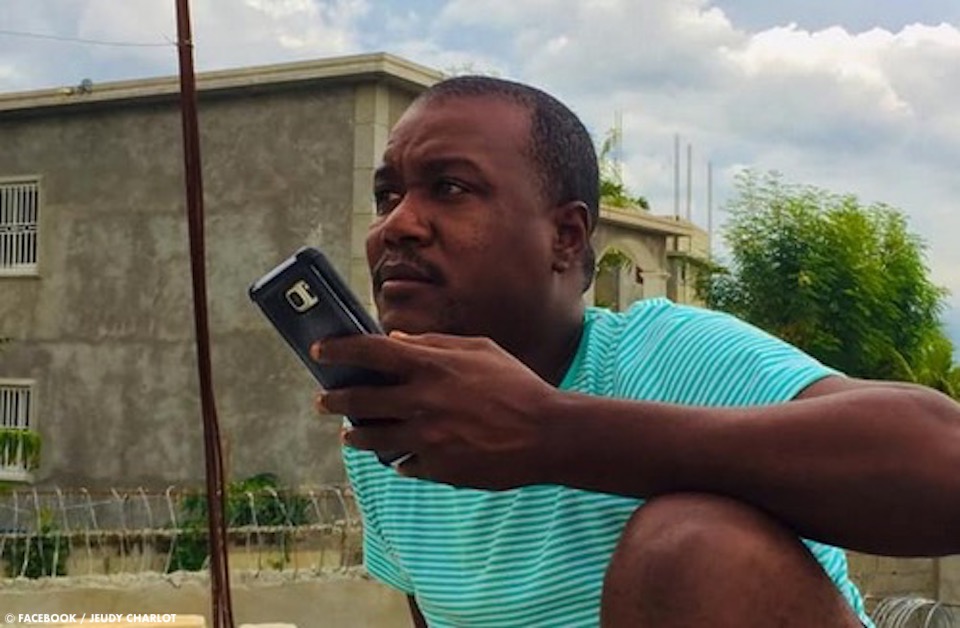
According to OutRight Action International (ORAI) one of Haiti‘s most prominent LGBT+ advocates, Charlot Jeudy, was found dead at his home in Pétion-Ville outside of the capital of Port-au-Prince on the morning of Monday, November 25th.
The organisation claims that the cause of his death is still unknown and that an autopsy must be undertaken to determine what killed Charlot.
ORAI fears that Jeudy’s death made have been a hate crime as he had reportedly been receiving threatening and anonymous phone calls.
Jessica Stern, Executive Director of OutRight Action International, commented:
I knew Charlot as a bold LGBTIQ leader and fierce advocate fighting for the rights of his community. Even though the cause of death is yet unconfirmed, we fear it is part of a larger pattern of anti-LGBTIQ violence underway in Haiti, potentially focused on people visible within LGBTIQ organizations. We call on on the police to carry out an immediate, credible and transparent police investigation into the death of Jeudy Charlot. Haiti must protect LGBTIQ people from violence.
FACSDIS, an organization that works to safeguard the rights of the LBTIQ community, is reporting unprecedented violence and attacks against people based on their perceived sexual orientation and gender identity. Four members of FACSDIS were victims of an attack on October 17, 2019, where several members sustained physical injuries.
OutRight received evidence of a further incident: an angry mob threatened at least three members of FACSDIS on November 18.
As a result of these and other attacks, LGBTIQ community members in Haiti are remaining at home, afraid to leave for work or school or to buy groceries, and some members of the community have even sought temporary relocation to flee the violence.
Neish McLean, Caribbean Program Officer at OutRight Action International, commented:
As a part of OutRight’s work with KOURAJ and other partners in Haiti, Charlot and I worked closely together. I’ll remember Charlot for his fierce and unrelenting work to end the violence and discrimination against LGBTIQ people in Haiti. His warm smile and tenacity will be missed deeply. His legacy will live on in the work reflected by the courage and perseverance of those who remain.
Kennedy Carrillo, Caribbean Research Officer at OutRight Action International, commented:
Charlot was one to never be silenced and his tenacity and commitment to the fight for LGBTIQ justice and equality will not be forgotten. Now more than ever we must loudly condemn his death and the continuous attacks on the LGBTIQ community in Haiti.
LGBT Rights In Haiti
In Haiti homosexuality and sex between people of the same sex is legal however many LGBT+ people face opposition from the strongly religious population. Roughly 80 per cent of Haiti’s population is follow Catholism, followed by Protestantism and Islam.
There are many reported hate crimes against visible LGBT+ people.
Complaints have been levied against the police force who, according to some, do not take crimes against LGBT+ people seriously.
LGBT+ people have no protections in law to protect them from discrimination and Haiti does not recognise same-sex couples or marriage.
A Grindr guy has found one of the most engaging ways to get people to register to vote in this forthcoming General Election, before the registration deadline on the 26th November.
As the election in the UK looms ever closer, people of all political persuasions are imploring people to register to vote and one guy has taken to Grindr to get that message out there.
It may seem a little one-to-one, but hey, every registration counts if the country is to have a meaningful voter turn out on December 12th.
Writer and LGBT+ rights activist, Tom Knight, has it seems, stumbled upon the perfect way to get a hookup and someone to register to vote at the same time. Win-Win.
He’s using Grindr to spread the message that it’s important to register to vote before the cut off on the 26th November 2019.
Want a drink? Get registered
In a recent exchange on the hookup app, he questioned a potential hookup whether he had “registered to vote”. When the potential beau answered in the negative, Tom simply replied, “come back to me when you are”.
When asked if he was “serious” Tom simply answered “Yep”
Speaking to THEGAYUK.com, Tom told us, “anything that can engage others is a good thing.”
In a recent flash poll on Twitter by THEGAYUK, 62 per cent of those who took part said that they had decided on who they’d vote for, while 38% said they had yet to decide on which political party they’d vote for.
“Dot Cotton Club has been a huge part of the LGBTQ+ scene in Cambridge, first opening its doors almost 30 years ago”
An LGBT+ club night was facing an uncertain future this week and may have been forced to close its doors had a new venue not saved the day.
The Dot Cotton Club, based in Cambridgeshire, which has been in existence for nearly 30 years, has had an emotional week after the venue it uses to host its iconic night, Atomic, are reportedly “struggling with negotiations with their college landlords”.
The club night had been held at Atomic for the last four years.
In a statement, organisers of the Dot Cotton Club said, that there were hopes of working with a new venue, Fez Club, in order to keep the night alive.
“We are sure Dot Cotton Club will continue to evolve”
Speaking about the abrupt ending with Atomic, organisers wrote on the official Facebook page, “Dot Cotton Club has been a huge part of the LGBTQ+ scene in Cambridge, first opening its doors almost 30 years ago, and is the final regular club event here for our community that takes place on a weekend.
“This is hugely important as it provides a safe and welcoming space for both students AND Cambridge locals, along with visitors to the city, to celebrate everything that makes them fabulous. We are also sad for our current home Atomic (formerly Q-Club), as it is one of the only alternative venues in the city with nights catering for the less mainstream communities, including the rock, metal and goth crowds – we know everyone who has visited will miss it greatly.
“Looking to the future, while we hope some agreement can be made to allow us to continue where we are, we are sure Dot Cotton Club will continue to evolve and find some way to keep supporting the community in any way we can.”
Light At The End Of The Tunnel
In a separate post, Dot Cotton Club told its fans, “After seeing our posts online and the story in (the) local press, Fez Club Cambridge have stepped in and kindly offered to help us with a venue to keep our fabulous LGBTQ+ Dot Cotton Club community alive!
“Because they (Fez) already have some other commitments pre-planned in their diary, we still won’t be able to celebrate our festive White Party on December 7th as originally planned, but instead we are moving it to Saturday, December 28th, 10 pm-3 am! The Fez Club has two bars, cocktail menu, large seating area and dance floor, the bathrooms will be gender neutral for the night and there is a lift up to the first floor”.
U.S. Embassy photographer [Public domain], via Wikimedia Commons
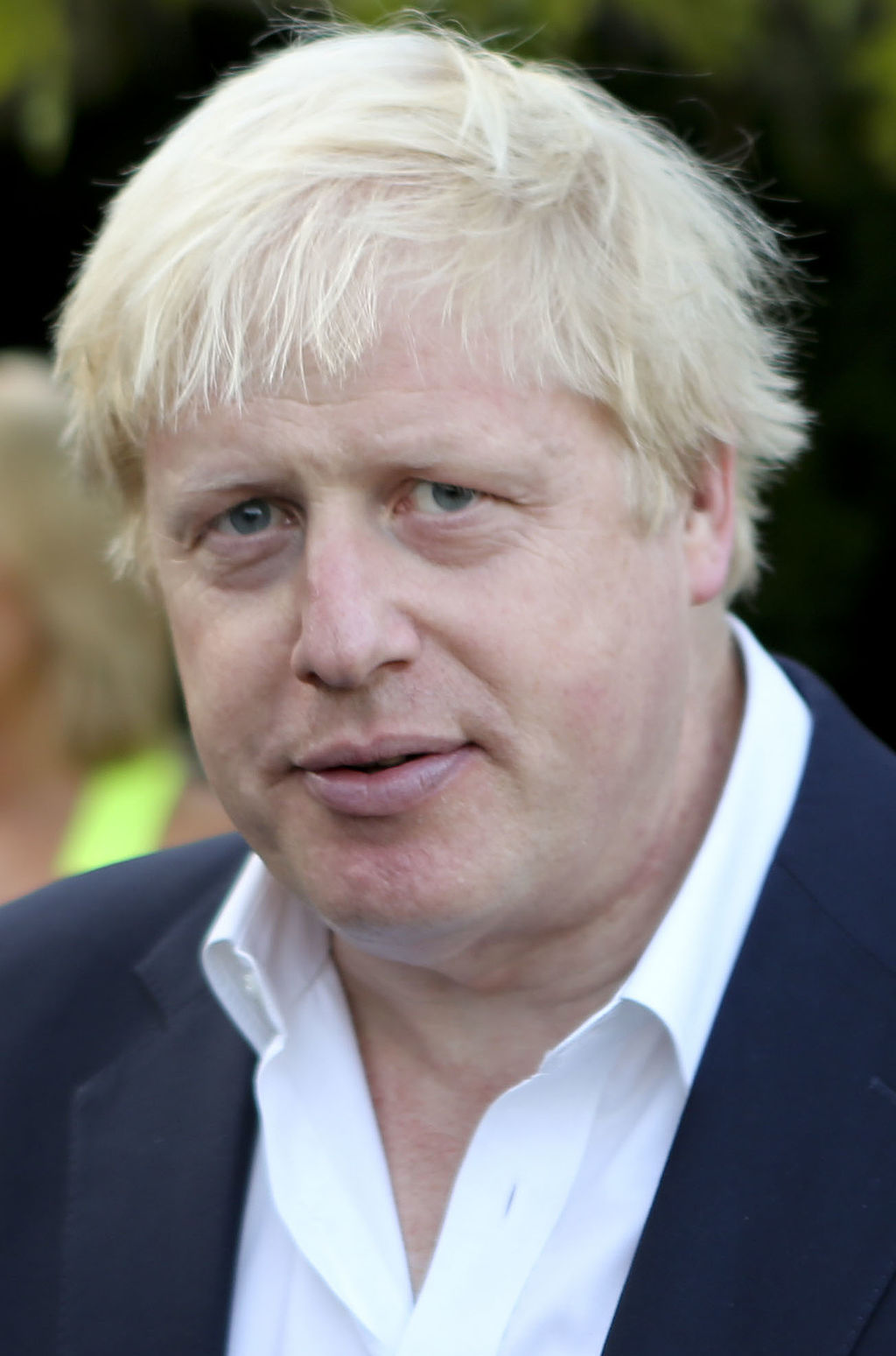
THEGAYUK conducted a flash poll of its Facebook audience to find that over a third of people, who follow THEGAYUK on that platform, said they’d vote for Boris Johnson on the back of his debate alongside Jeremy Corbyn.
Although Jeremy Corbyn was the overall preferred candidate for LGBT+ readers of THEGAYUK, over a third said that they’d vote for Conservative leader, Boris Johnson in the next general election.
Over 430 people took part in the flash poll, which offered readers just two options. Johnson Vs Corbyn.
When given a choice between just the two leaders and asked to base their decision solely on the candidate’s performance on the ITV leaders’ debate earlier this week, 66 per cent of people voted for Labour leader, Jeremy Corbyn, while 34 per cent would trump for Boris Johnson.
Around 88 per cent of THEGAYUK‘s Facebook followers identify as male, with 40 per cent of those being in the 25-34-year-old bracket. The majority of its audience lives in the nation’s capital, London, with Manchester as the next most popular city.
New research, published in The Lancet Child and Adolescent Health, has found that adolescents from sexual minorities (those attracted to same-sex or both sexes) in the UK are more likely to experience mental health problems, adverse social environments and negative health outcomes in contrast to their heterosexual counterparts.
The research aimed to rectify the lack of contemporary UK data in Generation Z (people born between 1995 and 2015) regarding the disparity in adverse outcomes faced by sexual minority young people who have grown up in this Century – a time of advances in rights for sexual minorities.
10,000 adolescents
In order to gain a better understanding of these outcomes researchers from the University of Liverpool and University College London analysed information on almost 10,000 adolescents born between 2000-2002 who are taking part in the Millennium Cohort Study (MCS).
The researchers analysed mental health (e.g. depression, self-harm), social (e.g. victimisation, bullying), and health-related outcomes (e.g. weight perception, substance use) in sexual minority (629) versus heterosexual (9256) adolescents at age 14 years. They also estimated the number of co-occurring difficulties in each group.
Findings
The researchers found that sexual minorities were around five times more likely to experience high depressive symptoms (54% vs 15%) and self-harm (54% vs 14%). They also had lower life satisfaction (34% vs 10%), lower self-esteem and were more likely to experience all forms of bullying (i.e. peer bullying 27% vs 10%) and victimisation (i.e. sexual assault/harassment 11% vs 3%) .
Sexual minorities were also at increased odds of trying cannabis (16% vs 6%) trying alcohol (67% vs 52%), perceiving themselves as overweight (49% vs 33%), and dieting to lose weight (66% vs 44%).
Sexual minorities experienced more negative outcomes at the same time. For example, sexual minorities experienced 1.4 out of 3 mental health difficulties on average whereas heterosexual adolescents experienced 0.4 out of 3 on average. Overall cumulative difficulties experienced were 9·4 out of 28 for sexual minority youth versus 6·2 for heterosexual youth.
Implications
The lead author, Rebekah Amos, said: “Our current study provides much needed population-based estimates indicating pronounced differences in mental health, social, and health-related outcomes between sexual minority and heterosexual adolescents in the UK. We find that sexual minority adolescents are five times more likely to be depressed and self-harm and 2-3 times more likely to be bullied and be victimised, illuminating the scale of current adversities this group of adolescent are facing.”
Dr Praveetha Patalay, study co-author, said: “The study exposes the vast disparities in a range of outcomes between sexual minority and heterosexual young people, highlighting the need for further prevention efforts and intervention at the school, community and policy level to ensure sexual minority adolescents do not face lifelong adverse social, economic and, health outcomes.”
Dr Ross White, clinical psychologist and study co-author, said: “The study findings highlight the need for mental health professionals, teachers, parents and young people to work together to co-create systems of support that will allow young people to flourish irrespective of their sexual orientation. An important aspect of this work will be to foster societal attitudes that celebrate diversity, recognise common humanity and nurture compassion for one-self and others.”
Rebekah Amos added, “Despite high profile policies such as the legalisation of same-sex marriage in 2013 in England, Wales and Scotland and the introduction of sexual orientation as a protected characteristic during these adolescents’ lifetime, the evidence presented here indicates that large inequalities in social and health outcomes still exist for sexual minority adolescents growing up in the 21st Century.”
This is a report based on a press release sent from the University of Liverpool.
The University of Liverpool has seemingly done away with the labels gay, lesbian and bisexual and replaced it with “sexual minorities” while still referring to straight people as heterosexuals.
In a press release, which was trying to convey that young people born between 1995 and 2015 who identify as a “sexual minority” i.e gay, lesbian, bisexual and pansexual are more likely to experience mental health problems.
“sexual” minorities makes us look as though we are just sexual beings”
Throughout the press release, the University, which worked alongside University College London, repeatedly called LGB people “sexual minorities” however when it came to writing about their heterosexual counterparts, it used the word heterosexuality.
THEGAYUK conducted a flash poll to see what it’s readers thought of the term “sexual minority”
The clear indication from our flash poll was that the majority of those who identify as LGB did not think that the term was right. Over 80 per cent of those who took part said they disagreed with the term and were happy to keep identities labelled as Lesbian, Gay and Bisexual.
One commenter wrote, “‘sexual’ minorities makes us look as though we are just sexual beings, a different sexuality to heterosexuality is a part of who we are not just the sex we may or may not have”
Another added, “totally agree! Sex is one aspect of a human being! I am married to a man, that is not a sexual thing! I am lucky that also part of the luck I have had”
“Attraction not Identity”
According to researchers, it’s about attraction, not identity, a spokesperson for the research said,
“We use sexual minority as an umbrella term to incorporate those who are lesbian, gay, bisexual. We use this term as we only had data about sexual attraction (from the secondary data source used i.e. the millennium cohort study) and not identity which would be more closely reflected by ‘LGB’.
“Our sample were not asked about their identity but only their attraction i.e. have you been attracted to a boy/girl. Furthermore, due to the fact they are likely still navigating their identity at this age i.e. 14 years old (savin-williams, 2011) we did not want to ascribe labels that may change in future and as such sexual minority was a more age appropriate term.”
Peter Tatchell, one of the UK’s most famous LGBT+ rights advocates has said that pride, needs a “major rethink” and for it to “get back to what pride was originally about”.
The stalwart rights campaigner then put forth a four-point plan, which included returning the parade back to a political march, getting rid of corporate branding and banning motorised floats.
The plan, he suggested should be trialled for one year.
In a statement, Tatchell wrote
“As a Patron of Pride and one of the organisers of the UK’s first Pride in 1972,
“I have attended every parade since then – 47 in all.
“I believe a major rethink is needed. We need to get back to what Pride was originally about. “
Four ways to take pride back
Peter Tatchell Foundation
The Pride parade should become a march for LGBT+ rights
As a political march, this would mean no charges being imposed by Westminster Council, the Metropolitan Police and the Greater London Authority, saving around £60,000 in fees to Westminster Council alone.
Pride should be open to all
There should be no restriction on the number of people who can march and no requirement to get a wristband.
Oppressive institutions should be excluded from Pride sponsorship & the parade
This includes weapons manufacturers, tobacco and fossil fuel companies and the Home Office until it stops incarcerating, banning employment and deporting LGBT+ refugees. Individuals from these institutions should still be welcome in the parade but without any corporate branding.
Ban motorised floats, except for disability vehicles
Having vehicles in the parade allows Westminster Council to slap onerous charges on Pride and contributes to the carbon emissions that fuel climate destruction.
Tatchell added, “I am proposing that these ideas be trialled for one-year in 2020. If they work, Pride can keep them permanently. If not, Pride can ditch them and try something new”.
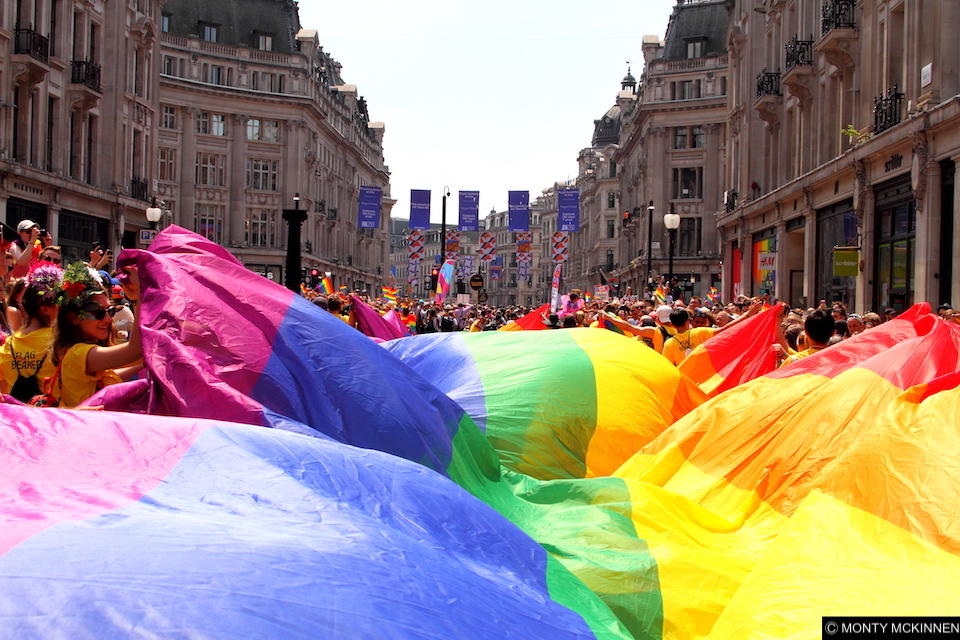
Pride In London is one of the biggest prides in the country, which regularly sees over a million people watch and take part in the huge parade.
“The Pride parade can and should remain true to its founding ideals”
CREDIT: (C) Joffe Walters
Tatchell reiterated what Pride was all about saying,
“The founding principles of the LGBT+ Pride parade in 1972 were: LGBT+ visibility, the celebration of LGBT+ life and culture and the demand for LGBT+ liberation, including the abolition of discriminatory laws and reform of anti-LGBT+ institutions. It was open to all who supported these core principles.
“The Pride parade can and should remain true to its founding ideals.
“Pride must be by and for the LGBT+ community – not city authorities or corporate funders. Their support is welcome but it must not dictate”.
Pride operates on the terms of Westminster Council, the police and Sadiq Khan
Highlighting some of the constraints that Pride In London faces, Tatchell revealed,
“The Mayor of London, Westminster council and the Metropolitan Police now hold the whip-hand. The Pride parade operates on their terms – not ours.
“We must reject any cap on numbers in the parade. It goes against the ethos of Pride which was, until recent years, open to all. In 1997, there were over 100,000 people in the parade and 300,000 at the post-parade festival on Clapham Common. Numbers are not everything but they should not be artificially restricted.
What is Peter’s vision for Pride?
“Revert to a political carnival parade for LGBT rights, like the first one in 1972. If it is a political march there would be no fees payable to the police, council etc.
“Political marches are not charged. The anti-austerity and anti-Brexit marches were not subject to any of the draconian costs and restrictions on numbers that have been imposed on Pride.
“Pride can be political and still have a colourful, joyous carnival atmosphere, as in 1972 and 1997.
“To cut parade costs, motorised floats should be axed and replaced by other options, such as hand-pulled non-motorised floats – mounted on flatbeds on wheels – as some groups had in 1997.
“These were smaller in size than the gigantic bus and truck floats of recent years but still fabulous and more diverse and imaginative eg the OutRage! giant papier-mache head of Tony Blair in Pride 1998. The Thames Festival parade is awesome but has no motorised floats. I remember a huge dragon held aloft by dozens of parade participants using tall poles. It was very effective and dramatic; proving that motorised floats are not the only way to have a spectacular carnival parade.
“My congratulations and thanks to the Pride organisers, the Community Advisory Board and all the volunteers who make Pride in London possible. Pride’s online consultation seeking LGBT+ input regarding the future of the parade was commendable. I salute you,” said Peter Tatchell.
Have you received a message from a really cute guy – only to be asked to sign to a verification service?
Be warned – it could well be a scam.
Some guys on Grindr are being asked to visit a website called IPHSID.com in order to verify their identity. The site claims to be the only “website that links public state, territorial, and tribal sex offender registries from one national search site” however, there’s no evidence to back this up – what’s more if you want to join the register you have to pay – $1 for a month or $39 for a lifetime membership.
How does it happen
Well, out of nowhere a guy – with a super hot picture slides into your DMs – and says something like “Hey dude, how are you? Into kissing, cuddling, rimming, 69 – 8 inches open for anything, what are you looking for?” which is followed up by a topless picture and a dick pic.
After you reply – a seemingly standard reply is sent, “nice, that’s great, I’m down to hook ups. I can do travel or host. BTW do you have IPHSID – I will meet you if you already had it”
And then he sends another hot pic.
Then an explanation about IPHSID “Let me explain it to you. It is an IPHS identifying and preventing harassment system to protect, lesbian gay bi-discreet trans in meetup. This is the safe way to check you’re LGBT sex-offender. There’s nothing wrong if we talk about our safeiness [sic] right?
And then a picture of the same dude with a badly busied and cut face, to show that he’s been a victim of an attack.
“I’m not saying you’re one of a [sic] bad guy I just want you (to) get a IPHSID so we can know that we are both safe to meet up – can I sent [sic] you a link if it’s okay?”
The guy then sends a picture of his “profile” and tells you that the $1 will be donated automatically to an “LGBT harassment victim”
But just taking a look around the site you’ll notice that there’s no evidence or links to any of the partnerships they say they work with.
It even uses a Gmail account for contact – not a branded one. Sounds kinda phishy right?
If you need any other reasons not to 100% trust this, its links to social media have nothing to do with the site – the Twitter one goes to an account that hasn’t been used since 2017, the Facebook link goes to Facebook’s own LGBT+ page, the Insta goes to news-brand LGBTQNation and the YouTube links to a SoulPancake video.
Dodgy? We’d say so.
THEGAYUK.com reached out to IPHSID for comment and guess what – the email bounced right back.
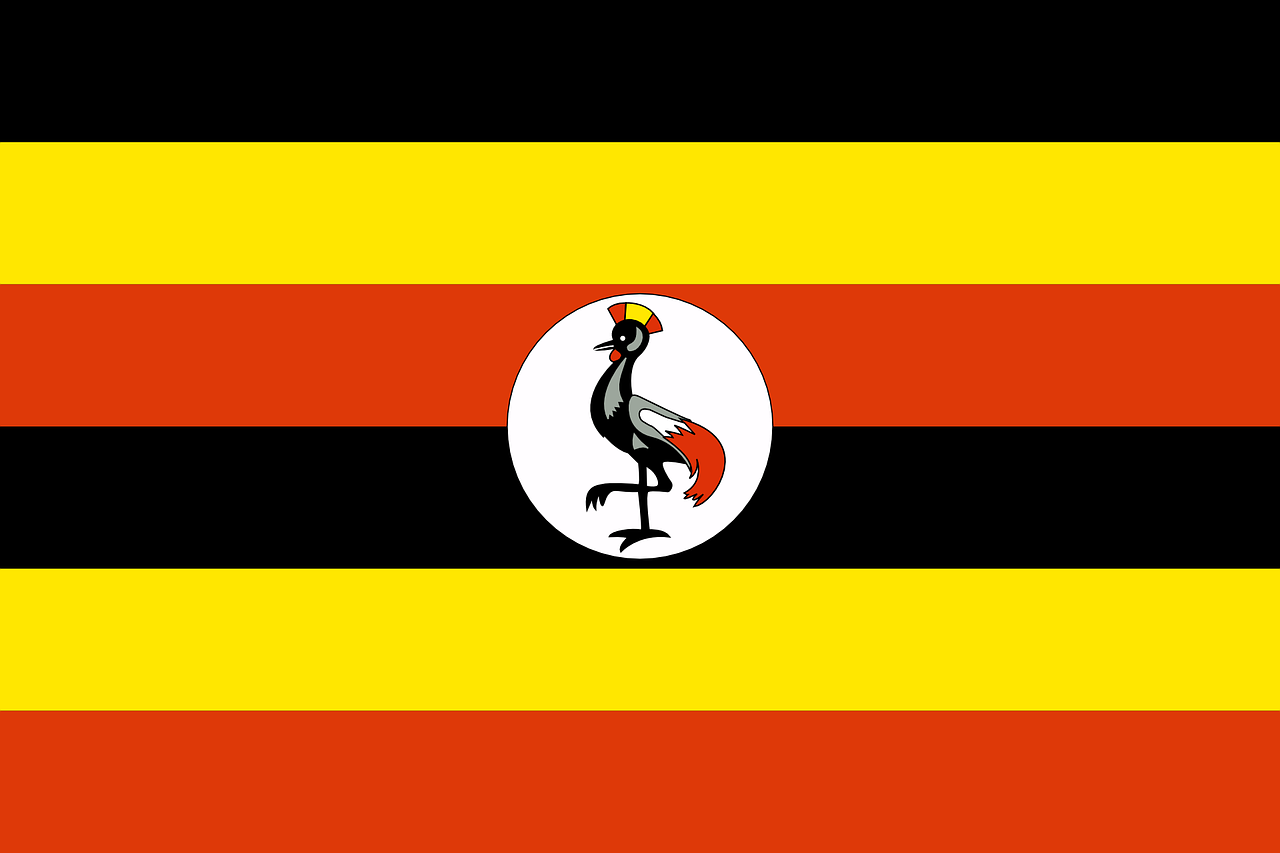
According to a report, a bar in Kampala, Uganda known to be LGBT+ friendly was raided by police, resulting in the arrest of 125 people.
The OutRight Action Internation campaign group a gay-friendly bar in the Ugandan town of Kampala was raided by police on Saturday night. According to their report around 125 were arrested and charged with drug possession which OutRight says is an indication of “an intentional and growing persecution” of gay people in the country.
The bar in question is an LGBT+ friendly bar and has been used by local activists for community events for over seven years. It was the only bar raided on the evening in question, indicating a clear targeting of gay, lesbian, bi and transgender people. According to Kuchu Times, the people arrested are due to appear in court within the next couple of days.
Kasha Jacquelin, a Ugandan LGBT activist, told OutRight:
“The past has shown that it is difficult to prosecute anyone for being LGBT. Using trumped-up drug charges is a new and frightening tactic; one which is really hard to tackle and will make our battle even tougher.”
At least four people have been killed in suspected hate-motivated attacks. Arrests of LGBT+ people have also increased. Prior to the raid carried out on November 10th, 16 people were arrested and charged with “trafficking in persons” and “carnal knowledge against the order of nature” at the end of October.
Increasing hate and stigma
Jessica Stern, Executive Director of OutRight Action International, commented:
“The resurfacing of the anti-homosexuality bill in a country which already prescribes life imprisonment for same-sex relations could only have had one intention – to increase hate and stigma against LGBTIQ people, putting them at heightened risk of arbitrary detention and attack. That is exactly what is happening. The growing intensity of arrests, the clear targeting of an LGBTIQ friendly bar, makes it painfully clear that a witch hunt is being mounted against LGBTIQ Ugandans.”
Is sex between men illegal in Uganda?
Sex between males has been criminalised in Uganda since British colonial times. At the turn of the century, the law was extended to include sex between females.
Articles on “unnatural offences” and “indecent practices” have been retained in the Penal Code since independence. “Carnal knowledge against the order of nature” between males carries a maximum sentence of life in prison.
The so-called “Anti-Homosexuality Act,” prescribing a death penalty for gay sex, was first passed by the parliament of Uganda in 2013 and signed into law by President Museveni in early 2014. It was invalidated by the Constitutional Court of Uganda on procedural grounds the same year.
According to local activists, the Minister of Ethics and Integrity of Uganda, Simon Lokodo, has indicated an intention to reintroduce the bill.
An American student, identified as “Jordy” has become a viral sensation after nearly slapping a guy out cold – after being called “faggot” in a classroom full of students.
The incident, which was filmed by a couple of students during a school day, surfaced on Twitter with one of the videos being viewed over 10 million times.
In the clip “Jordy” is heard saying, “I’m mufthafucking done with you, call me a fag one more time…”
I keep tryna tell y’all. Stop fuckin wit gay people. Some of us DO fight. https://t.co/MOZGVTTT5D