Author: News Desk

  • How many gay people are there in Northern Ireland?

    How many gay people are there in Northern Ireland?

    The number of people who identify as lesbian, gay and bisexual in Northern Ireland is a hotly debated subject, with no clear answer, but here will look at all the available stats.

    how many gay people are in Northern Ireland
    (C) BIGSTOCK

    There has long been a widely-held belief that around 10 per cent of the population is gay, lesbian or bisexual or who identify as non-heterosexual. This is probably the most accurate of all the figures – as more and more people feel comfortable to come out about their sexuality.

    ALSO: How many gay people are there in England?

    ALSO: How many gay people are there in Wales?

    ALSO: How many gay people are there in Scotland?

    The most up-to-date statistics from healthcare company Euroclinix show that six per cent of people identify as homosexual while seven per cent of people identify as bisexual. This equates to 13 per cent of the population identifying as either gay, lesbian or bisexual. EuroClinix surveyed 2,000 people around the UK to find out more about the sex lives of Brits.

    The current population in Northern Ireland is estimated to be 5.405 million people, which means that there are over 702,650 gay, lesbian or bisexual people in Northern Ireland if you take that 13 per cent statistic.

    Other sources:

    The ONS (Office of National Statistics) says that in a survey of people in the United Kingdom it found that 1.5 per cent of people identified as LGB. This result was arrived at by extrapolation of data collected. However, these statistics were disputed for not being accurate or showing the full picture. By their estimations, this would mean that there are only 81,075 LGB people in Northern Ireland.

    However, in 2005 the HM Treasury and the Department of Trade and Industry of the UK estimated that nearly 6 per cent of people were LGB after studying the economic impact of civil partnerships and same-sex marriages. By their estimations, this would mean that there are 324,300 LGB people in Northern Ireland.

    In 2008 the Guardian newspaper reported that 8 per cent of the population were LGB in 2014 the same newspaper group conducted another survey and found that the figures were still consistent. By their estimations, this would mean that there are 432,400 LGB people in Northern Ireland.


  • Britney’s first video turns TWENTY YEARS OLD

    Wanna feel old?

    There are some of our readers, who are now into adulthood, who weren’t even born when Britney Spears‘ first music video, “…Baby One More Time” was filmed or released, but the video has turned 20-years-old.

    The video accompanied the hit single, which went on to launch Britney into a career that would span the late ’90s, ’00s and ’10s – becoming one of the most successful female artists of all time.

    Britney took to Instagram herself to write, “Can’t believe the “…Baby One More Time” video has officially turned 20… I still remember filming this like it was yesterday!”


    View this post on Instagram


    Can’t believe the “…Baby One More Time” video has officially turned 20… I still remember filming this like it was yesterday!

    A post shared by Britney Spears (@britneyspears) on


    The song was a mega-hit across the globe going number 1 (back in the days when that actually meant sales) in at least 18 countries, selling in excess of 1.5 million copies.

    Since releasing “…Baby One More Time” Britney has released 9 studio albums and 42 singles.

  • Do males have a hymen?

    Do males have a hymen?

    The hymen is part of the female anatomy, which can get broken when a female loses her virginity. So do males have something similar?

    (C) BIGSTOCK

    The hymen is a thin membrane that covers part of the external vaginal opening in females. Weirdly, it doesn’t seem to have an actual use, according to Wikipedia, that suggests, “the hymen does not seem to have a specific physiological function and has few, if any, nerve endings”

    But it can cause pain when and if it’s ripped. It can be ripped by inserting a tampon, injury or by having sex – although not always. Many women complain of a sharp pain and blood spotting when the hymen is ripped, however, some women don’t feel it. It may, or may not cause bleeding when it is ripped.

    So do men have a hymen?

    So medically biological men (sometimes referred to as cis-gender men) don’t have a hymen – and there’s nothing that males have is biologically similar to a female’s hymen – however, if men have anal sex, or engaging in pegging, discomfort may be caused during the insertion of a penis or dildo for the first time – it may even cause a rip in the anal opening – which is why lots of lube is recommended and taking lots of time in order to have penetration.

    However, trans men, those who were born with female anatomy but have transitioned to men could very well have a hymen if they haven’t had lower surgery.

    Want some tips on bottoming for the first time? Check out these ideas from five guys who give their best suggestions for anal sex.

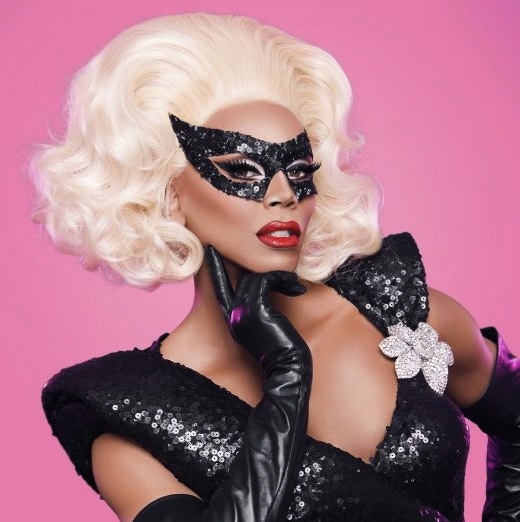
  • RuPaul shows off epically slender legs in RARE throw back picture

    RuPaul shows off epically slender legs in RARE throw back picture

    Sharing a throwback picture, RuPaul shares a rare leggy picture that even Mariah Carey would be jealous of.

    (C) BIGSTOCK

    It’s not often that RuPaul shows off her legs, but in an Instagram picture, the queen of queens posted a rare leggy shot – revealing an incredible pair of pins – that would leave most women utterly jealous.


    View this post on Instagram


    RuPaul Pop-Up Shop #sweetstorela Hollywood + Highland • Order online SHIPS INTERNATIONALLY

    A post shared by RuPaul Charles (@rupaulofficial) on

    RuPaul was wearing nothing but a bra and a pair of killer 5-inch heels in the knock-out picture, showing off her incredibly toned legs.

    Usually, on RuPaul’s Drag Race, the queen’s legs are hidden beneath a glamorous ball-gown, so it’s incredibly rare to see her in a short skirt, shorts or like this – in nothing but underwear.

    Even Mariah – who is known to show off her pins for album covers would be proud!


    RuPaul’s usual look includes a full-length ball-gown for her show, RuPaul’s Drag Race.

    Fans of the iconic queen shared their enthusiasm for the picture with it gaining over 137,000 likes in just 10 hours. One fan claimed that they needed the picture framed, while another wrote: “legs for days”.

    Another said that haters would say that the candid shot was photoshopped.

    RuPaul was advertising a RuPaul popup shop in Hollywood.

  • Geordie Shore’s Nathan gets fans very thirsty with his nekkid pictures

    Geordie Shore’s Nathan gets fans very thirsty with his nekkid pictures

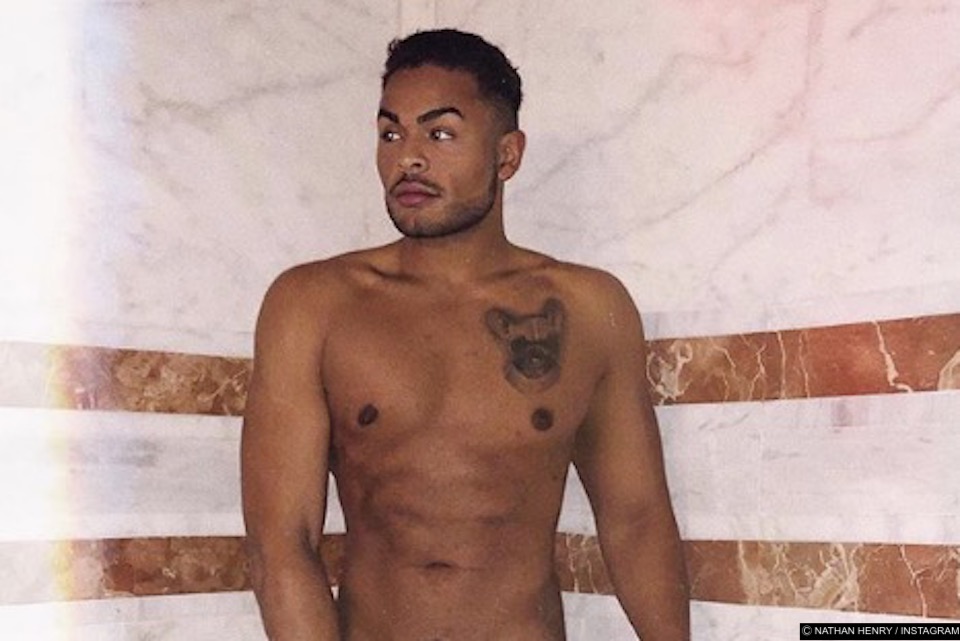
    Geordie Shore star Nathan Henry is getting his fans thirsty AF with these hot pictures from his Instagram.

    Doing a spot of advertising – and y’all know that sex sells, Newcastle lad, Nathan Henry, who came out as gay in 2015 got completely starkers not once but twice to promote products on Instagram. One to promote beautiful designed stainless steel water bottles the other to promote teeth whitening products.

    In both pictures Nathan used the products in question to cover his manhood, leaving some of his fans frustrated, but most complimented the reality star on his body.

    One of the pictures, where the star used a water bottle to cover his penis was liked by his fans over 63,000 times while the teeth whitening picture received 11,600 times.

    This isn’t the first time Nathan has taken on a naked shot. He once made a naked tribute to Kim Kardashian and also did a cheeky remake of Rihanna’s naked GQ cover, wearing nothing but a leather jacket and superimposing a moustache tattoo on his chest.

  • How many gay people are there in Wales?

    How many gay people are there in Wales?

    The number of people who identify as lesbian, gay and bisexual in Wales is a hotly debated subject, with no clear answer, but here will look at all the available stats.

    how many gay people in wales
    (C) BIGSTOCK

    There has long been a widely-held belief that around 10 per cent of the population is gay, lesbian or bisexual or who identify as non-heterosexual. This is probably the most accurate of all the figures – as more and more people feel comfortable to come out about their sexuality.

    ALSO: How many gay people are there in England?

    ALSO: How many gay people are there in Scotland?

    ALSO: How many gay people are there in Northern Ireland?

    The most up-to-date statistics from healthcare company Euroclinix show that six per cent of people identify as homosexual while seven per cent of people identify as bisexual. This equates to 13 per cent of the population identifying as either gay, lesbian or bisexual. EuroClinix surveyed 2,000 people around the UK to find out more about the sex lives of Brits.

    The current population in Wales is estimated to be 3.113 million people, which means that there are over 404,690 gay, lesbian or bisexual people in the UK if you take that 13 per cent statistic.

    Other sources:

    The ONS (Office of National Statistics) says that in a survey of people in the United Kingdom it found that 1.5 per cent of people identified as LGB. This result was arrived at by extrapolation of data collected. However, these statistics were disputed for not being accurate or showing the full picture. By their estimations, this would mean that there are only 46,695 LGB people in Wales.

    However, in 2005 the HM Treasury and the Department of Trade and Industry of the UK estimated that nearly 6 per cent of people were LGB after studying the economic impact of civil partnerships and same-sex marriages. By their estimations, this would mean that there are 186780 LGB people in Wales.

    In 2008 the Guardian newspaper reported that 8 per cent of the population were LGB in 2014 the same newspaper group conducted another survey and found that the figures were still consistent. By their estimations, this would mean that there are 249,040 LGB people in Wales.


  • How many gay people are there in Scotland?

    How many gay people are there in Scotland?

    The number of people who identify as lesbian, gay and bisexual in Scotland is a hotly debated subject, with no clear answer, but here will look at all the available stats.

    how many gay people are in scotland
    (C) BIGSTOCK

    There has long been a widely-held belief that around 10 per cent of the population is gay, lesbian or bisexual or who identify as non-heterosexual. This is probably the most accurate of all the figures – as more and more people feel comfortable to come out about their sexuality.

    ALSO: How many gay people are there in England?

    ALSO: How many gay people are there in Wales?

    ALSO: How many gay people are there in Northern Ireland?

    The most up-to-date statistics from healthcare company Euroclinix show that six per cent of people identify as homosexual while seven per cent of people identify as bisexual. This equates to 13 per cent of the population identifying as either gay, lesbian or bisexual. EuroClinix surveyed 2,000 people around the UK to find out more about the sex lives of Brits.

    The current population in Scotland is estimated to be 5.405 million people, which means that there are over 702,650 gay, lesbian or bisexual people in Scotland if you take that 13 per cent statistic.

    Other sources:

    The ONS (Office of National Statistics) says that in a survey of people in the United Kingdom it found that 1.5 per cent of people identified as LGB. This result was arrived at by extrapolation of data collected. However, these statistics were disputed for not being accurate or showing the full picture. By their estimations, this would mean that there are only 81,075 LGB people in Scotland.

    However, in 2005 the HM Treasury and the Department of Trade and Industry of the UK estimated that nearly 6 per cent of people were LGB after studying the economic impact of civil partnerships and same-sex marriages. By their estimations, this would mean that there are 324,300 LGB people in Scotland.

    In 2008 the Guardian newspaper reported that 8 per cent of the population were LGB in 2014 the same newspaper group conducted another survey and found that the figures were still consistent. By their estimations, this would mean that there are 432,400 LGB people in Scotland.


  • How many gay people are there in the United Kingdom?

    How many gay people are there in the United Kingdom?

    The number of people who identify as lesbian, gay and bisexual is a hotly debated subject, with no clear answer, but here will look at all the available stats.

    (C) BIGSTOCK

    There has long been a widely-held belief that around 10 per cent of the population is gay, lesbian or bisexual or who identify as non-heterosexual. This is probably the most accurate of all the figures – as more and more people feel comfortable to come out about their sexuality.

    The most up-to-date statistics from healthcare company Euroclinix show that six per cent of people identify as homosexual while seven per cent of people identify as bisexual. This equates to 13 per cent of the population identifying as either gay, lesbian or bisexual. EuroClinix surveyed 2,000 people around the UK to find out more about the sex lives of Brits.

    The current population in the UK is estimated to be 66.02 million people, which means that there are over 8.58 million gay, lesbian or bisexual people in the UK if you take that 13 per cent statistic.

    Other sources:

    The ONS (Office of National Statistics) says that in a survey of people in the United Kingdom it found that 1.5 per cent of people identified as LGB. This result was arrived at by extrapolation of data collected. However, these statistics were disputed for not being accurate or showing the full picture. By their estimations, this would mean that there are only 990,300 LGB people in the UK.

    However, in 2005 the HM Treasury and the Department of Trade and Industry of the UK estimated that nearly 6 per cent of people were LGB after studying the economic impact of civil partnerships and same-sex marriages. By their estimations, this would mean that there are 3.96 million LGB people in the UK.

    In 2008 the Guardian newspaper reported that 8 per cent of the population were LGB in 2014 the same newspaper group conducted another survey and found that the figures were still consistent. By their estimations, this would mean that there are 5.28 million LGB people in the UK.


  • Which line from “Do They Know It’s Christmas” does Boy George sing?

    Boy George was in the supergroup that released the iconic Christmas song, “Do They Know It’s Christmas?” released by Band Aid in 1984, but which line did he sing?

    Boy George joined the likes of George Michael, Marylin and Bob Geldof in 1984 to release “Do They Know It’s Christmas?” Boy George was in the band Culture Club at the time of the song’s release. They had already charted two massive hits,”Do You Really Want To Hurt Me” and “Karma Chameleon” by the time the Band Aid song was released.

    In Band Aid’s “Do They Know It’s Christmas?” Boy George sings solo on lines in the first verse. As well as singing some “ooohs”.

    In the first verse he sings the lines, “And in our world of plenty, we can spread a smile of joy, throw your arms around the world at Christmas time”.

    He also sang in the choruses and the end refrain, “Feed The World, Let them know it’s Christmas time”.

    “Do They Know Its Christmas” remains Boy George’s (along with all the other artists involved) biggest selling single of all time. It sold 3.8 million copies in the UK, another 2.5 million in the US. It has gone to sell 11.7 million copies according to Wikipedia.

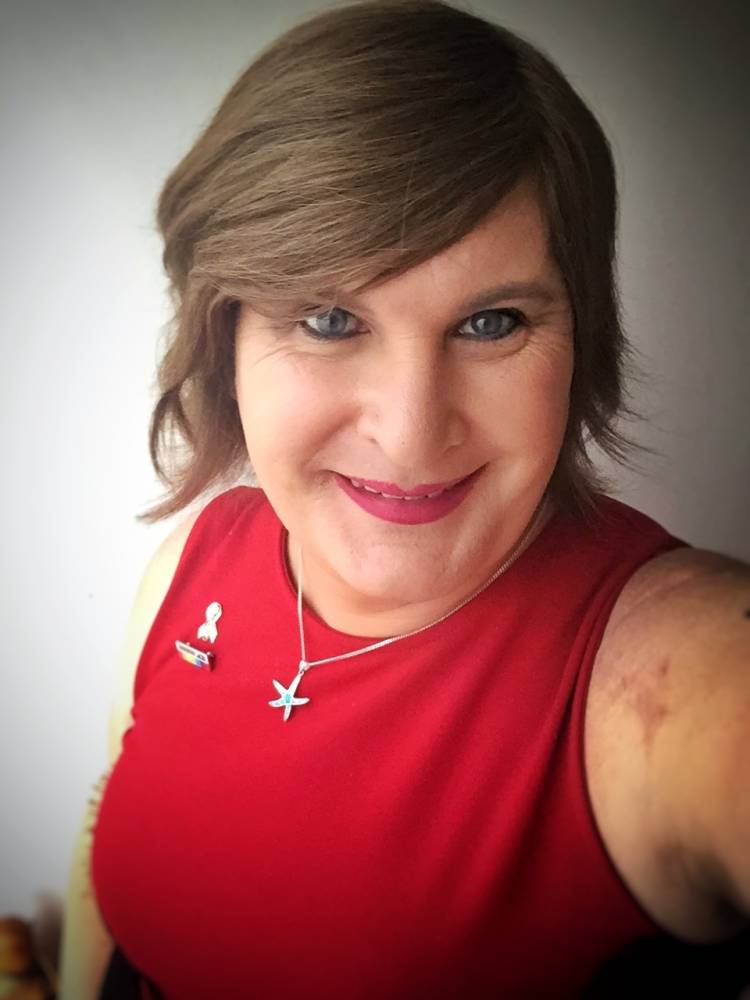
  • Trans politician Sophie Cook releases her debut book

    Trans politician Sophie Cook releases her debut book

    A transgender woman, who narrowly missed out on becoming Britain’s first transgender MP has released her first book.

    Having spent a lifetime hating herself and struggling with post-traumatic stress, her gender identity, self-harm and suicide, RAF veteran and former motorbike racer, newspaper editor, Premier League football and rock photographer, Sophie Cook was at breaking point when she transitioned in 2015.

    She became the first transgender woman to work in football’s Premier League as club photographer for AFC Bournemouth following her transition, and was Europe’s first trans TV newscaster with Brighton’s Latest TV where she also presented her own chat show and now has a show on RadioReverb.

    Sophie has also been flying the flag for diversity and inclusion as well as forcing the discussion about mental health awareness as an in-demand public speaker, delivering keynote talks and LGBT workshops across the UK for high profile organisations such as the TUC, Kick It Out and Stonewall.

    In April 2017 she was selected by the Labour Party to contest the East Worthing and Shoreham seat in the General Election, where against all the odds, she increased the Labour vote by 114% and narrowly missed out on becoming the UK’s first transgender MP.

    “Everything that I’ve done since my transition has been about trying to raise awareness and help others, whether it’s mental health, hate crime, trans inclusion or breaking down the walls of prejudice. Politics felt like the ultimate way in which I could try to make a difference.”

    Sophie’s autobiography Not Today: How I chose life has just been published and the book charts her personal journey from despair to redemption and acts as a self-help book for anyone struggling with their mental health or identity. From her childhood and her first suicide attempt at the age of 12, through post-traumatic stress after saving a colleagues life following an explosion whilst in the RAF. Sophie explores and examines her self-harming and depression, ultimately finding redemption, awareness and self-love.

    Suicide, self-harm and coping

    Writing in the book Sophie describes some of her darkest moments, “I know that one day I’ll kill myself, because I don’t know how to stop feeling this way but it won’t be today. In the meantime I’m going to do the best I can to enjoy every single day and then on the day that I die, in many, many years time, I’ll look back and realise that I didn’t get around to doing it.

    But adds that she’s found a coping mechanism, “With this simple revelation, I found a way to live. It may not have slain my demons completely but it significantly reduced their power to hurt me.”

    “Over the past three years I’ve spoken to thousands of people about my journey and how I overcame my demons and this, in turn, has helped them with their mental health and now it’s time to tell my full story for the first time.”

    Poignant and heart-rending, yet at the same time inspiring and uplifting, Not Today traces a journey from private torment to personal triumph. Told with honesty and candour – and written with warmth and intimacy, outlining the huge emotional and social toll of gender dysphoria and chronicling a voyage towards truth, validation and authenticity. Sophie’s compelling story portrays the fragility and fortitude of human emotions, demonstrating how – by conquering fear and summoning strength – a person is capable of making the progression from loathing themselves to loving themselves.

    But Not Today isn’t just a memoir.

    “There’s all of the stories and ideas that are floating around in my head and I really needed to share them. It’s part autobiography, part self-help book, part political manifesto, and part personal philosophy. It’s everything that makes me me, and everything that I understand about how my journey led me here.

    “Not everyone has the opportunity to change the world with a single act but we can all make incremental changes, by being nicer to people, by helping them, by standing up to hate or by respecting those that we meet.

    “If we want to change the world we first need to look within ourselves and find the strength, compassion and love that fuels the human spirit. By loving ourselves we can learn to love others, by being kind to others we can learn to be kind to ourselves, unfortunately so many of us fall down on loving ourselves.”

    Not Today: How I chose life is available as a paperback or eBook from www.sophiecook.me.uk/book
  • Just 21 percent of the top podcasts are female presented and 1 percent is LGBT+ content

    Just 21 percent of the top podcasts are female presented and 1 percent is LGBT+ content

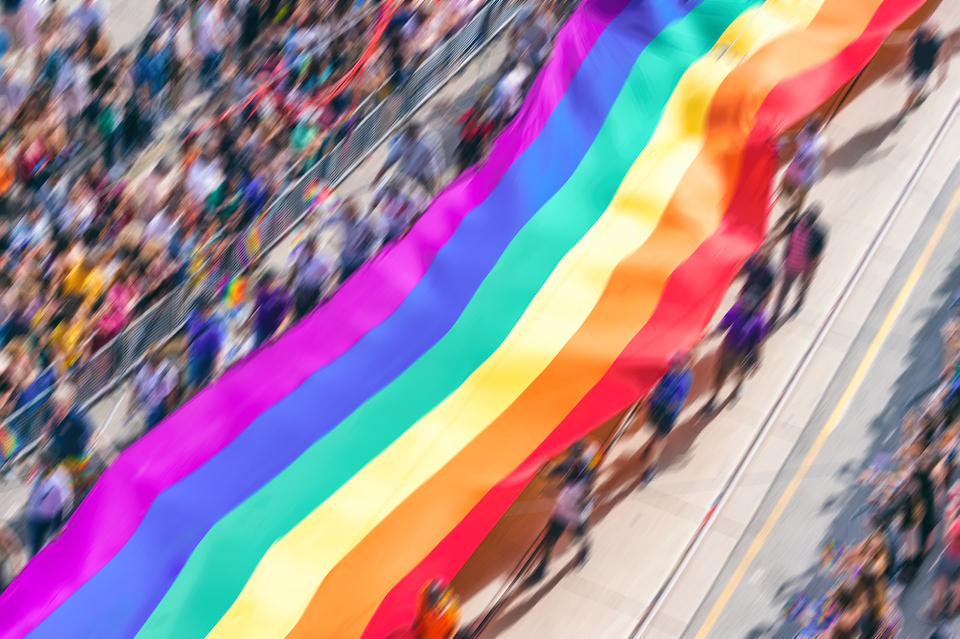
    A shocking review of the top 100 programmes on Apple’s iTunes podcast chart reveals that just 21 per cent of podcasts are female-led and just one per cent is content for, or about, the LGBT+ community.

    are podcasts male dominated, how many podcasts are female presented,
    (C) APPLE / Individual programmes

    The iTunes chart is male dominated with the majority of programmes featured in the top 100 podcasts being presented by men or featuring male-dominated panels, when checked on the 24th November 2018.

    Women-only shows accounted for 16 per cent of the shows in iTunes’ podcast chart, while female-dominated, that is shows that also featured a man in the presenting role, accounted for just 5 per cent.

    There was just one LGBT+ podcast, which was a show focussing on the experiences of people who had been subjected to “gay-cure” therapy. Two other podcasts were presented by out members of the LGBT+ community including Stephen Fry and Anna Richardson.

    Around 18 per cent of podcasts were equally presented, meaning that there was a 50/50 or near equal split of male/female presenters on the shows.

    Comedy and Sports Male-Dominated

    Practically all comedy shows were presented or featured men only.

    The top 10 podcasts were, with just two exceptions, the Guardian‘s Today In Focus and the BBC‘s Desert Island Discs, all presented by cis-gender men or featured male-dominated panels.

    The top female presented show was the Guardian‘s daily Today In Focus, presented by Anushka Asthana, which is a show to “bring you closer to Guardian journalism”.

    The second female-fronted show was Lauren Lavern’s Desert Island Discs produced by the BBC.

    Here’s how the top 100 podcasts were presented.

    MALE    IIIII IIIII IIIII IIIII IIIII IIIII IIIII IIIII IIIII IIII

    FEMALE IIIII IIIII IIIII I

    MALE DOMINATED IIIII IIIII II

    EQUAL IIIII IIIII IIIII III

    FEMALE DOMINATED IIIII

    LGBT I

    Further down the chart, there was more LGBT+ content, including Savage Lovecast (163) RuPaul’s What’s The Tee (199) and Graham Norton Podcast (200)

    Featured by Apple

    When it comes to finding out new shows, Apple’s “New and Noteworthy” section offered potential listeners a 50/50 spread between men and women presented podcasts.