Category: Answers

  • Who is Matt Baker and what did he do before the One show?

    Matt Baker, along with Alex Jones are the faces of BBC’s The One Show… but what do we know about Matt Baker?

    Is Matt Baker gay?

    Matt Baker, along with Alex Jones are the regular hosts of the popular magazine show, The One Show, which is on every weekday evening on BBC One. However, this isn’t Matt’s first presenting job. Matt’s first presenting job for the BBC was on the children’s magazine show, Blue Peter. He presented alongside Katy Hill, Konnie Huq and Gethin Jones from 1999 until 2006.

    Is Matt Baker gay?

    Matt Baker is married to his wife, Nicola. They married in 2004 in Teesdale and have a son and daughter together. So no, Matt Baker isn’t gay and has never identified bisexual. He and his wife met whilst he was performing in a Disco show at Pier 39 in the holiday town of Cleethorpes. They now live in Buckinghamshire with their two children.

    How old is Matt Baker?

    Matt was born in December 1977 which makes him 39/40 in 2017. He was born in County Durham in England.

    Matt Baker along with co-host of The One Show, Alex Jones

    What other programmes has Matt Baker presented?

    Before becoming the daily host on The One Show, Matt presented for Blue Peter and still can be found presenting Countryfile. He got the job on The One Show after standing in for Jason Mansford in 2010, after Mansford resigned from the show. Baker been there ever since.

    When is The One Show on?

    The One Show is on every weekday on BBC one at 7 PM and usually lasts 30 minutes.

  • How gay friendly is Theresa May’s Cabinet

    How gay friendly is Theresa May’s Cabinet

    How has Theresa May’s cabinet voted in gay and LGBT+ issues throughout their time as MPs?

    In order to get our LGBT friendly rating, we have combined absent and abstained votes as a No vote. You can read a comment on this at the bottom of the article.

    These findings were taken from the TheyWorkForYou.com website. In determining our rating we have highlighted major votes (as determined by TheyWorkForYou). We have left out “less important votes” which is why some tallies may not match the major votes.

    Quick Analysis:

    21 Ministers (and one Peer), including the Prime Minister.

    Number of ministers who have a 50% or above LGBT friendly rating: 12/21

    Number of ministers who have a 49% or under LGBT friendly rating: 9/21

    Number of ministers who have a 100% LGBT friendly rating: 5/21

    Number of ministers who have under a 20% LGBT friendly rating: 3/21

    Prime Minister

    Theresa May

    8 votes for, 10 votes against, 9 absences, between 2002–2014

    MAJOR YES VOTES: 5

    2003: Civil partnerships.

    2013: Same-sex marriage. (Feb)

    2013: Same-sex marriage. (May)

    2014:  Enabling the courts to deal with proceedings for the divorce of, or annulment of the marriage of, a same-sex couple.

    2014: Making same-sex marriage available to armed forces personnel outside the UK.

    MAJOR NO VOTES: 2

    1998: Equalising the age of consent.

    2002: Allowing gay couples to adopt children.

    MAJOR ABSENT VOTES: 3

    2003: Repeal a ban on the promotion of homosexuality in schools. Section 28.

    2004: Allow Marriages to Remain Valid If They Become a Same-Sex Marriage.

    2007: Discrimination on the grounds of sexuality.

    Rating: 29.6%

    Analysis of Theresa May’s LGBT voting:

    Ms May is what we’d call an evolved Minister on LGBT+ and gay rights. Prior to 2004 she systematically voted against the rights of gay people in the UK. Then we see a 180-degree change in her voting pattern, although she did have a blip in 2007 when she failed to vote on the Discrimination on the grounds of sexuality law. Since the beginning of this decade, she has voted positively for LGBT+ community.


    First Secretary Of State, Minister for the Cabinet Office

    David Lidington

    3 votes for, 18 votes against, 6 absences, between 2003–2014

    MAJOR YES VOTES: 1

    2004: Allow Marriages to Remain Valid If They Become a Same-Sex Marriage.

    MAJOR NO VOTES: 3

    1998: Equalising the age of consent.

    2002: Allowing gay couples to adopt children.

    2003: Repeal a ban on the promotion of homosexuality in schools. Section 28.

    2013: Same-sex marriage. (Feb)

    2013: Same-sex marriage. (May)

    MAJOR ABSENT VOTES: 4

    2004: Civil partnerships.

    2007: Discrimination on the grounds of sexuality.

    2014:  Enabling the courts to deal with proceedings for the divorce of, or annulment of the marriage of, a same-sex couple.

    2014: Making same-sex marriage available to armed forces personnel outside the UK.

    Rating: 11.1%

    Analysis of David Lidington’s LGBT voting:

    David Lingtonton is one of worst voters on LGBT+ and gay matters in Theresa May’s Cabinet. He has nearly voted against or failed to turn up to every major vote concerning the equality of gay people in the UK since he took office. He has only voted positively on one major piece of legislation which was in 2004.


    Chancellor of the Exchequer

    Philip Hammond

    3 votes for, 11 votes against, 13 absences, between 2002–2014

    MAJOR YES VOTES: 2

    2014:  Enabling the courts to deal with proceedings for the divorce of, or annulment of the marriage of, a same-sex couple.

    2014: Making same-sex marriage available to armed forces personnel outside the UK.

    MAJOR NO VOTES: 2

    1998: Equalising the age of consent.

    2002: Allowing gay couples to adopt children.

    MAJOR ABSENT VOTES: 6

    2003: Repeal a ban on the promotion of homosexuality in schools. Section 28.

    2003: Civil partnerships.

    2004: Allow Marriages to Remain Valid If They Become a Same-Sex Marriage.

    2007: Discrimination on the grounds of sexuality.

    2013: Same-sex marriage. (Feb)

    2013: Same-sex marriage. (May)

    Rating: 11.1%

    Analysis of Philip Hammond’s LGBT voting:

    Philip Hammond has an appalling voting record on LGBT matters and his six failures to appear for a vote, to us, shows a very real lack of respect for gay rights and the LGBT+ community. He hasn’t, it would appear evolved on matters of LGBT rights, even failing to appear for the 2013 same-sex marriage vote.


    Foreign Secretary

    Jeremy Hunt

    8 votes for, 2 votes against, between 2008–2014

    MAJOR YES VOTES: 5

    2007: Discrimination on the grounds of sexuality.

    2013: Same-sex marriage. (Feb)

    2013: Same-sex marriage. (May)

    2014: Enabling the courts to deal with proceedings for the divorce of, or annulment of the marriage of, a same-sex couple.

    2014: Making same-sex marriage available to armed forces personnel outside the UK.

    MAJOR NO VOTES: 0

    MAJOR ABSENT VOTES: 0

    Rating: 80%

    Analysis of Jeremy Hunt’s LGBT voting:

    Jeremy has a perfect score for voting on gay and LGBT+ matters.


    Home Secretary

    Sajid Javid

    2 votes for, 0 votes against, 5 absences, between 2013–2014

    MAJOR YES VOTES: 2

    2013: Same-sex marriage. (Feb)

    2013: Same-sex marriage. (May)

    MAJOR NO VOTES: 0

    MAJOR ABSENT VOTE: 2

    2014: Enabling the courts to deal with proceedings for the divorce of, or annulment of the marriage of, a same-sex couple.

    2014: Making same-sex marriage available to armed forces personnel outside the UK.

    Rating: 28.5%

    Analysis of Sajid Javid’s LGBT voting:

    His absenteeism is cause for concern. Despite voting positively for same-sex marriage he didn’t attend a vote to equalise marriage laws or extend the right to marry to our armed forces.


    Brexit Secretary

    Stephen Barclay

    4 votes for, 0 votes against, 3 absences, between 2013–2014

    MAJOR YES VOTES: 4

    2013: Same-sex marriage. (Feb)

    2013: Same-sex marriage. (May)

    2014: Enabling the courts to deal with proceedings for the divorce of, or annulment of the marriage of, a same-sex couple.

    2014: Making same-sex marriage available to armed forces personnel outside the UK.

    2014: Against various amendments to acts of Parliament in light of the introduction of same-sex marriage.

    MAJOR NO VOTES:0

    MAJOR ABSENT VOTES: 1

    Stephen Barclay was absent for a vote on Marriage (Same Sex Couples) Bill — Second Reading

    Rating: 75%

    Analysis of Stephen Barclays’s LGBT voting:

    Almost perfect score for Mr Barclay’s voting record for LGBT Right. He was absent from the second reading of Marriage (same-sex couples) Bill, but ultimately voted for the rights of gay couples to marry.


    Secretary of State for Defence

    Gavin Williamson

    2 votes for, 5 votes against, between 2013–2014

    MAJOR YES VOTES: 0

    MAJOR NO VOTES: 5

    2013: Same-sex marriage. (Feb)

    2013: Same-sex marriage. (May)

    2014: Enabling the courts to deal with proceedings for the divorce of, or annulment of the marriage of, a same-sex couple.

    2014: Making same-sex marriage available to armed forces personnel outside the UK.

    2014: Against various amendments to acts of Parliament in light of the introduction of same-sex marriage.

    MAJOR ABSENT VOTES: 0

    Rating: 28.5%

    Analysis of Gavin Williamson’s LGBT voting:

    Gavin Williamson is one of worst voters on LGBT+ and gay matters in Theresa May’s Cabinet. He has voted against every major vote concerning the equality of gay people in the UK since he took office in 2010.


    Health and Social Care Secretary

    Matthew Hancock

    7 votes for, 0 votes against, between 2013–2014

    MAJOR YES VOTES: 7

    2013: Same-sex marriage. (Feb)

    2013: Same-sex marriage. (May)

    2014: Enabling the courts to deal with proceedings for the divorce of, or annulment of the marriage of, a same-sex couple.

    2014: Making same-sex marriage available to armed forces personnel outside the UK.

    Rating: 100%

    Analysis of Matthew Hancock’s LGBT voting:

    Mr Hancock has a perfect score for voting on gay and LGBT+ matters.


    Justice Secretary

    David Gauke

    7 votes for, 3 votes against, between 2007–2014

    MAJOR YES VOTES: 4

    2013: Same-sex marriage. (Feb)

    2013: Same-sex marriage. (May)

    2014: Enabling the courts to deal with proceedings for the divorce of, or annulment of the marriage of, a same-sex couple.

    2014: Making same-sex marriage available to armed forces personnel outside the UK.

    MAJOR NO VOTES: 1

    2007: Equality Act (Sexual Orientation) Regulations

    MAJOR ABSENT VOTE: 0

    Rating: 70%

    Analysis of David Gauke’s LGBT voting:

    David Gauke has a near perfect voting record on LGBT+ issues.


    Education Secretary

    Damian Hinds

    7 votes for, 0 votes against, between 2013–2014

    MAJOR YES VOTES: 7

    2013: Same-sex marriage. (Feb)

    2013: Same-sex marriage. (May)

    2014: Enabling the courts to deal with proceedings for the divorce of, or annulment of the marriage of, a same-sex couple.

    2014: Making same-sex marriage available to armed forces personnel outside the UK.

    Rating: 100%

    Analysis of Matthew Hancock’s LGBT voting:

    Mr Hinds has a perfect score for voting on gay and LGBT+ matters.


    Secretary of State for International Trade

    Dr Liam Fox

    2 votes for, 14 votes against, 11 absences, between 2003–2014

    MAJOR YES VOTES: 0

    MAJOR NO VOTES: 4

    2002: Allowing gay couples to adopt children.

    2013: Same-sex marriage. (Both readings).

    2014:  Enabling the courts to deal with proceedings for the divorce of, or annulment of the marriage of, a same-sex couple.

    2014: Making same-sex marriage available to armed forces personnel outside the UK.

    MAJOR ABSENT VOTES: 5

    1998: Equalising the age of consent.

    2003: Repeal a ban on the promotion of homosexuality in schools. Section 28.

    2003: Civil partnerships.

    2004: Allow Marriages to Remain Valid If They Become a Same-Sex Marriage.

    2007: Discrimination on the grounds of sexuality.

    Rating: 7.4%

    Analysis of Dr Liam Fox’s LGBT voting:

    Liam Fox has an appalling voting record on LGBT+ matters. He has systematically voted against or failed to attend votes pertaining to the LGBT+ community since 1998; doing his LGBT+ constituents in North Somerset a great disservice.


    Secretary of State for Businesses, Energy and Industrial Strategy

    Greg Clark

    7 votes for, 1 vote against, 2 absences, between 2007–2014

    MAJOR YES VOTES: 4

    2013: Same-sex marriage. (Feb)

    2013: Same-sex marriage. (May)

    2014: Enabling the courts to deal with proceedings for the divorce of, or annulment of the marriage of, a same-sex couple.

    2014: Making same-sex marriage available to armed forces personnel outside the UK.

    MAJOR NO VOTES: 0

    MAJOR ABSENT VOTES: 1

    2007: Discrimination on the grounds of sexuality.

    Rating: 70%

    Analysis of Greg Clark’s LGBT voting:

    Greg Clark has an almost perfect voting record for LGBT+ rights in the UK.


    Secretary of State for Environment, Food and Rural Affairs

    Michael Gove

    5 votes for, 0 votes against, 5 absences, between 2008–2014

    MAJOR YES VOTES: 3

    2007: Discrimination on the grounds of sexuality.

    2013: Same-sex marriage. (Feb)

    2013: Same-sex marriage. (May)

    MAJOR NO VOTES: 0

    MAJOR ABSENT VOTE: 2

    2014: Making same-sex marriage available to armed forces personnel outside the UK.

    2014: Enabling the courts to deal with proceedings for the divorce of, or annulment of the marriage of, a same-sex couple.

    Rating: 50%

    Analysis of Michael Gove’s LGBT voting:

    Although Michael Gove has never voted against LGBT+ equality he has been absent from half the votes that affected the gay community.


    Secretary of State for Transport

    Chris Grayling

    9 votes for, 7 votes against, 4 absences, between 2002–2014

    MAJOR YES VOTES: 5

    2007: Discrimination on the grounds of sexuality.

    2013: Same-sex marriage. (Feb)

    2013: Same-sex marriage. (May)

    2014: Enabling the courts to deal with proceedings for the divorce of, or annulment of the marriage of, a same-sex couple.

    2014: Making same-sex marriage available to armed forces personnel outside the UK.

    MAJOR NO VOTES: 0

    MAJOR ABSENT VOTE: 3

    2003: Repeal a ban on the promotion of homosexuality in schools. Section 28.

    2003: Civil partnerships.

    2004: Gender Recognition Bill

    Rating: 45%

    Analysis of Chris Grayling’s LGBT voting:

    Chris Grayling is an almost 50-50 politician on LGBT+ matters. Although he has voted positively on many matters, his absence from some votes is cause for concern.


    House and Communities Secretary

    James Brokenshire

    7 votes for, 3 votes against, between 2007–2014

    MAJOR YES VOTES: 4

    2013: Same-sex marriage. (Feb)

    2013: Same-sex marriage. (May)

    2014: Enabling the courts to deal with proceedings for the divorce of, or annulment of the marriage of, a same-sex couple.

    2014: Making same-sex marriage available to armed forces personnel outside the UK.

    MAJOR NO VOTES: 1

    2007: Discrimination on the grounds of sexuality.

    MAJOR ABSENT VOTE: 0

    Rating: 70%

    Analysis of James Brokenshire’s LGBT voting:

    A good show for James Brokenshire and his voting on gay equality. However, there is one blip on his voting record and that was for 2007’s Discrimination on the grounds of sexuality.


    Leader of the Lords

    Baroness Evans


    Secretary of State for Scotland

    David Mundell

    6 votes for, 3 votes against, 3 absences, between 2000–2014

    MAJOR YES VOTES: 3

    2013: Same-sex marriage. (Feb)

    2014: Enabling the courts to deal with proceedings for the divorce of, or annulment of the marriage of, a same-sex couple.

    2014: Making same-sex marriage available to armed forces personnel outside the UK.

    MAJOR NO VOTES: 0

    MAJOR ABSENT VOTE: 2

    2007: Discrimination on the grounds of sexuality.

    2013: Same-sex marriage. (May)

    Rating: 50%

    Analysis of David Mundell’s LGBT voting:

    We would have hoped that one of the UK’s highest profile out politicians would have a flawless voting record, however, Mundell has been absent from too many votes for our liking.


    Secretary of State for Wales

    Alun Cairns

    2 votes for, 1 vote against, 4 absences, between 2013–2014

    MAJOR YES VOTES: 0

    MAJOR NO VOTES: 1

    2013: Same-sex marriage. (Feb)

    MAJOR ABSENT VOTE: 3

    2013: Same-sex marriage.

    2014:  Enabling the courts to deal with proceedings for the divorce of, or annulment of the marriage of, a same-sex couple.

    2014: Making same-sex marriage available to armed forces personnel outside the UK.

    Rating: 28.5%

    Analysis of Alun Cairn’s LGBT voting:

    Mr Cairns’ voting record, although not the worst in the Cabinet, certainly fails his LGBT constituents in the Vale of Glamorgan.


    Northern Ireland Secretary

    Karen Bradley

    7 votes for, 0 votes against, between 2013–2014

    MAJOR YES VOTES: 4

    2013: Same-sex marriage. (Feb)

    2013: Same-sex marriage. (May)

    2014:  Enabling the courts to deal with proceedings for the divorce of, or annulment of the marriage of, a same-sex couple.

    2014: Making same-sex marriage available to armed forces personnel outside the UK.

    MAJOR NO VOTES: 0

    MAJOR ABSENT VOTE: 0

    Rating: 100%

    Analysis of Karen Bradley’s LGBT voting:

    Ms Bradley has a perfect score for voting on gay and LGBT+ matters.


    Secretary of State for International Development

    Penny Mordaunt

    7 votes for, 0 votes against, between 2013–2014

    MAJOR YES VOTES: 4

    2013: Same-sex marriage. (Feb)

    2013: Same-sex marriage. (May)

    2014: Enabling the courts to deal with proceedings for the divorce of, or annulment of the marriage of, a same-sex couple.

    2014: Making same-sex marriage available to armed forces personnel outside the UK.

    MAJOR NO VOTES: 0

    MAJOR ABSENT VOTE: 0

    Rating: 100%

    Analysis of Penny Mordaunt’s LGBT voting:

    Having only served as an MP since 2010, Penny Mordaunt is part of a new Conservative wave – a much more liberal thinker. Compared with some of her longer serving Cabinet members, she has voted in far fewer matters that concern the LGBT+ community however, she has consistently voted for LGBT+ rights and is one of the highest scorers on this league table.


    Culture Secretary

    Jeremy Wright

    2 votes for, 4 votes against, 4 absences, between 2008–2014

    MAJOR YES VOTES: 2

    2013: Jeremy Wright voted in favour of allowing same-sex couples to marry. (in primary readings, but ultimately voted against same-sex marriage)

    MAJOR NO VOTES: 4

    2013: Jeremy Wright voted in favour of allowing same-sex couples to marry.

    MAJOR ABSENT VOTES: 4

    2013: Jeremy Wright was absent for a vote on Same-Sex Marriage — Enabling Courts to Deal with Divorce or Annulment Proceedings

    2014: Jeremy Wright was absent for a vote on Make Same-Sex Marriage Available to Armed Forces Personnel Outside the United Kingdom

    2007: Jeremy Wright was absent for a vote on Equality Act (Sexual Orientation) Regulations

    Rating: 25%

    Analysis of Jeremy Wright’s LGBT voting:

    Having served since 2008, Mr Wright has had plenty of opportunities to enhance the rights of LGBT people in the UK, however, he has one of the worse ratings on Ms May’s Cabinet.


    Work and Pensions Secretary

    Amber Rudd

    7 votes for, 0 votes against, between 2013–2014

    MAJOR YES VOTES: 5

    2013: Same-sex marriage. (Feb)

    2013: Same-sex marriage. (May)

    2014: Enabling the courts to deal with proceedings for the divorce of, or annulment of the marriage of, a same-sex couple.

    2014: Making same-sex marriage available to armed forces personnel outside the UK.

    MAJOR NO VOTES: 0

    MAJOR ABSENT VOTES: 0

    Rating: 100%

    Analysis of Amber Rudd’s LGBT voting:

    Having only served as an MP since 2010, Amber Rudd is part of a new Conservative wave – a much more liberal thinker. Compared with some of her longer serving Cabinet members, she has voted in far fewer matters that concern the LGBT+ community however, she has consistently voted for LGBT+ rights and is one of the highest scorers on this league table.


    Party Chair

    Brandon Lewis

    4 votes for, 0 votes against, 3 absences, between 2013–2014

    MAJOR YES VOTES: 4

    2013: Same-sex marriage. (Feb)

    2013: Same-sex marriage. (May)

    MAJOR NO VOTES: 0

    MAJOR ABSENT VOTES: 3

    2014: Enabling the courts to deal with proceedings for the divorce of, or annulment of the marriage of, a same-sex couple.

    2014: Making same-sex marriage available to armed forces personnel outside the UK.

    Rating: 57%

    Analysis of Brandon’s LGBT voting:

    Generally speaking Brandon has voted for the rights of LGBT+ people however was absent from three crucial votes which directly affect the rights of LGBT armed forces and allowing the courts to treat LGBT people in the matter of divorce.


    How we calculated our results.
    Using TheyWorkForYou.com we were able to define MPs’ voting records on equality issues. We made conclusions on an MP’s voting record – we counted Absent votes as a negative.

    ABSENT COMMENT – Editor

    For this analysis on how this government’s head ministers LGBT friendly rating, we have chosen to consider an absent or abstain vote as a no vote. In my opinion, if you are absent for a vote you are voting for the status quo – which often meant a poorer equality for the LGBT community, such as votes surrounding age of consent, repealing section 28 and of course same-sex marriage.

    In my view, Abstaining is worse than Absent, because I believe that abstaining indicates a level of contempt and that certain issues are not even worth consideration.

  • Who is Dermot O’Leary and what is he most famous for?

    Dermot O’Leary is the presenter for X Factor but where did it all start for the ever-youthful TV host?

    Is Dermot OLeary gay

    Dermot O’Leary might be most famous for being the fresh-faced presenter for the UK’s X Factor but his hosting career spans nearly two decades. Most notably he became a household name when he became a Channel 4 favourite for their youth programming strand, T4. He started presenting in 1998.

    He also presented Big Brother’s Little Brother from 2001 until 2008. He started presenting the X Factor in 2007 – taking over from Kate Thorton.

    Is Dermot O’Leary gay?

    Dermot O’Leary is married to his wife, Dee Koppang. They’ve been together since 2002 when they met at a TV production company. They married at St Mary’s Church, Chiddingstone, Kent on 14 September 2012 – and Dermot has said that he hopes he and Dee will become parents in the future. So, no Dermot O’Leary isn’t gay and doesn’t identify as bisexual or gay.

    How much is Dermot O’Leary worth?

    Dermot is at the pinnacle of his presenting career and that comes with a hefty price tag for TV companies. It is estimated that Dermot’s net worth is somewhere in the £12m region. There were reports that he signed a 4-year contract with X Factor last year which experts suggest is worth a cool £8m. With the exception of one year, when Olly Murs and Caroline Flack took over presenting duties, Dermot has presented X Factor non-stop since 2007.

    How tall is Dermot O’Leary

    Dermot is known for his “little brother” persona and you’d be mistaken in thinking that he is actually quite short, but  he’s reportedly 5’9 – which is actually pretty average


  • Who is Anthony Rapp and What is he famous for?

    Anthony Rapp has been catapulted into the headlines in recent months, but who is he and what is he most famous for?

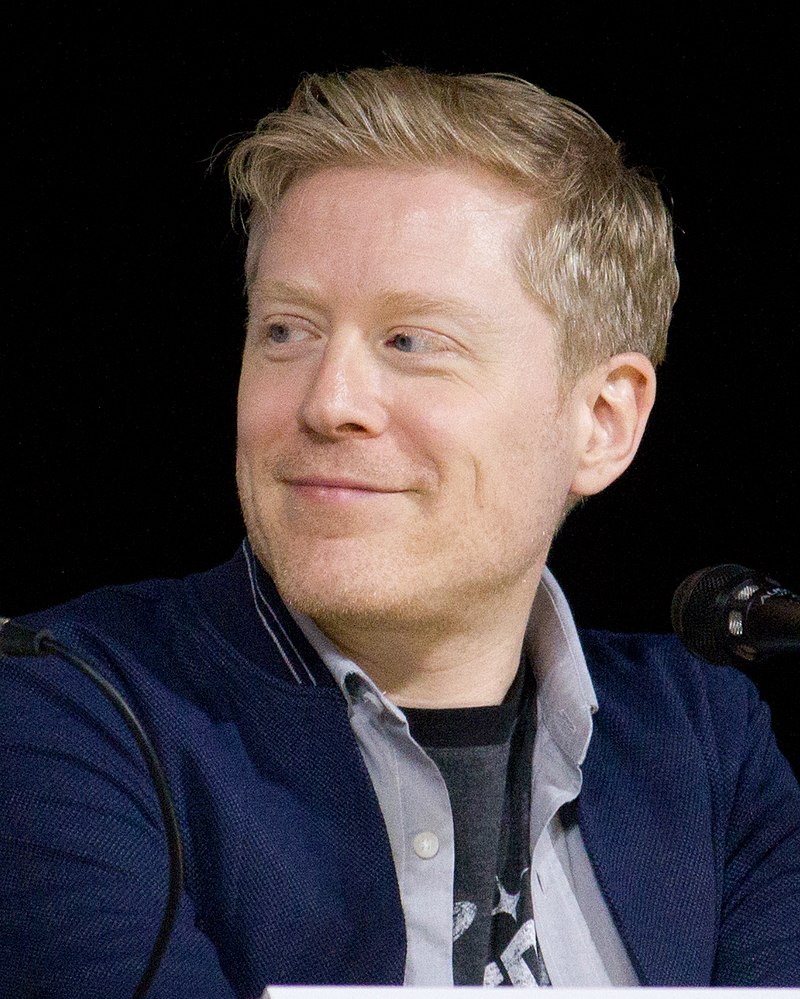
    Anthony Rapp on the right along with his co-star Wilson Cruz.


    Anthony Rapp is an American actor, currently starring in the Netflix/CBS sci-fi franchise, Star Trek: Discovery. Most notably his character in Star Trek forms one part of the franchises first openly and heavily featured gay couples, Lt. Paul Stamets and Chief Medical Officer Hugh Culber.

    Rapp is a prolific theatre actor, who has starred in productions dating back to 1981 when he was just a child. It wasn’t until 1986, however, that he got his first big break when he starred, alongside Ed Harris in the Broadway production of Precious Sons. The show was critically acclaimed and it is around this time, Rapp says he met with actor Kevin Spacey. He alleges that the American Beauty actor made “sexual advances” on him. He was just 14 at the time.

    He continued to work in theatre and his theatrical CV includes three stints of Rent (he also starred in the film version), Hedwig And The Angry Inch and Little Shop Of Horrors.  

    His first film role was in 1987 at the age of 15 in Adventures In Babysitting – a successful film made by Touchstone Pictures. His film CV has 28 credits.

    His TV career didn’t really take off until 1990 – when he got a role in the made for TV film, Sky High. Since then he has had many day parts and short recurring roles on TV, but Star Trek: Discovery is the first major TV role for Rapp, where he makes up part of the principle cast.

    By vagueonthehow – Flickr, CC BY 2.0, https://commons.wikimedia.org/w/index.php?curid=63033555

    Is Anthony Rapp gay?

    In 2012 Anthony Rapp was described in Metro Weekly as “one of the first openly gay men on Broadway” however, in 1997 Rapp did say that he preferred the identity “queer” rather than gay. He has a long-term boyfriend and the pair are regularly pictured together on social media.

    Why did it take Anthony Rapp so long to make allegations against Kevin Spacey?

    According to the report in Buzzfeed, Rapp had once approached a lawyer to discuss legal action against Spacey, but was told it was not a case worth pursuing. He also stated that because of the accusations levied against Harvey Weinstein that he was “really awake to the moment that we’re living in”.

    He reinforced this by saying, “Part of what allowed the Harvey situation to occur was that there was this witting and unwitting conspiracy of silence,

    “The only way these things can continue is if there’s no attention being paid to it, if it’s getting forgotten.”

    Rapp also spoke about how he felt “dread” whilst watching last year’s Tony Awards. The annual awards plays a central role in jelling the theatrical community. It is televised and boasts a world-wide audience. Last year’s awards was hosted by Spacey.

  • Which characters are gay in Star Trek: Discovery?

    Netflix’s new sci-fi offering is Star Trek Discovery and it’s pretty groundbreaking with its representation of minorities in media  – and includes the introduction of a gay couple.

    Which characters are gay in Star Trek: Discovery?

    The introduction of gay characters in the mainstream Star Trek universe is a relatively new idea – there was the introduction of Hikaru Sulu’s partner and daughter in the film Star Trek: Beyond, although it was a glancing scene – which didn’t expand on their story.

    Star Trek: Discovery has changed this by putting two guys, in prominent roles, into a relationship with each other. The characters are  Lt. Paul Stamets and Chief Medical Officer Hugh Culber.

    In Episode 5 the couple is introduced as they brush their teeth in their quarters and discuss their day. A pretty average scene, but fantastic in its representation of a gay couple as really typical.

    Fans of the series remarked how great it was finally getting representation on Star Trek.

    Treating gay relationships like any other

    Explaining their relationship, the actor Anthony Rapp, who plays Stamets said,

    “I’m really excited and happy when a gay character is a part of a story — especially when a gay character is created in a complex and human and non-stereotypical, interesting way, and that has certainly been the case with Stamets,

    “And you get to see his relationship. There was a little glimpse with Sulu in Beyond, and it was a nice nod.

    “But in this case, we actually get to see me with my partner in conversation, in our living quarters, you get to see our relationship over time, treated as any other relationship would be treated.”

    Are the actors who play Stamets and Culber gay in real life?

    Anthony Rapp who plays Lt. Paul Stamets in Star Trek: Discovery said in a 1997 interview with Oasis magazine, that he identified as “queer” rather than “gay” saying that, “I don’t want to get into labels, but I’ve never labelled myself except to say I’m queer. The thing that’s been most important to me to be out about is that I have been in loving relationships with men…I haven’t said ‘I am gay.’ Because the truth is that I’ve also been in love with women, although the truth is I do think I’m primarily homosexual…”

    Wilson Cruz, who plays Chief Medical Officer Hugh Culber identifies as gay and is an LGBT+ advocate and even joined the board of directors of GLAAD in 1997. In 2012 he became the National Spokesperson and Strategic Giving Officer at the organisation. 

    You can watch Star Trek: Discovery now on Netflix

  • How did George Michael die?

    It’s nearly a year since singer George Michael died, but how did he die and where is he buried?

    How did George Michael die?

    George Michael passed away on Christmas Day 2016. His death shook the world and left millions of fans worldwide reeling from the news. Investigators said that his death was ‘unexplained but not suspicious’. The star died at the age of 53. He was found in his Oxfordshire home by his partner, Fadi Fawaz on Christmas morning. He was found lying, “peacefully in bed”

    The news of the star’s death wasn’t announced to the press until late Christmas evening.

    The superstar’s autopsy was inconclusive and more tests were ordered to determine the cause of his death. There were many reports that drug usage was to blame for the untimely passing, including his cousin who erroneously claimed, on the Victoria Derbyshire show on BBC,  that an accidental drugs overdose caused George’s death.

    In March, the cause of George’s death was revealed following more conclusive testing, the corner returned a death by natural causes verdict.

    Natural Causes

    The coroner concluded that the star had died after suffering a dilated cardiomyopathy with myocarditis and fatty liver.

    Dilated cardiomyopathy is a disease which causes the heart muscle to stretch and thin – leaving it unable to pump blood around the body efficiently. Myocarditis is an inflammation of the heart muscle. Fatty liver is a type of liver disease. It can be caused by a build-up of fats in the liver. These are usually caused by alcohol or sugars and fats in the diet.

    Where is George Michael buried?

    Where is George Michael buried?

    George Michael is buried at the Highgate Cemetery, London just a mile away from his former London home. His funeral was a private event, attended only by family and close friends. it took place at the Highgate Cemetary in late March.

    His funeral was attended by his former WHAM! bandmate Andrew Ridgeley. George’s partner Fadi was also at the funeral despite speculation that he had been banned by the family from attending. Kenny Goss, George’s long-term lover, also attended the service.

  • What Law Says About Gay Men Donating Blood After Vegas

    After the deadliest mass shooting in U.S. history killed 58 and injured around 530 people in Las Vegas Sunday night, blood banks in Nevada have been inundated with people wishing to donate blood to help the victims.


    Due to licensing this article must be read on our website

    But some people on social media, like former NSYNC singer Lance Bass, have reported that they are unable to… (more…)

  • Who is Anne Marie Waters the UKIP leadership hopeful?

    Annie Marie Waters is in a battle to become the next leader of the UK Independence Party.

    Who is Anne Marie Waters the UKIP leadership hopeful?

    Annie Marie Waters is a contender for the next leader of UKIP. She’s been campaigning on an anti-Sharia law stance and was involved in Bristol’s recent, Gays Against Sharia demonstration. She’s currently bookies favourite to win the leadership contest. Her personal website lacks any manifesto or vision should she win the leadership.

    Anne Marie is the director of Sharia Watch UK a watchdog which says its “particularly concerned with the elements of sharia law which are discriminatory and violent towards women and girls, and which endanger and threaten the democratic principle of freedom of speech”. She also called Islam “evil”

    She also, along with former English Defence League leader Tommy Robinson, launched an organisation called Pegida UK which “protests against mass immigration and the Islamisation of the west”.

    Annie Marie was born in Dublin in Ireland but describes herself as “passionately, loyally, resolutely and proudly British.” She studied journalism at Nottingham Trent University and graduated in 2003. She also gained a Law degree whilst she was working for the NHS as a secretary.

    She describes herself as an LGBT activist and also served as a director of the National Secular Society.

    Originally a Labour supporter.

    Anne Marie started her political life supporting Labour, however, she left the party in 2013 saying that it was “betraying” the UK with its refusal to oppose Islam. She twice unsuccessfully attempted to become a Labour Party MP candidate.

    Marriage?

    Annie Marie is in a civil partnership with her wife.

    The right and not right

    Annie Marie recently engaged with defamation solicitors to seek a legal position on news outlets which referred to people as “far-right”, “fascist” or “racist” because they were engaged in conversation or negatively spoke out against Islam. She suggested that those who do speak out were frequently the subject of smears.

  • I can still get an Uber even though it’s been banned?

    Even though TfL has decided to revoke Uber’s license in London, you can still use your Uber account and get a taxi.

    I can still get an Uber even though it's been banned?

    Transport for London (TfL) has informed US tech firm Uber that it will not issue it a private hire operator licence after the expiry of its current licence on 30 September. TfL cited the company’s policy on reporting criminal offences, hiring policies and tech software which could bar regulatory organisations for gaining full access to its technology as some of its reasons.

    Can I still order a taxi on Uber?

    Uber has 21 days to appeal and those appeals could see the battle for Uber on London’s street rage for years into the future. Tfl also noted that Uber had the right to appeal the decision and that it could continue to operate ” until any appeal processes have been exhausted”.

    So technically Uber can still continue to offer cars to its customers as Tfl has stated that it can continue to operate whilst any appeals process goes on.

    Uber has confirmed it will appeal the decision.

    40,000 Unemployed drivers in London?

    The blow to Uber could potentially mean the loss of tens of thousands of jobs across London as well affecting over 3.5 million passengers who use the service. The company has around 40,000 drivers in London – but they aren’t considered employees of the company, but self-employed.

    Mayor of London Sadiq Khan said in a statement, “I fully support TfL’s decision – it would be wrong if TfL continued to license Uber if there is any way that this could pose a threat to Londoners’ safety and security.”

    In a statement, Uber said, “far from being open, London is closed to innovative companies”.

    Why did the TFL ban Uber?

    In making its decision to effectively ban Uber TfL said,

    TfL has concluded that Uber London Limited is not fit and proper to hold a private hire operator licence.

    TfL considers that Uber’s approach and conduct demonstrate a lack of corporate responsibility in relation to a number of issues which have potential public safety and security implications. These include:

    • Its approach to reporting serious criminal offences.
    • Its approach to how medical certificates are obtained.
    • Its approach to how Enhanced Disclosure and Barring Service (DBS) checks are obtained.
    • Its approach to explaining the use of Greyball in London – software that could be used to block regulatory bodies from gaining full access to the app and prevent officials from undertaking regulatory or law enforcement duties.
  • Where are the cast of Queer As Folk UK now?

    Where are the cast of Queer As Folk UK now?

    It’s fair to say that Queer As Folk was a game changer for British television. It broke boundaries and totally f**ked with the heads of the readerships of several right-wing newspapers, but 18 years on, where are the cast now?

    where are the cast of Queer As Folk now
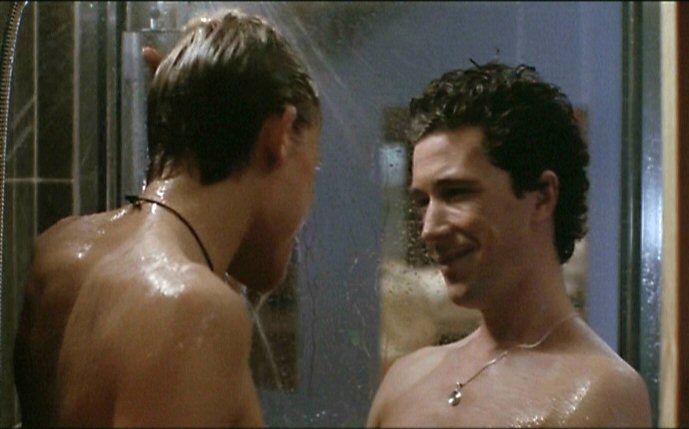
    CREDIT: Channel 4

    The show, which followed the lives of three gay men in Manchester, became a classic in the LGBT hall of fame. Those of us, old enough to remember, can recall how the show courted acclaim and controversy in equal measure – but unlike the US version the UK’s QAF was gone as quickly as it arrived after 10 episodes over two series, QAF was put to bed never to return to British screens again.

    So in the 20 years since the show’s end, what’s happened to the cast?

    Charlie Hunnam

    Since the heady days of “I’m doing it, I’m really doing” Charlie has cemented himself a career in Hollywood starring in major blockbusters like Pacific RimThe Lost City of Z and the newly-released King Arthur: Legend of the Sword.

    Apparently, he even turned down the starring role, eventually filled by Jamie Dornan, in the mega-hit, Fifty Shades Of Grey.

    NEXT >>> AIDEN GILLIAN >>>

  • Is Judge Rinder Married?

    Judge Rinder has become a bit of a daytime legend… but there’s something the folks at home want to know about him… is he married?

    Is Judge Rinder married?

    Is Judge Rinder gay?

    Yes, Robert Rinder the star of ITV’s daytime courtroom show Judge Rinder is in fact gay. He married his partner Seth Cumming in a beautiful ceremony in Ibiza in July 2013. The ceremony was officiated by his friend and actor Benedict Cumberbatch at the stunning location.

    The couple have been married for over three years.

    His business buddy and former GAYUK cover star Ivan Massow was at the wedding who shared these pictures of Robert and Seth getting married. Actor Benedict Cumberbatch, who is a legally ordained minister can be seen taking control of the cliff top ceremony which took place at the Hacienda Hotel on the sunny party island of Ibiza.

    Since his wedding, Robert has remained tight-lipped about his marriage to Seth and rarely, if at all speaks about it in public.

    The 39-year-old revealed his reason for taking part in Strictly recently by saying that he was doing it to make his Grandparents proud saying,

    “The main reason is as my grandparents get older it’s a show they absolutely love. Although they’ve always been unconditionally proud of me I think there is something magical about being able to take part in something which gives them such joy and escapism especially as they suffer from all sorts of illnesses.”