Category: Topics

  • COMMENT | Gay, 35 and single

    COMMENT | Gay, 35 and single

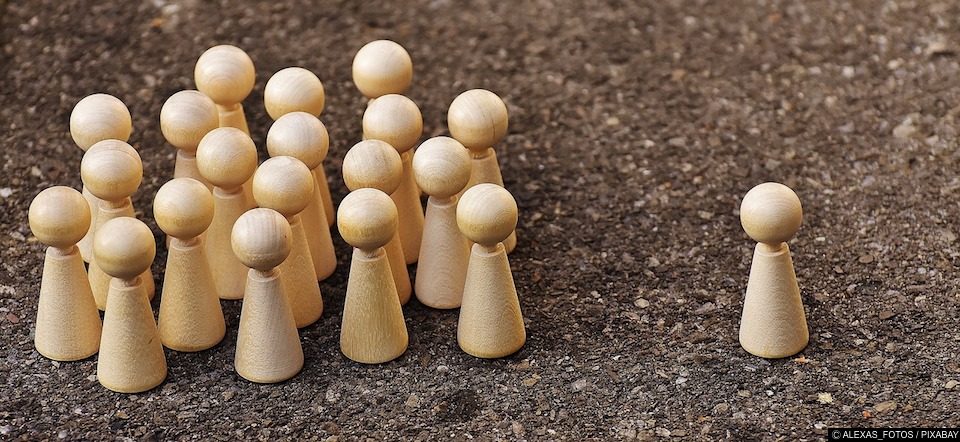
    I’m 35 years old (how many years is that in gay years?)

    Free-Photos / Pixabay

    I’m single and I have been for quite some time. Most people my age have settled down. Some met a long time partner, a husband or a wife. Many already have kids.

    As I get older, I find it more and more difficult to avoid questions such as: When are you going to get married? How come that you don’t have a partner? Do you never think about having kids? Countless times I used excuses such as: I’m too focused on my career right now. I’m too busy for a relationship.

    I want to travel first before I settle down. All those are true, but in all honesty, the main reason why I didn’t settle down is very simple: I just haven’t found the right guy yet. Yes, I do have high standards, and I wouldn’t settle for less.

    Why is his not an issue?

    While we live in a society that makes us feel as though being single is something to be concerned about, it really isn’t how I perceive it. I was n a couple of serious relationships. Was I happier then? No!

    I think it is a common mistake to assume that we need someone to make us happy.

    In my opinion, that couldn’t be further from the truth. My happiness doesn’t depend on anyone but me.

    I wouldn’t put the key to my own happiness in someone else’s pocket.

    Imagine what a responsibility it would be for the other person!

    Also, let’s not forget about the many advantages of being single: I can focus on my career, I can travel on a whim, I have more time to pursue my hobbies, I can have the full bed for myself…

    Basically, I can do whatever I want whenever I feel like it. And I am so much more relaxed emotionally!

    What really makes me happy?

    qimono / Pixabay

    Being single allowed me to get in touch with myself and to (re-)discover the true beauty of the little things that we often take for granted: seeing a beautiful sunset, stargazing, eating my favourite meal, listening to my favourite song, dancing like there is nobody watching, falling asleep while the rain gently beats against my window, swimming naked, making someone smile.

    Does this mean that I would like to be single forever? Absolutely not!

    It would be great to find someone special to share all these things with. I am definitely open to that possibility.
    My point is: That it doesn’t define my happiness. I would so pleased if people would stop asking me why I’m still single.

    Instead, ask me if I’m happy.

    Miguel Martins – Mister Senior Netherlands 3rd Runner-Up (www.facebook.com/MyOwnFado)

  • COMMENT | Fighting Transphobia and How to be a Trans Ally

    COMMENT | Fighting Transphobia and How to be a Trans Ally

    Writer Simon Sayers-Franklin urges you to think carefully about being an ally to trans people in our community and what you can do to help with the soon-closing Gender Recognition consultation.

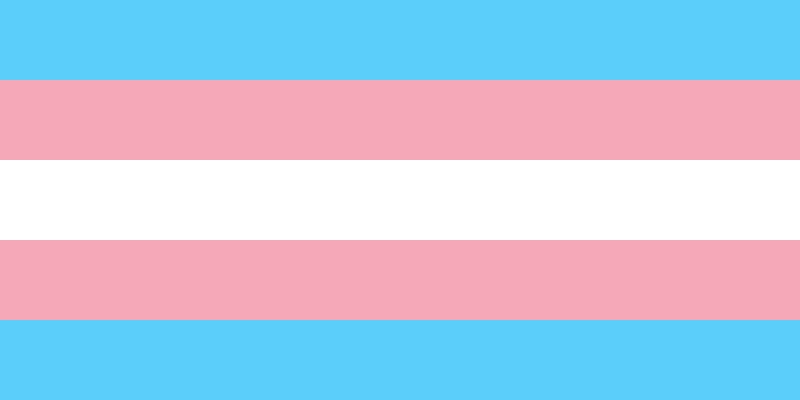
    Transgender Flag

    Transgender women ARE women… Sadly this is something that is contested by an increasing number of so called feminists. These vicious groups of Trans-Exclusionary Radical Feminists have made it their business to demonise and hurt trans people at all costs.

    They make the most bizarre claims, ranging from: “Trans women can never be women because they have experienced “male privilege”” to “Any man could pretend to be a trans woman in order to gain access to female spaces with a predatory intent.”

    The activist group, Fair Play for Women, just the other day took a whole page spread in the Metro, a free newspaper which is mostly distributed on public transport and therefore reaches a large audience. Their message not only displayed crude language but an absolute lack of understanding about transgender people and demonstrated a strange obsession with genitals. The ad questions whether “men” should be able to compete in sport with women. Whether “fully intact men” should be allowed to live in women-only prisons and the list goes on. The cost of this vile ad? £45,000. Now, that sort of money does not come from nowhere. These groups have some serious funding coming from somewhere and while we don’t know where it’s from, we can assume they have big sponsors somewhere. Don’t we deserve to know who it is so we can boycott or take appropriate action against them?

    While Ofcom have said they will look into complaints surrounding the ads, we will have to wait and see what their decision is. Judging by the recent outcome of the Ashers Bakery “Gay Cake” legal battle, which did a U-turn on the second appeal, it’s a worrying prospect.

    This ad comes just weeks after a billboard in Liverpool had to be removed within hours, following complaints. The group Standing for Women, had placed a plain, black billboard with white writing stating that “woman” means “adult human female.” Word got out and many quickly tweeted the company who had no idea about the motive behind the ads. The company were deeply shocked and upset. The billboard was quickly removed.

    Standing for Women, reacted with: “As you may have read, the billboard has been deemed transphobic and is being removed in an act of grotesque misogynistic rage. We are seeking legal advice and will make a full statement in due course.”

    We are still waiting for that full statement.

    Sadly, facing such hatred is the norm for transgender people in this day and age. The bullying is relentless and groups like Standing for Women, etc, keep pushing on and nobody seems to help. It’s a heart breaking statistic that almost half of young, transgender people have attempted suicide. This should not be happening and we need to do something.

    I recently met with Dr Adrian Harrop (@DrAdrianHarrop) who is an LGBTQ+ activist and is very passionate about taking a stand for transgender people’s rights and speaking up against these anti-trans groups. He has developed quite a name for himself for doing so, speaking on TV and radio as well as his twitter. The groups paint him out to be a monster but they couldn’t be further from the truth. He is warm, friendly and keen to make a positive change in the world.

    During my chat with Dr Harrop, we discussed the issues faced by transgender people in the modern world with smear campaigns in the media, the government not caring enough to do anything to help and abuse in the streets.

    The comparisons to paedophiles, perverts and sexual predators are no different to the abuse that the gay community faced in the past. It is scarily close to the attitudes of the 80s and early 90s at the height of the AIDS crisis, except now there’s no escape from the constant bullying. Online, anti-trans activists swarm like flies around any remote mention of a trans issue and let rip.

    For lots of us under thirty, we don’t remember a world with such dangerous hostility towards LGB people. We were too young to properly remember the AIDS crisis; we saw the back end of Section 28 in our school life, sex was legal for us sat 16. We have been very lucky to grow up in a world where battles have been fought and won by people who had a much harder time than us. Sadly, a majority of these heroes are no longer with us but we still owe it to them, to continue their fight. While the world is still not entirely accepting of LGB people it is so much easier than it was and now is the time to stand up for our transgender brothers and sisters.

    As cisgender gay men we are very privileged and we must use that to our advantage. Our transgender family have fought along side us for so long. We cannot forget that there is a T in LGBT and we must make a stand and fight alongside these people as they did for us.

    Now, the main question is “How do I become an effective transgender ally?” When we met, Dr Harrop explained how we can effectively help our transgender family. Here are some simple steps to being a trans ally:

    1. Respect and validate people without question. People know themselves better than you do. It’s a fact. Nobody should be made to feel like they need to explain themselves or that they need to validate their existence and their right to be who they are. This would never be expected of any other minority.

    2. Be prepared to call out transphobia. Most people would be confident to call out racism, lots would also be confident to call out homophobia… transphobia is no different. Call that out too whether it’s online or in person. Transphobia can sometimes be difficult to spot but it must be tackled. Examples include small things (which actually have a massive impact on the person receiving the abuse) like misgendering and calling someone by their dead name (their birth name) to more extreme cases where someone’s identity is being questioned with hurtful words and/or violence.

    3. Be supportive. Be kind. Be human.

    4. There is currently a consultation about the GRA (Gender Recognition Act) which involves a long, dehumanising and hurtful process for transgender people to “prove” their gender. If we make our voices heard, we can change this and make life much easier for our transgender family. Filling in the consultation is quick and easy and is a great way to start your journey to being a trans ally.


  • COMMENT | Romanian government uses anti gay political spin

    COMMENT | Romanian government uses anti gay political spin

    In Romania over the last weekend, there was a vote on changing the wording of the constitution of the nation where marriage is defined as between two spouses to between one man and one woman.

    Elionas / Pixabay

    The staunch conservative government had elicited the support and involvement of the Romanian Orthodox church and mounted a campaign against gay marriage. Further taking the unusual step of extending the vote from 1 to 2 days to try and get the required number of votes

    Romania is a country that does not recognise gay marriage or civil unions. So whilst the alteration to the constitution would have blocked future changes in LGBT+ civil rights it would have made no difference now. So what was all of the fuss about?

    My friends in Romania, gay and straight tell me the public perception is this has all been a “smokescreen” to divert attention from what is really going on in the government. One of its most powerful politicians, Liviu Dragnea, has been convicted for his part in a fake jobs scam and sentenced to three and a half years in prison. His appeal against sentence was held up for another month at the start of this week.

    Early indications from pre-voting day polls suggested up to 90% of people would cast their vote. A vote for No would have counted as part of the percentage of the overall number of voters. This is important as 30% of the voting population were required to take part to validate the referendum. In response to this the No campaign had promoted an abstention from voting as a way to defeat the vote by reducing the number of people taking part and forcing the Yes campaign to provide all of the 30% of voters required.

    The referendum was not validated as only 20.4% of voters turned out. A massive result for passive resistance!

    What does this mean for the future of LGBT+ rights in Romania? Is there a softening towards a more accepted view, or were the populous just fed up of being duped by the government?

  • Have you ever felt lonely? The results from one of the biggest surveys on loneliness are out!

    Have you ever felt lonely? The results from one of the biggest surveys on loneliness are out!

    “The worst loneliness is not to be comfortable with yourself”. —Mark Twain

    CREDIT: bigstock-soupstock

    It’s often said that the modern world is very well connected but a lonely place. We have all these different tools for connecting us more than ever before, but it often feels like we are also further apart and alone than we ever have been before.

    Fair warned before I start, I’m going to talk about a programme on BBC Radio 4, so put your impressions of that to one side for a moment (as I get stick all the time for listening to Radio 4 as a 30 something) we have something that you will find really interesting.

    A survey of more than 55,000 people run by BBC Radio 4’s All in the Mind programme in collaboration with the Wellcome Trust has now given us some fascinating insights into loneliness.

    “16- to 24-year-olds experience loneliness more often and more intensely than other age groups”

    The “Loneliness Experiment” as it’s known, led by Developmental Psychologist Professor Pamela Qualter, was the largest survey of its kind and of the many things it revealed one of the most interesting was that 16- to 24-year-olds experience loneliness more often and more intensely than other age groups.

    The survey revealed that 40% of 16- to 24-year-olds reported feeling lonely often or very often while 29% of those aged 65 to 74 and 27% of people aged over 75 reported the same.

    In an interview given to the British Psychological Society Professor Qualter outlined why she thought young people suffered from loneliness more than others;

    “It doesn’t surprise me though that young people are lonely – they’re at a point in life where they’re trying to work out who they are and what their place is, and that’s hard. It’s a time when you’re very vulnerable to loneliness. One of the things I thought was interesting was our younger sample weren’t just higher on the frequency of loneliness, but also much higher on the intensity of loneliness. That, for me, hints at the fact that maybe this is part of a normal transition. Younger people are working out who they are in the world and are also only possibly experiencing this thing called loneliness for the first or second time. They don’t know that this doesn’t last forever and they’re also trying to develop the different skills to overcome it.”

    Hopefully, some more studies will come off the back of this, especially around the reasons why in the older generations they reported feeling less lonely. Most of us would perceive the elderly to be lonelier but it would appear not. Is that because they have learnt how to combat it or have simply learnt to live with it, therefore it’s not as intense as it is for the young and new to the sensation?

    One of the things that the survey also revealed was that LGBT people also often feel lonelier than others, but only where they feel discriminated against. If, as Professor Qualter suggests, the feeling of loneliness is linked to self-identity and belonging then this makes complete sense. If we feel that we should belong somewhere, but don’t for whatever reason, we can often feel isolated and alone.

    Free-Photos / Pixabay

    As discrimination is very much alive and well both outside and inside the LGBT community this doesn’t surprise me. One of the other results of the survey showed that people had different ways to combat loneliness, one way is to go out and meet new people (even if it’s just an interaction with the local shop assistant).

    This is also the reason why the charity initiative ‘All Together UK’, which won an Attitude Pride Award earlier this year, is vital in trying to combat that sense of loneliness in the LGBT community. It’s not been around that long as is a simple concept. Events, all around the UK, where people can come and meet people they wouldn’t normally have been exposed to, in a relaxed and supportive setting. Whether it’s this, OutdoorLads, your local LGBT charity events or even your local pub quiz night, if it’s a safe space then do consider going along either on your own and make friends or take a friend and see if you can get to know some more.

    While we will never be able to eradicate loneliness, and even the survey says that many people appreciated some ‘alone’ time, initiatives like this and many more are vital for ensuring that everyone feels included and that they are not alone.

    I do recommend listening to the podcast where they reveal the results and explore some of the themes. Loneliness affects us all at some stage and learning a bit more about what it means to be lonely and some of the different ways of coping with it might help you either now or later in life.

  • 10 things every single gay man just doesn’t want to hear

    10 things every single gay man just doesn’t want to hear

    To all the single ladies out there, a lot of what I’m about to have a moan about I’m hoping I can get an ‘amen’ for each one. And sorry all those in relationships, you’re lovely and we love you, but this is for us single girls.

    via GIPHY

    Now, if you’ve been single for a period of time certain things start to get under your skin. Most people are just being nice and some are even genuinely trying to help but in almost all cases I’d rather attend the stage performance of ‘memoirs of Nigel Farage’ than hear any more about how single I am.

    With thanks to the lovely people from twitter I’ve collated the 10 things that every single man really just doesn’t want to hear while they are single so please stop, right now, or the pixie gets it…

    1 – “why are you single?”

    via GIPHY

    I get it all the time and it drives me up the wall. I don’t know why I’m single, if I did I wouldn’t be single and I’d probably be the best love counsellor around and could make millions helping those that are single. But I’m not, therefore I could spend hours coming up with this reason or that reason why it’s dinner for one and wine for 3 most nights. Stop asking me that!!!

    2 – “your problem is you’re being too fussy!”

    via GIPHY

    To that, I simply say p**s off. My standards are actually fairly practical. They have to be alive, have at least half a brain cell, can hold a conversation, can laugh, sociable (but that isn’t a must), come with an MOT and full-service history. You are trying to find love you know, dating anyone and everyone is just a fool’s errand so this nonsense that people are ‘too picky’, for most of us is utter tosh. Stop saying it unless you genuinely believe we are being too picky because our list of demands is as long as your arm. THEN, you are too fussy.

    3 – “you’d make a lovely husband for someone”

    via GIPHY

    Thanks, just rub it in some more why don’t you… Who in their right mind thinks this is a nice thing to say to someone when they are single? Just remind me that I’m prime beef still sat on the shelf looking at all the shoppers go straight past to the value aisle. Non-single people, stop it! It’s not helpful and it’s not kind.

    4 – “someone will come along eventually”

    via GIPHY

    Well so will the number 46 bus so that isn’t really helping the situation now is it?

    5 – “ooooh I have a friend who is gay. He’s lovely. You’ll love him!”

    via GIPHY

    NO, STOP IT RIGHT NOW!! Blind dates are the work of the devil. And why is it often (but not always) straight women that do this? You can’t pair gays up like socks, just because they look sort of similar doesn’t mean they are a matching pair. That’s not how it works. I’d be interested to hear from anyone that has actually found love from a blind date arranged by a friend.  Genuinely I want to see if it works because my experience has just been car crash after car crash. (Maybe it’s me…?)

    6 – “oh it’s such a waste that you’re gay (from straight women)”

    via GIPHY

    Sorry ladies your casual homophobia is not kind, sweet or necessary. Stop saying it!

    7 – “can you hurry up and get married, we want to attend a gay wedding”

    via GIPHY

    Is that what I’m reduced to now, a source of entertainment and a reason to buy a flamboyant hat/fascinator because you want to attend a gay wedding? Well, Joan (or whatever their name is), maybe I don’t want to get married. Just because I want a boyfriend doesn’t necessarily mean I’ll get married. So ha! That’s screwed up your plans hasn’t it Joan??

    8 – “I find that if you stop looking, someone will appear”

    via GIPHY

    What is this a ritual to summon Bloody Mary? If I don’t think about dating a date will appear. When has that ever been a successful strategy for anything in life? If I don’t think about the washing up, magically it’ll get done. If I don’t think about the promotion at work, magically they will just give it to me! I get where you are coming from, but strangely enough I don’t spend every waking moment thinking about dating, I have work to do, therefore I’m already doing that and nothing has changed.

    9 – “have you tried online dating”

    via GIPHY

    Have you? Let’s be honest here the options for online dating aren’t good. Grindr is not for dating. Anyone that tries to look for dates on there is on a fool’s errand. It’s for one thing, booty calls. If someone comes off your booty call then great, but dates? No. As for the rest, well they are a little bit hit and miss. Some are good for online conversation and some just Grindr but a different app. I did, however, stumble across ‘hinge’ the other day. That’s not bad as a different kind of dating app. I would recommend. And did you know that Gaydar was still going? Who knew!

    10 – “If I was single, I’d date you”

    via GIPHY

    While this is a nice thing to say, it really doesn’t help. That’s like turning up at a friends dinner party and declaring you’ve already eaten. It’s rude and now I feel like my indoor-outdoor BBQ and finger buffet has gone to waste.

    I don’t say all this a bitter, twisted and lonely old soul (plays small violin), but I say this so that maybe, just maybe, with a little more foresight we can stop these pointless sayings and enjoy life be that single, taken, unhappily taken, polyamorous or whatever.
  • COMMENT | The Best Car I’ve Driven

    COMMENT | The Best Car I’ve Driven

    Motoring journalist, Neil Briscoe, on Twitter recently posted up that the best car he’d ever driven was a Mercedes pagoda. It got me thinking. I get to drive lots of new and old cars and those in the middle. But which is my favourite?

    This is difficult because my driving career spans 26 years and when I look back I could say the 1979 Mercedes 280SL but I was 18 when I drove one of those and compared to my second Citroën Visa, it was powerful and luxurious. Likewise I was also 18 when I first drove a VW Beetle and that’s enough to put you off motoring despite wanting one.

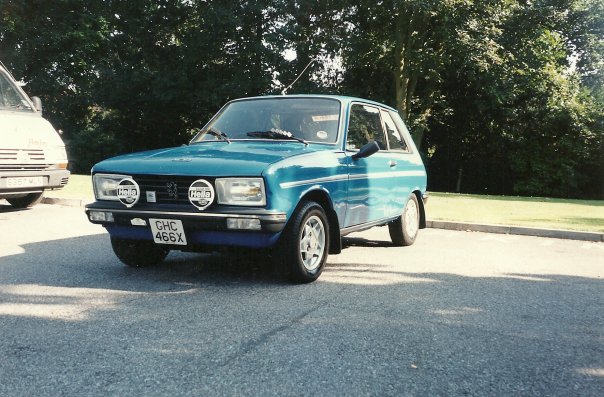
    No, it’s taken me some serious thinking, a little bit of drinking and a thumbing through photos and books to come up with my best car I have ever driven. It’s the Peugeot 104 ZS.

    I’ve had 2 of them. Both 1980 models, both blue and both ZS models. The first was quite the wreck but the second was much better. It wasn’t the best car in the world though. In refinement and luxury departments, it was overshadowed by the likes of the Ford Fiesta and Renault 5. It was rather crude and basic despite having electric windows and alloy wheels. It had rubber mats in the rear, piss poor ventilation and a tiny boot.

    What makes it the best car I’ve ever driven was one fundamental thing: I’d look at it and for unquestionable reasons, I’d dread the drive where I had to go. Yet it always entertained. It’s diminutive size and 1360cc engine with 72bhp was hardly left embarrassing itself in traffic of the day. I also had a comfy luxo barge, Peugeot 504 Ti automatic in the garage at the time too.

    On the motorway, it kept up and beyond despite only having a 4-speed gearbox, it was never tiresome or overly noisy. The 12 CD changer in the boot, 6×9 speakers in the rear side panels and 7” in the doors put pay to excess noise by drowning out the cacophony of mechanical screaming to Kylie Minogue and Duran Duran. 

    It was also one of the last cars I have owned where I’d just jump in it late at night and head for the roads in the dark. I’d be out for hours and hours, yellow Sev Marchal headlights cutting through the worst of the night. I did some stupid things in it and yet I lived to tell the tale. It never once got so out of hand that it ended up facing the other way. Something that could not be said for the Peugeot 205!

    The entertaining also stretched to its ability in the snow. Being a home carer at the time, I needed to get out and about in vile weather and that car was amazing in the snow. Small wheelbase with all the weight over the front wheels certainly helped. Its Achilles heel was its wipers. They were slow.

    So here we are, 2018 and the 1980 Peugeot 104 ZS has to be the best car I have ever driven though probably not owned. Oh crap, now I’m thinking about that one. Be right back…

  • COMMENT | As suicide amongst LGBT+ teens remains high, more needs to be done to stop bullying

    COMMENT | As suicide amongst LGBT+ teens remains high, more needs to be done to stop bullying

    This week is Suicide prevention week, a chance to be informed of how to prevent a friend or loved one from taking their life. Advice that, sadly, is much needed in the LGBTQ community.

    According to statistics from the Centers for Disease Control and Prevention, one in four LGBTQ teens tries to take their own life, and far too many succeed.

    One in four! With most recent tragic victim 9-year-old Colorado boy Jamel Myles fresh on our minds these figures now have a face, and we need to think of ways to stop adding to this count.

    Over the last few months more terrifying statistics have been released: According to the Metropolitan Police, the number of homophobic hate crimes being committed in London has doubled over the last five years. But not just there, searching through online reports homophobia is on the rise around the world (in every walk of life) and so is the bullying of queer youth – apparently even by teachers in several cases.

    The first thing that needs to be done is more attention to bullying prevention, as this is where it starts. These are dangerous times to be young and “different”. With bullying seemingly legitimised by the internet, media and politics adults feel they have the right to point, judge and hurt; whether through social media or verbally. This behaviour rubs off on young children and teens, leading them to judge others the same way.

    “It is horrifying to know that bullying has become even more vicious and unrelenting since the 1990s, especially since the “invention” of online bullying. It is a horrific idea that these days the harassment just continues at home, in what should be the safety of your bedroom”

    Bullying has always been around amongst children, of course. I too was a victim; different, mixed raced and shy I was an easy target. It too drove me to try and take my life, my mother saved me, and for that, I’ll always be grateful. This was in the 1990s, and it is horrifying to know that bullying has become even more vicious and unrelenting since then, especially since the “invention” of online bullying. It is a horrific idea that these days the harassment just continues at home, in what should be the safety of your bedroom.

    What is needed is more help and support for young LGBTQ teens: an appointed counsellor (preferably LGBTQ themselves) in every school would be a step in the right direction. Children and teenagers talk easier if they feel the person is “like” them or “gets” them. Educating teachers about bullying and other problems LGBTQ teens face is important too.

    More bullying prevention and a zero tolerance against bullying and discrimination are also very important. Far too often the bully gets validated in his or her behaviour with alarming future consequences.

    Bullying leaves lifelong scars that can be damaging. It can cause a crippling lack of confidence, PTSD, internalised homophobia and lots of other mental health issues. Protecting LGBTQ and other bullied children now is protecting their future. Protecting LGBTQ and other bullied children GIVES them a future!

  • COMMENT | Why does Instagram keep deleting naked (not really naked) men?

    COMMENT | Why does Instagram keep deleting naked (not really naked) men?

    Once again Instagram deletes another account which depicts the nude male body.

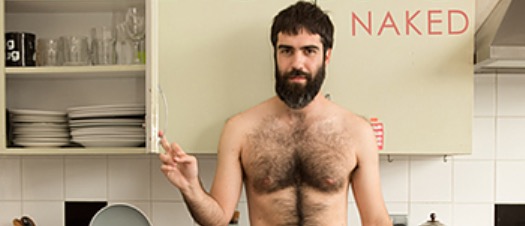
    Yesterday it was reported that the world’s biggest picture sharing site, Instagram, had banned Meat‘s latest account – which at the last count had garnered 5000 fans, the previous one, (yes they’ve had two banned) had 15,000 fans. What was their crime? Allegedly falling foul to that cardinal sin… displaying naked men. Okay, you say, it’s right there in the community guidelines, “no nudity” however these pictures had a whopping great modesty circle in front of anything that might be even slightly racy.

    Kim Kardashian, however, can post naked pictures to her heart’s content – gaining millions of likes – these pictures can’t be going unnoticed at IG headquarters.

    This isn’t the first time that the Facebook-owned company has deleted pictures of the male form. In the past, it has deleted the Warwick Rowers and in August it deleted Greeks Come True. There was not one penis on show. These are beautifully crafted pictures of men, who yes, are naked, but where you cannot see anything that would give you tingles downstairs. Pornographic? No. Homoerotics, hell yes, but there’s a huge difference between porn and eroticism.

    Meat is different though. It’s a breath of fresh air – the guys portrayed are unphotoshopped, average bodies. It shows that even when you don’t have a six-pack you can still appear on the front of a magazine or calendar.

    Recently THEGAYUK.com polled over 300 of its Twitter readers about whether they were comfortable being naked in the presence of other people. Over half of us answered in the negative. Over a half of us are awkward about our natural state why is that?

    And I’m not hating on you six-packers. Hey, the true is I’m jealous. Aren’t we all a bit envious of those who can obtain and maintain a single digit body fat percentage? But I will just never be that guy.

    “The thought that I was fat kept me in a perpetual state of eat, feel guilty, purge and workout”

    I have always struggled with my own perception of my weight. The thought that I was fat kept me in a perpetual state of eat, feel guilty, purge and workout. At one point, in my attempt to have what I thought was a “good body” I would throw up everything I ate and go to the gym twice a day. Needless to say, despite being, what I now see as thin I could only see body rolls. Even now, over a decade on, I still find myself with fingers down my throat with “WTF are you doing” going round and round in my head.

    What was / is the cause of my insecurity and clearly a huge majority of us?

    I’m not going to sit here and solely blame the media because I’m part of it (there’s my disclosure). I’m very aware of the pressures upon us in the media to get clicks, to shift copies, to adhere to the old adage that sex sell, or at the very least the notion of what sexy is – sells. We’ve been accused in the past of posting only certain types of male images – but let me tell you, I see the analytics and despite the protestations from some audience members, pictures of different bodies just don’t fly. Why is that?

    For the record, I’m not audience blaming either.

    Have we all been programmed so hard to only see slim, white, blonde boys as sexy? Perhaps it’s time for all of us to shift the view of what is sexy.

    That’s why I love the idea behind Meat and the Naked Rugby Players and even Channel 4’s controversial dating show, Naked Attraction. They are showing that the typical body is beautiful. Bellies, love handles and hair here and there is normal and wonderful.

    The likes of Meat and Naked Rugby Players (above) are changing the game.

    “We’re bombarded with images that prod at the subconscious saying “you’re not thin enough” and we’ve got to change the narrative.”

    Body positivity is a hot topic right now and it should be. If over half of us aren’t happy with our naked bodies there’s something not right. There is a strong link between our bodies and our mental health. Many of us are on endless diets and we aren’t just yo-yoing on weight. We’re playing games with our mental health each and everytime we step on those scales.

    We’re bombarded with images that prod at the subconscious saying “you’re not thin enough” and we’ve got to change the narrative. We’ve got to expose ourselves to different standards of beauty. We’ve got to relearn that our normal, unretouched, imperfect bodies are actually perfect – and platforms like Instagram have to start playing their part.

  • COMMENT | The Extra Extra Large argument over ‘masc’ only clubs

    COMMENT | The Extra Extra Large argument over ‘masc’ only clubs

    It was reported recently that a club goer to the members club XXL in London was refused entry because they were in (what is being described as) high heels and looked ‘feminine’. They were told they had to remove their heels and dress appropriately as this was a venue that celebrates everything masculine (it was a bear club after all).

    Free-Photos / Pixabay

    It then transpires that this is actually one of many incidents of this kind and to add insult to injury the owner of XXL even decided to go on an anti-fem (amongst other things) rant on twitter (I’m not going to link to it as it doesn’t deserve the airtime).

    These recent incidents have quite rightly sparked a fresh debate about toxic masculinity on the gay scene and how ‘fem’ guys are being pushed out in favour of a more ‘masc’ (masculine) culture. In a recent article by Otamere Guobadia, they talk about anti-femme door policies at various places including quoting examples where drag queens and trans women on nights out are excluded from venues for being too feminine (or not masculine depending on your point of view).

    In response to the incidents by XXL, there is a protest against the door policy at XXL on the 23 September and even organisations like All Together UK (an LGBT social group) are boycotting the venue to ensure their members and potential don’t feel excluded from events. With the debate raging is there a danger that nobody wins in all of this?

    On the ‘masc’ side you have years of the gay community trying to get away from the stereotypical portrayal of a gay man in the media. Deliberately engaging with, what they see, as normal everyday masculine blokey stuff. Discouraging ‘camp’ behaviour, veering away from more feminine activities and hobbies towards more physical activities, the celebration of the 6 pack and chisled body etc. Has this gone too far down the masculine path? Now that concepts of ‘gender’ are more fluid than they ever have been before, is such a masculine idealism toxic to the community?

    On the ‘fem’ side you have pretty much the opposite reaction to the above. After years of being told what is masculine and to be gay, you have to be x body shape or behave in Y fashion this is the inevitable result of that. If you repress anyone for long enough they will eventually burst out and push back on the repressive ideas that held them back. This is exactly what we are seeing now and personally, I celebrate it.

    “The moment we repress one over the other is the moment everyone loses”

    My worry is that this whole argument shouldn’t be a case of masculinity is bad or femininity is bad. Both are good and bad in their own measures and are both valid ways of being in their own rights. The moment we repress one over the other is the moment everyone loses. Calling for masculine bars to be banned is wrong, just as calling for feminine bars to be banned is wrong. Both can exist so long as ones from the other can enter hassle free. That boys and girls is a diverse and inclusive environment not one over the other.

    No one should be repressed for being who they are. Masculine, Feminine, Undecided, Fluid or whatever! If we truly want to call ourselves an ‘inclusive’ society then all options should be on the table. If a fem person wants to enter XXL then so be it, just as a butch person walks into a drag show then so be it. They know what XXL is and what its brand is about, just because someone in a corset walks around doesn’t mean the ‘buff’ ‘masculine’ brand and feel of the place has changed. Last time I checked masculinity was a lot more stable than that (but I could be wrong…?).

    Personally, I have no idea what I would fit in. I wouldn’t call myself masculine as I was never really a typical ‘bloke’ in that sense. However, I wouldn’t call me particularly effeminate either but I do have my moments. Not that it matters in the grand scheme of things but I wanted to give you where I stand in all of this so maybe you can see why I see both sides of the debate here.

    Now that I know a little more about what the XXL owner is about (personally) and while their door policy remains so bullish I’ll also be boycotting the venue – there are plenty of other decent nights out in London! I don’t often boycott as it affects staff more than it does the boss but in this instance, it may just do the trick.

    However, if I now have to queue to get into the Eagle I will not be happy.

  • Is the Gender Recognition Law ready for change?

    Is the Gender Recognition Law ready for change?

    Two solicitors, Craig Longhurst and Alex Watson from the leading law firm Fieldfisher write about the government’s plans to revisit the relevance of the Gender Recognition Act 2004 and some of the issues facing the transgender community today.

    vjohns1580 / Pixabay

    When it brought the Gender Recognition Act 2004 (GRA) into force on 4 April 2005, the UK became the first country in the world to allow a person to legally alter their gender without having had any surgical treatment.

    However, since coming into force, only 4,910 have been issued the Gender Recognition Certificate – which is required for a trans person’s new legal gender to be recognised. Given these figures and the concerning suicide and self-harm rates amongst the trans community, the issues are now being revisited by Government.

    The Government’s Equality Office is currently consulting on the legal gender recognition process and its effectiveness. The consultation (which commenced on 3 July 2018 and will close on 19 October 2018) is focussing on the possibility of removing an applicant’s need for a medical diagnosis of gender dysphoria before being able to apply for gender recognition.

    In acknowledgement of the complicated and contested nature of some terminology used in discussing matters, the consultation states that:

    “Throughout this consultation we have tried to use terminology that is generally accepted. No offence or omission is intended.”

    That also applies to this article and shall adopt the same definition of ‘Transgender/ Trans’ as adopted in the consultation:

    “Transgender / Trans: Umbrella terms used to describe individuals who have a gender identity that is different to the sex recorded at birth. Non-binary people may or may not consider themselves to be trans. This consultation document primarily uses ‘trans’.”

    The Law

    As it stands, for a person to legally change their gender, the applicant must be over 18 years old and must usually* meet the following “assessment based” requirements of the GRA:

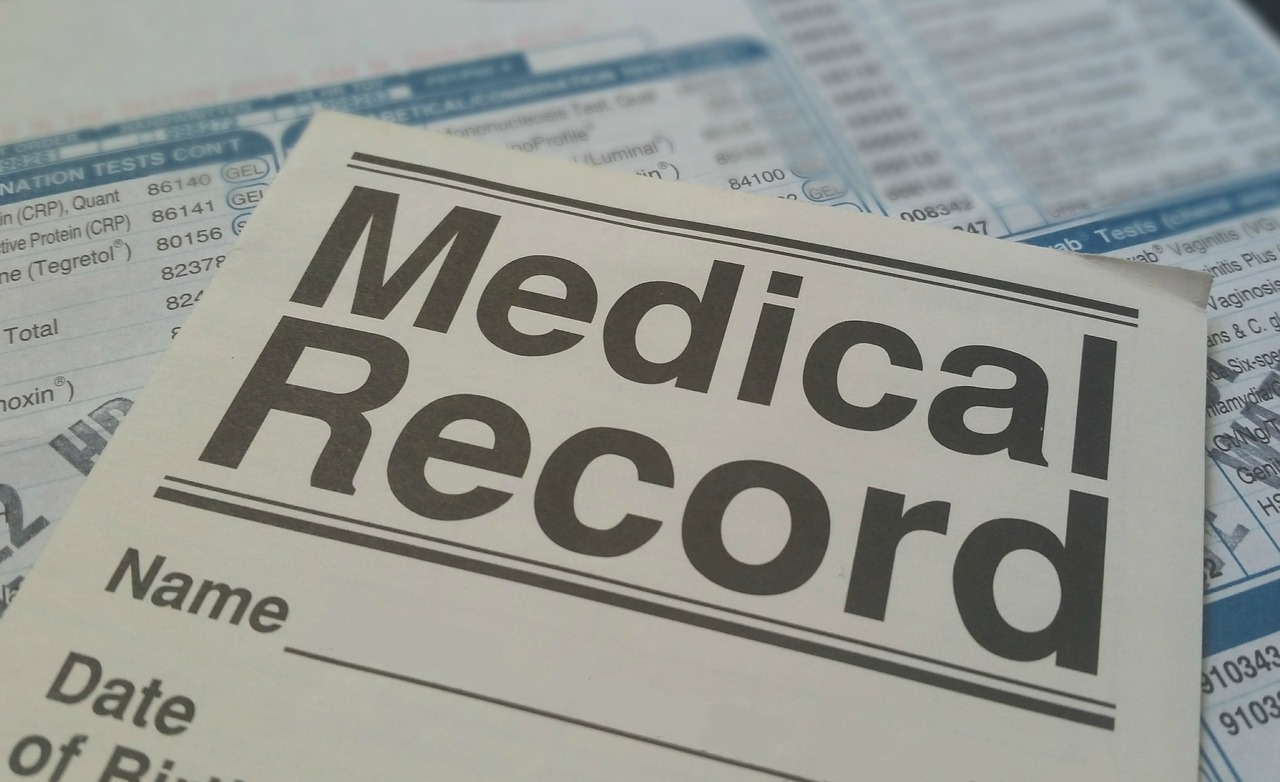
    1. A medical diagnosis of gender dysphoria and a report from a medical professional detailing any medical treatment;
    2. Proof of having lived for at least two years in their acquired gender through, for example, bank statements, payslips and a passport (which can be changed without legally changing gender);
    3. A statutory declaration that they intend to live in the acquired gender until death;
    4. If married, the consent of their spouse;
    5. Payment of a fee of £140 (or proof of low income for reduction/removal of the fee); and
    6. Submission of this documentation to a Gender Recognition Panel, which the applicant does not meet in person.

    * N.B. there is a slightly different process for married/ civil partnered trans people who have socially and medically transitioned for at least 6 years prior to 10 December 2014 and for overseas trans people, which is outside the scope of this note.

    If a person is adjudged by the Gender Recognition Panel to have met the requirements, they will be issued with a Gender Recognition Certificate – which alters their birth certificate and (subject to a number of limitations) changes their birth gender to their newly-recognised gender. That person then assumes the legal rights of that gender, including: age of retirement, pension and marital rights.

    However, if a person is adjudged by the Gender Recognition Panel to have not met the requirements, his/ her birth gender shall continue to be that person’s legal gender and he/ she shall not have the right to appeal the decision, unless on a point of law. It is hard to see how it can be considered fair that an independent panel is able make such fundamental decisions regarding a person’s life without having actually met them and for an applicant to have no recourse if the application is unsuccessful.

    The view from the trans community

    The results of a recent LGBT Government Survey revealed that many trans people want legal recognition but feel that the current process is too bureaucratic, expensive and intrusive. Further, the Government feels that most trans people feel that the “assessment based” requirements detailed above are overly intrusive, humiliating and administratively burdensome and are denying people access to the legal recognition they are entitled to. More specifically arguments have been raised that:

    1. the requirement of the provision of a diagnostic psychiatric report perpetuates the false assumption that being trans is a mental illness – which both the Government and the World Health Organisation recognises is not the case (the latter has declassified ‘Gender Incongruence’ [i.e. dysphoria] as a ‘Mental and Behavioural Disorder’ in its International classification of Diseases);
    2. the trans person has to collect a range of personal documentation, including information about their medical history, finances and identity which they send to people who they do not meet who then make a decision about their gender identity; and
    3. The fee of £140 and associated costs are expensive and there is no right of appeal against the decision unless on a point of law.

    The Consultation

    Given the above, the Government’s consultation is focussing on many aspects of the GRA, including:

    1. The requirement for the trans person to provide two medical reports, one evidencing a diagnosis of gender dysphoria and the other outlining details of any treatment received;
    2. The requirement for the trans person to provide a range of documentation that proves they have lived in their acquired gender for at least two years;
      The requirement for the trans person to submit a statutory declaration of their intention to live in their acquired gender until death;
    3. The requirement for married applicants to obtain the consent of their spouse or end their marriage;
    4. The cost to the trans person of using the GRA process; and
    5. How the Act protects the privacy of individuals who have applied for a GRC.

    Comment

    Whilst we continue to await the results of the consultation, it is positive to see focus being placed revisiting legislation adopted 13 years ago with limited relevance to present day society’s approach to LGBT+ issues and it appears likely that legislative changes will make it easier for trans people to exercise rights to exist in the gender that they identify with.

    The consultation on the Reform of the Gender Recognition Act 2004 is open until 11pm on 19 October 2018 and can be located at https://www.gov.uk/government/consultations/reform-of-the-gender-recognition-act-2004

    Craig Longhurst and Alex Watson are from the leading law firm Fieldfisher

  • COLUMN | When music leads you down memory lane (and the boys we used to lust over)

    COLUMN | When music leads you down memory lane (and the boys we used to lust over)

    It Really Was Just “Wishful Thinking”

     from a great song

    Music is a funny thing. It does evoke such memories and for the majority of the time in my life, they are good ones. Even if the outcome hasn’t been as I had wished for, I can still see the goodness in it. Misinterpreting, however, is easily done when it seems to offer an escape or fits a situation even if that wasn’t what the artists intended. One song in particular just does it for me.

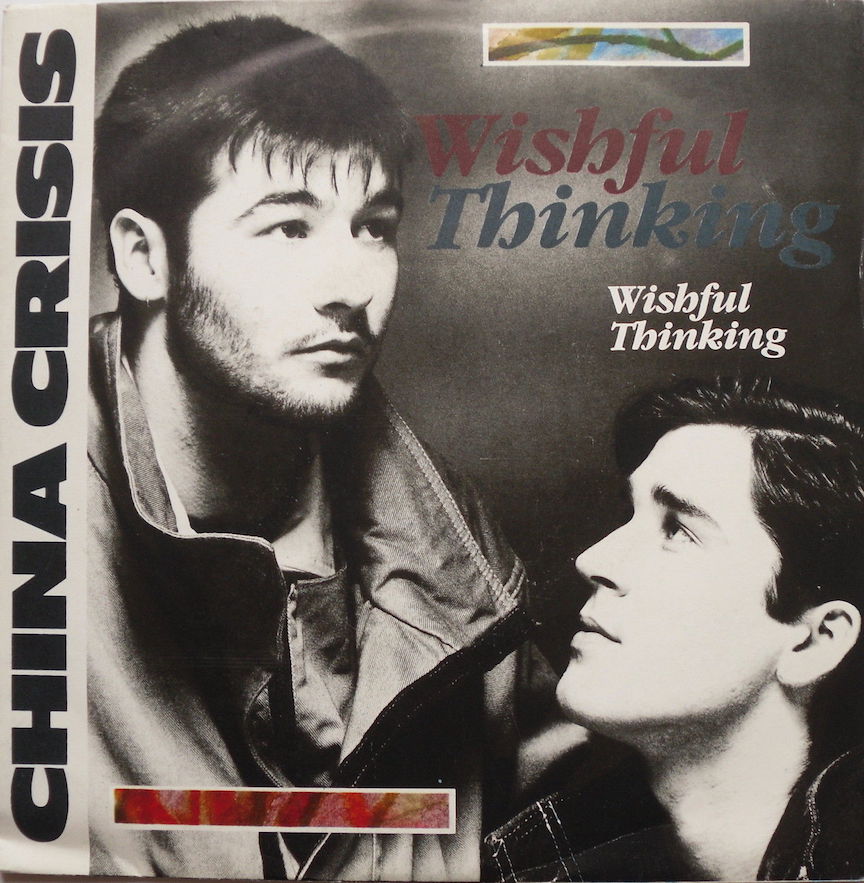
    “China Chris” ‘Wishful Thinking’ came on the radio the other day. I loved that song. Even though the song was released in 1984, I loved it even more back in 1994. I’d bought a CD titled Electric Dreams and at the time it was the only album l played. It also went well with a 1980 Citroën GS Club estate l had at the times.

    Anyway back to the song in hand by China Crisis. Apparently, it’s not a gay song and yet when you look at the song cover sleeve you can see why I thought it was. Lead singer Eddie Lundon was fit. Bandmate Gary Daly was looking up at him sort of in my eyes wishfully thinking what I was.

    Listen to the song and you can quite easily see why, as a confused 19-year-old youth with a longing for the man from Securicor deliveries, that I made it about him.

    “It’s time we should talk about is

    There’s no secret kept in here

    I see the likeness in his smile and the way he stands

    Makes it all worthwhile”

    Just those last two lines from that chorus did it. I would stand at the window of the awful soft furnishing shop I worked in and look out for him whenever the blue Securicor Ford Transit van would pull up down the high street.

    My word, l was in lust with him. I’ll spare his name though don’t think for one second I haven’t looked him up on Facebook. I’m not very good at stalking and I failed miserably. I’ve either not quite got the last name right or he simply isn’t there. Just getting his name was a feat of success that I remember it well. I can’t tell you how I kicked myself with joy when l did. I even kept the piece of paper with his name in and I still have it to this day.

    Life was simpler for a 19-year-old Stuart with no mortgage to pay.

    I can’t quite admit that l would find fault in fabrics and curtains just so they would be returned and that he’d have to come in to collect but I did. Lust is a silly thing. Makes you do silly things. Didn’t resort to stalking though, as I say I’m not very good at it. I didn’t have time either. To be honest, where do people find time to stalk people?

    Back to Mr Securicor, he was just perfect. Or so I thought. One day he came in and told me he was leaving to become a supervisor. He broke my heart. He left me, stranded in the shop I hated and never to be seen again and he wasn’t. I never saw him again. Except for today when that song came on the radio and again after that when l played it on loop for about 15 times not sobbing uncontrollably into the sleeve of my jumper. If I can’t be an excessive stalker, then at least let me stalk with a song and happy thoughts.

    Our returns reduced quite dramatically after that and where is he now? Haven’t a clue. It was a silly lustful crush and “Wishful Thinking”… only just.