Category: Wellness

  • 10 cheap, basically free ways you can reduce body fat fast

    10 cheap, basically free ways you can reduce body fat fast

    Not only is burning off some fat going to help your self-esteem, but it will also help you live longer. Ignoring all the talk of heart disease, diabetes, and cancer, lowering your body fat will help you move and sit more comfortably, protect your joints and your back, and can help you feel really good about looking after yourself.

    jarmoluk / Pixabay

    That being said, it ain’t easy. If it were we would all be flashing our 6-packs morning, noon, and night.

    1. Stop drinking so many calories

    Alexas_Fotos / Pixabay

    This isn’t exclusive to alcohol, but we as a nation drink way too many of our calories. Sugary drinks, booze, fancy coffees, energy or ”sports” drinks, even plain old orange juice, they’re all packed with calories and sugar. And since you’re drinking them, those calories don’t seem to fill you up the way food does.

    It may seem boring but stick to water as much as possible.

    2. Drink more water

    congerdesign / Pixabay

    Just to hammer this point home, drink a butt load of water to keep your body hydrated and feeling full at all times. Drink a glass of water with every meal and keep your metabolism online.

    Plus it’s free!

    3. Eat more

    CREDIT: mythja-bigstock

    Oh yeah, we’re telling you to eat more in order to reduce your body fat. By that, we mean more greens… sorry. Add a fistful or two of veg to every meal. Spinach with your omelette, broccoli with your chicken, a load of leaves on your burger; all of these are nutrient-dense but low on calories and will help you feel fuller without being fattening.

    4. Sleep!

    CREDIT: Dmytro-Sidelnikov-bigstock

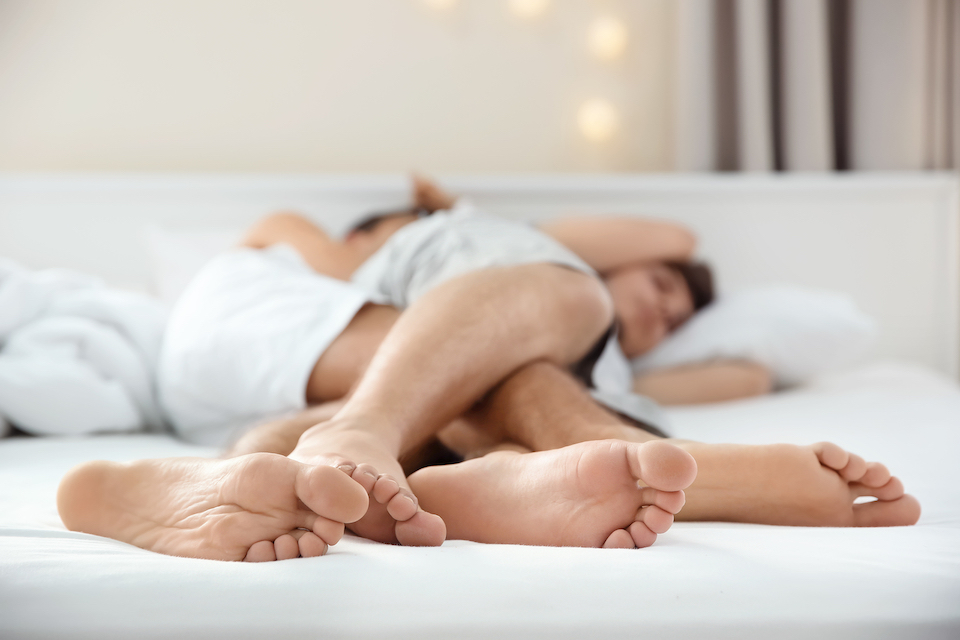
    Your muscles grow and recover while you’re sleeping, so if you’re smashing out sessions at the gym but burning the midnight oil you’re not going to see the benefits from your hard work. Plus you’ll be knackered, won’t be able to train as hard the next day, and are far more likely to eat more in order to stay awake.

    5. Lift some weights

    CREDIT: Dean-Drobot-bigstock

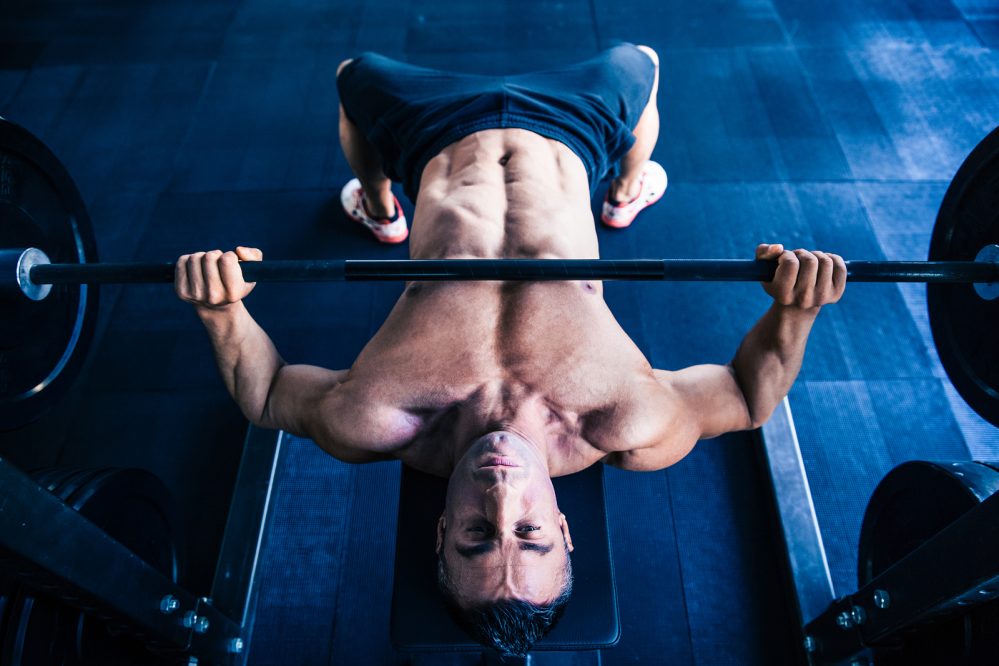
    A six-pack cannot be achieved by cardio and crunches alone, so you’ll need to pick up some weights in order to rev up your metabolism a bit. Adding 1.5kg worth of muscle to your body can potentially burn an extra 1,050 calories a week, according to a study by the University of Michigan.

    If you’re not bothered about building muscle and getting bigger, then train for strength with big, compound movements such as the power clean and squat. That way you turn every workout into a fat-burner.

    6. Low-intensity cardio

    CREDIT: bigstock-monkeybusiness

    Now I know what you’re thinking, “But you’re always going on about high-intensity training!” And while HIIT is often our go-to form of cardio, don’t discount the benefits of some steady-state cardio.

    Low-intensity steady-state (LISS) cardio lowers the stress hormone cortisol, which has been associated with increased fat storage. It also burns calories (obviously) and can even be used as active recovery the day after an intense training session.

    7. Fill up on fibre

    © yevgenromanenko Depositphotos

    Fibre is great at keeping you regular and is an important part of every bottom’s day-to-day life. But wait, there’s more. Research has shown that fibre can boost your fat-burning by as much as 30%. Add whole grains and fruits to your diet and aim to eat about 25g of fibre per day.
    8. Spice up your life!

    SLAM IT TO THE LEFT! … sorry, got carried away. Developing a taste for spicy food can give your metabolism a serious boost. So add some chillis to your next stir-fry and some paprika to your next batch of homemade burgers to torch some extra body fat while you eat.

    9. Get plenty of D, vitamin D

    CREDIT: ©-Iakov-Depositphotos

    Vitamin D is essential in order to preserve muscle tissue and is best obtained from your food, so we recommend getting your D orally. Giggle. Which is good because depending on sunshine would be frustrating as hell in the UK.

    You can get 90% of your recommended daily intake from a 100g piece of salmon. So eat plenty of fish, eggs, milk and cereals to get your intake up.

    10. Fat-burning workout once a week

    CREDIT: Flynt-bigstock

    Add a fat-burning workout to your weekly routine, something that will have you sweating, burning calories, and building muscle.

    We’ve got a load of ’em, so sign up to our weekly workouts to get them sent straight to your inbox once a week.

    This article first appeared on our partner site, GayFitnessUK

  • These foods could help keep your hair full, healthy, thick and hydrated

    These foods could help keep your hair full, healthy, thick and hydrated

    Taking care of your hair doesn’t just involve expensive products and regular trips to the hairdressers. Eating the right food is just as important for your hair as it is for your skin and wellbeing.

    Olichel / Pixabay

    In many cases, a simple change in diet can be helpful in slowing hair loss, making hair thicker and healthier. Much like the skin, the condition of your hair can be an outward sign of inner health.

    The Farjo Institute, a centre of excellence in the UK for hair transplant surgery, hair loss medicine, hair biology research and hair restoration education and has been for 25 years, have shared their top 5 foods for healthy, full, glossy, thick and hydrated hair.

    Lean meat

    moreharmony / Pixabay

    Low levels of protein can result in dry, weak hair, with extremely low levels even stunting hair growth and leading to hair loss. After all, our hair is made up of keratin – a protein that makes up the majority of the scalp – so to stimulate hair growth, it’s important to keep the hair follicles strong, with a regular intake of lean meats. This includes red meat, chicken and turkey. For vegetarians, lentils and beans, including kidney beans, split peas and soybeans, are the best sources of protein.

    Oily fish

    Robert-Owen-Wahl / Pixabay

    As well as being another fantastic source of protein, oily fish like salmon, herring and mackerel are packed full of B vitamins, which help to promote hair growth. The omega 3 that can be found in oily fish is an important fat that our body can’t make itself, so must be obtained through our diet. Omega 3, which is also found in avocados, keeps our hair hydrated, and a lack of it can result in a dry and flaky scalp.

    Green leafy vegetables

    CREDIT: mythja-bigstock

    Green, leafy vegetables are full of beneficial nutrients for the hair. Vitamins A and C aid in the production of sebum, an oily substance created by hair follicles to keep the hair naturally conditioned, and iron assists in the production of red blood cells that transport oxygen to the scalp. Kale, broccoli, lettuce and spinach are best, but other vegetables like bell peppers, carrots and asparagus can all assist with hair growth.

    Fruit

    silviarita / Pixabay

    Adding fresh fruits that are rich in vitamins A, C and E, to your diet is also another easy way to help keep your hair in great condition. For example, oranges, blueberries, limes and kiwis are a strong source of vitamin C – known for it’s antioxidant properties and assistance in producing collagen. This is an essential protein which strengthens the blood vessels that support hair shafts. A lack of these vitamins can result in hair being brittle and weak.

    Nuts and seeds

    Nuts
    CREDIT: bigstock-parkershots

    Not only are nuts easy to snack on, they’re full of vital vitamins and minerals. Zinc, in particular, is a mineral that regulates the production of androgens and low levels of androgen have been associated with stunted hair growth and dandruff. Vitamin E, which is present in nuts and seeds, protects the hair from DNA damage and UV rays, keeping it as healthy as possible.

  • Saying goodbye to Facebook could help your mental well being

    Saying goodbye to Facebook could help your mental well being

    Dr Mark Winwood has revealed that leaving social media could help your mental health – here’s how.


    Simon / Pixabay


    Social media is everywhere. If we’re not updating our connections about where we’ve been or what we’re seeing, we’re no doubt uploading a photo of the delicious meal we’re about to eat. The popularity of sharing our experiences via social channels can’t be denied, with an estimated 2.77 billion social media users globally, and it plays a significant role in our lives – both at work and at home.  But has our need to keep people updated on our every move or thought gone too far?

    An often debated benefit of social media is that it reduces isolation by connecting people all over the world, as you are able to track what your friend in New Zealand is up to, without needing to stay up late to Skype. However, in many ways, this connectivity can be a ‘false reality’ – simply a window through which you see just a snapshot of another person’s life – you don’t know what they’re really thinking or feeling, emotions which can only be delved into during a conversation.

    Additionally, this snapshot is often carefully choreographed, and portrays the subject at their best, without realities to impair the moment. As a result, when seeing these pictures of perfection, it’s natural to envisage their perfect life and compare their experiences to yours, which may not live up in comparison. It’s not surprising to learn that a recent study by researchers from the University of Houston in Texas has shown that social media is contributing to depression due to users comparing themselves to others.*

    So, bearing this in mind, is it time we put down Snapchat, deleted Facebook or disabled Instagram for a while, to give us not only a break from the perfect lives of others, but also to regain perspective?

    TheHilaryClark / Pixabay

    If you’re considering taking a social media holiday, bear the following in mind:

    1. Suspend your accounts – suspending them for a week means you can take a break without the temptation to check for any new notifications.
    2. Take the time for face-to-face – cutting down on virtual messaging may free up time to meet your friends in person. This not only allows you to have a proper catch up, it also fills the void in terms of knowing what’s going on
    3. Regain your focus – how many times have you missed a crucial moment on TV due to checking someone else’s holiday photos? Not having these distractions will help you tune into the moment more freely.
    4. Get an alarm clock – it’s easy to use your phone as an alarm clock, but this encourages you to look at it as soon as you wake. Try a conventional alarm clock and turn your phone off overnight. The blue light used by phones disrupts sleep**, so it may help your sleep quality too by switching it off completely.
    5. Rather than going cold turkey it’s best to start small and build up to something. Why not start by turning off notifications for an hour, then two, building up to a whole day, or even a week at a time? Check out apps designed to block sites at certain times of the day. This helps to avoid that mindless checking and re-checking we all fall victim to!

    Taking the plunge and giving up social media for a week or more can be an incredibly refreshing experience. It lets you live in the present, and remember memories in real-time, instead of via a camera lens. Technology has made it so easy for us to stay connected and to know our friends’ ins and outs, but it shouldn’t replace face-to-face contact as this is not always the healthy or desirable option.

    Experiencing stress and mental health challenges is a normal part of many people’s lives – for additional support, visit AXA PPP healthcare.

  • 5 ways to protect your skin from sun damage this pride season

    According to Cancer Research UK, malignant melanoma is the fifth most common cancer in the UK and 1 in 54 people will be diagnosed with malignant melanoma during their lifetime.

    Silhouette of muscle boy on beautiful hot background

    Around 15,400 new cases of malignant melanoma are diagnosed in the UK each year; that’s around 42 new cases diagnosed every day. Yet 86% of these could have been prevented.

    So here are five ways you can protect your skin this Pride season

    1. Use sunscreen – even on cloudy days

    via GIPHY

    Applying sunscreen to your skin before you go outside during the summer months and on cloudy days (UV rays get through clouds) helps reduce the risk of skin damage. Sunscreens are useful for protecting our skin from the sun’s rays, but will not protect us completely from sun damage on their own. Use them together with shade or clothing to avoiding sunburn.If you have fair skin or if you burn very easily, you will need the highest level of protection. Even if your skin tends to tan rather than burn, it’s still important to take care in the sun and use sunscreen.If you have naturally brown or black skin, the extra melanin pigment in the skin cells may provide a bit more protection against harm from UV rays but sun protection is still necessary.

    When choosing sunscreen, you should:

    • Choose a sunscreen with an SPF (sun protection factor) of at least 15. The SPF provides protection against burning and UVB damage.
    • Look for sunscreens that are labelled ‘broad-spectrum’ as this shows they protect you from UVB and UVA damage. This is shown using a star rating system, so look for at least 4 or 5 stars for good protection.
    • Apply sunscreen liberally to clean dry skin, ideally before other skincare products.
    • Apply approximately two teaspoons of sunscreen to cover your arms, neck and face, and up to two tablespoons to cover your body.
    • Follow the manufactures instructions and re-apply frequently
    • Re-apply after you’ve been in water. Sunscreen can be easily washed, rubbed or sweated off and even sunscreens that claim to be ‘waterproof’ should be reapplied after going in the water.
    • Don’t forget to check the expiry date – most sunscreens have a shelf life of two to three years.
    • Don’t store sunscreens in very hot places as extreme heat can ruin their protective chemicals.
    1. Stay in the shade between 11am and 3pm

    via GIPHY

    Midday hours are when the sun is at its hottest and highest in the sky. Find shade under trees, umbrellas, canopies or move indoors. A simple way to find out when the sun’s rays are at their strongest is to look at your shadow – if it’s shorter than your height, this means that the sun’s UV rays are strong and you need to be particularly careful.

    1. Cover up

    via GIPHY

    When there’s no shade around, cover exposed areas, such as your arms or legs (close-weave clothes offer the most protection against UV rays) and wear a wide-brimmed hat to protect your head.

    1. Wear protective sunglasses

    via GIPHY

    Overexposure to UV rays can damage the eyes too. Too much UV can lead to cataracts and rare types of eye cancer.

    When choosing sunglasses look for the following:

    • The ‘CE Mark’, which shows they conform to European standards
    • The British Standard (BS EN 1836)
    • A UV 400 label or 100% UV protection label.
    1. Avoid sunbeds

    via GIPHY

    Sunbeds are a risk factor as it exposes the skin to high levels of radiation. Ongoing concern about the use of sunbeds has led to the use of them being banned by law to anyone aged under-18 in the UK. If you’re keen to have a tan, the safest way to achieve it is to use fake tan.

    For more information on staying safe in the sun, please visit AXA PPP healthcare.

  • What’s it really like to go for a sexual health screening

    What’s it really like to go for a sexual health screening

    So, if you’re someone who has sex, it’s important to go get tested.

    For some people, there’s a lot of anxiety about going to get tested at a sexual health clinic, but I’m here to let you know, sexual health services in the UK have come along in the last decade or some. So regardless of any the horror stories, you might have heard, here’s what actually happened the last time I went to get tested – which was last week.

    If you’re worried that medical implements are going to be stuck down your dick or up your ass or concerned that a bevvy of doctors will be taking a prolonged look at your squishy bits – you need to read on.

    I’ve recently moved to a new area and thought about checking up on the sexual health services area, after a quick look online, I found my local sexual health clinic and was able to book my appointment online.

    When entering the building, I was able to log in via a screen in the reception. Once booked in, I waited, perhaps 5 minutes before my name was read out – and I followed my nurse, Lesley, into a private office – where she checked my details, asked me a few basic sexual questions – like when was the last time I had sex – oral, anal and any other sexual activities which I had concerns about.

    She asks what brought me to get tested today and I tell her that I want to be tested for HIV as well as other sexual health screenings.

    I also ask her about getting the HPV vaccine – which she says is not a problem – she also suggests getting the Hepatitis vaccination. Which I agreed to.

    After that, we walk across the hallway to a treatment room – in which there was a urinal, a sink, a bed and a trolley of medical supplies.

    She asked me whether I wanted an oral and anal swab. ‘In for a penny’, I think and agree to both. She hands me a cotton wool bud in a long-thin plastic container and another small plastic container.

    kropekk_pl / Pixabay

    She leaves the room and allows me to, in private, pee in the cup and take my own anal swab, it’s really simple and you insert the bud about an inch or two inside you.

    I put the top back on the pee jar and the swab back into its plastic container.

    Next, after a few minutes, she reenters the room and takes the oral / throat swab, which again is another cotton wool bud. She says “it might make you gag…” I think, “not likely”. It doesn’t.

    She then takes a vial of blood, which is painless and takes seconds.

    She then collects the pee, the swabs and disappears from the room.

    Moments later reappears with the vaccinations, I’ve asked for. Hep A and B and the HPV.

    I have two injections in my right arm and the other in my left. All in all, I’m in the room for less than 15 minutes.

    There was no examination of my body, although I’m guessing if I went in with specific issues she would have taken a look.

    There was no sticking anything down my pee hole and no fingers up my butt.

    My swabs were all done by myself. Self-service!

    A week later a ping on my phone lets me know all my tests are clear.

    So please, don’t fret about going to a sexual health clinic. It really isn’t invasive and remember knowledge is power. Your health status isn’t something you should shy away from – and the best thing, in the UK, testing and my vaccinations were free thanks to the NHS.


  • 10 ways to losing body fat fast

    Not only is burning off some fat going to help your self-esteem, but it will also help you live longer. Ignoring all the talk of heart disease, diabetes, and cancer, lowering your body fat will help you move and sit more comfortably, protect your joints and your back, and can help you feel really good about looking after yourself.

    CREDIT: ©-livrakv-Depositphotos

    That being said, it ain’t easy. If it were we would all be flashing our 6-packs morning, noon, and night.

    1. Stop drinking so many calories

    This isn’t exclusive to alcohol, but we as a nation drink way too many of our calories. Sugary drinks, booze, fancy coffees, energy or ”sports” drinks, even plain old orange juice, they’re all packed with calories and sugar. And since you’re drinking them, those calories don’t seem to fill you up the way food does.

    It may seem boring but stick to water as much as possible.

    2. Drink more water

    Just to hammer this point home, drink a butt load of water to keep your body hydrated and feeling full at all times. Drink a glass of water with every meal and keep your metabolism online.

    Plus it’s free!

    3. Eat more

    CREDIT: mythja-bigstock

    Oh yeah, we’re telling you to eat more in order to reduce your body fat. By that, we mean more greens… sorry. Add a fistful or two of veg to every meal. Spinach with your omelette, broccoli with your chicken, a load of leaves on your burger; all of these are nutrient dense but low on calories and will help you feel fuller without being fattening.
    4. Sleep!

    Your muscles grow and recover while you’re sleeping, so if you’re smashing out sessions at the gym but burning the midnight oil you’re not going to see the benefits from your hard work. Plus you’ll be knackered, won’t be able to train as hard the next day, and are far more likely to eat more in order to stay awake.

    5. Lift some weights

    CREDIT: Dean-Drobot-bigstock

    A six-pack cannot be achieved by cardio and crunches alone, so you’ll need to pick up some weights in order to rev up your metabolism a bit. Adding 1.5kg worth of muscle to your body can potentially burn an extra 1,050 calories a week, according to a study by the University of Michigan.

    If you’re not bothered about building muscle and getting bigger, then train for strength with big, compound movements such as the power clean and squat. That way you turn every workout into a fat-burner.

    6. Low-intensity cardio

    CREDIT: Flynt-bigstock

    Now I know what you’re thinking, “But you’re always going on about high-intensity training!” And while HIIT is often our go-to form of cardio, don’t discount the benefits of some steady state cardio.

    Low-intensity steady state (LISS) cardio lowers the stress hormone cortisol, which has been associated with increased fat storage. It also burns calories (obviously) and can even be used as active recovery the day after an intense training session.

    7. Fill up on fibre

    Fibre is great at keeping you regular and is an important part of every bottom’s day-to-day life. But wait, there’s more. Research has shown that fibre can boost your fat-burning by as much as 30%. Add whole grains and fruits to your diet and aim to eat about 25g of fibre per day.

    8. Spice up your life!

    SLAM IT TO THE LEFT! … sorry, got carried away. Developing a taste for spicy food can give your metabolism a serious boost. So add some chillis to your next stir-fry and some paprika to your next batch of homemade burgers to torch some extra body fat while you eat.

    9. Get plenty of D, vitamin D

    Vitamin D is essential in order to preserve muscle tissue and is best obtained from your food, so we recommend getting your D orally. Giggle. Which is good because depending on sunshine would be frustrating as hell in the UK.

    You can get 90% of your recommended daily intake from a 100g piece of salmon. So eat plenty of fish, eggs, milk and cereals to get your intake up.

    10. Fat-burning workout once a week

    Add a fat-burning workout to your weekly routine, something that will have you sweating, burning calories, and building muscle.

    We’ve got a load of ’em, so sign up to our weekly workouts to get them sent straight to your inbox once a week.

  • Can you catch an STI from a French kiss?

    Can you catch an STI from a French kiss?

    So, you’ve reached second base! Lucky you. You’ve reached that much anticipated first kiss with that hottie from across the bar. You are thinking this is a good, SAFE start to intimacy and it’s certainly not as bad as having oral sex or sexual intercourse with essentially a stranger, right? I hate to break it to you but, while it is very rare, it is possible to contract an STI simply from kissing.

    (C) BIGSTOCK

    Fortunately, Dr Preethi Daniel from London Doctors Clinic is here to break down everything you need to know about oral STIs.

    What are oral STIs?

    Embed from Getty Images

    Oral STIs are most commonly shared through oral sex, and unprotected stimulation of the genitals or anus using the tongue or lips. This is because coming into contact with bodily fluids carries a significant risk of spreading STIs. However, a recent study, published in the British Journal of Medicine Sexually Transmitted Diseases, has found that kissing and specifically ‘deep kissing’ could also be to blame for the spread of STIs. The most common STIs which could be spread in this way include herpes, gonorrhoea, hepatitis B, syphilis, chlamydia, other hepatitis, warts and even HIV can be transmitted by kissing.


    How to spot the symptoms?

    Embed from Getty Images

    While it is not very common to contract an STI from a kiss, your likelihood increases if you have cuts or sores in and around your mouth. Symptoms can vary from person to person and what the condition is. If you experience itching, rashes or sores in/around your mouth, this will require medical attention, similarly, a vague sore throat after contact with multiple partners could also be indicative of an STI. Here are the most common oral STIs and their symptoms:

    Chlamydia:

    Embed from Getty Images

    Many people will not experience any symptoms of oral chlamydia, however for those that do they may experience painless sores, lesions that are similar to cold sores, tonsillitis or redness with white spots. A less conspicuous symptom is a scratchy, dry throat.

    Gonorrhoea:

    http://gty.im/121841540

    Much like with Chlamydia, many people who have oral gonorrhoea do not exhibit any symptoms, however if they are present you may experience a sore throat, a fever, redness or swollen lymph nodes in the neck

    Syphilis:

    Embed from Getty Images

    The symptoms of syphilis occur in stages which become progressively worse as they progress. The initial symptoms include painless sores or raised lesions which may appear grey or white.

    Herpes:

    Embed from Getty Images

    The most common symptoms of oral herpes are cold sores which may occur on the lips, gums, tongue, inside of the cheeks, throat and roof of the mouth. These may also extend to the chin or neck. Some people may also experience swollen and bleeding gums or swollen lymph nodes.

    Warts:

    Embed from Getty Images

    These will exhibit as warts or lesions in the mouth; however, they have little to no other symptoms and are generally painless.

    HIV:

    Embed from Getty Images

    HIV does not usually have symptoms in the early stages. Rarely, those with HIV in the mouth may experience a dry mouth, tooth decay, gum disease, cold sores or oral warts.

    How can you get diagnosed?

    If you experience any of the above symptoms you should visit your GP. Many clinics offer same day throat swabs which can check for the signs of gonorrhoea and chlamydia. Any sores or lesions will need closer inspection and discussion with your GP, risk factors and symptoms must be assessed before testing is conducted. As with anything the sooner you are tested the easier it is to treat, so visit your GP as soon as you notice any unusual or uncomfortable symptoms.

    What are the treatment options?

    Treatment options depend on what STI has been contracted. Some infections, such as chlamydia, gonorrhoea and syphilis can be treated effectively with antibiotics. Viruses, such as herpes cannot be cured but the symptoms can be easily managed with medication. If you have developed warts, they will need to be treated with cryotherapy to completely eradicate the warts. Hepatitis and HIV have no cures and will require specialist management which your doctor will need to advise upon.

    Dr Preethi Daniel is the Clinical Director at the, private GP, London Doctors Clinic

  • Can condoms protect from every sexually transmitted disease?

    Can condoms protect from every sexually transmitted disease?

    How successful are condoms at protecting against sexually transmitted infections?

    Bru-nO / Pixabay

    Can condoms protect you from every sexually transmitted disease? A reader asks the experts at one of the UK’s busiest sexual health clinics, 56 Dean Street.

    Dear TGUK

    Everyone says that If you want safer sex, you have to use a condom. But can it prevent all diseases?
    Best Jimmie

    kerryank / Pixabay

    Dear Jimmie

    Having safer sex means having sex which has less risk of catching or passing on an STI.

    Using a condom is the best way to do this, however, it doesn’t completely prevent you from catching an STI. Lots of things can affect how likely you are to catch an STI such as a condom slipping or breaking during sex and contact during foreplay such as rubbing, masturbating each other and oral sex. A few things that can help are ensuring a condom is used from start to finish during penetration, using latex condom friendly lubricant (such as water or silicone based) and regular screening for STIs.

    Do not use Vaseline or oil-based lubricants. You can walk in for an HIV test and Hepatitis B vaccines any time at 56 Dean Street and can make an appointment for a full screen. However, if you are under the age of 20 you can walk into the clinic at any time for a full screen. There is also a dedicated service for young people which runs Monday, Wednesday and Friday evening, details of this can be found on the website.

    Even if you do everything right accidents can happen so it’s good to know about PEP, this is a course of medication you may be able to take if you have been at high risk of HIV. You can also walk into the clinic to discuss PEP with a member of staff.


    Have you got a dilemma you’d like our team of specialist to help you with? Click here.

  • Ground-breaking HIV testing campaign ‘Me. Him. Us.’ returns to the streets of London.

    Ground-breaking HIV testing campaign ‘Me. Him. Us.’ returns to the streets of London.

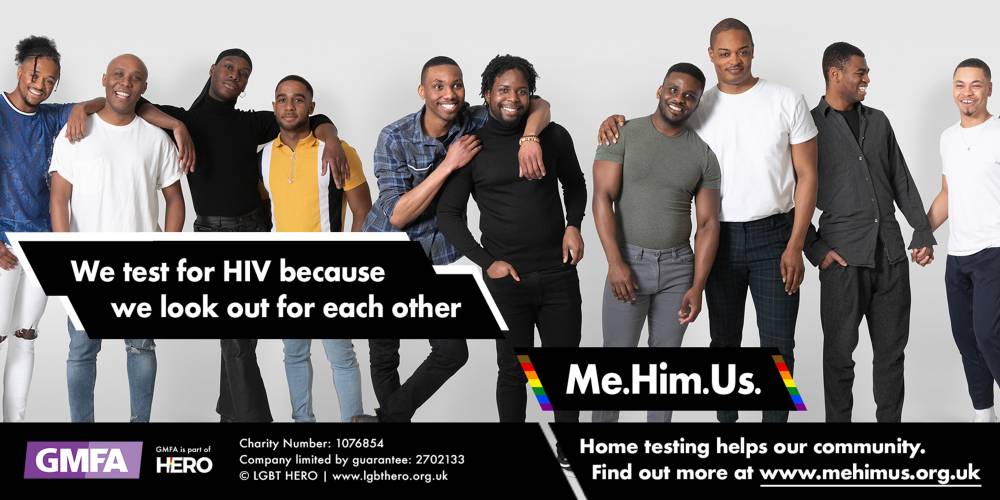
    The campaign by GMFA, which was developed by and for black gay and bisexual men, will appear on a digital billboard in Lambeth and on digital advertising hubs across East London.

    After the incredible impact of the original Me. Him. Us. campaign in March 2018, GMFA – the gay men’s health project has launched a second phase of the campaign, focusing on community, representation and home HIV testing.

    GMFA brought together 17 young black gay men to lead in the latest iteration of the campaign and to effect a positive change in their community, as well as making sure that black gay men are properly represented in sexual health campaigns.

    Marc Thompson, Co-Editor of BlackoutUK, who worked as an advisor on the campaign, explains why he came back to the project: “The reason I took part in Me. Him. Us. again was to build on last year’s success. The first Me. Him. Us. campaign focused on the role of the individual, but with the new campaign we have a larger group of men, so it was really about stressing the importance of community involvement and how we can all play a part in ending HIV.

    “The day of the photo shoot was powerful and moving. We had 17 black gay men who came together to make a difference in their community. They wanted to make sure that their diversity was represented. It highlighted that the needs of black gay men, and the fact we are disproportionally effected by HIV, is still at the forefront of the work we do. Leading these campaigns and being represented is still incredibly important.”

    Activist and writer, Phil Samba who starred in and helped develop last year’s campaign said, “It’s important for us black men to take care of our sexual health and get tested regularly because sadly we are disproportionately affected by HIV.

    “We deserve to have the sex we want, which is right for us, with the least amount of harm. If other queer men are the main source of sexual health information for queer men, it is extremely vital that we all teach ourselves and others about all the preventative tools available today, how they work and how to access them. Black queer men especially need to be able to have open and honest conversations destigmatising sexual health among themselves and their friends from different backgrounds.”

    Gus, 24, one of the men to lead this year’s campaign, told us why he wanted to take part in Me. Him. Us. “I originally wanted to do the campaign because it’s something fresh and new. You don’t see it every day. It’s nice to finally be represented in a positive way. Usually you don’t see black men in a photo shoot or a campaign when you’re walking down the street. It’s refreshing to be shown in a positive way too, and not just seen in a negative stereotype. It’s something beautiful to be a part of, knowing that we are helping to effect a change.”

    Tre, 19, said: “It was empowering to be surrounded by so many young gay black men who are so passionate about spreading awareness of HIV testing. Everyone who took part in the shoot came from a variety of different backgrounds and it’s powerful to see the representation of people from the gay black community from all different parts of the country as well. I think it’s really important for young gay black men, especially for people who might be struggling with their own identity, to see people that look like them on billboards and social media, talking about the important of getting tested.”

    Ian Howley, Chief Executive of LGBT HERO, the parent organisation of GMFA said: “When Me. Him. Us. launched last year we saw something I have never seen in HIV prevention. There was a movement behind Me. Him. Us. black gay men felt emotionally connected to this work and helped us spread the campaign’s important message about looking after your own health, your partner’s health and your community’s health to over five million people. So, I was delighted that we were able to continue this important work in partnership with black gay and bisexual men. These men deserve more than one-off campaigns or to be involved in a tokenistic way without any say. And they deserve to create work that is by them, for them, and empowers their community. I hope that through GMFA, LGBT HERO can continue this successful partnership for years to come.”

    The Me. Him. Us. campaign will feature on billboards and digital hubs in London and online over the course of the summer.

  • 5 reasons why chocolate is actually good for you (yes actually!)

    5 reasons why chocolate is actually good for you (yes actually!)

    Scientific studies have actually proved that chocolate makes you feel good because it’s full of a mix of mood-elevating chemicals, including caffeine, theobromine, tyrosine and tryptophan. It’s important to use dark chocolate with a high cocoa solid content as it offers more health benefits than milk chocolate, it is also lower in fat and contains antioxidants.

    AlexanderStein / Pixabay

    Did you know that small amounts of dark chocolate can boost your health, from improving your mood to helping stop a cough?

    With the help of Ceitanna Cooper, Registered Associate Nutritionist at AXA PPP healthcare, we’ve put together the top 5 health benefits of having chocolate (a few squares or a small bar) as part of a well-balanced diet:

    1. It can cheer you up

    The taste, smell and texture of chocolate stimulates feel-good areas of the brain. Chocolate also contains tryptophan, an essential amino acid that stimulates production of serotonin, the brain’s natural anti-depressant. Experts equate the feelings it induces to those we experience when we fall in love.

    1. Helps heart health

    Eating chocolate can lower blood pressure, thin the blood (reducing stroke risk) and have an anti-inflammatory effect. Ceitanna Cooper says this is due to chocolate’s high content of chemicals called flavonoids. “Flavonoids also seem to stimulate the body to make more nitric oxide, which helps to widen and relax blood vessels, which may help to lower blood pressure,” says Ceitanna.

    congerdesign / Pixabay
    1. Protects your arteries

    Flavonoids in chocolate also help to stop LDL (bad) cholesterol from oxidising, helping to prevent the furring up of arteries. Flavonoids contain more than 50% of an unusual type of saturated fat called stearic acid, present in cocoa butter, that doesn’t’ raise bad cholesterol and may even increase levels of the protective good cholesterol.

    1. Calms coughs

    Chocolate also contains a chemical called theobromine, which has been shown to suppress coughing by acting on the vagus nerve, which carries messages from the central nervous system to the brain.

    1. Brain benefits

    A chemical called epicatechin – found in cocoa and green tea – may also help protect the brain against the formation of sticky proteins or amyloid plaques which develop in Alzheimer’s disease.

    “We all know that too much sugary or fatty food can contribute to obesity and other health problems, but the good news for chocolate lovers is that small amounts can also have some health benefits. So there’s no need to feel guilty about indulging your cravings now and then, as long as it’s part of a well-balanced diet.”

    What sort of chocolate is best?

    Generally, the darker the chocolate (look for 70% and above cocoa), the higher the flavonoid content. Flavonoids are found in foods like broccoli, onions, fruit, as well as tea, and may help protect people against some types of cancer and heart disease.

    Ceitanna Cooper says: “It’s most likely that you get more flavonoids in a dark chocolate that lists cocoa beans, cacao, chocolate liquor or cocoa mass on its ingredients list, so check the label. Milk chocolate tends to have very few flavonoids and white chocolate has none.”

    Does chocolate make a good snack?

    JillWellington / Pixabay

    Surprisingly, dark chocolate is classified as ‘low GI’ food, which means a small bar makes a suitable snack between meals as it doesn’t cause a rapid rise in blood sugar levels after being eaten. This is because the fat that it contains slows down the absorption of the sugar.

    The caffeine content of chocolate has also been shown to help boost concentration and energy temporarily. But if you’re curbing your caffeine intake then be sure to remember that chocolate counts as a caffeinated product!

    Before you rush off to grab the nearest chocolate bar, it’s best if you regard it as a ‘treat’, rather than a health food. If you eat it in small amounts, alongside a healthy, balanced diet, it shouldn’t contribute to weight gain and it will certainly not do you any harm.

    Want to find out more about the benefits of food? Visit AXA PPP healthcare’s diet and nutrition centre.

  • If your sleep is terrible, then try these top ten tips

    If your sleep is terrible, then try these top ten tips

    Sleep is essential to good mental health. You probably already know that when you sleep well you feel and work better.

    (C) BIGSTOCK

    In general, adults need between seven and nine hours of sleep but the exact amount varies from person to person. Different people need different amounts of sleep, and this depends on your age, your lifestyle, your genes and what you’re used to.

    A good night’s sleep won’t rid your life of emotional problems, but it can mean that you’re able to deal with difficult or stressful situations more easily.

    If you’re not getting enough sleep you tend to feel moody and irritable and lack focus. Obviously, this problem is likely to affect your relationships with people, your work and your mental wellbeing if ignored.

    So how can you improve your sleep?

    Here are ten top tips for a better night’s sleep from Mark Winwood, Director of Psychological Services at AXA PPP healthcare.

    Stay active during the day

    CREDIT: Flynt-bigstock

    Getting regular exercise during the day will help you to feel tired at night. Being active increases your metabolism and helps against stress and anxiety, which in turn will improve your sleep. Try to exercise earlier in the day or, if you prefer late night workouts, give yourself time to wind down and relax afterwards.

    Watch what you eat and drink, and don’t smoke

    Don’t have a heavy or spicy meal just before going to bed, as your body needs time to digest the food before sleep. Don’t go to bed hungry: a light snack before bedtime is ideal. Avoid caffeine – it can stay in your system for up to 6 hours and disrupt your sleep. A glass of wine may help you to fall asleep, but alcohol can affect the quality of your sleep, making you more likely to wake up during the night. Nicotine is a stimulant and studies suggest that non-smokers get better sleep than smokers.

    Make your bedroom more sleep-friendly

    Jail Hill Inn
    PR SUPPLIED

    Create a calm sleeping environment by turning your bedroom into a dark, quiet, clean and comfortable haven. A good temperature is between 18C and 24C. You may want to try black-out curtains, eye shades or ear plugs. Paint your room a calming colour. Remove any distractions that may keep you awake (including the family pets!) and keep your bedroom free from computers, TVs and phones. Is your mattress old? Is your pillow lumpy? Spoil yourself and invest in some new bedding.

    Develop a bedtime ritual

    Try to develop a relaxing night-time routine that prepares your body and mind for sleep. It could be taking a hot bath, reading a book, listening to calming music or having a milky drink – but try to stay away from bright lights and heated arguments just before bedtime.

    Relax and unwind

    CREDIT: MUSICAL FIDELITY EB-50

    Whether you need to stretch your muscles with yoga or calming your mind with meditation, there are numerous classes, apps, and books that can show you great methods to do both. Experiment and see what works for you. Some people find using a few drops of aromatherapy oil on the pillow, such as lavender, or a cup of chamomile tea to be soothing before bed time.

    Don’t toss and turn – get out of bed instead

    If you can’t fall asleep after half an hour, get up and do something else instead – try something relaxing like reading or listening to music. Only go back to bed when you feel tired. Similarly, if you find you’re dozing off on the sofa too early in the evening, get up and do a few jobs so that you save your snoozing for bedtime.

    Stop the weekend lie-ins

    Keep a regular sleep schedule. If you go to sleep and get up at the same time every day (even if you’re not feeling tired) it can help you get into a good sleep routine. Resist having naps during the day and don’t sleep in at the weekend.

    Keep a sleep diary

    It can be difficult to work out why you have problems sleeping. Keeping a sleep diary (or using a wearable device that tracks your sleep) can help you monitor when you fall asleep and wake up, how many times you wake up during the night and how rested you feel in the morning. After a week, reflect on your notes and try to work out what helps you sleep and what makes it worse.

    Jot down your troubles

    Life is often stressful and it can take time and some effort to learn what coping methods work for you. Try using a journal to jot down things that are worrying you and keeping you awake. Make a note of them and deal with them when you are refreshed.

    Seek professional help

    If your sleep problems persist, don’t suffer in silence, and don’t be tempted to self-medicate with over-the-counter sleep aids. Cognitive behaviour therapy (CBT) can be very effective at helping people who have problems with insomnia.

    For more information, please visit AXA PPP healthcare’s sleep hub.