Category: Wellness

  • There are fears that gay and bi men will be “turned away” from PrEP unless Gov takes action

    MPs warn of ‘cliff-edge’ in access to HIV prevention pill PrEP in open letter to Public Health Minister calling for ‘urgent action’

    PrEP pills
    (C) marcbruxel Depositphotos

    Today (19 December), MPs and peers from across Parliament have published an open letter calling on public health minister Steve Brine MP to urgently expand access to HIV prevention pill pre-exposure prophylaxis (PrEP) in England.

    PrEP is currently available in England via a capped 13,000 place trial – but it looks highly likely that all places for gay and bisexual men will be full by early 2019. Despite this group making up more than half (53%) of the 4,363 new HIV diagnoses in 2017.

    PrEP is almost 100% effective when taken as prescribed, but some gay and bi men have already been turned away in parts of the country where trial places are full with individuals going on to be diagnosed with HIV.

    The 14 MPs and peers include lead signatory Lloyd Russell-Moyle MP, who last month revealed he’s living with HIV in a speech to the Commons, and Brighton Pavilion MP Caroline Lucas, whose constituency has one of the highest prevalences of HIV in the country.

    Lord Michael Cashman, a Terrence Higgins Trust patron and Stonewall founder, is a signatory. Lord Guy Black, the first openly gay Conservative peer and patron of Terrence Higgins Trust, has also given his support.

    In the letter, the MPs and peers state “We are writing to you to seek urgent action regarding the national PrEP Impact Trial” where “demand for the trial has far outstripped availability of places”. It continues, “This cliff-edge scenario is simply not an option.”

    Infection with HIV after PrEP refusal already reported

    CREDIT: tashatuvango-bigstock

    On the need for urgent and decisive action, the letter says, “There has already been one report in the media concerning an adult becoming infected with HIV after being refused access to PrEP via the Impact Trial due to there being no places available at their local clinic. This is unacceptable and we risk failing other gay and bisexual men if the current situation continues.”

    The MPs and peers also criticise the number of trial sites yet to open, despite being 14 months into the trial. It says, “This is perpetuating regional health inequalities, in particular among those living in the north of England.”

    The move by MPs and peers has been welcomed by leading HIV and sexual health charity Terrence Higgins Trust, which is urgently calling for an expansion to the trial and then for PrEP to be made routinely available on the NHS in England.

    Uncapped in Wales, freely available in Scotland

    PrEP is already available on the NHS in Scotland and via an uncapped study in Wales. In the letter, MPs and peers said “England must not lag behind” and “PrEP must be given a long-term home as part of existing HIV prevention services”.

    The letter is signed by Lloyd Russell-Moyle MP, William Wragg MP, Dame Caroline Spelman MP, Caroline Lucas MP, Peter Kyle MP, Ben Bradshaw MP, Helen Hayes MP, Paul Williams MP, Catherine West MP, Norman Lamb MP, Sarah Champion MP, Lord Michael Cashman, Baroness Liz Barker and Lord Guy Black.

    Ian Green, Chief Executive at Terrence Higgins Trust, said, “We welcome cross-party support from MPs and peers on this hugely important issue. It’s unacceptable that people who have been denied access to PrEP in England have gone on to be diagnosed with HIV. PrEP is highly effective at preventing HIV and we must fully utilise it in England in order to achieve our ambitious aim of ending new HIV transmissions.”

    Lloyd Russell-Moyle, Labour MP for Brighton Kemptown, said, “During my speech in Parliament last month, I called on the Government to take immediate action to avoid this cliff-edge scenario. We know of people who have become infected with HIV because they cannot access this HIV game-changer. I want to see PrEP have a long-term home as part of sexual health services, but in the meantime,  NHS England and local authorities must act now and agree to increased places on the trial.”

    Caroline Lucas, Green Party MP for Brighton Pavilion, said, “It is dangerous and short-sighted of the Government to withhold PrEP from those most at risk of HIV. When taken as prescribed, PrEP is almost 100 per cent effective at stopping HIV – so Steve Brine should urgently ensure NHS England and local authorities add new places to the trial.”

    William Wragg, Conservative MP for Hazel Grove, said, “Increasing places on the PrEP Impact Trial immediately is an important and urgent step the Government can take to prevent HIV transmissions. It will bring immediate benefits to those in need of PrEP and who are at risk today, as well as longer-term benefits to both public health and the public purse, by preventing HIV transmissions and the consequential costs of life-time treatment.”


    The letter in full:


    Dear Minister

    We are writing to you to seek urgent action regarding the national Pre-Exposure Prophylaxis (PrEP) Impact Trial. As you will be aware, demand for the trial has far outstripped availability of places. Since the start of the trial in October 2017, nearly 10,000 places have been filled, and despite an increase of 3,000 places for gay and bisexual men, it’s forecast that all those places will be full by early 2019. This cliff-edge scenario is simply not an option.

    Last month the UK met the UNAIDS 90-90-90 targets which positions us as a leading nation in the response to HIV. Access to PrEP has ultimately played a crucial role in reducing new infections but artificially restricting this access undermines efforts to reach zero new HIV infections.

    There has already been one report in the media concerning an adult becoming infected with HIV after being refused access to PrEP via the Impact Trial due to there being no places available at their local clinic. This is unacceptable and we risk failing other gay and bisexual men if the current situation continues.

    There are also a number of trial sites that have yet to open, despite being 14 months since the trial commenced. This is perpetuating regional health inequalities, in particular among those living in the north of England.

    When taken correctly, PrEP is 100% effective at stopping HIV. Other UK home nations have taken steps to give PrEP a home on their respective NHS; England must not lag behind.

    We are therefore calling for an immediate increase in places on the Trial so no one is turned away from accessing PrEP, and a timetable for getting to routine commissioning of PrEP to be agreed between NHS England and local authorities. PrEP must be given a long-term home as part of existing HIV prevention services.

    Over the past few weeks, both you and the Secretary of State for Health & Social Care have made references about the need to reach zero new HIV infections here in the UK, which is welcome. However, PrEP remains a key missing piece of our response to HIV and continues to fundamentally undermine our ability to reach zero new HIV infections.

    You said in a recent Adjournment Debate on HIV that you were in listening mode regarding PrEP. We therefore urge you to listen to our concerns with urgency and prevent this impending cliff-edge scenario and ensure there is access to PrEP for all those groups who could benefit from it, including women and BAME communities.

    Yours sincerely,

    Lloyd Russell-Moyle MP (lead signatory)
  • Millions of us haven’t a clue what our normal blood pressure should be

    Millions of us haven’t a clue what our normal blood pressure should be

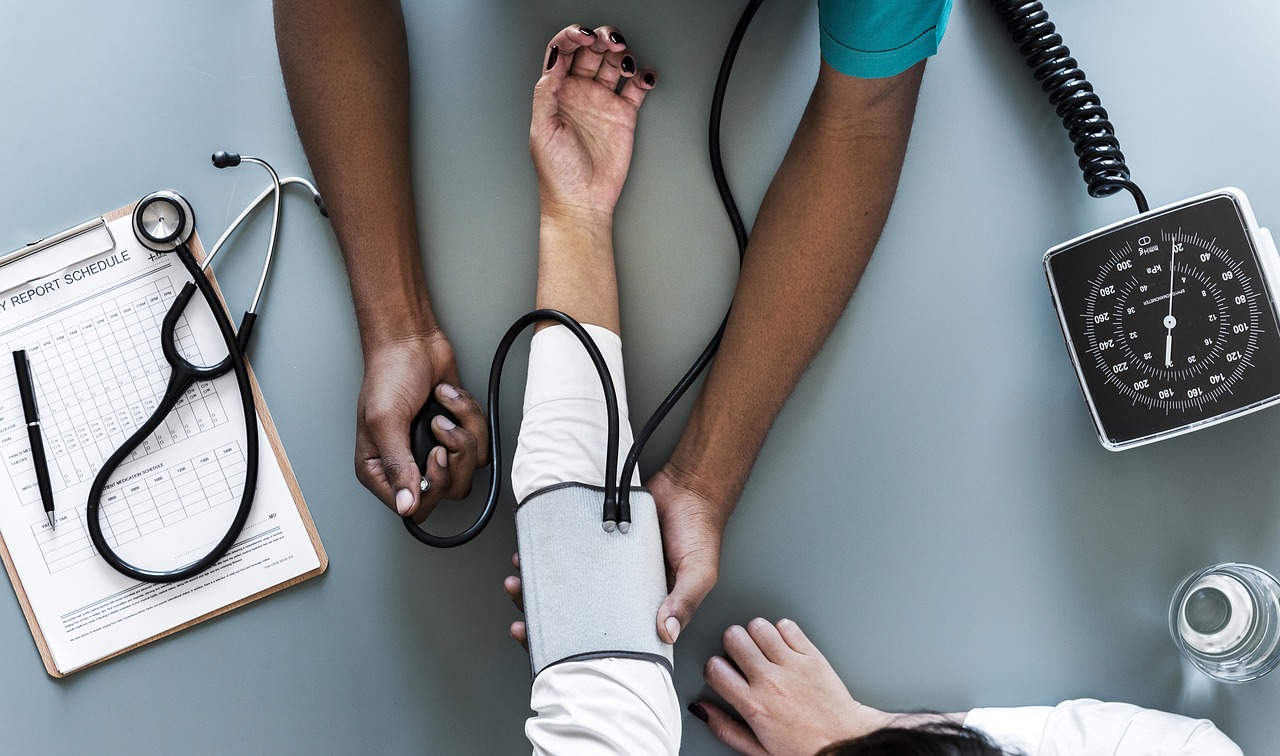
    Millions of Brits have no idea what their normal blood pressure should be, or even how tall they are, a new study has found.

    rawpixel / Pixabay

    A poll of 2,000 adults also discovered more than half don’t know their blood type, and a further 40 per cent could only guess their weight.

    Worryingly, 35 per cent of respondents say their lack of body knowledge ‘concerns’ them, but just one in four have any plans to do anything about it.

    It also emerged the average adult doesn’t begin to take their health seriously until they hit 37, with one in 20 believing they can’t be unwell as long as they remain fit and active.

    The study was conducted by Cardiomyopathy UK, whose chief executive Joel Rose said: “Knowing your own body is incredibly important.

    “If you don’t keep in touch with what is normal for you, then you could end up missing early signs of a serious health problem like cardiomyopathy.

    “We want people to listen to their body and abandon preconceptions and stereotypes of what a patient with a heart condition looks like.

    “It’s so important to not fall into the trap of thinking that serious heart conditions like cardiomyopathy only affect older people with unhealthy lifestyles.

    “This survey has highlighted how many people don’t know their family health history, ignore symptoms and just bury their head in the sand.

    “With a condition like cardiomyopathy, this is a major problem we need to tackle.”

    It also emerged six in 10 Brits could only estimate whether their current blood pressure is normal and healthy, and more than 70 per cent aren’t certain of their resting heart rate.

    And 62 per cent haven’t got a clue what their BMI – or Body Mass Index – currently is, according to the research conducted through OnePoll.com.

    Amazingly, only one in three women would be able to accurately date their last period – despite it being a monthly occurrence.

    More than 15 per cent of respondents have also got no idea about their family’s medical history, which could contain clues about their own future wellbeing.

    A further 13 per cent don’t know if they’ve been given the common MMR injection – normally given to children to ward off measles, mumps and rubella.

    The study also found one in seven Brits admit to ‘burying their head in the sand’ when it comes to their health, and 30 per cent will ignore symptoms they don’t think are serious.

    A quarter of adults also admit to occasionally feeling tired for no real reason, but haven’t explored the reasons why.

    Heart issues can affect people of any age, and yet 23 per cent of adults believe someone with a heart problem is likely to be older, overweight and look unfit.

    And six in 10 respondents believe those who are overweight are at more risk of suffering from a heart condition like cardiomyopathy than anyone else.

    Cardiomyopathy UK’s President Perry Elliot said: “At Barts Hospital, we see over 8,000 people each year with cardiomyopathy and I’ve lost count of those that thought they were too young and healthy to have a heart condition.

    “The reality, as this research shows, is people are not aware of the important signs their bodies are telling them which are putting them at risk.

    “People of all shapes and sizes can be affected by cardiomyopathy and we need to challenge the stereotypes that exist in our society that older, overweight men are the typical heart patient.”

    CASE STUDY

    1662222 / Pixabay

    Doctor Chris Marshall, 44, from West Sussex, was a seemingly young, fit and healthy when a devastating diagnosis changed his life forever.

    He would play sport ‘at any opportunity’ and cycled more than 20 miles a day, to and from his job as a consultant anaesthetist at Worthing Hospital.

    However, in May 2016, a blockage to Chris’s heart was discovered by chance.

    While taking out the recycling, one rainy morning, the father-of-two slipped and fell down the side of some concrete steps.

    He landed heavily on his side, breaking five ribs in the process and rupturing a disc.

    When he lost all feeling in his left foot, he was booked in for emergency back surgery and given an ECG while waiting for the operation.

    He said: “I remember saying to the doctors, ‘I don’t understand why you are doing an ECG on me, I’m fit and healthy.”

    However, the ECG found a problem with Chris’s heart in the left ventricle, one of the muscular chambers that pumps oxygen-rich blood around the body.

    He was later diagnosed with dilated cardiomyopathy, which had caused left bundle branch block (LBBB), and a year later, had a pacemaker fitted.

    He said: “On reflection, I’d had some fairly significant symptoms over the past few years, including ‘heart rate dangerously high’ whenever I measured it on the running machine and cramp in my neck muscles whenever I sprinted.

    “I’d get extreme shortness of breath and found cycling harder and harder, falling asleep straightaway as soon I got home from the hospital.

    “I put it down to working too hard or needing to get fitter, so I went to the gym regularly, even though I’d get out of breath and drenched in sweat in no time.

    “I didn’t feel anything was wrong with me and didn’t believe the signs and symptoms.

    ”So being a doctor, I naturally ignored them.”

    Now Chris is joining a campaign by heart muscle charity Cardiomyopathy UK to show heart conditions are not always the result of an unhealthy lifestyle.

    “As a doctor, I’ve seen lots of people with heart disease. Most are much older than me; many have smoked, had a poor diet and not exercised – but by no means all.”

    And despite often being extremely tired and unable to do everything he wants to, Chris still ‘looks’ healthy.

    “There have been many thoughtless comments with little comprehension of the emotional and physical impact this has had on me and my family,” he reveals.

    “People make assumptions too – some who think I shouldn’t do anything and others not understanding why I’m not doing what I was trying to do before.

    “So many people don’t understand what this diagnosis means. Many say things like, ‘Well you’re in your 40s now; Everyone’s tired aren’t they? or ‘But you’ll get better won’t you?’ etc .”

  • Do males have a hymen?

    Do males have a hymen?

    The hymen is part of the female anatomy, which can get broken when a female loses her virginity. So do males have something similar?

    (C) BIGSTOCK

    The hymen is a thin membrane that covers part of the external vaginal opening in females. Weirdly, it doesn’t seem to have an actual use, according to Wikipedia, that suggests, “the hymen does not seem to have a specific physiological function and has few, if any, nerve endings”

    But it can cause pain when and if it’s ripped. It can be ripped by inserting a tampon, injury or by having sex – although not always. Many women complain of a sharp pain and blood spotting when the hymen is ripped, however, some women don’t feel it. It may, or may not cause bleeding when it is ripped.

    So do men have a hymen?

    So medically biological men (sometimes referred to as cis-gender men) don’t have a hymen – and there’s nothing that males have is biologically similar to a female’s hymen – however, if men have anal sex, or engaging in pegging, discomfort may be caused during the insertion of a penis or dildo for the first time – it may even cause a rip in the anal opening – which is why lots of lube is recommended and taking lots of time in order to have penetration.

    However, trans men, those who were born with female anatomy but have transitioned to men could very well have a hymen if they haven’t had lower surgery.

    Want some tips on bottoming for the first time? Check out these ideas from five guys who give their best suggestions for anal sex.

  • Bleeding after anal sex: What you should do about it

    Bleeding after anal sex: What you should do about it

    Bleeding after anal sex can be just ‘one of those things’ and can happen on your first go round or your 100th – so to put your mind and butt at rest, here’s why it happens.

    (C) BIGSTOCK

    Anal sex can be an integral part of a sexual relationship, but not all couples do it – however, there’s a lot of wrong information out there about bottoming.

    Tiny rips happen

    Embed from Getty Images

    Your rectum is not self-lubricating, so unless you’re using lube, you’re going to be creating a lot of friction, which can cause the lining of the rectum to tear or rip a little, if this sounds hideous, it might be worth noting that most of these rips are tiny – and can actually happen outside of sex as well. These rips can cause bleeds – and most probably you’ve had bleeds but never realised it.

    It happens because the lining of your rectum is not as strong as your normal skin.

    Also, anal sex could also be causing what are known as anal fissures – which are tiny rips that can happen both on the inside and on and around your actual hole – especially if you’re not relaxed or have not loosened yourself up before the main event. These can heal all by themselves within a few weeks.

    The P Word…

    Another issue is the dreaded P word – yes piles.

    Bleeds may be caused by popping a pile or if we’re going to be medical about it, haemorrhoids.  Piles are completely normal and are the enlargement of a blood vessel that already exists inside your butt. You might not even know you have one until it pops during sex.

    Some people have visible piles on the outside of the anus, whilst some have them on the inside.

    There’s no evidence to show that having anal sex causes piles but it can inflame the issue.

    Jose Perez de la Cruz from THT told us, “So long as the piles are not actively bleeding or painful at the time on intercourse then it is probably safe to have sex. If they are bleeding or there is inflammation though this means that the natural protective barrier formed by the skin and mucous membranes is not at its optimum which if exposed to an STI can make transmission more likely”.

    “So long as the piles are not actively bleeding or painful at the time on intercourse then it is probably safe to have sex. If they are bleeding or there is inflammation though this means that the natural protective barrier formed by the skin and mucous membranes is not at its optimum which if exposed to an STI can make transmission more likely”.

    If you’re suffering from haemorrhoids you can buy Preparation H or Germaloids online and this should help ease them away and give yourself a few days rest from sex to help you heal.

    When should go to the doctor about anal bleeding?

    If you are experiencing a lot of pain or prolonged aching after sex you might need to seek medical help. It is normal for there to be some discomfort for a day after, especially after your first time. However, if pain continues you should go and see your GP or book yourself into a sexual health clinic.

    If there is a lot of blood (think steady drip rather than a bit of spotting on your toilet paper) you should go and see your doc ASAP.

    Dr Shawn Khodadadian, a board-certified gastroenterologist in Manhattan, is cautioning people against ignoring rectal bleeding. He warns that rectal bleeding could be a sign of other, far more serious illness such as colorectal or colon cancer. He said,

     “as there are many possible causes and getting an early diagnosis is particularly important. This is because although rectal bleeding can be a symptom of haemorrhoids, colitis or anal fissures, it can also be a sign of a far more serious illness for example colorectal or colon cancer. These types of cancers can often be completely cured when detected early.”

    Your gonna need lube and lots of it

    So the best way to stop the friction is to use lube a lot of it. You can find out about the different types of lube here. If you’re having a long session – they don’t forget to keep reapplying the lube or use a silicon-based lube, which should last a lot longer.

    Remember, despite what you see in gay porn, you can just ram it in. You need to take your time, use lube and go an inch at a time!

  • 14 ways to combat bullying

    14 ways to combat bullying

    This week is anti-bullying week. We’ve compiled some tips to combat bullying.

    Bullying takes many forms: name-calling, making negative comments on your work, making someone feel worthless, physical abuse are just some examples.

    So we’ve put some tips together to help anyone out there who might be being bullied. It doesn’t matter if you’re being bullied at school, college, university, work or home.

    Remember if you are being bullied remember it’s not your fault.

    Write Everything Down

    Keep a log of every incident; write down the date, time, location, what happened, what they said and any witnesses that were around.

    Tell Someone

    Tell someone in authority and ask them what they intend to do about it. Tell them any fears you have about reprisals from the bully.

    Someone you trust, like a family member or a friend, can also be useful. It means that you’re not dealing with the problem on your own; a problem shared is a problem halved.

    Get Support

    Don’t try to deal with it and your feelings about it all on your own. Get some support. Consider counselling for some additional support around your feelings.

    NEXT: PAGE 2 of 4

    Pages: 1 2 3 4

  • MP Steve Brine urged to extend HPV vaccines for boys up to 18-years-old

    MP Steve Brine urged to extend HPV vaccines for boys up to 18-years-old

    Health experts call on the government to offer ‘catch-up’ HPV vaccination to boys up to age 18 to protect them against fatal diseases

    16 leading experts in the field of HPV and the diseases it can cause have written to the public health minister Steve Brine MP urging him to offer HPV vaccination to boys aged up to 18 as a catch-up programme. This would run alongside the vaccination programme for 12/13 year old boys which the government intends to roll out from September 2019.

    The experts have also called on the minister to make a firm commitment to starting boys’ vaccination next year rather than just saying he intends to do so.

    The letter’s signatories include: Mick Armstrong, chair of the British Dental Association; Professor Michael Escudier, Dean of the Faculty of Dental Surgery at the Royal Collage of Surgeons; Hisham Mehanna, Professor of Head and Neck Surgery at the University of Birmingham; Ian Mills, Dean, Faculty of General Dental Practice (UK); Professor Chris Nutting, Consultant Clinical Oncologist at the Royal Marsden Hospital; and Dr Olwen Williams, President of the British Association for Sexual Health and HIV.

    Ministers have so far rejected the case for a catch-up programme for boys on the grounds that boys are partly protected by the vaccination of girls. The experts point out, however, that the government’s own vaccination advisory committee (JCVI) recommended HPV vaccination for boys precisely because vaccinating girls offers boys inadequate protection. Moreover, men who have sex with men are completely unprotected by the girls’ programme. The experts also state that when the girls’ programme was introduced in 2008, they benefited from a catch-up programme and boys should be entitled to the same on the grounds of fairness.

    The announcement of the decision to vaccinate boys was long overdue. It was originally promised in 2015 but took three more years to become policy. In that time, around one million boys missed out on HPV vaccination and they are therefore at risk. The experts argue that the opportunity must be seized to vaccinate as many boys as possible while they are still at school and therefore easier to reach.

    Commenting on the letter, HPV Action’s Campaign Director Peter Baker said: ‘The government must not ignore the views of 16 leading experts in the HPV field. It must reconsider its short-sighted decision not to offer boys a catch-up programme and it must also make an unequivocal commitment to start vaccinating boys from next September. Boys can no longer be left at risk of developing potentially fatal cancers and other diseases caused by HPV.

  • This is why your manhood looks smaller than it used to

    This is why your manhood looks smaller than it used to

    If you’re wondering why your penis seems to be shrinking, apparently, it’s probably because of your FUPA.

    We have a lot of data about the size of men’s penises, we even know where the UK fits in compared to the rest of the world,  however penis size from 60 years ago is near impossible to obtain, so finding out whether our penises are getting smaller as we age, is difficult to compare to previous generations of men.

    However, it is suggested that perhaps because we are living longer up to 30 years longer, (one in three of us now lives past the age of 100), and are weighing a lot more than we used to.

    What the hell is a FUPA?

    This means that as we get older unless we retain good health and a flat tummy, our penises could be shrouded in fat. Above the penis where your pubic hair grows, there is what some people call a fat pad. Some call it the FUPA (Fat Upper Pubic Area).

    There’s an old adage that for every stone you lose you gain an inch down there – well technically that could be true – depending on the size of your FUPA. It could be actually hiding the first inch or two of your penis.

    An article by Doctor Phil Hammond for the Telegraph has suggested that perhaps our manhoods are getting smaller because of our bellies.

    Doctor Phil Hammond wrote in The Telegraph,

    “A big belly makes your penis look smaller, and if you can’t see it at all when you look down you need to get a grip quickly. You’re at high risk of type two diabetes and arterial disease, which can also affect the frequency and firmness of your erections.

    “The bottom line is that a good erection is a sign of good physical and mental health, but for most women, your smile and smell are far more important than actual size.”

    Cosmeticare.com suggests that there are numerous ways to help you rid yourself of the FUPA, including: reducing your stress levels, getting a better diet – rich in fruit and whole grains, anti-inflammatory foods such as watery veg, but also cosmetic procedures including freezing your fat or liposuction.

    Can exercise help?

    (C) BIGSTOCK

    There’s always exercise as well, GayFitnessUK.com suggests a range of ideas to help you shed body fat, adding, “Cutting body fat can be difficult, and staying on a healthy nutritious diet can be tough and at times de-motivating. Allow yourself treats every now and then, but try and stick to your healthy diet and workout plan at least 90% of the time. And once you reach your goal, don’t fall back to old habits. It’s better to stay on the nutritious path you’ve carved out for yourself in order to keep the results!”


  • What are these zits on my balls?

    Is it normal to have zits, spots or whiteheads on your scrotum?

    I have little whiteheads on my balls


    We asked Medical Director Dr Nitin Shori from Pharmacy2U whether finding little spots or zits on your ball bag is something to be concerned about.

    Dr Nitin told us, “You can get rashes on your testicles as you can any other part of your skin” and they are often caused by anything from blocked pores to allergies or heat irritation.

    “If anything, this area is a bit more sensitive so treat it with care,” Dr Nitin adds.

    Apparently, shaving can often cause spot like symptoms as could using a new body wash or new washing powder for your laundry – so if you have a break-out see if either of these could factors.

    Also, when the weather turns humid this can cause rashes through sweating.

    Dr Nitin says, “You need to ensure you wash regularly and properly dry yourself before dressing as rashes love moist, damp places! If you shave you need to keep the area clean afterwards”.

    But rashes can also be a sign of a sexually transmitted disease warns Dr Nitin, “if it (the zits) don’t clear up, do go and see your GP or local GUM clinic just to make sure. The majority of STDs can be treated quickly and efficiently the earlier they are diagnosed.

    “You can also get an STD testing kit online if you just want to put your mind at rest and rule that out”


    The advice listed above is not intended to replace or take the place of that of your own doctor, GP or medical professional who knows your full medical history. If in any doubt make an appointment with your doctor as soon as possible.

    OTHER QUESTIONS: HIV | WILLY WONDERS | HOLES | DOING IT | STIs | LUMPS & BUMPS | BACK TO SEX CLINIC HOME PAGE

    Got a problem you’d like advice on?

  • How to deal with an erection during a massage

    Apparently, it happens all the time… No need to freak out

    CREDIT: Wavebreakmedia-Depositphotos

    Involuntary erections during professional massages happen all the time apparently – according to Spencer from HM Massage on YouTube, before adding some tips on how to “handle it”.

    Firstly, Stop Freaking Out.

    It happens. Both the massage therapist and the client need to calm down. An erection is a natural body function and the more attention you give it, the longer it will take for the boner to go away.

    It could also be a nervous reaction, especially if guys have never had a professional massage before. Spencer adds, “the more you think about it, the longer it’s going to stay, as opposed to letting your mind go and not thinking about it, and naturally it’s going to fade away”.

    Don’t make a big deal about it

    For therapists, Spencer suggests, “if your client pitches a tent on the massage table, don’t stare at it, don’t make a huge deal about it – even if it is a huge dealing…” Therapists should focus solely on the massage and distract themselves from it, “you don’t have to be focused on it”.

    (C) BIGSTOCK / Depositphotos

    Parasympathetic Nervous System stimulation.

    Apparently 99 percent of the time an erection happens because your parasympathetic nervous system is being stimulated. That means the rubbing of your skin, the touching of your body in a relaxed state and when senses are heightened could cause a raging bone. Spencer adds “while massage is not sexually intimate, massage can be a very intimate experience between therapist and client”.

    Don’t act on it.

    Whatever you do, don’t try and get your masseur to touch your dick – and or interact with it in any way. Remember it’s their workplace and they are there to do a job – massage your body – not your penis. “If you take things to a physical level, that’s not okay, the therapist has every right to end that session right there and kick you out,” Spencer warns.

    To therapists, Spencer recommends you give a first warning and if the client continues to act inappropriately to end the massage and leave the room.

    The good news is the more clients have massages the more they get used to the feelings and the likelihood of getting a hard-on becomes less and less.

    So if you pitch a tent while have a body massage. Relax, take your mind off it and don’t act on it.

  • What’s the best haemorrhoid treatment?

    If you’ve found yourself with haemorrhoids more commonly known as piles here’s the best way to treat them.

    What's the best haemorrhoid treatment?

    Suffering from piles when you’re a bottom or even a power bottom could spell disaster for your sex life. But even if you don’t have anal sex, then piles can be a real pain in the arse (pun unfortunately intended). The fact is that piles or haemorrhoids are a fact of life for many people.

    Piles are caused by swollen veins in the anus. They can be caused by straining when going to the toilet (number two), mainly during constipation or sitting on the loo for too long.

    Many people don’t even know they have them – because they can occur inside your rectum – where you can’t see them.

    When they come out your bottom, that’s when they can become a bit of a problem.

    What's the best haemorrhoid treatment?

    Does anal sex cause piles?

    But before we go on, let’s clear one thing up, they aren’t caused by having anal sex.

    Jose Perez de la Cruz, a Public Health Practitioner at the Terrence Higgins Trust told us, “anal sex has the potential to inflame pre-existing haemorrhoids (piles), though research shows that it does not cause them in the first place. So long as the piles are not actively bleeding or painful at the time of intercourse then it is probably safe to have sex”.

    What’s the best way to cure haemorrhoids?

    If you’ve got piles, here are some tips on how to get rid of them.

    Sex

    Firstly, you should probably take a break from receptive anal sex if you’ve got piles. Firstly, depending on how bad your haemorrhoids are, they may burst and cause bloody sheets and lost of blood and could be quite painful. Secondly, if you’re not using condoms and you are not on PrEP, you might be opening yourself up to blood-borne infections and viruses.

    Creams

    The NHS suggests that piles can often clear up by themselves, but there are several treatments that help with discomfort and itching. There are creams and suppositories, which are manually inserted into your arse – which can relieve swelling.

    Jose continues, “I would recommend using Preparation H (under a fiver) or Germoloids (over a fiver) to help control pain and inflammation and to reduce swelling. During sex, it is also important that you use a good water-based lubricant, particularly during acts of multiple people or high-frequency sexual activity as this will reduce the chance of any inflammation being caused.”

    Jose also suggests if the piles don’t clear up after a while that you book an appointment with your doctor to talk options.

    Diet

    Your diet can play a bit role in helping you clear your piles, particularly if you have constipation. The NHS suggests you should increase fibre in your diet. You should also increase the amount of water you’re consuming and avoid caffeine. If you are constipated your GP may prescribe laxatives to help you poop.

    There are also more intrusive medical ways to rid yourself of haemorrhoids and you can read about them on the NHS website.

    The advice listed above is not intended to replace or take the place of that of your own doctor, GP or medical professional who knows your full medical history. If in any doubt make an appointment with your doctor as soon as possible.


    OTHER QUESTIONS: HIV | WILLY WONDERS | HOLES | DOING IT | STIs | LUMPS & BUMPS | BACK TO SEX CLINIC HOME PAGE


    Got a problem you’d like advice on? Click here to ask your question

  • Have you ever felt lonely? The results from one of the biggest surveys on loneliness are out!

    Have you ever felt lonely? The results from one of the biggest surveys on loneliness are out!

    “The worst loneliness is not to be comfortable with yourself”. —Mark Twain

    CREDIT: bigstock-soupstock

    It’s often said that the modern world is very well connected but a lonely place. We have all these different tools for connecting us more than ever before, but it often feels like we are also further apart and alone than we ever have been before.

    Fair warned before I start, I’m going to talk about a programme on BBC Radio 4, so put your impressions of that to one side for a moment (as I get stick all the time for listening to Radio 4 as a 30 something) we have something that you will find really interesting.

    A survey of more than 55,000 people run by BBC Radio 4’s All in the Mind programme in collaboration with the Wellcome Trust has now given us some fascinating insights into loneliness.

    “16- to 24-year-olds experience loneliness more often and more intensely than other age groups”

    The “Loneliness Experiment” as it’s known, led by Developmental Psychologist Professor Pamela Qualter, was the largest survey of its kind and of the many things it revealed one of the most interesting was that 16- to 24-year-olds experience loneliness more often and more intensely than other age groups.

    The survey revealed that 40% of 16- to 24-year-olds reported feeling lonely often or very often while 29% of those aged 65 to 74 and 27% of people aged over 75 reported the same.

    In an interview given to the British Psychological Society Professor Qualter outlined why she thought young people suffered from loneliness more than others;

    “It doesn’t surprise me though that young people are lonely – they’re at a point in life where they’re trying to work out who they are and what their place is, and that’s hard. It’s a time when you’re very vulnerable to loneliness. One of the things I thought was interesting was our younger sample weren’t just higher on the frequency of loneliness, but also much higher on the intensity of loneliness. That, for me, hints at the fact that maybe this is part of a normal transition. Younger people are working out who they are in the world and are also only possibly experiencing this thing called loneliness for the first or second time. They don’t know that this doesn’t last forever and they’re also trying to develop the different skills to overcome it.”

    Hopefully, some more studies will come off the back of this, especially around the reasons why in the older generations they reported feeling less lonely. Most of us would perceive the elderly to be lonelier but it would appear not. Is that because they have learnt how to combat it or have simply learnt to live with it, therefore it’s not as intense as it is for the young and new to the sensation?

    One of the things that the survey also revealed was that LGBT people also often feel lonelier than others, but only where they feel discriminated against. If, as Professor Qualter suggests, the feeling of loneliness is linked to self-identity and belonging then this makes complete sense. If we feel that we should belong somewhere, but don’t for whatever reason, we can often feel isolated and alone.

    Free-Photos / Pixabay

    As discrimination is very much alive and well both outside and inside the LGBT community this doesn’t surprise me. One of the other results of the survey showed that people had different ways to combat loneliness, one way is to go out and meet new people (even if it’s just an interaction with the local shop assistant).

    This is also the reason why the charity initiative ‘All Together UK’, which won an Attitude Pride Award earlier this year, is vital in trying to combat that sense of loneliness in the LGBT community. It’s not been around that long as is a simple concept. Events, all around the UK, where people can come and meet people they wouldn’t normally have been exposed to, in a relaxed and supportive setting. Whether it’s this, OutdoorLads, your local LGBT charity events or even your local pub quiz night, if it’s a safe space then do consider going along either on your own and make friends or take a friend and see if you can get to know some more.

    While we will never be able to eradicate loneliness, and even the survey says that many people appreciated some ‘alone’ time, initiatives like this and many more are vital for ensuring that everyone feels included and that they are not alone.

    I do recommend listening to the podcast where they reveal the results and explore some of the themes. Loneliness affects us all at some stage and learning a bit more about what it means to be lonely and some of the different ways of coping with it might help you either now or later in life.