Tag: HIV

Read the latest news and analysis of HIV in the UK and abroad. Browse THEGAYUK’s entire archive on news about HIV.

  • What the UK Government says its going to do for LGBT+ healthcare in the UK

    What the UK Government says its going to do for LGBT+ healthcare in the UK

    The UK’s Government has launched an LGBT action plan, in which it wants to deal with issues facing the LGBT+ community in the UK, including health.

    “This Government is committed to making the UK a country that works for everyone. We want to strip away the barriers that hold people back so that everyone can go as far as their hard work and talent can take them”.

    Big words, so what exactly are they promising?

    Penny Mordaunt, the Minister for Women and Equality has outlined 75  points she wants her office to push in order to achieve better rights, equality, safety and visibility for gay, lesbian, bisexual, transgender and intersex people of the UK.

    Health was a big part of the government’s action plan, here’s what Ms Mordaunt said she plans to do:

    Put LGBT+ people’s needs “at the heart” of the NHS.

    We will appoint a National Adviser to lead improvements to LGBT healthcare. The National Adviser will focus on reducing the health inequalities that LGBT people face, and advise on ways to improve the care LGBT people receive when accessing the NHS and public health services. They will work across the NHS to ensure that the needs of LGBT people are considered throughout the health system.

    The National Adviser will work to improve healthcare professionals’ awareness of LGBT issues so they can provide better patient care. The National Adviser will work with relevant statutory organisations and professional associations to embed LGBT issues into physical and mental health services.

    We will improve the way gender identity services work for transgender adults. In 2019, NHS England will decide on the future configuration of adult gender identity services in England, and will seek to establish a more modern care model that delivers high-quality outcomes in which clinical capacity can be more flexibly deployed. The Government Equalities Office will produce advice about the Gender Recognition Act for GP surgeries and gender identity clinics.

    We will improve our understanding of the impacts on children and adolescents of changing their gender. The Government Equalities Office will gather evidence on the issues faced by people assigned female at birth who transition in adolescence.

    We will take action to improve mental health care for LGBT people. The Department of Health and Social Care and the Government Equalities Office will jointly develop a plan focussed on reducing suicides amongst the LGBT population. The Department of Health and Social Care will ensure LGBT people’s needs are addressed in the updated Suicide Prevention Strategy, and the new Health Education England suicide prevention competency framework will cover high-risk groups including LGBT people.

    We will enhance fertility services for LGBT people. The Department for Health and Social Care will revise surrogacy legislation so single people (including LGBT individuals) can access legal parenthood after a surrogacy arrangement.

    We will ensure LGBT people’s needs are taken into account in health and social care regulation. The Care Quality Commission will continue to improve how it inspects the experience of LGBT people in adult social care and mental health inpatient wards, and we will begin to inspect all gender identity clinics on a risk basis. The Care Quality Commission will develop guidance for care quality inspectors on the healthcare pathway for people who are transitioning their gender, and embed LGBT equality issues into the methodology used by inspectors.

    We will support improved monitoring of sexual orientation and gender identity in healthcare services to enable better patient care. The Government Equalities Office will develop best practice guidance for monitoring and make this openly available to the public sector, and the National Adviser will work to ensure healthcare professionals understand the benefits of asking patients about their sexual orientation and gender identity. The Care Quality Commission will look at how we can promote the NHS England voluntary sexual orientation monitoring standard for people using health and social care services.

    We will work to tackle body image pressures that LGBT young people face. The Government Equalities Office will consider the specific challenges faced by LGBT people as part of our broader work to build the evidence base on the causes and impacts of body dissatisfaction.

    We will continue to review the blood donation deferral period for men who have sex with men. NHS Blood and Transplant will explore ways that a more personalised risk assessment can be introduced, to allow more people to donate blood without impacting on blood safety; currently, there is very little data on effective ways of carrying out such risk assessments. The initial scoping, evidence gathering and testing may take up to two years to complete.

    We are committed to tackling HIV transmission, AIDS and HIV-related deaths. As part of this, we are currently funding a 3 year trial with 10,000 people to determine how best to deliver ‘PrEP’. NHS England will consider the impact of increasing the PrEP trial further.

    We will take action to improve the support for LGBT people with learning disabilities. The Department of Health and Social Care will review, collate and disseminate existing best practice guidance and advice regarding LGBT issues and learning disability; and will also ensure that training requirements for support staff and advocates who work with people with learning disabilities includes advice regarding LGBT people.

    Here’s what the government plans are in other key areas:

    Education | Healthcare | Representation | Workplace | International | Safety

  • Can I get PrEP on the NHS for free if I’m a gay man?

    The PrEP drug has been a game changer in the field of HIV prevention, but is it available on the NHS for gay and bisexual men?

    Can I get PrEP on the NHS for free if I'm a gay man?

    It all depends is the short answer. PrEP is not freely available on the NHS in most parts of the UK, but you can take part in a trial in which 10,000 gay and bisexual men (and other people at a higher risk of getting HIV) can get the drug for free. The trial began in 2017 and is called the IMPACT trial. You can find out which areas are taking part in the trial and whether they still have availability for men to join.

    Many clinics outside London are still looking for participants.

    In Scotland PrEP is available on the NHS.

    Alternatively, you can get prescribed PrEP in London via the Dean Street sexual health clinic. You can also buy PrEP online, this company offers the drugs from £19 per month.

    What is PrEP and does it stop you getting HIV?

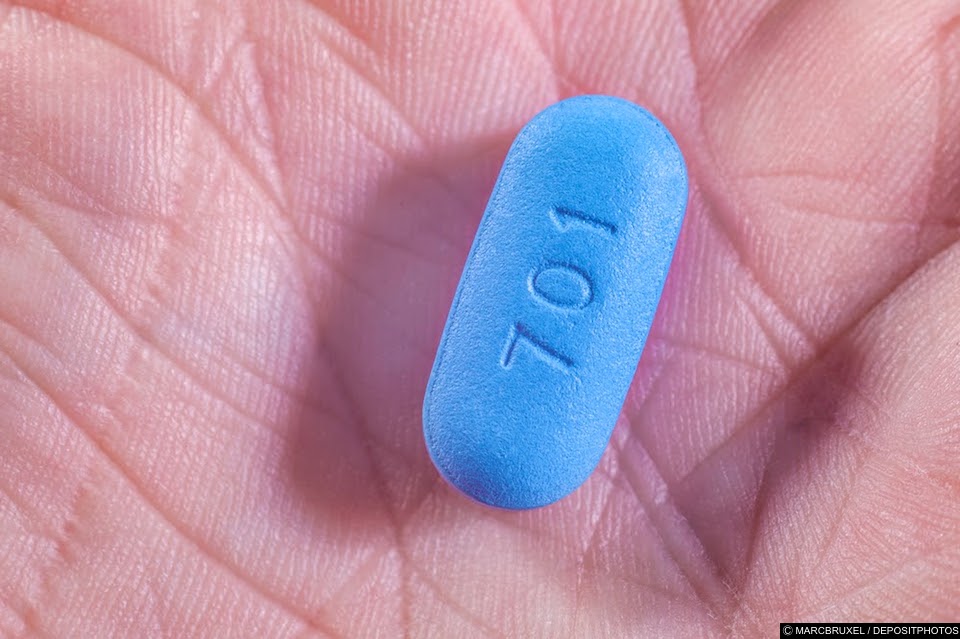
    Pre-exposure prophylaxis, or PrEP, it is a drug treatment protocol using a prescription medicine called Truvada and has been shown in a recent trial to be highly effective in preventing HIV in gay and bisexual men, when taken daily and used in combination with other infection prevention measures.

    Truvada contains two medicines (tenofovir and emtricitabine) and is already routinely used in combination with other medicines to treat existing HIV infection.

    Does PrEP stop other STIs?

    Does PrEP stop other STIs?

    Pharmacy2U’s Clinical Governance Pharmacist Phil Day gave this warning however on why sometimes using a condom when having sex is best practice,

    “While advances in medicine mean that most people living with HIV are now unlikely to contract AIDS, you should still always wear a condom. They also provide protection against a number of other Sexually Transmitted Diseases, including chlamydia, gonorrhoea, and syphilis.

    “In fact, there’s been a rise in sexually transmitted diseases for the first time in decades because many people are ignoring advice on wearing a condom.”

  • This ABC news reporter just opened up about being HIV positive

    ‘For ten years the stigma and industry professionals have said, “don’t! It’ll ruin you”

    ABC reporter, Karl Schmid has revealed that he is HIV positive and has been living with HIV for ten years. In an emotional post on social media, the 37-year-old admitted that he had been told by co-workers that coming out about his status could “ruin” him in the entertainment industry.

    He said, “For 10 years I’ve struggled with ‘do I or don’t I’? For ten years the stigma and industry professionals have said, ‘don’t! It’ll ruin you’. But here’s the thing. I’m me. I’m just like you. I have a big heart and I want to be loved and accepted. I may be on TV from time to time, but at the end of the day I’m just an average guy who wants want we all want. To be accepted and loved by our friends and family and to be encouraged by our peers,”

    He spoke out saying that he was standing “tall” and “proud” saying the decision to talk about HIV wasn’t to make people happy, but himself happier. He went on to say,

    ” Labels are things that come and go but your dignity and who you are is what defines you. I know who I am, I know what I stand for and while in the past I may not have always had clarity, I do now. Love me or hate me, that’s up to you.

    “But, for anyone who has ever doubted themselves because of those scary three letters and one symbol, let me tell you this, you are somebody who matters. Your feelings, your thoughts, your emotions count. And don’t let anybody tell you otherwise. I’m Karl Schmid, and I’m an HIV-positive man!”

    The post attracted thousands of positive likes and comments.

  • Why is the Red Ribbon used for World AIDS Day and who designed it?

    Why is the Red Ribbon used for World AIDS Day and who designed it?

    The Red Ribbon symbol has become the defining icon for the awareness, fundraising and determination to beat HIV and AIDS. It’s strong, vibrant red, a symbol that has become synonymous with every 1st December, was designed in 1991.

    Why is the Red Ribbon used for World AIDS Day and who designed it?
    ArtsyBee / Pixabay

    A decade after AIDS began its stranglehold, decimating communities, a coalition of 12 artists gathered to devise a plan to raise awareness for Visual Aids, a New York arts organisation which raises awareness of HIV.

    The 12 people consisted of photographers, painters, filmmakers and costume designers. After a short collaboration they came up with the striking, but the simple idea of the red ribbon, inspired by the yellow ribbons tied on trees at the time, to denote support for US military fighting in the Gulf war.

    Pink and rainbow colours were rejected because of their association with the LGBT+ community, and the designers were keen to show that HIV went beyond gay people and could potentially affect everyone.

    The red ribbon logo became recognisable across the globe.

    In our interview with David France, director of How to Survive A Plague told us,  “In one of the worst moments we ever faced we rose above it. We took care of each other. It was extraordinary and beautiful”.

    The ribbon is worn to signify awareness and support for people living with HIV.

    According to WorldAIDsDay.org, “When the artists sat down to work on this project, their aim was to get people talking about HIV. This was at a time where HIV was highly stigmatised and people living with HIV were suffering behind closed doors, some too scared to even tell their loved ones they were living with the virus. The artists wanted to create a visual expression of compassion for people living with, and affected by, HIV.”

    At handmade ribbons where distributed in New York

    Back in 1991 a group of artists created the red ribbon. The first batch were handmade and given out on the streets of New York.

    In the very beginning, the artists made the ribbons themselves and distributed them around New York. “Within weeks of the red ribbon idea being born, world-famous actors starting wearing the red ribbon to high-profile award ceremonies such as the Oscars and talking about why it was important. The media also cottoned on, and within a short space of time the red ribbon symbol became universally recognised.” Explains the website.

  • PrEP ‘will save money in the long run’ says leading HIV charity

    A new report out today says that the HIV prevention treatment, PrEP would be “cost-effective” and could save the NHS money in the long run.

    The Lancet Infectious Diseases published a report today that states PrEP would be cost-effective. It also says that when used properly, PrEP could prevent one in four new infections of HIV.

    Many opponents of PrEP have claimed that the medication, which is offered to high-risk groups, including gay and bisexual men, at risk of contracting HIV, is too expensive for the NHS to fully embrace.

    Doctor Michael Brady, Medical Director at Terrence Higgins Trust has welcomed the report saying,

    “One of the key arguments against PrEP has been that it will cost the NHS too much money. This study firmly puts that claim to bed by demonstrating that, when appropriately targeted at those at risk of HIV, it is not only highly cost-effective but, as the price of HIV drugs falls, will actually save the NHS money in the long run. Each HIV infection we prevent saves the NHS £360,000 of a lifetime of treatment and care.

    “The study also highlights the importance of cheaper, generic versions of PrEP, which are currently being used in NHS England’s PrEP Impact trial and have been commissioned for PrEP use in Scotland.

    “This cost-effectiveness data underlines the importance of PrEP in the fight against HIV. It is not only highly clinically effective it is also cost-effective. The NHS England Impact trial, which will provide access to PrEP for 10,000 people over the next 3 years, is a welcome step in the right direction. However, it is important that all who need PrEP can access it and evidence like this reinforces the need for PrEP to be fully commissioned and given a long-term, sustainable home on the NHS in England.”

  • There’s been a massive fall in new HIV infections amongst gay and bi men

    New figures from Public Health England show that new HIV infections amongst gay and bisexual men dramatically fell from 2015 to 2016.

    Official figures published yesterday by PHE show there has been a significant decline in new diagnoses of HIV in the UK in gay and bisexual men. The statistics highlight the importance of frequent and regular testing to ensure that HIV is both diagnosed and treated much sooner: improving patient outcomes and reducing the spread of HIV.

    The decrease in HIV diagnoses in gay and bisexual men represents the most exciting development in the UK HIV epidemic in 20 years when effective treatment became widely available.

    High levels of condom use and increased testing

    Commenting on the figures, Dr Valerie Delpech, Head of HIV surveillance at Public Health England, said:

    “This is very good news. It is the first time since the beginning of the HIV epidemic in the 1980s that we have observed a decline in new HIV diagnoses among gay and bisexual men and is clear evidence that HIV prevention efforts are working in the United Kingdom.

    “Our success in reducing transmission is due to high levels of condom use among gay men, and a sharp rise in the number of men testing for HIV each year, with those at greatest risk testing more frequently. Early diagnosis is also key to making sure that people benefit from HIV treatments so they can live long and healthy lives and are protected from passing on the virus to others.”

    With continued investment in testing and diagnosis, the decline in HIV infection which has taken place for gay and bisexual men in London can be replicated in other parts of the country and in all those at higher risk of HIV. HIV testing enables diagnosis and the opportunity for treatment which not only means people can live long, healthy lives but also provides reassurance that the virus cannot be passed on.

    It is easy to get tested for HIV.  Testing is freely available through GP surgeries, local hospitals and sexual health clinics as well as on self-sampling and self-testing (see NHS Choices for further information).

    As well as getting tested, using a condom with new or casual partners protects against HIV and other STIs.

  • Missouri Man Sentenced To 10 Years In Prison For Spreading HIV

    An HIV-positive former college wrestler from was sentenced in Missouri to 10 years in prison for knowingly transmitting HIV to one man and exposing four others to the virus. Michael Johnson, 25, also known as “Tiger Mandingo,” pleaded no contest to the charges Thursday, reports said. A no contest plea is used in criminal proceedings as… (more…)

  • What was going on in gay men’s lives when they acquired HIV?

    A new study has revealed what was going on in the lives of gay and bisexual men who were infected with HIV.

    What was going on in gay men's lives when they acquired HIV
    FILE PHOTO

    The study carried out by Annabelle Gourlay of University College London, published in the BMJ Open revealed what was going on in the lives of some men when they acquired HIV.

    The researchers interviewed 21 gay men who had recently been diagnosed with HIV in London or Brighton. Most of the men thought that a combination of factors contributed to risk behaviours and HIV infection.

    Each year, more than half of HIV diagnoses in the UK are in gay and bisexual men. A new study paints a picture of the complex reasons, including chemsex, use of dating apps, childhood trauma and stressful life events, that are associated with gay men acquiring the virus. Because of the success of HIV medication in treating HIV and extending life expectancy, changing ideas about how serious it is to have HIV was also seen to be a factor.

    Childhood trauma

    Many respondents in the study described difficult experiences during childhood, including dysfunctional relationships with parents and bullying at school, which had long-lasting impacts on their mental health. A few men grew up in environments where gay men were highly stigmatised, which could result in low self-esteem. Some respondents linked such experiences with subsequent drug use. One man said,

    “I mean it probably was the perfect storm you know, they [drugs] got me at a time…mid-forties when I wasn’t that secure, there were a few issues, I was looking for fun…it was an escape and it seemed at the time that it was…enjoyable.”

    Drugs and apps

    The researchers interviewed 21 gay men who had recently been diagnosed with HIV in London or Brighton. Most of the men thought that a combination of factors contributed to risk behaviours and HIV infection. Another interviewee said:

    “The sex and the drugs and the apps all intertwined simultaneously and I can’t really say which one led to the other.”

    Matthew Hodson, Executive Director of NAM aidsmap commented, “All too often discussion of HIV within the gay communities is reduced to gay men being somehow ‘irresponsible’. The reality is that gay men’s lives are complex and the reasons that gay men may engage in sex that carries a risk of acquiring HIV are complex too. The homophobia which underpins the idea that gay men are irresponsible, in itself, seems to have played a role in many men not finding themselves able to avoid HIV infection.”

    Recent stressful events caused psychological distress for many participants. These included the death of family members, relationship break-ups, violent partners, loss of friendships and health problems. A number of men were exposed to multiple psycho-social risk factors and the combination could be devastating.

    Valuing your own life

    “I didn’t value my life… Because so much had happened and I’d been through so much in the past three, four, five years with…break ups and losing everything and emotional things and deaths and God knows what else, it almost becomes a bit “all my life has just been so crap anyway what’s the point, do I really care if I get it [HIV] anyway?”

    Dating apps provided convenient access to multiple sexual partners for many participants, regardless of age. They could also introduce men to chill outs and chemsex.

    HIV is managed by taking “a few pills a day”

     Some interviewees, especially middle-aged men, talked about the shifting perception of HIV in the gay community. Thanks to the availability of effective HIV treatment and good medical care, HIV was widely perceived to be a manageable condition.

    “Everyone knows somebody positive now and knows that they’re fit and healthy and they take a few pills a day…That’s a huge factor in why so few people use protection anymore…because it has become a treatable illness…I think it changed everyone’s risk calculations, because even if the worst did happen, it was no longer the worst.”

    Psychological issues and drug use were often mentioned in combination. For example, a man in his forties identified the important factors in his HIV infection as:

    “The drugs…but also depression because I didn’t care about taking risks…I gave up.”

    When thinking about why gay men have risky sexual behaviour, the researchers say that individual factors (like difficult childhood experiences) are important to take into account. At the same time, we also need to think about the wider community and society. For example, some interviewees felt that recreational drugs were too easy to come by or that risk taking was normalised in some parts of the gay scene.

    “Recently acquired HIV infection among (gay and bisexual men) reflects a complex web of factors operating at different levels,” says Annabelle Gourlay of University College London.

    Matthew Hodson of NAM aidsmap added, “There is a wide variety of factors involved in gay men being vulnerable to HIV infection. HIV prevention can be most effective when it identifies the individuals who are most likely to acquire HIV, the times when they are most vulnerable, and the strategies that will work for them. A ‘one size fits all’ approach to prevention is not sufficient to deal with such complex needs.”


  • This gay dating app is banning guys with HIV

    Yes, you read that right, according to sources a dating app aimed at connecting sugar daddies to younger men was screening out people living with HIV.

    The app, DaddyBear, aimed at connecting richer older guys to younger guys has come under intense criticism after it was revealed that it was banning men who are HIV+ from joining the service.

    A statement on the website, at one point, claimed,

    “Most mature gay daddies grew up under the macro environment of AIDS epidemic and scare, so they know how to protect themselves and you, and enjoy safe sex with you.”

    That message has now been removed and has been changed to:

    “Gay Daddies have greater life experiences which allows them to have more opinions of different things to help younger men to have a better life.

    “Usually, they pay more attention to their health, making it safer to develop a relationship with them.

    “Moreover, gay sugar daddies are way more mature than most younger men, which is one of the biggest advantage for them because they can help gay bears to explore more and become a more responsible man. They tend to be more caring, generous and sensitive than most of the guys younger men have dated before.”

    “Healthy and Without HIV”

    A spokesperson from the App commented in Queerty’s comment section,

    “With the fact that most gay men care more about health than sex when seeking gay relationship, we create this gay dating app to meet their needs.

    “If you are worried about meeting gay men who are living with HIV, then you can feel relieved with our App because we are trying our best to make sure that all users you meet will be healthy and without HIV, starting from adding a feature to allow users to verify their health condition.”

    “Unwanted Souvenirs”

    In an interview with INTO’s Mathew Rodriquez, DaddyBear’s CEO said,

    “No one would like to date people living with HIV unless he is living with it. Most gay sugar daddies are not living with HIV, so they don’t want to bring home any unwanted souvenirs. However, we support that gay men living with HIV have the right to date with other gays with HIV. But many rich and successful gay sugar daddies do not want to date with gay men living with HIV, which is the reason why we launched this app to meet their needs.

    Clearly, these people have never heard of #UEqualsU


  • Study finds partners on HIV treatment don’t pass the virus on to their partners

    A new study of gay couples has found that the HIV positive partner did not pass on the virus to their partner if they were on HIV treatment

    Study finds partners on HIV treatment don't pass the virus on to their partners

    A study of 343 gay couples, where one partner had HIV and the other did not, has not found a single case of HIV transmission despite 16,889 acts of condomless anal sex.

    The Opposites Attract study looked at whether HIV is transmitted between gay male couples of different HIV status when the HIV-positive partner is on treatment that fully suppresses their HIV. The HIV-positive partners in Opposites Attract had a so-called ‘undetectable viral load’ 98% of the time.

    The study recruited and followed-up gay couples at clinics in Australia, Thailand and Brazil.

    The study was presented at the International AIDS Society Conference on HIV Science in Paris today. A detailed analysis of the research findings is available on NAM’s website, www.aidsmap.com

    The evidence from Opposites Attract adds to the evidence from the PARTNER study that HIV-positive people on effective HIV treatment that fully suppresses their virus cannot transmit their infection through sex. Taken together, the two studies have not found a single case of HIV transmission in nearly 40,000 acts of condomless anal sex between gay men.

    This new data adds further strength to the “U=U” (Undetectable equals Untransmittable) tagline of the Prevention Access Campaign, whose consensus statement has been signed by both NAM and the International AIDS Society.

    Professor Andrew Grulich of the Kirby Institute and chief investigator on the study summed up the findings,

    “Our data add to previous studies which show that there has never been a recorded case of HIV transmission from an HIV-positive person to their HIV-negative sexual partner when the HIV-positive partner had undetectable viral load.”

    NAM’s Executive Director, Matthew Hodson, commented,

    “In terms of HIV prevention, if condom use is safer sex, then sex with someone who has maintained an undetectable viral load is even safer sex.”

    The studies also found that if the positive partner is on successful treatment, even having another sexually transmitted infection does not increase the risk of HIV being transmitted. Significant numbers of participants in both studies had a sexually transmitted infection at some point.

    Topping or bottoming made no difference to the findings when HIV-positive partner is on treatment

    Sexual position also made no difference even though when viral load is not suppressed and condoms are not used, transmission is 10-20 times more likely if the HIV-positive partner is the ‘top’ rather than the ‘bottom’.

    Matthew Hodson welcomed the new data,

    “We’ve known for many years that HIV treatment, as well as saving lives, also plays a role in reducing transmission risk. Our confidence that those of us with HIV are not a risk to our sexual partners is crucial to the transformation we have seen in HIV since the introduction of effective treatment.”

    Matthew Hodson continued,

    “For many years, those of us with diagnosed HIV have had to live with the idea that our bodies are dangerous. This has had a profound emotional impact on many people. It is wonderful to consider what this news can mean to people with HIV who are too scared to have sex in case they pass their virus on, or to those in relationships with HIV-positive people whose sexual pleasure has been hampered by fear.

    “The preventative impact of effective HIV treatment underlines the importance of expanding access to treatment and of improving treatment uptake and adherence for all people living with HIV worldwide.”

    Reporting from NAM aidsmap

  • ADVICE | I had sex a couple of years ago and now I keep on getting ill. Do I have HIV?

    A reader tells the doctor that he’s been feeling unwell 3 years after having a sexual encounter with two guys. Doctor Nitin Shori Medical Director of Pharmacy2U.co.uk answers his concerns.

    I always feel ill do I have HIV

    Dear Doctor

    I had sex with 2 guys about 3.5 years ago. Different times just once each both times with latex condom. I have looked up HIV symptoms and I am freaking out. At some point (I can’t remember how close to these events) I had a bad case of tonsillitis with tiredness and fever and I also suffer from seborrheic dermatitis, which is at least 3 years old (although a shampoo called Nizoral controls it).

    How likely is it that I got HIV from these encounters? I have taken a test recently but the wait is damaging my mental health. I can’t eat or sleep and I see symptoms in everything, especially as I get more tired. I even felt I had aids related dementia as my alertness deteriorated.

    Alex, Plymouth


    Dear Alex

    HIV is mainly transmitted through unprotected sex (without a condom) and the sharing of contaminated injecting equipment (eg. needles to inject drugs with).

    As you used protection, there is a low risk that you could have contracted HIV from the sex you had. However, you have done the correct thing and got yourself tested. If you have unprotected sex or think you could have been exposed to HIV through penetrative or oral sex, or drug use, it is always worth getting checked out.

    Although there is no cure for HIV, new treatments mean those with the disease can live long, normal and healthy lives.

    If you are anxious about the wait for your results, speak to your GP, who will be able to offer support and advice

    To help prevent HIV, always use a condom when having sex and never share needles or other injecting equipment (spoons, swabs or syringes).

    Stress can cause you to forget things or become tired quickly, so your symptoms could be a reaction to your wait for your results. If your tiredness and forgetfulness continues, speak to your GP who will be able to arrange some simple tests for conditions such as anaemia or a vitamin deficiency.

    Pharmacy2U Online Doctor