Preventing HIV transmission involves adopting a combination of strategies to reduce the risk of exposure. Here are some of the easiest and most effective ways to prevent HIV:
Use Condoms: Consistent and correct use of condoms during sexual intercourse can significantly reduce the risk of HIV transmission. Male and female condoms are readily available and provide a barrier against the virus.
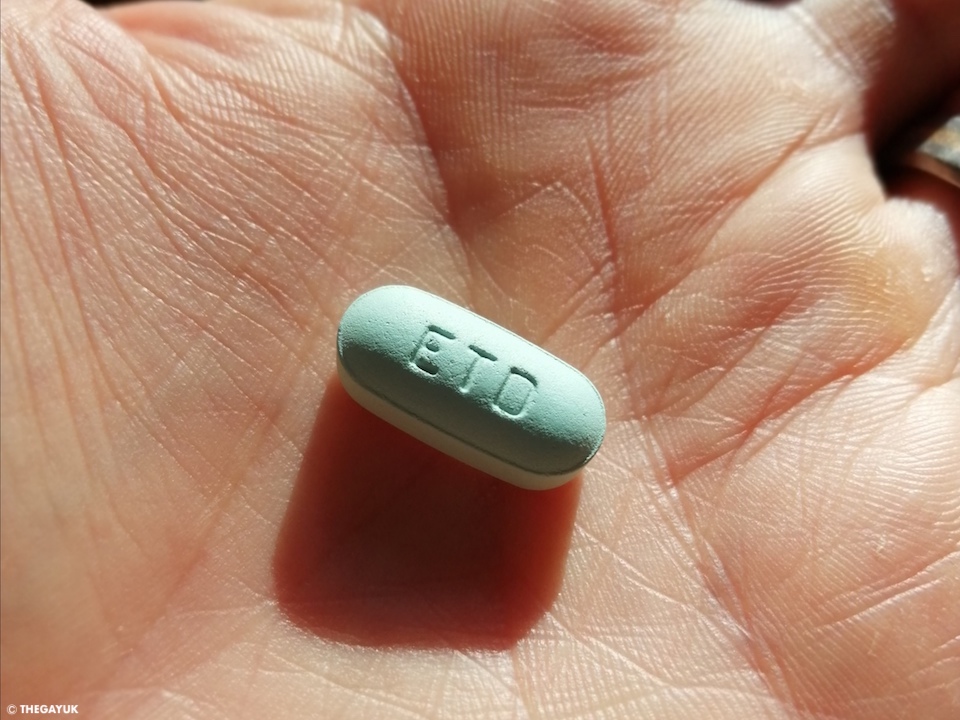
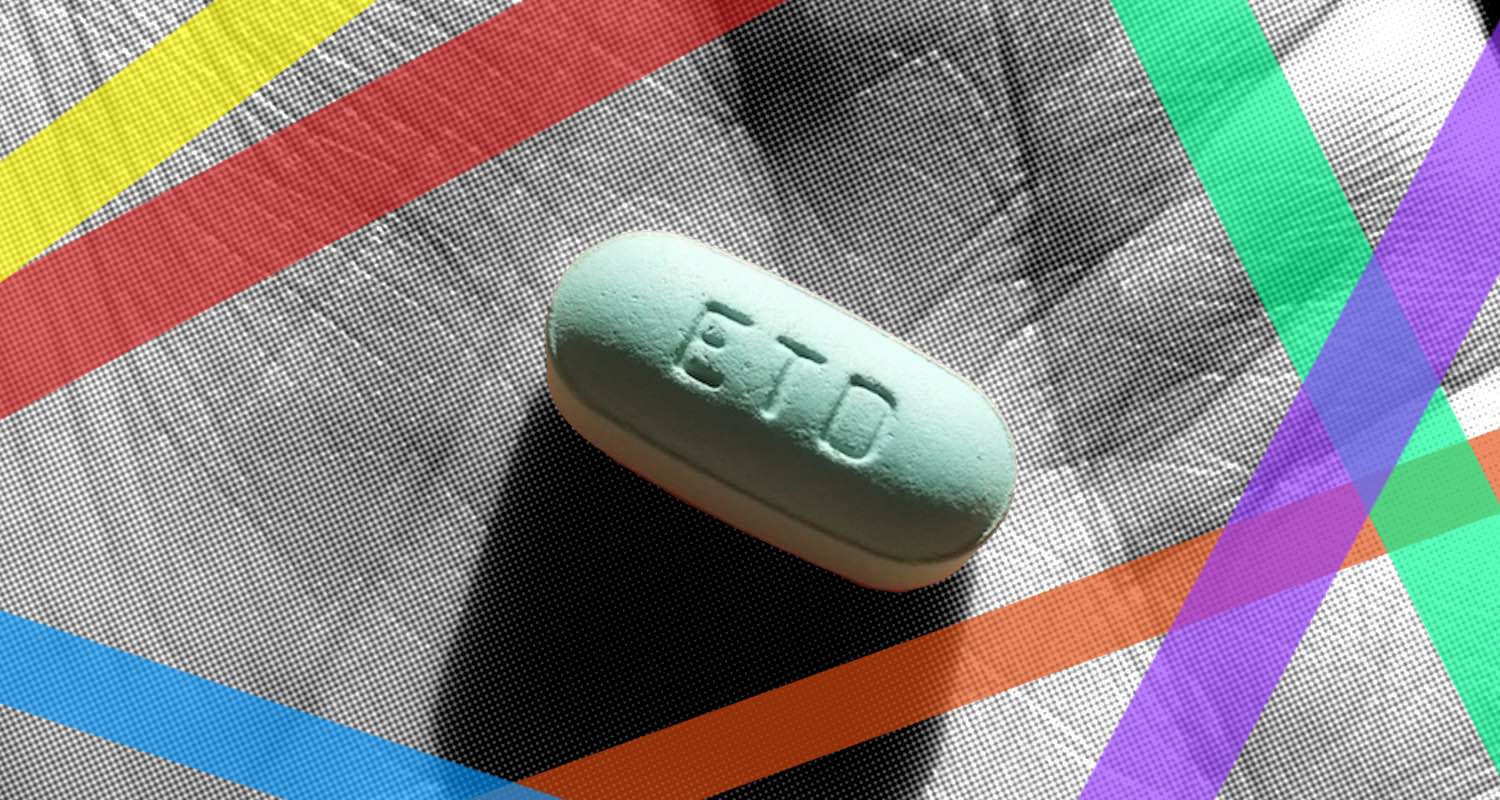
PrEP (Pre-Exposure Prophylaxis):PrEP is a medication taken by HIV-negative individuals to prevent infection. It is highly effective when taken as prescribed and can be a useful prevention tool, especially for those at higher risk.
Limit Sexual Partners: Reducing the number of sexual partners can lower the risk of exposure to HIV. Knowing your partner’s HIV status and discussing sexual health openly can help make informed decisions.
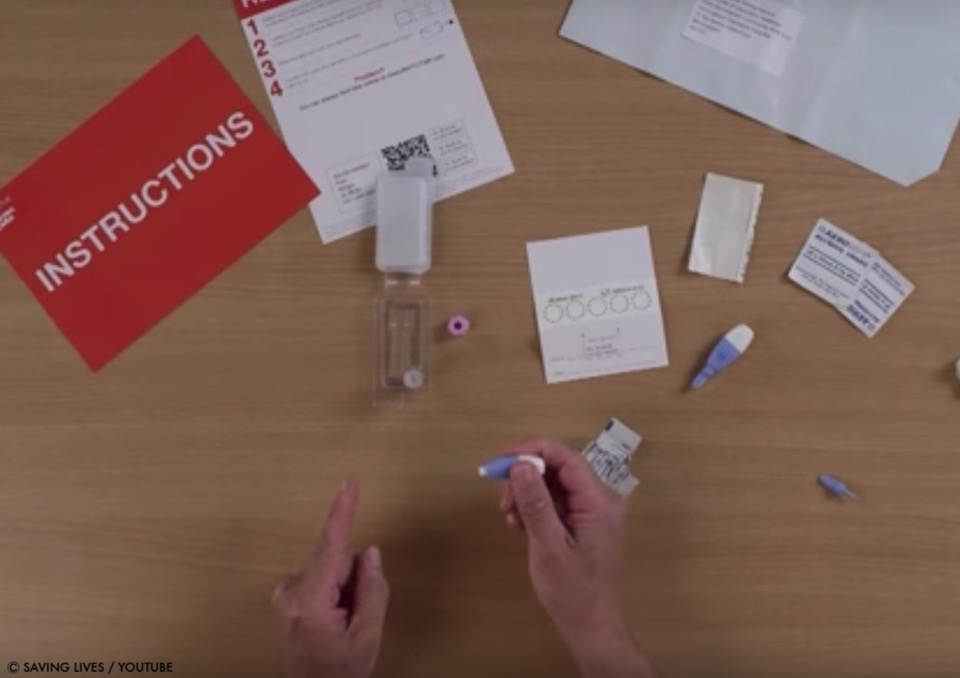
Regular Testing: Knowing your own and your partner’s HIV status is crucial. Regular testing allows for early detection, enabling timely access to treatment and preventing further transmission. There is at-home testing now which is easy to do. See our at-home HIV Testing review here.
Avoid Sharing Needles or Syringes: If you use drugs, avoid sharing needles or syringes, as this can increase the risk of HIV transmission. Use clean needles and sterile injection equipment.
Use Sterile Instruments for Tattoos and Piercings: Ensure that any instruments used for tattoos, piercings, or other body modifications are sterile and properly cleaned to prevent the risk of HIV transmission.
Educate Yourself: Stay informed about HIV transmission and prevention methods. Understanding the virus and its modes of transmission can empower individuals to make informed choices about their sexual health.
Kick Stigma out: HIV-related stigma, which includes negative attitudes, prejudice, and discrimination towards individuals living with HIV or perceived to be at risk, can create barriers to effective prevention and care.
Seek Support and Counselling: If you are in a relationship with someone living with HIV or if you have concerns about your risk, seek counselling and support services. Open communication and education can help address fears and reduce the risk of transmission.
Remember, the most effective prevention strategy may vary depending on individual circumstances. It’s essential to consult with healthcare professionals for personalised advice and guidance based on your specific situation.
New transmissions of HIV have declined by 42% from 2019 to 2022 new data shows.
The number of new HIV diagnoses among gay and bisexual men fell by 42% from 1,239 to 724 between 2019 and 2022, according to the latest HIV Action Plan monitoring and evaluation framework (MEF), published today. However, the UK’s Government hopes to reduce transmission by 80% by 2025.
Meeting HIV targets
England also met the UNAIDS 2025 95-95-95 targets for the third time with 95% of all people with HIV being diagnosed, 98% of those diagnosed on treatment and 98% of those on treatment being virally suppressed and unable to pass on the virus.
While there has been a notable decline in cases among white gay and bisexual men from 2019 to 2022, there is a disparity among ethnic minority gay and bisexual men, with new HIV diagnoses not decreasing at a similar rate.
Ethnic minority groups still at risk
In 2022, ethnic minority groups accounted for 42% (304 out of 724) of diagnoses in GBMSM (Gay Bisexual and Men who have sex with men), compared to 34% (417 out of 1,239) in 2019.
While there was a 13% decrease in overall new HIV diagnoses in England, dropping from 2,819 in 2019 to 2,444 in 2022, there was an increase from 2,313 to 2,444 between 2021 and 2022. To meet the 2025 transmission target, there would need to be a yearly reduction of 627 in HIV transmission.
Cases of HIV have risen in Women and ethnic minority groups
The recent increase can be attributed in part to a slowdown in the progress toward the elimination in heterosexual women and ethnic minority groups. Despite a decrease in cases among heterosexual women from 589 in 2019 to 447 in 2021, there was a 26% rise from 447 to 564 in 2022.
While diagnoses among white British women declined by 39% between 2019 and 2022, there was only a 6% reduction among black African women. Among heterosexual men, new HIV diagnoses decreased by 25%, falling from 458 in 2019 to 281 in 2022.
Photo by https://pixabay.com/users/geralt
Dr Alison Brown, Interim Head of HIV Surveillance at UKHSA, said, “England remains a world leader in efforts to reduce HIV transmission and ensure that those diagnosed have timely access to effective treatment.
“While there is much to celebrate, with numbers of HIV diagnoses continuing to decrease in certain groups, there is also much more to do. HIV diagnoses are increasing among heterosexual populations, particularly among women.
“It is concerning that testing levels in these groups has not recovered to 2019 levels, prior to Covid-19. So please, no matter your gender or sexual orientation, get regularly tested, use condoms and get PrEP if you’re eligible, to protect you and your partners’ health.”
Professor Kevin Fenton, government’s Chief Advisor on HIV and Chair of HIV Action Plan Implementation Steering Group said, “This week’s announcement to start new research on an expansion of the HIV opt-out emergency department testing programme, demonstrates the government’s commitment to keep the momentum up to end new transmissions of HIV within England by 2030.
“HIV opt-out testing is successful at reaching everyone, including women and those from ethnic minorities, who are living with HIV without knowing. It is a huge step in the right direction, and today’s research shows we need to do more to make sure these groups are effectively being targeted.
“I believe we can meet our 2030 targets and thank the UKHSA for its research to point us in the right direction – and identify where more can be done.”
Richard Angell, Chief Executive of Terrence Higgins Trust, said, “We have all of the tools we need to end new HIV cases by 2030 and diagnose those out there who are unaware they’re living with HIV. But with just six years left to achieve that goal, we need to do more and do it faster. Crucially, we also need to ensure that the progress we’re making is felt by all of the groups impacted by HIV – without exception. That includes for women, heterosexual men and people from racially minoritised communities, where testing levels continue to lag both behind pre-Covid levels and those seen among gay and bisexual men.
“The announcement of £20million funding to expand opt-out HIV testing in A&Es to an additional 46 hospitals is great news as this approach is proven to help address inequalities, with the proportion of women, older people and those of Black ethnicity diagnosed in A&Es higher than those found in sexual health. But this landmark expansion is only part of the puzzle and needs to happen in parallel with the better utilisation and availability of HIV prevention drug PrEP, ramping up testing in a wide range of settings and, of course, tackling the highs levels of stigma still surrounding HIV.”
Deborah Gold, Chief Executive of National AIDS Trust, said, “This period of time is absolutely crucial in our fight to end new HIV transmissions. Though the data shows some really encouraging progress, it also demonstrates how important it is to tackle inequalities across different communities as our key focus.
“PrEP and opt-out testing are game-changers, but they’re not enough if they’re not reaching the right people. People who adhere to their medication cannot pass the virus on. This is also known as Undetectable = Untransmissible (U=U) and it is a vital message in the ongoing fight against stigma and discrimination, however, not enough people are aware of it. Tailored engagement and interventions which involve the communities that we are trying to reach must be the starting point to addressing inequalities.”
The year 2022 also saw the highest ever number of tests in sexual health services among gay and bisexual men, but numbers have remained lower than pre-pandemic levels for heterosexual men and women.
In 2022, 40% of women attending sexual health services were not offered an HIV test compared to 27% in heterosexual men and 23% in gay and bisexual men. Women, and ethnic minority populations were also less likely start or continue PrEP.
UKHSA continues to work with DHSC and partners towards the HIV Elimination Action Plan, including supporting the evaluation of the Opt-out testing programme to increase HIV diagnoses and providing guidance to clinicians to help get people with HIV access treatment.
UKHSA will also be working to understand why women are less likely to be offered a HIV test to help tackle inequalities.
Getting tested for HIV can be a daunting experience, particularly for gay men who are still coping with the trauma of the ongoing HIV/AIDS epidemic and years of inadequate government responses. Sadly, despite significant advancements in testing capabilities and medical treatments that have made it entirely possible to live a long life with HIV, there is still a lot of stigma surrounding HIV.
However, thanks to medications such as PrEP, you can now be proactive in protecting yourself from HIV before having sex. Regular HIV testing is still crucial for your health and the health of your community, even if you’re taking PrEP or practising safe sex.
How many people in the UK are living with HIV?
As of the end of 2020, an estimated 107,800 people were living with HIV in the UK, according to Public Health England. Of those, approximately 7,400 people were unaware of their HIV-positive status. While the number of people living with HIV in the UK has been increasing over the years, the overall rate of new diagnoses has been declining due to increased testing, prevention efforts, and the availability of antiretroviral therapy.
Remaining up-to-date on your HIV status is essential for better understanding yourself and communicating openly with your partners. If you’re considering getting tested for HIV, this guide is here to help answer some of your questions, such as who should get tested, how often you should get tested, what questions to ask your medical provider, what to expect before getting tested, how to protect yourself from HIV, and what to do if you’ve been exposed to HIV.
Anyone who feels they may be at risk of contracting HIV, not just the men who have sex with men (MSM) community, should get tested. HIV can be transmitted from person to person through bodily fluids or blood. Those at the highest risk of contracting the virus include individuals who have recently had unprotected sex, shared needles during intravenous drug use, or come into contact with the open wound of an HIV-positive person.
So how often should you get tested?
How often someone should get tested for HIV depends on their individual risk factors and sexual activity. As a general guideline, those who are sexually active should get tested yearly. However, those who are at higher risk, such as sexually active gay and bisexual men, should get tested every 3 to 6 months.
Other factors that may warrant more frequent testing include having multiple sex partners since your last HIV test, sharing needles or other drug injection equipment, exchanging sex for drugs or money, or being diagnosed with another sexually transmitted disease. It’s important to note that regular testing is not just a one-time thing, as your HIV status can change over time. Additionally, those who are HIV-positive should work with their doctor to determine a regular testing schedule to monitor their viral load.
The NHS says that “sexually active gay men and bisexual men” should get tested every 3 to 6 months. The rest of the population should get tested yearly, especially if they meet the following criteria:
You’re a man who has had sex with another man
You’ve had anal or vaginal sex with someone who has HIV You’ve had more than one sex partner since your last HIV test
You’ve shared needles, syringes, or other drug injection equipment (for example, cookers)
You’ve exchanged sex for drugs or money
You’ve been diagnosed with or treated for another sexually transmitted disease
You’ve been diagnosed with or treated for hepatitis or tuberculosis (TB)
You’ve had sex with someone who has done anything listed above or with someone whose sexual history you don’t know
How much do HIV tests cost in the UK?
HIV testing is free in the UK and can be done through a variety of channels including sexual health clinics, general practitioners, and some community organizations. Additionally, home testing kits are available for purchase online or at some pharmacies, and the cost can range from around £15 to £30. However, it’s important to note that free testing is widely available, and individuals are encouraged to get tested regularly regardless of their ability to pay.
What is HIV?
HIV (Human Immunodeficiency Virus) is a virus that attacks and weakens the immune system, which is responsible for fighting off infections and diseases. HIV targets specific cells in the immune system called CD4 cells, which are important for fighting infections. As HIV replicates and damages these cells, the immune system becomes increasingly weaker, making it more difficult for the body to fight off infections and illnesses.
Over time, if left untreated, HIV can lead to AIDS (Acquired Immunodeficiency Syndrome), a condition that occurs when the immune system is severely damaged, and the body is unable to fight off infections and illnesses. However, with early diagnosis and effective treatment, many people with HIV can live long and healthy lives without developing AIDS.
HIV is most commonly spread through unprotected sexual contact with an infected person, sharing needles or injection equipment with someone who is infected, and from an infected mother to her baby during pregnancy, childbirth, or breastfeeding. HIV cannot be transmitted through casual contact such as hugging, shaking hands, or sharing food or drinks.
Are there preventative treatment options for HIV?
There are several treatment options available to prevent the transmission of HIV. Pre-Exposure Prophylaxis (PrEP) is a medication that can be taken to reduce the risk of contracting HIV and is often offered for free through sexual health clinics. If you are interested in finding a PrEP provider, you can visit https://www.iwantprepnow.co.uk.
Additionally, Post-Exposure Prophylaxis (PEP) is available for those who may have been exposed to HIV. It is important to note that PrEP and PEP are proactive measures that can be taken to reduce the risk of HIV transmission, and it is essential to have open conversations with partners about HIV status and to engage in regular testing to protect both yourself and your community.
The number of cases of new HIV diagnoses in gay and bisexual men has fallen by 80%, to its lowest point in 20 years.
The new data, released today from Public Health England (PHE) shows that there were 1,700 new infections in 2019, down from a peak of 2,700 in 2011. However, the number of actual new infections, happening within the year was actually 540 – this is because people can live with HIV for some time without being aware of their status.
Before 2019’s new low, the lowest point was in the year 2000, when there were 1500 new cases in gay and bi men.
New cases in heterosexual people also hit a new low, of 1,600 – the lowest since 1998.
While the proportion of people diagnosed late remained high at 42%, the overall number decreased from around 1,900 in 2015 to 1,300 in 2019. People diagnosed late in 2019 had an eight-fold risk of death compared to those diagnosed promptly.
Why has the decline happened?
The decline in HIV transmission in gay and bisexual men can be directly linked to the increase in combination prevention, including the use of condoms, pre-exposure prophylaxis (PrEP), frequent HIV testing in a wide range of settings, and starting antiretroviral therapy (ART) as soon as possible after diagnosis.
According to the PHE, treatment is now so effective that 97% of people receiving ART have undetectable levels of the virus which means it is impossible to pass the virus on, even if having sex without condoms. Undetectable = untransmittable (U=U).
HIV Testing is vital
HIV testing is vital for preventing HIV-related illness and death and to achieve the goal of ending HIV transmission in the UK by 2030. The UK continues to meet the United Nations Programme on HIV and AIDS (UNAIDS) 90-90-90 targets for the third consecutive year; however, there are opportunities to improve uptake of testing and support those testing positive to continue their treatment.
Almost 300,000 people declined to have an HIV test when they attended a specialist sexual health service. Black African heterosexual women attendees were more likely to decline a test than Black African heterosexual men (20% vs 9% declined testing) but less likely than heterosexual women and men overall (25% vs 13%). More focussed conversations on HIV, testing, prevention and treatment in schools and clinical settings can help to combat high rates of declined tests.
By comparison, only 4% of gay and bisexual men attending specialist sexual health services declined an HIV test; this is the group in which the greatest declines in HIV transmission have been achieved.
Dr Valerie Delpech, Head of HIV Surveillance at Public Health England, said, “In the UK, we have made great progress towards eliminating HIV transmission by 2030. Frequent HIV testing, the offer of PrEP among those most at risk of HIV, together with prompt treatment among those diagnosed, remain key to ending HIV transmission by 2030.
“Further progress can only be achieved if we also address the inequalities in reducing HIV transmission that exist around sexuality, ethnicity and geography.”
How to stop HIV?
The most common way of getting HIV in the UK is through sex with a person who is unaware of their HIV infection.
You can protect yourself from HIV by consistent and correct condom use with new and casual partners, by using PrEP, or if your partner is on treatment and is undetectable if they are living with HIV. Correct and consistent condom use will also stop you getting or transmitting other STIs.
The Department of Health and Social Care (DHSC) has slashed the budget earmarked for the HIV Prevention Pill, PrEP even before the roll out across England begins.
The rollout has been set back, largely by Coronavirus, and the budget has now been slashed by £5 million to £11 million.
Terrence Higgins Trust, National AIDS Trust and PrEPster released a joint statement outlining that sexual health services are already overstretched calling the budget cut “hugely concerning” and accused the Government of “rolling back” on what was promised
“We welcome the Department of Health’s work to begin the roll-out of uncapped access to PrEP in England but this significant cut to the PrEP budget for local authorities is hugely concerning.
“Sexual health services are already on their knees and slashing the budget by almost a third will undoubtedly limit local authorities’ ability to deliver PrEP to those who need it. The Health Secretary promised proper PrEP access as part of the commitment to end HIV transmissions within the next decade but is now rolling back on what was promised.
“England’s sexual health services are already over stretched and under funded, which is why proper resourcing for the delivery of PrEP is crucial to its success. While those currently accessing PrEP are unlikely to be affected the roll out is supposed to ensure significantly more people can benefit from it for HIV prevention over the coming months. This cut to the first year’s budget before that’s even started means PrEP will not be fully utilised.
“PrEP is highly effective at stopping HIV and extremely cost-effective when compared with a lifetime of HIV treatment. It’s disappointing that we are once again fighting for its potential to be maximised in England.’
“Funding has been adjusted”
(C) THEGAYUK
A spokesperson for the DHSC told THEGAYUK
“Now we are past the peak of the pandemic, the NHS and local government are re-opening services and we are pleased to be rolling out PrEP across the country as part of our work to tackle HIV and the stigma around it.
“This will benefit tens of thousands of people and take us closer to our ambition of zero HIV transmissions by 2030.
“In light of covid-19 pressures during the first quarter of the year, PrEP was not immediately available for individuals via routine commissioning.
“The modest change in allocated funding accounts for the fact that the rollout of the routine commissioning of PrEP was paused during the pandemic.”
This story was updated to reflect a quote from the DHSC.
If you’ve not been hooking up with other guys during the COVID-19 lockdown and have had no sex with other people since March, now could be the perfect time to get yourself tested for HIV, says, HIV expert Matthew Hodson.
Taking to social media, Matthew, who is the Executive Director of AIDSMAP, told his followers, that if they hadn’t had sex for five weeks or more, that they could be confident that an HIV test result would be highly accurate, adding that the lockdown has created an opportunity to “root out undiagnosed HIV”.
If you haven’t had sex for 5 weeks or more then you can be confident that your #HIV test result will be accurate. Lockdown sucks but it’s a great opportunity to root out undiagnosed HIV, get it treated, save lives and prevent new infections. #TimeToTestpic.twitter.com/p6bzAaNkse
Speaking in a video, Matthew said, “lockdown means far fewer people are having sex, meaning that far fewer people will have just acquired HIV. This is crucial because people are at their most infectious when they’ve just got.
He went on to say that they were “already anticipating that the number of new infections will go down even faster than before”.
He added that we have the “opportunity to end new HIV infections altogether”
The idea is if everyone tests now and receives their HIV status by the time lockdown ends, that anyone who has newly acquired HIV can be on treatment. When people are “virtual suppressed” (UEqualsU) HIV cannot be passed on to anyone else.
Need an at-home HIV test?
The charity Saving Lives is offering readers of THEGAYUK a free at-home HIV Testing Kit.
Although it may seem that many health services might be running at a reduced capacity or you’re unable to physically attend NHS services, but Doctor Naomi Sutton took to social media recently to remind us all that you can still get sexual health advice and, if necessary, access medications and testing if you need them.
She wrote,
“The #NHS is still open! Please seek medical advice if you need it.
“Sexual health services are operating phone consultations, posting contraception, screening tests and medication when needed and seeing patients face to face where necessary”
Does social distancing also mean hookups? What about hooking up and having sex during the current situation, particularly if you’re living with HIV?
Firstly we asked Doctor Earim Chaudry, the Medical Director at Manual, who told us that Covid-19 isn’t sexually transmitted, but the virus can still be transmitted by direct contact between two people, particularly through droplets from coughs and sneezes – it goes without saying, if you’re swapping saliva you’re at risk if the other person is positive for Covid-19.
We also asked, leading HIV awareness activist, Philip Baldwin who told THEGAYUK.com, that there is no evidence to suggest that “HIV positive people are more vulnerable to Covid-19” or that people living with HIV would be more severely affected.
However, he added, “HIV positive people, LGBTQ people and the population, in general, should aim to follow the Government’s guidance on social distancing and self-isolation.”
He continued,
“As we are not even supposed to be sitting or standing next to each other in restaurants or bars, I think it is a struggle to interpret the guidance as not prohibiting hooking up! However, the Government has currently only issued guidance. I suggest you follow it, for your own safety and that of others, but (at the moment) no laws have been passed to enforce it.
“It is therefore not illegal to hook up with people. This could change. It could be the case that, as in other parts of the world, legislation will be passed enforcing curfews in the UK.
“I urge you not to switch on your dating apps and start hooking up”
Philip went on to say, “It has to be noted that human beings are social creatures. We were not made to be stuck indoors for days, let alone months. Especially alone.
“Sometimes we all crave intimacy or escapism, particularly in times of fear. However, I urge you not to switch on your dating apps and start hooking up. Society as a whole, including the LGBTQ community, needs to observe the emergency health measures.”
If you’re living with HIV and you are concerned about the ability to get HIV medications during the current Covid-19 outbreak we’ve got some reassuring news for you. Click here to find out more
If you’re living with HIV and you are concerned about the ability to get HIV medications during the current Covid-19 outbreak we’ve got some reassuring news for you.
THEGAYUK.com spoke to leading HIV awareness activist, Philip Baldwin, who told us that, “both the NHS and the British HIV Association have made it clear that everyone will be able to access their HIV medication”.
He also recommended that people have at least 30 days worth of medication in case of a quarantine situation.
He added, “Call your HIV clinic if you are worried and follow their advice. Listen to your healthcare professionals. You can also check your clinic’s website, which should have up-to-date information.”
If you’re unable to actually leave your house to collect medication Philip said,
“Many people living with HIV receive their medication through Homecare (home delivery rather than collecting it from a pharmacy). Homecare will continue where patients are already registered. Do not panic and try to stockpile – the UK has more than adequate supplies as long as we remain sensible.”
Feeling panicky, isolated or anxious during these uncertain times? We’ve created a resource page which has important phone numbers, articles and support groups listed. Click here to go there.
It’s taken a long time and a trial that limited the number of people who could access the revolutionary drug that halts the spread of HIV, but PrEP is finally available to those who need it in England.
The PrEP trial originally allowed for 10,000 patients to take PrEP, it was extended to 26,000, but it still wasn’t enough meaning that there were long waiting lists and some clinics paused the trial for gay and bisexual men.
The Department of Health will be providing funds to make PrEP available via sexual health clinics. The Government will make £16m available to local authorities to deliver PrEP to those “who need it most” according to a statement released by DoH.
Matt Hancock, the UK’s Health Secretary said,
“I remember when HIV was a death sentence – and still today, it has a devastating impact on so many lives across the country.
While it is encouraging to see HIV transmissions continue to fall across the UK, I am determined to do more, and end HIV transmission.
So we are rolling out PrEP and making it available across the country – with evidence showing it almost completely eradicates the chances of getting HIV. This will benefit tens of thousands of people’s lives, and drive us towards our ambition of zero HIV transmissions in this decade”.
[totalpoll id=”112650″]
Speaking about the announcement, Ian Green, the Chief Executive of the Terrence Higgins Trust, the UK’s biggest HIV charity, said that it was an “important day” and that it came “after years of fighting, campaigning and lobbying to secure a guarantee of proper access to this game-changer for HIV prevention in England”.
He continued, “We know PrEP is highly effective at stopping HIV and now it can be properly utilised to make good on the Government’s commitment to ending HIV transmissions by 2030”.
PrEP comes in the form of a single pill to be taken as prescribed by a doctor.
Green added,
“We understand that COVID-19 is putting pressure on all parts of our health service. However, despite today’s announcement, we are facing an imminent and unacceptable gap on PrEP access in England. We know of instances where people waiting for PrEP have contracted HIV, which unacceptable and cannot continue. Immediate work needs to take place with clinics which are currently at capacity for gay and bisexual men and a timetable must be set out for when uncapped access will be made available across all parts of England.
“Like everything that’s been achieved since the start of the HIV epidemic this commitment on uncapped PrEP access has been hard fought for. We would like to pay tribute to everyone who has raised a placard, written to their MP, campaigned on social media and helped to move us to where we are today. It’s amazing what can be achieved by HIV organisations and activists working together.
’Today’s announcement also underlines the urgency for the Government to release details for local authority public health budget for the delivery of vital sexual health services from April – which is now a matter of weeks away. These sexual health services will be the bedrock for fair and equitable access to PrEP.”
There must be a ‘seamless transition from trial to full provision’
On the challenges ahead, Green added,
‘This isn’t the end of what’s already been a very bumpy road and we will continue to strongly hold the Government to account on its promises and timetable to ensure consistency of access for PrEP users. That’s because there must be a seamless transition from the trial and no gap in PrEP provision for those who are accessing it.
‘There is also a lot of work to do to ensure PrEP isn’t just seen as something for gay and bisexual men and that its clear benefits reach other groups affected by HIV, including women, trans people and BAME communities. As the country’s leading HIV and sexual health charity, we’re fully committed to playing our role to ensure no-one is left behind when it comes to PrEP because we’re not making real progress if it’s not felt by everyone.’
Did you know you can test yourself for HIV in the comfort of your own home?
Thanks to at-home testing you no longer have to book an appointment at your local sexual health clinic to test for a variety of sexually transmitted infections, including HIV. However we’d always suggest you book an appointment with a clinic – as it really isn’t that awful an experience – read our full review of visiting a sexual health clinic here.
However, you’re unable to get to a clinic there are charities and health organisations that can send out an HIV test to your home for you to self-test.
The British HIV Association (BHIVA) has issued a statement saying that people living with HIV are at no greater risk regarding coronavirus.
However, the BHIVA has recommended that people living with HIV should follow the updates from Public Health England, Health Protection Scotland, Public Health Wales, the Department of Health Northern Ireland and the Health Service Executive Ireland.
It also suggests that people with HIV received an “influenza and pneumococcal vaccination in line with BHIVA vaccine guidelines.”
According to a statement, those who are at risk from Coronavirus are older age people and those with “co-morbidities including renal disease and diabetes”.
Matthew Hodson, The Executive Director of Nam AIDSMAP took to twitter to say, “At this point, there’s no evidence to suggest that people with #HIV are more likely to acquire #Coronavirus – or are more likely to have serious illness or death if they do acquire the virus. People with HIV should take the same precautions as everyone.”
At this point, there's no evidence to suggest that people with #HIV are more likely to acquire #Coronavirus – or are more likely to have serious illness or death if they do acquire the virus. People with HIV should take the same precautions as everyone.https://t.co/pCq8sQpV5ypic.twitter.com/c8l0iZ6Tb9
Advice from health professionals at this time suggest practising good hand sanitisation such as washing your hands regularly and using anti-bacterial soaps or gels, particularly if you’re preparing food and after using the toilet.
You should also be covering your nose and mouth when coughing or sneezing with tissues and then discarding those tissues after use.