The fight to end new HIV transmissions in England and Wales is being severely limited according to the Head of Policy, Debbie Laycock, at the Terrence Higgins Trust.
Although there are plans to make PrEP more widely available from April, Laycock says that the “continued lack of detail from Ministers about what a national programme will look like” gives the charity, “serious concerns”.
In a statement, Debbie Laycock, said,
“PrEP stops HIV and limiting access is holding us back in the fight to end new HIV transmissions by 2030. News that the Government plans to make PrEP routinely available by April is long overdue but we have serious concerns about the continued lack of detail from Ministers about what a national programme will look like.”
As it stands, there is a limited medical trial in England and Wales for those at risk of contracting HIV. These trial places are very limited and many people, particularly gay and bisexual men have been denied placement or have had to wait on a list until a placement becomes available.
In Scotland PrEP is available on the NHS.
The Terrace Higgins Trust is concerned, as local councils, who will most likely be responsible for the drug’s distribution, are under enormous financial pressures since having their budgets slashed by the Conservative government by 25% since 2014.
The government needs to “put his money where its mouth is”
Debbie Laycock said,
“If the Health Secretary, Matt Hancock is serious about championing public health, he needs to put his money where his mouth is and provide councils with the resources they need to make PrEP available.’
“We’ve seen delay after delay on PrEP and we simply cannot wait any longer. The countdown to ending new HIV transmissions by 2030 has started and it’s time PrEP had a proper home so no one is turned away from this HIV game-changer.’
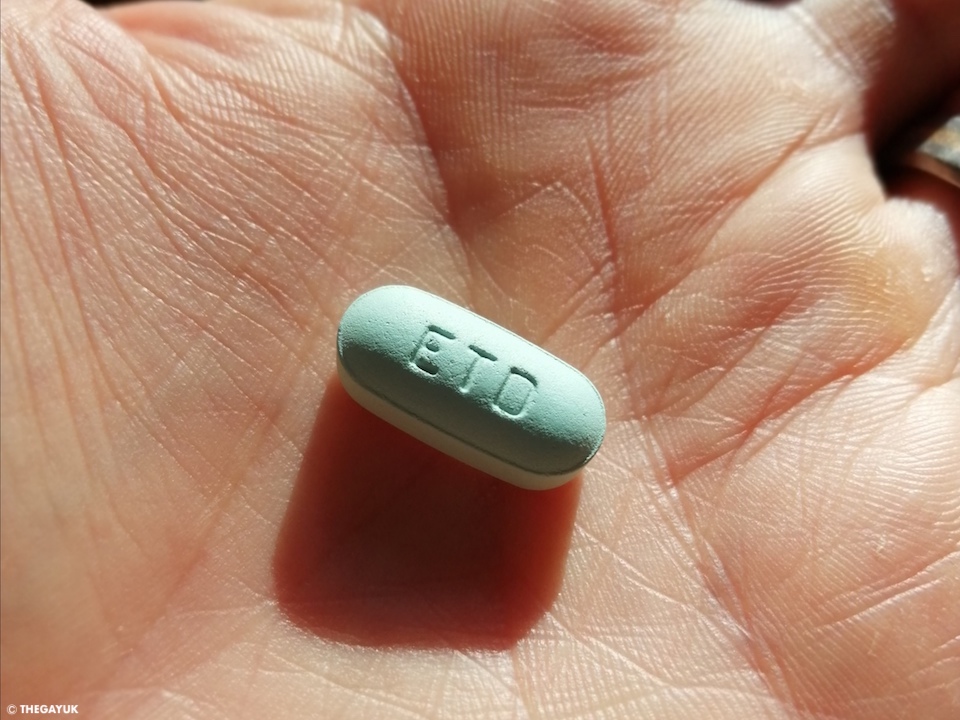
Pre-exposure prophylaxis, or PrEP, it is a drug treatment protocol using prescription medicine and has been shown in clinical trials to be highly effective in preventing HIV, when taken daily and used in combination with other infection prevention measures.
The once-a-day pill contains two main drugs (tenofovir and emtricitabine) and is already routinely used in combination with other medicines to treat existing HIV infection, helping those living with HIV to lower their viral load and effectively becoming undetectable.
There has been a drop in new HIV transmissions between 2014 and 2018, across the UK, a new report has found.
New data showing substantial progress on reducing HIV rates in the capital has been welcomed by London Councils.
National figures released today by Public Health England highlight that HIV diagnoses have fallen faster in London than elsewhere. In 2014, London accounted for half of new diagnoses in gay and bisexual men. The latest data shows this was reduced to 39% by 2018.
The drop in national HIV transmission rates has been especially large among men who have sex with men, with a 73% fall between 2014 and 2018. The number of new HIV diagnoses in people who acquired HIV heterosexually has almost halved over the past decade from 3,400 in 2009 to 1,940 in 2018.
The steepest declines were in London residents, in those aged 25 to 34 years, in persons of black African ethnicity, and those born abroad.
Combination of preventions is to thank for the decline
Public Health England points to the success of the combination prevention approach – which includes the use of condoms, regular HIV testing, starting antiretroviral therapy as soon as possible if HIV positive, and taking the HIV prevention medicine PrEP (Pre-exposure Prophylaxis) if HIV negative.
Combination prevention is promoted in the capital through the London HIV Prevention Programme (LHPP). The programme, which is funded collaboratively by London boroughs, has been providing HIV testing and condom distribution across the city through its sexual health promotion service since 2014. The LHPP also delivers the pan-London multi-media HIV prevention awareness campaign ‘Do It London’.
Cllr Ray Puddifoot, London Councils’ Executive Member for Health & Care, said, “This data shows that London is making excellent progress in tackling HIV.
“We’re incredibly proud of the contribution made by the boroughs’ collaborative London HIV Prevention Programme and the Do It London campaign. By working efficiently and effectively together on this public health challenge, boroughs ensure clear and consistent messages are communicated to Londoners about the importance of testing and protection.”
Paul Steinberg, lead commissioner of the London HIV Prevention Programme, said, “Today’s report is further evidence of London leading the way on HIV prevention.
“The capital has made very significant progress in reducing HIV in the last decade, which is testament to everyone involved in ending the epidemic. Our world-class NHS services, alongside community-based initiatives including the boroughs’ London HIV Prevention Programme, have played a crucial role in achieving that progress.
“The cross-borough innovation and collaboration by the boroughs on HIV since 2014 is paying dividends, with London’s HIV strategy now regarded around the world as a success story.
“Further challenges remain. We must continue our efforts to reduce late diagnosis, to raise awareness of HIV among our key communities and to diagnose the 2,100 people who are currently living with HIV but are unaware of their status. We’re committed to continuing this progress and achieving zero new HIV diagnoses in London by 2030.”
London is a member of the worldwide Fast-Track Cities initiative and became one of the first global cities to meet the UN’s ambitious HIV diagnosis and treatment targets. London has pledged to achieve three key HIV goals by 2030: zero new transmissions, zero deaths, and zero stigma.
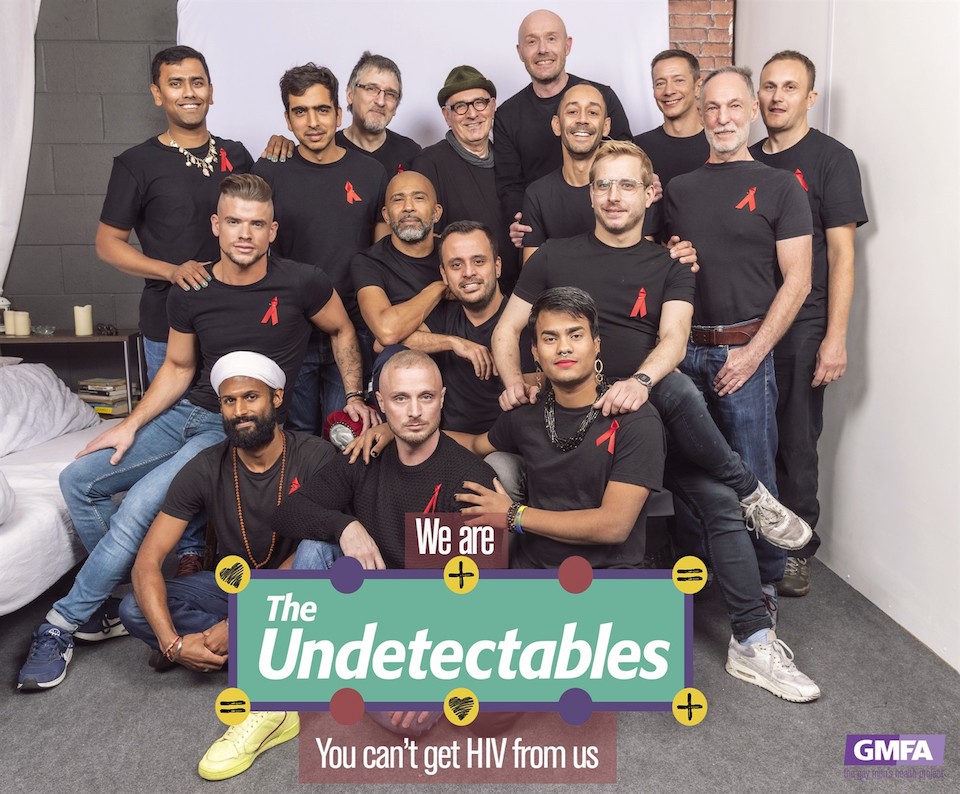
A new campaign by GMFA is aiming to educate us all about U Equals U, which simply means that if a person who has HIV, has an undetectable viral load cannot pass the virus on to you.
The campaign, for FS Magazine, features 17 prominent and up-and-coming activists, focuses on the simple message that anyone living with HIV and on effective treatment cannot sexually pass on HIV. The common term for this is U=U, which means undetectable = untransmittable.
Ian Howley, Chief Executive of LGBT HERO, the parent organisation of GMFA said,
“It’s been a known fact for several years now that people living with HIV, who are undetectable, cannot pass on the virus to their partners through sex. While this information has been liberating for gay and bisexual men, we are not seeing a big shift in attitudes towards people living with HIV. What we are seeing is a community who understands what being HIV and undetectable means, but there is a lack of trust either in the science behind the U=U movement or they do not trust what people are telling them. This is why we have brought prominent and up-and-coming activists, who are living with HIV, to tell everyone in our community that any fears they may have is just wasted energy. These men who are living with HIV are standing proud and telling you, you cannot get HIV from them.
Ian adds,
“This campaign is not just about sharing what U=U means but also to focus on the stigma people receive. In a recent issue of FS, we surveyed over 600 men living with HIV. 92% said they have experienced some sort of stigma, with 72% saying they received stigma on apps and social media from other gay and bisexual men. This is not acceptable and we should be better than this. We know that newly diagnosed men are far more likely to experience mental health issues based on becoming positive, with some taking their own lives. This is why the U=U movement and our The Undetectables campaign is so important. We’re putting the power back in the hands of those who pose no health risk within our community. That’s empowering.”
Marc Thompson of Prepster
The campaign also features prominent activists including, Greg Owen co-founder of iwantprepnow, Matthew Hodson – Chief Executive of NAM, Marc Thompson of Prepster and several up-and-coming activists, including Ameet Shah, who told us why he took part.
“I was unable to meet anyone for a date or hook-up because I felt unclean”
Ameet spoke about his reaction when he first learned he had become undetectable, “It was a celebration and relief, and almost hard to believe because of old information and attitudes to HIV. I believe we all carry internal phobias in many ways for many things because of our conditioned upbringings in society, as well as general external attitudes of people. For months after my initial diagnosis, I was unable to meet anyone for a date or hook-up because I felt unclean or not good enough. Talking to my consultant was such a relief for me and it changed the way I felt and behaved by empowering me again.” He adds, “I also think that it’s important more faces from minorities need to step out and be part of awareness projects for both LGBT and HIV populations.”
HIV Stigma is getting better
Another up-and-coming activist, Nicky Deboo, 29, tells us whether he thinks HIV stigma in society is getting better and talks about his own internal struggles: “Unfortunately HIV stigma is still very much alive, and I fear it lives deep inside of me and many others who are in my position.
“I’m lucky, I’ve only experienced the stigma first hand on two occasions. I’m also lucky that I’ve got so many supportive people around me. I worry more so for the newly diagnosed, the young guy, or the newly out guy, who maybe hasn’t built his community yet.
“What will happen if he finally builds up the courage to tell someone about his status, and they turn him away and call him names. I can’t bear the idea of these guys having no one to turn to.”
It’s OK to ask questions
Prominent activist and co-founder of iwantprepnow Greg Owen, explains how he deals with HIV stigma: “I try to be kind because not everyone is in the same place and it’s a journey for everyone. I allow people to ask questions. I also welcome people to challenge me if it respectful. I keep reverting to the holy grail of everything: evidence.”
“Empowering men with all the ways to prevent HIV and STIs”
In relation to some of the negative comments the U=U movement has seen, Ian says, “I’ve heard over and over again that by stating U=U we are telling people they should have unprotected sex. This is simply not true. At GMFA we always recommend a combination approach of Condoms, PrEP and regular testing as the best way to prevent transmitting HIV and STIs. But it’s about empowering men with all the ways to prevent HIV and STIs and allowing them to make the best choice for themselves. There is no one-size-fits-all approach to HIV prevention. This campaign and the U=U movement is about highlighting the fact that you cannot get HIV from people who are undetectable. Our ‘The Undetectables’ campaign is powerful force in the bid to stop HIV stigma and to end HIV once and for all.”
We invite Dr Julianne Barry, to talk about the importance of testing for HIV this HIV Testing Week.
Let’s talk about HIV. The topic may trigger unease in many – but it needs to be addressed. There is huge anxiety around the prospect of contracting HIV and many misperceptions in terms of how or who can contract it. The reality is that it can affect anyone, regardless of sexuality, gender or age. It has been reported that approximately one-third of people infected in the UK are not aware of their diagnosis.
This highlights the importance of getting checked if you perceive any potential exposure risk. HIV is a retrovirus that attacks the T-lymphocyte cell component of the body’s immune system. It is present in an infected person’s blood, semen, vaginal secretions and breast milk.
How often should people be tested for HIV?
If you are having regular unprotected sex you should have regular tests for HIV as well as other sexually transmitted infections, every 3 months. HIV testing is routinely incorporated into general STI screening. The majority of people diagnosed with HIV in the UK in the past ten years, contracted HIV through sexual contact. People with a higher risk of HIV include:
Men who have sex with men, or their partners
Those from other countries where HIV is endemic, and their sexual partners
Injecting drug users and their sexual partners.
What do the tests involve?
HIV testing is quick and easy. You can have this done at your local Sexual Health/ GUM clinic, with your NHS GP or other private GP clinics. Your GP may suggest a HIV test if they have concerns in relation to your health that may point to HIV. A health care professional will ask you a few questions to assess your level of risk prior to performing the test. A HIV test involves a simple blood test taken from a vein in the arm.
Some clinics have results available on the same day.
Testing can also be carried out via a finger prick test (‘POC’ point of care tests) or at home with a self-sampling kit (finger prick blood test) which can be ordered online from some sexual health clinics. You then post the sample back to the clinic and your result is texted to you. These latter tests are third-generation tests and slightly less sensitive than a blood sample taken from your arm which is a fourth-generation test that can also test for the P24 antigen (part of the HIV virus that is detectable earlier than the antibody) and is preferable for early detection of HIV infection.
The period between being infected with HIV and developing antibodies is known as the window period. For HIV this is four weeks and most fourth-generation tests will pick up HIV by this stage.
A repeat test is offered at 3 months for a definitive negative result.
Approximately one-third of people infected in the UK are not aware of their diagnosis. By avoiding getting tested for HIV you run the risk of late HIV diagnosis which can be associated with various serious, potentially life-threatening medical illnesses due to a damaged immune system, compromised quality of life and subsequent untimely death.
Early medical intervention is far more beneficial. If you are having unprotected sex and are unknowingly HIV positive you also run the risk of unwittingly infecting sexual partners. Pregnant women can transmit HIV to their baby if not tested and their positive HIV status is unknown. In the UK however, antenatal HIV screening is now offered as standard and very effective treatment in pregnancy can minimise this risk in HIV positive women.
What are the risks if it is identified too late?
With an earlier diagnosis, as well as anti- HIV medications, patients are offered medical treatment to prevent HIV related infections that can overwhelm the body in the context of a depleted immune system. If diagnosed late, some of these illnesses, also known as AIDS-defining illnesses, such as specific infections, certain cancers and cardiovascular problems may have already set in.
They can develop swiftly and can even be fatal. There is a higher risk of serious illness and death with a late diagnosis of HIV, particularly in the first year after diagnosis. Undiagnosed HIV can do a lot of damage and hence early detection is vital in preventing hospitalisation and improving length and quality of life. These risks also extend to the person’s sexual partners who are at high infection risk.
The treatment options that are available for those that test positive.
It is important to remember that a diagnosis of HIV is no longer a ‘death sentence’. Great advancements in medical treatment and earlier diagnosis have paved the way in this regard. HIV is not curable and there is currently no vaccine against HIV.
However, nowadays HIV is very treatable and with correct medical treatment from the early stages of infection, people diagnosed with HIV can live very normal lives and would be considered to have a near-normal life expectancy. People who test positive for HIV are usually seen in a specialist clinic within days.
These clinics are run by highly experienced and compassionate teams of healthcare professionals, which aim to encompass all aspects of the condition from medical, psychological and social points of view. A combination of tablets -Antiretroviral treatment – is prescribed which suppresses the amount of virus in the body (the ‘viral load’) by preventing the HIV virus multiplying.
These tablets are taken daily, for the rest of the person’s life and it is essential to comply with this treatment plan. Current treatments are thought to have less side effects than earlier regimes. Medication to prevent other HIV related infections may also be prescribed. The degree of viral suppression is monitored regularly by ‘viral load’ blood tests. The aim is to suppress the HIV viral load to an ‘undetectable level’. When HIV is ‘undetectable’ in the body, transmission to someone else is not possible.
Dr Julianne Barry, General Practitioner at the London and Birmingham walk-in GP clinic, London Doctors Clinic part of the Doctors Clinic Group
A reader asks whether allowing his boyfriend to cum inside him, without a condom will open him up to HIV infection.
Dear TGUK,
Me and my boyfriend both got tested and are HIV negative, we’ve been having unprotected sex and he always ejaculates inside me. I’m just wondering if you can contract HIV if yous are both negative and he ejaculates inside me?
John, 19
Dear John,
On face value and from what you’ve described, I’d say that the risk of you getting infected with HIV is very very low because, as you’ve pointed out, you’ve both tested negative for HIV.
Providing neither of you opens your relationship to another person (and don’t use condoms), use infected needles for drug-taking or receive an infected blood transfusion (which is incredibly unlikely), you will both remain HIV negative.
Regular Testing
Being regularly tested for STIs will also mean you get a clearer picture of your sexual health – so if you’re sexually active it’s good to get tested a few times a year.
edf
However, if you’re still concerned about HIV, you can also speak to your local sexual health clinic about going on the IMPACT Prep trial and seeing whether you’re an ideal candidate to take part.
As always, make sure you communicate with your partner about your concerns – if you’re not 100 per cent happy with him cumming inside you – talk about it.
It’s your body and you are in charge of what goes in!
Rugby champ reveals a journalist told his parents about his HIV status.
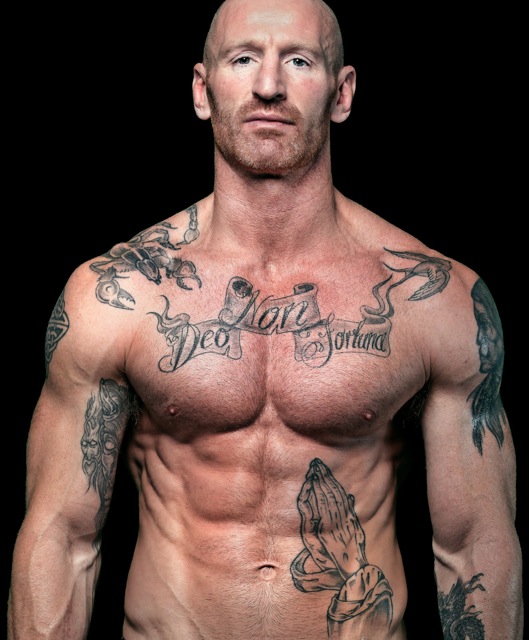
Welsh rugby star Gareth Thomas has criticised the journalist who revealed his HIV diagnosis to his parents before he had told them, in an emotional interview on BBC Radio 5 Live this morning.
Speaking to Nicky Campbell on 5 Live Breakfast the former Welsh captain shares his anger that he was not able to break the news to them himself.
“They love me, they love me whatever,” he says. “But you know I can never have that moment back to sit down with them and be able to explain to them why their son is going to be OK and is going to be able to live through this and live a normal, healthy life.
“Because that person came and took that moment away from me. My parents will say that they’re fine because that’s my parents. But I can’t really tell you how they felt because I can’ t imagine how they felt.”
He says that he resents the intrusion into his personal life, and regrets not being able to reassure them about his diagnosis:
“Can you imagine somebody coming to your door, can you imagine someone coming to your door and saying something so personal and so intrusive to you about the thing and the person that you would love and protect through anything? Can you imagine how that would feel? I can’t, I can’t so I can’t really tell you.
“But what I can tell you is that I’ve got the best parents on the planet because to this day they stand by me and they believe in me and they believe in what I’m doing now.”
Gareth was speaking ahead of a documentary Gareth Thomas: HIV and Me on BBC One tonight.
Listen to Nicky Campbell’s full interview with Gareth Thomas on today’s BBC Radio 5 Live Breakfast on BBC Sounds:
"I can never have that moment back."
A journalist told @gareththomas14 ‘s parents about his HIV status before he had. This is what it means to him.
Gareth Thomas has recorded a video to come out about living with HIV and to break the stigma surrounding it.
The Welsh rugby icon, Gareth Thomas recorded a video saying that he was sharing “his secret” about living with HIV after blackmailers threatened to out him.
Lizzie Jordan, Founder and Director at Think2Speak, is a multi-award-winning social entrepreneur, a mother, widow and is HIV positive. Lizzie is one person with a myriad of possible labels.
More than a decade ago, Lizzie became a mother, a widow and HIV positive all within an 18-month period. Her life was turned upside down, in 2012 as a single mother to a grieving child, Lizzie wanted to find resources and training locally for her child’s primary school. She struggled.
Lizzie recognised the issues being faced in classrooms across the UK and wanted to do something about the ‘uncomfortable silences’ young people often felt when discussing sensitive subjects with the professionals involved in their lives. 18 months of plotting and planning later Think2Speak CIC was founded.
With the recent revelation that former Welsh rugby captain, Gareth Thomas has been diagnosed with HIV, here are Lizzie’s tips on what not to say, or how to approach someone who has HIV:
Don’t bring it up unless they do:
Someone’s HIV status is their HIV status and theirs alone – as we’ve seen with Gareth he has been forced to share his news because the press were threatening to make this public. There’s nothing wrong with being curious about HIV but there are certain things that should be respected and it isn’t every HIV positive person’s job to educate you.
It doesn’t define someone:
Just because someone is living with HIV doesn’t mean that’s all they are. It’s a virus, it isn’t someone’s personality, their fault, their ‘choice’ nor is it their identity or the only subject on which they can speak.
Use your common sense:
There are certain aspects of conversation that are off-limits, but morbid curiosity often prevails. Try to think if you actually need to know the answer to the question you’re about to ask! Or maybe you can search the internet before you ask a glaringly obvious, or even insulting question.
Don’t ask how they got it:
This is perhaps the most insulting. You’d never ask the same of someone who’s living with cancer or diabetes. A lot of this kind of thinking can be attributed to the ‘blame’ culture that exists when it comes to sexual health and HIV, it is often viewed as a ‘choice’. Blame is never apportioned to other health conditions.
Don’t tell them they are ‘looking well’:
People often comment in this way as if having HIV should mean you look ravaged by disease. This is often accompanied by a well-meaning, but ultimately patronising tilt of the head. Science has moved on dramatically since the 1980s and people with HIV who are diagnosed, accessing care and treatment, live full, healthy and happy lives.
Don’t presume the worst:
Many people who ask questions aren’t aware of the fact that someone living with HIV, on antiretroviral medication, can now be undetectable and therefore untransmittable. This is known as U=U (UEqualsU). It totally dispels the perceived ‘threat’ of people living with HIV. This will become general knowledge as time moves on, but for now, education and awareness is still needed.
Overall, relax. If someone shares their HIV status with you; respect them for sharing their personal and sensitive information with you. Lots of people living with HIV, choose to share their stories to encourage awareness and understanding. Curiosity is fine, being too personal and intrusive isn’t it is all about respect.
New data shows that nearly a quarter of gay and bisexual men who tried to access PrEP via the NHS IMPACT trial were unable to in the past year.
(C) marcbruxel Depositphotos
Data from AIDSMAP shows that 22 per cent of people who tried to access PrEP via the IMPACT trial were unable to secure the HIV prevention medication in the last year. Those who live outside London were more likely to fail in their attempt to access the drug.
The AIDSMAP statement stated that the importance of access to PrEP was underscored by the fact that 82 per cent of those who tried to access had condomless sex within a six month period.
The survey was answered by 2389 people during six weeks between 17 May and 1 July 2019. It was conducted by Public Health England in collaboration with PrEPster and iwantPrEPnow.
Of those who answered the survey, 92 per cent identified as gay, 6 per cent bisexual and 2 per cent who ID’d as non-binary or transgender. 86 per cent of those who answered ID’d as white 14 per cent ID’d as BAME.
Marc Thompson, Health Improvement Lead at Terrence Higgins Trust, said, “PrEP is a key tool in the fight against ending HIV transmissions. These new findings demonstrate that PrEP isn’t just stopping HIV it is having an overwhelming positive impact on people’s lives. That’s so important to remember as there remains far too many people unable to access this HIV game-changer.
“The impact of not increasing places on the trial has been laid bare in this survey, with nearly one in five people who want to access PrEP unable to do so. While nearly a quarter of people who had been purchasing PrEP privately having to stop due to being unable to pay for the anti-HIV drug. People should not be forced to make a decision that ultimately increases their risk of HIV. That’s why there must be increased places on the trial and immediate action towards providing routine access to PrEP.
“It is concerning that only half of people who have purchased PrEP privately have undergone the necessary kidney function tests before or while taking PrEP. Despite the side affects of taking PrEP being minimal for many users, it’s vital anyone wanting to or currently taking PrEP has the relevant screenings. This puts even greater urgency on our calls for PrEP to be embedded in routine HIV prevention services.”
Pre-exposure prophylaxis, or PrEP, it is a drug treatment protocol using a prescription medicine called Truvada and has been shown in a recent trial to be highly effective in preventing HIV in gay and bisexual men, when taken daily and used in combination with other infection prevention measures.
Truvada contains two medicines (tenofovir and emtricitabine) and is already routinely used in combination with other medicines to treat existing HIV infection.
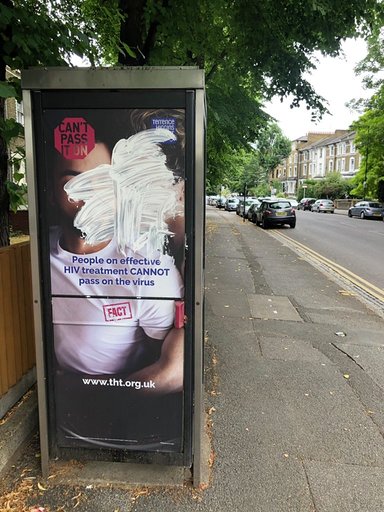
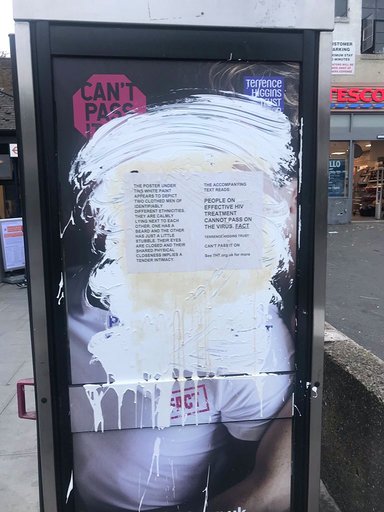
An advert which depicts two men in a romantic embrace has been vandalised in London, the campaign aims to reduce the stigma faced by men who live with HIV.
The HIV charity, Terrence Higgins Trust has revealed that an advert it has placed on a phone box in the nation’s capital has been targeted by vandals and defaced. The campaign is promoting the message that people living with HIV and on effective treatment can’t pass it on, if they are on medically prescribed treatment.
The targeted phoneboxes were located in the London borough of Hackney.
The poster campaign comes off the back of a nationwide survey commissioned by the charity which revealed that knowledge of HIV remains stuck in the 1980s. It found that just under one in five (19%) Brits are aware that people on effective HIV treatment can’t pass it on – which is the focus of the vandalised posters.
The charity’s YouGov survey also revealed almost half (48%) of Brits would feel uncomfortable kissing someone living with HIV – even though there is zero risk of transmission through kissing or other day-to-day contact.
For the past 20 years, evidence has been building to show that the likelihood of passing on HIV is linked to the amount of virus in the blood, also known as viral load. Treatment is deemed effective when it reduces this to undetectable levels. This can take up to six months from starting treatment.
Can’t Pass It On has been the focus of Terrence Higgins Trust’s messaging during Pride season, including at Pride in London and Black Pride earlier this month.
Ian Green, Chief Executive at Terrence Higgins Trust, said, “This vandalism is so sad to see. Whether our posters have been targeted because it features two men in an affectionate embrace or because it’s about HIV, we will not be silenced. In fact, it makes us even more determined to get the message out there that people on effective HIV treatment can’t pass it on.
“Despite this medical progress, public attitudes towards HIV are firmly stuck in the past. That’s exactly why it’s so important to remove the fear and misinformation about HIV by celebrating the fact that thanks to effective treatment people like Sadiq who is featured in our poster, are living normal and healthy lives and cannot pass the virus on.
“We have been heartened to see supporters offsetting the damage caused to the posters by sharing information about our Can’t Pass It On campaign. If everyone knew the facts on HIV we could not only end HIV stigma, we could end new HIV transmissions.’
From a drop of blood, the HIV test is super quick and takes just minutes. No waiting around for results, no needles, just a quick finger prick.
3) Knowledge is power
Someone who knows their HIV status for sure, whether they are negative or positive is safer to hook up with than someone who isn’t sure. Thanks to treatments which can bring someone’s viral load down to undetectable, makes the possibility of passing on HIV almost impossible. You should find out more about the campaign UEqualsU – which stands for undetectable equals untransmittable.
4) Get the treatment and support you need.
Once you know your status, particularly if it comes back positive you can begin to take action to keep you and your sexual partner(s) healthy. In the UK HIV medication and care is free.
CREDIT: Bigstock
5) Can’t pass HIV on
Taking HIV medication as prescribed means you can’t pass the virus on. The sooner you’re on the right, prescribed medication, the quicker you can get back to having the sex you want.
6) Keep you and your partner healthy.
Not knowing whether you have HIV or not means you can’t take steps to prevent passing on HIV to your partner(s).
7) Make it part of your sex life.
It’s recommended that you test regularly, particularly if you have multiple partners. So if you enjoy a regular sex life, make testing part of it.
8) It’s confidential
Testing for HIV is confidential. Your details won’t be passed on to anyone else.