Tag: Bullying

All the latest news about Bullying and anti-bullying campaigns.

  • Rose McGowan gives advice for those who are being bullied

    Rose McGowan gives advice for those who are being bullied

    Rose McGowan has revealed an incredible tip to tackle bullying.

    The actor, Rose McGowan, has shared with THEGAYUK.com one incredible and powerful tip for people facing harassment, bullying or being victimised, saying it is important to “act brave” in the face of adversity.

    The Charmed actor said in an exclusive interview with Vic Gerami, “Act as if you are brave and you will become brave”.

    McGowan continued, “It doesn’t mean you won’t be scared, it just means you do it anyway”.

    The actor has recently released a book called Brave, in which she talks about how she was treated and her harassment and blacklisting in Hollywood.

    Embed from Getty Images

    Rose McGowan was one of the first actors to bring sexual abuse accusations against Hollywood mogul, Harvey Weinstein.

    The 12th of November is the start of anti-bullying week in and we’ve come up with 14 ways to combat bullying, which can take place at school, in your workplace or in public. It can happen to young and older people, male, female or transgender.

  • 14 ways to combat bullying

    14 ways to combat bullying

    This week is anti-bullying week. We’ve compiled some tips to combat bullying.

    Bullying takes many forms: name-calling, making negative comments on your work, making someone feel worthless, physical abuse are just some examples.

    So we’ve put some tips together to help anyone out there who might be being bullied. It doesn’t matter if you’re being bullied at school, college, university, work or home.

    Remember if you are being bullied remember it’s not your fault.

    Write Everything Down

    Keep a log of every incident; write down the date, time, location, what happened, what they said and any witnesses that were around.

    Tell Someone

    Tell someone in authority and ask them what they intend to do about it. Tell them any fears you have about reprisals from the bully.

    Someone you trust, like a family member or a friend, can also be useful. It means that you’re not dealing with the problem on your own; a problem shared is a problem halved.

    Get Support

    Don’t try to deal with it and your feelings about it all on your own. Get some support. Consider counselling for some additional support around your feelings.

    NEXT: PAGE 2 of 4

    Pages: 1 2 3 4

  • COMMENT | As suicide amongst LGBT+ teens remains high, more needs to be done to stop bullying

    COMMENT | As suicide amongst LGBT+ teens remains high, more needs to be done to stop bullying

    This week is Suicide prevention week, a chance to be informed of how to prevent a friend or loved one from taking their life. Advice that, sadly, is much needed in the LGBTQ community.

    According to statistics from the Centers for Disease Control and Prevention, one in four LGBTQ teens tries to take their own life, and far too many succeed.

    One in four! With most recent tragic victim 9-year-old Colorado boy Jamel Myles fresh on our minds these figures now have a face, and we need to think of ways to stop adding to this count.

    Over the last few months more terrifying statistics have been released: According to the Metropolitan Police, the number of homophobic hate crimes being committed in London has doubled over the last five years. But not just there, searching through online reports homophobia is on the rise around the world (in every walk of life) and so is the bullying of queer youth – apparently even by teachers in several cases.

    The first thing that needs to be done is more attention to bullying prevention, as this is where it starts. These are dangerous times to be young and “different”. With bullying seemingly legitimised by the internet, media and politics adults feel they have the right to point, judge and hurt; whether through social media or verbally. This behaviour rubs off on young children and teens, leading them to judge others the same way.

    “It is horrifying to know that bullying has become even more vicious and unrelenting since the 1990s, especially since the “invention” of online bullying. It is a horrific idea that these days the harassment just continues at home, in what should be the safety of your bedroom”

    Bullying has always been around amongst children, of course. I too was a victim; different, mixed raced and shy I was an easy target. It too drove me to try and take my life, my mother saved me, and for that, I’ll always be grateful. This was in the 1990s, and it is horrifying to know that bullying has become even more vicious and unrelenting since then, especially since the “invention” of online bullying. It is a horrific idea that these days the harassment just continues at home, in what should be the safety of your bedroom.

    What is needed is more help and support for young LGBTQ teens: an appointed counsellor (preferably LGBTQ themselves) in every school would be a step in the right direction. Children and teenagers talk easier if they feel the person is “like” them or “gets” them. Educating teachers about bullying and other problems LGBTQ teens face is important too.

    More bullying prevention and a zero tolerance against bullying and discrimination are also very important. Far too often the bully gets validated in his or her behaviour with alarming future consequences.

    Bullying leaves lifelong scars that can be damaging. It can cause a crippling lack of confidence, PTSD, internalised homophobia and lots of other mental health issues. Protecting LGBTQ and other bullied children now is protecting their future. Protecting LGBTQ and other bullied children GIVES them a future!

  • COMMENT | As LGBTs many of us were bullied as kids, so why do we continue to bully as adults on dating apps?

    COMMENT | As LGBTs many of us were bullied as kids, so why do we continue to bully as adults on dating apps?

    While growing up, I remember feeling like I did not belong.

    CREDIT: Ryazan / BIGSTOCK

    Somehow, I never seemed to meet the expectations that society had planned for me. And because I was different, I was constantly bullied. This happened from first grade to the end of High School (from 6 to 18 years old). The bullying I experienced was so traumatic at times, I’m still feeling the effects today. But I chose not to be a victim! I learned patience, perseverance, and dedication. Now I really know myself, and I know my voice. It is a voice of pain, but each pain has made me stronger, each betrayal more intelligent, and each experience wiser. I finally realised that being different makes me unique and that is my power!

    “I finally realised that being different makes me unique and that is my power!”

    It is true that a lot has changed since I was bullied, but I am afraid that it is still not enough. In recent years, a series of bullying-related suicides across the globe have drawn attention to the connection between bullying and suicide. Though many adults still see bullying as part of being a child, it is a serious problem that leads to many negative consequences, including suicide. And this needs to change! My hope is that by raising awareness to this issue one more kid will get help, so he won’t get discriminated or bullied.

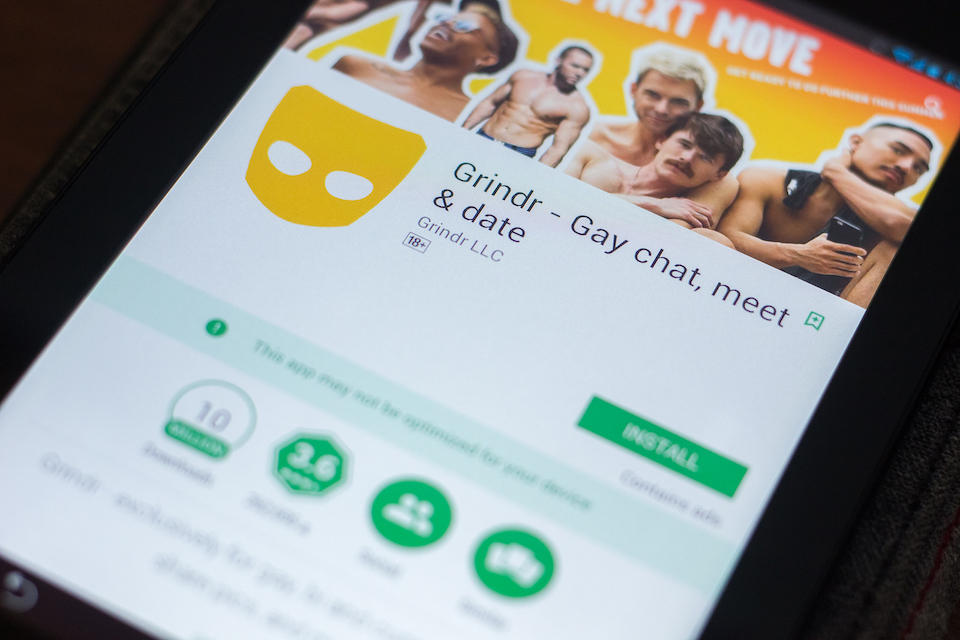
    But more than addressing the discrimination from the outside world, I deem it necessary to also raise awareness to the increasing discrimination within the LGBT community. “No Asians, no black people, no femmes, no fatties, no oldies…”: This kind of language can easily be spotted on gay dating apps. Our community has been oppressed by the outside world for so many generations. Why do we insist on doing it to ourselves now?

    Are apps doing enough to respond to user discrimination?

    I cannot answer that, but I am hoping that by talking about these issues we can raise awareness and hopefully encourage people to be kind to each other. We already have the outside world against us.

    Miguel Martins (www.facebook.com/MyOwnFado)

    – Mister Senior Netherlands 2018 3rd Runner-Up

  • 14 ways you can deal with the bullies in your life

    Bullying takes many forms: Name-calling, making negative comments on your work, making someone feel worthless, physical abuse are just some examples.

    We’ve put some tips together to help anyone out there who is facing a bully. It doesn’t matter if you’re being bullied at school, college, university, work or home.

    Remember if you are being bullied remember it’s not your fault.

    Write Everything Down
    Keep a log of every incident; write down the date, time, location, what happened, what they said and any witnesses that were around.

    Tell Someone
    Tell someone in authority and ask them what they intend to do about it. Tell them any fears you have about reprisals from the bully.

    Someone you trust, like a family member or a friend, can also be useful. It means that you’re not dealing with the problem on your own; a problem shared is a problem halved.

    Get Support
    Don’t try to deal with it and your feelings about it all on your own. Get some support. Consider counselling for some additional help around your feelings.

    Know Your Rights
    All educational settings have anti-bullying policies. Some employers have these as well. Even if your employer doesn’t, they will have Equality & Diversity Policies as well as other relevant policies. Read them.

    There will also be procedures for investigating and dealing with bullying – so have a look at these as well.

    Know your rights. Nobody has a right to bully another. Make authority figures aware that you know your rights.

    Don’t Let It Get To You
    Try not to let the things the bully says or might do get to you; easier said than done, I know. Bullies bully for a variety of reasons, but it’s always about their issues, not yours.

    Try Not To Show A Reaction or Smile
    Don’t let the bully see that they are getting to you. To do this, try to give them no reaction or smile. You know that phrase: Smile – it confuses people.

    Walk With Confidence
    Use your body language to make you look larger. Stand with your legs apart, your back straight, and your chest pushed out slightly. Have your arms slightly away from your body and loose by your sides. Head up as you walk looking straight ahead. This does take a bit of practice but try practising in front of a full-length mirror. Believe it or not, this is how most bullies walk.

    When we see someone walk like this, especially a bully, we do the opposite with our body language. We make ourselves as small as possible including hunching our back, pulling our arms in close and looking down at the ground. Try to remember to keep this confident body language, even when you see the bully.

    The only time to avoid using body language to make you look larger is in the event of a physical assault. In that case, have your side to the perpetrator, as this will give them less of a target. In the event of a physical attack, get yourself out of the situation as soon as you can and to a place of safety.

    Remember nobody has the right to be violent towards you; likewise, you don’t have the right to be violent towards anyone else. All physical assaults should be reported to the Police.

    If It’s CyberBullying
    If the bully is sending you messages, texts, images and videos, keep them all. Don’t respond to any messages and make good use of privacy settings. Block/Ignore the bully and report them to the social media provider. If the messages get particularly abusive report them to the Police (this is why you need to keep all the messages as evidence).

    Take Sensible Steps To Keep Yourself Safe
    Keep yourself safe by carrying a mobile phone, personal attack alarm and being aware of your surroundings. Never walk home on your own and always try to stay with someone when travelling around the setting where you come into contact with the bully.

    Involve The Police
    Any violence or physical assault should be reported to the Police.

    If the bullying is homophobic or racist, you can and should report it to the police as a hate crime. Hate crime also covers bullying that is related to disability religion, ethnicity or gender identity. Find out more about hate crimes on the True Vision website.

    Come up with Good Coping Strategies
    We all have different coping strategies. Some good ones are: taking up sports or martial arts (these are particularly empowering, and you learn to defend yourself as well), talking to people, expressing how you feel creatively (e.g. writing, music, drawing, making movies, etc.). All of these activities also raise your confidence and self-esteem – something that bullies try to damage or destroy.

    Avoid Drugs & Alcohol as a Coping Strategy
    There is research that links drugs and alcohol misuse to bullying as a coping strategy. Avoid using drugs or alcohol to cope with the bullying. It might make you forget or feel happier in the very short term (for the night), but the next day the bullying often seems a much bigger problem.

    Know that It Gets Better
    Bullying is a massive issue. Many people get bullied. Remember that the situation you’re in now won’t last forever. There will be a time that the bullying will stop.

    Avoid Becoming The Bully
    There’s some research that shows that some people who have been bullied, later become bullies. Don’t let it happen; you’re better than that! Remember how it felt to be bullied. If you’re in a position to safely stand up to a bully that’s bullying someone else – do.

    If you’re affected by bullying, please check out our resources page for further help and support.

  • Melania Trump Cyberbullied For Pink Dress During Anti-Bullying Press Conference

    Melania Trump Cyberbullied For Pink Dress During Anti-Bullying Press Conference

    First Lady Melania Trump faced the wrath of Twitter as she was cyberbullied for wearing an oversized, neon pink dress Wednesday.

    Is Melania Trump a gay icon
    CREDIT: By Marc Nozell from Merrimack, New Hampshire, USA, edited by User:Calliopejen1 (File:Melania Knauss-Trump.jpg) [CC BY 2.0 (http://creativecommons.org/licenses/by/2.0)], via Wikimedia Commons

    Incidentally, she was a featured speaker at a United Nations luncheon where she addressed the dangers of cyberbullying. Melania Trump has addressed the implications of cyberbullying in the past. She first declared her interest in… (more…)

  • What was going on in gay men’s lives when they acquired HIV?

    A new study has revealed what was going on in the lives of gay and bisexual men who were infected with HIV.

    What was going on in gay men's lives when they acquired HIV
    FILE PHOTO

    The study carried out by Annabelle Gourlay of University College London, published in the BMJ Open revealed what was going on in the lives of some men when they acquired HIV.

    The researchers interviewed 21 gay men who had recently been diagnosed with HIV in London or Brighton. Most of the men thought that a combination of factors contributed to risk behaviours and HIV infection.

    Each year, more than half of HIV diagnoses in the UK are in gay and bisexual men. A new study paints a picture of the complex reasons, including chemsex, use of dating apps, childhood trauma and stressful life events, that are associated with gay men acquiring the virus. Because of the success of HIV medication in treating HIV and extending life expectancy, changing ideas about how serious it is to have HIV was also seen to be a factor.

    Childhood trauma

    Many respondents in the study described difficult experiences during childhood, including dysfunctional relationships with parents and bullying at school, which had long-lasting impacts on their mental health. A few men grew up in environments where gay men were highly stigmatised, which could result in low self-esteem. Some respondents linked such experiences with subsequent drug use. One man said,

    “I mean it probably was the perfect storm you know, they [drugs] got me at a time…mid-forties when I wasn’t that secure, there were a few issues, I was looking for fun…it was an escape and it seemed at the time that it was…enjoyable.”

    Drugs and apps

    The researchers interviewed 21 gay men who had recently been diagnosed with HIV in London or Brighton. Most of the men thought that a combination of factors contributed to risk behaviours and HIV infection. Another interviewee said:

    “The sex and the drugs and the apps all intertwined simultaneously and I can’t really say which one led to the other.”

    Matthew Hodson, Executive Director of NAM aidsmap commented, “All too often discussion of HIV within the gay communities is reduced to gay men being somehow ‘irresponsible’. The reality is that gay men’s lives are complex and the reasons that gay men may engage in sex that carries a risk of acquiring HIV are complex too. The homophobia which underpins the idea that gay men are irresponsible, in itself, seems to have played a role in many men not finding themselves able to avoid HIV infection.”

    Recent stressful events caused psychological distress for many participants. These included the death of family members, relationship break-ups, violent partners, loss of friendships and health problems. A number of men were exposed to multiple psycho-social risk factors and the combination could be devastating.

    Valuing your own life

    “I didn’t value my life… Because so much had happened and I’d been through so much in the past three, four, five years with…break ups and losing everything and emotional things and deaths and God knows what else, it almost becomes a bit “all my life has just been so crap anyway what’s the point, do I really care if I get it [HIV] anyway?”

    Dating apps provided convenient access to multiple sexual partners for many participants, regardless of age. They could also introduce men to chill outs and chemsex.

    HIV is managed by taking “a few pills a day”

     Some interviewees, especially middle-aged men, talked about the shifting perception of HIV in the gay community. Thanks to the availability of effective HIV treatment and good medical care, HIV was widely perceived to be a manageable condition.

    “Everyone knows somebody positive now and knows that they’re fit and healthy and they take a few pills a day…That’s a huge factor in why so few people use protection anymore…because it has become a treatable illness…I think it changed everyone’s risk calculations, because even if the worst did happen, it was no longer the worst.”

    Psychological issues and drug use were often mentioned in combination. For example, a man in his forties identified the important factors in his HIV infection as:

    “The drugs…but also depression because I didn’t care about taking risks…I gave up.”

    When thinking about why gay men have risky sexual behaviour, the researchers say that individual factors (like difficult childhood experiences) are important to take into account. At the same time, we also need to think about the wider community and society. For example, some interviewees felt that recreational drugs were too easy to come by or that risk taking was normalised in some parts of the gay scene.

    “Recently acquired HIV infection among (gay and bisexual men) reflects a complex web of factors operating at different levels,” says Annabelle Gourlay of University College London.

    Matthew Hodson of NAM aidsmap added, “There is a wide variety of factors involved in gay men being vulnerable to HIV infection. HIV prevention can be most effective when it identifies the individuals who are most likely to acquire HIV, the times when they are most vulnerable, and the strategies that will work for them. A ‘one size fits all’ approach to prevention is not sufficient to deal with such complex needs.”


  • There’s been a 47% rise in calls from LGBT kids to Childine

    National Children’s counselling helpline, Childline is receiving around 21 calls a day from children concerned about coming out, acceptance and gender dysphoria and being transgender.

    • Children’s charity says it’s received a 47 per cent soar in calls from children worried about LGBT matters.

    • In 2015-16 the charity carried out 7729 counselling sessions with children.

    • Fear of stigmatisation still a real concern for children between the age of 12 and 15.

    Children’s charity NSPCC which runs the national helpline, Childline, has revealed that calls to their counselling service have risen by nearly 50 per cent from children who have concerns about coming out, acceptance, gender dysphoria and being transgender. The charity’s CEO Peter Wanless said, that children as young as 12 fear stigmatisation and anti-LGBT bullying which could leave to serious mental health issues.

    He called upon adults such as parents, teachers or relations to encourage young people to “speak out” and to make them feel confident in speaking openly about sexuality or gender identity.

    He said,

    “Talking about sexuality and gender identity can be daunting for anyone, but especially for children and young people who are still trying to find their place in the world. Fear of being stigmatized or subjected to bullying can force many to bottle up their thoughts and feelings which can leave them feeling isolated, and can trigger serious mental health issues.

    “It is vital children and young people feel confident and supported to speak openly about sexuality or gender identity without fear of negative reactions and abuse. Adults, be it a parent, relation, teacher or friend,  have a key part to play by helping them  navigate these difficult and confusing issues, encouraging them to speak out, if not to them, then to peers or Childline.”

    12-15-year-olds were most likely to contact Childline online or over the phone to talk about issues including coming out, self-acceptance and gender dysphoria and transgenderism. In a quarter of counselling sessions about sexuality and gender identity issues, the young person told Childline they had not previously confided in anyone else, many told us they found it difficult to talk openly with peers and family members.

    ALSO READ: The best anti-bullying websites


    Homophobic bullying was mentioned in almost 450 counselling sessions and can stop young people from speaking out about sexuality or gender identity. In almost a quarter (24%) of counselling sessions about sexuality or gender identity, young people said they suffered from depression, low self-esteem, self-harm or suicidal thoughts.

    Dame Esther Rantzen, President of Childline said,

    “I have met young people who were desperately unhappy because they couldn’t talk to anyone about issues regarding their sexuality and I am so pleased that they do feel able to talk to Childline and reveal their feelings without being judged or stigmatised. It is not helpful that children use the term ‘gay’ as a common term of playground abuse.

    “Furthermore, for years the adult world has created a taboo around these issues which effectively imprisoned young people and in some cases has even led to depression and suicide. Childline is calling upon the adult world to listen sensitively and support young people and protect them from this profound unhappiness and loneliness.”

    Any child or young person who wants to talk about sexuality or gender issues can call Childline on 0800 1111 or visit www.childline.org.uk


  • The best websites for combating bullying

    If you’re looking for information about bullying and to help combat bullying we’ve compiled a list of bullying websites.

    the best anti-bullying websites and charities

    The resources listed here may be able to help you prevent bullying. Bullying isn’t just confined to the school playground. It can happen to any gender, any age group at home or at work. These helplines and resources could help you. Support is out there. Please reach out.


    Bullying UK

    0800 800 222

    Their mission is to support the victims of bullying and raise awareness of the Anti-bullying message.


    Ditch The Label

    One of the largest pro-equality and anti-bullying charities in the world. Their award-winning work spans across the UK, USA and Mexico; promoting equality and empowering people aged 12-25 to overcome bullying.


    Switchboard  (formerly London Lesbian and Gay Switchboard)

    0300 330 0630

    Lines open 10AM – 11PM

    Instant messaging support

    and email:  chris@switchboard.lgbt


    LGBT Foundation (formerly The Lesbian and Gay Foundation)

    0845 3 30 30 30

    Lines open 10AM – 10PM

    helpline@lgbt.foundation

    This Switchboard provides an information, support and referral service for the Manchester and North-West area.


    Samaritans

    08457 90 90 90

    1850 60 90 90 (ROI)

    Email Support: jo@samaritians.org

    The Samaritans have telephone support volunteers working 24 hours a day all over the UK Find your local Samaritans at.


    National Bullying Helpline

    0845 22 55 787

    http://nationalbullyinghelpline.co.uk/


    Anti-Bullying Network

    http://www.antibullying.net/youngpeople.htm


    Anti-Bullying Alliance

    http://www.anti-bullyingalliance.org.uk


    Beat Bullying

    http://www.beatbullying.org


    Childline

    0800 44 1111

    Northern Ireland

    Northern Ireland Anti-Bullying Forum

    028 9043 1123


    WALES

    LGBT Cymru Helpline

    0870 858828

    www.lgbtcymruhelpline.org.uk

    LGBT  Cymru Helpline is a free and professional caring service for Lesbian, Gay, Bisexual & Transgender people in Wales aiming to counteract feelings of individual social isolation and strengthen connections between LGBT communities in all our areas. We also provide information on LGBT services, and support LGBT families and friends.

    Helpline – 0870 858828 open Mon & Wed 7.00 – 9.00 pm (calls at 3.9p per minute)


    Mesmac North Wales

    01248 363 431

    Mesmac North Wales provides access to a chat room and a variety of social events in North Wales area. Help-line – 01248 363431 open Tuesdays 7.00 – 9.00pm.

    E-mail keith@mesmac.com

    Post: c/o  Keith Parry, 2 Bryn Difyr, Bangor Gwynedd LL57 1H


    Parenting of LGB people

    SPLAG Wales – Support for Parents of Lesbians and Gay Men

    0845 652 0321

    www.SPLAGWales.org.uk

    Confidential helplines are run across the UK by voluntary parents of LGB people to support parents and their children

    Helpline for Wales – 0845 652 0321 or 0845 652 0322 open evenings and weekends

    e-mail: janet.jeffries@btinternet.com


    Scotland

    LGBT Helpline Scotland

    0300 123 2523

    National service – LGBT Helpline Scotland – provides information and emotional support to lesbian, gay, bisexual and transgender people and their families, friends and supporters across Scotland. We are also here to support those questioning or wanting to discuss their sexuality or gender identity.


  • 5 ways to beat the bullies

    Don’t suffer in silence. THEGAYUK Columnist Chris Bridges shares 5 ways to beat the bullies and how he dealt with the homophobes in his life.

    CREDIT: Flynt-bigstock

    1) Tell people about it

    The worst bullying of all came from a sport’s teacher (clichéd, I know but people often do behave in a way so tediously true to the expected norm). The belittling comments and name calling during sports lessons set a precedent. If it was acceptable for a teacher to call me ‘the poofter’ in front of the class then it was acceptable for everyone, surely? The resolution came when he blacked my eye (accidentally) by throwing an icy cold football at my face with velocity whilst shouting some retro homophobic name at me. Cue a minor inquiry and a partial resolution of his nasty behaviour (it was the ‘80s, people could get away with more bad stuff than now). It’s easy to see, in retrospect, that I could have made it end a lot quicker had I spoken out sooner to maybe my parents or a sympathetic teacher. At the time this felt terrifying and impossible but I realise now that I didn’t deserve this and that whatever I did to speak out then the moron couldn’t hurt me any more than he already was doing.

    2) There’s safety in numbers

    Take comfort in your allies and if possible, befriend the like minded. I’d tell 12-year-old Chris that he has a great bunch of friends who actually seem to like him and will stand up for him. I made friends with two other gay teenagers and that was an incredibly lucky thing for me. I was lucky that they existed and we got on. We’d hang out together and to our surprise, it was harder to bully three people than one. My loyal female friends were a support too. There was a memorable incident when a boy tripped me over on the way home and my female friend punched him squarely on the jaw. He didn’t cross me again for fear of her firm left-hook. Naturally, I wouldn’t ever advocate violence but I really wish I’d known before that my group of friends were so willing to take no nonsense whilst I was prepared to take so much.

    3) What they’re saying is rubbish

    Just because you have a crush on the singer from Duran Duran and like a good show tune doesn’t make you inferior. Whatever names they might call you are utterly irrelevant. The opinion of someone who terrorises someone due to his or her sexuality really doesn’t count at all. It’s worth less than zero. In fact, it’s worth less than that even. It needs a whole scale of its own; it’s so beneath contempt.

    4) Look for positive role models

    Not so easy in the 1980s but this is a bit easier now, hopefully. Even back in the bad old days of leg warmers and The Kids from Fame, there were strong positive people to look up to. It was a revelation to me, at the age of 14, to discover gay literature. I devoured books by Edmund White and Felice Picano and took a keen interest in historical figures like Harvey Milk who had fought so strongly for the cause. Pop music gave me idols too and Andy Bell and Jimmy Somerville were strong and unashamedly gay figures. These people taught me more about humanity and strength than any meathead sports teacher or vile acting teenager with an axe to grind.

    I also found comfort from a local gay youth group and the local gay switchboard. I was amazed that other people understood what the strife I was going through and that I wasn’t alone.

    5) Remember: You really are a lot more fierce and fabulous than they’ll ever be

    Nothing to say about this on except: fact!

    This is just my advice to myself and doesn’t apply to everyone. Bullying is a hard thing to stand up to and to get through alone. If you are being bullied because of your sexuality or any other reason, whatever age you are, then please get some professional help and advice.


    Here are some useful links:
    http://www.nhs.uk/Livewell/Bullying/Pages/Homophobicbullying.aspx
    http://www.standupfoundation.com/

    http://www.anti-bullyingalliance.org.uk/advice/children-young-people.aspx

    http://www.eachaction.org.uk/about-each/


  • OPINION | Is Anti-Bullying Week more necessary than ever thanks to the US Election?

    This is the week after Donald Trump became President Elect. It is also Anti-Bullying week.

    The new president says people who are bullied “gotta get over it”.

    The new president has often mocked those who are different on numerous occasions, including people who are disabled or “fat” – in his eyes.

    His attitude has changed the world and has made things even rougher for children often mockingly labelled “special snowflakes”. Young LGBTAQ children, young girls, minorities. The sensitive, and especially the empaths. An empath is someone who is highly sensitive and attuned to the emotions of other people. Not only do empaths notice the positive and negative emotions around them, but they can even absorb them and take them onto themselves. (Find out more on http://yourzengrowth.com/empath/)

    I am a mild empath (it is what has driven me into psychology, given me a need to help people.) Lately, I’ve felt overwhelmed by the hurt and confusion and division in the world, most of this created by the internet.

    Social media has done a lot to both bring groups together and separate at the same time.

    “Let’s face it, a lot of interpersonal communication isn’t so personal anymore. Interpersonal definition has been changed by the Internet and technology. There’s always a screen between us, isn’t there? However, most of us still find that interpersonal communication is far less stressful when we perform it via digital channels. That’s because when we’re online, we don’t have to worry about misreading body language cues. We also don’t have to feel uncomfortable or embarrassed for having an unpopular opinion in our social circle”, says Joshua S.

    This is true and this has given rise to people grouping together to bully others in the most spiteful way and create online movements that move into the real world: you can radicalise entire groups while you’re laying on the sofa in your underpants. Radical Islam and Alt-Right groups are the biggest examples, but school children too can group together to bully the weakest one in their class relentlessly. Online bullying means that it never stops: you can be bullied day and night! This week another child committed suicide because of this.

    Online bullying means that it never stops: you can be bullied day and night! This week another child committed suicide because of this.

    With the new president himself being a well-known internet bully and those that follow him training and organising themselves to bully and attack anyone who is against him this will only get worse.

    Already this week, as with Brexit, the bullying that started online is seeping into the real world with attacks on people and buildings.

    Anti-bullying week is needed more than ever: everyone should use this week to warn of the dangers of online bullying because they can have big consequences. Words can hurt deeper than we can ever imagine and lead to worldwide damage and the loss of our most beautiful snowflakes.

    To protect them, the world and ourselves we must form our own group as a blanket of protection against hatred now and in the future.


    Opinions expressed in this article may not reflect those of THEGAYUK, it’s management or editorial teams. If you’d like to comment or write a comment, opinion or blog piece, please click here.