Tag: Sexual Health

The latest news from the world of sexual health. Everything you needed to know about gay sexual health. If you’ve got a question don’t forget to ask our experts.

  • How often should I get tested for HIV?

    How often should I get tested for HIV?

    Getting tested for HIV can be a daunting experience, particularly for gay men who are still coping with the trauma of the ongoing HIV/AIDS epidemic and years of inadequate government responses. Sadly, despite significant advancements in testing capabilities and medical treatments that have made it entirely possible to live a long life with HIV, there is still a lot of stigma surrounding HIV.

    However, thanks to medications such as PrEP, you can now be proactive in protecting yourself from HIV before having sex. Regular HIV testing is still crucial for your health and the health of your community, even if you’re taking PrEP or practising safe sex.

    How many people in the UK are living with HIV?

    As of the end of 2020, an estimated 107,800 people were living with HIV in the UK, according to Public Health England. Of those, approximately 7,400 people were unaware of their HIV-positive status. While the number of people living with HIV in the UK has been increasing over the years, the overall rate of new diagnoses has been declining due to increased testing, prevention efforts, and the availability of antiretroviral therapy.

    Remaining up-to-date on your HIV status is essential for better understanding yourself and communicating openly with your partners. If you’re considering getting tested for HIV, this guide is here to help answer some of your questions, such as who should get tested, how often you should get tested, what questions to ask your medical provider, what to expect before getting tested, how to protect yourself from HIV, and what to do if you’ve been exposed to HIV.

    Anyone who feels they may be at risk of contracting HIV, not just the men who have sex with men (MSM) community, should get tested. HIV can be transmitted from person to person through bodily fluids or blood. Those at the highest risk of contracting the virus include individuals who have recently had unprotected sex, shared needles during intravenous drug use, or come into contact with the open wound of an HIV-positive person.

    So how often should you get tested?

    How often someone should get tested for HIV depends on their individual risk factors and sexual activity. As a general guideline, those who are sexually active should get tested yearly. However, those who are at higher risk, such as sexually active gay and bisexual men, should get tested every 3 to 6 months.

    Other factors that may warrant more frequent testing include having multiple sex partners since your last HIV test, sharing needles or other drug injection equipment, exchanging sex for drugs or money, or being diagnosed with another sexually transmitted disease. It’s important to note that regular testing is not just a one-time thing, as your HIV status can change over time. Additionally, those who are HIV-positive should work with their doctor to determine a regular testing schedule to monitor their viral load.

    The NHS says that “sexually active gay men and bisexual men” should get tested every 3 to 6 months. The rest of the population should get tested yearly, especially if they meet the following criteria:

    • You’re a man who has had sex with another man
    • You’ve had anal or vaginal sex with someone who has HIV You’ve had more than one sex partner since your last HIV test
    • You’ve shared needles, syringes, or other drug injection equipment (for example, cookers)
    • You’ve exchanged sex for drugs or money
    • You’ve been diagnosed with or treated for another sexually transmitted disease
    • You’ve been diagnosed with or treated for hepatitis or tuberculosis (TB)
    • You’ve had sex with someone who has done anything listed above or with someone whose sexual history you don’t know

    How much do HIV tests cost in the UK?

    HIV testing is free in the UK and can be done through a variety of channels including sexual health clinics, general practitioners, and some community organizations. Additionally, home testing kits are available for purchase online or at some pharmacies, and the cost can range from around £15 to £30. However, it’s important to note that free testing is widely available, and individuals are encouraged to get tested regularly regardless of their ability to pay.

    What is HIV?

    HIV (Human Immunodeficiency Virus) is a virus that attacks and weakens the immune system, which is responsible for fighting off infections and diseases. HIV targets specific cells in the immune system called CD4 cells, which are important for fighting infections. As HIV replicates and damages these cells, the immune system becomes increasingly weaker, making it more difficult for the body to fight off infections and illnesses.

    Over time, if left untreated, HIV can lead to AIDS (Acquired Immunodeficiency Syndrome), a condition that occurs when the immune system is severely damaged, and the body is unable to fight off infections and illnesses. However, with early diagnosis and effective treatment, many people with HIV can live long and healthy lives without developing AIDS.

    HIV is most commonly spread through unprotected sexual contact with an infected person, sharing needles or injection equipment with someone who is infected, and from an infected mother to her baby during pregnancy, childbirth, or breastfeeding. HIV cannot be transmitted through casual contact such as hugging, shaking hands, or sharing food or drinks.

    Are there preventative treatment options for HIV?

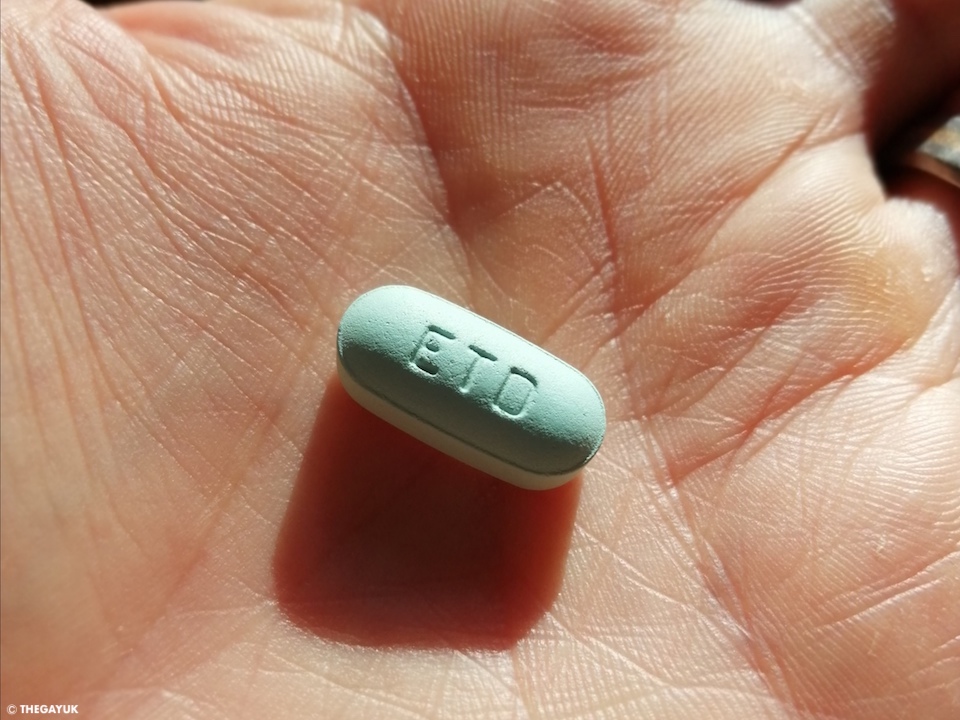
    There are several treatment options available to prevent the transmission of HIV. Pre-Exposure Prophylaxis (PrEP) is a medication that can be taken to reduce the risk of contracting HIV and is often offered for free through sexual health clinics. If you are interested in finding a PrEP provider, you can visit https://www.iwantprepnow.co.uk.

    Additionally, Post-Exposure Prophylaxis (PEP) is available for those who may have been exposed to HIV. It is important to note that PrEP and PEP are proactive measures that can be taken to reduce the risk of HIV transmission, and it is essential to have open conversations with partners about HIV status and to engage in regular testing to protect both yourself and your community.
  • Do condoms protect you from every sexual infection?

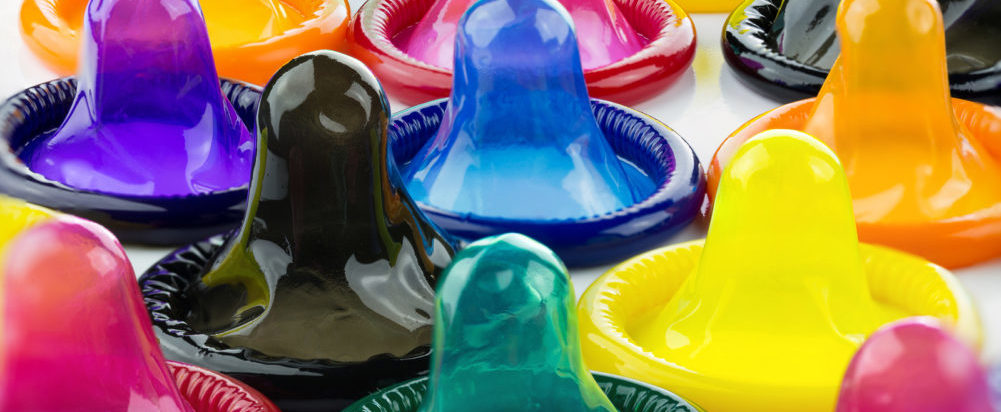
    Do condoms protect you from every sexual infection?

    This week our specialists Jake Jenkins and Jenna Thomas from 56 Dean Street talk about condoms.

    do condoms protect you from every STIs
    Bigstock

    Dear TGUK & 56DS
    Everyone says that If you want a safer sex, you have to use condom. But can it prevent all diseases?
    Best Jimmie

    Dear Jimmie

    Having safer sex means having sex that has less risk of catching or passing on an STI.

    Using a condom is the best way to do this, however, it doesn’t completely prevent you from catching an STI. Lots of things can affect how likely you are to catch an STI such as a condom slipping or breaking during sex and contact during foreplay such as rubbing, masturbating each other, and oral sex.

    A few things that can help are ensuring a condom is used from start to finish during penetration, using latex condom-friendly lubricant (such as water or silicone-based), and regular screening for STIs.

    Do not use Vaseline or oil-based lubricants. Don’t forget one of the best ways to protect yourself is to know your status. Book a sexual health check regularly to make sure you’re always in the know.

    Even if you do everything right accidents can happen so it’s good to know about PEP, this is a course of medication you may be able to take if you have been at high risk of HIV. Or indeed check out your options surrounding PrEP.

  • Am I a sex addict? I have slept with over 700 guys

    Am I a sex addict? I have slept with over 700 guys

    A reader confided with us that he’s slept with hundreds of men – and wonders whether if that’s normal or whether he is a sex addict. Experts from 56 Dean Street take the question

    Dear 56DS and TGUK

    I’m in my mid 20s and I’m a bit of sex lover. I’ve probably been with over 700 guys in the last 2 years, which makes my friends laugh, but I think I’m a bit addicted to it.

    Some of the sex has been whilst drunk or on drugs (never needles) and I can’t be certain that it’s always been protected sex.

    I am around 80% the top in these shags. So I’ve been told that the likelihood is that I’m fine, but just wondering.

    I’ve had a few STDs and had those cleared up but I’m feeling a little bit worried as I always do this time of year with WorldAIDS Day coming up…

    I have been to the clinic, but not this year.

    Hi there;
    Thanks for your question.

    Being top may be less risky than being the bottom, but there is still a risk, and guys who only top still get HIV. This is because of HIV can also be found in mucosal secretions inside someone’s bum. Using condoms will protect you against HIV and most STIs regardless of how many partners you have. However, it’s possible that condoms break, or you can get STIs including HIV through oral sex, although getting HIV through oral sex is rare.

    Some people say that taking drugs including alcohol makes them more relaxed and more likely to take risks. Sometimes when people get caught in the moment they may feel invincible and forget to do the things they normally would to protect their health. It’s really important that you keep control by using condoms and getting yourself checked regularly for sexually transmitted infections. This should be for all STIs not just HIV.

    Taking PrEP can help stop new transmission of HIV, particularly useless if the user is having condomless sex. When use as prescribed it can be an effective barrier to the transmission of HIV. However it does not stop other STIs.

    It might also be worth considering going onto PrEP. If you’ve not heard about PrEP, essentially it’s a anti-HIV drug, which when taken as prescribed can effectively prevent HIV spreading from partner to partner. PrEP stands for (Pre-Exposure Prophylactic. Campaigners believe PrEP can ultimately end new HIV transmissions. To find out more about it and see if you’re able to access PrEP make an appointment with your location sexual health clinic.

    If you do have HIV finding out can save your life (if you have had it for many years) or add years to your life. HIV is now a manageable health condition and life expectancy may be almost the same if diagnosed early and you start treatment at the right time. It’s better to know as you can take control of your own health and protect your partners.

    It sounds like you may want to visit our CODE clinic, a walk-in service. The team are super friendly, non-judgemental and there to help you. They can advise you on drug taking, help you to reduce or stop and explain more about risks of STIs. Also, they know a lot about the harder sex scene, if that happens to be your thing.

    In terms of the number of partners, it’s really important that you are having a healthy, enjoyable sex life which is not harmful to your mental or physical health.

    If you’re worried that you may have sex addiction then help is available. There is an online screening tool at www.sexhelp.com which is free. It will give you a score and explain what that means. There are also lots of resources on the www.sexaddictionhelp.co.uk and www.recoverynation.com websites. We provide support at 56 Dean Street and if you visited the clinic with an appointment with a health advisor we could refer you to this service.

    Hope that helps;

    Jenna and Jake.

    This article was first published in 2012 and now includes extra information about PrEP.

  • ADVICE | I have achy balls, what should I do?

    ADVICE | I have achy balls, what should I do?

    Dear TGUK

    I sometimes get aches in my left ball. I’ve done a check for lumps but haven’t found anything odd – or unusual. There’s been no blood in my pee or cum.

    The pain is like a dull ache that goes from the bottom of my balls to the pit of my stomach. It doesn’t last very long. Because it doesn’t happen all the time I haven’t been to the doctors about it, but wondering if I should.

    Paddy, Dublin


    Hello Paddy

    Re-occurring pain anywhere is a reason to get checked and you should see your GP for an examination. It could be something entirely benign or something more serious although from what you say you don’t have other symptoms.

    These are:
    A new hard lump on the testicle
    Swelling or enlargement of a testicle
    An increase in firmness of a testicle
    An unusual difference between one testicle and the other

    However there is no harm in being on the safe side and ruling this out by visiting your GP or GUM clinic and if it is anything serious, the earlier it’s caught the more effective the treatment. If you get a significant acute pain that persists in either your testicle or abdomen, you should see your doctor for urgent review.

    The advice listed above is not intended to replace or take the place of that of your own doctor, GP or medical professional who knows your full medical history. If in any doubt make an appointment with your doctor as soon as possible.

    Have you got a dilemma you’d like us to help you with? Click here to write to our team of experts.

    This article was first published in September 2016

  • ADVICE | Did I catch Herpes?

    ADVICE | Did I catch Herpes?

    Dear Jose,

    A f*ck buddy of mine has just told me he has genital herpes but says he’s never had it whilst we’ve had sex.

    Can I still get herpes if he’s not got an outbreak?

    Tim.


    Dear Tim,

    Genital Herpes is an infection caused by the herpes simplex virus (HSV), which can cause painful blisters in your genital area. It can be passed from person to person during sexual contact and is a long-term condition. The virus remains in your body and can become active at any time. HSV can affect any mucous membrane, any moist lining, such as your mouth – and can cause cold sores.

    So, unless he has an active herpes infection, that is visible lesions then it is unlikely that you will be at risk of contracting herpes.

    However, if he is infected he should be undergoing treatment. This lowers the risk of catching herpes even further but as the virus is transmitted by skin to skin contact I would recommend that you go and get checked at your local sexual health clinic.

    Using condoms or a dental dam (if you’re rimming) are great ways to further lower the risk of herpes, or other STIs passing from one person to another.

    There are various treatments for herpes you can buy online to help you with the symptoms. However, you may need a prescription.

    The advice listed above is not intended to replace or take the place of that of your own doctor, GP or medical professional who knows your full medical history. If in any doubt make an appointment with your doctor as soon as possible.


    Have you got a question for our experts? Click here to write to our Dilemma’s page.

  • DILEMMA | I’m 53 and I’m finding it hard to get it up

    DILEMMA | I’m 53 and I’m finding it hard to get it up

    Dear Doctor

    Finding it hard to get an erection not sure if this is normal for my age (53) and is affecting how I feel when having sex.

    What can I do to make sure I can get hard and stay hard?

    John


    Dr Nitin Shori is Medical Director of the Pharmacy2U Online Doctor service answers:

    Hi John,

    Let me first reassure that you are not alone in suffering in this way and that help is available. It’s estimated that half of all men between the ages of 40 and 70 have some form of erectile dysfunction.

    It’s often referred to as impotence and it is a very common, treatable condition.

    To understand the reasons for erectile dysfunction, it’s important to know how an erection occurs. When aroused, your brain sends signals to the blood vessels in your penis, relaxing the arteries and allowing blood to flow in. The veins then close to trap the blood in your penis, causing it to expand and harden.

    Anything that interferes with this process can lead to erectile dysfunction. Causes of the condition can be broken down into two categories: physical and psychological.

    Physical causes of erectile dysfunction can include low testosterone and diabetes as well as prostate problems.

    Psychological factors can include stress or being unhappy, anxiety or depression. If psychological problems are interfering with your ability to get or maintain an erection, a psychotherapist specialising in sexual difficulties may also be able to help you.

    A consultation with your own GP or the Pharmacy2U Online Doctor service will establish whether you could be prescribed one of a range of effective erectile dysfunction treatments that are available on prescription.

    They all work in slightly different ways to significantly improve a man’s ability to obtain a hard erect penis suitable for sexual activity.

    The advice listed above is not intended to replace or take the place of that of your own doctor, GP or medical professional who knows your full medical history. If in any doubt make an appointment with your doctor as soon as possible.

    Do you have a sexual or emotional question for our experts? Click here

    This article was first published September 2017 and has been updated

  • DILEMMA | Do I Masturbate Too Much?

    DILEMMA | Do I Masturbate Too Much?

    A reader asks whether he playing with himself too much.

    Hi! I’m a 22-year-old and I’ve been really worried about something.

    A couple of months ago I attended some acupuncture sessions at college because I was recommended that I should do something about the pretty stressed life I was having. It turns out they use some Chinese method and it surprised me when one of the therapists told me that I had to stop masturbating.

    I can’t tell how on earth she did to figure that out, but from that moment on I started to feel that was serious. She told me it was necessary for me to stop because of something I didn’t get, something about one’s energy and stuff. Even though I didn’t understand her arguments, I had already had this feeling that perhaps I was “waxing my dolphin” too much. The thing is, I can’t help it.

    I’ve been trying to stop, but there always comes a moment when I just need to do it (I can do it twice a night). Sometimes I just can’t sleep at night and the only thing that makes me sleepy is self-pleasure. Is it that I’m becoming addicted to it? Is it wrong for my body, for my virility?

    Somehow I agreed with the therapist who told me to stop because she mentioned energy. When I masturbate I do feel nice, but I don’t feel as energetic as I feel I was a couple of years ago. I’m really worried; I no longer get the powerful boners that used to wake me up a couple of years ago.

    Is there any limit when it comes to masturbation? By the way, I have no boyfriend. My life is pretty busy. Thanks for giving me some advice.

    Jason, 22


    Hello Jason

    I think we should start by saying that masturbation is perfectly normal and almost everyone has had a go at some point. How often you decide to “wax your dolphin” is completely up to you and you shouldn’t feel you need to try and stop. There isn’t a limit to how frequently you masturbate, other than how often you feel like doing it or want to do it.

    If it feels right and you’re not hurting anyone else, why deny yourself. FILE PHOTO: © ia__64 Depositphotos

    There isn’t a limit to how frequently you masturbate, other than how often you feel like doing it or want to do it.

    Some of the problems you’re describing such as a lack of energy and no longer getting strong erections that wake you up could be related to the stress that led to you go for acupuncture in the first place. Overall there are no adverse affects from masturbating and if it’s something you enjoy then I think you should go for it.

    Jenna and Jake

    Got a problem you’d like advice on? Click here to speak to us

    This article was first published in December 2012.

  • Everything you need to know about Syphilis

    Everything you need to know about Syphilis

    Syphilis is a sexually acquired infection caused by Treponema pallidum subspecies pallidum, a spirochete bacterium.

    In the UK, syphilis infection is relatively uncommon but diagnoses in men and women have increased over the past decade. In 2015 there were 107,000 reported deaths from Syphilis worldwide.

    Who gets syphilis?

    Anyone who has sex can get syphilis. People most at risk are those having unprotected sexual intercourse (i.e. not using a condom or in gay terms, barebacking), those with more than one sexual partner, and those who change partners frequently. The simplest way to protect yourself is with condoms.

    How do you catch syphilis?

    Syphilis is caught through unprotected vaginal, oral or anal intercourse or genital contact with an infected partner.

    Syphilis cannot be caught by casual contact (toilet seats, swimming pools and saunas).

    How do you know that you have syphilis?

    What are the symptoms of Syphilis
    Bru-nO / Pixabay

    The symptoms of syphilis are not specific. Initial presentation is usually one or more painless but highly infectious sores (primary infection) which appear at the site of infection. These sores disappear within two to six weeks in the absence of treatment.

    Secondary symptoms may develop 6 weeks to 6 months after the onset of primary sores. Later symptoms are highly variable, but may include a rash on the palms or soles.

    Late syphilis occurs four or more years after an untreated primary infection. Complications may occur in the mucocutaneous tissue, heart, respiratory tract or central nervous system.

    How serious is syphilis?


    Syphilis can cause a variety of issues from the seemingly unserious, like headaches but can escalate to stroke, hearing loss and sexual dysfunction. The Mayo Clinic lists some of the problems the disease can cause to your nervous system:

    • Headache
    • Stroke
    • Meningitis
    • Hearing loss
    • Visual problems, including blindness
    • Dementia
    • Loss of pain and temperature sensations
    • Sexual dysfunction in men (impotence)
    • Bladder incontinence

    Without treatment, syphilis can damage your heart, brain or other organs, and can be life-threatening.

    What protection is there against syphilis?

    Sexually active people can reduce their risk of syphilis by reducing their numbers of partners and using condoms or dental dams.

    How is syphilis diagnosed?

    Syphilis can be diagnosed by detection of the organism in the ulcer. Antibodies to syphilis can also be detected in the blood. Samples must be taken by a health care professional.

    Genitourinary medicine clinics (also called STI clinics) have the equipment and facilities for testing and for contacting, testing and treating sexual partners. Details of these clinics can be found in the telephone book, from the local hospital or from the NHS choices sexual health website. Clinics are completely confidential and will not inform GPs of results unless requested to do so. Anyone can attend one of these clinics at any age (even if under the age of consent to sex which is 16). Appointments are not required.

    A person with suspected syphilis should also be tested for other sexually transmitted infections which may be present without symptoms.

    How is syphilis treated?

    Syphilis can be treated with antibiotics.

    All current and recent sexual partners should be tested and treated to prevent re-infection and the further spread of disease. Treatment should be offered whether or not they show any signs of infection Public Health England’s mission is to protect and improve the nation’s health and to address inequalities through working with national and local government, the NHS, industry and the voluntary and community sector. PHE is an operationally autonomous executive agency of the Department of Health.

    Taken from Public Health England.

  • This porn star just broke down STI stigma in the most 2020 way

    For most of us finding out that you’ve got an STI (sexually transmitted infection) can be an embarrassing moment. For some, the awkwardness comes from the prodding and probing of sexual health nurses and doctors but for many, it’s because there’s a stigma attached to contracting an infection, which is silly right?

    The majority of us have sex at some point during our lives and with sex comes risk and responsibility and there are literally hundreds of thousands of infections caught and dealt with every year by our healthcare professionals and that’s just here in the UK.

    The vast majority of STIs are curable with medication or at least manageable, and with many of us contracting at least one STI in our lifetimes we have to ask why there’s such a stigma?

    “Dirty Vs Clean”

    getting the right medication and quickly if you've got an STI is really important.
    Getting the right medication and quickly if you’ve got an STI is really important.
    Photo by Anna Shvets on Pexels.com

    One doctor in March this year said that people should stop using the words “dirty” and “clean” when it comes to talking about sexual health saying that STIs were “not a matter of personal hygiene” as there was “no way of telling who has an STI by just looking at them”. Doctor Sutton added that the words “dirty” and “clean” had a stigma attached to them.

    “If we’ve slept together, by all means, get in touch about it”

    Part of the embarrassment, for some, finding out that they’ve got an STI is the track and trace element, whereby they’re encouraged to tell their sexual partners that they’ve tested positive for something.

    After contracting an STI it’s best to contact everyone you’ve had sex within recent months, this is so they can go and get tested themselves and get treatment if necessary. As many of the infections can actually be asymptomatic, many people won’t know they’ve got anything wrong with them so telling them to get tested empowers them to stop the disease from spreading any further.

    “I’ve had a positive STI result”

    Porn star John Thomas has managed to break the stigma by tweeting his sexual health diagnosis on Twitter saying, “I’ve had a positive STI result (if we’ve slept together, by all means, get in touch about it).”

    He even managed to make a joke about the situation by adding that when he was asked about how many people he had had sex with, he could only answer “a lot”. Well, he is a porn star after all!

    His Tweet was met with dozens of positive messages from fans and fellow porn stars congratulating him for breaking down the stigma to getting tested and revealing the results.

    https://twitter.com/johnthomasxxx/status/1291325890161516544

    John also added, “If you’re sexually active, getting tested is a part of life. Talking about it helps break down people’s feelings of shame around it that we’ve been conditioned to feel.”

    Fellow porn star, Luca D’amore said, “Thank you for taking the stigma away from getting tested!”

    A fan added, “I have HUGE respect for you sharing this. Thank you for this post!”

    Another said, “Yes -more disclosure! Thank you. Normalize sexual health and responsibility!”

    Star DADDYBLACKXXX said that using Twitter to inform John’s sexual partners that they may need to get in touch with him was an “honest way to go about it informing people Quick and easy … more people should do this” adding that he would do it like that in future.

    It is recommended that sexually active people, who have a number of different sexual partners should go for an STI test at their local Sexual Health clinic every 3 to 6 months, or order a FREE at-home HIV test kit from Saving Lives. if you use the promo code: GAYUK20.

  • Government slashes the budget for PrEP roll-out in England

    Government slashes the budget for PrEP roll-out in England

    The Department of Health and Social Care (DHSC) has slashed the budget earmarked for the HIV Prevention Pill, PrEP even before the roll out across England begins.

    It was announced earlier this year that the DHSC had set aside a budget for local authorities in England to deliver PrEP to those “who need it most”.

    The initial budget was set at £16 million.

    The rollout has been set back, largely by Coronavirus, and the budget has now been slashed by £5 million to £11 million.

    Terrence Higgins Trust, National AIDS Trust and PrEPster released a joint statement outlining that sexual health services are already overstretched calling the budget cut “hugely concerning” and accused the Government of “rolling back” on what was promised

    “We welcome the Department of Health’s work to begin the roll-out of uncapped access to PrEP in England but this significant cut to the PrEP budget for local authorities is hugely concerning.

    “Sexual health services are already on their knees and slashing the budget by almost a third will undoubtedly limit local authorities’ ability to deliver PrEP to those who need it. The Health Secretary promised proper PrEP access as part of the commitment to end HIV transmissions within the next decade but is now rolling back on what was promised. 

    “England’s sexual health services are already over stretched and under funded, which is why proper resourcing for the delivery of PrEP is crucial to its success. While those currently accessing PrEP are unlikely to be affected the roll out is supposed to ensure significantly more people can benefit from it for HIV prevention over the coming months. This cut to the first year’s budget before that’s even started means PrEP will not be fully utilised.  

    “PrEP is highly effective at stopping HIV and extremely cost-effective when compared with a lifetime of HIV treatment. It’s disappointing that we are once again fighting for its potential to be maximised in England.’ 

    “Funding has been adjusted”

    (C) THEGAYUK

    A spokesperson for the DHSC told THEGAYUK

    “Now we are past the peak of the pandemic, the NHS and local government are re-opening services and we are pleased to be rolling out PrEP across the country as part of our work to tackle HIV and the stigma around it.

    “This will benefit tens of thousands of people and take us closer to our ambition of zero HIV transmissions by 2030.

    “In light of covid-19 pressures during the first quarter of the year, PrEP was not immediately available for individuals via routine commissioning.

    “The modest change in allocated funding accounts for the fact that the rollout of the routine commissioning of PrEP was paused during the pandemic.”

    This story was updated to reflect a quote from the DHSC.

    Further reading: What is PrEP?

  • Yes, you can still access sexual health services during the lockdown

    Yes, you can still access sexual health services during the lockdown

    It’s important that you look after yourself, even your sexual health during the Coronavirus lockdown.

    Although it may seem that many health services might be running at a reduced capacity or you’re unable to physically attend NHS services, but this sexual health doctor wants you to know that you can still get sexual health advice and, if necessary, access medications and testing if you need them.

    The NHS is still open

    You can still get sexual health checks during covid 19 lockdown
    Photo by Pranidchakan Boonrom on Pexels

    Doctor Naomi Sutton took to Twitter to remind followers that the NHS sexual services are still available and that you should phone your usual sexual health clinic and access the current phone consulting services being offered.

    She wrote,

    “The #NHS is still open! Please seek medical advice if you need it.

    “Sexual health services are operating phone consultations, posting contraception, screening tests and medication when needed and seeing patients face to face where necessary”

    https://twitter.com/DrNaomiSutton/status/1255483728366796801

    You can also order sexual health testing online. The charity, Saving Lives are posting out HIV kits.

    At Home Testing is available

    It is recommended that sexually active people, who have a number of different sexual partners should go for an STI test at their local Sexual Health clinic every 3 to 6 months, or order a FREE at-home HIV test kit from Saving Lives if you use the promo code: GAYUK20.