Day: 27 February 2023

  • Brighton Pride set to feature Steps, Black Eyed Peas and Mel C

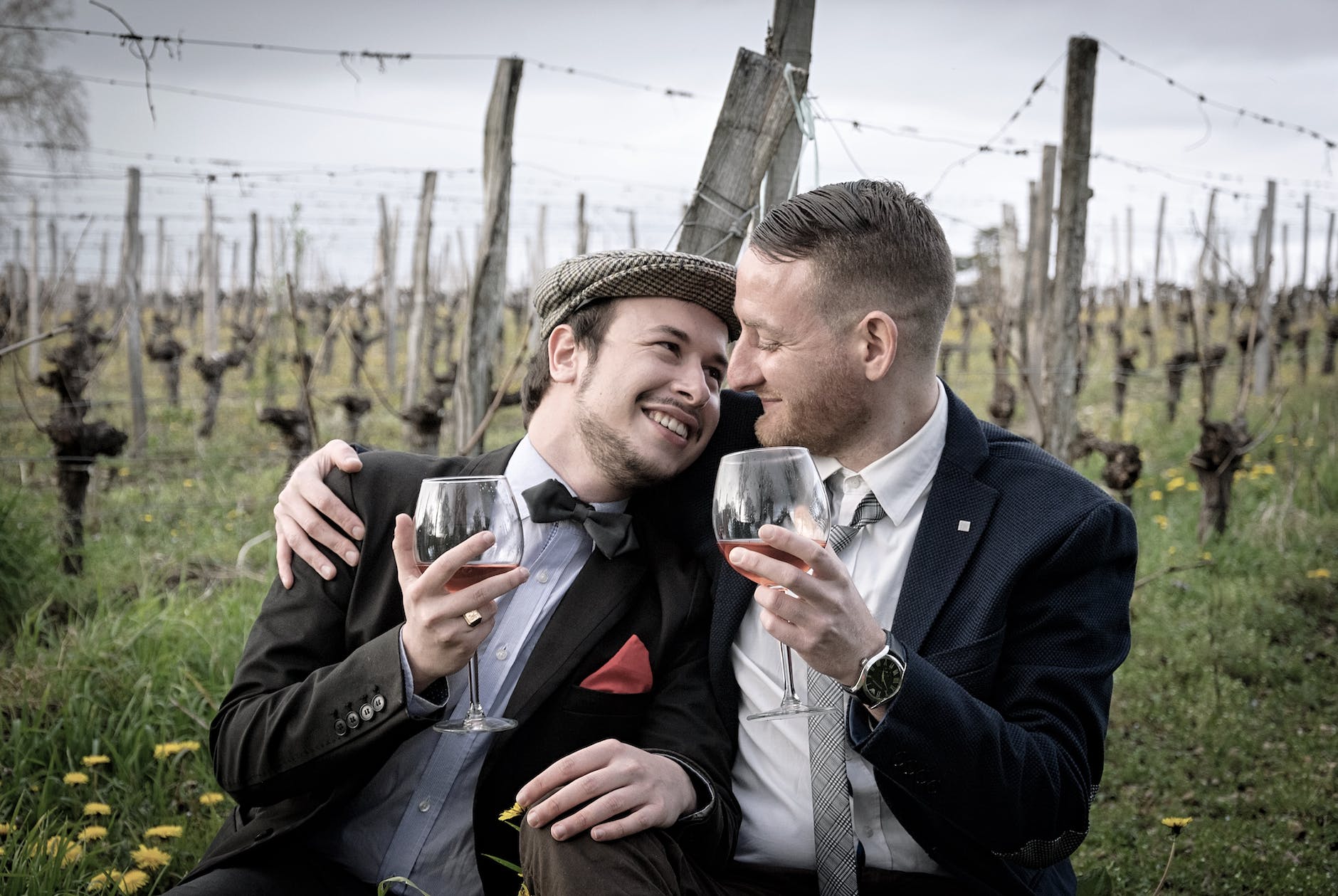
    Brighton Pride 2023 is set to feature the Black Eyed Peas and Steps as headliners for the festival, with performances scheduled for August 5 and 6.

    Fans are eagerly anticipating the festival, one of the UK’s largest pride events, which will also feature performances by Zara Larsson, Jax Jones, and Melanie C.

    In the past, the event has featured other gay icons like Britney Spears, Kylie Minogue, Grace Jones, and Dua Lipa. The parade, which will take place on August 5, will have the theme “Love, Protest and Unity” and the additional challenge, “Dare to be different.”

    Tickets are available on the official website, with prices starting at £28.50 per day for Saturday or Sunday, and £48.50 for the entire weekend.

    The festival has also introduced a low-income ticket scheme to be mindful of the cost of living crisis.

    When is Brighton Pride 2023?

    Brighton Pride 2023 will take place from 4 August to 7 August. The parade through the city will take place on Saturday 5 August at 11am, with a route travelling from the seafront through the city centre up to Preston Park, where the festival takes place.

    Where can I get tickets for Brighton Pride?

    You can get tickets for Brighton Pride 2023 on the official Brighton Pride website. Ticket prices start at £28.50 per day for Saturday or Sunday, and £48.50 for the whole weekend. The website also offers a low-income ticket scheme for those who need it.
  • Should only gay actors play gay characters?

    Should only gay actors play gay characters?

    There is ongoing debate and discussion within the entertainment industry and LGBTQ+ community about whether only gay actors should play gay characters. While some people argue that only actors who identify as LGBTQ+ should be cast in LGBTQ+ roles, others believe that an actor’s sexual orientation should not be a determining factor in casting decisions.

    Ultimately, the decision about who to cast in a particular role is up to the director and producers of a project. However, it’s important to consider the impact that casting decisions can have on representation and visibility for LGBTQ+ people in the entertainment industry. If LGBTQ+ actors are consistently passed over for LGBTQ+ roles, it can perpetuate the idea that LGBTQ+ people are not capable of playing a wide range of characters or that their experiences are not valuable.

    Which straight actors have played gay parts?

    There are many straight actors who have played LGBTQ+ characters in films, television shows, and theatre productions. Here are some examples:

    1. Tom Hanks – “Philadelphia” (1993)
    2. Heath Ledger – “Brokeback Mountain” (2005)
    3. Jake Gyllenhaal – “Brokeback Mountain” (2005)
    4. Sean Penn – “Milk” (2008)
    5. Colin Firth – “A Single Man” (2009)
    6. James Franco – “Howl” (2010)
    7. Eddie Redmayne – “The Danish Girl” (2015)
    8. Andrew Garfield – “Angels in America” (2017)
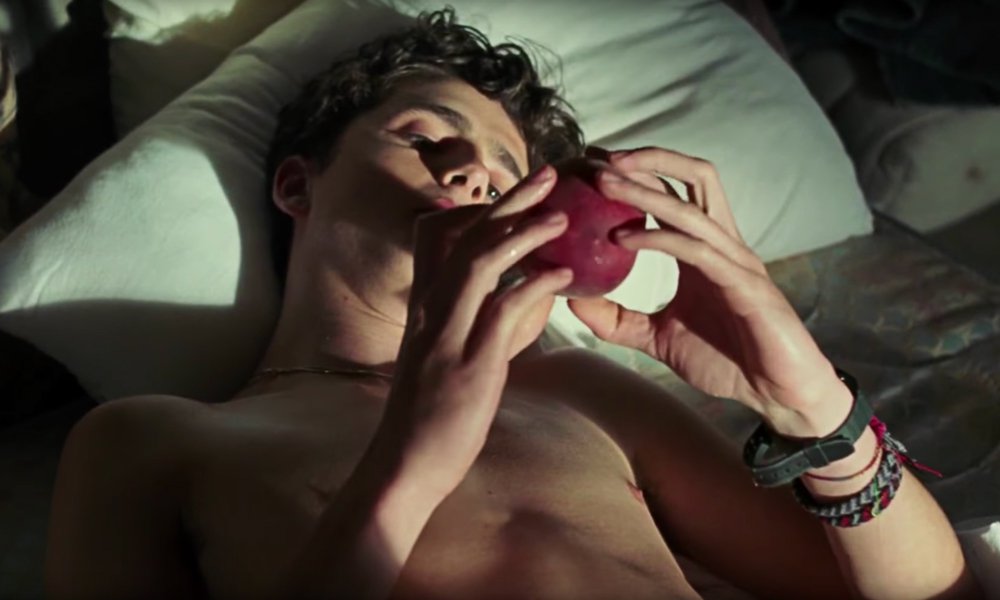
    9. Timothee Chalamet – “Call Me By Your Name” (2017)
    10. Lucas Hedges – “Boy Erased” (2018)

    It is worth noting that the casting of straight actors to play gay characters has been a topic of debate in recent years, with some arguing that it is important to provide more opportunities for LGBTQ actors to tell their own stories.

    Have your say…

    Ultimately, the goal should be to create more opportunities for LGBTQ+ actors to play a diverse range of characters, including LGBTQ+ characters, while also ensuring that LGBTQ+ representation is portrayed in a respectful and accurate way.

  • What are gay married men called?

    What are gay married men called?

    Gay married men are called husbands.

    Just like the straights!

    Just like heterosexual married men are called husbands, men who are in gay marriage are also referred to by this term.

    The word “husband” has its roots in Old Norse and Old English. In Old Norse, the word “húsbóndi” meant “master of a house,” and in Old English, “husbonda” referred to the head of a household or the manager of a farm. The term later evolved to specifically refer to a married man, and in modern English, “husband” is commonly used to describe a man who is married or in a committed long-term relationship.

    Is a gay man in marriage ever called a wife?

    No, a gay man in marriage is not typically called a wife. The term “wife” is traditionally used to refer to a married woman, and while language is always evolving, it’s not common for a man to be called a “wife” in a marriage, regardless of his sexual orientation. Instead, the term “husband” is commonly used to refer to a married man, regardless of his sexual orientation.

    However as an inside joke between gay couples, one may be referred to as a wife, or with more feminine language and one may be more commonly referred to in masculine terms. It’s always best to ask how couples may define their identity if in doubt, rather than say the wrong thing and cause offence.

    It’s important to use inclusive language that recognizes and respects the diversity of relationships and families.

  • 10 terrible foods to eat if you’re bottoming tonight

    Gonna get spicy tonight in the bedroom, then you might want to leave out some of these foods if you’re bottoming because they’re bound to make you feel uncomfortable.

    However, some foods may cause gastrointestinal discomfort, gas, or bloating, which could make bottoming uncomfortable. Here are some foods that some people might want to avoid or limit if they plan to bottom:

    Bad foods for bottoming

    Some foods are particularly bad if you’re planning on bottoming (having anal sex). Try and stay clear from the following foods on the day and the day before you plan to have anal sex.
    • Spicy foods: Spicy foods can cause irritation and inflammation in the digestive tract, which can lead to discomfort during anal sex.
    • Dairy products: Some people are lactose intolerant, which means they have difficulty digesting lactose, a sugar found in dairy products. This can cause bloating, gas, and diarrhoea, which can make bottoming uncomfortable.
    • Greasy or fatty foods: Greasy or fatty foods can slow down digestion, leading to bloating and gas.
    • Foods high in fibre: While fibre is important for a healthy diet, eating too much of it can cause bloating and gas, which can make bottoming uncomfortable.
    • Alcohol and caffeine: Both alcohol and caffeine can cause dehydration, which can lead to constipation or diarrhoea. They can also affect the body’s ability to relax, making it more difficult to bottom comfortably.
    • Processed foods: Processed foods can be high in sodium and other additives, which can cause bloating and water retention, making bottoming uncomfortable.
    • Beans and legumes: While beans and legumes are nutritious, they can also cause gas and bloating for some people.
    • Cruciferous vegetables: Vegetables like broccoli, cauliflower, and Brussels sprouts are high in fibre and can cause gas and bloating for some people.
    • High-sugar foods: Foods high in sugar can cause an imbalance in gut bacteria, leading to gas and bloating.
    • Red meat: Red meat can be difficult to digest, especially if it’s high in fat. This can lead to bloating and gas, making bottoming uncomfortable.

    It’s important to note that everyone’s body is different, and what works for one person might not work for another. If you’re planning to bottom, it’s a good idea to listen to your body and avoid any foods that you know cause discomfort or digestive issues.

    Additionally, practising good hygiene (like douching, give our handy how-to-douche a read here) and using plenty of lube can also help make bottoming more comfortable. Need a douche? Check out the range at our partner site THEGAYSHOP

  • What is another name for gay marriage?

    What is another name for gay marriage?

    Although we’ve always used the term “gay marriage” in our reporting, there is another way of terming when two men or two women get married. However, we think that it could actually add to gay and lesbian erasure.

    Another name for gay marriage is same-sex marriage, which refers to the legal union of two individuals of the same sex, typically recognized by the state or government as a civil marriage. However, it can lead to the erasure of several communities.

    Is the term “gay marriage” acceptable to use?

    Firstly because the term same-sex marriage refers to biological sex, which could erase the fact there are some people who consider themselves gay or lesbian, but who might not be biologically male or female but actually may be transgender and be living as a trans man or a trans woman who have not opted for gender reassignment surgeries.

    Secondly, the term Same-Sex Marriage also added to gay erasure, simply due to the fact that it leaves gay men and lesbian women out of the title.

    Gay erasure is a term used to describe the denial or minimization of the existence or significance of same-sex attraction, relationships, and identities. It can manifest in various ways, such as ignoring or erasing LGBTQ+ representation and history in media, education, and politics, promoting heteronormative standards as the only acceptable ones, or excluding or discriminating against LGBTQ+ individuals and communities. The term is often used in social justice and human rights advocacy to highlight the harm caused by denying or erasing LGBTQ+ experiences and identities.

    Does the term “Gay Marriage” add to Bi Erasure?

    However there’s also an issue that if the term gay marriage is used then it could lead to bi-erasure, if the two people who are getting hitched also happen to identify as bisexual, but both happen to be same-sex.

    Bi erasure is a term used to describe the denial or dismissal of bisexuality as a legitimate sexual orientation. It refers to the erasure, invisibility, and invalidation of bisexual identities, experiences, and relationships, often perpetuated by individuals, institutions, and society at large. Bi erasure can take many forms, including but not limited to assuming that bisexual individuals are confused, promiscuous, or greedy, enforcing binary and heteronormative standards of attraction and behaviour, erasing or ignoring bisexual representation and history in media, education, and politics, or excluding and discriminating against bisexual individuals and communities.

    Bi erasure can have significant negative impacts on bisexual people’s mental health, self-esteem, and social acceptance, as well as on the broader fight for LGBTQ+ rights and acceptance.