Category: News

  • HIV diagnoses in gay and bi men are at their lowest in 20 years

    HIV diagnoses in gay and bi men are at their lowest in 20 years

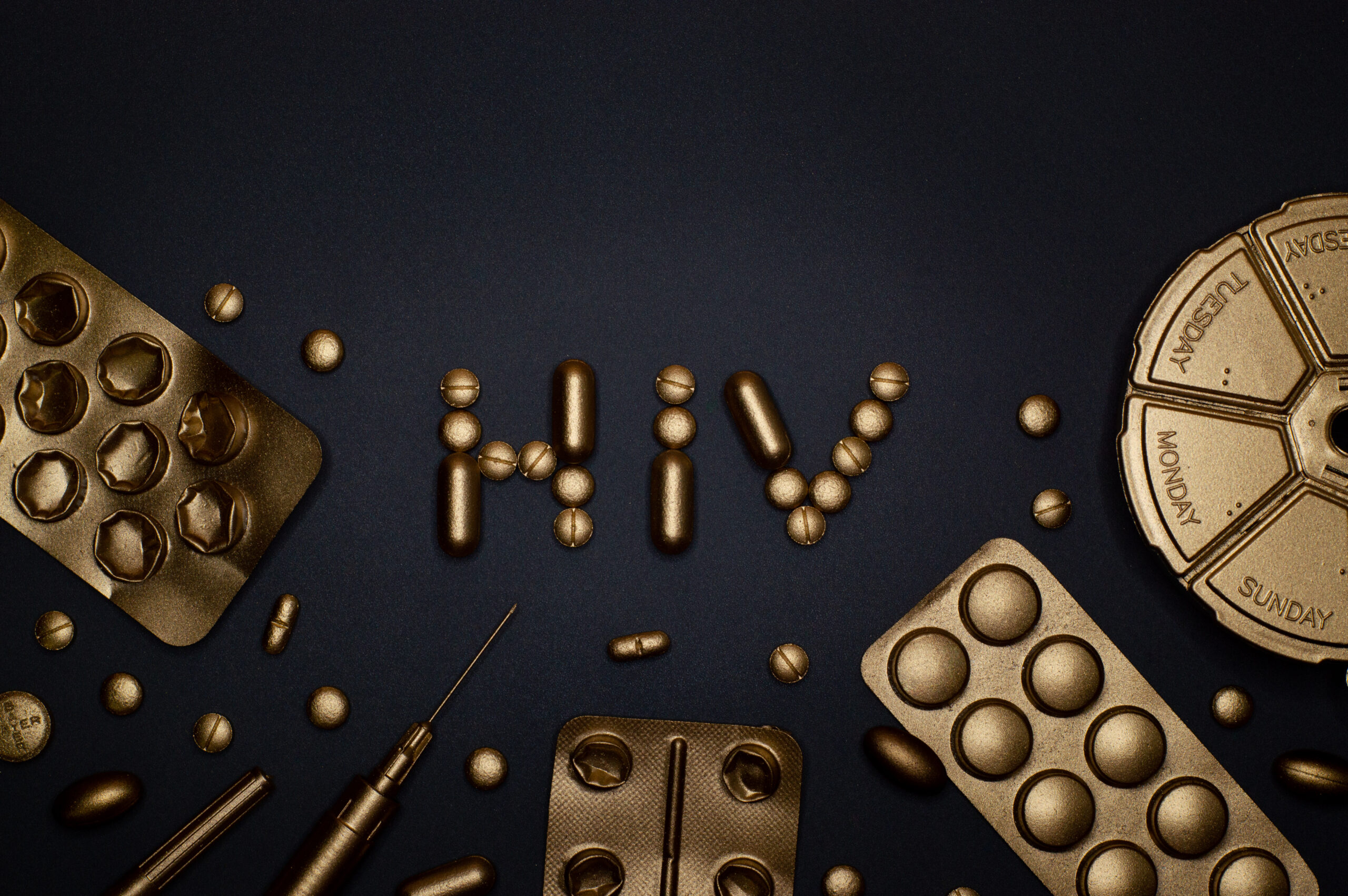
    The number of cases of new HIV diagnoses in gay and bisexual men has fallen by 80%, to its lowest point in 20 years.

    The new data, released today from Public Health England (PHE) shows that there were 1,700 new infections in 2019, down from a peak of 2,700 in 2011. However, the number of actual new infections, happening within the year was actually 540 – this is because people can live with HIV for some time without being aware of their status.

    Before 2019’s new low, the lowest point was in the year 2000, when there were 1500 new cases in gay and bi men.

    New cases in heterosexual people also hit a new low, of 1,600 – the lowest since 1998.

    While the proportion of people diagnosed late remained high at 42%, the overall number decreased from around 1,900 in 2015 to 1,300 in 2019.  People diagnosed late in 2019 had an eight-fold risk of death compared to those diagnosed promptly.

    Why has the decline happened?

    The decline in HIV transmission in gay and bisexual men can be directly linked to the increase in combination prevention, including the use of condoms, pre-exposure prophylaxis (PrEP), frequent HIV testing in a wide range of settings, and starting antiretroviral therapy (ART) as soon as possible after diagnosis.

    According to the PHE, treatment is now so effective that 97% of people receiving ART have undetectable levels of the virus which means it is impossible to pass the virus on, even if having sex without condoms. Undetectable = untransmittable (U=U)

    HIV Testing is vital

    HIV testing is vital for preventing HIV-related illness and death and to achieve the goal of ending HIV transmission in the UK by 2030. The UK continues to meet the United Nations Programme on HIV and AIDS (UNAIDS) 90-90-90 targets for the third consecutive year; however, there are opportunities to improve uptake of testing and support those testing positive to continue their treatment.

    Almost 300,000 people declined to have an HIV test when they attended a specialist sexual health service. Black African heterosexual women attendees were more likely to decline a test than Black African heterosexual men (20% vs 9% declined testing) but less likely than heterosexual women and men overall (25% vs 13%). More focussed conversations on HIV, testing, prevention and treatment in schools and clinical settings can help to combat high rates of declined tests.

    By comparison, only 4% of gay and bisexual men attending specialist sexual health services declined an HIV test; this is the group in which the greatest declines in HIV transmission have been achieved.

    Dr Valerie Delpech, Head of HIV Surveillance at Public Health England, said, “In the UK, we have made great progress towards eliminating HIV transmission by 2030. Frequent HIV testing, the offer of PrEP among those most at risk of HIV, together with prompt treatment among those diagnosed, remain key to ending HIV transmission by 2030.

    “Further progress can only be achieved if we also address the inequalities in reducing HIV transmission that exist around sexuality, ethnicity and geography.”

    How to stop HIV?

    The most common way of getting HIV in the UK is through sex with a person who is unaware of their HIV infection.

    You can protect yourself from HIV by consistent and correct condom use with new and casual partners, by using PrEP, or if your partner is on treatment and is undetectable if they are living with HIV. Correct and consistent condom use will also stop you getting or transmitting other STIs.

    People can get tested through free tests available from sexual health clinics, GP surgeries, as well as through a self-sampling service or by using a self-testing kit.
  • Prince Azim who was outed as gay by Perez Hilton has died, 38

    The son of the Sultan of Brunei, who was outed as gay by Perez Hilton has died at the age of 38, with the cause of his death currently being reported as severe systemic vasculitis – an autoimmune disease, according to an Instagram post published by his younger brother Prince Mateen.

    The Prince was known for throwing lavish parties and hanging out with A-list celebrity friends, like Mariah Carey and Michael Jackson. He was the fourth in line to the throne in the Kingdom of Brunei.

    Embed from Getty Images

    The Prince’s death was announced last week and the government has called for a week of national mourning.

    It was reported that he had been in hospital for sometime and was being treated for liver cancer.

    Embed from Getty Images

    The Prince was outed as gay in April 2019, by Perez Hilton, which caused huge controversy, as homosexual acts are illegal and punishable by death in the Kingdom of Brunei.

    Speaking in a video to defend his actions, Perez Hilton explained his reasoning behind the decision to out the Prince saying, “Do you know the law? I have read the law. Before attacking me, read what the new law says”,

    He added that it is not illegal to be gay in Brunei, but illegal to have gay sex.

    Speaking about the Prince’s death, Perez said, “I am still in shock and trying to process this. I am struggling for words. Azim, your humor and generosity, and grace are what I will remember most. Thank you for the kind words you left me with about my children. I know how important your family was to you,” he wrote.

    He continued, “My deepest condolences to all of them, everyone in #Brunei, all your friends in London and beyond. Rest in power.” 

    Prince Azim has never publicly acknowledged his sexuality.

  • BBC could face legal action over pride attendance warning for staffers

    BBC could face legal action over pride attendance warning for staffers

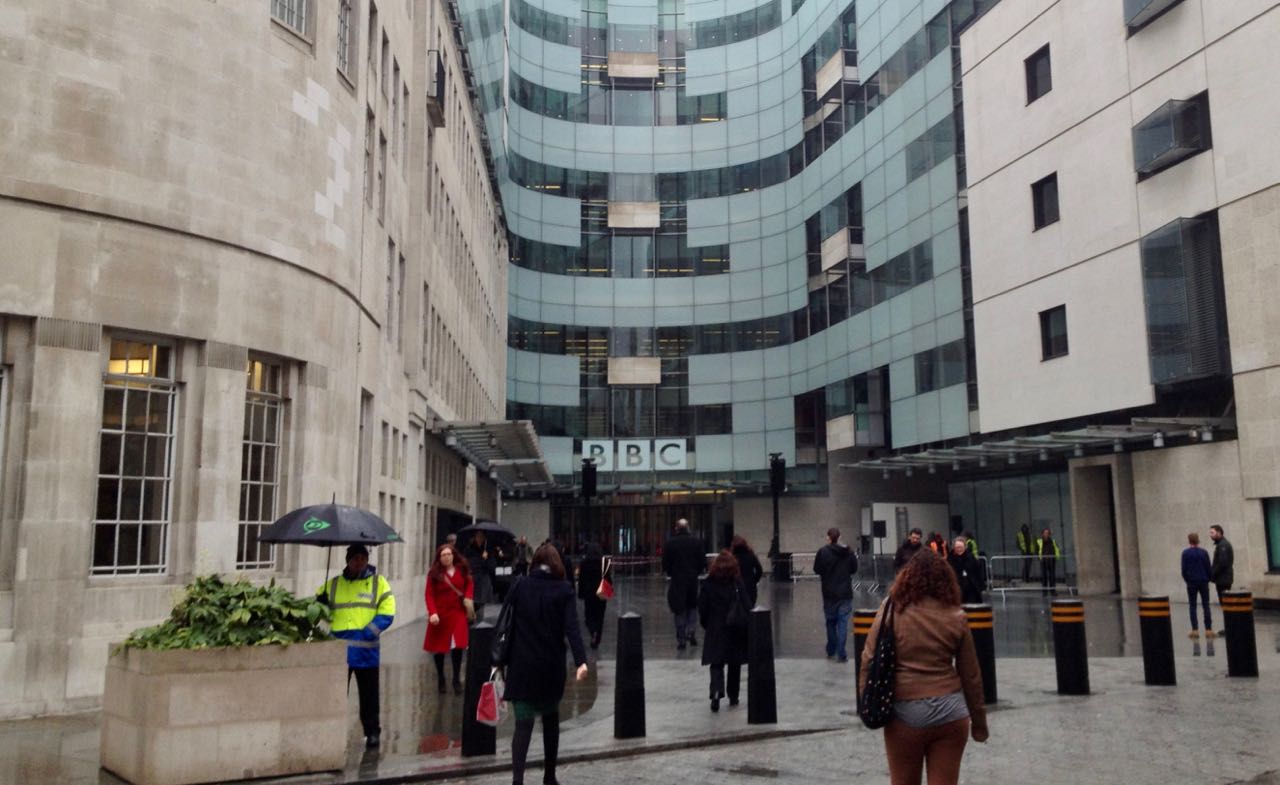
    QC Jo Maugham, director of the Good Law Project has said that they believe that the BBC’s conduct is “unlawful and discriminatory” after a backlash over its policies and guidelines on what events some of its staff members can and cannot attend, with or without permission from the corporation.

    Guidelines published on Thursday said BBC News and current affairs employees shouldn’t attend marches about “controversial issues”.

    https://twitter.com/JolyonMaugham/status/1322107275897655296

    Maugham stated that the GLP had “instructed leading and junior Counsel and intend to send a formal pre-action protocol letter”

    The Good Law Project has also asked to hear from LGBT+ employees and people who are from Black and Ethnic minorities of the corporation who would like to join their challenge.

    https://twitter.com/JolyonMaugham/status/1322107726336581632
    https://twitter.com/JolyonMaugham/status/1322118608647061505

    The BBC’s Director General, Tim Davie, who was once a councillor for the Conservative Party in Hammersmith in 1993 and 1994, was keen to stress that BBC staffers were allowed to attend prides saying that attending Pride events and said that attending a parade was possible while staying inside the guidelines, but “due care needs to be given to the guidance and staff need to ensure that they are not seen to be taking a stand on politicised or contested issues”.

  • The BBC’s Director General seeks to calm fears over staff Pride ban

    The BBC’s Director General seeks to calm fears over staff Pride ban

    The BBC’s Director General, Tim Davie stated that staff members, particularly news and current affairs staff that they should be “mindful” if they are attending events that could be “deemed political or controversial”.

    Davie then made it clear that there was no ban on attending Pride events and said that attending a parade was possible while staying inside the guidelines, but “due care needs to be given to the guidance and staff need to ensure that they are not seen to be taking a stand on politicised or contested issues”.

    What is all the controversy about?

    news reported that impartiality policies drawn up by the broadcaster included a section where certain staff members who work for news and current affairs and factual journalism could face disciplinary action if they attended events or rallies if those events are deemed too political.

    This is because the BBC expects its staff to remain politically neutral, any breach of that guideline could see staffers face disciplinary action.

    According to the i the broadcaster’s, director of editorial policy and standards, David Jordan, told senior executives on Wednesday that the new policy includes not attending “political protests”, such as Black Lives Matter events and LGBT protests.

    The paper states that according to sources who work for the BBC, this was to ensure that BBC staffers attending Pride events would not get embroiled in the “the debate around transgender rights”, according to the i.

    The paper’s reporter Benjamin Butterworth broke the story on Twitter.

    According to the BBC’s guidelines on impartiality, the issue is a little more nuanced than at first glance of the i’s story. The guidelines state,

    “People working in news and current affairs and factual journalism (across all Divisions), as set out in the Guidelines, should not participate in public demonstrations or gatherings about controversial issues.

    “As with social media activity, judgement is required as to what issues are “controversial” with regard to marches or demonstrations, though it should be assumed that most marches are contentious to some degree or other. If in doubt, advice should be sought before attending”.

    Missing the point

    QC Jo Maugham Director of the Good Law Project, who have stated that they think the BBC’s position is “unlawful” said, “I am afraid that this, from Tim Davie, completely misses the point. When he says there are issues for some staff he is saying, in effect, that it breaches impartiality rules to oppose racism, homophobia or transphobia. And we think that’s just wrong.”

    https://twitter.com/JolyonMaugham/status/1322151703924346881

    Lord Michael Cashman reacted to the DG’s statement by saying that it “has many holes in it”, adding, “It could be argued Pride, Black Lives Matter, against bloodsports are ‘political’. Legally challengeable, in my opinion. We will be watching this and the new ‘tenants’ at the BBC very carefully.”

    Read the entire email to staff from Tim Davie here:

    Impartiality guidance: Pride

    Dear all,

    Thank you for your support in rolling out the editorial guidance on impartiality yesterday. This new guidance, and the rules around social media activity, are significant steps in renewing our commitment to impartiality and securing the trust our audience have in us.

    There is one specific issue where I want to make sure that there is no room for misinterpretation, following inaccurate commentary and some feedback from staff – which is the ability to participate in Pride parades. There is no ban on attending Pride parades.

    The guidance that we published yesterday made it very clear that staff outside of news and current affairs and factual journalism may attend marches, demonstrations and protests as private individuals. I have copied below the relevant extract of the guidance for reference.

    There are different considerations for staff who work in news and current affairs and factual journalism (and senior leaders) but I want to be clear that there is no issue for these staff attending community events that are clearly celebratory or commemorative and do not compromise perceptions of their impartiality.

    If news and current affairs staff are participating in such events they must be mindful of ensuring that they do not get involved in matters which could be deemed political or controversial. There is no ban on these staff attending Pride events. Attending Pride parades is possible within the guidelines, but due care needs to be given to the guidance and staff need to ensure that they are not seen to be taking a stand on politicised or contested issues.

    Protecting the BBC’s impartiality is core to everything we do. We must ensure that we avoid doing anything that endangers audience perceptions of the BBC’s impartiality and to protect the ability of staff in news and current affairs to report fairly and impartially.

    Do drop me a line if you have any questions about this, or speak to your manager.

    Best wishes,

    Tim

    Tim Davie
    Director-General

  • BBC causes outrage after reports that staff are “banned” from attending Pride events under new guidelines

    BBC causes outrage after reports that staff are “banned” from attending Pride events under new guidelines

    The BBC has faced a huge backlash online after it was reported that some staff who attend events such as Pride, could face disciplinary action, including being suspended.

    i news reported that impartiality policies drawn up by the broadcaster included a section where certain staff members who work for news and current affairs and factual journalism are effectively banned from attending events such as Pride or Black Lives Matter rallies if those events are deemed too political.

    This is because the BBC expects its staff to remain politically neutral, any breach of that guideline could see staffers face disciplinary action.

    According to the i the broadcaster’s, director of editorial policy and standards, David Jordan, told senior executives on Wednesday that the new policy includes not attending “political protests”, such as Black Lives Matter events and LGBT protests.

    The paper states that according to sources who work for the BBC, this was to ensure that BBC staffers attending Pride events would not get embroiled in the “the debate around transgender rights”, according to the i.

    The paper’s reporter Benjamin Butterworth broke the story on Twitter.

    According to the BBC’s guidelines on impartiality, the issue is a little more nuanced than at first glance of the i’s story. The guidelines state,

    “People working in news and current affairs and factual journalism (across all Divisions), as set out in the Guidelines, should not participate in public demonstrations or gatherings about controversial issues.

    “As with social media activity, judgement is required as to what issues are “controversial” with regard to marches or demonstrations, though it should be assumed that most marches are contentious to some degree or other. If in doubt, advice should be sought before attending”.

    Social media reacts

    As of this morning (30th October), there have been over 117,000 tweets which include “The BBC” and “Pride is also trending on the platform.

    Social media exploded in criticism of the policy, with many people vowing to cancel their TV licenses or write to the corporation to make a complaint.

    Matthew Hodson, the Exec. Director of AIDS Map wrote,

    “‘I’m always banging on that the LGBTQ+ rights we now enjoy, the rights we fought for, can be taken away. This is what that process looks.”

    Lord Michael Cashman, former EastEnders star said that he would pursue the ban with “vigour and utter determination” if the BBC hadn’t issued “a full, frank and specific rebuttal” of the reports.

    https://twitter.com/mcashmanCBE/status/1321926176420626432

    Whistleblower, Chris Whiley wrote, “What is wrong with the BBC? My identity is not a partisan affiliation. My identity is not up for debate. Being LGBTQ is a protected status under the Equality Act 2010, which our public broadcaster must uphold. This is beyond absurd.

    Actor David Paisley who currently stars in a BBC programme hit out at the policy saying,

    “The BBC’s new social media guidance says that the “use of emojis can – accidentally, or deliberately – undercut an otherwise impartial post”

    THEGAYUK reached out to the BBC press office for comment.

    *This story has been updated to add a quote from the BBC’s guidelines on impartiality.

  • When is Red Ribbon Day 2020 and what does it stand for?

    When is Red Ribbon Day 2020 and what does it stand for?

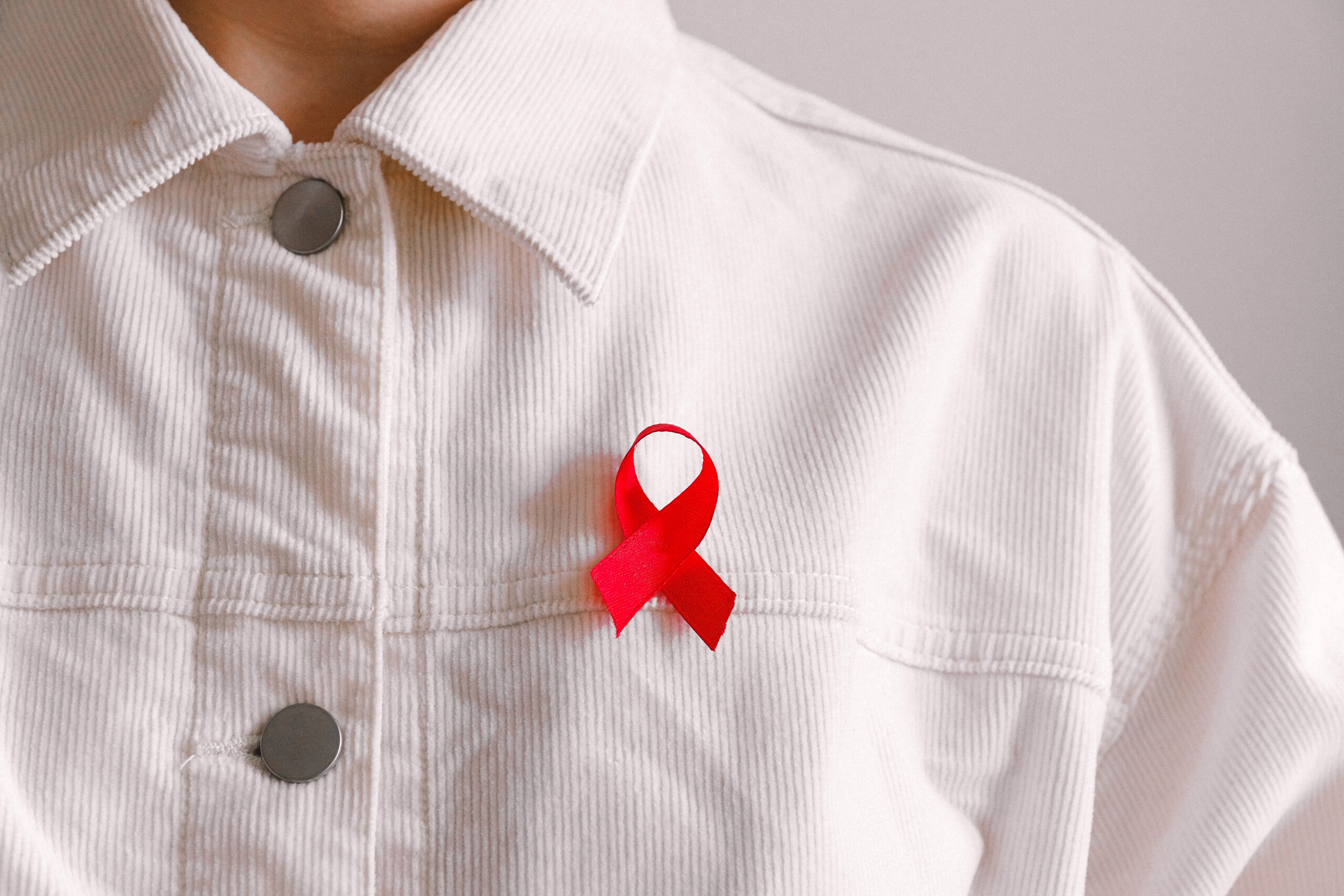
    There are few symbols as widely used as the famous red, crossed ribbon worn on the lapels of many people during December, but what does it mean and why do people wear it?

    The strong, vibrant red, a symbol that has become synonymous with every 1st December, was designed in 1991, since then the 1st of December has become known as World AIDS Day and is marked every year.

    A decade after AIDS began its stranglehold, decimating communities and revealing a woeful response from governments around the globe, a coalition of 12 artists gathered to devise a plan to raise awareness for Visual Aids, a New York arts organisation which raises awareness of HIV.

    The 12 people consisted of photographers, painters, filmmakers and costume designers. After a short collaboration they came up with the striking, but simple idea of the red ribbon, inspired by the yellow ribbons tied on trees at the time, to denote support for US military fighting in the Gulf war.

    Pink and rainbow colours were rejected because of their association with the LGBT community, and the designers were keen to show that HIV went beyond gay people and could potentially affect everyone.

    The red ribbon logo became recognisable across the globe

    The ribbon is worn to signify awareness and support for people living with HIV.

    According to WorldAIDsDay.org, “When the artists sat down to work on this project, their aim was to get people talking about HIV. This was during a time where HIV was highly stigmatised and people living with HIV were suffering behind closed doors, some too scared to even tell their loved ones they were living with the virus. The artists wanted to create a visual expression of compassion for people living with, and affected by, HIV.’

    “In the very beginning the artists made the ribbons themselves and distributed them around New York. ‘Within weeks of the red ribbon idea being born, world-famous actors starting wearing the red ribbon to high-profile award ceremonies such as the Oscars and talking about why it was important. The media also cottoned on, and within a short space of time the red ribbon symbol became universally recognised”, Explains the website.

    The red ribbon is used to promote awareness and support

    OpenClipart-Vectors / Pixabay

    In our interview with David France, director of How to Survive A Plague told us,  “In one of the worst moments we ever faced we rose above it. We took care of each other. It was extraordinary and beautiful”.

    Where can you buy the red ribbon from?

    To support the causes that the red ribbon is there to promote, it’s always best to buy directly from the National AIDS Trust where they have an amazing variety of Red Ribbon products or from WorldAIDSDay.org. This year to help raise money during the Coronavirus pandemic, organisers are sending out a 100 free red ribbons to help people raise much-needed funds for the cause. Organisers are asking that people who want to fundraise pledge to raise at least £15 to cover the cost of the ribbons and postage.

    New for 2020, National AIDS Trust, the UK’s HIV rights charity has teamed up with the charitable shopping app Kindred to create a range of products raising HIV awareness as they call on the public to #RockTheRibbon

    From stylish organic cotton t-shirts adorned with the iconic HIV awareness red ribbon to handy travel cups, the collection gives shoppers the chance to show their solidarity for people living with HIV this World AIDS Day. Money raised from the sale of products will support the vital work of the National AIDS Trust.

    The main mission behind this collaboration is to help stop HIV from standing in the way of health, dignity and equality and put an end to new transmissions. 

  • Laurence Fox: “Trans women are biological men”

    Laurence Fox: “Trans women are biological men”

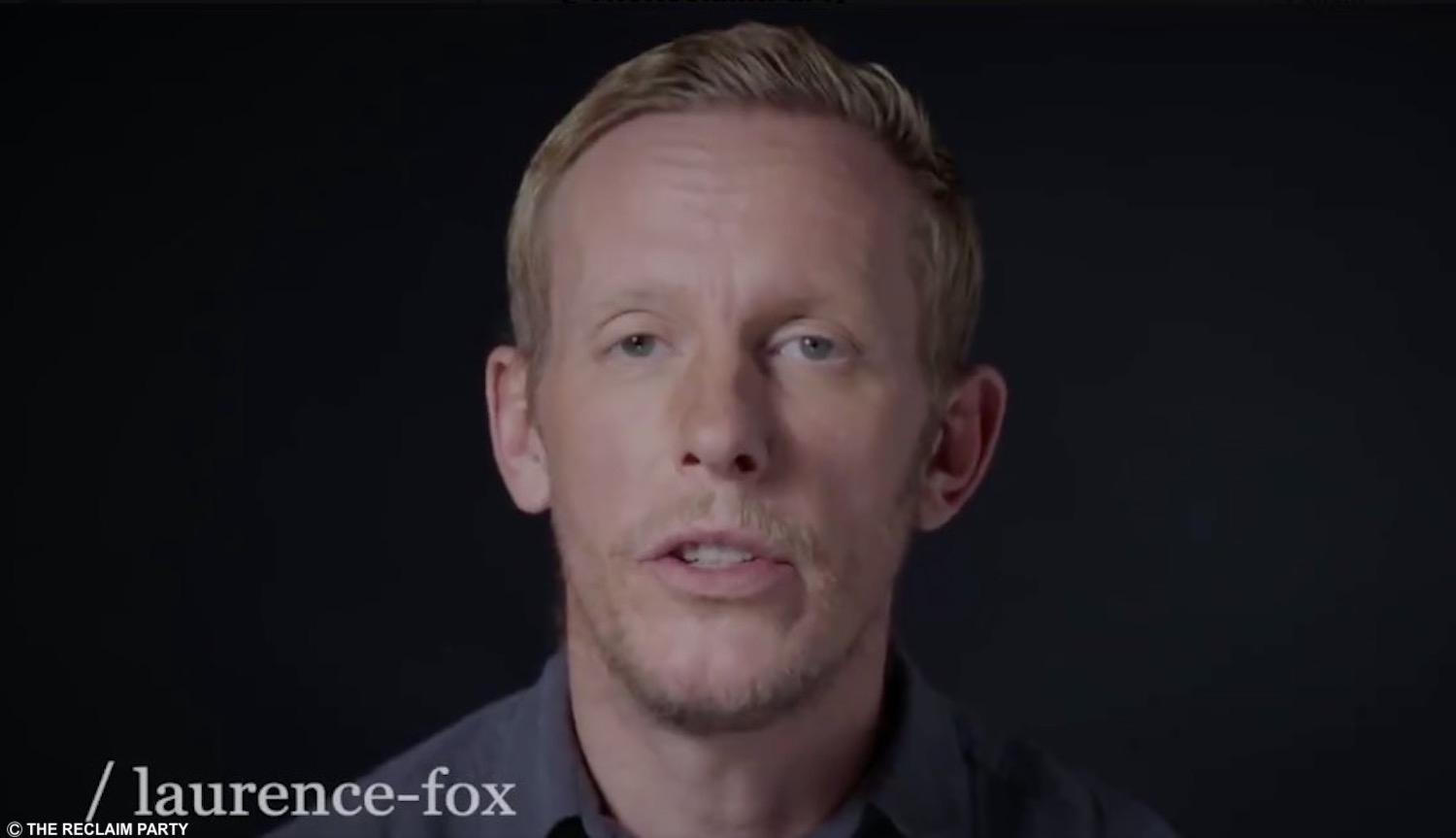
    Laurence Fox, who recently called numerous LGBT+ people paedophiles on Twitter has waded into another LGBT+ issue; whether transgender people are biologically men or women.

    Seemingly for no reason, (as he was originally calling on people to resist the government’s lockdown policies) actor turned politician Laurence Fox waded into a debate on whether trans women are women after being asked by one user of Twitter, “Do you agree that trans women are women?”.

    He answered the question in the negative, saying, that he believed that trans women are biological men. “They are not biological women and never will be”.

    https://twitter.com/LozzaFox/status/1320401214165712898

    The question came from a Twitter user Perky Warbeck.

    He also called on the BBC to be defunded after the corporation used its platform to educate children on the importance of gender identity and pronoun usage.

    ‘The world is against trans people’

    Celebrity Big Brother star and journalist India Willoughby responded to Fox’s tweet, saying “I’m a woman. I’m biological. I didn’t choose this. I’ve had to walk through fire to put things right. Merely existing is tough. We have nothing. The whole world is against us.

    “Anyone offering a pat on the head or conditional acceptance after what I’ve been through can jog on.

    “Lost count of how many non-trans people insist that can’t possibly be so. Based on what? Their own life experience? Born in the wrong body is definitely a thing. Wires get crossed. It’s frustrating and disorientating. Nothing fun or titillating about it.

    “Trans people literally can’t win. If you’re a kid they campaign to deny treatments to “protect” you. But become an adult and have the treatment anyway, and the same “protectors” will attack.”

    https://twitter.com/IndiaWilloughby/status/1321069956725940225
  • The Council of Europe is conducting a “fact-finding” mission of LGBT+ issues faced in Poland… Finally

    The Council of Europe is conducting a “fact-finding” mission of LGBT+ issues faced in Poland… Finally

    After years of reports of how bad things have gotten for LGBT+ people in Poland, the Council of Europe, the continent’s “leading human rights organisation” is to send an investigation team on a “fact-finding” mission to find out about the issues facing LGBT+ people in the country.

    LGBT+ people living in Poland have become increasingly targeted because of their sexuality and gender identity. The country recently reelected the EU’s most homophobic leader, Andrzej Duda, who, as part of his election strategy, used anti-LGBT+ rhetoric in his campaigning.

    Polish MPs requested the mission

    The mission, according to the Council of Europe has been organised after members of the Polish parliament requested it, after increasing attacks and discrimination against gay, lesbian, bi and transgender people.

    The delegation, which will investigate on the 2nd and 3rd November will meet with various Polish authorities including: Hanna Gill- Piątek, Coordinator of the Parliamentary Intergroup on Cities, Krzysztof Śmiszek, Chairman of the Parliamentary Intergroup on Equal Rights of LGBT+ Community, Adam Bodnar, Commissioner for Human Rights, Anna Schmidt-Rodziewicz, Government Plenipotentiary for Equal Treatment from the Ministry of Family, Labour and Social policy, and MEP Robert Biedroń, founder of the Campaign Against Homophobia (KPH).

    flag of poland
    Photo by Kaboompics .com on Pexels.com

    Meetings with local and regional governments include Rafał Trzaskowski, Mayor of Warsaw, Nina Gabryś, Chair of the Council for Equal Treatment of Krakow, Witold Kozlowski, Marshall of the voivodeship of Lesser Poland, Jaroslaw Stawiarski, Marshall of the voivodeship of Lublin, Paweł Okrasa, Mayor of Wieluń, Zygmunt Frankiewicz, President of the Association of Polish Cities, and Olgierd Geblewicz, Chairman of the Executive Board of the Union of the Provinces of the Republic of Poland.

    Representatives of several NGOs, namely, Lambda Warsawa, Lublin Equality March Association, Love Does Not Exclude, Tęczowy Białystok, Trans-Fuzja and Atlas nienawiści have also been invited to meet with the Delegation.

    Reminding governments of their responsibilities

    The results of the fact-finding will be brought to the attention of the Congress and other bodies. They will also provide input for the Congress report on “the role and responsibilities of local governments in protecting LGBTI+ persons”.

    The Council Of Europe has 47 members, 27 of which, including Poland are in the EU.

  • One of Birmingham’s most famous LGBT+ bars to close thanks to devastating COVID restraints

    One of Birmingham’s most famous LGBT+ bars to close thanks to devastating COVID restraints

    Another LGBT+ bar has said it is to close after trading in 2020 became unsustainable due to the ongoing coronavirus pandemic and the restrictions imposed by the government to try and curb the rising infections.

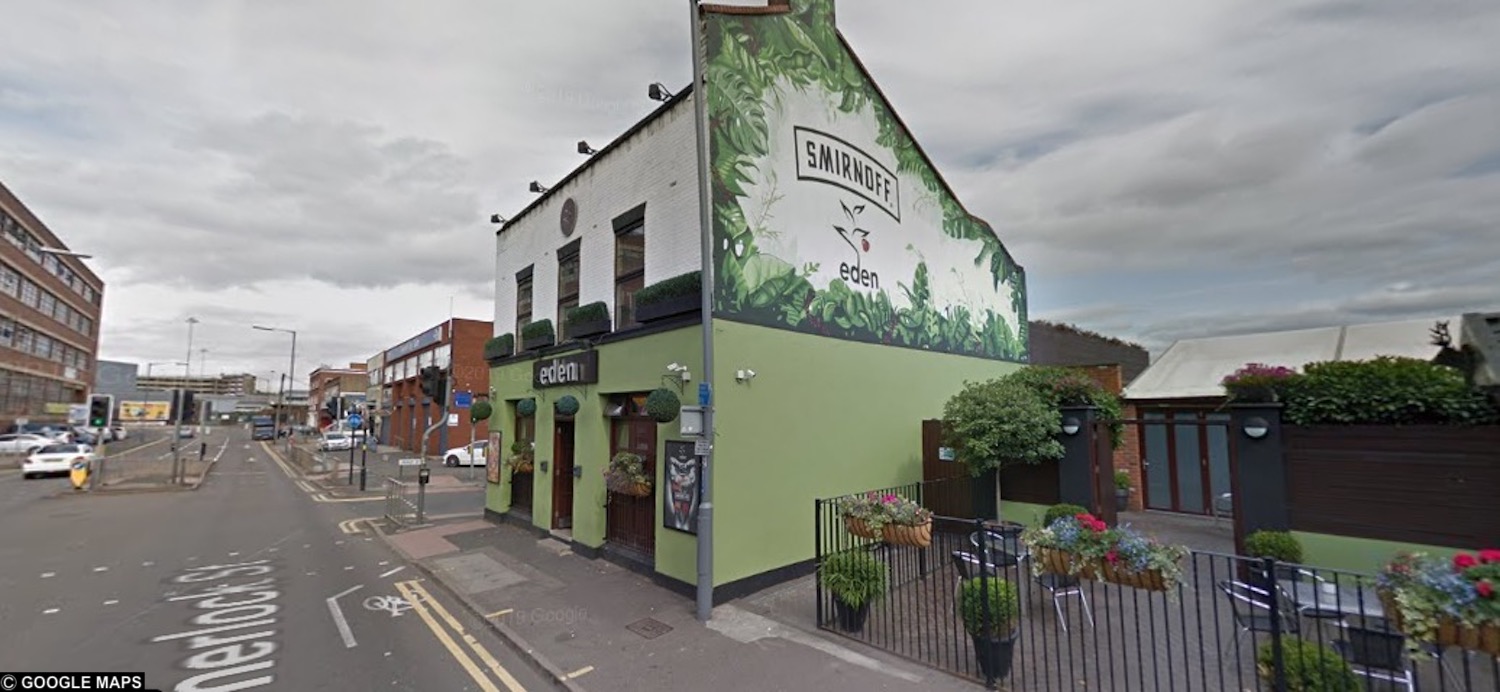
    Eden Bar in the heart of Birmingham‘s gay village wrote an emotional goodbye post on social media saying that it was closing with its last day of trading on the 24th October.

    The owners outlined how the government’s response to the pandemic had stretched many businesses, like theirs, beyond their limits, saying,

    “Like many small businesses, 2020 has stretched Eden beyond belief. A reduced capacity to 25% then further reduced to 10% under Region Tier 2, heavy staff costs due to the ongoing changing government guidelines, the recent 10 pm curfew and an imminent Region Tier 3 lockdown, has meant we have decided to bite the bullet, making this drastic commercial decision.”

    Closures across the Midlands due to COVID

    Eden had hoped that 2020 would be its most successful year to date and had plenty of events planned, which all had to be cancelled. It had also opened a new venue called Sherlocks in Blackpool, which they have had to “inject finance into… in order to stay afloat, despite adapting to the “new normal”

    Eden is not the only Midland’s LGBT business which has had to close. Very early on, Nottingham’s last LGBT+ nightclub, Propaganda shut and last month, Midlands Zone, the region’s LGBT print media also closed its doors.

    Hope on the horizon

    The statement, however, did state that the owners would be looking for new premises. They continued,

    “Our focus now is to look to the future with positive eyes, and wait for the pandemic to calm, albeit months. It has always been our long term plan to find alternative premises, therefore, once the pandemic calms, we will be taking active measures, looking for other premises in Birmingham, which we feel would be suitable for a ‘New Eden’

    “What is important, is that Eden’s closure is not clouded by COVID but instead, is celebrated for its fantastic atmosphere and countless acts and events, which have graced Eden over the last 13 years”.

    Read the full statement here:

    After careful consideration, it is with great sadness that we have to announce, Eden will be closing its doors for business, on Saturday 24th October 2020, at 10 pm. Like many small businesses, 2020 has stretched Eden beyond belief. A reduced capacity to 25% then further reduced to 10% under Region Tier 2, heavy staff costs due to the ongoing changing government guidelines, the recent 10 pm curfew and an imminent Region Tier 3 lockdown, has meant we have decided to bite the bullet, making this drastic commercial decision.

    Understandably, the fear of COVID is apparent, despite huge efforts to ensure a safe environment, making current conditions none financially viable. 2020 was set to be our best year, with many new events booked, the planned closure of Lower Hurst Street for “The Eden Pride Street Party” and the opening of Sherlock’s Blackpool. Instead of this anticipated bumper year, each week we have had to inject finance into the business in order to stay afloat, despite adapting to the “new normal”, being at full capacity and having to refuse entry. We have all worked so hard to try and make it work, but it is now apparent, we can no longer sustain this form of attack, without jeopardising Eden’s long term future.

    Even today’s government announcement is just too little too late. Sadly, now we have to remove emotion and let common-sense prevail. We can only give so much until there’s nothing left to give. Our focus now is to look to the future with positive eyes, and wait for the pandemic to calm, albeit months. It has always been our long term plan to find alternative premises, therefore, once the pandemic calms, we will be taking active measures, looking for other premises in Birmingham, which we feel would be suitable for a “New Eden”.

    It is not the bricks and mortar which makes Eden so special. Its a collection of people including our customers, fantastic staff, DJs, entertainment and those who work behind the scenes which share our vision. It is this vision which we believe can be transferred to another venue, once the pandemic calms.

    We see this as an opportunity to take stock of the business and come back stronger and fighting fit. In short, Sherlock’s will still go ahead next year, hopefully, once government guidelines are relaxed. For Eden, as stated, our plan is to look for alternative premises in Birmingham and re-establish, once we are in a position to.

    Putting the breaks on now will give us the opportunity to do this, protecting the Eden brand and future business, instead of trading at below breakeven using additional finance as a crutch, putting our long term future at risk. What is important, is that Eden’s closure is not clouded by COVID but instead, is celebrated for its fantastic atmosphere and countless acts and events, which have graced Eden over the last 13 years.

    Too many to mention individually, but we’re sure you all have your favourites, along with fond memories. We would like to thank all our staff, DJs, entertainment, community groups and customers, in particular those whom have continued to support Eden post lockdown, when we needed you most.

    We look forward to welcoming you all back once we are in a position to, along with the opening of Sherlock’s Blackpool next year. So please watch this space for our next chapter. Tickets for our final night will go on sale tonight at 7.30 pm. To open the night we have the fantastic Fanny Burns. There is however only one person who can close this current era, and that’s the fabulous La voix.

  • Eyes are your most important feature when it comes to online dating

    Eyes are your most important feature when it comes to online dating

    A new study has found that eyes are the most important feature when it comes to getting hooked up online.

    The eyes are definitely the window to a soul-mate – with four in 10 singletons naming them the most important tool in the online dating game.

    Although most are dating from behind a screen these days, a poll of 1,000 adults found 43 per cent flirt with their eyes more on a virtual date than they would in real life.

    A further 44 per cent feel more comfortable making ‘eye contact’ when dating online – which subsequently increases feelings of attraction and connection by half (49 per cent).

    Don’t hold someone’s gaze for longer than 9 seconds!

    But nine seconds was found to be the optimum time to hold eye contact in order to make a connection, with 52 per cent feeling anything longer comes across as ‘creepy’.

    It also emerged that three in 10 make more effort to hold someone’s gaze on camera to make sure their interest isn’t missed.

    The research was commissioned by Virgin Media, which has teamed up with body language specialist Adrianne Carter, to offer guidance to singles looking to make lasting connections online.

    Adrianne Carter said: “If you can master the right flirting technique using eye contact online, you’re already halfway to getting a second date.

    “When we’re separated by a screen, we have fewer cues to rely on to ascertain if we’ve made a true connection with a date, or if they just want to turn us off – literally.

    “When we are into someone, our subconscious sees us instinctively mirror their behaviours, looking away from the screen to check we’re holding our date’s interest and gazing back into their eyes.”

    The study also found that with digital dating ruling out traditional body language cues that convey interest, more than two fifths of singletons claim facial expressions are more important than ever when flirting, and in working out if dates have potential to progress to something more.

    Cheeky winks are the way

    Flirty looks (37 per cent) and a cheeky wink (17 per cent) also ranked as sure-fire ways for daters to tell if a new beau-to-be is into them.

    But 22 per cent said looking down could signal a premature end to a budding romance, along with avoiding the camera – or eye rolling.

    As well as using their eyes to flirt, 48 per cent of digital daters admitted to deliberately avoiding eye contact if they are uncomfortable.

    While 37 per cent of those polled via OnePoll do so as they don’t want to lead them on by appearing too into them.

    Virgin Media’s spokeswoman Cilesta Van Doorn added: “When we can’t all be physically close to each other easily, connecting online is more important than ever.

    “It’s been fascinating to see the important role the eyes play in helping us to make genuine connections with each other, even when we might be separated by a screen.

    “By sharing our digital guide, created with the expert help of Alix Fox and Adrienne Carter, we’re helping people across the UK keep those special relationships as fresh and stimulating as the first time they connected”.

    TIPS ON VIRTUAL DATING FROM ADRIANNE CARTER

    Perfect your online eye gaze

    (C) BIGSTOCK


    Although you’re behind a screen, eye contact online should be made in the same way it is physically; by looking into the person’s eyes.

    Focus on their eyes and face area when you’re on a video date – don’t look into the camera.

    By doing that you won’t actually be looking at your date’s face, meaning you’ll miss cues – such as eye flirting and their reactions to questions – and it will be harder to make a genuine connection.

    Look, look, and look again
    There’s an easy trick you can try to see if your virtual date is feeling your vibe.

    Look at their face on the screen and then look away to the left – repeat this three times.

    If your date’s still looking at you when your gaze returns to the screen, then they’re interested.

    Let’s have a show of hands
    Traditional body language indicators of interest aren’t possible on a video date, as you’re usually only visible from the shoulders up.

    Alongside our eyes, the way we hold ourselves and the gestures we use convey emotion and aspects of our personalities.

    Using lots of open gestures denotes an expressive and open personality, whereas suppressed and contained hand movements indicate a quiet and low-key personality type.

  • TODAY IN GAY | Justin Fashanu comes out as gay

    TODAY IN GAY | Justin Fashanu comes out as gay

    Back in 1990 Footballing champ, Justin Fashanu became the first ever footballer of a Top Tier team to come out as gay.

    Not only that, but he was the first black player to breach the £1 million price tag for a footballer.

    He came out in an interview with The Sun, under the headline ‘£1m soccer star: I am GAY.’

    Embed from Getty Images

    However, sadly Justin died in 1998 when he killed himself.

    Peter Tatchell, who was a “close personal friend” of Justin between 1981 and 1985 said,

    “Justin was the first black player to be bought by a club for £1 million and the first widely known black person in Britain to come out as LGBT+. Other black personalities had previously come out, but none had Justin’s high profile and national name recognition.

    “Justin came out in The Sun newspaper, under the headline: ‘£1m soccer star: I am GAY.’ He said he wanted to stop ‘living a lie’ and was distressed by the suicide of a 17-year-old who’d been thrown out of his family home by homophobic parents. He wrote in the book, Stonewall 25: ‘I felt angry at the waste of his life and guilty because I had not been able to help him. I wanted to do something positive to stop such deaths happening again, so I decided to set an example and come out in the papers.’

    His brother, fellow footballer John Fashanu, disowned Justin in the black newspaper, The Voice: ‘John Fashanu: My gay brother is an outcast,’ ran the headline. John later admitted to offering Justin £75,000 to stay quiet and keep his sexuality secret. He told the Daily Mirror: ‘I begged him, I threatened him, I did everything I could possibly do to try and stop him coming out…I gave him the money because I didn’t want the embarrassment for me or my family.’

    “Justin told me he was heartbroken by what he described as the ‘terrible’ things John said about him. He never got over what he saw as betrayal by the brother he loved,” said Mr Tatchell.

    The reaction of the wider black community was just as bad. His coming out was condemned by the Voice as “an affront to the black community…damaging…pathetic and unforgiveable.”

    “We heteros”, wrote Voice columnist Tony Sewell, “are sick and tired of tortured queens playing hide and seek around their closets. Homosexuals are the greatest queer-bashers around. No other group of people are so preoccupied with making their own sexuality look dirty.” Sewell only very recently apologised for those comments.

    “Even if (Justin) Fashanu had chosen to come out in The Voice rather than The Sun, I doubt his reception would have been any more sympathetic,” noted Gay Times media columnist, Terry Sanderson, at the time. “Rejection by his own community was profoundly damaging to him.”

    Although Justin later said that he “never once regretted” coming out, the hostile reaction from many in the black community hurt him deeply.

    Mr Tatchell continued, “He told me that since black people knew the pain of racial prejudice and discrimination, he expected they’d be understanding and supportive. Some were, but many denounced him for bringing ‘shame’ on their race. As far as I recall, not a single black public figure supported his coming out or condemned the Voice and others in the community who denounced him. Justin later told the Voice: ‘Those who say that you can’t be black, gay and proud of it are ignorant.’

    “Justin was blindsided by the backlash and the ‘heavy damage’ that coming out inflicted on his football career. He received homophobic abuse from some fans.

    Embed from Getty Images

    “Like many black footballers in those days, he was subjected to racist taunts by fans from rival teams. They would make monkey noises and gestures, and throw bananas onto the pitch. But it was anti-gay prejudice that ultimately dragged him down.

    “’A bloody poof!’ is how his manager at Nottingham Forest, Brian Clough, described his star player. Although Justin laughed this off, Clough’s sneers hurt inside, making it hard for him to concentrate on scoring goals.

    “Justin became erratic and unpredictable, on the pitch and off it. His sometimes bizarre, indefensible behaviour can only be fully understood in the context of a potentially brilliant football career cut short, largely by homophobia.” said Mr Tatchell. 

    READ / BUY: Justin Fashanu’s Biography by Jim Reed