Hang out in the area and see who’s about. If someone catches your eye, give a little cough to let him know you’re interested. Be wary of non-cruisers and dog walkers. Action happens in the woodland.
[adinserter block=”13″]
[adinserter block=”13″]
Look out for toilet attendants and other users. Head to the last cubicle and quietly cough to see if anyone’s inside. If you’re in the cubicle and want some company open the door
[adinserter block=”13″]
[adinserter block=”13″]
[adinserter block=”13″]
[adinserter block=”13″]
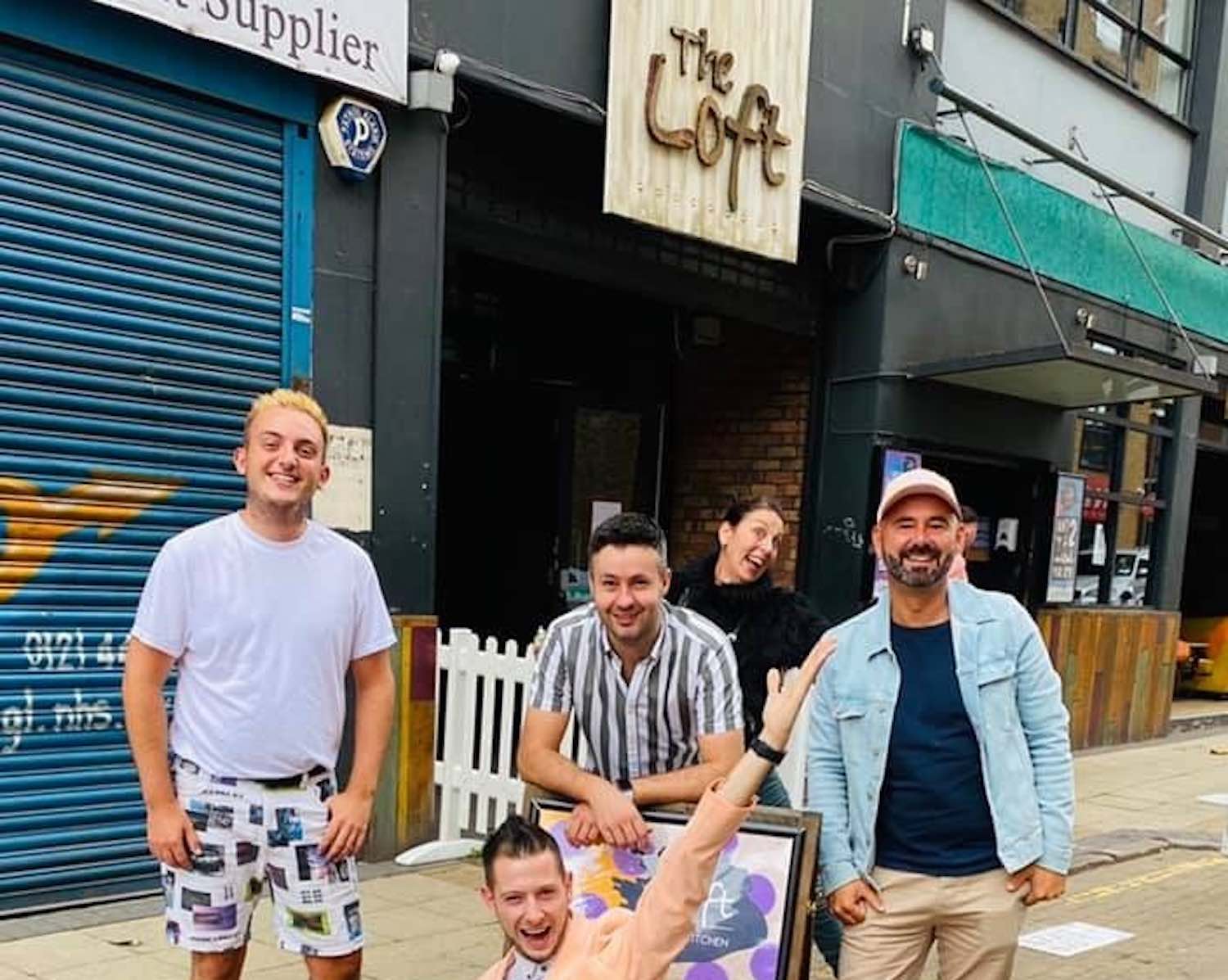
It seems as though people were out enjoying the gay scene over the weekend as one owner of a string of LGBT+ venues in Birmingham city centre spoke about the road to recovery for the sector.
The majority of the UK’s pubs and bars have been on lockdown due to the ongoing Coronavirus pandemic for over 100 days and many are desperate to open in order to stay financially viable. As lockdown restrictions eased in England last weekend, the streets were filled with eager punters looking to enjoy a bit of normality.
Lawrence Barton who owns three Birmingham venues (The Loft, The Village Inn and The Nightingale Club) and who is also the Festival Director for Birmingham Pride, spoke about how encouraged he feels after one of his venue’s takings were “in line with those of an average Saturday pre-lockdown”.
Speaking about trading conditions, Barton told THEGAYUK
“In spite of restrictions on customer numbers, volume of music, social distancing and a strict no bar service, one of our venues had takings that were in line with those of an average Saturday pre-lockdown. Meanwhile, despite takings at The Village Inn being fifty-five per cent down on pre-lockdown levels, these were in line with our forecasts.
“Reports in the media and elsewhere of widespread flouting of public health rules and requirements were not reflected here in Birmingham. I was enormously encouraged by the responsible behaviour demonstrated on the part of patrons in adhering to social distancing requirements and the pragmatic approach police adopted in ensuring adherence.
“I am confident that yesterday marks the start of a long road to recovery for both the sector and our economy as a whole.”
Also commenting, Andy Street, Mayor of the West Midlands, said,
“Last night was very encouraging for the region’s hospitality sector, and I want to thank the vast majority of people who followed social distancing guidelines and behaved very responsibly.
“There is no question that it is a long way back, but last night will help to give people confidence that they can safely enjoy a trip to a restaurant or pub.
“We have seen how dangerous this virus can be and, as we slowly ease lockdown measures, everyone must continue to follow the Government guidelines and keep up the basics of hand washing and social distancing.”
Ms Johnson was a drag performer and LGBT+ activist and usually used female pronouns for herself, but also referred to herself as “gay, as a transvestite or simply as a queen” She was a well-known character in the New York Greenwich district and is widely considered to be a key figure in the Stonewall Riots of June 1969.
She was heavily involved in the advocacy of AIDS patients and homeless LGBT+ folx.

In 1992 Ms Johnson went missing on the 4th July, two days later her body turned up in the Hudson River, New York. Police and an autopsy ruled her death a suicide, but friends and relatives believe that she would never end her own life.
The authorities, under pressure from the community, reclassified her death as “death to drowning from undetermined causes”.
In the David France documentary film, The Death and Life of Marsha P Johnson, her death and its possible causes are discussed as large (available to stream on Netflix)
Was her death an accident, suicide or something more sinister? This is the question that activist and crime victim advocate Victoria Cruz from the New York Anti-Violence Project has set out to determine as she launches her own investigation into the death of one of New York‘s most prominent LGBT figures.
As the end in sight for the great lockdown of 2020, it’s an anxious and nervous time for everybody. We have to figure out safe ways of coming out of our cocoons and start to navigate this new normal that we face ourselves with.
The so-called “new normal”. Urgh. This phrase has haunted me for the last 15 weeks; I don’t want a new normal – I want the old normal back with the life I had pre-COVID. I want to go back to a nightclub and get hot and sweaty with a crowd of people that I don’t know. Be that anonymous person that I once was.
Whereas for most of us key workers, we have continued to work throughout the pandemic, we have had the luxury of the of being able to work from home. For me, this means that my bedroom has been turned into a make-shift office. Not an ideal situation for anybody is it?
Rest bite has arrived this week, however, as I was lucky enough be allowed to move back into the office to continue working from there. I was quite anxious about it all. I hadn’t been anywhere in the last fifteen weeks, so the thought of social interaction was also quite daunting. Two days in, however, and it feels as if normality has been restored in certain ways. Back into the daily commute, albeit with a face covering, and the same old office banter that previously prevailed. Getting up at 6.30 am for the first time in 15 weeks was a real struggle and having to physically dress to something more than a pair of comfy joggers and actually doing my hair to a reasonably presentable state to leave the house. It certainly made me feel a lot better for doing all these things and getting myself back out in the world. The first couple of days has given me a bit of a confidence boost that I need to start getting my life back to some normality; or in-fact this new normal!
The one thing that I have missed during this lockdown is intimacy. Being the lonely singleton that I am, a weekend isn’t complete without a drunken Grindr hook-up at some ungodly hour. I’ve been scared to do that during the lockdown, and I have made a conscious effort to avoid it. I’m now at a place where I am ready to maybe try something. Dip my toe back in, so to speak.
During the lockdown, I have had a few conversations with friends about their forays into sexual interaction throughout the pandemic and nearly everybody that I had spoken to had abstained. This got my thinking into whether the lockdown is going to provide the best opportunity to break the chain of infection of HIV within the community.
The Terrance Higgins Trust and Sexual Health Clinic 56 Dean Street uncovered research that 84% of people were abstaining from sex outside of their immediate household because of the COVID-19 lockdown. The same research also shows that whilst eight in ten people are going to forgo meeting for sex, nearly one in five (19%) said they wouldn’t continue or were not sure as lockdown enters its third month. This survey of over 800 UK adults also found that prior to lockdown; “almost half (42%) would have one sexual partner a month, while a third (35%) would have between two and five partners and 8% usually have more than five partners in that period”.
Ian Green, Chief Executive of Terrence Higgins Trust, said: ‘This is an incredible opportunity to break the chain on HIV infection and help move us further forward in achieving our goal of ending HIV transmissions in the UK within the next decade. National HIV Testing Week is every November, but we need to act now because this chance won’t wait and won’t come around again.
‘It’s estimated that around 7,500 people in the UK are living with undiagnosed HIV, which is bad for their health and means they may unwittingly pass it on. If everyone is able to use their time in lockdown to get tested and know their HIV status, we can ensure something really good comes out of the devastation of the COVID-19 crisis.’
I reached out to Greg Owen, PrEP Activist and co-founder of the iwantPREPnow website, and he explained; “I think it’s clear from this small data set and from what we know about human nature to establish that this hiatus in sexual activity across our community is just that, a temporary measure. It cannot be sustained, nor should it be. Sex, intimacy, connection and pleasure are basic human needs for most people and I’d like to think we will gradually return to enjoying those things and celebrating them again once restrictions are eased further.
“Of course, not everyone has managed to adhere to the lockdown instructions, and we need to be mindful of those people too. It’s important we don’t feed into a culture of finger-wagging and shaming. That type of approach has never worked and will never work. We learned that only too well in the darker days of the HIV/AIDS crisis. Instead, we need to encourage people to be honest. Safe in the knowledge that they will not be judged and offer them the support, advice and services they require.
“It will be some time before we have solid and robust data on what impact the COVID-19 lockdown has had on HIV rates. What we can say is lockdown has provided people with the time and opportunity to test. Not just for HIV but for all other STIs too. It has prompted Terrence Higgins Trust and community organisations and service providers to increase the capacity for home testing, which is a great thing.
On the subject of testing and diagnosis, Greg went on to explain; “We might see a spike in STI diagnoses in the coming weeks as clinics begin to re-open and more people step forward to test. We might also see that drop-off and fall as those who haven’t had sex in lockdown start to attend their regular check-ups and return negative results.
“We’ve made a commitment to end new HIV transmission in this country by 2030. We are well on the way to doing that. We have everything we need to make this a reality. The four cornerstones of this will be regular testing. Treatment for anyone who is diagnosed with HIV, supporting them to become undetectable, which mean they can’t pass on HIV, condoms and finally, making PrEP free and easily accessible to all who need it. This all begins with education. There are exciting times ahead. COVID-19 will pass and we will begin the process of reconnecting.”
As a community which has been ravaged by the stigma of HIV, this statement is a welcome sign that we are well on our way to ending new HIV transmissions across the country. The COVID-19 lockdown has proven a great time for us to do so. I’m looking forward to seeing the data that comes from it in due course. This lockdown has provided us with a golden and rare opportunity to break the chain in this disease which has had a profound effect on so many of us.
One thing that the Greg told me, that stuck with me is that we must move away from the culture of blame, finger waging and shaming people for their choices. Gay men especially are often quick to pass judgement. I’ve said this before in previous columns, we need to make a conscious effort to be nicer to others within our community. We are not a pack of bullies. We are an inclusive and friendly community who takes everybody under our wing and looks out for one another. As we come back from the intermission, let’s make that change to be nicer to each other.
This weekend sees further restrictions of the lockdown here in England. From July 4th, the hospitality industry will re-open and we can finally go for a well-deserved pint. I’m not here to lecture about what you should and shouldn’t do but be mindful that this is an anxious and nervous time for everybody. I am heading down to one of my favourite bars in Leeds on Saturday to see how the new normal presents itself and experience it. I enjoy a bottle of wine as much as everybody else, but I’m nervous too. I want to get my life back to as close to normal as possible.
We’ve come so far within this pandemic, but still, there is a long way to go. Be safe. Be sensible. Look after yourself and most importantly, look after each other!
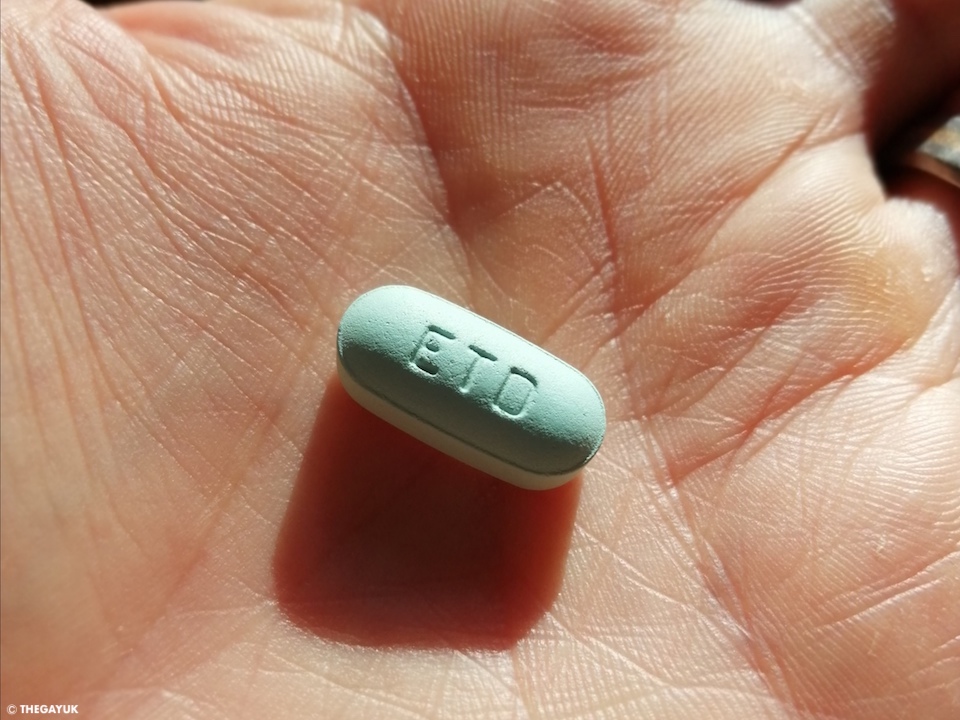
It was announced earlier this year that the DHSC had set aside a budget for local authorities in England to deliver PrEP to those “who need it most”.
The initial budget was set at £16 million.
The rollout has been set back, largely by Coronavirus, and the budget has now been slashed by £5 million to £11 million.
Terrence Higgins Trust, National AIDS Trust and PrEPster released a joint statement outlining that sexual health services are already overstretched calling the budget cut “hugely concerning” and accused the Government of “rolling back” on what was promised
“We welcome the Department of Health’s work to begin the roll-out of uncapped access to PrEP in England but this significant cut to the PrEP budget for local authorities is hugely concerning.
“Sexual health services are already on their knees and slashing the budget by almost a third will undoubtedly limit local authorities’ ability to deliver PrEP to those who need it. The Health Secretary promised proper PrEP access as part of the commitment to end HIV transmissions within the next decade but is now rolling back on what was promised.
“England’s sexual health services are already over stretched and under funded, which is why proper resourcing for the delivery of PrEP is crucial to its success. While those currently accessing PrEP are unlikely to be affected the roll out is supposed to ensure significantly more people can benefit from it for HIV prevention over the coming months. This cut to the first year’s budget before that’s even started means PrEP will not be fully utilised.
“PrEP is highly effective at stopping HIV and extremely cost-effective when compared with a lifetime of HIV treatment. It’s disappointing that we are once again fighting for its potential to be maximised in England.’

A spokesperson for the DHSC told THEGAYUK
“Now we are past the peak of the pandemic, the NHS and local government are re-opening services and we are pleased to be rolling out PrEP across the country as part of our work to tackle HIV and the stigma around it.
“This will benefit tens of thousands of people and take us closer to our ambition of zero HIV transmissions by 2030.
“In light of covid-19 pressures during the first quarter of the year, PrEP was not immediately available for individuals via routine commissioning.
“The modest change in allocated funding accounts for the fact that the rollout of the routine commissioning of PrEP was paused during the pandemic.”
This story was updated to reflect a quote from the DHSC.
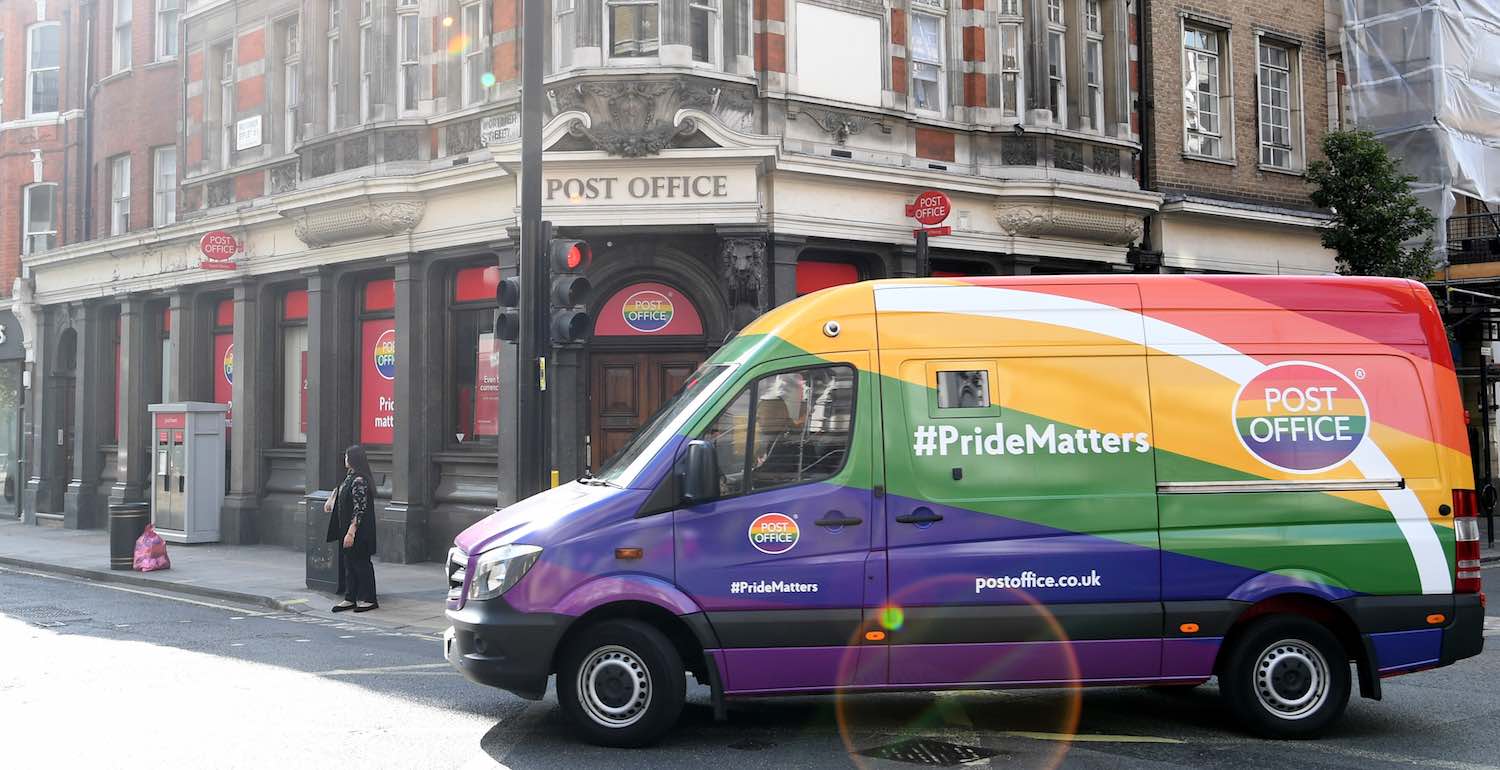
We’ve just had Pride month and along with that thousands of corporate entities adopted the iconic rainbow symbol, hundreds sent their well-wishes to the LGBT+ community but even fewer actively call out bigotry unlike the Post Office, which managed to deal with homophobic bigotry levelled at its staff in the most perfect way.
In a Twitter post published by the Post Office official account on the 19th June, the Post Office’s Chief Marketing Officer Emma Springham, shared her “journey to pride”, to which one user, @jamesmc13123269 responded with “Degenerate”.
This attack on Emma didn’t go unnoticed by Courtney from the office who called out the bigotry saying,
“Do you honestly think it’s okay to speak about my colleague like that? Your comment is absolutely disgusting. You don’t know Emma personally to even comment on the type of woman she is, so please don’t respond unless you have something positive to say”
While another user complained about the use of the rainbow flag saying, “It is not right to quit-claim something that belongs to all mankind.”
However this complaint was expertly handled by Stephen, who replied,
“The rainbow flag represents the diversity and vibrancy of the LGBTQ+ community which we’re proud to celebrate as it gives us the chance to reaffirm the equality, rights and dignity of the LGBTQ+ community in the UK and beyond.”
One user who used the word faggots against was also taken to task, when the comm team tweet a poll which asked, “Should we continue listening to language like this? and included “Absolutely Not” and “No” as the only two options.
This article has been updated to reflect a request from the Post Office to remove a further comment.
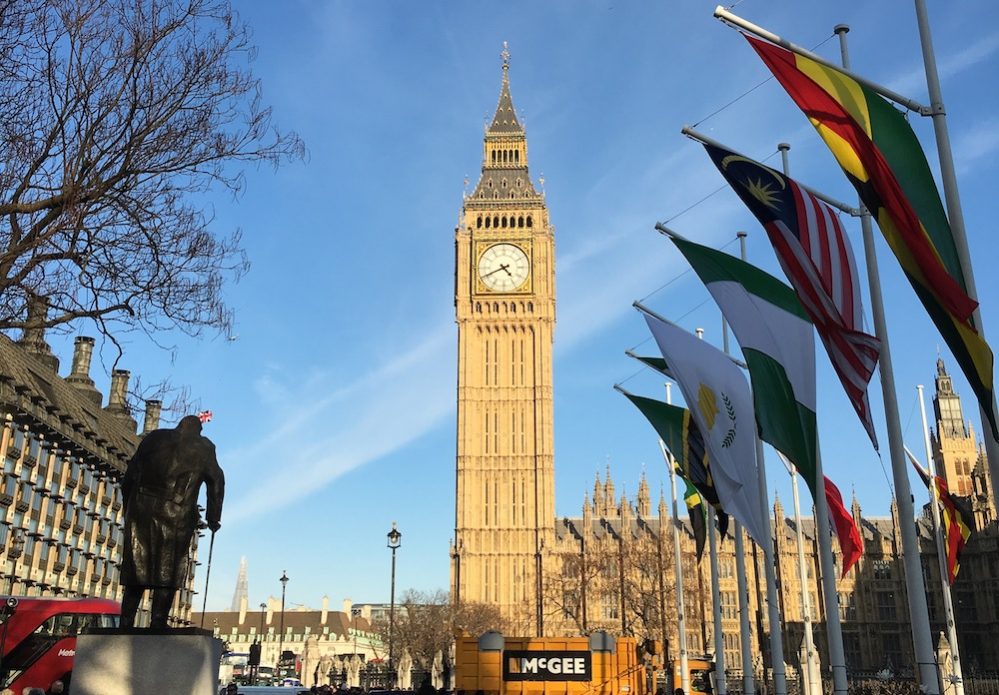
The House of Common’s official Twitter account has been blasted by users after asking if conversion therapy or “gay cures” as it is more commonly known should be made illegal in the UK, despite the government already admitting that the practice was “wrong”.
As it stands gay cure therapy or conversion therapy is still legal in the UK, it has been debated and defeated in the Commons numerous times, in 2015 and then again in 2017.
Back in 2018 the Conservative UK government, under Theresa May, said that conversion therapy was something it would address in its “LGBT Action Plan”.

However, two years on, not much progress has been made on any of the points made in the plan. Now a recent Tweet by the official House of Commons Twitter account has been slammed for asking a question that many have said is not open to debate.
The tweet was heavily ratio’d after asking users “How does #conversiontherapy affect the #LGBTQ community? Should it be made illegal? What would that mean to you? @HoCpetitions is investigating a petition calling for the practice to be made illegal”
The response was swift with condemnation of the way in which the question had been posed with many people taking issue that was necessary of debate.
Conversion therapy is seen by many doctors has deeply ineffective and LGBT+ advocates say that therapy of this nature is entirely problematic.
Alison Camps, the co-chair of Pride in London replied to the Tweet,
“Is this some kind of joke? The Government pledged to do this two years ago. It’s inhuman that you continue to make us BEG for something that is so obviously barbaric.”
MP Alicia Kearns MP for Rutland and Melton also replied to the Tweet adding,
“Of course it should be made illegal, it’s abusive and fraudulent. The Government has committed to ban it already, and legislative options will be put up for consultation to determine the best legislation to protect the LGBTQ+ community.”
A House of Commons’ spokesperson said,
“A Petition calling on the Government to make LGBT conversion therapy illegal in the UK has reached almost 200,000 signatures. In its response to the Petition, the Government did not make a specific commitment to making conversion therapy illegal. Given the strength of interest in this issue, the Petitions Committee decided to further the conversation by gathering evidence from the public on the subject.
“The questions posed on the House of Commons social media feeds were intended to encourage people to submit their experiences. This information will then be presented to the Government. A petition with over 100,000 signatures would usually be considered for a Westminster Hall debate, however, given restrictions placed on Parliament as a result of COVID 19, Westminster Hall debates are currently suspended.
“We apologise. Our intention was to provide a platform for people to share their opinions on this subject with the Petitions Committee, and inform its case to the Government. Clearly we misjudged this and have now deleted the tweet.”
Homosexuality was declassified as a mental illness in 1973, however, it is still possible to obtain treatment via the NHS, by referral, to “cure” you of your homosexuality. As it stands the psychotherapy industry in the UK is not regulated by the state – and therefore some therapists still offer “gay cures”.
In October 2019 it was revealed that 10 per cent of the UK’s population could be cured.
This is coupled with the horrifying revelation that around 20 per cent of people (one in five) said that being LGBT+ was immoral or went against their beliefs.
There are a number of therapists and organisations in the UK and in the USA that make the claim that conversion therapy can help LGB people to become heterosexual. However, according to the Royal College of Psychiatrists, there is no evidence that such change is possible.