Search results for: “ ”

  • Austin Armacost leaves fans speechless with “well filled” jock picture

    Austin Armacost leaves fans speechless with “well filled” jock picture

    Austin’s latest picture has left people thirsty AF

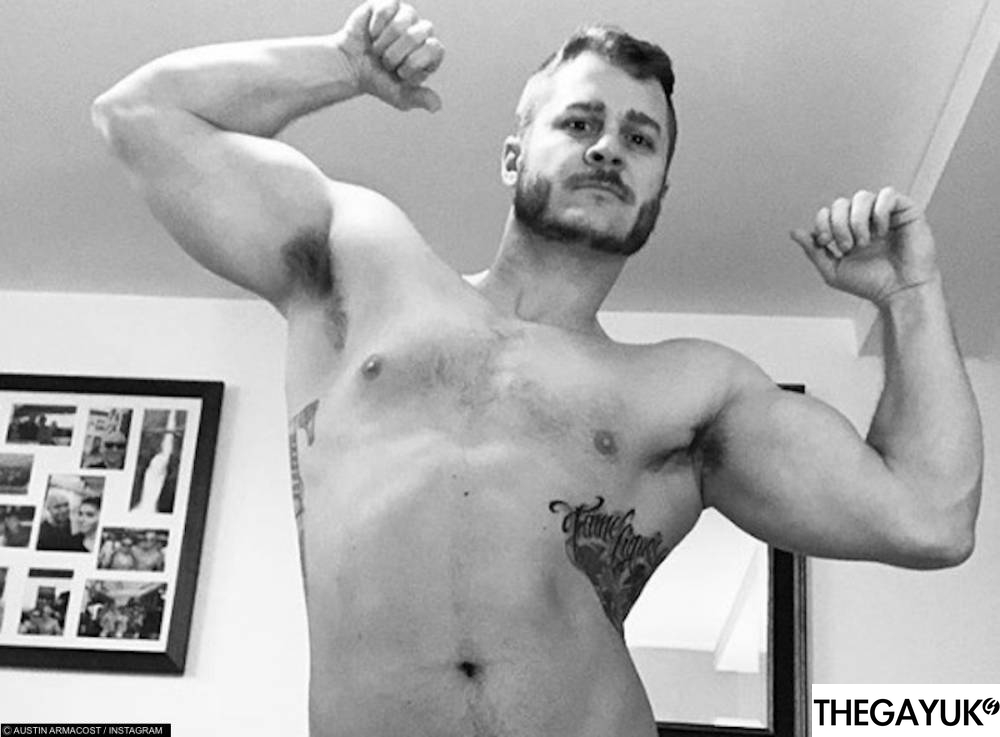
    Thousands of fans have left appreciation for Austin Armacost‘s latest thirsty picture in which he is wearing nothing but a jockstrap.

    The Manchester-based star, who has 104,000 fans on Instagram wore nothing but a pair of white Surge Jockstrap, which currently retails for £16.99.

    But the jock wasn’t all that was capturing the attention of his eagle-eyed fans, with one commenting that the jock looked good and “well-filled”, while another asked the Celebrity Big Brother star for a picture of the back. Another admitted “Blood surges to my private’s watching this”

    One viewer was quick to ask why there wasn’t a “cut emoji” alluding to the fact that Austin’s package was very visible in the picture.

    See the picture click here (NSFW)

  • Andi Peters has viewers fuming after awkward exchange live on air

    Andi Peters has viewers fuming after awkward exchange live on air

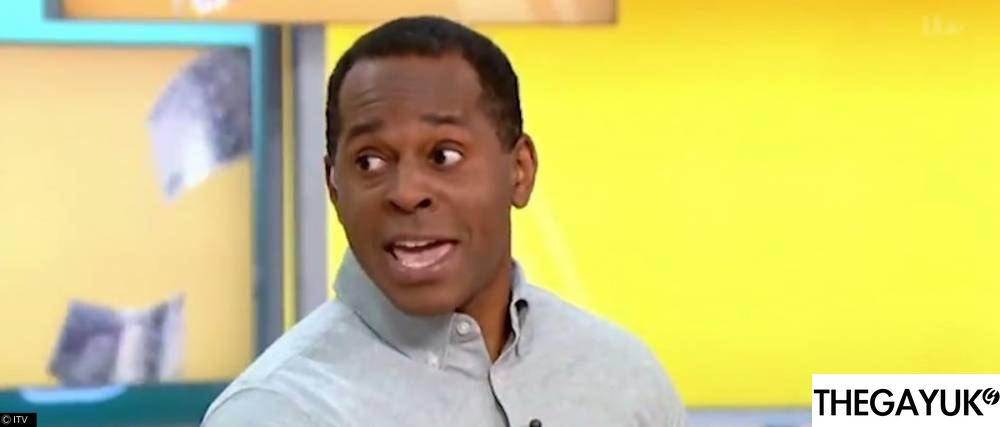
    Andi Peters has left Good Morning Britain viewers fuming after a Christmas competition viewer admitted that she hadn’t received a single prize.

    Andi Peters was left a little awkward today after a competition prize winner from Christmas admitted that she hadn’t received her winnings despite being two months on from Christmas.

    Andi Peters who helps present on ITV in the morning boasted that the prize winner from the 2018 Christmas draw should have won a brand new Mercedes car, over £100,000 in money and a “gadget pack” for the family, however, the winner, Sue, revealed that she had not yet received the prizes.

    Andi then made light of the gaffe, by taking the winner by the arm and leading her to the studio doors, suggesting that the prizes were behind the doors, however it turned out to be a cruel joke.

    Speaking to the camera Andi said, “Real viewers win our competition prizes all the time and I’ve got a winner here. If you remember our Christmas competition, it was a massive prize worth over £200,000 – and the winner was our lovely Sue.”

    He then took Sue’s arm and said, “Well come with me Sue, because through these doors… there’s absolutely nothing.”

    Viewers weren’t happy with the exchange with many taking to Twitter to fume, One commented, “#GMB I think it’s disgusting that the Christmas competition winner has not received her prize by almost March. She should at the very least have had the money. That should be next day.”

    A viewer added, “So the Christmas winner has won big prizes but yet we are near the end of February and she’s not had any of them Why would anyone want to enter the competition now knowing this Bad advertising #GMB.”

    Good Morning Britain airs weekdays at 6am on ITV

  • This children’s hospital has launched rainbow badges to show solidarity with LGBT+ patients

    This children’s hospital has launched rainbow badges to show solidarity with LGBT+ patients

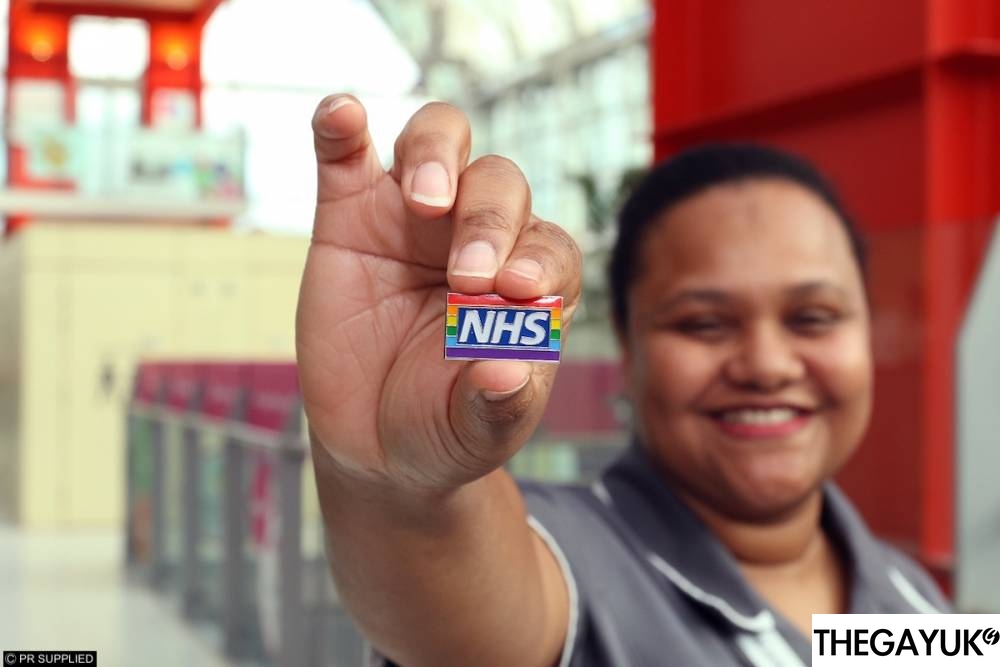
    Evelina London Children’s Hospital and community services have introduced NHS rainbow badges for its staff to support lesbian, gay, bisexual and transgender (LGBT+) patients.

    (C) NHS

    The scheme at Evelina London, which is part of Guy’s and St Thomas’, is now being rolled out across the Trust, following a successful pilot at the children’s hospital, launched last October.

    The move follows a recent Stonewall survey that found that one in seven (14%) of LGBT people have avoided medical treatment for fear of discrimination and almost one in four (23%) have witnessed discriminatory or negative remarks against LGBT people by healthcare staff. It also coincides with LGBT history month this February.

    The badge is an NHS logo superimposed on the rainbow pride flag and can be worn on lanyards or uniforms. They promote a message of inclusion and are a sign that the wearer is someone you can talk to about issues of sexuality and gender identity.

    When staff sign up to wear the badge they are provided with information about the challenges people who identify as LGBT+ can face accessing healthcare and what they can do to support them.

    The hospital has also created a toolkit to support and encourage other NHS organisations to implement the scheme. More than 100 clinical commissioning groups, GP surgeries and hospitals from across the country have already expressed an interest in rolling it out.

    The project has been backed by the Health Secretary Matt Hancock, who regularly wears the badge, and Strictly Come Dancing star, and former Evelina London paediatrician, Dr Ranj.

    Health and Social Care Secretary Matt Hancock said, “Every patient and everyone who works in the NHS should feel welcomed by the NHS, regardless of their gender identity, race or sexual orientation.

    “I love wearing my rainbow badge and I wear it with pride. I’m delighted to see Evelina London rolling out this fantastic initiative, to ensure no one feels alone or faces prejudice.”

    Dr Ranj said, “Young LGBT+ people face greater and more complex challenges than their peers, including in healthcare. As health professionals we have a duty to ensure their wellbeing is paramount in all areas of their lives, so we need to create an environment where they can feel comfortable, valued and secure, especially when they need help.

    “Small gestures like this mean so much to those that really need it the most, and I am beyond proud to be part of something that progresses the culture and values of the Trust. Now let’s do it across the whole NHS!”

    The NHS rainbow badge initiative is supported by the Guy’s and St Thomas’ Charity, which provides funding for projects across Guy’s and St Thomas’.

    Dr Michael Farquhar, NHS rainbow badge initiative lead and sleep consultant at Evelina London, said, “Despite improving social attitudes in the UK, LGBT+ people can still face significant barriers to accessing healthcare and this can have a detrimental impact on physical and mental health

    “Wearing a NHS rainbow badge is a way for our staff to show that Evelina London is an open, non-judgemental and inclusive place for children, young people and their families who identify as LGBT+ and that we are here for them in every way.

    “It was really important to us that the badge is meaningful, which is why when staff sign up to wear one they are provided with information about LGBT+ health inequalities and ways that they can help to tackle them.

    “The initiative has already led to many extremely positive conversations between our staff and patients. We really hope that our toolkit will encourage other NHS organisations to introduce rainbow badges as they can play a valuable part in reducing stigma and inequality.”

    Since the scheme launched almost a third (32%) of Evelina London staff have signed up to wear the badge. A target of 25% was set to combat the Stonewall statistic that almost a quarter of NHS staff have heard their colleagues make a negative remark about LGBT+ people.

    Jayne King, head of security and co-chair of the LGBT+ forum at Guy’s and St Thomas’ NHS Foundation Trust, said, “Equality for both our staff and patients is extremely important to us and the NHS rainbow badge initiative demonstrates our support for the LGBT+ community and our ongoing commitment to promoting inclusion and celebrating diversity.

    “NHS staff are in the perfect position to be advocates and supporters for LGBT+ people. Increased awareness of the issues LGBT+ people face when accessing healthcare can make a significant difference to their experiences, and, in turn their physical and mental health.”

  • The Student Loans Company has an LGBT+ Network

    The Student Loans Company has an LGBT+ Network

    The Student Loans Company (SLC) in Glasgow has an LGBT+ network and it has more than 100 members.

    rihaij / Pixabay

    Over 100 people from SLC offices in Glasgow, Darlington and Llandudno have signed up to the network since it launched last February with the number expected to grow in the year ahead. The company employes over 3,300 staff members and has 8.6 million customers.

    Gary Stevenson, Co-Chair of the network said, “It’s been a really busy first year and the response to the network has been inspiring. More than 60 people showed their support in joining us at Pride Glasgow and Northern Pride Parades last year. Our colleagues in Wales were empowered to hold their own on-site Pride event at their office too.”

    Staff also showed support by contributing to the network’s fundraising efforts for local LGBT+ charities by taking part in bake sales, charity football matches and quiz nights.

    Morven Spalding, Director of HR added, “It’s fantastic to see the organisation readily engage with the network. In keeping with LGBT History Month, some of the network’s activities have really helped to shine a light on various aspects of LGBT+ life. The network’s ‘Let’s Chat’ drop-in sessions ran across all of our sites and gave staff the opportunity to drop in to discuss, listen and ask questions on different aspects of LGBT+ life such as the Transgender Day of Remembrance from different people within the community.“

    Support for the network and community goes all the way to the top at the company as CEO Paula Sussex recently demonstrated when she met with LGBT+ students from Northumbria University. She was invited to have her photograph taken with the university’s Proud Ally sign as part of a campaign to celebrate influential individuals who stand for equality in the student populace.

    Karl Robson, Vice President Education, Northumbria Student’s Union said, “When influential individuals like Paula show solidarity with the LGBTQ community, it helps students feel validated and gives them confidence that, when they go out into the graduate job market, employers will be supportive.

    “The message from Paula is an important part of a larger vision to support equality across the university and the graduate job market, and will make a bigger impact than we are able to measure.”

  • MANCHESTER PRIDE:  Voice singer on Ariana Grande headlining “capitalist venture”

    MANCHESTER PRIDE: Voice singer on Ariana Grande headlining “capitalist venture”

    Manchester Pride has announced that Ariana Grande is to headline the the event, but The Voice finalist, Lauren Bannon and Pride’s Got Talent finalist Andrea Di Giovanni have branded the announcement as “The straight cis white-washing of Pride”.

    [[File:93.3 FLZ Jingle Ball Tampa Florida IMG 6824 (11490181726).jpg|93.3 FLZ Jingle Ball Tampa Florida IMG 6824 (11490181726)]]
    The Voice and Pride’s Got Talent finalists Lauren Bannon and Andrea Di Giovanni have called the headline of Manchester Pride unacceptable and hit out at the Pride’s ticket price hike from £22 to £75 as a “joke” as many students and other pride goers will be unable to afford the ticket.

    THEGAYUK.com reached out to Manchester Pride to ask if there were reductions on offer, but they did not return comment.

    Andrea Di Giovanni told THEGAYUK “Ariana Grande has been chosen to headline Manchester Pride 2019 and that’s unacceptable, especially right now in a moment where the LGBTQ+ community faces continuous attacks by politicians, press and overall media.

    “The straight cis white-washing of Pride celebrations has reached its peak and we, as a community, need to stand up and truly focus on highlighting our own beautifully diverse talents. Ariana headlines Manchester, Kylie Minogue Brighton and Kate Nash & M.O. Birmingham; are we blind or we don’t want to see it?”

    The controversial artist continued,  “I’m not against allies, we need them but I am against a queerbaiting process that has its chore pure capitalism. It’s not a surprise, in fact, that Manchester Pride this year asks its participants to pay £70 a ticket to access the main stage area, compared to the £22 price of last year – pride is an honour of the people, a protest, not a concert to celebrate straight art! We do this every day.”

    Embed from Getty Images

    Speaking about the controversial price hike, Lauren said, “For the prices to go from £22 to £75… now that’s a joke. I have no problem with straight performers, allies and the like, but when none of the biggest pride celebrations has a single LGBTQ+ headline, it highlights the lack of representation we have in the mainstream industry.

    “As for the price increases that follow these ‘Major Acts’ when did pride just become another capitalist venture? It’s supposed to be a celebration of the LGBTQ+ community, it should be accessible to all but by hiking up the prices it’s just making it less obtainable and disrespecting the whole purpose as to why we have a day like pride!”

  • 12 Things Every Gay/Bisexual Man should Know about Prostate Cancer

    12 Things Every Gay/Bisexual Man should Know about Prostate Cancer

    For gay and bisexual men, prostate cancer, in particular, can be even more challenging than for their straight counterparts. “Gay & Bisexual Men Living with Prostate Cancer (from Diagnosis to Recovery)” is a new book that addresses bias against and the unique needs of gay and bisexual men diagnosed with prostate cancer.

    FILE PHOTO (C) BIGSTOCK

    by B. R. Simon Rosser and William West

    Edited by Jane M. Ussher, Janette Perz B.R., and Simon Rosser “Gay & Bisexual Men Living with Prostate Cancer” was written not only for the medical community treating gay and bi men with prostate cancer but also as a supportive resource for gay and bi men diagnosed with prostate cancer. It is the most current and comprehensive book on the subject published to date, incorporating the tremendous new developments in cancer treatment from the past ten years.

    Here, Dr Simon Rosser and Dr Bill West, coauthors of several chapters in “Gay & Bisexual Men Living with Prostate Cancer,” answer 12 questions and offer advice to gay and bi men facing prostate cancer. Simon and Bill are married, out and living with prostate cancer.

    1. How common is prostate cancer in our community? Prostate cancer is the #1 invasive cancer for men and the most common cancer in the gay male community. One in seven gay men will be diagnosed in their lifetimes. Since gay male couples have two prostates, they have twice the risk than heterosexual couples or a one-in-three chance.

    2. What are the symptoms of prostate cancer? Prostate cancer typically develops without symptoms which is why it needs to be detected through a blood test (the Prostate Specific Antigen or PSA test) and by a doctor feeling for any abnormalities during a digital rectal (or finger up the butt) exam. Two common prostate problems should not be confused with prostate cancer. As we age, our prostates typically get larger which can lead to problems urinating. This is called benign prostatic hyperplasia or BPH. Prostatitis refers to when the prostate gets infected or inflamed.

    3. So, what causes prostate cancer? Older men, men with a family history of prostate cancer, and black men are at greater risk of diagnosis and/or worse outcomes. Our research indicates that HIV positive men and bisexual-identified men have worse outcomes than HIV negative men and gay-identified men, respectively. Gay “lifestyle” factors – such as being gay versus straight, lots of sex or no sex, amount and rigour of receptive anal sex, smoking, drug and alcohol use, a history of sexually transmitted diseases and long-distance cycling – have not been associated with greater risk or worse outcomes.

    4. So, why is prostate cancer in gay men an issue? Different prostate cancer treatments have different effects on our sexual functioning. About 20 per cent of patients treated with radiation experience radiated bowel, which makes receptive anal sex painful to impossible. Conversely, almost all men treated with surgery (and many with radiation as well) will have erection difficulties, after treatment, making insertive sex very challenging. Treatment can also affect penis size, ability to ejaculate, the experience of orgasm, pleasure in receptive sex, and urinary problems during sex or at orgasm. This makes it important to discuss gay sex with your specialist as part of choosing which treatment will have the least side effects for you.

    5. If I want to be checked for prostate cancer, what should I know? The typical test for prostate cancer involves both a blood test and a digital rectal exam. Because massage of the prostate may hypothetically affect the blood results, we recommend you refrain from receptive anal sex or other anal stimulation for 48 hours before the blood is drawn and make sure the blood is drawn before the digital exam.

    6. Does being diagnosed mean you have to be treated? No. Many men with low-risk prostate cancer never need treatment. Instead, they go on active surveillance. This simply involves having a blood test every three months to monitor the amount of prostate-specific antigen in their blood. This may also involve additional biopsies to track if the cancer is changing.

    7. Is prostate cancer contagious? No, if your boyfriend, husband or a male sex partner has prostate cancer, you cannot get it from him. Prostate cancer is not sexually transmitted.

    8. What’s it like to be diagnosed with prostate cancer? Fortunately, prostate cancer has an excellent (over 99%) survival rate provided it is treated early. We are a male couple where both of us have been diagnosed. Here’s what to expect. The initial diagnosis can be scary and requires a biopsy which can be uncomfortable. Don’t panic. Most prostate cancer is slow growing so in many cases you can go at your own pace. Gay men are more likely to feel isolated or go through treatment alone, so it’s important to reach out for support. Prepare a list of questions before each consultation and ask them at your next visit. Bring your man (if partnered) or a friend (if single) to the consultation, both for support and to listen to what the specialist says. Deciding if you need treatment and what treatment is best for you are critical milestones, where many patients seek a second (or third) opinion.

    9. How does it affect being gay? Because it’s cancer and because it affects our sexual functioning, many gay prostate cancer patients report feeling less than other gay men. There’s a stigma to having prostate cancer which can affect our sexual self-esteem, sense of attractiveness and potency. And because it affects erections, some men may become more at risk for HIV if their erections are not strong enough for condoms or if they decide to bottom more instead.

    10. What’s gay sex like after treatment? Everyone is different. In our experience, good sex is definitely possible after treatment but it is challenging. It takes time and patience (up to two years post-treatment), commitment to sex as a priority, good communication between partners, lots of sexual rehabilitation exercises, and flexibility. The biggest loss we had to deal with was spontaneity – erections don’t just happen, and we have to plan sex if it is to be successful. We found erectile drugs and vacuum pumps to be a help as well.

    11. What should I think about in choosing a specialist? Know that many urologists and oncologists see themselves as technologists focused on survival. Not all are good at talking to patients or discussing sex. While survival is obviously important, quality of life is as well. Most gay and bisexual men are sexually active and want to remain so after treatment. So, it’s critical to find a specialist you can be open with, and have your questions answered. When making an appointment, ask for a specialist who is comfortable discussing the sexual effects of treatment. And if they seem uncomfortable or unknowledgeable about sex between men, seek a second or third opinion until you find someone you can trust.

    12. If I’m gay, bisexual or a man who has sex with men living with prostate cancer, where can I get help?
    For more information: See our just-published book, J. M. Ussher, J. Perz, B. R. S. Rosser, Gay and Bisexual Men Living with Prostate Cancer: From Diagnosis to Recovery (Harrington Part Press, New York 2018).

    Book webpage: https://harringtonparkpress.com/gay-bisexual-men-living-prostate-cancer/

    For support services: www.Malecare.org is the largest provider of online support worldwide and has groups specifically for gay and bisexual prostate cancer patients.
    To get involved in research: At the University of Minnesota, we are conducting the first, large, NIH-funded study testing online rehabilitation designed by and for gay and bisexual prostate cancer patients living in the US.

    See: www.restorestudy.umn.edu or email: Restorestudy@umn.edu.

    Dr Simon Rosser is a gay men’s health researcher and Dr Bill West a health communication specialist at the University of Minnesota. They specialize in prostate cancer in gay and bisexual men.

    They co-authored several chapters in J. M. Ussher, J. Perz, B. R. S. Rosser, Gay and Bisexual Men Living with Prostate Cancer: From Diagnosis to Recovery (Harrington Park Press, NY, 2018).

    They are married and out as a gay couple living with prostate cancer.

  • LEAVING NEVERLAND: Filmmaker Dan Reed talks about bringing the stories of the abused to life

    LEAVING NEVERLAND: Filmmaker Dan Reed talks about bringing the stories of the abused to life

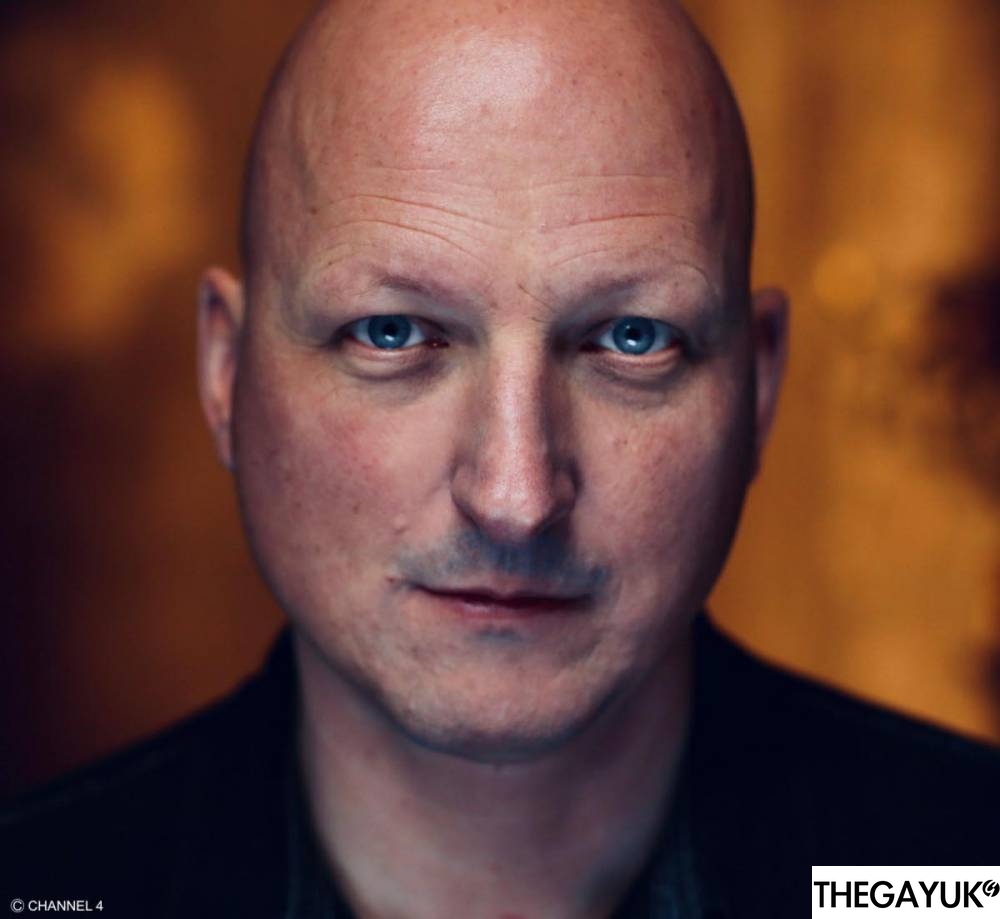
    Filmmaker Dan Reed talks about his filmmaking and about how he captured the stories of Wade Robson and James Safechuck and their life with Michael Jackson.

    Q: You are no stranger to controversial subjects in your documentaries, as you have made films about child predators, terrorists, and international politics. How did you approach the subject matter of this film, which takes place in the world of pop culture and celebrity?

    A: Well, the first point is, that this is not a film about Michael Jackson. It’s about two very ordinary families whose paths crossed with Jackson’s, and the incredible aspirations that he represented. The families fell in love with those good things, not understanding the long-lasting impact this relationship would have on their children and families.

    In my storytelling, I don’t choose to criticize Jackson directly or comment on his actions, motives, or reasons why. I’ve left it quite neutral, deliberately. But make no mistake, the story is one of a criminal sexual predator.

    I wanted people to understand that when a child is groomed by a predator, it’s a very complex relationship. The parents are manipulated. It’s all very gentle and often manifested as love to the child. The families still hang onto the mentorship, love and attention that Jackson brought into their lives, and find themselves grappling with the contradictions of their relationship. LEAVING NEVERLAND: MICHAEL JACKSON AND ME is about both what Michael Jackson gave to them, and what he took away.

    The focus of the documentary is deliberately narrow. I did interview former detectives and prosecutors from the two principal investigations into Jackson, but I realized that the families’ telling of the story was so complete already. The changes within the family – mothers and sons, sisters and brothers, husbands and wives – become the echo chamber of the story. You feel like you are inside the family, and I felt that interviews from the public sphere would break that spell and place us back on the outside.

    Q: What did you bring from your previous filmmaking experience that helped you find the focus of this documentary?

    A: I come from a world of war zones and crime and undercover work, places where I must show the hidden drama, the inner workings and the realities of the things that people don’t see in the headlines. These are the kinds of events that fill us with horror but are often portrayed in a very simplistic way by the 24/7 news media. Making the documentaries about terrorist attacks for HBO, for instance, I used extraordinary archival material and many months of exhaustive research to create a detailed account, told through intimate personal stories, of world events that people think they already know about.

    In many of my more recent films, these stories are in the past tense, and this is really about the drama of the interview, the human face and voice, which I treat with great care. You get a kind of intimacy in the account and the testimony, and the relationship with the interviewer, and that’s something I’ve fallen in love with – the power of testifying, the power of speaking out. The ability of a subject being able to say, “I’m not just going to repeat the official version, but my version, with all of the rich complexity of my own experience.”

    Q: It’s also quite an ambitious way to tell the tale – really limited to archival footage and a small number of sit-down interviews with family members, told in two 120-minute parts.

    A: It’s four hours long because it’s a story that takes four hours to tell in a way that makes it fully understandable in all its complexity. We’re involving our audience in the lives of these families and trying to get them to understand all the complicated family dynamics that evolved over years. Why was it the mothers never realized? How could this have gone on for so long? Why didn’t Robson or Safechuck tell anyone? And why have they decided to speak about it now, after denying it for so long? The answer to all of that is made plain in the film, but you need to watch the whole thing. So much of it is in the nuance of individual behaviour, relationships, and of the bonds between people. You must go on the journey of these relationships to see how all this went down in detail. We are asking people to dedicate some time to best understand and process this extraordinary testimony.

    Q: What was it like working with Safechuck and Robson, whose stories are incredibly complex as they sort through their contradictory feelings for Michael Jackson?

    A: I interviewed them in February 2017, before I interviewed anyone else. Prior to interviewing them, I was willing to give them the benefit of the doubt, but not ready to accept anything at face value. As a journalist and a filmmaker with 30 years’ experience, I approached them with a degree of skepticism, until I knew I could have some confidence, and that what they said was consistent and entirely credible.

    I interviewed Robson first. He’s been on television many times, and he is a very good storyteller – very sharp. We quickly struck up a comfortable relationship speaking very candidly and emotionally about everything. I interviewed him for three days, and my instinct very early was that he was telling the truth. Still, I challenged every aspect and detail of the story, looking for corroboration, interrogating every detail and looking for internal inconsistencies in his account. Then I began to understand what he had been through. I realized – and this was a shock – that from the age of seven he had been very much in love with Jackson, and that this sincere love for his abuser had shaped much of his future behaviour. Wade was very precise, composed and confident. He had already talked about the abuse once in public in an interview with Matt Lauer, but this was the first time he spoke about it in so much detail. And it’s really the detail that opens the way to understanding his story.

    With Safechuck, however, it was the first time he had ever talked to a journalist in his life. His story was completely unheard, and you could really sense him feeling his way through the two days of interviews. You can see from the tone of his testimony that he’s trying to find words, trying to come to terms with the memories, the conflicting feelings of admiration and horror, and it’s a lot more tentative. You can really feel the inner turmoil. The two subjects complement each other very well, and they’re perhaps the most remarkable interviews I’ve ever done because of that.

    Joy and Stephanie, their mothers, were not initially eager to share their story, but they showed a tremendous amount of courage, willing to open up about the mistakes they made. They provide the most essential context for the story of their sons’ sexual relationship with Jackson, of which they were entirely unaware, although it happened right under their noses. Now that they have seen the film, I think they get a sense of how powerful it is to witness someone speaking the truth. They’ve said that they hope their courage can help others speak up, giving permission to other victims and parents who have been fooled by sexual predators.

    Q: Jackson is so ubiquitous as a cultural icon that despite the detail with which the film supports the stories told by James Safechuck and Wade Robson, there are likely to be those who want to overlook, minimize or even ignore the claims of those who have accused Jackson of predatory behavior.

    A: During my research, I spoke to one veteran California investigator who had been involved in more than 4,000 child sexual abuse cases, including the 1993 LAPD investigation into Jackson. He claimed that the star’s MO “fit the true pattern of a paedophile.” Safechuck and Robson describe the classic, step-by-step playbook: you insert yourself into the family so that you can ultimately isolate and separate the child. You charm the parents, usually flattering the mother while keeping the father at a distance until you can substitute yourself – remember, Robson talks about wanting Jackson to be his “real father.” Privately, with the child, you undermine the parents, particularly the mother, which Jackson did to both boys, encouraging them to blame their mothers as their marriages started to fall apart. You become everything to the child: father, brother, mentor, then sexual abuser. The child is overwhelmed and can’t reach out and connect to the things that had previously formed their identity. The veteran detective also pointed out that it’s not unusual for victims to stay silent until many years after the sexual abuse has ended, once emotional and behavioural problems begin to surface.

    Leaving Neverland: Michael Jackson and Me, 6th & 7th March at 9 pm on Channel 4
  • TV star Ryan Sampson comes out by calling out homophobes

    TV star Ryan Sampson comes out by calling out homophobes

    And showing off his boyfriend…

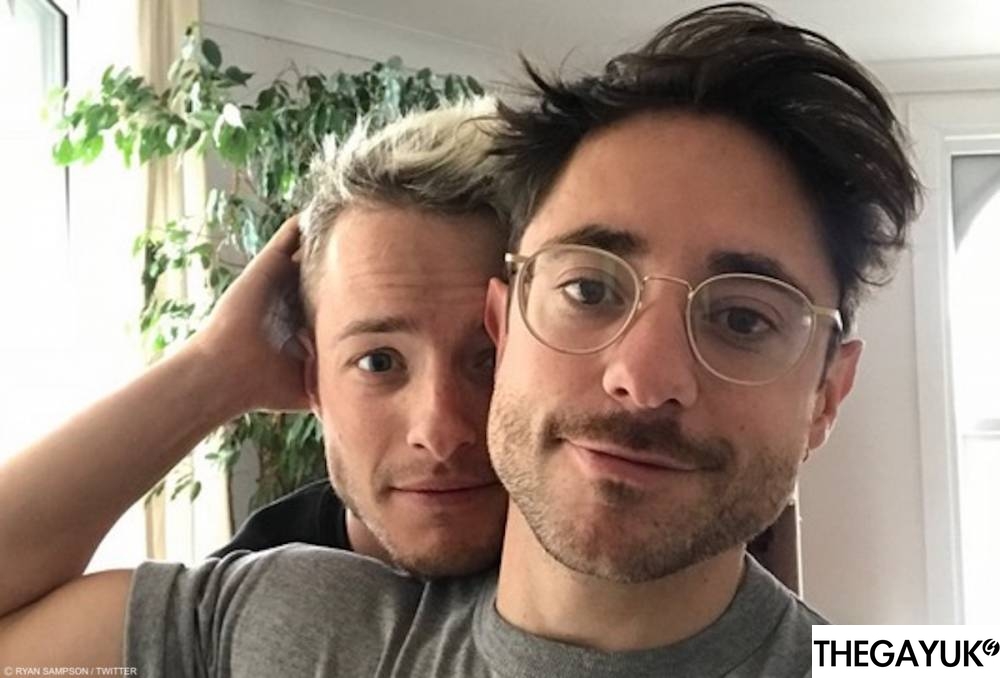
    Boom and boom! TV star Ryan Sampson, best known for his role in the comedy, Plebs has come out in an Instagram post where he revealed that somebody tried to engage him in “homophobic banter”.

    The star decided the best way to deal with the message was to come out and at the same time reveal his boyfriend. He wrote, “Hi y’all. So. I was on Instagram and I looked at my direct messages and it turned out someone was trying to rope me in to some (pretty creaky) homophobic banter. Huh! So, for clarity, here’s a pic of me and the boyf. Just to, y’know… straighten that one out. As it were”.

    Fans were quick so show their appreciation of the couple, One fan wrote, “How gorgeous are you two together! Go, Ryan! As for your reply, I feel sad you’ve had to do this to try and shut someone up. It’s your life, live it love it, enjoy that beautiful boyfriend of yours and forget the bigots with empty lives.”

    Another continued, “How gorgeous you two are! Can I make you matching hats? Taught myself to crochet so they might be ready for next winter. Would defo suit you! Love to you both. Hope you’re long in love.”

    Another person tweeted, “You two look bloody lovely. Now show us the rest of him not hiding behind your huge muscles”.

    Ryan is also known for playing numerous roles in the comedy sketch show Glitchy. He also starred in the Netflix hit The Crown and two episodes of Doctor Who.


  • LEAVING NEVERLAND: When is the Michael Jackson film on and what channel?

    LEAVING NEVERLAND: When is the Michael Jackson film on and what channel?

    The controversial documentary film, Leaving Neverland is coming to the UK and you’ll be able to watch for free.

    When is the Michael Jackson film on and what channel?

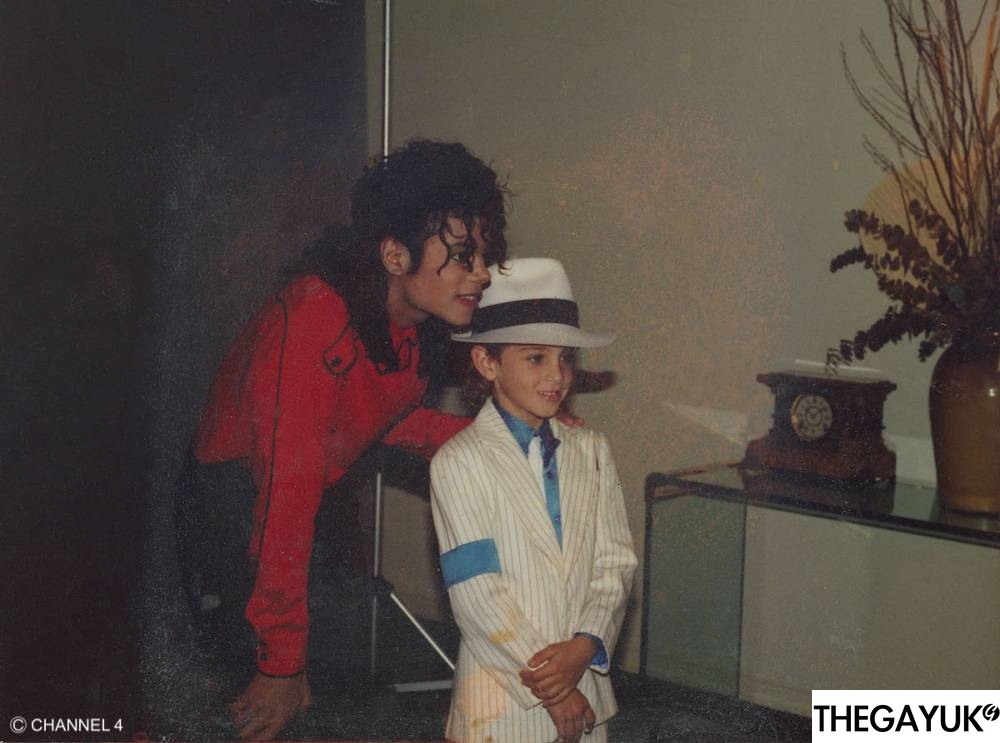
    Leaving Neverland is going to be broadcast in the UK on the 6th and 7th March 2019 on Channel 4. The film, which will be split into two episodes, documents alleged abuse against two boys James Safechuck and Wade Robson.

    The four-hour film, which will be shown in two, two hour programmes, has already proved controversial with fans of the late Michael Jackson and his family. It is due to broadcast on Channel 4 in the near future. The decision to broadcast the series has proved problematic for the channel after being deluged with messages of disapproval from users on Twitter.

    In the film, both Wade Robson and James Safechuck allege that Michael Jackson began a long-running relationship with them. The Jackson Estate released a statement denoucing the film as”yet another lurid production in an outrageous and pathetic attempt to exploit and cash in on Michael Jackson.”

    Speaking ahead of the documentary, filmmaker Dan Reed said in a statement, “If there’s anything we’ve learned during this time in our history, it’s that sexual abuse is complicated, and survivors’ voices need to be listened to.

    The film was produced by Dan Reed and edited by Jules Cornell.

  • Are there LGBT sports clubs in Northampton?

    Are there LGBT sports clubs in Northampton?

    Northampton is home a small but friendly LGBT+ scene and there are sports clubs for you to join.

    Are there gay sports clubs in Northampton?

    Firstly there is the famous Northampton Outlaws Rugby Club – famous as they have starred in the Naked Rugby Calendar, not once but twice. The Northampton Outlaws are an inclusive rugby team based in Northampton which began life in 2012, and new players are always welcome. They play on the Rushmere Road rugby grounds.

    Squad training takes part on Tuesday nights with games being played on Saturday afternoons.

    Find out more by visiting their website


    If you run or manage an LGBT+ sports club and would like to be listed here, please leave a comment below and we’ll be in touch.


  • 14 things you’re doing to make everyone at work hate you

    14 things you’re doing to make everyone at work hate you

    Those things we do that are totally assholely

    Office politics are real people. We spend so much of our lives working for the boss, so why not try to make life just a little bit easier for everyone…

    1) Passive aggressive emailing when you don’t get the answer you want.

    2) Not putting an “xx” after your name when someone else has in their email.

    3) Using up the last of the milk/teabags/chocolate digestives and not replacing them.

    4) Leaving your washing up in the sink for someone else to clean it up.

    5) CCing a non-responder’s boss on email – why don’t you just call them!

    6) Not going for drinks/birthdays/parties

    via GIPHY

    7) Getting “offended” at every little thing. Life’s short smile once in a while

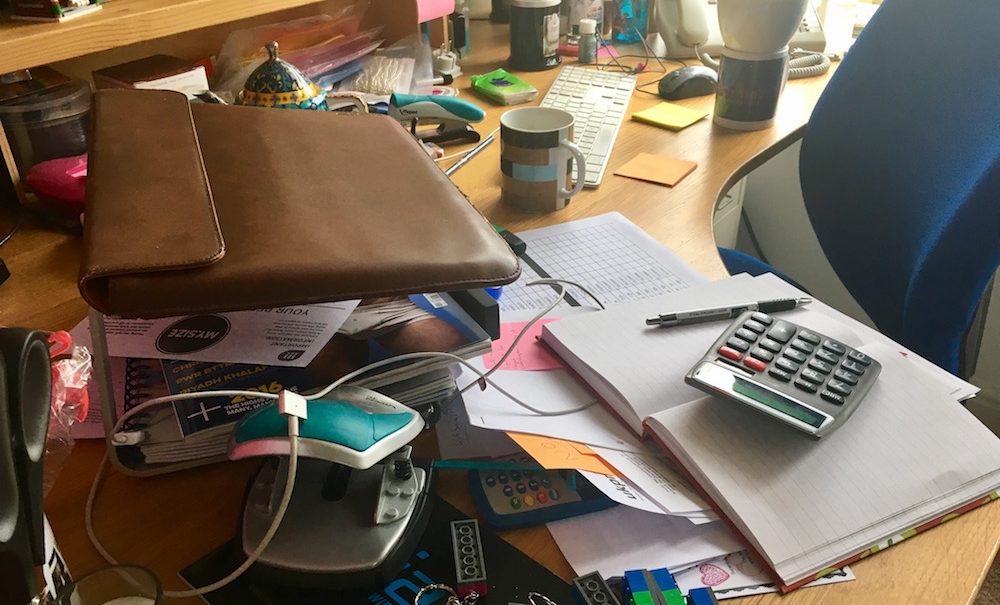
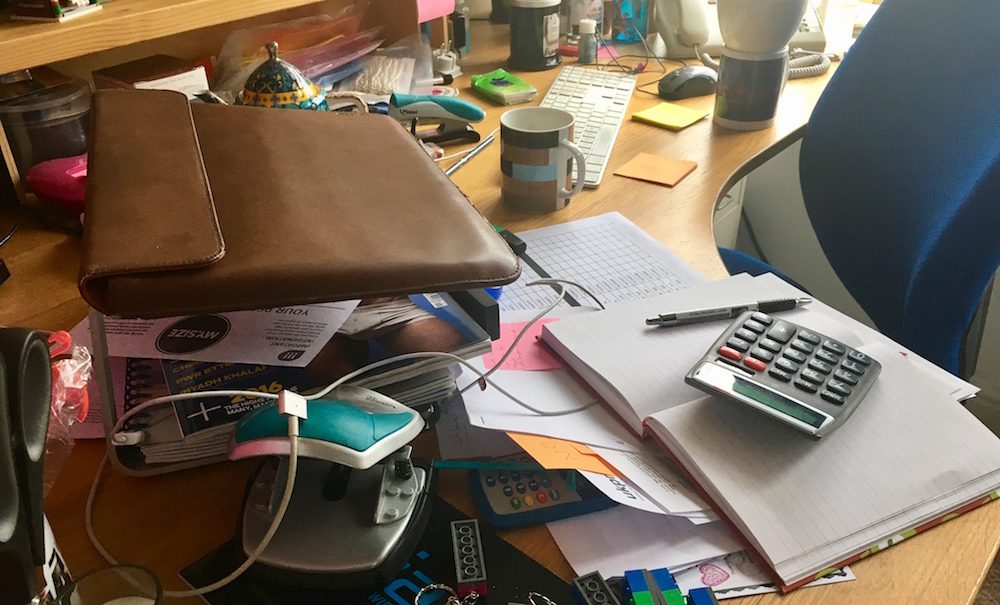
    8) Have the messiest desk ever.

    Messy office desk
    CREDIT: TheGayUK

    9) Eating your smelly food at your desk.

    10. Constant, constant, constant interruptions.

    11. When you’re on a “go slow”

    12. Take personal calls that EVERYONE can hear.

    via GIPHY

    13. Coming into work when you’ve got a stinking cold or flu.


    14. Go hard on the aftershave.