Tag: Diesel Car Review

The latest reviews for diesel cars. Find out which are the smoothest, quietest, most economical and cheapest diesel cars on the market.

  • CAR REVIEW | Honda Civic Diesel Automatic

    CAR REVIEW | Honda Civic Diesel Automatic

    Hondamatic For A New Generation.

    What Have We Got?

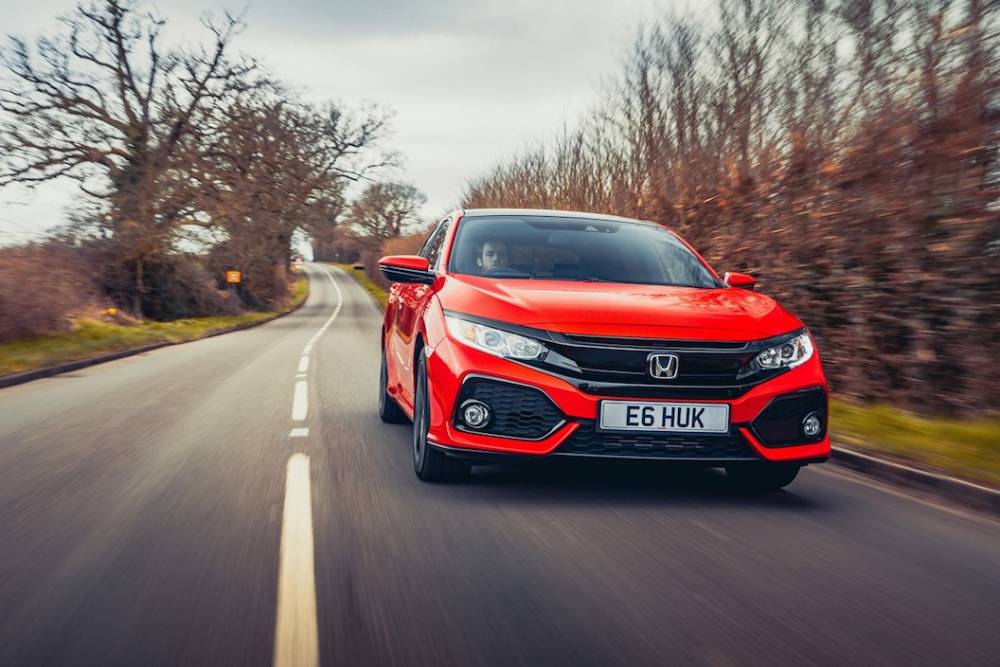
    It seems Honda has listened to the motoring world and come up with a new automatic gearbox. Not just any 3 step box of old the Hondamatic days, or CVT (continuously variable transmission) that is the system much derided by all, but a bonafide 9-speed auto. Here we test it in the Civic 1.6 i-DTEC diesel hatchback.

    Driving

    It worked well in the 120ps diesel Civic hatchback it was fitted in. It wasn’t hunting for any of its 9 gears during the test run around Droitwich. 

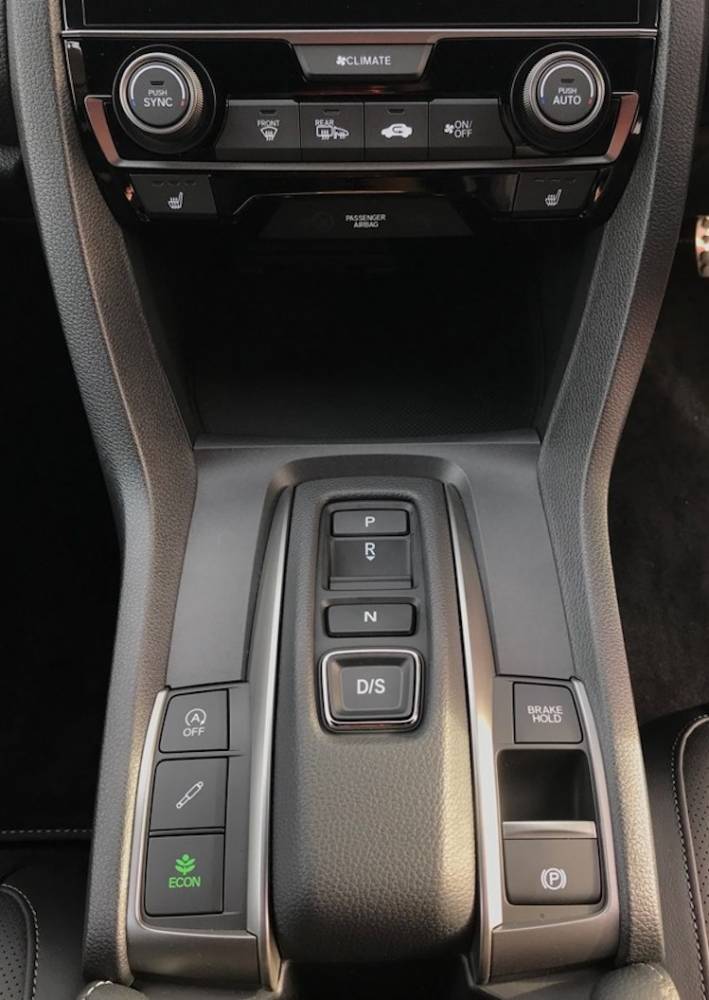
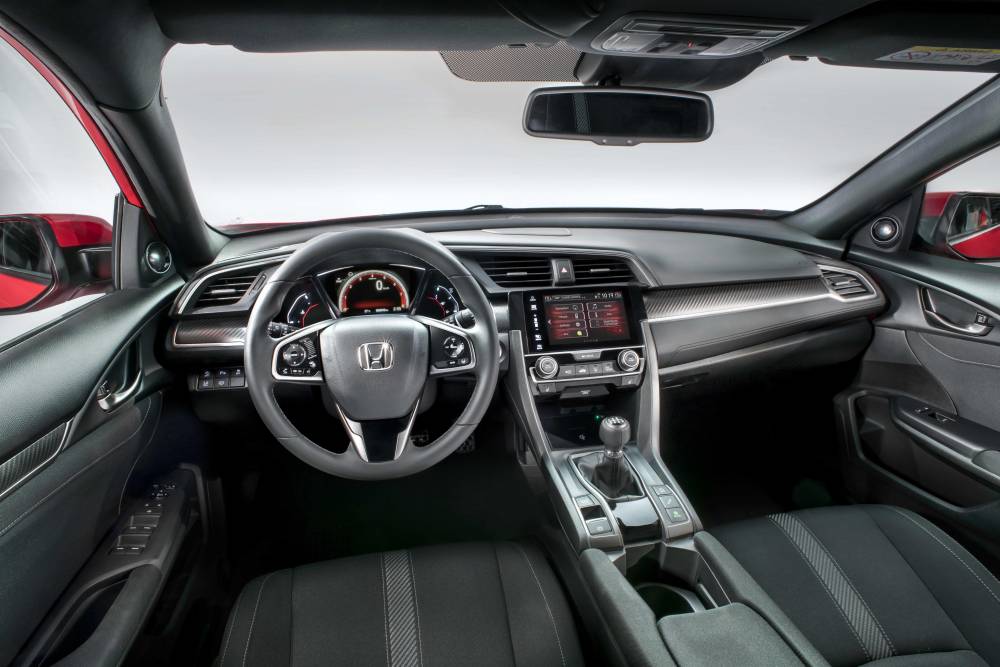
    The first thing you notice is a lack of gear stick. Honda has opted for the more and more popular choice of push buttons. You’ll find yourself in a yes and no situation as to liking it. In practice, it works well and there are shift pedals on the steering wheel though chances are you won’t really rely on them because the car choices the gears quite rapidly.

    The Verdict

    It’s a nice gearbox and smooth all the way up and down the gears. The push button selector could put some people off. If I have any gripes, it will be that I’d like to see the P (park) button a bit bigger and in red. In a car full of black plastic, it just isn’t bold enough. And for those used to driving automatics, you’ll understand the importance of park.  

    So finally there is an automatic gearbox from Honda that we can recommend. It works well in most situations. Long may it roll out to the entire range of Honda cars.

    Civic diesel Automatics start at £21,915 for the SE model.

  • CAR REVIEW | Honda Civic DTEC Saloon

    CAR REVIEW | Honda Civic DTEC Saloon

    ★★★★☆ | Honda Civic 1.6i-DTEC SR

    What Have We Got?

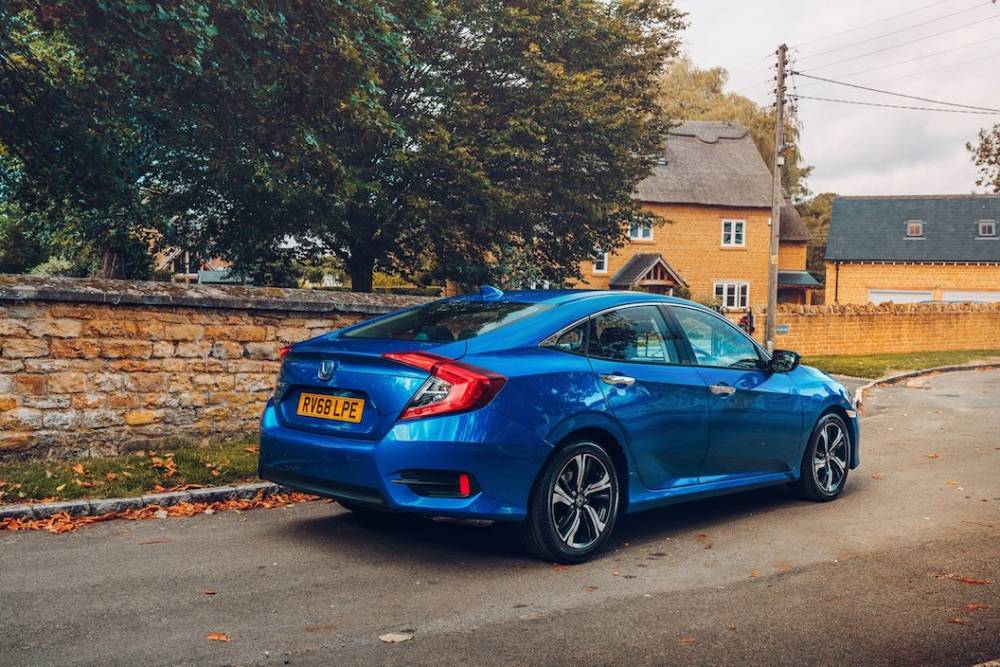
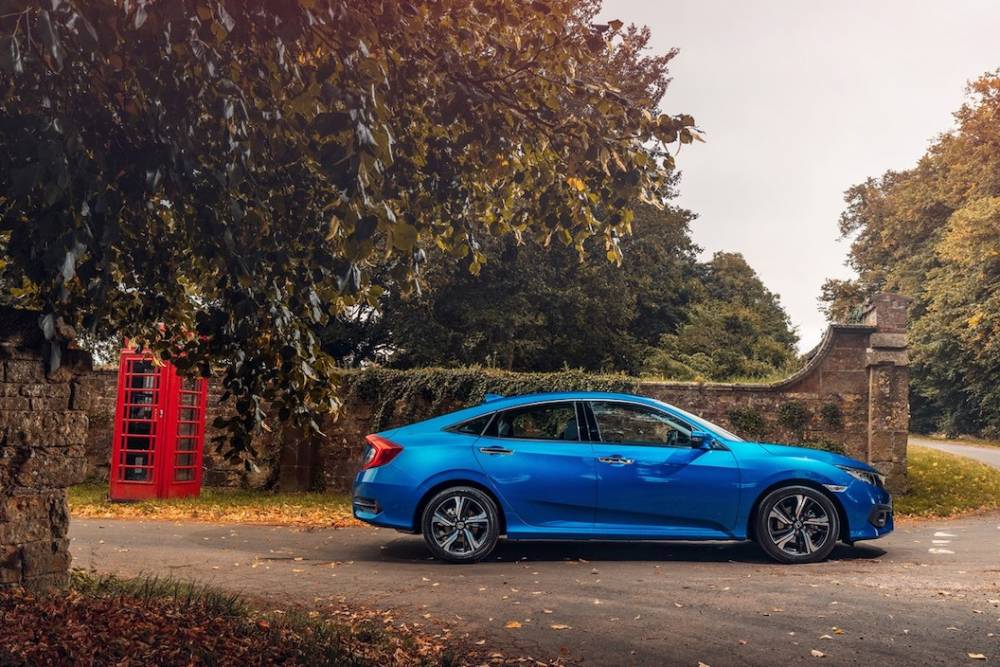
    Hot on the heels of our Honda Civic 1.6 i-DTEC hatchback review, we get the newly launched Civic 1.6 i-DTEC saloon. In showrooms burgeoning with SUV’s and dwindling choices of saloons, Honda comes right at you with a new offering in a market that is almost forgotten and a free for all for those who want a 3 box booted vehicle. 

     If you miss the Accord and wished for its return then your dreams have come true. In the real world, it fits nicely where the old Accord would have fitted if not in the Passat segment of car anymore where it once was. 

    Driving

    Here is where the main differences are. Despite all the performance figures looking the same for the diesel engines, the saloon puts its power down in a totally different way making for a more relaxed driving experience. Whereas I had moaned about the speed in which the engine revved to its redline in the hatchback, in the saloon, it seems more leisurely and I like it. It makes for a much more relaxed cruiser.

    Some would moan about this-this because it feels so markedly different. And then you factor in a softer ride. Very soft in comparison to the hatchback. Again something I wished the hatchback was before you press the sports button. 

    Inside

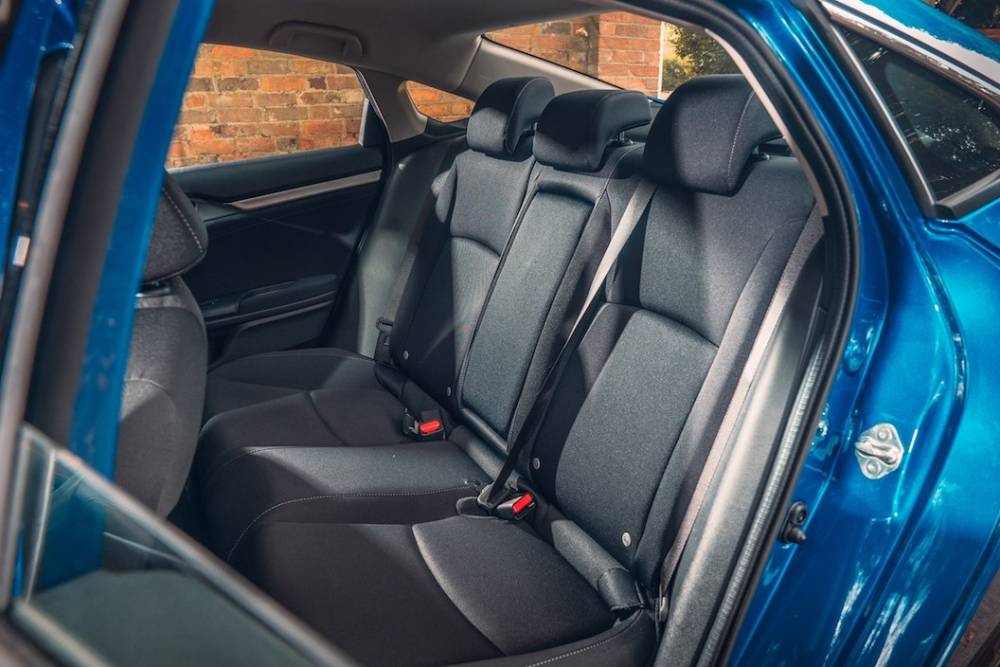
    There is very little to differentiate between the new saloon and hatchback. If I have to be really picky it is what is, or isn’t there under the rear parcel shelf. Again trim and paint appear to be missing leaving exposed speaker wires and unpainted metalwork. 

    As is standard with the hatchback, there is an abundance of black and all controls are identical.

    Living With It

    As I’ve said, the engine and soft ride bring a whole new experience to the Civic saloon that is very different in character to the hatchback.  

    It’s also an attractive looking car. It also cuts through the air better than the hatchback by giving you 3mpg more for no more than 130mm in length. Admittedly these are Honda’s unrealistic combined figures of 83+ miles to the gallon.

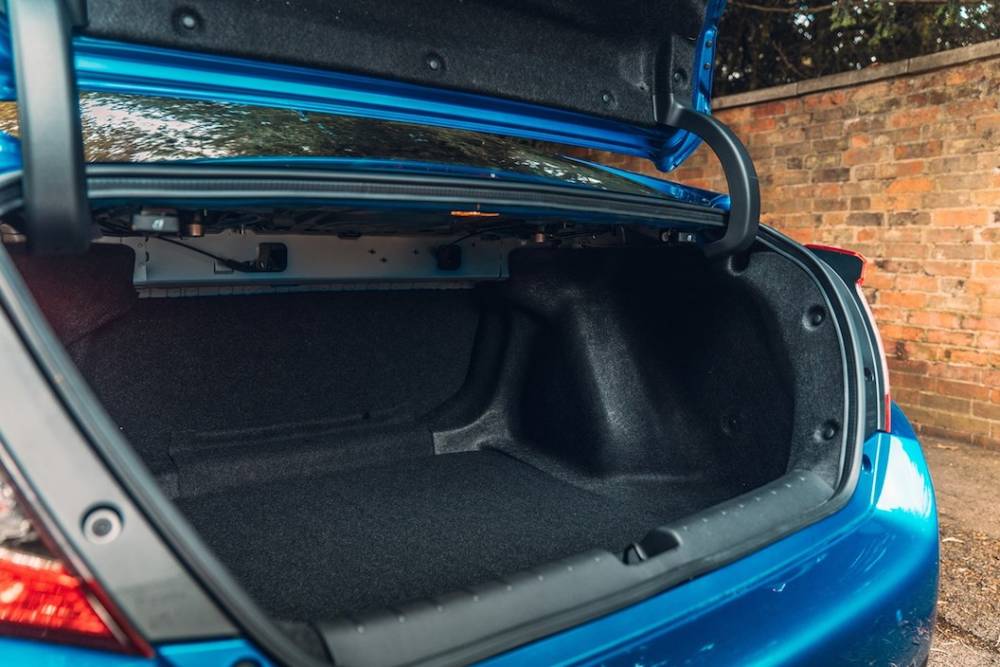
    And let’s not forget the boot capacity. From 478 litres, the saloon has an easy to access 519 and that’s before you fold down the 50/50 rear seats. It makes the saloon a very attractive alternative to the hatchback and other hatchbacks. Its size credentials making a case for its space in the showroom

    The Verdict

    Once again Honda presents you with a car that no one can dislike though many might choose to ignore because of that booted rear end. And that in itself is a shame because this really is a delightful car and one that needs to be looked at if you are in the market for a relaxing drive with no dramas and that drama includes wondering if that flat-packed chest of draws will fit the boot. It will. 

    Love

    Looks

    Boot space

    Build quality

    Loathe

    Lack of trim under the rear parcel shelf

    Unrealistic fuel figures

    Heating controls

    The Lowdown

    Car –  Honda Civic 1.6i-DTEC SR

    Price – £ 23,115 (as tested)

    MPG – 83.1 mpg (combined)

    Power – 120 ps

    0-62mph –  10.1 seconds

    Top Speed –  125 mph

    Co2 – 91 (g/km)

  • CAR REVIEW |  Range Rover Sport SVD6

    CAR REVIEW | Range Rover Sport SVD6

    ★★★★☆ | Range Rover Sport SVD6

    Weak At The Knees In More Ways Than One

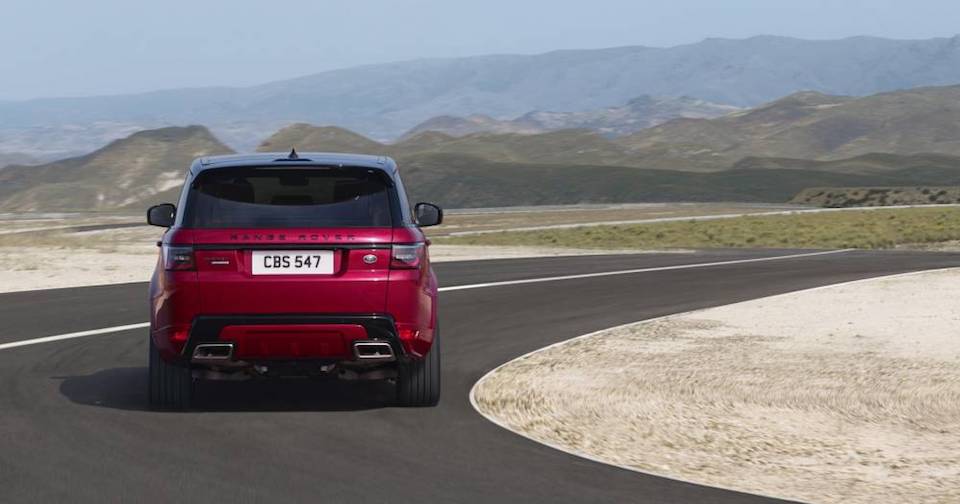
    Range Rover Sport SVD6 review

    What Have We Got?

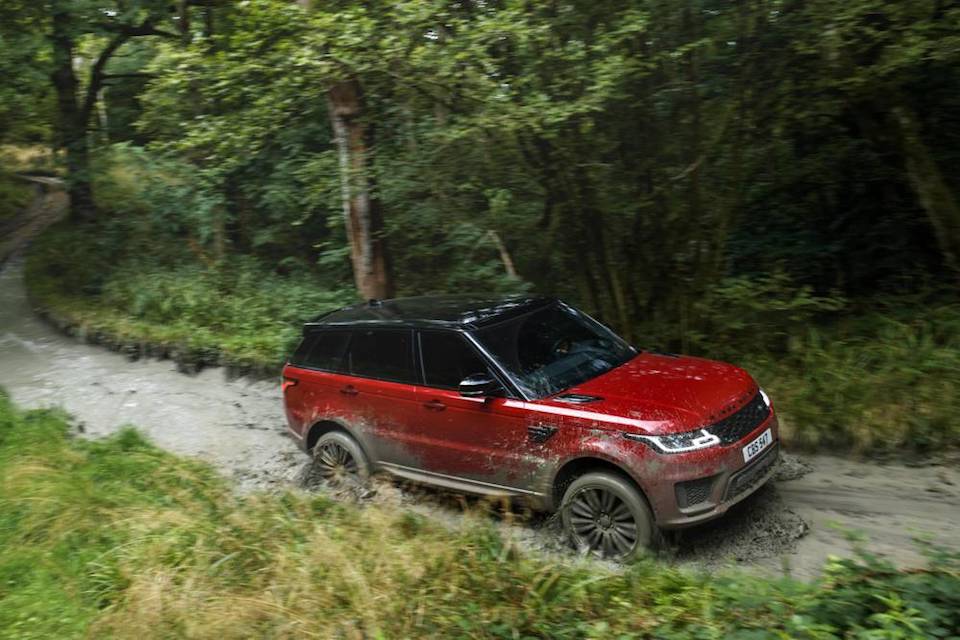
    Land Rovers vast luxury Range Rover Sport SDV6. Once again, Land Rover has moved the Range Rover further up the luxury bracket which means this isn’t some fancy farm yard vehicle. This is a proper bonafide people carrying 4×4 with proven 4×4 credentials.

    But is it any good as an everyday carrier of people and load?  

    Driving

    Despite its big looks, it is surprisingly easy to drive. On paper at least, the 3-litre turbo diesel has a modest 306 bhp and yet the high 700 Nm of torque from 1500rpm feels quite lethargic in getting it going. It’s not a slouch by any means with a 0-60 time of 6.8 seconds, it just feels like it because it isolates you from the drivetrain so well. 

    When the going gets bumpy, this model also benefits from some impressive damping. The ride remained composed. There was some lurch as expected but it’s much less than you would think there would be despite what height you set the ride at.

    Inside

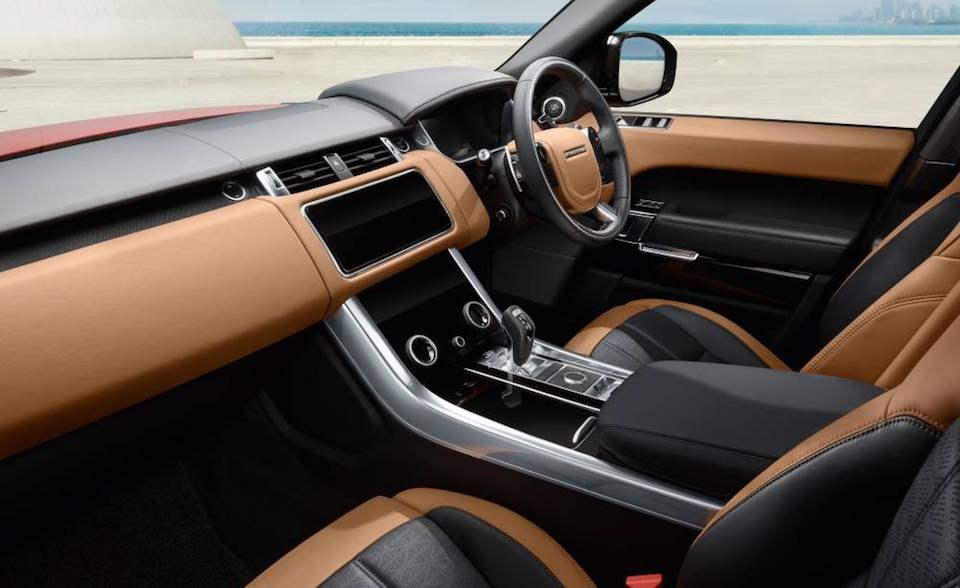
    For all of its exterior presence, it has an interior that matches. Big and bold with some nice touches in ergonomics and some appalling trim. 

    The twin infotainment screen is nice and when on, disguises greasy fingerprints quite well. You just need to keep the roof blind closed to enjoy it in the sun. It’s more reflective than I would like. 

    The leather coverings on the doors could have been a little bit better, though this was minor compared to the silver trim that ran down the side of the centre console. An unsavoury mould line left a sharp edge protruding that would rub against my bare knee.  

    Living With It

    All I will say is, pick your supermarket parking space wisely! It doesn’t feel as big as it looks to drive so you’ll find it cumbersome in the carpark. 

    It will seat five, though anyone sitting in the middle of the rear won’t feel the love with the drop-down armrest digging in their back. 

    It has the ability to travel ground so effortlessly that motorway driving would be a doddle. It would be if it was fitted with adaptive cruise control. One thing I struggle to get my head around is with all the safety features fitted to this premium 4×4, adaptive cruise is an option. It’s an option that should be standard.

    The Verdict

    I tried not to be swayed by the glamour of the thing but l failed. It took about three miles into my first drive to be in love with it. I didn’t even compile a good and bad list after the first initial run. 

    It’s not perfect though. There are a few niggles I have like trim quality and a suspension system that at times decides to go in too low overnight. That said it does make you feel like the king of the castle and you can see why people go back to buy another.

    Love

    Relaxing cabin

    Ride

    Door architecture

    Loathe

    Hate myself for loving it too much

    Sharp-edged trim

    Lack of adaptive cruise

    The Lowdown

    Car –  Range Rover Sport SVD6

    Price – £78,095 (as tested)

    MPG – 40.4mpg (combined)

    Power – 306bhp

    0-62mph –  6.8 seconds

    Top Speed –  140 mph

    Co2 – 185 (g/km)

  • CAR REVIEW | Honda HR-V 1.6 1-DTEC

    ★★★☆☆ | Honda HR-V 1.6 1-DTEC – A Driver’s SUV

    What Have We Got?

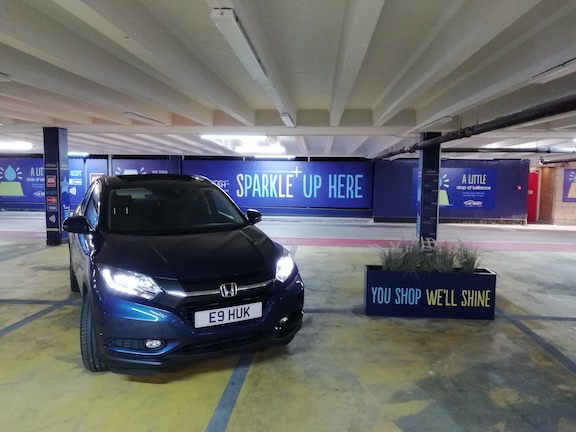
    Honda’s second-generation HR-V. A small SUV type car wrapped in a coupe body based on the small Jazz.

    WHAT! I hear you cry, second generation you say? Yes, that’s right. Honda abandoned the HR-V in 2006 and then brought it back in 2016. So two years into its life, does it still sparkle in the showroom? 

    Driving

    I always try and save the best until last. This isn’t the case with the HR-V. The driving is the best part. For a small SUV that’s a little jacked up and riding high, it is quite engaging to drive when you want to push on a bit. The 120 PS of diesel power at 4000rpm was nicely complemented by the high torque of 300 Nm at a low 200rpm. Mated to a rather nice 6-speed manual gearbox with a very tall 5th and 6th gear. This meant that most hurried driving could be carried out with slipping into 3rd and 4th gear.


    Inside

    Despite the pseudo coupe looks, it has stacks of people space inside and headroom isn’t a problem. You certainly couldn’t use ‘adequate’ as a word to describe the rear legroom because it is overly generous. What it does lack is door bin storage and general odds and ends places which aren’t fitting for this kind of car. And it’s all a bit dark inside despite the 50/50 split closed/open panoramic roof option that comes standard on the EX model. 

    Living With It

    At £27,640, you might feel a little out of pocket. It’s not cheap. Then again no SUV is cheap at the moment. Still, for your money, you do get a host of driver aid gadgets and toys in this top of the range HR-V. There are many areas that it could be better in but there are areas that it is much better than expected and that’s driver enjoyment. The ride is soft and comfortable and never leaves you wincing as you take on the worst potholed roads or uneven surfaces. 

    The Verdict

    Despite what I have said, I’m not a fan. Yes, the driving dynamics are rather good for this type of car. Quite a lot better than many if I am honest. It’s just that it lacks showroom appeal. And for the size of the car and the market it is in, it lacks the youth appeal that really is the kind of drivers you would expect to see buy into these smaller SUV’s. This is something VW and Seat do a little bit better. It also lacks innovation and this is something I am rather upset about. Honda is very innovative and yet it seems they have missed many opportunities with the HR-V. Driving and looks aside, you really have to want one to want one. It just didn’t sparkle enough for me. 

    Love

    Driving dynamics

    Engine

    Looks

    Loathe

    Paint finish

    Lack of innovations

    Small door pockets 

    The Lowdown

    Car –  Honda HR-V 1.6 1-DTEC EX manual

    Price – £27,640 (as tested)

    MPG – 68.9 mpg (combined)

    Power – 120PS at 400rpm

    0-62mph –  10.5 seconds

    Top Speed –  119 mph

    Co2 – 104 (g/km)

  • CAR REVIEW | Honda Civic 1.6 i-DTEC EX 

    CAR REVIEW | Honda Civic 1.6 i-DTEC EX 

    ★★★☆☆ | Honda Civic 1.6 i-DTEC EX

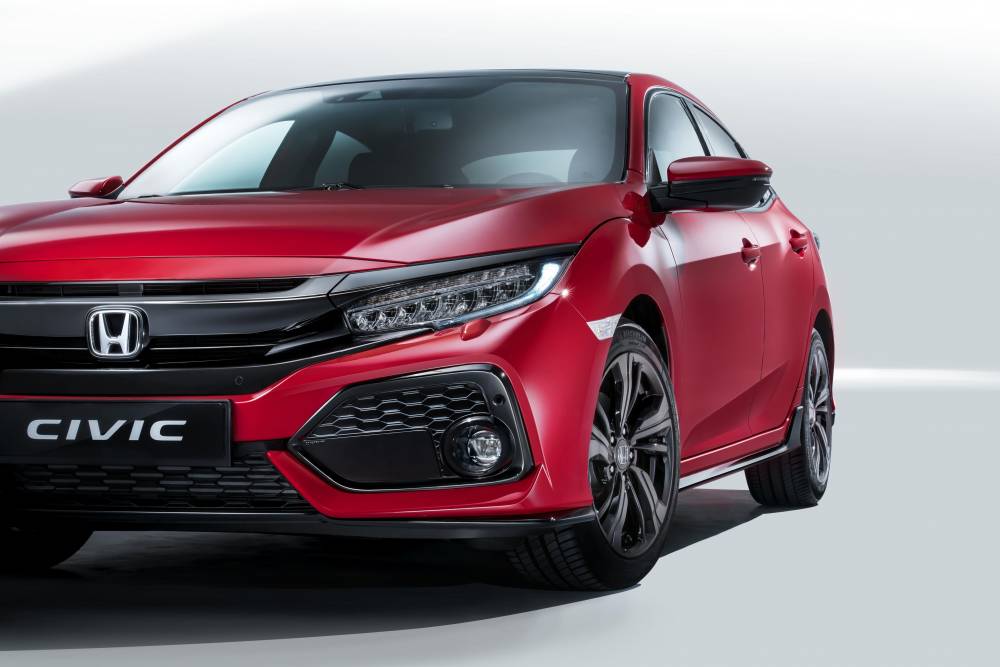
    What Have We Got

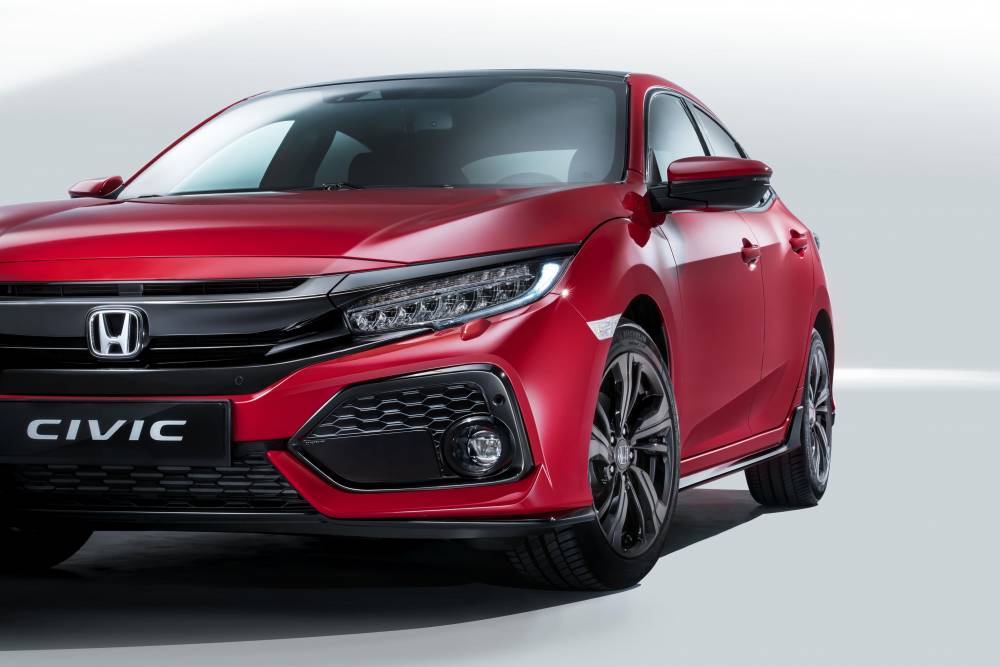
    Here is Honda’s 10th generation Civic. It is the humble family car that has been a staple from Honda since the 70s. Now let’s be honest, before 2006’s 8th generation Civic, it had been largely thought of as a competent car and one that’s just alright.

    That all changed and again with this all-new Civic 10. Design-wise it is an elegant looking car that takes generation 8 Civic to a new level ignoring generation 9’s dumpy potato look. And it has paid off because the Civic 10 is a looker.

    Driving

    It’s a puzzler. Civic comes with two driving modes, normal and sport. The usual attributes happen when you press the button with the steering becoming artificially stiffer along with the damper rates, and throttle response is sharpened. What then would be nice is for a softer ride in normal mode. It isn’t a hard ride at all and on most surfaces, it is always composed, and very little throws it off its course. A softer ride though might just quieten the road noise and add some luxury quality.

    The diesel engine is rather torquey and once spinning, it will reach the rev limiter quickly. It catches you out too for a car with a 0-60 of over 10 seconds, so you need to be quick on first three gears. Thankfully the clutch is light with good feel, and the gear stick precise and slick.

    What I did find was the fuel economy a little disappointing at the pumps. Honda claim 80.7mpg for the combined. I was lucky to get 49mpg over my week with Civic. That’s some way off their claim.

    Inside

    Inside you are treated to a well-made interior. It all fits well together, and the controls are logically laid out. The infotainment system isn’t as clunky to use as some though it takes a bit of time to build up familiarity with it particularly with the heating. I’m in a 50/50 kind of mind if I like the split screen and button use for it. Screen de-mist is a button under the infotainment screen while the other setups are all contained within the touchscreen.

    Interior is also very dark with its use of black is everywhere. Some of the joins where one material meets another are not always successful. What is though is the centre console that is well made. All this black would become unbearable if it weren’t for two things. The big retractable glass roof and the masses of shoulder space. Depending on your build you’ll find there is either too much shoulder space, or the door armrests are not large enough. I found I was having to spread my arms out like having a broom shoved down my sleeves and holding the steering wheel at the precisely 5:35.

    Living with it

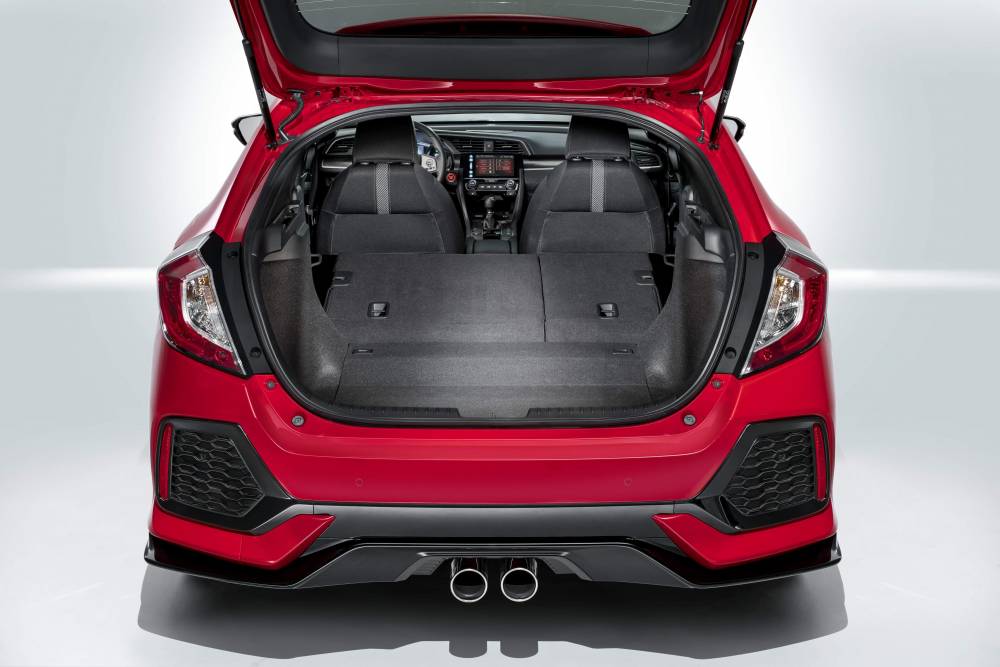
    I have a few gripes about the Civic as mentioned above. The hatchback opening is large and wide, and a neat feature that I do like is the fold away parcel shelf blind that when compacted looks like a printer ink cartridge. It’s genius thinking. The problem with a hatchback is the problem of where do you put the parcel shelf. 10/10 Honda.

    I also like the sense of space. Despite my moan about shoulder space, the car doesn’t feel too wide to drive through town. It’s quite nice to pilot around.

    Verdict?

    I’d have one. I wouldn’t feel cheated if I was thrown the keys and told, “That’s yours, get on with it”. You can’t argue with the cost and spec over its nearest rivals. Spec for spec, it’s cheaper than a Golf and better equipped than the Astra. The technology works well too. What I will say though is don’t rule out the zippy petrol version.

    Love

    Price

    Spec

    Looks

    Loathe

    Unrealistic fuel figures

    Heating controls

    Turbo lag

    The Lowdown

    Car – Honda Civic 1.6 i-DTEC EX

    Cost – £26,574 (as tested)

    MPG – 80.7 mpg (combined)

    Power – 120ps

    0-62mph – 10.2 seconds

    Top Speed – 125mph

    Co2 – 93 (g/km)

  • CAR REVIEW | Jaguar XF R-Sport 240ps AWD

    ★★★★★  | Jaguar XF R-Sport 240ps AWD

     Jaguar XF R-Sport 240ps AWD review
    Jaguar XF R-Sport 240ps AWD

    The Black Cat of the Family

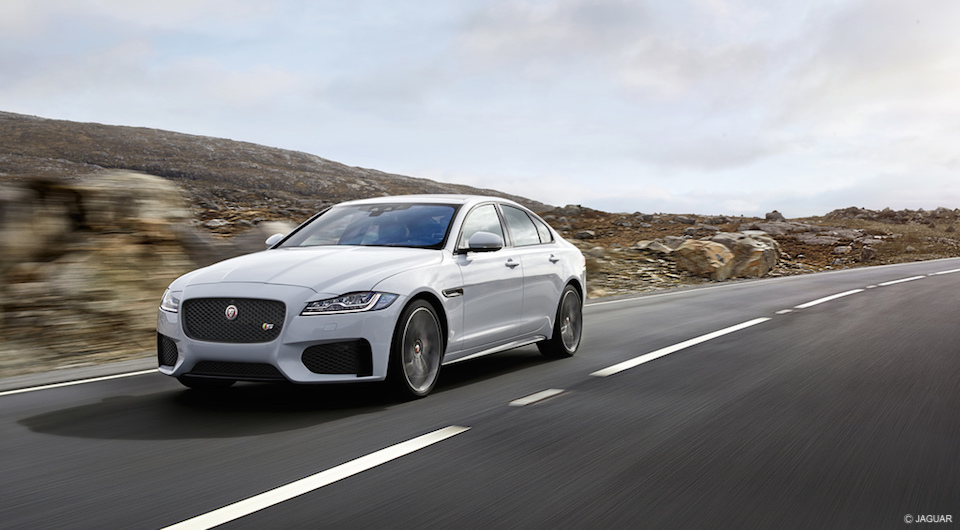
    Jaguar booked out the E-Pace we had set for review and so came up with another XF-R Sport for us to try here at THEGAYUK. I was keen to see if my original views on the petrol version would be mirrored into this diesel model.

    I wasn’t particularly kind about the last Jaguar XF R-sport we had on test. I said the handling was a bit safe. Indeed it was. Having tried another example I can honestly say that I more than enjoyed the XF-R Sport. This is how it should be done. 

    For reasons, I cannot explain this other than the diesel engine makes light work of progress through the 8-speed automatic gearbox. And a good job too because it only has a rev range of 750rpm where maximum torque is made. a massive 500 Nm between 1750-2500 rpm. Compared to the petrol engines 269 Nm around 1200-4500 you can see where the magic happens and how quickly it does it. 

    I’m not a fan of the diesel engine. That has now changed to ‘I am a fan of the diesel engine’ and despite the current uncertainty surrounding the black pump at the forecourt, you need to still consider it. For a start in the combined miles to the gallon, the diesel will do another 11 over the petrol.

    Back to the impressive torque of the engine, it is suited to the XF R-Sport script. It lacks overall power compared to the petrol but by the time the petrol version has caught up you are well away to a claimed top speed of 153. That’s 6 more than the petrol. Other than that, performance is identical.

    They say it is anyway on paper. In practice, it really isn’t. And this is where the already awarded four star XF gains an additional star. It’s not a 5-star car yet compared to the last one I have to award it another star simply for being so much more fun to drive. 

     Jaguar XF R-Sport 240ps AWD review
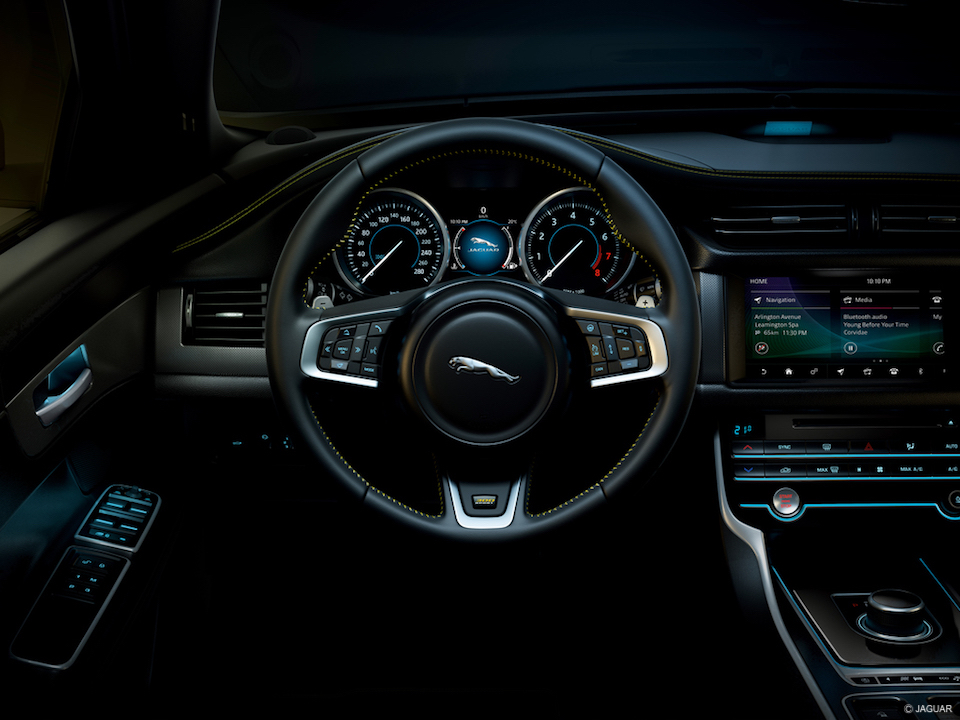
    Jaguar XF R-Sport 240ps AWD Interior

    The low down grunt still doesn’t kick you in the back. It’s still progressive but those 8 cogs in the gearbox keep up and allow for some sporty driving that you associate with Jaguar saloons. It was so much better to drive. Even the steering felt more connected and I know for a fact that there is no difference between the set up of this car to the other. It’s all down to the engine and how it propels you down the road. Very well I might add.

    Another plus though I don’t often comment on is the colour combination. The red with chocolate leather worked better than the last offerings of black on black with more black and white inserts. What I still don’t like and the brown leather only made it all the worse was the blue cabin lights. I do not like them. Interior lighting is so important inside a car. By day you hardly notice it, come night it can make or break a car.

    Last time I also moaned about the clumsy cruise control settings. This model was also fitted with adaptive cruise, it’s a £1460 option and in my book, it should be standard on every car fitted with cruise control. It could be that the adaptive cruise made setting it easier because it was so simple to use and set. 

    One thing, well a couple of things are apparent in the diesel version over the petrol. The firstly is the noise of the engine in the cabin. It’s just a little too vocal. I’d like my Jaguar to be somewhat more suppressed to engine noise. From cold it is quiet and once warm quieter still yet it’s muted clatter is still there. What is absent is the vibration on start-up from the auto stop-start. You could always detect it in the petrol model. 

     Jaguar XF R-Sport 240ps AWD review
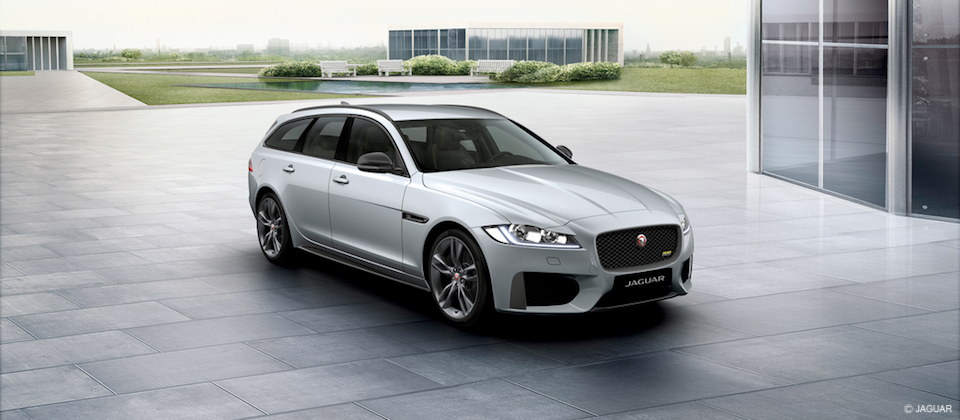
    Jaguar XF R-Sport Estate

    There isn’t much more to be said about the XF R-Sport other than this one was £700 cheaper yet it didn’t have the 360-degree camera package. Add that and it would be priced almost matching the petrol model. It’s an option I liked having. Anyway, you need to test the diesel if you are considering the petrol model. Two cars, identical in all but the engine and my word what a difference it is. You may just find yourself, like me totally in awe of the black fuel.

    Love

    Engine flexibility
    Economy
    Handling

    Loathe

    Blue interior lighting
    Trim tactility
    Engine noise

    The Lowdown

    Car –Jaguar XF R-Sport 240ps AWD

    Price – £58,175 (as tested)

    MPG – 51.4 mpg (combined)

    Power – 0-62mph – 6.2 seconds

    Top Speed   153 mph

    Co2 – 144 (g/km)

  • CAR REVIEW | Citroën C4 Cactus Flaire Blue HDi 100

    ★★★☆☆ | Citroën C4 Cactus Flaire Blue HDi 100


    Softer Edged Prickly Character

    The Overview | The DriveThe CabinThe Verdict

    Here we have Citroen’s revamped C4 Cactus. Now in its fourth year, Citroën have tamed the design down quite noticeably while making some changes underneath. In short, the Cactus is a sort of hatchback SUV crossover built to a price while saving weight by not including items Citroën deem superfluous for this kind of car like. Gone are the air bumps and bulky patches on the bumper. Instead, we have the new corporate front but still retaining the unusual interior. We take the Flaire Blue HDi 100 diesel for a drive.

  • CAR REVIEW | Vauxhall Astra Sport Tourer

    ★★★☆☆ |  Vauxhall Astra Sport Tourer

    Vauxhall Astra review
    We put the Vauxhall Astra through its paces

    The Overview | The Drive | The Cabin | The Verdict | The Lowdown

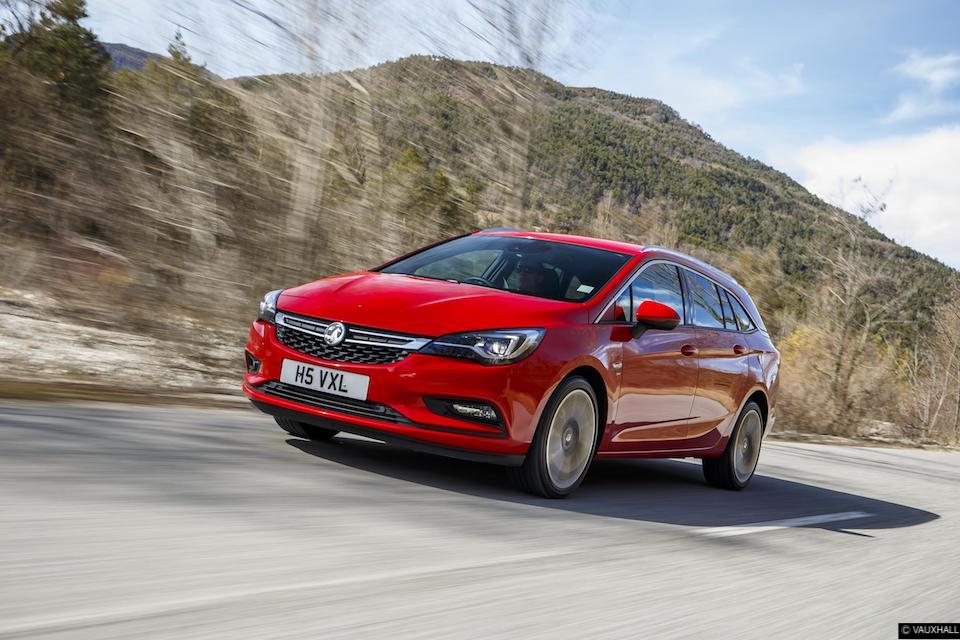
    The Astra sells in big numbers because it does what you want a practical car to do and fleet operators like it. With a market so crowded with fierce competition from VW, Skoda, Fiat and the likes, is the new Astra able to hold its own?

    There is always some anticipation when getting a new car for review. More often than not I request a model and leave it up to the manufacturer to supply the goods. So there was high anticipation for the new Astra. I hadn’t realised until the day that it was going to be their tourer model. To you and me that means estate. So already I am off to a good start. I like estates.

    It was a simple Astra CDTi with few frills at first glance. This would allow me to review the Astra as a car and not the toys. Now in its 7th generation, I was pleasantly surprised. It’s well put together and tough too.

  • CAR REVIEW | Citroen DS 5 Blue HDi 180 auto Prestige

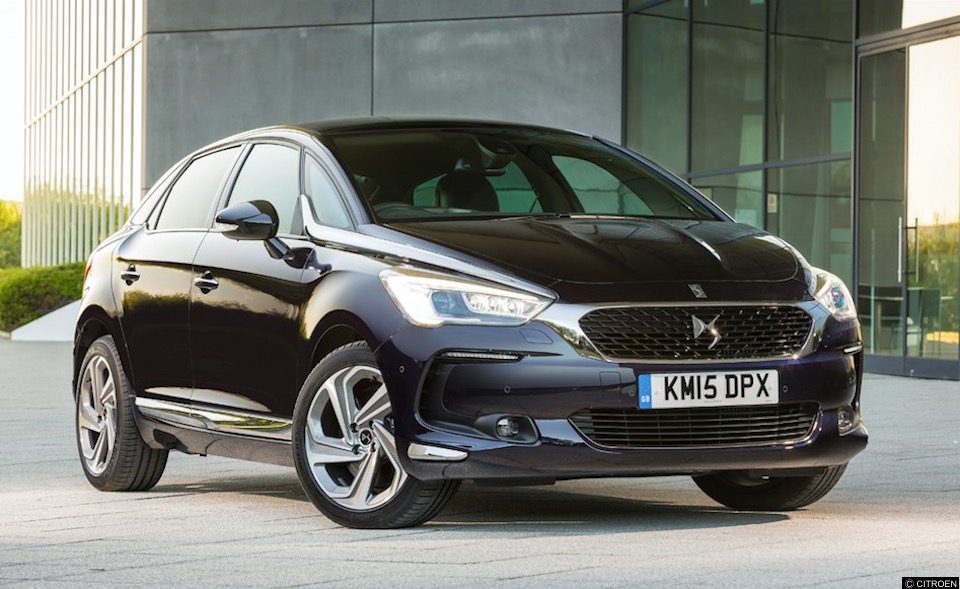
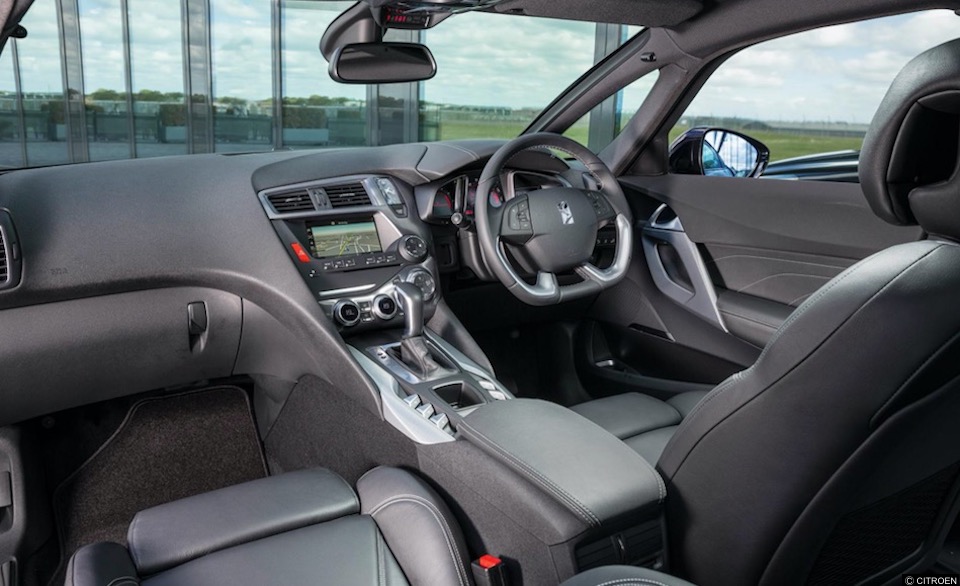
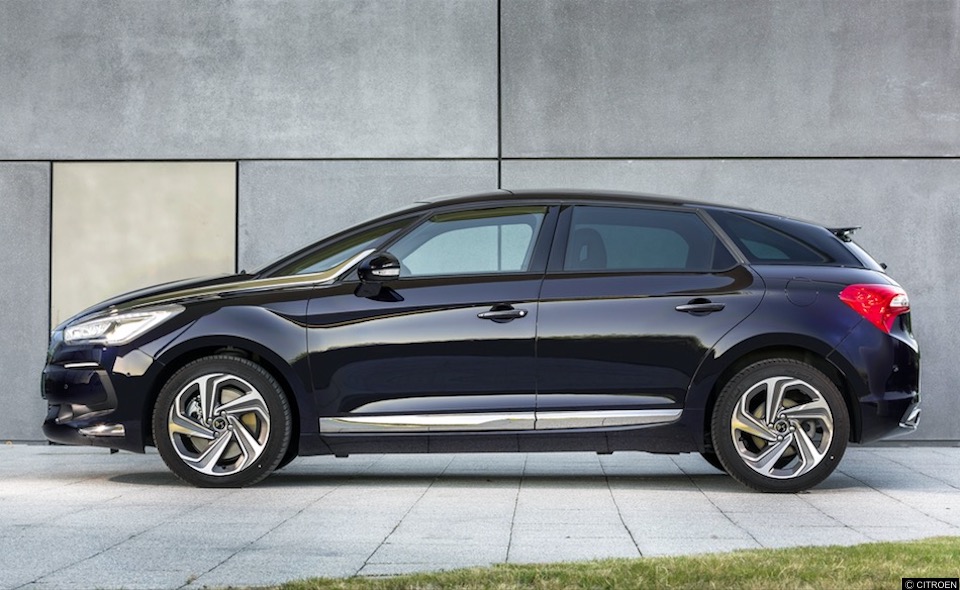
    I am in a bit of a pickle. I’ve spent a week with Citroen’s DS flagship brand and its 5. The problem I have is I am not sure if it is trying to be an MPV or a hatchback or somewhere in between.

    CAR REVIEW | Citroen DS 5 Blue HDi 180 auto Prestige

    It took me around 13 miles to feel comfortable in it. The driving position options are vast as you would expect with electronic memory driver seat with massage facility. The steering wheel alters for rake and reach. It’s just where do you position yourself in a car that has a high waistline and low windows? So 13 miles in I found it. Where it felt comfortable.

    I altered that three days later and soon found it best to sit just a little bit higher. If anything it’s the dashboard that makes it awkward at first. It’s huge! So big in fact that there are side windows between the windscreen post and door frame.

    It’s a nice place to be in. The French have a history of reinventing the dashboard of cars. Sadly no one else follows but to hell with it, this is Citroen. In an age were fascias are all becoming as similar as the outside, it is nice to know the DS 5 does it differently.

    For a start, there is a clock with hands just above the start button. Next to it on the infotainment screen is a digital clock. The clock itself is an optical illusion. Tall and narrow in shape and yet it always looks like the arms are going to get stuck around the 3 and 9. It’s a little bit of old in a lot of new.

    Some design bits don’t quite fit at first. The red digital parts conflict with the white printed parts and then there is the digital speedometer read out below the normal speedometer. It gives you many options all at once and not to good effect. You soon forget all this and forgive it because you’re soon too busy hunting for the window switches.

    DS 5 comes with the usual infotainment system that carries a tradition of annoying me with its grey over black on the satnav screen at night. Thankfully this can be changed. What can’t sadly is the pedantic way the finger touch inputs work. The screen is too flat and too far away to be really handy and this is amplified by the fact you need to touch the coloured logo spot on to get the phone system to display a text message that then needs further fingering to get it to read it out. It’s as distracting as using your phone by hand. Something we do not endorse so on a personal note this is a failure.

    The interior door panelling is finely sculptured as you’d expect in DS. Red lights highlight the door handle and cup holder. There is no apparatus on the doors. This works well. It means you keep your right hand on the wheel at all times. Remember I said about hunting for the window switches, they are found on the central tunnel in finely sculptured buttons. It’s all a break from the norm and I am starting to like it.

    If I can be blunt the inside is what Saab should have been doing. The cockpit is a mixture of automobile and aircraft. There is even a roof tunnel between the front glass panels for glasses and switches for the sun blinds. Opened and it makes the cabin feel light and airy. Rear seat passengers will also feel happy in the DS5. They will moan however at the window switches. In keeping them clutter free like the rears, they placed the window switches in the centre between the front seats. Nothing bad except 2 things, they are too far away for easy reach and they work upside-down. Down is up and up is down!

    Outside also has its mix of good and bad. Sadly in black, you can’t see the fine details unless up close. What is now missing is the absence of the Citroen chevrons. DS is now a stand alone product. So it manages to retain some Gallic charms and being outside of the double chevron is probably why it has been allowed to grow to an in between car of hatchback MPV and be so very different from anything the PSA company has to offer.

    The headlights are a nice place to start in terms of design. They are some 21” in total length. At night time the outer edge is illuminated in a brilliant white while inside that keep you focused with their steering ability. The headlights themselves blend seamlessly into the front wings and screen posts with an abundance of chrome. It’s all very showy. The side profile again is an awkward blend of 2 cars fighting for the same place.

    The ride and drive are ok. It suffers from some turbo lag as most diesels do but it isn’t annoying to get going. The Blue HDi 180 turbo diesel engine is quick off the mark though thwarted by traction control. It reminds you that this isn’t a sports car so don’t even try it. As a comfy cruiser, it is best but the ride is somewhat lost on surfaces where there are joins. It doesn’t crash over pot holes but irregularities do cause it to jolt around a tad when normally it is well behaved. It can be hustled but you will need to get used to its ways. When really pushed it will roll like a classic Citroen of the 70s and it will understeer with no attempt at scrubbing off speed when you let go of the throttle. Thankfully the chassis is more than capable and oversteer isn’t ever going to be a thing to worry about. To get the best out of it I found using the auto box as a manual. In auto, it just sometimes got a bit confused. In manual, it worked a treat and if you got too excited and carried away, it would change up regardless. The tactile contours of the gear stick made manual changes a joy. It felt very sensual and its response to inputs was quick.

    There is a lot to recommend about the DS 5 and certainly more-so if you are in the market for something that will stand out from the normal fleet cars found in the company carpark. You’ll win no prizes from management for stepping out against the crowd but to someone like me, you will be a hero. I like different.

    Love

    Subtle stand out from the crowd car
    Cabin design
    Solid feel

    Loathe

    Fiddly infotainment system
    Very black materials used inside
    Awkward switchgear

    The Lowdown
    Car – Citroen DS 5 Blue HDi 180 auto Prestige
    Price – £35,590 (as tested)
    MPG – 62.8mpg (combined)
    Power – 0-62mph – 9.2 seconds
    Top Speed – 137 mph
    Co2 – 117 (g/km)

  • CAR REVIEW | Peugeot 3008 GT

    ★★★★  | Peugeot 3008 GT

    It’s a bit of a standing joke between a motoring journalist friend of mine and me about how I can wax lyrical about Peugeot products awarding them 5 stars when others don’t. And in truth I do but that makes me more critical because having been brought up with French cars for my first 20 years of motoring I want them to succeed and indeed they can if they only made them better in terms of quality.

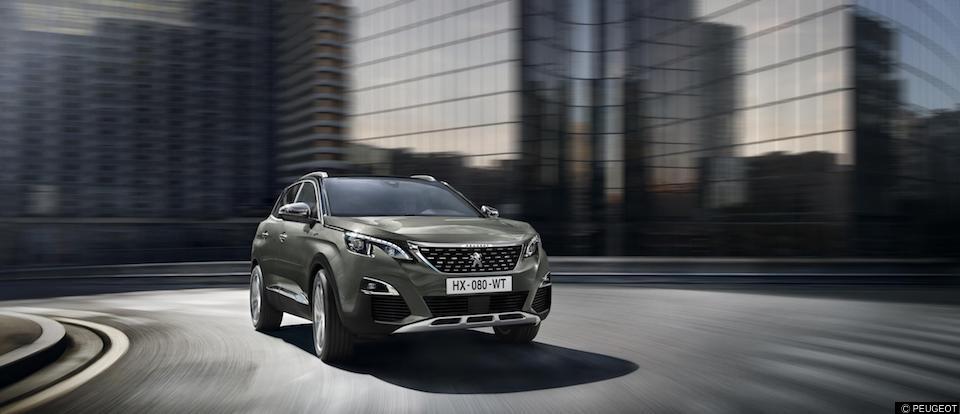
    That, I am glad to say is now the case. The 3008 (the first Peugeot to carry over an existing number so don’t confuse it with that one) SUV is what I have been dreaming of from the company in Sochaux-Montbeliard, France.

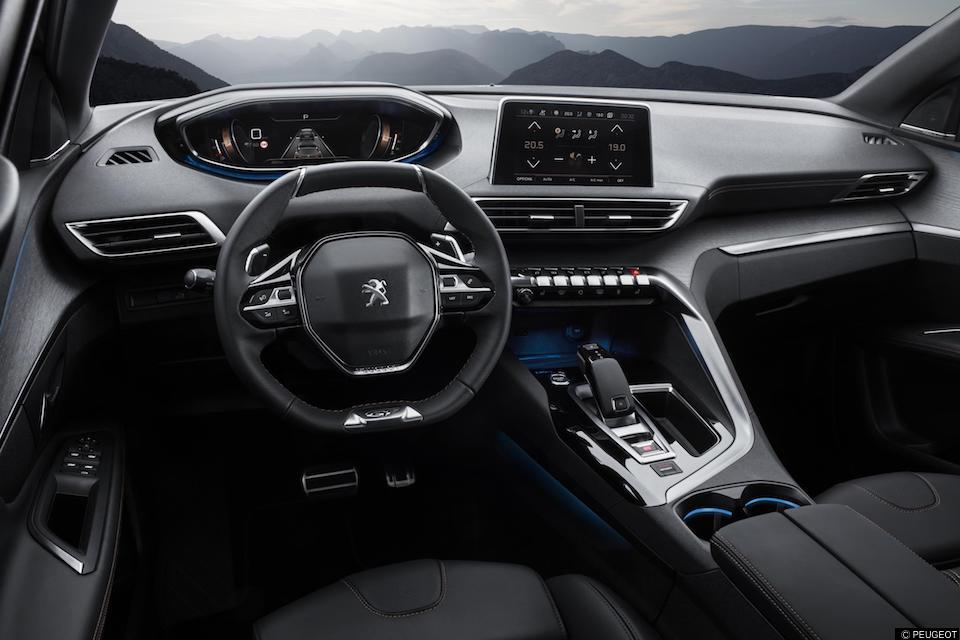
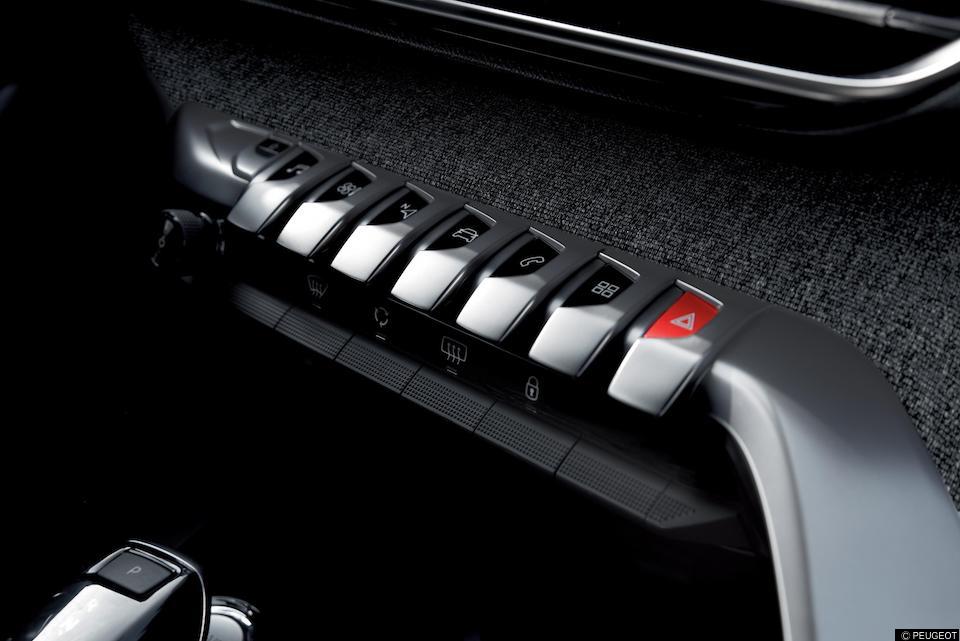
    I have been excited about visuals shown on the new interior and the design of the cabin. If you are for want of a better word, going to reinvent the wheel, you’d best make sure it’s damn good and the 6 piano buttons that control the 8” infotainment screen work with German fluidity. You then look around the i-cockpit as they call it of this 3008 and you realise that this Peugeot has the potential to challenge VW head on in the quality feel arena for the first time. A car needs to have a tactile feel to remove any deadness about the cabin and certainly from the driver’s seat, the 3008 has it in spades.

    The window switches felt far superior in feel than they looked being not too dissimilar to the generic buttons found across the fleet. The dashboard really is like a massive chunk of contoured rubber and because of this has that tactility that makes it all the more inviting and the solid feel of quality. The design contours flow around the driver with little touches here and there that made it the most inviting Peugeot I have ever been in. The blueish wood grain effect door inserts added to the quality feel of a very upmarket Peugeot.

    And the wax lyrical praise doesn’t stop there. The ambience could then come with changes to the fascia panel in front of the driver and above the small steering wheel. Peugeot says this positioned closer to the road and more in the field of the driver’s vision making it safer for eye glances to be made. It feels very natural.

    The GT model also came with ambience choices within the set up allowing for lights within the dashboard and doors to be dimmed thus allowing you to make a cockpit to suit you. And then I found the massage seats. I could have stayed in it forever. What didn’t work for me was the two choices of amplifying settings available called “boost” and “relax”. While relaxing you could think of as basic settings, boost on the other hand changed throttle response, steering feel and pumps out engine noises through the speakers. To me, it didn’t change it enough for me to really notice other than when flooring it on the M20 and the change in exhaust note from nothing to a nice growl.

    The 3008 GT as tested is the flagship model and apart from the £1300 coupe Franche paintwork you really can’t fault it. Or so I thought. The Franche paint job is a blight on to the otherwise stylized body with an ungainly angled painted block of black colour up the rear door and over the boot. It’s nicely done and the paint edge is smoothed into the rest of the paintwork but your options money would be wisely spent elsewhere. Like the advance grip control unit and Visio 360 degree camera and park assist pack. Added together they come to £710. Two well worth options in my opinion.

    What I really can’t forgive the 3008 GT is its engine. More to the point, the choice of engine units available. There is only one. A diesel. It’s actually a very nice 2-litre diesel engine to use. It makes all its power of 180hp within a useable 3750rpm range and 400Nm of torque at a lowly 2000rpm. That big shove of torque power comes with limited turbo lag enabling rapid acceleration from T junctions a breeze. It runs through a 6-speed automatic gearbox that you couldn’t fault its gear selections though using the paddles and doing it yourself made it quite spirited. If it’s going to wear the GT badge, it best behaves like one even if it is an SUV. It did and l enjoyed the many miles I travelled in it.

    The ride and handling helped this sense of GT spirit. It wasn’t too harsh or too soft and it wasn’t Germanic. After years of wanting Peugeot to return to form and make their own suspension settings instead of copying the market leaders, they have created a suspension system that is compliant for almost every eventuality one could wish for in a drive across Kent. That eventuality was aided by a fantastic sat nav that l have to thank greatly for aiding me in avoiding 3 nasty hold-ups between South London and Folkstone. Tomtom and Peugeot have made a very useable system that doesn’t make you curse at it. It alerts you to any given problem and can navigate you around it.

    I’ve a lot of love for the 3008 and I am not the only one. This Peugeot has won many industry awards in 2017. It’s an easy car to live with and it’s a Peugeot built to last. Press cars are not treated with kid gloves so this one having a tow bar and over 10,000 miles on the clock when l got it still felt solid.

    What I can’t get out of my head is that the GT is only available with that diesel engine. In a time when the UK is uncertain which way to go regarding the derv engine, I am puzzled as to why they only give it this one option on the flagship model. As Peugeot quote in the brochure, the GT ”will leave you wanting for nothing” and it does except I want a petrol engine.

    Likes
    Cockpit
    Driving ability
    Kit as standard on the GT

    Loathes
    Very limited engine options
    Switches below the piano keys look out of place
    Auto close boot resistance very strong

    The Lowdown
    Car Peugeot 3008 GT
    Price £33,695 (as tested)
    MPG 58.9mpg (combined)
    Power 180bhp
    0-62mph 8.9 seconds
    Top speed 131mph
    Co2 124 (g/km)

  • CAR REVIEW | Toyota Hilux

    ★★★★ | Toyota Hilux

    Toyota Hilux review

    Hi Ho, Hi Ho, it’s off to work I go with Loadsa Unadulterated Xpression.

    OK, that is a crap intro for a vehicle that is anything but. This thing can seriously take a lot of it. This vehicle really is the king of the pick-ups.

    I was in a bit of a quandary when I took delivery of Toyota’s new Hilux. I’d trapped a nerve in my shoulder and the prospect of a harsh ride associated with pick-ups didn’t feel me with much joy.

    I can say that THEGAYUK covered 200 comfortable miles in the Hilux. It’s not luxurious by any stretch of the imagination. In fact, the front and rear behave like Dr Jekyl and Mr Hyde. The front is soft and composed. The rear is a bit jiggly. That’s how it is with a fully functioning pick-up truck.

    I like trucks but in the everyday sense of the word, the Hilux isn’t the best as a poser mobile. The Nissan Navara does that better. The Hilux is a working vehicle. Take a look at any worldwide disaster and you’ll see plenty of Hilux’s new and old on both sides of the law doing what they do best and that is carry whatever is needed to wherever they need to get to. There are many “classless” vehicles out there but non-so-classless as the Hilux.

    You see despite my little moan about it not being the best in cold harsh terms, it is. Toyota has two particular things in this segment of the market that are essential and that is reliability and dependability.

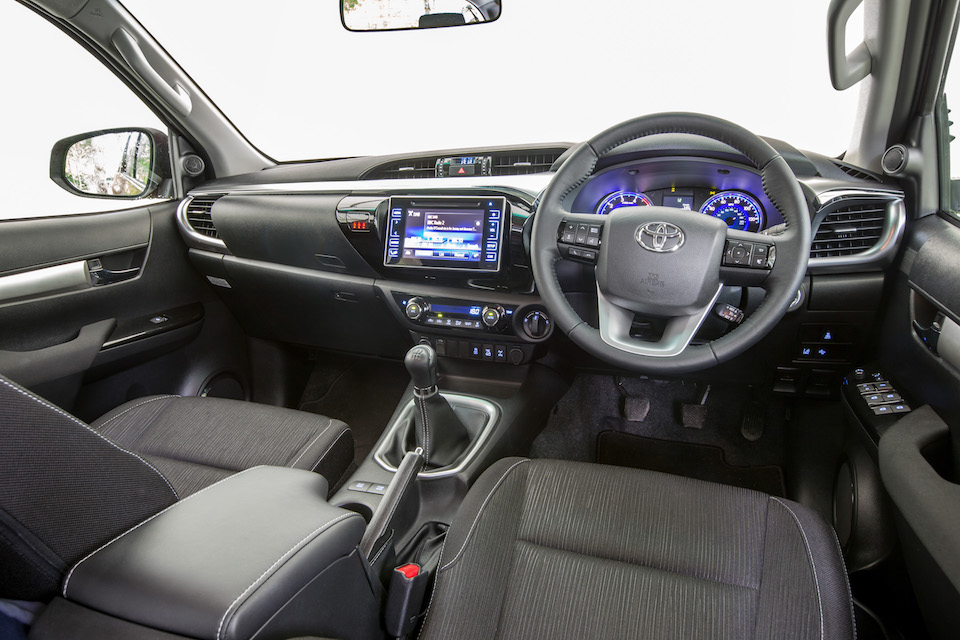
    That reliability just cannot be matched. Think of the original Land Rover. It was simple to put together. It did the job. Sadly it got complicated. A working vehicle needs to be fit for purpose including abuse beyond all limits. Despite not being filled with the latest gadgets for the price, the Hilux isn’t basic. The interior looks and feels purposeful to the job. The stitching on top of the dashboard gives a sense of craftsmanship when in fact it is moulded plastic. The door cards are plastic panels with a token of luxury with a fabric insert on the arm rest. You could put your garden sprinkler on in this to wash it down. It would still work.

    The Hilux also has dependability. That go-any-place skill hasn’t come overnight. It has taken 49 years and now 8 generations to get here. If in those 49 years of being a load lugger, you become too complacent and don’t meet the expected needs, a reputation for failing then spreads quite fast.

    People LOVE the Hilux. A friend has the last generation model. She will not part with it. I’m not sure if that is good news for Toyota or not that she won’t upgrade but it shows the admiration she has for her Hilux. She works with horses and needs to cross some pretty awful terrain and hills. Her previous 4×4 spent more time in the repair shop than on the farm. We now see her once a year for the Hilux yearly service.

    The service intervals are short. 10,000 miles or annual service. Quite short when compared to some in this segment. Servicing on a regular basis as is seen on my friends truck proves dependability of her truck.
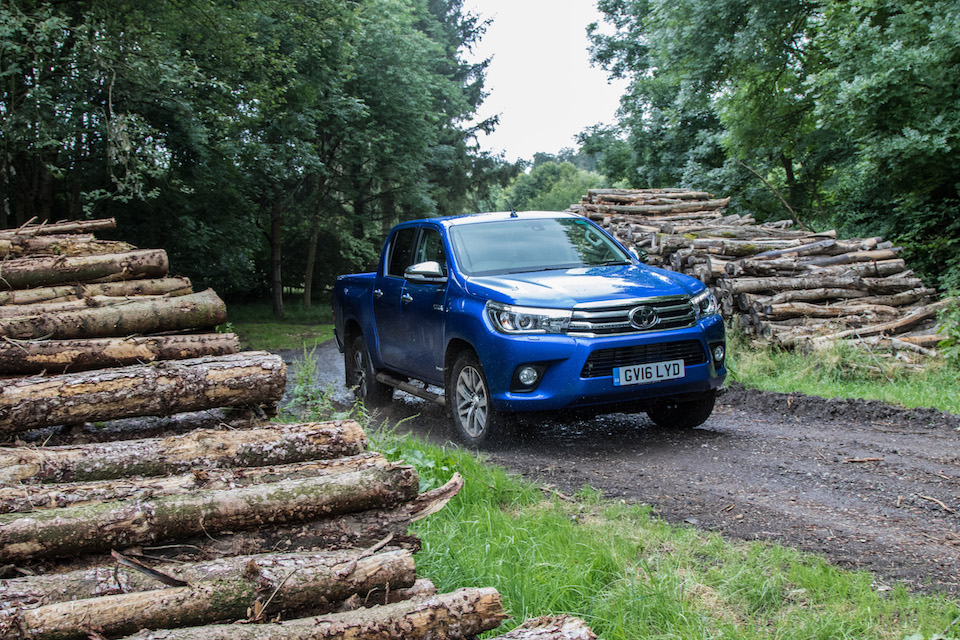
    I didn’t get the chance to take the Hilux off-road. I did find a badly rutted path made by a muck spreader. I didn’t realise it was a muck spreader until l got home. The air lingered that night in the Avenue. That still didn’t stop me poking my nose underneath. This press vehicle has seen some action. The belly pan showing sign of doing what it does best and that’s protecting vital mechanical items. It’s a testament to Toyota then that despite this evidence the rest of the undercarriage looks up to the task and despite being a new vehicle showed no signs of damage. Vital items such as prop shaft and electrics are high out of the way. Only the exhaust is vulnerable and having sensors built in for monitoring emissions it’s anyone’s guess how well these items are protected.

    On the road, it was surprisingly easy to drive. Navigating it around the lanes where l live and in town was quite easy. The auto box doing all that was needed. There was a little turbo lag from rest that l wasn’t too keen on. That moment’s hesitation can sometimes be annoying. What it didn’t do however was lift the inside rear wheel when pulling out from junctions. Something l have noticed other pick-ups doing too easily. So on the Hilux, there was no need to select 4 wheel drive. There is something to be said about a limited slip rear differential in an unladen pickup.

    Motorway driving was effortless. Because of the isolation of rear wheels in the cabin, there were only 2 wheels that were able to transmit road sounds inside. I didn’t notice any. And the engine itself, all 2393 of diesel cubic capacity making 148bhp at 3400rpm and 400Nm of torque from 1600 to 2000rpm was subdued unless pushed. Torque is the key figure here and it’s torquey. On the motorway, it will thunder along quietly at legal speeds barely going outside of this range and for overtaking it’ll pick up speed and motor. The in-line 4 will become vocal when pushed during kick-down of the 6-speed auto box and then settle down to a whisper when cruising again.

    It’s a big vehicle. The rear bed of the Hilux has increased making it even longer than the last model. Unlike the cheaper Navara, Toyota doesn’t have 360-degree cameras or reversing sensors fitted to this vehicle. It needs it. The reversing camera fitted is OK. The yellow lines do line up, it’s just that the extremities do get a little lost. It didn’t, however, stop me parking within an 1 inch from the bumper of my bus.

    I’m not in the workman trade so for me, there is little to recommend the Hilux for use as an everyday vehicle unless that is I want something that has a reputation that exceeds that of all the other trucks out there. 18 million Hilux’s have been sold around the world. Yep, that’ll do it. SOLD.

    Love

    Economy
    Reputation
    Ease of driving

    Loathe

    Quite expensive
    Lack of equipment
    Noisy when worked hard

    The Lowdown
    Car – Toyota Hilux Invincible D/C 2.4L
    Price – £32,645 (as tested)
    MPG – 36.2mpg (combined)
    Power – 0-62mph – 12.8 seconds
    Top Speed – 106 mph
    Co2 – 204 (g/km)