Tag: Diesel Car Review

The latest reviews for diesel cars. Find out which are the smoothest, quietest, most economical and cheapest diesel cars on the market.

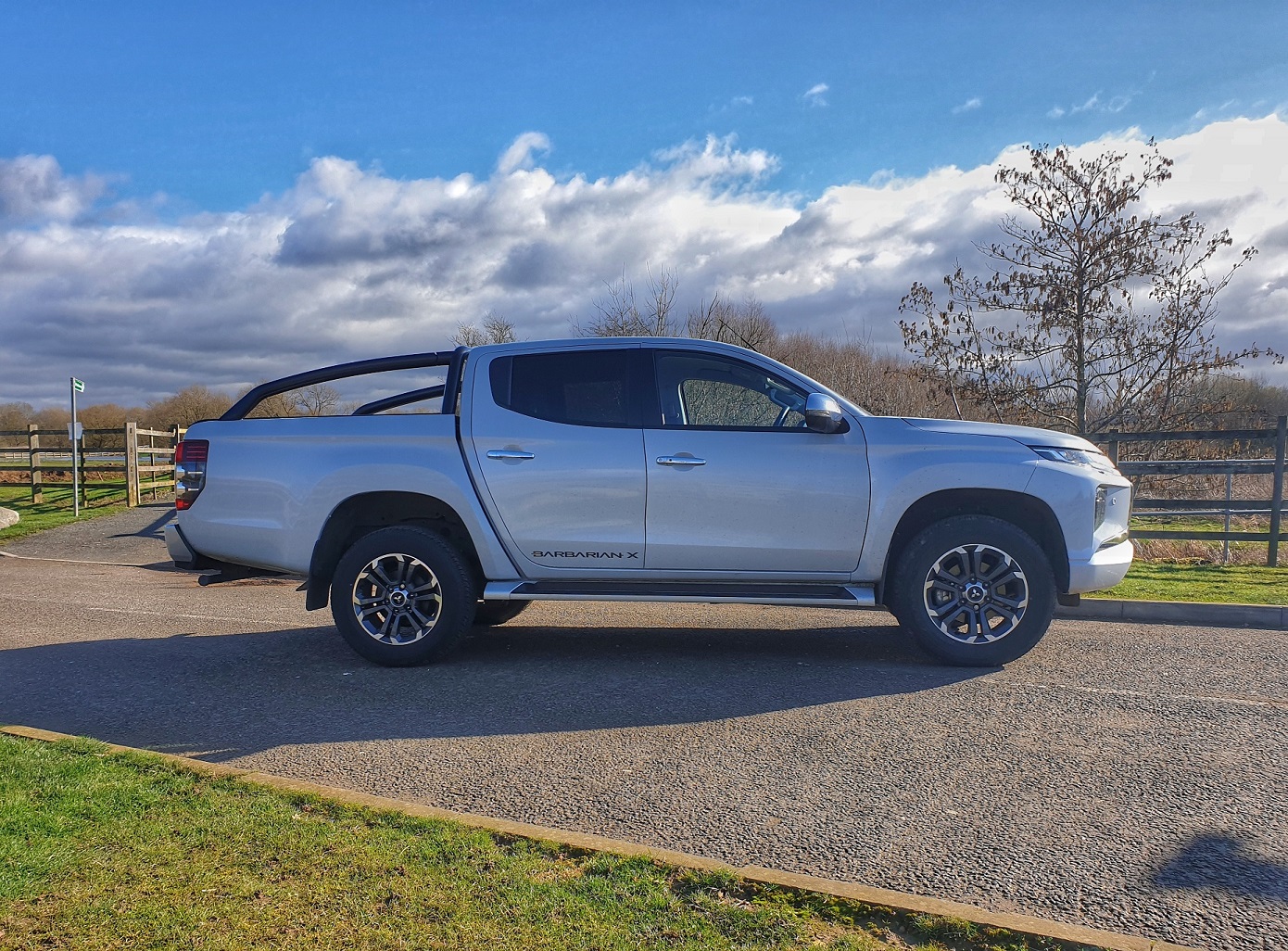
  • CAR REVIEW | Mitsubishi L200 Barbarian X

    CAR REVIEW | Mitsubishi L200 Barbarian X

    Rating: 5 out of 5.

    The Mitsubishi L200 Barbarian X is the latest in our series of lifestyle pickup reviews.

    Mitsubishi’s L200 is now in its 6th generation with production beginning way back in 1978, and worldwide production topping five million vehicles so far.

    If you’re looking for a pickup, you will be interested in some or all of the statistics, so here we go;
    There is an all-new 2268cc all-aluminium turbo diesel 4 cylinder engine producing 150bhp and 400Nm torque. Gearbox options are the new 6 speed automatic or a 6-speed manual.

    The payload is up to 1080kg and gross train weight (GTW) is 6100 kg.
    Curb weight for the L200 is 1935kg and the towing capacity is 3100kg with a twin axle trailer.

    At just under 5.3m long, this is a long vehicle and certainly doesn’t fit into a small, modern parking space. Width is 1.8m and feels no wider than most of the traffic around you. Lastly, the bed length is 1850 on this model.
    List price on the L200 starts at around £21,000, rising to £32,000 for what you see here, the Barbarian X.

    Solid axle and leaf spring at the rear and double wishbones and struts at the front.

    It wasn’t all that long ago that a pickup was simply a work tool. I remember early L200’s, Ford Rangers and many others, being pretty agricultural and basic. Over time, manufacturers have added more and more creature comforts. These days, manufacturers generally include at least one well-appointed, lifestyle type pickup in their range.

    Mitsubishi is no exception with their L200. This Barbarian X model is like a luxury SUV inside.

    Barbarian X comes with leather and Alcantara upholstery. The seats have sixpack quilted stitching, and leather features on door cards, centre console, armrest, and rear seats. The interior plastics are high quality and soft touch and after several thousand press fleet miles (aka hard miles) the interior is fresh, unmarked and doesn’t squeak or rattle.

    Exterior styling is a bit contentious. In a time when manufacturers seem to be trying to soften the styling on pickups to make them less aggressive, Mitsubishi decided on a more bold approach to the styling. The front is particularly striking with angle and straight lines dominating. They call is dynamic mesh. One thing is for sure, it’s an imposing sight in your rearview mirror.

    Side steps have been raised, in fact, the whole vehicle rides higher.

    Pickups have generally lacked in creature comforts over here. In the last few years, things have certainly changed, and this L200 boasts an impressive list of active safety aids. Partly lead by legislation and partly by customer expectation, o modern pickup is very well specified. This Mitsubishi has every active safety aid you would find on a modern car. Mitsubishi proudly state this barbarian X has class-leading active safety.

    As you would expect, there is a touch screen infotainment system. It’s not the last word in refinement but works well and has a good stereo.

    What’s it like to live with and drive? It has a poor turning circle and is a little bit bouncy over potholes, to be honest. Mitsubishi have stiffened the suspension over the previous generation. There are stiffer springs but in my humble opinion, the damping could be better. It works much better with a bit of weight on the back and is very smooth then. Let’s put this into perspective. This L200 is a pickup, designed to work for a living. It’s also a serious off-road tool with increased ground clearance over the previous model and a host of off-road features such as a low range gearbox and locking diffs. It’s also a luxury SUV and all for £32,000. Bearing that in mind, there is bound to be a compromise. Saying it’s compromised seem unfair though, it’s very nice to drive. I did 5hrs on the road in it one day with absolutely no issues or complaints. It was a lovely place to be.

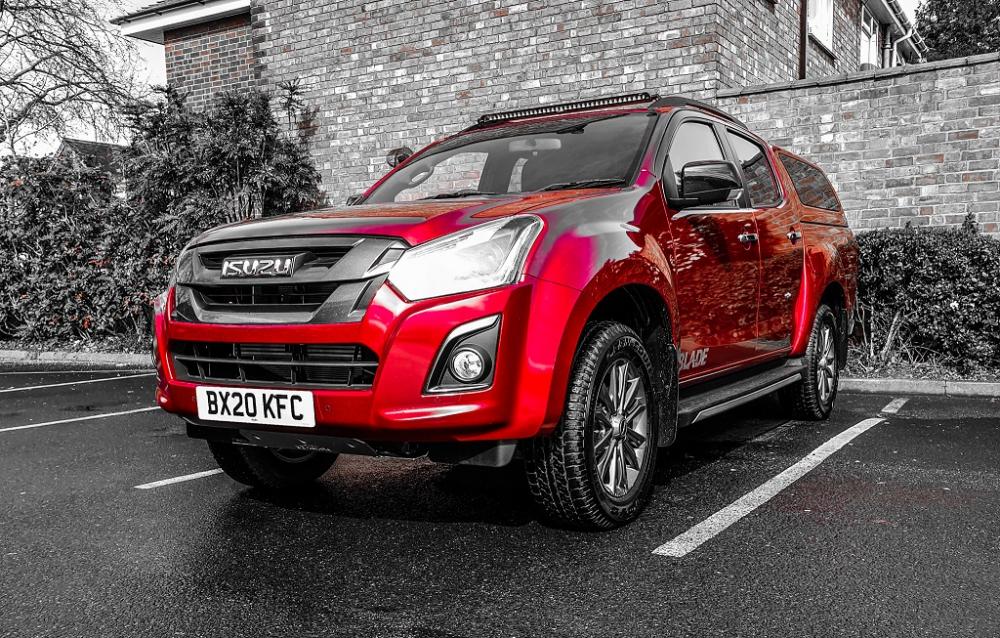
  • CAR REVIEW | Isuzu D-Max Blade; The Rugged Gentleman

    CAR REVIEW | Isuzu D-Max Blade; The Rugged Gentleman

    Rating: 5 out of 5.

    There are lots of good pickups on the market today, In fact, the line between pickup and SUV is becoming increasingly blurred with every new pickup released.

    You could argue that Isuzu is one of the founding fathers of the modern pickup. Farmers and workers across the globe who need a serious workhorse have preached the word of Isuzu for years.

    Isuzu introduced us to the D-Max in 2012, and it became the standard for rugged reliability and a serious workhorse. That is still the case, however, these days there is a rich vein of luxury running through the D-Max family. We have been fortunate enough to test several of the D-Max family; the mad Arctic trucks variant, the very cool XTR and now the Blade.

    Our test vehicle is the D-Max Blade which is a double cab with all the toys.

    Talking about toys, the range-topping D-Max Blade has plenty. In terms of practicality; LED projector headlights, rear load liner, roof bars, side steps, tailgate damper, privacy glass rear windows and ours had the excellent colour coded Aeroklas canopy.

    Another cheeky little option ours had was the roof-mounted lazer light bar. You really need to see this to believe it, it literally turns night into day.

    Inside, the D-Max Blade is a very nice place to be. Standard specification is very generous and includes such luxuries as; front and rear parking cameras, climate control, leather upholstery with heated front seats, 18″ alloy wheels, and a great infotainment system.

    Isuzu has fitted the Blade with a 9″ multifunction touchscreen with DAB Radio and Bluetooth® connectivity (Apple CarPlay™ & Android Auto™) including Satellite Navigation. This features nine speakers (2 x front door, 2 x rear door, 2 x tweeters, 2 x roof mounted & 1 subwoofer) and a selection of USB ports and a HDMI port. It has a great sound and is easy to use.

    As we have come to expect in modern cars, there are a host of electronic aids, and you know how these manufacturers love their acronyms, so brace yourself. Some are active safety, some have a more practical use, for example; ESC (Electronic Stability Control), TSC (Trailer Sway Control), ABS (Anti-Lock Braking System), EBD (Electronic Brakeforce Distribution), BAS (Brake Assist System), HSA (Hill Start Assist), HDC (Hill Descent Control), and Front, Side & Curtain SRS Airbags. I warned you there were a few. What this tells us is that the D-Max Blade is a very safe and capable pickup.

    The 1.9-litre four-cylinder diesel engine puts out a little over 160bhp and a hefty 360Nm of torque, delivered between 2000 and 2500rpm, ensuring the D-Max has plenty of get it done power. Talking of working for a living, the D-Max will haul 1098kg which is more than most of its rivals and it’s is rated to tow a braked trailer up to 3500kg, so it will easily tow the race car trailer or boat.

    On the road, the Blade is imposing as you would expect. It has huge ground clearance, tall tyres and isn’t light. Steering is slow and progress is generally sedate, but I love it. It’s essentially a big 4×4 and drives as you would expect. It rides well, better than some others I’ve driven only beaten by the Mercedes X Class (soon to be discontinued) and the Nissan Navara. The Blade has a solid rear axle and leaf springs at the rear with struts at the front and rides well. The suspension seems well balanced and does a good job of isolating the occupants from the horrors of our appalling roads, and you feel like you could go anywhere in it.

    We felt obliged to test the Blade’s off-road ability and oh my, this is serious. Isuzu builds the D-Max to perform, and it is fantastic off-road. You would have to do something pretty crazy to get stuck in this.

    To summarise, Isuzu’s D-Max Blade is a very well-engineered, well-proven, luxurious pickup that drives well and looks good. It has great standard levels of equipment.

    The only thing to consider is that the D-Max has been around for a while and there is a new model waiting in the wings.
    A new Blade starts at £28,814 CVOTR* + VAT.

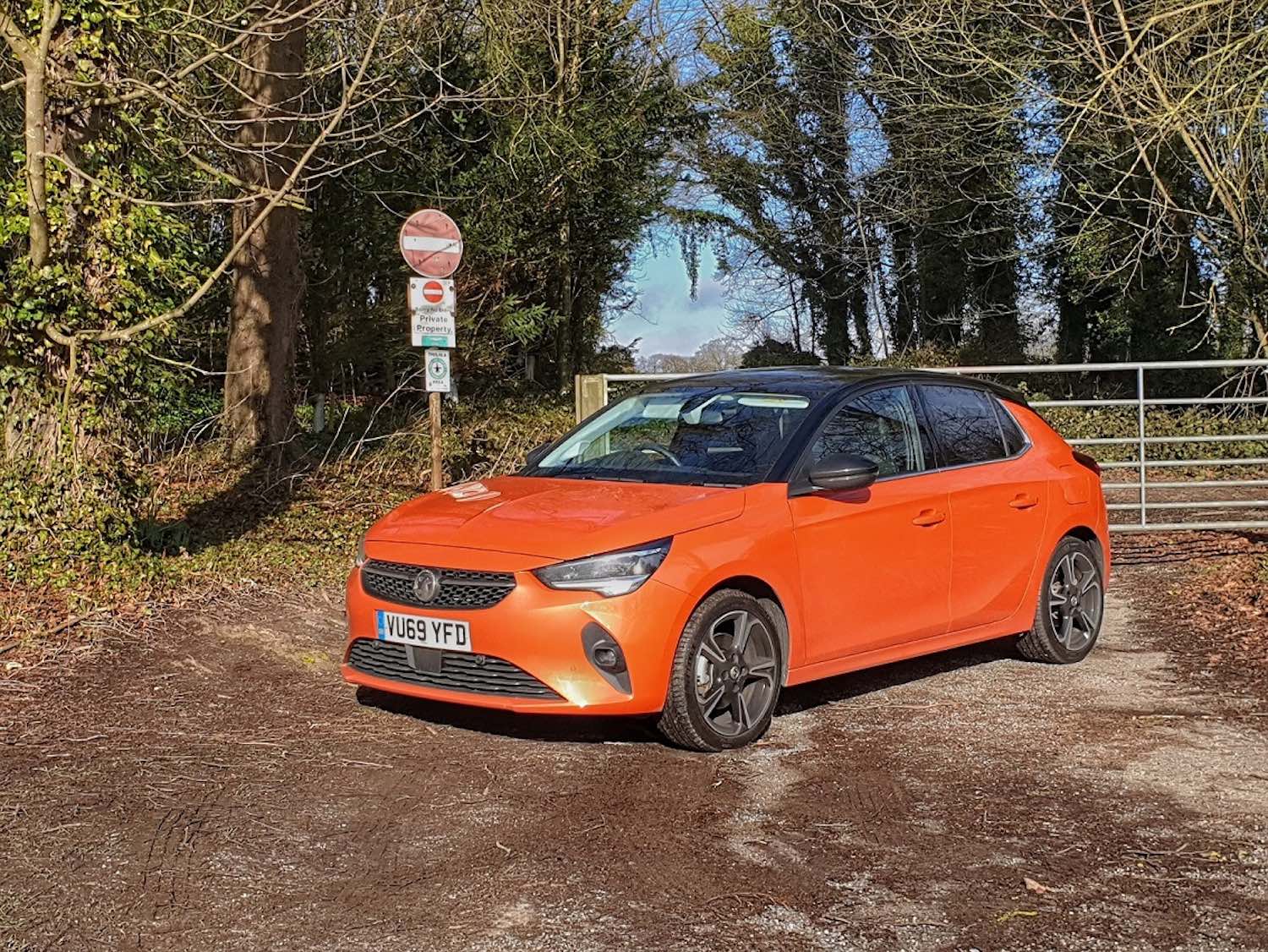
  • CAR REVIEW | Vauxhall Corsa Elite Nav Review

    CAR REVIEW | Vauxhall Corsa Elite Nav Review

    Rating: 4 out of 5.

    The Corsa name was first unleashed onto the British public in 1993. Here, it superseded the Vauxhall Nova and had the model reference Corsa B. Over in Europe, the Nova was known as the Opel Corsa (Corsa A) but let’s not get bogged down with the details.

    It’s hard to appreciate the impact the humble Vauxhall Corsa has had on the automotive world. It’s not a particularly revolutionary, but man it had an impact.

    How many young kids have learnt to drive in a Corsa, or had a Corsa as a first car? Maybe you had one as a first car? As it happens, I have a Corsa C parked outside the house as I write this. It’s no2 son’s first car.

    In 2017, PSA bought the Vauxhall brand from GM and has been busy rejuvenating the brand since then. 

    This all-new Vauxhall Corsa is a result of the new PSA influence and is based on the EMP1 platform, the same platform that the excellent Peugeot 208 is built on.

    Our press car was the well-appointed Elite Nav, fitted with the 1.5 Turbo Diesel engine. It’s a peppy and frugal unit, producing 102PS (100bhp) and giving back up to 70mpg. You also have the choice of two petrol engines (75PS/74bhp non-turbo or 100PS/99bhp turbocharged) and even an electric variant.

    It had the 6-speed manual gearbox rather than the 8-speed automatic gearbox. My preference is a manual and it’s a good gearbox that suits the car.

    Vauxhall offers the new Corsa in 6 trim options. Ours was the Elite Nav, top of the family tree. This is a well-appointed car with standard equipment including; 10-inch colour touchscreen, IntelliLux automatic LED Matrix Headlights, 17-inch alloy wheels, keyless entry and start, adaptive cruise control, leather seat trim with driver seat massage function and front heated seats, auto wipers, power-folding door mirrors, front and rear parking sensors, a panoramic rear-view camera, privacy glass, black roof and much more. Very impressive for a small car.

    Vauxhall list up to 53.3mpg on petrol engines, with C02 from just 93g/km C02. With the diesel engine, up to 70.6mpg and from 85g/km CO2. This diesel Corsa was had a 0-60mph time of 10.2 seconds.

    Vauxhall’s new Corsa is fun to drive. I’m not a small guy and if I had a couple of criticisms, it would be that the driver’s seat was a little small. I found it a little short in leg support and not high enough at the back. Having said that, I’m not the target audience for this car. Also, the interior was very black.

    It has a great chassis, comfortable and fun, it works really well. 

    I enjoyed the diesel, it’s a good engine that suits the car. I’m keen to try the full-electric version, I think it would be a really good, fun car to drive. The new Corsa has a really good chassis and with an electric powertrain, should be very interesting. 

    In summary, the new Vauxhall Corsa is a good looking, well built, well-equipped car. It’s fun to drive, practical and economical. There’s a range of incentives and finance deals to make the Corsa a great buy too.

    It’s a tough sector with plenty of competition. Renault Clio, Volkswagen Polo, Ford Fiesta and of course the Peugeot 208. I’m no Clio or Polo fan and find the Fiesta a bit bland. The 208 could be a problem for the Corsa though.

    Vauxhall’s new Corsa starts from £15,925.00, with the Elite Nav starting from £30,310.00.

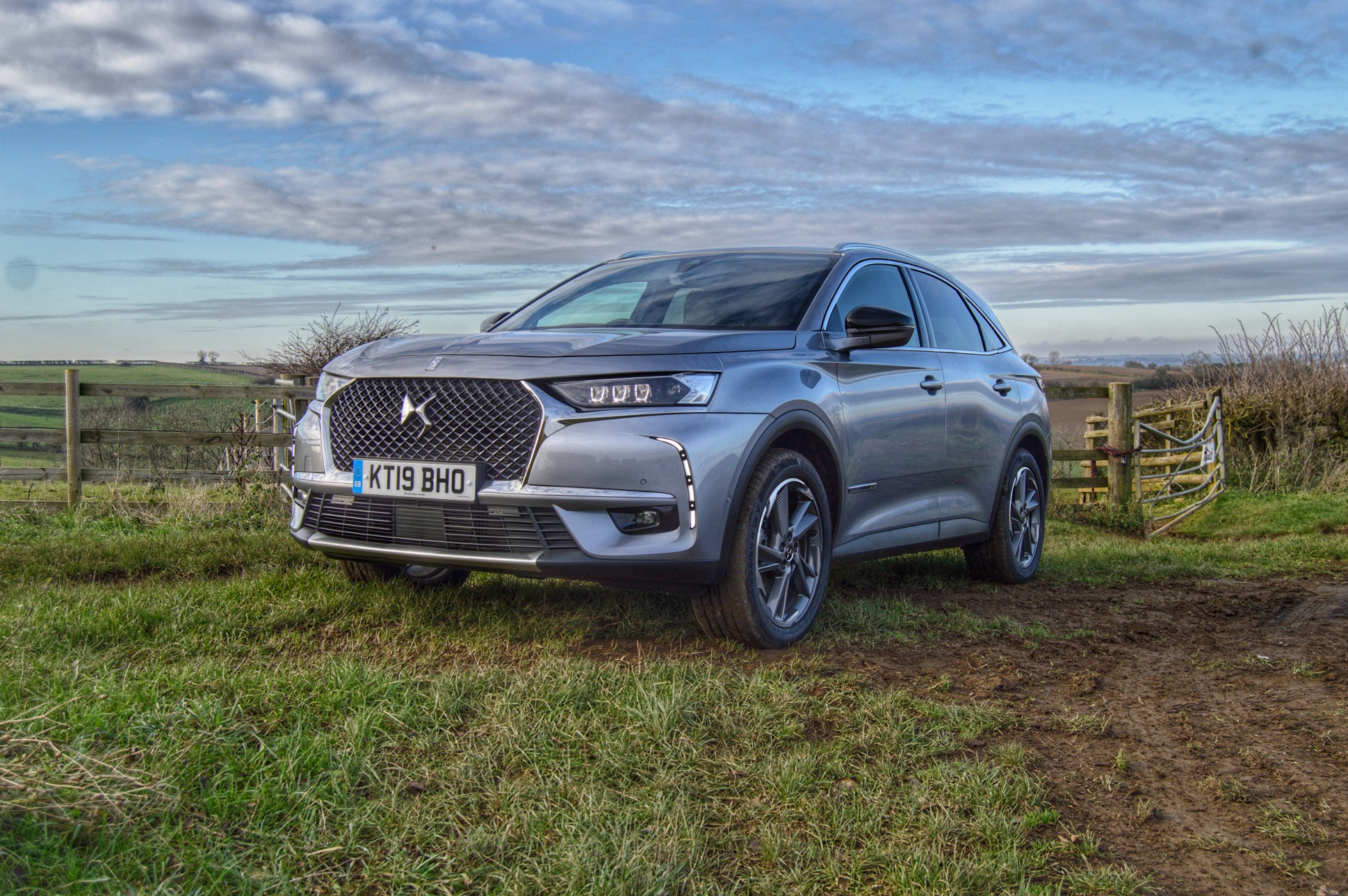
  • CAR REVIEW | DS7 Crossback

    CAR REVIEW | DS7 Crossback

    Rating: 5 out of 5.

    In 2009 PSA the parent company of Peugeot Citroen and now Vauxhall resurrected the DS name. They used it to denote certain models in the range as premium: for example the Citroen DS3 Citroen DS4 Crossback. It was always part of the Citroen range, then in 2015 PSA decided that they would make the DS a stand-alone luxury brand, a halo brand if you will. 

     DS7 Crossback reviewed

    On face value, the DS7 Crossback is just a large SUV. There are a lot of them about, 5 seats, nice interior, nothing particularly unusual or special. 

    However, what PSA has allowed to happen under the DS brand, is something a bit fresh and unique, something a bit more fun. 

    They have injected some fun and style back into motoring. It’s a really lovely place to be.

    The DS7 Crossback is typically French in its ride and handling. By that, I mean French cars are renowned for having excellent ride quality and the DS7 is no exception.

    It rides very well, very supple, soaking up the bumps with ease, but at the same time it’s poised, it handles well and it turns in sharply. I don’t know how they do it, to be honest.

    This model is the Premium and sits exactly the middle of the range. It has a 1.5 litre turbo diesel engine that produces 130 bhp and 300 Nm torque, so it isn’t desperately fast but it’s perfectly adequate.

    The DS7 interior is a beautiful thing. Nappa leather upholstery adorns front and rear seats which are electrically adjustable and have a built-in massage function. 

    You will find Nappa leather on the dashboard, on the door cards and on the centre console, all with a diamond quilted pattern stitched into the leather. That diamond is a DS styling trait and you will see it repeated on the switchgear, the headlights, exterior styling, in fact all around the car.

    Headlights are fascinating. That sounds odd I know, but on the DS7 you have LED projector headlights and when you look through the headlight lens, there are three individual projectors. When you turn the car on the three individual projectors do a little dance for you. They rotate 180 degrees, one at a time, then rotate back again, ready to do their job. 

    This is not just for show, the projector headlights turn with you as you steer, shining light onto parts of the road that would otherwise have been left in darkness until you arrive. An attribute carried over from the original Citroen DS 21 way back in the ‘60s

    Why should we settle for something that is nothing more than transport? Something that is perfectly good at its job just isn’t good enough anymore, as no end of faceless, soulless, boring SUVs out there. They pretty much all do the same job and they do it very well. They’ll take you where you are going, it will be comfortable and generally reliable.

    Is this enough? I just think it’s time for us to enjoy our cars again. 

    Can’t we have something that funky, fun, chic and adventurous? Life’s too short to drive boring cars, that’s what they say, and I think DS has taken that on board.

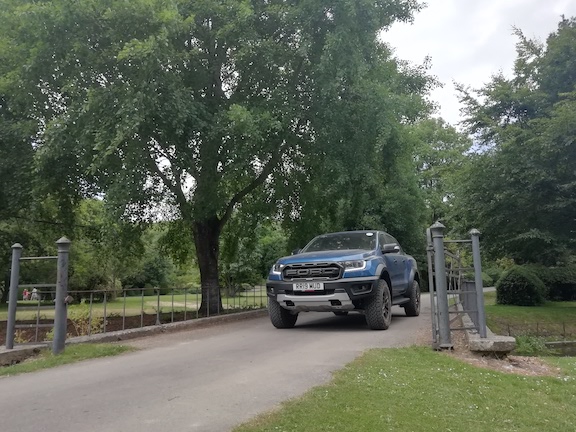
  • QUICK CAR REVIEW | Ford Ranger Raptor

    QUICK CAR REVIEW | Ford Ranger Raptor

    Toughened Up Toy Truck

    Rating: 4 out of 5.

    Ford take their Ranger workhorse pick-up and turn the volume to 11 making it into a BIG plaything. 

    Compared to the standard workday Ranger, the Ranger Raptor really is BIG. The reinforced chassis and body shell make it both imposing and rugged but does that make it massive and unyielding? 

    One thing to remember is that this is a European Raptor. It’s not the US Raptor which means it is suited to our roads and our unknown roads because it will travel well off-road.

    Off-road, its ability to cushion the ruts was astounding. The increases in height and track width playing a great part here. It all became a bit of a disappointment. Shocked by this admission, the man from Ford was intrigued by my statement and keen to find out why. The suspension soaks up the worst of the rough and smooths it like a cheesecake topping spread on a rough crumbly biscuit base.

    That capable suspension being made of linkages, coilover springs and Fox suspension systems in place of trusty but non-compliant leaf springs. It all comes together to make for a better than happy medium. 

    On-road this translates into a comfortable ride with very little road noise from the 30 plus inch wheel and purpose-built tyres with a 20 per cent strengthened sidewall. That said, push the mighty truck into a corner and you soon get complaints from the tyres.

    As is typical with a pick-up, the load bed area isn’t integrated with the main shell. This can have a detrimental effect with inertia shaking the rear end, more so when on the road than off-road. Like the main body, the bed is well bolted to the chassis.

    What doesn’t work is the engine and the 10-speed automatic gearbox. While the 10 speed is good at keeping the engine on the power band, in standard mode, it keeps it around 2500rpm. The changes are smooth and in some ways it behaves like a typical torque converter system with a bit of slush from the box. It belies the power outputs of the engine. 

    The engine, being a 2-litre turbo diesel, develops 213PS from a low 1500rpm and the 500Nm of torque is good in almost any situation. Mated to a 10-speed automatic gearbox, it has a ratio for every situation you are ever likely to encounter.

    On the road, it doesn’t quite work out as well as you’d think on paper. Power delivery is smooth but it doesn’t feel as quick as the stated 10 seconds quoted. Overtaking needs to be planned. It doesn’t quite fit in with the promise of power that you’d expect. 

    I do love a truck so performance of the 0-60 variety isn’t my thing. It’s no Ford F-150 Lightening. What I would be looking at when buying this at almost £50k as tested is its ability to go off-road but also be comfortable on-road and thankfully it does both. So it’s nice to see the inside logical, convenient and comfortable with the fit and finish perhaps a little too good for a workhorse.  

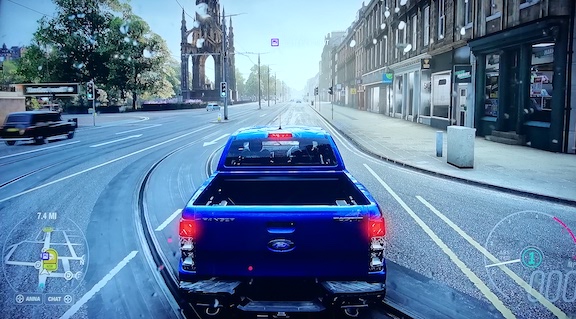
    Cheap it might not be but then most playthings aren’t these days and that’s sort of what you have here and it’s fabulous. Speaking of playthings, on its launch, computer game Forza launched the Ranger Raptor to the game. Former TGUK motoring journalist, Alan Taylor-Jones proved to be quite the whizz kid. I wasn’t. Thankfully for me, Ford doesn’t test us on computers simulators first before setting us free. If they did I might be writing this from the other side of the cabin on the comfortable passenger’s seat! 

    Love 

    The size

    Fit and finish

    Smooth on road driving

    Loathe

    The size

    Price

    Performance

    The Lowdown

    Car –  Ford Ranger Raptor

    Price – £ 48,000 (as tested)

    MPG – 24.4 mpg (combined)

    Power – 213PS

    0-62mph –  10.5 seconds

    Top Speed –  106 mph

    Co2 – 233 (g/km)

  • Quick Drive. VW T-Cross Diesel reviewed

    Quick Drive. VW T-Cross Diesel reviewed

    What Have We Got?

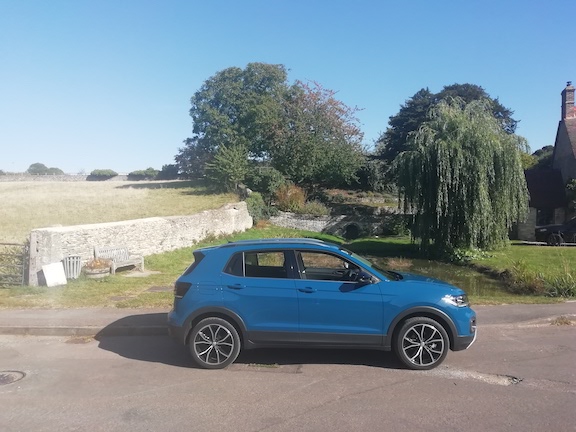
    In May, THEGAYUK was invited to the launch of the new VW T-Cross. A compact SUV corssover based on the Polo’s MQB platform. 

    We were surprised to learn that there was to be no diesel available for this model. So it was a surprise that just 5 months later, a diesel option had been added to the T-Cross.

    Has the addition of a diesel engine been worth the somewhat short wait and the extra £1675 asking price? We took one for a quick drive to find out.

    Driving

    VW have a great back catalogue with their diesel engines so I had high hopes for this T-Cross. Fitted with the 95PS 1.6 litre diesel engine, its lowdown grunt on paper looked appealing. It produces 250Nm of torque between a lowish 1500rpm to 2000rpm.

    Sadly, on the road, it just didn’t transpire in the way I had hoped for. Compared to the similar outputs of the 1 litre petrol, the diesel engine made the youthful looking T-Cross feel a little flat. It had lost its brio of enthusiasm and I couldn’t get over that disappointment.

    The chassis has great ability to carry itself well over various surfaces and the handling is more on the safe and predictable so but nonetheless, it is still worthy of piloting around with gusto. However, in having lost its jolly enthusiasm, there was little encouragement to enjoy the handling of the MQB platform in this guise.  

    Inside

    Inside, the T-Cross is the same as before. You wouldn’t expect any changes to be made this short in its production life and to be fair, there isn’t anything that needs changing. It is all useable stuff with rear sliding seat that alters the size of the boot or rear legroom.

    Depending on spec, the dashboard and fascia can be jazzed up with colour making it a rather pleasant place to be.

    The Verdict

    I’m a fan of the diesel engine. There is still a place in the market for the manufacturing of them. Not so in the T-Cross. It would seem unless outright miles to the gallon are your thing, then this will fit the bill. 

    According to the WLTP combined figures, it’ll manage 52.8. A whole 7 more than the petrol. For those 7 miles you get a great car with lacklustre performance and I can’t see the benefit of that. It’s a saving of around 2 pence per mile. If I’m to be seen as less of a villain for not liking this car, I will say that the DSG gearbox is better suited to the diesel engine than the bigger petrol option. 

    The Lowdown

    Car –  Volkswagen T-Cross 1.6 TDi 95PS DSG

    Price – £23,980 (as tested)

    MPG – 52.8mpg (WLTP combined)

    Power – 95PS

    0-62mph –  11.9seconds

    Top Speed –  112 mph

    Co2 – 140 (WLTP g/km)

  • CAR REVIEW | The ultimate gaymobile. The Queer As Folk Jeep

    CAR REVIEW | The ultimate gaymobile. The Queer As Folk Jeep

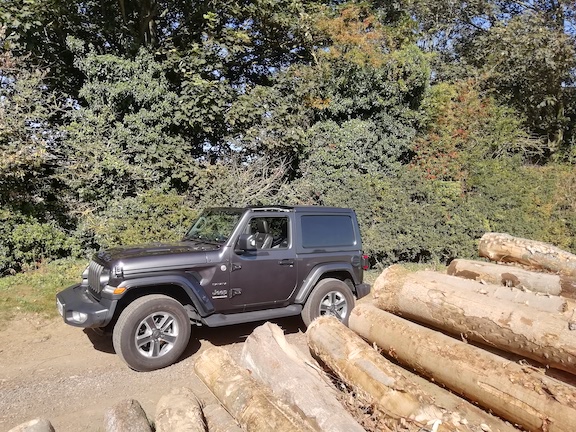
    Jeep Wrangler Sahara 2 door 2.2 Multijet-2 Nowt Queer About This.

    Bit of History.

    It has been 20 years since Queer As Folk, the groundbreaking Channel 4 show, hit our screens with a bang bigger than that from the pounding headache you’d get the next morning from sniffing all those poppers on the dance floor of The White Swan in the East End. 

    It was the first mainstream show that depicted gay life, cruising, pick-ups, recreational drug taking (with a tragic ending for one) and rimming. The first series opened up more than your eyes. The second series was a bit or a let down, so let’s remember the start and the stars that were made.

    What Have We Got?

    Apart from projecting Aidan Gillen, Craig Kelly and Charlie Hunnam into the hights of recognisable TV stars, there was also stared another star. A star that really did get bashed in the rear doors. I’m talking about the 1995 Jeep Wrangler. 

    Overnight, the short wheelbase Wrangler was thrown under the gay spot light and garnered a reputation as being a bit of a gays car. Wrong or right, who can tell. I couldn’t back then. I was 20 and didn’t really have much of a car history underneath me.

    So we at The Gay UK take on Jeeps smallest offering for a cruise around the streets of Surrey to find out if it’s any good as a daily city cruiser.

    Driving

    You must remember, as a tarmac driver, the Wrangler isn’t built for handling. Push it too fast into a corner and it will complain with tyre noise and understeer. On-road performance isn’t what you’d buy this kind of Jeep for. 

    Ride is a pleasant mix of body shake and exaggerated articulation. It takes a bit of getting used to before you become accustomed to its ways. It’s not unpleasant and surprisingly supple on most surfaces. 

    This suppleness and body isolation is thankfully there when on the motorway. At high legal speeds it’s very comfortable. Surprisingly more so than you’d thing and at speed, the wobble and float from the way the suspension works, doesn’t make it feel unwieldy or tiresome.

    Fitted with a 2.2 turbo diesel mated to an 8 speed automatic, it makes easy work of most situations with 450Nm of torque available at 2000rpm. On and off the road that figure means it has all its power almost ready whenever the throttle is pressed. 

    Off-road usability is second to none. That is what has made Jeep an off road force to be reckoned with. This Jeep will wade water up to 760mm and with a 37.4 degree approach angle, it is usefully greater than that of the rears, meaning you won’t find yourself bottoming as you come out of your sticky situation.  

    Inside

    For a utility vehicle, built to be exposed to the elements, both inside and out, you find the cabin appointed in luxurious feeling soft touch materials where it matters. You get electric front windows, air conditioning, heated leather seats and reversing camera to name the name luxuries. All great. 

    You also get tiny footwells up front and even less space in the rear for feet. The rear seat is a bit excessive because it’s not really that useful. 

    Living With It

    For me, with little use for a 4WD but loving the look, I’m willing to overlook its problems. You soon learn to ignore the wind noise when driving with the roofs off at motorway speeds.

    The boot is all but hopeless with just over 200 litres of space. Take the front roof panels off and you can kiss that space good-bye. And even with the rear seats folded, it is still no where near as useful as say a small hatchback like a Fiesta.

    What is a boon in this short wheel base, is parking. It’s short wheelbase makes it one of the easiest big car to park. And because it’s clad with a bench for a front bumper and the usual appendages you expect to find on a Jeep, parking dings won’t spoil your Jeeps good rugged looks.  

    The Verdict

    You shouldn’t like it. It’s heavily flawed in many areas and yet it’s excellent to cruise around in.  Which is surprising because the way it lurches around with a body that doesn’t feel connected to the chassis, it does make it remarkably comfortable. 

    The Wrangler is anything but queer. Give me a metallic brown one with a gold eagle on the bonnet and I’m sold. So that pretty much answers would I recommend one!

    Love

    Rugged good looks

    Ride quality better than you’d think

    Economy

    Loathe

    Zero boot space

    Zero rear leg room

    Zero front foot well space

    The Lowdown

    Car –  Jeep Wrangler Sahara 2 door 2.2 Multijet-2

    Price – £46,940 (as tested)

    MPG – 37.7 mpg (combined)

    Power – 200bhp

    0-62mph –  8.9 seconds

    Top Speed –  112 mph

    Co2 – 198 (g/km)

    PHOTOS: Ⓒ Stuart M Bird

  • CAR REVIEW | Fiat Doblo Maxi Cargo Sportivo

    CAR REVIEW | Fiat Doblo Maxi Cargo Sportivo

    ★★★★ | Fiat Doblo Maxi Cargo Sportivo, Sports Delivery

    What Do We Have

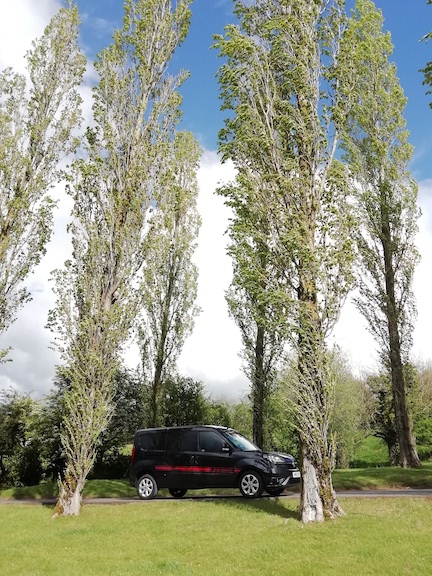
    Here we have Fiat’s Doblo Maxi Cargo Sportivo van. Maxi Cargo because it has been built on a lengthened chassis and Sportivo because it has some fancy go faster stripes along the side. 

    To me, it’s a sort of throwback to the ’70s when people made their vans look a little more sporty and less utilitarian.

    But does that ageing 70’s vibe resonate into today’s Doblo van?  A van, in its current form, that has been with us for the past 9 years. THEGAYUK took one out for a spin at a recent Fiat range review.

    Driving

    Some time ago, I wrote a Good, Bad and Ugly on the 2005 – 2009 Fiat Doblo. I said the Doblo was a good van and some 10 years after that one ended production, the current one available is as good with just about the same amount of Fiat style as the last.

    As an unloaded van, you would be right to imagine that the handling was on the light side. That said, there was no excessive bouncing coming from over your shoulders.

    The engine, 120hp turbo diesel unit pumps out all its power around a useful 3750rpm. Max torque of 320nm is at a relatively high 1750rpm. In practice, this means that you have to keep the engine slightly in the noisy area to get the most from the performance. And you’ll want to do this because as vans go, the Doblo can be rather engaging to hustle around.

    Inside

    The cabin is the usual mix of cubby hole and storage bins all set into sturdy wipe-clean plastic. It seats 2 on what are rather comfortable seats offering good support. The passenger seat comes with a storage bin underneath.

    The driving position is still the same as the old model with ankle position not being the most comfortable. Thankfully, all minor and major controls are readily to hand and easy to use.

    Living with it

    Twin side sliding doors give access to the rear area and an added bonus is the fully wooden-clad cargo area which keeps it clean. Access through the rear of the van is the usually twin rear doors with a 40/60 split that open at both 90 degrees or 180 degrees. Convenience is also aided with remote central locking on all doors.

    The payload is on par with this size of van at just over the 1-ton mark.

    Verdict

    As small vans go, the Doblo Sportivo offering from Fiat could be purchased as your one and only car if, like me, you like vans.

    Equipment levels are generous and Fiat fit a host of safety and convenience features as standard. Colour coded bumpers might be stylish on your car, but can become somewhat of an eye-sore with a hard used commercial vehicle prone to being knocked around. Thankfully there are reverse sensors that can offer some protection for the rear bumper.

    What is nice to see is standard cruise control fitted though it doesn’t have adaptive cruise.  Along with electric front windows, it also comes with heated and folding door mirrors.

    Love

    Sporty looks

    Standard specification

    Driving engagement

    Loath

    Clutch pedal position

    Economy not as good as the competition

    Dull interior

    The Lowdown

    Car – Fiat Doblo Maxi Cargo Sportivo 1.6 Multijet-2

    Price – £20,640 (as tested)

    MPG – 54.3

    Power – 120hp

    0-60 – UA

    Top speed – 105mph

    Co2 – 135g/km

  • Isuzu D-Max XTR – an extreme lifestyle

    Isuzu D-Max XTR – an extreme lifestyle

    Isuzu is the oldest Japanese commercial vehicle manufacturer. They’ve been manufacturing vehicles since 1916. 

    In the UK they are known for their tough, hardworking, dependable commercial vehicles, predominantly pickups.

    In recent years become more practical, more comfortable and nicer to drive. This was helped by the continually increasing company car users tax bills and the fact that a pickup is a commercial vehicle and as such, attracts a low, flat rate of tax for the user.

    This has led to a whole new category being spawned; lifestyle.

    A lifestyle pickup is a vehicle that is like a luxury 4×4 inside but has the practicality of a pickup. Just about every manufacturer has a toe in this water and has a lifestyle variant in their range. 

    Isuzu have a couple of contenders that fall into the lifestyle arena; the awesome D-Max AT35 Arctic truck and the D-Max Blade.

    The AT35 is really the top of the tree, and too extreme for most, whilst the Blade is very nice, very well engineering with great driving manners and equipment if a bit subtle. 

    To capitalise on the lifestyle sector, Isuzu has created their secret weapon. It’s called the XTR. 

    This is a UK exclusive model and is aimed squarely at those customers who like to personalise and modify their trucks. Aftermarket modifications are a big thing with many customers opting for wide arches, sidesteps, suspension modifications and much more. As a result, there are now a plethora of companies that offer drive in, drive out services. 

    Think of Isuzu’s XTR as a factory modified truck. That means that all of the components used are certified, tested, safe and warrantied. 

    I was invited to test the XTR on the UK launch……and test it I did.

    Our first leg was a 20-minute road drive to familiarise us with the truck. I’ve driven quite a few pickups and love them. Generally, they offer the road manners of a 4×4 but with the practicality of a pickup. Gone are the days of a harsh, utilitarian work tool. 

    We arrived at the first off-road section in the pouring rain.  This was a wood somewhere in North Wales. 

    Now, I’ve done a bit of off-roading over the years but this was another level. 

    We were guided through a very serious and challenging off-road route that took the XTR to, and past, its limits. 

    Rain had pounded the track making it a treacherous and precarious route. 

    We experienced everything from inclined, hairpin turns that lifted wheels, to fallen trees and hidden tree stumps that threatened to break the axles. Deep mud and pools of water meant that grip was hard to find and the XTR slipped and slithered along the track, often in mud so deep it was resting on the sturdy side steps. 

    With patients, technique and guidance, we made it through, demonstrating very well how unbelievable this thing is off-road. 

    From the woods, we headed to an old quarry for a different kind of off-road experience. 

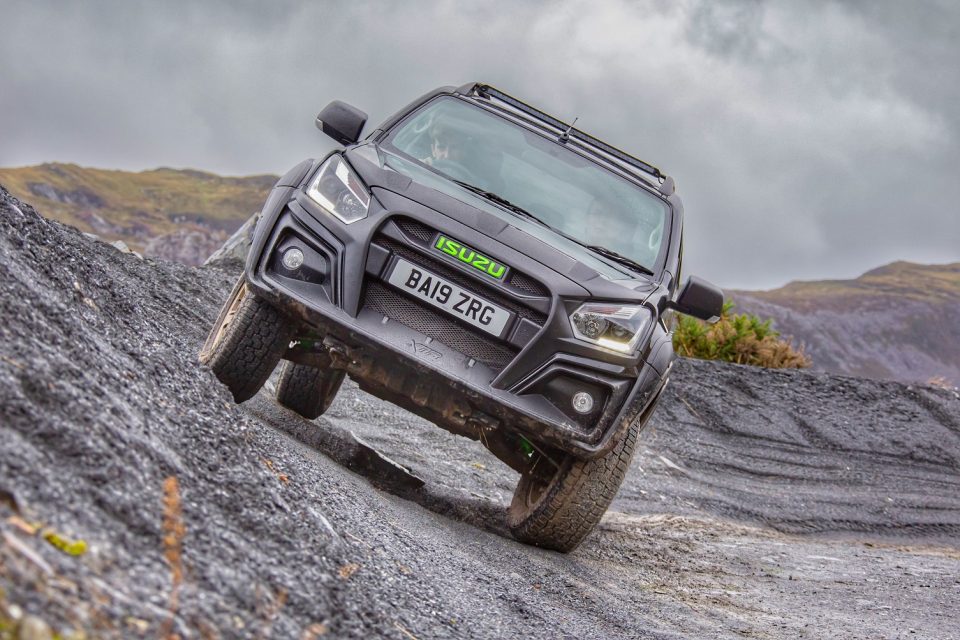
    This was an old slate quarry so slippery, and with a surface that moved and changed as you travel over it. Large rocks, small sharp shards of slate and everything in between. Here we traversed some very steep inclines and declines that really tested the hill descent, off-road traction control and low range gearbox to the limit.

    Some of the drops were so sleep I had to brace myself against the windscreen while the rear axle went light. 

    I can honestly say the off-road capability of the D-Max XTR is incredible. It left me speechless (apart from several expletives I won’t mention here). 

    I mentioned before that Isuzu’s XTR is here to compete with the aftermarket custom builders. In this sector Image and customisation are key. Isuzu has met these objectives head-on with sophisticated and aggressive styling, Increased capability and bespoke specification. This is a factory custom pickup with handpicked custom and performance parts. 

    Externally there is an aggressive body kit consisting of a front bumper guard, bonnet protector, headlight surrounds and big wheel arch extensions.

    A new rear bumper and light frames and raptor coated tailgate spoiler. Decals are optional but I like them and the bigger the better. There are also some cool, unique and durable new side steps.

    Isuzu has carefully selected some very cool and serious upgrades for the XTR; Pedders lifted suspension and brakes with green springs and callipers, a new rear anti-roll bar and vented and slotted front brake discs with kevlar ceramic pads. 

    The longer suspension articulation means they had to design a new top wishbone to ensure the geometry worked. 

    It’s this kind of engineering that sets the XTR apart from aftermarket modified vehicles.

    The suspension is set up with springs and shock absorbers tuned for a more comfortable and refined ride. 

    17” bespoke XTR alloy wheels wrapped in 32″  Pirelli Scorpion™ all-terrain plus tyres do a brilliant job on and off-road.

    Inside there are leather and suede bespoke XTR heated seats, infotainment system and everything you would expect from a luxury SUV. It’s a lovely place to be.

    It’s no secret that I’m a fan of a good pickup. I really like the way they drive, you feel safe and people give you room. You’re not constantly pressured and bullied by other road users. 

    The XTR is well equipped, incredibly capable, it looks fantastic and is well priced, starting at £33,999 CVOTR.

    You can have a manual or auto. I prefer manual off-road but auto on the road. 

    Isuzu has created a secret weapon for sure here. It’s a serious piece of kit and I expect will sell very well. It deserves to.

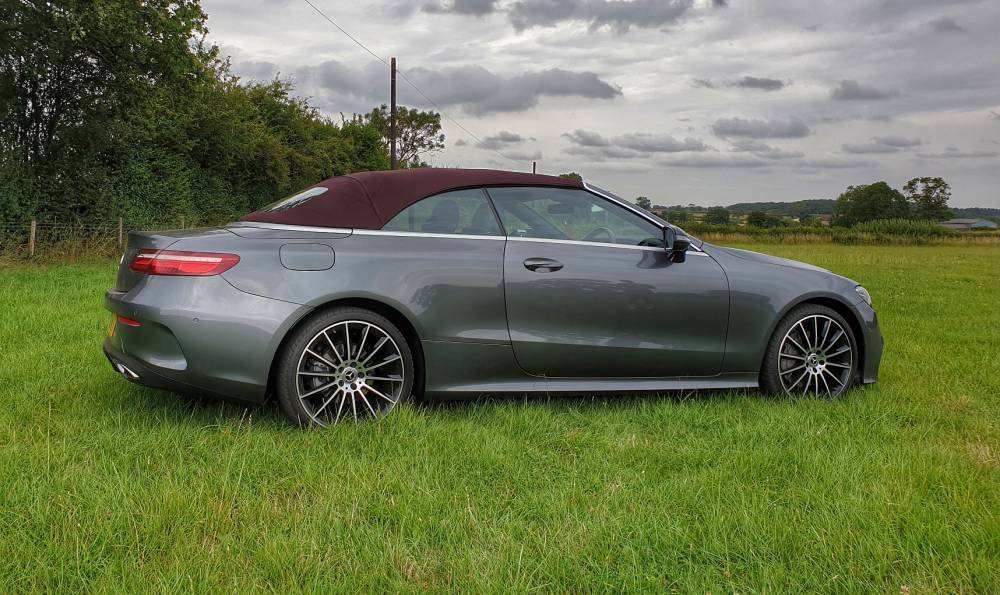
  • CAR REVIEW | Mercedes E220d convertible AMG line

    CAR REVIEW | Mercedes E220d convertible AMG line

    ★★★★★ | Mercedes E220d convertible AMG

    Mercedes are masters at creating luxurious and stylish convertibles. They have a long and distinguished history of making beautiful and timeless convertible cars.

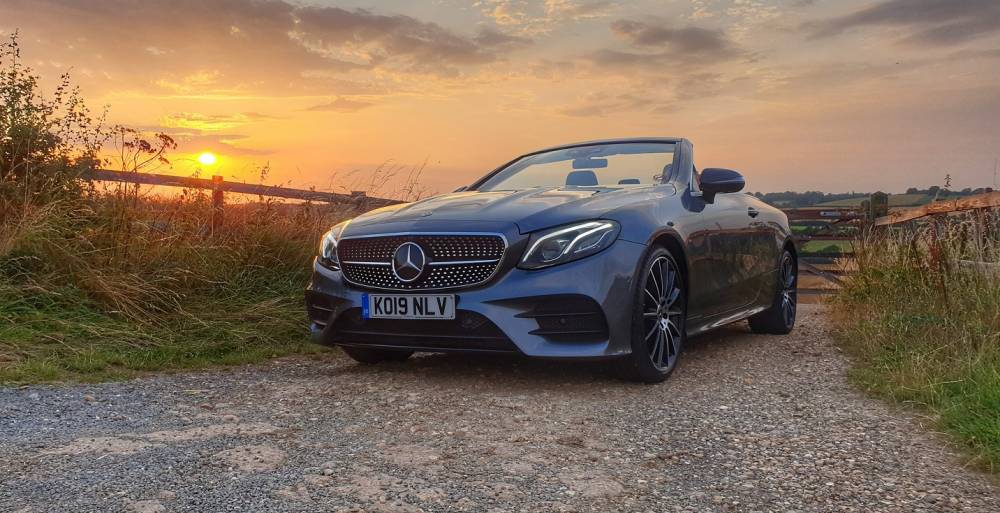
    One of their latest is the E Class convertible. We were fortunate to have been given an E220d AMG line recently for a week of effortless and stylish cruising in the lap of luxury.

    Mercedes currently offer 3 convertible models. The C class, E Class and S class. The E Class sits right in the middle with a starting price of £45,960.

    Our test car was the E220 convertible diesel, which means it was powered by a 2.0-litre diesel engine producing 194 hp and 400 Nm. 0-62 mph takes 7.7 seconds and the combined mpg is quoted as 57.7 mpg. I wouldn’t dispute this, it was great on fuel, particularly at motorway speeds. For the company car users, the E220d emits 126 g/km of CO2.

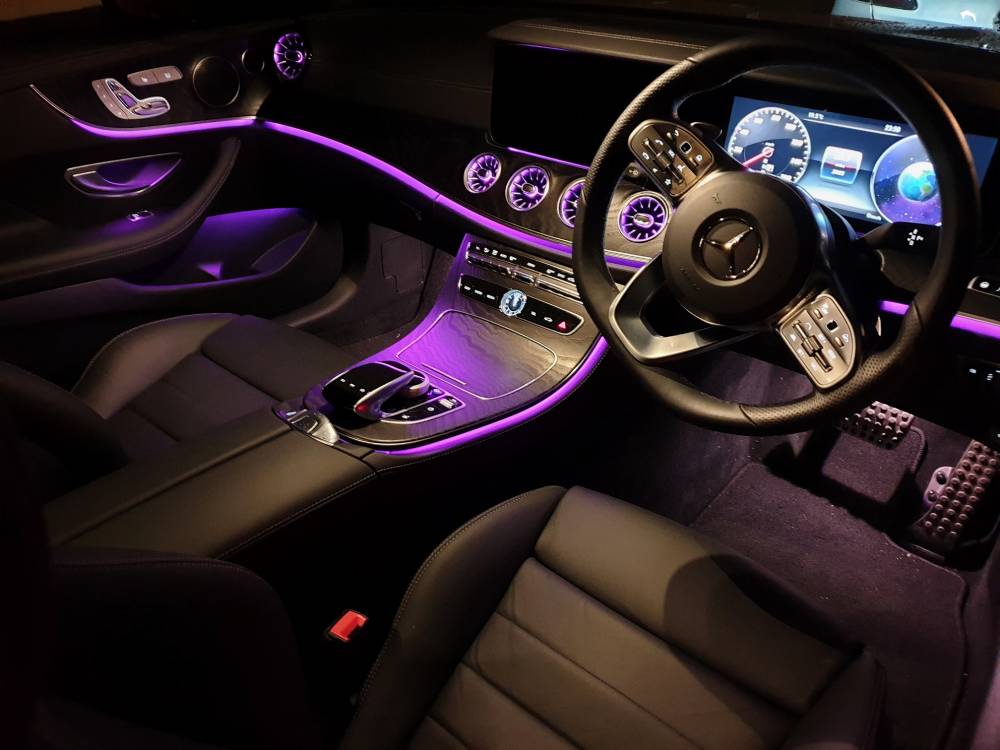
    A modern Mercedes is a very nice place to be and with ours being the AMG line with a few of the optional packages ticked; Premium package, parking package, driving assistance package, night package.

    It was very well equipped and particularly well appointed car. 

    Premium package includes; memory package (Memory package allows the driver’s seat, front passenger seat, steering column and exterior mirrors to all be electrically adjusted & stored), parking package (searches for a suitable parking space for you and then helps you with accurate parking) including 360° camera, comand online (media interface, widescreen 12.3-inch cockpit display and touchpad), multibeam led intelligent Light System (To ensure the best possible vision, the LED Intelligent Light System adapts automatically to the prevailing weather, light and driving conditions) and wireless charging. 


    We also had the benefit of the driving assistance package, including: active brake assist, active distance assist distronic, active speed limit assist, active lane keeping assist, evasive steering assist and pre-safe plus (initiates occupant protection measures if a rear-end collision is imminent).

    Our car was the AMG line and in addition to the AMG bodystyling had the night package, which included: 20-inch multi-spoke alloy wheels painted high-gloss black with high sheen finish, diamond radiator grille with integral, Mercedes‑Benz star and a single louvre and some high-gloss black exterior highlights. 


    A really neat feature of the E220d Cabriolet AMG line is the way the multi-layer acoustic fabric roof can be folded down on the move. It can be operated at speeds up to 31 mph and opened or 

    closed in just 20 seconds. It’s great if you’re in traffic and the weather takes a turn for the worst.

    Mercedes airscarf neck-level heating and aircap are standard on this car and another welcome feature for when the sun doesn’t have his hat on. 

    How does it drive? 

    There are a few engine options across the range; In the diesels the E220 that we had, had the 1,950cc, 4-cylinder diesel which produces 194hp/143kW. There’s also a 2,987cc, 6-cylinder diesel producing 340hp/250kW in the E400

    In petrol form there’s a 1,991cc, 4-cylinder petrol engine producing 245hp/180kW in the E300 or 299hp/220kW with EQ Boost of 14hp/10kW in the E350, and a 2,996cc, 6-cylinder petrol producing 367hp/270kW in the E450. If this doesn’t quench your thirst for power, there’s a 2,999cc, 6-cylinder petrol, 435hp/320kW with EQ Boost of 22hp/16kW in the AMG E53 4MATIC+.

    Our test car also had the the excellent 9G-TRONIC PLUS 9-speed automatic gearbox which was great, particularly when cruising and so smooth.

    Mercedes make beautiful cars with stunning interiors and this is no exception. Our AMG line car had a black artico leather/dinamica microfibre upholstery and black open-pore ash wood trim on dashboard and centre console. Brushed aluminium highlights and accents such as the air vent nozzles, door handles and seat controls.

    Ride and handling are superb as you would expect. The AMG line has AMG ride control sports suspension, based on air body control air suspension. The multi-chamber air suspension system with a sporty spring/damper set-up continuously adjusts damping to ensure excellent driving dynamics and a high level of ride comfort. 

    In combination with AMG dynamic select, three pre-set modes (Comfort, Sport and Sport+) are available to deliver a tailored driving experience. 

    In summary, the E220d convertible is a beautiful, stylish and very well engineered car. It’s great to drive, looks amazing and is a practical 4 seat car with the added bonus of being a stunning convertible when you want it to be.

    Prices for the E class convertible start at £45,960.00

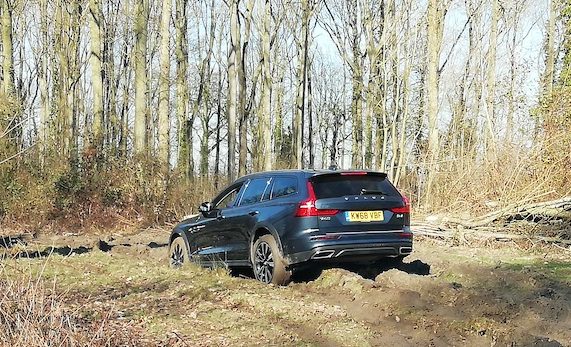
  • CAR REVIEW | Volvo V60 Cross Country

    CAR REVIEW | Volvo V60 Cross Country

    ★★★★ | Volvo V60 Cross Country, Volvo’s Luxury Woodland Cruiser

    What have we got?

    Hot on the trail of the newly launched Volvo V60 range, Volvo launch their new “life style” version for those who need a bit more from their estate. When we say more, we mean an added ability to go off the beaten track and into places unknown.

    But has Volvo just jacked up the V60 by 60mm, clad it with some plastic and given it a 4 wheel drive system to make this Cross Country a viable off-roader? THEGAYUK went to find out.

    Driving

    One thing that impresses with the Cross Country is its ability to ride remarkably well on the road. The trouble with raising cars is it tends to at the detriment to the on-road handling dynamics. It’s no R-Design in driving style but then it was never supposed to be. On the road, it had a reasonably good blend of comfort. That increase in height allowing perhaps just a little more suspension travel to compensate. 
    The 187bhp D4 diesel engine spreads the torque power well to the driven wheels through an 8-speed automatic box. Over 25mph, the system automatically selects the front-wheel drive.

    The XC60’s off-road capabilities are more impressive. Considering these were fitted with on-road tyres, they had the ability to climb a reasonably wet hill with surprising vigour. Hill descent also showed up no nasty surprises either. Locking wheels were attended to by a system with rapid-fire adjustments.

    It has to be said that road tyres will give limited adhesion in the most arduous conditions but Volvo dealers are able to upgrade you to a more suitable off-road rubber should you wish. 

    Inside

    The inside of the V60 Cross Country is identical to the standard V60. In this guise, we had blond leather (probably not the best in a mud plugger), silver trim and quality materials. All adding to the premium feel that Volvo has headed into. It is a class-leading layout that feels a bit like home.


    Living With It

    As with the standard V60’s, there is very little to dislike about it in Cross Country guise. It does all that you would expect a Volvo V60 to do. The boot is the largest in its class and the cabin is nicely made. It just happens to be able to do something else.

    However, it does have its limitations. You need to be aware of the surrounding environment. Doing something stupid, and we mean REALLY STUPID in the V60 Cross Country, will get you stuck in the mud. Read that as: pilot it straight into a muddy bog and it comes to a stop!

    That said, my co-pilot and I almost did get it stuck fast. In typical ‘Gun-Ho’ style we floored it out of what caught out the car in front.  

    Get it stuck and it will result in a long possible overnight stay in the car while you wait for a man in a Land Rover to come and get you. Be sensible and realistic and you’ll be surprised at where this car can take you off the beaten track. Thankfully the cabin on the V60 is spacious and comfortable and the rear load area long enough to accommodate two sleeping bodies.

    Verdict

    This won’t be the big seller of the V60 range. Volvo even predicts it won’t be especially when there are the 3 popular XC ranges within the Volvo family.

    So has this been worthy of all the development hassle? Yes, it has. It uses XC60 architecture so development has already been carried out and proven. What this is then is a car that still shows Volvo have the ability to make an elegant estate design for those who don’t want a large SUV but need to get away from it all.

    It just seems a shame, that such a beautifully designed estate car will be used to get muddy. Then again, you can’t have your cake and eat it.

    Love

    The design

    Ride and handling

    Cabin space

    Loathe

    Infotainment can be fiddly

    Starting and drive mode buttons look gaudy

    Predicted depreciation highest in the range

    The Lowdown

    Car –  Volvo V60 Cross Country

    Price – £38,300 (starting from)

    MPG – 45mpg (combined)

    Power – 190bhp D4 diesel

    0-62mph –  7. 6 seconds

    Top Speed – 130 mph

    Co2 – 143 (g/km)